First Human Cases of Bird Flu Strain Detected in Russia

6 hours ago

By Chelsea Pinkham

An industrial chicken farm.

Lead Image Source : pipicato/Shutterstock

Support OneGreenPlanet

Being publicly-funded gives us a greater chance to continue providing you with high quality content. Please support us!  Support Us

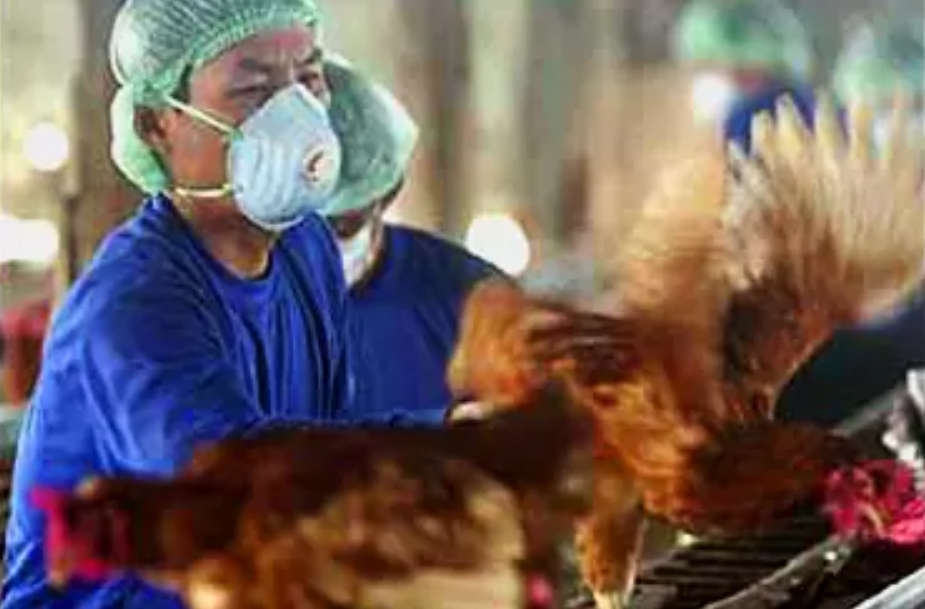
The first cases of H5N8 bird flu have been detected in humans, and although there is no known evidence of transmission person-to-person, it serves as an unnerving reminder of disease outbreaks on crowded, unsanitary factory farms. This strain of bird flu is extremely contagious and lethal to birds, but the seven affected human patients in Russia have been reported as asymptomatic. The cases all occurred in farmworkers exposed to birds on the job.https://www.youtube.com/embed/6bv_LHc8Ujk?version=3&rel=1&showsearch=0&showinfo=1&iv_load_policy=1&fs=1&hl=en-US&autohide=2&wmode=transparent

Source: ThePrint/YouTubeAdvertisement

Anna Popova, head of Russia’s Federal Service for Surveillance on Consumer Rights Protection and Human Wellbeing, stated that the early warning “gives us all, the entire world, time to prepare for possible mutations and react in an adequate and timely fashion.”

Disease outbreaks on modern farms are not uncommon, as genetically similar animals kept in close quarters are likely to spread illness fast. Unsanitary conditions can cause animals to fall into respiratory distress easily, and dead animals can serve as vectors for an array of illnesses. Drug-resistant bacteria known as “superbugs” have become an increasingly worrisome issue on farms across the world, as animals living in subpar conditions often require antibiotics to stay alive.

This in-depth 2016 Scientific American article explains why crowded modern farms are host to a plethora of contagious ailments, from MRSA to enterococci, a group of bacteria known to cause over 20,000 infections in humans annually. As the article states, in 2014 pharmaceutical companies sold nearly 21 million pounds of medically important antibiotics for use in animals raised for food, over three times the amount sold for use in humans.

“Resistant bacteria that food animals carry can get into a variety of foods,” states the Center for Disease Control on an informational webpage about antibiotic use in farmed animals. “Meat and poultry can become contaminated when the animals are slaughtered and processed. Fruits and vegetables can become contaminated when resistant bacteria from animal feces (poop) spreads to them through the environment, such as through irrigation water or fertilizers…illnesses that were once easily treatable with antibiotics are becoming more difficult to cure and more expensive to treat.” Advertisement

In 2017 the World Health Organization issued a statement advising that commercial farming operations stop routinely administering antibiotics to healthy animals, citing an increasing threat to human health. “Over-use and misuse of antibiotics in animals and humans is contributing to the rising threat of antibiotic resistance,” the statement reads. “Some types of bacteria that cause serious infections in humans have already developed resistance to most or all of the available treatments, and there are very few promising options in the research pipeline.”

The ongoing COVID-19 pandemic has been a sobering reality check to the risk of disease outbreaks and serves as a call to action for humanity. As long as animals exist on crowded and unsanitary factory farms, antibiotic resistance and disease spread will remain a dire public health risk. The evidence is clear; raising animals for food by the masses is deeply detrimental to both animal welfare and human health, and only a drastic food system reform can bring about change.Advertisement

Sign this petition to encourage Congress and the Senate to pass the Preventing Future Pandemics Act!Urge Congress and the Senate to Pass the Preventing Future Pandemics Act

Russia reports first human cases of H5N8 bird flu

https://www.bloomberg.com/news/articles/2021-02-20/russia-reports-first-cases-of-h5n8-bird-flu-in-humans-kldwj8sh

Avatar

Published 1 day ago


on February 20, 2021

ByBNO News

File photo (Credit: OIE)

ADVERTISMENThttps://1cfbbfa777c779f35fffbc87baf52a27.safeframe.googlesyndication.com/safeframe/1-0-37/html/container.html


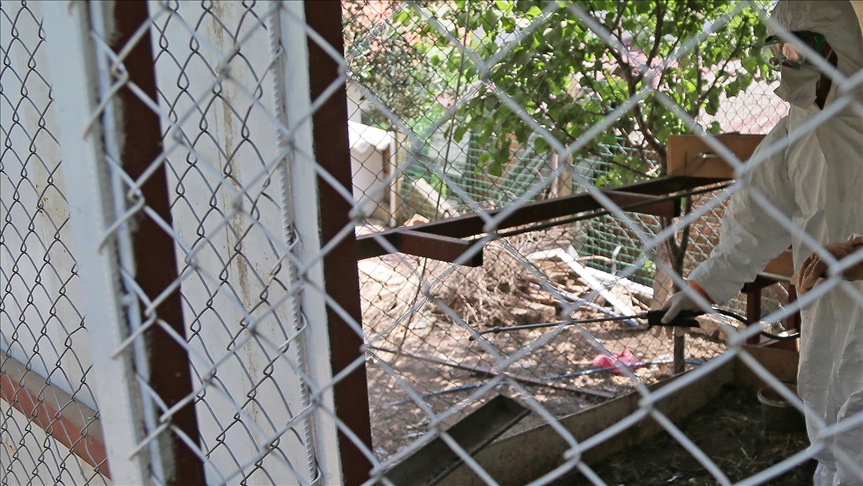
Seven people at a poultry farm in southern Russia have been infected with H5N8 bird flu, officials say, making it the first time that the highly pathogenic virus has been found in humans. There is no evidence of human-to-human transmission.

“Today, I want to inform you about an important scientific discovery made by scientists at the Vector scientific center,” Anna Popova, the head of Russia’s consumer health watchdog, said on Saturday. “The first cases of human infection with [avian influenza A(H5N8)] have been laboratory confirmed.”

The virus was found in seven employees at a poultry farm in southern Russia, where outbreaks of H5N8 were reported in the bird population in December 2020. Popova described the human cases as “mild,” according to the Interfax news agency.

“The virus can be transmitted from birds to humans, it has overcome the interspecies barrier,” Popova said. “As of today, this variant of the influenza virus is not being transmitted from person to person. Only time will tell how quickly future mutations will allow it to overcome this barrier.”


ADVERTISMENThttps://googleads.g.doubleclick.net/pagead/ads?guci=2.2.0.0.2.2.0.0&client=ca-pub-5612069200800828&output=html&h=250&slotname=3363636700&adk=1761723099&adf=864646117&pi=t.ma~as.3363636700&w=300&lmt=1613934095&psa=0&format=300×250&url=https%3A%2F%2Fbnonews.com%2Findex.php%2F2021%2F02%2Frussia-first-human-cases-of-h5n8-bird-flu%2F&flash=0&wgl=1&dt=1613934094603&bpp=11&bdt=2344&idt=881&shv=r20210211&cbv=r20190131&ptt=9&saldr=aa&abxe=1&prev_fmts=0x0%2C1123x280&nras=1&correlator=7147899621760&frm=20&pv=1&ga_vid=2109233644.1613934094&ga_sid=1613934095&ga_hid=1357983968&ga_fc=0&u_tz=-480&u_his=1&u_java=0&u_h=640&u_w=1139&u_ah=607&u_aw=1139&u_cd=24&u_nplug=3&u_nmime=4&adx=261&ady=1797&biw=1123&bih=538&scr_x=0&scr_y=0&eid=44735931%2C21068084%2C21068769%2C21068893%2C21068945&oid=3&pvsid=4342791699074456&pem=824&ref=https%3A%2F%2Fwww.google.com%2F&rx=0&eae=0&fc=1920&brdim=0%2C0%2C0%2C0%2C1139%2C0%2C1139%2C607%2C1139%2C537&vis=1&rsz=%7C%7CoeEbr%7C&abl=CS&pfx=0&fu=8192&bc=31&ifi=3&uci=a!3&btvi=1&fsb=1&xpc=QpDXEyTYKh&p=https%3A//bnonews.com&dtd=909


Popova said the discovery will help researchers prepare for the possibility of human-to-human transmission of the H5N8 virus. Detailed information about the cases has been submitted to the World Health Organization.

H5N8 has been found in birds since at least 1983 and outbreaks have occurred frequently since 2014, when it was found in breeding ducks in South Korea. Numerous outbreaks have been reported during the past 6 months, including in France, Germany, Italy, Spain, the UK, China, Japan, and South Korea.

“The H5N8 type influenza is regarded as pathogenic and is currently manifesting itself in a variety of ways, from asymptomatic and sub-clinical to highly lethal in some populations,” the World Organization for Animal Health (OIE) said in an update about recent outbreaks.

Human cases of H5 viruses are rare but are typically found in those who have contact with sick or dead birds.

239 human cases of H5N1 bird flu have been reported in China and Southeast Asia since 2003, killing 134 people, according to WHO. More recently, two people in China were infected with the H5N6 variant in January, causing the death of a three-year-old girl.

“Community awareness of the potential dangers for human health is essential to prevent infection in humans,” WHO said in a public health assessment for H5 viruses. “Surveillance should be continued to detect human cases and early changes in transmissibility and infectivity of the viruses.”

Algeria declares state of emergency over bird flu

OIE detected bird flu hotspot in Ain Fakroun town Tuesday

Abdurrazzak Abdullah   |10.02.2021Algeria declares state of emergency over bird fluFILE PHOTO

ALGIERS, Algeria

Algeria declared a state of emergency after World Organization for Animal Health (OIE)’s announcement of H5N8 bird flu outbreak in the country’s east, said Minister of Agriculture Abdelhamid Hamdani Tuesday. 

In a press conference, Hamdani said: “The source of this virus is migratory birds and we [Algeria] have put all regions on alert in anticipation of any emergency.”

He stressed that “the epidemic was contained in Ain Fakroun town which appeared in there.”

On Tuesday, OIE detected a bird flu hotspot in Ain Fakroun town of Oum El Bouaghi city.

Laboratory analyses revealed the spread of bird flu in the town, which infected 51,200 chickens before isolating the town.

The risk of humans potentially contracting the highly pathogenic H5N8 bird flu virus cannot be excluded, although the likelihood is low, according to the World Health Organization.

*Bassel Barakat contributed to this report from Ankara

https://www.aa.com.tr/en/africa/algeria-declares-state-of-emergency-over-bird-flu/2139509

Animal rights activists calling for halt of bird flu poultry culling

Posted : 2021-02-08 13:34Updated : 2021-02-09 09:04

1

Animal rights activists stage a protest at Gwanghwamun, Seoul, in this Jan. 25 photo, calling for a halt to the culling of poultry as a method to prevent the spread of avian influenza, saying there are other options. Yonhap

https://www.koreatimes.co.kr/www/nation/2021/02/119_303745.html

By Bahk Eun-ji

While the government has been bolstering measures to prevent the spread of avian influenza, animal welfare organizations and veterinarians are criticizing the measures ― culling poultry regardless of whether or not they have been infected.

They say culling is nothing more than animal slaughter, and vaccines for the highly pathogenic H5N8 avian flu should be introduced as a preventive measure.

According to the Ministry of Agriculture, Food and Rural Affairs, the number of chickens and ducks culled here, since last Nov. 26 when the first H5N8 case broke out, topped 25.3 million as of Feb. 3. There were 75 cases of infections nationwide.

In Gyeonggi Province alone, more than 6.8 million chicken and ducks in 83 poultry and egg farms were culled during the same period. Of these, 4.24 million at 65 farms, or 61 percent, were culled as a preventive measure although they were not infected with the virus.

The government has been culling all poultry within a three-kilometer radius of infected farms since 2018.

However, animal welfare organizations and veterinary associations are questioning whether the government’s policy is the only viable solution.

Members of 45 organizations, including the Korea Association for Animal Protection (KAAP), held a press conference in Gwanghwamun in Seoul last month, saying more than 100 million poultry have been buried underground since the very first outbreak of avian influenza here in 2003.

“Based on scientific and elaborate analysis, culling should be carried out mainly on the farms infected with the virus. As a fundamental measure to solve the problem, a vaccine for H5N8 should be introduced, just like vaccines turned out to be the fundamental solution to end the ongoing COVID-19 pandemic,” said Lee Won-bok, head of the KAAP.

“Although the country can minimize culling by using vaccines, the government sticks to culling and it seems to only be because of administrative convenience.”

Lee Sung-sik, head of the Gyeonggi Veterinary Medical Association, also said even though there is a simple test kit that can detect the virus within three hours, the government adheres to culling the animals without convincing reasons.

“It seems the authorities are hesitant out of fear of losing the country’s status as a bird flu clean zone if they use vaccines for avian influenza, but now we have to begin vaccination as the virus breaks out every year,” he said.

According to him, losing its status as a “bird flu clean zone” could result in restrictions on the export of domestic poultry and related products, and increase the possibility of allowing imports of poultry products from China, which have been banned as the country is not designated as a clean zone.

In August 2008, Korea declared itself a bird flu clean zone in accordance with guidelines set by the World Health Organization.

He also noted the biggest reason for the government’s hesitation to implement a vaccination program is fear of a virus mutation that could be deadly to humans.

Animal rights activists stage a protest at Gwanghwamun, Seoul, in this Jan. 25 photo, calling for a halt to the culling of poultry as a method to prevent the spread of avian influenza, saying there are other options. Yonhap
Culled chickens are buried near a poultry farm in Yongin, Gyeonggi Province, Jan. 21, after an outbreak of avian influenza was confirmed there. Yonhap

Virus variants can develop when vaccines are used; the H5N8 strain of avian influenza does not pose a great threat to human health, but there is a chance for a variant to develop that is lethal to humans, he explained.

“The virus is powerful enough to infect a million birds with just 1 gram,” an official of the agriculture ministry said, adding no one can predict what mutations could occur or how these mutations might affect humans.

“Despite the large number of culled birds, it should be understood as a measure to prevent greater damage,” he added.

Some other experts argued that the government’s position is understandable given that some types of avian influenza can infect both animals and humans, but claimed the government still needs to consider other options.

“We should not blindly block the introduction of a vaccine, but examine the possibility of a variant in a scientific and rational manner,” said Song Chang-sun, a professor of veterinary medicine at Konkuk University.

Bird Flu: No Chicken, No Eggs, No Problem! Expert Reveal 6 Ideas To Load Up On Protein

Consuming properly cooked poultry or eggs doesn’t transmit the bird flu. But if you are still wary, there are many vegetarian sources of protein you can toy with.

Ms Jyoti Bhatt  |  Updated: January 28, 2021 15:55 ISTTweeterfacebookReddit

https://food.ndtv.com/health/bird-flu-no-chicken-no-eggs-no-problem-expert-reveal-6-ideas-to-load-up-on-protein-2359382Bird Flu: No Chicken, No Eggs, No Problem! Expert Reveal 6 Ideas To Load Up On Protein

Bird flu is transmitted to humans through infected bird feces, or secretions from the mouth or eyes.Highlights

  • Bird flu generally affects poultry birds such as chickens and turkeys
  • Consuming properly cooked poultry or eggs doesn’t transmit the bird flu
  • But if you are still wary, there are many vegetarian sources of protein

Bird flu or Avian Influenza is highly contagious viral disease caused by Influenza Type A viruses which generally affects poultry birds such as chickens and turkeys. Many states have confirmed bird flu, and many people are shying away from eating chicken or eggs.

Bird flu is transmitted to humans through contact with infected bird feces, nasal secretions, or secretions from the mouth or eyes. Consuming properly cooked poultry or eggs doesn’t transmit the bird flu, but eggs should never be served runny. But if you are still wary, there are many vegetarian sources of protein you can toy with.

Though all the nonveg options have all 9 essential amino acids present, but one can also get the required amount of proteins from veg sources. You would have to do some mix and match to complete your daily quota. Here are some ideas:

(Also Read: Bird Flu: FSSAI Issues 10-Point Guide To Eat Egg And Chicken The Right Way)

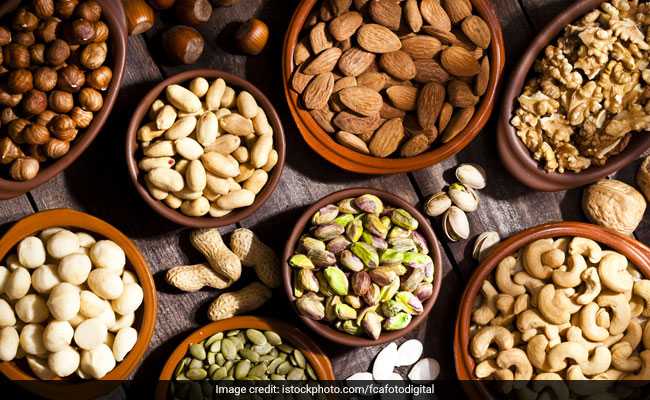
1. Load Up On Nuts and Oil seeds-

These are rich in vitamins E, B6, niacin and folate; and they provide minerals such as magnesium, zinc, plant iron, calcium, copper, selenium, phosphorus and potassium, dietary fiber.

Newsbeep

This Tea May Help You Lose Weight While Sleeping: ResearchPadma Lakshmi Cooked This In Honour Of Kamala Harris. No, Not Dosa6 Foods That Will Actually Keep You FullFinishing This 4 Kg ‘Bullet Thali’ Could Get You Royal Enfield Bullet Bike4 Foods That Can Help In Fixing Erratic Sleep PatternsPizza Most Popular Food Globally For Takeaway In 2020: ReportThis Bizarre Hack Of Cooling Pizza Is Annoying Foodies OnlineDeepika Padukone Just Revealed Her Comfort Food, Can You Guess?5 Reasons Why Sugarcane Juice Is The Green Nectar You Must Have Regularly5 Expert-Suggested Vegetables For Winter Weight Loss And ImmunityMade in Firework

They are also high in monounsaturated fats and polyunsaturated fats, low in saturated fat. They are also good sources of dietary protein, hence a good alternative to animal proteins. Some nuts are also high in amino acid arginine, which keeps blood vessels functioning smooth.

lp9vuj6

Start your day with a handful of nuts for optimal nutrient intake.

2. Do Not Miss Out On The Legumes and Pulses –

These are rich in protein, folate, fiber (both insoluble and soluble), iron, phosphorus, polyunsaturated and monounsaturated fatty acids including linoleic and oleic acids

Legumes contain several components that, when eaten as part of a balanced plant-rich diet, may help prevent the development of various chronic conditions like CVD, obesity and poor digestive health. If you are having dal, it is a good idea to combine it with rice or brown rice for your amino acid intake.

pqudjjb

If you are having dal, it is a good idea to combine it with rice or brown rice​.

3. Soya is a good idea too

Its high protein content, vitamins, minerals and insoluble fibre make soya a credible superfood. Soya bean has been transformed into a number of popular soya-based foods including:

Miso – a fermented soya bean paste that is used as a flavouring, it is popular in Asian cuisine. It is a good source of many minerals and vitamins.

Tempeh – is an Indonesian specialty typically made by cooking and dehulling soya beans and forming a textured, solid ‘cake’. It is a very good source of protein, B vitamins and minerals.

Tofu – also known as bean curd is made from soya milk by coagulating the soya proteins with calcium or magnesium salts. The whey is discarded, and the curds are processed. It is an excellent source of iron and calcium and a good source of protein. If you are switching to veganism, tofu could work as a substitute for paneer.

(Also Read: Bird Flu: Is It Safe To Eat Chicken And Poultry? Here’s What WHO Recommends)

4. Time To Try Quinoa

Quinoa seeds are gluten-free and contain all the nine essential amino acids. Yes, you heard us. 1 cup of cooked Quinoa seeds contains about 8 grams of protein, and the pseudo-cereal is also super versatile. You can use it to make quinoa pulao, quinoa biryani, upma et al.

pt8tqum8

Afraid of eating chicken due to bird flu? Try these five vegetarian foods high in protein for a balanced diet

HealthSalome PhelameiUpdated Jan 18, 2021 | 11:29 IST

https://www.timesnownews.com/health/article/afraid-of-eating-chicken-due-to-bird-flu-try-these-five-vegetarian-foods-high-in-protein-for-a-balanced-diet/708540

Mounting evidence suggests that replacing animal proteins with plant-based proteins can benefit your health in numerous ways.

Afraid of eating chicken due to bird flu? Try these five vegetarian foods high in protein for a balanced dietAfraid of eating chicken due to bird flu? Try these five vegetarian foods high in protein for a balanced diet  |  Photo Credit: iStock Images
KEY HIGHLIGHTS

  • Vegetables and fruits are an essential part of a healthy, balanced diet
  • Research has shown that replacing animal-based foods with plant-based foods lowers the risk of many diseases
  • Here are some of the best vegetarian foods loaded with protein, fibre and other essential nutrients you can add to your diet for a healthier, fitter you

New Delhi: We all know the fact that protein is an essential part of a healthy, balanced diet. Research has proven that a high-protein diet can increase muscle mass and strength, boost metabolism and aid weight loss. But who says one needs to eat poultry, beef, or fish to create a delicious and fulfilling meal? Mounting evidence suggests that replacing animal proteins with plant-based proteins can benefit your health in numerous ways, including lowering the risk of death from cancer and heart disease.

So, whether you’re trying to avoid consumption of chicken and eggs due to bird flu scare or simply want to improve your diet, swapping meats in dishes for those nutrient-dense, fresh veggies could be one of the simplest and healthiest ways to improve health and well-being. And here’s a list of vegetarian foods that are packed full of protein.

Vegetarian foods high in protein

  1. Lentils: Lentils, like beans, are chock full of protein, fibre, vitamins and minerals. One-half cup of cooked lentils contains about 1 grams of protein, which is more than the amount in a hamburger. Lentils make for an excellent replacement for meat in your diet. They are also an excellent source of B vitamins, iron, magnesium, potassium and zinc.
  2. Black beans: A diet rich in plant-based foods such as beans has been linked to a reduced risk of several serious medical conditions, including heart disease, diabetes and cancer. It can also help your body process calories more effectively. High in protein, fibre, antioxidants and other essential nutrients, black beans are another healthy vegetable swap for meat in your diet. What’s more, they are low in fat and have no cholesterol. One serving of cooked black beans (1/2 cup) can give you about 8 grams of protein.
  3. Chickpeas: Chickpeas are another legume packed full of nutrients. Apart from protein, they are high in fibre and several vitamins and minerals with a moderate amount of calories. Their health benefits range from aiding weight management to supporting blood sugar control and protecting against certain cancers. One cup of cooked chickpeas contains about 15 grams of protein.
  4. Soya beans: A complete protein, comparable in quality with animal proteins, soya beans or soybeans are high in dietary fibre and other essential nutrients like iron. They are low in fat and free of cholesterol. In fact, soy is one of the few known plant foods that have all the essential amino acids – like those found in meats. One cup of soyabeans contains about 31 grams of protein.
  5. Tofu and tempeh: Both originate from soybeans, tofu and tempeh are a complete source of protein. They also contain high amounts of several other nutrients and antioxidants that can improve health in a number of ways. They can be used in a variety of recipes such as burgers, soups, etc. Both tofu can tempeh come with about 10-19 grams of protein per 100 grams.

The bottom line is, all vegetables come with healthful vitamins, minerals and antioxidants that can help prevent or reduce your risk of disease and promote overall health. Try to add a range of veggies daily to your diet to reap as many health benefits as possible.

The next pandemic?: Bird flu spreads like wildfire across Asia

Edited By: Gravitas desk WIONNew Delhi, India Published: Jan 14, 2021, 10.11 PM(IST)

Representative Image. Photograph:( Others )FOLLOW US

STORY HIGHLIGHTS

Compulsory flu vaccination for poultry has protected China for now but the virus has still killed wild swans in the country.

Bird flu cases are growing at an alarming rate in Asia. The continent’s poultry farmers are facing an unprecedented situation. Birds are being culled and people are staying away from poultry meat. 

It is the worst such outbreak in the region’s history. From Japan to India, the deadly virus is affecting birds across farms. Millions of chickens, ducks and turkeys have been culled. Poultry prices have dropped to an all-time low.

And Asia’s farmers are staring at an unprecedented crisis. While bird flu is common in Asia during this time mostly due to migratory patterns. New strains of the virus have become more lethal. This makes countries on the flight path especially vulnerable.

In India, at least 10 states have reported cases of bird flu. Over 850 cases of bird deaths have been reported in the national capital. In Rajasthan– over 4,000 birds died because of the flu. The Uttar Pradesh government has banned poultry from other states till January 24.

In Kerala, tens of thousands of birds were culled last week. Maharashtra has detected avian influenza in crows as well. Chicken prices in India fell almost a third last week. Wary customers have steered clear of meat.

Not just India, Japan too is dealing with its worst outbreak. A quarter of all prefectures are affected. More than 3 million birds have been culled so far. South Korea also dealt with an outbreak at a duck farm. With the virus strain being similar to the one in Japan.

Compulsory flu vaccination for poultry has protected China for now but the virus has still killed wild swans in the country.

Countries like Vietnam, Laos and Cambodia have been spared for now. But continue to face risks due to the movement of goods. What makes the virus even more dangerous is its contagious nature. Infected birds have to be culled to contain the spread. But amid all this- the biggest question is can we consume poultry meat?

According to governments, there is nothing to be worried about. The World Health Organisation says it is safe. That you will be safe if you eat well-cooked meat. However, health experts are not convinced. They are concerned about a species jump. This is when a virus strain moves from one species to another. In this instance — it could be from birds to human beings.

It has happened once in 1997. While human to human transmission has not been detected yet it cannot be ruled out.

The last time, a virus jumped species tt led to the coronavirus pandemic.

Residents advised to keep clear of sick or dead birds after suspected cases of bird flu in Warwickshire

Picture – Stratford-Upon-Avon Swan Rescue

Laura Kearns15th Dec, 2020

PEOPLE are being advised not to touch sick or dead birds after suspected cases of bird flu in Warwickshire.

Cases of avian influenza were recently confirmed in swans in Evesham, and in Stratford it was reported the bodies of two swans retrieved from River Avon for analysis, had died of the condition.

Cases have also been reported across the country and closer to home have been confirmed in Herefordshire and are understood to be in Worcester and Shropshire.

Public Health England and local council bosses are urging residents and members of wildlife organisations not to touch sick or dead wild birds.

With infection numbers on the rise, Defra has declared the country as an Avian Influenza Prevention Zone to prevent the disease spreading to poultry and captive birds. This means it is a legal requirement for all bird keepers to follow strict biosecurity measures and for all poultry and captive birds to be housed.

The strain can spread to other birds, but there have been no human cases of infection reported.

While the risk to human health is considered very low, health bosses say it is vital people do not touch sick live birds or bird carcasses.

Public health England regional disease control spokesman Dr James Chipwete said: “During the last week there have been confirmed cases of avian influenza in swans in Evesham, and we are receiving an increasing number of reports of sick and dead swans in Worcester. We are awaiting results of investigations currently being undertaken.

“We know that people are concerned for the welfare of the swans, especially ensuring they are fed in these colder months, however it is important that people avoid contact with these sick or dead birds. Even though no cases of human infection have been associated with this strain of avian flu, as a precaution, anyone who was not wearing appropriate PPE while in contact with the droppings or birds in an area where the infection has been confirmed, will require close monitoring and a course of antiviral medication for 10 days from last contact with infected birds.

“We have seen a number of avian flu cases in poultry and captive birds across the country – with confirmed cases in Herefordshire last month, and suspected cases now in Warwickshire.

“People must avoid touching potentially infected birds at all costs, and if you do see any sick or dead birds by waterways or on your private land, please leave them and call the Defra helpline. In areas where the infection has been confirmed, anyone who has been in contact with sick or dead birds or their droppings, while not wearing the correct PPE, should make sure any footwear is properly cleaned and thoroughly wash their hands in soap and water. They should then notify Public Health England’s Health Protection Team to arrange for antiviral medication and active surveillance of their condition. If someone handled infected birds while wearing adequate PPE, they must still undergo surveillance.”

Call Defra on 03459 335577 or ring 0344 225 3560 to speak to Public Health England’s Health Protection Team.

Temporary travel ban this weekend to curb highly pathogenic bird flu

Updated: 2020-12-12 15:01:30 KST

http://www.arirang.co.kr/News/News_View.asp?nseq=269204

https://v.kr.kollus.com/py5JO1bo?player_version=html5+ Text Size Large / – SmallTo stop the spread of highly pathogenic avian influenza(AI), the South Korean government has temporarily banned the movement of people connected to poultry farms around the country this weekend.
A task force at the ministry of agriculture says that over 10 cases of the disease have occurred at poultry farms in five cities and provinces.
Highly pathogenic bird flu is contagious, can cause severe illness, and kill poultry.
Animals, farm owners, and vehicles from poultry farms and related facilities like feed factories and slaughterhouses have been banned from traveling.
The task force will be checking locations and can punish farm owners if they violate the law.
In the meantime, poultry farms, related facilities, and vehicles will be disinfected.

Why the 1918 Flu Pandemic Never Really Ended

DEC 11, 2020

DAVE ROOS

https://www.history.com/news/1918-flu-pandemic-never-ended?fbclid=IwAR1y33ohHyd63g5VXPkoSH5mvh5gVbpiyQHX5lrQD26dDJ36k0Un9FacH6M

An unthinkable 50 to 100 million people worldwide died from the 1918-1919 flu pandemic commonly known as the “Spanish Flu.” It was the deadliest global pandemic since the Black Death, and rare among flu viruses for striking down the young and healthy, often within days of exhibiting the first symptoms. In the United States, the 1918 flu pandemic lowered the average life expectancy by 12 years.

What’s even more remarkable about the 1918 flu, say infectious disease experts, is that it never really went away. After infecting an estimated 500 million people worldwide in 1918 and 1919 (a third of the global population), the H1N1 strain that caused the Spanish flu receded into the background and stuck around as the regular seasonal flu.

But every so often, direct descendants of the 1918 flu combined with bird flu or swine flu to create powerful new pandemic strains, which is exactly what happened in 1957, 1968 and 2009. Those later flu outbreaks, all created in part by the 1918 virus, claimed millions of additional lives, earning the 1918 flu the odious title of “the mother of all pandemics.

LISTEN: HISTORY This Week: The Deadliest Pandemic in Modern History

Deadly Virus Struck in Three Waves

https://www.history.com/player/1438417475961?autoplay=true

WATCH: The 1918 Flu Was Deadlier Than WWI

Jeffrey Taubenberger was part of the pioneering scientific team that first isolated and sequenced the genome of the 1918 flu virus in the late 1990s. The painstaking process involved extracting viral RNA from autopsied lung samples taken from American soldiers who died from the 1918 flu, plus one diseased lung preserved in the Alaskan permafrost for nearly 100 years.https://2bff80fb56695aa3a1845bcbabb4ac36.safeframe.googlesyndication.com/safeframe/1-0-37/html/container.html

Now chief of the Viral Pathogenesis and Evolution Section at the National Institutes of Health (NIH), Taubenberger explains that genetic analyses of the 1918 flu indicate that it started as an avian flu and represented a completely new viral strain when it made the leap to humans shortly before 1918. Lab tests of the reconstructed 1918 virus show that in its original form, the virus’s novel encoded proteins made it 100 times more lethal in mice than today’s seasonal flu.

The 1918 pandemic struck in three distinct waves over a 12-month period. It first appeared in the spring of 1918 in North America and Europe largely in the trenches of World War I, then reemerged in its deadliest form in the fall of 1918, killing tens of millions of people worldwide from September through November. The final wave swept across Australia, the United States and Europe in the late winter and spring of 1919.

But did the 1918 flu simply “go away” after that third wave? Absolutely not, says Taubenberger.

READ MORE: Why the Second Wave of the 1918 ‘Spanish Flu’ Was So Deadly

Virus Mutates Into Seasonal Flu

1918 flu pandemic
A man receives a shave from a barber wearing a mask during the ongoing flu pandemic, Chicago, Illinois, 1918.Chicago Sun-Times/Chicago Daily News Collection/Chicago History Museum/Getty Images

Since the whole world had been exposed to the virus, and had therefore developed natural immunity against it, the 1918 strain began to mutate and evolve in a process called “antigenic drift.” Slightly altered versions of the 1918 flu reemerged in the winters of 1919-1920 and 1920-1921, but they were far less deadly and nearly indistinguishable from the seasonal flu.

“The 1918 flu definitely lost its real virulence by the early 1920s,” says Taubenberger.

But what’s truly incredible, according to genetic analyses, is that the same novel strain of flu first introduced in 1918 appears to be the direct ancestor of every seasonal and pandemic flu we’ve had over the past century.

“You can still find the genetic traces of the 1918 virus in the seasonal flus that circulate today,” says Taubenberger. “Every single human infection with influenza A in the past 102 years is derived from that one introduction of the 1918 flu.”

Welcome to the Pandemic Era

The 1918 flu pandemic was by far the deadliest flu outbreak of the 20th and 21st centuries to date, but it wasn’t the only one to qualify as a pandemic. Even with the advent of the first seasonal flu vaccines after World War II, the flu virus has proven capable of some unexpected and deadly genetic tricks.

In a normal flu season, vaccine scientists can track the most active viral strains and produce a vaccine that protects against changes in the human flu virus from year to year. But every so often, viral genes from the animal kingdom enter the mix.

GettyImages-515581890

9GALLERY9 IMAGES

PHOTOS: Innovative Ways People Tried to Protect Themselves From the Flu

“If one animal is infected with two different influenza viruses at the same time,” says Taubenberger, “maybe one virus from a bird and another from a human, those genes can mix and match to create a brand new virus that never existed before.”

That’s what happened in 1957 when the 1918 flu, which is an H1N1 virus, swapped genes with another bird flu giving us the H2N2 pandemic, which claimed a million lives worldwide. It happened again in 1968 with the creation of the so-called “Hong Kong Flu,” an H3N2 virus that killed another million people.

The so-called “Swine Flu” pandemic of 2009 has an even deeper backstory. When humans became infected with the 1918 pandemic flu, which was originally a bird flu, we also passed it on to pigs.

“One branch of the 1918 flu permanently adapted to pigs and became swine influenza that was seen in pigs in the US every year after 1918 and spread around the world,” says Taubenberger.

READ MORE: 5 Hard-Earned Lessons From Past Pandemics

In 2009, a strain of swine flu swapped genes with both human influenza and avian influenza to create a new variety of H1N1 flu that was “more like 1918 than had been seen in a long time,” says Taubenberger. Around 300,000 people died from the 2009 flu pandemic.

All told, if 50 to 100 million people died in the 1918 and 1919 pandemic, and tens of millions more have died in the ensuing century of seasonal flus and pandemic outbreaks, then all of those deaths can be attributed to the single and accidental emergence in humans of the very successful and stubborn 1918 virus.

“We’re still living in what I would call the ‘1918 pandemic era’ 102 years later” says Taubenberger, “and I don’t know how long it will last.”

READ MORE: See all pandemic coverage here.