10,000 camels at risk of being shot in Australia as they desperately search for water

The number of wild camels in Australia has increased in recent years.

(CNN)About 10,000 camels are at risk of being shot and killed in a drought-ravaged region of Australia, after complaints that the thirsty animals are endangering locals as they desperately search for water.

Aboriginal officials in the remote northwest of South Australia approved the cull, which is due to begin on Wednesday and is expected to last for five days.
The area’s local government, Anangu Pitjantjatjara Yankunytjatjara (APY), said in a memo posted on Facebook that “extremely large groups of camels and other feral animals in and around communities” are “putting pressure on the remote Aboriginal communities” as they search for water.
“With the current ongoing dry conditions the large camel congregations threatening the APY communities and infrastructure, camel control is needed,” the note added.
The cull will see professional shooters kill thousands of the creatures, with CNN affiliate Seven News reporting that 10,000 are at risk.
Like most of the country, South Australia has been sweltering under extremely high temperatures for weeks.
Though not as badly hit as neighboring New South Wales, the state has suffered from the bushfires tearing through the country, blanketing cities in smoke and decimating native wildlife populations.
Marita Baker, an APY board member, told The Australian newspaper that her community had been inundated by the creatures as they hunt for water.
“We have been stuck in stinking hot and uncomfortable conditions, feeling unwell, because the camels are coming in and knocking down fences, getting in around the houses and trying to get to water through air conditioners,” she told the newspaper.
The APY region is in an extremely remote area of South Australia and is sparsely populated. Only about 2,300 people live in the region, which is roughly the size of the US state of Kentucky.
There are believed to be more than 1 million camels in Australia and the country’s camel population is growing rapidly.
Camels are far from the only species suffering in heat waves and wildfires.
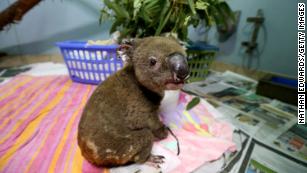
Various creatures have been found desperately approaching humans for something to drink in recent weeks, and last month a video of a koala chugging from a cyclist’s water bottle went viral.
In another grim, viral video posted on Twitter, a man drives into the fire-ravaged town of Batlow in New South Wales, filming both sides of the road littered with the charred remains of animals.
It is estimated that hundreds of millions of animals have been killed by the blazes.
Fires are nothing new in Australia, but they have been growing more intense and becoming more destructive in recent years, a problem that has been exacerbated by climate change. And animals have been on the front lines as Australia has the highest rate of species loss of any area in the world, and researchers fear that rate could increase as the fire disaster continues

Protest Cruel Ostrich Races in Omaha, Nebraska May 26!

Poster of jockeys racing camels and ostrich

Nebraska VOTES Humane will protest the Camel and Ostrich Races at Horsemen’s Park in Omaha on Sunday, May 26 from 1:30-5:30pm. Please join the protest if you can and bring protest signs.

Nebraska VOTES Humane is also urging people to call the Mayor’s hotline to protest these cruel races. According to their Facebook alert, the mayor will refer callers to the Nebraska Humane Society, but when you call the mayor, insist that the mayor’s office record and acknowledge your complaint.

Then please call the Nebraska Humane Society and urge that they monitor the races Sunday May 26 for injured birds and horses. Ostriches are not built to support the weight of a human being, and their long thin legs and large fragile eyes are vulnerable to severe injury.

Please call:

Mayor Jean Stothert’s hotline at 1-402-444-5555

Nebraska Racing Commission at 1-402-471-4155

Nebraska Humane Society at 1-402-444-7800


Facebook post protesting camel and ostrich racing

Please visit Nebraska Votes Humane on Facebook for more information and updates about the races and action against them.


For more information about ostriches and why these races are cruel and demeaning to them, visit Ostriches and read Nowhere to Hide.
 

Thank You For Taking Action!
– United Poultry Concerns