MT Sentators Host “Sportsmen’s” Town Hall

Bitterroot Valley legislators to host sportsmen’s town hall on regulation changes

HAMILTON – Two Ravalli County state senators will host a sportsmen’s town hall meeting this week on proposed changes to hunting in the Bitterroot Valley.

The meeting will be held at the Bitterroot River Inn in Hamilton on Thursday, Dec. 19 at 6:30 p.m.

Sen. Fred Thomas, R-Stevensville, and Sen. Scott Boulanger, R-Darby, will host the event.

The purpose of the meeting is to allow sportsmen to offer ideas, comments and concerns about proposed changes to the local hunting regulations, including requiring all hunters to obtain an unlimited permit to hunt elk in three of the four districts in the valley.

Other topics will include the youth cow elk season, whitetail doe seasons, hunting district boundary changes, anti-trapping initiatives and wolves.

Guest speakers include Keith Kubista of the Montana Sportsmen for Fish and Wildlife, who will address the anti-trapping ballot initiative.

Safari Club Regional Representative Jon Wemple will talk about the loss of elk hunting opportunity under the

Photo Copyright Jim Robertson

Photo Copyright Jim Robertson

proposed valleywide permit system.

……Meanwhile in Oklahoma……

local OKC hunting news:

Oklahoma deer hunters have a final opportunity to take firearm into the woods
when the 10-day holiday antlerless gun season opens Saturday in most
of the state.
Deer taken during the antlerless season are not included in the hunter’s combined season limit.
Okla. state wildlife officials encourage a high doe harvest to reduce overpopulation and improve buck-doe ratio for a more healthy deer herd.

Archery deer season continues thru Jan. 15th statewide.

The Washita National Wildlife Refuge, which is located west of Butler, Okla., still has duck blinds available for three midweek hunts this season.
This refuge offers some of the best goose hunting in the state.
All the weekend dates have been filled. However, the midweek hunts are still available.
Thanksgiving Celebration—Eat Lots, Drink Lots, Respect Little, Care Less

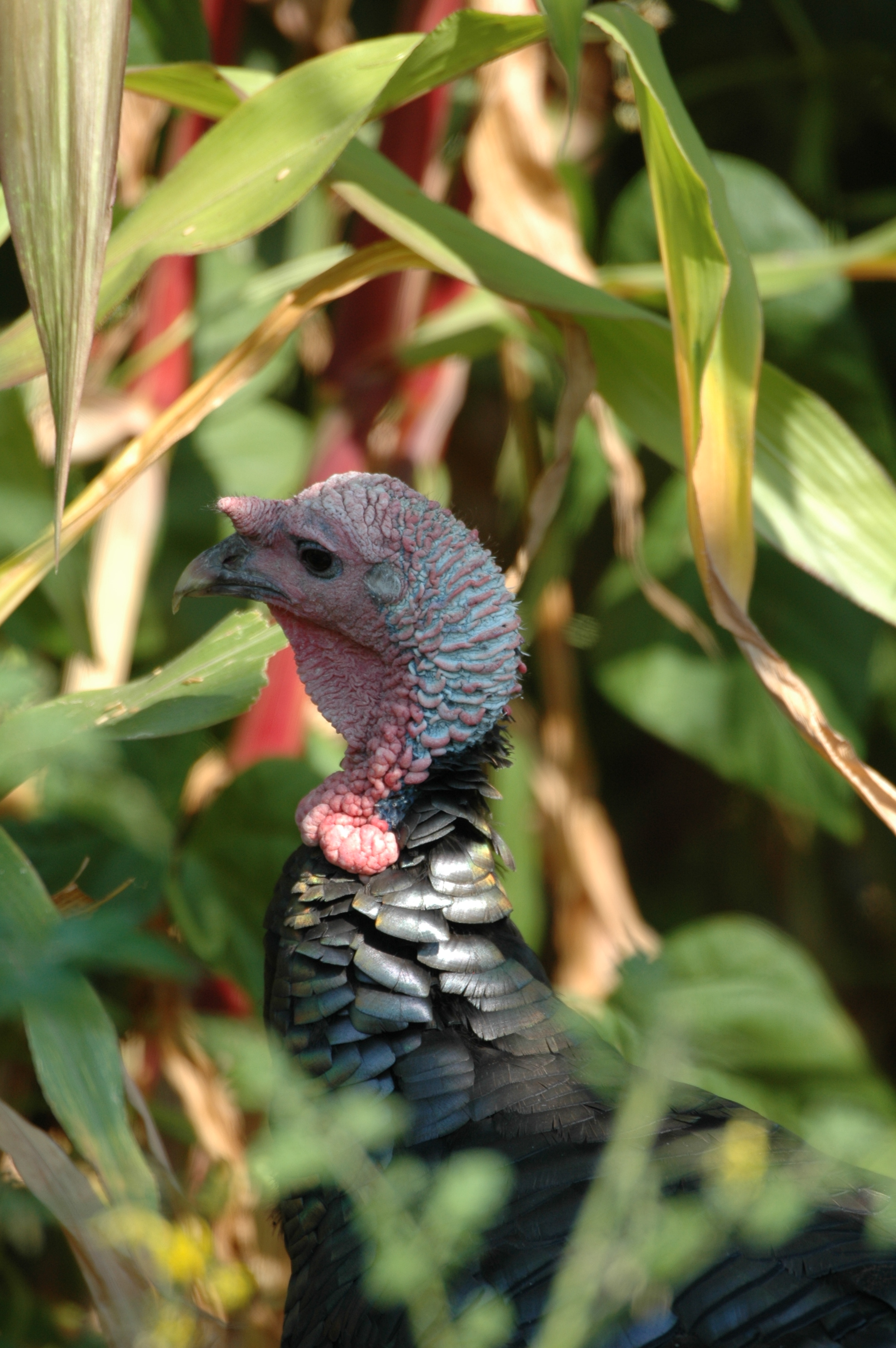
It’s a special morning of a special day, but out in migratory bird habitat there’s a massacre going on. Though nearly every family across the country has a turkey thawing out in preparation for a gluttonous banquet a little later in the day,

Text and Photography ©Jim Robertson, 2013. All Rights Reserved

Text and Photography ©Jim Robertson, 2013. All Rights Reserved

recreational meat-pursuers are ringing in the season by blasting away into flocks of wintering geese to make up for the fact that their sacrificial bird-of-the-day came from a grocery store.

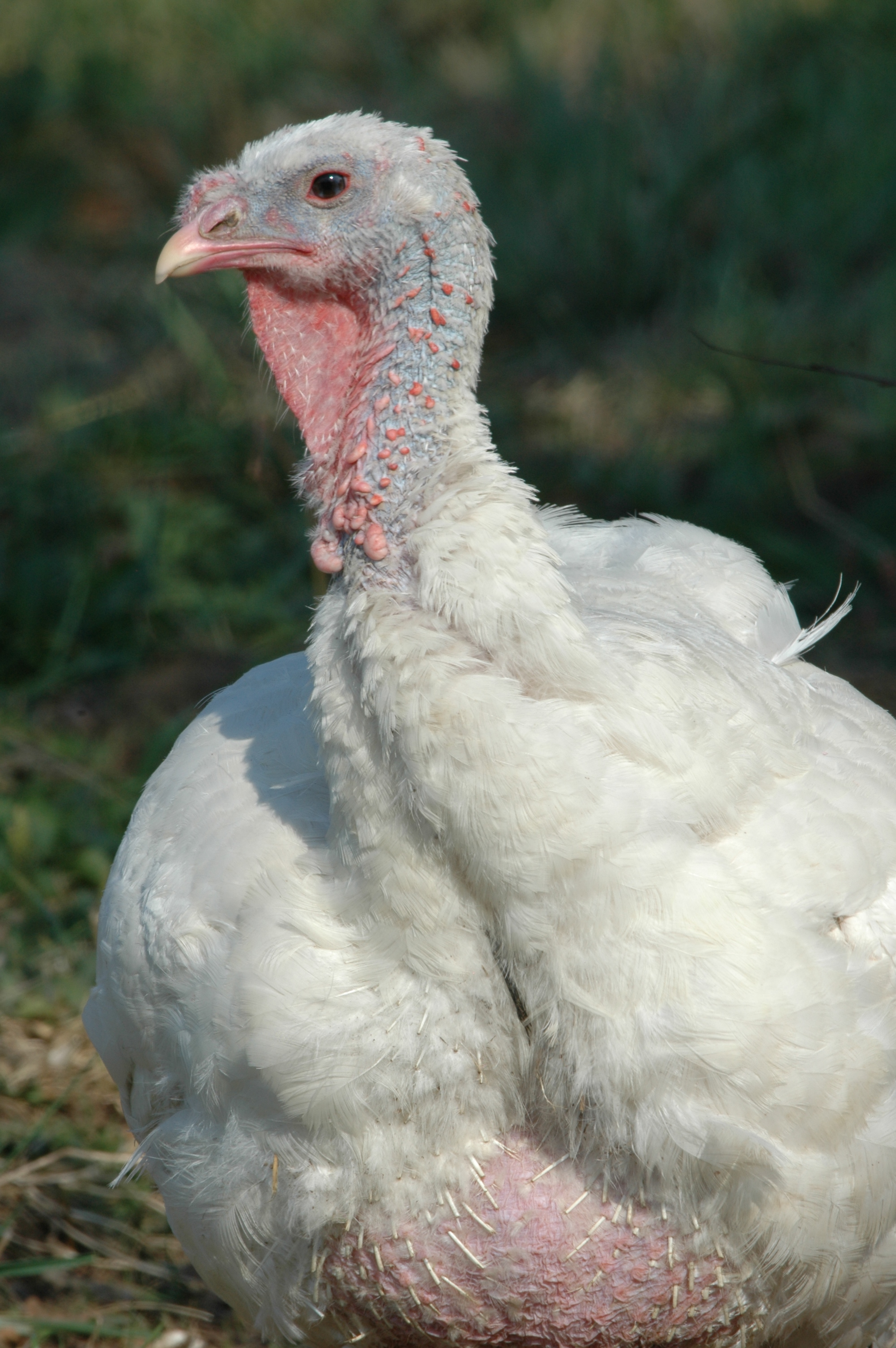
Never mind that the poor being was raised in a windowless barn, crowded-in with so many other turkeys that their wings wither away to virtual stumps of appendages, their natural coloration was bred out of them anyway.

Can’t afford your own tormented Thanksgiving turkey this year? Not to worry, chances are some abattoir has donated hundredsDSC_0277 of frozen carcasses to your local food bank, in hopes of promoting their own animal industry. Here on the coast, turkeys were donated by a thriving seafood “processing” plant.

Non-human life has very little value in today’s world. Heck, a Montana wolf hunter can go out and mow down a loyal dog walking practically at her beloved master’s side and not face any legal consequences. The value of mass-produced birds is measured by the pound. No charge for their stark white feathers; they come off the body easily and can fetch a penny or so a pound at the pillow factory.

But the mighty hunters out in the tidelands currently shooting up a storm won’t be satisfied until they kill something themselves. There’s nothing like a hands-on blood bath to get you in the mood for a feast, I guess. Some folks haven’t come far from Plymouth Rock; at least they phased out witch burnings.

Text and Wildlife Photography ©Jim Robertson, 2013. All Rights Reserved

Text and Wildlife Photography ©Jim Robertson, 2013. All Rights Reserved

Early hunting season to begin for wood ducks, teal

Photo copyright Jim Robertson

Photo copyright Jim Robertson

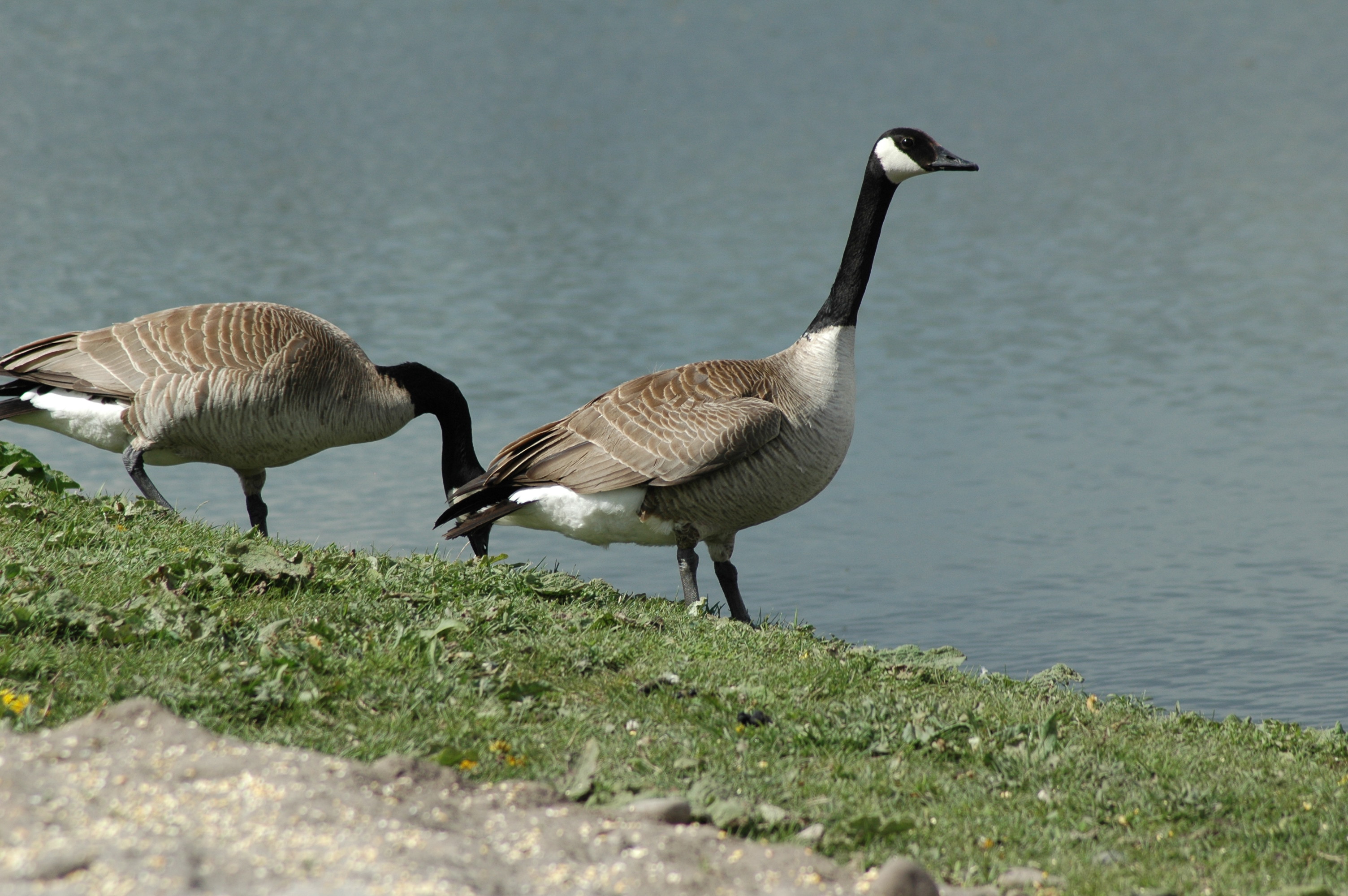
Canada geese are currently being hunted in Tenn.

The Associated Press, September 9, 2013

Early hunting season for wood ducks and teal begins this week.

NASHVILLE, Tenn. (AP) – Early hunting season for wood ducks and teal begins this week.

According to the Tennessee Wildlife Resources Agency, the season runs from Saturday to Sept. 18 with a daily bag limit of four, not to exceed two wood ducks.

Hunters must have a valid state hunting license in their possession as well as a Tennessee Migratory Bird Permit.

Hunters aged 16 and older also must have a Federal Duck Stamp.

The early hunting season for Canada geese began Sept. 1. It continues through Sept. 15 with a daily bag limit of five.

More information on Tennessee’s waterfowl season can be found on the TWRA website at http://www.tnwildlife.org under the “for hunters” section.

Information on the 2013-14 late waterfowl seasons will be available in late September.

Oklahoma Gears Up For Hunting Geese; Doves and Squirrels “in Season” Now

OKC Saturday hunting news:

The Washita National Wildlife Refuge near Butler, Okla. and on the upper
end of Foss Reservoir is now accepting applications for blinds for goose
hunting for the upcoming hunting seasons.

There will be ten blinds on the edges of wheat fields available to
hunters. On six Wednesday hunts, blinds will be filled by reservation only on a
first-call, first -served basis that week. Applicants must be 18 years or older.The refuge has been offering goose hunts since 1982 and is one of the premier public waterfowl hunts in Oklahoma.
Last season, 223 hunters bagged 271 geese during the refuge hunts. The
bag limit for geese has increased this year.

The refuge manager states “Washita continues to be a prime goose-hunting
destination and offers some of the most economical hunting in the state.
With a peak population near 100,000 most years, true water fowlers are
sure to get a thrill whether or not they take home their limit.”

Okla.’s annual free hunting days on Sept. 7th thru the 8th. Dove and
squirrel are in season those days.

[They gotta always have something to shoot at, don’t they?]

Photo by Jim Robertson

Photo by Jim Robertson


Welcome to “What the Fuck Week”

What the fuck’s going on with humans’ cruel and sadistic treatment of animals these days? Has the world of man gone completely mad?

If you have the feeling there’s a kind of quickening—an acceleration of human evil—happening lately, you’re not alone. I’ve noticed it for a while now. From Sears carrying “I love wolf hunting” T-shirts to the Wildlife Services round up and gassing Canada geese, so many bizarre, shocking and downright malevolent deeds have come to light in the past few days that I hereby declare this “What the Fuck Week.” (WTFW will run from now until further notice.)

Early last evening the warm autumn air brought out a hatch of flying termites. Clumsy in flight, they lose their wings shortly after finding a suitable log or house to bore into. An entire industry was built around trying to exterminate them, when nature has long held the key to termite control—namely, bats. And last night there were more bats circling the house than I’ve seen all summer. Bats big and small were out in force, dodging each other to get to their temporarily-winged prey.

Much has come to light in recent years about the benefits of bats as managers of mosquitos and other undesirables.

But just today in my inbox I received the following petition about an absurd and sadistic reality show that caused me to let out a “What the Fuck?!” loud enough to rattle the termites out of their burrows:

                              ………..

The Discovery Channel: Stop showing videos of Bear Grylls mutilating, killing and eating innocent animals

This petition will be delivered to: Chairman, Discovery Communications, LLC, John S. Hendricks


In a clip from Man vs Wild (formerly on The Discovery Channel) Bear Grylls used smoke to flush bats from a cave and then struck the fleeing, terrified animals with a makeshift club and stomped on them with what seemed to be glee, jokingly referring to it as “bat tennis.”

Yes, this actually happened, and it is not an isolated incident. Aside from bats, Bear has killed alligators, monitor lizards, capybaras and even boas. None of these animals are killed in anywhere near a humane manner; they are simply beaten to death for the amusement of the viewing public.

 
This can’t be overstated enough: for those who care about animals, the videos available online showing his frequent atrocities are very, very difficult to watch.  If you seek them out to see for yourself, please be aware of this.

In replying to email complaints about the show, The Discovery Channel defended itself by saying that Bear was imparting valuable survival information and, unbelievably, that it was his Bear’s “style!” Such “stylistic” concerns as applied to people comprises much of the notoriety of serial killers.  As for the conveyance of vital survival tips, opting to beat, kill and eat whatever animals are near is very clearly a rash and inadvisable course of action. Real survival experts – the ones who actually survive in the wilderness rather than preen their sad macho survivalist fantasies on television – say that pretty much everything Bear Grylls does or says to do will get you killed. There is no worthwhile information whatsoever that can only be conveyed by filming oneself killing innocent, healthy animals, and terrorizing and bludgeoning sleeping bats right at their doorstep.  

Let us not forget that Bear Grylls was exposed for staying in hotels overnight while filming a show that falsely portrayed him as embattled by harsh wilderness.

Profiting from the utterly pointless killing of these bats – and all animals – is unilaterally unacceptable, and while the show may now be cancelled, Discovery still has the video and others like it up for viewing on their website, meaning that they as well as Bear are still profiting from engineering, perpetrating and showing the deaths of these innocent animals to audiences worldwide. 

Please contact those responsible for fouling our televisions with his presence. Please also feel free to join the Bear Barbaric Bear Grylls Facebook page to voice your opinion: https://www.facebook.com/BoycottBarbaricBearGrylls

magazine-fall-2010-bat-michael-durham


Letter: Humans caused geese “problem”

The following is my Letter to the Editor, printed recently in a Seattle area paper…

Dear Editor,

Whenever I read an article like “Canadian geese euthanized at Lake Sammamish State Park” (Aug.7, 2013) I’m appalled by how indifferently someone can report on the extermination of entire families of intelligent, social animals. If people knew geese as personally as I do, they would surely think the species every bit as worthy of respect as our own.

I’ve watched them go through their courtship and nest-building routines, seen a gander loyally guarding his mate while she dutifully incubated her eggs, day and night, throughout windstorms and heavy snowfalls during the fickle Montana spring and witnessed with delight the hatching and rearing of their precious chicks.

The goose situation is all the more maddening since, as with so many other so-called wildlife “problems,” it was brought on by humans themselves. The old growth forests that once grew to the water’s edge were felled years ago; shrubs like salmonberry or huckleberry as well as riparian vegetation that used to house frogs and provided cover for fish have been torn out and replaced with concrete bulkheads, backfill and manicured lawn grass.

The end result of this rampant manipulation is a strange new world, inhospitable for all but the most grass-loving of creatures. And it just so happens that geese, like humans, love mowed lawns. But rather than calling in the death-squad from “Wildlife Services” to fire up their gas chambers, why not try replacing some of the acres of grass with native vegetation? I guarantee the geese will move on to greener pastures.

Jim Robertson

Text and Wildlife Photography ©Jim Robertson, 2013

Text and Wildlife Photography ©Jim Robertson, 2013

Oklahoma Doesn’t Need Wildlife “Services” to Kill Thousands of Geese…

…, they just encourage sport hunters to do it.

Oklahoma Saturday hunting news:

The Okla. Wildlife Conservation Commission approved the season dates for the next water-fowl season.The most significant change from last season is the increase in the daily limits for geese.

The daily limit for Canadian geese has increased from three to eight.

The daily limit for light geese has increased from 20 to 50. [50? Did they say FIFTY!!]

A migratory game bird biologist for the Okla. Dept. of Wildlife Conservation
hopes the increased bag limits will lure more people back to hunting geese.

He states “Hopefully, having eight birds (as the daily limit for Canadian geese) will get some folks back into the sport.”

Geese continue to cause nuisance problems in the state. He adds “We are trying to increase the harvest.”

For duck hunters, the daily limit during the Sept. teal season has increased from four to six birds. The limit of scaups during the duck seasons has been reduced from six to three birds daily. The daily limit for canvasbacks has increased from one to two.

Wildlife Photography © Jim Robertson

Wildlife Photography © Jim Robertson

A Tale of Two Species

First, here’s a mini guest-rant by a friend from Seattle in reference to the round up and lethal gassing of geese by Wildlife Services (that warped, wretched little wildlife-killing agency formally “Animal Damage Control”) at a nearby lake there:

“Wtf is wrong with people!!?? Will we not be happy until we are the only species on the planet? How dare the geese leave droppings that might be picked up by some diaper-filling toddler [DFT] while visiting the park for one hour. Those beaches should be animal and bug free, and sanitized because for heaven’s sake, kids go there sometimes. Wtf!”

In just a few short, satirical sentences this rant summed up my feelings on the goose situation (and their subsequent extermination) as well as my views on the grandiose, narcissistic and intolerant species responsible for this whole mess. (Note to self: add “goose-stomping Nazi war criminals” to the list of Top 10 New Names for Wildlife “Services.”)

I do have to admit though, whenever I see poop-filled human baby diapers thrown out along the road, discarded on ocean beaches or dumped in the woods at public trailheads, I wish there was some kind of “Service” you could call to round up and do away with the people who stoop to that kind of thing. But we live in a civilized society and don’t treat others so unforgivingly—that is, unless said “other” is a goose.

If people knew geese as personally as I do (I’ve watched them go through their courtship and nest-building routines, seen a gander loyally guarding his mate while she dutifully incubated her eggs, day and night, throughout windstorms and heavy snowfalls during the fickle Montana spring, and witnessed with joy the hatching and rearing of their precious chicks), they would surely think of geese as a species every bit as worthy as their own.

This issue is all the more maddening because it’s a situation humans have brought on themselves (as with so many other wildlife “problems”).

To the casual observer, lakes in western Washington may seem relatively pristine; the water is still so clear and blue it makes you want to dip your cup in and take a long drink. But if you’ve watched the changes over the years, you’d know it’s a habitat that has seen better days.

Not only were the old growth trees that grew to the water’s edge cut down and floated off, the lakeshores themselves were sliced up and sold off as recreation lots or multimillion dollar home sites. Naturally, land owners didn’t want their tiny strip of shoreline to be just a tangle of cedar and spruce trees or shrubs, like salmonberry, thimbleberry or huckleberry, so they tore out the native vegetation, built concrete bulkheads and brought in backfill and lawn grass. Of course they would need a place to tie up their power boat or jet-ski, so pilings were pounded into the sandy shallows where periwinkles and crawdads once thrived, and docks were built, at the expense of any lily pads or riparian vegetation that used to house bullfrogs and provide cover for fish.

The result of all this rampant manipulation is a strange new world, inhospitable for all but the most grass-loving of creatures. And it just so happens that geese, like humans, love mowed lawns. But if there’s one thing in the natural world human beings have a real problem with, it’s a species who dares to do well in the world after people have done their darndest to denude the landscape, claim it all for themselves and instill a sense of “order” that only they can relate to—complete with fences, fire pits and plastic patio furniture with a half-life of roughly 100,000 years.

Disposable diapers and plastic lawn chairs are a lasting scar on the planet. Goose poop, on the other hand, adds fertilizer to the depleted, lifeless soil.

Text and Wildlife Photography ©Jim Robertson, 2013. All Rights Reserved

Text and Wildlife Photography ©Jim Robertson, 2013. All Rights Reserved


Tell Washington State Officials to Stop Killing Geese

FROM Action for Animals
July 26, 2013

ACTION:
Contact officials at Washington State Parks and tell them to stop the endless cycle of killing and to come up with a focused well thought out comprehensive plan, which uses humane alternatives. Washington State Parks hired USDA Wildlife Services to kill the geese at Lake Sammamish State Park. In all about 90 geese were herded up and gassed to death. Killing is unacceptable and we must do a better job of sharing the earth with wildlife.

Sign an online petition:
http://www.change.org/petitions/washington-state-parks-officials-stop-killing-geese

And/or better yet, make direct contact:

Rich Benson, Lake Sammamish State Park Manager
2000 NW Sammamish State Park
Issaquah, WA 98027
phone (425) 649-4275
Richard.Benson@PARKS.WA.GOV

Andrew Fielding, Washington State Parks Resource Steward
phone (509) 665-4312
Andrew.fielding@parks.wa.gov

Don Hoch, Washington State Parks Director
P.O. Box 42650
Olympia, Washington 98504-2650
phone (360) 902-8844
Don.Hoch@PARKS.WA.GOV

INFORMATION / TALKING POINTS:

A few weeks ago Washington State Parks used USDA Wildlife Services to kill geese at Lake Sammamish State Park. There was no notice given to the public or any opportunity to comment.

USDA Wildlife Services cruelly rounds up geese when the adults start to molt and they cannot fly. They then herd the adults and babies into pens. If they are still doing what they did in the past when they were killing geese in the Seattle parks, the geese are shoved into gas chambers in the back of the USDA trucks. The gas chambers were not designed specifically for large birds like geese. The chambers are too small for the geese to stand upright prior to being gassed to death. Multiple geese are stuffed into the chamber at the same time while frantically struggling and trying to escape. Of course this is all done under a cloak of secrecy, so that people are unaware of what is being done or how.

There are many humane alternatives which work well when used in conjunction with each other. Killing the geese only creates a temporary solution, as other geese will move in, which results in an endless cycle of killing.

Geese at all of the Washington State Parks are in danger. If they are killing geese at Lake Sammamish State Park, then they are probably killing them in the other state parks as well.

Thank you for everything you do for animals!

DSC_0221

Wildlife “Services” at it Again

Washington State Parks  hired USDA Wildlife Services to kill the geese at Lake Sammamish State  Park.  In all about 90 geese were herded up and gassed to death.

Below are a couple letters to the editor from followers of this blog, as well as a petition against geese gassing…

DSC_0032

The geese are not as harmful as the humans

I was saddened to read a letter in your paper dated July 2, 2013, regarding the removal of Canada geese.

The writer would like you to believe that geese are the problems in our state parks and that eradicating them solves all their problems.

The very fact that these animals have had their habitat removed from them gives the geese very little choice of where to exist.

I have frequented the park on many occasions and it’s the human species that litters with nonbiodegradable items, plastic bags, cans and all kinds of trash.

When are we going to take account for the treatment of our environment and coexist with Mother Nature instead of looking to destroy what is good?

Geese do not saturate the air with loud music, they do not litter, they are family orientated and we should embrace them all.

Martyn                                                                                 Redmond

….

Removing geese is a temporary solution

Don’t blame our resident geese. This is a man-made problem. Decades ago, in their infinite wisdom, Fish and Wildlife transplanted young geese to Western Washington. They just stayed and multiplied, without their parents to teach them to migrate.

We created the problem and it is our responsibility to deal with the geese humanely.

The Issaquah Press editorial gleefully stated “good riddance to state park geese” and that the “geese have been relocated.” There was no accompanying article and no facts given.

The real story is that state park authorities hired USDA Wildlife Services to remove the geese, not “relocate” them. Wildlife Services rounds up the geese when the adults start to molt and they cannot fly. They then herd the adults and babies into pens.

If they are still doing what they did in the past when they were killing geese in the Seattle parks, the geese are shoved into gas chambers in the back of the USDA trucks. The gas chambers were not designed specifically for large birds like geese. They are too small for them to stand upright prior to being gassed to death. Multiple geese are stuffed into the chamber at the same time while frantically struggling and trying to escape. Of course, this is all done under a cloak of secrecy, so that people cannot see this cruel crime against nature.

There are many humane alternatives that do work, especially when used in conjunction with each other. Removing the geese only creates a temporary solution, as other geese will move in, which results in an endless cycle of killing.

“Whitewashing” the truth and taking pleasure from the death of highly intelligent sentient beings is just plain wrong. And, Washington State Parks, clean up our parks and stop killing our wildlife!

Diane                                                                                           Issaquah

…..

Action For Animals created a change.org petition  asking the state to stop killing geese in our state parks.  If you have not  already done so, please, please, please sign the petition and pass the link  along!