Small, But Welcome, Good News From Canada

by Barry Kent MacKay in BlogCanadaCoexisting with Wildlife on July 27, 2020

https://www.bornfreeusa.org/2020/07/27/small-but-welcome-good-news-from-canada/
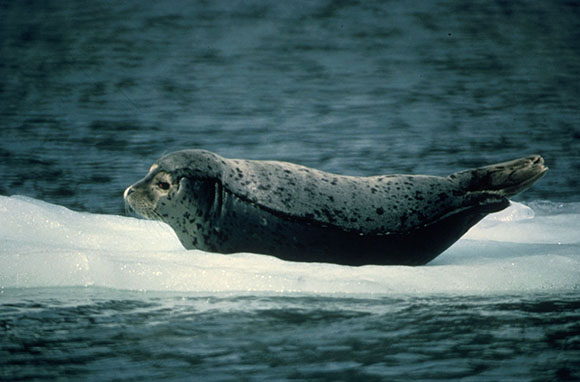
Matthews, Sue / Public domain.

Amid the worldwide tsunami of bad news and sadness one searches for a trickle of positivity; something to celebrate.

For some time there has been a group, operating under the banner of the Pacific Balance Marine Management (PBMM), that has been lobbying to convince the government, and to garner public support, to legalize a commercial hunt for seals and sea lions on Canada’s west coast. The argument is the usual one – too many sea lions eating too many salmon (of commercial value, of course) in a region in need of employment and revenue. In an effort to seem to be attune to rapidly growing public awareness of just how badly our species has damaged the ecosphere upon which the survival of us all depends, a nuance was added: the seals and sea lions were eating fish needed by endangered orcas, whose own survival was thus compromised.

Fishermen commonly scapegoat any species that eats fish, blaming them for declines in the fish they want, seeing each desired fish consumed by something else as one belonging to them as if by divine right. Governments are motivated to go along with the idea in the hope of absolving themselves from accountability for the real threats to commercial fisheries, such as oil pollution, plastic pollution, toxic waste, nutriment overloading from agriculture and other human waste products, climate change, damage to breeding grounds from politically advantageous commercial development, and, to a huge degree, overfishing.

It is not seals and sea lions that threaten salmon, but deforestation that degrades upstream breeding habitat of salmon, the dams put across rivers, and the relentless pursuit of profit; and lately, it seems, the dissemination of disease and parasites from coastal fish farms. The two species food chains envisioned by the would-be seal killers fail to take into account a complexity of multi-species interactions within a dynamic environment that is difficult for non-scientists to comprehend, and so, it is hoped, is ignored, along with the scientists.

Once we realized that the science did not support PBMM claims, we pointed out that the notorious east coast commercial hunt for harp seals demonstrated that there was nearly no market for seal products, notwithstanding decades of effort in research and development into commercially viable seal products and efforts to find markets, funded by Canadian tax dollars.

Last year, a video that showed fishermen lobbing explosive devices into a pack of west coast sea lions went viral. Charges were laid.

And then, the headless sea lions started to appear. Bodies, reportedly including at least one of the endangered Steller’s sea lion, began to wash ashore along Vancouver Island’s coastline. There is a market for the intact skulls of mature sea lions.

There are only seals, no sea lions, on the east coast (and the seal skulls are often bashed or shot to kill the animal at any rate) but for skulls of the northern fur seal, Steller’s sea lion, and California sea lion, and maybe even the smaller harbor seal, all found on the west coast, there is some demand.

The good news? Canada’s Department of Fisheries and Oceans, which manages marine mammals, has confirmed that no permits will be issued to PBMM or anyone to allow commercial hunting of west coast pinnipeds – seals, fur seals, and sea lions. Of course, we must remain vigilant. But for now, our west coast pinnipeds remain protected in Canada!

Rare white grizzly bear captured on camera in B.C. park

ByAmy Judd Global NewsPosted July 21, 2020 7:51 pm Updated July 21, 2020 8:01 pmNews: Rare white grizzly bear spotted in B.C.’s Yoho National Parkclose videohttps://globalnews.ca/video/embed/7203132/#autoplay&stickyiframe=miniplayer_7203132_5f1c762cbfa5b&muteMore video has surfaced of a rare white grizzly bear that’s been spotted in B.C’s Yoho National Park.

A rare white grizzly bear has been sighted by the side of the road in a B.C. park.

Oly Talens was driving through Yoho National Park in the Canadian Rockies on their way to Takakkaw Falls when a flash of white through the trees forced them to pull over and pull out a video camera.

Turns out, the animal, named Nakoda by locals, has been seen before in Yoho and Banff national parks, but not very often.

READ MORE: Concerns raised as people crowd rare white grizzly in Banff and Yoho parks

Parks Canada has previously said the bear is not albino, but actually a natural colour phase variation that makes it white.

The animal, believed to be about three and a half years old, can be seen in the video with its brown sibling.STORY CONTINUES BELOW ADVERTISEMENThttps://cf4ca2a280f1728229d4553c11701b81.safeframe.googlesyndication.com/safeframe/1-0-37/html/container.html

“They said seeing a grizzly up close in the wild is lucky, but two at the same time — and the (second) one is a rare white bear — is like winning a lotto ticket,” Talens said.

Parks Canada had to put out a statement following other sightings of the unusual bear, reminding the public to consider not stopping if they see wildlife as they travel through the parks, or, if safe to stop, to always stay in their vehicles and give the animal space.

“Bears and other wildlife that become comfortable around people and roadsides are at greater risk of being struck by a vehicle,” the agency said.0:38Rare white ‘spirit’ bear spotted with cub in B.C.Rare white ‘spirit’ bear spotted with cub in B.C.
WATCH: Bear cub with head stuck in bucket rescued in northern Ontario


Jenny YuenMore from Jenny Yuen

Published:July 20, 2020

Updated:July 20, 2020 3:19 PM EDT

Filed Under:

RELATED

Advertisementhttps://www.youtube.com/embed/PzVouAPjIe0?rel=1&controls=1&autoplay=1&modestbranding=1&embed_config=%7B%22autonavRelatedVideos%22%3Atrue%2C%22relatedChannels%22%3A%5B%22EFneExC3GZeiVztRuRRe0w%22%2C%22OXbUmGfpr_rb_UeqROTwkg%22%2C%22Vu_SlTS4SNNUAIkCmSDzMQ%22%2C%22qNPpzfFRh29-ULwkF0ys0w%22%2C%22RROHNHB3JN8JxKST9xl_og%22%2C%22iiiXY1ue6nb7iqY8o8f62w%22%2C%22N9gPUr8QTM6RkHdKThDmQQ%22%2C%22Z1-u3qX7AUUPzH9O_Peb-Q%22%2C%22kjNuLzfw5Ep7EJuMdeFylw%22%2C%22YuLCUHAoN1fs3pZi3WPRnA%22%2C%22Vyik4cnxEmbefInU7JnWyw%22%2C%22rbOGpnOudmETQ0WZkyvD8g%22%2C%22jmGwjC7pytqz8vvL5lIuxA%22%2C%22HmA32WCmlUp9ZUF_clAPHg%22%2C%22zFyTrFm5aM-342rJsjBbXw%22%2C%22UCakXkuN4Z3Jnwf5aOay9ytw%22%5D%7D&enablejsapi=1&origin=https%3A%2F%2Ftorontosun.com&widgetid=1

Residents see a lot of bears in northern Ontario, but Trevor Buchmann said it’s not every day you see a black bear cub with a red bucket on its head.

Even rarer is when you see that cub climb a tree and get stuck there.

Buchmann, 46, lives in Kenogami — about 15 kilometres west of Kirkland Lake and not far from the county dump. He says people had seen black bear cubs with their mother there earlier this year, but on Sunday, he had a direct encounter with one of the cubs that found itself in a serious pickle.https://www.youtube.com/embed/4uXCBiSBvtQ?rel=1&controls=1&autoplay=0&modestbranding=1&embed_config=%7B%22autonavRelatedVideos%22%3Atrue%2C%22relatedChannels%22%3A%5B%22EFneExC3GZeiVztRuRRe0w%22%2C%22OXbUmGfpr_rb_UeqROTwkg%22%2C%22Vu_SlTS4SNNUAIkCmSDzMQ%22%2C%22qNPpzfFRh29-ULwkF0ys0w%22%2C%22RROHNHB3JN8JxKST9xl_og%22%2C%22iiiXY1ue6nb7iqY8o8f62w%22%2C%22N9gPUr8QTM6RkHdKThDmQQ%22%2C%22Z1-u3qX7AUUPzH9O_Peb-Q%22%2C%22kjNuLzfw5Ep7EJuMdeFylw%22%2C%22YuLCUHAoN1fs3pZi3WPRnA%22%2C%22Vyik4cnxEmbefInU7JnWyw%22%2C%22rbOGpnOudmETQ0WZkyvD8g%22%2C%22jmGwjC7pytqz8vvL5lIuxA%22%2C%22HmA32WCmlUp9ZUF_clAPHg%22%2C%22zFyTrFm5aM-342rJsjBbXw%22%2C%22UCakXkuN4Z3Jnwf5aOay9ytw%22%5D%7D&enablejsapi=1&origin=https%3A%2F%2Ftorontosun.com&widgetid=2

The bear had first been spotted July 15, about 5 km from his home with a pail on its head. Buchmann suspects the mother abandoned the cub after being unable to remove the pail.

“The cub likely picked it up at the dump,” he said Monday, “and worked his way through the bush. We think it may have been the container for protein powder.”

“We’d heard reports since then about this bear cub,” he said. “(Sunday), we were doing some work on our guest cottage and my daughter was sitting on the deck and she said, ‘What’s that on the tree?’ I thought it might be a fisher or marten or even a cat, and I looked over and saw the big red bucket on its head.https://www.youtube.com/embed/I9SEv5Nyzrc?rel=1&controls=1&autoplay=0&modestbranding=1&embed_config=%7B%22autonavRelatedVideos%22%3Atrue%2C%22relatedChannels%22%3A%5B%22EFneExC3GZeiVztRuRRe0w%22%2C%22OXbUmGfpr_rb_UeqROTwkg%22%2C%22Vu_SlTS4SNNUAIkCmSDzMQ%22%2C%22qNPpzfFRh29-ULwkF0ys0w%22%2C%22RROHNHB3JN8JxKST9xl_og%22%2C%22iiiXY1ue6nb7iqY8o8f62w%22%2C%22N9gPUr8QTM6RkHdKThDmQQ%22%2C%22Z1-u3qX7AUUPzH9O_Peb-Q%22%2C%22kjNuLzfw5Ep7EJuMdeFylw%22%2C%22YuLCUHAoN1fs3pZi3WPRnA%22%2C%22Vyik4cnxEmbefInU7JnWyw%22%2C%22rbOGpnOudmETQ0WZkyvD8g%22%2C%22jmGwjC7pytqz8vvL5lIuxA%22%2C%22HmA32WCmlUp9ZUF_clAPHg%22%2C%22zFyTrFm5aM-342rJsjBbXw%22%2C%22UCakXkuN4Z3Jnwf5aOay9ytw%22%5D%7D&enablejsapi=1&origin=https%3A%2F%2Ftorontosun.com&widgetid=3

“I ran to get into long-sleeve clothing and I tried to grab it and it went further up the tree. I went to the shop to get a pole I could use to loop around the bucket.”

A friend arrived after a call from Buchmann’s wife and he went up the tree trying to get the bear but the cub went up to the highest branch.”

Buchmann, his wife and daughter filmed the encounter and posted it to Facebook.

In the four-minute long video, Elder, wearing camouflage garb, is seen up the tree, holding a pole, which he eventually uses to gently knock the cub into Kenogami Lake. From there, Buchmann retrieves the animal from the water and the two men, using a blanket, remove the bucket from the bear’s head.

Buchmann said Elder’s aunt is a veterinarian who has conducted bear rescues in the past and gave the men step-by-step instructions over the phone.

The cub was safely put into a dog kennel and though it appeared shaken at first, eventually calms down when Buchmann feeds it some fruits.

The Ministry of Natural Resources and Forestry was called and the cub, which he’s nicknamed “Kenny,” was bound for the Bear With Us rescue centre outside Huntsville where it will stay over the fall and winter and be released next spring.

In another bear encounter video that surfaced over the weekend, three hikers remain very still while a black bear sniffs them out.https://www.instagram.com/p/CC1TUlmAdA3/embed/captioned/?cr=1&v=12&wp=578&rd=https%3A%2F%2Ftorontosun.com&rp=%2Fnews%2Fprovincial%2Fwatch-bear-cub-with-head-stuck-in-bucket-rescued-in-northern-ontario#%7B%22ci%22%3A0%2C%22os%22%3A22421.445000043605%7D

Reported to have been taken at Chipinque Ecological Park in Mexico, the video shows the black bear up on its hind legs while one of the women can be seen stretching out her arm to take a photo with the wild animal.

The clip has had millions of views since being shared on social media.

jyuen@postmedia.comCommentsShare your thoughts

Truck Driver Who Ran Over Animal Advocate Escapes Criminal Charges


July 20, 2020

1

A transport truck driver has avoided criminal prosecution in connection with
the death of animal advocate Regan Russell. Regan was violently run over and
killed last month by a truck taking pigs to slaughter outside Fearmans Pork
slaughterhouse in Burlington, Ontario.

The Halton Police
<https://www.haltonpolice.ca/about/media/view_release.php?releaseID=6575>
announced that they laid one provincial Highway Traffic Act charge against
the 28-year old truck driver-careless driving causing death. The police did
not release the name of the truck driver, or the video of the incident.

Provincial charges are considered far less serious than criminal charges.
The provincial offence of careless driving causing death carries with it a
penalty of $2,000 to $50,000 and up to two years in jail, and no criminal
record. A comparable criminal offence, such as dangerous driving causing
death, would be punishable by large fines and up to 14 years in prison, plus
a criminal record.

Regan Russell was a member of the Animal Save Movement, and was at the
slaughterhouse on the day she was killed to document the condition of pigs
trucked to slaughter in sweltering heat, and to help provide water to them.
She was also there in protest of Bill 156, dangerous so-called “ag gag”
legislation
<https://www.animaljustice.ca/media-releases/ontario-passes-ag-gag-law-to-co
ver-up-animal-abuse-on-farms> passed two days earlier by the provincial
government. Bill 156 aims to cover up animal cruelty in the farming
industry, and interferes with the Charter-protected rights of citizens and
journalists to protest and document animal abuse at farms, slaughterhouses,
and in transport. Animal Justice intends to
<https://www.animaljustice.ca/blog/animal-justice-to-continue-the-fight-agai
nst-bill-156-in-court> challenge the constitutionality of Bill 156 in court.

Although the police did not lay criminal charges against the trucker, they
rarely extend this leniency to animal advocates. Law enforcement authorities
regularly give preferential, slap-on-the-wrist treatment to industries
responsible for animal suffering, while pursuing serious criminal
prosecutions against people who expose and take action to stop animal
cruelty.

For instance, advocates have gathered extensive footage depicting illegal
pig suffering in transport trucks outside Fearmans Pork, including pigs
suffering from heat exhaustion and frostbite, and pigs arriving injured,
dead, or dying. Federal authorities generally refuse to prosecute Fearmans
or truckers for this suffering. Yet in 2015, the Halton Police charged
Animal Save Movement founder Anita Krajnc with criminal mischief for giving
water to thirsty pigs trapped inside a truck outside Fearmans Slaughterhouse
on a sweltering day. She was
<https://www.theglobeandmail.com/news/national/judge-acquits-woman-in-pigs-w
ater-case/article34893404/> acquitted following a much-publicized trial.

Police also regularly lay trumped-up criminal charges against animal
advocates for acts that are not a criminal offence, such as going onto
private property to expose hidden animal suffering on meat and fur farms.
But law enforcement often goes easy on farmers responsible for abuse. Farms
and slaughterhouses caught on hidden camera viciously abusing animals have
never faced a single Criminal Code charge for animal cruelty in Ontario.
Authorities generally don’t bother to prosecute at all, even when there is
clear video evidence. On the rare occasions when charges are laid, they are
always less serious provincial charges.

Regan Russell’s family is also
<https://www.cbc.ca/news/canada/hamilton/regan-russell-1.5653593> calling
for a coroner’s inquest into her brutal death. A coroner’s inquest is
typically used to uncover broader, systemic issues responsible for a death.
In the case of Fearmans Pork, the slaughterhouse had for years refused to
negotiate a safety agreement with the Animal Save Movement to allow for safe
and peaceful protests, and truckers who created safety risks had never been
prosecuted.

Photo credit: Animal Save

https://www.animaljustice.ca/blog/truck-driver-who-ran-over-animal-advocate
escapes-criminal-charges

<https://www.animaljustice.ca/blog/truck-driver-who-ran-over-animal-advocate
-escapes-criminal-charges>

<https://www.animaljustice.ca/blog/truck-driver-who-ran-over-animal-advocate
-escapes-criminal-charges> Animal Justice – Truck Driver Who Ran Over Animal
Advocate Escapes Criminal Charges

A transport truck driver has avoided criminal prosecution in connection with
the death of animal advocate Regan Russell. Regan was violently run over and
killed last month by a truck taking pigs to slaughter outside Fearmans Pork
slaughterhouse in Burlington, Ontario. The Halton Police announced that they
laid one provincial Highway Traffic Act charge against.

http://www.animaljustice.ca <http://www.animaljustice.ca>

The Birth of a Bill, the Death of an Activist

https://www.commondreams.org/views/2020/07/18/birth-bill-death-activist

Saturday, July 18, 2020byToronto Star

Regan’s viewpoint, known as intersectionality, is the theory that all forms of oppression, discrimination, domination etc., intersect and influence each other.byFiona Roossien

 3 Comments

Regan Russell, the Toronto Pig Save activist who was killed by a truck carrying pigs to slaughter. (Photo: Agnes Cseke)

Regan Russell, the Toronto Pig Save activist who was killed by a truck carrying pigs to slaughter. (Photo: Agnes Cseke)

On June 19, a protester was killed. Perhaps her death was obscured by the din of headlines that Friday—it was Juneteenth, a day marking the end of slavery.

Protests against systemic racism catalyzed by the death of George Floyd juxtaposed with a Trump rally scheduled on the anniversary and in the location of the worst incident of racial violence in the U.S. Tensions were high.

Her name was Regan Russell and while participating in a scheduled vigil outside of Fearmans slaughterhouse in Burlington, she was run down by a transport truck carrying pigs on their way to slaughter.

In the news covering this event, and in conversations I’ve had with friends and family, it seems the significance of a protester being run down by the very thing she was protesting has been missed. It seems many wonder what she was doing there.

A local news story gives the following account from someone who witnessed the event from a distance: “Then I saw a woman … I assumed the truck driver thought he was clear to go and didn’t see that last protester.”

Ironically, being seen is an important goal of the vigils held by animal rights groups at slaughterhouses—one way to create more visibility in an industry that would prefer to keep its practices hidden. And Regan was unignorable.

But she was also there that day to protest Bill 156—a new ag-gag law that had been passed two days earlier. Criticized as unconstitutional, Bill 156 is handcrafted to stifle damning evidence of the cruelty that is endemic to animal agriculture, with provisions that are distinctly anti-whistle-blower and anti-free-speech.

Like its counterpart, Bill 27 in Alberta, Bill 156 represents the influence of a powerful farming lobby desperately trying to limit exposure of something that can harm their bottom line — visibility into how the animal agriculture industry works. These sections don’t serve to protect the animals or reinforce biosecurity; they serve the sole purpose of controlling information.

The day before she died, Regan wrote on social media: “Bill 156 has passed. Now anytime an animal is suffering on a farm in Ontario, no one, not even an employee, has the right to expose it. This decision is evil. Animal ag is evil. Cancel animal agriculture.”

I’m so sorry that you didn’t get a chance to meet Regan Russell yourself. You would have loved her. I only hope that, in clearing up some of the questions about vigils, I can do her justice.

Regan didn’t look like what I suppose you’d expect a vegan to look like. At 65, Regan still possessed the qualities that decades earlier had made her a model — that is to say, her outer beauty was undeniable. But on the inside — well, that was truly special. She was funny and fast-witted, kind and patient.

She vibrated on a high frequency, if you are familiar with the concept. She was cynical, in a wise way, yet optimistic enough to try to make a difference. For 40 years, she had tried to make a difference. A week prior to her death, she had marched at a Black Lives Matter rally.

You see, Regan’s viewpoint, known as intersectionality, is the theory that all forms of oppression, discrimination, domination etc., intersect and influence each other. One of the signs she frequently brought to vigils read: “If you were in this truck, we’d be here for you too.” And you know what? She would have.

Personally speaking, up until two years ago, I wouldn’t have considered being an activist myself, despite being vegan for several years. It was my then 10-year old son — frustrated because he had been forbidden to talk about animal agriculture at school, who begged me and his dad, also vegan, to take him to a vigil. It became our church. Every Sunday morning we went to bear witness at Fearmans — sometimes with just a handful of people, sometimes in a group of 20 or more. Regan was almost always there too.

This leads me to an important point about Regan’s experience — as an activist, and specifically attending vigils at Fearmans, which she had done for years. This translates to hundreds of vigils, stopping thousands of transport trucks, bearing witness to the final moments of hundreds of thousands of pigs.

Regan understood the risks — after all, rogue aggressive drivers had been encountered in the past. In fact, this issue was the impetus for a petition created by Toronto Pig Save on change.org urging Michael Latifi, the CEO of Fearmans/Sofina Foods Inc., to create​ ​a safety agreement allowing activists to safely protest. Although the request has been ignored to date, other efforts had been made by both Toronto Pig Save and another activist group, New Wave Activism, to liaise with police, work with security and establish rapport with drivers.

Safety protocol is reviewed regularly with the group. Every vigil is timed. Roles are assigned to protestors to improve safety. Regan had one of those roles that day — standing at the entrance, just on the other side of the pedestrian sidewalk, with her now iconic bright neon sign that read ALL ANIMALS NEED PROTECTION UNDER THE LAW.

Although, thanks to the newly passed Bill 156, the ability to legally protect animals would soon be more difficult. It is a bill that exemplifies prioritization of commerce over our rights as Canadians and specifically seeks to punish animal activists. This reality was certainly top-of-mind for Regan and the other activists there that day — as much as it was likely on the radar of those who profit from animal agriculture.

As you can imagine, losing Regan has been a devastating loss to the activism community, to Toronto Pig Save and New Wave Activism and to the many individuals who Regan touched with her beauty, wisdom and compassion. Personally, there hasn’t been a day since that I haven’t cried a tear or two hundred — for the loss of a friend, and the loss of innocence, as I see for the first time just how unforgiving the machine we stand against can be.

And in the wake of Regan’s death, we are emboldened to articulate our demands in her name:

Justice for Regan Russell; the creation of a universal safety protocol for all future vigils; the repeal of Bill 156; greater visibility into farms where animals are kept and slaughterhouses via 24/7 video; monitoring that can be accessed by the public; the conversion of Fearmans Pork into an exclusively plant-based facility focused on the manufacture of plant protein; and the defunding of animal agriculture.

On the captivity, Regan said: “They say we’re breaking the law by storming? How do you think women got the right (to vote)? How do you think slavery was abolished? People stood up and broke the laws! Because they’re stupid laws.”

Let’s stand up to this stupid law.

Fiona Roossien wrote this article on behalf of Toronto Pig Save.

Two bear cubs rescued in Sudbury after mom is killed by a vehicle

Darren MacDonaldCTV News Northern Ontario Digital Content Producer

@Darrenmacd ContactPublished Thursday, July 16, 2020 2:19PM EDTLast Updated Thursday, July 16, 2020 6:59PM EDT

bear cubs

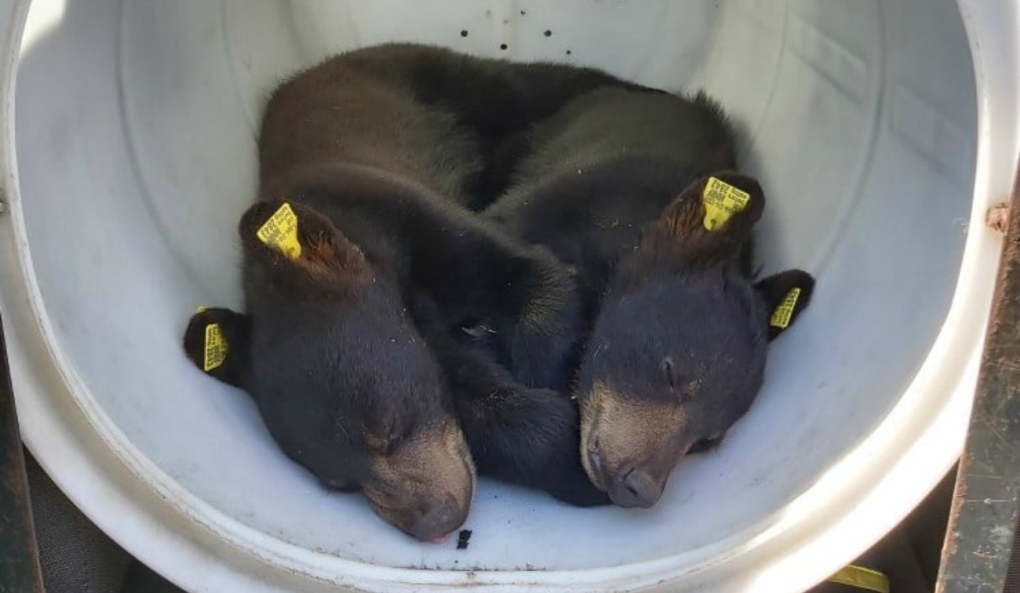
The cubs were tranquilized and trapped so they could be safely transported to Bear With Us Centre for Bears, where they will be cared for and released next year. (Supplied)

SUDBURY — Two bear cubs have been taken to an animal sanctuary after their mother was killed by a vehicle in the Sudbury community of Garson last week.

A social media post by the city on Thursday said after their mom was killed, the two cubs scrambled up a tree in a nearby park.

“City parks staff spotted the cubs and called in Greater Sudbury Police and Ministry of Natural Resources and Forestry to help,” the city said. “These two beautiful cubs are in safe hands today after a frightening and tragic ordeal.”

Related Stories

The cubs were tranquilized and trapped so they could be safely transported to Bear With Us Centre for Bears, where they will be cared for and released next year.

A photo of the snoozing little bruins after they were captured and also posted on social media by the city.

“Thanks to everyone who helped give these two cubs a safe and happy outcome!” the city said. 

People just covered themselves in fake blood in the middle of a downtown Toronto street

Save Posthttps://www.facebook.com/v2.5/plugins/share_button.php?app_id=100616073343311&channel=https%3A%2F%2Fstaticxx.facebook.com%2Fx%2Fconnect%2Fxd_arbiter%2F%3Fversion%3D46%23cb%3Df3b34ef0be3b33c%26domain%3Dwww.blogto.com%26origin%3Dhttps%253A%252F%252Fwww.blogto.com%252Ff1aff1556bd9478%26relation%3Dparent.parent&container_width=94&href=http%3A%2F%2Fwww.blogto.com%2Fcity%2F2020%2F07%2Ffake-blood-toronto-street%2F&layout=button_count&locale=en_US&sdk=joeyhttps://platform.twitter.com/widgets/tweet_button.c4b33f07650267db9f8a72eaac551cac.en.html#dnt=false&id=twitter-widget-5&lang=en&original_referer=https%3A%2F%2Fwww.blogto.com%2Fcity%2F2020%2F07%2Ffake-blood-toronto-street%2F&size=m&text=People%20just%20covered%20themselves%20in%20fake%20blood%20in%20the%20middle%20of%20a%20downtown%20Toronto%20street&time=1595093742184&type=share&url=http%3A%2F%2Fwww.blogto.com%2Fcity%2F2020%2F07%2Ffake-blood-toronto-street%2F

https://www.blogto.com/city/2020/07/fake-blood-toronto-street/

Stay in the loop

Sign up for our free email newsletter. Unsubscribe anytime or contact us for details.ShareTweetSave this Article

Hundreds of animal rights advocates marched through the streets of Toronto this afternoon to demand justice for Regan Russell, the activist who was killed by a pig transport truck while protesting at Fearman’s slaughterhouse in Burlington. 

Russell was dragged by the truck for more than 15 metres during the incident, and charges against the driver have not yet been pressed as Halton Police are still investigating. 

On Friday, protestors took to the streets to demand that Russell’s memory be honoured and that justice be served. https://platform.twitter.com/embed/index.html?dnt=false&embedId=twitter-widget-0&frame=false&hideCard=false&hideThread=false&id=1284158186807689216&lang=en&origin=https%3A%2F%2Fwww.blogto.com%2Fcity%2F2020%2F07%2Ffake-blood-toronto-street%2F&siteScreenName=blogTO&theme=light&widgetsVersion=9066bb2%3A1593540614199&width=550px

Activists marched from CBC Headquarters to Queen’s Park, where speakers including Russell’s husband, Toronto Pig Save’s lawyer, activists and friends of Russell passionately addressed the crowd. https://platform.twitter.com/embed/index.html?dnt=false&embedId=twitter-widget-1&frame=false&hideCard=false&hideThread=false&id=1284196253342085121&lang=en&origin=https%3A%2F%2Fwww.blogto.com%2Fcity%2F2020%2F07%2Ffake-blood-toronto-street%2F&siteScreenName=blogTO&theme=light&widgetsVersion=9066bb2%3A1593540614199&width=550px

At one point, while walking down Queen Street West, activists laid down in the middle of sidewalk and street and covered themselves in fake blood in order to make a statement about Russell’s tragic death. https://platform.twitter.com/embed/index.html?dnt=false&embedId=twitter-widget-2&frame=false&hideCard=false&hideThread=false&id=1284217385109651456&lang=en&origin=https%3A%2F%2Fwww.blogto.com%2Fcity%2F2020%2F07%2Ffake-blood-toronto-street%2F&siteScreenName=blogTO&theme=light&widgetsVersion=9066bb2%3A1593540614199&width=550px

The entire protest was livestreamed from the Animal Save Movement’s Facebook page, and it shows masked protestors holding signs saying things like “We are Regan Russell,” and “Go vegan 4 Regan.”https://platform.twitter.com/embed/index.html?dnt=false&embedId=twitter-widget-3&frame=false&hideCard=false&hideThread=false&id=1284189643794251777&lang=en&origin=https%3A%2F%2Fwww.blogto.com%2Fcity%2F2020%2F07%2Ffake-blood-toronto-street%2F&siteScreenName=blogTO&theme=light&widgetsVersion=9066bb2%3A1593540614199&width=550px

In addition to honouring Russell, activists also demanded that Bill 156 be repealed and replaced.

The new legislation was passed by the Ontario government earlier this year and makes it much easier for farms to hide the conditions in which animals are kept from the public.https://platform.twitter.com/embed/index.html?dnt=false&embedId=twitter-widget-4&frame=false&hideCard=false&hideThread=false&id=1284220436495110144&lang=en&origin=https%3A%2F%2Fwww.blogto.com%2Fcity%2F2020%2F07%2Ffake-blood-toronto-street%2F&siteScreenName=blogTO&theme=light&widgetsVersion=9066bb2%3A1593540614199&width=550px

“The Bill is intended to protect farm animals, the food supply, farmers and others from risks that are created when trespassers enter places where farm animals are kept or when persons engage in unauthorized interactions with farm animals,” reads theexplanatory note at the beginning of the bill.

The law states that activists, media and any other trespassers could receive fines of up to $25,000 for entering a farm property for a number of reasons, including to document the animals’ living conditions or to simply interact with them.

“Activists are demanding that Bill 156, the ag-gag law passed by the Ontario legislature just two days before Regan was run over, be converted into Regan’s law, which protects farmed animals from abuse as well as the whistleblowers who expose the suffering of animals,” reads a statement from protestors. 

“Doug Ford and the members of the Ontario legislature need to know what Regan Russell stood for and how Bill 156 has failed her!!!”Lead photo by 

Toronto Pig Save

How grizzly bears have learned to live with humans

Bears shifted their behaviour to be more nocturnal and avoid people, study found

Sherry Noik · CBC News · Posted: Jul 06, 2020 3:00 PM ET | Last Updated: 9 hours ago

Grizzly bears in Canada have developed an adaptation behaviour that lets them continue living near humans yet reduce their interaction with us, according to decades of research into their behaviour.

In areas where bears and humans coexist, there are often policies in place to protect bear populations while safe-guarding people’s lives. But it turns out the bears are also helping their own cause.

A team of researchers from B.C. and Alberta pooled data on the movements, habitat use and mortality rates of 2,669 grizzly bears over 41 years to examine how they survived when living in or near human-dominated areas.

The researchers found that even as humans encroached further and further into the animals’ habitats, the bears didn’t necessarily shy away from people, but instead gradually shifted their behaviour to become more active at night, when they would be less likely to come into contact with them.

The data was compiled from an area of 378,191 square kilometres predominantly in B.C., which has an estimated 15,000 grizzlies — more than half of Canada’s grizzly bear population.

The research was published Monday in Proceedings of the National Academy of Sciences.

Better survival by becoming nocturnal

Typically, bears in the wilderness spend about half their time in daylight and half under cover of darkness, said study co-author Clayton T. Lamb, who is affiliated with the University of Alberta, the University of British Columbia and the University of Montana.

But by increasing their “nocturnality” by two to three per cent each year, bears living in “coexistence landscapes” — in proximity to people — also increased their survival rate by two to three per cent per year. This led the researchers to conclude that the shift to more nighttime activity was induced by humans. 

The older the bears got, the more nocturnal they became, starting from the age of three onward, to the point where the bears observed in the study reached at least 60 per cent nocturnality, and most of them 70 per cent or more.

Younger bears and those that didn’t adopt the behaviour didn’t do as well.

“If you could learn to live there, you could do OK,” Lamb said in an interview. “A lot of bears don’t switch fast enough and they end up dying.”

Three grizzly bears are captured on a motion sensor camera feasting on an animal left in an open roadkill pit in B.C. (Clayton T. Lamb )

Grizzlies are “integral” to maintaining a healthy ecosystem, the B.C. government says. But their survival is at risk, according to both the provincial Conservation Data Centre and the federal Committee on the Status of Endangered Wildlife in Canada (COSEWIC).

The biggest threat to bears? People.

B.C. banned grizzly bear hunting in 2017. In the decades prior to that, the province’s statistics found an average of 340 grizzly bears died from “human causes” each year — most killed by hunters, but about 30 were killed by animal control as a result of conflicts with humans.

Better for bears, better for humans

This shift to nocturnal behaviour is not only better for the bears, it’s better for humans, because it reduced the number of conflicts between the species, the study said.

Looking at the records of conflicts with 45 individual bears who were fitted with GPS collars, the researchers found there was about a 71 per cent lower chance of conflict with one of them at least once a year if the bears were more active at night than during the day.

“There’s more conflict where there’s more people, obviously,” Lamb said. “But bears that were more nocturnal were always in less conflict, regardless of how close they were to people. 

“Bears are helping to shape that landscape to benefit themselves.”

Nonetheless, bears are still on the losing side of the equation. 

Even though a majority of adult female bears in the area have become more nocturnal and are breeding successfully, they are dying in numbers too high to maintain their population.

For every bear that becomes a successful “coexister,” 29 die prematurely, the research found. They have to rely on “immigrant” bears from nearby wilderness areas to keep thriving.

This isn’t the first time animals have been observed shifting their schedules. A 2018 analysis of dozens of studies covering 62 species, including brown and black bears, found animals increased their nocturnality “in response to human disturbance.” 

But Lamb said the four decades of research on bears brings the whole picture into focus: the extent of the risk they face from living near people, the adaptation that helps them survive and the need for “demographic rescue” via bear immigration to sustain their numbers. 

“The next steps in all this research is really the applied aspect — what can we do with this information to make the landscape work better for people and carnivores,” Lamb saidhttps://www.cbc.ca/news/technology/bears-become-more-nocturnal-to-survive-1.5636570

Ontario Passes Controversial New Ag-Gag Law, But Animal Rights Activists Aren’t Backing Down

Kayo Brewster

Reading Time: 3 minutes  

On June 17, 2020, the Ontario government passed Bill 156, an ag-gag law that criminalizes whistleblowing on factory farms.

Under this law, it is now illegal for anyone to photograph animals in transport or to approach trucks to offer water to animals that have legally been transported without food, water, or rest for up to 36 hours in sweltering conditions. The new legislation also targets journalists, whistleblowers, and investigators, preventing them from exposing animal cruelty on farms and in slaughterhouses. 

Without the cruelty unveiled by undercover investigators and whistleblowers, animals will continue to live in squalid conditions and be subjected to inhumane treatment without repercussions for the farm owners or workers committing these acts.

Amy Soranno is one of the many investigators fighting back, with the support of the Canadian Association of Journalists, the Canadian Civil Liberties Association, and thousands of activists who believe the new law poses a serious threat to free speech.

In a recent video, Soranno discusses her life as an animal rights activist, including organizing Canada’s first mass farm occupation Meat The Victims, and investigating some of the country’s largest animal farming operations.

Following the video’s release, we chatted with Soranno about Ontario’s new ag-gag law and what the further criminalization of on-farm activism in Canada means for the rest of the animal protection movement.

“The animal agriculture industry wants to scare animal activists away from escalating their tactics or taking part in direct action because they recognize that these actions are highly effective,” Soranno states. “My hope is that Bill 156 (and other ag-gag laws) will have the opposite effect, lighting a fire within activists to fight even harder, challenging Bill 156 in court, and fighting for animals to be protected under the law.”
The Importance of Whistleblowers and Undercover Investigators
The meat and dairy industries’ unsavory practices are upsetting and unprofitable, so companies do what they can to “humane wash” their marketing strategies—giving the illusion that their products come from happy, well-treated animals. Undercover investigators, activists, and whistleblowers continue to risk their mental and physical health to expose the truth.  In June of 2019, Animal Outlook—formerly Compassion Over Killing—and the Public Justice Food Project brought suit on behalf of a whistleblower following a hidden-camera investigation inside the Superior Farms lamb slaughterhouse conducted in Dixon, California from May to November 2016. In a first for the animal agriculture industry, Superior Farms entered a consent decree with the USDA to reform its killing methods and other inhumane and otherwise misleading practices that Animal Outlook’s investigation brought into question.
 In July of 2019, Animal Recovery Mission’s (ARM) investigation at Natural Prairie Dairy stands as the first-ever cruelty investigation into an organic dairy farm in the United States, and the third installment of the largest dairy investigation of all time into Fairlife and Select Milk Producers, Inc. The first two investigations released by ARM were Operation Fair Oaks Farms and Operation Fairlife. After the investigations gained media attention, Fairlife milk and Natural Prairie Dairy products were pulled from grocery store shelves across the country.
 In October of 2019, Animal Outlook released the first-ever undercover footage of a salmon aquaculture farm—Cooke Aquaculture. The farm is a massive salmon hatchery whose subsidiary, True North, has partnered on a new seafood brand with Martha Stewart. The footage reveals heinous scenes of animal abuse, giving consumers a first look into the highly secretive salmon farming industry. Animal Outlook submitted their evidence to authorities, and after being contacted about the investigation, Cory Baker, COO of Marquee Brands—which owns the Martha Stewart True North Line—replied promptly. Booker stated that the company will be opening its own investigation immediately and is committed to “sustainability and of course ensuring cruelty free practices.”
Similar ag-gag laws are being introduced and implemented into provinces across Canada, including Alberta and British Columbia.

“These bills would increase penalties for people who attempt to rescue animals from harm and would implement higher charges for those who trespass onto farm properties, like hundreds of thousands of dollars in fines or years in jail…This is for entering a business and taking out your phone to record. These new Bills are one of the biggest threats to Canadian farmed animals right now. Not only are the animals being silenced, but now so are their advocates.”

Read the full story here
Getting our facts right is vital in journalism. Join us Thursday, July 23rd at 9am PT to learn from author, researcher, and lecturer Christopher Sebastian how to fact check effectively. Sign up here.
Covering COVID-19
With the worst global pandemic we’ve seen in over a century, it’s more important than ever to make sure the truth is reported in its entirety, not just what’s convenient.

Help us share the facts during these uncertain times and make sure the world knows our species cannot survive if we continue our exploitation of the planet and nonhuman animals.

B.C. grizzly advocate is bringing the bears to your living room through a podcast

Nicholas Scapillati interviewed people throughout North America to produce heart-warming stories about human- grizzly interactions

Very soon you can put on your headphones and enter the world of grizzlies and hear stories from people who are on the front-lines of conservation.

Nicolas Scapillati, executive director of Grizzly Bear Foundation, a Vancouver based non-profit, is excited to bring grizzly stories to people’s living rooms through his podcast series, GrizzCast which will be aired on July 6.

As a grizzly advocate, Scapillati has always propagated awareness and education as the foremost tool to conserving grizzlies and reducing wildlife conflict.

Scapillati travelled across North America and interviewed people involved in grizzly conservation.

For the seven-episode series, that will release on the first Monday of each month, he spoke with people from unique professional backgrounds.

“You have scientists, hereditary chiefs, war correspondents, hunters turned conservationists, fishers and others who have such great stories,” Scapillati said, and added, that these stories will “inspire people” to see how they can play a role in conservation.”

While the colourful backgrounds and heartwarming interactions of the people add to well-researched informative pieces, the real stars of the show are the iconic grizzlies.

Scapillati said that people will be drawn in because the podcast is all about grizzlies.

“There’s so much people can learn about these animals that are so often misunderstood because people are afraid of it and don’t know how to live with it,” said Scapillati.

With more grizzlies turning up at a lot of places where they’ve historically never been before, these podcasts will be particularly helpful to “re-frame” human relationships with grizzlies.

READ MORE:Vancouver Island grizzlies: moving in, or just passing through?

There’s humour, adventure, excitement, and lots of information about the bears in each episode.

In the first episode, set in Yellowstone, Doug Peacock talks about the ‘healing power of grizzlies’ and how being around these “wonderful animals” saved his life.

In another episode, a former hunting guide from Yukon, Phil Timpany, talks about how the remorse of trophy hunts changed him to become a bear conservationist.

Closer to Vancouver Island, hereditary chief Mike Willie talks about indigenous led conservation and the cultural significance of grizzlies to the First Nations.

Scapillati and Willie also talk about Mali the beloved grizzly who was shot near Broughton Archipelago after being relocated through historic joint efforts.

READ MORE: Mali, the grizzly shot after an epic relocation, to be buried today on First Nation’s land

Episodes of GrizzCast will be available on Apple Podcasts, Google Podcasts, Spotify, Stitcher, Castbox, YouTube and iHeart Radio.

For podcast updates and more on Grizzly Bear Foundation’s work to protect the grizzly bear, visit grizzcast.grizzlybearfoundation.comhttps://www.campbellrivermirror.com/news/b-c-grizzly-advocate-is-bringing-the-bears-to-your-living-room-through-a-podcast/