Exposing the Big Game

Forget Hunters' Feeble Rationalizations and Trust Your Gut Feelings: Making Sport of Killing Is Not Healthy Human Behavior

Exposing the Big Game

DIANE KEATON JOINS FIGHT TO STOP ANIMAL CRUELTY EXPOSED BY TIGER KING

VegNews.DianeKeatonParamount

The actress steps up her activism as board member of animal-rights group Social Compassion in Legislation to push for the passing of The Big Cat Public Safety Act, a law that would prohibit the ownership of big cats.

https://vegnews.com/2020/4/diane-keaton-joins-fight-to-stop-animal-cruelty-exposed-by-tiger-king


5,360 Shares    

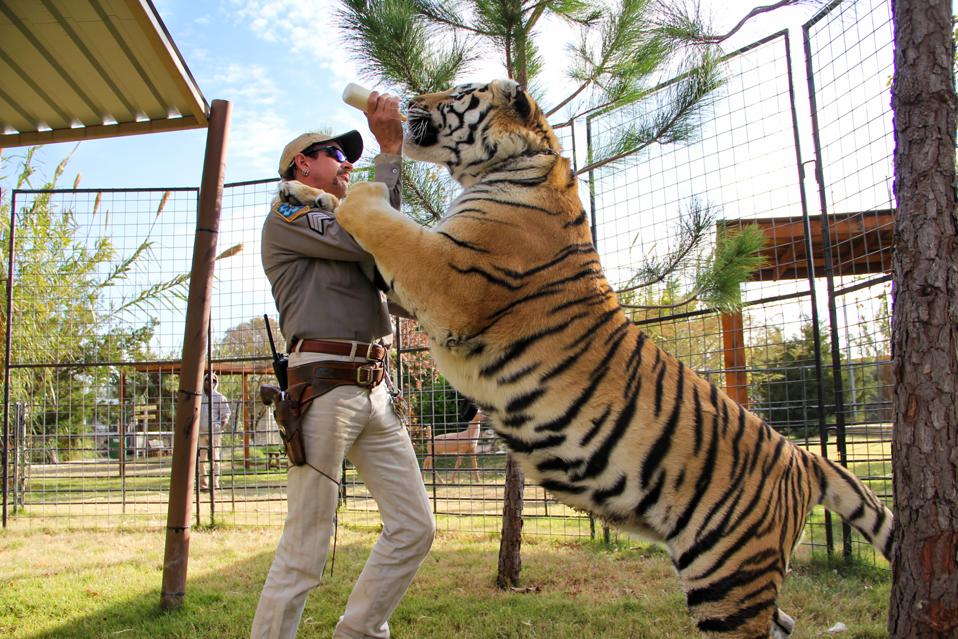
After watching popular Netflix series Tiger King: Murder, Mahem, and Madness, actress Diane Keaton was inspired to take action to stop the animal cruelty depicted in the series. The docu-series follows the feud between Oklahoma roadside zookeeper Joe Maldonado-Passage (known as “Joe Exotic”) and Carole Baskin—owner of Florida sanctuary Big Cat Rescue who worked to shut down Exotic’s zoo—along with other eccentric characters classified loosely as “big cat people.” While Exotic and fellow Tiger King zookeepers claim that their work aids the conservation efforts of big cats, undercover investigations have proven otherwise.

This week, The Humane Society of the United States (HSUS) released never-before-seen footage of Exotic and his cohorts at his G.W. Zoo punching cubs in the face, dragging them by the tails, and engaging in other forms of abuse in the name of making profit from breeding and keeping the wild animals in captivity. Exploiting big cats for entertainment also poses dangers to humans, as seen by the brutal mauling of a zoo employee featured in Tiger King. “Now is the time to end animal cruelty,” Keaton said. “Exotic animals that are kept for private use are not only a public health issue but also endanger the lives of first responders.”

Keaton has long been a board member of animal-rights organization Social Compassion in Legislation (SCIL) and is stepping up her efforts to bring awareness to The Big Cat Public Safety Act, HR 1380 (BCPSA), legislation that would effectively end the ownership of big cats nationwide and prohibit the use of cubs for photo opportunities. “Too many animals suffer in roadside zoos in America. Tiger King did not show the abuses suffered off-camera,” Louise Linton, another prominent SCIL board member, said. “Bears, Big Cats, and many other exotic animals languish in ill-health, starvation, and abuse in tiny cages. There are ample transport vehicles and many sanctuaries awaiting these animals’ release.”

This week, Keaton and other SCIL board members (which include vegan actress Maggie Q) spoke with BCSA author Congressman Mike Quigley (D-IL) to establish a path toward effectively pushing the bill through Congress once the COVID-19 pandemic is under control.

“We are so fortunate to have our board members standing up and shining a light on the problem of personal ownership of these magnificent animals,” SCIL Founder and President Judie Mancuso said. “It is important for the public to understand that exploiters like Joe Exotic put profit over the welfare of the animals. They will breed and breed to keep the baby tiger photo ops rolling, but do not care what happens to those animals once they are sold to whoever is willing to pay for them or dispose of them before they get too big. Sanctuaries like the one run by Carole Baskin do not breed and do not allow the animals to interact with humans, which the show did not highlight enough.”

SCIL, Baskin, the HSUS, and others are urging citizens to voice their concerns about the suffering of big cats to their legislators by asking them to support The Big Cat Public Safety Act.

Photo Credit: Paramount Pictures

I’m A Real Tiger Keeper. Here’s What Disturbed Me About ‘Tiger King.’


“The way we treat wildlife matters. In the era of the coronavirus pandemic, we’re seeing the dire consequences of this right now.”
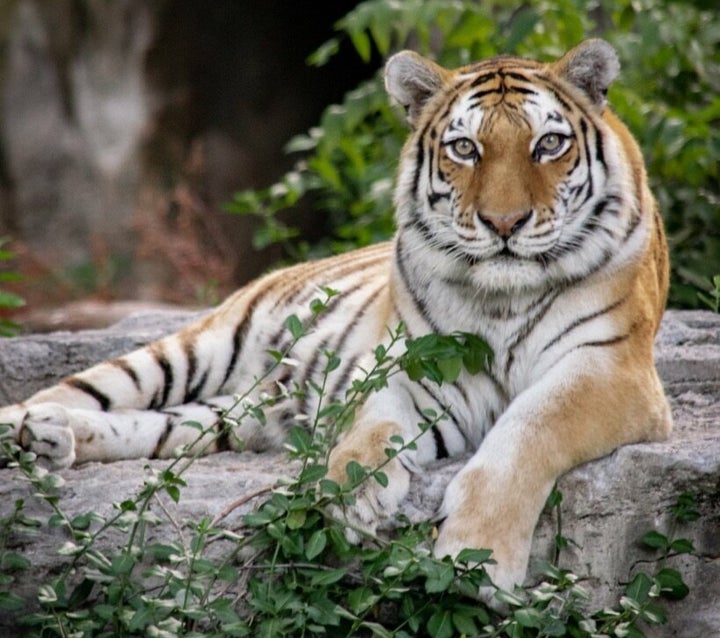
A female Amur tiger at the zoo where the author works. It's estimated that only 350-450 Amur tigers survive in the wild.

A female Amur tiger at the zoo where the author works. It’s estimated that only 350-450 Amur tigers survive in the wild.

I’ve worked as an animal caretaker at a renowned, AZA-accredited organization for over a decade now. It’s a unique job, and every day is different, but even in my world, it’s a weird time to be a tiger keeper.

I guess you might say that it’s never not a weird time to be a tiger keeper, but here in the age of COVID-19 and “Tiger King,” I find it especially odd.

The pandemic started to spread before I saw the Netflix documentary. When the mayor of our city issued a “shelter in place” order, the zoo that I work at closed to the public. For years, I’ve explained that I work in a 365-day a year occupation to kids by saying, “You don’t skip feeding your dog on Christmas, right?” Meaning just because the zoo is closed, keepers still need to come in.

The first morning of working in the closed zoo felt peaceful. I’m used to quieter days in the winter, but even then, the zoo functions like a small city, with various employees cleaning grounds, fixing infrastructure, hustling this way and that. The lockdown feels different.

Only “essential” staff are present, and carnivore keepers like myself typically work solo as a safety precaution. Sometimes I spend my entire shift without seeing another person. There’s a calmness in the solitude. It’s just me and the cats.

Outside, the world brimmed with a sense of impending doom, with rising coronavirus case counts and what seemed negative news 24 hours a day. Within the zoo’s walls, I pushed the anxiety out and focused on the gentle chuffs of our tigers.

The zoo is not immune to the workings of the outside world, and as COVID-19 escalated, things changed within it. Our department split into two teams, and our weekends rotated, with each team now working half of the week.

In theory, if one team becomes exposed to the virus, the other team could still function and step in. After all, you don’t skip feeding your tiger just because there’s a terrifying global pandemic, right?

It was painful to watch Joe’s rowdy staff call themselves ‘keepers,’ diminishing the occupation at a time when caretakers of all kinds are called upon to demonstrate extreme dedication to their particular cause.

Shortly after we split our routine, the texts started.

“Have you seen ‘Tiger King’?” friends asked as seemingly all of America binged the new docuseries.

The show tells the story of Joe Exotic and his uncouth roadside attraction contemporaries who own large exotic animals, like tigers.

I hadn’t seen it.

As many of my friends joked about working from home in their sweatpants and as comedians hosted late-night shows from their bathtubs, my job seemed to become even more intense. Despite what Joe preaches, wild animals are not pets, so I can’t exactly take my work home with me.

While on the job, I’ve been busy, to say the least, averaging 15,000 to 20,000 steps a shift lately. My co-workers and I maintain the animals’  habitats and make sure everyone has healthy diets, fresh water and plenty of enriching objects, foods and activities. Though the zoo’s pathways are vacant, our standards of care remain the same.

What we do at the zoo does not compare to the front-line work of health care, housekeeping, first responder and sanitation workers during the age of COVID-19. These individuals truly are heroes. Nonetheless, I am leaving my home every morning ― the only place I deem genuinely safe ― and going out into an increasingly perilous world.

At work, I inevitably cross paths with maintenance workers or horticulture staff from time to time, and it isn’t always possible to maintain a six-foot distance. Then, of course, there is the shift change between teams. Before I leave my building on my “Friday,” I wipe down everything I can with diluted bleach. I wipe door handles, locks, broom handles, countertops, the desk and keyboard, hose bibs and sink nozzles. But it still seems impossible to sanitize everything. It never really feels like enough.

When I get home from work each day, I go straight into my basement, where I am lucky enough to have a shower. I leave my zoo clothes downstairs, wipe my phone down with alcohol, shower and wash my hair before relieving my now teach-at-home husband from caring for our young son.

This is all to say, I’m not exactly in the position for a quarantine-TV binge.

Still, the texts kept coming.

“What do you think of ‘Tiger King’?”

In an effort to have an opinion to offer, I finally squeezed the show into my nightly meal-prep/dishwashing routine.

So, here’s what I think.

The animal abuse was appalling. Seeing Joe Exotic tear tiger cubs, only minutes old, away from their mother so that they could become props in his “cub petting” scheme is not a scene I will quickly forget.

But there was something else about “Tiger King” that bothered me. Something more subtle than the overt abuse and general craziness.

I took a pause, hearing this, as I peanut-buttered my sandwich to prepare for work the next day. I was prepping to leave my safe space, potentially risking the safety of my family, to care for the zoo’s animals. And, honestly, I wouldn’t have it any other way. My co-workers  and I are determined to guide the animals in our care through this uncertain era, no matter what comes of it.

Whether it’s a wet market in China or people like Joe Exotic and his friends illegally trading and breeding wildlife in our own backyard, the way we treat wildlife matters. We’re seeing the dire consequences of this right now.

Most animal caretakers have four-year degrees, or even graduate degrees,  and years of experience. We are working in two teams precisely because of the skill and expertise our job requires. If we all become sick with the novel coronavirus, the average (pardon the pun) Joe will not be able to step in and safely fill our shoes, despite Baskin’s claim that anyone could and would “just do that stuff for free.”

It was painful to watch Joe’s rowdy staff call themselves “keepers,” diminishing the occupation at a time when caretakers of all kinds are called upon to demonstrate extreme dedication to their particular cause.

As these weeks of sheltering in place have gone by, the weather has warmed up. More trees have budded out. The forsythia bloomed. There’s a muted murmur in the air — the spring chorus of American toads — adding an otherworldliness to the zoo’s vacant pathways. But the quiet no longer seems peaceful to me. It seems eerie.

I miss the energy ― the laughter and joy bubbling from families visiting the zoo, now unnervingly gone. I miss the chance to connect with guests and talk to them about what our zoo is all about ― the conservation and welfare of the diverse species, including tigers, in our care. I may not have always recognized it, but now it’s obvious: The visitors are an essential component of the zoo, too.

As we continue to be locked in our homes and to distance ourselves from friends and family and co-workers, many people have looked for the source of this pandemic. I have seen bats blamed for the coronavirus. Or pangolins. I’ve even heard snakes are at fault. But really, we humans are the ones to blame.

The intersection of humans, animals and the environment creates the One Health approach to disease control, and, let’s be honest, as a society, we’re kind of failing at it. Whether it’s a wet market in China or people like Joe Exotic and his friends illegally trading and breeding wildlife in our own backyard, the way we treat wildlife matters. We’re seeing the dire consequences of this right now.

It’s hard not to watch “Tiger King.” Everyone is talking about it and, while we patiently quarantine, no one really has any other plans. So, why not indulge in staring at the train wreck? But remember that for every Joe Exotic, there are hundreds of dedicated keepers leaving the safety of their homes and heading out into the pandemic to care for these remarkable animals in real and positive ways.

And when all of this is over, this tiger keeper, for one, can’t wait to welcome guests back to the zoo. None of us knows what a post-pandemic world will look like. But I sure hope that there will be a bright future for both humans andtigers.

Carolyn Mueller Kelly is a keeper at an AZA-accredited U.S. zoo with more than a decade of experience in animal care. Aside from her work with lions, tigers and bears, she loves to spend her time writing.

Did Netflix’s ‘Tiger King’ Forget About The Tigers?

EDITORS’ PICK|3,758 views|

The crazy, chaotic energy of Netflix’s Tiger King proved the perfect antidote to coronavirus anxiety, as 34 million people watched the series during its first ten days on the streaming platform.

Judging from the initial responses on social media, many viewers felt absolutely certain that Carole Baskin murdered her husband (as the documentary strongly implies), while Joe Exotic was hailed as a warped kind of hero, being the protagonist of Netflix’s story.

The series even sparked a semi-satirical #FreeJoeExotic campaign, prompting a reporter to ask President Trump if the titular Tiger King was to receive a presidential pardon; it’s a ridiculous question for the president to receive during a global pandemic, but to be fair, we live in ridiculous times.

Now that the initial shockwave has passed, and the world has had time to fully absorb the madness of the exotic animal trade, some are asking why the filmmakers chose to leave big cat welfare in the background, focusing on the eccentric personalities and unsolved murder-mystery.

It’s not a particularly difficult question to answer; any filmmaker rewatching those clips in the editing room, tasked with crafting a compelling narrative, would absolutely shift focus to the larger-than-life characters in this story. Tigers can’t possibly compete with the electric cast of crackpots featured in this series – they’re far too outrageous to waste.

From an animal rights perspective, there’s much to criticize about Tiger King, but I think it’s important to view the series as what it actually is – a story – rather than what it “should” have been. Tiger King is a sensationalist slice of entertainment, and doesn’t pretend to be anything else.

The plight of the lions and tigers cooped up in Joe’s cages, however, is rarely forgotten; the sight of the majestic creatures sitting forlornly in those tiny cages serves as a constant reminder that Joe and others are severely abusing them for profit. Watching newborn cubs being torn from their mother was disgusting, and it was clear that Joe didn’t give a damn about their welfare; these magnificent predators were treated like oversized plushies.

That being said, Carole Baskin, whatever you think of her, has good reason to be angry about her portrayal; not just the murder mystery thing (which has, inevitably, led to her being harrassed by lunatics), but the implication that Baskin was mistreating her tigers to the same extent Joe was, which is simply false.

Or at least, that’s currently the case. Because Baskin’s sanctuary, Big Cat Rescue, has a complicated history, like everything in Tiger King. As the documentary points out, Baskin used to be incredibly ignorant to the needs of these animals, and during the nineties, even offered a “bed and breakfast” experience that allowed guests to spend the night with a young wild cat in their cabin.

Clearly, Baskin has changed her priorities, having overhauled and reassembled the sanctuary long ago; it’s been a non-profit for years, Baskin now campaigning for a total ban of the private ownership of big cats, regardless of keeping conditions.

From an animal rights perspective, it doesn’t matter what Baskin’s motivations are, or what her history is, considering that she is currently advocating for big cat welfare. Clearly, the exotic animal market is rotten to the core, a wretched hive of scum and villainy – that’s why it made for such great television.

Big cat people, to put it mildly, are extremely weird. Many of them have a warped, Disney-esque perception of the animal kingdom, an infatuation devoid of real respect. Should one really cuddle creatures that are capable of tearing off limbs?

But there is an upside to Tiger King’s sensationalism; due to the documentary’s outrageous content, an extraordinary amount of people are now talking about it. Which means that many more people now understand how deeply immoral it is to own a tiger, pet a tiger, or to have a selfie taken with a cub.

This wasn’t the focus of the documentary, but it’s become part of the conversation, and those big cats desperately needed someone to shine a light on their deplorable living conditions.

Because the most extraordinary thing about this insane series, by far, is that (almost) all of what we saw was perfectly legal.

From ferrets to mice and marmosets, labs scramble to find right animals for coronavirus studies

One lab is digging into its freezer to thaw out the archived sperm of SARS-susceptible mice. Another is anesthetizing ferrets so they don’t sneeze when the new coronavirus is squirted into their nostrils. Yet others are racing to infect macaques, marmosets, and African green monkeys.

Those animals could prove critical for understanding how Covid-19 works — and for concocting vaccines and treatments to stop its sweep. Every day, it seems another company announces an attempt to make its own virus-fighting vials. But to test an experimental formulation, scientists can’t just jump from Petri dishes into people. They need to try it in critters first, to check that the stuff is safe and effective.

Now, researchers are rushing to figure out which creatures work best, a task that could take months. “We’re at the ‘Uh oh, it’s complicated’ stage,” said Lisa Gralinski, a microbiologist and assistant professor of epidemiology who studies coronaviruses at the University of North Carolina at Chapel Hill.

ADVERTISEMENT

The trouble is, labs can’t just use whatever animal they have lying around to start testing their shiniest Covid-19 vaccine. Not every animal is susceptible to the virus, and those that are may not show signs of disease. Even if they do get sick, that doesn’t mean their symptoms match the ones doctors hope to prevent and treat in humans, which can run the gamut from almost unnoticeable cough to life-threatening lung injury.

An infected but asymptomatic animal can tell scientists whether drugs or vaccines effectively fight the pathogen. Yet because severe disease might be partially driven by the human immune system itself — a violent inflammatory response to a viral intruder — those creatures that can slough off this coronavirus without looking any worse for wear can’t tell us everything.

“If you don’t have animals getting sick, it’s hard to know what you’re doing,” said Stanley Perlman, a University of Iowa pediatrician and microbiologist who specializes in coronaviruses. “We know that if you clear the virus and don’t deal with the clinical disease and host immune response, you may still have a sick animal or a sick person.”

Past outbreaks can provide some guidance, but what worked then won’t necessarily fit the bill now. With SARS — another coronavirus that passed from animals into humans and caused a serious outbreak, starting in 2002 — the pathogen could infect run-of-the-mill mice, but only to a limited extent, and didn’t cause the same sort of respiratory disease it did in people. A similar pattern was seen in macaques, marmosets, and African green monkeys, as well as ferrets. From a virus-replication standpoint, at least, researchers at the National Institutes of Health found the golden Syrian hamster “an excellent model.”

But then, when MERS emerged, likely from camels, about a decade later, the coronavirus responsible seemed especially comfortable infecting primates and hoofed relations of its animal reservoir — with lung infections less severe in marmosets than macaques, nasal drip observed in camels but not alpacas. Mice, ferrets, and hamsters, meanwhile, simply weren’t susceptible.

So the first question to sort out is what kinds of cells the Covid-19 virus can infect — an issue that has its roots in the pathogen’s architecture.

As specks of genetic material inside a protein envelope, viruses wobble on the edge of being alive. Their metabolic machinery only truly fires into action when they get inside a cellular host. To do that, they use a molecule on the outside of a cell as a kind of portal, like burglars slipping in through a skylight or fire escape.

“Viruses tend to coopt these molecules and use them as their receptors,” explained Kanta Subbarao, director of the World Health Organization Collaborating Centre for Reference and Research on Influenza, in Melbourne, Australia, who spent years doing coronavirus animal research.

Because those receptors evolved differently from one species to another, depending on the purpose they’re supposed to serve within the body, the viral proteins that can unlock a human cell can’t necessarily do the same in a macaque or mouse.

Virologists hoped the new virus would multiply in mice. They’re cheap and plentiful and easy to work with, meaning that important experiments could get started quicker. No such luck, it seems. When a group in Wuhan led by virologist Shi Zheng-Li adorned cells with receptors from a variety of mammals, the team found the virus could latch onto those of horseshoe bats, civets, and pigs — but not mice.

There are ways around that: One is to repeatedly pass the virus through mice, until it evolves to infect them. The other is to give the rodents human receptors, either inserting the molecules locally in the respiratory tract or breeding mice that have virus-susceptibility wired into the entire body’s DNA.

While scientists were disappointed to see that everyday mice may be resistant to the virus that causes Covid-19, it has given them a lucky break: There’s evidence that it uses the same receptor as the SARS pathogen. In other words, the animals they made during that outbreak may be relevant. But they aren’t necessarily ready to use.

About 15 years ago, Perlman’s lab engineered some mice to have the receptors SARS coopts to gain entry into our cells. But maintaining that colony was work in and of itself. Lab members had to keep propagating them, swiping skin and tail samples to check that they still had the desired genetic makeup.

By 2009 or so, long after the SARS outbreak had died down, that seemed like a waste of resources. “We kept them for an extra five years and decided, ‘We are not using these mice, no reason to keep them,’” Perlman said. So his team collected some sperm, froze it down, and sent it off to Jackson Labs for safekeeping. Then they got rid of the colony.

Early this year, Gralinksi’s lab was preparing to do the same with mice left over from SARS work. “We were about a week away from killing all of them and cryopreserving the line,” she said. Her team had started the necessary paperwork when they heard news of a strange sort of pneumonia popping up in Wuhan, China — a coronavirus, people said. “It was like, ‘All of those mice, we need to set them up as breeders immediately,” she recalled. “So our colony is in the growing phase right now; we’re not ready to do experiments.”

At Jackson Labs, in Maine, Perlman’s mouse sperm has given rise to a new generation — but it’s not ready to be infected with the virus yet, either. As Cathleen Lutz, senior director of the mouse repository at the non-profit’s rare and orphan disease center, wrote in an email to STAT, “Our first litters have been born just days ago.”

Gralinksi’s mice should be ready for studies by April, Lutz’s by May. “I must get two emails a day asking for the mice,” Perlman said.

Some researchers in Beijing have posted promising but preliminary and unreviewed results online after showing that the virus infects these modified mice and injures their lungs, while at the NIH, researchers are testing a Covid-19 vaccine from Moderna Therapeutics on normal mice to check whether it generates an immune response — yet it will take longer before animals are ready for evaluating the safety and efficacy of drugs and vaccines.

In the meantime, Perlman is also working on delivering human receptors into the lungs of rodents, using a different, harmless virus as a Trojan horse. He knows those quick-fix animals may allow for some studies on fighting virus replication, but probably won’t be much help in understanding the progression of disease.

Just as virus susceptibility can change from animal to animal, so can the accompanying symptoms. That’s why researchers are beginning to test a whole menagerie’s worth of species.

“To understand what goes on following infection in humans, we need a model that reflects that severe pneumonia and acute lung injury,” explained Rudragouda Channappanavar, a veterinarian who studies coronaviruses at the University of Tennessee Health Sciences Center, “especially for severe patients that are in the ICU.”

In Saskatoon, Canada, tests to see the effects of the coronavirus in ferrets began last week. “If you infect ferrets with some influenza viruses, they get very similar symptoms to what humans get,” said Darryl Falzarano, a research scientist focusing on coronaviruses at the Vaccine and Infectious Disease Organization’s International Vaccine Centre, at the University of Saskatchewan. “They actually cough and sneeze. They have similar lung pathology. But that’s flu.” He isn’t yet sure that that’ll be true of the new virus.

With many of these animals, the plan is to sample different tissues and fluids at different time points, to check that the animal was indeed infected, and if so, where the virus is hanging out in which species, and for how long.

“This initial study is just to find out whether these species of animals can be infected, whether they demonstrate the clinical signs, whether they have an immune response … where the virus is shed, whether it’s in urine, tears, feces, blood,” said Skip Bohm, chief veterinary medical officer at Tulane University’s National Primate Research Center, in Covington, Louisiana.

Last week, scientists there received a sample of the virus that causes Covid-19, swabbed from a patient in Seattle and shipped in a vial within a leak-proof, Tyvek-sleeved bag, within a rigid outer box, as per Department of Transportation requirements. They’re now waiting for regulatory approval to start experiments.

In the meantime, they’re working to reassure the lab’s neighbors that their research will help combat the outbreak rather than worsen it. “What typically has been expressed is just the idea of bringing coronavirus into the area, the idea that it’s not here yet, there have been no cases, and we’re bringing it into the area — that has been the concern,” said Bohm.

They’ve been reaching out to nearby schools and local officials to explain what goes on behind the locked doors of the center. “What we’ve seen is a lot of positive response … to our part in developing vaccines,” Bohm said. “Because everybody wants that.”

As with many labs around the world, though, it’s still up in the air exactly when that work will begin.

Bird flu spreads through live markets – Expert reaction

Media release from the Science Media Centre
Undoctored_green

A new study highlights the role of live poultry markets in the spread of avian influenza.

Since it was identified in 1996, one strain of avian influenza (H5N1) has spread to more than 60 countries with a human fatality rate of 50-60 per cent. A new study shows the virus tended to move between nearby provinces especially where there was intense live poultry trade. The same trend was found in two other strains of avian influenza: H7N9 and H5N6.

Professor David Hayman, Professor of Infectious Disease Ecology, Massey University School of Veterinary Science, comments:

“This is an important paper that uses genetic and animal production data to determine that the transmission of highly pathogenic avian influenza A viruses, aka ‘bird flu’, in China, which can infect and kill people, are driven largely by national-level poultry trade networks. The results suggest this is true for all three major avian influenza virus lineages in poultry in the country.

“This work suggests that the control of these viruses, therefore, is dependent on poultry production rather than wild birds. This means that while evidence suggests wild birds maintain these viruses in nature, people can limit the disease potential through poultry management, which is easier than attempting to intervene with wild bird systems.”

No conflict of interest.
________________________________________
Professor Robert G. Webster, Department of Infectious Diseases, St. Jude Children’s Research Hospital, USA, comments:

“This is an extremely timely paper by an international consortium of scientists from multiple centers in China, United Kingdom, Norway, Belgium and the United States on the role of live poultry markets in the spread of multiple subtypes of H5 avian influenza viruses. While the H5N1, H7N9 and H5N6 avian influenza viruses have not yet learned to transmit human-to-human they do have pandemic potential.

“This paper provides strong evidence for the role of the poultry trade network in the spread of these three H5 genotypes and considers the role of wild bird migration for long distance spread. There is a still a paucity of sequence data on influenza viruses from wild birds outside of Hong Kong and Qinghai Lake on which to base analysis of long distance spread.
“The paper deals with prevention and control efforts to disrupt the spread of influenza viruses between source and sink locations. While understanding the spread of H5 influenza viruses is essential for control an even more important strategy is to prevent the emergence of these viruses in live poultry markets by permanently closing such markets.

“The emergence of H5 influenza viruses, of SARS, of the new coronavirus (COVID-19) have been traced to live animal markets. China is now a wealthy country that could phase out such markets particularly the exotic animal markets.”

No conflict of interest.
________________________________________
Dr Joanna McKenzie, One Health epidemiologist, School of Veterinary Science, Massey University, comments:

“This paper is interesting not so much for the authors’ findings, which are consistent with existing knowledge on transmission of the different clades of avian influenza viruses, but for its underlying demonstration of the value of:

  1. Good quality data on live poultry trade networks and migratory bird movement, and
  2. Good quality data on the distribution of outbreaks and the genomic sequence of avian influenza viruses (or any pathogenic organism) associated with each outbreak.

“Understanding poultry trade networks helps to prepare for and respond more quickly to the introduction or emergence of pathogenic organisms (including viruses, antimicrobial resistant bacteria, etc) in poultry. It identifies major poultry trade networks (described in the paper as live poultry trade communities) plus hubs that link the different networks.

“Some hubs act as a major source of poultry for the different communities, i.e. areas that have a high density of poultry production and supply a high proportion of birds to other areas. Some hubs have a higher probability of receiving poultry from the different networks and thus may have a higher risk of virus arriving in the area.

“Having knowledge of these hubs, provides the opportunity to target surveillance to detect outbreaks of known diseases such as avian influenza plus to detect new and unusual diseases in these areas, referred to as risk-based surveillance.

“Good quality outbreak data, particularly good geographic coverage of outbreaks and consistent coverage over time, enables an understanding of the distribution of outbreaks. Genetic analysis of viruses associated with the outbreaks is essential to understand the distribution of specific genetic clades geographically and over time.

“The important message for me from this paper is the importance of having good surveillance systems in place to detect and investigate disease outbreaks, record details of the outbreak, conduct genetic analysis of the pathogens, and to report the findings nationally. This is important for detecting and monitoring zoonotic diseases in animals and/or people and understanding the public health risks of the outbreaks.

“It is important to be careful not to make inferences that avian influenza has any link with COVID-19! The only link is that they are both zoonotic diseases but they are extremely different diseases.”

No conflict of interest.

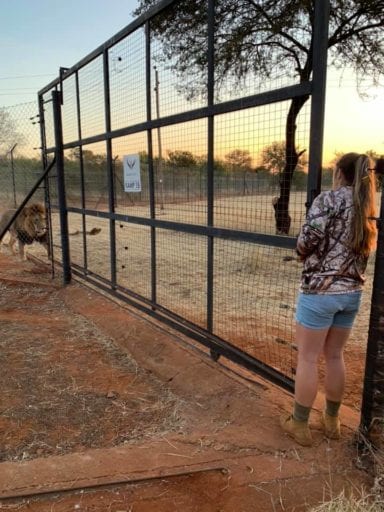
Fury as lions who mauled keeper set to face ‘death sentence’

Fury as lions who mauled keeper set to face 'death sentence'Image: Swane Van Wyk / Facebook

Animal rights activists are campaigning to save a group of lions who look set to be shot after they mauled their keeper to death. 

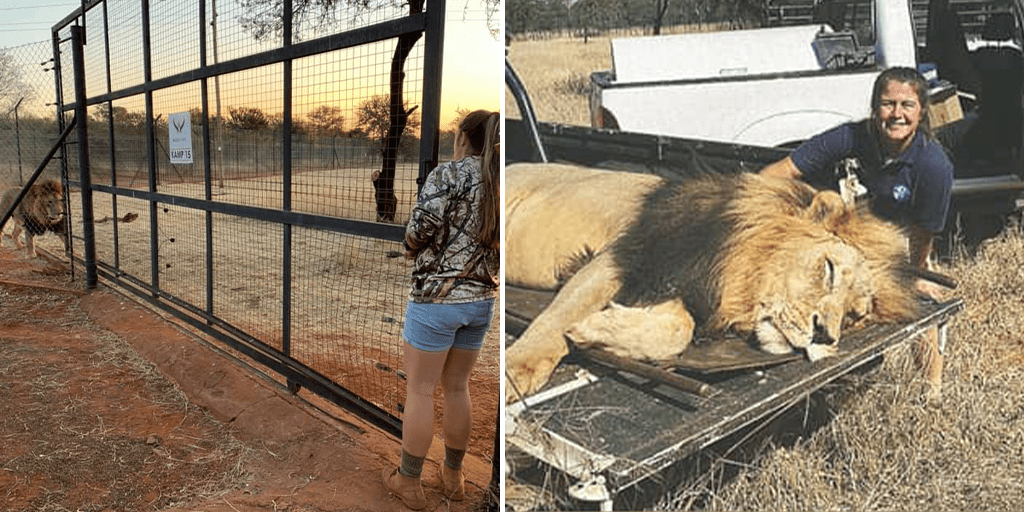
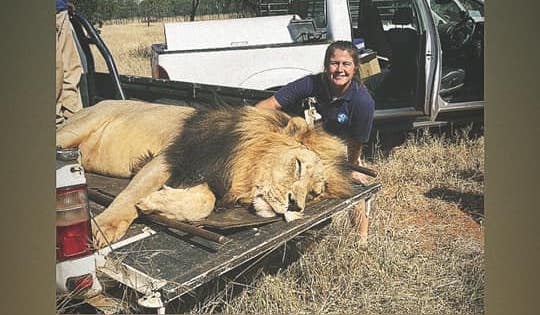
Swane van Wyke was killed by the animals while going about her routine tasks in their enclosure at Zwartkloof Private Game Reserve in Limpopo, South Africa.

An outpouring of grief from the tragedy has led some to call for the animals to be killed in response to the incident.

Officials from the zoo said in a statement: “We are obtaining advice from the proper authorities and agents in order for us to make an informed decision.”

Swane van Wyke was found collapsed in the enclosure with bite and claw wounds, and was pronounced dead on the scene by paramedics.

Fury as lions who mauled keeper set to face 'death sentence'
Image: Swane Van Wyk / Facebook
Fury as lions who mauled keeper set to face 'death sentence'
Image: Swane Van Wyk / Facebook

Captivity

Activists say the case is further evidence that lions should not be kept in captivity at zoos.

Drew Abrahamson, of animal welfare group Captured in Africa (CIA), told SAPeople: “It’s sad yet again, that an innocent person has been attacked and lost her life, due to the confinement and abuse of lions in South Africa.

“Whilst the world’s conservation, wildlife and tourism professionals have long denounced this diabolical lion breeding industry, it’s further saddening to see that South African authorities continue to allow this unnatural industry to continue.”

Welfare group People for the Ethical Treatment of Animals reinforced calls to save the lions. “It seems as though the appropriate informed decision would be to retire all the animals at Zwartkloof to reputable sanctuaries instead of caging them for human amusement and endangering their lives as well as those of the ranch’s workers,” the group said.

“The facility states on its website that it houses buffaloes, zebras, wildebeests, giraffes, leopards, and others and rents out rooms on site to people seeking a ‘bush experience’.

“No reputable facility would allow dangerous contact like this.”

Police confirmed the lion keeper was performing her regular duties when the lions attacked her.

It is not known the exact circumstances in which she was attacked, or how many lions were involved. Police said it is the responsibility of the zoo to ensure staff safety in animal enclosures.

What does this incident say about lion captivity? What should happen to the lions involved in the death of their keeper? Share this story!

Coronavirus closures reveal vast scale of China’s secretive wildlife farm industry

Peacocks, porcupines and pangolins among species bred on 20,000 farms closed in wake of virus

Freshly-slaughtered meat from wildlife and farm animals is preferred over meat that has been slaughtered before being shipped.
 Freshly-slaughtered meat from wildlife and farm animals is preferred over meat that has been slaughtered before being shipped. Photograph: Visual China Group/Getty

Nearly 20,000 wildlife farms raising species including peacocks, civet cats, porcupines, ostriches, wild geese and boar have been shut down across China in the wake of the coronavirus, in a move that has exposed the hitherto unknown size of the industry.

Until a few weeks ago wildlife farming was still being promoted by government agencies as an easy way for rural Chinese people to get rich.

But the Covid-19 outbreak, which has now led to 2,666 deaths and over 77,700 known infections, is thought to have originated in wildlife sold at a market in Wuhan in early December, prompting a massive rethink by authorities on how to manage the trade.

China issued a temporary ban on wildlife trade to curb the spread of the virus at the end of January and began a widespread crackdown on breeding facilities in early February.

The country’s top legislative officials are now rushing to amend the country’s wildlife protection law and possibly restructure regulations on the use of wildlife for food and traditional Chinese medicine.

The current version of the law is seen as problematic by wildlife conservation groups because it focuses on utilisation of wildlife rather than its protection.

“The coronavirus epidemic is swiftly pushing China to reevaluate its relationship with wildlife,” Steve Blake, chief representative of WildAid in Beijing, told the Guardian. “There is a high level of risk from this scale of breeding operations both to human health and to the impacts on populations of these animals in the wild.”

The National People’s Congress released new measures on Monday restricting wildlife trade, banning consumption of bushmeat and sales of wildlife for meat consumption at wet markets between now and the time the Wildlife Protection Law can be amended and adopted. Untouched however, are breeding operations for traditional Chinese medicine, fur and leather, lucrative markets known to drive illegal poaching of animals including tigers and pangolins.

For the past few years China’s leadership has pushed the idea that “wildlife domestication” should be a key part of rural development, eco-tourism and poverty alleviation. A 2017 report by the Chinese Academy of Engineering on the development of the wildlife farming industry valued the wildlife-farming industry those operations at 520bn yuan, or £57bn.

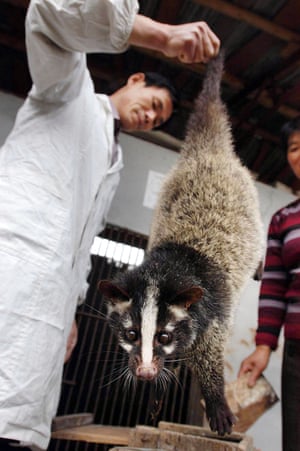
A civet cat is inspected on 10 November 2004 at a farm in Lu’an, China
Pinterest
 Civet cats – thought to be potential carriers of Sars – are among the animals farmed for meat in China. Photograph: China Photos/Getty

Just weeks before the outbreak, China’s State Forestry and Grassland Administration (SFGA) was still actively encouraging citizens to get into farming wildlife such as civet cats – a species pinpointed as a carrier of Sars, a disease similar to Covid-19. The SFGA regulates both farming and trade in terrestrial wildlife, and quotas of wildlife products – such as pangolin scales – allowed to be used by the Chinese medicine industry.

“Why are civet cats still encouraged to [be eaten] after the Sars outbreak in 2003? It’s because the hunters, operators, practitioners need that. How can they achieve that? They urged the government to support them under the pretext of economic development,” Jinfeng Zhou, secretary-general of the China Biodiversity Conservation and Green Development Foundation (CBCGDF), told the Guardian.

On state TV the popular series Secrets of Getting Rich, which has aired since 2001, often touts these kinds of breeding operations – bamboo rats, snakes, toads, porcupines and squirrels have all had starring roles.

But little was known about the scale of the wildlife farm industry before the coronavirus outbreak, with licensing mainly regulated by provincial and local-level forestry bureaus that do not divulge full information about the breeding operations under their watch. A report from state-run Xinhua news agency on 17 February revealed that from 2005–2013 the forestry administration only issued 3,725 breeding and operation licenses at the national level.

But since the outbreak at least 19,000 farms have been shut down around the country, including about 4,600 in Jilin province, a major centre for traditional Chinese medicine. About 3,900 wildlife-farming operations were shuttered in Hunan province, 2,900 in Sichuan, 2,300 in Yunnan, 2,000 in Liaoning, and 1,000 in Shaanxi.

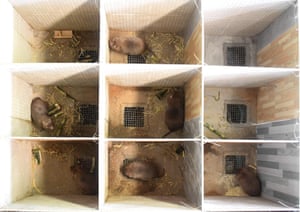
Rats bred in Qinzhou, China, 24 July, 2019
Pinterest
 Breeding of animals such as rats has been seen as central to alleviating poverty in rural areas. Photograph: Zhang Ailin/Alamy

There is little detail available about the animals farmed across China, but local press reports mention civet cats, bamboo rats, ostriches, wild boar, sika deer, foxes, ostriches, blue peacocks, turkeys, quails, guinea fowl, wild geese, mallard ducks, red-billed geese, pigeons, and ring-necked pheasants.

Neither do reports offer much detail about the shutdowns and what is happening to the animals, although Blake said he does not think animals are being culled, due to issues over compensation.

Chen Hong, a peacock farmer in Liuyang, Hunan, said she is concerned about her losses and whether she will get compensation after her operations were suspended on 24 January.

“We now aren’t allowed to sell the animals, transport them, or let anyone near them, and we have to sanitise the facility once every day,” Chen said. “Usually this time of year would see our farm bustling with clients and visitors. We haven’t received notice on what to do yet, and the peacocks are still here, and we probably won’t know what to do with [them] until after the outbreak is contained.

“We’re very worried about the farm’s future,” she added. “The shutdown has resulted in a loss of 400,000–500,000 yuan (£44,000–55,000) in sales, and if they decide to put an outright ban on raising peacocks, we’ll lose even more, at least a million yuan(£110,000).”

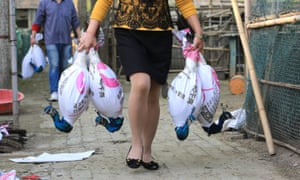
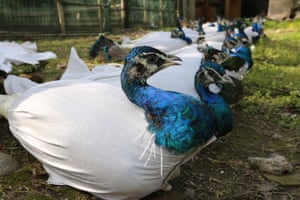
Live peacocks wrapped up in plastic bags, in Xiangyang, China
Pinterest
 Peacock breeders use plastic bags to wrap up the birds in transit to stop their feathers falling off. Photograph: Visual China Group/Getty

On a visit to Shaoguan, Guangdong province, last year, the Guardian and staff from CBCGDF saw a caged facility previously used for attempted breeding of the notoriously hard-to-breed pangolin.

While there were no longer pangolin at the site, several locals near the facility confirmed the species had been raised there, along with monkeys and other wildlife.

Besides being used for Chinese medicine, much of the meat from the wildlife trade is sold through online platforms or to “wet markets” like the one where the Covid-19 outbreak is thought to have started in Wuhan.

“All animals or their body parts for human consumption are supposed to go through food and health checks, but I don’t think the sellers ever bothered,” said Deborah Cao, a professor at Griffith University in Australia and an expert on animal protection in China. “Most of them [have been] sold without such health checks.”

There have been calls for a deep regulatory overhaul to remove the conflicting duties of the forestry administration, and for a shift in government mindset away from promoting the utilisation of wildlife and towards its protection.

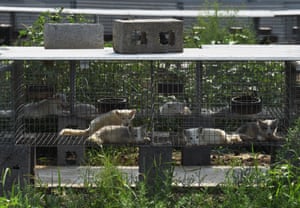
Fox cubs in cages at a farm which breeds animals for fur in Zhangjiakou, Hebei province
Pinterest
 Zhangjiakou city has more than 1,500 firms processing furs from animals including foxes and racoons. Photograph: Greg Baker/Getty

“The ‘referee-player’ combination needs to be addressed and is the toughest [challenge],” Li Shuo, a senior campaigner at Greenpeace East Asia told the Guardian. “This goes back to the institutional identity [of the SFGA] which was established to oversee timber production. Protection was an afterthought.”

There are concerns that in trying to prevent outbreaks authorities may go too far in the culling of wild animals that can carry disease.

“Some law professors have suggested ‘ecological killing’ of disease-transmitting wild animals, such as pangolins, hedgehogs, bats, snakes, and some insects,” Zhou said. “We believe lawmakers need to learn [more about] biodiversity before advising on the revisions to the law, or they’ll bring disaster.”

Additional research and reporting assistance provided by Jonathan Zhong.

Penned lions still on offer at US trophy hunting convention

Updated 

WASHINGTON (AP) — An undercover video recorded by animal welfare activists shows vendors at a recent trophy-hunting convention promoting trips to shoot captive-bred lions in Africa, despite past public assurances by the event’s organizers that so-called canned hunts wouldn’t be sold.

Investigators for the Humane Society of the United States captured the footage last week at the annual convention of Safari Club International in Reno, Nevada. SCI is among the nation’s largest trophy-hunting groups and its yearly gatherings typically draw thousands of attendees and hundreds of vendors selling firearms, overseas safari trips and items made from the skins and bones of rare wildlife.

In the video captured by the Humane Society last week, tour operators said the lions for sale were bred in captivity. Typically, the lions are raised in cages and small pens before being released into a larger fenced enclosure. Once reaching young adulthood, customers pay to shoot them and keep the skins, skulls, claws and other body parts for trophies.

“They’re bred in captivity. They’re born in captivity, and then they’re released,” a salesman for Bush Africa Safaris, a South African tour operator, says on the video. “There’s guys who are going to tell you something different on the floor, they’re going to bulls—t you, that is what it is.”

Salesmen from two other safari operators also confirmed they had captive-bred lions for sale, including advertising a bargain-rate of $8,000 for a ranch in South Africa. Multi-day safaris for hunting wild lions can easily cost 10 times that — money that hunting advocates say helps support anti-poaching and conservation efforts in cash-strapped African nations.

“Canned lion hunts have no conservation value and are unethical,” said Kitty Block, president and CEO of the Humane Society of the United States. “Lions bred for the sole purpose of being hunted for a trophy is an industry built on a conveyor belt of exploitation and animal cruelty.”

In 2018, SCI issued a policy opposing the hunting of African lions bred in captivity, which the group said is of doubtful value to the conservation of lions in the wild. After the Humane Society captured video of canned hunts being sold at the SCI convention last year, SCI issued a statement pledging not to accept advertising from any operator selling such hunts, nor allow their sale in the vendor booths rented out at its annual convention.

In a statement Wednesday, SCI said its policy against captive-bred hunts had not changed and that it would investigate the issue.

“Safari Club International (SCI) proudly supports the right to hunt; however, SCI does not condone the practice of canned hunting by our members, outfitters, or other partners,” said Robert Brooks, a spokesman for the group. “As sportsmen, we believe hunting is best enjoyed when certain fair chase criteria are met.”

Schalk and Terina van Heerden, the owners of Bush Africa Safaris in Ellisras, South Africa, did not immediately respond to an email seeking comment.

Despite tweets from President Donald Trump describing big-game hunting as a “horror show,” his administration has consistently moved to expand the list of nations from which the heads and hides of imperiled African elephants, lions and rhinos can be legally imported back into the United States as trophies.

An avid hunter, Donald Trump Jr. was among the featured speakers at the SCI convention last weekend. As part of the festivities, the group auctioned off a weeklong Alaskan “dream hunt” aboard a luxury yacht with the president’s eldest son. Two hunters paid a combined $340,000 to go on the trip.

In addition to the canned hunts on offer, vendors at the SCI convention were advertising a $350,000 hunt for a critically endangered black rhino in Namibia and $35,000 for a guided polar bear hunt in Canada. One safari outfitter from Africa was offering a $25,000 “Trump Special,” inviting hunters to ”make your own drone strike” by shooting a buffalo, sable, roan antelope and crocodile in a single trip.

“This convention does nothing other than celebrate senseless violence towards wildlife,” Block said. “Wild animals are not commodities to be sold, with their deaths something to celebrate. This needs to end.”

Appetite for ‘warm meat’ drives risk of disease in Hong Kong and China

A wet market, where animals are freshly slaughtered rather than chilled was identified as the source of the coronavirus outbreak. But experts have long warned of dangers

People buy meat at a butchers’ shop at the Bowrington Road food market in Hong Kong.
 People buy meat at a butchers’ shop at the Bowrington Road food market in Hong Kong. Photograph: Grant Rooney/Alamy

Each evening, under cover of darkness, hundreds of live pigs from farms across China are trucked through the rusting gates of a cluster of mildew-stained quarantine and inspection buildings in the Qingshuihe logistics zone in Shenzhen.

Overnight they are checked for illness, primarily the African swine fever (ASF) that is expected to kill off a quarter of the world’s pigs, and reloaded on to ventilated trucks with dual mainland China and Hong Kong licence plates.

Q&A

Why are we reporting on live exports?

Before sunrise the caravan makes its way five-and-a-half miles south to the border at Man Kam To, a small customs and immigration checkpoint, where the pigs go through further visual health checks before crossing into Hong Kong.

They are bound for Sheung Shui slaughterhouse, the largest of three abattoirs in the territory. Once there they will be checked again before being dispatched in less than 24 hours under new rules meant to prevent the spread of ASF.

It’s a lot of effort to get fresh meat from the 1,400 pigs that cross the border each day.

Workers close a gate outside Sheung Shui Slaughterhouse in Hong Kong.
Pinterest
 Sheung Shui slaughterhouse in Hong Kong is the largest of three abattoirs in the territory. Photograph: Getty

The appetite for freshly slaughtered ‘warm meat’

For various reasons, the Chinese prefer freshly slaughtered pig, chicken and beef over chilled or frozen meat that has been slaughtered before being shipped.

That desire is at the heart of why diseases such as avian flu in poultry and ASF have been so difficult to eradicate, with huge movements of live animals from all over the country – from farm to slaughterhouse to market – on a daily basis making controlling the spread of disease incredibly difficult.

A recent coronavirus outbreak in China has been linked to a wet market in Wuhan, eastern China. Like other respiratory illnesses, the disease was initially transmitted from animal to human, but is now being passed human to human.

But despite awareness of the issues, the markets are a huge part of Chinese life. On a busy morning at a so-called “wet market” in the Shajing area, the oldest inhabited and very Cantonese part of Shenzhen, hundreds of shoppers arrive soon after daybreak. Slabs of pork hang from the stalls and various cuts are piled on the counters amid lights with a reddish glare and the occasional buzzing of flies.

Just a few minutes away at the nearby Walmart, where there are also options for fresh, chilled and frozen meat, the customer flow at this time of day is only a trickle compared to the wet market. It has your average western supermarket vibe – white daylight lighting, sterile and clean.

Staff at the meat counter in Walmart and at the stalls in the wet market both say the meat comes in from the same slaughterhouse around 2am. So why the huge difference in foot traffic?

Molly Maj, a corporate communications representative for Walmart, says “the average customer in China still prefers fresh meat” over other options.

One reason for the demand for wet markets is that widespread refrigeration only came to China in recent years. While most urban homes now have refrigerators, many in rural areas and low income urban renters still do not own one, or only a mini-fridge if they do.

Food for sale at a food market in Sichuan.
Pinterest
 ‘Wet’ markets are a huge part of life in China but have been linked to disease outbreaks. Photograph: Alamy

The habit of buying perishable food for daily use is still prevalent in many consumers, particularly older shoppers who grew up without refrigerators. They say they can tell the quality of fresh meat by its smell, colour and how it feels to the touch.

“When I’m talking with my students I say: ‘The term warm meat, fresh meat, sounds disgusting to me, I grew up [in Germany] with chilled meat, that’s all I know,” Dirk Pfeiffer, a professor of veterinary medicine at City University in Hong Kong and an expert on diseases related to animal husbandry, says.

Share your experiences

If you or someone you know has expertise in this field, we would like to hear from you. You can get in touch by filling in the form below, anonymously if you wish.  Only the Guardian can see your contributions and one of our journalists may contact you to discuss further.

“So I ask them why and they come up with all sorts of vague things like the soup tastes better or that it is a trust issue, knowing it is a live animal at the other end and not some diseased animal,” he says. “It’s all very subjective.”

An ‘utter disaster’ for disease

Wet markets are central to the perception that fresh meat is better, says Pfeiffer. They evoke nostalgia among shoppers, many of whom come from rural areas where all they knew were wet markets and no refrigeration.

Where a wet market feels familiar a supermarket can seem alien and out of place.

“I actually believe that it is an important thing for the older generation to go to the wet market and chat,” says Pfeiffer. However, the way the animal trade operates in China is “an utter disaster”, for animal disease and welfare, he adds.

A poulterer carries chicken at the market, in Xizhou, Yunnan, China.
Pinterest
 ‘It is an important thing for the older generation to go to the wet market and chat’ – Prof Dirk Pfeiffer. Photograph: Alamy

A year ago, before rising concerns about the spread of ASF, nearly 4,000 pigs crossed daily with less scrutiny. Pigs were held in dismal conditions for as long as five days before being slaughtered on the Hong Kong side, greatly enhancing the possibility of disease transmission, says Pfeiffer.

The recent shortages due to the ASF outbreak have doubled and tripled prices for fresh pork at wet markets across Hong Kong. Farms in Hong Kong itself can usually supply about 300 pigs a day. Land use and environmental restrictions prevent any increase in production. The result is further worries about Hong Kong’s reliance on mainland China beyond its water and energy dependence.

“Many years ago, we had imports from all over Asia of live animals, but eventually the entire supply was monopolised by mainland China,” said Helena Wong, a member of Hong Kong’s legislative council panel on food safety and environmental hygiene. “They killed all their competitors and monopolised the supply of live pig and chicken.”

More than 6,000 pigs at the Sheung Shui slaughterhouse were culled in May 2019 after ASF was found among animals brought in from China. Hong Kong’s legislative council is now trying to figure out how much it owes traders and farmers in compensation.

Massive culls of poultry due to avian flu in imported mainland chickens in the last decade also led to large compensation bills and, eventually, to ending live chicken imports in early 2016.

Pigs about to be buried alive in a pit after an outbreak of African swine fever in Guangxi, in February 2019.
Pinterest
 Pigs about to be buried alive in a pit after an outbreak of African swine fever in Guangxi in February 2019. Photograph: Reuters

“We as taxpayers have to give that money,” said Wong. “So now we are in a big crisis because in the past few years we have experienced avian flu and now African swine fever.”

A future beyond ‘warm meat’ for Hong Kong

Disease outbreaks have raised wider questions about the sustainability of Chinese consumers’ appetite – both on the mainland and in Hong Kong – for what is often called “warm” meat.

For Deborah Cao, a professor at Griffith University in Australia and an expert on animal protection in China, a deeper issue driving the live animal trade is a cultural disconnect about animal welfare.

“The main problem is the indifference or perception of people who simply regard animals as food, tools, or as things that people can do anything they want to,” she said.

“In particular, there is no perception of farm animals as having feelings, or being capable of feeling pain or suffering.”

Hong Kong may find it difficult to switch to a different model. There is almost no chance of farm expansion to support larger scale production within Hong Kong and, although the government is looking at possibilities of live imports from other Asian countries, the ports do not have adequate facilities to cope with large numbers.

“To a large extent, if we insist on fresh food, we have to rely on China,” said Wong. “If we can change and make certain concessions, Hong Kong has always been an open market for importing food items from many parts of the world. It is only for the provision of live animals that we are monopolised by the mainland farms.”

Reporting assistance from Zhong Yunfan.

Bird flu. SARS. China coronavirus. Is history repeating itself?

HONG KONG — Sometimes history seems to unspool in a continuous playback loop. That is the feeling I get from watching Hongkongers donning face masks, dousing hands with sanitizer, and once again bracing for the possibility that a deadly new coronavirus outbreak originating in mainland China will spread here.

Chinese authorities’ delayed response, the secrecy breeding mistrust, the lack of full transparency, and efforts to control the narrative by downplaying the seriousness — it all rings sadly familiar.

Public health emergencies should be handled quickly, transparently, and devoid of political considerations. But public health is inherently political and, with anything involving China, politics can never be fully excised. For Chinese Communist officials, particularly at the provincial level, there is an innate tendency to cover up and conceal, their long-imbued penchant for secrecy always taking precedence over trifling concerns like promoting public awareness and advocating proper precautions.

ADVERTISEMENT

That was certainly the case in late 1997, just after China’s assumed sovereignty over Hong Kong, when the territory was hit by an outbreak of the H5N1 virus known as “bird flu.” Well into the outbreak, with people sick and some dying, Hong Kong officials were reluctant to finger China as the source, even though 80% of the territory’s poultry came from the mainland. Hong Kong ordered the slaughter of more than 1.3 million chickens, ducks, pigeons, and other birds, but officials were still nonsensically hesitant to point to China as the culprit behind the contagion out of fear of contradicting Beijing, which insisted — wrongly — that all its chickens were healthy.

Support STAT: STAT is offering coverage of the coronavirus for free. Please consider a subscription to support our journalism. Start free trial today.

The same obfuscation and denial came from China’s Communist authorities in reaction to the severe acute respiratory syndrome (SARS) epidemic, also caused by a coronavirus, in late 2002 and 2003. Even as the virus spread, Chinese officials continued to undercount cases and delay reporting information to the World Health Organization.

The government did not warn the public for months, allowing people carrying the virus to migrate freely, and did not alert the WHO until February 2003. China finally began concerted action in the summer of 2003 and SARS was quickly brought under control. But the inadequate reporting and delayed response led to a public health trust deficit that persists today.

Like bird flu in 1997 and the SARS epidemic of 2002 to 2003, the newest coronavirus has originated in the mainland, this time in Wuhan, most likely in a market where exotic wild animals are sold. Like before, there are suspicions that in these early stages the number of confirmed cases were undercounted, underreported, or both. Like before, there were delays and denials, with Wuhan officials initially downplaying the virus as mild, treatable, and contained while dismissing the likelihood of human-to-human transmission. Those who disagreed online were questioned by police for spreading “false rumors.”

But 2020 is not 1997, nor even 2003. China’s public health infrastructure and reporting system have become more reliable. Most importantly, internet use and penetration in China today makes it virtually impossible for a cover-up to last for long. Despite censorship of some news about the coronavirus — including blocking foreign media websites — social media platforms have been filled with debate, discussion, and questions from citizens asking what precautions they should take.

State media has also made much of President Xi Jinping’s instruction to local officials to open up about the number of cases and the severity of the epidemic or risk consequences. And WHO investigators and Hong Kong specialists have been allowed to visit Wuhan.

Does this signal that Beijing is opting for a new policy of transparency this time?

“It’s still very mixed,” said my colleague, King-wa Fu, who studies Chinese censorship patterns at the University of Hong Kong. “We see censorship. But we also see a lot of discussion online. We’ll have to wait and see.”

The rapid spiral in the number of identified cases of infection with the coronavirus, and the new draconian measures taken, like effectively quarantining Wuhan at the start of the busy Lunar New Year travel period, breeds suspicion that the real picture may be far worse than officials even now admit.

Even the quarantine smacks of too little, too late. It seems ill-planned, and likely to be largely ineffective. First there is the near impracticality of sealing off a city of 11 million people, larger than the populations of Hong Kong or New York City. The move was taken the day before the New Year’s Eve travel period, when many people would have already started on their journeys. Planes, trains, and buses were halted, but it was unclear what provisions would be made for private cars. Perhaps most inexplicably, the ban was announced to take effect at 10 a.m. on a Thursday, creating an early-morning crush of travelers trying to get out ahead of the quarantine.

Then there’s the matter of whether such a closure of Wuhan could even be effective. Some public health experts I spoke with said there seems to have been no provision made for getting food, fuel, and critical supplies like medicine into the city, or how investigators, decision-makers, or even journalists would enter — and whether they would then be permitted to leave. And while the closure might temporarily tamp down the geographical spread of the coronavirus — apart from those residents who have already left — it could also have the unintended effect of turning Wuhan into an incubator of infection.

Both the Hong Kong and Chinese central governments are facing crises of confidence.

The Hong Kong government was already facing a loss of public confidence after months of protests sparked by Chief Executive Carrie Lam’s botched extradition bill. Some pro-democracy lawmakers and ordinary citizens are accusing the government of dragging its feet on the virus crisis for fear of offending Beijing — for example, not shutting down the West Kowloon rail terminus, and not immediately demanding arriving mainland train passengers fill out health declaration forms.

Bird flu redux.

For the Chinese Communist Party, which just celebrated 70 years in power, its legitimacy derives not from any election but from its performance. China’s leaders base their right to rule on how effectively they have managed what is soon to be the world’s largest economy.

One may have thought China’s leaders had learned from their errors handling SARS. Unfortunately, history teaches us otherwise, and seems to be repeating itself again.

Keith B. Richburg, a former Washington Post correspondent, is director of the University of Hong Kong’s Journalism and Media Studies Centre. This article was originally published in The South China Morning Post’s This Week in Asia.