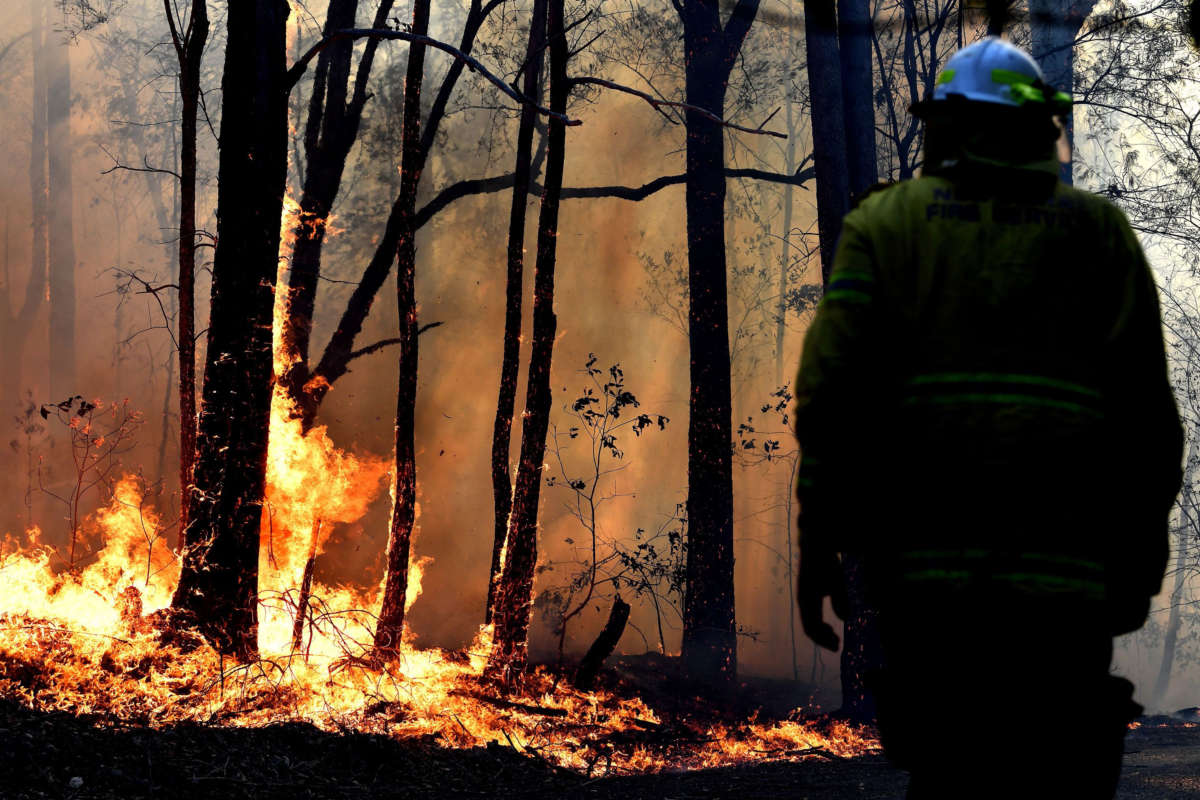
Ecologists at the University of Sydney are estimating that nearly half a billion animals have been killed in Australia’s unprecedented and catastrophic wildfires, which have sparked a continent-wide crisis and forced tens of thousands of people to flee their homes in desperation.
News Corp Australiareported Wednesday that “there are real concerns entire species of plants and animals have been wiped out by bushfires following revelations almost 500 million animals have died since the crisis began.”
“Ecologists from the University of Sydney now estimate 480 million mammals, birds, and reptiles have been lost since September,” according to News Corp. “That figure is likely to soar following the devastating fires which have ripped through Victoria and the [New South Wales] South Coast over the past couple of days, leaving several people dead or unaccounted for, razing scores of homes and leaving thousands stranded.”
Mark Graham, an ecologist with the National Conservation Council, told the Australian parliament that “the fires have burned so hot and so fast that there has been significant mortality of animals in the trees, but there is such a big area now that is still on fire and still burning that we will probably never find the bodies.”
Koalas in particular have been devastated by the fires, Graham noted, because they “really have no capacity to move fast enough to get away.”
As Reutersreported Tuesday, “Australia’s bushland is home to a range of indigenous fauna, including kangaroos, koalas, wallabies, possums, wombats, and echidnas. Officials fear that 30 percent of just one koala colony on the country’s northeast coast, or between 4,500 and 8,400, have been lost in the recent fires.”
Fears entire species of plants and animals lost to bushfires
There are real concerns entire species of plants and animals have been wiped out by bushfires following revelations almost 500 million animals have died since the crisis began.
Australia’s coal-touting Prime Minister Scott Morrison has faced growing scrutiny for refusing to take sufficient action to confront the wildfires and the climate crisis that is driving them. Since September, the fires have burned over 10 million acres of land, destroyed more than a thousand homes, and killed at least 17 people — including 9 since Christmas Day.
On Thursday, the government of New South Wales (NSW) declared a state of emergency set to take effect Friday morning as the wildfires are expected to intensify over the weekend.
“We’ve got a lot of fire in the landscape that we will not contain,” said Rob Rogers, deputy commissioner of the NSW Rural Fire Service. “We need to make sure that people are not in the path of these fires.”
Thousands of koalas are feared to have died in the wildfires raging in parts of Australia, with officials saying they believe up to a third of the iconic marsupial population may have been lost.
The mid-northern coast of New South Wales was home to up to 28,000 koalas before the blazes began scorching the region last month.
Businesses in over 100 countries have documented 100,000+ training processes with Trainual. Are you ready to get your business out of your brain?
Sussan Ley, Australia’s environment minister, told the Australian Broadcasting Corporation on Saturday that “up to 30 percent of their habitat has been destroyed.”
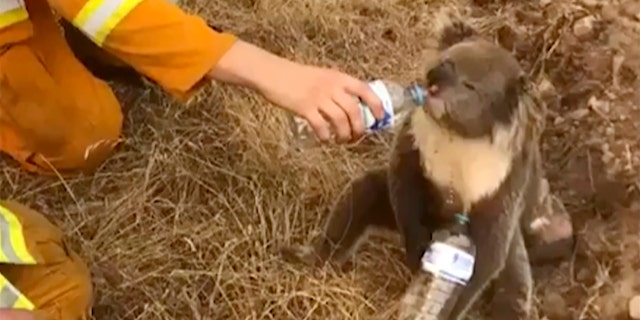
In this image made from video taken on Dec. 22, 2019, and provided by Oakbank Balhannah CFS, a koala drinks water from a bottle given by a firefighter in Cudlee Creek, South Australia. Around 200 wildfires were burning in four states, with New South Wales accounting for more than half of them, including 60 fires not contained. (Oakbank Balhannah CFS via AP)
“We’ll know more when the fires are calmed down and a proper assessment can be made,” she added. “In the meantime, I’ve convened experts, scientists, people who understand koala behavior, to work out how we build those corridors in the habitats and how best we reintroduce koalas from the hospitals.”
Koalas are native to Australia and are one of the country’s most beloved animals. However, their natural habitat, Eucalyptus forests, has been threatened by wildfires and a years-long drought.
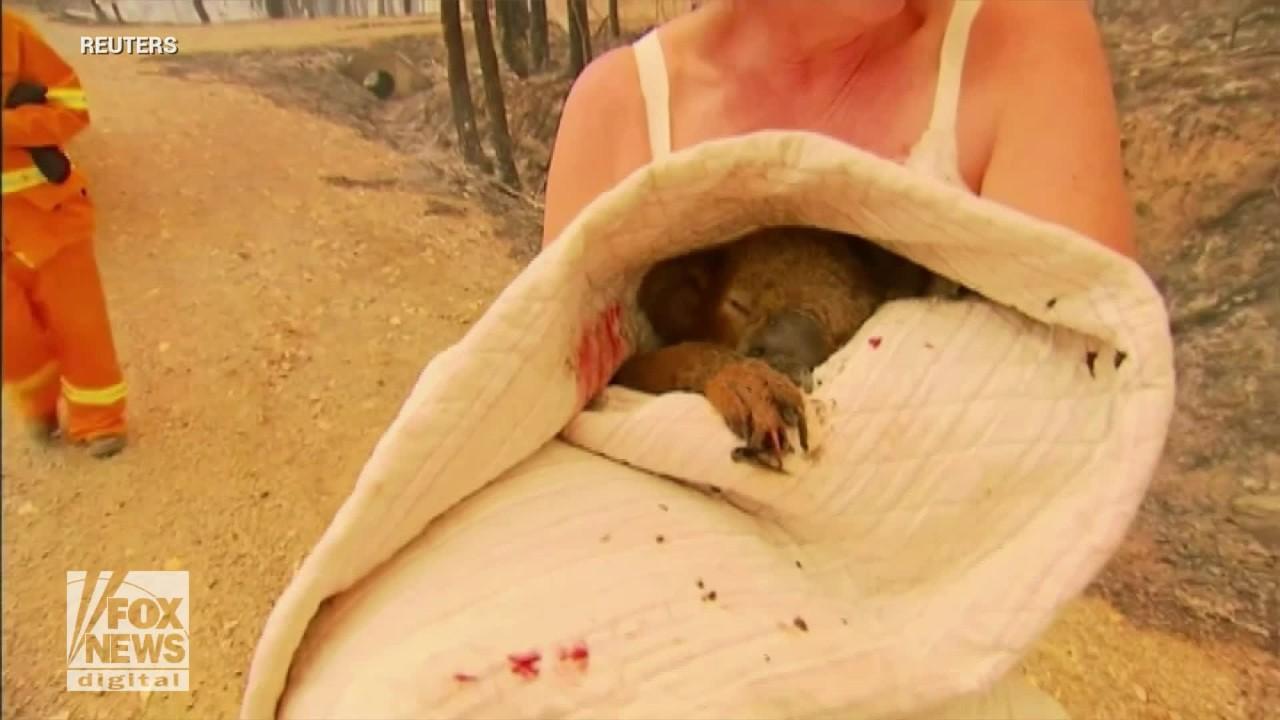
The dramatic rescue of a koala in New South Wales last month captured the hearts and attention of people around the world. A video of a woman pulling the badly burned, wailing koala from a brushfire and dousing it with water went viral.
But the severely injured koala, named Lewis by Port Macquarie Koala Hospital, woud die days later.
Warriors4Wildlife_SA™Ⓥ@AleZ2016
A bucket with water can help an animal and save its life. Let’s help !!!!
“I get mail from all over the world from people absolutely moved and amazed by our wildlife volunteer response and also by the habits of these curious creatures,” Ley said, adding that other native animals have also been heavily impacted by the fires.
Officials said more than 12.35 million acres of land have burned nationwide during the crisis. Nine people – including two firefighters – have been killed and more than 1,000 homes destroyed.
The fire danger in New South Wales – just north of Sydney – was upgraded to “severe” Saturday, as temperatures topped 100 degrees in parts of the region.
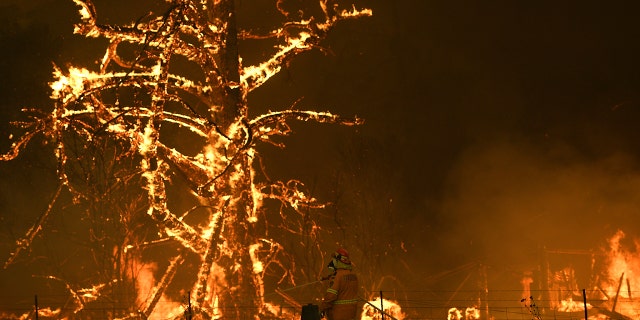
In this Saturday, Dec. 21, 2019, photo, NSW Rural Fire Service crew fight the Gospers Mountain Fire as it impacts a property at Bilpin, New South Wales state, Australia. Prime Minister Scott Morrison on Sunday, Dec. 22, apologized for taking a family vacation in Hawaii as deadly bushfires raged across several states, destroying homes and claiming the lives of two volunteer firefighters.(Dan Himbrechts/AAP Images via AP)
The high temperature in Sydney was expected to reach 88 degrees Sunday and 95 on Tuesday.
Canberra, Australia’s capital, peaked at 100 degrees Saturday, with more oppressive heat expected throughout next week.
The state of California is currently on fire in several locations. As a result, residents are having to deal with blackouts and evacuations. The wildfires are a result of high winds – and they’ve already ravaged hundreds of acres of land, destroyed dozens of structures, and injured at least two firefighters. Of course, the human residents aren’t the state’s only affected victims. As reported by ABC 10, displaced cats and dogs rescued from the blaze are desperately in need of safety and homes.
Over the weekend, the Kincade Fire blazed through Sonoma County located in northern California. As a result, the local animal shelters had to evacuate. The Sacramento Society for the Prevention of Cruelty to Animals (SPCA) stepped in and took in the 20 dogs and 22 cats who were in need of shelter. Now, the SPCA is asking people to adopt pets.
“These animals were all in [the Humane Society of Sonoma County’s] care or already available for adoption prior to the fires, so there is no risk these animals were originally displaced by the fires,” the Sacramento SPCA posted to a Facebook post.
The pets looking for homes range in age, from little kittens to a 19-year-old cattle dog mix named Ace. The SPCA will be updating more information on their website about each animal, they’re just waiting for all of them to receive their medical check-ups. For now, you can visit the nonprofit’s adoption page and see what information is there.
Adopting vulnerable pets rescued from natural disasters is always one way of helping a community deal with the aftermath. However, the animals in California aren’t the only ones needing loving forever homes.
Also, please note that because of volume , we are unable to respond to individual comments, although we do watch them in order to learn what issues and questions are most common so that we can produce content that fulfills your needs. You are welcome to share your own dog tips and behavior solutions among yourselves, however Thank you for reading our articles and sharing your thoughts with the pack!
Elizabeth Weise, USA TODAYPublished 6:00 a.m. ET Sept. 9, 2019 | Updated 1:34 p.m. ET Sept. 9, 2019
A new climate report, Volume II of the National Climate Assessment, says that the effects of global warming are intensifying and getting costlier. USA TODAY
Instead, utilities and energy companies are continuing to invest heavily in carbon-polluting natural gas. An exclusive analysis by USA TODAY finds that across the United States there are as many as 177 natural gas power plants currently planned, under construction or announced. There are close to 2,000 now in service.
All that natural gas is “a ticking time bomb for our planet,” says Michael Brune, president of the Sierra Club. “If we are to prevent runaway climate change, these new plants can’t be built.”
It also doesn’t make financial sense, according to an analysis by the Rocky Mountain Institute, a Colorado-based think tank that focuses on energy and resource efficiency. By the time most of these power plants are slated to open their doors, the electricity they’ll provide will cost more to produce than clean energy alternatives.
By 2023, the U.S. Energy Information Administration estimates the average cost of producing a megawatt hour of electricity will be $40.20 for a large-scale natural gas plants. Solar installations will be $2.60 cheaper and wind turbines will be $3.60 cheaper.
Catastrophic effects ahead unless we make changes
The world needs to reduce its carbon emissions rapidly – by 50% within the next decade – or face the prospect of a global temperature rise of more than 2.7 degrees within decades, said Michael Mann, a professor of atmospheric sciences at Pennsylvania State University.
That’s enough warming to kill off the coral reefs, melt large parts of the ice sheets, inundate coastal cities and to yield what Mann calls “nearly perpetual extreme weather events.”
“By any definition, that would be catastrophic,” he said.
We’re seeing the start of it now. There’s strong data to suggest that global warming is already causing changes in the jet stream and other weather systems. That can cause hurricanes to slow down and wreak devastation in single areas for longer, said Marshall Shepherd, director of the atmospheric sciences program at the University of Georgia.
“With Dorian, we saw it stall over the Bahamas. We saw that with Harvey in Houston and Florence in the Carolinas,” he said.
More gas = more carbon dioxide
Adding dozens of new natural gas plants in the coming decades is going in the exact opposite direction of what we need, clean energy advocates say.
“If the current pipeline of gas plants were to get built, it would make decarbonizing the power sector by 2050 nearly impossible,” said Joe Daniel, a senior energy analyst with the Union of Concerned Scientists, a nonprofit based in Cambridge, Massachusetts.
An analysis by the Rocky Mountain Institute published Monday looked at 88 gas-fired power plants scheduled to begin operation by 2025. They would emit 100 million tons of carbon dioxide a year – equivalent to 5% of current annual emissions from the U.S. power sector.
The institute calculated the cost of producing a megawatt-hour of electricity of a clean energy portfolio in each state that would provide the same level of power reliability as a gas plant. It determined that building clean energy alternatives would cost less than 90% of the proposed 88 plants.
It would also save customers over $29 billion in their utility bills, said Mark Dyson, an electricity markets analyst who co-authored the Rocky Mountain Institute paper.
Get the News Alerts newsletter in your inbox.
Get alerted to the latest stories to stay on top of the news.
Delivery: Varies
Your Email
“If you look at how things pencil out, we’re at a tipping point,” he said. “Here’s evidence that the switch from gas to clean energy makes economic sense and is compatible with utility companies’ need for reliability.”
More power plants coming to a state near you
USA TODAY compiled its own list of 177 planned and proposed natural gas plants through August, using data from S&P Global Market Intelligence, which tracks power plants that have been officially announced, and the Sierra Club, which tracks proposed plants.
Of those, 152 have a scheduled opening date of between 2019 and 2033, though only 130 have specific locations chosen. An additional 25 are part of companies’ long-term planning processes and don’t have estimated opening dates yet.
The plants are a mix of large-scale installations meant to provide lots of electricity much of the day and smaller plants used for short periods when demand for energy is particularly high.
Texas has the most proposed plants, with 26. Next is Pennsylvania with 24, North Carolina with 12, Florida with 10, California with nine and Montana with eight.
Not all will be built. Power companies are required to estimate future needs and plan as much as 15 years out, and this list includes plants which the companies may eventually decide they don’t need.
But the numbers show that greenhouse gas-producing natural gas is still on the table for many power producers, despite warnings that the energy sector needs to be quickly moving away from carbon-producing power sources.
Another concern raised by clean energy advocates is that once built, natural gas plants typically have a 30-year lifespan. Many of these plants will end up as “stranded assets,” unused because they’re too expensive to run, while consumers will still be on the hook for the cost of the construction, said Daniel.
It’s also true that power companies are building out solar and wind generation. Over the next two years, clean energy is expected to be the fastest-growing source of U.S. electricity generation, according to the U.S. Energy Information Administration.
Even so, that will only bring the share of wind and solar in the United States electricity market to slightly under 11%.
By 2020, EIA expects natural gas will make up about 36% of U.S. electricity generation. In comparison, coal is at 23%, nuclear at 20% and hydroelectric at 7%.
Why are we still building natural gas plants?
If natural gas plants contribute to global warming and most of them are going to be more expensive, why are so many still on the drawing board? The reasons are varied.
Energy companies say gas is more reliable than renewables and cheaper and less carbon polluting than the coal it often replaces.
But renewable energy advocates say the incentives for utilities and energy producers aren’t always in line with those of consumers.
For regulated utilities, one of the easiest ways to make money is to invest capital in large building projects, such as natural gas plants. Regulators allow utilities to set rates so that they get a return on invested capital of about 10%, Dyson said. That gives energy companies an incentive to build as much as possible.
In contrast, utilities that procure wind and solar power via commonly available purchase contracts earn no returns for these projects.
“There’s a perverse incentive for some utilities to build as big as they can, rather than to build as smart as they can,” said Ben Inskeep, an analyst with EQ Research, a clean energy policy consulting firm in Cary, North Carolina.
Companies also focus on reliability. Duke Energy, a power company based in Charlotte, North Carolina, has more than 7 million customers. As it transitions away from coal, it has embraced natural gas, announcing last week that it was considering as many as five new gas plants.
Today 5% of Duke Energy Carolinas’ electricity comes from solar, a percentage it plans to increase to between 8% and 13% by 2034, according to its most recent filing with state regulators. The state has almost no wind energy because of laws restricting the placement of wind turbines.
“We know our customers and communities want cleaner energy, and we’re doing our part to deliver that,” said spokeswoman Erin Culbert.
But she emphasized that Duke doesn’t believe solar and wind can be cost-effective and reliable enough to meet all its customers’ energy needs.
“Continued use of natural gas is key to our ability to speed up coal retirements, and its flexibility helps complement and balance the growing renewables on our system,” she said.
Government regulators favor gas
Another hurdle for renewable energy, some supporters say, is a combination of state-level rate-setting requirements and regional market rules that have led to a compensation structure for companies that favors coal and natural gas.
Who sets those rules depends on where the plant is.
In states where retail utilities own their own power generation facilities, the rates are approved by public utility commissions. Commissioners are typically appointed by state governors.
The process is less clear in the Midwest, Northeast, Mid-Atlantic, California, and Texas, where utilities buy and sell their power through organized markets run by regional transmission organizations.
These are run by boards that by law must be independent. They are typically composed of people from the business and energy world and are chosen by complex systems. In some cases they are voted on by existing board members.
The boards set the rules, which are then approved by the Federal Energy Regulatory Commission.
Ultimately these commissions and boards are supposed to decide what’s cost-effective for both the companies and ratepayers, said Scott Hempling, an adviser to regulators, law professor at Georgetown University in Washington, D.C., and author of two books on public utility law and regulation.
“A utility’s preference for profit is neither surprising nor wrong. But it’s not the utility’s job to balance its self-interest against the customers’ interest. It’s the job of regulators to constrain the private profit impulse with public interest principles,” he said.
It’s not news that there is bias towards profit, which can disadvantage customers. “The question is why it’s allowed to persist,” he said.
There are signs that what clean energy advocates have called an automatic rubber stamp for natural gas is beginning to change.
In April, the Indiana Utility Regulatory Commission denied a permit for a southern Indiana utility named Vectren South to build a $780 million natural gas plant. The regulators weren’t convinced the utility had chosen the best option to ensure its customers weren’t in danger of being “saddled with an uneconomic investment” in the future, it said.
In Michigan last year, local utility DTE won a bruising battle to build a 1,100 megawatt natural gas plant that will open in 2022 and cost nearly $1 billion. Critics complained the projections DTE used to make its case to regulators made wind and solar look less attractive.
The three members of the Michigan Public Service Commission, who are appointed by the governor, ended up approving the project. But the board’s 136-page opinion was not complimentary toward the utility, noting it was “concerned” about the constraints DTE built into the models it used to estimate whether renewable energy would be a viable alternative.
Some utilities choose clean energy
Not every utility company is ignoring warnings about the planet’s health, or customers’ pocketbooks.
Michigan utility Consumers Energy decided last year not to build new natural gas plants and instead focus on a combination of energy efficiency, renewable energy and batteries, which it says will be cheaper for customers.
The company, which has more than 4 million customers, plans to use 90% clean energy by 2040, said Brandon Hofmeister, senior vice president for governmental, regulatory and public affairs.
When the utility was putting together its existing energy plan, it took a new approach, balancing the cost to consumers and to the Earth.
“Honestly, there was some pushback. There were several pretty tense meetings,” Hofmeister said. “You’d hear someone ask in a meeting, ‘Is that really the right thing to do for Michigan and the planet?’”
A similar story played out in Indiana, one of the nation’s top 10 coal-producing states. A few years ago, Northern Indiana Public Service Company, based in Merrillville, Indiana, was getting ready to retire its old, expensive coal-fired power plants. An analysis in 2016 said they should be replaced with natural gas plants.
To be on the safe side, Joe Hamrock, president and CEO, checked again last year.
“We knew this is moving pretty fast and we needed to take a new look. A 30-year bet on a gas plant is a long time,” he said.
When his team sat down to look at the 90 project proposals that had come in, the answer came as a shock – natural gas wasn’t even in the picture anymore.
“The surprise was how dramatically the renewables and storage proposals beat natural gas,” Hamrock said. “I couldn’t have predicted this five years ago.”
The company is now set to retire all its coal-fired power plants, which produce 65% of its electricity today, and replace them all with renewables. In nine years, it expects to get 65% of its electricity from renewables and 25% from natural gas.
What will U.S. energy look like in the future?
Electricity generators counter that it’s impossible to get entirely away from natural gas because solar and wind are intermittent. When it comes time to turn on the lights, consumers can’t wait for the sun to come up or the wind to blow.
“We believe that natural gas has a role in a clean future because we believe it will be needed to balance out renewables,” said Emily Fisher, general counsel for the Edison Electric Institute in Washington, D.C. EEI is the trade association that represents investor-owned electric utilities in the United States.
“But we’ve also got to make sure the power supply stays affordable and reliable,” she said.
Electricity generators have a point, say energy analysts who aren’t necessarily in the pro-renewable camp. But those same analysts suggest a lot less natural gas is needed than we’re using today.
“The cheapest way to reduce carbon is to replace coal with a combination of renewables and as little natural gas as you can get by with to keep the lights on,” said Arne Olson, a senior partner with Energy and Environmental Economics, a San Francisco-based energy consulting firm that works with multiple states to craft energy plans.
That makes getting to the goals of the Paris Agreement on climate change – cutting greenhouse gas emissions at least 26% below 2005 levels by 2025 – not quite so daunting. The United States initially pledged to join the agreement but President Donald Trumpsaid in 2017 that the nation would not uphold the deal.
In fact, the electric industry is already undergoing a major restructuring. Largely because of the rapid rise of cheap natural gas, coal went from producing almost 45% of U.S. electricity in 2010 to a predicted 23% next year, according to EIA data.
The energy sector has shown it can move quickly when the prices are right, said Dyson of the Rocky Mountain Institute. And, he said, it’s imperative that a similar shift happen now with natural gas – and fast.
“Constructing these gas plants is incompatible with a low carbon future,” he said.
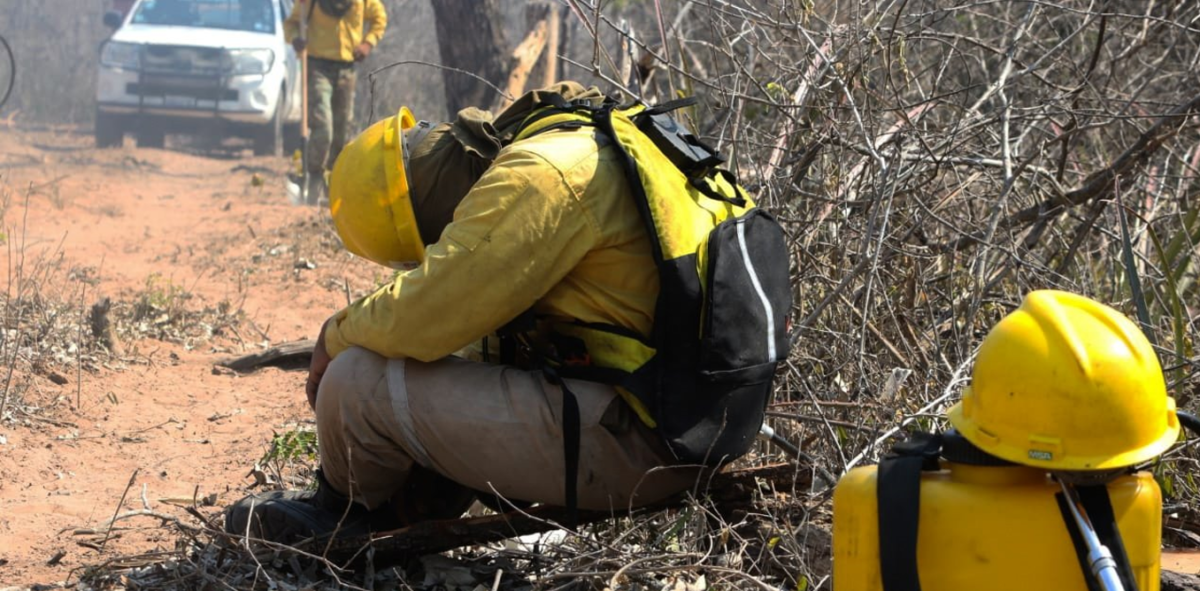
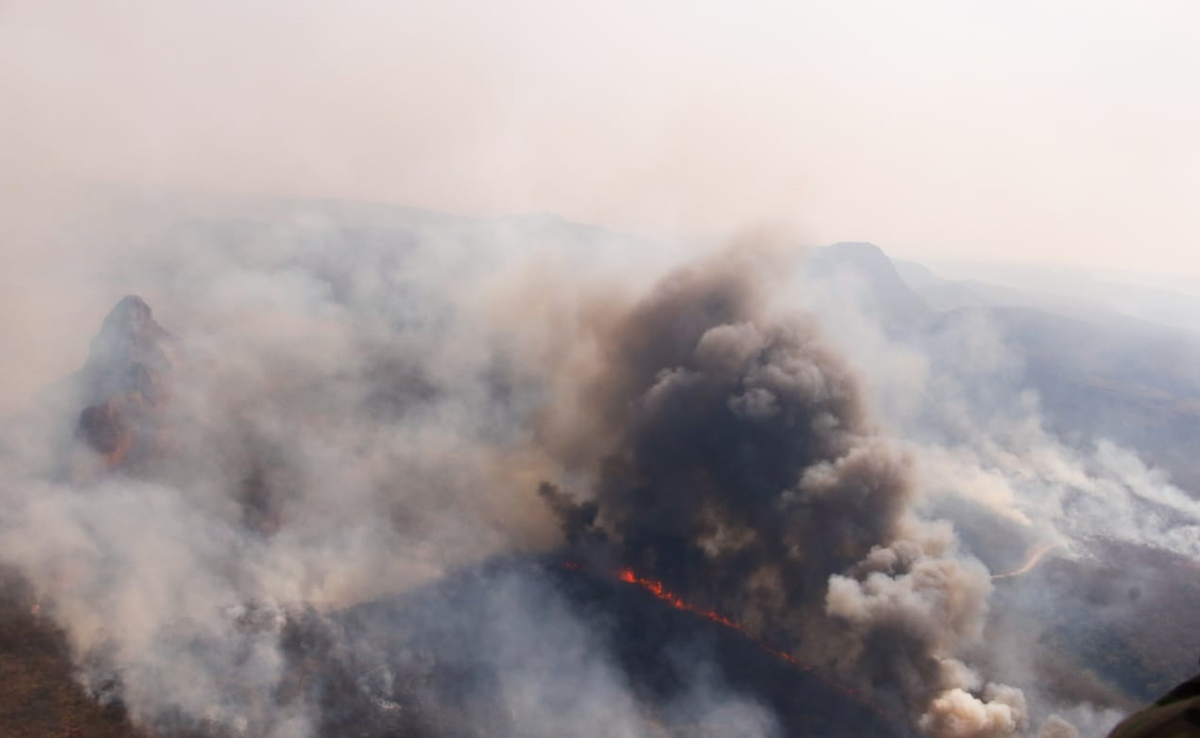
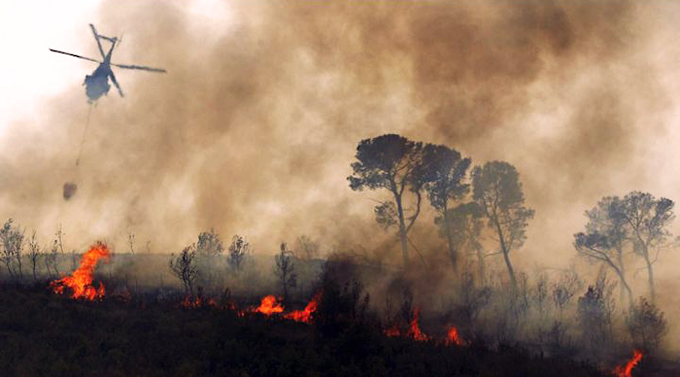
Up to 800,000 hectares of the unique Chiquitano forest were burned to the ground in Bolivia between August 18 and August 23. That’s more forest than is usually destroyed across the country in two years. Experts say that it will take at least two centuries to repair the ecological damage done by the fires, while at least 500 species are said to be at risk from the flames.
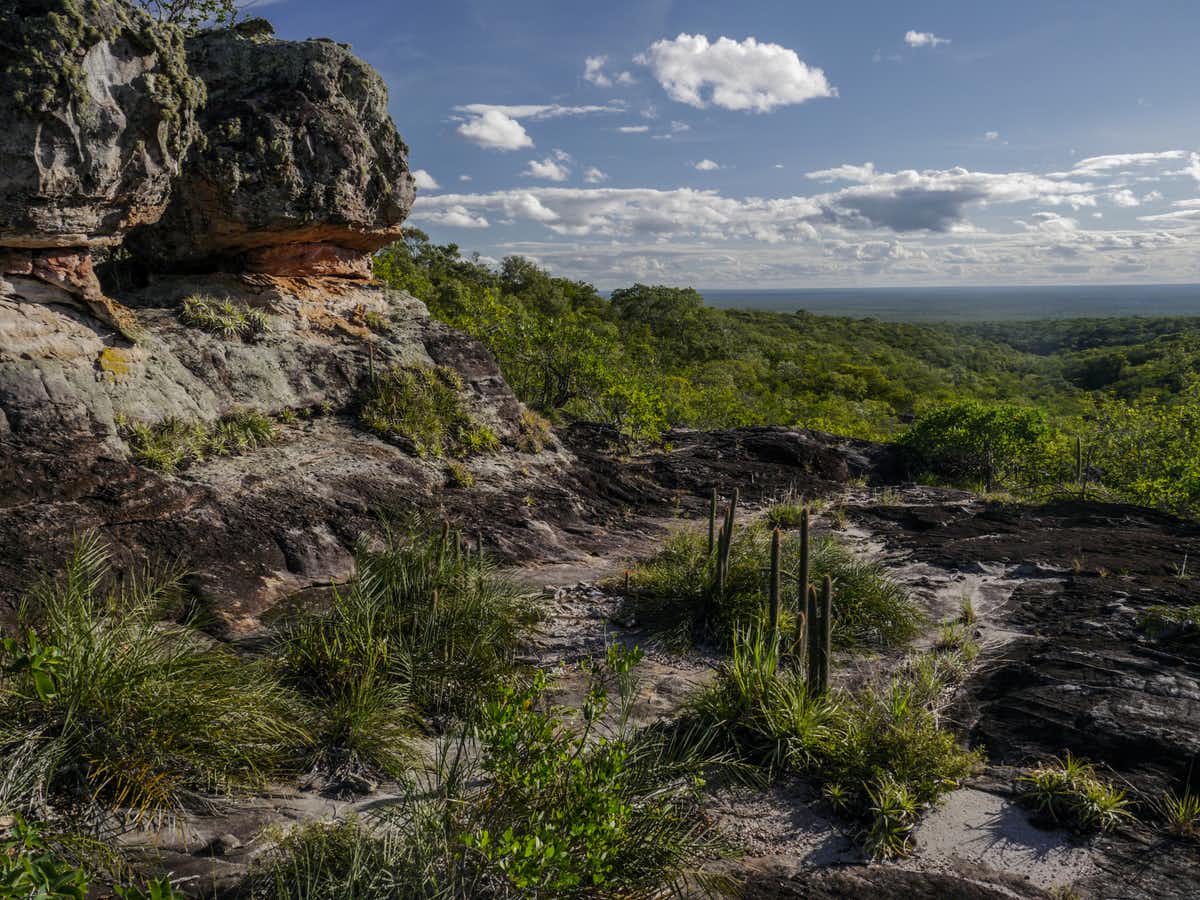
The Chiquitano dry forest in Bolivia was the largest healthy tropical dry forest in the world. It’s now unclear whether it will retain that status. The forest is home to Indigenous peoples as well as iconic wildlife such as jaguars, giant armadillos, and tapirs. Some species in the Chiquitano are found nowhere else on Earth. Distressing photographs and videos from the area show many animals have burned to death in the recent fires.
Incendios devastan la Chiquitanía con 500 mil hectáreas quemadas
Los incendios incontrolables que se registran en la Chiquitanía, en Santa Cruz, han arrasado con más de 500 mil hectáreas de bosques, cultivos y pastizales. Ante la magnitud de los focos de calor, el
The burnt region also encompasses farmland and towns, with thousands of people evacuated and many more affected by the smoke. Food and water are being sent to the region, while children are being kept home from school in many districts where the air pollution is double what is considered extreme. Many families are still without drinking water. While the media has focused on Brazil, Bolivians are asking the world to notice their unfolding tragedy — and to send help in combating the flames.
Dry forests of the Chiquitanos before the fires.ALFREDO ROMERO-MUÑOZ, AUTHOR PROVIDED
It’s thought that the fires were started deliberately to clear the land for farming, but quickly got out of control. The perpetrators aren’t known, but Bolivian President Evo Morales has justified people starting fires,saying: “If small families don’t set fires, what are they going to live on?”
Fires burn across Santa Cruz state.IPA IBAÑEZ, AUTHOR PROVIDED
Morales has repeatedly said that international help isn’t needed, despite having sent just three helicopters to tackle the raging fires. He argued that the fires are dying out in some areas — although they continue to burn in others and have now reached Bolivia’s largest city, Santa Cruz de la Sierra. Many say that the fires could have been contained far sooner with international help, as videos show volunteers trying to beat back the fires with branches.
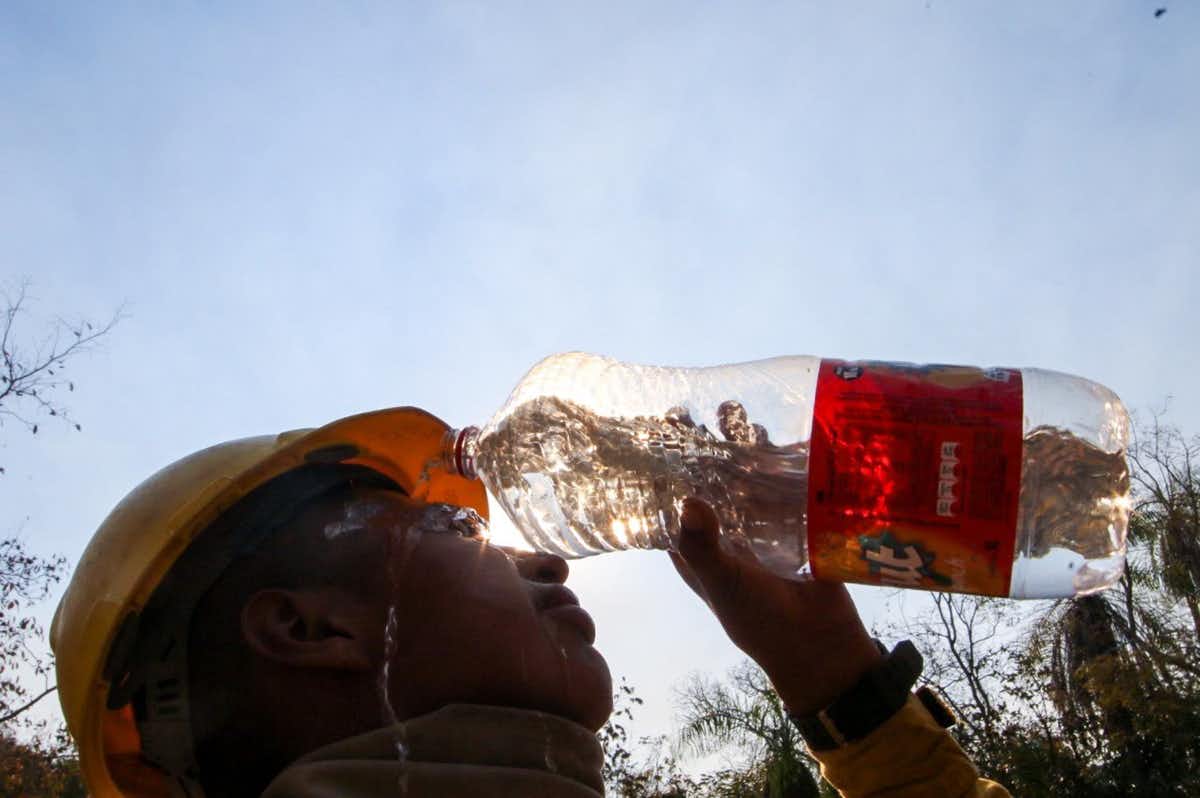
As the fires worsened, people gathered to protest in Santa Cruz state. Chanting “we want your help”, they complained that the smoke was so bad they were struggling to breathe. They want Morales to request international aid to fight the fires. While firefighters and volunteers struggle to tackle the blaze in 55℃ heat, Bolivians have set up a fundraiserto tackle the fires themselves.
The extreme heat has made fighting the fires intolerable for those involved.IPA IBAÑEZ, AUTHOR PROVIDED
A fortnight after the fires began, a supertanker aeroplane of water arrived, hired from the US. But if the reactions to the president’s announcementon Twitter are anything to go by, many Bolivians think this is too little, too late. Morales is fighting a general election and has faced criticism for staying on the campaign trail while the fires spread.
Fires have been used to expand agro-cattle area before, but our current catastrophe stems from the government authorizing further fires on FOREST lands in a new alliance with private sectors who wanted these lands.https://bit.ly/2NdW9zH
Some Indigenous leaders are asking for a trial to determine responsibility for the fires, and the response to them. Alex Villca, an Indigenous leader and spokesperson, said:
It is President Evo Morales who should be held accountable. What are these accountabilities going to be? A trial of responsibilities for this number of events that are occurring in the country, this number of violations of Indigenous peoples and also the rights of Mother Nature.
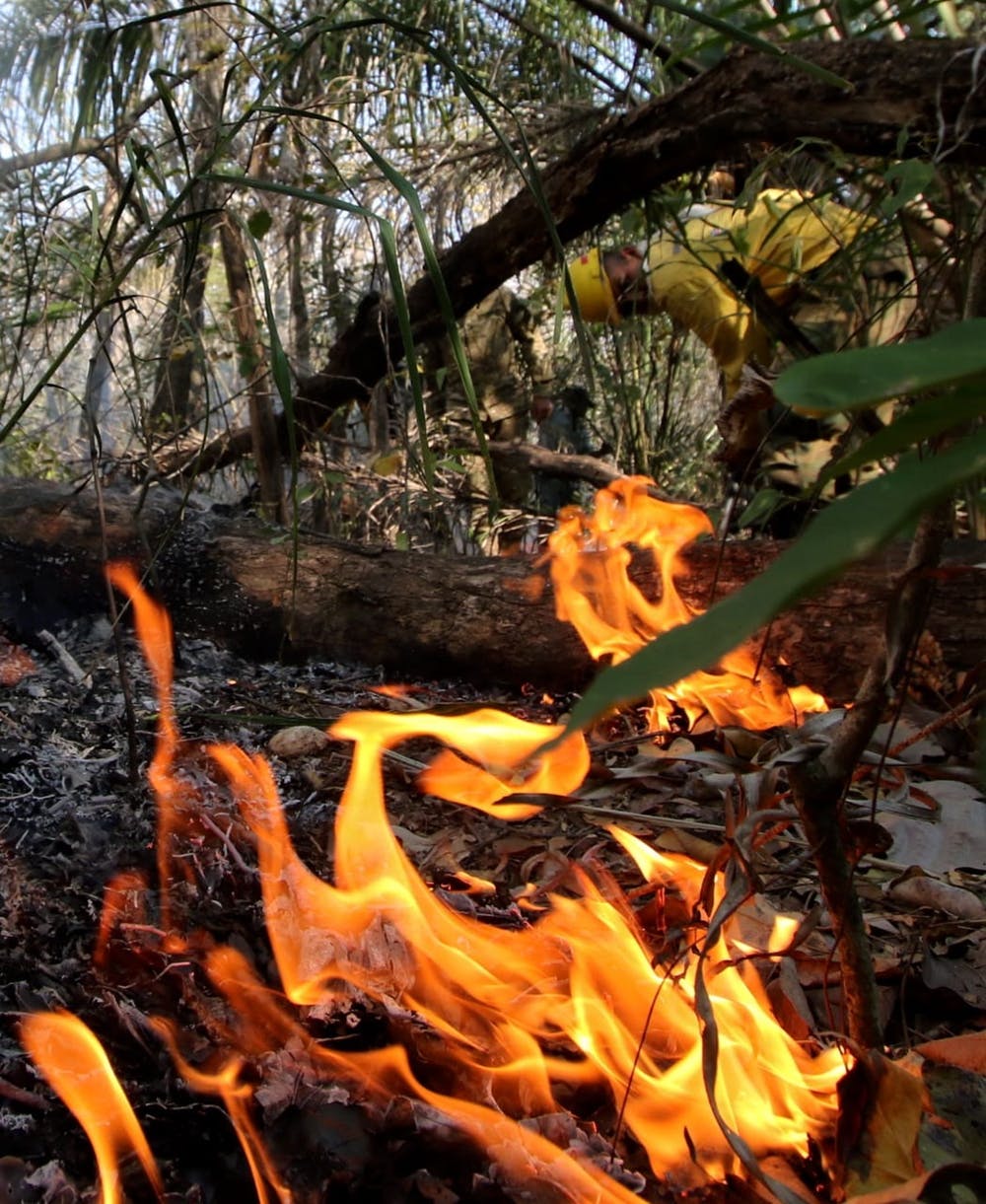
The dry forest understory ignites while firefighters deploy fire breaks.IPA IBAÑEZ, AUTHOR PROVIDED
President Morales came to power in Bolivia in 2006, on a platform of socialism, Indigenous rights, and environmental protection. He passed the famous “Law of the Rights of Mother Earth” in 2010, which placed the intrinsic value of nature alongside that of humans. His environmental rhetoric has been strong but his policies have been contradictory. Morales has approved widespread deforestation, as well as roads and gas exploration in national parks.
While the fires in the Chiquitano have dominated the media within the country, hundreds more rage across Bolivia, assisted by the recent drought. It’s unclear whether the response to these fires will affect the October election outcome, but sentiments are running high in the country, where more than 70% of people prioritise environmental protection over economic growth.
Bolsonaro and Brazil might grab the headlines, but Bolivia too is now host to a desperately serious humanitarian and environmental situation.
(CNN)While the wildfires raging in the Amazon rainforest may constitute an “international crisis,” they are hardly an accident.
The vast majority of the fires have been set by loggers and ranchers to clear land for cattle. The practice is on the rise, encouraged by Jair Bolsonaro, Brazil’s populist pro-business president, who is backed by the country’s so-called “beef caucus.”
While this may be business as usual for Brazil’s beef farmers, the rest of the world is looking on in horror.
So, for those wondering how they could help save the rainforest, known as “the planet’s lungs” for producing about 20% of the world’s oxygen, the answer may be simple. Eat less meat.
It’s an idea that Finland has already floated. On Friday, the Nordic country’s finance minister called for the European Union to “urgently review the possibility of banning Brazilian beef imports” over the Amazon fires.
Brazil is the world’s largest exporter of beef, providing close to 20% of the total global exports, according the United States Department of Agriculture (USDA) — a figure that could rise in the coming years.
Last year the country shipped 1.64 million tonnes of beef — the highest volume in history — generating $6.57 billion in revenue, according to the Brazilian Beef Exporters Association (Abiec), an association of more than 30 Brazilian meat-packing companies.
The growth of Brazil’s beef industry has been driven in part by strong demand from Asia — mostly China and Hong Kong. These two markets alone accounted for nearly 44% of all beef exports from Brazil in 2018, according to the USDA.
And a trade deal struck in June between South America’s Mercosur bloc of countries and the European Union could open up even more markets for Brazil’s beef-packing industry.
Speaking after the agreement as announced, the head of Abiec, Antônio Camardelli, said the pact could help Brazil gain access to prospective new markets, like Indonesia and Thailand, while boosting sales with existing partners, like the EU. “A deal of this magnitude is like an invitation card for speaking with other countries and trade blocs,” Camardelli told Reuters in July.
Once implemented, the deal will lift a 20% levy on beef imports into the EU.
But, on Friday, Ireland said it was ready to block the deal unless Brazil took action on the Amazon.
In a statement Irish Prime Minister Leo Varadkar described as “Orewellian” Bolsonaro’s attempt to blame the fires on environmental groups. Varadkar said that Ireland will monitor Brazil’s environmental actions to determine whether to block the Mercosur deal, which is two years away.
He added Irish and European farmers could not be told to use fewer pesticides and respect biodiversity when trade deals were being made with countries not subjected to “decent environmental, labor and product standards.”
In June, before the furor over the rainforest began, the Irish Farmers Association called on Ireland not to ratify the deal, arguing its terms would disadvantage European beef farmers.
And, with that growth, comes steep environmental costs.
Brazil’s space research center (INPE) said this week that the number of fires in Brazil is 80% higher than last year. More than half are in the Amazon region, spelling disaster for the local environment and ecology.
Alberto Setzer, a senior scientist at INPE, told CNN that the burning can range from a small-scale agricultural practice, to new deforestation for mechanized and modern agribusiness projects.
Farmers wait until the dry season to start burning and clearing areas so their cattle can graze, but this year’s destruction has been described as unprecedented. Environmental campaigners blame this uptick on Bolsonaro, who they say has encouraged ranchers, farmers, and loggers to exploit and burn the rainforest like never before with a sense of impunity.
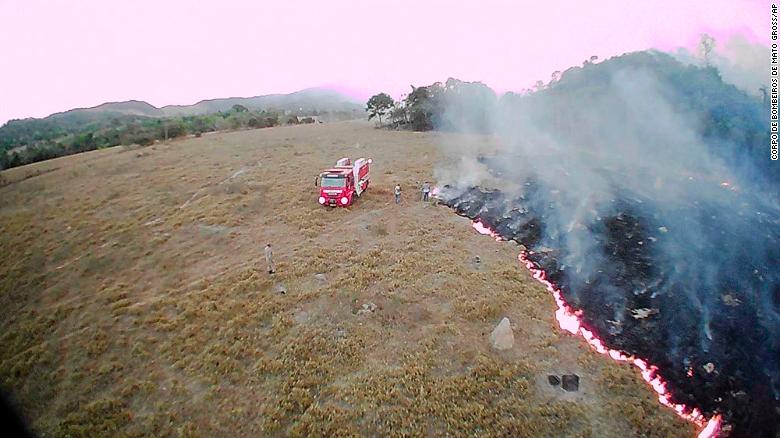
Brush fires burn in the Brazilian state of Mato Grosso on August 20.
Bolsonaro has dismissed accusations of responsibility for the fires, but a clear shift seems to be underway.
Beef is responsible for 41% of livestock greenhouse gas emissions, and that livestock accounts for 14.5% of total global emissions. And methane — the greenhouse gas cattle produce from both ends — is 25 times more potent that carbon dioxide.
An alarming report released last year by the UN Intergovernmental Panel on Climate Change (IPCC) report, said changing our diets could contribute 20% of the effort needed to keep global temperatures from rising 2°C above pre-industrial levels. Namely, eating less meat.
Still, global consumption of beef and veal is set to rise in the next decade according to projections from the Organisation for Economic Co-operation and Development (OECD) and the Food and Agricultural Organization of the United Nations (FAO).
A joint report predicted global production would increase 16% between 2017 and 2027 to meet demand.
The majority of that expansion will be in developing countries, like Brazil.
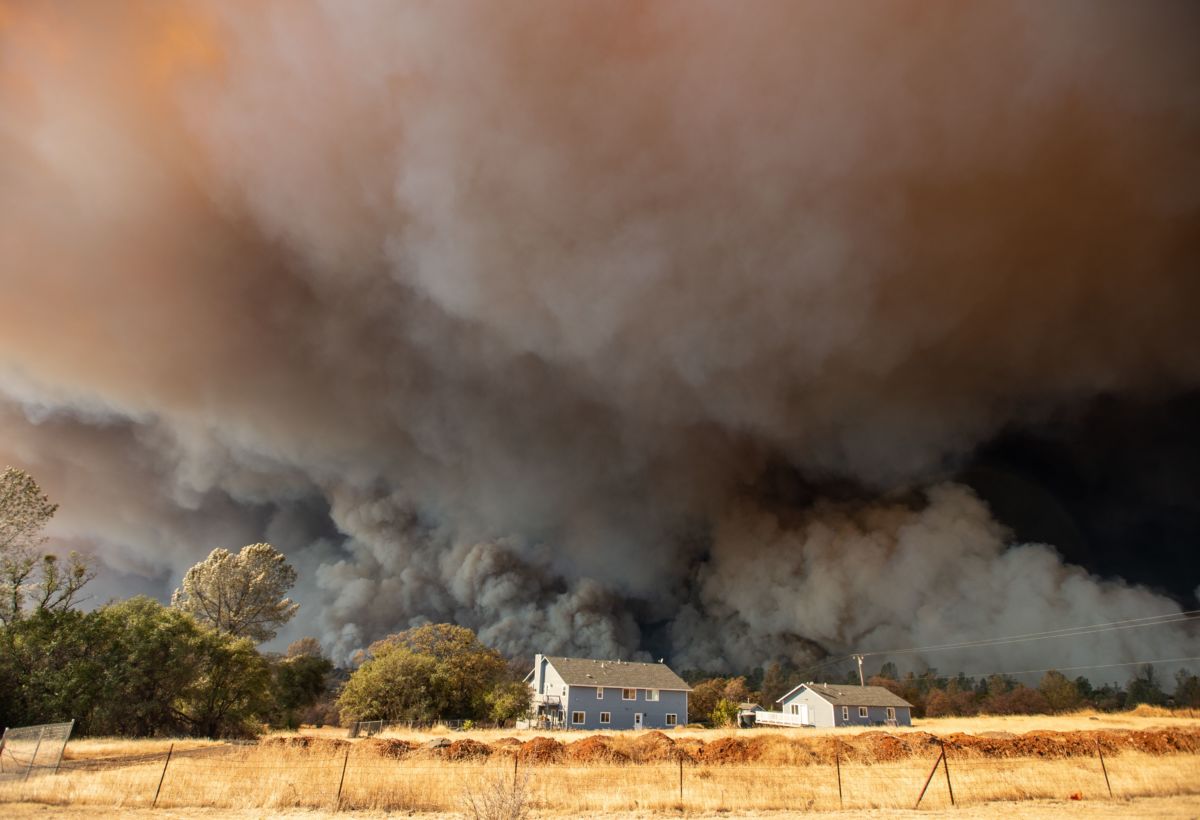
A home is overshadowed by towering smoke plumes as the Camp Fire races through the town of Paradise, California, on November 8, 2018.JOSH EDELSON / AFP / GETTY IMAGES
You can’t accuse Grace Stahre of not working to turn climate change around. She’s fought the fossil fuel industry in court, on the streets, in kayaks and on social media. She has rallied to stop new coal terminals and helped pass a moratorium on new gas pipeline infrastructure. And she has lobbied for investment in renewable energy in Seattle, Washington, the city she calls home.
Stahre knew an increase in wildfires for the Pacific Northwest was predicted as a major consequence of climate change 20 years ago. What she didn’t know is how quickly wildfires would bring catastrophic climate change to her doorstep.
Summers used to be what drew people to live in this pocket of North America, with its alpine wilderness, high country trails with hidden lakes, rugged coastlines and beaches full of high-tide treasures.
In 2018, summer wildfires blanketed the state and region again, getting an early start from fires in eastern Washington, British Columbia, Oregon and California. A total of 1,874 fires were reported in Washington State, according to Janet Pearce, a spokesperson for the Washington State Department of Natural Resources. For several days, Seattle’s air quality was worse than Beijing’s. A third of August had unhealthy air quality, and half the month was thick with smoky haze. Only five days were reported “good” by the Puget Sound Clean Air Agency.
Smoke contains particulate matter — toxic chemicals from burning homes and structures. Fine particulates can remain in the atmosphere for up to two weeks depending on the weather. Large particulate matter can be coughed up. But particulate matter that is less than 2.5 micrometers in diameter goes deep into the lungs. People are impacted differently depending on their immune system and sensitivity. For children with developing lungs, people who exercise hard outdoors, and those with respiratory illness, asthma or chronic obstructive pulmonary disease, a single exposure can be lethal.
For the last two summers, Stahre kept her children indoors when air quality was unhealthy. “Being able to breathe,” she says, “is one of the most precious aspects of life, and I want my children to be able to breathe their entire lives and take a full breath and not have to think that their parents were irresponsible for keeping them around wildfire smoke year after year.”
The Stahre family originally considered turning their home into a fortress against wildfire smoke, unhealthy air and extreme heat. But fully adapting one’s home for a changing climate comes at a steep price. Quotes for an air filtration system and heat pump ranged between $30,000 and $40,000. Instead the family is going to “wait and watch” and install a filter on the ducted part of their home, while researching standalone filtration options for other rooms.
What they’re doing is called “climate adaptation,” says Nate Matthews-Trigg, a health researcher with Washington Physicians for Social Responsibility. “Climate adaptation in the climate change and health field,” he says, “are ways people can change their behavior or their local environment to reduce the impacts of climate change.”
Climate Adaptation and Climate (In)Equity
Research shows creating clean air spaces is an adaptation people should take if they can, says Matthews-Trigg. It can be as simple as setting up a room in the house with an air purifier to reduce airborne particulate pollution, as the Stahre family is doing.
The majority of advice being promoted by health departments does not come with subsidies or financial aid and the measures proposed by local authorities — such as the 300 fans with filters that the Puget Sound Clean Air Agency plans to distribute to “highly impacted communities” who face chronic or economic barriers to mitigating the effects of unhealthy air quality on their lives — come nowhere close to protecting the most vulnerable residents from the chronic effects of unhealthy air.
Kurtis Robinson, a wild land firefighter and president of the Spokane chapter of the NAACP in Eastern Washington, says if you look at “air quality dynamics,” the lack of access to resources is front and center for communities of color, impoverished and underserved communities: “They’re already dealing with a lack of affordable housing, the long-term effects of redlining and racial covenants.”
To address the disparity, the state needs to enact what Robinson calls “distinct action” to ensure resources are “readily available” for all. “Number 1 is moving the resources to make air conditioning, air filtration and retrofitting affordable across the board,” Robinson told Truthout. Climate adaptation with retrofits and clean air spaces for all becomes a “human right not a right of privilege,” he added.
At the same time, it’s a heavy lift to get the conversation to a point where legislatures and government embrace the reality of climate change and the need for equitable climate action. Inertia is baked into the system, says Robinson. In the case of catastrophic climate change, it will take an elevated sense of urgency to address the swiftly moving train of wildfires, drought, sea level rise and hurricanes.
Environmental and forest sciences professor at the University of Washington, Phillip S. Levin, told Truthout that Black, Latino and Native American communities nationwide face 60 percent greater vulnerability during wildfires compared to other communities. Levin says metal roofs are often recommended for those that live in areas prone to wildfires, because they can withstand fire. However, he acknowledges that these aren’t an option for many homeowners or those who rent, because “if we don’t consider the social, economic and political context in which fires occur, then we won’t necessarily allocate our resources to the most vulnerable.”
How Quickly Will Washington Adapt to the Wildfire Climate Crisis?
Most of the messaging about wildfire smoke from Washington’s Department of Health and local health partners urge individual behavior changes. “Get inside, close windows, make sure indoor air is clean, reduce physical activity.” Fliers show who is most sensitive: babies and children; people over age 65; people with health conditions like asthma, chronic obstructive pulmonary disease or emphysema; and pregnant people. Pamphlets advise going somewhere with clean air or air conditioning if your own home can’t provide it: a library, mall, community center or neighbor’s house. The Washington Smoke Blog, a collaboration between county and federal agencies and local tribes, shares information for Washington communities affected by wildfire smoke.
Julie Fox, an epidemiologist with the state Department of Health, admits “this puts a lot of burden on the public to think about how to change their daily activity and living space to reduce smoke exposure.” Asked if the department thinks summer wildfires are the new norm, Fox says, “What I’m hearing is we might not have reached the new norm yet. Things could get worse.”
As for masks, they don’t work for everyone, especially children and people with health conditions, say health professionals. The public has shown a lot of interest in specialized masks like N95 and N100, which are common in hospitals and certain workplace settings, says Meredith Li-Vollmer, a risk communication specialist with Public Health Seattle and King County. But there’s limited research on whether they work outside occupational settings. In fact, there’s some evidence that for certain health conditions, “masks can actually make it worse for people to breathe because you have to breathe through a filter,” says Li-Vollmer.
Family physician Kristen Knox, who has barricaded herself inside during the last two summer wildfire seasons because of her own asthma, says that what she hears from her patients is they’re fearful.
While children and those with respiratory illness are most at risk from smoke, Knox warns, “We’re all at risk.” Even “driving isn’t a safe thing to do unless you can recycle the air in the car and it’s air conditioned and filtered,” she adds. She recommends HEPA filters that can be attached to the dashboard or in the space between the seats.
Clean Air Facilities in City-Owned Buildings and Community Centers
The City of Seattle, for its part, recognizes wildfires as an emerging threat of climate change, and plans to retrofit all city buildings over time. Two community centers in the city’s international district and Rainier Beach neighborhoods, both home to low-income communities and communities of color, will be open as “cleaner air facilities” beginning in July. The city is also upgrading filtration in three buildings at the Seattle Center. Each building will have an air filtration system to reduce pollutants. Around 12 percent of Seattle’s residents have income below the poverty level. This means the three Seattle Center and community center buildings have the capacity to hold between 7.3 percent and 10.6 percent of the below-poverty population and 0.8 percent to 1.2 percent of the entire Seattle population. Of course, such stopgap measures are not enough when air becomes so unhealthy it becomes impossible to breathe for sensitive populations and challenging for everyone else. Julia Reed, a senior policy adviser in the mayor’s office, says if the smoke situation intensifies, the city will respond as it does to any other natural disaster, and may open city buildings as 24-hour shelters.
A Drought Emergency and Record-Breaking Heat
A drought emergency was declared for much of Washington in May by the governor. Low snowpack left many areas of the state with lower-than-normal water reserves. A hot, dry spring absorbed much of the snow that did accumulate. Seattle broke heat records in May with three days of 83-degree temperatures in a row, and again in June with several days of 90 degrees or more. The state capital, Olympia, reached 87 degrees, one degree higher than its previous 1989 record. Much of Eastern Washington saw temperatures in the mid-90s for several weeks in June.
Due to the efforts of Hilary Franz, the commissioner of public lands, the legislature allocated $50 million for fire suppression and prevention. Pearce said the amount would have been “unheard of in the past.” The money will be used to hire 30 more wild land firefighters in addition to 44 the state already has, and to combat forest health issues.
Katharine Hayhoe, the director of the Climate Science Center at Texas Tech University, remarked in 2018 that “climate change loads the diceagainst us by taking naturally occurring weather events and amplifying them.” In an interview with The Guardian, she said, “Wildfires in the western U.S. now burn nearly twice the area they would without climate change.”
Youth Climate Strikers at City Hall Underscore Urgency of Crisis
On Friday, June 21, youth climate strikers stood outside Seattle City Hall, chanting, “When the air we breathe is under attack, what we do? Stand up. Fight back!” They held signs that read, “Our Planet Is on Fire. Smoke Knows No Borders.”
Lydia Ringer, a youth organizer with the #FridaysforFuture climate change campaign, says the ongoing Friday strikes are necessary because “we need to act now. It’s our futures that are on the line.” Ringer wants the state to wean itself from fossil fuels within 10 years. Her mother, a first responder, was in Paradise, California, last summer helping the community cope after devastating wildfires. “She flies all over the country dealing with fires,” says Ringer, “and she’s only going to be dealing with them more and more as climate change intensifies.”
Large wildfires burn more than twice the area in the United States as they did in 1970, with the average wildfire season 78 days longer, according to a report by the Center for Climate and Energy Solutions, an independent nonprofit focused on solutions to climate change. Projections show “an average 1 degree Celsius temperature increase would increase the median burned area per year as much as 600 per cent in some types of forests,” the report concludes.
Climate change has been the focus of Governor Inslee’s presidential campaign. His request for a climate debate during the 2020 presidential campaign season was rejected by the Democratic National Committee. He recently released the fourth piece of his climate change policy, Freedom from Fossil Fuels. In it he outlined plans to transition the U.S. economy off fossil fuels, hold polluters accountable, and end corporate welfare.
Meanwhile, Stahre says she’ll continue to press the state and city for more rapid climate action. She believes Washington should declare a climate emergency, not just a drought emergency, and invest whatever it takes to get off of fossil fuels and reverse the decades of warming baked into the system. She knows another summer season of wildfires is not only likely for 2019, but for 2020 and beyond. By July 10, the state had already responded to 900 fires, according to Pearce with the state department of natural resources.
“This is life on the West Coast because we failed to act,” Stahre says, “and this will be our life for the foreseeable future unless we come up with some incredible technology that allows us to pinpoint those wildfires and nip ’em in the bud like we’ve never been able to before. But that’s not something I see on the horizon right now.”
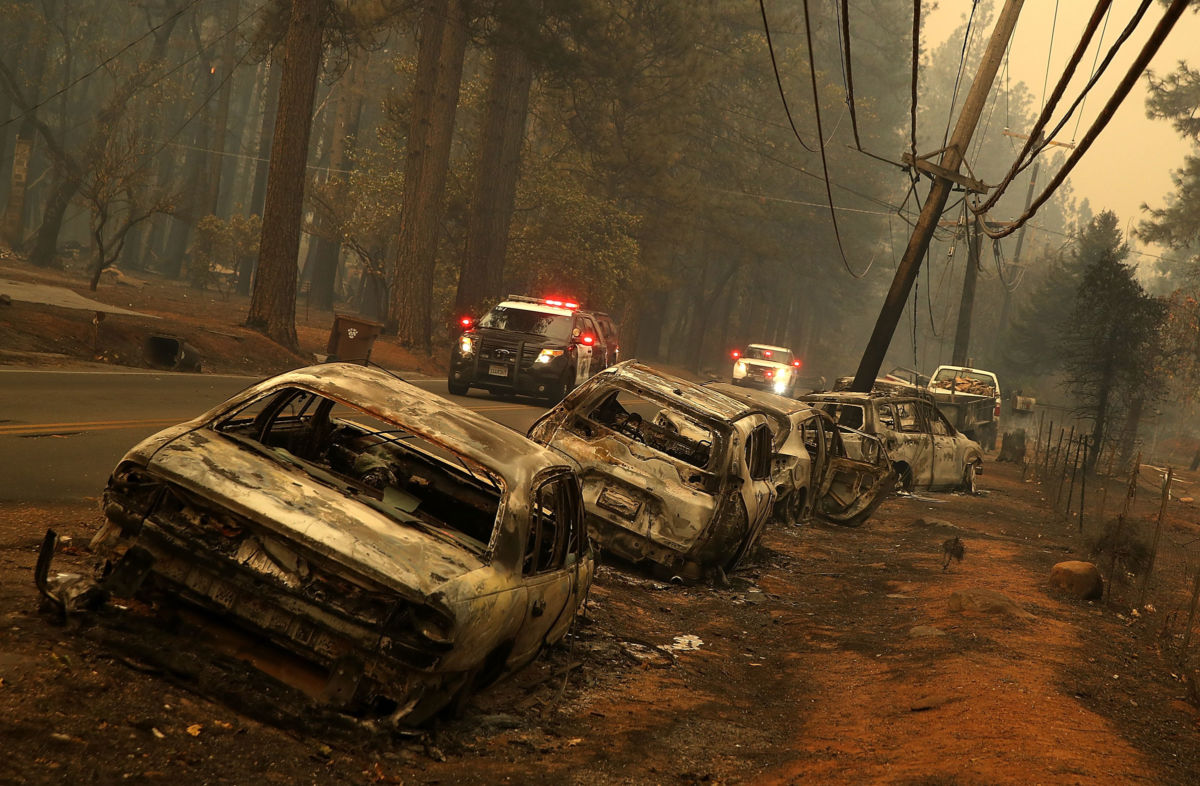
A line of burned out abandoned cars sit on the road after the Camp Fire moved through the area on November 9, 2018, in Paradise, California.JUSTIN SULLIVAN / GETTY IMAGES
The 20 warmest years ever recorded have been within the last 22 years, and the four warmest of those have been 2015, 2016, 2017 and 2018, according to the World Meteorological Organization (WMO). The WMO has stated that if these trends continue (and there is no reason to believe they won’t), global temperatures may rise from between 3-5 degrees Celsius (3-5°C) by 2100. The organization warned that if humans exploit all known fossil fuel reserves, “the temperature rise will be considerably higher” than even those catastrophic levels.
“It is worth repeating once again that we are the first generation to fully understand climate change and the last generation to be able to do something about it,” WMO Secretary-General Petteri Taalas announced in a recent WMO press release.
Yet even with this stark wake-up call, it may well already be too late, given that we are already living in the Sixth Mass Extinction. A study published earlier this year, conducted by an international team of researchers from 17 countries whose findings were published in Nature Geoscience, showed that global temperatures could eventually double those that have been predicted by climate modeling.
The vast majority of governments around the globe are responding in ways that range from laughable to pathetic, given the consequences that are upon us already.
Stay in the loop
Never miss the news and analysis you care about.
Your Email
2018 has been yet another year of records and alarming developments as runaway climate change continues apace. Here are ten significant climate-related phenomena from 2018.
1. Arctic Sea Ice
The Arctic sea ice is close to historic lows in both extent, volume, and mass. The annual minimum Arctic ice volume, based on observations (not projections), is following a trend that shows we should expect periods of an ice-free Arctic Ocean in the summer by 2023, and possibly sooner.
World-renowned Arctic Sea Ice expert Peter Wadhams predicted this during an interview with Truthout.
Warm temperatures have become the norm in the Arctic, so the now increasingly rapid loss of sea ice should come as no surprise. Some of the ground in the Arctic is not even freezing any more, even during the winter.
Militaries from around the world, particularly from the US and Russia, are racing to stake claims in the region and project their presences there in order to advantage of the fragile Arctic region for exploitation of oil and gas reserves, as well as those countries actively exploring shipping across the increasingly accessible region as the sea ice continues to melt away.
The loss of Arctic Sea ice will lock in several runaway climate feedback loops that will dramatically altar global climate, causing water availability and food-growing capacity to be severely diminished across large swaths of the planet.
2. Increasingly Warm Oceans
Earth’s oceans have already absorbed 93 percent of the warmth humans have generated since just the 1970s.
We continue pumping CO2 into the atmosphere, 25 percent of whichcontinues to be absorbed by the oceans, along with the heat the CO2 traps in the atmosphere.
2017 was the second warmest year ever recorded for the oceans, and according to NASA, the five hottest years ever recorded for the oceans have occurred since 2010. The oceans are thus becoming increasingly warmer and more acidic with each passing day.
And, according to the WMO, “For each 3-month period until September 2018, ocean heat content was the highest or second highest on record.”
And Australia’s Bureau of Meteorology warned this November the “chance of an El Niño forming in the coming months is 70 percent,” which would bring warmer than normal ocean temperatures.
3. Methane
One extremely worrying development in the Arctic came in the form of bubbling lakes. A report showed that large numbers of lakes across the region were leaking methane, a far more potent greenhouse gas than CO2.
In what is perhaps a harbinger of things to come, one lake in particular was found to be bubbling vigorously as methane from below escaped through the lake and into the atmosphere.
These lakes that are bubbling from methane being released from the thawing permafrost beneath them don’t completely freeze during the winters, which causes them release even more methane as the permafrost does not reach the cold temperatures it had prior to this phenomenon. Hence, another runaway climate feedback loop is born.
This distressing development comes on top of numerous other feedback loops in the Arctic that have already kicked in.
More bad news about methane came in the form of a report illustrating how large amounts of methane (up to 41 tons daily) were being released from a glacier in Iceland via its meltwater. This is an amount equal to the methane produced by more than 136,000 belching cows.
4. Wildfires
Wildfires, amped up by climate change, ravaged many regions of the world in 2018.
California saw its most destructive wildfire on record, surpassing the previous record set only the year before, as scores died from incineration that likely released radiation and toxic chemicals into the air in Southern California.
Wildfires across Canada’s British Columbia, as well as other parts of that country, were the largest ever for the second year in a row.
Wildfires across Queensland, Australia during November were unprecedented, given that the area is technically a rainforest, and it was springtime there.
Insects, and hence the global food web, are in crisis, according to several studies, one of which was published earlier this year.
A study published this October in the Proceedings of the National Academy of Sciences (PNAS) showed how massive the collapse of insects is, and that it is far more widespread that previously known. Climate change is implicated as the leading cause.
This comes on the heels of a study from last year showing a 76 percent decrease in flying insects in the past few decades in nature preserves across Germany. This was a dramatic uptick from a 2014 study by an international team of biologists which estimated in the previous 35 years the abundance of invertebrates like bees and beetles had decreased by 45 percent.
Everywhere long-term data on insects is available, particularly across Europe, the numbers of insects are plummeting.
“This study in PNAS is a real wake-up call — a clarion call — that the phenomenon could be much, much bigger, and across many more ecosystems,” David Wagner, an expert in invertebrate conservation at the University of Connecticut, told the Washington Post. “This is one of the most disturbing articles I have ever read.” He added, “I’m scared to death.”
Without these pollinators, which are being annihilated, the already beleaguered global food production system is in even greater danger of collapse.
6. A Broken Global Food System
The global food system is already broken, according to the 130 of the world’s science and medicine academies.
Tim Benton, a professor of population ecology at the University of Leeds who was involved in the large report, told the Guardian: “Whether you look at it from a human health, environmental or climate perspective, our food system is currently unsustainable and given the challenges that will come from a rising global population that is a really [serious] thing to say.”
Staggeringly, nearly one billion people went hungry last year. This number is guaranteed to climb, due to worsening climate impacts as atmospheric CO2 content continues to increase and the nutritional value of crops decreases as the result.
As Truthout reported earlier this year, two studies investigating corn and vegetables warned of an increasing risk of food shocks around the world, along with malnutrition, if climate change continues unchecked.
Both studies, published in the Proceedings of the National Academy of Sciences, showed how climate change will increase the risk of simultaneous crop failures across the planet’s largest corn-growing regions, as well as sapping nutrients from critical vegetables. For example, an increase of 4°C — which is essentially the current mid-range trajectory we are on to reach by 2100 — could cut US corn production nearly in half. Meanwhile, the likelihood of simultaneous crop failures for the four biggest corn exporters (US, Argentina, Brazil, Ukraine) suffering yield losses of 10 percent or greater increases from 7 percent at 2°C warming to 86 percent at 4°C.
Another study warned of how climate change already poses a serious threat to the nutritional value of crops, and a lack of action could well have major global implications for both food security and global health. The same study showed that global crop yields could be reduced by nearly one-third with a 4°C temperature increase.
The country has been physically, socially, and psychologically devastated as tens of thousands of people have struggled to survive without electricity, health care or basic services long after the reconstruction of the island should have taken place.
Another example of this in the last year was Florida’s panhandle, portions of which were obliterated by Hurricane Michael. Government aid was slow to arrive.
Meanwhile, increasingly intense and extensive heat waves, coupled with broadening drought, and climate change forecasts showing more of all of these, revealed that countries across North Africa and along the Persian Gulf will become literally uninhabitable in the not-so-distant future. Rising seas infiltrating water tables, and thus contaminating many people’s drinking water source, are also going to be a large factor in this equation.
8. Great Barrier Reef
A record heat wave in Queensland, Australia, in November shattered the previous high temperature record by a stunning 5.4°C. The heat wave alarmed scientists, raising fears of another bleaching event that could further weaken the already beleaguered Great Barrier Reef, the largest coral reef in the world.
The heatwave increased already above-average marine temperatures, driving up the likelihood of the coral once again dying off in the overheated waters.
Marine heatwaves in 2016 and 2017 already killed off and/or damaged large regions of the Great Barrier Reef, as scientists worried about the fact that without breaks in the annual heatwaves, the coral will not have a chance to recover.
The scientific consensus shows that coral reefs typically need a minimum of 10-12 years to recover from bleaching events. However, climate change is causing the bleaching events to occur on nearly an annual basis now.
Hence, a 2011 NOAA report warning that the planet could lose most of its coral reefs by 2050 is looking increasingly like an over-conservative projection.
Additionally, with scientific institutions already warning the odds are high that another El Nino could occur next year does not bode well for Earth’s already overheated oceans.
9. UN Report: Only 12 Years Left to Limit Warming
A landmark UN report released in October served as an imminent warning that if governments fail to act swiftly and dramatically (and within the next dozen years), droughts, flooding, and increasingly extreme heat waves will increase drastically.
In the Paris Climate Change Agreement, global governments pledged to try to keep warming within a limit of 1.5°C above pre-industrial levels, in order to prevent increasingly catastrophic impacts.
In the recent UN report, experts stated that without urgent and unprecedented changes, meeting the 1.5°C limit would be impossible.
The report pointed out several important thresholds: just an extra 0.5°C of warming beyond 1.5°C would essentially completely annihilate corals and dramatically accelerate the loss of what is left of the Arctic sea ice, and the proportion of the global population exposed to water stress would be at least 50 percent higher.
Additionally, at 2°C warming, extremely hot days would become much more common, there would be more forest fires and the number of heat-related deaths would increase. Plants would be nearly twice as likely to lose half their habitat than they would at 1.5°C, and sea level rise would increase by at least 10cm.
10. Nowhere Near Meeting Climate Change Goals
While many world leaders met in Poland for the COP24 climate talks in December, it was already clear that we are nowhere near on track to attain the goal of limiting global warming to 1.5°C.
Given we are currently already at 1.1°C, the Paris climate agreement in 2015 was non-binding, and the majority of the planet’s countries are still nowhere near doing what would actually be necessary to curtail emissions radically, we are on track to see at least 3.5°C warming by 2100, and much more after that.
Nature provides the dangerous winds that have whipped the fires, and human-caused climate change over the long haul is killing and drying the shrubs and trees that provide the fuel, experts say.
“Natural factors and human-caused global warming effects fatally collude” in these fires, said wildfire expert Kristen Thornicke of the Potsdam Institute for Climate Impact Research in Germany.
Multiple reasons explain the fires’ severity, but “forest management wasn’t one of them,” University of Utah fire scientist Philip Dennison said.
Trump tweeted on Saturday: “There is no reason for these massive, deadly and costly forest fires in California except that forest management is so poor. Billions of dollars are given each year, with so many lives lost, all because of gross mismanagement of the forests.”
The death toll from the wildfire that incinerated the Northern California town of Paradise and surrounding areas climbed to 42, making it the single deadliest blaze in California history. Statewide, the number of fire dead stood at 44, including two victims in Southern California.
One reason that scientists know that management isn’t to blame is that some areas now burning had fires in 2005 and 2008, so they aren’t “fuel-choked closed-canopy forests,” Dennison said.
In those earlier fires, Paradise was threatened but escaped major damage, he said. In the current blazes, it was virtually destroyed.
The other major fire, in Southern California, burned through shrub land, not forest, Dennison said.
“It’s not about forest management. These aren’t forests,” he said.
SEE ALSO
California wildfires destroy long-standing Hollywood landmarks
The dean of the University of Michigan’s environmental school, Jonathan Overpeck, said Western fires are getting bigger and more severe. He said it “is much less due to bad management and is instead the result of our baking of our forests, woodlands and grasslands with ever-worsening climate change.”
Wildfires have become more devastating because of the extreme weather swings from global warming, fire scientists said. The average number of US acres burned by wildfires has doubled over the level from 30 years ago.
As of Monday, more than 13,200 square miles have burned. That’s more than a third higher than the 10-year average.
From 1983 to 1999, the United States didn’t reach 10,000 square miles burned annually. Since then, 11 of 19 years have seen more than 10,000 square miles burned, including this year. In 2006, 2015 and 2017, more than 15,000 square miles burned.
The two fires now burning “aren’t that far out of line with the fires we’ve seen in these areas in recent decades,” Dennison said.
“The biggest factor was wind,” Dennison said in an email. “With wind speeds as high as they were, there was nothing firefighters could do to stop the advance of the fires.”
These winds, called Santa Ana winds, and the unique geography of high mountains and deep valleys act like chimneys, fortifying the fires, Thornicke said.
The wind is so strong that fire breaks — areas where trees and brush have been cleared or intentionally burned to deprive the advancing flames of fuel — won’t work. One of the fires jumped over eight lanes of freeway, about 140 feet, Dennison said.
Southern California had fires similar to the Woolsey Fire in 1982, when winds were 60 mph, but “the difference between 1982 and today is a much higher population in these areas. Many more people were threatened and had to be evacuated,” Dennison said.
California also has been in drought for all but a few years of the 21st century and is now experiencing its longest drought, which began on Dec. 27, 2011, and has lasted 358 weeks, according to the US Drought Monitor. Nearly two-thirds of the state is abnormally dry.
The first nine months of the year have been the fourth-warmest on record for California, and this past summer was the second-hottest on record in the state.
SEE ALSO
The wars of the future will be fought over water not oil
Because of that, there are 129 million dead trees, which provide fuel for fires, Thornicke said.
And it’s more than trees. Dead shrubs around the bottom of trees provide what is called “ladder fuel,” offering a path for fire to climb from the ground to the treetops and intensifying the conflagration by a factor of 10 to 100, said Kevin Ryan, a fire consultant and former fire scientist at the US Forest Service.
While many conservatives advocate cutting down more trees to prevent fires, no one makes money by cutting dead shrubs, and that’s a problem, he said.
Local and state officials have cleared some Southern California shrubs, enough for normal weather and winds. But that’s not enough for this type of extreme drought, said Ryan, also a former firefighter.
University of Alberta fire scientist Mike Flanigan earlier this year told the Associated Press that the hotter and drier the weather, the easier it is for fires to start, spread and burn more intensely.
It’s simple, he said: “The warmer it is, the more fire we see.”
For every 1.8 degrees Fahrenheit that the air warms, it needs 15 percent more rain to make up for the drying of the fuel, Flannigan said.
Federal fire and weather data show the years with the most acres burned were generally a degree warmer than average.
“Everyone who has gardened knows that you must water more on hotter days,” Overpeck said. “But, thanks in part to climate change, California isn’t getting enough snow and rain to compensate for the unrelenting warming caused by climate change. The result is a worsening wildfire problem.”
A fisher is shown in this handout image. An investigation by British Columbia’s forest practices watchdog has found the provincial government didn’t take steps to protect a local species at risk when it allowed for extensive logging in the central Interior. (Loney Dickson/Handout/Canadian Press)
An investigation by British Columbia’s forest practices watchdog has found the provincial government didn’t take steps to protect a local species at risk when it allowed for extensive logging in the central Interior.
The Forest Practices Board says the investigation of a complaint by two trappers in the Nazko area has determined that the fisher is at a high risk of decline or elimination in the region.
The forest in the area near Quesnel was devastated by the pine beetle and the government allowed extensive salvage harvesting between 2002 to 2017, but the trappers complained that impacted the fisher and other fur-bearing mammals.
The animal is a member of the weasel family and is about twice the size of a marten.
A fisher kit is seen up a tree in an undated photo. (Holly Kuchera/Shutterstock)
Board chairman Kevin Kriese says it found the government didn’t take steps to ensure the protection of fisher habitat, and while forestry firms did make some efforts, it wasn’t sufficient given the unprecedented scale of salvage.
He says the board is concerned that unplanned salvage of fire-damaged stands could make a grave situation worse and it recommends the government take steps to restore the local fisher population.
Fishers like older forests stands with lots of large trees and the board says even areas of mostly dead timber may still provide habitat for them.

 Greenpeace NZ
 Claire Gorman@ClaireGorm

 Ⓥ
Ⓥ









 Exposing the Big Game

