Relative Radicalism

All things are relative, and that includes radicalism. Do I go too far, or not far enough? That depends on who you ask. Ask a hunter, and I’m an extremist “anti”; in the eyes of the everyday meat-eater, I’m a vegan food Nazi.

But to an actual radical—one of the die-hard few who won’t be happy until every cage is empty, every cattle ranch is bankrupt, every mink is freed and every fur farm burned to the ground—well, I’m probably considered too fuckin’ nice. It’s not that I don’t want to see every hog farm abandoned, every layingcage_1 hen liberated, every trap melted back into pot metal, every trophy hunter prosecuted and every meat-eater veganized.

I guess I just don’t have that much faith in humanity.

I can’t get past the feeling that the only way all this human evil’s gonna end is when the species goes completely under, due to, say, a pandemic, major drought, storms or food shortage—the kind of things we’re likely to see as the climate keeps changing for the worse.

I’m not saying we shouldn’t try to do everything humanly possible (within reason) to stop the coming global train wreck, but meanwhile, I’m going to continue to secretly hope Mother Nature will hurry up and get her shit together to make right her biggest mistake. She’s been an overly permissive parent to the spoiled species Homo sapiens thus far, letting them get away with uncontrolled, selfish misbehavior.

It’s about time for her to rein in the over-intelligent, under-compassionate, over teched, under-ethical killer ape, even if she has to throw out the baby with the bath water.


Wolves are here, so should hearing be about their future

Article, including video, here:
http://www.azcentral.com/opinions/articles/20130918bring-tough-wolf-hearing-arizona-editorial.html

Our View: Debate will be tough, but Arizona should host it
By Editorial boardThe Republic | azcentral.comFri Sep 20, 2013 12:38 PM

The reintroduction of Mexican gray wolves to Arizona is a victory that requires more nurturing to become a true triumph. We need more wolves and an expanded recovery area.

Arizona’s role is undeniable. Primary releases occur in our state, and the Arizona Game and Fish Department played a key role in management efforts.

It is ridiculous that the U.S. Fish and Wildlife Service did not schedule hearings in Arizona to discuss proposed changes in the program.

Hearings are planned for this month in Washington, D.C., and next month in Sacramento, Calif., and Albuquerque, N.M.

Sens. Jeff Flake and John McCain and Rep. Paul Gosar sent a letter to Interior Secretary Sally Jewel requesting a hearing in our state. Arizona’s Game and Fish Commission wants the same thing.

It makes sense.

Establishing a healthy population of lobos in eastern Arizona and western New Mexico has been fraught with controversy.

Some ranchers don’t like accommodating the public’s desire to restore wolves to public land that is also used for grazing.

Some environmentalists are dissatisfied with wolf management that resulted in many wolves being killed or removed.

A hearing in Arizona means passionate debate. That’s fine. Nobody said this was easy.

Arizona deserves a continued voice in the worthwhile effort to reintroduce Mexican wolves.

MT Bison Comment Period Extended

Dear Interested Citizen: July 2013

Montana Fish, Wildlife and Parks and the Montana Department of Livestock have extended the public comment period on a draft environmental assessment (EA) reviewing the potential for bison to occupy public lands adjacent to Yellowstone National Park on a year-round basis.

Public comments on the EA will now be accepted until 5 p.m. September 13, 2013; the original deadline was August 13, 2013.

Copies of the draft EA can be obtained at the FWP regional headquarters in Bozeman and FWP’s headquarters in Helena or at http://fwp.mt.gov/news/publicNotices/environmentalassessments/
plans/pn_0014.html. Comments can be emailed to YearRoundBison-EA@mt.gov, or mailed to Bison Year-Round Habitat EA, Montana Fish, Wildlife & Parks, 1400 S. 19th Ave. Bozeman, MT 59718.

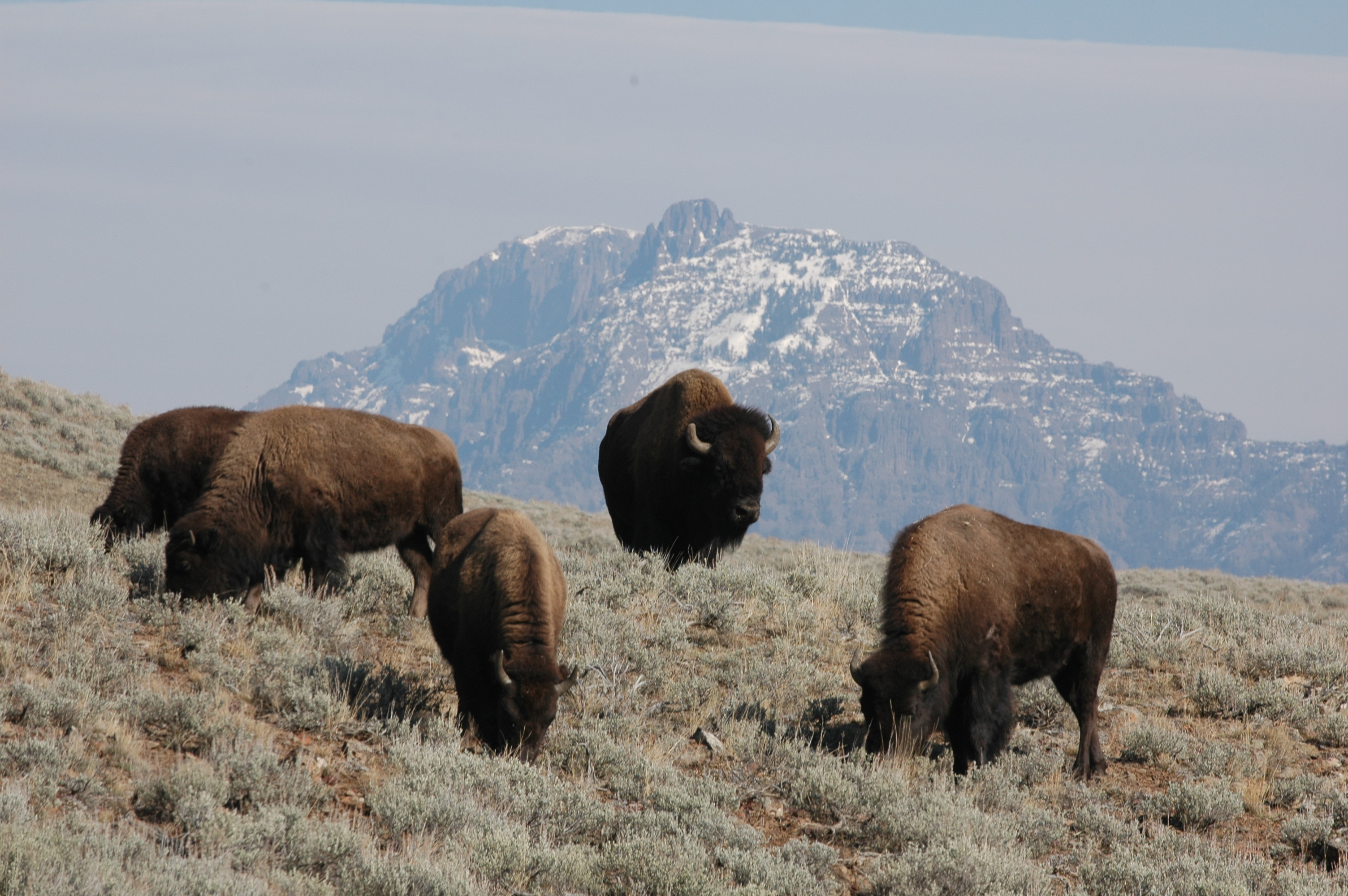
Photo copyright Jim Robertson

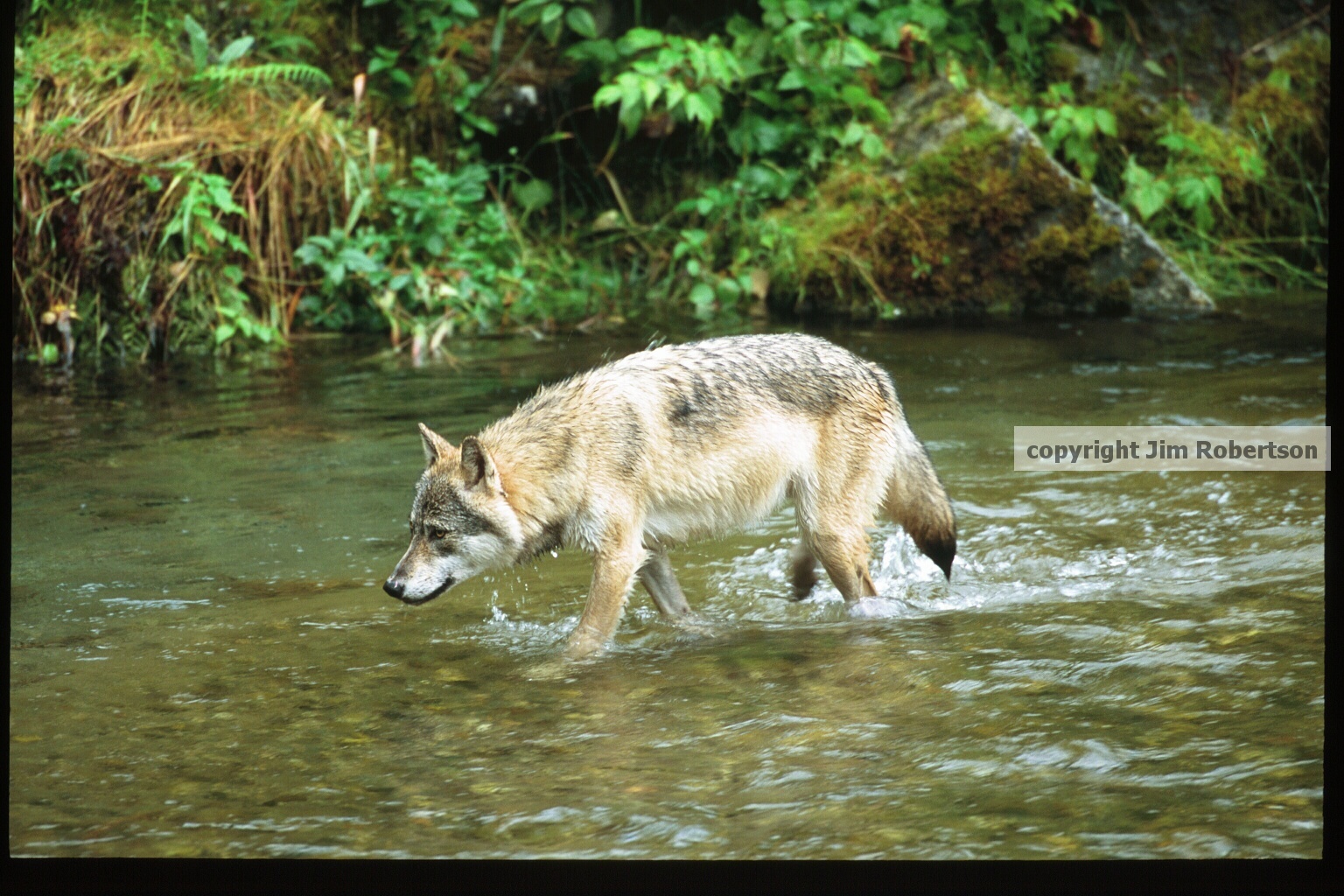
Photo copyright Jim Robertson

Now Rancher McIrvin Wants Washington Wolves Poisoned

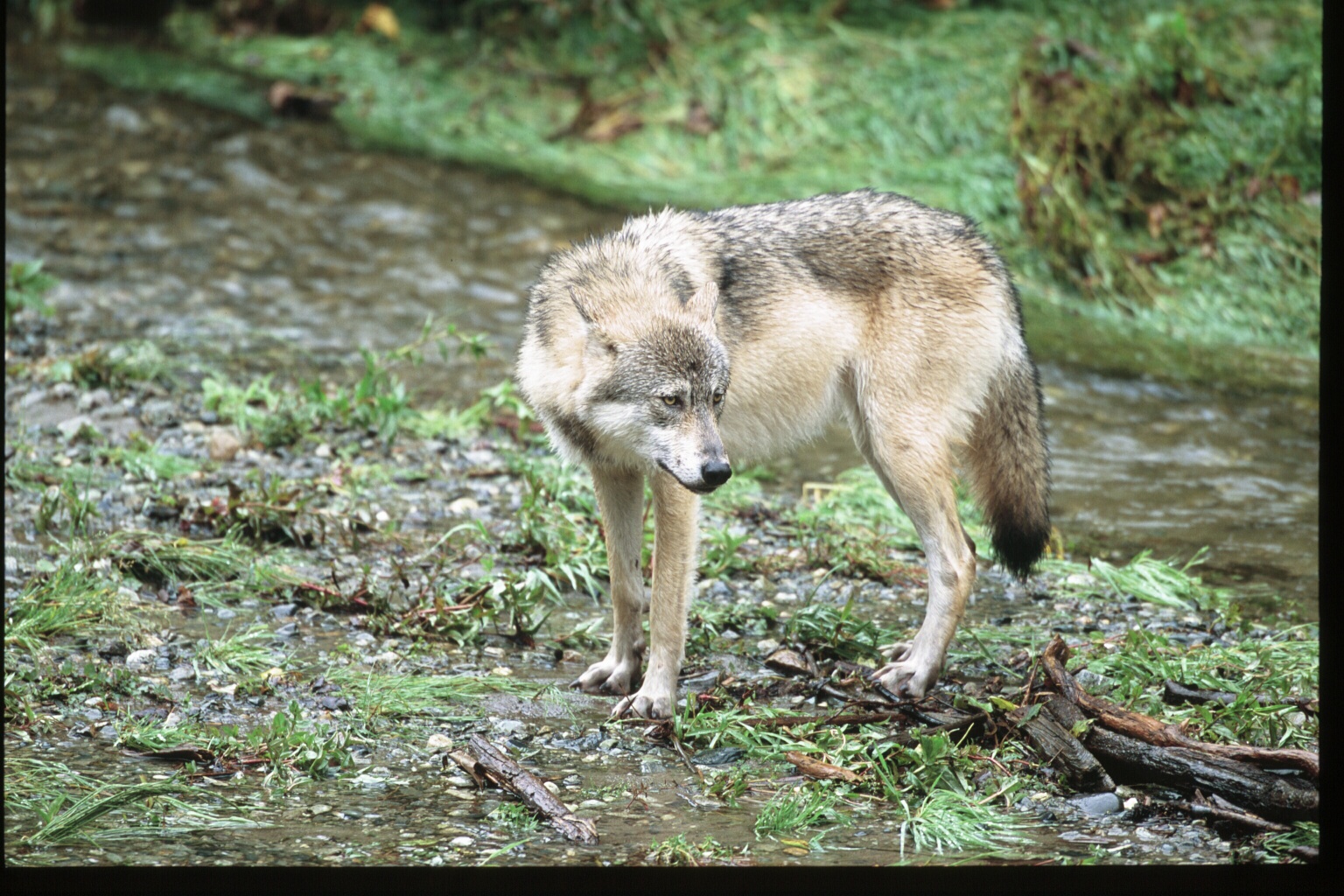
>McIrvin says killing the wolves is the only solution. He believes the copyrighted wolf in watercalf carcass should have been laced with poison to get the “culprits.”

“Until somebody gets serious about opening season on these wolves, I don’t know that there is any answer,” he said.

Just as he did last year, McIrvin plans to continue to refuse compensation from the state.<


Excerpted from:

Another calf found dead as ranchers question state wolf investigations

By MATTHEW WEAVER

Capital Press

A northeast Washington cattle rancher says wolves killed a three-day-old calf from his operation last week.

Len McIrvin is owner of the Diamond M Ranch in Laurier, Wash. That’s the ranch where Washington State Department of Fish and Wildlife officials in September 2012 killed six wolves from the Wedge Pack. The wolves had killed at least 17 cattle from the ranch.

The killed calf was dragged from a barbed wire calving enclosure 200 yards from human presence, McIrvin said. There were fresh wolf tracks nearby in the river, he said.

“We know it was a wolf, but they can’t confirm it because the calf was 95 percent eaten up,” he said, noting coyote tracks were also found in the area.

Stephanie Simek, WDFW wildlife conflict section manager, said the case was unconfirmed as a wolf kill because there were signs of coyotes in the area. The six-strand barbed wire fence did not show signs of a larger carnivore entering the area, she said.

“The issue was the carcass was so far gone, you really couldn’t get a lot of those measurements,” said Dave Ware, WDFW game program manager. “You just couldn’t tell for sure what killed it.”

The department has been monitoring wolf activity, but didn’t find anything that would merit setting a trap to try to collar wolves.

“We’re certain there are wolves in the Wedge area again,” Ware said. “We’re seeing plenty of activity.”

McIrvin said his cattle are on the range, so he hasn’t found other kills or injuries.

“We know the wolves have been harassing them,” he said. “We know they’re there, we hear them howling, they’ve got the cows all chased off the range again. We put them back weekly, but the wolves are running them daily.”

The Stevens County Cattlemen’s Association believes the department’s unconfirmed ruling on the calf shows a “troubling trend” in which the department does not confirm wolf kills, a determination that could lead to killing the predators.

Association spokesperson Jamie Henneman said WDFW needs to clearly outline how they will deal with wolves.

“Right now we are seeing the department buckle under pressure from environmental groups who have absolutely no skin in the game,” she said. “There is no impact to their finances or livelihood if wolf management is done in a poor, watery or slipshod fashion. Band-aid payments of compensation will not solve this problem.”

Ware believes the department’s history proves it is willing to kill wolves, but said it will not always completely be on the same page as ranchers.

“Second-guessing what our field staff does seems to be a popular sport for both sides,” he said. “In their hearts, most (ranchers) feel, ‘Wolves are the things different from the landscape — it must be wolves that caused this.’ In some cases, we can verify that, in some cases, we just can’t.”

McIrvin says killing the wolves is the only solution. He believes the calf carcass should have been laced with poison to get the “culprits.”

“Until somebody gets serious about opening season on these wolves, I don’t know that there is any answer,” he said.

Just as he did last year, McIrvin plans to continue to refuse compensation from the state.

“We are not in the business of raising cattle to feed wolves. We’re in the business of raising cattle to be a cow ranch,” he said.

Information

Washington Department Fish and Wildlife:

http://wdfw.wa.gov/conservation/gray_wolf/

Stevens County Cattlemen Association:

http://stevenscountycattlemen.wordpress.com

Oregon panel OKs ‘last resort’ wolf-killing rule

http://www.redding.com/news/2013/jul/12/oregon-panel-oks-last-resort-wolf-killing-rule/

by JEFF BARNARD, Associated Press

Posted July 12, 2013

GRANTS PASS, Ore. (AP) — The Oregon Fish and Wildlife Commission on Friday adopted provisions of a lawsuit settlement that will make Oregon the only state in the West where killing wolves that attack livestock is a last resort.

The rules adopted by the commission amend Oregon’s Wolf Management Plan, along with statutory provisions enacted by the Legislature that will be signed by Gov. John Kitzhaber.

The rules require ranchers to show they have taken non-lethal steps, such as alarm boxes and low strings of fluttering plastic flags known as fladdery, to protect their herds before the state will send out a hunter to kill a wolf. There must also be hard evidence, such as GPS data showing a radio-collared wolf was in the area when a cow was killed, that wolves have attacked four times.

In return, ranchers get new rights to shoot wolves that they see attacking their herd, but only if those non-lethal protections are in place, and attacks have become chronic.

The settlement represents a new level of cooperation between conservation groups and ranchers, who have long fought over restoring wolves in the West, where they were wiped out by bounty hunters in the early part of the 20th century.

Ranchers downplayed the significance of the settlement.

“I don’t think it’s a whole lot different from the wolf plan already being implemented,” said Kate Teisl, executive director of the Oregon Cattlemen’s Association. “Now there’s just more documentation. Ranchers are out there doing all they can to keep their animals alive, including the non-lethal measures.”

But wolf advocates said it was that documentation of non-lethal steps that was groundbreaking.

Rob Klavins of Oregon Wild said the old plan talked about conservation of wolves being a priority, but it was so ambiguous that it was ineffective.

“It’s now up to the Oregon Department of Fish and Wildlife, the livestock industry, and the conservation community to honor the agreements that we have made,” he said. “If we do so, I am optimistic we will continue to see conflicts between wolves and livestock continue to be rare, and the need to kill wolves even rarer still.”

Brett Brownscombe, natural resources adviser to the governor, said making the rules clear was important as Oregon’s wolf population continues to grow, and the Obama administration moves toward lifting federal protections for wolves in areas they have yet to repopulate.

Oregon Wild and other conservation groups had sued the Oregon Department of Fish and Wildlife, claiming that a kill order on the Imnaha pack, the first to establish in Oregon as well as the first to attack livestock, threatened to wipe out the pack. Conservation groups claimed the actions violated the Oregon Endangered Species Act, which still protects wolves in the eastern two thirds of the state, where federal protections have been lifted.

The Imnaha pack only has one more strike against it before a kill order can be imposed, but so far, it has not been linked to an attack.

The Oregon Court of Appeals barred the state from killing wolves for more than a year before the settlement was reached between conservation groups, the Oregon Cattlemen’s Association, and the governor’s office. During that time, the number of wolves in Oregon went up, while the lethal attacks on livestock went down. In Idaho, where the Oregon packs had migrated from, the numbers of lethal livestock attacks went up, along with the numbers of wolves killed, primarily by trophy hunters and trappers.

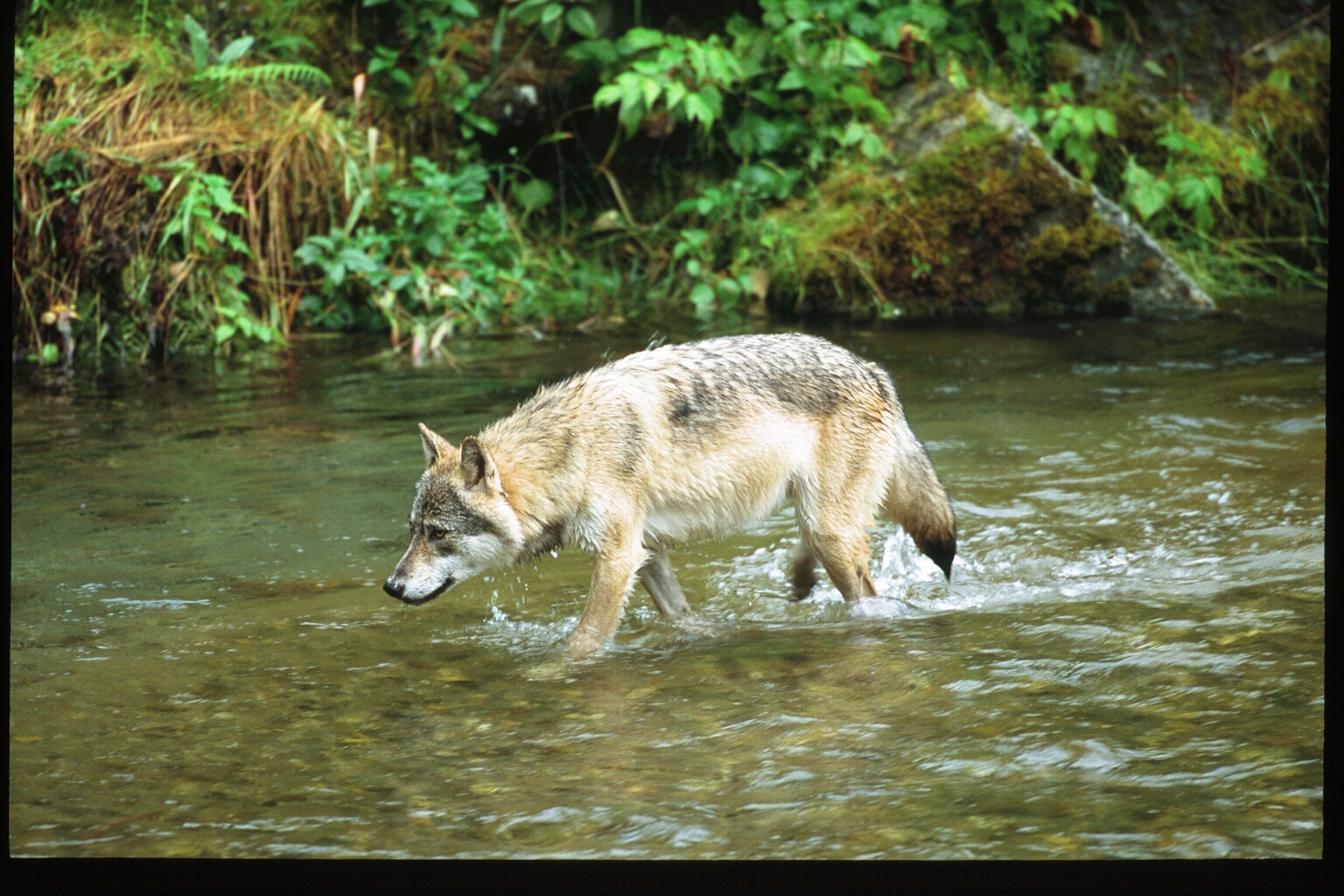
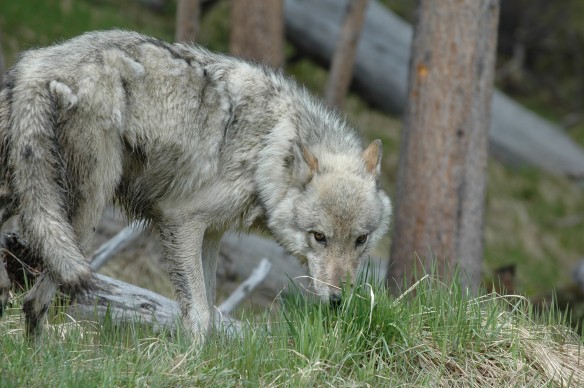
copyrighted Hayden wolf walking

Finally Some Good News From Montana

Montana governor vetoes the last of the anti-bison bills sent to him by 2013 legislature

By Ralph Maughan On May 9, 2013 The Wildlife News
… .

Anti-bison mania seizes legislature, Governor Bullock helps beat off the attack on a national symbol-

Helena, MT. Montana’s new legislature, elected in 2012, was a hotbed of anti-bison activity. Ten or so bills to hurt the bison in one way or another were introduced and a number passed and were sent to Montana’s new governor Steve Bullock.

Governor Bullock has saved the limited number of free roaming bison, and maybe bison as something other than livestock, with his veto pen. This week he vetoed the last two bills that would harm the bison, SB 256 and SB 305.

It is difficult to understand why the majority party of legislature is so hostile to the bison except it seems to have become a partisan issue as over the years all the standard anti-bison arguments have been knocked down by management and regulatory changes made by the U.S. agency APHIS (Animal and Plant Health Inspection Service) and Montana Department of Livestock and by scientific studies.

The Wildlife News has, over the years generally argued that anti-bison sentiment is basically a cultural response from the state’s cattle ranchers now angry that anyone would dare challenge their cultural hegemony — it has little to do with a threat of brucellosis spreading, bison knocking down fences, chasing people, etc. The trouble with cultural animosity is that science, economics, compromise cannot calm “a party with a chip on their shoulder.”

Those who want rational bison management and a degree of free roaming bison in the state outside of the limited boundary of Yellowstone National Park should contact the governor and thank him. governor@mt.gov

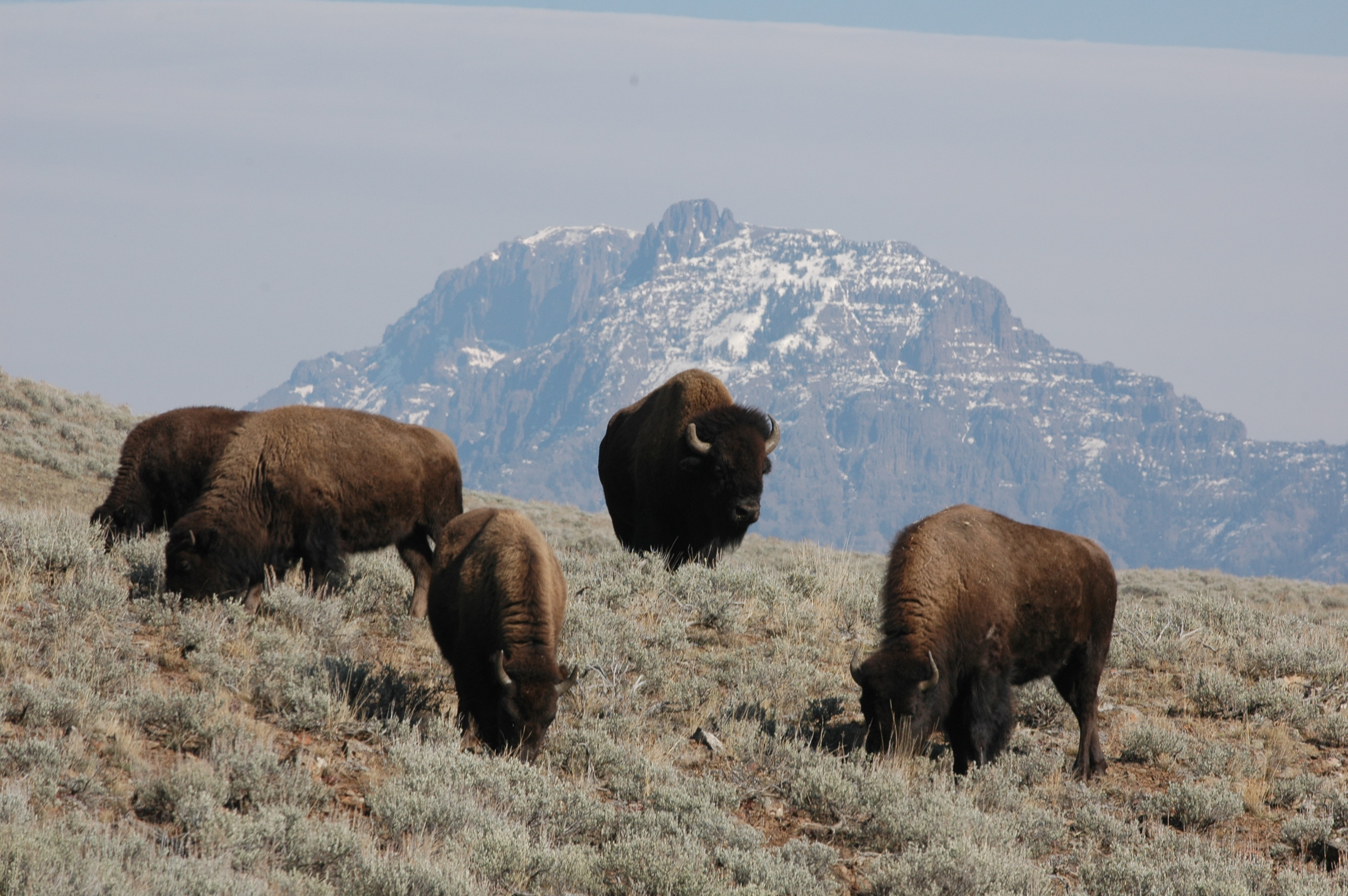
Photo Copyright Jim Robertson

Photo Copyright Jim Robertson

How Much Are WE Willing to Tolerate?

For the first decade or so after their reintroduction to Yellowstone and central Idaho in 1996, the Federal Endangered Species Act safeguarded wolves from overzealous hunters and trappers, but as the director of the USFWS pointed out, the ESA is “not an animal protection act.” Blanket protection of any non-human animal goes against the grain of our political agencies, which are ultimately only answerable to the one species with the any hope of representation—Homo sapiens.

The right of an American species not to be hunted to extinction is a relatively new advancement. At present, it‘s about the only right extended to the nonhumans in this, the land of the free. Now that wolves are off the Endangered Species list in any state with even a minor population, the feds plan to remove them from the U.S. list completely, casting any pioneering individual or would-be wolf pack to the mercy (or lack thereof) of whichever state is fortunate enough to be graced by their presence.

An organized bunch of thugs, anti-wolf fanatics have been on point, lying in wait for the day wolves lose all protection and are deemed “fair game” for their killing pleasure. Lately a deceptively named hate-group calling itself “Big Game Forever” has been luring Utah state funds away from essentials such as schools and into their anti-wolf agenda. Just recently they leached $300,000 for their campaign against wolves in that currently wolf-less state.

Others, such as South Dakota, have hastily re-classified wolves from the status of protected to “varmint,” in the event that any lost wolf happens by. Even “progressive” Washington state jumped on the bandwagon, allowing people to kill wolves without permit and changing the wolf’s status to “big game,” ahead of their anticipated complete removal from federal ESA protection.

A classic example of what will happen the minute wolves lose federal protections was made clear yesterday as Washington state lawmakers approved “Emergency Rule WAC 232-36-05100B Killing wildlife causing private property damage” which includes the following provisions:

1) An owner of domestic animals, including livestock, the owner’s immediate family member, the agent of an owner, or the owner’s documented employee may kill one gray wolf (Canis lupus) without a permit issued by the director, regardless of its state classification, if the wolf is attacking their domestic animals.

(a) This section applies to the area of the state where the gray wolf is not listed as endangered or threatened under the federal endangered species act.
(b) Any wolf killed under this authority must be reported to the department within twenty-four hours.
(c) The wolf carcass must be surrendered to the department.
(d) The owner of the domestic animal must grant or assist the department in gaining access to the property where the wolf was killed for the purposes of data collection or incident investigation.

(2) If the department finds that a private citizen killed a gray wolf that was not attacking a domestic animal, or that the killing was not consistent with this rule, then that person may be prosecuted for unlawful taking of endangered wildlife under RCW 77.15.120.

The “Emergency Rule” is bad enough as it stands, but if ESA wolf protections are lifted nationwide (as is currently planned), points (1a) and (2) will be moot—there won’t be any area of the state safe for wolves, nor any “endangered wildlife” designation to discourage poaching. This is why the wolves, though arguably “recovered” in some areas, need to remain under federal ESA protection nationwide.

We can’t let them lose what little protection they still have in this country. While the U.S. Fish and Wildlife Service forge ahead with their plan for full removal of wolves from the ESA, we need to continue to press our new Interior Secretary Sally Jewell for both their continued protection as well as the re-listing of wolves in those states where out-of-control culling is driving them back to the brink of oblivion.

Washington’s “emergency” rule was crafted in response to a letter from ten state legislators urging their Fish and Wildlife Commission to act quickly “to maintain social tolerance for gray wolves in northeast Washington in the timeliest manner for residents.”
Hmm, killing wolves to “maintain tolerance,” where have I heard that before? Oh that’s right, it was from wildlife snuff film producer and wolf-hunter Randy Newberg who told NPR News that wolf hunts in Wyoming, Montana and Idaho are easing the animosity many local people feel toward the predator. “Having these hunting seasons has provided a level of tolerance again,” Newberg told NPR.

Let me get this straight, in order to placate and appease good ol’ boys and get them to put up with the presence of one of North America’s most historically embattled endangered species, we have to let them kill some of them once in a while? Wolf hunting and trapping are just a salve—a bit of revenge-killing for them–why not let them have their fun? By this logic, they should also be entitled to shoot an Indian every so often (like their forefathers who tried to wipe them out), to help promote tolerance and social acceptance.

It’s time to remind our politicians that the wolf-killing Calvary is about as outnumbered by those of us who appreciate wolves as General Custer was at the Battle of Little Bighorn.

What’s happening now in Washington is just how it started out in other states whose wolf-killing policies are now completely out of control. Washington wolf proponents need to realize that their wildlife policy-makers will continue to up the ante each time we accept the new status quo.

The question is, how much of a wolf-kill massacre are we willing to tolerate before we go on the warpath?

Text and Wildlife Photography ©Jim Robertson, 2013. All Rights Reserved

Text and Wildlife Photography ©Jim Robertson, 2013. All Rights Reserved

High Time to Send the Cowboys Packing

The sad story of wolf “recovery,” since their unjust removal from the federal Endangered Species list in the Northern Rockies and Great Lakes states, reminds me of some Western b-movie wherein trigger-happy cowboys and corrupt cattle ranchers ride into a peaceful town, oust the sheriff and replace order with chaos, clear-headedness with insanity and serenity with violence.

So unprecedented is the ongoing slaughter of an endangered species immediately on the heels of their purported recovery that I can’t think of any situation to compare it to. The only hypothetical analogies I can think of is if the U.S. resumed full-scale whaling or sealing the day after those animals recovered or allowed people to shoot recently endangered eagles again, lest they prey on someone’s chickens.

After all, eagles are predators, aren’t they? Well, yes, sometimes, but they’re also the symbol of our country.

Wolves too are symbols. To those who revere wilderness, wolves represent nature unspoiled—a time before the merciless reign of humankind. But to wolf-haters, they are symbolic of something scary—the eventual evolution beyond their avaricious way of life.

Caught in the middle are the wolves themselves; all they want is the freedom to roam and their fair share of what has always been theirs—before human politics turned them into a bone of contention.

It’s high time some gunslinger-with-no-name drifted into town and sent those wolf-killing cowboys packing.

Text and Wildlife Photography ©Jim Robertson, 2013. All Rights Reserved

Text and Wildlife Photography ©Jim Robertson, 2013. All Rights Reserved

Misery-Makers Love Company

The old saying, “misery loves company” has gotten so shopworn it’s become a cliché. But there’s a new saying (I know it’s new because just I thought it up today), a variation on that old one, which goes: “Misery-makers love company.” The point being, those who cause suffering don’t like to think they’re the only ones doing it.

Hunters, for example, are emboldened and find affirmation by recruiting others to take up their “sport.” It’s the same thing motivating trappers to form associations or duck hunters to form clubs. It’s why bowhunters spend so much time in chat rooms, and it’s part of the reason coyote and/or wolf haters hold social events called “contest hunts.”

Meanwhile, meat eaters feel a stronger sense of entitlement when they see so many others blindly munching on corpses. The same holds true for rodeo fans who get confirmation every time ESPN airs yet another calf-tormenting event.

The list could go on and on. As good people everywhere start citing their own examples, the saying, “Misery-makers love company,” is destined to become an overused cliché itself.

Text and Wildlife Photography ©Jim Robertson

Text and Wildlife Photography ©Jim Robertson

Mercenaries Paid $55,000 to kill Just One Washington Wolf

For those who were not quite fuming mad enough to be considered wrathful when the wolves of Washington’s Wedge pack were senselessly murdered, perhaps news that the state Fish and Wildlife Department spent nearly $77,000 to kill the seven pack members should push you over the edge.

According to a newly released report, it cost taxpayers nearly $55,000 to kill just one wolf in a 39-day ground hunt. It seems to me the state is overpaying their anti-wolf mercenaries when there are hunters in Idaho, Montana, Wyoming, Wisconsin and Michagin who would have gladly done the job for free just for the bragging rights. Tens of thousands of hunters in those states are paying good money for the chance to kill a wolf.

The other six wolves were killed in a four-day period in September using a helicopter and a marksman that cost $22,000. Surely these kind of costs can’t be justified, even by those who view cows only as commodities and wolves as mere pests.

Washington State Senator Kevin Ranker has criticized the decision to kill the Wedge pack and is planning a legislative hearing next year. It might be a good time to ask the state how much they’re willing to spend to keep welfare ranchers in business. And how many wolves will have to die before the grazing of cattle on our National Forests is finally a thing of the past?

Text and Wildlife Photography ©Jim Robertson, 2012. All Rights Reserved