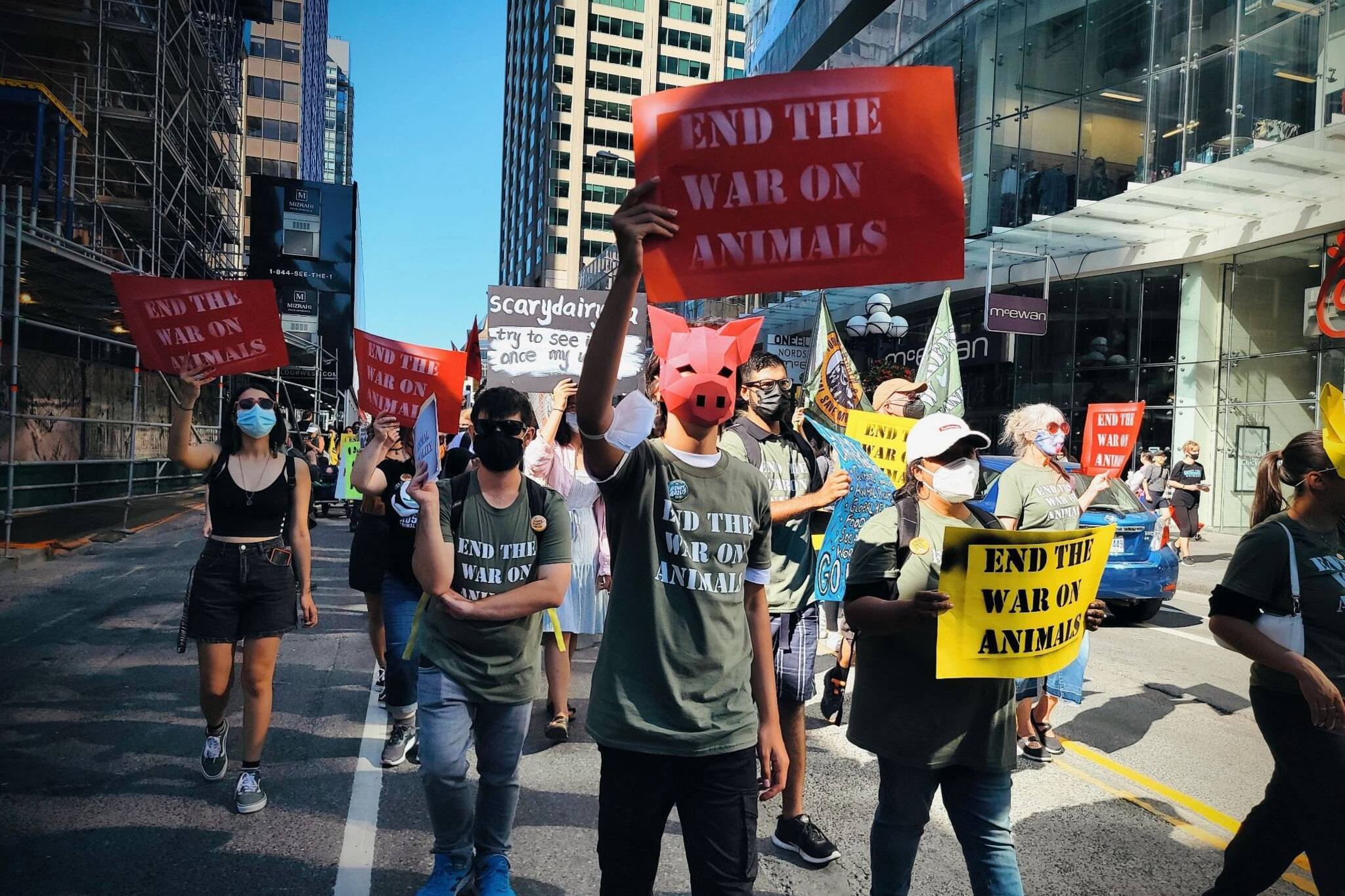
Transported, of course, is something of a euphemism; these mythical beasts of the jungle are beaten to submission by nasty little weapons called bullhooks. The ‘mood’ Mr. Feld is claiming has shifted is nothing of the sort. What has changed is awareness: enough people know what the animals are put through, and with that knowledge comes a moral clarity that what’s happening is, without question, wrong.
Meet the mood shifters.
**
Daphna Nachminovitch and Laura Brown sat on the floor and let their faces be licked by the kind of puppies PETA’s critics will have you believe they are eager to kill. We were in PETA’s now infamous shelter, located at 501 Front St. here in Norfolk. Unlike many of the shelters I’ve visited across the country, PETA’s animal care units are spacious, calm, and well-attended with toys, food, and clean bedding. It’s also the only shelter I’ve ever been to that sits on the fourth floor of an office building, with cut out windows between the dogs, kittens, and bunnies and the employees working a few feet away.
Brown & Nachminovitch.
According to Nachminovitch, Senior Vice President of Cruelty Investigations, in 2014 alone PETA spent more than $1,000,000 on companion-animal services in Virginia and North Carolina. This included visiting and tending to more than 5,500 backyard dogs in 65 cities; helping more than 1,500 indigent families keep their animals by providing free medical services; custom-building and delivering 285 doghouses (6,138 total doghouses since the program’s inception in 1998); behavioral counselling for more than 2,500 people to help them keep their animals; and providing euthanasia services for more than 500 animals belonging to loving guardians desperate to alleviate their animal companions’ suffering.
“I don’t think people have a good idea of what we do here,” said Brown, a shelter specialist. “We’re here 12 hours a day, and on emergency pagers after that.”
Rachel Bellis works in cruelty investigations and, like many PETA employees, regularly takes a break to play with the animals. “Every animal is an individual. Every animal is looked at,” she said. “I’ve never worked with more compassionate and dedicated people in my life.”
It hasn’t been all puppies and kittens at PETA of late.
A recent incident that brought fresh attention–
including an act by the Virginia General Assembly–to PETA’s shelter program was presented by the Pilot like
a scene from a Stephen King story: “A little girl’s pet Chihuahua disappeared from her family’s mobile home on Virginia’s Eastern Shore…” What happened broke a number of PETA protocols: the dog was taken without speaking to the owner; the animal was euthanized prior to going through established processes, including not keeping the dog alive for 5 days, per state law. PETA since fired the contractor who violated these rules and has publicly apologized.
“It’s too complicated for a short sentence,” Ingrid Newkirk, president of PETA, told me when asked about PETA euthanizing animals at all. “That is what is happening, people want a soundbite and they reduce it to kill shelter or no kill.”
In order to understand the euthanizing at PETA, one must hold what might appear to be two contradictory concepts in their head at the same time: that one of the most prominent animal rights organizations in the world euthanizes animals, and that they do so while purporting that these acts strengthen, not dismiss, their ethical integrity.
In Newkirk’s own words:
“We weigh the situation from the animal’s perspective as best we can, as you would in any situation where you’re trying to help and abate suffering. Every animal we evaluate. If it’s an animal that is unlikely to be adopted, given that most people want small, fluffy, house-broken, and pleasant animals, or if the animal is crushed in an accident, or kept in a way that has made the animal unsocial or aggressive, or if the animal is on his or her last legs, or the time has just come, then euthanasia is a godsend. It’s a blessing. It’s a way to provide the most peaceful, traumaless exit. It’s a privilege to be able to give it to them.”
PETA, of course, did not cause the animal overpopulation problem. According to the Virginia Department of Agriculture and Consumer Services, in 2013, the total number of animals who entered VA shelters was 242,087, with 64,727 euthanized and 4,417 unassisted deaths. An unassisted death is the epitome of euphemism: these are animals under the care and custody of shelters they depend on to keep them from suffering and dying slowly, in pain. PETA’s spay/neuter program has serviced over 112,000 local animals over the past 10 years. Do some simple math and you realize that PETA has kept millions of animals off of our streets, out of our shelters, and never setting paw in clinics where euthanizing, sadly, must occur.
“We’d be hypocrites if we didn’t [euthanize],” Newkirk said. “We can’t ignore the animals around our office.”
The unnecessary death of the Chihuahua outshines, and to some, nullifies the major victories, like the big news about the elephants.
“If we’re fighting so hard to stop needless killing of even mice, why on earth would we wish to see anything but happiness and a loving home for any dog, or cat, or bird?” asked Newkirk. “It’s thoughtlessness that plays a role, and the nastiness and absolute bulling. Our poor girls who are out there helping out in the snow in the frigid weather… if people could see what they were doing, they’d be ashamed.”
**
Amanda Kyle, a field worker for PETA, was holding Soup, a Maltese mix who had been adopted from the Humane Society in Portsmouth, then two years later given up with the arrival of a new baby. When Soup was passed on to PETA she suffered from kidney disease, horribly matted-over genitals, urinary tract infection, fleas, ear and nasal infections, and rotten teeth (all but 3 teeth had to be removed). Like many animals left for PETA to take care of, without a miracle, there would be no happy ending for the likes of Soup.  Soup settled into Kyle’s lap. One of the lucky ones, Kyle had adopted her.”The vet gave her three months. I wanted her to feel joy,” Kyle said. “She was thrown away on Christmas eve. And this dog had been adopted and then abandoned, a ‘happy’ number for the shelter (whose priority is adoption statistics.)”The relationship between PETA and local shelters is a complicated one.
“I think of PETA does a lot of great things, there’s no question about it,” said Rob Blizzard, executive director of the Norfolk SPCA, which adopted out 770 animals last year. “I’ve been a big fan of their organization for years. I even had them in my will of charities I would leave money to. The question everyone’s asking is, why, with the huge amount of resources they have, isn’t more of an investment being made in those animals? It’s not that they’re not doing a lot of wonderful things, it’s that all of these animals being accepted, we just are not seeing the aggressive effort to adopt them out.”
At some point, it’s something of a numbers shell game–the Norfolk SPCA took in less than half the animals in 2014 it did in 2011, leaving one to wonder where our society expected those unaccounted for or turned away animals to end up. At some point, it’s something of a game of semantics–the Norfolk SPCA euthanizes around 5% of the animals it takes in.
“PETA has and will continue to make an effort to get adoptable animals adopted through our own doors and through transfers to other facilities, mostly the Virginia Beach SPCA,” said Nachminovitch. “Animals for adoption are routinely advertised online, via social media (on PETA’s pages and others’), in print publications, fliers, and more.”
PETA also makes a habit of taking on other city’s problem animals. Last year PETA accepted 249 feral cats from the City of Portsmouth. Up until recently the outgoing answering machine at a Portsmouth Police Department phone line dedicated to animal care instructed citizens to call PETA for help with feral cats.
**
Elsewhere in this building PETA employees are devoting their lives to protecting animals who are being sprayed with perfume and make-up products in their eyes and mouths; animals involved in experiments (in one test series alone PETA saved the lives of 4 million animals); animals used for entertainment (like the elephants who will no longer be beaten or paraded through the streets); and the billions of animals tortured and bloated full of antibiotics and growth hormones in the factory farming industry.
The scenes that play out in the factory farming industry are more horrifying than anything Stephen King ever wrote. Sweet little animals, tortured by the billions, because they don’t have the voices to speak for themselves, because they don’t have the hands to free themselves, because their don’t have the complicated collection of facial muscles to form frowns of distress that humans can recognize. They are tortured by the billions because they taste good.
To call the notion that people who work at PETA don’t actually love animals absurd is to give it too much credit. Like any organization of its size, PETA isn’t perfect, of course, and an amount of thoughtful criticism is not just expected, but helps them evolve. But what’s said about PETA is something very different. It’s a singular rancor, a vulgarity, a beguiling hatred that many in our society exhibit toward the group. It’s so intense–so screaming and pounding–that one gets the sense it is a din meant to distract from something else. It’s my junior psychologist interpretation that the maniacally intense pronouncements toward PETA are a projection of the way factory-farm supporting people subconsciously judge themselves.
PETA, according to the Internet.
I offered this theory to Newkirk, who responded: “A friend of mine said, ‘How can you talk about killing dogs when your breath smells of dead animals, when your coat is made of dead animals, when you have shelves of products tested on animals… how can you talk about no kill?’ I do believe it’s a defensive reaction. Don’t tell me what to do, I’ll tell you what to do.”
The mood, as Mr. Feld from the circus might put it, has been slower to evolve surrounding some of the other issues that PETA advocates for, such as the humane treatment of the pigs that become the best part of a BLT, the cows that become our Big Macs, and the chickens that become our Chick fil A. What happens to these animals on the route to our plates is, to any moral being, sinfully inhumane. You, reading this, know it; you don’t need me to give you details or link to articles. The fact that the factory farming industry is an abomination against the supposedly evolved stature of our species has reached the collective consciousness, if it has not yet shifted the mood.
“It is always possible to wake someone from sleep, but there is no amount of noise that will wake someone who is pretending to be asleep,” wrote Jonathan Safran Foer in his spellbinding book, Eating Animals.
To recognize the central nobility of PETA’s work is to also acknowledge the central immorality of an industry, and food lifestyle, that can feel intractably interwoven with the way we see our country and ourselves.
It’s so much easier to hate than it is to go through the process of evolving, which is really, really hard.
*
When conversation turned to the euthanasia process, three of the four PETA employees gathered for the interview started to cry.
“It’s a big overdose of anesthesia,” said Brown. “We treat the animals like they’re our own. It’s the most precious gift I could give someone. I stand outside the door hearing people cry with their animals. I couldn’t image us not being there. Not just turning the animal away but the people away. We’re right there with them, grieving with them.”
Brown also does fieldwork for PETA, finding animals who are being abused, and helping them. They conservatively estimate that last year PETA employees put in over 25,000 hours in the field, where they regularly find animals humans have allowed to wallow at the doorstep of death. There can be love in death, and death in love. The nasty things people say about PETA affect Brown sometimes.
“You can’t help but take it personally,” she said. “But we’re laser focused on the animals. Throw at us what you want, and we’re still going to do the right thing for the animals. Of course it hurts. It’s scary to think about our services being limited. Even if you can’t be respectful of us… Don’t criticize us for those numbers when those are your numbers as well.”
Your numbers, my numbers, all of our numbers. In a perfect world there would be public money put toward rehabilitating every animal with behavioral problems, but that’s hard to imagine in a society that doesn’t rehabilitate its abused human children. In a perfect world there is money for surgeries for every sick animal, but that’s also hard to imagine in a country where so many vehemently oppose health care for all humans. These animals don’t get saved by leaving a comment online calling PETA the devil and then going back to daily life. Many of them, in fact, are beyond saving, it’s just that other facilities don’t have the guts–or moral certitude–to do it themselves.
*
We walked to the room where the animals spend their last final conscious moments on earth. “This is sacred territory,” a sign above the table reads. “Leave your stress and troubles at the door. In here, only the animals we serve matter.”
“Those animals stay with me. I have memories, and nightmares,” Brown said. “We’re there speaking for all of them.”
All the anger toward PETA, and the “kill vs. no kill debate,” is also a nightmare. The solutions to this problem are every pet being spayed or neutered; in no one ever getting a pet from a breeder or pet store as long as there are animals in shelters; in a sea change of compassion that recognizes the humanity of these animals–all animals–who love us so damn much.
“If all of the energy targeted toward PETA was put toward solving the crisis…” said Nachminovitch, “it’s the animals who would actually benefit.”
When I asked Newkirk what three words she would want to come to mind when the average person thinks of PETA, she said, “Kindness, kindness, kindness.”
And the mood continues to shift, mirroring the lived compassion of humans, the glow of soul we share with all of the animals whose pain we recognize, and soothe.
Anyone interested in fostering or adopting is encouraged to contact PETA at adopt@peta.org This email address is being protected from spambots. You need JavaScript enabled to view it. .




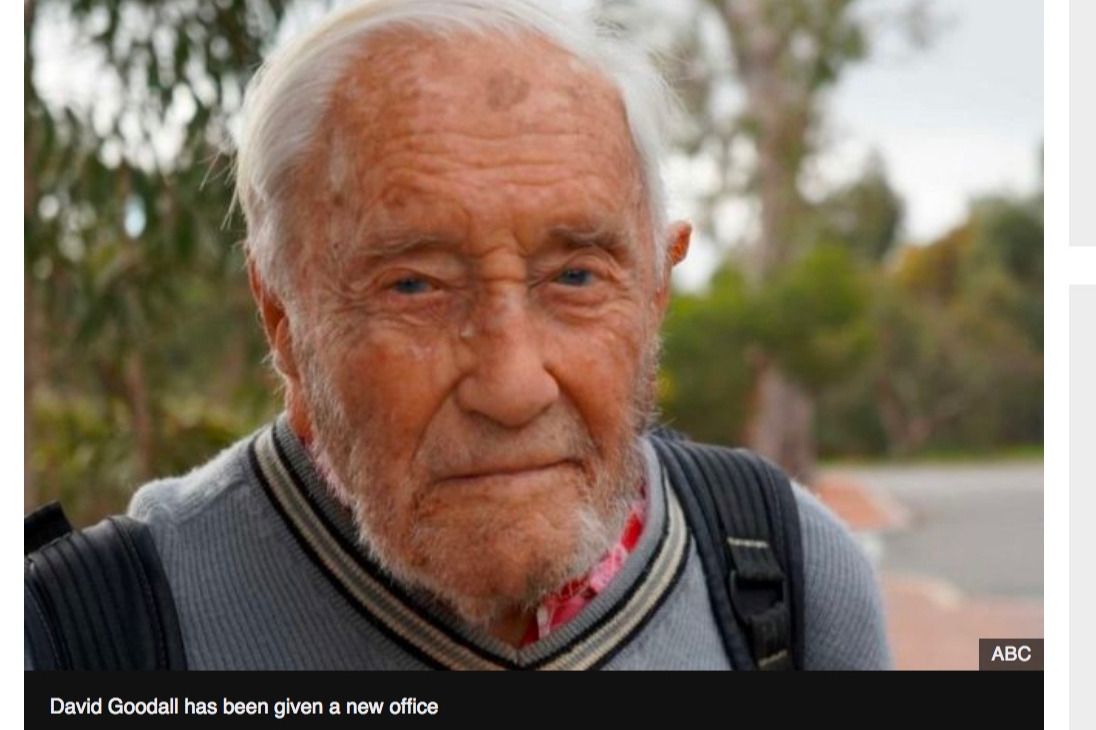 Professor David Goodall, Australia’s Oldest Working Scientist
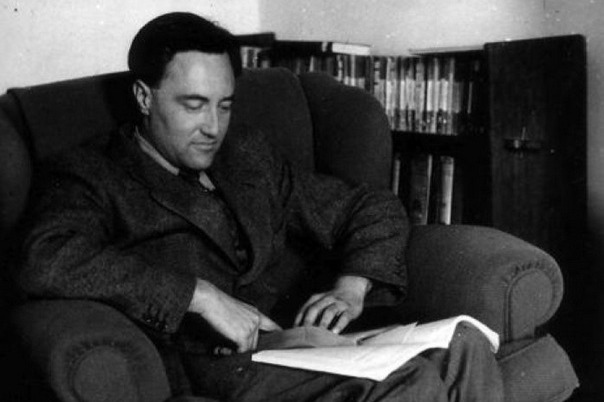 At work in the 1950s.
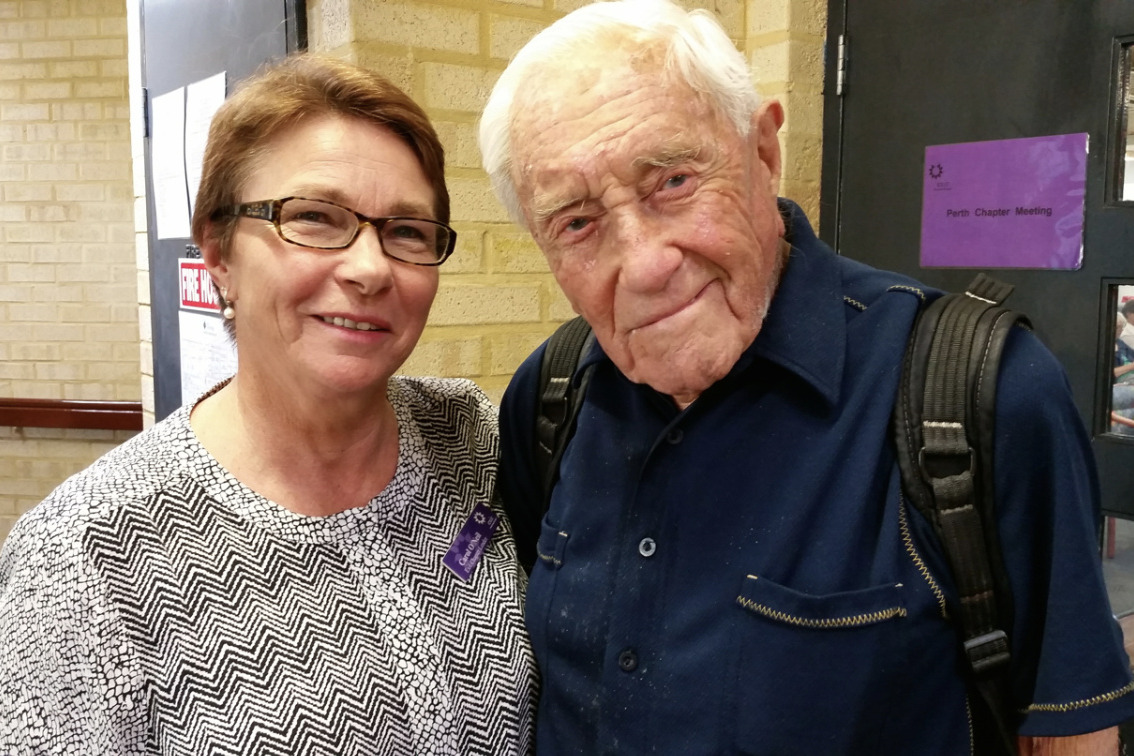 Carol & David at an Exit workshop in 2016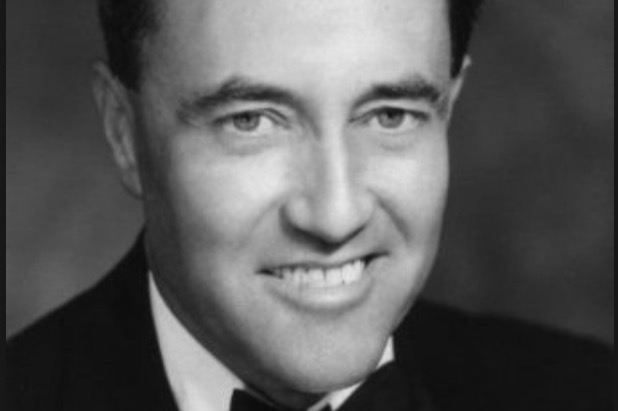
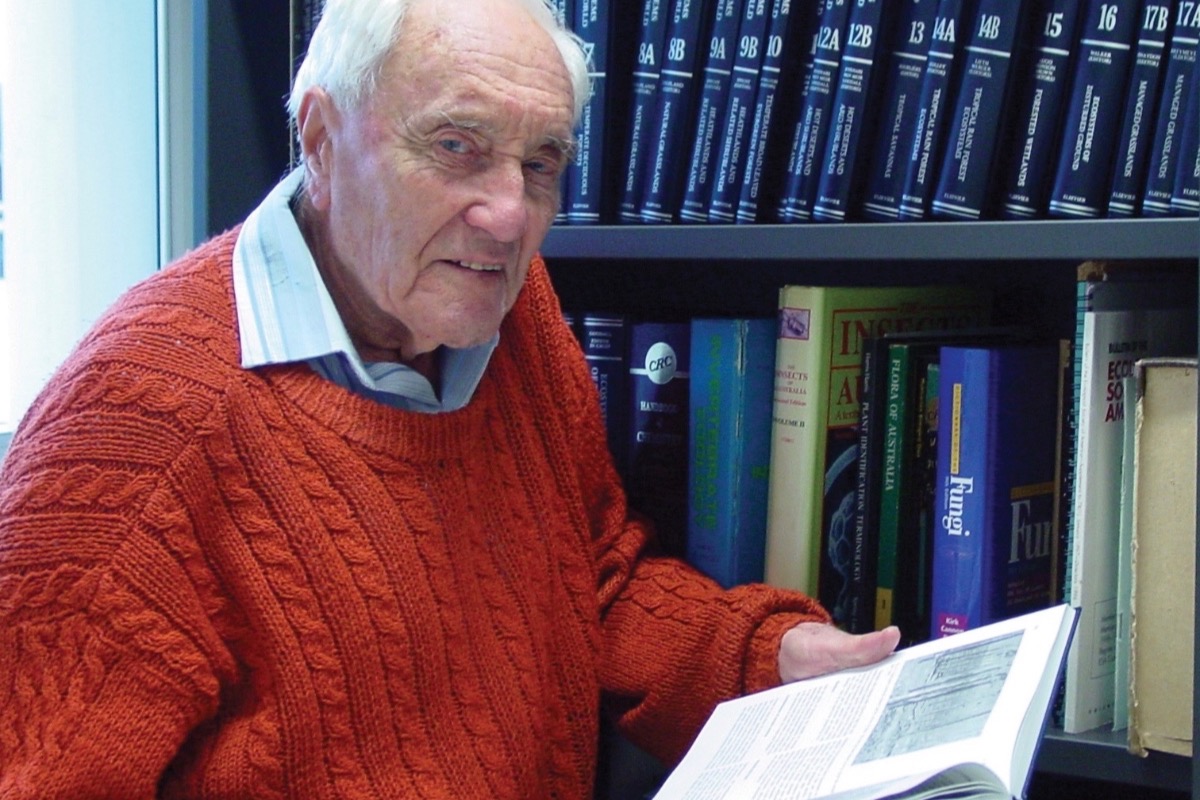 David with his edited series: Ecosystems of the World
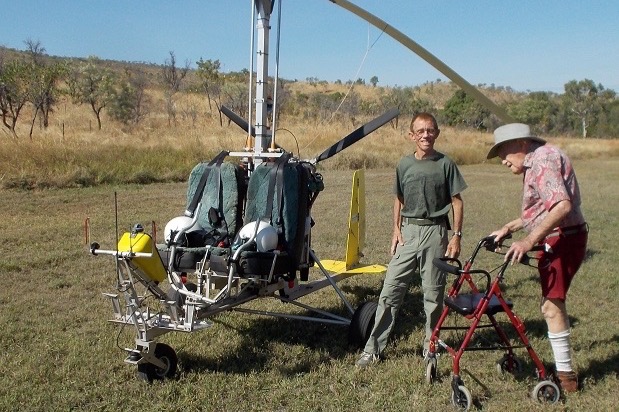 At 103, David travelled by gyrocopter to the remote Kimberley station (Kachana) near to Kununurra to visit the eco sustained cattle station of Chris and Jacqueline Henggeler.
 At Kachana, David was back ‘in the field’ courtesy of the station’s tractor service.
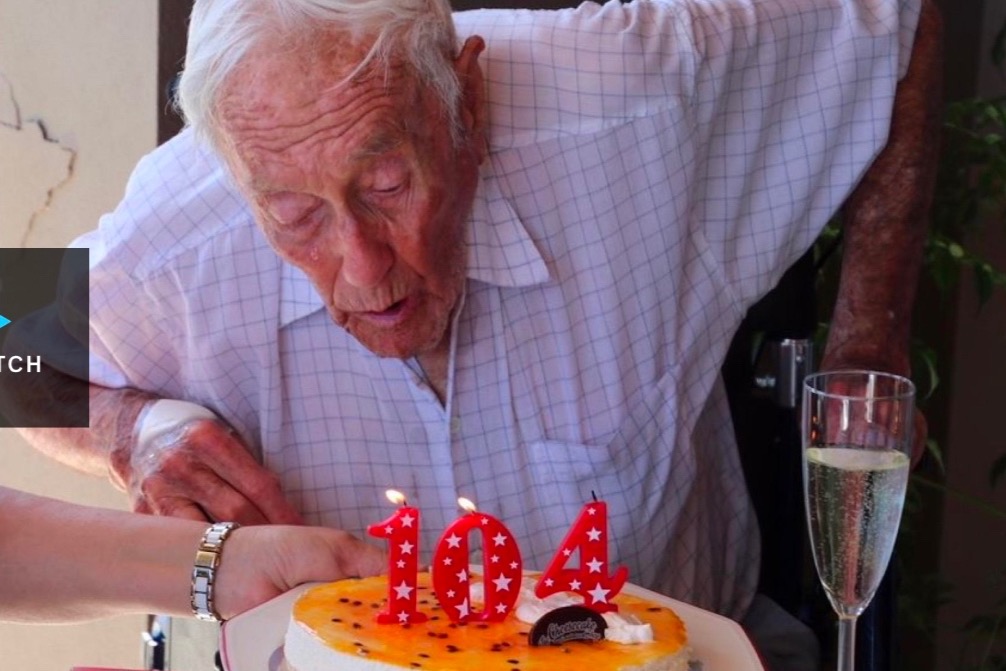 David on his 104th Birthday (4 April 2018, in Perth). His birthday cake was a cheesecake, his favourite.
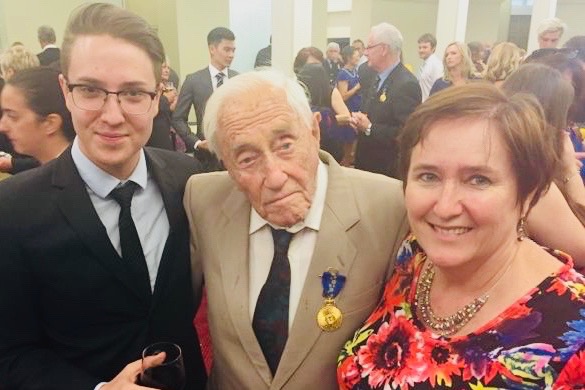 David receiving his Order of Australia in 2016


 Exposing the Big Game