Exposing the Big Game

Forget Hunters' Feeble Rationalizations and Trust Your Gut Feelings: Making Sport of Killing Is Not Healthy Human Behavior

Exposing the Big Game

Millions of US farm animals to be culled by suffocation, drowning and shooting/’A terrible way to go for £9 an hour’: fear at meat plant after three coronavirus deaths

Closure of meat plants due to coronavirus means ‘depopulation’ of hens and pigs with methods experts say are inhumane, despite unprecedented demand at food banks
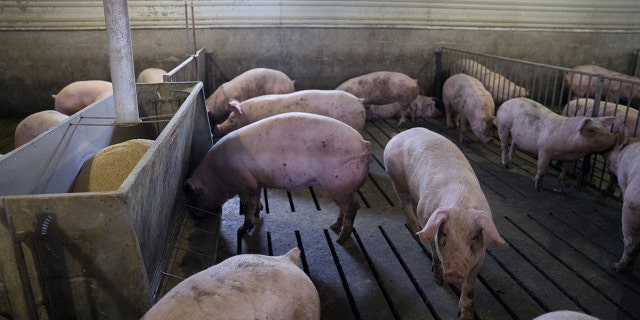
A pig in Illinois, US

The pig industry is facing a major glut of market-ready hogs. Photograph: Scott Olson/Getty

More than 10 million hens are estimated to have been culled due to Covid-19 related slaughterhouse shutdowns. The majority will have been smothered by a water-based foam, similar to fire-fighting foam, a method that animal welfare groups are calling “inhumane”.

The pork industry has warned that more than 10 million pigs could be culled by September for the same reason. The techniques used to cull pigs include gassing, shooting, anaesthetic overdose, or “blunt force trauma”.

In “constrained circumstances”, according to the American Veterinary Medical Association (AVMA), techniques [pdf] might also include a combination of shutting down pig barn ventilator systems with the addition of CO2 so the animals suffocate.

The ‘depopulation’ comes despite food banks across the US reporting unprecedented demand and widespread hunger during the pandemic, with six-mile-long queues for aid forming at some newly set up distribution centres.

The American meat supply chain has been hit hard by the closure of slaughterhouses, due to Covid-19 infection rates among workers. 30 to 40 plants have closed, which means that in the highly consolidated US system beef and pork slaughtering capacity has been cut by 25% and 40% respectively, according to the United Food and Commercial Workers (UFCW).

The closures have meant that animals cannot be killed for food and many must instead be culled, or “depopulated” at home.
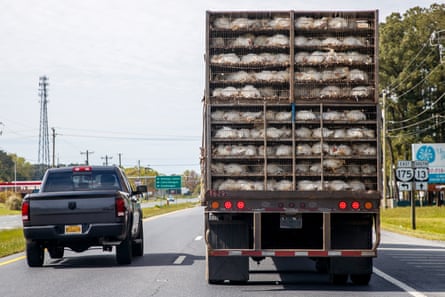
A truck loaded with chickens drives on the highway to deliver fowl to a meatpacking plant

10 million hens have already been culled due to slaughterhouse shutdowns. Photograph: Shawn Thew/EPA

More pigs to be ‘depopulated’

As it is comparatively easier to keep cattle on farms, cow culls do not appear to be an issue as yet, and the chicken cull may have peaked, said Adam Speck, an agribusiness analyst with IHS Markit.

“[Cattle] could stay on ranches another six months if necessary. The peak of the chicken cull has passed for now. North of about 10 million chickens were depopulated, either at the chick or egg stage,” Speck said.

At the hen stage, Leah Garcés, president of US welfare organisation Mercy for Animals, said it is hard to be sure of the numbers. But, “what we know with certainty is that 2 million meat chickens [and] 61,000 laying hens”, have been killed on farms.

Compared with poultry, said Garcés, stopping or slowing the production cycle of pigs is harder, mainly because pig growing periods are about six months compared to six weeks for hens. “Pregnancies had already been set in motion when the slaughterhouse closures occurred,” she said, and pigs were already in the system.

The National Pork Producers Council (NPPC) has estimated that: “up to 10,069,000 market hogs will need to be euthanised between the weeks ending on 25 April and 19 September 2020, resulting in a severe emotional and financial toll on hog farmers”.
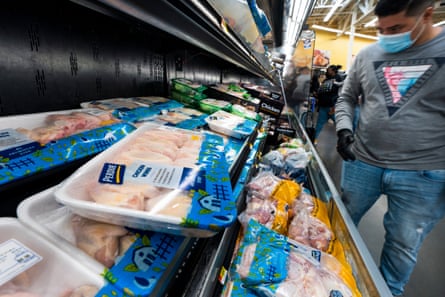
chicken on supermarket shelf

The peak of the chicken cull has passed, experts said, but pigs may now need to be ‘depopulated’ in large numbers. Photograph: Jim Lo Scalzo/EPA

For pig culls, AVMA “preferred methods” include injectable anaesthetic overdose, gassing, shooting with guns or bolts, electrocution and manual blunt force trauma. AVMA methods “permitted in constrained circumstances” include ventilator shutdown (VSD), potentially combined with carbon dioxide gassing, and sodium nitrite which would be ingested by pigs.

Speaking more graphically, Garcés said manual blunt force trauma can mean slamming piglets against the ground while VSD would “essentially cook the pigs alive”.

Asked to estimate numbers of pigs that have already been culled, Speck said producers are very reluctant to depopulate. “About two million might have been culled so far due to the Covid-19 pandemic, over the last six or so weeks.”

Speck added that with slaughterhouses likely to return to 85% capacity by the end of May, the NPPC’s depopulation estimate of 10 million pigs could be significantly reduced.

Speck said breeders are thinning herds and slowing growth to reduce pig supply. “They are sending breeding sows to slaughter, aborting pregnant sows on a small scale and [keeping market-bound pigs] on maintenance style rations with less protein. Coming into the summer months the pigs will also gain weight more slowly as the weather heats up.”

Methods are ‘inhumane’

Asked about growth slowdown, Garcés said it posed other welfare risks. “One method to slow down growth is to turn the heat up inside of the warehouses beyond the pigs ‘comfort zone’ because pigs eat less when they are too hot,” she said.

The combination of feed restrictions and higher barn temperatures, she said, mean pigs are “hungry and hot, increasing their overall discomfort, which is already high in a factory farm setting”.
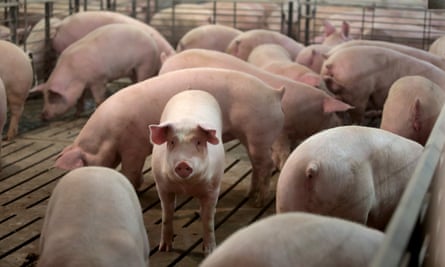
Hogs at a farm in Illinois, US

Many farmers now face having to cull market-ready pigs. Photograph: Scott Olson/Getty Images

In what appears to be an attempt by the industry to reduce any negative depopulation impact, a blog managed by the National Pork Board called Real Pig Farming offers social media sharing tips for farmers. The blog suggests farmers: “Think twice before engaging with posts that show what may be happening on farms right now.”

It said: “Most people do not understand the complexity of raising pigs and getting pork from the farm to their table. That means, “[a] good rule of thumb is to speak to a level a third grader [eight to 10 years old] would understand to ensure that things are not taken out of context.”

NPPC spokesperson Jim Monroe said that as of the week ending on 15 May, less than 25% of overall slaughter capacity was idled and the situation was improving. Monroe, added that the “tragic need to euthanise animals is to prevent animal suffering.”

For poultry, culling options are no easier. Filling sheds with carbon dioxide gas is one method, said Kim Sturla, director of welfare organisation Animal Place. Another cull method, she said, is to smother hens with water-based foam, similar to firefighting foam. Water-based foaming is categorised as the “preferred” method by the AVMA.

Previously asked about water-based foaming and other cull methods such VSD, an AVMA spokesperson said depopulation decisions were difficult and “and contingent upon several factors, such as the species and number of animals involved, available means of animal restraint, safety of personnel, and other considerations such as availability of equipment, agents and personnel”.

European campaigners said firefighting foam causes prolonged suffering. Although risks of similar livestock culls appear low in Europe so far, welfare group, Compassion in World Farming advised using foam that contains nitrogen gas because death is faster.

A 2019 European Food Safety Authority journal report said it did not find water-based or firefighting foam acceptable because “death due to drowning in fluids or suffocation by occlusion of the airways” is not seen as “a humane method for killing animals, including poultry”.

—————————————————————————————

https://www.theguardian.com/environment/2020/may/20/its-a-terrible-way-to-go-for-9-an-hour-fear-at-meat-plant-after-three-deaths-coronavirus

Family of worker at a South Yorkshire food processor with multiple Covid-19 cases and three deaths have criticised treatment of staff

The Cranswick Convenience Foods processing plant at Wombwell, South Yorkshire.

The Cranswick processing plant at Wombwell, South Yorkshire. Photograph: Christopher Thomond/The Guardian

Published onWed 20 May 2020 11.34 EDT

The South Yorkshire meat processing plant where three workers have died from coronavirus has been criticised for failing to adequately protect workers.

Three workers at a Cranswick food processing facility in Wombwell, Barnsley, which supplies UK supermarkets, are confirmed to have died after testing positive for coronavirus.

The UK-based company, which has annual revenue approaching £1.5bn, said there had been nine confirmed cases at the Wombwell plant, with one worker currently in hospital. The most recent confirmed case was on 11 May.

Speaking on condition of anonymity, the family of a worker at the plant said staff had initially been told that social distancing in some parts of the factory was not possible, that they couldn’t wear face masks “because they would be taking them away from the NHS”, and that any staff off sick only got statutory sick pay.

“If you don’t feel well and know if you don’t go to work you’re only going to get the statutory sick pay [£95.85 a week] and are not going to be able to pay the bills, what are you going to do? I am scared he could bring it home to us and our kids. They [plant workers] have not been happy, but they’re all scared to say anything because of losing their jobs. It’s a shit way to go for £9 an hour [worker is paid £9.40 an hour].”

Meat plants across the world are grappling with serious coronavirus outbreaks. The US has been hardest hit, with confirmed cases at more than 200 meat and food processing plants and the death of at least 66 workers. There have also been clusters of cases at meat plants in FranceGermany and Ireland, where more than 500 workers have tested positive.
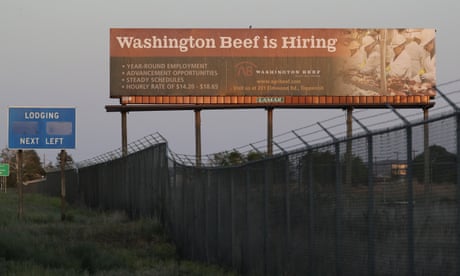
Giving evidence to MPs yesterday, Ian Wright, the CEO of the Food and Drink Federation, said although the UK food sector had not experienced major infection rates, it had seen “a couple of relative hotspots”. Labour MP Geraint Davies said data from the Office for National Statistics up to and including 20 April has found that plant workers in England and Wales were almost six times more likely die from Covid-19 than the average worker.

The family of the staff member said the Wombwell site had not been closed for a deep clean after the workers’ deaths as has been the case in Ireland, and that social distancing was only properly implemented in the canteen area in the past week. “It’s really hard and physical work, the plant has been busier than ever and there’s not a lot of scope for social distancing when they’re on the factory floor.”

The GMB union, which has some members at the Wombwell plant, said it was “ready to work with the company and our members at the site to review operations, and identify any issues that could impact on the safety of our members”.

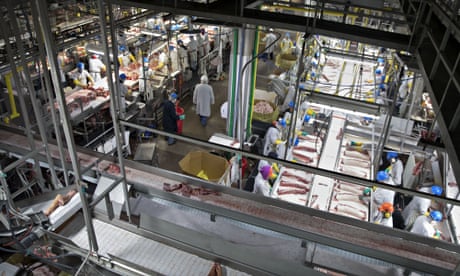
Meat being processed at a Cranswick plant in Milton Keynes.

Meat being processed at a Cranswick plant in Milton Keynes. Photograph: Darren Staples/Reuters

A spokesperson for Cranswick said it had rigorous cleaning procedures ongoing throughout the day and that the plant was sanitised at night. Social distancing had been in place in the plant since the middle of March and, in production areas where a 2m gap between people was not possible, the company had put in shielding screens or provided visors. Staff are entitled to contracted or statutory sick pay depending on their individual circumstances.

The spokesperson went on to say that while the company may initially have said it couldn’t get face masks due to NHS demands, they now had visors available for anyone who wanted to use them. Some canteen seats had been taped off with additional space provided and the company had now started sourcing single-seat tables. Equipment to temperature-check staff was also being installed this week.

“Why are they now implementing things this far into it after the deaths have happened and we’ve had the risk?” said the worker’s family.

Nick Allen, the CEO of the British Meat Processors Association, said the initial guidance provided by the government was “fairly minimal”, but that it had started issuing its own industry guidelines to members at the end of March. “This [social distancing] was something that had not been done before and has been a steep learning curve. There has been a considerable effort to get it right.”
Labour MP Geraint Davies, who sits on the Environment, Food and Rural Affairs committee, said safe social distancing and PPE for all meat plant workers needed to be made legally enforceable. “If you work in a plant and fear for your personal safety, but realise there is a queue of people outside who will take your job now they’re unemployed, you’re left with an impossible choice. The government needs to ensure workers’ safety.”

Cranswick said in a statement: “The health and safety of all of our colleagues is our number one priority and we are doing everything we can to protect our workforce. Sadly, three of our colleagues have passed away with Covid-19. Our thoughts and condolences are with their families and we are providing full support to them and to all of our colleagues directly affected by Covid-19.

“From the outset of the pandemic, we have followed all governmental and regulatory guidance, in many cases going beyond the guidelines provided. We have evolved our practices and implemented additional measures to protect our colleagues including social distancing as far as practical, regular deep cleaning at our sites, visors and recommended PPE for all employees in line with the Public Health England and World Health Organization guidelines.

“All colleagues have been told not to attend work if they, or anyone they live with, have any symptoms. Cranswick employees are designated key workers and are at the forefront of maintaining vital supplies of fresh food into the supermarkets. We continue to do everything we can to protect them while they carry out this critical role.”
Cedar COVID-19 Cluster: PETA Proposes Switch to Vegan Meat

Posted on  by PETA Australia

After almost 100 people connected to a West Melbourne abattoir operated by Cedar Meats tested positive for COVID-19, PETA has written to the company and suggested that it choose a new direction: stop killing animals and switch to producing vegan meats instead.

COVID-19 is a zoonotic disease caused by a virus that originated in a meat market. But long before this novel coronavirus emerged, potentially lethal viruses were already crossing the species barrier to humans from other animals.H1N1 (swine flu), which originated in pigs and killed as many as 575,400 people in the year after it began spreading in humans, was traced back to a US factory farm. H5N1 (bird flu), which can be contracted by humans who come into close contact with infected live or dead birds, has a mortality rate of up to 60% and is considered a concern by the World Health Organization because of its potential to mutate and become highly infectious via human-to-human contact.

Of course, the Cedar Meats COVID-19 cluster has not been caused by the slaughtering of infected animals. Nonetheless, abattoir workers are proving to be particularly vulnerable during the pandemic. More than 4,900 workers at meat-processing plants in the US have also contracted the virus, nearly 4% of the industry’s workforce.

Then of course, there’s the fact that breeding, confining, and slaughtering animals heightens the risk of the emergence of deadly pathogens – no matter the country. In a paper published in 2018, Belgian spatial epidemiologist Marius Gilbert found that more “conversion events” for bird flu – in which a not-very-pathogenic strain of the virus becomes more dangerous – had occurred in Australia than in China.

As the global death toll from the coronavirus pandemic climbs to over 300,000, we’re being given a stark warning: we can no longer breed and slaughter sentient beings – who suffer immensely – for foods we don’t need without grave consequences for human health.

Brands such as v2food, Tofurky, Beyond Meat, and The Meatless Farm Company are growing as more and more people choose to eat vegan. Even meat producers such as Tyson, Smithfield, Perdue, and Hormel have invested in the global vegan food market, which is projected to be worth around AU$49 billion by 2020. In Australia, the demand for plant-based meat products is forecast to generate 6,000 full-time jobs and add nearly AU$3 billion to the economy in the next 10 years.

There has never been a better time for businesses like Cedar Meats to make the vegan switch, and we’ll be on hand to help them if they decide to.

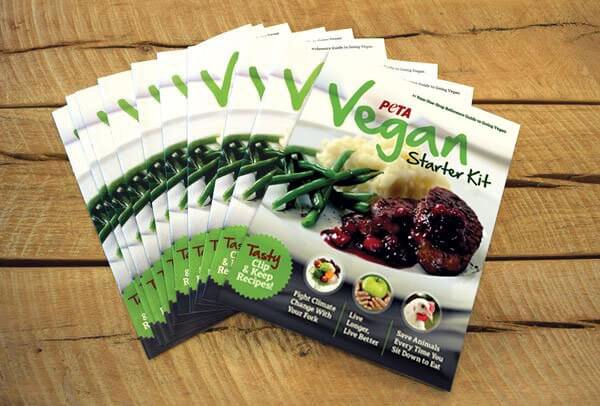
We can help you go vegan too! Click the button below for a free vegan starter kit.

vegan starter kitGO VEGAN NOW!

Coronavirus jokes


Image may contain: text that says 'When you try to discipline your cat'

Image may contain: meme, text that says '"WANNA HEAR A CORONAVIRUS JOKE?" "SURE." "NOT GONNA TELL YA, YOU MIGHT SPREAD IT!" "I HATE YOU."'

Image may contain: text that says 'Wash your hands before you touch me. Also, don't touch me.'

Worried about beef shortages and price spikes? Here’s what happens if you eat less meat

(CNN)Coronavirus came for Americans’ hamburgers in early May.

On May 5, the fast-food chain Wendy’s announced that some menu items were unavailable; an analyst estimated that nearly one in five Wendy’s franchises was out of beef.
That followed news that some meat processing plants across the US had temporarily closed due to coronavirus.
That’s because meatpacking and food-processing workers are getting sick and some are dying from Covid-19.
Some 20 meatpacking and food-processing workers have died from Covid-19, according to the United Food and Commercial Workers International Union.
As a result of the pandemic, 22 meatpacking plants have closed in the last two months. With plants closed, and livestock accumulating, some farmers are desperate enough to put their animals on Craigslist.
Closures have reduced pork slaughter capacity by 25% and beef slaughter capacity by 10%, according to UFCW. Some supermarkets, including Costco and Kroger, are limiting the amount of meat consumers can buy.
Prices are going up, too. But despite the grim news, the potential for reduced meat consumption as the result of shortages could have a silver lining for Americans’ health.

The health benefits of eating less red meat

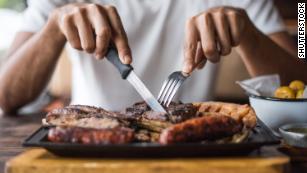
Americans eat a lot of meat. The average adult ate between three and four servings a week from 2015 to 2016, according to the National Health and Nutrition Examination Survey.
That’s not too far off the maximum of three servings a week recommended by the World Cancer Research Fund International/American Institute for Cancer Research in a 2018 report. But at least a third of American adults eat at least one serving of red meat each day, far exceeding the limit.
Reducing intake of beef and pork is good for you, said Lilian Cheung, director of health promotion and communication at the Harvard T.H. Chan School of Public Health’s department of nutrition.
“An optimally healthy diet should be low in red meat,” said Cheung, who has a doctorate in nutrition. “There’s plenty of data that [meat] increases the risk of colorectal cancer, other types of cancers, heart disease, diabetes and the higher risk of dying from these things.”
Some of these health conditions are especially serious during the pandemic.
“With Covid-19, the underlying conditions of heart disease and diabetes increase the risk,” Cheung said. “You become much more vulnerable and increase the risk of dying and complications.”
In a 2011 study Cheung cited, researchers found that for each additional daily serving of red meats that participants ate, risk of type 2 diabetes rose 12%.
The numbers are clear: Eating less meat is good for you.
But if you’re considering reducing your meat consumption, Cheung noted that it’s important to be careful about what you eat instead. Ensuring you get enough protein and vitamins and minerals is key. Here’s what you need to know and more.

Can you get enough protein without eating meat?

While many consumers wonder if they’d get adequate protein without eating meat, Cheung said that for most Americans, it shouldn’t be a concern.
(A lack of protein is a serious threat in some developing countries or during times of famine, Cheung noted, as severe protein malnutrition can cause a nutritional disorder called kwashiorkor. It is very rare in the United States.)
The National Academy of Medicine recommends eating a little over 7 grams of protein for every 20 pounds of body weight. If you weigh 140 pounds, that translates to roughly 50 grams of protein a day.
Cheung said it’s easy to hit that target even without red meat.
Instead of red meats or processed meats, Cheung recommended eating fish, legumes, nuts and seeds, all of which are healthy and high in protein. Poultry, including turkey and chicken, is another good option.
“Poultry is fine,” Cheung said. “There is no negative effect seen with poultry.”
It’s important that Americans not replace fresh beef and pork with processed versions, Cheung said, as those foods can bring additional health risks.
Processed meats such as bacon, sausage and lunch meats are high in sodium; eating too much salt is correlated to heart disease, kidney disease, osteoporosis and cancer.
In addition, the World Health Organization considers processed meats to be carcinogenic, citing evidence showing that consuming processed meats causes colorectal cancer. There are also associations between processed meats and both pancreatic cancer and prostate cancer.

Getting enough vitamins and minerals

While most Americans are getting plenty of protein, Cheung said there are other key vitamins and minerals found in red meat that consumers should replace when cutting back, especially vitamin B12 and iron.
“Iron can be a problem because other foods don’t contain as much iron as red meat,” she said, adding that the mineral is easily replaced with supplements. “Taking a multiple vitamin that contains iron is easy and not very expensive.” Bumping up your intake of iron-rich foods such as dark, leafy greens, oysters, lentils and soybeans is another good option.
For strict vegetarians or vegans, Cheung said it’s worth ensuring you get enough vitamin B12, too.
The vitamin, which supports brain and nerve-cell functioning, is found in beef, poultry, fish, eggs and dairy products, so simply cutting back on beef won’t be a problem. Fortified products such as nutritional yeast, breakfast cereal and enriched plant-based milks also contain B12.
If you’re not getting enough in your diet, Cheung recommended seeking out a vitamin B12 supplement.

Adjust your kitchen routines

Whether you’re cutting out beef for health reasons, or simply to lower your grocery bills during the pandemic, making the shift will mean creating some new habits in the kitchen.
When considering a diet change, it’s worth keeping it straightforward, said Brian Kateman, the editor of the “The Reducetarian Cookbook.” Kateman’s cookbook proposes easy ways to swap animal protein for plant-based foods.
“If you’re a person who likes making burritos, make a burrito,” he said. Instead of beef or pork, he suggested adding in extra vegetables or avocado. “It’s much smarter to simply eat the foods you’re used to eating and make a one-to-one swap.”
Get CNN Health’s weekly newsletter

Sign up here to get The Results Are In with Dr. Sanjay Gupta every Tuesday from the CNN Health team.

When you’re hungry for a snack, Kateman recommended reaching for a handful of nuts. “Nuts have a lot of protein in them,” he said. But for maximum nutrition at a low cost, Kateman said it’s hard to beat legumes, which include lentils, beans and peanuts.
Both tofu and tempeh are made from soybeans, which is also a legume. If you’re not familiar with cooking these, Kateman suggested experimenting with edamame, green soybeans that are available in the freezer sections of many grocery stores and can be eaten boiled.
Some recipes from Kateman’s cookbook are available online; he recommended starting with a homemade veggie pot pie, or the high-fiber broccoli pesto noodle bowl.
Whatever you decide, Kateman, like Harvard’s Cheung, emphasized that reducing your meat consumption doesn’t require a huge lifestyle shift.
“We make food choices every day, usually three times a day,” he said. “A lot of people think meat consumption is all or nothing, but that’s just not true.”

LETTER: Hope Smithfield focuses on vegan meats

  • 2
  • 3
  • 4

Never Miss A Story

Subscribe to The Register-Mail

Subscribe Now

OUR PICKS

Previous

Latest Highlights for Your Favorite Teams

Editor, Register-Mail: I hope Smithfield Foods stays closed for a while — and then focuses on vegan meats rather than animal flesh when it’s safe to reopen (“PETA demonstrators take to Monmouth Public Square,” May 13).

Filthy, crowded factory farms, meat markets, and slaughterhouses threaten the health of everyone — not just workers and meat-eaters— by providing a breeding ground for deadly diseases, such as COVID-19, swine flu, bird flu, and more. And the bloody, gruesome process of slaughtering, cutting up, and packaging the corpses of once-sentient individuals can cause those who inflict cruelty to animals to suffer from mental and physical health problems.

Fortunately, meat is not essential. There are tasty, healthy, humane, and environmentally friendly vegan options. Let’s enjoy them. See www.PETA.org for more information and a free vegan starter kit.

Sincerely

 — Heather Moore, PETA Foundation, Norfolk, Virginia

Suffocating healthy farm animals during a pandemic is not ‘euthanasia’

With the COVID-19 outbreak shutting down, at least temporarily, an estimated 20 major slaughterhouses and processing plants in North America, millions of farm animals are left in limbo with nowhere to go.

In Iowa, the nation’s biggest pork-producing state, farmers are reportedly giving pregnant sows abortions by injection and composting dead baby pigs to be used for fertilizer. Amid supply chain bottlenecks, local political leaders warn that producers might be forced to “euthanize” around 70,000 pigs a day.

In Minnesota, JBS, the world’s largest slaughter operation, reopened its Worthington plant last month for the sole purpose of killing and dumping excess pigs. The meat processing plant partially reopened for business last week. Roughly one-quarter of the facility’s 2,000 workers have tested positive for the coronavirus.

And in Delaware and Maryland, Allen Harim Foods depopulated 2 million chickens last month, citing a 50% decline in its workforce.

Using the terms “slaughter” or “euthanasia” to describe the rapid destruction of farm animals is a misnomer. Slaughter is killing for human consumption; to ensure meat quality, the animal typically dies from blood loss. Under the federal humane slaughter law, animals (except birds) are first stunned, which means they are rendered insensible to pain.

Euthanasia literally means “a good death.” It involves ending an animal’s life in a way that minimizes or eliminates pain and distress, according to the American Veterinary Medical Association.

The AVMA defines the term “depopulation” as “the rapid destruction of a population of animals in response to urgent circumstances with as much consideration given to the welfare of the animals as practicable.”

Among the depopulation methods deemed acceptable is using a layer of water-based foam to drown and suffocate birds. During ventilation shutdown, operators flip a switch to turn off the airflow in a barn and ratchet up the heat to as high as 120 degrees, leaving trapped birds and pigs to die from a combination of heat stress and suffocation. The process can take hours and likely results in severe suffering. In fact, other than burning animals to death or burying them alive, it is difficult to imagine a more horrific end.

The last time such gruesome depopulation methods were widely used was in 2015 in response to highly pathogenic bird flu, the worst animal disease outbreak in U.S. history, which killed nearly 50 million chickens and turkeys. In that case, birds were sick and suffering, and the justification given for the extreme step of depopulation was that it would slow the spread of the disease in the shortest time possible.

During the current pandemic, however, animals are not suffering from disease, nor are they at risk of transmitting disease to other animals or to humans. Instead, they are being killed, and their bodies disposed of, because meat companies failed to protect their workers properly from exposure to COVID-19.

The meat industry is using depopulation as a quick fix for its lack of emergency preparedness. The conventional animal agriculture industry operates a highly consolidated system that has a hard time adjusting in response to a crisis. It routinely runs slaughter lines at dizzying speeds, provides the lowest level of care to animals crammed in stressful, unsanitary environments, and extends minimal health and safety protections to its workers — to date, thousands have become ill or been exposed to the coronavirus, and some have died. This intensive, high-production system leaves no room for error, yet giant corporations give little consideration to how animals will fare in emergency situations — from disease outbreaks to natural disasters to devastating barn fires.

That hasn’t stopped industrial agriculture from begging for federal assistance, warning of meat shortages and skyrocketing prices. Farmers are also asking the federal government to bankroll depopulation efforts, along with compensating them for their losses.

Already, the Department of Agriculture has pledged that government officials and veterinarians will step in, if necessary, to “advise and assist on depopulation and disposal methods.” Because there are no federal or state regulations governing farm animal euthanasia or depopulation, more than 20 members of Congress sent a letter last week to Agriculture Secretary Sonny Perdue urging his department to curb extreme measures, including ventilation shutdown and water-based foam methods.

We simply cannot trust powerful industry players and federal regulators to safeguard animal welfare. According to a recent report by the Animal Welfare Institute, JBS’s Worthington plant, a Smithfield Foods plant in Sioux Falls, South Dakota, and a Tyson Foods plant in Waterloo, Iowa, were the top three worst large livestock slaughter plants in the country for animal welfare violations from 2016 to 2018. These three facilities account for 12% of all U.S. hog production. Violations included multiple incidents of failing to stun animals before shackling and hanging them to be dismembered, likely causing the animals excruciating pain.

Depopulation during the current pandemic is being pursued solely as a consequence of the meat industry’s failure to protect its workers, not because the animals present any real risk to human or animal health. These blatantly inhumane killing methods are completely unjustifiable.

Because these animals cannot be brought to market, millions of animal lives will be wasted. At the very least, we should spare them a cruel death.

Dena Jones is the farm animal program director for the Washington-based Animal Welfare Institute.

Vegan activists protest Spring meat processing center amid COVID-19 pandemic

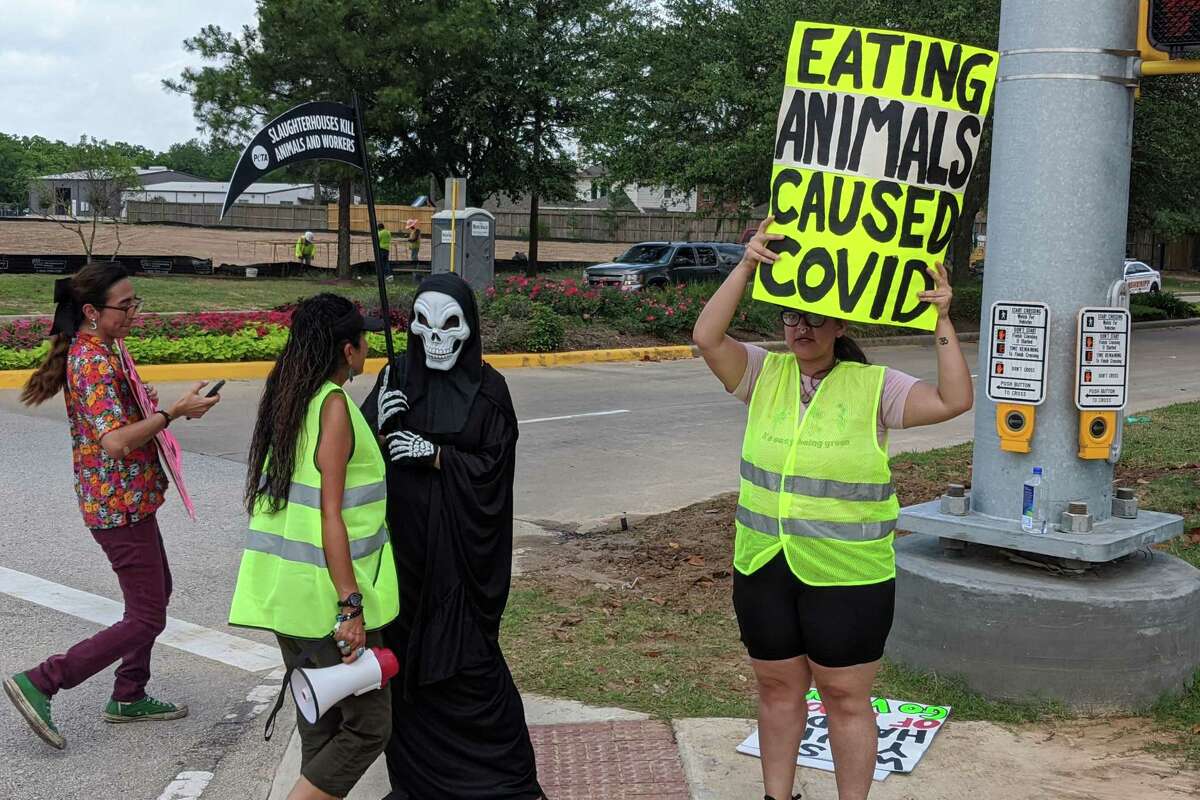
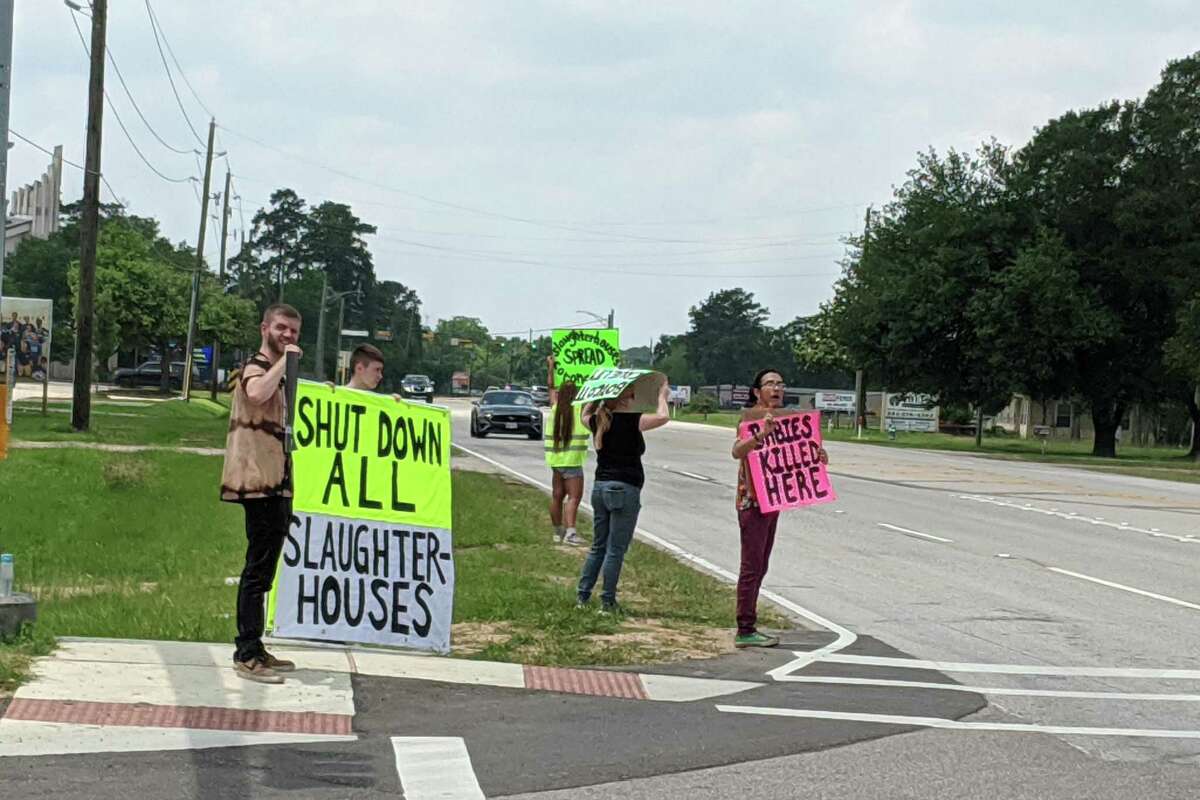
Around a dozen protesters were camped out at the intersection outside the Fisher Ham and Meat Co. headquarters in Spring on Friday, demanding the meat processing facility be shut down amid the coronavirus pandemic.

Dani Alexander, one of the organizers of the event, called factory farms and slaughterhouses breeding grounds for new strains of dangerous bacteria and viruses, likening the spread of coronavirus from animals-to-humans to diseases such as bird flu and swine flu.

https://www.houstonchronicle.com/neighborhood/spring/news/article/Vegan-activists-protest-Spring-meat-processing-15273855.php#photo-19419456

Farmers to euthanize pigs as meat plants remain closed, pork council says: ’10 million pigs with nowhere to go’

placeholder

The coronavirus pandemic has dealt a new blow to the American meat industry, as farmers will have to euthanize as many as 10 million pigs by the middle of September to avoid overcrowding in their facilities, the National Pork Producers Council (NPPC) has warned.

Though President Trump invoked the Defense Production Act in late April to keep meat processing plants open through the COVID-19 crisis, outbreaks of the viral disease have shuttered some plants and slowed operations at others. Consequently, pork farmers have not been able to send or sell tremendous numbers of market-ready hogs in recent weeks, creating a bottleneck in the supply chain.

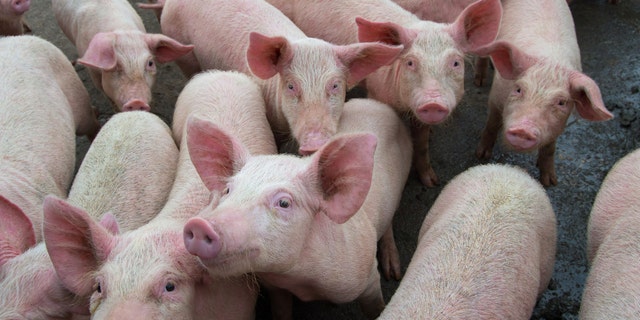
Young female pigs stand in pen at a hog farm in Smithville, Ohio, in this April photo.

Young female pigs stand in pen at a hog farm in Smithville, Ohio, in this April photo. (Dane Rhys/Bloomberg via Getty Images)

TYSON FOODS TEMPORARILY CUTTING PRICES ON BEEF PRODUCTS AMID SPIKE IN GROCERY PRICES

Now, there are few viable accommodations for an estimated 170,000 pigs to be sent to the operative plants each day for processing into the food supply, the NPPC says. According to the council, these hogs will eventually grow “too large” for admission to harvest facilities, creating a “tragic reality” for farmers in the U.S., who have raised “10 million hogs with nowhere to go.”

Producers cannot continue to house the market-ready hogs, the council said, as they need make room for younger hogs entering the supply chain. Farmers plan about 10 months in advance for how many hogs to prepare for market through the spring and summer, with the pandemic greatly upending their 2020 projections.

“Producers face a wrenching and tragic choice; watch their mature animals suffer because they can’t care for them or euthanize them. The only humane option is to euthanize them, a tragedy for farmers who work to produce food for people,” the NPCC said in a statement last week. “Destroying these animals and the food they represent goes against every farmer instinct.”

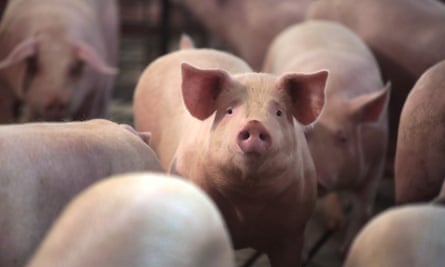
There are few viable accommodations for an estimated 170,000 pigs to be sent to the operative plants each day for processing into the food supply, the NPPC said.

There are few viable accommodations for an estimated 170,000 pigs to be sent to the operative plants each day for processing into the food supply, the NPPC said. (iStock)

Overcrowding on hog farms can result in aggression and injuries, impacting the pigs’ ability to eat, drink and rest. It is also a challenge to maintain a comfortable air quality and environment for the animals.

placeholder

FOLLOW US ON FACEBOOK FOR MORE FOX LIFESTYLE NEWS

As of May 6, pork harvest capacity is down almost 40 percent due to coronavirus-related slowdowns and shutdowns, the NPPC said.

Now, the pork council is asking for federal assistance to address the unprecedented crisis. The NPPC seeks congressional authorization to fund $1.173 billion for the USDA Farm Service Agency Emergency Assistance for Livestock, Honeybees and Farm-Raised Fish (ELAP) for pork producers who cannot market their pigs due to coronavirus-related plant shutdowns and slowdowns.

The group also hopes to receive an additional $505 million for euthanasia and depopulation expenses as well as the facilitation of environmentally responsible disposal, in partnership with the USDA Animal and Plant Health Inspection Service, National Resource Conservation Service and FEMA.

Without this assistance, the NPPC argues, thousands of farmers will have to liquidate their assets, ultimately driving up pork prices for the American people.

CLICK HERE FOR FOX NEWS’ CONTINUING CORONAVIRUS COVERAGE

In response, the USDA established a National Incident Coordination Center last month to help farmers euthanize and dispose of these animals because of the processing plant closures, National Hog Farmer reports.

“None of us want to euthanize hogs, but our producers are facing a terrible, unprecedented situation,” said Bob Krebs, president of meatpacking company JBS USA Pork.

Last month, JBS announced that it would be reopening a temporarily closed pork production plant in Minnesota as a humane euthanasia facility, which capacity to euthanize about 13,000 hogs per day.

Reality

Image may contain: text

Image may contain: possible text that says 'Canadians watching Americans protesting against quarantine while having the most infections. da fuck they doin ova der'

Image may contain: 1 person, sitting, possible text that says '"In the year 2020 humanity was threatened with extinction. Panic spread across the planet like never before" "What were you doing grandpa?" "Just sending memes to friends and stuff"'

Zoo returns two pandas to China due to bamboo shortage amid pandemic

https://nypost.com/2020/05/13/zoo-returns-2-pandas-to-china-over-coronavirus-bamboo-shortage/

Sign up for our special edition newsletter to get a daily update on the coronavirus pandemic.

Two giant pandas will be sent back to China from Canada because the coronavirus pandemic has disrupted their supply of bamboo, the zoo said.

The Calgary Zoo announced that Er Shun and Da Mao, who were on loan from China until 2023, will return early since zookeepers are struggling to import enough bamboo for them, CBC News reported.

“This is too much stress on my team and on the pandas. Can you imagine not having bamboo for a few days?” zoo president Clément Lanthier told the outlet.

Lanthier said that delayed and canceled flights have resulted in substandard bamboo that has aged or come in smaller quantities.

Giant pandas on average consume each day about 88 pounds of bamboo, which consists of the majority of their diet, the outlet reported.

The zoo fears that if there’s a second wave of coronavirus, the task of getting them the proper supplies could become impossible.

“We have exhausted all of our capacity, and it’s too much of a risk for the welfare of the panda,” Lanthier said.