The closure is to protect the public during weekend turkey lottery hunts and open turkey hunting on the WMA and is part of the 2019-20 hunting season regulations. Turkey lottery hunts will be held April 11-12 and April 18-19 with open turkey hunting scheduled for April 25-26. The WMA is still open to the public during weekdays in April.
LDWF would also alert the public that Clark’s Creek State Park in Mississippi, which offers nature hiking near the Tunica Hills WMA, is closed as a precaution due to the coronavirus pandemic.
Customers select seafood at a wet market in Dandong, Liaoning Province, China, in 2017. (Philip Wen/Reuters)
They’re more alike than not in their violations of moral common sense.
NRPLUS MEMBER ARTICLE
Although no government is better than China’s at making troublesome people disappear, a strange leniency has been accorded vendors at the country’s live-animal meat markets, who by most accounts gave us the pandemic and yet, reports the Daily Mail, have lately been allowed to set up shop again. China’s coronavirus lockdown is over, authorities have encouraged celebrations of “victory,” and citizens may once again go about their food shopping amid the cries and mayhem of animal slaughter. Ahh, back to normal life!In these parts, we’re told, you’re not really celebrating unless there’s bat, pangolin, cat, or dog meat on the table — the latter, notes the Daily Mail, “a traditional ‘warming’ winter dish.” Reporter George Knowles, writing late last month, provides one of the milder accounts of scenes that will quickly exhaust anyone’s supply of culturally sensitive euphemisms, describing one of the markets — also known as “wet markets,” where both live and dead animals are on offer — in China’s southwestern city of Guilin: “Terrified dogs and cats crammed into rusty cages. Bats and scorpions offered for sale as traditional medicine. Rabbits and ducks slaughtered and skinned side by side on a stone floor covered with blood, filth, and animal remains.”
If you’re up for a few further details, we have travel writer Paula Froelich, in a recent New York Post column, recalling how in the Asian live-animal markets she has visited the doomed creatures “stare back at you.” When their turn comes, she writes,
the animals that have not yet been dispatched by the butcher’s knife make desperate bids to escape by climbing on top of each other and flopping or jumping out of their containers (to no avail). At least in the wet areas [where marine creatures are sold], the animals don’t make a sound. The screams from mammals and fowl are unbearable and heartbreaking.
The People’s Republic has supposedly banned the exotic-meat trade, and one major city, Shenzhen, has proscribed dog and cat meat as well. In reality, observes a second Daily Mail correspondent, anonymously reporting from the city of Dongguan, “the markets have gone back to operating in exactly the same way as they did before coronavirus.” Nothing has changed, except in one feature: “The only difference is that security guards try to stop anyone taking pictures, which would never have happened before.”
Lest we hope too much for some post-pandemic stirring of conscience, consider the Chinese government’s idea of a palliative for those suffering from the coronavirus. As the crisis spread, apparently some fast-thinking experts in “traditional medicine” at China’s National Health Commission turned to an ancient remedy known as Tan Re Qing, adding it to their official list of recommended treatments. The potion consists chiefly of bile extracted from bears. The more fortunate of these bears are shot in the wild for use of their gallbladders. The others, across China and Southeast Asia, are captured and “farmed” by the thousands, in a process that involves their interminable, year-after-year confinement in fit-to-size cages, interrupted only by the agonies of having the bile drained. Do an image search on “bear bile farming” sometime when you’re ready to be reminded of what hellish animal torments only human stupidity, arrogance, and selfishness could devise.
If one abomination could yield an antidote for the consequences of another, Tan Re Qing would surely be just the thing to treat a virus loosed in the pathogenic filth and blood-spilling of Wuhan’s live market. There’s actually a synthetic alternative to the bile acids, but Tradition can be everything in these matters, and devotees insist that the substance must come from a bear, even as real medical science rates the whole concoction at somewhere between needless and worthless. President Xi Jinping has promoted such traditional medicines as a “treasure of Chinese civilization.” In this case, the keys to the treasure open small, squalid cages in dark rooms, where the suffering of innocent creatures goes completely disregarded. And perhaps right there, in the willfulness and hardness of heart of all such practices, is the source of the trouble that started in China.
Already, in the Western media, chronologies of the pandemic have taken to passing over details of the live-animal markets, which have caused viral outbreaks before and would all warrant proper judgment in any case. News coverage picks up the story with the Chinese government’s cover-up of early coronavirus cases and its silencing of the heroic Wuhan doctors and nurses who tried to warn us. To brush past the live markets in fear of seeming “xenophobic,” “racist,” or unduly judgmental of other people and other ways is, however, to lose sight of perhaps the most crucial fact of all. We don’t know the endpoint of this catastrophe, but we are pretty certain that its precise point of origin was what Dr. Anthony Fauci politely calls “that unusual human–animal interface” of the live markets, which he says should all be shut down immediately — presumably including the markets quietly tolerated in our own country. In other words, the plague began with savage cruelty to animals.
Discussion of the live-animal markets is another of those points where moral common sense encounters the slavishly politically correct, though it’s not as if we’re dealing here with Asia’s most sensitive types anyway. No Western critic need worry about hurting the feelings or reputations of people who maximize the pain and stress of dogs in the belief that this freshens the flavor of the meat, and who then kill them at the market as the other dogs watch. Customers of such people aren’t likely to feel the sting of our disapproval either.
About the many customers and suppliers in Asia, and especially in China, of exotic fare, endless ancient remedies, and carvings and trinkets made of ivory, the best that can be said is that these men and women are no more representative of their nations than are the riffraff running the meat markets. Their demands and appetites have caused a merciless pillaging of wildlife across the earth — everything that moves a “living resource,” no creature rare or stealthy enough to escape their gluttony or vanity. Of late even donkeys, such peaceable and unoffending creatures, have been rounded up by the millions in Asia, Africa, the Middle East, and South America for shipment and slaughter, all to satisfy demand for yet another of China’s traditional-medicine manias.
Easy to blame for all of this is the government of China. Authorities took forever, for example, to enforce prohibitions on ivory carving, despite an unquestioned competence in carrying out swift crackdowns. And in general, at every level, the government tends to tolerate a culture of cruelty, or else to actively promote it at the prodding of lucrative industries, both legal and illicit. But the problem runs deeper than that, even as many younger Chinese, to their enormous credit, have tried to organize against the ivory trade, the wet markets, and other depravities in their midst.
In the treatment of animals and in safeguarding human health, there are elementary standards to which all must answer. The challenge to clear thinking, as Melissa Chen writes in SpectatorUSA,
is to avoid falling into the trap of cultural relativism. It’s perfectly appropriate to criticize China’s rampant consumption of exotic animals, lack of hygiene standards and otherwise risky behavior that puts people at risk for zoonotic infections. Until these entrenched behaviors based on cultural or magical beliefs are divorced from Chinese culture, wet wildlife markets will linger as time-bombs ready to set off the next pandemic.
Acknowledging that Western societies have every moral reason to condemn the barbarism and recklessness of the live-animal markets only invites, however, a tougher question: Do we have the moral standing? And if any of us are guilty of blind cultural prejudice or of a smug sense of superiority toward Chinese practices, a moment’s serious thought will quickly set us straight.
When the Daily Mail describes how Chinese guards at the live-animal market now “try to stop anyone from taking pictures,” who does that remind us of? How about our own livestock companies, whose entire mode of operation these days is systematic concealment by efforts to criminalize the taking of pictures in or around their factory farms and slaughterhouses? The foulest live-animal-market slayer in China, Vietnam, Laos, or elsewhere would be entitled to ask what our big corporations are afraid the public might see in photographic evidence, or what’s really the difference between his trade and theirs except walls, machinery, and public-relations departments.
If you watch online videos of the wet markets, likewise, it’s striking how the meat shoppers just go on browsing, haggling, chatting, and even laughing, some with their children along. Were it not for the horrors and whimpers in the background, the scene could be a pleasant morning at anyone’s local farmer’s market. As the camera follows them from counter to counter, you keep thinking What’s wrong with these people? — except that it’s not so easy, rationally, to find comparisons that work in our favor.
No, we in the Western world don’t get involved while grim-faced primitives execute and skin animals for meat. We have companies with people of similar temperament to handle everything for us. And there’s none of that “staring back” that the Post’s Paula Froelich describes, because, in general, we keep the sadness and desperation of those creatures as deeply suppressed from conscious thought as possible. An etiquette of denial pushes the subject away, leaving it all for others to bear. Addressing a shareholders’ meeting of Tyson Foods in 2006, one worker from a slaughterhouse in Sioux City, Iowa, unburdened himself: “The worst thing, worse than the physical danger, is the emotional toll. Pigs down on the kill floor have come up and nuzzled me like a puppy. Two minutes later I had to kill them — beat them to death with a pipe. I can’t care.”
Following the only consistent rule in both live-animal markets and industrial livestock agriculture — that the most basic animal needs are always to be subordinated to the most trivial human desires — this process yields the meats that people crave so much, old favorites like bacon, veal, steak, and lamb that customers must have, no matter how these are obtained. When the pleasures of food become an inordinate desire, forcing demands without need or limit and regardless of the moral consequences, there’s a word for that, and the fault is always easier to see in foreigners with more free-roaming tastes in flesh. But listen carefully to how these foods or other accustomed fare are spoken of in our culture, and the mindset of certain Asians — those ravenous, inflexible folks who will let nothing hinder their next serving of pangolin scales or winter dish of dog — no longer seems a world away.
We in the West don’t eat pangolins, turtles, civets, peacocks, monkeys, horses, foxes, and wolf cubs — that’s all a plus. But for the animals we do eat, we have sprawling, toxic, industrial “mass-confinement” farms that look like concentration camps. National “herds” and “flocks” that all would expire in their misery but for a massive use of antibiotics, among other techniques, to maintain their existence amid squalor and disease — an infectious “time bomb” closer to home as bacterial and viral pathogens gain in resistance. And a whole array of other standard practices like the “intensive confinement” of pigs, in gestation cages that look borrowed from Asia’s bear-bile farms; the bulldozing of lame “downer cows”; and “maceration” of unwanted chicks, billions routinely tossed into grinders. All of which leave us very badly compromised as any model in the decent treatment of animals.
Such influence as we have, in fact, is usually nothing to be proud of. It made for a perfect partnership when, for instance, one of the most disreputable of all our factory-farming companies, Smithfield Foods, was acquired in 2013 by a Chinese firm, in keeping with some state-run, five-year plan of the People’s Republic to refine agricultural techniques and drive up meat production. Now, thanks to American innovation, Smithfield-style, the Chinese can be just as rotten to farm animals as we are — and just as sickly from buying into the worst elements of the Western diet.
In China and Southeast Asia, they have still not received our divine revelation in the West that human beings shall not eat or inflict extreme abuse on dogs but that all atrocities to pigs are as nothing. They’re moving in our culinary direction, however, and more than half the world’s factory-farmed pigs are now in China and neighboring countries. In the swine-fever contagion spreading across that region right now — addressed as usual by mass cullings: gassing tens of millions of pigs or burying them alive — our industrial animal-agriculture system is leaving its mark, while providing yet further evidence that factory farms are all pandemic risks themselves.
How many diseases, cullings, burial pits, and bans on photographing these places even at their wretched best will we need before realizing that the entire system is profoundly in error, at times even wicked, and that nothing good can ever come of it? Perhaps the live-animal markets of China, with all the danger and ruin they have spread, will help us to see those awful scenes as what they are, just variants of unnatural, unnecessary, and unworthy practices that every society and culture would be better off without.
Plagues, as we’re all discovering, have a way of prompting us to take stock of our lives and to remember what really matters. If, while we’re at, we begin to feel in this time of confinement and fear a little more regard for the lives of animals, a little more compassion, that would be at least one good sign for a post-pandemic world.
Florida factories are using their expertise and equipment to help the health care industry; Phil Keating reports.
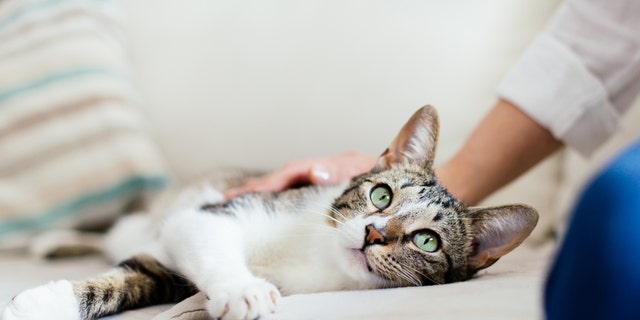
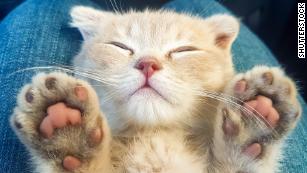
Heads up, cat lovers: Your feline friend may be susceptible to the novel coronavirus after all.
A new study conducted by researchers in China found that SARS-CoV-2, the virus that causes a COVID-19 infection, does not appear to infect dogs, pigs, chickens, and ducks, but can infect ferrets and cats. And not unlike humans, cats can likely catch the virus via respiratory droplets.
For the study — which was aimed at finding animals susceptible to the virus so they can be used in testing potential coronavirus vaccines, according to Reuters — researchers infected dogs, pigs, chickens, ducks, ferrets and cats with a high dose of SARS-CoV-2.
In cats, the virus was detected in the felines’ noses, mouths and small intestines. The researchers also tested kittens, concluding that they, too, are susceptible to the virus, discovering what they described as “massive lesions” in their noses, throats and lungs.
“These results indicate that SARS-CoV-2 can replicate efficiently in cats, with younger cats being more permissive and, perhaps more importantly, the virus can transmit between cats via respiratory droplets,” they wrote.
Cats can be infected with the novel virus, the researchers found. (iStock)
In ferrets, the researchers detected the virus in the animals’ nasal passageways, soft palate, and tonsils, but did not detect the virus in any other organs, indicating that the virus “can replicate in the upper respiratory tract of ferrets, but its replication in other organs is undetectable,” the researchers said.
SARS-CoV-2, which first emerged in Wuhan, China, in December, likely originated in bats before spreading to humans, though a study from March suggests that bats may have spread the virus to another animal, possibly a pangolin, which then transmitted it to humans.
As of now, there is limited evidence that suggests pets can spread the virus to humans. But the results from the study prompted the World Health Organization (WHO) and its partners to “look more closely at the role of pets in the health crisis,” Reuters reported.
“We don’t believe that they are playing a role in transmission but we think that they may be able to be infected from an infected person,” WHO epidemiologist Maria Van Kerkhove said during a Wednesday news conference, as per the outlet.
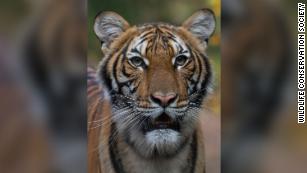
The news comes after a tiger at the Bronx Zoo, in New York City, tested positive for the coronavirus after likely being exposed to it by an infected worker. And earlier this week, the British Veterinary Association, expressing concerns that the virus could be found on cats’ fur, encouraged pet owners to keep their felines indoors, if possible, in an effort to stop the spread of the novel virus.
During an interview on Fox News on April 4, Dr. Anthony Fauci, the Director of the National Institute of Allergy and Infectious Disease, said that wet markets in “certain countries” should be shut down. While he did not specify the countries, he was referring to China, which is where COVID-19 is believed to have jumped from animal to human, and to other Asian countries that have similar wet markets that sell and slaughter live animals. Dr. Fauci made no mention of wet markets in the United States:
“I think they should shut down those things right away. It boggles my mind how, when we have so many diseases that emanate out of that unusual human/animal interface ,that we don’t just shut it down. There are certain countries in which this is very commonplace. I would like to see the rest of the world really lean with a lot of pressure on those countries that have that because what we’re going through right now is a direct result of that.”
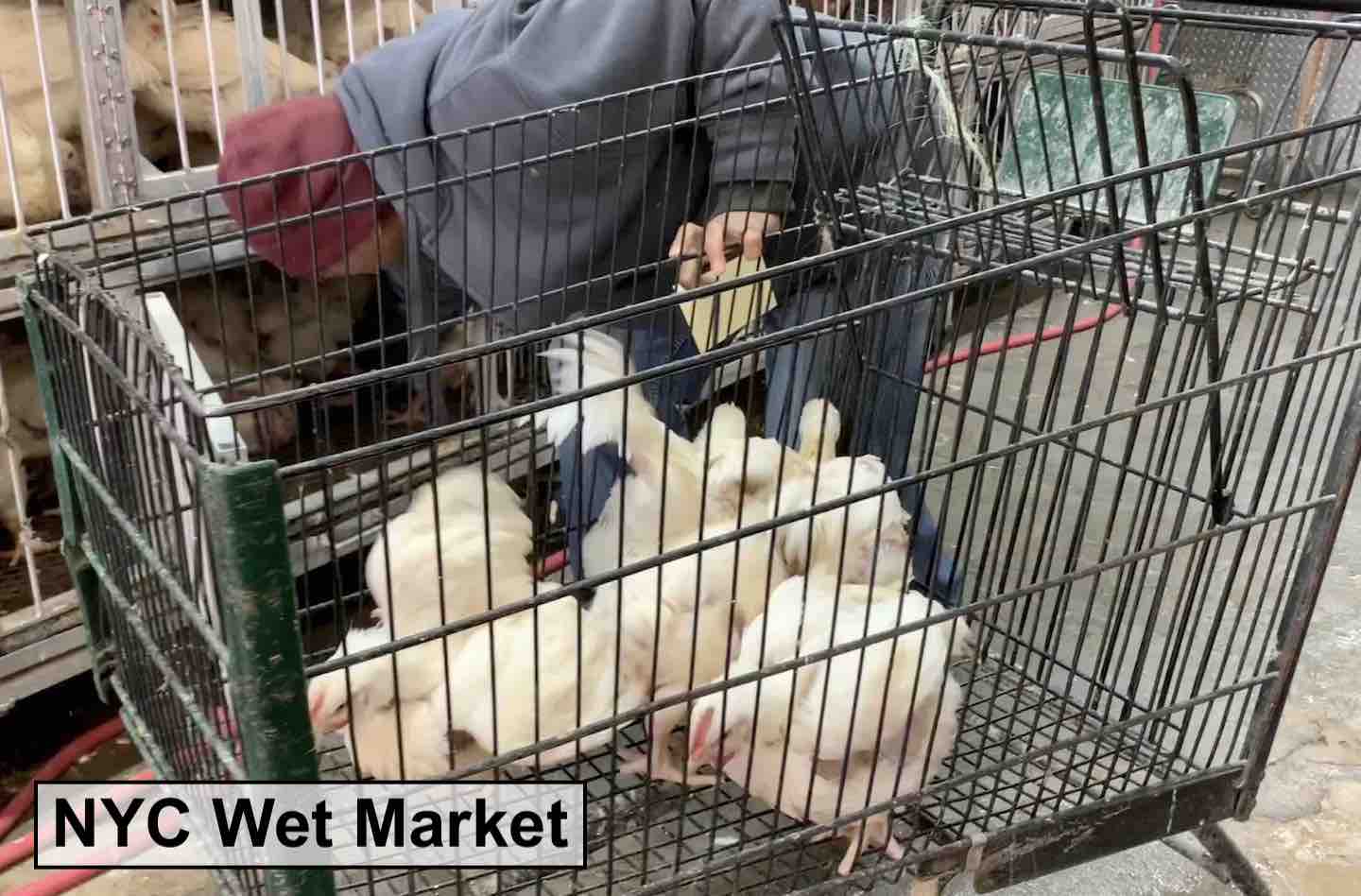
A wet market in NYC where customers, including children and the elderly, handle live animals
“Why would Dr. Fauci call on world leaders to pressure countries in Asia to shut down their wet markets without calling for the closure of live animal markets in his own country?” said Jill Carnegie, co-organizer of Slaughter Free NYC, an advocacy group working to shut down NYC’s 80+ wet markets and slaughterhouses. “Do we need to wait for an outbreak of a novel strain of bird flu or swine flu before shutting down these breeding grounds of infectious disease?”
Wet markets in NYC sell at least 10 species of live animals and slaughter them on site for their customers.
Following Dr. Fauci’s remarks, several mainstream media news outlets, including CNN, ran substantive stories in which they aired footage of Asian wet markets, but they did not not address the widespread prevalence of wet markets in the United States. Through videos, letters, petitions and social media, animal advocacy groups are working to inform both the mainstream media and Dr. Fauci of the presence of wet markets in the United States, including three in Bensonhurst, the Brooklyn neighborhood where he was raised.
On April 7th, the Physicians Committee for Responsible Medicine (PCRM), a nonprofit health organization of 12,000 physicians, sent a letter to the U.S. Surgeon General urging him to shut down live markets in the United States:
“There must not be another pandemic. To ‘prevent the introduction, transmission, and spread of communicable diseases’ in the United States, the Surgeon General must promulgate regulations that prohibit the sale, transfer, donation, other commercial or public offering, or transportation, in interstate or intrastate commerce, of live birds, mammals, reptiles, and amphibians to retail facilities that hold live animals intended for human consumption.”
Dr. Neal Barnard, PCRM’s President, announced the news on a live webcast with TV journalist Jane Velez-Mitchell.
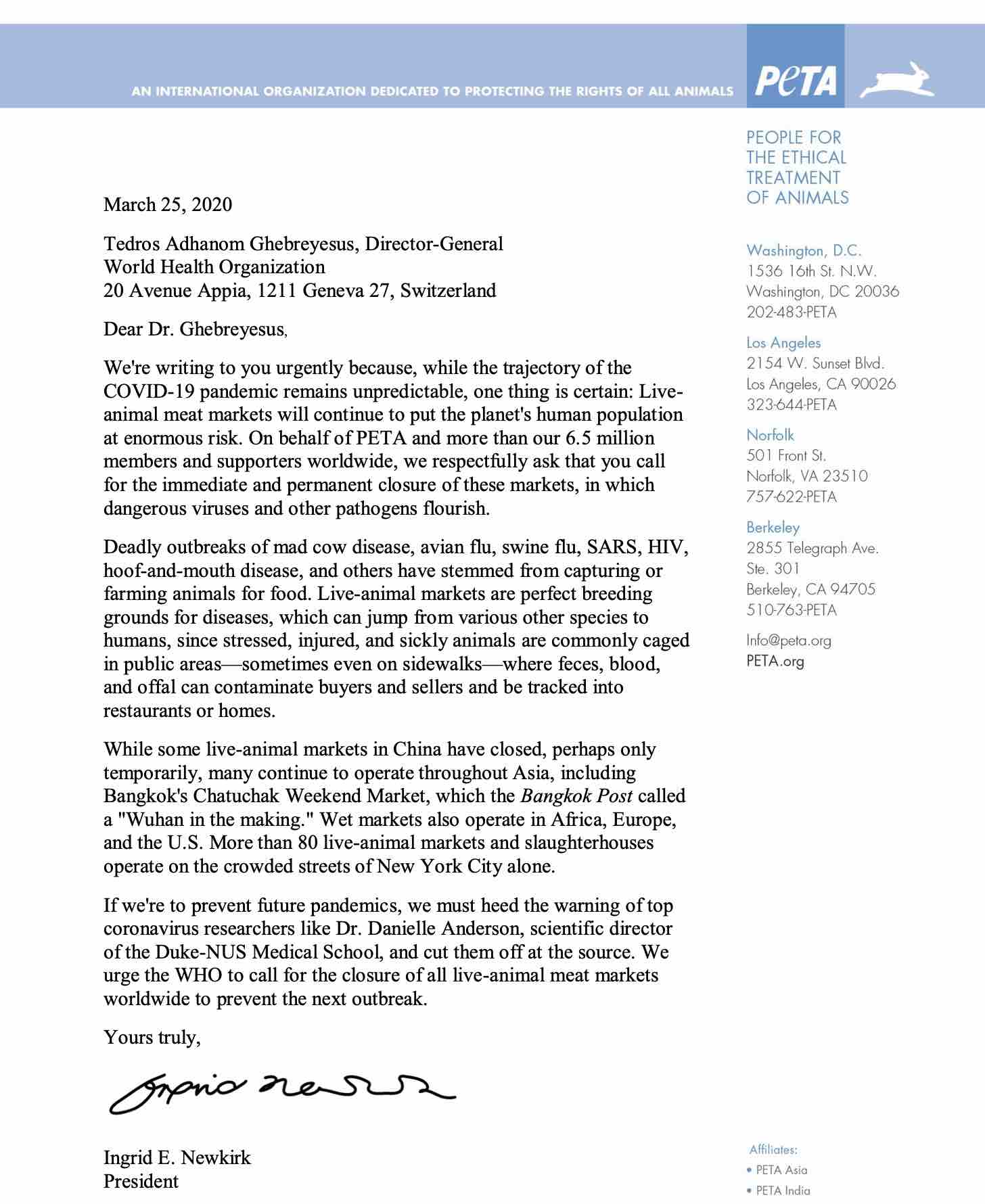
People for the Ethical Treatment of Animals (PETA) is also calling for the closure of wet markets. In a letter to Tedros Adhanom Ghebreyesus, the Director-General of the World Health Organization, PETA President Ingrid Newkirk wrote, “On behalf of PETA and our more than 6.5 million members and supporters worldwide, we respectfully ask that you call for the immediate and permanent closure of these markets, in which dangerous viruses and other pathogens flourish.
In several American cities, including New York, Chicago and Los Angeles, animal advocacy groups have been, through lobbying, litigation and protest, sounding alarm bells about the wet markets for the past several years — long before the COVID-19 outbreak. In New York City, a lawsuit filed by neighbors of one annual wet market reached New York State’s highest court. The lawyer for the plaintiffs argued that the Court should mandate that the NYPD and Dept. of Health enforce the 15 City and State laws that are violated by this wet market. The Court of Appeals judges ruled that municipalities have discretion over which of its own laws to enforce.
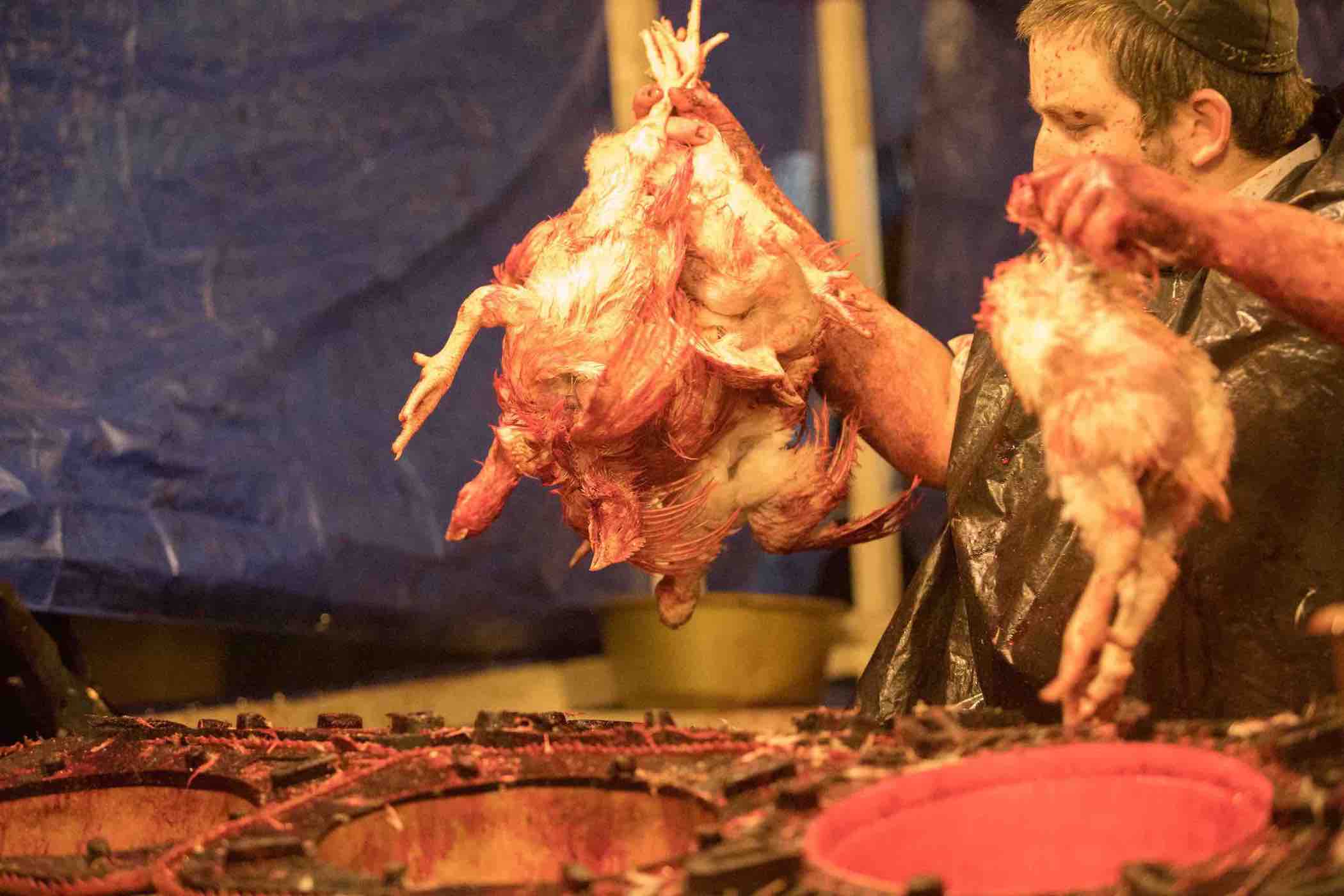
While the wet markets in the United States do not sell bats and pangolins, the animals believed to have transmitted COVID-19 to humans, they do intensively confine thousands of animals, some of whom are visibly ill, in pens and cages where customers shop. In one Brooklyn wet market, where animals are used in an annual religious sacrifice, customers handle the animals themselves — purchasing live chickens and swinging them around their heads before bringing them to a ritual slaughterer. According to a toxicologist who conducted an investigation on behalf of area residents, the wet market activities “pose a significant public health hazard.”
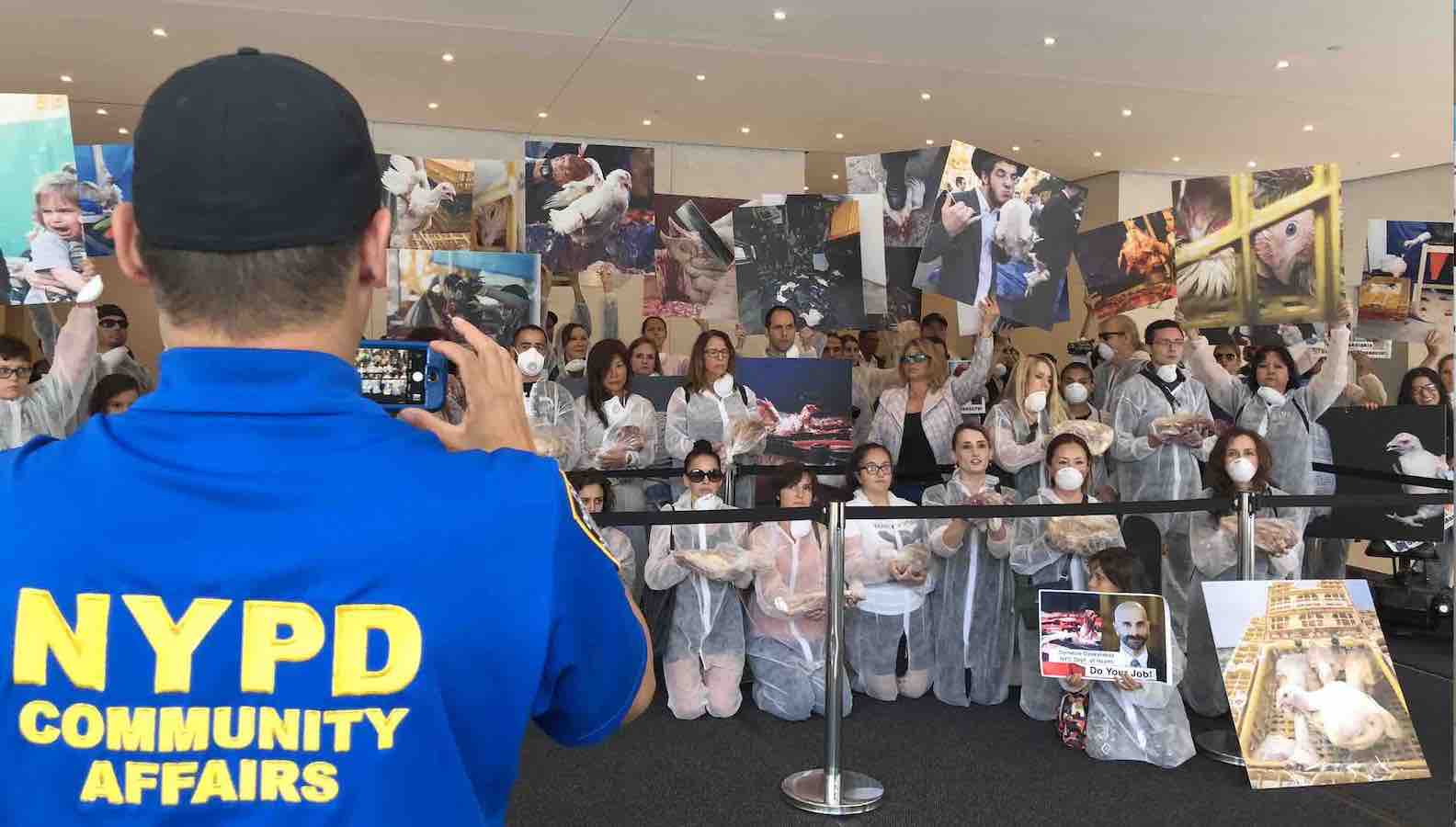
Dozens of public health and animal rights advocates occupy the New York City Dept. of Health to demand that the Deputy Commissioner of Disease Control, Dr. Demetre Daskalakis, shut down a wet market that violates seven City health codes
Hundreds of wildlife groups worldwide sign open letter to WHO calling for a ban on wildlife meat trade to stop future potential global pandemics.
The World Health Organisation (WHO) should recommend governments shut down wild animal markets to prevent future pandemics, conservationists have said.
More than 200 wildlife groups across the world have signed an open letter calling on WHO to do all it can to prevent new diseases emerging from the wildlife trade and spreading into global pandemics.
The evidence suggests Covid-19 has animal origins, likely from bats, and may have come from “wet markets” where live and dead creatures are sold for eating, leading to a temporary ban on the markets by the Chinese government.
Health
Previous global epidemics including severe acute respiratory syndrome (Sars) and Ebola have also been linked to viruses that spread from animals to people.
The letter calls on WHO to recommend to governments worldwide that they bring in permanent bans on live wildlife markets and act to close down or limit trade in wildlife to reduce the threat to human health.
The groups also want the use of wildlife, including from captive-bred animals, to be “unequivocally” excluded from the organisation’s definition and endorsement of traditional medicine.
Conservationists also said the WHO should work with governments and international bodies such as the World Trade Organisation to raise awareness of the risks the wildlife trade poses to human health and society.
It should also support and encourage initiatives that deliver alternative sources of protein to people who survive on eating wild animals, in order to further reduce the risk to human health.
Business
The letter has been co-ordinated by wildlife charity Born Free and its Lion Coalition partners, and backed by organisations including the Bat Conservation Trust, International Fund for Animal Welfare (IFAW) and the Zoological Society of London (ZSL).
Dr Mark Jones, head of policy at Born Free, said markets selling live wild animals were found in many countries but had rapidly expanded and become more commercial, increasing the risks to human and animal health.
The trade in wild animals is also a major contributor to global declines in wildlife and has severe consequences for the welfare of millions of individual animals, he said.
“We need to dig deep and reset our fundamental relationship with the natural world, rethink our place in it and treat our planet and all its inhabitants with a great deal more respect, for its sake and for ours.
“Once Covid-19 is hopefully behind us, returning to business as usual cannot be an option.”
Survival
Separate research by wildlife charity WWF found high levels of public support in Asia for closing illegal and unregulated wildlife markets and the trade in wild animals.
A survey conducted in March among 5,000 participants from Hong Kong, Japan, Burma, Thailand and Vietnam found 93% supported action by their governments to eliminate illegal and unregulated markets.
Marco Lambertini, director general of WWF International, said: “People are deeply worried and would support their governments in taking action to prevent potential future global health crises originating in wildlife markets.
“Taking action now for humans as well as the many wildlife species threatened by consumption and trade is crucial for all of our survival.”
Brendan Montague, editor of The Ecologist, added: “Those of us who are in the global North need to also examine how our meat industry and its practices – such as the use of pesticides, hormones and antibiotics – are risking both biodiversity collapse and future human health crises.”
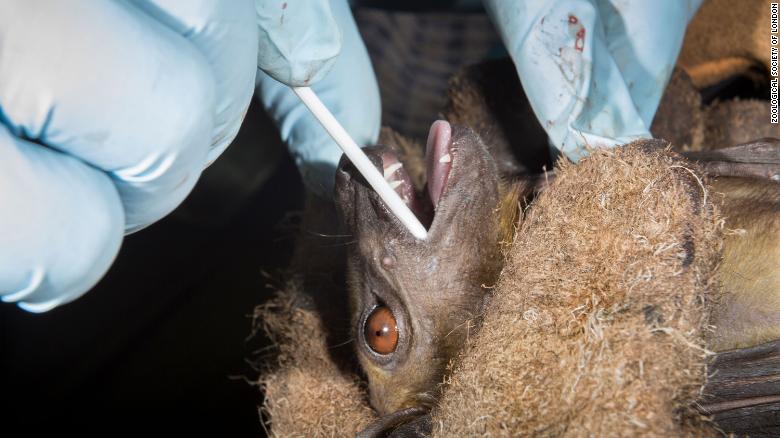
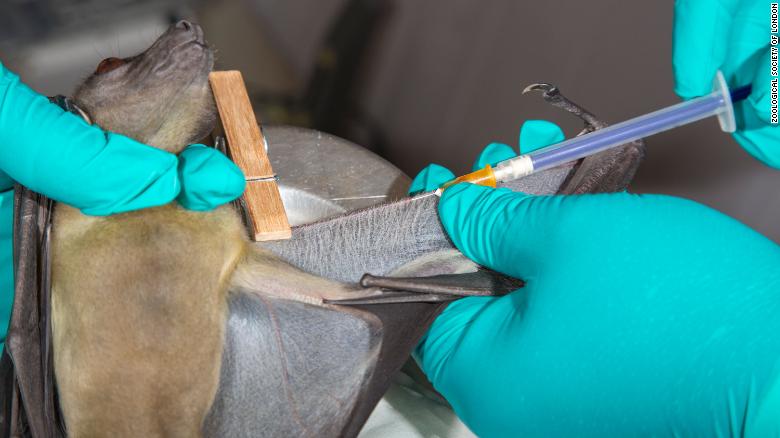
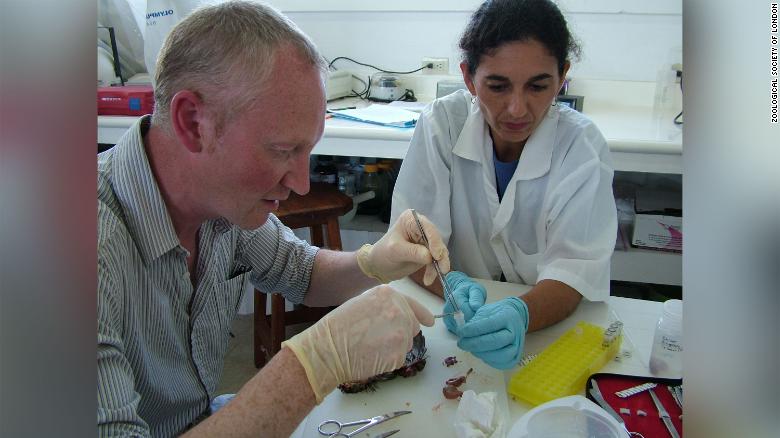
CNN)Reclusive, nocturnal, numerous — bats are a possible source of the coronavirus. Yet some scientists concur they are not to blame for the transfer of the disease that’s changing daily life — humans are.
Zoologists and disease experts have told CNN that changes to human behavior — the destruction of natural habitats, coupled with the huge number of fast-moving people now on Earth — has enabled diseases that were once locked away in nature to cross into people fast.
Scientists are still unsure where the virus originated, and will only be able to prove its source if they isolate a live virus in a suspected species — a hard task.
But viruses that are extremely similar to the one that causes Covid-19 have been seen in Chinese horseshoe bats. That has led to urgent questions as to how the disease moved from bat communities — often untouched by humans — to spread across Earth. The answers suggest the need for a complete rethink of how we treat the planet.
Bats are a possible source of the coronavirus, but some scientists say humans are to blame for the spread of the disease.
Bats are the only mammal that can fly, allowing them to spread in large numbers from one community over a wide area, scientists say. This means they can harbor a large number of pathogens, or diseases. Flying also requires a tremendous amount of activity for bats, which has caused their immune systems to become very specialized.
“When they fly they have a peak body temperature that mimics a fever,” said Andrew Cunningham, Professor of Wildlife Epidemiology at the Zoological Society of London. “It happens at least twice a day with bats — when they fly out to feed and then they return to roost. And so the pathogens that have evolved in bats have evolved to withstand these peaks of body temperature.”
Cunningham said this poses a potential problem when these diseases cross into another species. In humans, for example, a fever is a defense mechanism designed to raise the body temperature to kill a virus. A virus that has evolved in a bat will probably not be affected by a higher body temperature, he warned.
But why does the disease transfer in the first place? That answer seems simpler, says Cunningham, and it involves an alien phrase that we will have to get used to, as it is one that has changed our lives — “zoonotic spillover” or transfer.
“The underlying causes of zoonotic spillover from bats or from other wild species have almost always — always — been shown to be human behavior,” said Cunningham. “Human activities are causing this.”
When a bat is stressed — by being hunted, or having its habitat damaged by deforestation — its immune system is challenged and finds it harder to cope with pathogens it otherwise took in its stride. “We believe that the impact of stress on bats would be very much as it would be on people,” said Cunningham.
“It would allow infections to increase and to be excreted — to be shed. You can think of it like if people are stressed and have the cold sore virus, they will get a cold sore. That is the virus being ‘expressed.’ This can happen in bats too.”
Pathogens that have evolved in bats can withstand a high body temperature, so a human fever will not work as a defense mechanism.
In the likely epicenter of the virus — the so-called wet-markets of Wuhan, China — where wild animals are held captive together and sold as delicacies or pets, a terrifying mix of viruses and species can occur.
“If they are being shipped or held in markets, in close proximity to other animals or humans,” said Cunningham, “then there is a chance those viruses are being shed in large numbers.” He said the other animals in a market like that are also more vulnerable to infection as they too are stressed.
“We are increasing transport of animals — for medicine, for pets, for food — at a scale that we have never done before,” said Kate Jones, Chair of Ecology and Biodiversity at University College London.
“We are also destroying their habitats into landscapes that are more human-dominated. Animals are mixing in weird ways that have never happened before. So in a wet market, you are going to have a load of animals in cages on top of each other.”
Kate Jones, Chair of Ecology and Biodiversity at University College London, said increasing transport of animals and habitat destruction meant animals were mixing in ways they never had before.
Cunningham and Jones both pointed to one factor that means rare instances of zoonotic spillover can turn into global problems in weeks. “Spillovers from wild animals will have occurred historically, but the person who would have been infected would probably have died or recovered before coming into contact with a large number of other people in a town or in a city,” said Cunningham.
“These days with motorized transport and planes you can be in a forest in central Africa one day, and in a city like central London the next.”
Jones agreed. “Any spillover you might have had before is magnified by the fact there is so many of us, and we are so well connected.”
There are two simple lessons, they say, that humanity can learn, and must learn fast.
First, bats are not to blame, and might actually help provide the solution. “It’s easy to point the finger at the host species,” said Cunningham.
“But actually it’s the way we interact with them that has led to the pandemic spread of the pathogen.” He added that their immune systems are poorly understood and may provide important clues. “Understanding how bats cope with these pathogens can teach us how to deal with them, if they spillover to people.”
The cause of “zoonotic spillover,” or transfer from bats or other wild species, is almost always human behavior, says Professor Andrew Cunningham from the Zoological Society of London.
Ultimately diseases like coronavirus could be here to stay, as humanity grows and spreads into places where it’s previously had no business. Cunningham and Jones agree this will make changing human behavior an easier fix than developing a vastly expensive vaccine for each new virus.
The coronavirus is perhaps humanity’s first clear, indisputable sign that environmental damage can kill humans fast too. And it can also happen again, for the same reasons.
“There are tens of thousands [of viruses] waiting to be discovered,” Cunningham said. “What we really need to do is understand where the critical control points are for zoonotic spillover from wildlife are, and to stop it happening at those places. That will be the most cost-effective way to protect humans.”
Jones said viruses “are on the rise more because there are so many of us and we are so connected. The chance of more [spillovers into humans] happening is higher because we are degrading these landscapes. Destroying habitats is the cause, so restoring habitats is a solution.”
The ultimate lesson is that damage to the planet can also damage people more quickly and severely than the generational, gradual shifts of climate change.
“It’s not OK to transform a forest into agriculture without understanding the impact that has on climate, carbon storage, disease emergence and flood risk,” said Jones. “You can’t do those things in isolation without thinking about what that does to humans.”
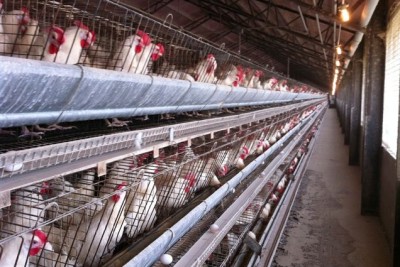
Influenza spreads within factory farms directly from animal to animal or by way of workers, flies, manure, and rodents. When thousands of animals are tightly confined it creates a recipe for disaster, in which potential pathogens can recombine and generate viral forms with the ability to infect people.
Today the Humane Society of the United States filed a federal lawsuit challenging the response plan for Highly Pathogenic Avian Influenza (or “bird flu”) of the United States Department of Agriculture. The response plan, produced by the Animal Plant Health Inspection Service, is shortsighted and dangerous.
For years, the HSUS has been warning USDA and the factory farm industry of the imminent threat of a pandemic resulting from zoonotic pathogens — diseases transmitted from animals to humans—that are closely associated with the intensive confinement of animals.
Influenza spreads within factory farms directly from animal to animal or by way of workers, flies, manure, and rodents. When thousands of animals are tightly confined it creates a recipe for disaster, in which potential pathogens can recombine and generate viral forms with the ability to infect people.
Five years ago, seeing the threat of potential disease outbreaks based on farm animal to human transmission, we asked APHIS to consider how its Highly Pathogenic Avian Influenza control plan could help prevent the development and spread of bird flu. The HSUS suggested a plan that would incentivize producers to give animals room to move naturally, instead of the industrialized norm which often involves cramming birds into cages. Giving animals more space would reduce the risk of mutation and spread of disease. But APHIS went in another direction, with a plan that essentially subsidizes the extreme confinement of animals that causes the threat in the first place.
During a typical outbreak of zoonotic disease, APHIS’s response is often to slowly suffocate and cook millions of conscious birds to death through a method called ventilation shutdown. This involves shutting down a facility’s entire ventilation system causing carbon dioxide and heat to build up. The animals’ bodies are piled up and burned or dumped together. This entire process releases fluids and gases, like dioxin—a toxin linked to cancer, liver and immune system damage, birth defects, and reproductive problems.
Under the APHIS plan, the companies that stuffed these animals in cages or warehouses are to be reimbursed with taxpayer dollars and allowed to continue cruelly confining birds so that this wasteful, cruel and self-defeating cycle can begin again. Between 2014 and 2016 more than 50 million birds (egg laying hens, chickens raised for meat, turkeys and others) were killed across more than a dozen states in an effort to contain a bird flu outbreak. This did as much as three billion dollars’ worth of damage to the U.S. economy, and APHIS spent over $900 million cleaning up the mess it describes as the most serious animal health disease incident in history.
An outbreak response plan that indemnifies factory farms in this way isn’t just cruel; it represents a threat to human health. As our lawsuit makes clear, the USDA’s approach foolishly props up practices that threaten not just Americans but countless others around the globe with more frequent and more life-threatening pandemics.
We advise a better direction. Our federal government should require producers to agree to end their intensive confinement of chickens in cages and shift to cage-free systems that give the birds dramatically more space and ability to engage in healthy, natural behaviors. Preventing outbreaks is far cheaper than trying to contain them, and investments in prevention pay off a whole lot more than the perpetuation of a failed and dangerous paradigm like intensive confinement. Bringing an end to government response plans that reimburse the perpetrators of such reckless practices would be a good start.
The lawsuit was prepared and filed by pro bono counsel at the law firm Shearman & Sterling, LLP and the HSUS’s Animal Protection Litigation team.
(CNN)Cat owners who are self-isolating or have Covid-19 symptoms should consider keeping their pets indoors to stop them carrying the virus on their fur, a veterinary body has advised.
The British Veterinary Association said animals “can act as fomites” (objects that can become contaminated with infectious organisms) and could hold the virus on their fur if they are petted by someone who has contracted it.
“For pet owners who have Covid-19 or who are self-isolating we are recommending that you keep your cat indoors if possible, during that time,” the BVA said in a statement. “The virus could be on their fur in the same way it is on other surfaces, such as tables and doorknobs.”
The body said, however, that its main advice to pet owners was to practice good hand hygiene.
It stressed that it is not suggesting all cats should be kept indoors, and said owners should do so “only if the cat is happy to be kept indoors,” acknowledging that “some cats cannot stay indoors due to stress-related medical reasons.”
close dialog
Get coronavirus updates delivered to your inbox daily. Accurate information you can trust from CNN.
There has been a tiny handful of incidents in which animals have themselves tested positive for Covid-19, including a tiger in Bronx Zoo, but even in those cases there is no evidence that animals can pass the virus to humans.
“It is very important that people don’t panic about their pets. There is no evidence that animals can pass the disease to humans,” the BVA said. “From the small number of cases it appears that dogs do not show symptoms, but cats can show clinical signs of the disease.”
Differing views
The greater concern is that infected owners pet their cats, who then leave the house and are petted or stroked by strangers.
But opinion is divided on whether pets can indeed carry the virus in that way.
The leading veterinary authority in the United States — the American Veterinary Medical Association — is not issuing the same advice to pet owners as its UK counterpart.
“It is important to remember that there is currently no reason at this time to think that domestic animals, including pets, in the United States might be a source of infection with SARS-CoV-2,” the AVMA says on its website.
“Accordingly, there is no reason to remove pets from homes where COVID-19 has been identified in members of the household, unless there is risk that the pet itself is not able to be cared for appropriately. In this emergency, pets and people each need the support of the other and veterinarians are there to support the good health of both,” they add.
“In theory, if a patient with a virus in their nose rubbed their nose and got a bunch of virus on their hand and then petted their dog … and then another family member petted that dog in the exact same place and then rubbed their nose, maybe they could transmit it,” Dr. John Williams, chief of the division of pediatric infectious diseases at the University of Pittsburgh Medical Center Children’s Hospital of Pittsburgh, told CNN last month.
“But if you’re living in a home with a person who has the virus, the risk factor is that human, not the pets,” he added.
Experts believe that the virus originated in a live animal market in Wuhan, China. Because COVID-19 is not the first infectious disease to start in one of these controversial “wet markets,” conservation and health experts are now asking the World Health Organization (WHO) to force governments to permanently close these markets around the world, in hopes of preventing another pandemic.
In honor of World Health Day, a group of 241 conservation organizations from around the world penned an open letter to the WHO’s Dr. Tedros Adhanom Ghebreyesus and Dr. Zhang Qi, which can be read in full on the Lion Coalition’s website. The letter addresses the health risks of the wildlife trade, and demands that the WHO put a “permanent global ban on wildlife markets and a highly precautionary approach to wildlife trade.”
SOURCE: NOEL CELIS/AFP VIA GETTY IMAGES
“In line with its stated mission to serve public health at all times, we urge the WHO to recommend that governments worldwide permanently ban live wildlife markets and the use of wildlife in traditional medicine,” the letter reads. “This decisive action, well within the WHO’s mandate, would be an impactful first step in adopting a highly precautionary approach to wildlife trade that poses a risk to human health.”
Like COVID-19, both SARS and the bird flu (avian influenza) originated in Chinese wet markets. And according to the letter, other significant zoonotic diseases associated with wildlife include Ebola, MERS, HIV, bovine tuberculosis, rabies, and leptospirosis; additionally, zoonotic diseases are responsible for more than 2 billion cases of human illness and more than 2 million human deaths annually.
What are wet markets?
SOURCE: EDWARD WONG/SOUTH CHINA MORNING POST VIA GETTY IMAGES
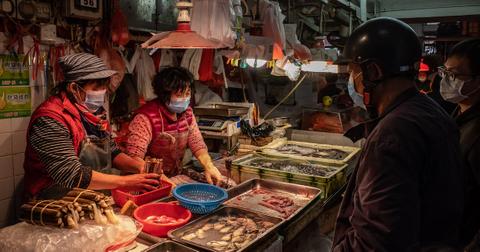
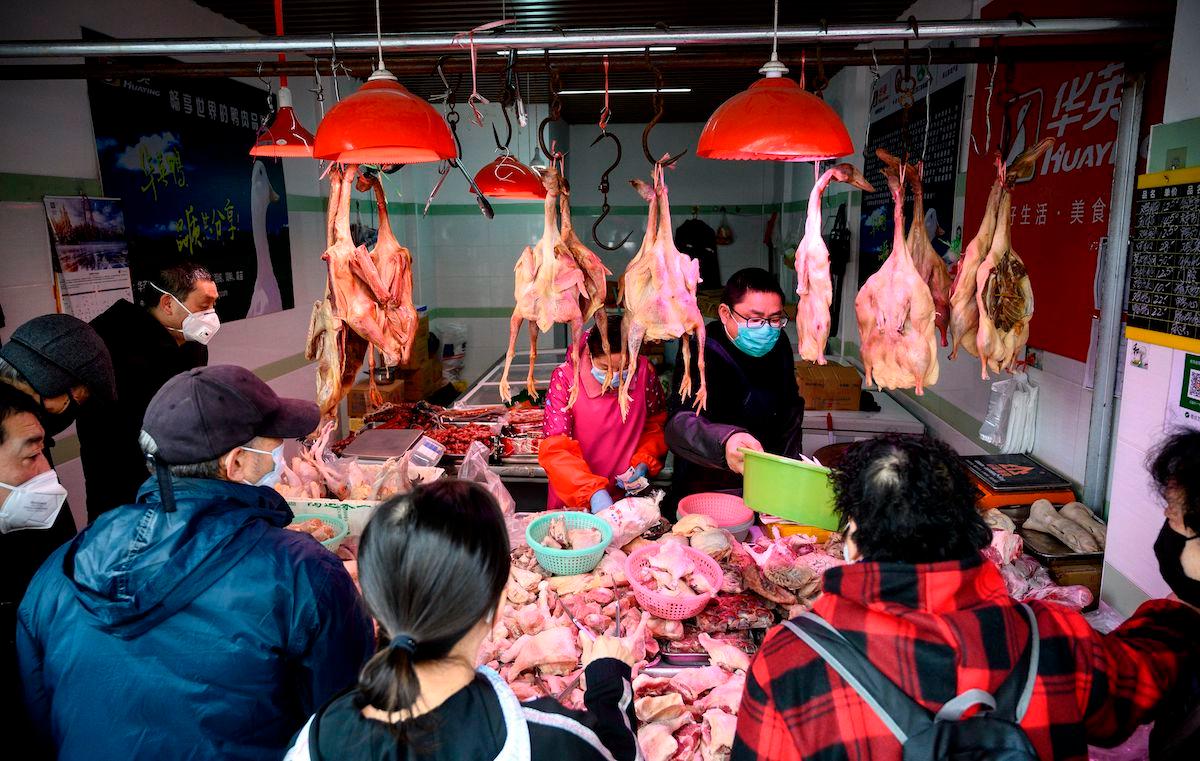
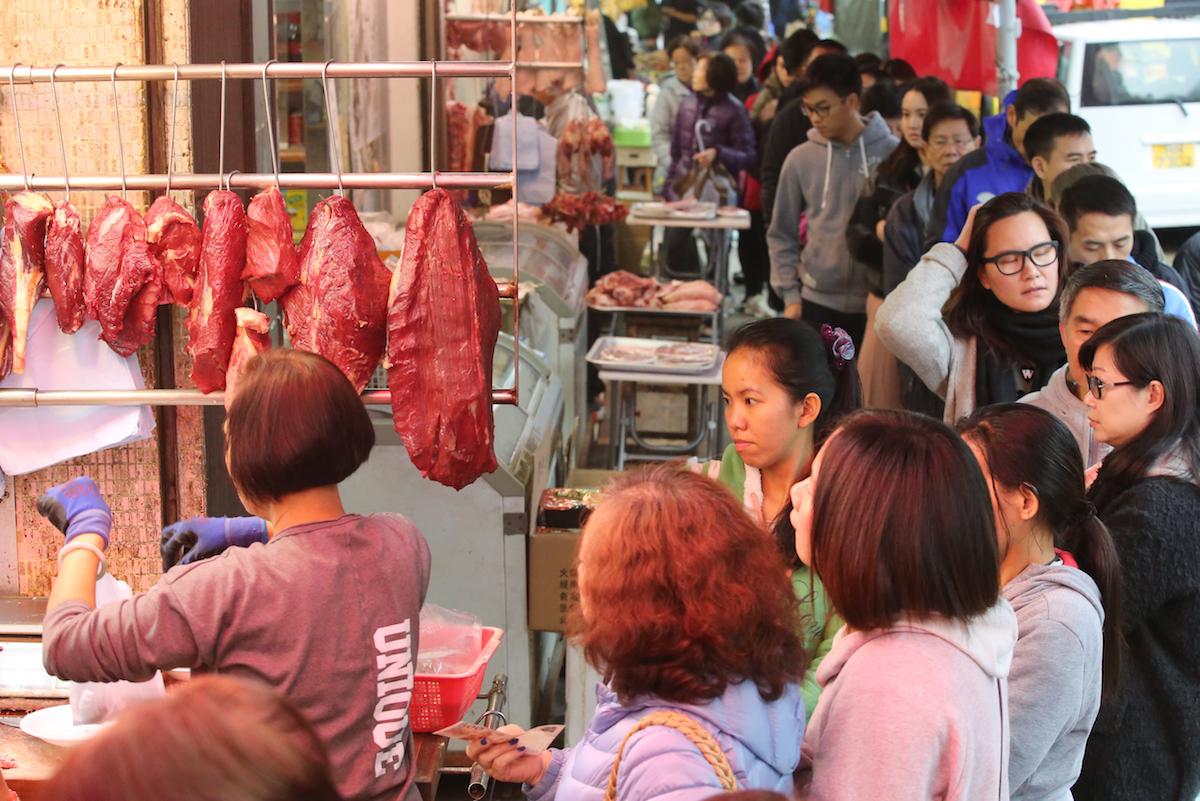
Wet markets, aka live animal markets, are marketplaces where customers can select live animals from cages, who workers then slaughter on-site for customers to take home and cook.
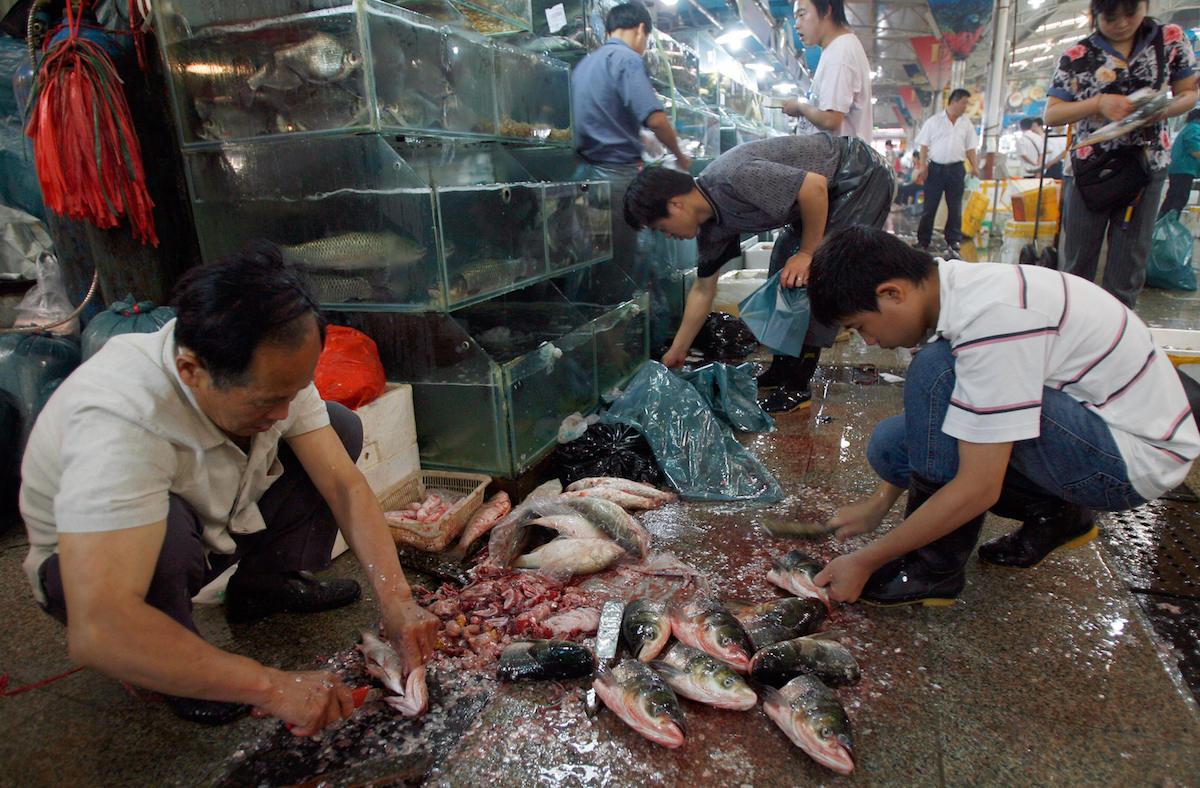
“You’ve got live animals, so there’s feces everywhere,” Peter Daszak, president of EcoHealth Alliance, told the Associated Press. “There’s blood because of people chopping them up.”
How did wet markets cause the coronavirus?
SOURCE: TEH ENG KOON/AFP VIA GETTY IMAGES
Many of these markets are unregulated, meaning it’s not uncommon to find illegally-traded animals in Wuhan’s wet market cages. The lack of regulations also means that the markets are often kept in unhygienic conditions — and with wet markets putting people in close proximity with internationally-traded animals, animal waste, and animal slaughter, bacteria and viruses can easily spread.
Who wants to shut down wet markets?
Organizations to sign the letter include Animal Legal Defense Fund, Big Cat Rescue (yes, from Tiger King), Endangered Species Coalition, various chapters of Humane Society International, the Jane Goodall Institute, PETA, Pro Wildlife, Sea Shepherd, various Societies for the Prevention of Cruelty to Animals, WildAid, and more.
Other notable people who have called for a global shutdown of wet markets include Dr. Anthony Fauci, the U.S.’s top expert on infectious diseases and a leader of the White House’s coronavirus task force; Elizabeth Maruma Mrema, head of the U.N. Convention on Biological Diversity; and Jinfeng Zhou, secretary general of the China Biodiversity Conservation and Green Development Foundation.
“I think we should shut down those things right away,” Dr. Fauci recently said of wet markets on Fox & Friends, via Politico. “It boggles my mind how, when we have so many diseases that emanate out of that unusual human-animal interface, that we don’t just shut it down.”
After a tiger at the Bronx Zoo in New York tested positive for the COVID-19 coronavirus, local zoo officials at the Columbus Zoo and Aquarium said they’ll continue to follow protocols already in place to prevent the spread of the disease to both their staff and the 10,000 animals in their care.
The top animal health official at the Columbus Zoo and Aquarium says its daily operations will change little, if at all, after a tiger tested positive for the new coronavirus this weekend at the Bronx Zoo.
That’s because the zoo has had protocols in place for weeks, limiting contact among staff members and animals, to help keep both groups healthy as the COVID-19 pandemic continues to spread in Ohio.
Veterinarians and animal keepers have divided into small teams that stagger work on site to prevent an entire crew of specialized caregivers from becoming infected. They’re also wearing masks and other protective gear to reduce the likelihood of spreading disease to the zoo’s 10,000 animals.
“We do a lot of telemedicine, phone calls, video conferences — keepers sending us pictures of things, instead of us always going out to see them,” said Randy Junge, the zoo’s vice president of animal health, who is now on zoo grounds just twice weekly.
“There are just a few people on zoo grounds, and when they’re out, everyone is wearing a mask, waving at each other from 6 feet apart.”
The recently confirmed case of COVID-19 at the Bronx Zoo was in a 4-year-old female Malayan tiger. Three other tigers and three African lions had developed similar mild symptoms such as a dry cough and loss of appetite but were not tested because it would have required anesthetizing the animals. All are expected to recover.
The U.S. Department of Agriculture’s National Veterinary Services Laboratory, based in Iowa, confirmed the case, a first for the species and for any animal in the U.S.
The department’s Animal and Plant Health Inspection Service, which regulates zoos, suspects an employee who was “actively shedding virus” infected the tiger, according to a statement issued Sunday.
Some people don’t experience symptoms until up to 14 days after being infected, experts say.
The Bronx Zoo, like most nationwide, had been closed to the public since mid-March.
The Columbus Zoo has had pandemic response plans for at least 20 years, said Doug Warmolts, its vice president of animal care.
“We were prepared for this, in a sense, but not to this magnitude,” he said. “Like the (COVID-19) virus in general, unfortunately a lot is still unknown.”
Though zoonotic diseases, transmitted between animals and people, may seem otherworldly to the public, for those who work in zoos, it’s a constant threat that must be prevented, Junge said.
It’s estimated that more than 60% of known infectious diseases in people can spread from animals, and that 75% of new or emerging infectious diseases in people come from animals, according to the U.S. Centers for Disease Control and Prevention. Examples of such diseases include rabies, salmonella, West Nile virus, Lyme disease and the H1N1 “swine flu” and H5N1 “bird flu” strains.
This has led to an approach among health professionals called “One Health” — recognizing that the health of people is closely connected to the health of animals and our shared environment.
Coronaviruses are known to infect mammals and birds. It’s believed that this coronavirus pandemic started with an infected horseshoe bat in China, then jumped from another species to humans at a wildlife food market, researchers say.
Early research has indicated that cats and ferrets are susceptible, Junge said, citing a preliminary study out of China, where researchers forced high concentrations of the virus into the animals. Other animals, such as dogs, were not considered at risk.
It’s always assumed that primates can catch human diseases because they share a similar genetic makeup, Junge said. During flu season, their keepers always wear masks and protective gear.
“That’s why they get their flu shots in the fall, just like us,” Junge explained.
The recent developments shouldn’t be a cause for panic among cat and ferret owners, experts say.
There have been no confirmed cases of COVID-19 in U.S. pets, and there is no evidence that any humans have been infected by animals beyond the initial cases in China, according to the U.S. Department of Agriculture. Nevertheless, the department and the American Veterinary Medical Association are advising people with COVID-19 infections to avoid contact with animals, including pets, out of “an abundance of caution.”
Owners who suspect their pets may be infected should talk to their veterinarians.
If a cat has no exposure to the outdoors, you’re more likely to infect it, not the other way around, Junge said.
Those who work in animal welfare say they’re already concerned about pets being surrendered or dumped as families struggle with the financial impact of the coronavirus pandemic.
Rachel Finney, CEO of Columbus Humane, said the Northwest Side shelter hasn’t experienced an influx of people surrendering their pets, but it is a concern. The nonprofit agency has plans ready to distribute food and supplies to owners in need.
“The very best thing people can do is keep their pets with them at home,” Finney said.
She also advised owners to plan in advance for their pets’ care in the event they are no longer able to look after them, such as during an extended hospitalization.






 Exposing the Big Game