Exposing the Big Game

Forget Hunters' Feeble Rationalizations and Trust Your Gut Feelings: Making Sport of Killing Is Not Healthy Human Behavior

Exposing the Big Game

Japanese Couple Tests Positive for Virus After Hawaii Visit: NYT

Coronavirus: A Cell Biologist Explains How a Virus Mutates and Spreads

A married Japanese couple in their 60s tested positive for the coronavirus after returning home from a Hawaiian vacation, health officials said Saturday, according to the New York Times.

The couple had returned to Nagoya, Japan’s fourth-largest city, on Feb. 7, and a day later he visited a hospital with a fever but was turned away. He was back after two days when he learned he had pneumonia, but he was then released. On Thursday, the man went by ambulance to a hospital.

His wife checked into the hospital Friday with a fever. Both now have the virus.

The disclosure of the post-visit infection has caused concern among Hawaii health officials, the Times reported. “All of the state agencies have been preparing for exactly this scenario, where someone visits the island and the virus is present,” Governor David Ige said at a news conference.

The Japanese man grew ill on the second week of his vacation while the couple was in a time-share in Honolulu, authorities said. Before that, the couple was in Maui, but showed no symptoms.

The husband started showing signs of illness on Feb. 3 and wore a mask when he went outside the Grand Waikikian by Hilton Grand Vacations in the Waikiki neighborhood of Honolulu, officials said.

Scientists say the pangolin endangered by Chinese smuggling may have passed the coronavirus to humans

Even small changes in China have global effects.

Before now news stories about pangolins, endangered ant-eating scaly mammals found in West and Central Africa and Asia, have focused on how China’s insatiable thirst for their meat and scales has led to a rapid decline in its global population.

The recent news linking the animal to China may change this trend as pangolins have been reported to have likely transmitted to humans the novel coronavirus that has caused the death of over 1,300 people in mainland China.

The pangolin was reported to be the most likely intermediate host from which humans contracted the novel coronavirus. The pangolin-vector claim was made public on Feb. 7 by researchers at South China Agricultural University who said they found the genome sequence of the coronavirus separated from pangolins to be 99% identical to that collected from infected people.

The team which did the research found the pangolin to be the most likely intermediate host after analyzing over 1,000 metagenome samples of wild animals. However, the study has not been published and so has not gone through the usual peer review for verification. The report is also inconclusive and at the moment is only viewed as a suggestion.

Though coronavirus researchers are waiting for the publication of the research before they can come to any significant conclusions, this is not the first time the pangolin has been reported as a possible source of human coronavirus infection. In October, before the coronavirus epidemic, Chinese researchers reported that a coronavirus was found in pangolins and that it may be capable of crossing over into other mammals.

Scientists had earlier suspected that the novel coronavirus originated from bats, similar to SARS-CoV, Middle Eastern respiratory syndrome coronavirus (MERS-CoV), and Ebola, among others. The research published also by Chinese researchers had found the novel coronavirus is 80% similar to SARS-CoV identified in 2003 (also in China), and like SARS-CoV is suspected to have originated from a bat.

This similarity also suggests novel coronavirus may have an intermediary host that transmitted the virus from bat to human. SARS-CoV is suspected to have spread from bats to civet cats to humans and MERS-CoV from bat to camel to humans. Based on the XinhuaNet report the novel coronavirus is being suspected to have passed from bat to pangolin and then to humans, but as with the intermediary host, the origin of the new coronavirus is not yet fully understood.

The claim that the SARS-CoV-2 virus may have passed to humans by a pangolin to many didn’t come as a surprise. China has been in the news as the major consumer of pangolin which is smuggled in mostly from Africa. The massive demand for pangolin in China and Vietnam, where the animal is consumed as meat and their scales used for traditional medicine, has led to the decimation of the animal in these countries.

Though trade in pangolin meat and scales has been banned internationally, domestic sales of medicines containing pangolin scales are still allowed in China. Many of the first people to become infected by the coronavirus worked at a seafood and wild-animal market in the Chinese city of Wuhan, and the virus is thought to have first spread to humans there in December.

As China has become a global economic powerhouse over recent decades, Chinese demand for African mammals for medicines and other products has had a significant impact in countries which have lax conservation laws. In recent years, rhino and elephant populations have been devastated in southern Africa, driven in part by demand for their horns and tusks.

Donkey populations have also been hit as gelatin from donkey skins is used in the traditional Chinese medicine ejiao. At least four countries in Africa have barred sales of donkey products out of concern that demand from Asia will quickly outstrip local supply.

Coronavirus outbreak reignites bushmeat debate

The epidemic has led to renewed calls for an outright ban on the consumption of wild animals.

Seized pangolin scales at the Kwai Chung Customhouse Cargo Examination Compound in Kowloon, Hong Kong. Experts have suggested that consumption of bamboo rats or pangolins may have enabled the coronavirus to transfer to humans. Image: USAID Asia, CC BY-SA 3.0 By Wang Chen, Chinadialogue Feb. 10, 2020

There is growing pressure for fundamental reform of China’s policy on the trade in wild animals following the outbreak of a novel coronavirus (2019-nCoV), which to date has infected over 31,000 and killed more than 600, with numbers rising.

The early cases of coronavirus were clustered around the Huanan Wholesale Seafood Market in the central Chinese city of Wuhan. Was the market’s trade in wild animals the source of the virus? One early study published 26 January in the Lancet suggested otherwise. Nonetheless, calls for a ban on the trade in wild animals have reached new highs.

On 26 January, the forestry, market supervision and agricultural authorities announced a nationwide ban on the trade in wild animals, including placing captive-breeding facilities under quarantine, for the duration of the epidemic. These have been described as the toughest restrictions ever enforced on China’s wild animal trade.

But the ban has a time limit. A similar crackdown was also seen 17 years ago during the SARS epidemic. With China now tackling another major virus outbreak, there is pressure for far-reaching policy changes.
Bushmeat and viruses

The latest research shows the genome of the new virus is 96% identical to a coronavirus found in bats, making them the most likely source – as was the case with SARS. It is not yet clear how the virus made its way into the human population. Zhong Nanshan, head of a National Health Commission expert panel and a member of the Chinese Academy of Sciences, has suggested bamboo rats or badgers may have been an intermediate host.
Research published on 7 February by the South China Agricultural University claims that pangolins – one of the most trafficked mammals in Asia – could also be a link. There is as yet no definitive conclusion, but close contact between humans and an intermediate host would have allowed the virus to jump the species barrier.

A price list from the Huanan market, circulated online, shows that prior to its closure on 31 December, meat from animals such as the bamboo rat and civet cat were openly on sale. The civet cat is believed to have been the intermediate host in the SARS epidemic.

Bushmeat is an important part of the cuisine of the mountainous south-east of China. Consuming wild animal meat to improve health is also connected to traditional Chinese medicine. But this tradition has been taken to extremes, with beliefs that the meat of animals with certain characteristics, such as strength, will boost that characteristic in the consumer, and that the “wilder” an animal is the more health benefits it provides. Civet cats are the most prized of all.

As well as encouraging the hunting of wild animals, this demand has also led to some bushmeat species being farmed at scale and sold through established channels. A China Central Television programme on money-making has promoted bamboo rat farming more than once – most recently in June last year – saying that 500 grammes of bamboo rat meat, described as “popular online”, can sell for 80 Chinese yuan (US$11).
Farmers featured on the programme were earning up to 10 million yuan
(US$1.4 million) a year.

Popular internet celebrities, the Huanong Brothers, became famous for filming the process of farming – and eating – bamboo rats. They have a presence on all of China’s major streaming sites, tens of millions of fans nationwide and are seen as typical of the farming boom in Ganzhou, Jiangxi province. Many other underdeveloped areas are now hoping to enrich themselves through bamboo rat farming.

Wu Yu, a blogger for online magazine Elephant, writes that the definition of “wild animal” in Chinese legislation is fuzzy, covering all animals not traditionally considered poultry or livestock – even when, as with the bamboo rat, there is a mature farming sector. An outright ban on the trade in wild animals would harm the legitimate interests of those farmers, he said. “It’s hard to prove that these herbivores, raised in captivity, are more dangerous than poultry and pigs, which have already given rise to bird flu and swine flu.”

But Zhou Haixiang, a member of the Chinese National Committee for Man and the Biosphere, told China Dialogue that the majority of wild animals traded have been obtained illegally. He was also sceptical about farmed
animals: “Even if the farm is properly run, where did the animals originally come from? They’ve been domesticated, but aren’t they descended from animals caught in the wild? There’s still a risk of infection.”
Food & Agriculture
Chinese consumers ignore calls to eat less beef Read now ‘Reasonable use’

Zhou thinks there is huge money in the wildlife trade, but also “potential public health risks”. He argues the existing Wild Animals Protection Law and Protection Measures for Wild Land Animals leave too much room for the large-scale commercial use of wild animals.

Current regulations mean bamboo rats can be farmed once licences have been obtained.

The lessons from SARS did not dent appetites for bushmeat. Consumption bounced back less than a year after the 2003 epidemic, and in Guangdong grew into a “high-class” pursuit. Policymakers started to look for a balance between market demand and regulation, and in August 2003, the forestry authorities produced a list of 54 animals suitable for commercial breeding and farming, setting out qualifications for entry to the sector, a quota management system and a labelling system. The aim was to regularise the practice rather than ban it.

This was the first official recognition that wild animals could be farmed, and businesses making “reasonable use” of these animals started to grow legitimately. Once a farm had health certificates and breeding and business licences in place, they were free to operate.

But many of these farms are “laundering” wild-caught animals. Lü Zhi, a professor at Peking University’s School of Life Sciences, said that these farms “briefly place wild-caught animals in a licensed farm, before sending them to market”.

The debate between “protection” and “reasonable use” has been ongoing ever since the SARS epidemic. It reached a peak in 2015, when the process of revising the Wild Animals Protection Law started.
Unfortunately, “reasonable use” remained written into legislation, and more policies encouraging the sector appeared. A key document in 2018 called for China to “accelerate the growth of the farming and display of wild animals”, and the wild animal sector was linked with the promotion of rural economies. In 2019 the forestry authorities proposed increasing wild animal breeding capacity to boost market supply.

“Allowing for reasonable use is an error in the Wild Animals Protection Law’s approach,” said Zhou Haixiang. He points out that although wild animals have been bought and sold for decades, and even generate billions of yuan in income for some provinces and cities, this approach to protection does nothing for ecological balance and public health.
Revision providing opportunity

The coronavirus has strengthened calls for a complete ban on bushmeat, with universities, research institutes, independent political figures, NGOs and the media calling for the law to be changed. But there are different ideas on what that ban should look like. The current focus of debate is on how to protect the interests of those who are already operating legally.

Zhou thinks public health concerns mean all breeding, farming and trading of wild animals should be banned. This may lead to losses for some legitimate operations, but is nevertheless “essential” to stop illegal hunting.

“The industrial and commercial authorities, which oversee the market, don’t have the necessary specialist knowledge to distinguish captive-bred and wild-caught animals,” he argues.

Lü Zhi’s proposal leaves more room for manoeuvre. She thinks eating bushmeat is the most dangerous way to utilise wild animals, and it is also an unnecessary luxury. She suggests expanding a ban on the consumption of protected species to cover all wild animals, putting an end to the bushmeat trade.

But she also suggests reclassifying those animals already successfully bred in captivity and accustomed to their new environments as “special livestock”, to be regulated in a similar way to common poultry and farm animals. Both Lü Zhi and Zhou Haixiang think this distinction between wild animals and farmed animals should depend on whether a species can live and breed well in captivity, and if the risk of disease can be managed.

For Liu Kejun, a senior livestock specialist at the Guangxi Institute of Animal Farming who has been researching the breeding of bamboo rats for over 20 years, “farmed animals shouldn’t be a problem”. “Captive bamboo rats eat bamboo, sugar cane, elephant grass stalks and cassava stalks.
The farming process is very hygienic,” he said.

“As consumer awareness develops, we can expect the market for bushmeat to fall,” says Lü Zhi, but establishing a new category of farmed animals and gradually reducing available licences could give these farmers time to diversify and reduce losses.

Shortly after the 2003 SARS epidemic, 22 members of the Chinese Academy of Sciences called for a change to the law to halt the misuse of wild animals. Lü Zhi is more confident of success this time round: “This time it’s not just public opinion, the authorities are also keen. Things will change, we’ll just have to wait for the legislative process to conclude to see exactly how.”

https://www.eco-business.com/news/coronavirus-outbreak-reignites-bushmeat-debate/

Letter: Animal pandemic strikes again

Letters to the editor

50 million Chinese locked down. 15 countries affected. Five confirmed cases in the U.S. These dramatic headlines announce one more pandemic caused by our abuse of animals.

Indeed, 61 percent of the 1,415 pathogens known to infect humans originate with animals. These so-called zoonetic diseases claiming millions of human lives include Asian flu, Hong Kong flu, West Nile flu, bird flu, swine flu, dengue fever, Ebola, HIV, SARS, and yellow fever. The pandemic “Spanish” flu of 1918 may have killed as many as 50 million people worldwide.

Western factory farms and Asian street markets are virtual breeding grounds for infectious diseases. Sick, crowded, highly stressed animals in close contact with raw flesh, feces, and urine provide ideal incubation media for viruses. As these microbes reach humans, they mutate to defeat the new host’s immune system, then propagate on contact.

Each of us can help end these deadly pandemics by replacing animal products in our diet with vegetables, fruits, and whole grains. These foods don’t carry flu viruses, or government warning labels, are touted by every major health advocacy organization, and were the recommended fare in the Garden of Eden. The internet offers ample recipes and transition hints.

Tate Harringer

Tillamook

The coronavirus is already hurting the world economy. Here’s why it could get really scary

London (CNN Business)Nearly two decades have passed since a coronavirus known as SARS emerged in China, killing hundreds of people and sparking panic that sent a chill through the global economy. The virus now rampaging across China could be much more damaging.

China has become an indispensable part of global business since the 2003 SARS outbreak. It’s grown into the world’s factory, churning out products such as the iPhone and driving demand for commodities like oil and copper. The country also boasts hundreds of millions of wealthy consumers who spend big on luxury productstourism and cars. China’s economy accounted for roughly 4% of world GDP in 2003; it now makes up 16% of global output.
SARS sickened 8,098 people and killed 774 before it was contained. The new coronavirus, which originated in the central Chinese city of Wuhan, has already killed more than 700 people and infected over 34,400 across 25 countries and territories. Chinese officials have locked down Wuhan and several other cities, but the virus continues to spread.
“The outbreak has the potential to cause severe economic and market dislocation. But the scale of the impact will ultimately be determined by how the virus spreads and evolves, which is almost impossible to predict, as well as how governments respond,” said Neil Shearing, group chief economist at Capital Economics.
Compounding the risk is the fact that the world outside China has also changed since 2003.
Globalization has encouraged companies to build supply chains that cut across national borders, making economies much more interconnected. The major central banks have used up much of the ammunition they would typically deploy to fight economic downturns since the 2008 financial crisis, and global debt levels have never been higher. Rising nationalism may make it harder to coordinate a worldwide response, if that’s required.
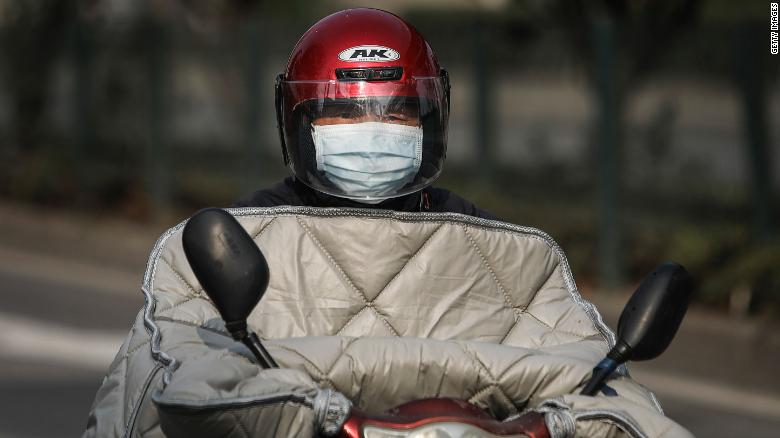
A resident wears a protective mask while riding a scooter on February 5, 2020, in Wuhan.

The virus is snarling supply chains and disrupting companies.
Car plants across China have been ordered to remain closed following the Lunar New Year holiday, preventing global automakers Volkswagen (VLKAF), Toyota (TM), Daimler (DDAIF), General Motors (GM), Renault (RNLSY), Honda (HMC) and Hyundai (HYMTF) from resuming operations in the world’s largest car market. According to S&P Global Ratings, the outbreak will force carmakers in China to slash production by about 15% in the first quarter. Toyota said on Friday it would keep its factories shut at least until February 17.
Luxury goods makers, which rely on Chinese consumers who spend big at home and while on vacation, have also been hit. British brand Burberry (BBRYF) has closed 24 of its 64 stores in mainland China, and its chief executive warned Friday that the virus is causing a “material negative effect on luxury demand.” Dozens of global airlines have curtailed flights to and from China.
Even more troubling is the threat to global supply chains. Qualcomm (QCOM), the world’s biggest maker of smartphone chips, warned that the outbreak was causing “significant” uncertainty around demand for smartphones, and the supplies needed to produce them. Already, auto parts shortages have forced Hyundai (HYMTF) to close plants in South Korea and caused Fiat Chrysler (FCAU) to make contingency plans to avoid the same result at one of its plants in Europe.
Economists say the current level of disruption is manageable. If the number of new coronavirus cases begins to slow, and China’s factories reopen soon, the result will be a fleeting hit to the Chinese economy in the first quarter and a dent in global growth. If the virus continues to spread, however, the economic damage will increase rapidly.
An employee works on an assembly line at Dongfeng Honda in Wuhan.

Mohamed El-Erian, chief economic adviser to Allianz (ALIZF), told CNN Business that he was most worried about the potential cascading economic effects.
“They first paralyze the region of the virus outbreak,” he said. “Then they gradually spread domestically, undermining internal trade, consumption, production and the movement of people. If the virus is still not contained, the process spreads further, including regionally and internationally by disrupting trade, supply chains and travel.”

Epidemic risk

Economists have a hard time working out the potential costs of epidemics because of their unique characteristics.
Yet diseases can be far more damaging than natural disasters such as hurricanes or a tsunami, or other unpredictable events known as “black swans.” According to a study by the World Bank, a severe pandemic could cause economic losses equal to nearly 5% of global GDP, or more than $3 trillion. Losses from a weaker flu pandemic, such as the 2009 H1N1 virus, can still wipe 0.5% off global GDP.
“A severe pandemic would resemble a global war in its sudden, profound, and widespread impact,” the World Bank assessed in a report on pandemics from 2013. (The Wuhan coronavirus has not been declared a pandemic by the World Health Organization.)
The virus is not the driving factor behind those losses, however. Instead, it’s the way consumers, businesses and governments respond to an outbreak that matters most.
People are more likely to stay home during an outbreak to avoid getting sick, preventing them from traveling, shopping and working. Doing so limits demand for consumer goods and energy. Decisions by companies and governments to close shops and idle factories, meanwhile, curtail production.
“This is continuing to grow in scope and magnitude. It could end being really, really big, and really, really serious. We can’t project that now,” said William Reinsch, a senior adviser at the Center for Strategic and International Studies who spent 15 years as president of the National Foreign Trade Council.
According to Shearing, past epidemics show that China’s economy is likely to take a significant hit in the first quarter. But that will quickly fade from memory if the virus is contained.
“As long as factory closures don’t lead to job losses, by this time next year the level of GDP is unlikely to be very different from what it would have been without the virus,” he said.

What can be done?

China’s government has moved quickly to counter the economic fallout from the coronavirus and the measures taken to contain it.
The People’s Bank of China cut a key interest rate this week and injected huge amounts of cash into markets in order to help take the pressure off banks and borrowers. Officials have also announced new tax breaks and subsidies designed to help consumers.
Yet China is also more vulnerable to a crisis than it was 17 years ago when SARS broke out.
“It has much higher debt, trade tensions with a major trading partner and its growth has been steadily slowing down for a number of years, which gives a weak starting point to face such a crisis,” said Raphie Hayat, a senior economist at Dutch bank ING.
Analysts at Capital Economics expect the government to announce additional measures in the coming days. If the virus keeps spreading, they believe that Beijing will have to abandon its long-running efforts to get its debt under control and pump money directly into the economy.
Chinese President Xi Jinping attends a meeting in Beijing.

Central banks in neighboring countries including Sri Lanka, Malaysia, Thailand and the Philippines have cut interest rates in recent weeks. South Korea and Taiwan could be next.
But the big powers of the financial world are exhausted from a decade fighting anemic growth since the global financial crisis. The European Central Bank introduced negative interest rates in 2014 and hasn’t been able to increase them since, while the Bank of Japan is in a similar position. The US Federal Reserve already cut interest rates three times last year; Chair Jerome Powell has said he’s carefully monitoring the situation.
Meanwhile, debt levels have soared in the United States, Japan and key European countries including Italy, limiting the scope for a big fiscal stimulus if the world economy goes into another tailspin. Global debt, including borrowing by households, governments and companies, has jumped to more than three times the size of the global economy, the highest ratio on record, according to the Institute of International Finance.
Also critical is whether governments are able to coordinate their response to the outbreak, ideally with help from multinational institutions. This is especially true because, according to the World Bank, preparedness for a potential pandemic is low. But coordination may prove difficult in a increasingly fractured world where nationalism is often prized over cooperation.
“It’s quite clear that multinational institutions are under more pressure, and have less teeth on day to day issues than 10 years ago,” Shearing said. “But the optimist in me would like to think that in the face of a global pandemic, global institutions are still in a position to respond.”

Pangolins may have spread coronavirus to humans: What to know about the Wuhan virus

USA TODAY

A Chinese university says scientists identified the heavily trafficked pangolin as a possible intermediary host of the new coronavirus.

The coronavirus from China is believed to have originated in bats and transferred to humans through some other animal, health officials say. The pangolin may be that key link, researchers at South China Agricultural University said Friday.

“This latest discovery will be of great significance for the prevention and control of the origin of the new coronavirus,” South China Agricultural University said in a translated statement.

The research team tested more than 1,000 samples from wild animals and a found a 99% match between the genome sequences of viruses found in pangolins and those in human patients, the AFP reported, citing Chinese state media.

Coronavirus, explained:Everything you need to know about coronavirus, the deadly illness alarming the world

James Wood, a veterinary medicine professor at the University of Cambridge, told the French news agency that more data is needed and showing similarity between the genome sequences alone is “not sufficient.”

“You can only draw more definitive conclusions if you compare prevalence (of the coronavirus) between different species based on representative samples, which these almost certainly are not,” Dirk Pfeiffer, professor of veterinary medicine at Hong Kong’s City University, told Reuters.

Pangolins, the world’s only scaly mammal, have long been valued for their meat, viewed as a delicacy in some Asian countries, and scales, used for traditional medicine, according to the World Wildlife Fund.

Recent conservation efforts have worked to protect the eight pangolin species found in Asia and Africa and threatened by illegal international trade. More than 100,000 pangolins are poached every year, according to WildAid, a nonprofit that works on illegal animal trade.

Inside quarantined coronavirus cruise:61 cases onboard; room service, TV and spotty WiFi

New coronavirus cases decline

News of the possible pangolin link to the coronavirus outbreak comes as the World Health Organization cautioned Friday against too much optimism after a decline in new cases over recent days.

“The numbers could go up again … but the last two days were showing a declining trend,” said WHO’s director-general Tedros Adhanom Ghebreyesus.

China reported 31,161 cases in mainland China in its update Friday. The rise of 3,143 was the lowest daily increase since at least Tuesday.

According to data collected by Johns Hopkins University as of Friday, 31,523 people have been infected and 638 killed from the outbreak that first appeared late last year.

The outbreak may have emerged from a market selling seafood and meat in Wuhan. Researchers theorize that someone bought contaminated meat at the market, ate it, got sick and infected others, creating a ripple effect around the world.

However, research in the British medical journal The Lancet suggests the outbreak started earlier than December and casts doubt on the market connection.

While the majority of cases and deaths have been in China, the virus has spread across continents, prompting the WHO to declare a “public health emergency of international concern.”

In the United States, 12 people have been infected, per Johns Hopkins. Federal health officials confirmed last week the first U.S. case of person-to-person spread of the virus.

Trump, President Xi talk coronavirus

President Donald Trump tweeted Friday he “had a long and very good conversation by phone with President Xi of China” on the country’s response to the coronavirus.

“He will be successful, especially as the weather starts to warm & the virus hopefully becomes weaker, and then gone,” Trump tweeted.

China’s state media said President Xi Jinping urged the U.S. to “respond reasonably” to the virus outbreak in a phone call with President Donald Trump.

“A people’s war against the virus has been launched,” Xi was quoted as saying by broadcaster CCTV, using timeworn communist terminology, according to the Associated Press. “We hope the U.S. side can assess the epidemic in a calm manner and adopt and adjust its response measures in a reasonable way.”

Beijing has complained that the U.S. was flying its citizens out of Wuhan but not providing any assistance to China.

Coronavirus: Why are we catching more diseases from animals?

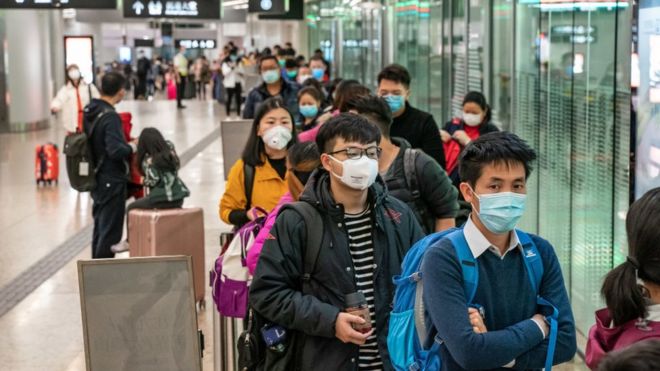
Passengers at a Hong Kong railway stationImage copyrightGETTY IMAGES
Image captionPassengers at a Hong Kong railway station

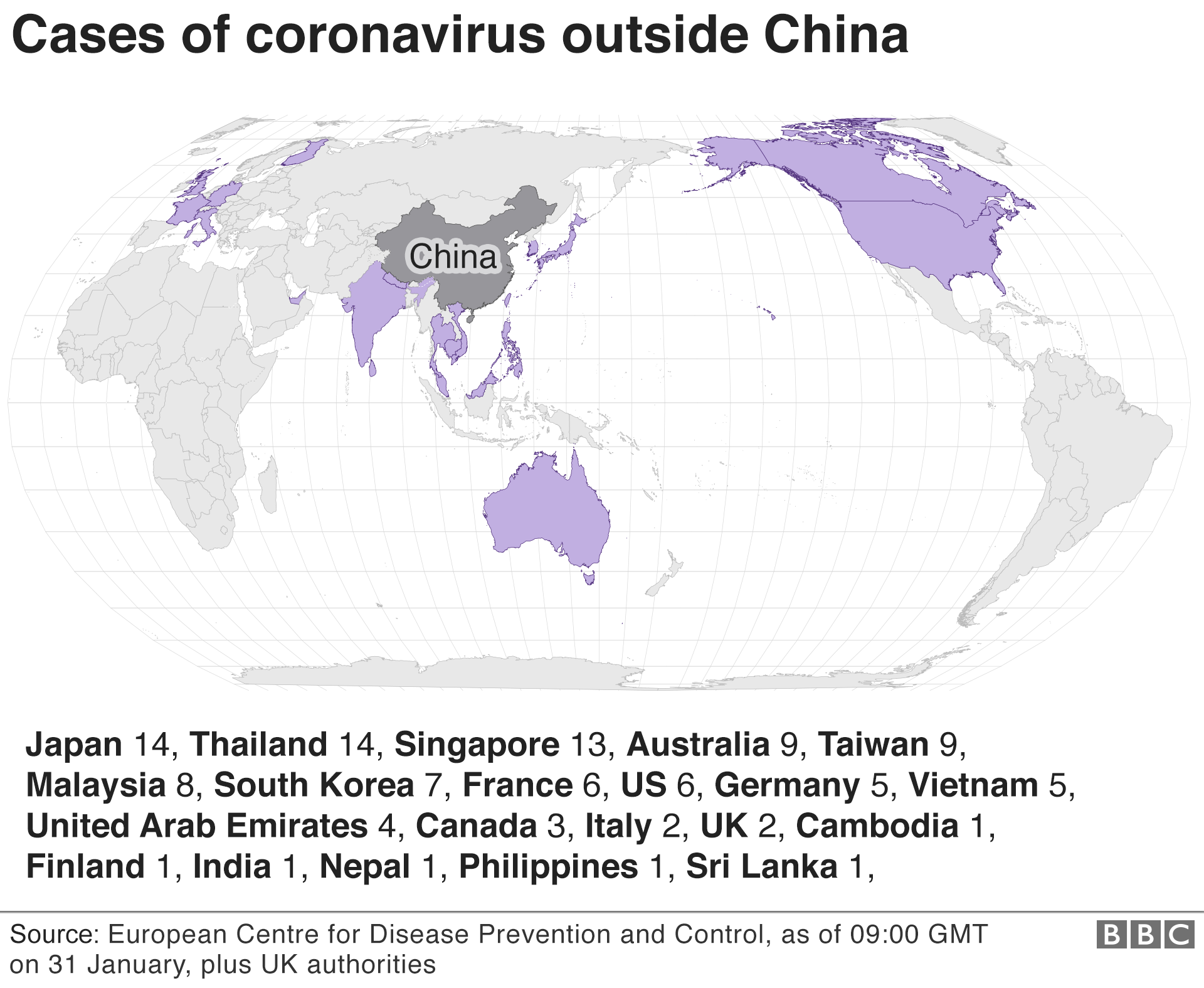
The world is grappling with the new coronavirus, which has spread from China to at least 16 other countries, including the UK.

Outbreaks of new infectious diseases are typically seen as a “one off”.

But the new virus – thought to have stemmed from wildlife – highlights our risk from animal-borne disease. This is likely to be more of a problem in future as climate change and globalisation alter the way animals and humans interact.

How can animals make people ill?

In the past 50 years, a host of infectious diseases have spread rapidly after making the evolutionary jump from animals to humans.

The HIV/Aids crisis of the 1980s originated from great apes, the 2004-07 avian flu pandemic came from birds, and pigs gave us the swine flu pandemic in 2009. More recently, it was discovered severe acute respiratory syndrome (Sars) came from bats, via civets, while bats also gave us Ebola.

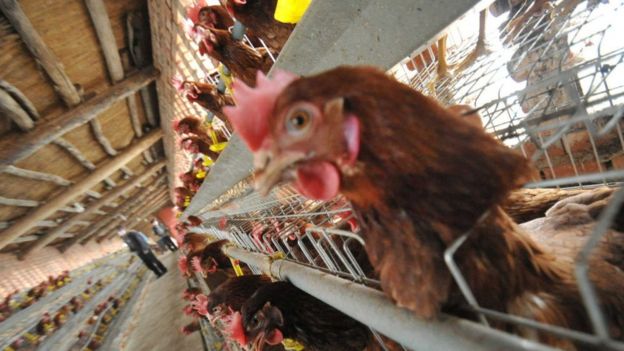
Chickens in cages, ChinaImage copyrightGETTY IMAGES
Image captionChickens in cages, China

Humans have always caught diseases from animals. In fact, most new infectious diseases come from wildlife.

But environmental change is speeding up this process, while increased city living and international travel mean when these diseases emerge, they can spread more quickly.

How can diseases jump species?

Most animals carry a range of pathogens – bacteria and viruses that can cause disease.

The pathogen’s evolutionary survival depends on infecting new hosts – and jumping to other species is one way to do this.

The new host’s immune systems try to kill off pathogens, meaning the two are locked in an eternal evolutionary game of trying to find new ways to vanquish each other.

For example, about 10% of infected people died during the 2003 Sars epidemic, compared with under 0.1% for a “typical” flu epidemic.

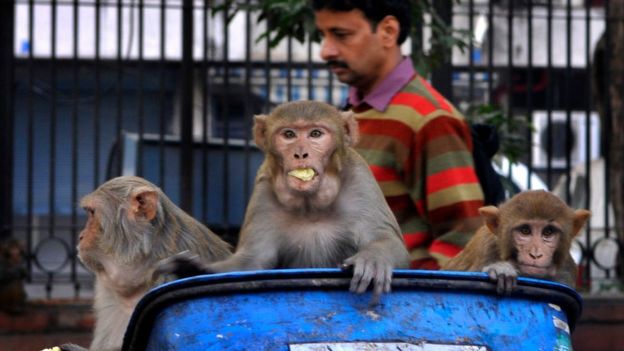
Monkeys in a rubbish binImage copyrightGETTY IMAGES
Image captionCity-dwellers and animals live alongside each other

Environmental and climate change are removing and altering animals’ habitat, changing how they live, where they live and who eats whom.

The way humans live has also changed – 55% of the global population now live in cities, up from 35% 50 years ago.

And these bigger cities provide new homes for wildlife – rats, mice, raccoons, squirrels, foxes, birds, jackals, monkeys – which can live in the green spaces such as parks and gardens, off the waste humans leave behind.

Often, wildlife species are more successful in cities than in the wild because of the plentiful food supply, making urban spaces a melting pot for evolving diseases.

Cases of coronavirus outside China
Presentational white space

Who is most at risk?

New diseases, in a new host, are often more dangerous, which is why any emerging disease is concerning.

Some groups are more vulnerable to catching these diseases than others.

Poorer city-dwellers are more likely to work in cleaning and sanitation, boosting their chances of encountering sources and carriers of disease.

They may also have weaker immune systems because of poor nutrition and exposure to poor air or unsanitary conditions. And if they fall ill, they may not be able to afford medical care.

New infections can also spread rapidly in big cities as people are packed so tightly – breathing the same air and touching the same surfaces.

In some cultures, people also use urban wildlife for food – eating animals caught within the city or bushmeat harvested from the surrounding area.

How do diseases change our behaviour?

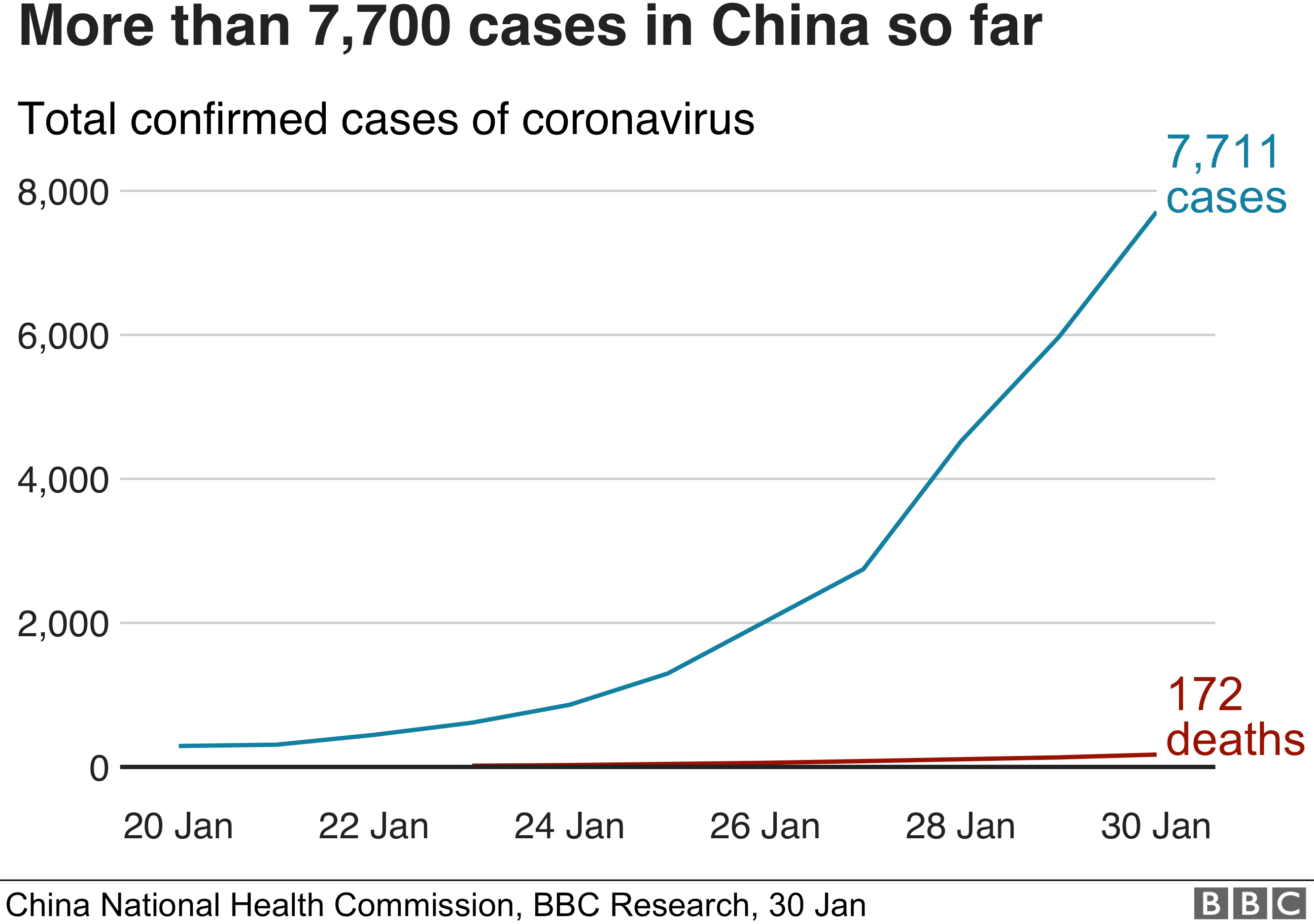
To date, almost 8,000 cases of the new coronavirus have been confirmed, with 170 people thought to have died.

With countries taking steps to stem this outbreak, the potential economic consequences are clear.

Chart showing the rise in the number of confirmed cases of coronavirus

Travel bans are now in place and, even without them, people are scared of interacting in case they catch the virus, changing their behaviour. It becomes harder to cross borders, seasonal migrant workers can’t relocate and supply chains become interrupted.

This is typical of an outbreak of this nature. In 2003, the Sars epidemic cost the global economy an estimated $40bn (£30.5bn) in six months. This was partly because of the cost of treating people but also dips in economic activity and movement of people.

What can we do?

Societies and governments tend to treat each new infectious disease as an independent crisis, rather than recognising they are a symptom of how the world is changing.

The more we change the environment, the more likely we are to disrupt ecosystems and provide opportunities for disease to emerge.

Only about 10% of the world’s pathogens have been documented, so more resources are needed to identify the rest – and which animals are carrying them.

For example, how many rats are there in London and what diseases do they carry?

Many city-dwellers value urban wildlife but we should also recognise some animals carry potential harms.

It makes sense to keep track of which animals are newly arriving in cities and whether people are killing or eating wildlife or bringing it to markets from the surrounding area.

Improving sanitation, waste disposal and pest control are ways to help stop these outbreaks emerging and spreading. More widely, it is about changing the way our environments are managed and the way people interact with them.

Presentational grey line

More like this:

Presentational grey line

Pandemics are part of our future

Acknowledging new diseases are emerging and spreading in this way puts us in a stronger position to fight new pandemics, which are an inevitable part of our future.

A century ago, the Spanish flu pandemic infected about half a billion people and killed 50-100 million people worldwide.

Scientific advancement and huge investments in global health mean such a disease would be better managed in future.

However, the risk remains real and potentially catastrophic – if something similar were to happen again, it would reshape the world.

By the middle of the last century, some in the West claimed infectious diseases were conquerable.

But as urbanisation and inequality grow and climate change further disturbs our ecosystems, we must recognise emerging diseases as a growing risk.


About this piece

This analysis piece was commissioned by BBC News from an expert working for an outside organisation.

Prof Tim Benton is research director of the Emerging Risks team at Chatham House, where he leads the Energy, Environment and Resources programme.

Chatham House, the Royal Institute of International Affairs, describes itself as an independent policy institute helping to build a sustainably secure, prosperous and just world.


Edited by Eleanor Lawrie

Appetite for ‘warm meat’ drives risk of disease in Hong Kong and China

A wet market, where animals are freshly slaughtered rather than chilled was identified as the source of the coronavirus outbreak. But experts have long warned of dangers

People buy meat at a butchers’ shop at the Bowrington Road food market in Hong Kong.
 People buy meat at a butchers’ shop at the Bowrington Road food market in Hong Kong. Photograph: Grant Rooney/Alamy

Each evening, under cover of darkness, hundreds of live pigs from farms across China are trucked through the rusting gates of a cluster of mildew-stained quarantine and inspection buildings in the Qingshuihe logistics zone in Shenzhen.

Overnight they are checked for illness, primarily the African swine fever (ASF) that is expected to kill off a quarter of the world’s pigs, and reloaded on to ventilated trucks with dual mainland China and Hong Kong licence plates.

Q&A

Why are we reporting on live exports?

Before sunrise the caravan makes its way five-and-a-half miles south to the border at Man Kam To, a small customs and immigration checkpoint, where the pigs go through further visual health checks before crossing into Hong Kong.

They are bound for Sheung Shui slaughterhouse, the largest of three abattoirs in the territory. Once there they will be checked again before being dispatched in less than 24 hours under new rules meant to prevent the spread of ASF.

It’s a lot of effort to get fresh meat from the 1,400 pigs that cross the border each day.

Workers close a gate outside Sheung Shui Slaughterhouse in Hong Kong.
Pinterest
 Sheung Shui slaughterhouse in Hong Kong is the largest of three abattoirs in the territory. Photograph: Getty

The appetite for freshly slaughtered ‘warm meat’

For various reasons, the Chinese prefer freshly slaughtered pig, chicken and beef over chilled or frozen meat that has been slaughtered before being shipped.

That desire is at the heart of why diseases such as avian flu in poultry and ASF have been so difficult to eradicate, with huge movements of live animals from all over the country – from farm to slaughterhouse to market – on a daily basis making controlling the spread of disease incredibly difficult.

A recent coronavirus outbreak in China has been linked to a wet market in Wuhan, eastern China. Like other respiratory illnesses, the disease was initially transmitted from animal to human, but is now being passed human to human.

But despite awareness of the issues, the markets are a huge part of Chinese life. On a busy morning at a so-called “wet market” in the Shajing area, the oldest inhabited and very Cantonese part of Shenzhen, hundreds of shoppers arrive soon after daybreak. Slabs of pork hang from the stalls and various cuts are piled on the counters amid lights with a reddish glare and the occasional buzzing of flies.

Just a few minutes away at the nearby Walmart, where there are also options for fresh, chilled and frozen meat, the customer flow at this time of day is only a trickle compared to the wet market. It has your average western supermarket vibe – white daylight lighting, sterile and clean.

Staff at the meat counter in Walmart and at the stalls in the wet market both say the meat comes in from the same slaughterhouse around 2am. So why the huge difference in foot traffic?

Molly Maj, a corporate communications representative for Walmart, says “the average customer in China still prefers fresh meat” over other options.

One reason for the demand for wet markets is that widespread refrigeration only came to China in recent years. While most urban homes now have refrigerators, many in rural areas and low income urban renters still do not own one, or only a mini-fridge if they do.

Food for sale at a food market in Sichuan.
Pinterest
 ‘Wet’ markets are a huge part of life in China but have been linked to disease outbreaks. Photograph: Alamy

The habit of buying perishable food for daily use is still prevalent in many consumers, particularly older shoppers who grew up without refrigerators. They say they can tell the quality of fresh meat by its smell, colour and how it feels to the touch.

“When I’m talking with my students I say: ‘The term warm meat, fresh meat, sounds disgusting to me, I grew up [in Germany] with chilled meat, that’s all I know,” Dirk Pfeiffer, a professor of veterinary medicine at City University in Hong Kong and an expert on diseases related to animal husbandry, says.

Share your experiences

If you or someone you know has expertise in this field, we would like to hear from you. You can get in touch by filling in the form below, anonymously if you wish.  Only the Guardian can see your contributions and one of our journalists may contact you to discuss further.

“So I ask them why and they come up with all sorts of vague things like the soup tastes better or that it is a trust issue, knowing it is a live animal at the other end and not some diseased animal,” he says. “It’s all very subjective.”

An ‘utter disaster’ for disease

Wet markets are central to the perception that fresh meat is better, says Pfeiffer. They evoke nostalgia among shoppers, many of whom come from rural areas where all they knew were wet markets and no refrigeration.

Where a wet market feels familiar a supermarket can seem alien and out of place.

“I actually believe that it is an important thing for the older generation to go to the wet market and chat,” says Pfeiffer. However, the way the animal trade operates in China is “an utter disaster”, for animal disease and welfare, he adds.

A poulterer carries chicken at the market, in Xizhou, Yunnan, China.
Pinterest
 ‘It is an important thing for the older generation to go to the wet market and chat’ – Prof Dirk Pfeiffer. Photograph: Alamy

A year ago, before rising concerns about the spread of ASF, nearly 4,000 pigs crossed daily with less scrutiny. Pigs were held in dismal conditions for as long as five days before being slaughtered on the Hong Kong side, greatly enhancing the possibility of disease transmission, says Pfeiffer.

The recent shortages due to the ASF outbreak have doubled and tripled prices for fresh pork at wet markets across Hong Kong. Farms in Hong Kong itself can usually supply about 300 pigs a day. Land use and environmental restrictions prevent any increase in production. The result is further worries about Hong Kong’s reliance on mainland China beyond its water and energy dependence.

“Many years ago, we had imports from all over Asia of live animals, but eventually the entire supply was monopolised by mainland China,” said Helena Wong, a member of Hong Kong’s legislative council panel on food safety and environmental hygiene. “They killed all their competitors and monopolised the supply of live pig and chicken.”

More than 6,000 pigs at the Sheung Shui slaughterhouse were culled in May 2019 after ASF was found among animals brought in from China. Hong Kong’s legislative council is now trying to figure out how much it owes traders and farmers in compensation.

Massive culls of poultry due to avian flu in imported mainland chickens in the last decade also led to large compensation bills and, eventually, to ending live chicken imports in early 2016.

Pigs about to be buried alive in a pit after an outbreak of African swine fever in Guangxi, in February 2019.
Pinterest
 Pigs about to be buried alive in a pit after an outbreak of African swine fever in Guangxi in February 2019. Photograph: Reuters

“We as taxpayers have to give that money,” said Wong. “So now we are in a big crisis because in the past few years we have experienced avian flu and now African swine fever.”

A future beyond ‘warm meat’ for Hong Kong

Disease outbreaks have raised wider questions about the sustainability of Chinese consumers’ appetite – both on the mainland and in Hong Kong – for what is often called “warm” meat.

For Deborah Cao, a professor at Griffith University in Australia and an expert on animal protection in China, a deeper issue driving the live animal trade is a cultural disconnect about animal welfare.

“The main problem is the indifference or perception of people who simply regard animals as food, tools, or as things that people can do anything they want to,” she said.

“In particular, there is no perception of farm animals as having feelings, or being capable of feeling pain or suffering.”

Hong Kong may find it difficult to switch to a different model. There is almost no chance of farm expansion to support larger scale production within Hong Kong and, although the government is looking at possibilities of live imports from other Asian countries, the ports do not have adequate facilities to cope with large numbers.

“To a large extent, if we insist on fresh food, we have to rely on China,” said Wong. “If we can change and make certain concessions, Hong Kong has always been an open market for importing food items from many parts of the world. It is only for the provision of live animals that we are monopolised by the mainland farms.”

Reporting assistance from Zhong Yunfan.

Chinese Live Animal ‘Wet’ Markets Blamed For Coronavirus

https://www.plantbasednews.org/opinion/chinese-wet-markets-coronavirus

We’ve been here before – viruses jumping from animals to people – but we don’t seem to have learnt anything
Live animals are normally slaughtered in front of each other at wet markets (Photo: Adobe. Do not use without permission)

Live animals are normally slaughtered in front of each other at wet markets (Photo: Adobe. Do not use without permission)

On New Year’s Eve last year, the World Health Organisation (WHO) was informed of a cluster of cases of pneumonia of unknown cause in Wuhan City in the Hubei Province of China.

In January of this year, the Wuhan novel coronavirus (WN-CoV) was identified as a new respiratory illness, previously unseen in humans.

To try and contain this outbreak, over 20 million people in Wuhan and other cities have been placed on lock-down, with public transport being closed.

What is the situation internationally?

Most people affected are in China, but cases have been reported from other countries: Thailand, USA, Australia, Singapore, Taiwan, Malaysia, South Korea, Japan, France, Vietnam, Nepal, Canada, Cambodia, Sri Lanka, Germany and Bavaria.

The number of total cases confirmed by China rose to 4,515 as of 27 January, up from 2,835 a day earlier. At the time of writing, 106 people have died, but if the virus is able to spread before symptoms show, it seems likely the death toll will rise considerably.

UPDATE: 29 January, the outbreak has killed 132 people in China and infected close to 6,000.

What are coronaviruses?

Coronaviruses are a common type of virus that cause mild illnesses, such as the common cold, but can cause more serious problems like severe acute respiratory syndrome (SARS).

Where did it come from?

The new virus is thought to have originated in a crowded so-called ‘wet market’ in Wuhan, selling marmots, birds, dogs, pigs, badgers, rabbits, bats, snakes, wolf pups, cicadas, scorpions, bamboo rats, squirrels, foxes, salamanders, turtles, crocodiles and civet cats.

Live wild and farmed animals are packed into crowded cages alongside each other – think of it as an all-you-can-eat smorgasbord of infectious diseases.

The outbreak has so-far killed 132 people in China and infected close to 6,000 (Photo: Adobe. Do not use without permission)

The outbreak has so-far killed 132 people in China and infected close to 6,000 (Photo: Adobe. Do not use without permission)

Previous outbreaks

We’ve seen it before with HIV/AIDS, Ebola, Zika, avian influenza (bird flu) and SARS – all originating in animals. Ebola came from monkeys, infected by bats, then eaten by villagers living in the African bush.

The 2003 SARS outbreak, which killed 774 people, was thought to be caused by an animal virus, again maybe from bats, which spread to civet cats and infected humans in the Guangdong province of southern China.

Following this, there was a temporary ban on wild animal markets. However, these markets are trading again.

Repulsive places filled with caged, frightened souls

Juliet Gellatley, founder of Viva! and zoologist said: “Wet markets are called ‘wet’ because animals are often slaughtered in front of customers. They are repulsive places filled with caged, frightened souls – many captured illegally in the wild.

“We reap what we sow. The world must wake up and shun meat and all animal flesh and instead eat vegan. No cruelty. No cages. No fear. No blood. And no zoonoses. No brainer.”

A bat-snake hybrid

The new coronavirus may also have originated in bats, but then transferred to snakes (both sold in the market) before jumping species to humans.

Viruses from different species can combine when animals are kept in close proximity. Wet markets put a wide variety of live animals alongside large numbers of people – a ripe breeding ground for emerging viruses.

Exposure to respiratory droplets, faeces or body fluids from animals, or from carcasses and raw meat, provides plenty of opportunity for new strains of viruses to infect humans. It is a perfect storm – a disaster of our own making.

The H5N1 bird flu virus that kills 60 percent of those it infects, thankfully has a low infection rate – it’s hard to catch. This new coronavirus appears to be spreading relatively easily, but does not have such a high mortality rate. If the next virus to jump from animals to humans has a high mortality rate and is easily spread, we will be in big trouble.

Time to ban wildlife markets

Experts are now calling for the banning of wild animal markets worldwide – the sale of sometimes endangered species for human consumption is the cause of this new coronavirus outbreak and many other past epidemics.

Of course it’s not just meat-eaters that are affected. Dr Jonathan Quick, Adjunct Professor of Global Health at the Duke Global Health Institute, says: “Traditional Chinese wet markets remain a threat to global health.”

There are currently no known cases of the virus in the UK, but it’s probably only a matter of time. Public Health England has issued a guide to hospitals on symptoms and how to handle the virus and the NHS has been put on high alert as the country braces for the outbreak to hit.

Time to go vegan

Back in 2004, following the SARS outbreak, Professor Diana Bell from the University of East Anglia’s School of Biological Sciences warned: “A major lesson from SARS is that the underlying roots of newly emergent zoonotic diseases [from animals] may lie in the parallel biodiversity crisis of massive species loss as a result of overexploitation of wild animal populations and the destruction of their natural habitats by increasing human populations.”

We are decimating wild landscapes, killing wild animals or caging them and sending them to market. Invading and disrupting ecosystems will inevitably shake viruses loose from their natural hosts.

It’s high time we listened to the warnings and put a halt to wildlife markets. It’s time to go vegan.

Yet another elephant injured in trap in Riau

  • Rizal HarahapThe Jakarta Post
Pekanbaru   /   Tue, January 28, 2020   /   02:56 pm

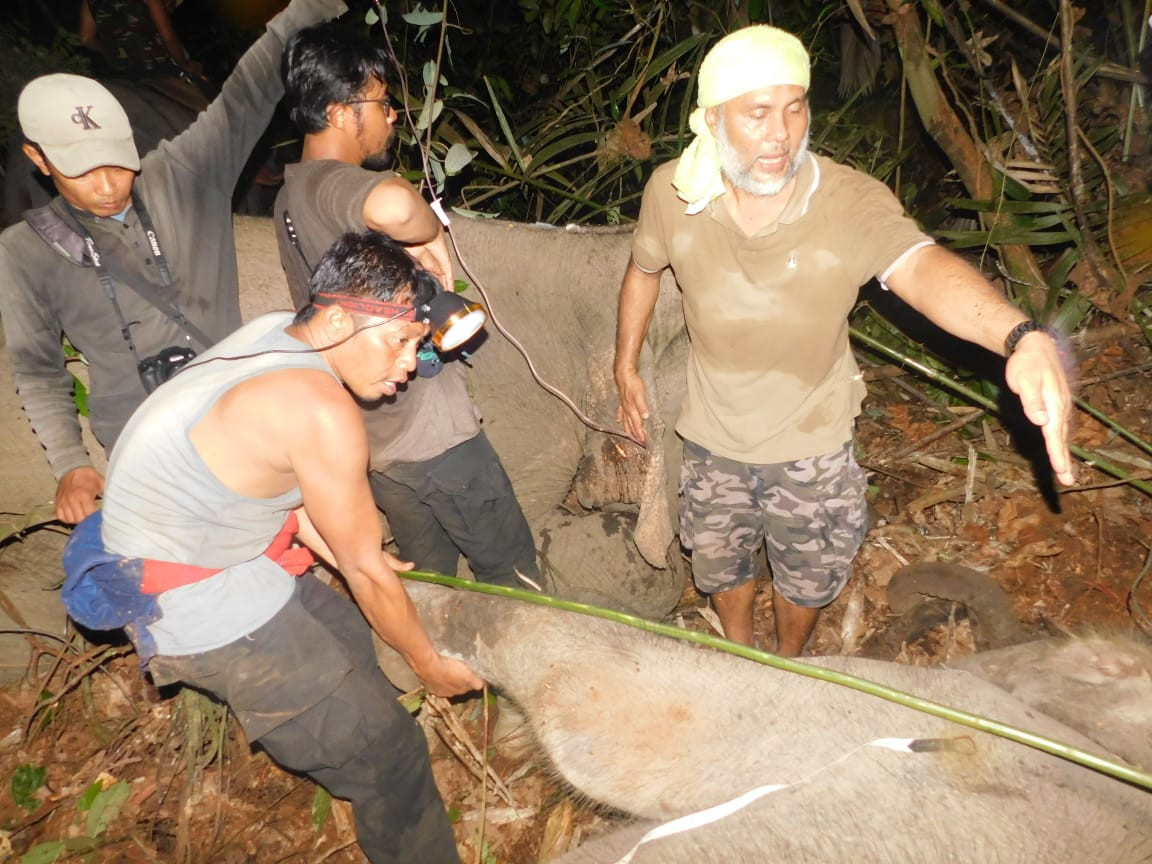
Yet another elephant injured in trap in RiauA team of staff and volunteers from the BBKSDA, the Tesso Nilo National Park Foundation, the Leuser Conservation Forum and other wildlife protection organizations help an injured elephant that fell into a trap in Bengkalis regency, Riau. (BBKSDA Riau/-)

https://www.thejakartapost.com/news/2020/01/28/yet-another-elephant-injured-in-trap-in-riau.html

A 5-year-old male elephant was wounded in Bengkalis regency of Riau after stepping into a trap.

Riau Natural Resources Conservation Agency Center (BKSDA) spokesperson Dian Indriati said the agency had yet to find where exactly the trap had been set up.

“We learned about the incident after an employee of PT Arara Abadi spotted the elephant, as well as 30 other elephants of the same herd, walking around the company’s concession area on Jan. 21,” Dian said.

A joint team comprising of staff and volunteers of the BBKSDA Riau, the Tesso Nilo National Park Foundation, the Leuser Conservation Forum as well as other wildlife protection organizations went to the location where the injured elephant was last seen following the employee’s report.

After tailing and observing the elephant herd for days, they finally found the injured elephant on Sunday.

“We shot him with a tranquilizer dart at 5:45 p.m. after he was separated from his herd,” Dian said.

After the elephant fell unconscious, the team extracted the nylon trap quickly to treat his injured right foot.

“We finished treating his injury at 8:45 p.m,” she said, adding that the team released the elephant at the same location where he had been found.

“His herd members were around when we treated his injury. He rejoined them after he awoke,” Dian added.

According to the conservation agency, hunters and local residents often set up traps to catch wild animals, which many locals consider pests.

In a bid to curb illegal hunting and protect wildlife, BKSDA Riau personnel dismantled 170 traps in November last year set up around conservation areas in the province.

Prior to the operation, at least 11 wild animals — including four elephants, three Sumatran tigers, two bears and two tapirs – were killed or injured by the traps set up at several wildlife reserves, including Giam Siak Kecil, Kerumutan and Zamrud National Park, according to the agency’s data. (dpk)