The Second COVID-19 Shot Is a Rude Reawakening for Immune Cells

Side effects are just a sign that protection is kicking in as it should.KATHERINE J. WUFEBRUARY 2, 2021
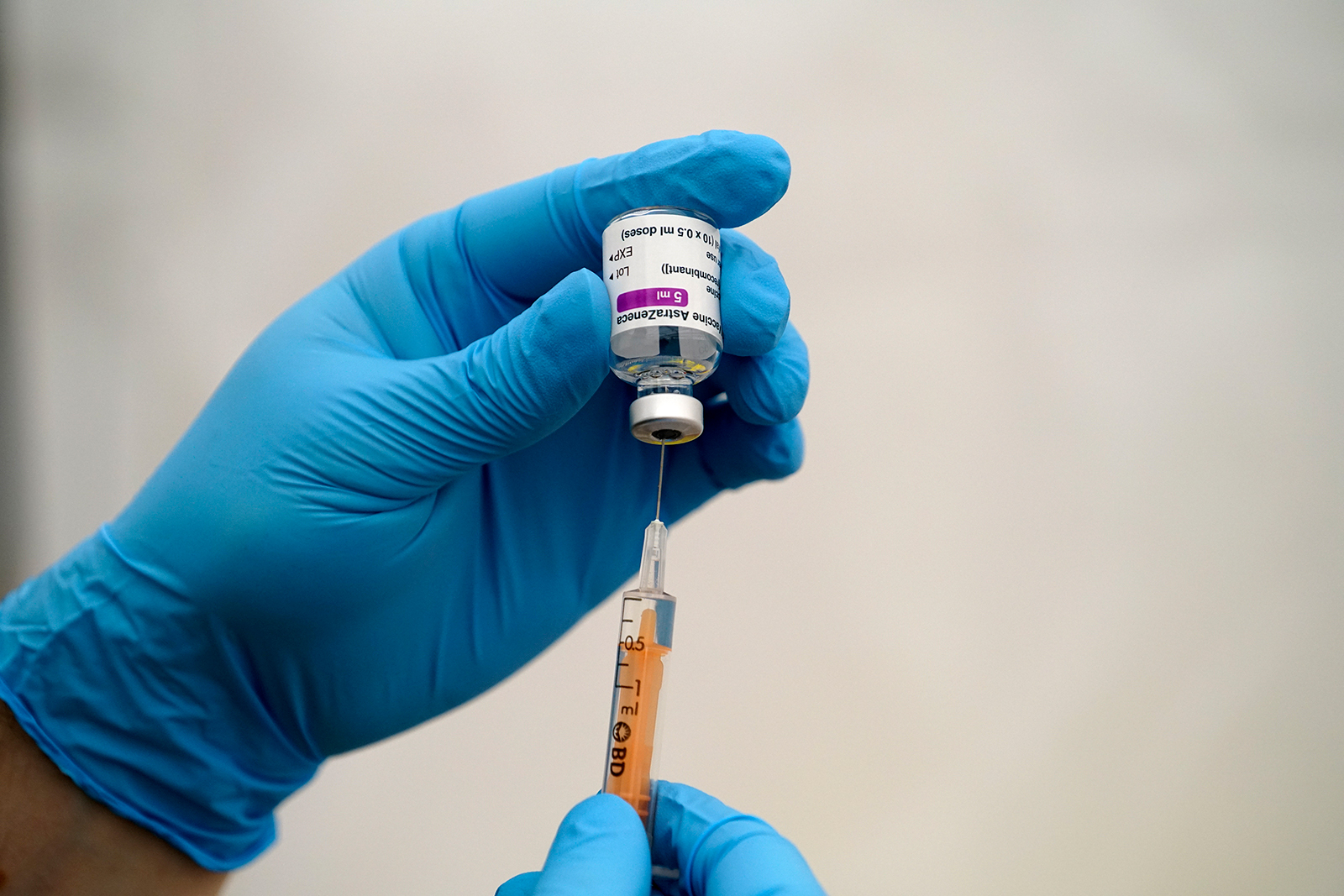
a hand holding a syringe
GETTY / THE ATLANTIC

Editor’s Note: The Atlantic is making vital coverage of the coronavirus available to all readers. Find the collection here.

https://www.theatlantic.com/health/archive/2021/02/second-vaccine-side-effects/617892/?fbclid=IwAR37htr7JdW8UChpem5zJR5e3RAT308bo3G2lbnsri_-5HFotchj5vRSCMA

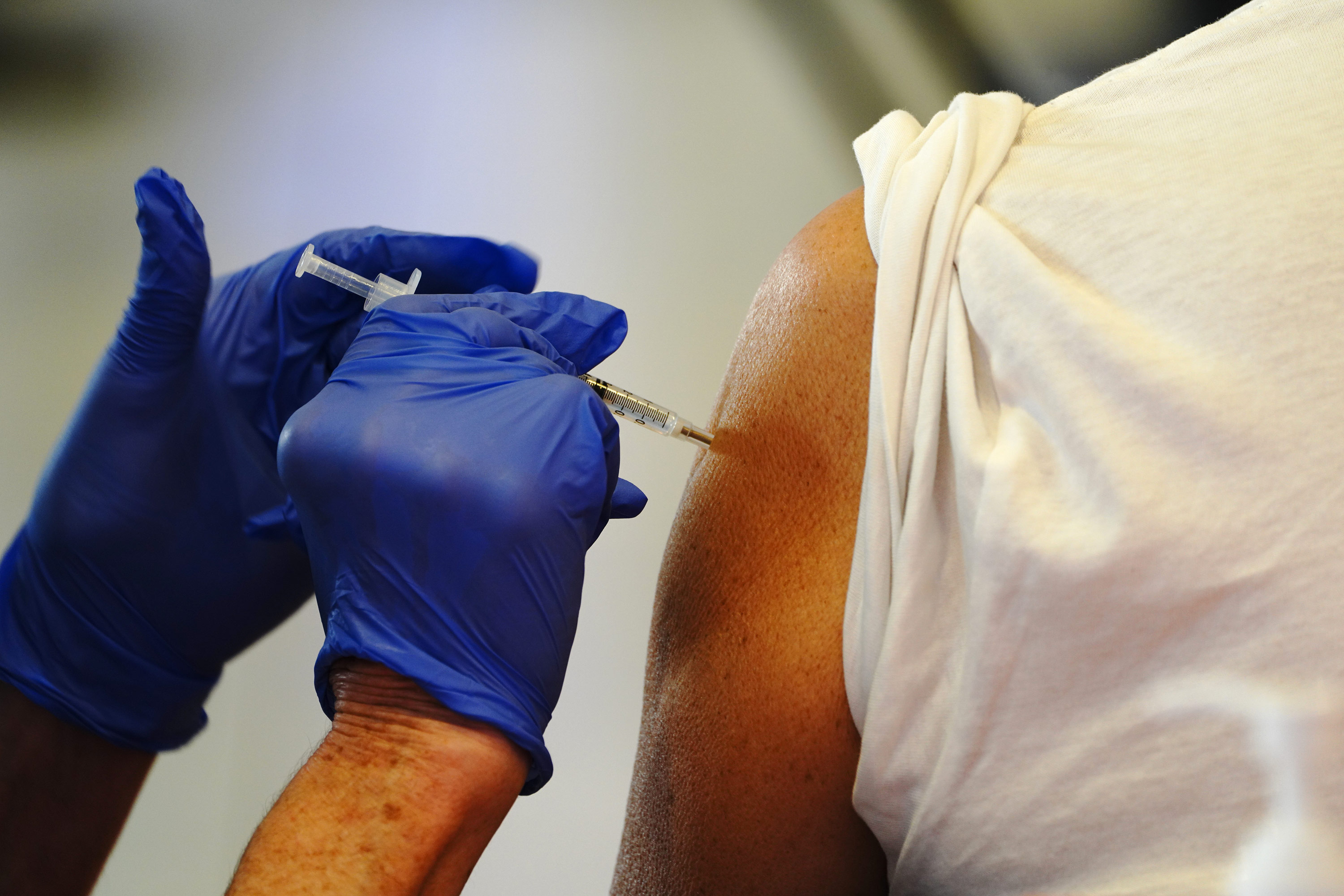
At about 2 a.m. on Thursday morning, I woke to find my husband shivering beside me. For hours, he had been tossing in bed, exhausted but unable to sleep, nursing chills, a fever, and an agonizingly sore left arm. His teeth chattered. His forehead was freckled with sweat. And as I lay next to him, cinching blanket after blanket around his arms, I felt an immense sense of relief. All this misery was a sign that the immune cells in his body had been riled up by the second shot of a COVID-19 vaccine, and were well on their way to guarding him from future disease.

Your guide to life on a warming planet

Discover Atlantic Planet, a new section devoted to climate change and the ways it will reshape our worldExplore

Side effects are a natural part of the vaccination process, as my colleague Sarah Zhang has written. Not everyone will experience them. But the two COVID-19 vaccines cleared for emergency use in the United States, made by Pfizer/BioNTech and Moderna, already have reputations for raising the hackles of the immune system: In both companies’ clinical trials, at least a third of the volunteers ended up with symptoms such as headaches and fatigue; fevers like my husband’s were less common.

Dose No. 2 is more likely to pack a punch—in large part because the effects of the second shot build iteratively on the first. My husband, who’s a neurologist at Yale New Haven Hospital, is one of many who had a worse experience with his second shot than his first.

The New York Times

So Much More Than a SoupRasam is a flavorful, multifaceted Indian soup with endless variations.SPONSORED BY THE NEW YORK TIMESSee More

RECOMMENDED READING

The New York Times

Finding a Meditation AppBefore you download a meditation app, be aware of how it can — and can’t — help.SPONSORED BY THE NEW YORK TIMESSee More

But much like any other learning process, in this one repetition is key. When hit with the second injection, the immune system recognizes the onslaught, and starts to take it even more seriously. The body’s encore act, uncomfortable though it might be, is evidence that the immune system is solidifying its defenses against the virus.

“By the second vaccine, it’s already amped up and ready to go,” Jasmine Marcelin, an infectious-disease physician at the University of Nebraska Medical Center, told me. Fortunately, side effects resolve quickly, whereas COVID-19 can bring on debilitating, months-long symptoms and has killed more than 2 million people.

When the immune system detects a virus, it will dispatch cells and molecules to memorize its features so it can be fought off more swiftly in the future. Vaccines impart these same lessons without involving the disease-causing pathogen itself—the immunological equivalent of training wheels or water wings.

The Pfizer and Moderna vaccines accomplish that pedagogy via a genetic molecule called mRNA that’s naturally found in human cells. Once delivered into the upper arm, the mRNA instructs the body’s own cells to produce a coronavirus protein called spike—a molecule that elicits powerful, infection-fighting antibody responses in people battling COVID-19.

To ensure safe passage of mRNA into cells, the vaccine makers swathed the molecules in greasy bubbles called lipid nanoparticles. These strange, fatty spheres don’t resemble anything naturally present in the body, and they trip the sensors of a cavalry of fast-acting immune cells, called innate immune cells, that patrol the body for foreign matter. Once they spot the nanoparticles, these cells dispatch molecular alarms called cytokines that recruit other immune cells to the site of injection. Marshaling these reinforcements is important, but the influx of cells and molecules makes the upper arm swollen and sore. The congregating cells spew out more cytokines still, flooding the rest of the body with signals that can seed system-wide symptoms such as fever and fatigue.

“It’s the body’s knee-jerk reaction to an infection,” or something that looks like it,  Mark Slifka, a vaccine expert and an immunologist at Oregon Health and Science University, told me. “Let’s spray the area down with antiviral cytokines, which also happen to be inflammatory.”

The mRNA itself might also tickle a reaction out of the immune system, simply because of how unusual it looks. “All of a sudden, you have a lot of new RNA that the cell didn’t make,” says Donna Farber, an immunologist at Columbia University, who got her second shot of Moderna’s vaccine last month, with very few side effects.

The provocative nature of mRNA might help explain why Moderna’s shot, which contains three times as much of the genetic material as Pfizer’s, was linked to more side effects in clinical trials.

The New York Times

The New Digital EtiquetteWith so much of life moving online during the pandemic, digital etiquette is changing.SPONSORED BY THE NEW YORK TIMESSee More

The innate immune system acts fast. But its actions aren’t very long-lived or discerning: These cells just clobber anything that looks a little weird. Within a day or two of the injection, they start to lose steam. Cytokine production sputters; side effects start to fade. Around this time, innate immune cells start to pass the baton to another division of the immune system, called adaptive immunity, which includes sniperlike molecules and cells, such as antibodies and T cells, that will launch an attack on specific pathogens if they try to infect the body again.

T cells and B cells, the cells that make antibodies, need several days to study the spike’s features before they can respond. But by the time the second injection rolls around, adaptive cells are raring to go, and far faster to react. Some of these cells have even been lingering at the site of injection, out of suspicion that their target would return. Stimulated anew, these sentinel cells will blast out their own cytokines, layering on an extra wave of inflammation. In some people, like my beleaguered neurologist husband, these complex reactions can manifest in fevers, aches, and prolonged exhaustion.

My husband had side effects after his first dose too: a headache, some fatigue, a touch of dizziness—all of which I can safely blame on his innate immune system. Those same innate responses return for another round of inflammation after the second shot. But the ruckus raised after the second injection might be a double whammy: The expected innate cells might be further egged on and amplified by a less sluggish surge of adaptive cells, concentrated near where the needle goes in.

“With the second dose, now everything is responding within that same short time period,” Marion Pepper, an immunologist at the University of Washington, told me.

Pepper described her first shot of Pfizer’s vaccine as “a piece of cake.” The second injection saddled her with flu-like symptoms, tougher to take. But the side effects also signify that both branches of the immune system are being engaged as they should—cementing the memory of the coronavirus’s spike protein in some of the body’s most powerful cells.

That’s a big part of why vaccine boosts are so important, Slifka said. Although the first shot stimulates both innate and adaptive immunity, the second injection reminds B and T cells that the threat of the coronavirus cannot be taken lightly, and ensures that the sharpest and strongest immune players will be used for any subsequent response.

“They’re asking, ‘Why is this happening 21 or 28 days later? I thought we took care of this four weeks ago,’” Slifka said.

Marcelin, the Nebraska infectious-disease physician, also experienced rougher symptoms after her second shot of Pfizer’s vaccine. By the time she went to bed that evening, she was gripped with miserable muscle aches and chills. It took a couple more days before “I felt like myself,” Marcelin recalled.https://98cff45991f1d93f5f0036e008d03516.safeframe.googlesyndication.com/safeframe/1-0-37/html/container.htmlhttps://98cff45991f1d93f5f0036e008d03516.safeframe.googlesyndication.com/safeframe/1-0-37/html/container.html

The side effects didn’t faze her, though. She’s now about three weeks out from her second dose—past the point when the vaccine’s full protective effects are expected to kick in. “I would do it again,” she says. “It was definitely worth it.”

People shouldn’t be perturbed by a lack of vaccine side effects either. As our bodies churn through new information, “some people’s immune systems are louder than others’,” Marcelin said. But the quiet ones are still hard at work.

My husband’s immune system certainly fell into the diva category. The night after his second shot, he pinwheeled between cold and hot, alternately bundling himself in blankets and tossing them away. The flux seemed to bleed a bit into his emotional valence too. After snoozing on the couch for several hours, he perked up and couldn’t stop laughing at a picture of an orange cat curled up next to a box of similarly crescent-shaped croissants.

But within 24 hours of his shot, he was feeling well enough to run (yes, run) to work and finish an 11-hour shift. In a couple of weeks, he’ll join the millions of other Americans who, thanks to a pair of injections, will be cloaked in an extra layer of armor against the coronavirus.

As he told me Wednesday night, shivering through the cushion of two comforters: “This is a million times better than getting COVID.”
https://www.theatlantic.com/health/archive/2021/02/second-vaccine-side-effects/617892/?fbclid=IwAR37htr7JdW8UChpem5zJR5e3RAT308bo3G2lbnsri_-5HFotchj5vRSCMA

The latest on the coronavirus pandemic and vaccines

NOW PLAYING’Striking piece of evidence’: WHO researcher on products in Wuhan marketCNN03:27/05:17‘Striking piece of evidence’: WHO researcher on products in Wuhan market5:17

By James GriffithsBrett McKeehan and Amy Woodyatt, CNNUpdated 12:14 p.m. ET, February 13, 2021

https://www.cnn.com/world/live-news/coronavirus-pandemic-vaccine-updates-02-13-21/index.html

2 hr 30 min ago

FDA moved too fast to authorize coronavirus antibody tests, two top officials admit

From CNN Health’s Maggie Fox

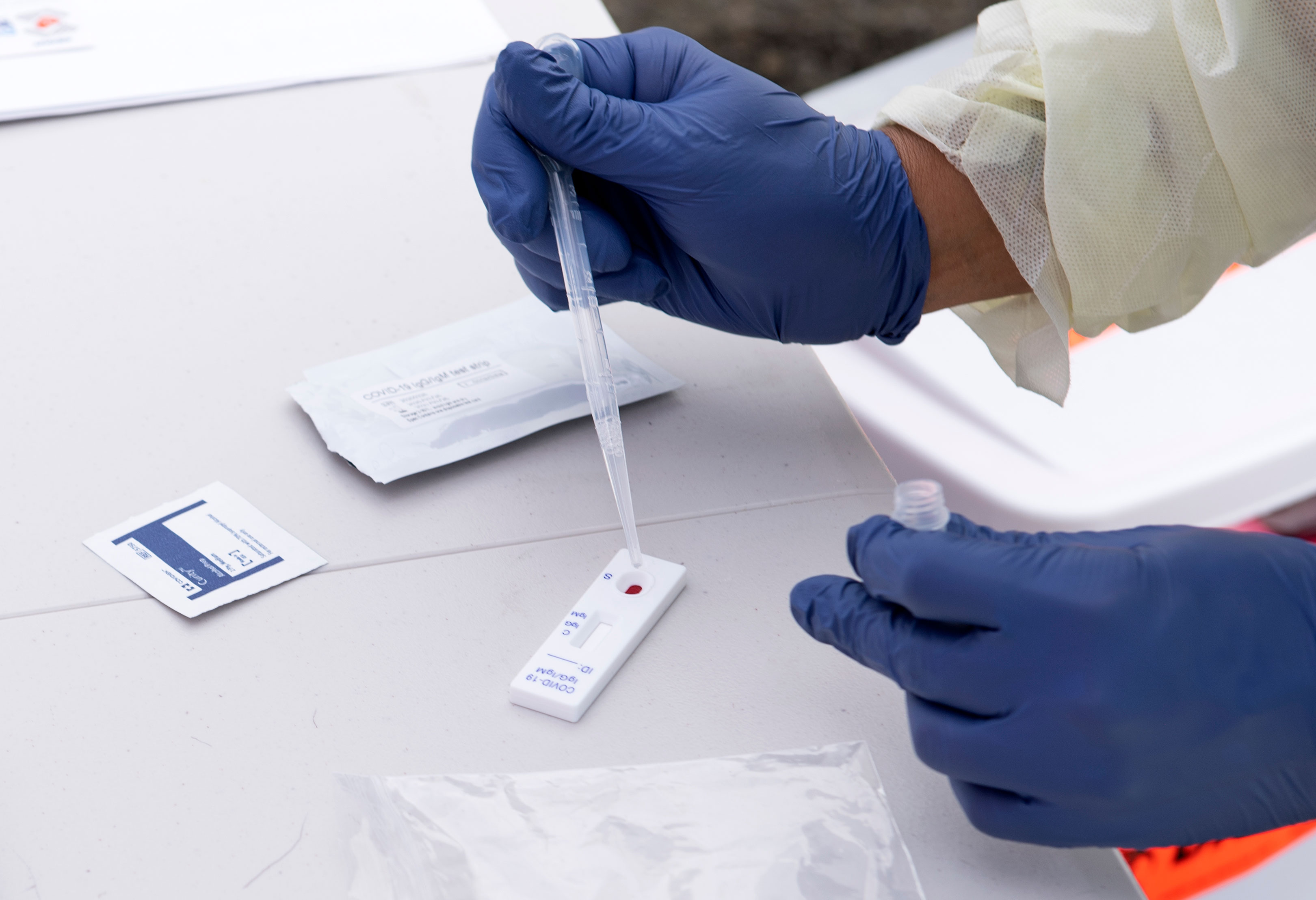
A health worker in Torrance, California, processes a Covid-19 antibody test in May 2020.
A health worker in Torrance, California, processes a Covid-19 antibody test in May 2020. Valerie Macon/AFP/Getty Images

The US Food and Drug Administration moved too quickly to allow the marketing of antibody tests for coronavirus without authorization last spring and ended up with a lot of tests that did not work well, two top officials said Saturday.

The FDA won’t be doing that again, and agencies need to prepare ahead of time for quick development of tests in pandemics, Dr. Jeffrey Shuren, director of the FDA’s Center for Devices and Radiological Health and Dr. Timothy Stenzel, director of the FDA’s Office of In Vitro Diagnostics and Radiological Health, wrote in a joint commentary in the New England Journal of Medicine.

“Flawed” policy: At the time it seemed important to get antibody tests onto the market so researchers could assess just how widespread the virus was, they said. So, FDA published guidance in March allowing developers to market tests without emergency use authorization as long as the test was validated, and the tests carried warnings that they were not FDA-reviewed.

“In hindsight, however, we realized that the policy outlined in our March 16 guidance was flawed,” they wrote.

By April, they wrote, “the market was flooded with serology tests, some of which performed poorly and many of which were marketed in a manner that conflicted with FDA policy.”

Later, the FDA worked with the National Cancer Institute to evaluate antibody tests developed by university labs. That worked better, they said.

“Knowing what we know now, we would not have permitted serology tests to be marketed without FDA review and authorization, even within the limits we initially imposed,” Shuren and Stenzel wrote.

Lessons learned: “First, our experience with serology tests underscores the importance of authorizing medical products independently, on the basis of sound science, and not permitting market entry of tests without authorization,” they wrote.

Plus, the federal government needs to coordinate research better, and evaluate tests before they are needed so they can be checked quickly in an emergency.4 hr 54 min ago

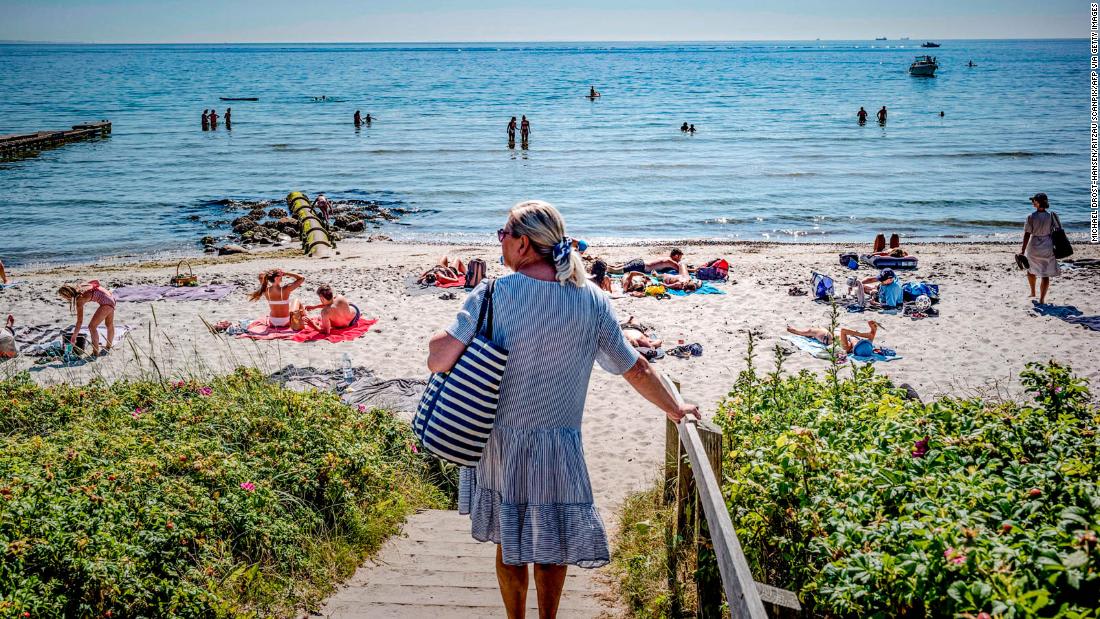
Covid passports could deliver a “summer of joy,” Denmark hopes

From CNN’s Nina dos Santos, Antonia Mortensen and Susanne Gargiulo

Like many countries around the world, Denmark is desperate to reopen the parts of its economy frozen by the pandemic.

The kingdom of under 6 million people has become one of the most efficient vaccination distributors in Europe and aims to have offered its whole population a jab by June.

But before that target is reached, there’s pressure for life to return to normal for Danes already inoculated and to open up borders for Covid-immune travelers from overseas.

Morten Bødskov, Denmark’s acting finance minister, last week raised the prospect of a so-called coronavirus passport being introduced by the end of the month.

“Denmark is still hard hit by the corona pandemic,” he said. “But there are parts of Danish society that need to move forward, and a business community that needs to be able to travel.”

The government has since indicated that a February deadline might be ambitious, but the relatively small Scandinavian country could still become the world’s first to formally embrace the technology to open its borders in this controversial way.

Read the full story:

Covid passports could deliver a 'summer of joy,' Denmark hopes

RELATED

Covid passports could deliver a ‘summer of joy,’ Denmark hopes

Nina dos Santos, Antonia Mortensen and Susanne Gargiulo, CNN5 hr 32 min ago

For the first time in 100 days, the US is averaging fewer than 100,000 new Covid-19 cases per day

From CNN’s Amanda Watts and Haley Brink

For the first time in 100 days, the United States is averaging fewer than 100,000 new Covid-19 cases per day, according to data from Johns Hopkins University.

The nation has a current 7-day average of 96,609 new cases per day, according to JHU data. The last time this metric was below 100,000 was on Election Day, November 3, 2020. 

On November 3, the US saw an average of 925 deaths per day. Right now, the US is seeing an average of 3,024 deaths per day, which is more than a 200% increase in daily deaths since November.

 Over those 100 days — from November 3, 2020 to February 12, 2021 — the US tallied 18,141,364 new Covid-19 cases and 248,148 reported deaths, JHU data shows. 6 hr 19 min ago

The AstraZeneca coronavirus vaccine will be tested in kids as young as 6 

From CNN’s Maggie Fox and Jo Shelley

An NHS staff member prepares an AstraZeneca Covid-19 vaccination near Truro, England, on January 26.
An NHS staff member prepares an AstraZeneca Covid-19 vaccination near Truro, England, on January 26. Hugh Hastings/Getty Images

University researchers plan to start testing AstraZeneca’s coronavirus vaccine on children as young as six in Britain on Saturday. 

A team at the University of Oxford, which developed the vaccine, said it will test the vaccine on children and teens aged 6-17 there and at sites in London, Southampton and Bristol. 

Few trials of coronavirus vaccine involve children as yet. In the US, Pfizer/BioNTech’s and Moderna’s vaccines are being tested in children as young as 12. 

“This new trial, a single-blind, randomized Phase II trial, will enrol 300 volunteers, with up to 240 of these volunteers receiving the (AstraZeneca) vaccine and the remainder a control meningitis vaccine, which has been shown to be safe in children but is expected to produce similar reactions, such as a sore arm,” the Oxford team said in a statement. 

Grace Li, a pediatric researcher in the Oxford Vaccine Group, said in a statement: “We’ve already seen that the vaccine is safe and effective in adults, and our understanding of how children are affected by the coronavirus continues to evolve.”

While children are much less likely than adults to be hospitalized or die from Covid-19, children are as just as likely as adults to become infected.

“While most children are relatively unaffected by coronavirus and are unlikely to become unwell with the infection, it is important to establish the safety and immune response to the vaccine in children and young people as some children may benefit from vaccination,” added Dr. Andrew Pollard, chief investigator for the trial at Oxford. “These new trials will extend our understanding of control of SARS-CoV2 to younger age groups.” 7 hr 1 min ago

UK could live with Covid-19 “like flu,” says Health Secretary

From CNN’s Amy Woodyatt in London

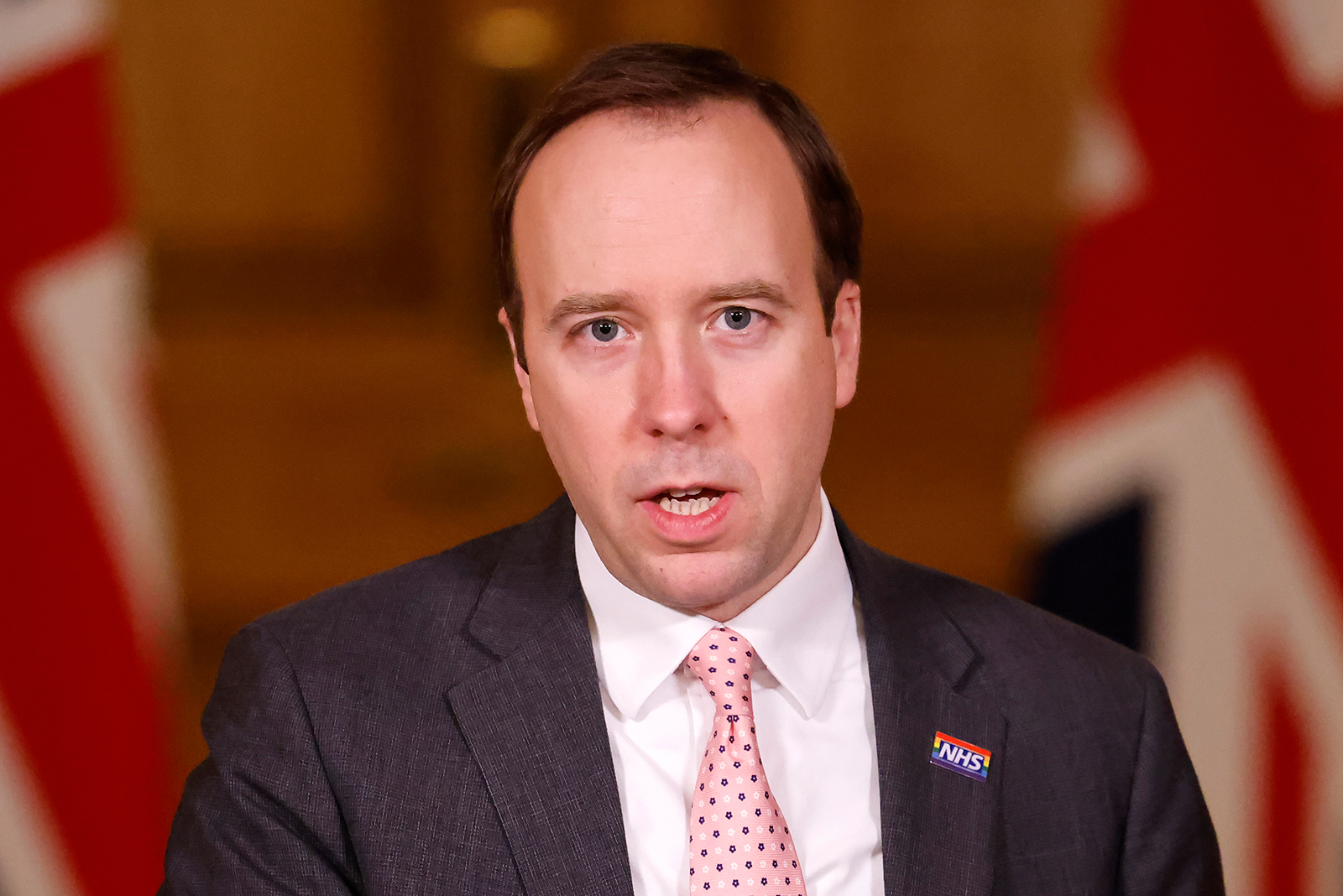
Health Secretary Matt Hancock speaks during a virtual news conference at 10 Downing Street in London, on February 8.
Health Secretary Matt Hancock speaks during a virtual news conference at 10 Downing Street in London, on February 8. Tolga Akmen/WPA Pool/Getty Images

The UK’s Health Secretary Matt Hancock said he hopes that vaccines and treatments for Covid-19 will turn the disease into something we “live with, like we do flu” by the end of the year. 

Hancock said he hoped that by the end of the year, Covid-19 “will become a treatable disease,” and that he anticipated new drugs to tackle the virus should arrive.

In an interview with the UK’s Daily Telegraph, Hancock said new treatments would be key in “turning Covid from a pandemic that affects all of our lives into another illness that we have to live with, like we do flu. That’s where we need to get Covid to over the months to come.”

Some 14 million people have received their first dose of the Covid-19 vaccine as of Thursday, according to the UK government, and more than 530,000 have received a second dose.

Hancock said he was “confident” that the vaccine would be offered to all adults in the UK by September.

Here’s some context: There have been more than 4 million confirmed cases of Covid-19 in the UK, according to figures from Johns Hopkins University.

In March last year, the UK government said it was hopeful the country could cap its coronavirus deaths at 20,000. But more than 116,500 have died, according to figures from JHU — and the country has one of the highest number of confirmed deaths in the world, proportionate to population.8 hr 14 min ago

At least 109 employees at a Colorado ski resort test positive for Covid-19

From CNN’s Leslie Perrot, Chris Boyette and Leah Asmelash

Winter Park Resort in Grand County, Colorado.
Winter Park Resort in Grand County, Colorado. KMGH

A ski resort in Colorado has had a Covid-19 outbreak, with more than 100 active infections among its employees.

The Colorado Department of Public Health and Environment announced the outbreak at Winter Park Resort in January but released the data in its weekly outbreak summary on Wednesday.

There are at least 109 employees with active infections, they said.

“It has been determined that these cases have not been traced back to transmission through interaction with visitors but, rather, from social gatherings outside of the workplace and congregate housing,” Grand County, Colorado, officials said Monday in a joint statement with Winter Park Resort.

With ski season in full swing in Colorado, other resorts have also reported Covid-19 cases. But the outbreak at Winter Park is currently the largest, according to CDPHE data.

“We have been working closely with public health authorities since the pandemic began,” said Jen Miller, communications manager at the ski resort. “We did extensive planning and had to get approval from the state on our operations before we could open on December 3.”

Cases linked to socializing and living situations: Most of the cases have been traced back to social gatherings outside of work and to congregate housing, Miller said.

Precautions, according to Miller, include: reconfiguring lift corrals and lift-loading procedures, extra staff, new signage reminding visitors about mask requirements, limitations on dining, a reservation system to manage visitation and the number of people at the resort, contactless lodging and a state-approved testing site for their 1,700 active employees.

But some visitors have reported that mask mandates were not being enforced.

When asked about those reports, Miller said, “We’ve done extensive work and continue to evolve our operations as necessary. I can’t speak to one individual’s experience, but we do appreciate feedback and will continue to make modifications with the health and well-being of our employees, guests and community as our top priority.”

Conor Cahill, press secretary for Colorado Gov. Jared Polis, said ski resorts across the state need to “do a better job planning for and managing surge weekends.”

Read the full story here.PAID CONTENT

Recommended by8 hr 49 min ago

Nearly a third of US adults are undecided about the Covid-19 vaccine. They say friends and family could sway them

From CNN’s Madeline Holcombe

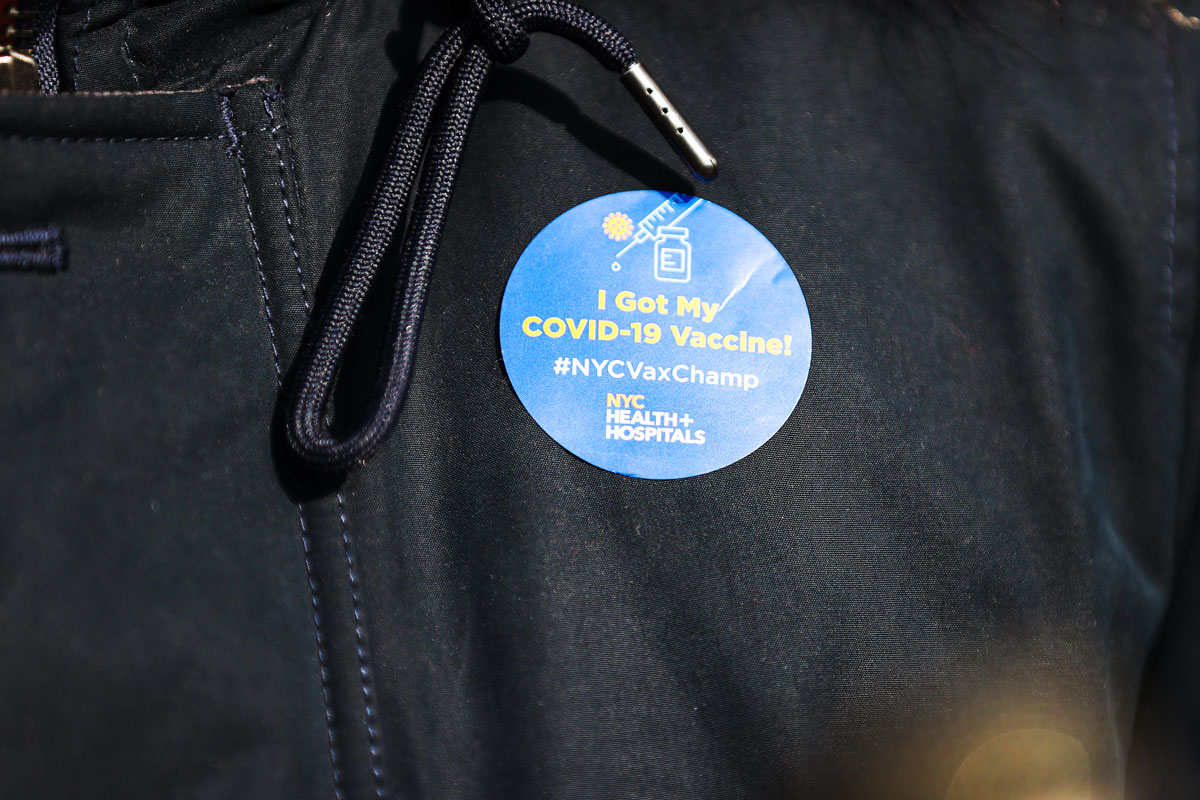
A sticker given to people who have received the Covid-19 vaccine in New York City.
A sticker given to people who have received the Covid-19 vaccine in New York City. Tayfun Coskun/Anadolu Agency/Getty Images

Though officials and health experts say the end of the Covid-19 pandemic will rely on a large proportion of Americans being inoculated, nearly a third of US adults say they have not decided if they will get the vaccine when it is offered to them.

Could be swayed: About 31% of US adults say they plan to “wait and see” how it works out for other people, according to a report released by the Kaiser Family Foundation (KFF) Friday. Many said that a close friend or family member getting vaccinated would be most likely to sway their decision.

Vaccinations have been ramping up across the country as officials race to get most Americans inoculated by the end of summer, aiming for a return to normality while trying to get ahead of the coronavirus variants.

To reach herd immunity, about 70-85% of Americans would need to be vaccinated, National Institute for Allergy and Infectious Disease director Dr. Anthony Fauci has estimated.

Though many states have complained that their supply of doses from the federal government does not meet their demand, the pace has quickened in recent weeks.

The US has averaged nearly 1.6 million doses administered per day over the past week, higher than the daily average of about 1.3 million last week, according to a CNN analysis of data published Thursday by the CDC.

And more than 6,500 retail pharmacies around the country opened appointments Friday for the 1 million doses they have been allocated.

Here’s some background: The United States recorded an additional 97,525 new coronavirus cases and 5,323 more deaths Friday, according to Johns Hopkins University’s tally.

Friday’s figures bring the national total to 27,490,037 cases and 480,767 deaths, across all 50 states, the District of Columbia, and US territories.

Read the full story here.10 hr 28 min ago

US records 97,525 more coronavirus cases and 5,323 related deaths

From CNN’s Alta Spells in Atlanta

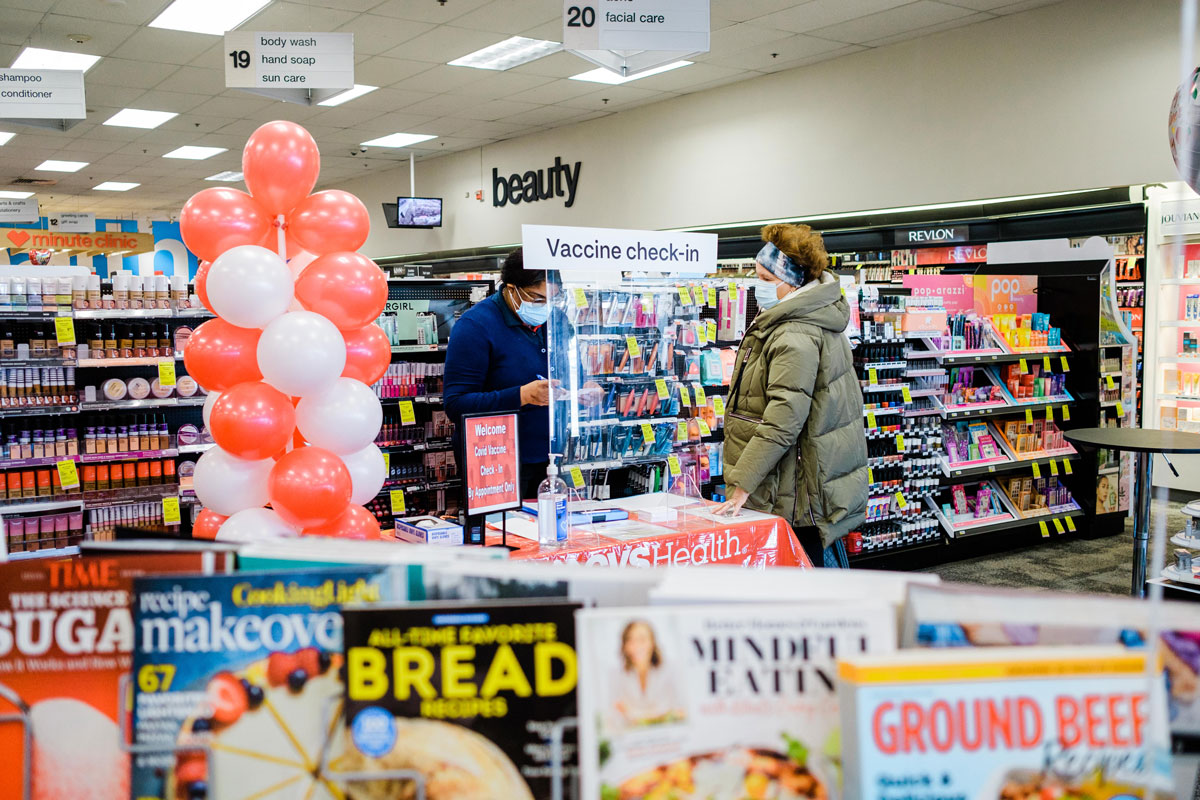
A worker checks in a person with an appointment to receive a dose of the Moderna Covid-19 vaccine at a CVS Pharmacy location in Eastchester, New York on February 12.
A worker checks in a person with an appointment to receive a dose of the Moderna Covid-19 vaccine at a CVS Pharmacy location in Eastchester, New York on February 12. Gabriela Bhaskar/Bloomberg/Getty Images

The United States recorded an additional 97,525 new coronavirus cases and 5,323 more deaths Friday, according to Johns Hopkins University’s tally.

Friday’s toll includes more than 2,400 backlogged deaths from Ohio. The state’s health department said on February 10 that some 4,000 deaths “may have been underreported through the state’s reporting system” and would be added to future tallies.

“Process issues affecting the reconciliation and reporting of these deaths began in October. The largest number of deaths were from November and December,” the department said in a statement. “Although being reported this week, the deaths will reflect the appropriate date of death on the state’s Covid-19 dashboard.”

Friday’s figures bring the national total to 27,490,037 cases and 480,767 deaths, across all 50 states, the District of Columbia, and US territories.

So far, at least 69,014,725 vaccine doses have been distributed, with some 48,410,558 shots administered, according to the US Centers for Disease Control and Prevention.13 hr 5 min ago

Flights to Australian state of Victoria suspended during snap lockdown

From CNN’s Angus Watson in Melbourne

Flights to Victoria have been suspended as the Australian state begins a hard five-day lockdown, Premier Daniel Andrews said Saturday. 

No flights will be allowed into Victoria until next Thursday, other than those carrying more than 100 passengers who have already commenced travel to the state.

“A lot of people will be hurting today,” Andrews said at his daily news briefing, adding “we can’t have a situation where in two weeks’ time, we look back and wish we had taken these decisions now.” 

Victoria recorded one additional Covid-19 case Saturday, connected to the recent Holiday Inn cluster. A total of 14 confirmed cases of the UK variant have been linked to the cluster. 

The state entered the five-day “circuit breaker” lockdown at 11:59 p.m. local time on February 12.  13 hr 8 min ago

California to expand vaccine eligibility to millions with pre-existing conditions

From CNN’s Stephanie Becker and Cheri Mossburg

A health care worker administers a dose of the Pfizer-BioNTech Covid-19 vaccine at a mass vaccination site in Las Mesa, California, on February 11.
A health care worker administers a dose of the Pfizer-BioNTech Covid-19 vaccine at a mass vaccination site in Las Mesa, California, on February 11. Bing Guan/Bloomberg/Getty Images

The US state of California is adding millions of people to its Covid-19 vaccination priority list, including residents “at high risk with developmental and other disabilities” and those with “serious underlying health conditions.”

The plan, outlined by state health officials in a briefing Friday, will begin March 15 and allow cancer patients, pregnant women, and other disabled individuals to join health care workers, seniors, teachers, and farm staff in line for a vaccine. The expansion could add as many as 6 million more Californians to the priority list.

It also broadens the ages from 65 and over to ages 16 to 64 in those categories.

California Health and Human Service Agency Secretary Dr. Mark Ghaly told reporters the March 15 start will give officials time to work out details on how to get vaccines to those with various disabilities and could include at-home visits.

Ghaly acknowledged the timing could be optimistic, cautioning “we are still dealing with the scarcity of vaccine. This week the drastic shortfall of vaccines in the state led to the closure of the mass vaccination centers in Los Angeles.”

The expanded list of those eligible includes people with cancer, chronic kidney disease, oxygen-dependent heart disease, Down Syndrome, immune-suppressed organ transplant recipients, pregnant women, people with sickle cell disease, severe obesity and certain type-2 diabetes.

Ghaly expressed concern about the inequity of distribution among communities of color and low-income areas. There are plans to reach out to community clinics, public health systems and what they’re calling “trusted messengers in communities that data shows are reluctant to get vaccinated.”

Senior state health officials acknowledged complaints from rural counties that they have not been given their fair share of vaccines. However, officials say these areas have historically been medically underserved and much of the early distribution was in areas with high numbers of medical workers.

Officials say the focus will now be shifting to rural areas in California’s agricultural community, which has been disproportionally impacted by the pandemic.

Officials also believe a focus on Californians with development disabilities and severe underlying conditions will allow more vaccinations in vulnerable settings, like jails, homeless shelters and areas where homeless reside.

The state estimates 13 million Californians are eligible for the Covid-19 vaccine, including 3 million health care workers, 3.4 million food and agricultural workers, 1.4 million in the education sector, a million in emergency services and more than 6 million people over the age of 65.

More: https://www.cnn.com/world/live-news/coronavirus-pandemic-vaccine-updates-02-13-21/index.html

Alice Cooper Gets Vaccinated After Previously Contracting COVID

By Lars Brandle2/11/2021

Alice Cooper
earMUSIC/Rob FennAlice Cooper

The Godfather of Shock Rock got his jab, and he wants you to get one too.

Alice Cooper, the Hall of Fame-inducted rock icon, visited the Abrazo West Campus hospital in Goodyear, Arizona, a suburb of his hometown of Phoenix, where he rolled up his sleeve for the COVID vaccine.

In a video message, the “Poison” singer admitted he and his wife Sheryl have recovered from the novel coronavirus, but they’re now covered against another bout.ARTIST MENTIONEDAlice Cooperhttps://21bb719eff0e50a983293cd93754784c.safeframe.googlesyndication.com/safeframe/1-0-37/html/container.html

Alice Cooper Is Passing the Time in Quarantine in This Totally Unexpected Way

“We’re out here getting vaccinated,” he says. “We’ve already had COVID but we got vaccinated anyways.”

Team Rubicon, who Cooper quipped was one of his favorite bands, administered the shots. “Come on out,” the 73-year-old enthused. “if you haven’t been vaccinated come on out.”https://uw-media.azcentral.com/embed/video/6710648002?placement=snow-embed

During his visit to the hospital, Cooper signed autographs and thanked the volunteers and hospital staff for their good work, AZ Central reports.

Cooper has stayed active during the pandemic. Last May, he cut a single “Don’t Give Up,” which addresses the health crisis and brings it into focus for listeners. “It almost sounds like I’m threatening the virus,” he said at the time.

Alice Cooper Rallies Fans In Lockdown With ‘Don’t Give Up’: Watch

Cooper is prepping a new album Detroit Stories, due out Feb. 26. The set, his first since 2017’s Paranormal, features a cover of Velvet Underground’s “Rock n’ Roll and the recently-released “Social Debris”.

Congress Is Investigating the Meatpacking Industry’s Failure to Protect Workers

The JBS meatpacking facility in Greeley, CO, as seen on May 31, 2020.

BYBernice Yeung & Michael GrabellProPublicaPUBLISHEDFebruary 7, 2021SHAREShare via FacebookShare via TwitterShare via Email

Akey congressional panel launched an investigation this week into the wave of COVID-19 infections that killed hundreds of workers at meatpacking plants nationwide last year and highlighted longstanding hazards in the industry.

Since the start of the pandemic, the meat industry has struggled to contain the virus in its facilities, and plants in Iowa, South Dakota and Kansas have endured some of the biggest workplace outbreaks in the country.

The meat companies’ employees, many of them immigrants and refugees, slice pig bellies or cut up chicken carcasses in close quarters. Many of them don’t speak English and aren’t granted paid sick leave. To date, more than 50,000 meatpacking workers have been infected and at least 250 have died, according to a ProPublica tally.

Uncompromised, uncompromising news

Get reliable, independent news and commentary delivered to your inbox every day.

  • Email

The congressional investigation, opened by the House Select Subcommittee on the Coronavirus Crisis, will examine the role of JBS, Smithfield Foods and Tyson Foods, three of the nation’s largest meat companies, which, the subcommittee said, had “refused to take basic precautions to protect their workers” and had “shown a callous disregard for workers’ health.”

The subcommittee is chaired by Rep. James E. Clyburn of South Carolina, the No. 3 Democrat in the House.

In response to the subcommittee’s announcement, officials for JBS and Tyson said that the companies had spent hundreds of millions of dollars to implement coronavirus protections and to temporarily increase pay and benefits, and they looked forward to discussing their pandemic safety efforts with the panel. Smithfield said in a statement that it had also taken “extraordinary measures” to protect employees from the virus, spending more than $700 million on workplace modifications, testing and equipment.

The House subcommittee noted that reports from a variety of news organizations had illuminated problems with how the meatpacking companies handled the pandemic, and with the Occupational Safety and Health Administration’s enforcement efforts. The subcommittee cited ProPublica’s reporting on how meat companies blindsided local public health departments, and on Nebraska Gov. Pete Ricketts’ efforts to intervene when local health officials tried to temporarily shutter a JBS plant amid an outbreak.

ProPublica has also documented how meat companies ignored years of warnings from the federal government about how a pandemic could tear through a food processing facility, and chronicled the role that meatpacking plants like a Tyson pork facility in Waterloo, Iowa, have played in spreading the virus to the surrounding community.

The subcommittee’s inquiry will also scrutinize the federal government’s shortcomings in protecting meatpacking workers. “Public reports indicate that under the Trump Administration, the Occupational Safety and Health Administration (OSHA) failed to adequately carry out its responsibility for enforcing worker safety laws at meatpacking plants across the country, resulting in preventable infections and deaths,” according to the subcommittee’s letter to OSHA.

The subcommittee also said that the agency had issued only a “few meager fines” and “failed to show urgency in addressing safety hazards at the meatpacking facilities it inspected.” The letter noted that OSHA had received complaints about JBS and Smithfield plants months before the agency conducted inspections.

David Seligman, a lawyer who helped meatpacking workers in Pennsylvania file a lawsuit against OSHA during the pandemic, said he hopes the subcommittee’s efforts are “just one of the initial steps” to holding companies accountable and ensuring workers are safe. “The harm inflicted on meat-processing workers during this pandemic, in service of the profits of corporate meat-packing companies and under a government that seemed happy to turn a blind eye, is a grave scandal,” Seligman wrote in an email.

In a statement, a Department of Labor spokesperson said that the subcommittee’s inquiry is “focused on the Trump administration’s actions surrounding the protection of workers from COVID-19 related risks,” and the agency is committed to protecting workers, and that new guidance on coronavirus enforcement that was issued in late January will serve as a “first step.”

In its Feb. 1 letters to OSHAJBSTyson and Smithfield, the subcommittee has requested documents related to government inspections at meatpacking plants and COVID-19 complaints lodged with the companies. OSHA was asked to brief the subcommittee by Feb. 15.

The sneaky way the coronavirus mutates to escape the immune system

By Rachael Rettner – Senior Writer 8 hours ago

The virus often mutates by simply deleting small pieces of its genetic code.

An illustration of SARS-CoV-2.(Image: © Shutterstock)

The novel coronavirus has developed a number of worrisome mutations, resulting in multiple new variants popping up around the world. Now, a new study sheds light on how the virus mutates so easily and why these mutations help it “escape” the body’s immune response.

The study researchers found that SARS-CoV-2, the virus that causes COVID-19, often mutates by simply deleting small pieces of its genetic code. Although the virus has its own “proofreading” mechanism that fixes errors as the virus replicates, a deletion won’t show up on the proofreader’s radar.

“It’s devilishly clever,” study senior author Paul Duprex, director of the Center for Vaccine Research at the University of Pittsburgh, told Live Science. “You can’t fix what’s not there.”

What’s more, for SARS-CoV-2, these deletions frequently show up in similar spots on the genome, according to the study, published Feb. 3 in the journal Science. These are sites where people’s antibodies would bind to and inactivate the virus. But because of these deletions, certain antibodies cannot recognize the virus.

Duprex likened the deletions to a string of beads where one bead is popped out. That might not seem like a big deal, but to an antibody, it’s “completely different,” he said. “These tiny little absences have a big, big effect.”

SARS-CoV-2 tends to develop mutations in certain spots, which "disguise" the virus from antibodies. The image on the left shows multiple antibodies (green and red) binding to SARS-CoV-2 within cells (blue). On the right, deletions in SARS-CoV-2 stop neutralizing antibodies from binding (absence of green) but other antibodies (red) still attach very well.
SARS-CoV-2 tends to develop mutations in certain spots, which “disguise” the virus from antibodies. The image on the left shows multiple antibodies (green and red) binding to SARS-CoV-2 within cells (blue). On the right, deletions in SARS-CoV-2 stop neutralizing antibodies from binding (absence of green) but other antibodies (red) still attach very well.  (Image credit: Kevin McCarthy and Paul Duprex)

Sneaky deletions 

Duprex and his colleagues first noticed these deletions in a patient who was infected with the coronavirus for an unusually long time — 74 days. The patient had a weakened immune system, which prevented them from clearing the virus properly. During the lengthy infection, the coronavirus started to evolve as it played “cat and mouse” with the patient’s immune system, ultimately developing deletions, the researchers said.

They wondered how common such deletions were. They used a database called GISAID to analyze some 150,000 genetic sequences of SARS-CoV-2 collected from samples around the world. And a pattern emerged. “These deletions started to line up to very distinct sites,” said study lead author Kevin McCarthy, assistant professor of molecular biology and molecular genetics at the University of Pittsburgh. 

“We kept seeing them over and over and over again,” in SARS-CoV-2 samples collected from different parts of the world at different times, he said. It seemed that these viruses strains were independently developing these deletions due to a “common selective pressure,” the researchers wrote in their paper.

1 Simple Change That Cuts People’s Electric Bill by Up To 90% (Try Tonight)

A Message from Electric-Saver

New Way To Cut Electric BillLEARN MORE

The researchers dubbed these sites “recurrent deletion regions.” They noticed that these regions tended to occur in spots on the virus’s spike protein where antibodies bind in order to disable the virus. “That gave us the first clue that possibly these deletions were leading to the ‘escape’ or the evolution [of the virus] away from the antibodies that are binding,” McCarthy said.

Predicting new variants 

The researchers started their project in the summer of 2020, when the coronavirus wasn’t thought to be mutating in a significant way. But the deletions that popped up in their data said otherwise. In October 2020, they spotted a variant with these deletions that would later come to be known as the “U.K. variant,” or B.1.1.7. This variant gained global attention beginning in December 2020, when it took off rapidly in the United Kingdom.CLOSEhttps://imasdk.googleapis.com/js/core/bridge3.438.0_en.html#goog_1475731710Volume 0% PLAY SOUNDRELATED CONTENT

20 of the worst epidemics and pandemics in history

The 12 deadliest viruses on Earth

11 (sometimes) deadly diseases that hopped across species 

“Our survey for deletion variants captured the first representative of what would become the B.1.1.7 lineage,” the authors wrote. Their finding underscores the importance of closely monitoring the virus’s evolution by tracking these deletions and other mutations. 

“We need to develop the tools, and we need to reinforce our vigilance for looking for these things and following them … so we can begin to predict what’s going on,” McCarthy said.

Although the virus may mutate to evade some antibodies, other antibodies can still effectively bind to and inactivate the virus.

“Going after the virus in multiple different ways is how we beat the shape-shifter,” Duprex said in a statement. “Combinations of different antibodies [i.e. different monoclonal antibody treatments] … different types of vaccines. If there’s a crisis, we’ll want to have those backups.”

The findings also show why it’s important to wear a mask and implement other measures to prevent the virus from spreading — the more people it infects, the more chances it has to replicate and potentially mutate.

“Anything that we can do to dampen the number of times it replicates … will buy us a little bit of time,” Duprex said.

Originally published on Live Science.  

https://www.livescience.com/coronavirus-mutates-deletions.html

Conconully Outhouse Race attendees asked to watch for COVID-19 symptoms after people test positive

Fox 28 Spokaneby Fox 28 Spokane | @ | January 26, 2021 3:15 pm

 0

People who attended a recent event in Okanogan County may have been exposed to COVID-19.

Okanogan County Public Health is asking people who were at the Conconully Outhouse Races to watch for COVID symptoms.

Okanogan County Public Health said multiple people who were at the event on January 16 have tested positive.

Utah allegedly didn’t disclose mink fur farm worker’s death due to COVID. Sweden suspends mink farming

By Kitty Block and Sara Amundson

January 27, 2021 0 Comments

Utah allegedly didn’t disclose mink fur farm worker’s death due to COVID. Sweden suspends mink farming

Mink fur farming poses such a risk that fur farmers in Wisconsin will be eligible for the next round of vaccines in the state, along with educators and essential workers. Above, a mink in the wild. Photo by Wendy Keefover/The HSUS

One more nation, Sweden, announced today that it will suspend all mink fur farming this year to prevent the spread of the coronavirus and its mutations.

Sweden’s announcement contrasted starkly with a media report in the United States this week that authorities in Utah, one of the nation’s largest fur producing states, allegedly did not disclose the fact that a worker at an infected mink fur farm had died of COVID-19, the disease caused by the coronavirus. As we have been reporting, the United States has failed to act on concerns about the pandemic risk posed by fur farms even as other nations with infected mink have acted swiftly to curtail it, with some even ending mink fur farming for good.

A Utah Department of Health spokesperson, in an interview with Newsweek, appeared to continue to downplay the risk, saying, “At the time the person became ill, community spread had been increasing rapidly in the surrounding area. No additional deaths associated with mink farms have been reported. Currently, there is no evidence of mink-to-human transmission in the United States.”

Such continuing failure to acknowledge and act on the terrible risk mink fur farming poses to public health is appalling and dangerous. Utah residents—and residents of Michigan, Oregon and Wisconsin, the other fur-producing states in the United States where mink have tested positive—deserve more transparency and concern for public health from their authorities. In December, there were reports of a mutation of the virus discovered on a mink fur farm in Utah.

Mink fur farming poses such a risk that fur farmers in Wisconsin will be eligible for the next round of vaccines in the state, along with educators and essential workers.

We are hopeful that the Biden administration will take steps to end the fur farming industry in the United States. Around the world, we have seen nations act swiftly and decisively to temporarily or permanently shut down the mink fur farming industry over fears of pandemic spread. The Netherlands, the first country where such infections were reported, moved swiftly last year to announce a permanent end to its mink fur farming industry, two years ahead of a previously set deadline. By December last year, all mink cages on fur farms in that country stood empty.

While Sweden’s ban is temporary, we are urging it to use this opportunity to shut down this cruel industry altogether. Denmark, which suspended mink fur farming temporarily until 2022, is moving to proactively shut down the industry, by offering fur farmers funding to transition to other industries.

In November, Hungary announced a ban on fur farming for certain species like fox and mink, which are not farmed in the country now, to prevent fur farmers from other parts of Europe moving there. Officials attributed the ban to fears of zoonotic disease spread from fur farming.

France also announced plans to end mink fur production and one of the farms there has already shut its doors following a coronavirus outbreak.

With the pandemic raging through U.S. mink fur farms, we need similar action here. There is already great momentum for ending fur farming in this country, and in 2019, California became the first state to ban fur sales. Lawmakers in Hawaii and Rhode Island introduced similar proposals last year. The town of Wellesley, Massachusetts, passed a fur sales ban last year.

As we’ve also reported, the mink industry in the United States is in free fall, with 2019 being the industry’s worst on record, according to latest data in a U.S. Department of Agriculture report. Fashion designers, retailers and consumers are increasingly turning away from fur.

Millions of animals live and die in extremely inhumane conditions on fur farms each year for this unnecessary commodity, as our investigations have revealed. They are denied the most basic needs, confined in tiny cages, bludgeoned to death, and sometimes skinned alive. The pandemic has given us one more compelling reason why every nation that still allows fur farming needs to stop this cruelty for good.

Sara Amundson is president of the Humane Society Legislative Fund.

Dr. Fauci Just Warned 20 States Have “Deadlier” COVID

Dr. Fauci Just Warned 20 States Have “Deadlier” COVID (msn.com)

Alek Korab  1 day ago


Teen turns dad who participated in the Capitol riot over to the F.B.I.Dr. Fauci Says Don’t Go Here Even if It’s OpenDr. Fauci Just Warned 20 States Have “Deadlier” COVID

There’s a new coronavirus strain in America from the U.K., and it’s in 20 states and it’s more transmissible—this we knew. Now, Dr. Anthony Fauci, the chief medical advisor to the President and the director of the National Institute of Allergy and Infectious Diseases, is saying we have to also presume this U.K. mutation is deadlier, too. Read on for his warning, and how he says you should protect yourself—and to ensure your health and the health of others, don’t miss these Sure Signs You’ve Already Had CoronavirusAnthony S. Fauci wearing a neck tie: Doctor Anthony Fauci© Provided by Eat This, Not That! Doctor Anthony Fauci

Dr. Fauci Said We Have to Assume the COVID-19 Mutation Can Cause More Death

U.K. Prime Minister Boris Johnson said yesterday at a news briefing: “We’ve been informed today that in addition to spreading more quickly, it also now appears that there is some evidence that the new variant—the variant that was first discovered in London and the southeast [of England]—may be associated with a higher degree of mortality.”

Dr. Fauci, who had previously said there was no evidence of it being more deadly, now says it may be. “The data that came out was after they had been saying all along that it did not appear to be more deadly,” he told Margaret Brennan on Face the Nation. “So that’s where we got that information. But when the British investigators look more closely at the death rate of a certain age group, they found that it was one, two per thousand, we’ll say, and then it went up to 1.3 per thousand in a certain group. So that’s a significant increase. So their most recent data is in accord with the Brits are saying, we want to look at the data ourselves, but we have every reason to believe them. They’re a very competent group. So we need to assume now that what has been circulating dominantly in the U.K. does have a certain degree of increase in what we call virulence, namely the power of the virus to cause more damage, including death.

The U.K. mutation has been discovered in the following U.S. states: 

  • Massachusetts
  • Wyoming
  • Louisiana
  • Michigan
  • Oregon
  • Illinois
  • Utah
  • New Mexico
  • Wisconsin
  • Maryland
  • Indiana
  • Minnesota
  • Connecticut
  • Texas
  • Pennsylvania
  • Georgia
  • New York
  • Florida
  • California
  • Colorado

Still going to the grocery store? With new virus variants spreading, it’s probably time to stop.

Health experts say you should avoid optional trips whenever you can. You probably need a better mask, too.By Julia Belluz@juliaoftoronto  Updated Jan 15, 2021, 3:34pm EST

Share this story

Say goodbye to cloth masks. Say hello to tight-fitting surgical masks or even N95s.

Recent developments in the Covid-19 pandemic have exposed a grim reality: If we keep doing what we’re doing now to prevent infections, we’re screwed. Well, even more screwed.

That’s because the virus appears to be getting even better at infecting us. Since at least December, new, more contagious variants of the SARS-CoV-2 virus that causes Covid-19 have been outcompeting earlier versions of the virus in countries as far and wide as Brazil, the UK, and South Africa.

The advantage the new variants carry seems to be that in any given situation where people are gathered, they’ll infect more people — an estimated 30 to 70 percent more in the case of the B.1.1.7 variant first identified in Britain, which has now been identified in 50 countries.

B.1.1.7 is already believed to be circulating at low levels across the US. On Friday, the Centers for Disease Control and Prevention reported it has been detected in 10 states and is expected to become the most prevalent variant by March. And for a preview of what might come, look at how cases surged in the UK and nearby countries where this variant gained a foothold:

Even after a lockdown in the UK in November, the virus ripped through the population, overwhelming hospitals and forcing the government to implement even stricter stay-at-home orders by January.

While these variants haven’t been shown to be more deadly, a more transmissible virus is actually worse in many ways than a more lethal one. Cases snowball at a faster rate, Harvard epidemiologist Marc Lipsitch said on a recent press call. With a 50 percent rise in infectiousness, for example, “in less than two weeks, you get twice the number of cases,” Lipsitch said. “And in a month or so, you have four, five times as many cases. But that’s very approximate.” The case growth could be even more dramatic, as Vox’s Brian Resnick reported.

RELATED

Why epidemiologists are so worried about the new Covid-19 variants, in 2 charts

More cases mean more really sick people, more strain on hospitals and health workers, more rationing of health care — and more deaths, including the entirely preventable ones now firmly linked to ICU bed shortages. More cases will also give the virus more opportunities to mutate further and potentially escape our vaccines, perpetuating the cycle of doom.

The implication is clear: If we want the pandemic to end as fast as possible, we need to pump the brakes right now. And we don’t have to wait for the vaccines to slow the spread of the virus. We simply need to do what we’ve been doing all along to prevent infections, just much, much better. At an individual level, that means avoiding optional gatherings with other people — even grocery trips — whenever possible, or cutting them very short.

“Shopping for five minutes in the grocery store is a lot better — six times better — than shopping for 30 minutes,” said Tom Frieden, the former director of the Centers for Disease Control and Prevention, since the odds of becoming infected rise the longer you’re exposed. “Picking up groceries at the curbside is even better, and having them delivered is even better still.”(If you’re able to get groceries delivered or pick up curbside, it will also help reduce the risk for those who can’t.)

It’s also time for governments to bring more urgency to what they should have been doing already — steps that could have an even greater impact than our individual actions: protecting at-risk groups by setting workplace standards, running inspections, offering programs like paid sick leave and paid isolation, and ensuring better masks for the population.

It’s time to avoid other people, even at the grocery store (if possible)

We know the virus can’t spread if we keep our distance from other people. But with the new variants, it might be even easier to catch.

The B.1.1.7 variant, for example, may generate a higher viral load in the respiratory tract of people who are infected, causing them to spew particles laden with even more virus into the air. Or the variant’sspike protein — the thorny edges on the surface that fit into the receptor in our cells — may be even “stickier,” meaning it’s even more effective at entering human cells.

We still don’t know the exact reason the virus variants appear to be more contagious, University of Utah evolutionary virologist Stephen Goldstein told Vox, but we don’t have to wait for the answer. “The best protection still remains avoiding contact with other people indoors, especially for a sustained period of time,” he said. In other words, if you must meet others, a few minutes is much better than an hour or a few hours.

The activities we already knew were risky, like going to bars, eating in restaurants, or hanging out with friends at home, are probably even more so now. And even less risky indoor activities — going to a busy grocery store or pharmacy — could carry additional danger in contexts where the virus is spreading.https://platform.twitter.com/embed/index.html?dnt=false&embedId=twitter-widget-0&frame=false&hideCard=false&hideThread=false&id=1349509774870683649&lang=en&origin=https%3A%2F%2Fwww.vox.com%2F22220301%2Fcovid-spread-new-strain-variants-safe-grocery-store-n95-masks-vaccine&siteScreenName=voxdotcom&theme=light&widgetsVersion=ed20a2b%3A1601588405575&width=550px

“Maybe if I’m in New Zealand [where new virus cases have mostly hovered below 20 per day for months], I can go get a haircut,” said Julie Swann, a professor at North Carolina State University who has studied Covid-19 mask effectiveness. “But I would not go in person to get a haircut if there’s a virus that’s 50 percent more transmissible spreading where I live.”

The emphasis here is on indoor activities. That’s because indoors is where most coronavirus transmission still takes place, even in the UK. In a recent report from Public Health England this week outlining where new cases of acute respiratory infections, including with the coronavirus, occurred, most popped up settings like workplaces, schools, long-term care homes, and hospitals.https://platform.twitter.com/embed/index.html?dnt=false&embedId=twitter-widget-1&frame=false&hideCard=false&hideThread=false&id=1348914141302583297&lang=en&origin=https%3A%2F%2Fwww.vox.com%2F22220301%2Fcovid-spread-new-strain-variants-safe-grocery-store-n95-masks-vaccine&siteScreenName=voxdotcom&theme=light&widgetsVersion=ed20a2b%3A1601588405575&width=550px

Number of acute respiratory infection ARI incidents by institution, UK.

Concerns about going for a walk or run even in this scary new context are misplaced, experts say. “There seems to be a bit of a fuss about needing to be more wary of transmission outdoors, but I don’t know where that has come from,” saidRichard Lessells, a University of KwaZulu-Natal infectious disease specialist in Durban, South Africa. “Based on the evidence, we still think risk of transmission outdoors is very substantially less than indoors, and there’s no reason to believe the new variants change that equation substantially.”https://platform.twitter.com/embed/index.html?dnt=false&embedId=twitter-widget-2&frame=false&hideCard=false&hideThread=false&id=1348771268460310529&lang=en&origin=https%3A%2F%2Fwww.vox.com%2F22220301%2Fcovid-spread-new-strain-variants-safe-grocery-store-n95-masks-vaccine&siteScreenName=voxdotcom&theme=light&widgetsVersion=ed20a2b%3A1601588405575&width=550px

Get a better mask

When you do have to be around other people, use a mask — but not just any mask. The other lesson of the new variants, Frieden told Vox, is that we need to get better at masking.

“The fact that [the variants] are so infectious suggests to me having a better mask is a good idea,” Frieden said. When it comes to avoiding an infection, “a surgical mask is better than a cloth mask, a tight-fitting surgical mask is better than a loose-fitting mask, and an N95 is better than a surgical mask.”

Most Americans, however, still rely on cloth masks. Part of the problem is that the CDC continues to recommend cloth masks — what should have been a stopgap measure while the government procured better, medical-grade masks for citizens, Zeynep Tufekci and Jeremy Howard pointed out in the Atlantic.

This is a failure at a time when other countries around the world have managed to follow the evidence and get high-quality face coverings to people. It’s also an opportunity for the Biden administration to show leadership and learn from other countries.

In Austria, for example, the government is distributing FFP2 masks — the European equivalent of N95s — to citizens over the age of 65. In Taiwan, every citizen has access to new high-quality masks every week following the government’s manufacturing scale-up, Tufekci and Howard report. In Bavaria, Germany, the government has also boosted its mask supply and is mandating FFP2 masks on public transit and in stores.

If you can’t afford or access a higher-quality mask, Swann said, tight, well-fitting (cover that nose and mouth!) homemade masks with multiple layers are better than single-layer cloth masks. Similarly, double masking is better than single masking. And, of course, any mask is still better than no mask.

“But the best protection still remains avoiding contact with other people indoors, especially for a sustained period of time,” Goldstein added. “Masks are not 100 percent effective. Staying away from people is 100 percent effective.”

Employers and governments need to step it up fast

Of course, not everyone has the privilege of social distancing. From the United Kingdom to Sweden to Canada, we have evidence that the virus preys on people employed in “essential service” jobs (bus drivers, nurses, factory workers), which don’t allow for telecommuting or paid sick leave; people in low-income neighborhoods; and people in “congregate housing” like shelters, prisons, and retirement homes.

People of color tend to be overrepresented in these groups — but there’s no biological reason they’re more likely to get sick and die from the virus. Simply put: They tend to work jobs that take them outside the home and into close contact with other people, live in crowded environments ideal for coronavirus contagion, or both.

This means that, even when social distancing orders are in place, because of an individual’s work or living circumstancesthey may be less able to physically distance. If they test positive, they may not be able to isolate themselves from family members or co-workers.

So policies like free testing, paid isolation, hazard pay, and paid sick leave are more important than ever — and the federal government also has a role to play in setting standards and carrying out inspections to ensure safety for workers. This is especially true in congregate living settings, such as long-term care facilities and prisons, where the virus is known to spread easily.

But business owners don’t need to wait on the government to intervene, Swann said.They should step up anti-virus measures now. For example, managers can ask employees who have just returned from holidays or other high-risk gatherings to self-quarantine for five days and then take a PCR test before coming to the office. “This gives time for an infection to have enough viral load to show up in test,” she said. Managers could also make sure workers avoid eating and socializing without masks, pay for testing, and consider supplying better masks for their employees.https://platform.twitter.com/embed/index.html?dnt=false&embedId=twitter-widget-3&frame=false&hideCard=false&hideThread=false&id=1349448296947974146&lang=en&origin=https%3A%2F%2Fwww.vox.com%2F22220301%2Fcovid-spread-new-strain-variants-safe-grocery-store-n95-masks-vaccine&siteScreenName=voxdotcom&theme=light&widgetsVersion=ed20a2b%3A1601588405575&width=550px

Then there’s the vaccine. Early data from Israel, which now leads the world in Covid-19 vaccines per population, give us a preview of what might happen as more people are immunized. There, transmission is already slowing among people who got the shot. (Right now, the vaccines are still believed to work against the new variants or be adaptable to them, but more testing needs to be done.)

RELATED

Why Israel is leading the world in vaccinating its population

Most countries aren’t moving as quickly as Israel, and governments need to catch up in the race against the virus. Because if we continue doing everything the same way we’vebeen doing at earlier stages of the pandemic, we’re going to help the virus get even better, and “the trajectory can get worse with a more transmissible variant,” Goldstein said. At a time when nearly 5,000 Americans are dying of the virus each day, anything worse is hard to fathom. But the point is: the situation doesn’t have to deteriorate. Even before governments announce new Covid-19 plans and programs and vaccines are injected into every possible arm, we can change the trajectory of the pandemic.

LIVE MARKETS AREN’T JUST CHINA’S PROBLEM

 By: Vanessa Sol   |    Reading time: 5 minutes
From Sentient Media’s newsletter
Many Americans are quick to blame the pandemic on China’s eating habits while ignoring the issues within their own food system.
LIVE MARKETS AREN’T JUST CHINA’S PROBLEM

Even as COVID-19 ravaged slaughterhouse workers and health officials scrambled for answers, hundreds of other disease-prone facilities were overlooked.

Major metropolitan areas are housing many of the very same live animal markets found predominantly in Asia and heavily criticized for their role in the spread of COVID-19. In fact, one of the epicenters of the COVID-19 pandemic, New York City, is home to over 80 live animal marketsView the map here.

Other cities, such as PhiladelphiaNewarkBloomfieldClevelandChicagoAlexandriaSan AntonioLos AngelesOakland, and San Francisco also house live markets.

Live markets in America slaughter traditionally farmed animals such as chickens, ducks, turkeys, quails, pigeons, rabbits, goats, lambs, and calves as opposed to wild or exotic animals. However, the conditions and procedures in many U.S. live animal markets reflect those practiced in places that do slaughter and sell wild animals.
COMPARING LIVE ANIMAL MARKETS

Live markets in the U.S. foster many of the same animal welfare, worker safety, and public health threats as those in other countries, like Wuhan, China—where experts believe COVID-19 may have originated.Animal Welfare: In Chinese live markets, animals are often kept in tight quarters, cramped into wire cages and stacked on top of each other, awaiting slaughter. The scene is comparable to American live markets, with animals kept in similar crates and cages.

As you can see in this image from Slaughter Free NYC, “Animals are crowded in crates left outside for extended periods of time; crates are stacked on top of each other, which facilitates the spread of urine and fecal matter on and around birds; birds are left without sustenance for extended periods of time; crates are dragged to their final destination, causing additional, unnecessary injury to the birds (whose feet are broken and/or they get stuck in between crates); birds were clearly in respiratory distress, and not given veterinary care.⁣”
 Worker Safety: Those working within Chinese and American live animal markets and slaughterhouses are at a heightened risk of contracting COVID-19 due to strict attendance policies and unsanitary working conditions. They are also exposed to blood and excrement and have a high risk of injuries and mental health issues

In Asian wet markets, butchers kill animals on-site to ensure freshness, and vendors douse their stalls in water to wash off the blood. “Meat cleavers rhythmically pound through impossibly large chunks of flesh, flicking bits and juice with each repeated chop,” Investigative photojournalist Jo-Anne McArthur and filmmaker Kelly Guerin traveled to some of Asia’s busiest wet markets to document the epicenter of the country’s bustling wildlife trade.

Workers stand shoulder to shoulder, wielding knives. It’s loud, it’s slippery, it’s wet, and there’s blood everywhere…” This is a union leader’s description of the daily routine inside a typical North American slaughterhouse, bearing a stark resemblance to descriptions of Chinese wet markets.
 Public Health: Inside Asia’s wet markets, even the most basic health codes are nonexistent. Blood, feces, and animal parts cover the stalls. Much like factory farms, wet markets operate on efficiency with no legal protections for the animals they bind, cage, and slaughter.

In the United States, investigative footage shows deceased and sickly animals held in close proximity to live animals. Investigators also found animals confined and covered in each other’s urine and feces, and employees were seen working without gloves or face coverings. Outside live markets, the city streets were found covered in blood and waste.
A Bronx resident recently noticed a live market opening next to a playground in her neighborhood. “It has the potential to spread disease if people happen to walk past the slaughterhouse and get feces on their shoes, then bring that into the park,” she said.

According to an NYS Department of Agriculture & Markets inspection conducted in 2018, one of the chickens in a Bronx live market called One-Stop Live Market tested positive for H2N2, also known as avian influenza.

“These lab results are disturbing, but not surprising,” said James Desmond, DVM, MS, an American veterinarian and infectious disease researcher.

“Wet markets that sell live animals house different species in close proximity to each other and to humans. If different strains of influenza in any of these species combine to create a new flu strain, then a more lethal outbreak could occur, similar to the H2N2 pandemic of 1957.”
 
Read the full story here