RCMP launch criminal probe into COVID-19 death tied to massive Alberta meat plant outbreak

Case marks Canada’s first known police investigation into workplace COVID-19 fatality

Dave SeglinsSarah RiegerInayat Singh · CBC News · Posted: Jan 11, 2021 2:00 AM MT | Last Updated: 6 hours ago

https://www.cbc.ca/news/canada/calgary/rcmp-criminal-investigation-cargill-covid-1.5867547

Ariana Quesada, 16, holds a photo of her father, Benito Quesada, with her little brother, Aldrin, as she stands in front of the RCMP detachment in High River, Alta. Her father died after becoming one of hundreds of workers at Cargill’s High River meat-processing facility to contract COVID-19. (Justin Pennell/CBC)

705 comments

Ariana Quesada, 16, walked into the RCMP detachment in High River, Alta., on Friday and filed a formal complaint asking police to investigate potential criminal negligence in the death of her father.

Benito Quesada, a 51-year-old immigrant from Mexico supporting a wife and four children, was hospitalized with COVID-19 in mid-April, one of hundreds of workers at the town’s Cargill meat plant infected with the coronavirus.

He had been in a coma and on a ventilator when he died on May 7. His family had been barred from visiting — except to say goodbye.

The Quesadas are demanding accountability from Cargill, alleging the company didn’t do enough to protect Benito from the coronavirus.

“We have filed a complaint … to finally bring justice to my dad … to finally hold Cargill accountable for what they did,” Ariana Quesada said, fighting back tears.

“I spent Christmas with one less person to hug,” she said. “And all the executives and general managers, everyone at Cargill got to spend Christmas with their loved ones. And I did not get that.”

Workers prepare beef to be packaged at the Cargill facility near High River, Alta., before the pandemic was declared. The plant is the site of what was at one point the largest COVID-19 outbreak in North America. (Name withheld)

The RCMP confirmed it has now opened an investigation. The probe is the first known instance in Canada of police investigating a workplace-related COVID-19 death.

“We have created a file, so to speak. An investigation has commenced,” Staff Sgt. Greg Wiebe, the detachment commander, told CBC News late Friday, noting the matter is in its preliminary stages as the RCMP review the complaint and assigns appropriate resources.

“It’s not going to be your routine investigation, certainly. There’s probably a lot of moving parts to it,” Wiebe said.

At least 950 staff at the Cargill plant — nearly half its workforce — tested positive for COVID-19 by early May in what remains the largest workplace outbreak in Canada.  

As part of the national food supply chain, slaughterhouses and meat-processing facilities were deemed essential by governments, and Cargill stayed open as the pandemic worsened. It continued operating until April 20, when it was shut down for two weeks because of the surging outbreak among its staff.

Cargill spokesperson Daniel Sullivan declined to comment without seeing the complaint to police. But in an email on Saturday, he said that safety is a top priority for the company and that since the beginning of the pandemic, it has worked closely with provincial health and occupational health and safety officials.

“Maintaining a safe workplace has long been one of our core values, and we recognize that the well-being of our plant employees is integral to our business and to the continuity of the food supply chain throughout Canada,” the statement read.

Cargill is also facing a proposed class-action lawsuit on behalf of individuals who had close contact with Cargill employees. They allege the company operated without adequate safeguards despite public health warnings.

Across Canada, at least 33 compensation claims for work-related deaths have been accepted by provincial insurance boards for people who contracted COVID-19 on the job, according to figures obtained by CBC News.

But the real number of workplace deaths from the illness is likely far greater, given that not all cases are reported and not all workplaces are covered by provincial compensation plans.

WATCH | Ariana Quesada hopes to ensure other families won’t suffer:

Daughter lays police complaint in COVID-19 work death

2 days agoVideo0:59Family prompts COVID-19 police probe into Alberta meat plant — Canada’s largest workplace outbreak. 0:59

But there are other similar cases from the first wave of the pandemic that police have been asked to investigate.

A union representing front-line health-care workers in Ontario has called for investigations into the COVID-19 deaths of three personal support workers in the Greater Toronto Area who allegedly didn’t have adequate personal protective equipment (PPE) in the early weeks of the health crisis.

The cases raise questions about the strength and effectiveness of Canada’s occupational health and safety system and its ability to protect essential workers from exposure to the virus.

Pressure to work despite positive COVID-19 tests

The complaint filed on Friday against Cargill cites the Westray Law, a Criminal Code provision named after a deadly mining disaster in Nova Scotia in 1992 that imposes a duty on all employers to take “reasonable steps to prevent bodily harm” to workers.

The Quesadas allege that Cargill failed to heed early public health warnings and failed to protect workers from a known, deadly threat.

“Employers need to do far better than what happened in High River in the spring,” said Michael Hughes, a spokesperson for the United Food and Commercial Workers union, which has been helping the Quesada family.

Cargill’s meat-processing facility in High River, Alta., on Jan. 8. The company is facing an RCMP investigation and a proposed class-action lawsuit following a large COVID-19 outbreak at the plant. (Justin Pennell/CBC)

Hughes said that for a company such as Cargill, which reported revenue of $113.5 billion US in 2019, the threat of fines for labour and safety violations isn’t necessarily a strong deterrent, which is why the complaint was made to police.

“I think what the situation at Cargill really exposed is that there are severe limits to accountability” under current workplace rules, he said.

The written complaint suggests Benito Quesada died due to criminal negligence and alleges the following failures by Cargill to prevent the spread of the virus:

  • The company failed to provide adequate PPE. 
  • Workers on production lines were not physically distant.
  • Lunchrooms were crowded, with tables less than half a metre apart. 
  • Company medical personnel cleared workers for duty despite positive COVID-19 tests or symptoms.
  • Workers faced unpaid, temporary layoff if they didn’t report for work out of fear of the virus.
  • Workers were promised a $500 bonus for not missing a shift over a two-month period.

The family says that while Benito Quesada isolated at home as a precaution and told family members to stay away from him, he continued to go to work, motivated by the $500 that would have made a big difference for the family of six.

The RCMP investigation is now in its preliminary stages and no charges have been laid. The allegations have not been tested in court.

The CBC’s own investigation last spring found numerous workers who said they continued to work elbow to elbow and felt pressured to show up when sick as Cargill tried to keep its meat-processing lines moving.

Four workers said they were pushed to report for shifts or even cleared for duty by a company nurse, despite testing positive for COVID-19 or continuing to exhibit symptoms.

Take a look at a timeline of the Cargill outbreak:https://cdn.knightlab.com/libs/timeline3/latest/embed/index.html?source=1nei0qs6V7lw4L61wUvIOIOORCZeqme_kjHKZ1QwRpBw&font=Default&lang=en&initial_zoom=5&height=400

Provincial health and safety inspectors did not conduct in-person inspections at the Cargill plant in the first few months after the pandemic was declared.

Alberta Occupational Health and Safety instead conducted an inspection via video link on April 14 — around the same time Benito Quesada was admitted to hospital.

Officials allowed the plant to remain open. Alberta Agriculture Minister Devin Dreeshen reassured staff the worksite was safe during a telephone town hall on April 18.

But two days later, with at least 360 confirmed cases among its workers, Cargill announced a complete shutdown for two weeks.

The Quesada family’s police complaint alleges Cargill managers failed to provide an accurate picture of conditions inside the plant during the province’s video inspection.

Cargill’s spokesperson said in a statement that provincial officials have been on-site multiple times during the pandemic and have approved of the company’s actions. The spokesperson also said the company’s operations meet or exceed federal health and safety standards. 

Police probes sought in Ontario

Police in Ontario have been reluctant to step in after receiving formal requests for criminal negligence investigations in the deaths of three front-line health-care workers.

Arlene Reid, 51, Sharon Roberts, 59, and Christine Mandegarian, 54, were all personal support caregivers who contracted COVID-19 in April. They worked in the homes of elderly patients or inside long-term care facilities.

Their union filed complaints last spring with police in Toronto and Peel Region against their three employers alleging criminal negligence and failure to provide adequate protective equipment to staff. The union also accuses provincial health and safety officials of failing to ensure that the essential workers were safe.

Arlene Reid, 51, Sharon Roberts, 59, and Christine Mandegarian, 54, were personal support caregivers in Ontario who died after contracting COVID-19 in April. They worked in the homes of elderly patients or inside long-term care facilities. (Submitted)

“A worker inside a home, a nursing home, happens to be a woman, and happens to be a woman of colour, dies because of an infection that she contracted at work. If this was a construction site, it would have been shut down immediately and investigated,” said Sharleen Stewart, president of SEIU Healthcare, which represents more than 60,000 front-line health-care workers in Ontario.

Stewart said health-care facilities in Ontario should have been much better prepared for COVID-19 given the recommendations that came from the public inquiry into the deadly SARS outbreak of 2003.

All three employers expressed sadness and offered condolences to the families of the workers who died. But they also flatly rejected the union’s claims, arguing each closely followed public health advice and infection control protocols.

“Facing the first wave of a global pandemic of the scale of COVID-19, Downsview Long Term Care Centre did everything possible to protect the health and safety of our workers and our residents,” James Balcom, chief operating officer at GEM Health Care Group, which owns the facility where Sharon Roberts worked, said in a statement to CBC News.

“These allegations by the union are false and highly irresponsible.”

Unlike the RCMP in Alberta, police in these three cases have not opened criminal investigations and have instead deferred to provincial coroners and the Ontario Ministry of Labour. Criminal charges carry more serious penalties than the provincial charges the ministry can impose.

Labour inspector investigations are ongoing in all three cases.

Health and safety system swamped by complaints 

Katherine Lippel, a law professor at the University of Ottawa, says provincial health and safety inspectors across Canada struggled to do their jobs in the early days of the pandemic.

She called it a “catastrophic” situation in which essential industries scrambled to protect workers while the provincial health and safety system was swamped by a wave of employee complaints stemming from fears of exposure to the virus.

Katherine Lippel, a workplace safety law expert at the University of Ottawa, says ideally, provinces would have more trained inspectors in the field to prevent workplace deaths. (Submitted by Katherine Lippel )

“On paper, the laws look pretty good. But in practice, there is no assurance on a day-to-day basis that we’re prepared for something like COVID-19,” Lippel said in an interview.

While asking police to investigate is serious business, Lippel said, Canada has a poor track record of actually prosecuting and convicting employers under the Westray Law for failing to protect workers. There have been only six convictions or guilty pleas under the law since it was passed in 2004.

Ideally, she said, provinces would have more trained inspectors in the field to prevent workplace deaths in the first place.

“The police tend to look for a criminal. They don’t look for the cause of the crime,” Lippel said. “And what we really need, if we’re going to have adequate prevention, is competent and numerous inspectors who are looking at the cause of the catastrophe.”

Endangered ferrets get experimental COVID-19 vaccine

By Stephanie Pappas – Live Science Contributor a day ago

Here, black-footed ferrets are being bred in captivity in northern Colorado.Here, black-footed ferrets are being bred in captivity in northern Colorado.(Image: © Kathryn Scott Osler/The Denver Post via Getty Images)
While humans are still awaiting a jab with a coronavirus vaccine, endangered black-footed ferrets in Colorado have already gotten their shots. 

One hundred and twenty of the ferrets (Mustela nigripes) — once thought completely extinct — have been vaccinated with an experimental veterinary COVID-19 vaccine, according to the Associated Press

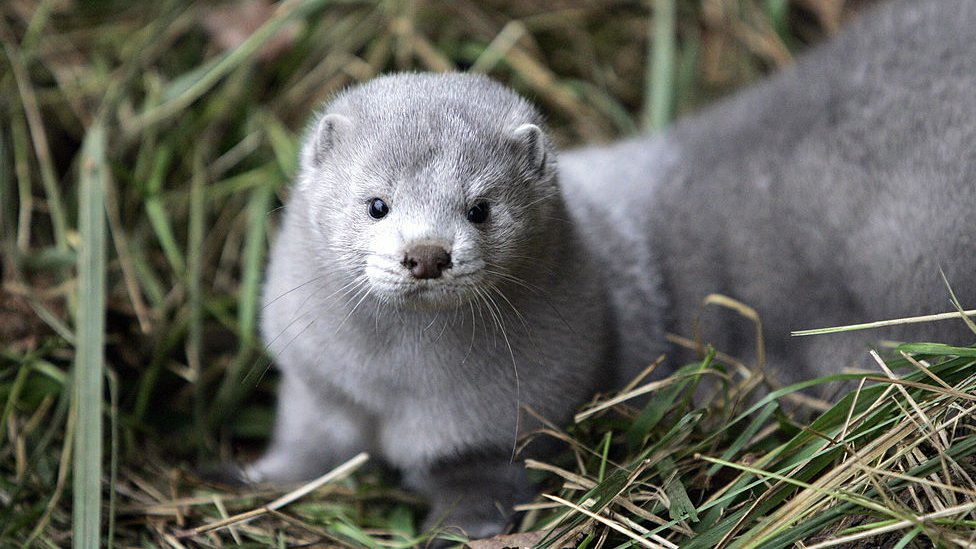
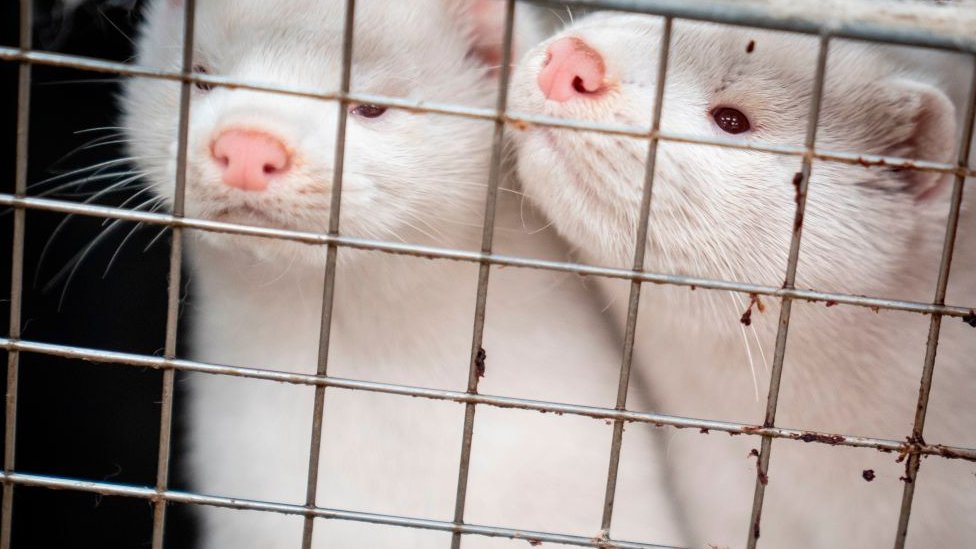
Ferrets are highly susceptible to dying from SARS-CoV-2, the virus that causes COVID-19. Minks, a close cousin of ferrets, have already been found to contract coronavirus in fur farms and, alarmingly, in the wild. This is dangerous because any time the virus transmits between humans and animals, it has more opportunities to develop mutations. RECOMMENDED VIDEOS FOR YOU…CLOSEhttps://imasdk.googleapis.com/js/core/bridge3.432.0_en.html#goog_35698303700:00 of 02:09Volume 0% PLAY SOUND

Related: Fast-spreading UK coronavirus variant: All your questions answered

“For highly contagious respiratory viruses, it’s really important to be mindful of the animal reservoir,” Corey Casper, a vaccinologist and chief executive of the Infectious Disease Research Institute in Seattle, told Colorado Public Radio (CPR). “If the virus returns to the animal host and mutates, or changes, in such a way that it could be reintroduced to humans, then the humans would no longer have that immunity. That makes me very concerned.”

Black-footed ferrets are native to grasslands on the northern Great Plains. They were once believed to be extinct, but a few individuals were rediscovered in Wyoming in 1981, according to the U.S. Fish & Wildlife Service. Thanks to a captive breeding and release program, an estimated 370 black-footed ferrets exist in the wild. 

Due to these low numbers and ferrets’ susceptibility to coronaviruses, conservationists feared the SARS-CoV-2 pandemic would threaten this fragile recovery. Scientists at the National Black-footed Ferret Conservation Center near Fort Collins, Colorado, began injecting their captive breeding population with an experimental vaccine in late summer. The vaccine is different from the ones thus far approved in humans. It uses a purified segment of the vaccine — the spike protein — and an adjuvant chemical that promotes immune response rather than the mRNA platform used by the human coronavirus vaccines.

New Way To Cut Electric BillLEARN MORE

RELATED CONTENT

11 (sometimes) deadly diseases that hopped across species

14 coronavirus myths busted by science

The 12 deadliest viruses on Earth

The center has now completed the inoculations, leaving 60 ferrets unvaccinated in case something goes wrong with the vaccine, according to CPR. 

So far, the vaccinated ferrets appear healthy, and tests show SARS-CoV-2 antibodies in their blood. However, it’s not yet clear whether the vaccine actually protects against the disease, because those efficacy trials have not yet been completed in the ferrets. Efficacy trials are the equivalent of the Phase 3 trials in humans that recently enabled Pfizer and Moderna’s vaccines to receive emergency use authorization (EUA) from the Food and Drug Administration (FDA). 

“We can do these sorts of things experimentally in animals that we can’t do in humans,” Rocke told CPR. 

The Mink Pandemic Is No Joke

Nine countries have now reported outbreaks on mink farms.ZOË SCHLANGERDECEMBER 23, 2020

https://www.theatlantic.com/health/archive/2020/12/minks-pandemic/617476/

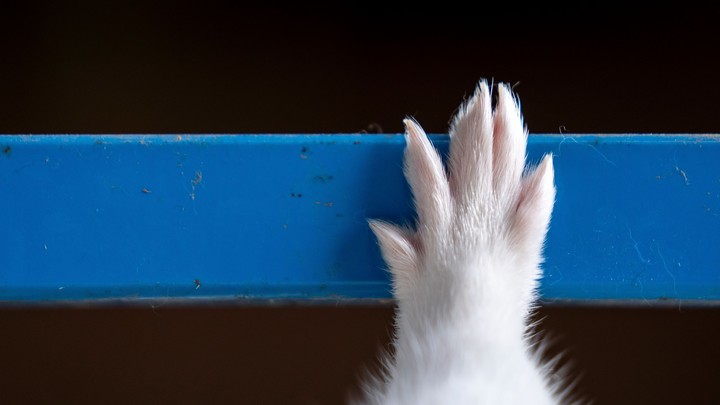
A mink hand touches a blue bar
MADS CLAUS RASMUSSEN / GETTY

Since early this summer, Keith Poulsen, the director of the Wisconsin Veterinary Diagnostic Laboratory, was worried about mink. Poulsen’s lab is part of a national network of veterinary labs that work on animal diseases, and they had “been watching COVID-19 very carefully,” Poulsen told me. In Europe, mink on fur farms were catching COVID-19. And they seemed to be able to pass it back to people. The Netherlands had an outbreak in April; Danish mink farms quickly followed in June. By October, the situation was gruesome: Hundreds of mink farms in Denmark and the Netherlands had COVID-19 cases, and two farms in Utah had reported the first U.S. cases in mink.

Sign up for The Atlantic’s daily newsletter.

Each weekday evening, get an overview of the day’s biggest news, along with fascinating ideas, images, and voices.Email Address (required)Sign Up

Thanks for signing up!

Since then, the global mink situation has significantly worsened. To date, COVID-19 has been found on mink farms in a total of nine countries, including Spain, Italy, Lithuania, Sweden, Greece, and—just two weeks ago—Canada.

For nearly a year, the coronavirus has spread with little check through the places where humans live and work, but the growth of the pandemic among mink poses additional threats. It gives the virus a chance to pass from an environment humans ostensibly control to one that they don’t. And as it spreads among mink, and between minks and humans, and between humans and humans, it can mutate; it already has. One mink-associated variant bears the same mutation as the coronavirus variant now spreading rapidly in the United Kingdom; each time such changes happen, there is a risk the virus changes in a way that could make it more dangerous and prolong the pandemic.https://db071f7191afacff422e7694d2e06c53.safeframe.googlesyndication.com/safeframe/1-0-37/html/container.html

RECOMMENDED READING

Around 11 a.m. on a Friday in October, Poulsen got the call he’d been expecting for months. Mink in Medford were sick, and it looked a lot like COVID-19.

Medford, a city of just more than 4,000 people in north-central Wisconsin, used to call itself the mink capital of the world. There, a person can live in the neighborhood of “Mink Capital Terrace” or on a road called “Mink Drive.” A generation ago, a Medford girl could have aspired to be crowned Mink Princess U.S.A. at the annual Medford Mink Festival.

Though the United States mink industry has shrunk along with Americans’ waning appetites for fur coats and the festival is no more, Wisconsin is still the country’s biggest producer of mink pelts. And Medford is still a mink town; there are 12 mink ranches in the area, within five miles of one another—and the coronavirus has now reached two of them.


Once the coronavirus finds mink, it works fast. When Poulsen picked up the phone, the veterinarian for the Medford-area mink ranches told him that several hundred mink had already died. Plus, some people on the ranch had COVID-like symptoms. “I think we need them tested,” the vet said. By 11:30 a.m., Poulsen was driving a van 250 miles upstate; by the time he arrived at the ranch, at 3:30 p.m., several hundred more mink had died.

Mink are extremely vulnerable to respiratory disease. Like people, they get seasonal respiratory issues. They’re also prone to pneumonia. Respiratory viruses replicate so readily in minks and their mustelid relatives (ferrets, most notably) that the animals are often used to study human illnesses.

So mink can get the coronavirus, and they can get it from people; as cases in humans rose precipitously in Wisconsin this fall, Poulsen and his staff figured it was just a matter of time before someone on a mink farm sneezed it into the mink population. So did the local veterinarians. “We were just waiting,” says Dr. John Easley, a mink specialist who serves as a veterinarian for mink ranches in southern Wisconsin. Both mink and human cells have specific receptors that allow the virus to attach to them, which made mink a greater concern than other farmed animals, including Wisconsin’s immense dairy-cow population, he says. “Cows don’t allow the virus to enter their cells quite as easy. They do get infected, but the virus just doesn’t replicate very well in their system.”

Farmed mink have proved to provide absolutely excellent conditions for the virus to be fruitful and multiply. In addition to all of the ways mustelid physiology makes them similarly predisposed to the malady as humans, mink on farms are housed closely together. Social distancing is out of the question, and transmission is all but guaranteed. As of December 3, a total of 644 people associated with mink farms had contracted COVID-19 since June, along with another 338 people who work in mink pelting, according to a World Health Organization report that came out before the news of Canada’s outbreak, where an additional eight people on a mink farm have been sickened. In mid-November, a virologist at the Danish health authority told Nature that COVID-19 mutations believed to have originated in mink had shown up about 300 times in people in Denmark.https://db071f7191afacff422e7694d2e06c53.safeframe.googlesyndication.com/safeframe/1-0-37/html/container.html

Denmark, the world’s largest mink exporter, has seen arguably the worst of this species-leaping horror show. In early November, the country ordered a complete cull of the farmed mink population; even so, by the beginning of December, 289 mink farms in northern Denmark had reported outbreaks.. The bodies of thousands of culled mink, buried in shallow graves, then proceeded to ferment. Gases built up in their bodies, propelling them to rise, luridly, from the ground.

The Danish mink outbreak also birthed a new strain of SARS-CoV-2, the coronavirus responsible for COVID-19. The variant has mutations in the spike protein, which the virus uses to invade host cells, and has been named “Cluster 5.” It infected at least a dozen people associated with mink farms in northern Denmark from August to September. Such mutations can affect the spread of the virus among humans; one, known as D614G, emerged in February and became the dominant strain of COVID-19 globally, perhaps because it traveled more easily among humans. The U.K. variant emerged more recently and has spread quickly as well. (It’s not yet clear whether the mutation is responsible for the speed, or coincident with it.) This variant shares a mutation with one found in minks; a missing bit of genetic code helps these viruses guard against antibodies that otherwise can fight back. Researchers initially speculated that the mutations in the mink variant could make a vaccine less effective, but the little information available so far on human-to-human transmission suggests that these particular variants aren’t more infectious or more deadly, and won’t interfere with the vaccine..

But the mink outbreak raises another fear—if the coronavirus escapes into the wild mink population, COVID-19 could become an entrenched and uncontrolled animal disease, wreaking havoc on animal communities and probably also occasionally infecting people.  

“On a ranch, you can quarantine them. When you have a wild population, that’s impossible; you can’t stop them all,” Poulsen said.


After the mink in Wisconsin tested positive for SARS-CoV-2, what followed “happened really, really fast,” Poulsen said. The lab alerted the USDA, the state department of agriculture, the state department of public health, and a local public health official. By Sunday afternoon, the CDC had teams on the ground to interview ranch owners and take stock of the environment.

Soon a second Medford-area mink ranch reported cases. (The Wisconsin Department of Agriculture, Trade and Consumer Protection has not released the names of the ranches.) As of December 8, COVID-19 cases had been confirmed at 16 mink farms in four states: 12 in Utah, one in Michigan, and one in Oregon, in addition to the two Wisconsin farms. The farms are being quarantined, and none have culled their animals, though many thousands of mink have now died of COVID-19.Sponsored VideoWatch to learn moreSPONSORED BY ADVERTISING PARTNERSee Morehttps://db071f7191afacff422e7694d2e06c53.safeframe.googlesyndication.com/safeframe/1-0-37/html/container.html

It’s another blow to the contracting mink business. “This is just one more industry that can’t really afford it,” Poulsen said. “I feel terrible for everyone involved, whether it’s the feed mill, the veterinarian, the family. Everyone’s tired of it.” When a farm is struck by foot and mouth and other animal diseases, “the government would pay for those animals so you don’t completely wipe out a farm.” But there are no indemnity programs for mink. “If you have a major mortality problem, you’re losing a significant amount of profitability. Then there’s the cost of testing. 62 animal tests cost $3,000, which is a big deal to a farm that just suffered losses of tens of thousands of dollars,” Poulsen said. To avoid further contamination, mink farmers must compost the dead bodies, as well as any used feed and fecal matter. “There’s no money to do that on the federal or state level, so that’s all on the farm.”

In Europe, the already-shrinking mink industry is now quickly crumbling. Efforts to ban fur farming, often in response to campaigns led by animal rights activists, are now accelerating. The Netherlands announced it would end mink farming for good in 2021, three years earlier than planned. France announced it would ban farming mink by 2025. Poland, where undercover footage from the country’s largest mink farm appeared to show animals cannibalizing each other, is expected to soon follow suit. Ireland, which is home to only three mink farms, previously had voted down a bill to end mink farming, but has now decided to cull its farmed mink population preemptively, likely ending the industry in the country.

In China, meanwhile, where about 8,000 mink farms hold roughly 5 million animals, the state has reported no COVID-19 cases among mink, either on farms or in the wild. China’s mink farmers say they are benefiting from the Danish mink cull; Wang He, a Shangcun trader and breeder, told Reuters his earnings increased 30 to 50 percent when the price of mink fur jumped after Denmark ordered the cull. (In the past decade or two, China became the main export market for U.S. and European mink; demand for fur coats there now dwarfs that of every other country.)

But Ilaria Capua, a veterinarian and virologist who recently authored a paper on the possibility of a COVID-19 panzootic—the spread of a disease among animals across a large region or globally—is worried that the levels of infection in Asia were high enough that some mink were likely infected. “I am just concerned that we are not looking well enough,” she told me. “If the virus spills over into wild mustelids, then you lose track of it.”

“I would really like to be wrong, but I fear mink are just the tip of the iceberg of what could be coming,” she added. If the virus keeps spilling over into wild animals, it could circulate in parallel and keep reseeding outbreaks among humans.https://db071f7191afacff422e7694d2e06c53.safeframe.googlesyndication.com/safeframe/1-0-37/html/container.htmlhttps://db071f7191afacff422e7694d2e06c53.safeframe.googlesyndication.com/safeframe/1-0-37/html/container.html

On December 13, the world took another step toward this scenario: The USDA announced the first known case of a non-captive wild animal with the coronavirus. A wild mink, trapped just outside a mink farm in Utah where there was a COVID-19 outbreak, tested positive. The strain was “indistinguishable” from that of the farm outbreak. The spillover had happened. The question now is whether the virus will become established in the wild population. The USDA says there is “currently no evidence that SARS-CoV-2 is circulating or has been established in wild populations surrounding the infected mink farms.” Several other wild animals in the vicinity were sampled, but they tested negative.

“Let’s put it this way,”  Capua said. “We realized the spillover of SARS-CoV-2 in a new animal population—Homo sapiens—when it was too late. Let’s not make the same mistake with other animals.”

Okanogan County farm company fined more than $2M after two workers die from COVID-19

Gebbers Farm Operations is facing one of the largest workplace health and safety fines in Washington state history.

https://www.krem.com/article/news/health/coronavirus/okanogan-county-farm-fined-covid-deaths/293-97ffaa2c-03e8-449c-9dea-650296dcc381

Okanogan County farm company fined more than $2M after two workers die from COVID-19https://imasdk.googleapis.com/js/core/bridge3.432.0_en.html#goog_882034381Volume 90% Author: Megan CarrollPublished: 7:45 AM PST December 22, 2020Updated: 7:25 PM PST December 22, 2020

Facebook
Twitter

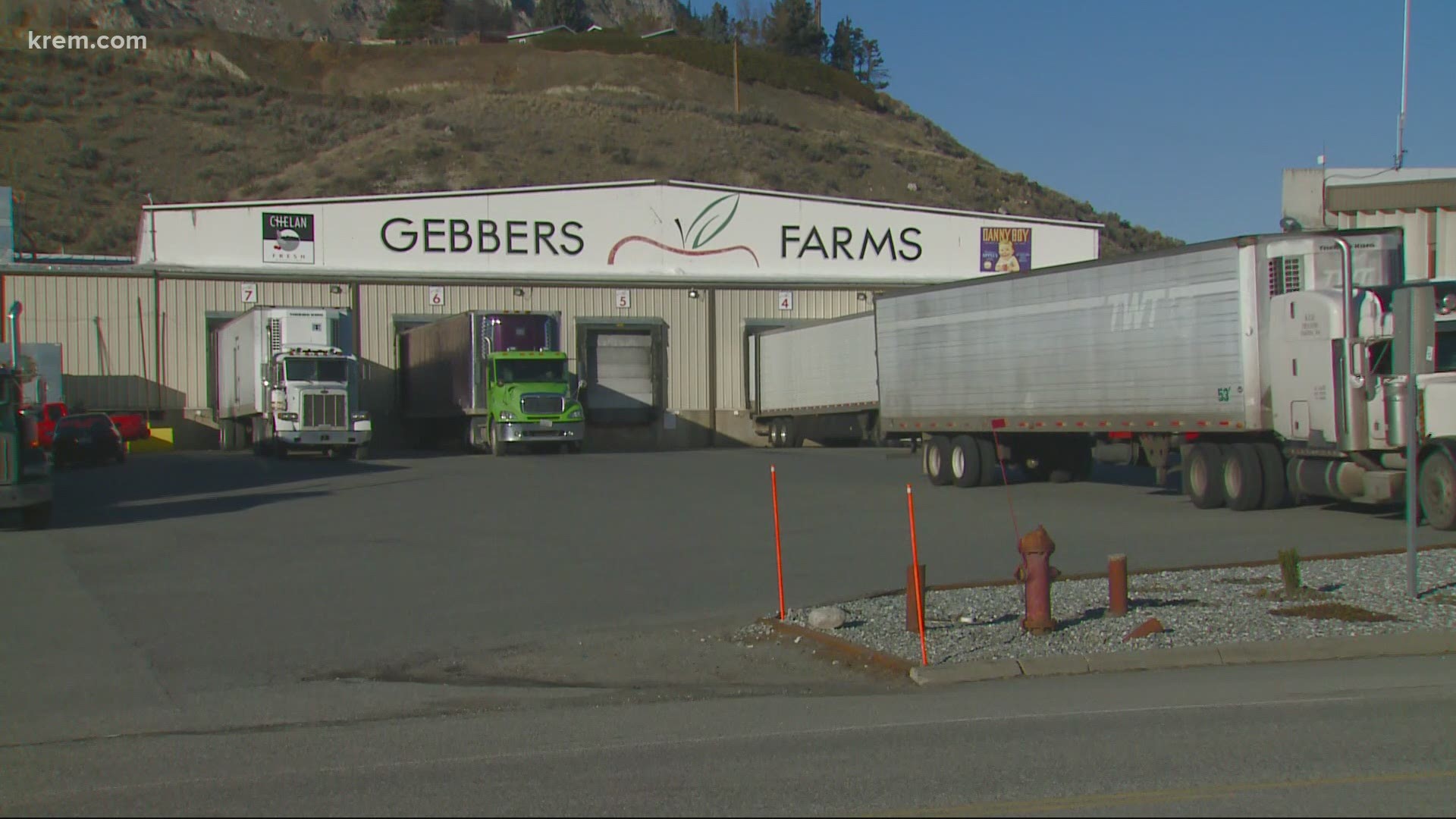
BREWSTER, Wash. — A farming company in Brewster, which is located in Okanogan County, is facing  fines totaling more than $2 million from Washington state regulators after an investigation into the COVID-19 deaths of two workers. 

The Washington State Department of Labor Industries (L&I) announced on Monday that its investigation found “dozens of health and safety violations” committed by Gebbers Farm Operations. The company is facing a fine of $2,038,200, one of the largest workplace safety and health fines in state history, according to L&I.https://eb647078b1059a4c6f62b25f5289ee03.safeframe.googlesyndication.com/safeframe/1-0-37/html/container.html

“Gebbers made it very apparent to investigators they had no intention of following the rules as written regarding temporary agricultural worker housing and transportation,” said L&I Director Joel Sacks.

The agency’s Division of Occupational Safety and Health (DOSH) opened an investigation on July 16 after receiving anonymous calls from Gebbers employees. 

The first caller said someone at the camp had died from COVID-19, adding that workers who shared the same cabin with the person were not tested for the virus and were then split up into different cabins with other migrant workers, according to L&I.

The second caller said he feared that hundreds of workers at his camp had COVID-19, including himself, and he worried that he would die. He added that the farm owners did nothing to help the sick. 

Investigators confirmed that the death of a 37-year-old temporary worker from Mexico on July 8 was not reported to DOSH as required, L&I said. Businesses must report any workplace-related deaths within eight hours.

A second worker, a 63-year-old man from Jamaica, collapsed and died on July 31.

The cause of death for workers was COVID-19, according to L&I.

Two investigations of farm found COVID-19 violations

Gebbers Farm Operations was the subject of two L&I investigations in less than two months.

L&I first opened an investigation into Gebbers on May 28 after receiving a worker complaint, which resulted in a $13,200 fine issued to the company for not ensuring adequate social distancing. Employees were using the top and bottom bunks while not using a cohort and no barriers were present in the kitchen and cooking areas, according to L&I.this day in history

this day in history

this day in history

Ads By Connatix

L&I explained the details of emergency temporary agricultural worker housing rules and the changes needed for the farm to in compliance. 

During the second investigation, L&I issued an order Order and Notice of Immediate Restraint to the farm on July 22, requiring immediate COVID-19 safety and health rule compliance. 

Under state emergency rules for temporary agricultural worker housing, top and bottom bunks can only be used if a farm separates workers into group shelters known as cohorts. Those groups of no more than 15 workers must live, work, eat, use shower and cooking facilities and travel separately from other workers.

RELATED: Gov. Inslee allocates $43 million to help protect undocumented, agricultural workers during COVID-19 pandemic

Investigators confirmed hundreds of workers were sleeping in bunk beds and not instructed to remain in cohort groups, according to L&I. Gebbers also bused workers to the fields in groups significantly larger than allowed. 

Investigators returned unannounced daily to ensure compliance with safety and health rules.

“Gebbers continually failed to comply, even after the first worker died and our repeated presence at the farm, clearly demonstrating a lack of regard for worker safety and health,” said Anne Soiza, L&I assistant director for DOSH.

The investigation found a total of 24 egregious willful violations, L&I said, including 12 for unsafe sleeping arrangements and 12 for unsafe transportation. Each of the violations was assessed a fine of $84,000.

According to L&I, the farm was also cited for four other serious violations, including failure to report the worker’s death. 

Gebbers responds in statement

Gebbers released a statement on Monday, saying the company is “deeply disappointed by the agency’s announcement.”

“There is nothing more important to Gebbers Farms than our workers’ health and safety, as evidenced by the fact that 99.3% of our entire workforce tested negative for the virus, which is better than county, state and national rates to date. While we cannot comment on the specific violations because we are evaluating our options to appeal, we strongly disagree with the agency’s assessment,” the statement reads in part. https://eb647078b1059a4c6f62b25f5289ee03.safeframe.googlesyndication.com/safeframe/1-0-37/html/container.html

Management said in the statement that it had already established cohorts of 42 people before the state set a 15-person cohort rule. 

“We consulted experts to develop our program, and there is nothing magical about the number 15. Considering that the state recommended size for community group gatherings is far fewer today than at any other time in the year, and community cases are rising,” the statement reads in part. 

“We said that we would (and we did) change our program as quickly as possible to follow the state rules. We explicitly said that we would change our program to follow the rules as quickly as possible, but that for an operation this size, we needed time,” the statement continues.

Management said later in the statement that the company is “deeply saddened by the loss of our team members and long-time workers who we considered family.”

Gebbers has 15 days to appeal the violations and penalty of more than $2 million. https://cdn.embedly.com/widgets/media.html?src=https%3A%2F%2Fwww.youtube.com%2Fembed%2FmsKD_OJq8Dw%3Ffeature%3Doembed&display_name=YouTube&url=https%3A%2F%2Fwww.youtube.com%2Fwatch%3Fv%3DmsKD_OJq8Dw&image=https%3A%2F%2Fi.ytimg.com%2Fvi%2FmsKD_OJq8Dw%2Fhqdefault.jpg&key=0350728de3d54ab7950f978fc80d4a70&type=text%2Fhtml&schema=youtube

Related Articles

What we know — and what we don’t — about the UK coronavirus variant


Updated 12:10 PM ET, Mon December 21, 2020

Giroir: Here's what we know about the new coronavirus variant

By Zamira Rahim, CNN

Updated 12:10 PM ET, Mon December 21, 2020

https://www.cnn.com/2020/12/21/uk/coronavirus-variant-uk-intl/index.html

(CNN)The United Kingdom has identified a new, potentially more contagious coronavirus variant linked to a recent surge in cases in England.The new variant is being called VUI-202012/01 — the first “Variant Under Investigation” in the UK in December 2020. While scientists hunt for more information about the variant, its impact is already being felt.Multiple countries have now imposed restrictions on travelers from the UK. British Health Secretary Matt Hancock said Sunday that the variant was “out of control” and Prime Minister Boris Johnson was due to chair an emergency meeting Monday as his government tried to manage the fallout.Here’s what you need to know.Content by Voltaren Arthritis Pain GelChasing the Joy of MovementThis is how world champion cyclist Kristin Armstrong manages her osteoarthritis in a life of constant movement.

What is a variant and why are officials concerned about this one?

A variant occurs when the genetic structure of a virus changes, according to the US Centers for Disease Control and Prevention. All viruses mutate over time and new variants are common, including for the novel coronavirus.As with other new variants or strains of Covid-19, this one carries a genetic fingerprint that makes it easy to track, and it happens to be one that is now common. That alone does not necessarily mean the mutation has made it spread more easily, nor does it not necessarily mean this variation is more dangerous.However, the UK government’s New and Emerging Respiratory Virus Threats Advisory Group said it had “moderate confidence” that this new variant “demonstrates a substantial increase in transmissibility compared to other variants.”Chris Whitty, England’s chief medical officer, said this particular variant “contains 23 different changes,” which he described an unusually large number. Whitty said the variant was responsible for 60% of new infections in London, which have nearly doubled in the last week alone.That finding has immediate implications for virus control. More cases could place an even greater strain on hospitals and health care staff just as they enter an already particularly difficult winter period, and ultimately lead to more deaths.

Countries cut UK off as Johnson holds crisis meeting on new coronavirus variant

Countries cut UK off as Johnson holds crisis meeting on new coronavirus variantPublic Health England (PHE) has said that a mutation in the Covid-19 spike protein, the part of the virus that attaches itself to host cells, could increase its transmissibility.Scientists across the UK are conducting more research on this issue.

Where did the variant originate and how has it taken hold?

The new variant of Covid-19 originated in southeast England, according to the World Health Organization.PHE have said that backwards tracing, using genetic evidence, suggests the variant first emerged in England in September. It then circulated in very low levels until mid-November.”The increase in cases linked to the new variant first came to light in late November when PHE was investigating why infection rates in Kent [in southeast England] were not falling despite national restrictions. We then discovered a cluster linked to this variant spreading rapidly into London and Essex,” PHE said.Multiple experts have also suggested that this new variant could have been amplified because of a superspreader event, meaning the current spike in cases could also have been caused by human behavior.”A higher genomic growth rate in the samples sequenced, may not necessarily mean higher transmissibility, e.g. if there was a rave of several thousand people where this variant was introduced and infected many people mostly in that rave, this may seem very high compared to a lower background of non-variant virus,” Julian Tang, clinical virologist at the University of Leicester, told the Science Media Centre.

Which countries are affected?

The variant has already spread globally. As well as the UK, the variant has also been detected in Denmark, Belgium, the Netherlands and Australia, according to the WHO.Australia has identified two cases of the variant in a quarantined area in Sydney and Italy has also identified one patient infected with the variant.A similar but separate variant has also been identified in South Africa, where scientists say it is spreading quickly along coastal areas of the country.

Is the new variant more deadly?

There is no evidence to suggest that the new variant is more deadly as of now, according to Whitty, who said that “urgent work” was underway on Saturday examining the implications for mortality.”We are not seeing any increased virulence (clinical severity) or any gross changes in the [spike protein] that will reduce vaccine effectiveness — so far,” Tang told the Science Media Centre (SMC.)Multiple experts have pointed out that for some viruses increasing transmissability can accompany decreasing virulence and mortality rates. This may mean that the variant is less lethal, though it’s currently too early to tell.”New viruses will adapt to a new host over time — with decreasing mortality, and possibly increasing transmissibility,” Tang said.”As viruses are transmitted, those that allow for increased virological ‘success’ can be selected for, which changes the properties of the virus over time. This typically leads to more transmission and less virulence,” Martin Hibberd, professor of emerging infectious disease at the London School of Hygiene & Tropical Medicine, said to the SMC.

Will the developed vaccines work against this variant?

Whitty said Saturday that current vaccines should still work against the new variant.His remarks were echoed in the US by the head of Operation Warp Speed. “Up to now, I don’t think there has been a single variant that would be resistant to the vaccine,” Moncef Slaoui told CNN on Sunday. “We can’t exclude it, but it’s not there now.”The UK, the US and the EU have authorized the Pfizer/BioNTech Covid-19 vaccine and several others are in development.

What measures are being taken to contain the variant?

England’s chief medical officer has urged people in Britain to take steps to reduce the virus’ spread.”Given this latest development it is now more vital than ever that the public continue to take action in their area to reduce transmission,” Whitty said on Saturday.Large swathes of England, including London and the southeast, are now under strict Tier 4 Covid-19 restrictions, which is only the latest disruption to a Christmas holiday shadowed by the pandemic.Dozens of countries across Europe, the Middle East and the Americas have also announced travel bans for the UK.Others, such as Greece and Spain, have imposed restrictions that require travelers arriving from Britain to undergo coronavirus tests or quarantine.America’s top infectious disease expert, Dr. Anthony Fauci, told CNN on Monday that he would advise against additional restrictions on UK travel. The US must “without a doubt keep an eye on it,” Fauci said, but “we don’t want to overreact.”The US has maintained a ban on travel from the UK, Ireland, and Europe’s Schengen zone as well as number of other countries since March.

First case of coronavirus detected in wild animal

By Helen Briggs
BBC Environment correspondentPublished1 day agoShareRelated Topics

Mink
image captionFarmed mink are known to escape into the wild

The first known case of coronavirus in a wild animal has been reported, leading to calls for widespread monitoring of wildlife.

The US Department of Agriculture (USDA) said a wild mink had tested positive around an infected mink farm in Utah.

Coronavirus outbreaks at fur farms in the US and in Europe have killed thousands of the animals.

As a consequence, millions of farmed mink have had to be culled across Europe.

The USDA said it had found one positive case in “free-ranging, wild mink” in Utah as part of wildlife surveillance around infected farms.

Several animals from different wildlife species were sampled and all tested negative, the agency added.

It said it had notified the World Organisation for Animal Health, but there is no evidence the virus has been widespread in wild populations around infected mink farms.

“To our knowledge, this is the first free-ranging, native wild animal confirmed with Sars-CoV-2,” the USDA said in an alert to the International Society for Infectious Diseases.

Mink at a farm in Denmark
image captionThe virus spreads rapidly in fur farms

The discovery raises concerns that the infection could spread between wild mink, said Dr Dan Horton, a veterinary expert at the University of Surrey, UK.

The case “reinforces the need to undertake surveillance in wildlife and remain vigilant”, he added.

Mink are known to escape from mink farms and become established in the wild. In the UK, a population of mink that escaped from fur farms many years ago is thought to exist, but they are sparsely distributed and rarely come into contact with people, Dr Horton added.

The virus has also been found in zoo tigers, lions and snow leopards in the US, and in a small number of household cats and dogs.

Covid vaccine offers exhausted health-care workers hope—but not immediate relief—as ICUs fill across U.S.

PUBLISHED WED, DEC 9 202012:37 PM ESTUPDATED WED, DEC 9 20201:08 PM ESTNoah Higgins-Dunn@HIGGINSDUNNKEY POINTS

https://www.cnbc.com/2020/12/09/covid-vaccine-offers-exhausted-nurses-hope-but-not-immediate-relief.html

  • Around the U.S., hospitals are reaching their limits. There are 104,600 Covid-19 patients in the nation’s hospitals, the most at any point during the pandemic.
  • Some health-care facilities, especially those in rural areas, have struggled to recruit and retain nurses even before the pandemic, experts say.
  • Now, exhausted health-care workers continue to treat sick patients months into the pandemic, even those who don’t believe the virus exists, some nurses say.
A medical staff member Gabriel Cervera Rodriguez closes his eyes while taking a. short brake in the COVID-19 intensive care unit (ICU) at the United Memorial Medical Center on December 2, 2020 in Houston, Texas.

A medical staff member Gabriel Cervera Rodriguez closes his eyes while taking a. short brake in the COVID-19 intensive care unit (ICU) at the United Memorial Medical Center on December 2, 2020 in Houston, Texas.Go Nakamura | Getty Images

Tayler Oakes, a 27-year-old travel nurse from Tennessee treating Covid-19 patients at a small Navajo Nation health-care facility, is exhausted.

Working six days a week, Oakes has lived in a motel in a rural part of Arizona since July, assisting patients at a critical access hospital that treats people in dire need of care. Despite the endless hours she and her co-workers have put in, the number of Covid-19 patients is still rising rapidly, she said.

The Navajo Nation extended its stay-at-home order by three weeks beginning Monday after President Jonathan Nez announced that nearly all of the Navajo Area Indian Health Service’s ICU beds were full and there’s “little to no options” to move patients to nearby facilities, which are also at capacity.

“We are so tired — emotionally, physically, spiritually,” Oakes told CNBC. “But then you also have this guilt of like, ‘I have to go to work because this isn’t a normal job. People are dying.’ It’s a big moral burden to carry.”

The coronavirus is pushing the U.S. health-care system to its limits. But unlike the first wave of Covid hospitalizations in the spring when nurses rushed to hot spots to help care for sick patients, several parts of the country are now simultaneously experiencing strains on their health systems. Relief isn’t coming so soon this time, medical experts say, and the health-care workers who are battling the virus are fatigued after months of treating ill patients. In some cases, they’re even sick with Covid themselves. A coming vaccine offers hope, but it will be months before it can be widely distributed.

U.S. hospitals are treating 104,600 Covid patient, the most at any point during the pandemic, according to data compiled by the COVID Tracking Project, which is run by journalists at The Atlantic.

Over 2,200 people are dying from Covid in the U.S. every day on average, according to data compiled by Johns Hopkins University. States like New York, Massachusetts and Rhode Island have erected field hospitals to prepare for an influx of sick patients. In California, Gov. Gavin Newsom has implemented a fresh stay-at-home order on many residents to preserve the state’s ICU capacity.

Dr. Robert Redfield, the Centers for Disease Control and Prevention director, warned last week that the next few months of the pandemic will be among “the most difficult in the public health history of this nation.” In another dire warning, White House coronavirus response coordinator Dr. Deborah Birx said Sunday that the winter surge will be the “worst event that this country will face.”

Health-care workers and long-term care facility residents will be the first in line for a vaccine when it’s cleared for public use, which experts say will help ease the strain on the nation’s health-care system. However, the White House task force warned states in its weekly report, which was obtained by CNBC, that the drugs’ implementation likely won’t help the virus’ spread and deaths “until the late spring.”

“We’re scared, we’re tired, we’re frustrated,” Oakes said. “We’re human beings just like everyone else.”

Hospitals face staffing crunch

Trusted Health, a company that connects travel nurses with open positions at hospitals across the U.S., has about 2,000 open ICU nursing positions. That’s about three times the number of open positions last year, and more roles compared with April when states along the East and West coasts were in desperate need for more medical workers, said Dan Weberg, head of clinical innovation at Trusted Health.

“What’s different about this time is that instead of it being in a few states like Michigan, in New York and Washington, Florida early on, now it’s a bunch of needs across every state,” Weberg said. “And so everyone’s in crisis, especially the middle part of the country.”

Every hospital typically has a surge plan ready in case of emergencies, such as hurricanes, fires or mass shootings, where they could draw on resources like staffing and equipment from other facilities in the country, said Nancy Foster, vice president of quality and patient safety at the American Hospital Association.

However, those plans assume the needs would be regional, not the broad emergencies hospitals nationwide are now responding to, she said. CDC director Redfield warned during an event hosted by the U.S. Chamber of Commerce last week that about 90% of hospitals in the country are in “hot zones and the red zones.” He added that 90% of long-term care facilities are in areas with high level of spread.

“It’s really about having the staff to care for people. You can get creative without a bed, but nurses and doctors and respiratory therapists and other staff are critical,” Foster said. “And you can’t just invent those overnight.”

Medical staff members sort lines and pipes connected to a patient in the COVID-19 intensive care unit (ICU) at the United Memorial Medical Center on November 19, 2020 in Houston, Texas.

Medical staff members sort lines and pipes connected to a patient in the COVID-19 intensive care unit (ICU) at the United Memorial Medical Center on November 19, 2020 in Houston, Texas.Go Nakamura | Getty Images

The demand for nurses is especially pronounced in rural parts of the country, where health-care talent has been in short supply even before the pandemic took hold in the U.S., said Katie Boston-Leary, nursing practice and work environment director at the American Nurses Association.

“The work force has become more unstable because the pandemic has challenged nurses, the ones that are working, physically and mentally, and they’re getting sick from the disease and in some cases dying,” Boston-Leary said.

States like Iowa, South Dakota, North Dakota, Wisconsin, Tennessee, Virginia, West Virginia, Kentucky, Georgia, Florida and Alabama have historically struggled to recruit and retain nurses, she said.

There was also a preexisting need for more nurses in the ICU, where talent has been “decimated tremendously,” she said. Nursing homes, where the virus has sickened and killed residents at disproportionately high rates, have never fully recovered from the spring, she added.

‘Something we’ve never seen’

“Nurses are used to being busy. We accept the fact that it’s hard work,” Boston-Leary said. However, the current surge “is something we’ve never seen,” she said.

In Iowa, rural critical access facilities have struggled to recruit health-care workers like nurses, respiratory therapists and physicians, said Eli Perencevich, an infectious disease physician and epidemiologist at the University of Iowa.

“It’s a major issue even without the pandemic, and then when you add that the hospitals are being kind of overwhelmed and when you have staff being sick all the time, it’s been really untenable,” Perencevich told CNBC on Saturday.

A forthcoming coronavirus vaccine could soon help alleviate some of the burden facing hospitals and long-term care facilities since health-care workers and vulnerable people, like nursing home residents, will be first in line to be inoculated, AHA’s Foster said.

“Then you have greater ability to maintain your full staff,” she said. “Nobody out because they were exposed to Covid or contracted Covid because they’re vaccinated.”

PfizerBioNTech and Moderna have applied for emergency authorization from the Food and Drug Administration for their vaccines, which could be given the green light in the coming days to weeks.

Moncef Slaoui, who is leading the Trump administration’s vaccine program Operation Warp Speed, has predicted that the U.S. should be able to distribute enough vaccine doses to immunize 100 million people by the end of February. That will be enough to protect a “significant portion” of the most at-risk Americans, which are the elderly, health-care workers and people with preexisting conditions, he said.

It could take longer than the Trump administration anticipates to vaccinate the initial wave of people against the disease, according to a STAT News report on Monday. People involved in vaccine planning at health-care systems in California, Illinois, Wisconsin and Kansas told STAT that they’ll begin vaccinating their staff in mid-January rather than December.

‘They believe it’s the flu’

It will still take months for the general U.S. population to get vaccinated against Covid, likely returning to some semblance of normal in late 2021, health experts predict. In the meantime, exhausted health-care workers continue to treat sick patients, even those who don’t think the coronavirus is a serious threat.

“I think the hardest emotional thing, and the biggest moral burden for me this year has just been the general indifference toward other people’s well-being and the unwillingness to do the things necessary to slow the spread,” said Oakes, the travel nurse helping the Navajos.

Oakes said some patients have told her the virus is a hoax, only to succumb to the disease a few days later. Kaithlyn Rojas, a 28-year-old nurse in the Oakland-area, said she has experienced similar indifference toward Covid while treating patients across California.

“I have taken care of some patients who don’t really believe the virus exists,” Rojas said. “They believe it’s the flu, and the numbers are being made up by the government. I don’t know who they think is making up the numbers, but they think the numbers are being made up.”

States that didn’t take extra precaution to slow the virus spread, like requiring mask wearing and encouraging social distancing, have also added to the frustrations nurses are experiencing, Trusted Health’s Weberg said.

“Nurses are committed to the community, but it hurts,” he said regarding a decision in North Dakota to allow nurses infected with the virus to continue working in the state’s hospitals. “It hurts to be able to go into a community who kind of disregarded this disease and now have to pick up the pieces.”WATCH NOWVIDEO04:19How one hospital is preparing to distribute coronavirus vaccines

— CNBC’s Will Feuer and Berkeley Lovelace Jr. contributed to this report.

“WE STAND AT A CROSSROADS”: JANE GOODALL JOINS CALL FOR THE UN TO ADDRESS ANIMALS

 By: Jessica Bridgers   |    Reading time: 4 minutesAdvocates are asking the United Nations to consider the role of animals in their COVID-19 recovery policies. They fear the return to ‘business as usual’ could lead to another deadly pandemic.
Almost as soon as it became clear that our societies and economic systems would not continue as normal through the COVID-19 pandemic, calls to “Build back better” and even to “Build forward” began to grow louder and more urgent across the world.

COVID-19 is yet another in a series of diseases that have emerged from humans’ interactions with animals and has been preceded by HIV, Ebola, swine flu, and avian influenza, to name a few.

But even as the policies to achieve this “build back” are being proposed, debated, and implemented, the root causes of the pandemic lack full recognition, muting the ability of these policies to prevent history from repeating itself, perhaps with an even more deadly pandemic, in the future. 

Now that we are close to the approval of a vaccine, it appears that the circulation of COVID-19 in mink on European fur farms has contributed to the emergence of new variants of the virus. Some worry that these variants will reduce the effectiveness of the vaccines currently in development, underscoring how our intransigence in addressing our relationship with animals continues to put us at risk

Today we stand at a crossroads,” writes Dr. Jane Goodall, DBE in the foreword of The Animals’ Manifesto, a new joint-manifesto from 150 animal and environmental protection agencies calling for the inclusion of animal welfare in COVID-19 recovery policies.

“The COVID-19 pandemic is still affecting almost all countries of the world,” writes Goodall. “How shocking to realize that we brought this on ourselves. Through our disrespect of the natural world, and our disrespect of animals.”THE ANIMALS’ MANIFESTO

In The Animals’ Manifestoover 150 organizations across the globe are calling on world leadersinternational institutionspolitical parties, and stakeholders to assess the direction of current COVID-19 response efforts, realign these with the glaring need for transformative change, and finally address humanity’s exploitation of animals. Specifically, the organizations are calling for:Steps to incorporate One Health and One Welfare into policies. One Health recognizes the linkages between human, animal, and environmental health, while One Welfare extends this concept to other aspects of wellbeing, such as food security, livelihoods, and humane treatment. Incorporating a One Welfare approach is key to ensuring an equitable, sustainable, and humane future.
 Concrete politics and actions that transform farming systems, change food consumption habits, end the unnecessary exploitation of wildlife, increase vaccine development efficiencies, and ensure the wellbeing of animals in communities—such as companion animals and working equines.
 Visionary, prudent, and necessarily bold leadership by global institutions at the center of the COVID-19 response, including the UN General Assembly, the UN Environmental Programme, the UN Development Programme, and international financial institutions.
 To read the full manifesto, click here.
 While COVID-19 should have been a clarion call to fully address our broken relationship with animals and chart a new course forward, many global institutions are still sidestepping the issue. 

Last week, the UN General Assembly hosted a Special Session on COVID-19. The Concept Note and Program circulated in a letter by the President of the General Assembly (PGA) stated that the two-day event will allow stakeholders to reflect on COVID-19 response thus far and “forge a united, coordinated, and people-centered path forward,” yet the word “animal” did not appear even once in the PGA’s letter.

In other policy frameworks, rather than work towards a socially just end to the commercial trade of wildlife, policymakers are calling simply to make the wildlife trade “safe.” And international financial institutions like the International Finance Corporation are continuing to funnel millions of dollars into intensive pig farms in countries like China, where the CDC is already monitoring a new group of swine flu viruses that have “pandemic potential.”

Will we continue with ‘business as usual’ or, shall we choose to get together and develop a new relationship with the natural world?
 
Read the full story here

I’m a former poultry farmer. The meatpacking industry has failed workers during the pandemic and I’m not surprised by the deadly consequences.

Craig Watts , Opinion Contributor Dec 6, 2020, 7:02 AM

poultry plant
Plant workers produce lean, finely textured beef (LFTB) at the Beef Products Inc (BPI) facility in South Sioux City, Nebraska, November 19, 2012. 

Register for the webinar here

AT&T Business & Barbara Corcoran have teamed up on a webinar series to help small businesses navigate times that are anything but “business as usual”. We dive into the details & discuss why leaning on insights from experts is key for entrepreneurs. Presented by AT&T Business.VISIT SITE

The COVID-19 pandemic has been devastating for America’s food workers, and nowhere is that more apparent than in the meatpacking industry.

USA Today reported last month that executives at the Triumph Foods meatpacking plant in St. Joseph, Missouri, lobbied government officials to keep the plant open at the height of the Spring coronavirus outbreak, a delay that led to hundreds of workers getting sick and at least two deaths. 

In Iowa, not only did Tyson Food executives keep their factory open, but they also allegedly made bets on how many of their workers would contract the virus. 

These are the latest examples of callous worker treatment by meatpackers – and of a failure of public agencies tasked with overseeing them. While this may be shocking to the general public, it isn’t surprising for those of us in the industry. I was a contract farmer for one of the biggest poultry companies in the US for 24 years. To me, this looks like standard operating procedure.

SPONSORED BY CHEDDAR INC

Keep your business connected

What will it take for businesses to implement and manage their augmented and virtual reality efforts? We explore why companies might leverage third-party consultants who are experts in the space to advance A.R. & V.R. tech offerings. Presented by AT&T Business.VISIT SITE

Par for the course

Nationally, more than 49,000 meatpacking plant workers have tested positive for COVID-19 and 253 have died.

Along with nursing homes and prisons, meat and poultry plants were the leading source of virus outbreaks in the spring. Workers on the processing line reported no way to social distance, no PPE, and no time to even cover a cough. But rather than quickly close the plants to control the outbreaks and establish safety measures, meatpacking companies dragged their feet. 

Shortly after the largest plants did finally close, an executive order from President Donald Trump deemed them “essential” and allowed them to re-open, but with no mandate for worker protections.

I first talked with poultry plant workers about a decade ago, when I was still raising chickens. They told me what they had been promised in the job and that the conditions were definitely not as advertised; about intimidation and pressure to keep their heads down; about being treated as expendable. https://da86ada8d59bc85c8f3de0a397b4d628.safeframe.googlesyndication.com/safeframe/1-0-37/html/container.html

This year, I’ve heard meatpacking workers, many of them immigrants and refugees, describe being afraid of the virus but even more afraid of speaking up. Speaking up could cost their job, and then how would they feed their family?

Take out my $500,000 mortgage on now-empty chicken houses, and we’ve got the same story.

Corporate Control

I wanted to raise chickens and raise a family, that was all. I signed a contract with a major poultry company in 1992 and built those houses. The company hooked me by promising that after ten years, my mortgage would be satisfied and I could really make money raising birds. As it turned out, getting the barns paid off in ten years was a pipe dream. Every year, there was some new technology they wanted me to invest in, and the understanding was that if I didn’t do it, I wouldn’t get more birds.

The company controlled everything: they sent the feed, told me what medicines to give. Sometimes they delivered flocks of sick birds and I wasn’t allowed to make real changes to improve their health. If I complained, I might not get another flock. I needed the birds to pay the mortgage, so I was stuck.https://da86ada8d59bc85c8f3de0a397b4d628.safeframe.googlesyndication.com/safeframe/1-0-37/html/container.html

In 2014, I finally did speak up about how the contract required me to treat the birds. The company tried to intimidate and discredit me, showing up on my farm for audits at all hours. I finally quit in 2016, but clearly this was bigger than me.

I got involved with Rural Advancement Fund International-USA (RAFI-USA) and other groups advocating for common sense regulations for the meat and poultry industry so the power wasn’t 100% in the hands of the companies. However, the meatpackers fought tooth and nail against any little thing to change the status quo, and they kept winning. Under the Trump Administration, the federal Grain Inspectors, Packers, and Stockyards Administration, the  agency tasked with protecting contract farmers, was essentially eliminated when it was merged with another department in 2017.

I have seen again and again that when it comes to the big meatpacking companies, both federal and state oversight bodies act like customer service agencies instead of regulatory agencies. Customer service to the meatpackers, that is, not to the farmers or workers.

And here we are again. In October, a memo came out showing that meat industry lobby groups wrote parts of Trump’s executive order to re-open the plants. North Carolina Governor Roy Cooper backed off a pledge to release guidance for meatpacking plants due to industry pressure. Groups in Iowa have sued the state’s Occupational Health and Safety Administration (OSHA) saying the agency has not protected workers in several industries including meatpacking. The list goes on.

Meatpacking plant workers and farmers are both deemed “essential” in the pandemic. Why do we keep being treated instead as expendable, not only by the companies we work for, but by the very government agencies that are supposed to protect us?

Craig Watts is a former contract poultry farmer, who works part time as a farmer advocate at Rural Advancement Foundation International – USA (RAFI-USA).

This is an opinion column. The thoughts expressed are those of the author(s).

While millions of us these days settle in, these critters with their masks on venture out.

https://www.cbsnews.com/news/are-we-making-raccoons-smarter/

“This is kind of the interesting thing about the coronavirus, is that now people are beginning to see animals that they didn’t see before,” said Stan Gehrt, a professor at Ohio State University, who has tracked raccoons for more than 20 years.

“We put radio collars on them and we follow them as they move around the city,” he told correspondent Faith Salie. “I’ve watched my study animals disappear as they were riding on top of the garbage truck!”

raccoons-b-620.jpg
The black-masked critters that teach themselves how to break into trash bins are the perfect urban survivalists, and we have ourselves to thank for that.  ALAMY

Suzanne MacDonald, who teaches psychology and biology at York University in Toronto, said, “I have people email me and say that raccoons are evil geniuses out to destroy them. They’re not. Raccoons are not evil geniuses. They are not even geniuses. They are lovely little critters trying to make a living.”

MacDonald said that raccoons’ uniquely sensitive front paws – some might even call them “creepy hands” – are part of their success as a species.  “If you see a raccoon in a river, where they evolved, they put their hands under the water and they ‘feel’ food.”

It’s why raccoons are commonly thought to wash their food.  “They don’t really wash their food, even though their scientific name actually is the ‘bear who washes with their hands,'” said MacDonald. “The ends of their paws are more sensitive under water, that they can actually get a good image of what they’re feeling. And they can kind of see it with their fingers, and then they can eat it.”

raccoon-in-garbage-bin-620.jpg
A tell-tail sign of a raccoon in search of a meal.   POND5

Raccoons are constantly reaching out and grabbing things, because unlike many animals, they’re intensely curious, said Gehrt: “For many other wild animals, when there’s a strange object out there, they have a healthy fear of that. But raccoons are actually attracted to new, novel objects, shiny objects, things that are not normal in the landscape.”

This attraction to the new and shiny is what Gehrt calls “neophilia.”

Salie asked, “So, because of their intelligence and their willingness to try new things, really, we’re just an opposable thumb away from raccoons being our overlords?”

“That’s something that we think about every now and then,” Gehrt replied. “It’s like, ‘If they had an opposable thumb, they might be competition for us.'”

raccoon-c-620.jpg
Raccoons do not have opposable thumbs; that may be what saves us.   POND5

MacDonald exploited the fact that raccoons don’t have opposable thumbs when she volunteered to help the city of Toronto create a raccoon-proof compost bin. 

And it worked! … until a curious raccoon made Toronto’s morning news:https://www.youtube-nocookie.com/embed/2s2RNK0Bmp8?autoplay=0&rel=1

Salie asked, “Was it disheartening to see raccoons get into your raccoon-proof compost bin?”

“Actually, it wasn’t disheartening at all. I thought it was fantastic, and I was so cheering for them to do it!” laughed MacDonald. “Because, you know, it kind of shows that they can overcome everything.”

If city raccoons are more wily than their country cousins, MacDonald says we can thank ourselves: “Over generations of time, we are actually creating the perfect urban raccoon, your perfect urban warrior, because we are making it harder and harder and harder for them to get into our trash bins and get into our houses and get into those things we don’t want them to get into. And those animals that do that, end up surviving. And they are the smart ones. So, it is kind of our problem that we’ve created!”

The lesson of this raccoon “tail”?  The love-hate relationship between people and raccoons isn’t going anywhere, because our crafty, curious neighbors are going everywhere.

So, it’s worth asking: What can we learn by watching raccoons?

MacDonald said, “I think you can learn persistence, and that’s what I’ve learned from them. It’s, like, if you just don’t give up, eventually you’ll get into that trash can. It’s just, you just gotta keep working at it!”