Exposing the Big Game

Forget Hunters' Feeble Rationalizations and Trust Your Gut Feelings: Making Sport of Killing Is Not Healthy Human Behavior

Exposing the Big Game

VIDEO: Filmmaker Jack Harries Shows Reality of ‘Wet Markets’

VIDEO: Filmmaker Jack Harries Shows Reality of ‘Wet Markets’

Posted by Saskia on June 11, 2020 | Permalink

Filmmaker Jack Harries joins forces with PETA in a brand-new video, discussing how disease-ridden “wet markets” and factory farms breed global pandemics like COVID-19 – and why they need to be shut down immediately.https://www.youtube-nocookie.com/embed/5uR5BaY7Ku4?wmode=transparent&rel=0&autoplay=0

The video includes footage of living and dead animals, including bats, rats, and frogs, at wet markets in Asia. Terrified animals are confined to small cages, and floors and countertops are smeared with faeces, blood, and urine. This footage was taken in April 2020 – a month after the COVID-19 outbreak was declared a pandemic. Jack explains the link between animal exploitation and deadly diseases:

“Today, three out of every four new or emerging infectious diseases come from animals, mainly via the wildlife trade or factory farming. Unless we stop exploiting animals – and soon – there will be more pandemics to come.”

Enough Is Enough

Experts say that the COVID-19 outbreak originated in a wet market in Wuhan, China, where humans had direct contact with live animals and dead animal flesh.

Despite a growing death toll, calls by world leaders for a ban on such markets, and the continued importance of flattening the curve, these markets are still conducting business as usual.

To prevent more diseases like COVID-19, all live-animal markets must close. Join PETA in urging the World Health Organization to call for an end to live-animal meat markets:Take Action

The exploitation and slaughter of living, feeling beings has led millions of us to be infected with a dangerous disease – and it’s not the first time something like this has happened.
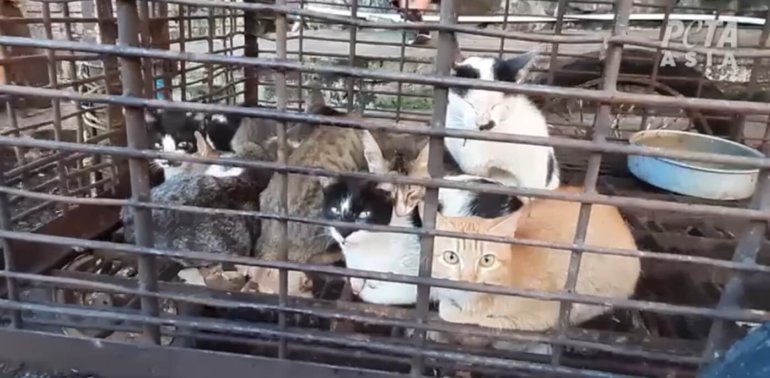
According to Public Health England, “Many (60 to 80% [of]) emerging infections are derived from an animal source.” Filthy factory farms, abattoirs, and meat markets threaten the health of every human being on the planet by providing a breeding ground for deadly pathogens like the ones behind COVID-19, SARS, bird flu, and more.

Will the Next Pandemic Come From a UK Farm?

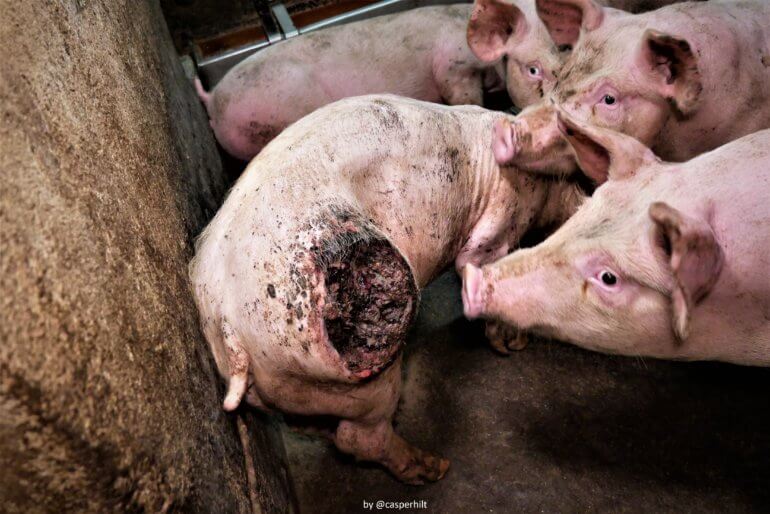
On farms in the UK, stressed animals are crammed into cages or sheds by the thousands and pumped full of antibiotics to keep them alive in filthy conditions that would otherwise kill them. Pathogens flourish in such environments.

We’re playing a dangerous game. Given the huge population of animals living on factory farms in the UK and around the world, we’re leaving ourselves vulnerable to further catastrophic disease outbreaks and pandemics.
casperhilt

And in part because of the widespread use of antibiotics in animal agriculture, experts believe that by 2050, more people will die of antibiotic-resistant diseases than of cancer.

What You Can Do

Not only is our mistreatment of animals responsible for deadly pandemics and putting human lives at risk, it also causes other animals immense suffering and is destroying the planet. Now is the time for each and every person to take responsibility for their part.
Filmmaker Jack Harries joins forces with PETA in a brand-new video, discussing how disease-ridden “wet markets” and factory farms breed global pandemics like COVID-19 – and why they need to be shut down immediately.https://www.youtube-nocookie.com/embed/5uR5BaY7Ku4?wmode=transparent&rel=0&autoplay=0

The video includes footage of living and dead animals, including bats, rats, and frogs, at wet markets in Asia. Terrified animals are confined to small cages, and floors and countertops are smeared with faeces, blood, and urine. This footage was taken in April 2020 – a month after the COVID-19 outbreak was declared a pandemic. Jack explains the link between animal exploitation and deadly diseases:

“Today, three out of every four new or emerging infectious diseases come from animals, mainly via the wildlife trade or factory farming. Unless we stop exploiting animals – and soon – there will be more pandemics to come.”

Enough Is Enough

Experts say that the COVID-19 outbreak originated in a wet market in Wuhan, China, where humans had direct contact with live animals and dead animal flesh.

Despite a growing death toll, calls by world leaders for a ban on such markets, and the continued importance of flattening the curve, these markets are still conducting business as usual.

To prevent more diseases like COVID-19, all live-animal markets must close. Join PETA in urging the World Health Organization to call for an end to live-animal meat markets:Take Action

The exploitation and slaughter of living, feeling beings has led millions of us to be infected with a dangerous disease – and it’s not the first time something like this has happened.

According to Public Health England, “Many (60 to 80% [of]) emerging infections are derived from an animal source.” Filthy factory farms, abattoirs, and meat markets threaten the health of every human being on the planet by providing a breeding ground for deadly pathogens like the ones behind COVID-19, SARS, bird flu, and more.

Will the Next Pandemic Come From a UK Farm?

On farms in the UK, stressed animals are crammed into cages or sheds by the thousands and pumped full of antibiotics to keep them alive in filthy conditions that would otherwise kill them. Pathogens flourish in such environments.

We’re playing a dangerous game. Given the huge population of animals living on factory farms in the UK and around the world, we’re leaving ourselves vulnerable to further catastrophic disease outbreaks and pandemics.

casperhilt

And in part because of the widespread use of antibiotics in animal agriculture, experts believe that by 2050, more people will die of antibiotic-resistant diseases than of cancer.

What You Can Do

Not only is our mistreatment of animals responsible for deadly pandemics and putting human lives at risk, it also causes other animals immense suffering and is destroying the planet. Now is the time for each and every person to take responsibility for their part.
Coronavirus may have infected 10 times more Americans than reported, CDC says

JUNE 25, 2020 / 9:22 AM / UPDATED 3 HOURS AGO

Steve Holland

https://www.reuters.com/article/us-health-coronavirus-usa-cases/coronavirus-may-have-infected-10-times-more-americans-than-reported-cdc-says-idUSKBN23W2PU

WASHINGTON (Reuters) – Government experts believe more than 20 million Americans could have contracted the coronavirus, 10 times more than official counts, indicating many people without symptoms have or have had the disease, senior administration officials said.FILE PHOTO: Emergency workers walk past an ambulance parked at Houston Methodist Hospital, amid the global outbreak of the coronavirus disease (COVID-19), in Houston, Texas, U.S., June 22, 2020. REUTERS/Callaghan O’Hare

The estimate, from the Centers for Disease Control and Prevention, is based on serology testing used to determine the presence of antibodies that show whether an individual has had the disease, the officials said.

The officials, speaking to a small group of reporters on Wednesday night, said the estimate was based on the number of known cases, between 2.3 million and 2.4 million, multiplied by the average rate of antibodies seen from the serology tests, about an average of 10 to 1.

“If you multiply the cases by that ratio, that’s where you get that 20 million figure,” said one official.

If true, the estimate would suggest the percentage of U.S. deaths from the disease is lower than thought. More than 120,000 Americans have died from the disease since the pandemic erupted earlier this year.

The estimate comes as government officials note that many new cases are showing up in young people who do not exhibit symptoms and may not know they have it.

Officials said young people with no symptoms, but who are in regular contact with vulnerable populations, should proactively get tested to make sure they do not spread it.

“We have heard from Florida and Texas that roughly half of the new cases that are reporting are people under the age of 35, and many of them are asymptomatic,” one official said.

The CDC has sent 40 response teams to help deal with the outbreaks, they said.

More than 36,000 new cases of COVID-19 were recorded nationwide on Wednesday, just shy of the record 36,426 on April 24, concentrated on states that were spared the brunt of the initial outbreak or moved early to lift restrictions aimed at curbing the virus’ spread.

Washington state sounds alarm over rising coronavirus cases

Volume 20%

This video will resume in 14 seconds

Health officials in Washington are warning that the coronavirus is spreading more widely throughout the state, an increase likely driven by transmissions that took place over Memorial Day weekend.

In a report issued Saturday, the Washington State Department of Health pointed to two distinct hot spots, both of which are showing worrying signs of increased spreading.

Confirmed COVID-19 cases are rising fastest in four counties east of the Cascade Mountains, mostly rural and agricultural areas that were spared from the first substantial outbreak in Washington.

Both cases and the rate at which tests are coming back positive are increasing in Yakima, Spokane, Franklin and Benton counties. Projections in three of those counties show they are at risk of recording hundreds of new cases a day by the end of the month; Yakima County is already recording cases at that rapid rate.

The outbreaks east of the Cascades are now comparable to the worst days of the coronavirus epidemic in King County, home to Seattle, in mid-March. Though they are much more sparsely populated, there are as many cases per capita now in the eastern counties as there were in Seattle during the height of its outbreak.

King County has a population 2.25 million and has recorded 8,611 coronavirus cases, according to state health department figures, or a little under four cases per 1,000 residents. Yakima County, population 250,000, has recorded 5,129 confirmed cases, a per capita ratio five times higher than King County.

The state health department also said it was concerned about a growing number of cases confirmed in western Washington. Models maintained by epidemiologists at the University of Washington show the estimated reproductive threshold — the average number of people someone infected with the virus infects — rising above the 1.0 threshold needed to keep cases on the decline.

Washington, the state that suffered the first confirmed coronavirus case back in January, is now beginning to reopen its economy. In a statement Saturday, Gov. Jay Inslee (D) said the new report was cause for concern.

“The report estimates cases and deaths will soon increase substantially if COVID-19 continues to spread at current levels,” Inslee said. “This data will force us to look for some creative solutions and strengthen our strong local – state partnerships to address the disease activity.”

He asked Washingtonians to wear masks more vigilantly and to continue practicing social distancing.

“This is not the time to give up on efforts to protect ourselves, our families and our communities. We are still in the middle of a pandemic that is continuing to infect and kill Washingtonians,” Inslee said.

In a statement, Kathy Lofy, Washington state’s health officer, said the increased number of cases was likely a result of Memorial Day weekend festivities about three weeks ago. That stretch of time would give people a sufficient period in which to get sick, develop symptoms and progress to a state in which they seek treatment for their illness.

Lofy said the new cases are not indicative of any spread at protests over the murder of George Floyd, an unarmed black man who was killed by police in Minneapolis. The protests that have been especially large in Seattle, Tacoma and other western Washington towns.

Any new cases among protesters probably have not had time to manifest in substantial ways yet and likely would not show up for at least another week.

After about a month at a stable plateau, the number of confirmed coronavirus cases across the country has started to rise. More than 20,000 new cases have been identified on each of the last four days, according to the COVID Tracking Project. Doctors confirmed nearly 24,000 cases on Thursday and more than 26,000 cases on Friday.

States that raced to reopen their economies, such as Texas, Florida, Arizona and the Carolinas, are seeing substantial increases. But so too are states such as Washington, where restrictions have been lifted more slowly.

More than 2,066,000 people in the United States have been diagnosed with the coronavirus. More than 115,000 have died, by far the highest total of any country in the world.

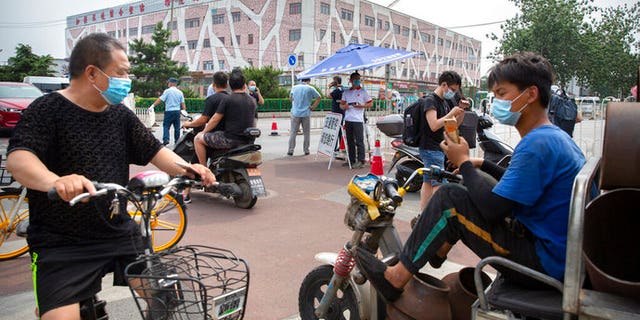
Lockdown Measures Return To Beijing As Testing Reveals Cluster At Major Food Market

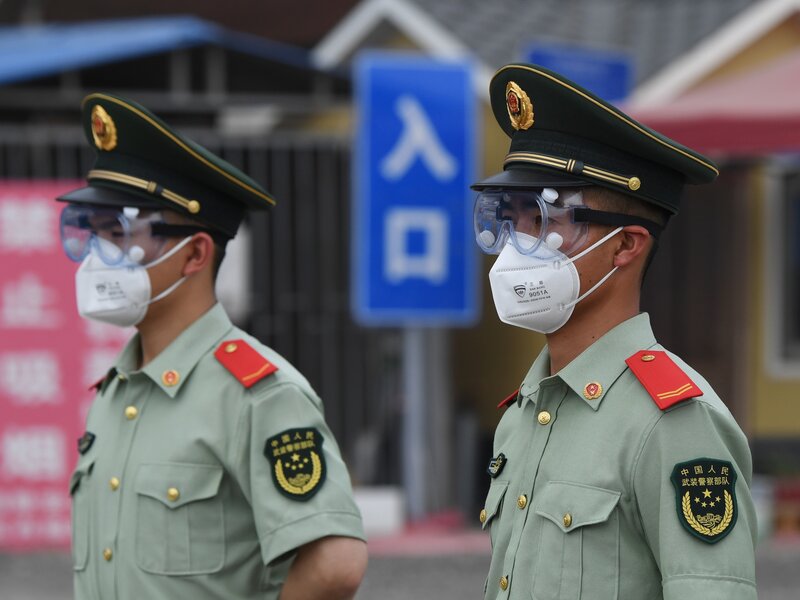
Paramilitary police officers wear face masks and goggles as they stand guard at an entrance to the closed Xinfadi market in Beijing on June 13, 2020.

Greg Baker /AFP via Getty Images

China’s capital of Beijing has discovered 42 symptomatic new cases of the coronavirus since Thursday, leading city authorities to resurrect lockdown measures and elevating fears of a second wave of infections.

All the new cases were linked to the sprawling Xinfadi wholesale food market in the south of Beijing, which supplies the city and its environs with 1,500 tons of seafood, 18,000 tons of vegetables and 20,000 tons of fruit every day, according to the market’s website.

The first new case was confirmed Thursday, after one man who bought produce from the seafood and meat section of the Xinfadi market on June 3 tested positive for COVID-19. It is not yet clear how he became infected as he denied having any recent travel history. Two more cases were identified the following day, and the market was sealed off as of early Saturday morning.

Authorities said they tested 5,803 people working at the market on Saturday alone — all were negative for the coronavirus — as well as 2,383 samples taken from surfaces within the market. Those have been in contact with the market or people who have contacted the market since May 30 have been asked by municipal authorities to voluntarily submit themselves to a nucleic acid exam.

On top of the 42 cases, authorities have discovered at least 48 asymptomatic cases of the coronavirus linked to the market, meaning the people carrying the virus have yet to show symptoms. They are being kept under medical observation in quarantine, Beijing health authorities said over the weekend.

Lockdown measures, which had been rapidly easing up before the cluster of cases was discovered in Beijing, are now partially returning.

Municipal authorities shut down sporting events and tourism sites in the capital on Saturday. Restaurants are once again discouraged from accepting large groups for dining together. Eleven residential complexes near the market have been locked down and its residents forbidden from leaving. Beijing’s Fengtai district, where Xinfadi market is located, was designated a high risk area on Sunday.

Wu Zunyou, an epidemiologist with China’s center for disease control, said Sunday the virus was likely transmitted from seafood and meat products whose surfaces were contaminated after being handled by infected people elsewhere.

Two samples taken from the market detected variants of the coronavirus that were more similar to those that are prevalent in Europe rather than the variant most commonly detected in patients in China, Zeng Guang, another epidemiologist at China’s center for disease control, told Chinese media.

Many of the cities largest luxury hotels and restaurants said they were voluntarily disposing of all their raw fish and would stop serving seafood.

Others urged restraint and calm.

“Beijing will not became a second Wuhan. It will not spread the virus to other cities around the country or warrant a city-wide lockdown,” a former health commission senior expert, Zeng, told state media on Sunday.

Beijing closes food market, locks down district after new coronavirus outbreak

Beijing swiftly shut down the city’s largest wholesale market after dozens of people became infected with coronavirus, and officials have declared “wartime management” in one district, according to reports.

Of the 500 people who were tested on Friday, seven tested positive and showed symptoms of COVID-19, with an additional 46 asymptomatic people testing positive. The cases mark the first local transmissions of the disease in the Chinese capital in 55 days, according to the South China Morning Post.

People wearing face masks to protect against the new coronavirus stop at a checkpoint outside the Xinfadi wholesale food market district in Beijing, Saturday, June 13, 2020. Beijing closed the city's largest wholesale food market Saturday after the discovery of seven cases of the new coronavirus in the previous two days.

People wearing face masks to protect against the new coronavirus stop at a checkpoint outside the Xinfadi wholesale food market district in Beijing, Saturday, June 13, 2020. Beijing closed the city’s largest wholesale food market Saturday after the discovery of seven cases of the new coronavirus in the previous two days. (AP Photo/Mark Schiefelbein)

Patient Zero in the new outbreak is believed to have visited the Xinfadi market in the Fengtai district, a market that accounts for roughly 90 percent of the city’s produce.

Traces of the disease were found on cutting boards, forcing a citywide scramble to remove fish – particularly salmon – from restaurant menus and supermarket shelves.

Pang Xinghuo, deputy director of Beijing’s Center for Disease Control and Prevention, confirmed that all of the new cases were linked to the Xinfadi market.

The Beijing Health Commission has said that at least three of the symptomatic patients were employees at the market, according to The New York Times.

Eleven neighborhoods around the market have issued a stay-at-home advisory, and citizens have been urged to avoid traveling in or out of Beijing. Sporting events and tour group trips to Beijing have been suspended and classes have been cancelled for students in kindergarten and the first three years of elementary school.

Officials have said that more than 10,000 people who work at the market will be tested, and the market itself will be disinfected.  All patients who have tested positive are in quarantine and under observation.

More than 1,900 workers at markets across the city have already been tested, according to the commission.

Feng Zhanchun, a public health expert, said the links between the number of positive cases means the virus is spreading in the community. The spread and response have so far echoed that of Wuhan at the start of the pandemic.

“If it can’t be put under control right now, the virus will affect many people in a short time because of the high density of population in cities,” Feng said.

__________________________________________________________

Also see: https://www.npr.org/sections/coronavirus-live-updates/2020/06/13/876544822/beijing-in-wartime-emergency-mode-amid-fresh-cluster-of-coronavirus-cases

Beijing district in ‘wartime emergency’ after virus spike shuts market

KEY POINTS
  • Concern is growing of a second wave of the pandemic, which has infected more than 7.66 million people worldwide and killed more than 420,000, even in many countries that seemed to have curbed its spread.
  • The virus was first reported at a seafood market in Wuhan, the capital of central China’s Hubei province, in December.
People carry goods out of a side entrance of the Jingshen seafood market in Beijing on June 13, 2020. - The market was closed for disinfection and investigation on June 12 after it was found that a newly identified coronavirus patient had visited it.
People carry goods out of a side entrance of the Jingshen seafood market in Beijing on June 13, 2020. – The market was closed for disinfection and investigation on June 12 after it was found that a newly identified coronavirus patient had visited it.
GREG BAKER / Contributor

A district of Beijing was on a “wartime” footing and the capital banned tourism on Saturday after a cluster of novel coronavirus infections centred around a major wholesale market sparked fears of a new wave of COVID-19.

Concern is growing of a second wave of the pandemic, which has infected more than 7.66 million people worldwide and killed more than 420,000, even in many countries that seemed to have curbed its spread.

The virus was first reported at a seafood market in Wuhan, the capital of central China’s Hubei province, in December.

Chu Junwei, an official of Beijing’s southwestern Fengtai district, told a briefing on Saturday that the district was in “wartime emergency mode”.

Throat swabs from 45 people, out of 517 tested at the district’s Xinfadi wholesale market, had tested positive for the new coronavirus, though none of them showed symptoms of COVID-19, Chu said.

A city spokesman told the briefing that all six COVID-19 patients confirmed in Beijing on Friday had visited the Xinfadi market. The capital will suspend sports events and inter-provincial tourism effective immediately, he said.

One person at an agricultural market in the city’s northwestern Haidian district also tested positive for the coronavirus that causes COVID-19 without showing symptoms, Chu said.

As part of measures to curb the spread of the virus, Fengtai district said it had locked down 11 neighbourhoods in the vicinity of the market.

VIDEO04:53
Coronavirus infections continue to surge in Houston

Authorities closed the Xinfadi market at 3 a.m. on Saturday (1900 GMT on Friday), after two men working at a meat research centre who had recently visited the market were reported on Friday to have been infected. It was not immediately clear how the men had been infected.

“Preliminary judgment suggests these cases may have come into contact with a contaminated environment in the market, or were infected after being in contact with infected people. We cannot rule out subsequent cases in the future,” said Pang Xinghuo, an official at the Beijing Center for Disease Control.

Beijing authorities had earlier halted beef and mutton trading at the Xinfadi market, alongside closures at other wholesale markets around the city.

Reflecting concerns over the risk of further spread of the virus, major supermarkets in Beijing removed salmon from their shelves overnight after the virus causing COVID-19 was discovered on chopping boards used for imported salmon at the market, the state-owned Beijing Youth Daily reported.

VIDEO06:07
Contact tracing key to containing the coronavirus outbreak

Beijing authorities said more than 10,000 people at the market will take nucleic acid tests to detect coronavirus infections. The city government also said it had dropped plans to reopen schools on Monday for students in grades one through three because of the new cases.

Health authorities visited the home of a Reuters reporter in Beijing’s Dongcheng district on Saturday to ask whether she had visited the Xinfadi market, which is 15 km (9 miles) away. They said the visit was part of patrols Dongcheng was conducting.

China reported 11 new COVID-19 cases and seven asymptomatic infections of the virus for Friday, the national health authority said on Saturday. All six locally transmitted cases were confirmed in Beijing.

Dutch fur farms have killed 575,000 mink, mostly pups, following coronavirus outbreak

June 11, 2020 1 Comment

The Netherlands is expected to kill more than 350,000 mink by gassing, in a massive cull following an outbreak of coronavirus on fur farms in the country. It is estimated that most of these—about 300,000—are pups just days or weeks old.

The killing of animals on fur farms is heartbreaking under any circumstances, because of how utterly needless and preventable it is. But this tragic cull, and the scale of it, is a stark reminder of the many problems that surround fur factory farming, impacting both animal welfare and human health, and why all production of this unnecessary commodity needs to end immediately.

The problem came to light in April, when two fur farm workers in the Netherlands were found to have contracted the coronavirus from mink, which is the only known animal-to-human transmission following the initial outbreak. In following weeks, 13 of the Netherlands’ roughly 130 fur farms reported mink infected with the virus. And the number of infected farms keeps on growing. The farms said more mink were dying than usual, and some had nasal discharge or difficulty breathing.

This month, the government ordered all mink on infected Dutch fur farms be killed to prevent the further spread of the coronavirus to humans. The cull, which began last week, has farm workers in protective clothing using gas to kill mink mothers and their pups. The animals’ bodies are then transported to a disposal center in a sealed shipping container and the farms disinfected.

It is now clear that these fur farms, where animals are crowded in close contact with each other, are reservoirs for the spread of pandemics. Organizations like ours have been sounding the alarm bell over fur farms—and the high risk for disease they pose—for years, and as tragic as this development is, it is not surprising to us.

Fur farms also pose an extraordinary animal welfare problem. Much like factory farms and wildlife markets, the animals in these operations live short, miserable lives in small, barren and filthy cages, usually without any veterinary care. A Humane Society International investigation of Finland’s fur farms last year showed many animals had eye infections and gaping wounds, including a mink with a large, bloody hole in the head. Some animals lay dead in the cages and others ate them or walked over them.

Such fur farms exist around the globe, including in the United States, where the top 10 states for mink pelt production (in order of most to least) are Wisconsin, Utah, Idaho, Oregon, Minnesota, Iowa, Illinois, Pennsylvania, Michigan and Washington. As part of our 11-point policy plan to reduce animal suffering and help prevent future national and global pandemics, the Humane Society family of organizations is calling for an end to all fur farming everywhere it exists around the world.

We have already made tremendous progress in fighting fur, with dozens of fashion designers and retailers turning away from this cruel product in recent years. In the United States, California has banned the production of fur and all sales of new fur products. Globally, Britain became the first country in the world to ban fur production, and it has been followed by a dozen European countries, including Austria, the Czech Republic and Norway.

The Netherlands, once the third largest fur farming country in the world, banned fur production in 2013 with an 11-year phaseout. But the tragedy now playing out in the country is an opportunity for the government there, and for governments in all fur-producing nations, to take note of the serious public health and animal welfare problems associated with fur farms and close them down without delay. With the pandemic still ravaging the globe, it simply doesn’t make sense for anyone to reinvest in an enterprise that’s fallen out of fashion and favor the world over.

Dutch govt orders culling of 10,000 mink to prevent spread of coronavirus

https://theprint.in/world/dutch-govt-orders-culling-of-10000-mink-to-prevent-spread-of-coronavirus/437466/

In May, WHO had identified possible animal-to-human transmission of Covid-19 from the Dutch mink to their farmers. This was the first instance of such a transmission.

 7 June, 2020 7:56 pm IST
A mink | Photo: Jens Schlueter| DDP/AFP/Getty Images via Bloomberg
Text Size: A- A+

New Delhi: Mink farms in the Netherlands have commenced a government-ordered culling of around 10,000 mink across the country over concerns that the animals infected with coronavirus could transmit the infection to humans, reports The Guardian.

According to the Netherlands Food & Wares Authority, mink infected with Covid-19 have been found on 10 Dutch farms. The authority’s spokesperson Frederique Hermie said, “All mink breeding farms where there is an infection will be cleared, and farms, where there are no infections, won’t be.”

The initial infection was reported in two farms near the city of Eindhoven, where the disease was discovered in April among mink that are bred for their valuable fur.

Dutch Agriculture Minister Carola Schouten said two workers likely contracted Covid-19 on a mink farm while stressing that the risk of further spread of the coronavirus from the mink to humans remains low.

Advertisement: 0:18

The culling of mink involves farmworkers in protective gear using gas on mink. The bodies of the mink will be sent to the disposal plant after which the farms will be disinfected.


Rights groups call for end to mink fur trade

Animal rights groups opposed to mink fur trade said the outbreak is another reason to close all farms.

“We are calling for the 24 countries around the world that still allow mink farming to very rapidly evaluate the situation and evidence coming out of the Netherlands,” said Claire Bass, executive director of the Humane Society International.

China, Denmark and Poland are the largest mink fur producers across the world. According to the Dutch Federation of Pelt Farmers, there are 140 mink farms in the Netherlands, exporting $146 million worth of fur every year.

In 2013, the Dutch Parliament had ordered the closure of all mink farms by 2024. Slovenia and Serbia have also passed legislation to ban all fur farming in the country. Countries like Norway and the UK have already banned mink farming for fur. The state of California in the US has banned the sale and manufacture of all fur products.


Also read: How coronavirus, bird flu and rumours to stay off non-veg hit poultry industry hard in India


Other animals culled due to Covid fears

The Dutch mink are not the only animals to have been eliminated due to the coronavirus pandemic. Meat processing plants and hatcheries, across the world, have been forced to kill birds due to shut down and lack of business.

ThePrint had earlier reported that Covid-related rumours had led to a huge loss to poultry businesses, which forced farmers to kill their birds or abandon them.

Due to the dip in business, poultry farmers have been finding it difficult to sustain their existing stock with the rising fodder and other maintenance-related costs.

Several other animals have also been reportedly infected by Covid-19. On 4 June, a dog was reportedly infected with coronavirus in the US. The disease has also been spotted in tigers, lions and cats. Also, early reports of animal-to-human transmission in China in February had led to cats and dogs being abandoned in Wuhan.

America Is Giving Up on the Pandemic

MEL D. COLE / GETTY / THE ATLANTIC

After months of deserted public spaces and empty roads, Americans have returned to the streets. But they have come not for a joyous reopening to celebrate the country’s victory over the coronavirus. Instead, tens of thousands of people have ventured out to protest the killing of George Floyd by police.

Demonstrators have closely gathered all over the country, and in blocks-long crowds in large cities, singing and chanting and demanding justice. Police officers have dealt with them roughly, crowding protesters together, blasting them with lung and eye irritants, and cramming them into paddy wagons and jails.

There’s no point in denying the obvious: Standing in a crowd for long periods raises the risk of increased transmission of SARS-CoV-2, the virus that causes COVID-19. This particular form of mass, in-person protest—and the corresponding police response—is a “perfect set-up” for transmission of the virus, Anthony Fauci, the director of the National Institute of Allergy and Infectious Diseases, said in a radio interview on Friday. Some police-brutality activists (such as Black Lives Matter Seattle) have issued statements about the risk involved in the protests. Others have organized less risky forms of protests, such as Oakland’s Anti Police-Terror Project’s massive “caravan for justice.”

The risk of transmission is complicated by, and intertwined with, the urgent moral stakes: Systemic racism suffuses the United States. The mortality gap between black and white people persists. People born in zip codes mere miles from one another might have life-expectancy gaps of 10 or even 20 years. Two racial inequities meet in this week’s protests: one, a pandemic in which black people are dying at nearly twice their proportion of the population, according to racial data compiled by the COVID Tracking Project at The Atlantic; and two, antiblack police brutality, with its long American history and intensifying militarization. Floyd, 46, survived COVID-19 in April, but was killed under the knee of a police officer in May.

Americans may wish the virus to be gone, but it is not. While the outbreak has eased in the Northeast, driving down the overall national numbers, cases have only plateaued in the rest of the country, and they appear to be on the rise in recent days in COVID Tracking Project data. Twenty-two states reported 400 or more new cases Friday, and 14 other states and Puerto Rico reported cases in the triple digits. Several states—including Arizona, North Carolina, and California—are now seeing their highest numbers of known cases.

These numbers all reflect infections that likely began before this week of protest. An even larger spike now seems likely. Put another way: If the country doesn’t see a substantial increase in new COVID-19 cases after this week, it should prompt a rethinking of what epidemiologists believe about how the virus spreads.

But as the pandemic persists, more and more states are pulling back on the measures they’d instituted to slow the virus. The Trump administration’s Coronavirus Task Force is winding down its activities. Its testing czar is returning to his day job at the Department of Health and Human Services. As the long, hot summer of 2020 begins, the facts suggest that the U.S. is not going to beat the coronavirus. Collectively, we slowly seem to be giving up. It is a bitter and unmistakably American cruelty that the people who might suffer most are also fighting for justice in a way that almost certainly increases their risk of being infected.


The protests have led to unusually agonized public-health communication. They have not been met with the stern admonition to stay home that has greeted earlier mass gatherings. Given the long-standing health inequities that black Americans have experienced, hundreds of public-health professionals signed a letter this week declining to oppose the protests “as risky for COVID-19 transmission”: “We support them as vital to the national public health and to the threatened health specifically of Black people in the United States,” they wrote. Yet the protests are indisputably risky, and officials at the Centers for Disease Control and Prevention have warned the gatherings might “seed” new outbreaks.

But the evidence does not reveal universal compliance with public-health guidelines. Protesters lay close together on the ground in many cities for nearly nine-minute-long “die-ins,” evoking the length of time that Derek Chauvin, a Minneapolis police officer, knelt on Floyd’s neck. Many protests have involved some form of shouting, chanting, or singing, which research suggests can be especially effective modes of transmission for the virus. Earlier this week, near the White House, a mostly masked crowd loudly sang “Lean on Me.”

Protesters and public-health officials alike may be taking into account what The New York Times called “a growing consensus” that being outdoors mitigates some risk of transmission. The virus appears to perish quickly in a sunny, humid environment, even at room temperature, according to research conducted in April by the Department of Homeland Security. (Viral particles may survive for hours longer in drier conditions, and epidemiologists do not believe that these climatic effects alone will dampen the outbreak.) The virus also seems to be more difficult to transmit outside, especially during the day, though scientists still do not know enough about the virus to say confidently that large outdoor gatherings are completely safe. The number of protests over the past week means that researchers will soon have a much better understanding of the risks of outdoor transmission.

Many of the potential drivers of coronavirus transmission this week do not involve protester tactics: Dozens of police forces have used security measures that could allow the virus to spread more easily. In Washington, D.C., for instance, federal officers used tear gas or another chemical irritant on hundreds of peaceful protesters gathered in front of the White House on Monday so that President Donald Trump could pose for a photograph. Tear gas and chemicals like it force people to cough and gag, a fertile mode of transmission for the virus. Later that night, city police crowded protesters together before arresting them one by one, an aggressive crowd-control technique known as “kettling.” Hundreds of protesters who were arrested this week were sent—even if briefly—to the city’s jails, which have so many coronavirus cases that the District government has separated that number out from the citywide total.

In Philadelphia, city police teargassed hundreds of peaceful protesters marching on a freeway, prompting them to cough and gag. (There is no evidence that the demonstrators posed a threat to the safety of officers or bystanders, or were becoming violent, according to the local NPR affiliate.) In New York City, officers crammed hundreds of peaceful demonstrators together, then struck them with batons. From Iowa to Texas, officers used tear gas on large, largely peaceful gatherings; in at least five states, police deployed pepper spray or tear gas on children or teenagers, some of whom just happened to be nearby and were not attending the protests.

Journalists from across the country have reported that police officers are wearing masks less often than protesters. “The state is the one with the duty to protect public health,” Alexandra Phelan, a professor of global-health law at Georgetown University, told us earlier this week. Regardless of what the police think of the protests, she said, it is their obligation under international and domestic law to keep the protesters safe, including minimizing the health risk from viral spread.


There are too many variables to know exactly what the summer has in store for the outbreak in America, including what effect the protests will have. There are some signs of hope. Masks are in use around the country. Outdoor transmission seems to be fairly unlikely in most settings. And testing availability has improved. According to data from the COVID Tracking Project, the United States can now conduct 3 million tests a week. The public-health system is discovering and diagnosing a much greater percentage of cases than it did in the early days of the outbreak. Morgan Stanley estimated that the transmission rate in the U.S. was just above 1; this suggests that there has not been explosive growth in the number of active cases in recent weeks.

But that estimated rate also implies that cases are not rapidly declining. And the slow growth reflects the time before the full data from states’ recent moves to reopen their economy became available—before large swaths of the public returned to work, and before the mass protests and jailings began.

Few people believe that the U.S. is doing all it can to contain the virus. A brief glance at Covid Exit Strategy, a site that tracks state-by-state progress, reveals that most states are not actually hitting the reopening marks suggested by public-health experts. Yet state leaders have not stuck with the kinds of lockdowns that suppressed the virus in other countries; nobody has suggested that cases must be brought to negligible levels before normal activity can resume. No federal official has shared a plan for preventing transmission among states that have outbreaks of varying intensity. The Trump administration did not use the eight weeks of intense social distancing to significantly expand our suppression capacity.

What our colleague Ed Yong called “the patchwork pandemic” appears to have confused the American public about what is going on. The virus is not following one single course through the nation, but, like a tornado, is taking a meandering and at times incomprehensible path through cities and counties. Why this workplace but not another? Why this city or state but not others?

Chart tool by covidcharts.tech;, data from the COVID Tracking Project at The Atlantic

The virus has not mapped neatly onto American political narratives, either. While some questions remain about their accounting, Georgia and Florida—where leaders opened up early and residents seemed relatively defiant of public-health advice—have seen relatively flat numbers, while California, which took a more conservative approach, has seen cases grow. The state most poised for major trouble seems to be Arizona, where the outbreak is spreading very quickly. Not only is the state (which lifted its stay-at-home order on May 16) setting new records for positive tests and people in the hospital, but the percentage of tests that are coming back positive is also growing. So much for warm weather and sunshine alone stamping out viral transmission, as some had hoped: Phoenix saw only a single day’s high under 90 degrees during May. The state’s age demographics also haven’t played an obvious role: The state is slightly younger than the U.S. as a whole.

Chart tool by covidcharts.tech; data from the COVID Tracking Project at The Atlantic

Americans have not fully grasped that we are not doing what countries that have returned to normal have done. Some countries have almost completely suppressed the virus. Others had large outbreaks, took intense measures, and have seen life return to normal. Americans, meanwhile, never stayed at home to the degree that most Europeans have, according to mobility data from Apple and Google. Our version of the spring lockdown looked more like Sweden’s looser approach than like the more substantial measures in Italy, or even the United Kingdom and FranceSwedish public-health officials have acknowledged that this approach may not have been the best path forward.

For several weeks at the beginning of the outbreak in the U.S., the need to control the virus took precedence over other concerns. Now, for many people, the pandemic is no longer the most pressing national issue. As protesters and some public-health officials have said they are weighing the harms of police violence against the risk of increased viral spread and choosing to gather in the streets, state governments have made similar risk-reward arguments about balancing public-health and economic concerns. The virus does not care about these trade-offs. Retail reopenings and racial-justice protests may exist on different moral planes, but to the virus they both present new environments to spread.

Maybe the U.S. will somehow avoid another New York–style outbreak. Maybe the number of new infections will not grow exponentially. Maybe treatments have sufficiently improved that we will see huge outbreaks, but fewer people will die than we’ve come to expect. If so, it won’t be because the United States made concerted, coordinated decisions about how to balance the horrors of the pandemic and the frustration of pausing everyday life. Instead, the United States has moved from attempting to beat the virus to managing the harm of losing.

This is America. The problems with our response to the pandemic reflect the problems of the country itself. Our health-care system is almost uniquely ill-suited to dealing with a national health crisis; preexisting health disparities, entrenched and deepened by decades of racism, cannot be erased overnight; state and local health departments desperately needed federal leadership they did not receive; the Senate has not entertained a longer-lasting economic-rescue package that would allow a more prolonged period of sheltering in place; states are facing a fiscal cliff.

And yet, even though this health crisis reflects our nation’s political, social, and civic infrastructure, this plague has no consideration for morality. People partying in a pool may live while those protesting police brutality may die. People who assiduously followed the rules of social distancing may get sick, while those who flouted them happily toast their friends in a crowded bar. There is no righteous logic here. There is no justice in who can breathe easy and who can’t breathe at all.

Here’s what WHO says your mask should have to prevent COVID-19 spread

For homemade masks, you’re probably doing it wrong, guidance suggests.

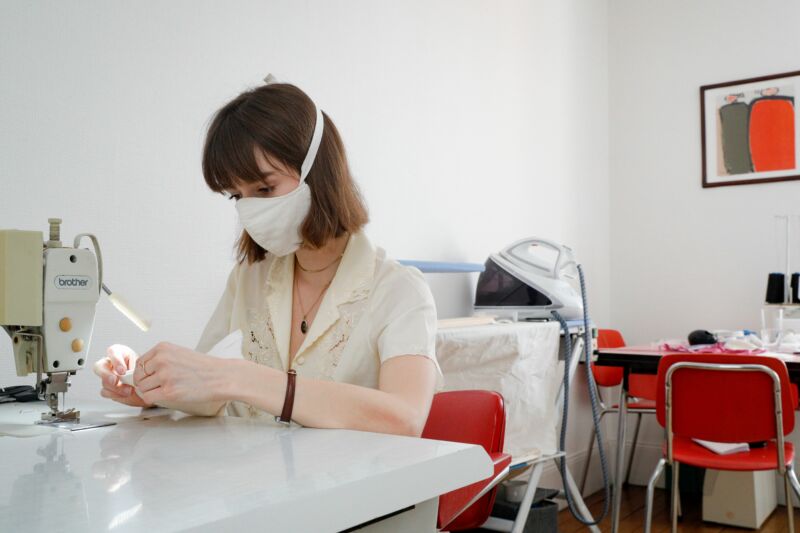
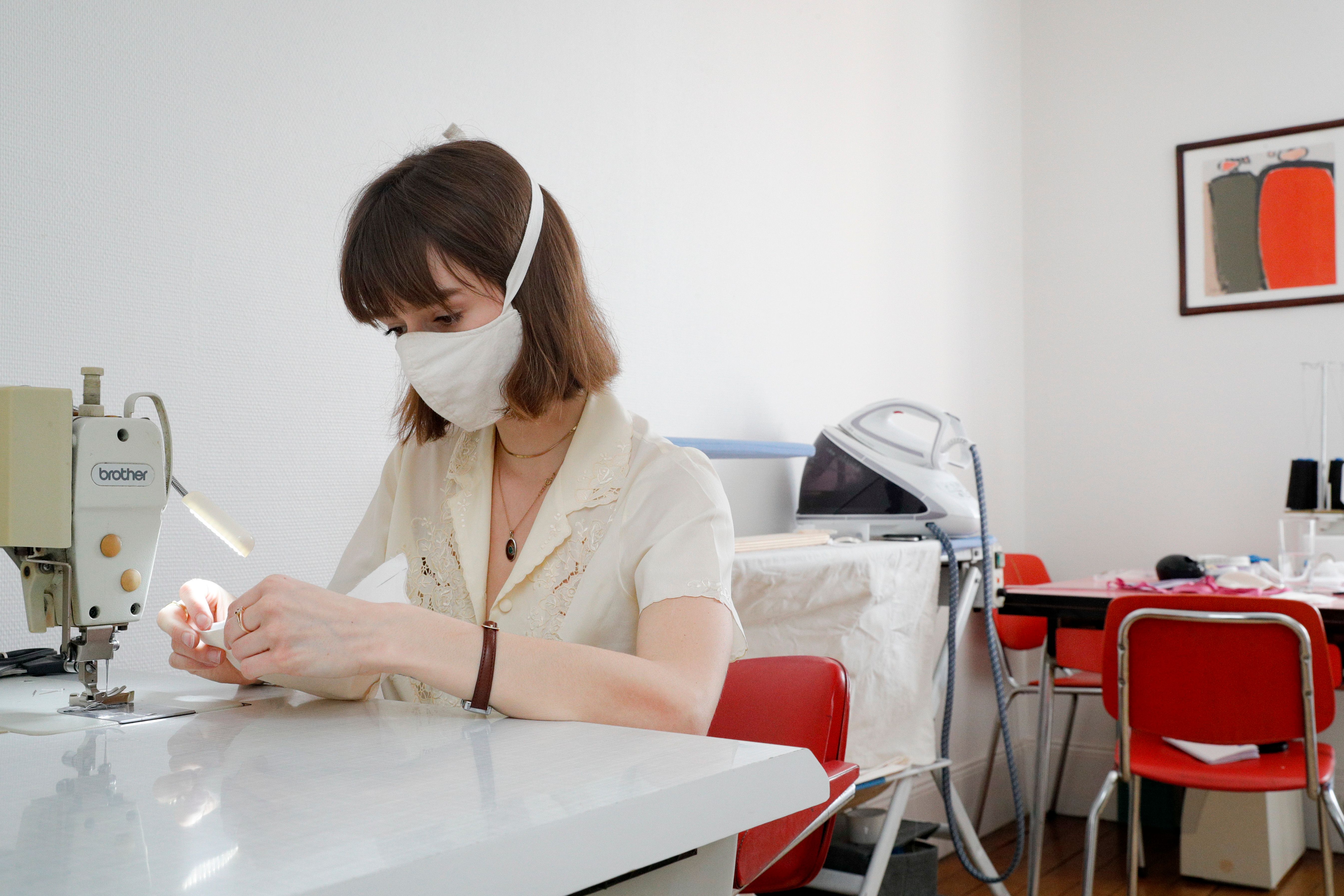
A masked woman operates a sewing machine.
Enlarge / French fashion student sews homemade protective face masks to stop the spread of COVID-19.

The World Health Organization on Friday updated its guidance on the use of masks amid the COVID-19 pandemic, making several changes and additions. Most notably, the agency is now recommending that governments encourage healthy members of the general public to wear masks in specific situations as part of comprehensive prevention efforts.

The new guidance puts the agency more in line with many countries worldwide that have already recommended masking the public, including the US Centers for Disease Control and Prevention, which made the recommendation in early April.

However, the WHO made its updated guidance with many caveats—and some highly specific recommendations not provided by the US CDC.

“I wish to be very clear that the guidance we are publishing today is an update of what we have been saying for months: that masks should only ever be used as part of a comprehensive strategy in the fight against COVID,” WHO Director-General Tedros Adhanom Ghebreyesus (Dr. Tedros) said in a press conference Friday.

“Masks on their own will not protect you from COVID-19.”

The technical guidance, released later Friday, is equally cautious, noting: “At the present time, the widespread use of masks by healthy people in the community setting is not yet supported by high quality or direct scientific evidence and there are potential benefits and harms to consider.”

Who and when

But, the WHO’s decision to recommend masking the public was swayed by concerns that the disease spreads from infected people who don’t show symptoms (pre-symptomatic and asymptomatic transmission), according to the guidance. The agency also took into account “individual values and preferences” and the reality that physical distancing is difficult if not impossible in some contexts.

Last, the WHO emphasized that its updated guidance is based on fresh data and offers detailed technical advice on homemade mask construction.

“This is new novel research, that WHO commissioned, that we didn’t have a month ago,” Maria Van Kerkhove, WHO’s technical lead on the COVID-19 response, said in the press conference Friday.

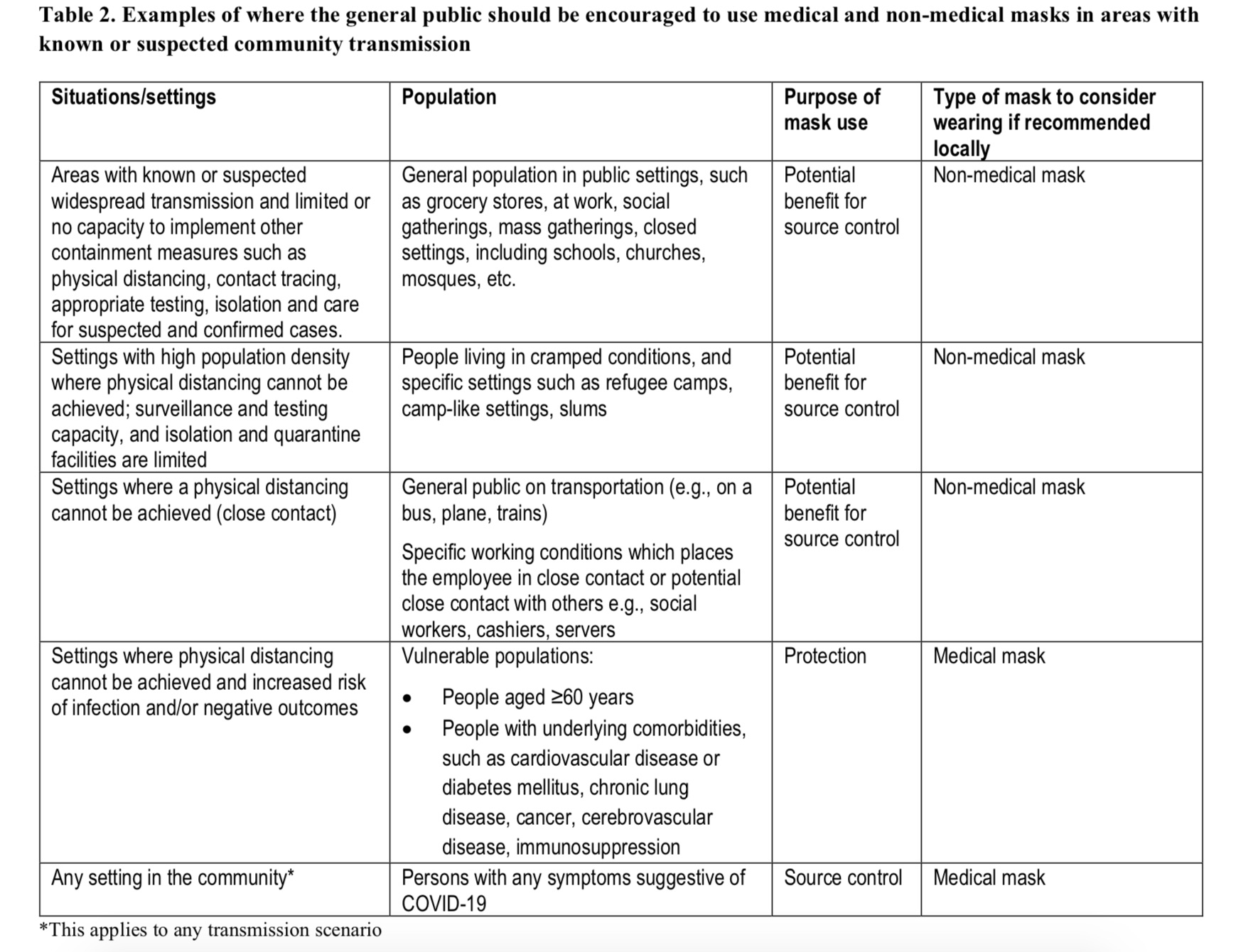
Specifically, WHO now recommends that healthy members of the public wear homemade or commercially available fabric masks in places where the new coronavirus is circulating widely and where physical distancing (staying 6-feet apart, etc.) is not possible or is difficult.

Who should wear a mask and when.
Enlarge / Who should wear a mask and when.

Detailed design

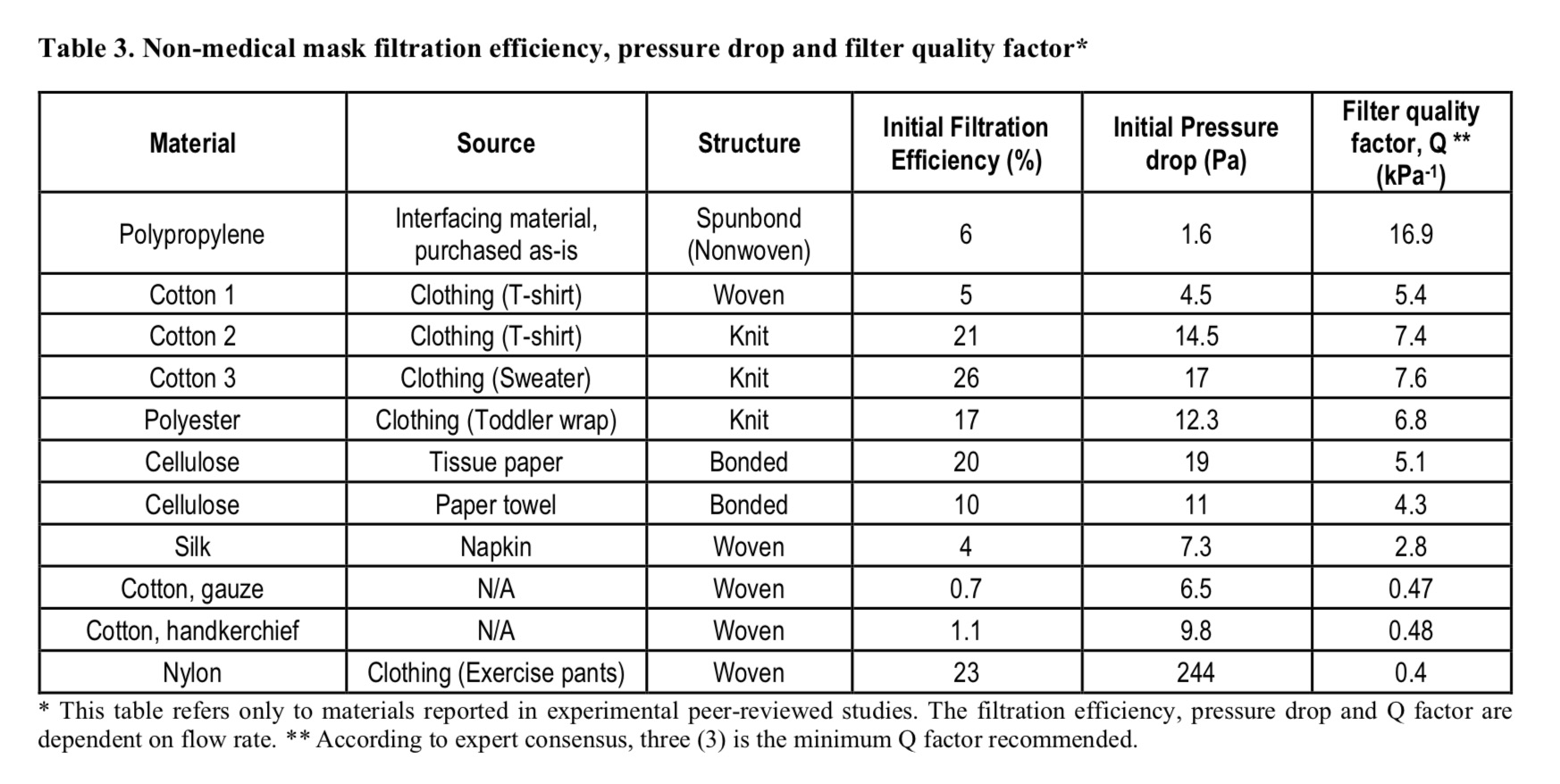
And those recommended masks aren’t just any face coverings. The agency looked over the filtration and breathability of a variety of common fabrics and materials. It noted that the French Standardization Association (AFNOR Group) has developed a technical standard for non-medical masks, which includes a minimum of 70 percent solid-particle filtration or droplet filtration.

The WHO noted that breathability—the difference in pressure across the mask as you breathe, reported in millibars (mbar) or Pascals (Pa)—should be below 49 Pa/cm2 for a medical mask. But, for non-medical masks, an acceptable pressure difference should be below 100 Pa.

Last, the WHO calculated the filter quality factor, dubbed “Q,” which is a function of filtration and breathability, with higher values indicating better overall efficiency. The bare minimum for homemade fabric mask should be Q of 3, according to WHO expert consensus.

Next, the analysis turned to assembly of the mask—the best materials and layering method. Folding a single fabric into two layers can boost filtration two to five times. Folds making four layers boosts filtration up to seven times.

The WHO determined that a minimum of three layers is required for fabric masks. But, masks may need more, depending on the fabric used. For instance, folding cotton handkerchiefs into four layers still only led to maximum filtration efficiency of 13 percent, the WHO noted. Notably, the homemade masks recommended by the US CDC only have two or three layers of cotton.

Analysis of potential mask materials.
Enlarge / Analysis of potential mask materials.

With the lower standards even for the best homemade masks, the WHO stressed that these masks are for source control only, not personal protection—that is, they can help prevent the person wearing the mask from spreading the virus, but they will not necessarily protect the wearer from becoming infected. As such, it’s important that mask wearing should always be accompanied by frequent hand washing and physical distancing.

In all, the expert analysis landed on this mask design:

The ideal combination of material for non-medical masks should include three layers as follows: 1) an innermost layer of a hydrophilic material (e.g. cotton or cotton blends); 2), an outermost layer made of hydrophobic material (e.g., polypropylene, polyester, or their blends) which may limit external contamination from penetration through to the wearer’s nose and mouth; 3) a middle hydrophobic layer of synthetic non-woven material such as polypropylene or a cotton layer which may enhance filtration or retain droplets.

Van Kerkhove noted in the press conference that “the evidence we have through this research is that, with those three layers and in that combination, that fabric [masks] can actually provide a mechanistic barrier. If someone were infected with COVID-19, it could prevent those droplets from going through and infecting someone else.”

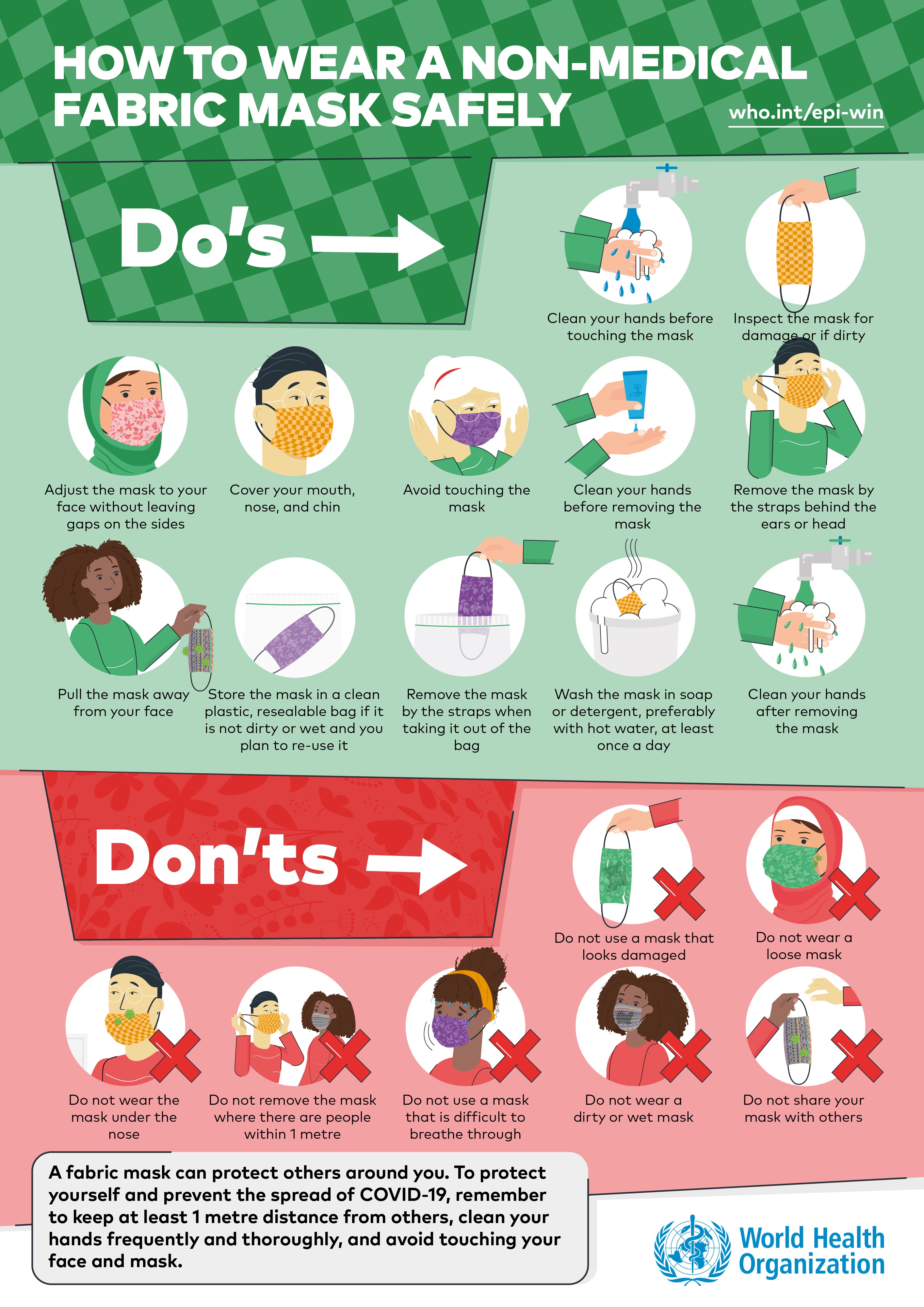
Mask dos and don'ts.
Enlarge / Mask dos and don’ts.

The guidance didn’t offer specific details on the testing of the recommended mask design or comparisons with others, such as those recommended by the CDC. Ars has reached out to WHO for additional data and will update this piece if it is available.In addition to the fabric masks for public use, the WHO is also now recommending that in areas where COVID-19 is spreading, all healthcare worker always wear medical masks—even if they are not treating COVID-19 patients specifically.

And, in areas with COVID-19 spread, all people aged 60 years or over and anyone with an underlying health condition should wear a medical mask when physical distancing is not possible.

Last, the WHO offers advice on washing your mask and how to safely put it on and take it off.

“Masks are not a replacement for physical distancing, hand hygiene, and other public health measures,” Dr. Tedros said. “Masks are only of benefit as part of a comprehensive approach in the fight against COVID-19. The cornerstone of the response in every country must be to find, isolate, test, and care for every case and to trace and quarantine every contact. That is what we know works. That is every country’s best defense against COVID-19.”