Bill to prohibit mountain lion hunting hits a snag

http://rapidcityjournal.com/news/local/communities/chadron/bill-to-prohibit-mountain-lion-hunting-hits-a-snag/article_7d2aad20-b10d-11e3-bb3c-001a4bcf887a.html

             
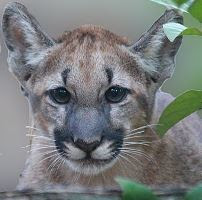
2014-03-21 By JoANNE YOUNG Lincoln Journal Starcougar cub                         Rapid City Journal                    

The bill that would halt mountain lion hunting in Nebraska was expected to get final approval Thursday morning from the Legislature.

It didn’t happen.

As the Legislature reached the lunch hour, the bill was pulled for the day by Speaker Greg Adams.

What took place between 9:53 a.m., when final reading on the bill (LB671) began, and 11:58 a.m. when debate stopped, was a not-so-well defined filibuster led by Omaha Sen. Scott Lautenbaugh and several other senators. Near the end of the morning, a motion by Ernie Chambers of Omaha, who introduced the bill, to delay it until the last day of the session, which would kill the bill, was made and then withdrawn by Chambers.

Chambers said Lautenbaugh’s plan was a political maneuver to determine the length of a filibuster on final reading. That kind of extended debate on final reading is exceedingly rare.

But that’s the kind of session this has been.

The morning debate went on for 2 hours and 5 minutes. There is no official time for how long a filibuster can go on final reading before a motion to force a vote on the bill, a cloture motion, can be made.

Lautenbaugh’s constitutional amendment on historical horseracing (LR41CA) is expected to be debated on final reading Tuesday, and amendments and a possible filibuster are pending on that resolution.

Speaker Greg Adams said the filibuster on the mountain lion bill was unanticipated when he put the agenda together.

The Legislature recessed for lunch and Adams said senators would not continue with the bill when they reconvened.

The bill is not on Friday’s agenda. Chambers said Thursday night he expects the bill could come back on final reading next week.

During the filibuster, opponents brought up arguments that the protection of the constitutional right to hunt could be violated by the bill.

Chambers has said through debates on the bill that the small number of mountain lions the Game and Parks Commission has verified in the state shows there is no need at this time to manage the game animal. There also have been no reports of attacks by lions on livestock or people in the state.

The Game and Parks Commission scheduled two hunting seasons this year, both of which have ended.

Two male lions were killed in January in the Pine Ridge and a female was killed in February in Sheridan County as part of two hunting seasons.

Chambers especially objected to the commission allowing hunters in the Pine Ridge to use dogs to chase the lions into trees, making them easier to shoot.

In addition to those killed in hunting seasons this year, two mountain lions were killed in traps, one of those a female, and one was run over by a car.

Killing wild animals spurs new debate

Slicing into a slab of chocolate cake on a picnic table at Hendricks     Park in south Eugene, Linda Gray said she wasn’t concerned about the possibility of a cougar roaming the area as she celebrated friend Betsy Priddle’s 71st birthday on Tuesday.

She was, however, upset about the fate of two cougars that were     trapped in the area and euthanized by the State Department of Fish and Wildlife, the first on March 11 and the second on Monday.

“If people go into areas where there are wildlife, they should expect to treat them with respect,” Gray asserted.

The cougars were euthanized largely because of a string of livestock     killings on a nearby property, where one man lost two goats and     three chickens over three consecutive nights. While landowners have     the right to kill animals on their property, state fish and wildlife     officials say they stepped in on behalf of people such as Gray and     Priddle who enjoy picnicking and hiking in the nearby park, some     with dogs or small children.

But Gray doesn’t see it that way, and on Tuesday offered alternative     solutions, beginning with preventing such attacks in the first     place.

“If you’re going to raise livestock in an area where there are     predators around, you need to protect your livestock,” she said.

A local wildlife advocate also questioned how the state has handled     the recent cougar incidents.

“I personally believe that this was a grave overreaction to set the     traps out to begin with,” said Brooks Fahy, executive director of     Predator Defense, a national wildlife advocacy group based in     Eugene. “There had been no complaints other than from this     individual” whose livestock was killed.

Fahy said the fish and wildlife department’s claims that it does not     relocate cougars due to potential territorial conflicts, spread of     disease and future livestock killings don’t necessitate killing an     animal. While relocation is difficult, he said cougars are not major     carriers of disease and that tales of repeated livestock killings     are purely “anecdotal.”

Fahy did agree, however, that adult cougars are typically unable to     adjust to captivity, as was the case with the second cougar, which     was trapped Friday and euthanized Monday after a state wildlife     veterinarian observed its behavior in captivity.

Fahy said he is concerned that even though Oregon lifted its bounty     on cougars in 1960 and has prohibited the use of packs of dogs for     hunting cougars and bears since 1994, the state’s annual cougar     killings continue to climb — citing fish and wildlife department     statistics, Fahy noted that 530 cougars were killed in Oregon last     year as a result of hunting and other causes, Fahy said.

“Cougars are being slaughtered in the state of Oregon on a historic     level,” he said.

The fish and wildlife department last year issued more than 55,000     hunting tags for cougars — up from 588 in 1994 — which accounted for     nearly 300 of last year’s cougar deaths, Fahy added. The department     says about 5,700 cougars currently reside in Oregon.

State officials say the increase in tags is directly linked to the     ban on hunting with hounds — since the dog packs had a higher     success rate than other hunting methods, the state says it can now     issue more tags with a relatively small increase in hunting     harvests.

But Fahy said the killing of large, dominant “trophy animals” could     be cause for even more conflict between cougars and humans.

“When you hammer a population, you end up with very young animals —     juveniles and sub-adults,” he said. “These are the animals that     stereotypically get into trouble, such as preying on livestock, or     even ending up in some of these (urban fringe) places, such as     Hendricks Park.”

Fahy acknowledged that the cougars’ close proximity to the park is     not ideal for either the animals or people, but said it’s not     uncommon for the transient animals to pass through the area.

“They’ve been there before,” he said. “Nothing’s happened.”

In the case of the recent cougar attacks, Fahy said, the man who     lost his chickens and goats could have taken more precautions to     protect his livestock, such as establishing an electric fence or     securing night housing — techniques of “basic husbandry,” he said.

He said he’s disappointed that what he sees as a lack of preparation     resulted in the death of two cougars — whose hides were offered back     to the livestock owner, John Schetzsle, per state law. Schetzsle has     said he plans to turn the hides into blankets.

“I find the whole thing grotesque,” Fahy said. “He’s going to     basically be rewarded for practicing poor husbandry.”

Schetzsle, who had secured his animals within a 5-foot-high fence     and constructed a small house for his goats last summer, had said he     believes the cougars got to his animals by scaling a nearby tree. He     could not be reached for further comment Tuesday.

But Schetzsle earlier this week said that he’s gathering friends     this weekend to build a stronger chicken coop, and that he plans to     add a door to his goathouse before bringing new goats to his small     farm in April. He’s using a boarded-up stable as a chicken coop in     the meantime.

Brian Wolfer, a state biologist for the department of fish and     wildlife, said Tuesday that his agency advises livestock owners to     take special precautions — such as locking animals up at night,     stationing a guard dog nearby and installing high fencing and a     motion light — but said the law doesn’t require such measures and     allows an owner to kill any predator that damages property.

Still, he added, eliminating one animal is only a temporary     solution.

“There are few situations where removing the cougar is going to be     the end of all problems,” Wolfer said. “When you remove that cougar,     another one will eventually take its place. If you don’t learn from     that experience and take some additional precautions, you’ll find     yourself in that same situation again.”

Indeed, a third cougar may still be in the area, having been caught     on a cougar cubtrail camera that was erected at Schetzsle’s residence by state     officials last week. Officials still have a trap on the premises in     hopes of capturing that animal, should it still be in the area — but     there was no word of the latest cougar being spotted or captured as     of Tuesday night.

Among Tuesday’s park users who said they hope the third cougar isn’t     captured and killed was 22-year-old Litisha Rollings of Springfield.

“These animals have souls. They’re intelligent beings,” she said.     “We put our habitat in their habitat — they’re going to mingle.”

Follow Kelsey on Twitter @kelseythalhofer. Email kelsey.thalhofer@registerguard.com.

Clan of the Cougar (and Wolf) Slayers

[Surprise, surprise, the White’s are at it again…]

A Young Girl’s Family Secret

11-year-old Shelby White grabbed headlines when she reportedly shot a cougar stalking her brother in rural Washington state. But there’s a bit more to the story—the White family actually has a long, bloody history of poaching endangered wolves and other wildlife

AUTHOR:   Mar 10, 2014
Shelby White’s shot was heard round the world. But her family’s cold-blooded past didn’t make it into the newspaper reports.

The 11-year-old girl captured hearts and headlines last week when she reportedly whipped out a rifle and bravely gunned down a cougar sneaking up behind her brother in rural Washington. It wasn’t the first time the White family has drummed up publicity for killing exotic animals.

The pint-size slayer comes from a clan of convicted poachers that slaughtered a pair of endangered gray wolves and tried to smuggle their skins across the U.S. border a few years ago. The revelation, absent in the mainstream media accounts of the Shelby’s cougar killing, recasts the tale of the adorable deadeye and has caused the history of her kin to resurface.

“The Whites are known sons of bitches,” says Mitch Friedman, executive director of Conservation Northwest, which has championed wolf recovery in the region. “I don’t think anyone is the least bit surprised that they remain in the news.”

Authorities first caught wind of the White clan’s illegal killings in 2008 when a FedEx employee stumbled across a blood-soaked parcel postmarked for Canada. The sender, eventually identified as Shelby’s mother, Erin White, used a bogus name and phone number and claimed the package contained a rug, according to federal prosecutors.

 Instead of a rug, authorities discovered that the sodden parcel contained a wolf hide belonging to a butchered member of the Lookout Pack, the first gray wolves to repopulate Washington since the 1930s. The pack, protected under state law and the Endangered Species Act, roamed an area near the White’s 700-acre ranch in the Methow Valley, which rests of the eastern slope of the North Cascades.

Tom White, Shelby’s father, copped to killing the wolf. Federal agents later found evidence that he slayed a second member of the Lookout Pack and that Shelby’s grandfather, William White, had concocted a conspiracy to kill wolves and smuggle a wolf hide into Canada. Agents also discovered the elder White had a penchant for poaching animals, including big game he unlawfully shot in Canada and snuck back into the U.S.

Tom White, Shelby's father, poses with an endangered wolf he shot and killed back in 2008. Tom White, Shelby’s father, poses with an endangered wolf he shot and killed back in 2008. (Washington Department of Fish and Wildlife)

In 2012, the White family pleaded guilty to a host of federal charges, including conspiracy to kill an endangered species, conspiracy to export an endangered species and unlawful importation of wildlife. William and Tom White also pleaded guilty to state charges of illegally hunting bears with dogs.

The family managed to dodge jail time, but had to fork over more than $70,000 in fines, the Seattle Post-Intelligencer reported. William White was sentenced to six months of home detention, while his son was sentenced to three months.

As a result of their convictions, both White men also lost their hunting licenses. But that hasn’t stopped Tom White’s children from apparently picking off animals left and right, most notably the cougars that have flocked to the Methow Valley.

Shelby White was not the first of her siblings to bag one of the wildcats this winter, her grandfather William White tells Vocativ in a phone interview. Cody, her 9-year-old brother, blasted a 120-pound cougar earlier in February. Shelby’s 14-year-old brother Tanner also killed one on the family’s property that month, White says.

 “Their dad has been showing the kids how to track them every weekend,” White says, adding that all three children had tags to hunt cougars. White says the wildcats have become a scourge in the area since state lawmakers banned cougar hunting with hound dogs in 1996.

Cougar sightings and encounters have been unusually high in the Methow Valley this winter, say wildlife officials, though they’ve been unable to pinpoint a precise reason. At least 10 cougars have been killed in the area alone this winter by hunters or state officials, the Methow Valley News reported.

Four of those killings have occurred on the White ranch, according to the family.

Cougars can pose a threat to livestock and sometimes humans, William White says. The big cat that Shelby White shot on Feb. 20 may have been stalking her older brother Tanner. The boy had just entered the family’s home from outside when Tom White spotted the animal in the driveway, the grandfather says.

“My son yelled, ‘Shelby, grab your gun,” says William White. The girl trained her .270-caliber rifle on the animal and gunned it down from about 10 feet away.

Wildlife officials say the animal was an emaciated female that weighed 50 pounds. It was likely starving to death. Because her father and grandfather are barred from hunting and because her brothers already bagged cougars this year, Shelby was the sole person in the family that could legally kill the wildcat, her grandfather says.

“The reason my granddaughter shot the cougar was because she was only one in our family that had a tag,” William White says. “We’re trying to follow the law as best we can.”

Still, given the White family’s history with hunting, the cougar killings raised eyebrows among Friedman and other members of Washington’s environmental community.

A photo of the wolf pelt that Erin White, Shelby’s mom, allegedly tried to send to friends in Canada. (Washington Department of Fish and Wildlife)

“It certainly smells a little funny,” Friedman says…

Sierra Club petition: Don’t let Big Oil threaten the last Florida panthers!

The biologists found him in the Florida Panther Wildlife Refugecougar cub — alone and shivering, weighing barely a pound.

The little panther cub never should have survived, but his will to live was strong. He made a miraculous comeback at Tampa’s zoo and is now back to his feisty self! [1, 2]

But no matter how resilient the Florida panthers are, they won’t survive without our help. Down to a population of barely 100, these majestic felines cannot take another blow from Big Oil.

A Texas oilman wants to drill next door to the very refuge where this cub was found — tell the EPA that endangered species matter more than fossil fuels! Stop this dangerous oil project now!

When the Dan A. Hughes Company asked if they could put an oil well right in the middle of critical Florida panther habitat — and only 1000 feet from the nearest house — tea party Governor Rick Scott’s administration was all too happy to oblige. [3, 4] And not only did they issue the permits, they didn’t even require an environmental study!

The good news is that amazing local activists, including Sierra Club members like Marcia Cravens, have convinced the EPA to step in and hold a hearing, scheduled for this Tuesday. We need to stand up for the panthers and get Marcia’s back — will you send your letter to the EPA today, before this week’s hearing?

Let’s send 60,000 letters to the EPA right away! Tell the Obama administration: Florida needs its panthers and clean water more than Big Oil needs more profits!

Oil spills are in the news more and more often. Just last month, a barge spilled 31,000 gallons of crude in New Orleans, closing the Mississippi River for hours. We need fewer fossil fuels, not more — but if oil developers like Hughes get their way, the panthers and local residents could be living in the next oil disaster zone.

The list of protected Florida lands and water these new oil leases threaten is staggering: the Florida Panther Wildlife Refuge, the Big Cypress National Preserve, the Audubon Corkscrew Swamp Sanctuary — it goes on and on. The panthers and the local communities deserve better.

From candlelight vigils to a protest outside the governor’s house, local residents are going all in [6, 7, 8] — and Sierra Club Florida has been with them every step of the way, making great progress by convincing the EPA to hold this week’s hearing. [9] We can ensure that the hearing counts by making sure the EPA hears from 60,000 of us first, showing them how high the stakes really are.

This could be the panther’s last stand. Raise your voice and send a quick comment to the EPA before the hearing: No oil wells in critical panther habitat!

In it together,

Nathan Empsall
SierraRise Senior Campaigner

Sign Petition Here: https://secure.sierraclub.org/site/Advocacy;jsessionid=A0C5633B6DBA8F91F0CBD612EB377ADC.app205a?=display&page=UserAction&id=13070&s_src=414CSRBOA4_NSRSR&s_subsrc=W&utm_source=sierrarise&utm_medium=email&utm_campaign=BO


Dog Left Out in March Must Fend Off More Than the Cold

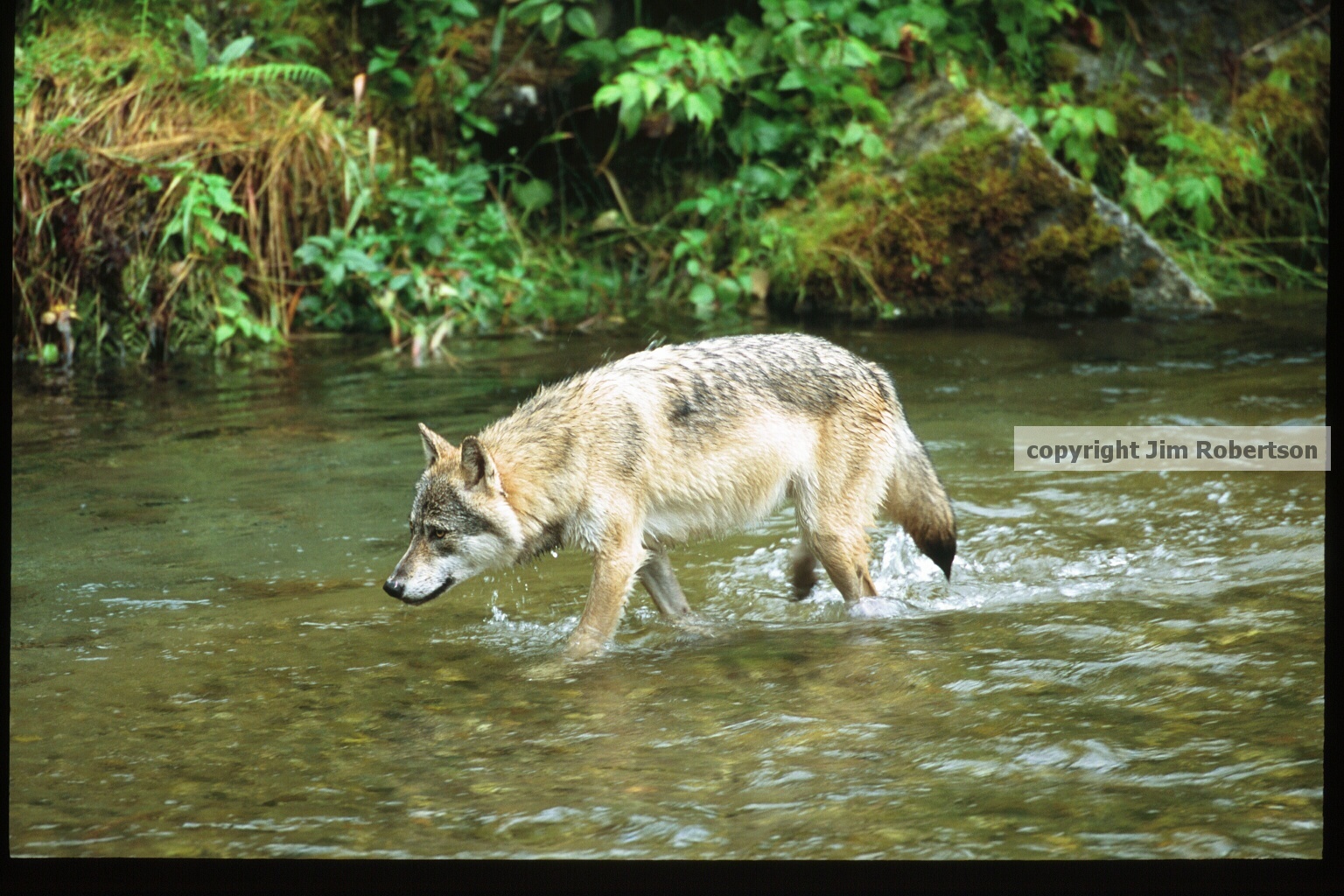
copyrighted wolf in water

One year after wolf attack, dog fends off cougar at Carlton home

One year after wolf attack, dog fends off cougar at Carlton home

[Automatic response? track down and kill the predators.]

by admin on Mar 6, 2014
By Ann McCreary

It’s been a tough year for Shelby, a wolf-husky hybrid dog owned by John Stevie of Carlton. In March 2013 the dog was attacked by a gray wolf just outside her home, and early Monday morning (March 3) she was attacked again — this time by a cougar.

The unlucky dog has been lucky enough to survive both attacks.

Stevie had let Shelby out at about 4 a.m. Monday and soon heard the dog crying, said Sharon Willoya, Stevie’s girlfriend.

“We both raced to the door and she came running in. She wouldn’t let us touch her at first because she was frightened. We finally got her calm and noticed she was bleeding,” Willoya said Tuesday (March 4).

The 68-pound dog had cuts on her shoulder and chest, and required more than a dozen stitches, Willoya said.

Stevie reported the attack, and Washington Department of Fish and Wildlife (WDFW) enforcement officers arrived with hounds a few hours after the attack. They tracked the cougar into a boulder field, but because it was a dangerous situation for the dogs, they left, said Capt. Chris Anderson, WDFW regional enforcement supervisor.

Wildlife officials returned Tuesday morning, found new tracks near Stevie’s home, tracked the cougar and treed it. The cougar, a healthy female, was shot and killed.

Willoya said wildlife officials found evidence that the cougar had “bedded down” not far from the house. “They think when Shelby came around the house, the cougar was there,” she said.

Stevie’s dog made news last year when she was attacked by a wolf on the deck of Stevie’s home at the foot of McClure Mountain. The dog received puncture wounds and lacerations to its head and neck in the attack.

Stevie subsequently took Shelby with him to Olympia, where Stevie testified before the Legislature in favor of a bill allowing citizens to shoot wolves that are attacking pets or livestock. Gray wolves are currently protected as an endangered species under federal and state law.

The cougar killed on Tuesday is the sixth cat shot by wildlife enforcement officers in the Methow Valley since December following attacks on domestic animals. At least four other dogs have been attacked, including a dog killed on Christmas day.

Cougars have also attacked cats, goats, sheep, chickens and calves.

Anderson said a hunter killed a cougar last week in the Pearrygin game management unit north of Winthrop. That brings the total number of cougars killed by hunters in the Methow Valley this winter to six.

Because of the high number of cougar incidents this winter, WDFW has issued special permits allowing hunters to use hounds to hunt cougars in the Methow Valley. Three permits have been issued for the Gardner game management unit, and two have been issued for the Pearrygin unit. Each permit allows one cougar to be killed.

So far, none of the special permit holders has taken a cougar, Anderson said.

“There are different theories bouncing around” about why the valley has seen so many cougar incidents, Anderson said.

“The general feeling is it’s probably because of the weird winter we’ve had,” Anderson said. “Normally we have cats that are visible because they follow the deer herds. Without snow the deer were really spread out and so the cats were spread out more, and that’s why people were seeing them in all parts of the valley.”
a

See more posts related to Cougars in the Methow Valley.

12 Year Old Montana Girl Murders Her First Mountain Lion

[The oh boy, happy day reporting is about as hard to take as the photo of the dead cougar. Here’s the headline the mainstream paper gave this vile act of murder: ]

Darby girl bags her first mountain lion

                                                                               
 2014-03-03   Two weeks after her 12th birthday, Darby girl bags her first mountain lion                         missoulian.com
March 02, 2014 6:00 pm  •
DARBY – Taylor Wohlers was 3 years old when she experienced her first mountain lion hunt.

It was something she never forgot.

The excitement of the chase through snow, over rocks and up steep mountains. The sound of the dogs baying at the base of the tree. And then finally, the sight of a snarling mountain lion high up in the tree.

From that first hunt seen from a backpack carried by her father, Wohlers has been on well over 20 mountain lion hunts in the past decade.

All through those years, she counted the days until she would actually be old enough to have a hunting license.

She turned 12 on Feb. 12 and bought her first license that very day.

Montana state law required that she wait another five days to actually use her mountain lion tag. By then, the state-set quota for mountain lions in the southern Bitterroot was down to one female.

Her dad, Ben Wohlers, was determined to do his best to help his daughter fill her first tag.

On Wednesday – exactly two weeks after she turned 12 – Taylor was called into the school office and told to grab her snow gear.

Her dad had found a mountain lion near Sula.

“It had come down and crossed in my tire tracks,” Ben Wohlers said. “I knew it was close. When I turned the dogs out, they were on it right away. She’s been on a lot longer chases than this one.”

The longest chase the father and daughter enjoyed covered close to 11 miles as they walked from the lookout tower at Gird Creek to the bottom of the mountain.

*****

After the much shorter hike Wednesday, Taylor remembers seeing the lion snarling up in the tree.

“I stood there and looked at it for a little while,” Taylor said. “And then I used my dad as a rest to take aim.”

Her father sat down on the ground and she placed the barrel of the AR-15 .223-caliber rifle across his shoulder.

A short time later, the mountain lion hunting season in the Bitterroot officially came to an end.

“Ideally, we would have looked for a big tom, but that part of the season was closed,” Ben Wohlers said. “This was the last one in the valley for this year.”

Taylor had only been legally old enough to hunt in Montana for two weeks.

This wasn’t the first time that she’s hunted. In the summer of 2012, she traveled to Alaska to shoot a black bear while being filmed by the Skull Bound TV production company.

She used a .300 Winchester Magnum to kill the bear at 168 yards.

Her dad took her to Canada last year in search of a mountain lion, but they couldn’t find the right one there.

Last week’s hunt was one that neither father nor daughter will ever forget.

“I want a life-size mount,” Taylor told her dad inside his taxidermy shop filled with life-size mounts of a wide variety of critters.

Wohlers looked at his daughter and smiled.

“That’s probably what we’ll do then,” he said. “We’ll probably do a life-size mount for you.”

“Kill ‘Em All Boyz” Are “Ethical Hunters” Once Again

Ever since a friend sent me an article from back in 2006 about the poaching ring4cbfbced5cc75_image who gave themselves the narcissistic name the “Kill ‘Em All Boyz,” I’ve been wondering when they would be back in the Washington state “game” department’s good graces and be allowed to hunt again.

I found the answer in an October 20, 2008 article by the Daily Astorian entitled “Tip alerted WDFW officials to poaching gang” which reported that Micky Ray Gordon, ringleader of the “Kill ‘Em All Boyz” (who pleaded guilty to pleaded guilty to charges of first-degree animal cruelty, illegal hunting with hounds, second-degree criminal trespass and third-degree malicious mischief and was sentenced in ‘08 to 13 months in prison, following a seven-month undercover investigation by the Washington Department of Fish and Wildlife) would be eligible to purchase a hunting license again after only five years of suspension.

The other poachers were given even more lenient sentences, with even shorter
suspensions before they could hunt again. According to the article, “Brian Hall, 20, pleaded guilty to second-degree criminal trespass, third-degree malicious mischief and second-degree hunting with dogs. He was sentenced to 30 days in jail and $1,500 in fines, and will not be eligible to purchase a hunting license for two years. Adam Lee, 21, pleaded guilty to hunting with a suspended license and was sentenced to 30 days in jail and $1,850 in fines. And Joseph Dills, 23, pleaded guilty to a variety of charges, ranging from second-degree big-game hunting to using bait to hunt for bear. His total penalties amounted to 65 days in jail and $2,050 in fines.” At their press time, “Dills [was] pending trial in Lewis County on charges of committing other hunting violations.”

The article also states that this “case has provoked outrage among the hunting community in Southwest Washington and Northwest Oregon, in part because of the nature of the crimes but also because Gordon and his gang were initially referred to as “hunters” and not “poachers.” That sentiment was echoed by a comment I received earlier today from a hunter who piously stated, “Please remember. These are poachers, not to be confused with legal, ethical, ‘pay for conservation’ hunters.”

Well, they can go out and buy a hunting license now, just as legally as anyone. Does that make them different people? Are they “ethical” hunters again now that they’re
1800308_664612120267816_1839536551_nallowed to re-up their annual hunting licenses and bear, elk, deer, cougar,
bobcat, etc., etc. tags? How do these former poachers’ mindsets differ from the
average hunters? Is it just a matter of how many they killed at one time; or
the fact that they were not playing fair by the law-abiding hunters?

Poachers or not, it’s all ends the same for the animals they killed.

________________________
Anyone who witnesses a wildlife violation call WDFW’s toll-free Poaching Hotline at (877) 933-9847

“Kill ‘Em All Boys” Ringleader Gets 13 Months in Prison for Poaching and Animal Cruelty

Prosecutors obviously saw the potential for this hunter/poacher’s behavior to lead to cruelty against humans–Washington state officials also suspended his nursing license.

http://www.komonews.com/outdoors/news/30924359.html

Poaching group leader gets 13 months in prison

Mick Gordon poses with slain cougar

By Dan Tilkin and KATU Web Staff

Oct 13, 2008   Story Updated: Oct 30, 2013

CATHLAMET, Wash. – The man considered the ringleader of a group of poachers who called themselves the “Kill ‘Em All Boys” was sentenced to a year and a month in prison Monday for illegally killing wildlife.

Mick Gordon, pictured below, pleaded guilty to charges of first-degree animal cruelty, hunting black bear, cougar, bobcat and lynx with dogs, second-degree criminal trespass and third-degree malicious mischief.

Washington Fish and Wildlife officers said the group used a device they called “the permission slip,” which is a metal bar used to break locks blocking access to prime poaching territory on timber company lands. They even had a videotape made of the bar in use because they wanted to sell the contraption on eBay.

Undercover officers infiltrated the group as part of the investigation. Later wildlife officers seized trophy heads and guns from Gordon’s garage.

Gordon, a registered nurse, was also accused of torturing one of his hunting dogs with a shock collar as well as not giving it care for porcupine wounds; the dog eventually died.

Prosecutors on Monday asked for an exceptionally long sentence, saying Gordon had “run amok.”

“I’m deeply sorry for what I’ve done,” Gordon told the judge. “It’ll never happen again”

Judge Michael J. Sullivan called Gordon an aberration.

“When I look at you and what you’ve done here, which seems to be a highly organized crime spree, I just don’t know how to put those two together,” the judge said.

The sentence was much stiffer than normal. In other recent animal cruelty cases, defendants received sentences of about 3.2 months on average.

Washington state officials have also suspended Gordon’s nursing license.

According to state health department documents, Gordon told an undercover officer he put a shock collar on a child’s neck, turned it to its highest setting and shocked the child. He also told the officer he despised his bed-ridden, elderly patients.

HSUS Activists oppose sport hunting of mountain lions

http://journalstar.com/niche/neighborhood-extra/news/activists-oppose-sport-hunting-of-mountain-lions/article_7fd9ba8e-95d3-5096-9f47-ad9aed6d5c17.html
4 hours ago

Nebraskans asked state lawmakers to further strengthensnrsslion state animal protection laws during Humane Lobby Day on Monday (Feb. 24).

Participants urged state lawmakers to support legislation pertaining to several animal-related issues, including penalties for animal abandonment and neglect and prairie dog population management. Advocates urged against passage of a bill that would permit the sport hunting of mountain lions. The Humane Society of the United States sponsored Humane Lobby Day.

The Humane Society of the United States is the nation’s largest animal protection organization, rated the most effective by its peers. Since 1954, The HSUS has been fighting for the protection of all animals through advocacy, education and hands-on programs.

HSUS rescues and cares for tens of thousands of animals each year, but its primary mission is to prevent cruelty before it occurs. More details may be found at humanesociety.org.

WA State granting cougar hunts using hounds

http://www.komonews.com/news/local/State-granting-cougar-hunts-using-hounds-246699781.html

TWISP, Wash. (AP) – The state Department of Fish and Wildlife has issued five special permits in the Methow Valley allowing hunters to use dogs to track and kill cougars in response to numerous problems this winter.

The Wenatchee World reports the permits are a result of numerous sightings and incidents in which cougars have killed livestock and pets in the Twisp and Winthrop areas.

Wildlife officer Cal Treser says the permits are called public safety cougar removal permits, and they’re issued when areas experience numerous complaints. Hunters with hounds are drawn by permits and allowed to hunt in specific areas.

So far this winter, a dog was seriously injured and two goats and a sheep have been killed by cougars.

In 1996, Washington voters banned cougar hunting with the help of hound dogs, but since then lawmakers have gradually and increasingly made exemptions.

snrsslion