No, Trapping in Wisconsin State Parks Can’t Be Done Without Hurting Someone

Some articles in the mainstream media are so completely one-sided that they’re nothing short of sales pitches for animal exploiters. Reading them gives me the overwhelming urge to call “bullshit” at the top of my cyber-lungs (apologies to those with tender sensibilities). The following are excerpts from one such article (this one is from a Wisconsin newspaper).

My comments are between paragraphs (in parenthesis)….

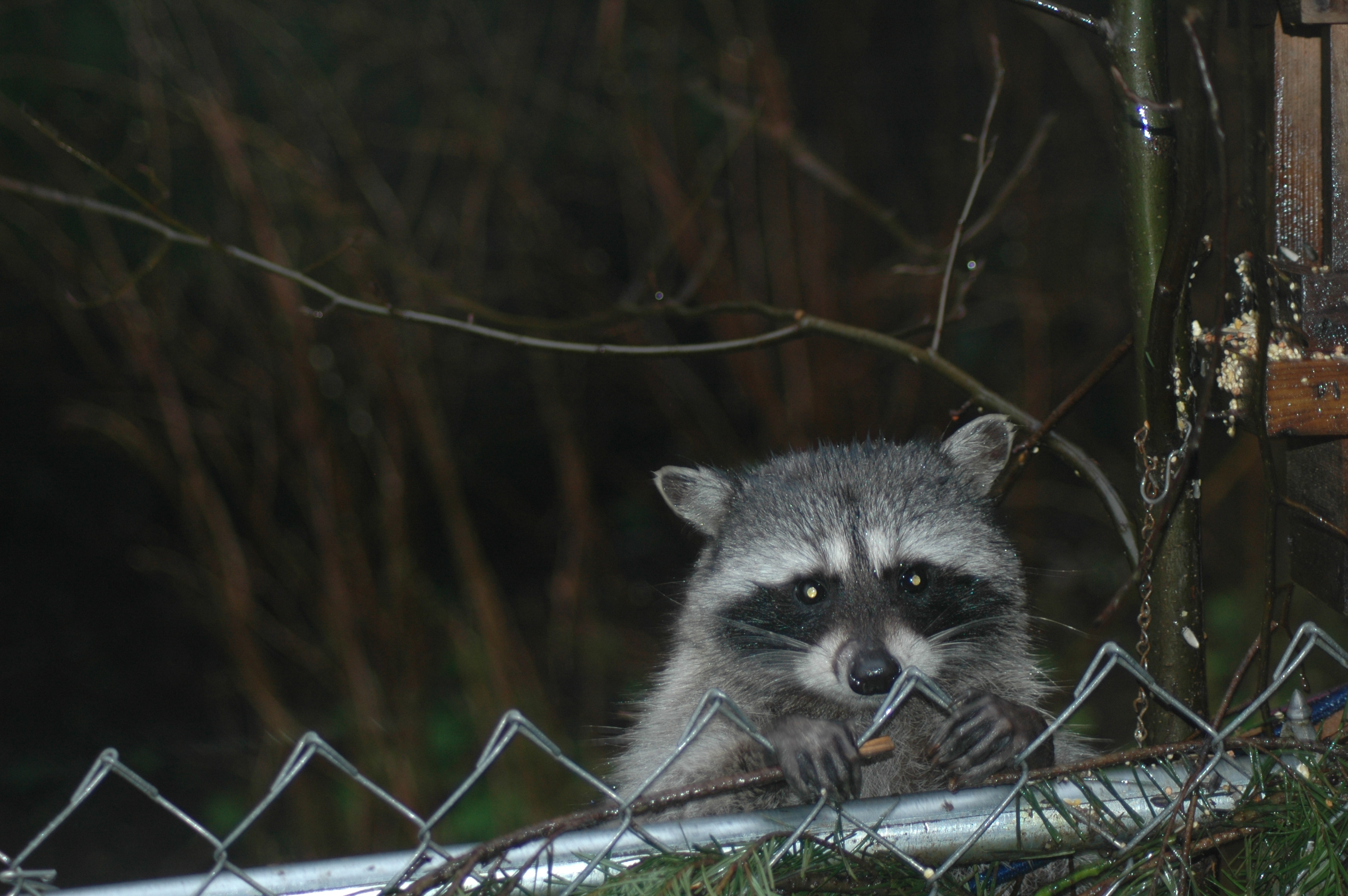
Carolyn Schueppel was walking her dog in a privately owned conservation area near Lake Waubesa where dogs were commonly, but illegally, let off the leash. She let Handsome, her three-year-old Border collie mix, stretch his legs, and he raced out of sight. She found him just beyond the conservancy border in a Conibear trap that had been set to catch and kill raccoons. Terrified, Schueppel struggled with the trap but was unable to open it, and was forced to watch Handsome die.

(Sick. No one should have to go through that—raccoons or otherwise. The article makes a point to mention that she let her dog off leash “illegally,” yet does not condemn people for setting baited torture devices in the woods).

“It was horrible,” Schueppel says. “It’s still horrible. I’m struggling. The trapper set his trap on private land about 100 yards from where he was supposed to be. I don’t want to walk in the woods by myself anymore.”

(Typical, the animal exploiter ruins it for the rest of us.)

A year later Fred Strand and his golden retriever, Hank, were hunting for grouse and woodcock in northern Wisconsin when Hank stepped on a foothold trap intended to catch wolves. This time, the dog’s story ended happily. Strand is a wildlife biologist for the Wisconsin Department of Natural Resources and knew how to pry open the jaws of the trap. The foothold trap is the same design used by biologists who capture large predators to attach radio collars for studying their habits. Hank ran on without injury.

(Had it been a wolf, rather than a dog, the story would not have ended “happily.”)

New legislation will open most state parks to trapping for the first time this April. These parks will also be open for trapping from Nov. 15 to Dec. 15. Under the law traps need to be set more than 100 yards from trails, park shelters and other high-traffic areas.

(100 yards is not very far. Again, the laws are to protect people and pets; wildlife be damned.)

Conservationists say trapping is a useful tool for maintaining healthy wild animal populations. Trappers say they are harvesting a renewable resource to supply a global market for fur clothing.

(If I hear the words “useful tool” or “renewable resource” in reference to trapping animals again, I’m going to go on the warpath!)

Opponents say trapping is unnecessary and inhumane.

(Yep, it sure is.)

Beyond the philosophical differences, are we going to see an increase in the number of pet injuries or deaths in the state parks that now allow trapping? And how safe are hikers who step off the trails?

John Olson, a DNR furbearer biologist, says that traps on dry land “won’t have any impact on dogs at all.”

(Tell that to Carolyn Schueppel and her dog—rest his soul.)

He also doesn’t see any problem with traps set in water to catch beaver and muskrats. Olson says that hunting dogs used for game birds and water fowl have been sharing the trapping landscape for years without much conflict, and that trappers are experienced in trying to avoid places where their traps could catch a dog.

(Of course he doesn’t see any problem with it; he’s a DNR trapper-lackey.)

Trapping is increasing

The DNR Fur Trapper Survey of 2011-12 showed the number of trappers, the number of traps they set and the number of animals they caught are all increasing. The number of animals trapped during that time period by licensed trappers has been estimated at 588,000. That includes 151,400 raccoons.

(Sadly, trapping doesn’t seem to be a dying sport in that state.)

Brad Lease, a trapper from Ridgeway, began trapping about seven years ago. Lease used to bow hunt but quit when gun hunting was allowed during bow season in his part of the state, a change made by the DNR in response to the presence of chronic wasting disease in the local deer herd. He didn’t think it was fair to the deer, especially during the rutting season, when the animals are easy to shoot.

With trapping, he says, he can “be outdoors and enjoy everything you can see there. My son was 3 when I started trapping. I would bundle him up, put him in my trapping pack, and we’d go check traps.”

(Gee, lucky kid…)

Lease traps mostly raccoon and muskrat. When his son was 8, Lease signed them both up for a trapping class. “But catching the animal is only half the battle,” says Lease. “You have to skin the animal and comb it out and flesh it, which is taking all the meat and fat off the hide, and then stretch it on a form and let it dry so it’s ready to go to the auction.”

(Pretty morbid stuff to be teaching an 8 year old.)

Lease’s son, who is now 10, puts his trapping earnings into his college fund. He averaged $23 a raccoon in the January auction of the North American Fur Auction.

($23 every time he takes a life. Either tuition is dirt cheap in Wisconsin or the kid will have to murder and skin a whole lot of raccoons to pay for his schooling. Hopefully he’ll take a course in cognitive ethology and learn that non-humans experience pain and fear the way he would if he were caught in a trap.)

Heart of the fur trade

The fur trade in Wisconsin goes back long before statehood. By 1830 overhunting drove the furbearer populations almost to extinction.

(It was wrong then and it’s still wrong.)

Today Wisconsin is once again at the heart of the fur trade. The bulk of the international fur trade passes through the North American Fur Auction, held four times a year in Toronto. The company’s website states that it auctioned nearly one million raccoon skins in the past year, adding “it is these very large quantities that make NAFA the preferred supplier to our buyers, especially the Chinese.”

(One million skins of torture victims sold; what a thing to brag about—sounds like a McDonalds slogan.)

Many of these furs are funneled through the auction house’s facility in Stoughton. The bulk of the furs processed there are farm-raised mink, which are devoured by the global fashion industry. Most Americans have become repelled by the idea of wearing fur…

(Now that makes me proud to be American.)

Fur is seen as a renewable resource…

(Aaargh, they said it again!! Fur is not a fucking “resource,” it’s the hair and skin of a sentient being! Why don’t they get it?)

Only 2% of the wild fur harvested in the United States stays here, according to Dennis Brady, who is the trapper liaison for NAFA in Stoughton.

(“Harvested” is another one of those arrogant, anthropocentric words.)

Though he works for the auction house, Brady says money is the wrong reason to be a trapper.

“It’s hard to break even when you add up your time and fuel. I’m in it to learn. I’ve been trapping for 46 years, and I do know a lot, but I learn something new every day.

(It’s called an obsession—an unhealthy obsession with a victim, like a stalker or serial killer. And there are a lot of non-lethal ways to learn about wildlife.)

“Once you become a trapper and start learning where and how these animals live, it wakes up your awareness. Just because you are a trapper doesn’t mean you are out there just to kill everything.”

(Yes it does! It’s not like you’re not out there picking flowers, or mushrooms or berries, or observing an animal’s behavior through binoculars.)

For example, a foothold trap, which will not be permitted in Wisconsin state parks on land, is commonly used elsewhere to trap coyotes and wolves. “People think this is a monster trap with big teeth. But that kind of trap is not legal now,” says Olson. “You see old bear traps like that hanging on the walls in hunting lodges, but today we only allow small foothold traps that have been modified to improve animal welfare. It may have an offset that closes with the jaws slightly apart so the animal is held but not pinched. Some have padded jaws. Some are laminated to spread out the clamping force.”

(The monsters are the people who leave a wolf or coyote stuck in a trap for days and nights, unable to join the rest of their pack. Trapped animals aren’t out there thinking: “Boy, isn’t this a comfortably padded trap.” They are desperate to free themselves. Though trappers like to downplay or dismiss it, trapped animals often resort to chewing their own foot off to escape. I’ve seen several three-legged coyotes throughout the West and found the chewed-off foot of a lynx in British Columbia.)

In Wisconsin, says Olson, there were “61 reported foothold incidents with dogs since 1997, roughly four a year.”

(That’s not a low number in my opinion, although Montana has had 51 dogs get caught in traps this year alone!)

Cruel and inhumane

There are many who do not believe that any trap can be considered humane. The Humane Society of the United States opposes trapping as well as fur ranches. The group objects to any killing of animals for the production of apparel and accessories. However, the Dane County Humane Society has created a position statement recognizing that “wildlife populations may exceed the carrying capacity of their natural habitat” and that “trapping may be a useful and necessary method for managing these populations through appropriately trained individuals and entities such as state wildlife agencies.”

(Clearly, the Dane County “Humane” Society is not affiliated with the HSUS.)

The local opposition to trapping of any kind is led by Patricia Randolph, an artist who maintains a wildlife refuge on her property near Wisconsin Dells. She writes a nature column in The Capital Times called Madravenspeak every other week.

Randolph says the expansion of trapping on publicly purchased land will “in the most cruel and dark-ages way, destroy the rest of our wildlife.” She urges those who oppose hunting and trapping to get involved in the state’s Conservation Congress, which helps to determine regulations for hunting, trapping and fishing in Wisconsin.

(And it doesn’t get much darker than trapping.)

The Humane Society of the United States sees no justification for any form of trapping except where live trapping benefits animals or their ecological systems.

Laura J. Simon, wildlife biologist for the group, says that “foothold traps cause animals to suffer tremendously. Wild animals panic when they are caught in a trap. Plus, if predators see a trapped animal, it can be eaten alive. Being caught in a trap is a pretty bad experience for most wildlife.”

(Well said, except for the use of the word, “most.”)

Learn what to do if your pet is caught in a trap.

The Lincoln County Humane Society has prepared a comprehensive guide to freeing a dog from three common traps that are legal in Wisconsin: the foothold trap, snares and the body-gripping (Conibear) trap. Print it out and put it in your glove box: http://www.furrypets.com/pets/images/documents/RemoveDogFromTrap.pdf
Wildlife Photography ©Jim Robertson, 2013

Wildlife Photography ©Jim Robertson, 2013
 

California Lynch Mob Targeting Coyotes

In a scene all too reminiscent of something out of the movie, Mississippi Burning, a rural sheriff is urging his hate-filled, violence-prone constituents to defy federal law enforcement officers and continue their attacks on the objects of their redneck derision. This time, instead of the Deep South, the setting is extreme Northeastern California, and rather than the Civil Rights Amendment, the federal law being defied is the Endangered Species Act. The potential victim warranting protection is a wolf known as OR7, who could be caught in the crossfire of a depraved tradition know as a “contest hunt” targeting coyotes with the savage glee of an angry lynch mob.

The above analogy highlights how far we’ve come in terms of civil rights since the early ‘60s—and just how far we have to go before the country embraces the mere concept of animal rights. Try to suggest relegating any group of people to the back of the bus these days and see how many friends you make. But any asshole with an evil will (and maybe an extra shotgun or semi-automatic rifle or two to offer as grand prize for the highest body count) can legally propose a contest to kill as many intelligent, highly social—yet woefully unprotected—canines as state “game” laws allow. (And most western state game departments don’t even set a “bag limit” on coyotes.) Sadly, non-humans still have a ways to go before any but the most endangered are granted even the right to their very lives.

From Project Coyote:

For Immediate Release, February 8, 2013

Modoc County Sheriff Goes Rogue, Vows to Defy Federal Laws During Coyote Hunt

Hunt Continues Despite Public Opposition, Concerns over California’s Lone Wolf

SAN FRANCISCO — The Animal Welfare Institute, Project Coyote and Center for Biological Diversity are seeking an immediate investigation of Modoc County Sheriff Mike Poindexter for his decision to defy federal laws and advocate the violation of those laws during this weekend’s Coyote Drive 13, a coyote-killing contest in and near Modoc County.

A letter to the editor of the Modoc County Recorder on Feb. 7 by Sheriff Poindexter said he won’t “tolerate any restriction of legal hunting on our public lands” despite federal laws prohibiting or regulating coyote hunting on federal lands in and near Modoc County.  He also recommended that any hunt participant who is questioned or detained by federal enforcement officials for illegally hunting on federal lands to “cooperate but stand their ground and call the Sheriff’s Office” and that sheriff deputies “absolutely will not tolerate any infringement upon your liberties pertaining to accessing or legally hunting on your public lands.”

“Despite claiming to uphold the U.S. Constitution, Sheriff Poindexter has decided he will not enforce and is encouraging others to flout those federal laws which he opposes,” said D.J. Schubert, wildlife biologist with the Animal Welfare Institute. “This is a blatant breach of his duty as a law enforcement officer and a violation of the Law Enforcement Code of ethics.”

The groups have contacted the district attorney for Modoc County, the California Attorney General’s office, the U.S. Attorney for the Eastern District of California and a number of state and federal agencies advising them of Sheriff Poindexter’s comments and asking for urgent intervention.

“These laws are on the books to protect our public lands and the wildlife that live there. Not only does this coyote hunt put OR-7 and other wolves at risk, but now it’s also shaping up to be some kind of Wild West misadventure where the sheriff is thumbing his nose at federal laws,” said Amaroq Weiss, West Coast wolf organizer at the Center for Biological Diversity.

Poindexter’s statement comes in the wake of public outcry that generated more than 20,000 letters, emails, and petition signatures into the California Department of Fish and Wildlife and the California Fish and Game Commission calling for an end to Coyote Drive 2013 and a top-to-bottom evaluation of the state’s approach to managing predators in California.

“Given the serious potential for violations of state and federal laws barring predator hunting on public lands, the threat this hunt poses to OR-7 and any un-collared wolves in the area, and the public’s clear opposition to this killing contest, the state should take immediate action to call off Coyote Drive 2013 now,” said Camilla Fox, Project Coyote executive director and a wildlife consultant to the Animal Welfare Institute.

—-

Project Coyote promotes educated coexistence between people and coyotes by championing progressive management policies that reduce human-coyote conflict, supporting innovative scientific research, and by fostering respect for and understanding of America’s native wild “song dog.” http://www.projectcoyote.org/

The Animal Welfare Institute is dedicated to reducing animal suffering caused by people. AWI engages policymakers, scientists, industry and the public to achieve better treatment of animals everywhere — in the laboratory, on the farm, in commerce, at home, and in the wild. http://awionline.org

The Center for Biological Diversity is a national, nonprofit conservation organization with more than 450,000 members and online activists dedicated to the protection of endangered species and wild places. http://www.biologicaldiversity.org/

You can find the Stop the Coyote Contest Hunt Petition at Change.org:

http://www.change.org/petitions/ca-dept-of-fish-wildlife-f-g-commission-stop-coyote-killing-contest

Text and Wildlife Photography ©Jim Robertson, 2013. All Rights Reserved

Text and Wildlife Photography ©Jim Robertson, 2013. All Rights Reserved

Correction: Contest Hunts on WOLVES Are a New Moral Low Point

In addendum to my earlier post, “Contest Hunts Are a New Moral Low Point”: the truth is, contest hunts on wolves—like the one scheduled to take place in northeastern British Columbia, Canada—are the lowest of low points.

Not because coyotes (the species typically targeting by modern day contest hunts) are any more deserving of being killed en masse for the sake of some sick sporting event reminiscent of Buffalo Bill’s reckless era or something out of the bloody Roman Games. And granted, coyotes are no less sentient than wolves—or the family dog for that matter. All canines are highly evolved and capable of suffering intense stress and fear when pursued, and pain when hit by bullets or arrows. These physical and emotional capacities are even shared by such “lowly” creatures as fish, snakes or salamanders. But in addition, birds and mammals—notably canines—experience profound sadness (perhaps more than most human beings) when their mates or another of their kind are killed.

No, the reason a contest hunt on wolves is one step lower of a low point is because wolves, as a species, have been completely annihilated from so much of their former range. It’s like those calling for a wolf contest hunt are thumbing their noses at the extinction of wolves across so much of North America (not to mention Eurasia), while giving the thumbs up to those who massacred them. Many Canadians practically put on airs about not being as backwards and barbaric as we “Yanks” here in the States, but obviously some of their countrymen are every bit as philistine and morally vacant as any American redneck.

As with the coyote contests held in the U.S., the B.C. wolf contest hunt does not violate any wildlife regulations, according to an article in the Vancouver Sun—a point that does not address the morality of the action, but speaks volumes about the psychopathic behaviors that are still perfectly legal, even in presumably progressive Canada. There is no closed hunting season on wolves below 1,100 meters elevation in that region of the province, which is also considering a no “bag-limit” on wolves in the area.

The contest event claims to support “fair hunt” methods, which include, in addition to high-powered weapons, pickup trucks and snowmobiles to access wolves. It is set to run through March 31 and allows each hunter to submit three wolves. It costs $50 to enter, with winners receiving prizes (for the largest animal killed) of $150 to $1,000. Sponsors of the wolf-kill contest include Raven Oilfield Rentals; “Backcountry” (a fishing and hunting store) and T & C Taxidermy.

“It’s just kind of a social thing…” said Rich Petersen, a hunter and realtor in Fort St. John who is co-sponsoring the event. Well, you won’t find a more social species than wolves. Wolves may not spend their leisure time drinking excessively, listening to Celine Dion or watching hockey on the boob tube, but as far as showing concern for their extended family, I’ll lay down odds they’ve got the hunters beat.

Text and Wildlife Photography ©Jim Robertson, 2012. All Rights Reserved

No Offense, but You’re an Animal

I’m an animal, and if you don’t know it yet, it’s my duty to inform you, you’re one too. All we animals, the big-brained two-leggers, the furry four-leggers, the feathered and the finned are carbon-based creatures made up of the same ingredients. Every last earthling oozed from the same original, primordial stew pot.

The sooner we accept that we’re all animals, the sooner we can make peace with the others of this planet, rather than doing battle with them. Ultimately, it’s to our detriment that we deny evolution any longer. Humankind can’t live in a vacuum. We need all our best science to figure how to live with the many diverse, interconnected life forms that help keep this planet hospitable.

Bill Nye, ‘the Science Guy,’ recently stated in his Big Think video (which has been viewed nearly 3 million times so far), “I say to the grownups, if you want to deny evolution and live in your world, that’s completely inconsistent with the world we observe, that’s fine. But don’t make your kids do it.”

In rebuttal, the spokesman of a group of ‘Young Earth Creationists’ proclaimed, “No, we are not just evolved animals as Nye believes; we are all made in the image of God.” Young Earth Creationists, or ‘Biblical Creationists,’ as they prefer to be called, believe in a literal interpretation of the creation story in the book of Genesis. They say the weeklong account of God creating the earth and everything in it represents six 24-hour periods (plus one day of rest) and date the age of the earth between 6,000 and 10,000 years.

Nye’s view falls in line with the vast majority of scientists, who date the age of the earth and the universe as 4.5 billion years old. “The idea of deep time of billions of years explains so much of the world around us. If you try to ignore that, your worldview becomes crazy, untenable, itself inconsistent,” Nye said in his video. Still, polling from Gallup has shown for the past 30 years that between 40-46% of the survey respondents believe in creationism: that God created humans and the world within the past 10,000 years.

Granted, there are folks whose belief in creationism compels them to treat “God’s creatures” with compassion. As far as I’m concerned, people can believe whatever they want—as long as it promotes kindness to all sentient beings. Although I’ve never read it, I understand the Bible contains a number of passages that promote benevolence toward the vulnerable. (Before someone says something like, ‘If you haven’t read the bible, you’re ignorant of what you speak,’ I will argue that a person could end up even more ignorant and confused after reading it.)

Unfortunately, for the majority of believers, creationism leads to a sense of human superiority and the self-serving notion that we humans are in a higher realm of importance than the rest of the animal kingdom. This convenient fallacy has been used to justify the exploitation of animals over the centuries and continues to have widespread acceptance to this day.

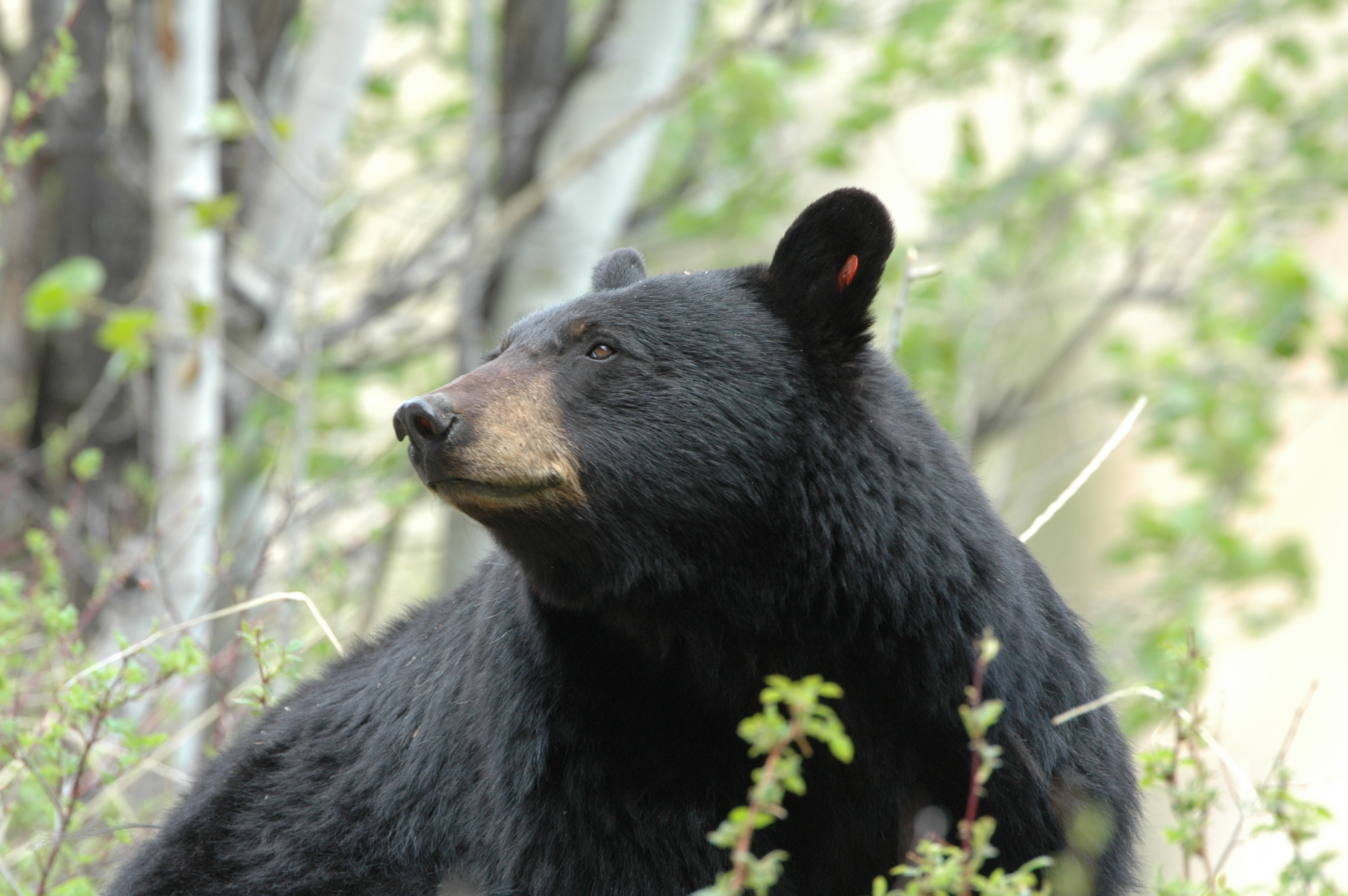
For example, my uncle, a hunter who boasted of killing the largest black bear in the state, held to a word for word interpretation of the Bible which led to his belief that, “Humans were meant to subdue the earth” drawing his own conclusion, “There’s no earthly purpose for cougars.” His reasoning, shared by so many people the country over, was: to make life better for humans we should rid the world of species like cougars, bears, coyotes and wolves. Another example of this kind of stinkin’ thinkin,’ Republican vice Presidential candidate Paul Ryan is a “pro-life” creationist bow-hunter who doesn’t see the hypocrisy in committing the sin of killing non-human animals for sport.

The idea of creationism was abandoned by the mainstream scientific community shortly after Darwin introduced The Origin of Species in 1859. By 1880 nearly every major university in America was teaching evolution. Bill Nye summed up his video with, “In another couple centuries I’m sure that worldview [creationism] won’t even exist. There’s no evidence for it.” While it seems only logical that any continued cultural advancement would include the acceptance of sciences such as geology, paleontology and evolution, I’m not so sure I share his optimism for the further progress of humanity.

Text and Wildlife Photography ©Jim Robertson

Stop the Cycle of Violence

If you’ve read my book you already know I’ve had more than my share of first-hand experiences with the gruesome evils of trapping—enough to make me want to take my phazer off “stun” and instantly vaporize the next trapper I see out of existence. Surely the vacuous lunatics who participate in that pastime aren’t worthy of this wonderful world. As a compassionate society we must stop them from causing further torment.

But there are many otherwise good people—understandably enraged by the demonic actions of hunters and trappers—who take it a step too far. They say they want animal abusers to endure as much terrible agony as their victims. Not only do these foul thoughts bring us down to their level, they perpetuate the cycle of violence we should be striving to end. I wouldn’t wish the kind of suffering I’ve witnessed trapped animals going through on anyone, deserving or otherwise.

Of course, I don’t expect folks to shed a tear if a hunter or trapper dies in the act of harming others. That is, as they say, just “nature’s way.” Maybe they were bucking for a Darwin Award and finally earned one.

Still, if you can’t think of one good reason not to wish some awful un-pleasantry on a hunter or trapper, consider this: is a sheep rancher justified in wanting to see a coyote suffer as much as the lamb she preyed on? It’s the same mentality, the same sort of rationalization used to validate cruelly trapping, shooting or poisoning coyotes.

“An eye for an eye” is an outdated holdover from a time when fornicators were turned into pillars of salt and gods were so malevolent as to drown every animal on Earth (except the lucky couples on the Ark, as the story goes) just to punish the human species. As Mahatma Gandhi saw it, “An eye for an eye makes everyone blind.”

Text and Wildlife Photography ©Jim Robertson

One Lucky Pup?

On Wednesday, a friend…wait a second, I’d better look up the definition of “friend”…

1. a person attached to another by feelings of affection or personal regard.

2. a person who is on good terms with another; a person who is not hostile: Who goes there? Friend or foe?

…ok, in that case, a person who I am on good terms with and who is not hostile lent me a book about a woman who raised a coyote pup. It turns out the pup was given to her by a suitor who works for the “wildlife services” killing coyotes. The minute I read how the pup was (unlawfully?) acquired, I decided to return the book to the lender, while wondered why he lent me this tome of such infuriating rot in the first place.

This was not a heartwarming story of a selfless wildlife rescue. Instead, Mike, the wildlife “services” assassin, had shot a pair of coyotes, then went on with his normal routine of locating the den and inserting a poisonous cartridge to gas the pups to death. But this time he decided to spare one of the pups, probably thinking he’d score some points with his new girlfriend by making a gift of the poor young animal (who had just seen his family killed by his captor).

The one piece of worthwhile information to be found in The Daily Coyote was this bit of insight into the barren mind of a coyote killer:

“Mike killed coyotes through a number of means–snares; foothold traps; from the ground with a rifle; and with a shotgun out of a small, low-flying airplane. I asked him what it felt like to make eye contact with a coyote and then raise his gun and fire, watch it fall, see it die. He…said he didn’t feel, didn’t think about it; he blocked that part out…felt nothing.”

Although no real champion of wilderness or wildlife, the author could not overlook the fact that “there is a war between humans and predators…most ranchers and hunters would prefer there be less or none of the wild predators, coyotes and mountain lions and wolves. People feel entitled to take the land, the resources and the wilderness as their own without giving up anything to the land they are running on…and so man becomes the ultimate predator with a singular goal…”

Wildlife Photos Copyright Jim Robertson