Exposing the Big Game

Forget Hunters' Feeble Rationalizations and Trust Your Gut Feelings: Making Sport of Killing Is Not Healthy Human Behavior

Exposing the Big Game

Ebola outbreak in Congo is a public health emergency of international concern, WHO says

In Ebola outbreak, fear hinders treatment efforts
It took days to persuade
them to seek treatment

PauseMuteMute

Current Time0:23
/
Duration Time2:26

Loaded: 0%

Progress: 0%

Fullscreen

Now PlayingIn Ebola outbreak, fear…
In Ebola outbreak, fear hinders treatment efforts 02:26

(CNN)The ongoing Ebola outbreak in the Democratic Republic of Congo now constitutes a public health emergency of international concern, the World Health Organization announced on Wednesday.

“The risk of Ebola spread in DRC and the region remains very high, and the risk of spread outside the region remains low,” Dr. Tedros Adhanom Ghebreyesus, director-general of WHO, said during a press conference on Wednesday.

The facts about Ebola

The facts about Ebola03:44
“Now is the time for the international community to stand in solidarity with the people of DRC.”
WHO defines a public health emergency of international concern as “an extraordinary event” that constitutes a “public health risk to other States through the international spread of disease” and “to potentially require a coordinated international response.”
The WHO International Health Regulations’ Emergency Committee for Ebola Viral Disease in Congo convened at the organization’s world headquarters in Geneva on Wednesday to discusswhether or not the outbreak constitutes international concern.
“The fight is ongoing for a full year now,” Robert Steffen, chairman of the committee, said during a press conference on Wednesday.
The meeting was the fourth time the committee has convened to review the outbreak. In a deliberation on Friday, it was decided that the outbreak does not constitute a public health emergency of international concern.
“This emergency in Congo has been going on for almost a year and is a very, very serious emergency and has been treated as our highest level of emergency since the beginning — but the difference that’s going on with this committee is, do we need to tell the rest of the world to start taking measures? And if so, what measures are we going to tell them to do?” Dr. Margaret Harris, WHO’s communication lead on the Ebola emergency in DRC, said in a video posted to Twitter ahead of the meeting on Wednesday
“They make their decision as a consensus,” she said. “They will also lay down what under that public health emergency of international concern other countries need to do. So they will have recommendations for the affected country — that’s Congo. They will have recommendations for the neighboring countries, those most at risk. They will also have recommendations for the rest of the world.”
The committee’s consensus and recommendations then get presented to the WHO Director-General, who chooses whether or not to agree and adopt the committee’s decisions.
Global health emergencies are generally only announced in what the WHO calls “extraordinary” circumstances, with this being just the fifth declaration of its kind.
With its latest declaration, WHO does not recommend any restrictions on travel or trade, but rather the organization released recommendations for affected countries, which include to continue strengthening community awareness and screenings, among other actions.
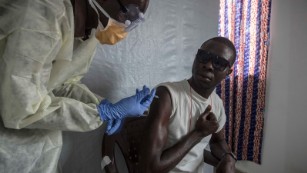
WHO’s decision to declare a public health emergency of international concern won’t markedly shift the DRC’s strategy to combat the deadly outbreak, said the country’s Health Minister Oly Ilunga Kalenga.
“There is only one strategy to fight Ebola,” Kalenga said during a press conference in the city of Goma on Thursday. “It is a series of actions around every case. We need to identify contacts, vaccinate the contacts, and disinfect and respect the general hygiene rules. These measures allow the epidemic to be contained. What changes is the context.”

Funding falls short

Committee members were disappointed by delays in funding that have constrained the response, according to WHO, despite the outbreak stretching for nearly a year and the confirmed cases of Ebola steadily expanding.
WHO officials on the ground have been disappointed with the amount of funding pledges coming in — way short of the needs for their response — for several months.
While serious, this outbreak has yet to have the level of global attention that the West African outbreak garnered where more than 11,000 people died. There also hasn’t been any significant spread outside of the DRC — something health officials say has led to a form of donor complacency.
That complacency was also compounded by the belief that an experimental vaccine would help stop this outbreak in its tracks in the early weeks of the response, according to several responders from both the UN and NGOs whom CNN spoke to on the ground in June.

Lead David McKenzie DNT Live Jake Tapper _00005719

Play Video

CNN travels to the epicenter of new Ebola outbreak 04:09
Some donor fatigue also set in because of the perception that their money wasn’t being spent in the most efficient way possible, according to extensive CNN reporting last month.
The WHO is formulating its fourth strategic plan to try and stamp out the outbreak — saying it will cost hundreds of millions of dollars.
That is why, in part, many public health experts expressly called for the emergency designation months ago — as a way to refocus attention and to bring in much-needed funds.
Still, following Wednesday’s announcement, Ghebreyesus wrote in a post on Twitter that “a public health emergency of international concern is not for fundraising, it’s for preventing the spread of disease.” The World Health Organization “is not aware of any donor that has withheld funding because the emergency had not been declared. But if that was the excuse, it can no longer be used.”
The humanitarian group Mercy Corps hopes that WHO’s declaration “will translate into urgent and practical action, including more funding from international donors,” Laura Miller, Mercy Corps’ acting country director for DRC, said in a written statement following WHO’s announcement.
“Every day, women, men and children are dying of the Ebola virus and it is becoming too easy to forget that the ever-climbing case numbers are people,” she said in part. “With the WHO declaration comes the possibility that neighboring countries could react by heavily blocking or reducing border access in a way that restricts trade. This would be devastating for the economy of the region and impact the food security of large numbers of people.”

More than 1,600 dead

This Ebola outbreak began last summer. On the first day of August in 2018, the Ministry of Health of the Democratic Republic of Congo declared an outbreak of Ebola virus disease in the country’s North Kivu province.
Now the World Health Organization reports a total of 2,512 Ebola cases and 1,676 deaths involved in the outbreak, as of Monday.
On Monday, the United Nations hosted a high-level meeting to discuss response efforts amid the current outbreak in Congo. The meeting was held after the first case of Ebola was confirmed on Sunday in the city of Goma, the capital of North Kivu province and a major transit hub where some 1 million people reside on the Rwandan border.
That case raised fears that the virus could make its way across the porous border into still-uninfected Rwanda — something health experts have been working desperately to prevent. Health officials and aid organizations have dreaded Ebola’s arrival in Goma for months, and have been working to prepare for the eventuality — which is partly why the case was immediately caught and isolated.
These preparation measures include an emergency response team that has carried out outbreak simulation exercises, WHO teams that screen travelers at every entry and exit point in Goma, and workers who check the city’s health centers every morning for suspected cases, according to WHO officials.
DRC Health Minister Kalenga said on Thursday that the recent confirmed Ebola case of a person traveling to Goma was a pastor, as were other recent cases. So, he said, the practice of placing hands on people during religious ceremonies was a driver of the disease spread. He called on pastors to be responsible and stop this practice.
It has been difficult to get ahead of the outbreak as ongoing violence in the area has impacted response efforts. Since January, there have been 198 attacks against health care personnel and patients in Ebola-affected areas, resulting in seven deaths and 58 injuries, according to WHO.
The Congolese Ministry of Health released a statement on its official Twitter account on Wednesday accepting the World Health Organization designation that the ongoing Ebola outbreak in the Democratic Republic of Congo now “constitutes a public health emergency of international concern.”
The statement cited that the number one difficulty in containing the outbreak is a result of “development issues” in the region and the “weak health system.”
The ministry added that “the government is looking into measures” to prevent people considered high risk “from spreading the epidemic in the region.”
The rare but deadly Ebola virus disease can cause fever, headache, muscle pain, vomiting, diarrhea and unexplained bleeding, among other symptoms. The virus was first identified in 1976 when outbreaks occurred near the Ebola River in the DRC.
Scientists think the virus initially infected humans through close contact with an infected animal, such as a bat, and then the virus spread from person to person.
The virus spreads between humans through direct contact with an infected person’s bodily fluids, including infected blood, feces or vomit, or direct contact with contaminated objects, such as needles and syringes.
Yet hope comes in the form of research advancements. Experimental treatments and vaccines have been used in Congo. To date, at least 585 patients have recovered from the illness, and more than 133,000 vaccines have been administered, which many believe has helped limit the spread of the outbreak.
The rVSV-ZEBOV experimental vaccine, manufactured by Merck, was approved by Congo’s health ministry ethics committee for use in country in May 2018.
Get CNN Health’s weekly newsletter

Sign up here to get The Results Are In with Dr. Sanjay Gupta every Tuesday from the CNN Health team.

In its previous meeting on Friday, the emergency committee recommended all at-risk countries put in place the necessary approvals for using investigational medicines and vaccines as part of their preparedness.

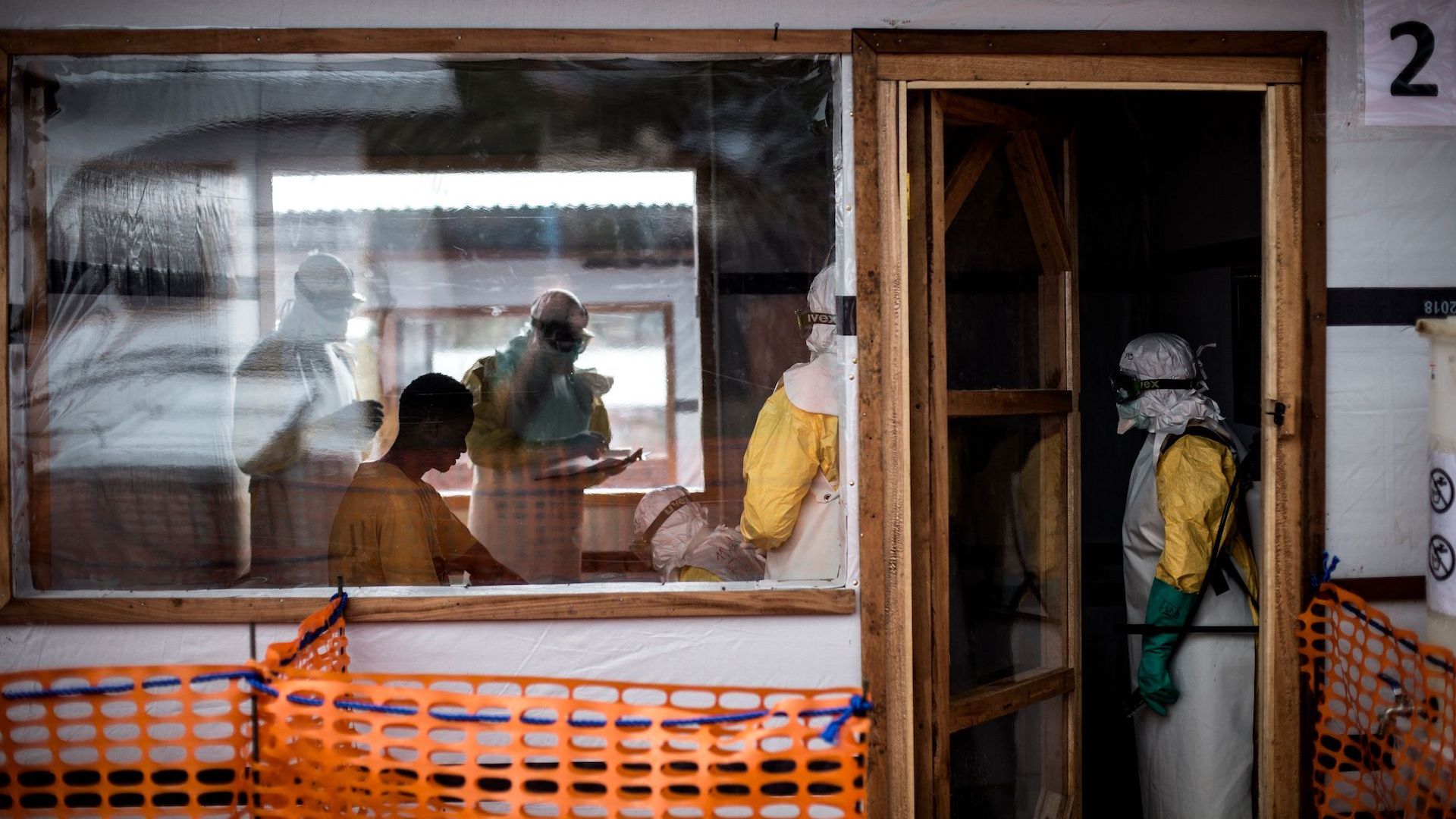
Ebola outbreak in Congo declared a global health emergency

MARIA CHENG and JAMEY KEATEN

Associated Press

GENEVA (AP) — The deadly Ebola outbreak in Congo is now an international health emergency, the World Health Organization announced Wednesday after a case was confirmed in a city of 2 million people .

A WHO expert committee declined on three previous occasions to advise the United Nations health agency to make the declaration for this outbreak, even though other experts say it has long met the required conditions. More than 1,600 people have died since August in the second-deadliest Ebola outbreak in history, which is unfolding in a region described as a war zone.

A declaration of a global health emergency often brings greater international attention and aid, along with concerns that nervous governments might overreact with border closures.

The declaration comes days after a single case was confirmed in Goma, a major regional crossroads in northeastern Congo on the Rwandan border, with an international airport. Also, a sick Congolese fish trader traveled to Uganda and back while symptomatic — and later died of Ebola.

While the risk of regional spread remains high, the risk outside the region remains low, WHO chief Tedros Adhanom Ghebreyesus said after the announcement in Geneva.

The international emergency “should not be used to stigmatize or penalize the very people who are most in need of our help,” he said. Tedros insisted that the declaration was not made to raise more money — even though WHO estimated “hundreds of millions” of dollars would be needed to stop the epidemic.

Dr. Joanne Liu, president of Doctors Without Borders, said she hoped the emergency designation would prompt a radical reset of Ebola response efforts.

“The reality check is that a year into the epidemic, it’s still not under control, and we are not where we should be,” she said. “We cannot keep doing the same thing and expect different results.”

Liu said vaccination strategies should be broadened and that more efforts should be made to build trust within communities.

The U.S. Agency for International Development applauded the WHO decision and said USAID officials would “continue to scale up life-saving support” to end the outbreak.

Child dies as Ebola outbreak spreads from the Congo to Uganda

Doctors treating a patient at an Ebola treatment unit
Health workers perform checkups in an Ebola treatment center in Bunia, Democratic Republic of the Congo. Photo: John Wessels/AFP/Getty Images

https://www.axios.com/ebola-outbreak-spreads-drc-uganda-2d851ea5-4262-41e4-91e2-f5004e329a76.html

Uganda has recorded three cases of the Ebola virus disease, signaling that the outbreak in the neighboring Democratic Republic of the Congo that began last August has spread.

The latest: The country’s first case — a 5-year-old child who traveled from the DRC to Uganda on June 9 — died Wednesday, Uganda’s health minister announced.

Why it matters: This marks a significant new phase in the outbreak, and it may put more pressure on the World Health Organization to step up its appeals for more help from international governments.

Details: The child is currently in an Ebola treatment unit in Uganda, according to the WHO, and those who came into contact with the patient are being monitored.

  • In preparation for the possible spread of the disease, Uganda has already vaccinated nearly 4,700 health workers in 165 facilities, including the one in which the child is being cared. Uganda also has past experience battling the deadly virus, which has killed more than 1,000 in the DRC.

Background: The WHO and DRC Health Ministry have had difficulty squelching the outbreak as a result of community distrust, armed rebel groups and violence against health workers.

What they’re saying: “Though unsurprising, this is an unfortunate development that illustrates what we’ve long feared — that the deadly outbreak of Ebola in DRC may spread beyond borders and threaten other countries,” said Jennifer Nuzzo, a senior scholar at Johns Hopkins Center for Health Security. “While Uganda is quite adept at controlling Ebola outbreaks, batting Ebola in multiple countries is a much harder endeavor than one that’s contained geographically.”

Editor’s note: This story has been updated to note that the outbreak’s first case, a 5-year-old child, has died.

Go deeper:

The Ebola outbreak in Eastern Congo is moving toward a major city. That’s not good.

With at least 680 cases, it’s already the second-largest Ebola outbreak in history.

People queue to wash their hands with chlorine water to prevent Ebola contamination at a symbolic polling station on December 30, 2018, in Beni, Congo.
 Alexis Huguet/AFP/Getty Images

At least 680 people have been infected with the Ebola virus in the Democratic Republic of Congo. It’s the second-largest Ebola outbreak in history, with 414 deaths so far, and the first Ebola outbreak in an active war zone, DRC’s eastern North Kivu and Ituri provinces.

But it could get worse: Health officials this week are concerned that Ebola appears to be spreading in the direction of Goma, a major population center in DRC.

Just this week, DRC’s health ministry confirmed four cases of the deadly virus in Kayina, a town in North Kivu, where fighting among rebel and militia groups has repeatedly interrupted the painstaking work of health workers who are responding to the outbreak.

Kayina happens to be halfway between Butembo, currently one of the outbreak’s most worrisome hotspots, and Goma, where a million people live.

So far, the outbreak has not affected DRC’s biggest cities. But Ebola in Kayina “raises the alarm” for Ebola reaching Goma, Peter Salama, the head of the new Health Emergencies Program at the World Health Organization, told Vox on Friday.

Goma is a major transportation hub, with roads and highways that lead to Rwanda. “These are crossroad cities and market towns,” Salama added. People there are constantly on the move doing business, and also because of the insecurity in North Kivu. Ebola in Goma is a nightmare scenario WHO and DRC’s health ministry are scrambling to prevent.

Together, they’ve deployed a rapid response team, including a vaccination team, to Kayina. And if the virus moves on to Goma, Salama says Ebola responders are ready. They’ve already mobilized teams there, set up a lab, and prepared health centers where sick people can be cared for in isolation.

But as Ebola expert Laurie Garrett wrote in Foreign Policy this week, Ebola in Goma could also trigger a rare global public health emergency declaration by WHO, escalating the severity of an already dangerous outbreak.

An Ebola vaccine has been no match for DRC’s social and political chaos

WHO

When Ebola strikes, it’s like the worst and most humiliating flu you could imagine. People get the sweats, along with body aches and pains. Then they start vomiting and having uncontrollable diarrhea. They experience dehydration. These symptoms can appear anywhere between two and 21 days after exposure to the virus. Sometimes patients go into shock. In rare cases, they bleed.

The virus is spread through direct contact with the bodily fluids, like vomit, urine, or blood, of someone who is already sick and has symptoms. The sicker people get, and the closer to the death, the more contagious they become. (That’s why caring for the very ill and attending funerals are especially dangerous.)

Because we have no cure for Ebola, health workers use traditional public health measures: finding, treating, and isolating the sick, and breaking the chains of transmission so the virus stops spreading.

They mount vigorous public health awareness campaigns to remind people to wash their hands; that touching and kissing friends and neighbors is a potential health risk; and that burial practices need to be modified to minimize the risk of Ebola spreading at funerals.

They also employ a strategy called “contact tracing”: finding all the contacts of people who are sick, and following up with them for 21 days — the period during which Ebola incubates.

In this outbreak, there’s also an additional tool: an effective experimental vaccine. Since the outbreak was declared in August, more than 61,000 people have been vaccinated. But while the vaccine has tempered Ebola’s spread, it hasn’t overcome the social and political chaos in DRC, which has been called the world’s most neglected crisis.

“The brutality of the conflict is shocking,” Jan Egeland, head of the Norwegian Refugee Council, told the Thomson Reuters Foundation, “the national and international neglect outrageous.”

Presidential elections have “ratcheted up” the tension in an already tense situation

On December 30, after years of delays, voters went to the polls to elect a new president. In the days leading up to the election, tensions in North Kivu “ratcheted up,” Salama said. Protesters stormed Doctors Without Borders treatment centers in Beni, a recent outbreak hotspot, shutting them down for several days.

In January, the country’s electoral commission announced interim election results suggesting opposition leader Felix Tshisekedi had likely won the election. But leaked data and external analyses show there are irregularities with the voter count that point toward election fraud.

“All the outside observers — the African Union, the European Union, the Catholic Church — say the results of the election have been rigged,” and the people actually voted in Martin Fayalu for president, said Severine Autesserre, a political science professor at Barnard College, and author of the book The Trouble with the CongoWhen the final results are announced in the coming days, more protests and riots are likely to follow.

But though the political instability isn’t making the Ebola response any easier, the war in Congo’s eastern provinces is a far bigger challenge. The 25-year-long conflict has displaced more than a million people, and made the already dangerous work of an Ebola response even more deadly, Autesserre said.

Between August and November, Beni had experienced more than 20 violent attacks, which put the outbreak response there on pause for days at a time. That meant cases had gone uncounted, and Ebola continued to spread.

But there’s also some more encouraging news, according to Salama: The outbreak of more than 200 people in Beni, a North Kivu town marred by decades of violence, has been brought under control.

“Many people would have been extremely skeptical that the outbreak in Beni could be controlled as quickly given force of infection we were seeing in November and December, and the fact that we’ve had nothing but volatility and insecurity since then,” Salama said. “But the fact that Beni has had only one confirmed case in two weeks is giving us a lot of hope and optimism.”

As of Friday, the two biggest hotspots in the outbreak were Butembo, with 51 cases, and a neighboring city, Katwa, with 119 cases. But the outbreak is geographically dispersed. There are active Ebola cases in 12 of the country’s “health zones,” the districts around which the DRC’s health system is organized. Because of the insecurity and difficulty reaching people, only 30 to 40 percent are coming from known contact lists, Salama said. That means the virus might already be in places no one’s discovered yet.

Ebola a Symptom of Ecological and Social Collapse

The global environment is collapsing and dying under the weight of inequitable over-population and ecosystem loss.

“We learn the meaning of enough and how to share or it is the end of being.” ― Dr. Glen Barry

The surging Ebola epidemic is the result of broad-based ecological and social collapse including rainforest loss, over-population, poverty and war. This preventable environmental and human tragedy demonstrates the extent to which the world has gone dramatically wrong as ecosystem collapse, inequity, grotesque injustice, religious extremism, nationalistic militarism, and resurgent authoritarianism threaten our species and planet’s very being.

Any humane person is appalled by the escalating Ebola crisis, and let’s be clear expressing these concerns regarding causation is NOT an attempt to hijack a tragedy. Things happen for a reason, and Ebola was preventable, and future catastrophes of potentially greater magnitude can be foreseen and avoided by the truth.

The single greatest truth underlying the Ebola tragedy is that humanity is systematically dismantling the ecosystems that make Earth habitable. In particular, the potential for Ebola outbreaks and threats from other emergent diseases is made worse by cutting down forests [1]. Exponentially growing human populations and consumption – be it subsistence agriculture or mining for luxury consumer items – are pushing deeper into African old-growth forests where Ebola circulated before spillover into humans.

Poverty stricken communities in West Africa are increasingly desperate, and are eating infected “bushmeat” such as bats and gorilla, bringing them into contact with infected wildlife blood. Increasingly fragmented forests, further diminished by climate change, are forcing bats to find other places to live that are often amongst human communities.

Some 90% of West Africa’s original forests have already been lost. Over half of Liberia’s old-growth forests have recently been sold for industrial logging by President Ellen Johnson Sirleaf’s post-war government. Only 4% of Sierra Leone’s forest cover remains and they are expected to totally disappear soon under the pressure of logging, agriculture, and mining.

My recently published peer-reviewed scientific research [2] on ecosystem loss and biosphere collapse indicates more natural ecosystems have been lost than the global environment can handle without collapsing. Recently published science reports that 50% of Earth’s wildlife has died (in fact been murdered) in the last 40 years [3].

Loss of natural life-giving habitats has consequences. We are each witnesses to and participants in global ecosystem collapse.

There are other major social ills which potentially foster global pandemics. Rising inequity, abject poverty, and lack of justice threaten Earth’s and humanity’s very being. These ills and global ecosystem collapse are causing increased nationalistic war, migration and rise of authoritarian corporatism. West Africa has been ravaged by war and poverty for decades, which shows little signs of abating, particularly since natural habitats for community based sustainable development are nearly gone.

War breeds disease. It is no coincidence that the 1918 flu pandemic – the last great global disease outbreak that killed an estimated 50-100 million – occurred just as the ravages of World War I were ending. Conditions after ecosystems are stripped by over-population and poverty are not that different – each providing ravaged landscapes that are prime habitat for disease organisms.

West Africa’s ecological collapse has brought people into contact with blood from infected animals causing the Ebola epidemic. Once human infection occurs, ecologically denuded, conflict ridden, over-populated, and squalid impoverished communities are ripe for a pandemic. As the Ebola virus threatens to become endemic to the region, it potentially offers a permanent base from which infections can indefinitely continue to spread globally.


Since 911 America has slashed all other spending as it militarizes, viewing all sources of conflict as resolvable by waging perma-war. Africa needs doctors and the U.S. sends the military. Both terrorism and infectious disease are best prevented by long-term investments in equitably reducing poverty and meeting human needs – including universal health-care, living wage jobs, education, family planning, and establishment of greater global medical rapid response capabilities.

We are all in this together. Our over-populated, over-consuming, inequitable human dominated Earth continues to wildly careen toward biosphere collapse as sheer sum consumption overwhelms nature. West Africa’s 2010 population of 317 million people is still growing at 2.35%, and is expected to nearly double in 25 years, even as squalor, lack of basic needs, ecosystem loss, and pestilence increase. This can never, ever be ecologically or socially sustainable, and can only end in ruin.

Equity, education, condoms, and lower taxes and other incentives to stabilize and then reduce human population are a huge part of the solution for a just, equitable, and sustainable future. Otherwise Earth will limit human numbers with Ebola and worse. It may be happening already.

We are one human family and in a globalized world no nation is an island unto itself. By failing to invest in reducing poverty and in meeting basic human needs in Africa and globally (even as we temporarily enrich ourselves by gorging upon the destruction of their natural ecosystems), we in the over-developed world ensure that much of the world is fertile ground for disease and war. There is no way to keep Ebola and other social and ecological scourges out of Europe and America if they overwhelm the rest of humanity.

Ebola is what happens when the rich ignore poverty, as well as environmental and social decline, falsely believing they are not their concern. There can be no security ever again for anybody as long as billions live in abject poverty on a couple dollars a day as a few hundred people control half of Earth’s wealth.

We learn the meaning of enough and how to share or it is the end of being.

Walmart parking lots and iPads don’t sustain or feed you. Healthy ecosystems and land do. The hairless ape with opposable thumbs – that once showed so much potential – has instead become an out of control, barbaric and ecocidal beast with barely more sentience of its environmental constraints than yeast on sugar.

Ebola is very, very serious but can be beat with public health investments, coming together and showing courage, and by dealing with underlying causes. In the short-term, it is absolutely vital that the world organizes a massive infusion of doctors and quarantined hospital beds into West Africa immediately, even as we work on the long-term solutions highlighted here.

Ultimately commitments to sustainable community development, universal health care and education, free family planning, global demilitarization, equity, and ecosystem protection and restoration are the only means to minimize the risk of emergent disease. Unless we come together now as one human family and change fast – by cutting emissions, protecting ecosystems, having fewer kids, ending war, investing in ending abject poverty, and embracing agro-ecology – we face biosphere collapse and the end of being.

A pathway exists to global ecological sustainability; yet it requires shared sacrifice and for us all to be strong, as we come together to vigorously resist all sources of ecocide. It is up to each and every one of us to commit our full being to sustaining ecology and living gently upon Earth… or our ONE SHARED BIOSPHERE collapses and being ends

I desperately hope that Ebola does not become a global pandemic killing hundreds of millions or even billions. But if it does, it is a natural response from an Earth under siege defending herself from our own ignorant yet willful actions. We have some urgent changes to make as a species, let’s get going today before it is too late.

###

[1] We Are Making Ebola Outbreaks Worse by Cutting Down Forests: Mother Jones

[2] Barry, G. (2014), “Terrestrial ecosystem loss and biosphere collapse”, Management of Environmental Quality, Vol. 25 No. 5, pp. 542-563. Read online for personal use only: http://bit.ly/MEQ_Biosphere

[3] Living Planet Index: Zoological Society of London and WWF


Support Earth through a donation to EcoInternet at http://www.climateark.org/shared/donate/

Is bushmeat behind the Ebola outbreak?

Ebola: Is bushmeat behind the outbreak?

Bushmeat

Bushmeat is believed to be the origin of the current Ebola outbreak. The first victim’s family hunted bats, which carry the virus. Could the practice of eating bushmeat, which is popular across Africa, be responsible for the current crisis?

The origin has been traced to a two-year-old child from the village of Gueckedou in south-eastern Guinea, an area where batmeat is frequently hunted and eaten.

The infant, dubbed Child Zero, died on 6 December 2013. The child’s family stated they had hunted two species of bat which carry the Ebola virus.

Bushmeat or wild animal meat covers any animal that is killed for consumption including antelopes, chimpanzees, fruit bats and rats. It can even include porcupines and snakes.

In some remote areas it is a necessary source of food – in others it has become a delicacy.

In Africa’s Congo Basin, people eat an estimated five million tonnes of bushmeat per year, according to the Centre of International Forestry Research.

Ideal hosts

But some of these animals can harbour deadly diseases. Bats carry a whole range of viruses and studies have shown that some species of fruit bats can harbour Ebola.

Via their droppings or fruit they have touched, bats can then in turn infect other non-human primates such as gorillas and chimpanzees. For them, like us, this can be deadly. Bats on the other hand can escape from it unscathed. This makes them an ideal host for the virus.

A bushmeat vendor in the Cantoments Market in Accra, selling grasscutters, bats, fish, antelope and moreCooked or smoked bushmeat is not usually harmful

Exactly how the virus “spills over” into humans is still not clear, says Prof Jonathan Ball, a virologist at the University of Nottingham. There’s often an intermediate species involved, like primates such as chimpanzees, but evidence shows people can get the virus directly from bats, he told BBC Inside Science.

But it is difficult for the virus to jump the species barrier from animals into humans, he adds. The virus first has to “somehow gain access to the cells in which it can replicate” by contact with infected blood.

Most people buy bushmeat from markets once it has already been cooked, so it is those hunting or preparing the raw meat that are at highest risk.

The current outbreak shows that, however difficult or rare it is, infection is clearly possible – though it must be remembered that each further infection, from Child Zero to today, has been caused by contact with an infected person.

Bitten and scratched

There has been talk of banning bushmeat, but that may simply drive it underground, experts have previously warned.

Hunting bushmeat is also a longstanding tradition, explains Dr Marcus Rowcliffe from the Zoological Society of London,

“It’s a meat-eating society – there’s a feeling that if you do not have meat every day, you haven’t properly eaten. Although you can get other forms of meat, there’s traditionally very little livestock production. It’s not so different from Europeans eating rabbits and deer.”

A Ghanaian vendor offers his catch known as ''bushmeat'' on route between Kumasi and Accra on 8 February 2008 Many West Africans eat bushmeat
Dried bush meat, at the Ajegunle-Ikorodu market in Lagos, Nigeria (13 August 2014) It is sold in markets across the region
Smoked bat carcasses for sale in GhanaMore than 100,000 bats are thought to be eaten in Ghana each year
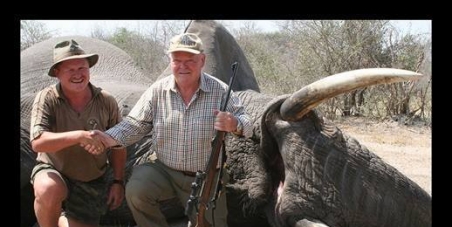
In Ghana, for example, currently unaffected by the outbreak, fruit bats are widely hunted. To understand how people interact with this particular type of bushmeat, researchers surveyed nearly 600 Ghanaians about their practices relating to bats.

The study found that hunters used several different techniques to kill their prey including shooting, netting, scavenging and catapulting. All hunters reported handling live bats, which often meant they came into contact with blood and in some instances were bitten and scratched.

‘Healthy food’

These hunters are therefore the most at risk of contracting viruses present in bats, explains one of the authors, Dr Olivier Restif from the University of Cambridge.

The work also uncovered that the scale of the bat bushmeat trade in Ghana was much higher than previously thought, with more than 100,000 bats killed and sold every year.

“People who eat bat bushmeat are rarely aware of any potential risk associated with consumption. They tend to see it as healthy food,”…

More: http://www.bbc.com/news/health-29604204

Petition: WWF: End your Partnership with the USA Pro-Hunting Lobby

Yolanda Kakabadse: WWF’s International President and USAID: WWF: End your Partnership with the USA Pro-Hunting Lobby G

Yolanda Kakabadse: WWF’s International President and USAID: WWF: End your Partnership with the USA Pro-Hunting Lobby G
100,000
5,242

5,242 signers. Let’s reach 100,000

Why this is important to me

The World Wildlife Fund in Africa, is in bed with the USA Pro-Hunting Lobby Groups: DSC, SCI and NRA. They have vested interests because they are controlling funding streams and imposing their Hunting Agendas first. Which, means they are directly influencing and manipulating ALL the African Countries to maintain a Trophy Hunting Stance.
Please sign this very important petition. We need to raise awareness to STOP the corruption in the WWF in Africa. They are blatantly exaggerating critically endangered wildlife population numbers and data, they are misusing global WWF Charity Donations, whilst, creating opportunities for the Trophy Hunting Industries in Africa to flourish.

This wildlife holocaust is causing human incurable diseases. ‘Ebola’ is spreading across Africa and soon the rest of the world.

Evidence : Uncontrollabled Hunting Leads to New Deadly Diseases including Ebola : http://en.ria.ru/eco_plus/20140906/192693219/Uncontrolled-Hunting-Leads-to-New-Deadly-Diseases-Including.html

The African Ecosystem is breaking down as Trophy Hunters have massacred and over-hunted wild animals for over 50 years.

The USA Trophy Hunting businesses and the members of the USA Pro-Hunting Lobby Groups alongside the Poachers are now standing side-by-side massacring the Wild Animals into extinction.

The destruction of the natural world in Africa is supported by WWF Charity Donations, which is directly threatening the African Tribal People’s health and their future because they are dependant upon the Natural World to survive. …

Petition and More:

https://secure.avaaz.org/en/petition/Yolanda_Kakabadse_is_WWFs_International_President_and_USAID_WWF_End_your_partnership_with_the_USA_ProHunting_Lobby_Group/?dJiBYcb&pv=37

Save the Earth: Pray for a Pandemic

I don’t mean to sound like some hateful misanthrope who wants to see humanity suffer for all its crimes against the environment. Rather, my misanthropy stems from a profound love of nature and a will to save non-humans from the cruelty and exploitation they’re routinely subjected to by the one species fully capable of causing a mass extinction. Indeed, the species Homo sapiens is currently in the process of putting an end to the most biologically diverse period the Earth has ever known—the Age of Mammals, a class which the human race must reluctantly finds itself included in.

Being nothing more than mere mammals themselves, humans are ultimately at the mercy of Mother Nature’s self-preserving tactics. And what better way to reign in an errant child than with a major global pandemic that takes down only humans? Let’s face it; humans are never going to reverse the ill-effects of climate change willingly. Oh, world leaders sometimes give it lip service, but they almost never mention the parallel scourge of overpopulation. It seems it’s hard to be “green” and keep 7,185,322,300 (as of this writing) people fed, clothed, sheltered and transported in the manner they’re currently accustomed to.

If people want to come out of this alive, they’re going to have to make some serious lifestyle changes. That means no more oil-dependent cars, trains, jet airplanes, no more Walmarts full of plastic trinkets built with coal power in Chinese factories, then sent overseas in gargantuan container ships. No offshore oil wells, no fracking, no tar sands pipelines; no freeways, no commuter traffic, no immensely-popular sporting events selling factory-farmed hot dogs by the billions. No people by the billions, for that matter. No more breeding until humans have figured out how to live alongside the rest of the Earth’s inhabitants without wiping them out or making slaves out of them.

No more! Starting right now! No false-starts or baby steps. Time to change or be changed!

It’s not just the politicians who lack the will to do what it will take to soften the blow of climate change. But while humans debate their role in causing relatively dependable weather systems to go topsy-turvy worldwide, Nature is poised to unleash a pandemic or two from her bag of tricks and take care of the human problem herself. I’m not talking about Ebola, that’s too slow and nasty.

When Nature gets serious, I’m hoping it’ll be quick and painless for all.  By the time humans know what hit ‘em, there’ll be no one left to test the experimental vaccine on the animals who’ll be too busy inheriting the Earth anyway.

1451324_650954518277931_1616731734_n

Ebola and Climate Change: Are Humans Responsible for the Severity of the Current Outbreak?

http://www.newsweek.com/climate-change-ebola-outbreak-globalization-infectious-disease-264163

burning-forest-sierra-leone
Sierra Leone has, in recent years, seen significant deforestation and other man-made environmental changes which, some argue, could be one cause of the recent Ebola outbreak. Finbarr O’Reilly/Reuters

The army base, a cut of cleared land amidst a thick, verdant, unnamed jungle, is filled with soldiers and locals, dead or dying of a mystery disease. A pile of bodies burns outside. At the sound of a U.S. army plane approaching, Americans and Africans both run out of the medical tents, arms raised to the sky in welcome and anticipation. But one man’s smile turns to horror when he realizes the airdropped package isn’t relief in the form of a cure or supplies, but instead another kind of solution. The bomb explodes, killing the men and devastating their arboreal surroundings; out of the wreckage run two white-headed capuchin monkeys.

This is the opening scene—ground zero—in the 1995 film Outbreak, in which an Ebola-like virus ultimately lands on U.S. soil and becomes an unstoppable killer. In the film, the virus is connected directly to the deforestation of the land enacted by western military: a local health care worker tells a U.S. army virologist, played by Dustin Hoffman, that the local “juju man” believes “the gods were awoken by their sleep by the man cutting down the trees where no man should be, and the gods got angry; this is their punishment.”

In 2011, Steven Soderbergh’s Contagion looked anew at the same issues of global infection, and here too, the filmmakers came to the same conclusion: the source of the killer virus is (spoiler alert) also industrial deforestation. In the 21st century edition, a multinational bulldozes a grove of palm trees in China for some unnamed purpose, destroying the nest of some local bats. Those bats end up flying over a pig farm, dropping a piece of infected fruit into the pen. The pig eats the fruit, the humans eat the pig, and the next thing you know, the contagion is spreading.

These, and other, pop culture characterization of Ebola-like viruses place the blame for the spread of the disease squarely on the shoulders of globalization and man’s careless despoiling of the environment. It’s not just Hollywood that believe that we are the cause of our own potential demise.

“Humans are the major driver of emerging diseases,” says Jonathan Epstein, an epidemiologist at the non-profit EcoHealth Alliance who studies Ebola and other infectious disease. “Things like agricultural expansion and deforestation…and certainly travel and trade — these are things that manipulate our environment and allow pathogens to get from animal hosts to people and then travel around the world.”

In a study published in 2012, researchers asked national infectious disease experts in 30 different countries whether or not they thought climate change would affect infectious disease patterns in their countries. The majority agreed.

Nevertheless, it’s unclear whether these beliefs are driven by good science, or, as Malcolm Gladwell argued way back in 1995, a guilt-driven “idea of disease as a punishment for wickedness.”

It’s true that West Africa, where the latest and most catastrophic Ebola outbreak is currently raging, has faced unequivocal environmental changes in recent years. The International Food Policy Research Institute published a report in 2013, finding that in Sierra Leone (the epicenter of the outbreak), climate change has resulted in “seasonal droughts, strong winds, thunderstorms, landslides, heat waves, floods, and changed rainfall patterns.”

And there is, according to the World Health Organization, a recent global increase in infectious diseases that seems to correspond with rising global temperatures. But determining whether there is a direct causative relation between the two is a hazy business.

One issue at play is food scarcity. The Ebola virus is known to spread into human populations through contact with an infected animal. The virus can live for years in animal populations (such as bats and monkeys) without harming the animals, becoming dangerous to humans only when humans prepare and eat infected bush meat. Poorer populations, living in resource-strapped areas, are the most likely to become stricken with the virus—because they’re the ones most likely to rely on bush meat to feed their families. And according to the 2013 IFPRI report, “poor communities suffer the most from climate change impacts.” It’s not hard to extrapolate from there and estimate that as these communities become more and more needy, they will encroach further into the wild in search of food. These changes in human behavior will likely impact the natural environment.

“We we see more incursion into the forest, we might see more exposure to Ebola,” says Stephen Morse, an infectious disease and epidemiology expert at Columbia University. “But it’s unclear whether there would be a net positive or net negative.”

Morse believes that the only way to make an educated guess at how climate change will impact future Ebola outbreaks is to undertake nuanced microclimate analyses of the specific African regions that have been affected in the past. And even that might not say all that much, given that Ebola and other emerging diseases seem to pop up in new parts of the continent every few years.

On the other hand, research does suggest strongly that warming global temperatures will make vector-borne diseases like malaria more common, mostly because the vectors that carry those diseases — like mosquitoes — thrive in warmer climates.

In the past few century, the temperatures of the oceans have risen significantly, at an average of  0.13 degrees Fahrenheit per decade. And it turns out cholera thrives in warm water; research has shown that rising sea temperature seem to be connected to rising incidences of cholera. Further, as temperatures rise, the polar ice caps will continue to melt, leading to rising sea levels. The most dire prognosticators warn that low-elevation coastal zones

This is particularly problematic in developing countries. Globalization has  led to significant change in the demographics in these parts of the world; in Africa, more and more people are moving out of the rural areas and into the growing cities. That, in turn, has had some serious public health consequences that look to worsen in coming years.

“As you move towards these megacities and mega populations on coastal areas, you wind up with huge vulnerability to infectious outbreaks because of inadequate sanitation and water,” says Stephen Morrison, the director of the Center for Strategic & International Studies’ Global Health Policy Center. “And then if you have flooding, those coastal environments will be more at risk because of climate change. You’ll be at a higher risk of the kind of infectious outbreaks like cholera.”

And the reality is that both malaria and cholera have had — and are expected to continue to have — a much bigger impact on public health than Ebola (unless the current outbreak becomes a truly once-in-a-lifetime, Hollywood-style pandemic). The WHO estimates about 110,000 deaths due to cholera every year; malaria killed an estimated 627,000 in 2012 alone. Meanwhile, since the first Ebola case was identified in 1976 there have been only 1,600 Ebola-related deaths.

That, though, is not exactly good news for human populations. Because though modern society’s impact on the Earth’s environment may not result in an explosion in Ebola, it seems that it will almost certainly drive up rates of these other, far more dread diseases.

The African Ebola outbreak that keeps getting worse

http://www.washingtonpost.com/news/morning-mix/wp/2014/04/07/the-african-pandemic-that-keeps-getting-worse/?tid=hp_mm

by Terrence McCoy  April 7, 2014

It began early this year in the forested villages of southeast Guinea. For months, the infected went undiagnosed. It wasn’t until March 23 that the news finally hit the World Health Organization. And by then, Ebola had already claimed 29 lives, the organization reported in a one-paragraph press release.

Since then, the organization has dispatched nine additional updates on a ballooning outbreak that’s received modest notice in the West, but has sent waves of panic across the African continent.

March 24: The outbreak is “rapidly evolving.” 59 dead. 86 confirmed cases.

March 27: The sickness spread to Liberia and Sierra Leone. 66 dead. 103 confirmed cases.

March 30: “This is a rapidly changing situation,” WHO reported. 70 dead. 112 confirmed cases.

April 3: Ebola “has a case fatality rate of up to 90 percent,” the organization said. 83 dead. 127 confirmed cases.

On Sunday, after the number of dead topped 90 and Mali and Ghana recorded their first suspected cases of the disease, trouble began in remote villages.

A mob attacked an Ebola treatment center in Guinea, accusing it of infecting the town with disease, according to Reuters. In other villages, people stopped shaking hands.

“We fully understand that the outbreak of Ebola is alarming for the local population,” one doctor told the Independent. ”But it is essential in the fight against the disease that patients remain in the treatment center.”

What terrifies people so much about Ebola?

For starters, there’s no cure. Because it’s such a rare disease that primarily affects poor African villages, big drug companies perhaps haven’t seen enough economic opportunity to study the virus, Bloomberg reports.

Then there’s the fact that Ebola deaths are particularly gruesome. The disease comes from an infected animal – most likely the fruit bat, which infects monkeys, apes, pigs and, finally, humans. The disease is not airborne, but spreads through blood, secretions or other bodily fluids. Its early symptoms include fever and intense weakness, WHO says, then deepens with bouts of diarrhea, vomiting, and internal and external bleeding.

The migratory pattern of the outbreak, which aid workers call “unprecedented,” has baffled doctors. Outbreaks before this have stayed in remote pockets of the country, but this iteration shot hundreds of miles from southwest Guinea to the coastal capital of Conakry.

Exacerbating the situation is the scarcity of medical professionals in Guinea. According to the World Bank, there are only .1 physicians per 1,000 people — among the lowest ratios in the world, below even Afghanistan.

This has fed animosity among some in Guinea toward the government for its perceived inability to dispense medical services — or even enforce quarantines.

“You have a lot of people who have recovered from civil war and are living in war-ravaged areas with very poor infrastructures,” said Laurie Garrett of the Council on Foreign Relations. “As soon as word goes out of quarantine, you have people start trying to escape and get away from the clutches of authorities.”

This has already happened, some in Guinea claim.

“How can we trust them now?” Conakry resident Dede Diallo told Reuters. She’s stopped working — and keeps her kids at home, where she says it’s safe. “We have to look after ourselves.”

SOURCES: Steve Monroe, deputy director of the CDC’s National Center for Emerging and Zoonotic Infectious Diseases; World Health Organization. Graphic: The Washington Post.