Conservation Groups Sue Over NC Coyote Hunting

RALEIGH, N.C. — Conservation groups are suing North Carolina wildlife regulators, saying a rule that allows coyote hunting endangers the world’s only wild population of about 100 red wolves because hunters easily confuse the two animals.

An attorney with the Southern Environmental Law Center filed the lawsuit Thursday in federal court on behalf of three other groups.

The state Wildlife Resources Commission in July approved a permanent regulation allowing coyote hunting in the five-county area of eastern North Carolina that’s known as the Red Wolf Recovery Area. A state judge earlier blocked a temporary rule allowing the hunting in Dare, Tyrrell, Hyde, Washington and Beaufort counties.

The Southern Environmental Law Center says 20 red wolves have died from gunshots since 2008.

A wildlife commission spokesman declined comment until the agency receives the lawsuit.

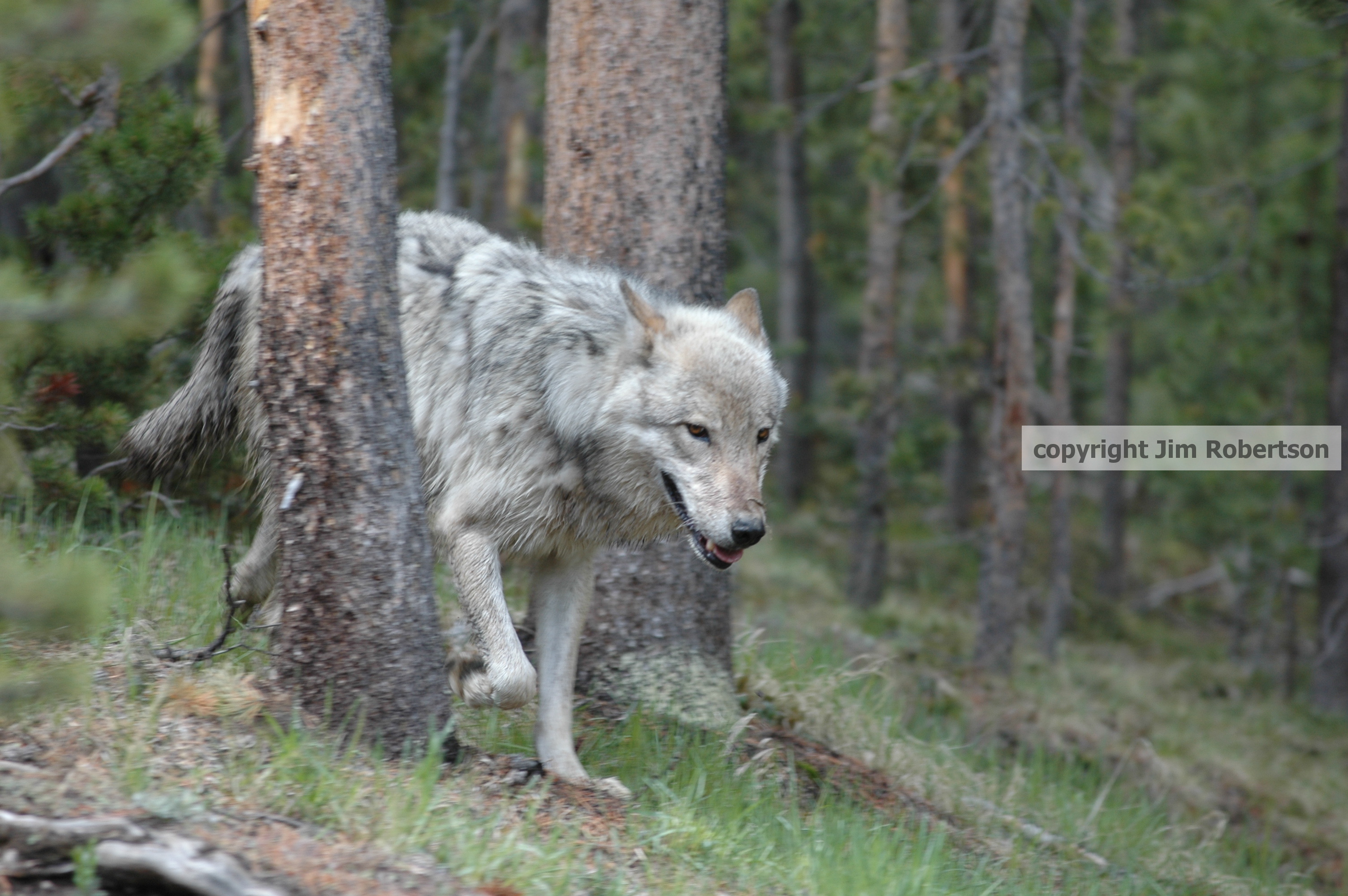
Coyote photo Copyright Jim Robertson

Coyote photo Copyright Jim Robertson

Sign-on Letter – To Kill A Mourning Dove

From Barry Kent MacKay,  Born Free USA’s Canadian Representative  http://www.bornfreeusa.org/

Please circulate widely

Below is a sign-on letter to encourage individuals to send comments opposing the recreational hunting of Mourning Dives and Barrow’s Golden-eye – listed ‘at risk’.

Even if you are skeptical as to whether the letter will make any difference in reversing a ‘political’ decision, please sign-on. If enough of us send the letter, it will likely guarantee that these sorts of political decisions regarding wildlife will not be made easily in the future.

Please free feel to change the letter as necessary.

Detailed background information is below.

To: Stephen Harper; Prime Minister

<mailto:pm@pm.gc.ca> pm@pm.gc.ca

CC. Jack Hughes, Canadian Wildlife Service : <mailto:jack.hughes@ec.gc.ca> jack.hughes@ec.gc.ca

Environment critics: Megan Leslie (NDP) megan.leslie@parl.gc.ca and Micheal Harris (PC) michael.harris@pc.ola.org

Kathleen Wynne Ontario Premier premier@ontario.ca

Dear Prime Minister,

I wish to express my strong opposition to the decision by the Conservative government to allow Mourning Doves and Barrow’s Goldeneye – a species at risk – to be hunted in Ontario. It has been reported that this decision was made very quietly, so as to restrict public input.

Hunters form a very small minority of Canadians, yet the wildlife they are permitted to kill are part of our shared natural heritage. Therefore it is shameful to deny the majority of us

a chance to respond before the final decision was made. We are the people who enjoy the environment in a peaceful and non-destructive way, and wish to continue doing so.

Mourning doves are part of our everyday environment and a symbol of peace, and do not appear to be a migratory species in southern Ontario. Are other small, sociable birds
to be the next target?

This appears to be a purely political decision aimed at throwing a “bone” to the sport hunting lobby as you shop for voters.

Most Canadians are not hunters and do not want to see sport hunting promoted to our youth.

The recreational killing of wildlife in no way reflects my/our history, traditions or future.
This is not subsistence hunting, which I can respect, or an economic driver and never was.

In any case, these small birds provide at best a minor source of food delicacies, but are primarily useful for target shooting – a total waste of life.

I am asking that you act quickly to prohibit entirely the killing of Barrow’s Goldeneye in all jurisdictions, and also cancel the Mourning Dove hunt in Ontario. I shall also request that the provincial government take appropriate action to bring this to a speedy end.

I look forward to your reply.

Name

Address

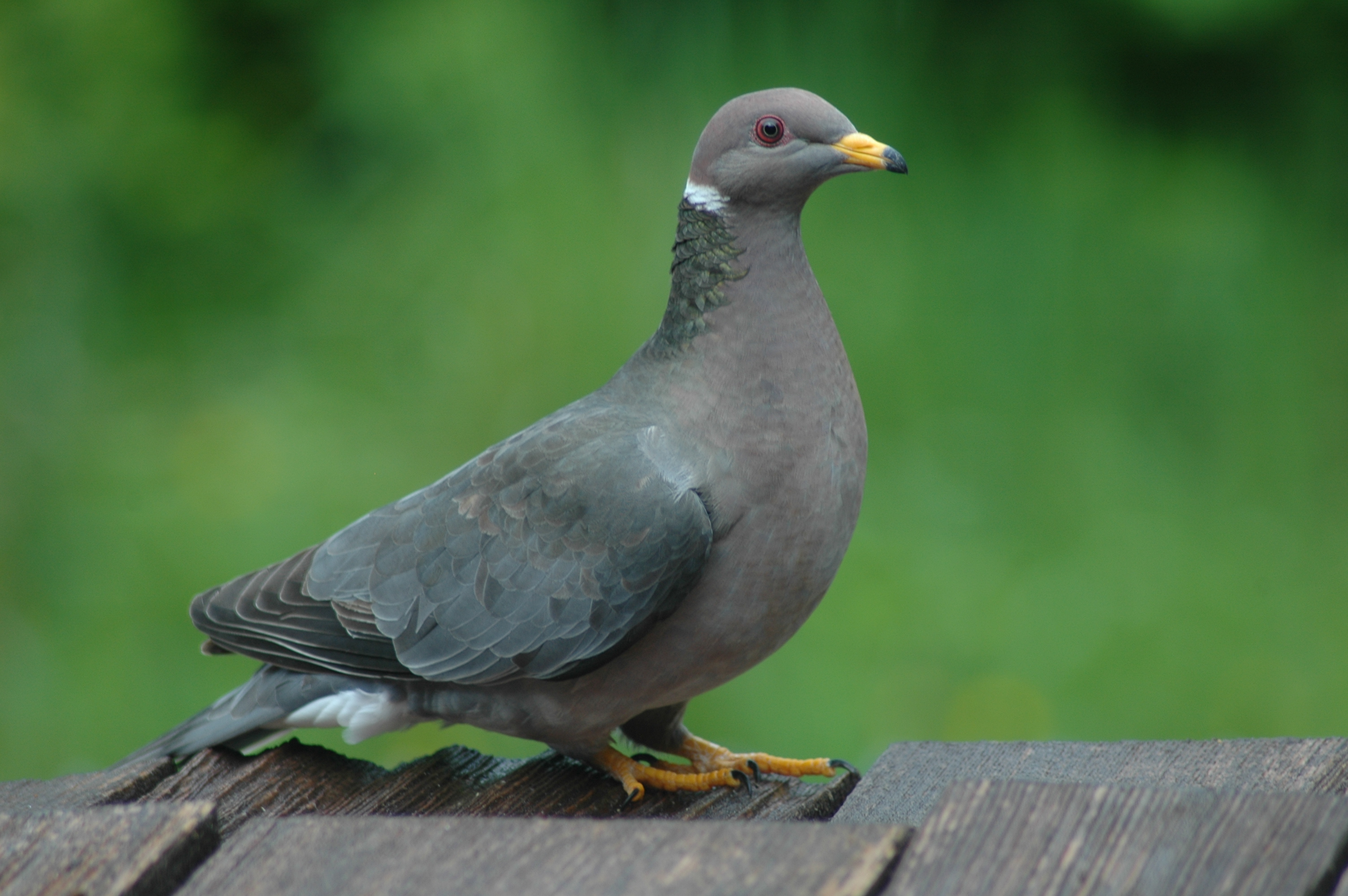
Band-tailed pigeon photo©Jim Robertson

Band-tailed pigeon photo©Jim Robertson

Lead-ing the Way in California

From Wayne Pacelle’s blog, A Humane Nation

October 11, 2013

Bullets should not keep killing long after they’ve left the barrel of a firearm. Soon, in California, they won’t.

In an act that will have major national reverberations for hunting and ammunitions manufacturing in the United States, Gov. Jerry Brown today signed legislation to make California the first state in the nation to halt the use of lead ammunition in hunting. The HSUS led the fight, along with Audubon California and Defenders of Wildlife, besting the National Rifle Association, the National Shooting Sports Foundation, and other hunting-rights lobby groups that called for the status quo and the continued incidental poisoning of countless birds and mammals, including endangered California condors, in the Golden State. Gov. Brown also signed legislation today to forbid the trapping of bobcats around Joshua Tree National Park and other national parks and wildlife refuges – a second major wildlife victory for us.

Thank you, Gov. Brown. We are immensely grateful.

The lead ammo bill, AB 711, was authored by Assemblymembers Anthony Rendon and Dr. Richard Pan, and the bobcat bill, AB 1213, was authored by Assemblymember Richard Bloom. We are also so grateful to these legislative champions for pushing these important policies over the finish line.

Last year, Gov. Brown signed legislation to outlaw the use of dogs in hunting bears and bobcats, and the year before put his signature on a bill to ban the sale and possession of shark fins. He’s also signed more than 25 other animal welfare bills, protecting mountain lions, banning cruel traps and a wide range of other practices. In all, since voters passed Proposition 2 in California in 2008, state lawmakers and two governors have together enacted more than 40 new statutes for animals – including bans on tail docking of dairy cows and forbidding the sale of shell eggs that don’t meet the standards of Prop 2. Hats off to my colleague, California senior state director Jennifer Fearing, and the rest of our team for leading the advocacy efforts and skillfully working with so many lawmakers and with Gov. Brown. This incredible raft of legislation cements California’s place as the nation’s leading state on animal welfare.

When the NRA and other groups fought efforts more than two decades ago to ban the use of lead shot for waterfowl hunting, they said that a legal prohibition on its use would result in the end of duck and goose hunting. Such outlandish claims, which we can now evaluate in a very tangible way, have proven false. In this year’s legislative fight in California, the National Shooting Sports Foundation – the trade association for gun and ammunition makers, based in Newtown, Conn., of all places – spent tens of thousands of dollars running print and radio ads attacking The HSUS, but their expenditures were all for naught.

Lead has been removed from paint, gasoline, and other consumer products because lead kills. A preponderance of scientific evidence demonstrates that there are significant public health, environmental and wildlife health risks associated with lead from ammunition. One estimate says that there are more than 10 million doves a year who die from lead poisoning. When you consider that there are more than 130 species known to suffer from the toxic effects of spent lead ammunition, it’s quite a staggering toll. Scavenging birds like condors, owls, eagles, and hawks, as well as mammals like coyotes, are all at risk and known to be suffering. Death from lead poisoning is painful, and even when lead exposure isn’t high enough to kill an animal, it doesn’t take much to weaken an animal to the point that it succumbs to predation or disease.

With an alternative product available – including steel, copper and bismuth ammunition – why not make the switch?

Editorial support for AB 711 from newspapers across California has poured in – The Los Angeles Times, the Monterey County Herald, the San Jose Mercury News, the Fresno Bee, the Sacramento Bee, the Riverside Press-Enterprise and the Bakersfield Californian, to name a few. The president and the vice president of California’s Fish and Game Commission backed the bill, as did Department of Fish and Wildlife director Chuck Bonham.

This is an enormous win for our movement. Committed conservationists and animal welfare advocates know it is wrong to allow random poisoning of wildlife. It is inimical to any sound principle of wildlife management and other states should follow California’s lead. With the signing of these two bills, today is a great day for condors, bobcats, and more than 130 other species of wildlife in California!

00-intro

Secretary Jewell Should Look Up the Word “Refuge”

On September 26th 2013, just in time for “National Hunting and Fishing Day,” Sally Jewell, our new (and allegedly improved) Secretary of the Interior announced a U.S. Fish and Wildlife Service proposal to expand hunting opportunities throughout the National Wildlife Refuge System. The plan would open up hunting on six refuges currently free from armed ambush and expand existing hunting and fishing on another 20 “refuges.” The new rule would also modify existing regulations for over 75 additional refuges and wetland “management” districts.

The proposal is yet another nod to the “hunter’s rights” movement that has been sweeping the nation.

But what about the wildlife’s right to a true refuge, free from human hunting? Oh that’s right, animals don’t have rights, only humans—even including hunters—do. It is such an arrogant and absurd notion that sport hunters—arguably the lowest creatures to ever crawl out of the primordial ooze—have rights, while all other species of life do not, that I sometimes forget it’s the currently accepted law of the land.

In 1997, the U.S. Sportsmen’s Alliance (USSA) pushed for changes in wildlife laws to ensure that hunting and fishing were priority public uses on “refuge” lands. Thanks in part to USSA’s self-serving effort, the National Wildlife Refuge System Improvement Act was signed into law. As they openly boast, “The language of the Refuge Improvement Act has been essential in opening new Refuge lands to sportsmen.”

Meanwhile, Interior Secretary Jewell recently stated, “Sportsmen and women were a major driving force behind the creation and expansion of the National Wildlife Refuge System more than a century ago…” Of course they were, Sally, they were the ones who nearly hunted most of America’s wild species—including bison, elk, pronghorn, bighorn sheep, swans, sandhill cranes and too many others to mention here—to extinction. Jewell also suggested that, “Keeping our hunting and angling heritage strong” would “help raise up a new generation of conservationists.” Well, that depends on your definition of “conservation.”

There is so little land left in today’s world where wildlife can breathe easy, free from the constant fear that every human they see might be intent upon shooting them or taking the lives of their herd, pack or flock-mates. Studies have shown that animals suffer from the stress of hunting season in the same way that people during wartime suffer from Post-traumatic Stress Disorder. Yet, hunting is permitted on over 330 wildlife “refuges.”

According to the National Survey of Fishing, Hunting and Wildlife-Associated Recreation, published every five years by the USFWS, more than 90 million Americans, or 41 percent of the United States’ population age 16 and older, pursued wildlife-related recreation in 2011. Nearly 72 million people observed wildlife, 33 million fished, while 13 million hunted. In other words, while 80% of the total number of Americans who pursue “wildlife-related recreation” do so in a peaceful, non-consumptive, appreciative and respectful manner, only 14% hunt. And yet the rules are made—and everyone else is effected—by those who feel compelled to hunt down and kill our wildlife.

Hunting is not compatible with the quiet enjoyment of our nation wildlife refuges. It’s hard to watch birds while someone’s busily blasting at them. As a wildlife photographer, I can always tell by an animal’s nervous and elusive behavior that they are living in an area open to hunting. This was made abundantly clear on a photo tour of Alaska. In Denali National Park, which is closed to hunting, people are regularly rewarded with quality, up-close wildlife viewing. Conversely, wildlife sightings of any kind are extremely rare in national parks such as Wrangle-Saint Elias, where hunting is permitted.

Encarta defines the word “refuge” as “a sheltered or protected place, safe from something threatening, harmful, or unpleasant.” Given that hunting is indeed threatening, harmful and unpleasant, how can the blood sport be considered compatible with our national wildlife refuges?

______________

Your written comments about the 2013-2014 proposed Refuge-Specific Hunting and Sport Fishing Regulations can be submitted by one of the following methods:

Federal eRulemaking Portal Follow the instructions for submitting comments to Docket No. [FWS-HQ-NWRS-2013-0074]; or

U.S. mail or hand-delivery: Public Comments Processing, Attn: [FWS-HQ-NWRS-2013-0074]; Division of Policy and Directives Management; U.S. Fish and Wildlife Service; 4401 N. Fairfax Drive, MS 2042–PDM; Arlington, VA 22203.

Comments must be received within 30 days, on or before October 24, 2013. The Service will post all comments on regulations.gov. The Service is not able to accept email or faxes.

Comments and materials, as well as supporting documentation, will also be available for public inspection at regulations.gov  under the above docket number. In addition, more details on the kinds of information the Service is seeking is available in the notice.

Here are some of the refuges which the U.S. Fish and Wildlife Service proposes opening to hunting for the first time ever:

New York:

Shawangunk Grasslands National Wildlife Refuge: Open to big game hunting.

Oregon:

Baskett Slough National Wildlife Refuge: Open to migratory bird hunting.

Nestucca Bay National Wildlife Refuge: Open to migratory bird hunting.

Siletz Bay National Wildlife Refuge: Open to migratory bird hunting.

Pennsylvania:

Cherry Valley National Wildlife Refuge: Open to migratory bird, upland game and big game hunting.

Wyoming:

Cokeville Meadows National Wildlife Refuge: Open to migratory bird, upland game and big game hunting.

Meanwhile, under the proposal, the Service would expand hunting and sport fishing on the following refuges:

California:

Colusa National Wildlife Refuge:  Expand migratory bird and upland game hunting.

Florida:

Arthur R. Marshall Loxahatchee National Wildlife Refuge: Add big game hunting. The refuge is already open to migratory bird hunting.

St. Marks National Wildlife Refuge: Expand migratory bird hunting, upland game hunting and big game hunting.

Idaho:

Kootenai National Wildlife Refuge: Expand upland game hunting. The refuge is already open to migratory bird hunting and big game hunting.

Illinois:

Cypress Creek National Wildlife Refuge: Expand migratory bird hunting, upland game hunting and big game hunting.

Middle Mississippi River National Wildlife Refuge: Expand migratory bird hunting, upland game hunting and big game hunting.

Indiana:

Patoka River National Wildlife Refuge and Management Area: Expand migratory bird hunting, upland game hunting and big game hunting.

Iowa:

Neal Smith National Wildlife Refuge: Expand migratory bird hunting, upland game hunting and big game hunting.

Northern Tallgrass Prairie National Wildlife Refuge: Expand migratory bird hunting, upland game hunting and big game hunting.

Port Louisa National Wildlife Refuge: Expand migratory bird hunting, upland game hunting, big game hunting and sport fishing.

Maine:

Rachel Carson National Wildlife Refuge: Expand migratory bird hunting, upland game hunting and big game hunting.

Missouri:

Mingo National Wildlife Refuge: Expand migratory bird hunting, upland game hunting and big game hunting.

New Mexico:

San Andres National Wildlife Refuge: Expand big game hunting.

Oregon:

Bandon Marsh National Wildlife Refuge, OR and WA: Expand migratory bird hunting. The refuge is also already open to sport fishing.

Julia Butler Hanson Refuge for the Columbian White-Tailed Deer, OR and WA: Expand migratory bird hunting. The refuge is already open to big game hunting.

Malheur National Wildlife Refuge: Expand migratory bird hunting and sport fishing. The refuge is already open to upland game hunting and big game hunting.

Texas:

Aransas National Wildlife Refuge: Add migratory bird hunting. The refuge is already open to big game hunting.

Balcones Canyonlands National Wildlife Refuge: Expand hunting for migratory birds, upland game and big game.

Vermont:

Silvio O. Conte National Fish and Wildlife Refuge: Expand migratory bird hunting, upland game hunting and big game hunting.

Washington:

Willapa National Wildlife Refuge: Expand migratory bird hunting and big game hunting. The refuge is already open to upland game hunting.

More info:  http://www.doi.gov/news/pressreleases/interior-department-proposes-expansion-of-hunting-fishing-opportunities-in-national-wildlife-refuge-system.cfm
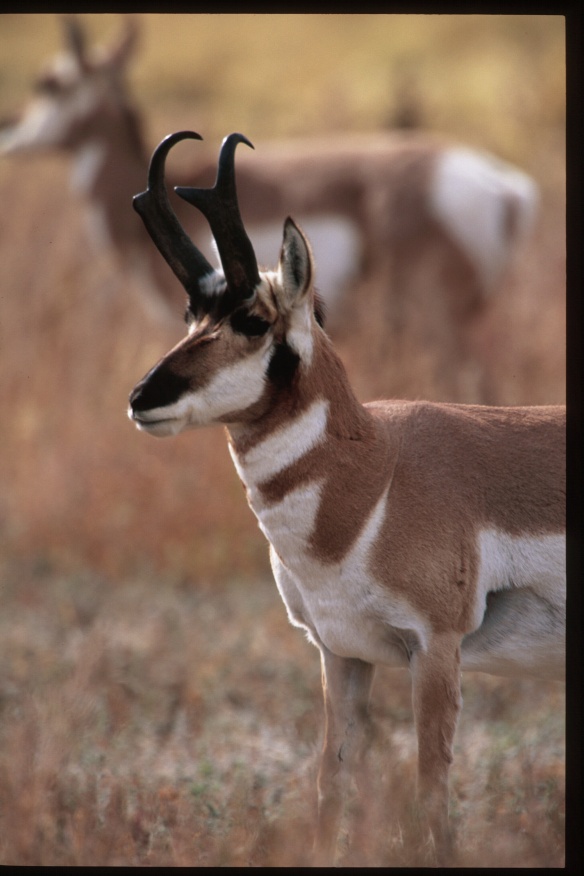
Text and Wildlife Photography ©Jim Robertson, 2013. All Rights Reserved

Text and Wildlife Photography ©Jim Robertson, 2013. All Rights Reserved
Would You Pay $19 to Kill a Wolf?

Gray wolf

 Alert from the Center for Biological Diversity
Breaking news: The anti-wolf zealots are losing ground.

After weeks of intense pressure from the Center for Biological Diversity and other groups, the U.S. Fish and Wildlife Service just admitted to excluding key wolf experts from the scientific analysis of its infamous, nationwide wolf-delisting plan. The Service has dissolved its hand-picked panel and turned over the entire review process to an independent research institute. Now the nation’s top wolf scientists –once improperly disqualified for questioning the Service’s proposal to delist wolves — will be reconsidered as candidates for the review panel.

This is a victory in our fight to keep federal protections for gray wolves — but another battle is raging in the northern Rockies and Great Lakes. The wolf-killing season is starting, and hunters and trappers are lining up by the thousands.

In case you missed my last email, the Center urgently needs 6,000 wolf heroes to counter 6,000 wolf killers in Montana. Will you help now by giving to our Wolf Defense Fund and become a hero for these beleaguered animals?

In Montana 6,000 people just paid $19 to kill a wolf. Selling cheap $19 wolf tags to 6,000 people is an atrocity, because  Montana only has 625 wolves left after last year’s killing season. Not satisfied with the massacre, the state has lined up 10 times as many rifles as there are wolves to finish the job.

I’m writing today because the Center for Biological Diversity needs help balancing the odds. We need 6,000 wolf heroes to donate to our Wolf Defense Fund to ensure that federal protections are not stripped from all wolves across the country.

By donating, you’ll help stop the killing and send Montana a powerful message that a wolf’s life is worth far more than $19.

We can’t let these extermination practices spread nationwide. Wolf haters are putting up money to wipe out wolves. Wolf supporters need to do the same if we’re going to stop the killing.

Mexican gray wolf: Where the wild things aren’t

by Jamie Rappaport Clark Special to the Arizona Daily Star

When I was the director of the U.S. Fish and Wildlife Service, I was fortunate enough to take part in the release of 11 Mexican gray wolves into Arizona’s Apache National Forest in 19XX. I will never forget the light in their eyes as we released the lobos from the confines of their crates, destined for a new life in the wilderness where they belong. This came after we had worked hard to restore wolves to the Yellowstone region just a few years before.

Back then, our hopes were certainly high for these icons of American wilderness.

Recently, however, the thrill of seeing gray wolves returning to the Southwest and across the country has been tainted by the fact that the Fish and Wildlife has announced its intention to abandon wolf restoration before the job is done. Wolves are still not recovered in suitable habitat in Colorado, the Pacific Northwest and California—wild places that can offer a good home to this iconic species. In fact, wolves only occupy about 36 percent of currently suitable habitat nationwide.

Delisting gray wolves across the nation is premature and will negatively impact the species’ long-term recovery, but unfortunately, this is not the worst of it for America’s wolves. Another of the Fish and Wildlife’s recent proposals makes it almost impossible for the lobo to ever recover — putting this rarest wolf on the path to a second extinction in the wild. While the imperiled population of only about 75 individuals will remain on the endangered species list, the service’s proposal for its continued management makes the future for these wolves look dim.

If the lobos are going to survive, they need much more than a “smoke and mirrors” plan that, by ignoring science and good sense, obstructs the path to recovery.

Real recovery of Mexican gray wolves will require the completion and implementation of a recovery plan that incorporates updated science, the release of new breeding pairs into the wild and the establishment of at least two new core populations. And herein lays the proposal’s gravest sin: the most suitable areas of habitat in the southwest are in the Grand Canyon region and northern New Mexico/southern Colorado – beyond the new arbitrary land borders the proposal sets up for wolves. Fish and Wildlife knows that the lobos desperately need access to these areas, so why has it proposed a plan that does the opposite; effectively ensuring the lobo will never recover?

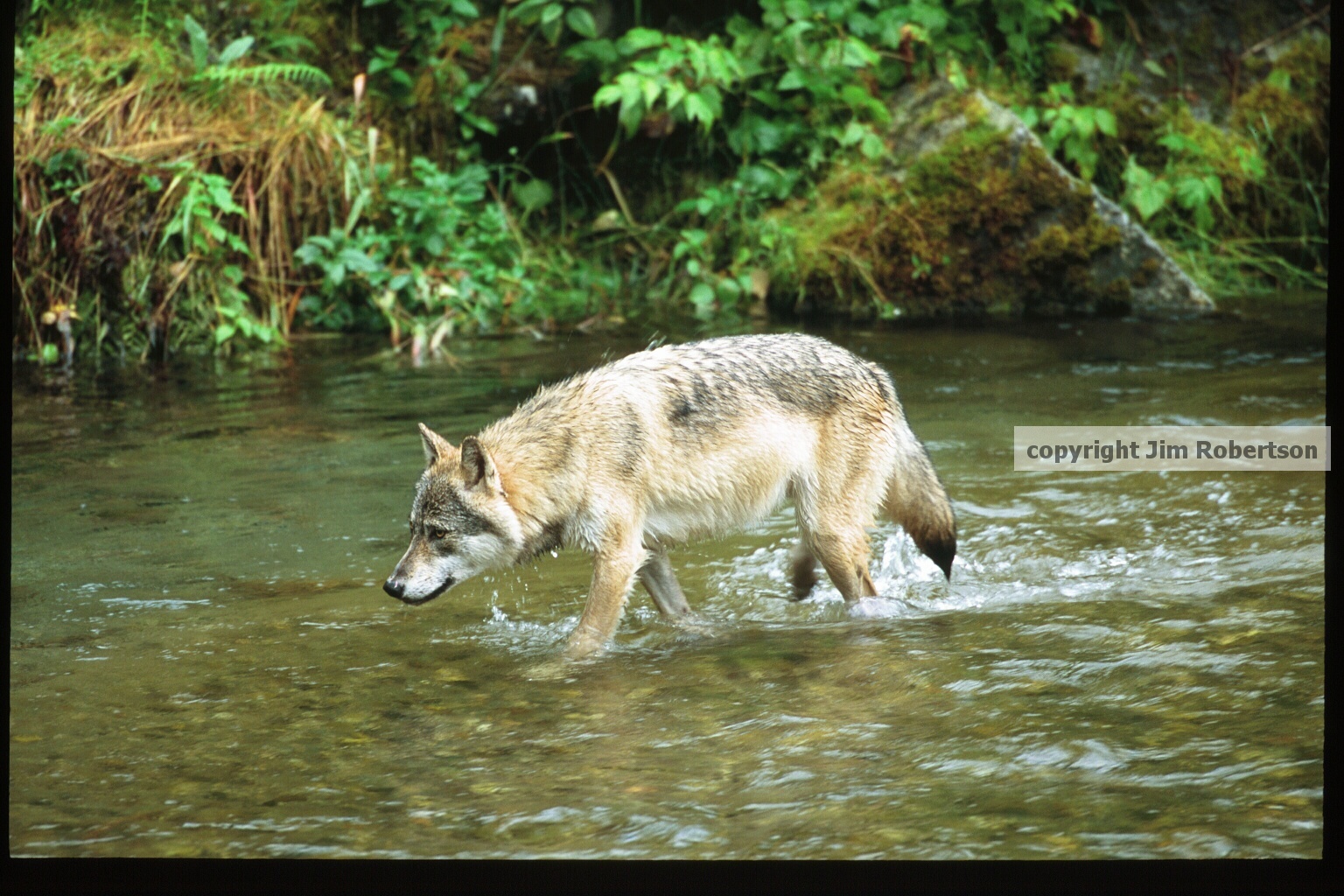
Recent polls have shown that residents of Arizona and New Mexico strongly support the restoration of Mexican gray wolves — in fact, 87 percent of voters in both states agree that wolves are a vital part of our heritage. Eight in 10 voters agree that Fish and Wildlife should make every effort to prevent extinction, with more than seven in 10 in Arizona and nearly as many in New Mexico agreeing that wolves should be restored to suitable habitat in the region.copyrighted wolf in water

As the people concur, lobos are indeed iconic animals, and beyond that, they are crucial for healthy ecosystems.

But despite the ecological and cultural significance of the wolves and the importance they hold in the eyes of the public, it seems that our government doesn’t really want to hear what the people have to say about finishing the job of lobo recovery. With only one hearing to take public comments on the fate of the Mexican gray wolves scheduled for the whole region, we have to find as many opportunities as possible to speak out for the lobos before it is too late.

I don’t want to visit Arizona and New Mexico, Colorado and Utah in the years to come and have to accept that these are places where the wild things used to roam.

I don’t want to stand on a ridge in the Grand Canyon straining to hear a howl that will never come.

I want to remember the beautiful eyes that I saw in the Apache National Forest and know that the lobos are alive and well, running freely not just there, but across the region that was their home before it was ours.

Jamie Rappaport Clark is president of the Defenders of Wildlife

Seven Frequently Asked Questions about Northern Rockies Wolves

  (The following is part of a report by Wild Earth Guardians)…

1.  Which two user groups caused Northern Rockies wolves to lose their Endangered Species Act protections and why? 

  • The livestock industry and some sportsmen’s organizations, each separately opposed to wolf conservation, convinced Congress in April 2011 to delist Northern Rockies wolves from the Endangered Species Act. Their contentions about resource competition are unsupported by data, as described below.

A.  Do wolves kill vast numbers of livestock?  

  • No. This constant complaint by the livestock industry is without merit. Wolves have killed less than one percent of the cattle or sheep inventories in the Northern Rockies. Even in Idaho, Montana, and Wyoming where most wolves live (and before the commencement of wolf hunting in 2011-2012) and even using unverified livestock loss data (that is, numbers that are based upon livestock growers’ uninvestigated complaints), wolves killed less than one percent of the cattle (0.07 percent) and sheep (0.22 percent) inventories in those states. Verified livestock losses are even lower.
  • These livestock loss numbers mirror the national average where all other carnivores (i.e., coyotes, cougars, bears and domestic dogs) killed less than 0.5 percent of the (2010) cattle and (2009) sheep inventory in the entire United States. The biggest source of mortality to livestock actually comes from disease, illness, birthing problems and weather, but not from native carnivores such as wolves.

B.  Do wolves kill too many elk? 

  • No, despite the claims of some sportsmen’s organizations. Human hunters have much greater negative effects on elk populations than wolves, according to a host of biologists, who published their findings in peer-reviewed science journals.
  • In fact, the level of human off-take of elk populations is considered “super additive” – that is, humanhunting pressures on elk far exceed the levels of mortality that would otherwise occur naturally. Further, human hunters generally kill prime-age, breeding animals, whereas wolves prey upon older, non-breeding elk. Wolves do hold elk populations at levels that mediate starvation, weather, and other stochastic events.

C. Does sport hunting of wolves increase hunters’ tolerance of them?

  • No. Two peer-reviewed studies show that hunting wolves does not increase hunters’ tolerance for them, and especially in the case of wolf and bear hunters.

2. Is wolf management by Idaho and Montana sufficient to conserve the species?

  • No. These states have set hunting quotas that are too high to be sustainable and are based upon uncertain population data. Both states have estimated populations to be higher than estimates by the U.S. Fish and Wildlife Service, and Montana’s population censuses, in particular, are criticized by experts as inadequate and inaccurate. Idaho and Montana both offered overlong hunting seasons on wolves for the 2011-2012 season. In fact, Idaho’s 10-month season extends until June when wolves have dependent young.
  • Hunters and trappers killed more than 540 wolves in 2011-2012. Biologists, in peer-reviewed literature, have written that wolves in the Northern Rocky Mountains have not yet recovered and that hunting them could put their populations at risk.
  • Other researchers have warned that hunting could reduce wolves beyond their ability to recover. Killing wolves not only causes direct mortality to individuals, but also creates social disruption in wolf packs, which can cause packs to disband, leading to the loss of yearling animals and pups.

3.  To whom do Northern Rockies wolves belong?

  • The public trust doctrine, affirmed by the U.S. Supreme Court, asserts that all wildlife, including wolves, belong to all Americans. Indeed, all Americans contributed to the restoration of wolves in the Northern Rockies, spending approximately $40 million over 17 years to reintroduce wolves in the region. Unfortunately, with the assumption of management by western states (following delisting of the population under the Endangered Species Act), wolves are now primarily managed for the interests of the livestock industry and some sportsmen’s organizations. The interests of these tiny minority groups do not comport with values shared by the broad American public that supports continued recovery of wolves in the West.

4.  How has the news media influenced people’s values about wolves?

  • The news media can affect people’s values about wolves, and studies show the media is increasingly publishing negative stories about wolves. At the same time, surveys on people’s attitudes have shown that most still value wolf and habitat conservation. We note that the media often broadcasts inaccurate or exaggerated statements by the livestock industry or sportsmen’s groups about the supposed negative effects of wolves on livestock or native ungulate populations.

5.  How many wolf-hunting or trapping licenses have been sold in Idaho and Montana and how many wolves live in those states?

  • Idaho and Montana have sold over 62,000 tags for the 2011-2012 wolf-hunting/trapping season. At the end of 2010, the Fish and Wildlife Service estimated the wolf population in those states stood at 1,271 individuals. License buyers are primarily residents of Idaho and Montana, 89 percent and 99 percent, respectively. Those states sell their wolf-hunting tags at prices far below market value. The high level of resident participation might indicate that citizens in these two states are less tolerant of wolves than other Americans.

6.  Are wolves important to ecosystems?

  • Wolves and other apex carnivores contribute significantly to increased biological diversity—from beetles to birds to grizzly bears—and to greater ecosystem function (such as indirectly protecting riparian habitats for a host of fauna and flora), staving off effects from global warming by providing carrion as food sources for other species, and facilitating beaver recovery in the West.

7.  How can we both restore wolves and find ways for people to coexist with them?

  • States have shown themselves incapable of managing wolves in a manner that supports the interests of the majority of Americans who love and appreciate wolves. The majority deserves input into how wolves are managed. Instead, decision makers cater to two vocal minority user groups, who base their anxieties about wolves on false claims about resource competition. Wolves have become political animals. They need to be shielded from mercurial political processes, especially since the American public has spent tens of millions of dollars on wolf restoration and research.
  • More protected refuges should be established to support wolf restoration, such as the designation of more national parks. Refuges promote persistence of rare native carnivores such as wolves and mountain lions. Refuges also serve as source areas to other subpopulations, which maximizes natality and minimizes mortality.
  • Livestock producers can produce “risk maps” to anticipate where conflicts may occur and prevent future problems. Producers can also employ a host of non-lethal livestock protections such as keeping sick or pregnant livestock close to humans, housing livestock in buildings or pens (especially to protect small or young livestock), using guard animals and electronic scaring devices, properly disposing of livestock carcasses and more.
  • On public lands, another approach is to retire livestock grazing through voluntary grazing permit buyout. This practice allows the government or third parties to compensate ranchers to permanently retire their grazing permits on public lands, leaving the landscape to wolves and other wildlife and saving taxpayers millions of dollars in grazing subsidies over time.
  • Finally, wolf policy should privilege wildlife watchers. Wolf watchers in the Northern Rocky Mountains spend millions of dollars each year to view wolves, as compared to the $1 million dollars that hunters and trappers spent to buy wolf tags in Idaho and Montana.

http://www.wildearthguardians.org/site/PageServer#.UkRpRL7n_UM

Twenty-first Century Swastikas

For over half a century the Nazi swastika—that all too familiar symbol of hate—has been relegated to the dark corners of extremism, never to be openly displayed on a flag or uniform again. The Nazi credo was perhaps as confusing as it was complex, but generally, it was the definitive case of one group vilifying and scapegoating another.

Today, a similar type of blind hatred rules in areas where exploitive or extractive animal industries are considered a way of life. One can hardly drive a mile in parts of rural America without seeing emblems of extremism in the form of hateful bumper stickers touting selfish anti-wolf slogans like, “Smoke a Pack a Day” or, in areas where wolves are still extinct, “Did the coyotes get your deer?” Another popular hate-symbol adorning the back of all too many rural pickup trucks is simply a silhouette of a wolfNT wolf bumpr stickr inside a red circle with a slash through it.

In certain towns along the Pacific Northwest coast, where commercial fishing is a dying “way of life” (because dams and overfishing had nearly wiped out the salmon), the trendy stickers of ignorance and intolerance feature a sea lion with a fish inside a red circle and slash. The message is clear, sea lions can starve and die off, the humans have claimed the fish for themselves.

And although sea lions are indeed starving and dying off, it isn’t happening fast enough for some small minded, self-serving fishermen who shoot them, in defiance of the Marine Mammal Protection Act, just as the wolves in the tri-state and Great Lakes regions become victims of those who claim all land animals as “resources” and can’t stand the competition from those natural predators. Blatant Nazism may be a thing of the past, but speciesist extremism is alive and well all across America.

DSC_0131


D.C Wolf Rally Speech by Oliver Starr

544956_10151635949074363_2061395650_n

Here’s the speech my friend and fellow wolf advocate, Oliver Starr, read at the D.C. Wolf Rally:

As the oldest grandson of a well known Colorado cattle man, people often ask me how I came to love wolves. I blame it on my mother. When I was about four years old she read the following words to me: “my birthday, my birthday, my birthday!! a striped box with holes! I hope it’s a wolf! And within the pages of Jan Wahl’s amazing children’s book called “A Wolf of My Own”, wolves took ahold of my soul and in the 41 Years since I heard those words I have not been able to shake their grip.

My mom should have known better than to read me a story where a kid got a wolf. Unlike the child in the book that actually got a puppy and only dreamed it was a wolf, I became obsessed with having a wolf of my own and then as i grew up, with seeing wolves restored to the wild landscape that has been theirs since long before man ever set foot upon this continent.

It hasn’t been an easy journey. Many of you have probably been called a “wolf lover” and it’s likely that the person referring to you this way meant it as an insult. Today I’m proud to call myself a wolf lover, but to a cattleman, having a grandson that loved wolves was nearly as bad as having a grandson that was a vegetarian!

When I was still a child, I’m sure my grandfather wondered what was wrong with me. How could a member of his family have a soft spot for something so awful. Today I wonder how anyone with a soul could knowingly and needlessly destroy something so beautiful, so essential and so rare as a wolf. I wonder how they could fail to see what I do; one of nature’s greatest masterpieces, sculpted by sun and sky and rain and cold and by the animals with which they dance in a duet of life and death.

I don’t blame my grand-dad for his feelings towards wolves. The prevailing sentiment during his lifetime was that wolves were no good. They killed cattle, they killed sheep, they cost us money! By the time my grandfather was in the cattle business, people in this country had been waging war against the wolf for hundreds of years and for hundreds of years before that on the continent we came from. It was simply a way of life, part of our culture.

When our forefathers arrived on these shores they brought with them their fear, hatred and misunderstanding of wolves, and so it was that we killed them and killed them and killed them, until there were virtually none left to kill.

But since those days we’ve learned a great deal about nature and the interconnectedness of all living things. Thanks to visionaries like Aldo Leopold, we’ve learned that a world without wolves is not a deer-hunter’s paradise, but a disaster for the hunter and the deer. We’ve learned that the indiscriminate killing of wolves and their close relatives, coyotes, doesn’t improve nature but impoverishes it. We’ve found new ways to prevent predators from killing livestock and we’ve been able to prove that coexistence is not only possible, but profitable. It costs less to protect livestock from wolves then it does to keep killing them year after year.

Sadly, we’ve been a lot less successful at changing the old ways of thinking, especially among ranchers and hunters. Ranchers still insist that wolves are a huge threat to their livelihoods while hunters claim that wolves are killing all the game — two myths that refuse to die in spite of massive evidence that disproves them.

While it is true that wolves sometimes kill livestock, ranchers grossly overestimate their impact. In fact wolves are near the bottom of the list when it comes to causes of mortality in sheep and cattle. Injury, disease, exposure and death during birthing all kill many times more livestock than wolves do. Even though much of these losses are preventable, they are considered acceptable, while any loss attributed to a wolf or coyote is grounds for a call to federal wildlife killers that come in and wipe out whatever predators happen to be in the area, whether or not they were actually responsible for the kill.

It’s also true that wolves kill elk, deer, moose, rabbit, musk oxen, mice, beaver and many other species. Of course they do! That’s their role in nature. However the claims of certain wolf-hating hunters that wolves are killing all the game is so ridiculous it’s laughable. The very existence of the wolf is predicated upon the fact that they exist in a dynamic balance with the animals they consume. If wolves were to wipe out the species they need to survive, what do these hunters think would happen to the wolf?

In some states the anti-wolf rhetoric has gone to even greater extremes, with people saying they fear for their lives and for the safety of their children as they walk to school.
And while it is true that on incredibly rare occasions a wolf may have hurt a human, the truth is that when wolves and humans collide wolves always lose. We’ve killed them by the hundreds of thousands. In fact little red riding hood has a lot more to fear from a hunter than a wolf!

Over the years I’ve talked to many people about wolves and the one thing nearly every wolf hater has in common is that they’ve never actually met a wolf or taken the time to get to know them as anything other than something to kill. I’ve spent thousands of hours with wolves and high content wolfdogs and I think it’s fair to say I do know them. They’re not the monsters of my grandfather’s fears, nor are they the cute and fuzzy stuffed animals I had as a child. They are, as former government wolf killer now turned wolf advocate Carter Niemeyer says, “neither as good as we hoped nor as bad as we feared. They’re just wolves.”

In the more than four decades since that fateful day when my mom read me a very wolfy bedtime story, I’ve been lucky to actually share my life and sometimes even my bed with wolves. But also, and much more importantly, to have seen the incredible success story of our Endangered Species Act and its required and equally successful effort to let the howl of the wolf — the true wild icon of our country — echo across the mountains of the Northern Rockies, the peaks of New Mexico and Arizona and throughout the Great Lakes region.

With the return of wolf to Yellowstone we have watched in wonder as an incomplete and damaged ecosystem has become healthier, more resilient and more wild. Where a complete suite of the animals that evolved there are once again interacting and shaping each other as evolution intended. It is proof in living form that our wild places need wolves as badly as wolves need a place in the wild.

But amidst this triumph that is both uniquely American and a shining example of how evils caused by human hands can also be undone by them, we’re about to snatch defeat from the jaws of victory.

Wolves are not a recovered species in any sense of the word. Today they occupy less than 5% of their prior range and at only a fraction of their former numbers. The very idea that wolves have recovered sufficiently to have their Endangered Species Act protections removed should make every one of us cringe. How can you say a species is recovered when so much of its former habitat is still missing the breathtaking and mournful howl of its undisputed apex predator? And why should politics take precedence over science in determining the fate of such an important part of the natural world?

Over the past few months, many of us have watched in dismay and then horror as the Federal Government has moved forward with it’s plan to strip all but the Mexican Gray Wolf of it’s endangered species status. We’ve held our collective breath hoping a new Secretary of the Interior, a purported conservationist and a non-rancher, would reverse this disastrous course and allow the wolf to continue its path to long term survival. Instead we’ve been deeply disappointed to learn that at every turn politics has subverted science and even the great work of some of this country’s foremost wolf researchers has been turned against the wolf even as the scientists themselves have taken a stand against the delisting.

And it is for this reason that I’ve left my pack in the redwoods and traveled across our vast country to speak to you and to demand that wolves be restored to full federal protection and allowed to recolonize their former range. I demand it on behalf of the rivers and the streams, on behalf of the deer, the elk, the beaver and the bison. I demand it on behalf of the forests and the plains, I demand it on behalf of our children and our children’s children. We all have a stake in this decision and we all have a right to be heard. And so too do the wolves that can’t speak for themselves, but have every right to their own corner of this planet that none of us own but all of us share.

Wolf hunting season opens in Montana

The Associated Presscopyrighted Hayden wolf in lodgepoles

First Published Sep 14 2013

Billings, Mont. • Montana’s general wolf season opens Sunday with much looser rules than in past years, as state wildlife officials ramp up efforts to reduce the predators’ population in response to public pressure over livestock attacks and declines in some elk herds.

Lower license fees, a five-wolf per person bag limit and a longer season top the list of changes put in place for the 2012-2013 season.

Only two areas in the state — near Glacier and Yellowstone National Parks — have limits on how many gray wolves can be killed.

Conservation groups have criticized the state’s liberal wolf hunting rules as a threat to their long-term population. But livestock owners and hunters have pushed for even more wolves to be killed, and state officials say they intend to maintain a smaller, but still viable, wolf population.

At the beginning of 2013 Montana had 625 wolves. That was a slight drop from the prior year and the first decline since Canadian wolves were brought to the Northern Rockies in the mid-1990s as a way to bolster the population.

State officials hope to continue driving the population down this year but have not set a target number.

The number of out-of-state hunters buying licenses is up sharply this year, with 370 purchased through this week compared to 55 at the same point last year. That comes after the Legislature reduced out-of-state licenses from $250 to $50.

Almost 6,000 state residents have purchased wolf licenses so far for $19 apiece. That’s roughly in line with last year’s sales figures.

The general rifle season runs through March 15.

Trapping season for wolves starts Dec. 15 and runs through Feb. 28. The two-week archery season for wolves ends Saturday, with two harvested as of Friday.