WTF’s Up w/MFWP?

What the Fuck (WTF) is up with the Montana state wildlife officials these days? Now they want to make it even easier to hunt and trap wolves in their state.

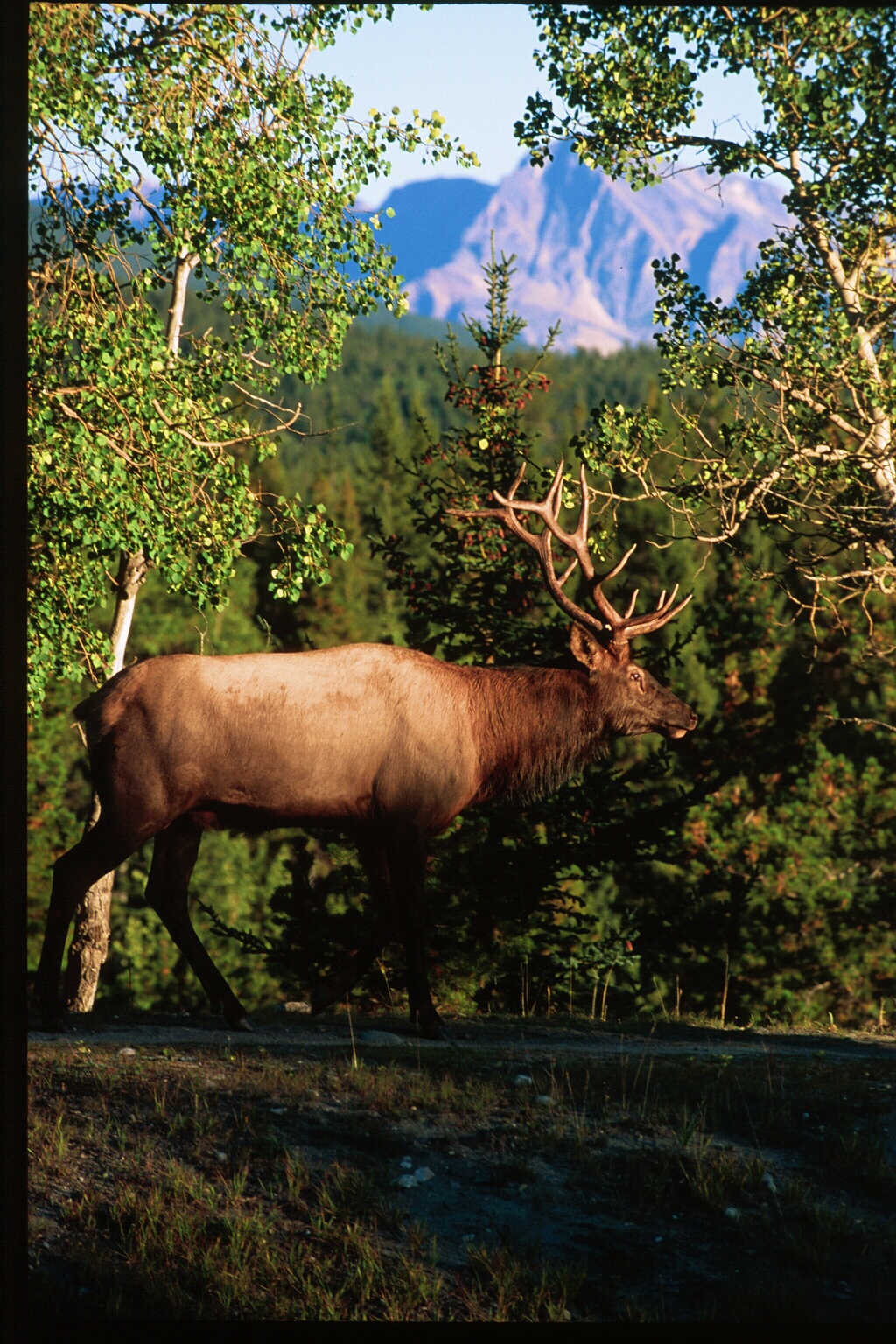
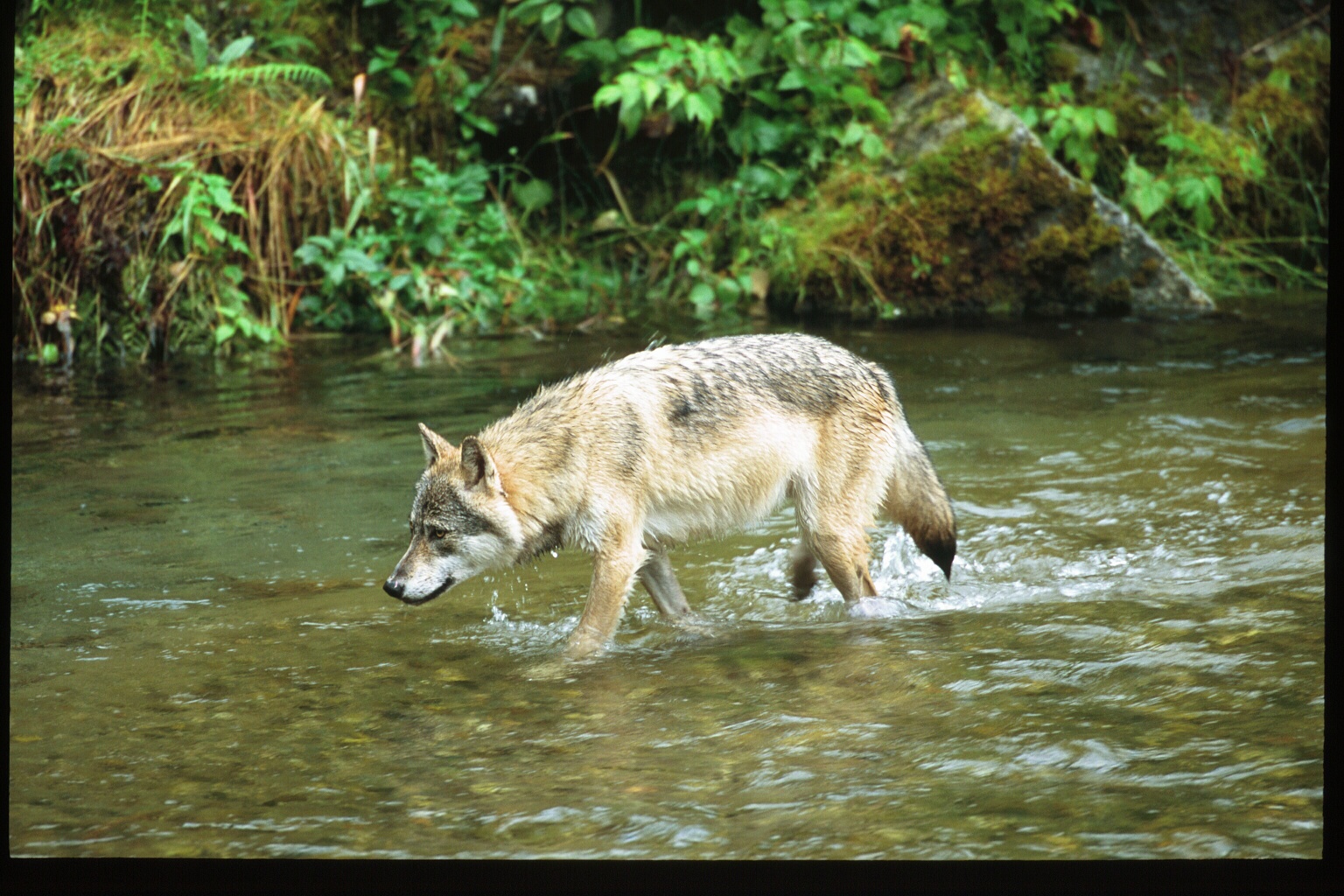
Last year, just after wolves were removed from federal endangered species protection, the Montana Fish, Wildlife and Parks department (MFWP) seemed comparably tame (well, compared to Idaho anyway). Though they wasted no time in implementing the state’s first season on wolves in seventy-some years, at least they spared wolves the torment of trapping.

Ignoring 7,000 letters in support of wolves, this year they added trapping to their wolf assault and upped the original “bag limit” from one to three per trapper—before the season even started. Instead, they’re bowing to the whims and whinings of ranchers, hunters and trappers who have called for an expansion of wolf killing and more liberal rules than the state had last year, when “only” 166 wolves were ruthlessly murdered. MFWP officials responded to anti-wolf, anti-nature, anti-environmental pressure by making the 2012 season longer, eliminating most quotas and allowing wolf trapping for the first time.

The agency is now mercilessly asking for additional measures in the form of a state House Bill, HB 73. Their proposal would let hunters and trappers buy multiple tags; use electronic wolf calls; reduce the price of a non-resident tag from $350 to $50 and eliminate the potentially life-saving requirement that hunters wear fluorescent orange outside of elk and deer season. (Okay, I’ll go along with that last one—who cares if wolf hunters shoot each other?)

“We want to get a wolf bill out of the Legislature so we can implement those things that can potentially make a difference,” said FWP spokesman Ron Aasheim, adding selfishly, “More management flexibility. That’s what we want now.”

The House committee will also take up a second bill by Republican Rep. Ted (oh shit, not another Ted!) Washburn, of Bozeman, which would also limit the total number of wolves allowed to live in the entire state (we’re talking 147,046 square miles) to no more than 250. Washburn’s plan also asks for an Oct. 1-Feb. 28 wolf hunting season and an even longer season for special districts next to Yellowstone and Glacier National Parks!!

No doubt you all remember that fateful day in 2011 when congress lifted federal protections for wolves in Montana and Idaho, handing management over to those openly hostile states.

Meanwhile, the nefarious Montana state wildlife officials are currently opposing federal Threatened Species protection for the depressingly rare wolverine, down to only 35 breeding individuals in the lower 48.

Not many hunters can honestly say that they don’t mind sharing “their” elk, moose or deer with the likes of wolves, cougars or coyotes. But those few who claim to support a diversity of life need to realize that every time they purchase a hunting license and a deer or elk tag, they validate wolf hunting and trapping. To game managers, every action, right down to the purchase of ammo and camo at Outdoor World, is a show of support for their policies—including killing wolves to ensure more deer, elk, moose or caribou for hunters to “harvest.”

A far cry from living up to their laughably undeserved reputation as the “best environmentalists,” hunters are just foot-soldiers carrying out a hackneyed game department program of “harvesting” ungulates and “controlling” predators. It’s an agenda based not on science or the time-tested mechanisms of nature, but on the self-serving wants of a single species—Homo fucking sapiens (HFS). Modern hunting is about as anti-environmental as mining, clear-cut logging, commercial fishing or factory farming.

Text and Wildlife Photography ©Jim Robertson, 2012. All Rights Reserved
Text and Wildlife Photography ©Jim Robertson, 2012. All Rights Reserved

Bye Bye Biodiversity

I’ve said it before and I’ll probably say it again, you can’t really be a wolf advocate or an elk advocate, or any kind of advocate for the environment, and continue to eat beef. That message was driven home by a new Montana Fish, Wildlife and Parks Department elk “management” proposal which includes reducing the numbers of not only elk, but also of wolves (who, logically, could have done some of the “management” for them) near Yellowstone National Park, all in the name of safeguarding cattle from the negligible threat of brucellosis—a disease which, in the past hundred years, has come full circle from livestock to wildlife and now back to livestock.

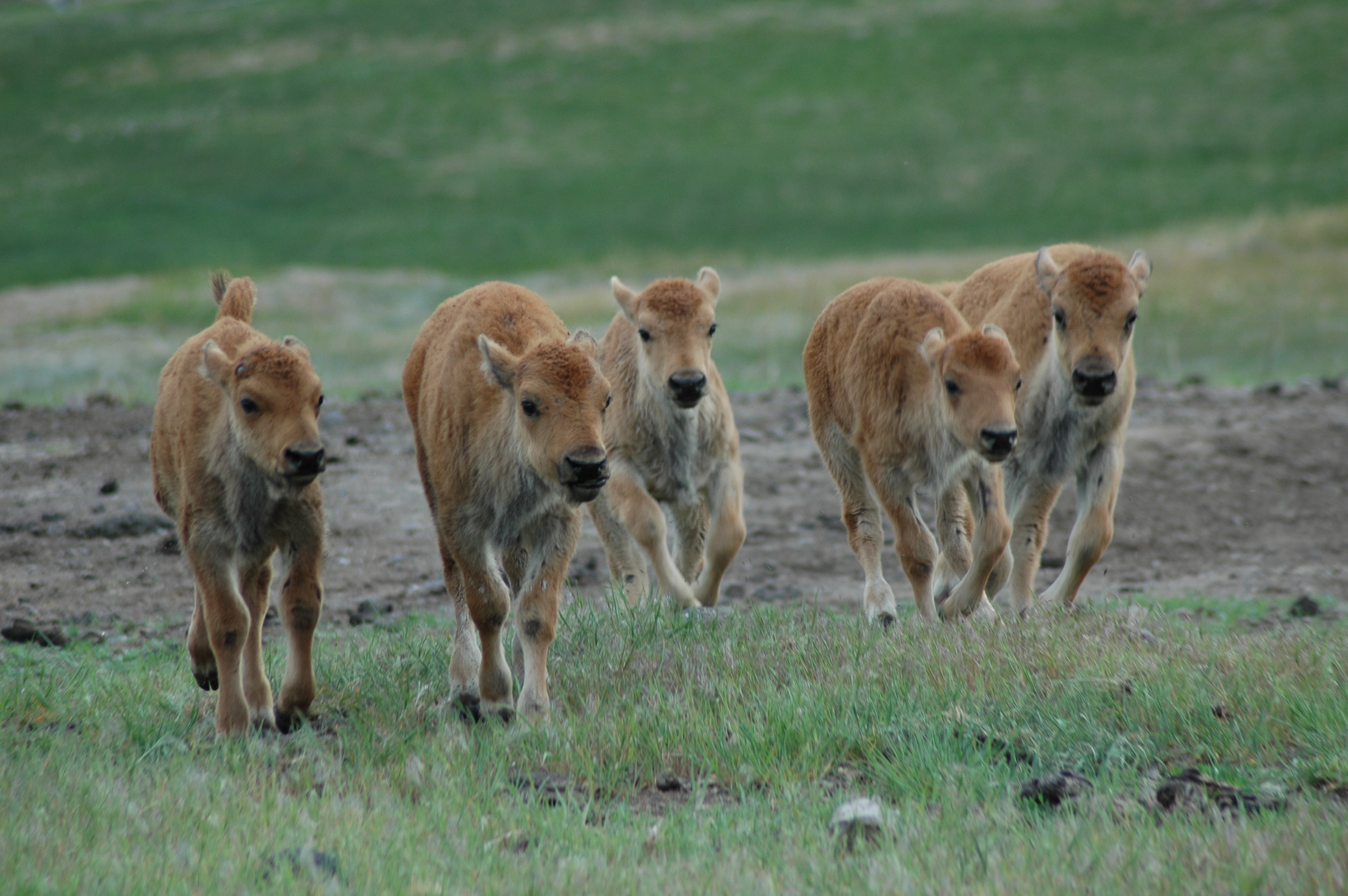
So far, it’s been the bison migrating out of Yellowstone during hard winters who have suffered the brunt of the rancher’s brucellosis paranoia. “Solutions” have included “hazing” bison back into the park and creating holding areas outside the park to warehouse bison before shipping them off to slaughterhouses—those nightmarish death camps where so many of their forcibly domesticated bovine cousins meet their ends. (In a country where some 60 million bison once roamed free, 97 million beef cattle are sent to slaughter each year.) Still other Yellowstone bison are murdered during newly imposed state “hunting” seasons—right outside the park.

Speaking of hunting, it’s interesting (to put it nicely) that hunters in Montana and Wyoming have claimed that elk populations in those states have declined as a result of the wolf reintroduction programs, yet the latest report suggests that elk numbers and density are “too high” (at least for rancher’s sensitivities) in parts of Montana.

Typical of state “game” department bureaucrats and their ideas of a “solution” to any perceived wildlife/livestock “conflict,” their preferred proposal is to reduce the number of wild animals—in this case, both elk and wolves!

It’s the kind of mentality that’s destroying the planet’s biodiversity at every turn: mile after mile of monoculture cornfields in Iowa (grown primarily to fatten cattle crammed onto feedlots)—places where, a century ago, 300 species of plants, 60 mammals, 300 birds and hundreds of insects would have lived—are now devoid of all other life forms other than cornstalks and an occasional tiny ant or a mushroom the size of an apple seed; cows grazing on pastures in Pennsylvania and Louisiana are dying from toxic fracking wastes that have made their way to the surface and meanwhile, arctic ice is melting faster than previously predicted, disrupting ocean currents and weather patterns life on Earth has come to depend on.

Call it “growth” or “progress” or just “our way of life,” but this locomotive is speeding towards a brick wall—yet we keep shoveling fuel into it like there’s no tomorrow…


Not that Montana FWP are likely to listen to anyone except fellow hunters and/or their cattle baron buddies, but the public comment period is now open, so feel free to let them know what you think about their elk “management” proposal here: http://fwp.mt.gov/hunting/publicComments/2012elkMgmtGuidelinesBrucellosisWG.html

You can view the working group’s recommendations by clicking on the “Interested Persons Letter” link on this webpage. That site also includes the opportunity to submit online comments about the recommendations. Written comments can be mailed to “FWP – Wildlife Bureau, Attn: Public Comment, P. O. Box 200701, Helena, MT 59620-0701. All comments must be received by 5:00 p.m. Mountain Standard Time on December 20, 2012

Text and Wildlife Photography ©Jim Robertson

Text and Wildlife Photography ©Jim Robertson

What People are Saying about Exposing the Big Game

What People are Saying about the book, Exposing the Big Game

I read this book with wonderment at what our species has done to other species, and with admiration for how staunchly Jim Robertson comes to the defense of those other species, with intelligence, humor, understanding, but above all, compassion. Jim ends his book with these ringing words, both true and eloquent: “Sooner or later, the obdurate hunter crouching in the darkness of ages past must cave in and make peace with the animals or rightfully, if figuratively, die off and be replaced with a more evolved earthling—one who appreciates nonhumans as unique individuals, fellow travelers through life with their own unassailable rights to share the planet.”                                                                                                                     ~Jeffrey Masson, Author of When Elephants Weep, and Dogs Make Us Human

Hard hitting, on target, forthright and foreceful.                                                         ~Ingrid Newkirk, President of People for the Ethical Treatment of Animals

Exposing the Big Game blends spectacular photography, indisputable facts and clear reasoning. Jim does not mince words in describing the senselessness and depravity of hunting and the psychopaths who kill for pleasure.                                                   ~Peter Muller, President of the League of Humane Voters

Exposing the Big Game, a passionate and informed indictment of America’s hunting culture, exposes the savagery, cruelty, environmental recklessness and yes, the pathology of this most murderous of sports. Jim Robertson is that rarest of breeds, a talented writer with a gift for telling a story who is also a lifelong outdoorsman with a profound knowledge of the natural world as well as a compassionate human being with a deep love for all living creatures. Exposing the Big Game is quite simply a masterpiece, a treasure not to be missed by anyone who cares about wildlife, the environment and living gently on planet Earth.                                                         ~Norm Phelps, Author of The Longest Struggle: Animal Advocacy from Pythagoras to PETA

Jim Robertson has a gifted eye for wildlife photography and his writing incorporates humor, insight and factual observations. Look at each and every animal in this remarkable book as individual self-aware beings deserving of our respect and admiration. If we all could see these magnificent creatures as Jim sees them, there would be hope, not just for their survival, but for our own survival also.               ~Captain Paul Watson (from his Foreword), Founder and President of Sea Shepherd Conservation Society

Not since Cleveland Amory’s Man Kind? Our Incredible War on Wildlife has a book been more explosive in exposing the politics, hypocrisies and brutality of big game hunting in North America. Exposing the Big Game reveals the suffering, decimation and endangerment of America’s wild animals who are targeted by sportsmen.                        ~Laura Moretti, Founder of The Animals Voice

For years, Jim Robertson has inspired reverence for wildlife through his photography. Now he has created a book that ought to be mandatory reading for those who still think there’s reverence in hunting.                                                                                     ~Ethan Smith, Author of Building an Ark: 101, Solutions to Animal Suffering

For more information, visit: http://www.earth-books.net/books/exposing-the-big-game

Signed copies can be ordered by emailing: exposingthebiggame@gmail.com

Live With It, Elmers!

Sorry Elmers, it’s time to snuff out one of the most overused and overstated rationalizations for your beloved sport.

Hunters would have you ingest the preposterous pabulum that hunting helps animals; that hunters are their philanthropic fairy godparents (well-armed well-wishers, if you will) performing the gallant duty of keeping animal populations in check; that animals won’t go on living unless they kindheartedly kill them (this of course is all the more outrageous in light of how many species have been wiped off the face of the earth, or perilously close to it, exclusively by hunting).

But deer, along with most other animal species—besides Homo sapiens, have built-in mechanisms that cause their reproduction rate to slow down when their population is high or food is scarce.  Though state “game” departments are usually loath to share any information that might work against one of their arguments for selling hunting licenses, even they know that in reality the wildlife can ultimately take care of their own. According to the Western Association of Fish and Wildlife Agencies, “A mule deer herd that is at or above the carrying capacity of its habitat may produce fewer fawns than one that is below carrying capacity.”

The fact is, hunting encourages ungulates to reproduce more, thus seemingly warranting the alleged need for population controls via, you guessed it, more hunting.

Hunting industry propagandists have a lot of people convinced that culling is a necessary evil for controlling animal overpopulation. Lethal removal is their one-size-fits-all solution, no matter the circumstance. But there are always alternatives to that fatal fallback position. When we finally get past the viewpoint of animals as objects, or “property of the state,” and start to see them instead as individuals, the justifications for culling begin to wear thin.

Many places that provide habitat for healthy populations of deer could also support the natural predators who evolved alongside them. All that’s required of humans is to get out of the way and let nature take its course, or, in some cases, repair the damage they’ve done by reintroducing wolves or other native carnivores who were fool-heartedly eradicated. Yet, in the western US and Alaska, as well as in Canada, natural predators are still being killed to allow deer, moose or elk hunters a better chance at success. While some people complain that these browsers and grazers have gotten too tame, hunters in states like Idaho and Montana are whining that wolves make the elk too wild and thus harder for them to hunt.

I tend to be even more cynical about areas where humans have claimed every square inch for themselves and aren’t willing to share with native grazers. When I hear grumbling about deer, elk or geese pooping on a golf course, I have a hard time relating to people’s grievances. It’s the height of speciesism to expect that these animals should face lethal culling for successfully adapting to an unnaturally overcrowded human world.

Ours is the invasive species, overpopulating and destroying habitats wherever we go. We wouldn’t want some other being jumping to a knee-jerk “cull them all” reaction every time humans reached their carrying capacity in a given area.

Sooner or later Mother Nature will tire of humans’ destructive dominance and come up with a way to bring life back into balance. I can just hear her telling off the hunters: “Other animals have a right to be here too—just live with it, Elmers!”

______________________________________________________________

Portions of this post were excerpted from the book, Exposing the Big Game: Living Targets of a Dying Sport 

Text and Wildlife Photography ©Jim Robertson

Pray for Snow Drought

The customary mantra for those of us who have who have spent much time in search of powder to ski in the semi-arid mountains of Montana is, “Pray for snow!”  Consequently, I never thought I’d catch myself chanting, “Pray for Snow Drought,” but after reading the Montana Fish, Wildlife and Parks department’s “2012 elk hunting outlook,” a late winter is what I’m praying for—for the elk’s sake. You’ll see what I mean as you read their outlook (and pay no attention to their glib use of depersonalizing words like “harvest” or “hunting opportunities” for the senseless murder of noble beings like elk—psychopaths can’t help themselves):

“There are elk in Montana’s hills and if the big sky drops some snow hunters could be in for a banner season in many areas.

“’Most hunters are going to find elk populations in good physical shape and will benefit from liberal hunting opportunities,’ said Quentin Kujala, Montana Fish, Wildlife & Parks’ wildlife sections coordinator in Helena. ‘If the weather cooperates, and if hunters do their homework and line up access early where it’s needed, we’d expect very good harvest numbers by season’s end in late November.’

“Montana’s general, five-week long, elk hunting season opens Oct. 20.

“Kujala noted that cold and snowy conditions should lead to elk hunting success, while mild weather usually spells lower elk harvests, despite additional elk-hunting permits and more liberal seasons. ‘We’re all hoping the weather tips to hunters’ favor this fall,’ Kujala said.”

All? Not me! Not the elk! Sorry, Mr. Kujala, those of us who care about elk are praying that Montana’s current drought conditions last well into November.

Checking their regional population rundown, it’s clear that—despite the occasional natural wolf predation that sportsmen are quick to freak out over—elk are doing pretty well in the state. According to Montana FWP, “Biologists say elk numbers are at or above management objectives in most hunting districts.” “…the milder winter of 2011-2012 led to good calf recruitment…” “Elk populations are healthy and growing. Elk populations are solid.” and “The biggest challenge for hunters continues to be finding access.”

Whether it’s wolves competing for “their” elk “harvests” or a few darned private land owners who won’t let hunters kill animals on their properties, it seems like hunters and their game department lackeys always have something to bitch about.

Text and Wildlife Photography ©Jim Robertson

Game “Managers” are Slow to Adapt

Judging by their eagerness to kill all the wolves in Washington’s Wedge pack, no matter the cost (helicopters, fuel, rifles fitted with night vision scopes and ammunition can get expensive), it appears that wildlife agencies don’t have their heart into this new-fangled idea of wolf recovery. It’s a shame that state and federal governments don’t have the same dedication and zeal for recovering endangered species that their forerunners had for their part in making our native wildlife, like wolves, endangered in the first place.

In spite of state bounties on predators throughout the 1800s and unrestrained trapping of wolves at the height of the fur trade, some wolves still miraculously survived into the twentieth century in the lower 48. It was a federal wolf poisoning program in the early 1900s, aimed at securing as much prime land as possible for cattle ranchers, which gave the species its last push over the precipice of extinction.

Since then, science has proven (many times over) the importance of wolves to biodiversity and enlightened people have called for the recovery of species essential to healthy, functioning ecosystems. But today’s game “managers” have been slow to adapt.

People who run cattle on our national forest lands should just accept the fact that there’s no guarantee their dehorned, unattended cow-calf “units” (as they so callously consider their animals) will ever be completely safe from natural predators. It’s not like ranchers really care about their cows—they’re just going to send them off to a horrible fate in a slaughterhouse sooner or later anyway.

The wolves of the Wedge pack found their way back to Washington on their own; their kind was here long before humans claimed the land for themselves. Yet game managers continue to side with their cattle rancher cronies, instead of righting a wrong and recovering a species their ham-fisted, anthropocentric predecessors were so keen to eradicate.

Text and Wildlife Photography ©Jim Robertson

I Call Horse Pucky on That!

As I believe I mentioned in an earlier blog post, the mainstream media is often full of shit—especially when reporting on animal issues. It’s not necessarily that they knowingly or willingly distort the truth, just that they keep re-hashing the same old bovine excrement that they pick up off the AP or some other newswire, without first checking out the facts for themselves.

For example, I can’t count how many times I’ve seen the following statement in papers over the past few days: “Washington Fish and Wildlife officers confirmed on Friday that two more cattle had been killed by Wedge Pack wolves in northern Stevens County.” If I were of a mind to trust the news—or Washington’s Fish and Wildlife officers for that matter—I might think there’s a reason the game department is resuming their lethal “removal” (read: sniping and trapping) of four more pack members.

But a little digging revealed these interesting details: Of the two carcasses found on Diamond M-owned land this Wednesday, one was intact, the other eaten. “We marked ‘confirmed’ on both individuals,” said the agency’s wolf policy coordinator Steve Pozzanghera this morning, “recognizing that there will be some question about confirming on an entirely consumed carcass.”

Damn right there’s “some question,” in fact there’s practically no way of knowing how a calf was killed after it’s been “entirely consumed” by hungry carnivores and/or scavengers!!!  Pozzanghera said at the end of the day, WDFW considered it a kill rather than a calf that had died of other causes and then was subsequently fed on by wolves…

I’m sorry, but if that’s how these “wildlife officers” go about determining whether an animal has been killed by wolves or not, I don’t have any faith in their decision that any calves or cows were ever killed by the Wedge pack. It all seems awfully coincidental to me that an outspoken wolf hater would suddenly start having problems with wolf depredation. It’s a little too reminiscent of when Washington’s first confirmed wolf pack, the Lookout pack, started hanging around convicted poacher Bill White’s ranch—just a mile out of the town of Twisp—of all places. I lived fourteen miles from the White’s place—fourteen miles further up the Twisp River, in a remote setting surrounded by the Lake Chelan Sawtooth Wilderness Area—and I never had a problem with wolves.

After a lengthy and costly police investigation (which resulted only in a measly slap on the wrist for the wolf poachers), it was determined that Bill White and his son set out deer carcasses as bait to attract wolves to the traps they had set for them. As ranchers, White claimed not to want wolves around, yet he lured them onto his property with bait.

How do we know that the folks at the Diamond M ranch aren’t luring in wolves with carcasses of calves who have died of one of the many other causes that cows naturally die from? We don’t. Unfortunately, we can’t count on our Wildlife officers to reveal the truth either. And don’t bother checking the local media; they’re too busy recycling horse pucky to get to the bottom of it.

Text and Wildlife Photography ©Jim Robertson


What’s Next, a Murderer’s Heritage Act?

By allowing and encouraging blood sports, society puts itself at risk, for under close examination the line between species is grey and rooted in personal bias.  The serial killer, Zodiak, just one example of a hunter who turned his sights on his own species, called his victims “the most dangerous game.”

Now, don’t get me wrong, I’m not for a minute suggesting that since there’s scarcely any genetic difference between humans and non-humans, people should view the human animal just as they would any other prey. No, that would be Zodiak’s argument. What I’m saying is that NO animal should be reduced to the level of mere object to be “harvested” at will. It’s a blatant double-standard that killing people is “murder” while slaying an animal is “sport.” Both are murder. Perhaps society doesn’t want to admit how many murderers, or people capable of murder, are out there. 

Human society is by no means at the apex of its evolution—a fully evolved species would have made peace with their fellow animals. Living the lie that a false dichotomy is valid only encourages rationalizations that won’t hold up under scrutiny; it also encourages people like Zodiak to move laterally across the arbitrary species barrier and turn to hunting humans.

In one of his infamous letters to the press, Zodiak wrote, “School children make nice targets,” and threatened to shoot them “as they come bounding out” of the school bus. Certainly not the kind of behavior we should enshrine with an outlandish act of Congress such as the “Sportsman’s Heritage Act” now before the Senate. What’s next, a Murderer’s Heritage Act?