Exposing the Big Game

Forget Hunters' Feeble Rationalizations and Trust Your Gut Feelings: Making Sport of Killing Is Not Healthy Human Behavior

Exposing the Big Game

6 rangers killed in “devastating” attack on Congo gorilla sanctuary

https://www.cbsnews.com/news/6-rangers-killed-attack-congo-gorilla-sanctuary/

BY DEBORA PATTA

JANUARY 12, 2021 / 2:35 PM / CBS NEWShttps://www.cbsnews.com/embed/video/?v=9cc6ac54c66860977746ca3a5e98c3c3#vVb7b9s2EP5XBP04hDZJUS8Dw%2BA0BVasa4OmAbZFg0GRlMxGL5CS7aDI%2F76jJNtpVqwD%2BkBghCLvxe%2FuvuNHnw9921X8wV%2F1ZlAX%2Fk5L1fqrj77uVW391d1Hv3%2FolL%2Fyd630L3wtYYklpZLKEIWYpogpFaGERQxRQUUQxyJhIQbZuju8U8Urp3H1bvf25cub9Z%2BqyN9eGi7r2w9XN%2FvNjv716up6%2FQdI22ooQTJCHTf3yPCmVMaie11VSiLdIGmQaJuyRXU7ND2HnbI1cMqR5Y3oB24ewEqv%2B8pFG3mzBW%2By4OnGOyp6s6J3VFwsFqAq1T0owqIYqupsx4VzMma3be%2FxRv4fqy4cwZu20YJX77%2BNvV7Xyva87vwViQhmYZDQAGMM0Q%2BG97pt%2FBVj5Pz5mueqcimLV5SAgWr6buCKkMyal8q6bFuXpG3fd3aVLbOlyG2j9pYuYKHBX6%2FFQrR1ttwOebbU2dJkS4opyZYYfoRmyyBkCQmhJJKUC8TihCGehwmiXCRFEQgmCUj226HOG66rbBkxfAgiDJpJxITgucRQTUlMgjQNsUiTQnIS8YBN0aBisHAdZPXhKwoEnQJAEQ0JC9AcxuJDVwI628%2FCEHxHGAhN8CGmgAPPaSpVHuGgSFmURypleajSmAeUFbGKfhwOjxd%2BZ9ROq%2F2tqT4BxHaVFmrB66pc6BZi7gCEHdx7pI1s%2BaU2z5az4Wzpn7jmif3OtHIBRDOeLGb4J8jnD3AFoG8r%2Bxx5krCA4jROwzBOoLzctchmFKy57ZVZ1MGQHL3SH%2B62aE3Ne3DLOwfi2JzZ8oDqTpW3716DxPAM7P1%2B%2F2ksM8hfw5Aj7tq%2BqrvWBeevCl5ZoH0YAlqMtO86II0ITwMSIRVxjhhOI6jiyK1ixaDCWVqwM2PzGolKd9b1j1aGG7GFcXLnu9g9XsM2r71J4m%2BoLG5U0793%2Ft7w2lHii8ubN97696fqlw%2FT2d2Tw%2FXv3ovJCNSn6rRtJUgA1VnFreM93%2FGbVWUN9qeDoYNys%2FZ0S15VayFg57Jqxf2JBe2tVeZmyK0wOlfyJG67trGtOcpt1WF9pQo%2BVC6N%2BAL%2B%2FHH38rwbpBcsvAhTR9WGi3vdlA5VSJ8VrVHjGmoPKDvESQTzgc0AzEl2IyOCrZ%2BcS%2Fho7Mb2m9LB5Opg2uHdhrv7vsmWa%2F8R0KiHw7VpO2X6h98UYO9TFivJwyggsSQhS1lKaBDwIPIfIQW16vlI%2BhBir8oHt4a9bSun8lSNHM3O%2BS0U7wcDJSbcTFHuFTA%2FCSBggMjBfR68Lt2dhsWpXg9baB3RQpWKqehPatnyue1s%2BYu2m6otSyU3uvkZOzJ6iqS2LxueVy5L04OFG2DlSq0HiN%2B4t8adD7fFQlGJgjwJECEqQIkMC4RZLOOchHlKlSvFT1SPBQcU3BoOU7oHkM5C4yuGkjCISZSjlIgcQeMrBH2PUSFJXIQyjwNC%2FZPK9ZBfwZ2cHlAGwgQR6pF0FYSrkJ3F3v%2FHiyWDcHZ8nDxNmfmeC0rce23jjY3%2B2SfC0ewxRU0PSG%2Fm3fGZswMOn4%2BlsvfQ%2ByMpXKmdi9V3PVoeBVzVbdxb0PUW%2FP9VO9a48%2FetqaTDx23eTJkF8Wl72p0tQAe6PtI75e1V7s9cM%2BIZ4TgsGE5QHCbSJYqiVBKKMCZJoRKOcY6PCjNZHB1UutbQcOx035t2MGK8cW69uVdyQFReV7x35Dt6nPl04%2BLbnC%2FvPmcHs4Rzq3ilh9pVHQyIQldPjp0CiKjGQebGh6vT02Pv%2Bdj8F5NPIyV6zuFTemcS%2Fzx310pqft2CfwB8RrhSXM5Z%2B46enfkZo68xM5LCF8P8NqPu8fEf

It was a routine patrol around 7:30 a.m. on Sunday when six rangers working at Virunga National Park in the eastern Democratic Republic of Congo were ambushed by a local militia group. The attack is the latest in the part of eastern Congo home to some of the world’s last mountain gorillas.

“It’s devastating,” Parks Director Emmanuel De Merode told CBS News as he was leaving the funeral for one of his six rangers. “The families of these men have lost breadwinners and have no safety net.”
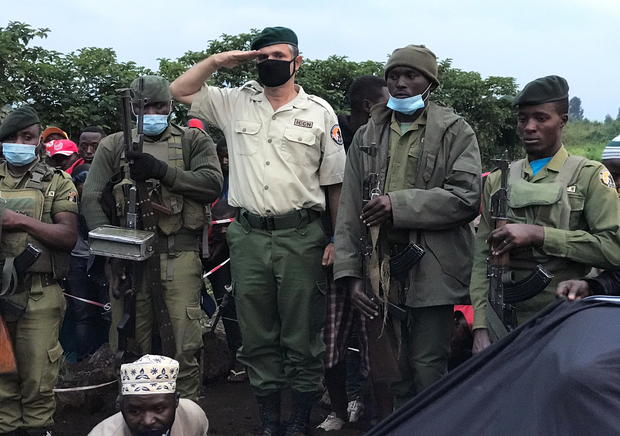
Virunga National Park Rangers and Park director Emmanuel Demerode salutes as they attend the burial of Burhani Abdou Surumwe in Goma
Virunga National Park rangers with Park Director Emmanuel De Merode, who salutes as he attends the burial of Burhani Abdou Surumwe, a ranger killed in an ambush in Virunga National Park, a sanctuary for endangered mountain gorillas, in Goma, eastern Democratic Republic of Congo on January 11, 2021.STRINGER / REUTERS

And for those left behind it’s a brutal blow for morale. https://www.cbsnews.com/newsletters/widget/e879?v=9cc6ac54c66860977746ca3a5e98c3c3&view=compact#tVPJbtswFPwVgmczFrVYyy1FCrSXIkDaU1UYXJ4cwhIpkJQFI%2FC%2Fl5QVx8ixQG%2FivHnbzNMbNqNXRjvcvGEQRgJuMFRljTf4pGAOL2GGkQkfgNE4FckBfHQOPPpi5BlfNthbJo5KH2IR5b5qxnuQuPF2gg1m1ivRw%2BPkX439HuDfOK9pIiCVJONVRiiFjFSy6EiSl7LktOB1CvjPp9QfbICYLIEby9DIvGd3pFgZp7TISrrjpKaCkzxLgdRFkZBO0rIrJC8zmuJbyvPEn5iPG6dJSklCCU0RrZusaIr8g%2FZT%2BT6SdsgyfQDr0FH1YUGkNGrDOCfmPPNh%2FRajOJQ4IqORMPpg0MHYwGXIMS38xOz5rux5hEVe7UH7%2FYqGeKioxHtYgjt6MwZYuSc4xVmjE%2BzwTtAwu73yMAQ42APfFNgo02xsL6M%2BEXwBsRp3ha%2FoWsGCG8MFqBOgGXiIhX5KLHrukrLo8qQiZVHJaFRKaklTkiS06qBiScKT94SrP7cGkwO7NmA6tN7gXg3K4ya%2FKfBiJisWDbhDcY9A4kFj%2Bdwz3xk7LDOE4LJjnHj%2FIUd8ri1XRhwEWK%2BmId7haE2n%2BrtwTAgU0FHEEJXxckWcTQnW%2F7J9gF%2B9H13TbtvtPM8Pa%2BJD%2BAPabfxqtzuy3gC53gC5Gk4Wt8nqNrm53W5Xs%2F5z%2BVWIfy9zufwF

The attack is the deadliest since April of last year when 17 people — 12 of them rangers — were killed in the worst episode of violence in the park’s history. De Merode himself survived an assassination attempt after being shot several times in the chest and abdomen in 2014.   

The Congolese Institute for Nature Conservation, the agency that manages protected areas in the country, says the latest attack occurred while rangers were patrolling the central sector of the park, near a newly constructed electric fence meant to prevent intrusions into the protected area. Rangers have been extremely successful with it — it’s kept the militia out of the area — but that success has put a target on their heads. 

The armed fighters were not poachers, but militiamen battling for control over natural resources and land.  \Park rangers are frequently attacked as part of the ongoing war for power in the eastern part of Congo. Dozens of armed groups operate in the region, many remnants of militias that fought in the civil wars over the past three decades that have resulted in millions of deaths from conflict, hunger and disease.   
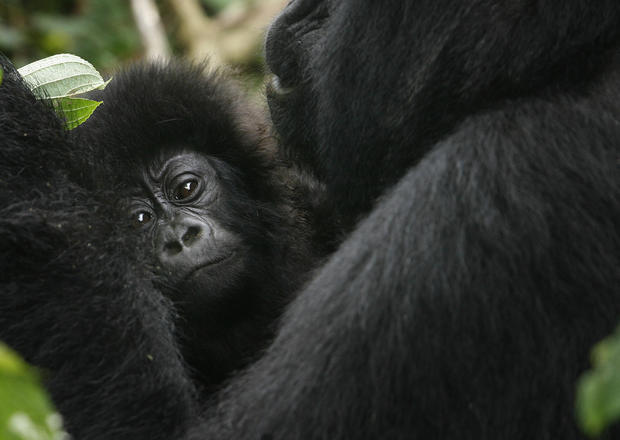
Endangered Great Apes
In this November 25, 2008 file photo, a baby gorilla is held by an adult in the Virunga National Park, near the Uganda border in eastern Congo. JEROME DELAY / AP

Militia groups hiding out in the Virunga Forest believe the parks have taken too much land for animals and conservation — land they need to survive. But it’s not hand-to-mouth survival — the Virunga Forest is rich in natural resources such as charcoal, forests, fishing from the lake, animals and land. De Merode said that this is a lucrative business for the militia.  Taking Advantage of the New Paycheck Protection Program & Other Stimulus Legislation DevelopmentsSPONSORED BY CBIZStimulus legislation that passed at the end of 2020 may bring significant opportunities to businesses and individuals navigating the impact of the COVID-19 pandemic. Chief among the provisions is a new iteration and expansion of the popular Paycheck…SEE MORE

“The park is very rich in resources and we lose about $170 million a year with these illegal activities,” he said. “That’s what draws the militia to the park. Our job is to protect the park but that also means cutting them off from large sums of money and brings them into frequent conflict with rangers whose job it is to protect the reserve and its flagship species, the mountain gorillas.”  

The attack has been blamed on the Mai-Mai, an umbrella term that refers to the numerous militias waging armed conflict in the region. They fund their activities with the illegal plundering of resources and are small but well armed. 

The Virunga Game Reserve is one of the Africa’s oldest parks, home to stunning landscapes, incredible biodiversity and, of course, the majestic mountain gorilla. The park provides a rare opportunity to see these creatures up close.  

Before the global coronavirus pandemic, the park was well on its way to becoming an economic asset. In a bid to reduce the violence, authorities have created about 12,000 jobs, and at least 11% of these new employees are former militiamen. Authorities hope that if they can give fighters a sustainable job, it can put an end to the conflict.  

But the parks have suffered a series of devastating blows in the past few years:  a recent Ebola outbreak, the coronavirus pandemic and now another brutal attack. The lack of tourism from this deadly cocktail of events has decimated the industry. De Merode said he doesn’t know how much longer they can hold on financially.    

“It could be weeks,” he said. “At best, a few months.”
Cher turns attention to mall gorilla after freeing ‘world’s loneliest elephant’

Singer calls for release of Bua Noi, who has spent almost all her life at zoo in Bangkok shopping centre

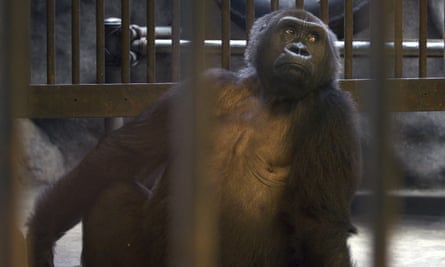
Bua Noi looks through the bars of her cage at Pata zoo, on the top floor of a shopping centre.

Bua Noi looks through the bars of her cage at Pata zoo, on the top floor of a shopping centre. Photograph: Rungroj Yongrit/EPARebecca Ratcliffe South-east Asia correspondentFri 11 Dec 2020 04.26 EST

https://www.theguardian.com/world/2020/dec/11/cher-mall-gorilla-world-loneliest-elephant-bua-noi-bangkok

After freeing the “world’s loneliest elephant” from a life of misery in a Pakistani zoo, the singer Cher has turned her attention to the plight of another animal: a gorilla who has spent the last three decades at the top of a Bangkok shopping mall.

Bua Noi was brought to Thailand in 1988, and has spent almost all her life in an enclosure at Pata zoo, a private zoo that has long been criticised by animal welfare campaigners.

Cher has joined those calling for the gorilla’s release, and has written to Thailand’s environment minister, Varawut Silpa-archa, to express “deep concern” over Bua Noi’s living conditions, and those of other primates.

Campaigners say the animals have little stimulation and are confined in unnatural enclosures at the zoo, which is on the top floors of a department store. Bua Noi’s mate died more than a decade ago, according to the Bangkok Post.

Free the Wild, a charity co-founded by Cher, has offered to fund the transfer of the gorilla to a sanctuary in the Republic of the Congo that would be “a home of peace and dignity where she could live out her life in a natural environment and companionship with other species”.

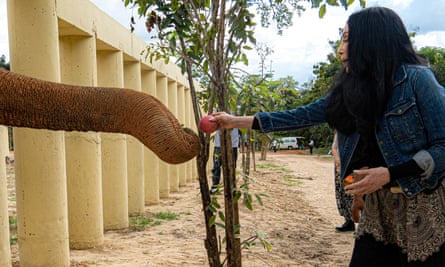
Cher interacts with Kaavan, an elephant transported from Pakistan to Cambodia, at the sanctuary in Oddar Meanchey Province earlier this month.
Cher interacts with Kaavan, an elephant transported from Pakistan to Cambodia, at the sanctuary in Oddar Meanchey Province earlier this month. Photograph: Reuters

Other animals at the zoo, including orangutans, bonobo and a gibbon, had been offered a home with the Wildlife Friends Foundation of Thailand, Cher said in her letter to Varawut.Advertisement

Writing on Twitter, she called upon the “good people of Bangkok” to help her “stop the torturing of innocent animals”. “It Is a Sin. Please Help Me Bring Peace to these Animals. &Free Them From Pata Zoo … Shopping Mall,” she said.

The owner of the zoo, Kanit Sermsirimongkol, could not be reached for comment on Friday but has previously rejected claims that the animals are poorly treated.

Last week, Cher travelled to a sanctuary in Cambodia after a successful campaign to relocate Kaavan, described as the “world’s loneliest elephant”, from a zoo in Islamabad, Pakistan. Animal rights groups had expressed alarm at the care and conditions at the zoo.

Kaavan had been found to be severely dehydrated, while his keepers were accused last year of stealing his food. Wild boars had also been found to be breaking into his enclosure and stealing his bread and fruit. Kaavan had no companions, despite elephants being sociable animals.

He is now living in a wildlife sanctuary in Oddar Meanchey province, north-west Cambodia, where he will live with about 600 other elephants.

Fin whales and mountain gorillas back from the brink of extinction thanks to conservation efforts

‘With sustained, long-term conservation action, we can not only prevent extinctions, but also achieve considerable population recoveries’

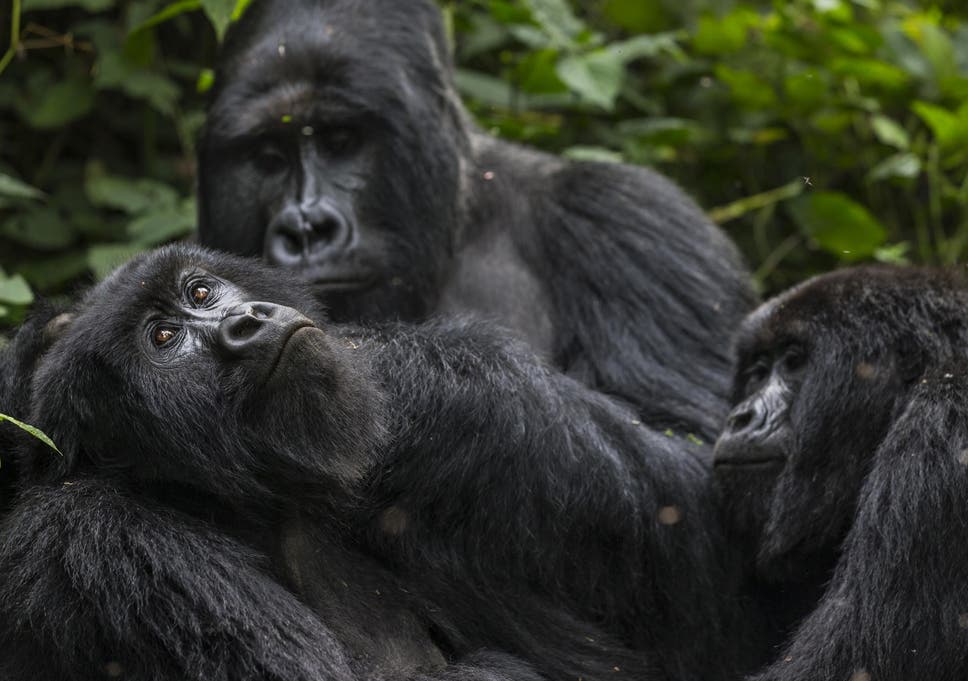
Anti-poaching efforts have helped boost mountain gorilla numbers by hundreds in recent decades

Anti-poaching efforts have helped boost mountain gorilla numbers by hundreds in recent decades ( Getty )

There is hope for the survival of fin whales and mountain gorillas after conservationists announced both species have been pulled back from the brink of extinction.

After decades of persecution by whaling vessels and poachers, modern efforts to protect these mammals appear to be working as their numbers have started to recover.

The International Union for Conservation of Nature (IUCN) maintains a “red list” to monitor the status of the world’s wildlife, and in its latest update both whales and gorillas have shifted one step further away from becoming new entries on the long list of species wiped out by humanity.

After a recent WWF report revealed 60 per cent of monitored animal populations had been obliterated in the space of decades, the announcement shows concerted international action can yield results.

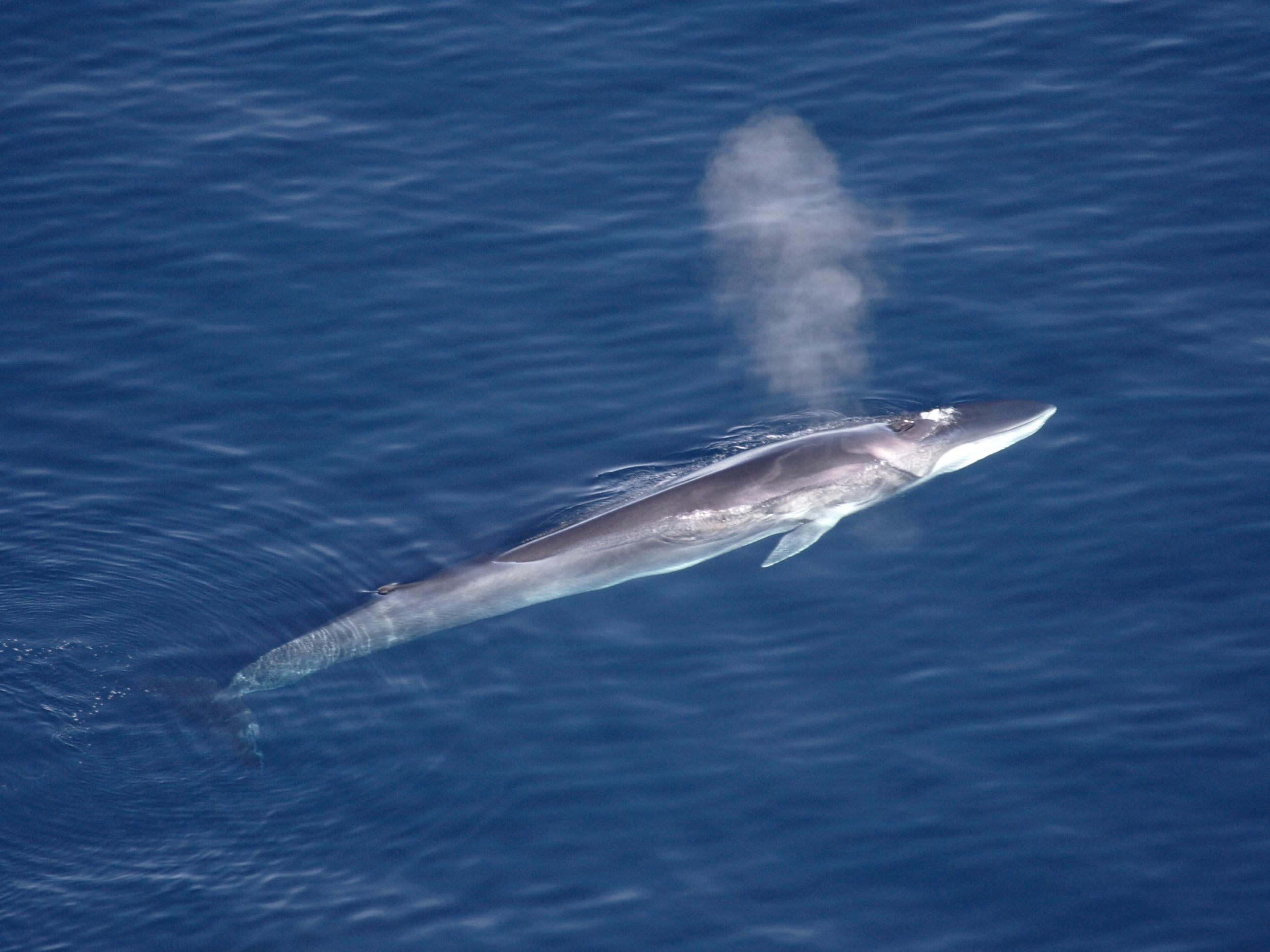
Previously listed as endangered, fin whale numbers have roughly doubled since the 1970s when an international ban on commercial whaling was introduced. The population now stands at 100,000 mature individuals.

There has also been a marked improvement in western populations of grey whales, which are no longer considered critically endangered.

Fin whales numbers have doubled since an international ban on whaling was introduced (Aqqa Rosing-Asvid)

Dr Randall Reeves, chair of the IUCN cetacean specialist group, said it was “a relief” to finally see these populations on the rise.

“These whales are recovering largely thanks to bans on commercial hunting, international agreements and various protection measures. Conservation efforts must continue until the populations are no longer threatened,” he said.

In central Africa, anti-poaching patrols and the concerted removal of snares has helped boost mountain gorilla numbers from 680 individuals a decade ago to over 1,000 now, the highest figure ever recorded.

The IUCN has therefore reclassified the apes from critically endangered to endangered, crediting this small but significant victory to collaborative efforts that have spanned the nations where they reside.

However, they noted that despite the success of this subspecies, the eastern gorilla species to which it belongs remains critically endangered, and the future survival of these apes is still on a knife edge.

“Coordinated efforts through a regional action plan and fully implementing IUCN best practice guidelines for great ape tourism and disease prevention, which recommend limiting numbers of tourists and preventing any close contact with humans, are critical to ensuring a future for the mountain gorilla,” said Dr Liz Williamson of the IUCN primate specialist group.

However, the good news from the IUCN was tempered by reports that overfishing and illegal logging are sending species in parts of the developing world spiralling into decline.

Lack of sustainable fisheries and a boom in demand mean that 13 per cent of the world’s grouper fish are now threatened with extinction, and 9 per cent of the fish in Lake Malawi, according to the IUCN’s latest assessment.

Meanwhile illegal logging has fuelled a 15-fold increase in trade in the Vene timber tree, which the IUCN says is now endangered.

With some nations still holding out on a total whaling ban, and companies accused of fuelling the destruction of rainforests home to orangutans, tigers and rhinos, conservationists are clear that despite some successes urgent international action is needed to end the mass extinction of wildlife.

https://players.brightcove.net/624246174001/SydS6Pxaf_default/index.html?videoId=5837728067001&customParams=videoID%253D5837728067001%2526articleId%253D8633211%2526gs_channels%253Desi_safe%2Csafe_from_harvey_weinstein%2Cshadow9hu7_safe_from_nestle_blacklist%2Csafe_from_emirates_blacklist%2Cgv_safe%2Cgv_safe_adult%2Cgv_safe_arms%2Cgv_safe_crime%2Cgv_safe_death_injury%2Cgv_safe_download%2Cgv_safe_drugs%2Cgv_safe_hatespeech%2Cgv_safe_military%2Cgv_safe_obscenity%2Cgv_safe_terrorism%2Cgv_safe_tobacco%2Cpos_animal_cruelty%2Cpos_castrol_blacklist%2Cpos_microsoft_blacklist_microsoft%2Cpos_microsoft_blacklist_wildfire%2Cpos_society_lgbt%2Cpos_terrorism_blacklist%2Cpos_ubs_tax_evasion%2Csafe_from_aegis_blacklist%2Csafe_from_castrol%2Csafe_from_collective_landrover%2Csafe_from_emirates_crew_incident%2Csafe_from_emirates_pg%2Csafe_from_facebook_blacklist%2Csafe_from_fas_blacklist%2Csafe_from_halifax_misc_blacklist%2Csafe_from_instagram-mobkoi%2Csafe_from_mobkoi-celine%2Csafe_from_mobkoi_facebook_keyword%2Cshadow9hu7_safe_from_essence_blacklist%2Clner_block%2Cshadow9hu7_safe_from_asda%2Cshadow9hu7_safe_from_workdayh2%2Cgs_science%2526playertype%253Dclicktoplay%2526topictags%253Dgorillas%2Cwhales%2Cendangeredspecies%2Ciucn%2526permutive%253D3446%2C3448%2C3449%2C3507%2C7064%2C7065%2C3478%2C3487%2C3492%2C3499%2C3500%2C3527%2C3705%2C3737%2C3738%2C3748%2C3750%2C3751%2C3762%2C3763%2C3769%2C3783%2C3785%2C3795%2C3800%2C3812%2C3817%2C3821%2C3828%2C3845%2C3847%2C3850%2C3853%2C3881%2C3891%2C3899%2C3910%2C3915%2C3916%2C3937%2C3940%2C4052%2C4071%2C4076%2C4093%2C4104%2C4105%2C4155%2C4174%2C4183%2C4185%2C4187%2C4194%2C4203%2C4204%2C4208%2C4249%2C4298%2C4299%2C4306%2C4325%2C4327%2C4328%2C4336%2C4337%2C4342%2C4349%2C4359%2C4360%2C4363%2C4395%2C4482%2C4488%2C4489%2C4495%2C4496%2C4510%2C4511%2C4512%2C4559%2C4577%2C4742%2C4743%2C4844%2C4845%2C4961%2C4970%2C5061%2C5062%2C5064%2C5065%2C5067%2C5068%2C5074%2C5103%2C5266%2C5340%2C5455%2C5574%2C5596%2C5700%2C5702%2C5706%2C5707%2C5757%2C5776%2C5790%2C6116%2C6117%2C6164%2C6251%2C6252%2C6685%2C6750%2C6751%2C6762%2C6824%2C6833%2C7033%2C7066%2C7078%2C7312%2C7395%2C7440%2C7496%2C4554%2C6238%2C7609%2C7610%2C7612%2C3601%2C7667%2C7668%2C8022%2C7839%2C4670%2C8272%2C6207%2C8269%2C3563%2C4248%2C7693%2C8799%2C9895%2C9918%2C9954%2C10067%2C10141%2C10142%2C10143%2C10427%2C10491%2C3542%2C10936%2C11235%2C11301%2C11302%2C11303%2C11304%2C11305%2C11306%2C11307%2C11315%2C11317%2C11320%2C11329%2C11335%2C11338%2C11342%2C11351%2C11356%2C11358%2C11362%2C11363%2C11364%2C11368%2C11371%2C11372%2C11373%2C11374%2C11375%2C11379%2C11383%2C11384%2C11387%2C11389%2C11398%2C11402%2C11404%2C11406%2C11409%2C11410%2C11411%2C11413%2C11415%2C11491%2C11593%2C3482%2C5138%2C5476%2C5477%2C11625%2C11751%2C11788%2C11789%2C11794%2C11795%2C11798%2C11801%2C11832%2C11833%2C11834%2C11836%2C11837%2C11841%2C11844%2C11845%2C11856%2C11857%2C11858%2C11859%2C11860%2C11862%2C11863%2C11881%2C11897%2C11898%2C11899%2C11900%2C3701%2C12026%2C12028%2C12029%2C12128%2C12191%2C3557%2C3720%2C11835%2C12254%2C12256%2C12258%2C3460%2C3461%2C3508%2C3509%2C3510%2C3535%2C3660%3B&customTargeting=%2F71347885%2F_main_independent%2Fin_environment%2Fin_environment_article&playsinline=true

Support free-thinking journalism and subscribe to Independent Minds

WWF has called for a “global deal” in the mould of the Paris climate agreement to save nature, and an ongoing UN biodiversity summit in Egypt presents an opportunity for decisive action.

“The recovery of species like mountain gorilla, fin whale and Rothschild’s giraffe demonstrates once again that with sustained, long-term conservation action, we can not only prevent extinctions, but also achieve considerable population recoveries,” said Dominic Jermey, director general of the Zoological Society of London.

“As the world’s governments convene in Egypt to continue discussions around forging a new and ambitious strategic plan for biodiversity, we hope that these examples will embolden countries to make strong commitments that will put the world’s wildlife on a path to recovery.”

Touching letter from the smartest gorrila Koko before passing away: “Man stupid”

http://feedytv.com/touching-letter-smartest-gorrila-koko-passing-away.html

Posted on 09-08-2018.

The smartest gorrila Koko in the world alerted human kind before the death.

Born in San Francisco Zoo in 1971, Koko began learning American Sign Language at the age of one, and, according to her trainers, was able to learn vocabulary at the same rate as a child with learning difficulties.

According to the Gorilla Foundation, Koko knows over 1,100 different signs, although many of these have been adapted in order to compensate for her inability to form the same complex hand shapes and movements as humans.

Koko has been filmed delivering a message to the humans of the world, encouraging them to become more conscious of their responsibility to protect the planet.

The message Koko wanted to send to human beings.

And she claimed that people should do something for nature right now or too late

Watch video:


Koko The Gorilla Dies; Redrew The Lines Of Animal-Human Communication

Koko, the gorilla who became an ambassador to the human world through her ability to communicate, has died. She’s seen here at age 4, telling psychologist Francine “Penny” Patterson (left) that she is hungry. In the center is June Monroe, an interpreter for the deaf at St. Luke’s Church, who helped teach Koko.

Bettmann Archive

“The Gorilla Foundation is sad to announce the passing of our beloved Koko,” the research center says, informing the world about the death of a gorilla who fascinated and elated millions of people with her facility for language.

Koko, who was 46, died in her sleep Tuesday morning, the Gorilla Foundation said. At birth, she was named Hanabi-ko — Japanese for “fireworks child,” because she was born at the San Francisco Zoo on the Fourth of July in 1971. She was a western lowland gorilla.

“Her impact has been profound and what she has taught us about the emotional capacity of gorillas and their cognitive abilities will continue to shape the world,” the Gorilla Foundation said.

Throughout her life, Koko’s abilities made headlines. After she began communicating with humans through American Sign Language, she was featured by National Geographic — and she took her own picture (in a mirror) for the magazine’s cover.

That cover came out in 1978, seven years after Koko was chosen as an infant to work on a language research project with the psychologist Francine “Penny” Patterson. In 1985, the magazine profiled the affectionate relationship between the gorilla and her kitten: Koko and All Ball.

In 2001, Koko made a fast friend in comedian Robin Williams, trying on his glasses, showing him around and getting him to tickle her. Then they made faces at each other — and the gorilla seemed to recall seeing Williams in a movie. Years later, in 2014, Koko was one of many who mourned Williams’ passing.

YouTube

Koko amazed scientists in 2012, when she showed she could learn to play the recorder. The feat revealed mental acuity but also, crucially, that primates can learn to intricately control their breathing — something that had been assumed to be beyond their abilities.

Her ability to interact with people made Koko an international celebrity. But she also revealed the depth and strength of a gorilla’s emotional life, sharing moments of glee and sadness with researchers Patterson and Ron Cohn.

As Barbara J. King wrote for NPR about the BBC documentary Koko: The Gorilla Who Talks, when it aired on PBS in 2016:

Famously, Koko felt quite sad in 1984 when her adopted kitten Ball was hit by a car and died. How do we know? Here is nonhuman primate grief mediated through language: In historical footage in the film, Patterson is seen asking Koko, “What happened to Ball?” In reply, Koko utters these signs in sequence: cat, cry, have-sorry, Koko-love. And then, after a pause, two more signs: unattention, visit me.”

YouTube

Now, it’s humanity’s turn to mourn Koko.

Thousands of people are commiserating on the Gorilla Foundation’s Facebook pageposting about Koko’s death. The top comment comes from Jess Cameron:

“Legit bawling like a baby right now. This news just breaks my heart. From an early age I was fascinated with Koko and she taught me so much about love, kindness, respect for animals, and our planet.”

With Koko’s passing, the Gorilla Foundation says it will honor her legacy, working on wildlife conservation in Africa, a great ape sanctuary in Maui, Hawaii, and a sign language app.

The foundation says those who want to share condolences can do so by emailing kokolove@koko.org.

Fossey Fund trackers save young gorilla from snare

https://gorillafund.org/fossey-fund-trackers-save-young-gorilla-snare/?utm_source=Gorilla+List&utm_campaign=55d6ab2251-FashaUpdate_2017_04_10&utm_medium=email&utm_term=0_335decb1af-55d6ab2251-72515689&mc_cid=55d6ab2251&mc_eid=40a04b9ac4

It’s been a very stressful time for one of the mountain gorilla groups we monitor every day in Rwanda’s Volcanoes mountains. Isabukuru’s group faced the death of its leader late last month, and yesterday our trackers found one of the youngsters from this group caught in a snare.

Although no gorillas in the groups we protect had been caught in snares since November 2015, Fossey Fund staff have concerned about recent increases in the numbers of snares seen, many of which have been close to the gorilla groups. When our trackers arrived in Isabukuru’s group yesterday and noticed immediately that 3-year-old Fasha was not in the group, they began a search for him and found a deactivated snare nearby.

Soon they located Fasha by himself, with a long piece of rope around his ankle, attached to a bamboo branch. They were able to detach the branch, but the rope was wound tightly around his foot. This meant that a veterinary intervention would be necessary to have the rope removed, which requires sedation, and plans were made for this to happen today. Our trackers then waited in the forest for the rest of the day, until Fasha was able to move back to his group, since he was extremely stressed out and initially seemed to be going in the wrong direction.

Fasha with the rope from the snare on his left foot
Fasha with the rope from the snare on his left ankle

https://player.vimeo.com/video/212283403?color=ffffff&title=0&byline=0&portrait=0
Successful intervention

Today the intervention was conducted with Gorilla Doctors veterinarians, and included nine staff from the Fossey Fund, as well as Rwanda park authorities (RDB). Initially, Fasha was located close to silverback Kubaha, who has taken over the group since former leader Isabukuru died on March 26. Fasha was one of three youngsters who were receiving special protection from Isabukuru, since they all had mothers who had transferred out of the group. Luckily, Kubaha has so far taken over this protective role.

As our trackers arrived in the group, they found Fasha and others still in their night nests. When Fasha fell asleep after being sedated with a dart, our trackers were able to chase the other gorillas and keep them away during the intervention. The rope had become very tight on Fasha’s now-swollen left ankle, showing that he or other gorillas had tried to remove it, and he’d also lost a few teeth, probably while trying to bite the snare off. But the rope was successfully removed, the wound cleaned and antibiotics given, all within about 30 minutes. After resting for a short while, Fasha started moving with the group and all were feeding calmly.

Trackers play critical role

The Fossey Fund’s gorilla trackers and researchers play a critical role in this kind of situation, since it is our daily following of every gorilla in each group we protect that allows us to notice when something is wrong and to make experienced decisions in handling the situation. If our trackers had not noticed Fasha was missing, had not been able to locate him, and had not made sure he returned to his group, it is likely the outcome would have much more serious.

Thanks to support from all of our donors, we are able to provide this kind of daily, intensive protection for all of the gorillas we monitor. Help us continue this work by donating here.

The only thing more upsetting than Harambe the gorilla’s death was the reality of his life

http://www.independent.co.uk/voices/the-only-thing-more-upsetting-than-harambe-the-gorillas-death-was-the-reality-of-his-life-a7057981.html

Surely we can begin to agree that animals which share 98 per cent of our DNA should not be kept as entertainment for us to gawk at in a zoo

Yet again, captivity has taken an animal’s life. The latest victim: a 17-year-old gorilla named Harambe, who was gunned down after a young boy managed to crawl through a fence before falling into his enclosure at the Cincinnati Zoo.

The incident (which could have been prevented by surrounding the enclosure with a secondary barrier) has generated a great deal of debate online, some extreme – one tweet said, “[I]f you have to shoot – aim for the least endangered one,” while an Express columnist took the view that “zoo staff did what you might think all people would want: they put the human life first”. But arguing over whose life is more valuable misses the point. What we should be asking is why intelligent, self-aware animals are still being displayed as living exhibits for humans to gawk at.

Harambe and other animals serving life sentences in zoos are leading lives of quiet desperation. They are denied the most basic freedoms, including being able to choose where to roam, when and what to eat, and whom to socialise with. It’s no wonder that these magnificent animals frequently exhibit signs of extreme depression and related psychological conditions, such as pacing, rocking and eating their own vomit, which is unheard of in their wild counterparts, as they struggle with the confines of their captivity. They’re also prone to cardiac disease: in 2011, the Smithsonian Institution revealed that 30 of its gorillas were on heart medication.

Fullscreen
 

Cincinnati zoo gorilla shot dead as boy falls into enclosure

Zoos try to justify their existence in the name of “conservation”, but warehousing animals in these facilities does nothing to help protect endangered animals in the wild. In fact, some say doing so actually harms wild populations because it diverts much-needed funds away from the protection of animals in their natural habitats.

After all, capturing (yes, some zoos still snatch animals out of their natural habitats), transporting and maintaining non-human animals for the professed purpose of “conserving” them is enormously expensive. It costs about 50 times as much to keep one African elephant in a zoo as it would to safeguard sufficient natural habitat to sustain that elephant and countless others.

When, in 2007, the Zoological Society of London spent £5.3m on a new gorilla enclosure, Ian Redmond, the chief consultant to the UN Great Apes Survival Partnership, said: “£5m for three gorillas [seems a huge amount] when national parks are seeing [three gorillas] killed every day for want of some Land Rovers, trained men and anti-poaching patrols. It must be very frustrating for the warden of a national park to see”. Clearly, the same amount of money a zoo spends on buying expensive animals could benefit so many more of the same animals living in the wild. Our need for entertainment is expensive, unnecessary and without discernible benefit, then, to the animals involved.

While zoos spend millions on keeping animals in captivity, wild animals continue to experience habitat destruction and poaching. Virtually none of the captive-bred species that do face extinction in the wild – including gorillas, elephants, polar bears, gorillas, tigers, chimpanzees and pandas – will ever be released back into their natural environments to bolster dwindling populations. The truth is that most zoos have no contact of any kind with reintroduction programmes.

Perhaps the only thing more tragic than Harambe’s death was his life. While the debate about whether Cincinnati Zoo should have killed him or not rages on, surely we can all agree that animals deserve better than a life sentence in a zoo.


IDA-Africa Baby Gorilla Rescue!

Last week In Defense of Animals-Africa was asked by its Cameroon government partner, the Ministry of Forestry and Wildlife (MINFOF), for help capturing a juvenile gorilla who was frequently eating from village farms. Farmers had been frightened by the gorilla, who did not seem to be afraid of them, and a young boy had broken his arm running away. IDA-Africa was not eager to take a free-living gorilla captive, but a team from its Sanaga-Yong Chimpanzee Rescue drove four hours to meet the MINFOF representative for a collaborative investigation. The team feared that the gorilla’s mother and others in his group had been killed by poachers.
They soon realized that the sweet six-year-old gorilla was not only unafraid of humans, he was actually seeking their company. He must have been captured as a baby by poachers, raised among humans who bought him as a pet, and dumped or “set free” near the forest when he became unmanageable. But this little lonely boy couldn’t fend for himself in the forest and would have been killed had his visits to the farms continued. The team had no choice but to capture and transport him back to Sanaga-Yong for temporary care. Since Sanaga-Yong only provides long-term care for chimpanzees, the gorilla was transferred a few days later to Ape Action Africa’s Mefou Sanctuary.
Tragically, each year thousands of baby chimpanzees, gorillas and monkeys are stolen from Africa’s forests by bushmeat poachers seeking extra profit in the pet and zoo trades, and rarely can these orphans be returned to a free life in the forest. Forest sites that meet criteria for reintroduction are nonexistent in many countries, and while there are a few success stories, released great apes endure stress and suffer high mortality. In well run sanctuaries, like Sanaga-Yong and Mefou, these surviving victims of poaching can usually find friendship and some happiness among other rescued orphans, but what they’ve lost is irreplaceable. Along with their mothers’ love and carefree childhoods, their freedom to self-determine and eventually have families of their own is gone forever.

TICKETS ON SALE NOW!

IDA-Africa Annual Gala

Saturday, September 10th 2016 from 6-10pm

The University Club in Downtown Portland Oregon

Please join us for our Sixth Annual Gala to benefit the chimpanzees of Sanaga-Yong Rescue Center. The evening’s festivities will feature Dr. Sheri Speede with an update on our rescue and conservation efforts in Africa including forest protection, sustainable agriculture, our education program and of course, a heartwarming update on the chimpanzees of Sanaga-Yong Rescue! And… get a sneak peek at a BBC pilot featuring our adorable and adventurous chimpanzees!

Purchase Your Tickets Today!: https://app.etapestry.com/cart/InDefenseofAnimals-Africa/default/category.php?ref=1165.0.75650093

Why Was Harambe the Gorilla in a Zoo in the First Place?

http://blogs.scientificamerican.com/guest-blog/why-was-harambe-the-gorilla-in-a-zoo-in-the-first-place/

Amid the debate over who was at fault in the death of a beloved animal, we need to step back and ask a different question

Unidentified male western lowland gorilla, Cincinnati Zoo Credit: By Mark Dumont via Wikimedia Commons under Creative Commons license
Advertisement

Harambe, a 17-year-old male western lowland gorilla, was killed at the Cincinnati Zoo to save the life of a four-year-old child who fell into his cage. Opinions vary as to whether the boy was really in danger and who was to blame, the zoo (why was the boy able to get into the enclosure and why wasn’t Harambe tranquilized?) his mother, or both? Playing the blame game will not bring Harambe back and for me the real question, while also considering why Harambe was killed, is “Why was Harambe in the zoo in the first place?”

As I watched footage of the event I was reminded of an incident that happened in 1996 at Chicago’s Brookfield Zoo in which a female western lowland gorilla named Binta Jua rescued a three-year-old boy who fell into her enclosure. She became a worldwide celebrity. I also thought about the movie King Kong.

People worldwide are outraged by Harambe’s death. This global interest is all part of a heightened awareness about the nature of human-animal relationships, the focus of a rapidly growing field called anthrozoology. People are keenly interested in how and why nonhuman animals – animals – are used by humans in a wide variety of venues, in this case “in the name of human entertainment.”

Harambe was in the zoo because he was captive born, and breeding animals who are going to live out the rest of their lives in cages raises numerous issues. However, that is precisely why Harambe was living in the Cincinnati Zoo. Being a zoo-ed animal, Harmabe lost all of his freedoms – the freedoms to make choices about how he was to live, what he would eat, when he would sleep and go to the bathroom, where he would roam, and if he were to become a father. While some might say Harmabe had a “good life” in the zoo, it doesn’t come close to the life he would have had as a wild gorilla, with all its attendant risks. Indeed, one might argue that the animal people were seeing was not really a true western lowland gorilla, surely not an ambassador for his species.

Harambe’s cage also was his home where he felt safe. When the boy fell into his home it was a trespass of sorts, and it’s most likely Harambe was startled, perhaps feeling vulnerable and unprotected, and wondering what was going on. Let’s not forget that gorillas and many other animals are highly intelligent and emotional beings and they deeply care about what happens to themselves, their families and their friends. In this case Harambe did what was expected, he picked up the boy, but he didn’t harm him. Of course Harambe could have killed the boy in a heartbeat, but he didn’t.

An analysis of Harmabe’s behavior published in another essay I wrote indicates that he was doing what one would expect a western lowland gorilla to do with a youngster. Harmabe’s hold on the child and his sheltering of the youngster are indicators of protection. He didn’t seem to be afraid. He examined the boy but also was attentive to the reaction of the crowd who saw what happened and the communication between the child’s mother and her son.

Along these lines, it’s essential that the people who work with zoo-ed animals know their behavior in detail, and those people who know individuals the best—the caretakers who interact with certain individuals daily—be called in in emergency situations. Each animal has a unique personality and this knowledge could be put to use to avoid what happened to Harambe.

For people who want to know more about what was going on in Harmabe’s head and heart, think about your companion dog, for example. How do they respond when someone trespasses into where they feel safe? I like to ask people to use their companion animals to close the empathy gap because people get incredibly upset when a dog is harmed because they see dogs as sentient, feeling beings. So too, was Harambe.

So, would you allow your dog to be put in a zoo? If not, then why Harambe and millions of other individuals who languish behind bars?

It’s not happening at the zoo

Captive breeding by zoos to produce individuals who are going to live out their lives in cages, in the name of entertainment and possibly in the name of education and conservation, raises many challenging questions. Did people who saw Harambe learn anything about what the life of a male western lowland gorilla is really like? No, they didn’t. Did they learn something about these fascinating animals that would help Harambe or his wild relatives? Clearly, nothing learned would help Harambe as he was forced to live in his cage; a large enclosure is still a cage. Harambe was not going to be put out in the wild and introduced to other gorillas.

Did people learn something about these gorillas that would help wild relatives? Once again, likely not. While some might argue that learning about Harambe is good for conserving his species, and while many of us know someone who went to a zoo and said they learned something new about a given species, there’s no hard evidence that these people then go on to do something for the good of the species.  Indeed, a recent study conducted by zoos themselves, showed that what people learn is very limited in scope in terms of what the new knowledge means in any practical sense. While a very small percentage of people learn that maintaining biodiversity is important, they don’t learn about the need for biodiversity conservation.

Where do we go from here?

Harambe is dead and the boy is alive. I’m very sad, and also very happy. A gorilla’s life was traded off because a human child was in danger. What needs to be done in the future to be sure that events like this never happen again? First, zoos need to stop breeding animals who are going to live in zoos for the rest of their lives. Zoos also should be turned into sanctuaries for the animals themselves. Over time there will be fewer and fewer captive animals and zoos as we know them can be phased out. And, the money that is saved as time goes on can be used to preserve populations of wild animals and their homes. These sorts of changes will take time and we need to be very patient, but we need to move in this direction.

As we move on, the choices we make should emphasize preservation of wild animals and critical habitats, and we need to move away from captive breeding and the zoo mentality of keeping animals locked in cages for our entertainment—and supposedly for their own and their species’ good.

We humans are constantly making decisions about who lives and who dies, and we need to focus our attention on the animals themselves, and put their lives first and foremost. The rapidly growing international field called compassionate conservation comes into play here. The guiding principles of compassionate conservation are “First do no harm” and “the lives of all individuals matter.”

Turning a moment into a movement

I hope Harambe did not die in vain, and that this moment can be turned into a movement that is concerned with the plight of captive animals. Judging by what is sailing into my email inbox each minute and by worldwide media coverage, it already is. The publicity generated by killing Harambe can and must be used to save the lives of numerous other captive animals. We must face the difficult questions that arise because animals are “in” and the questions are not going to disappear.