Biologists warn against proposal to expand grizzly bear hunt

by WENDY STUECK

VANCOUVER — The Globe and Mail

Published Friday, Dec. 06 2013

The B.C. government is proposing to open up grizzly hunting next season in two areas where it’s now banned, despite a recent study that concluded the government is underestimating the number of bears killed each year and recommended a more cautious approach.

Two proposals, posted on the Ministry of Forests website in November, suggest opening grizzly bear management units, or MUs, in the Kootenay and Cariboo regions for limited grizzly bear hunting next spring.

Read More: http://www.theglobeandmail.com/news/british-columbia/biologists-warn-against-proposal-to-expand-grizzly-hunt/article15798712/

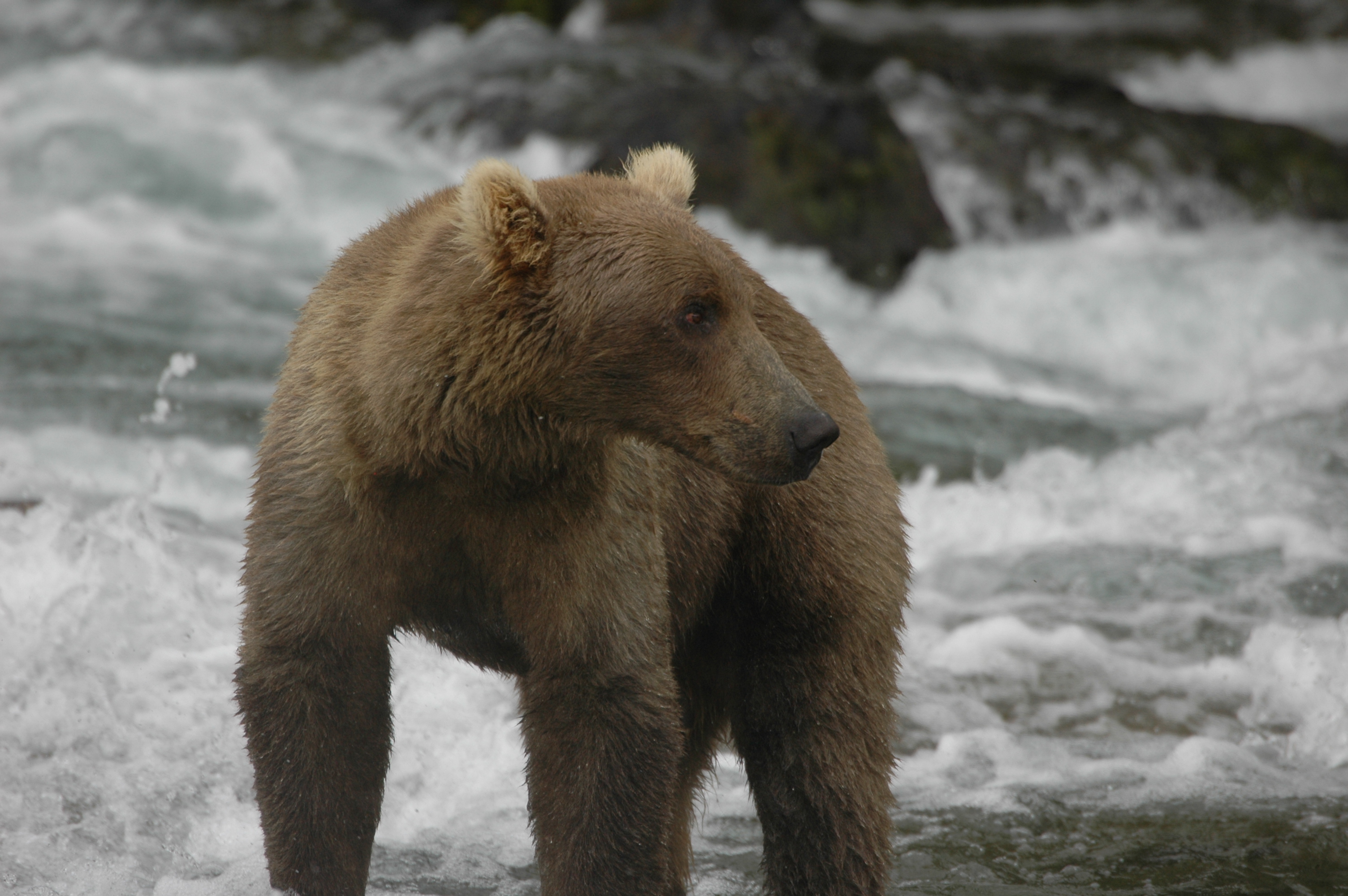
Photo Copyright Jim Robertson

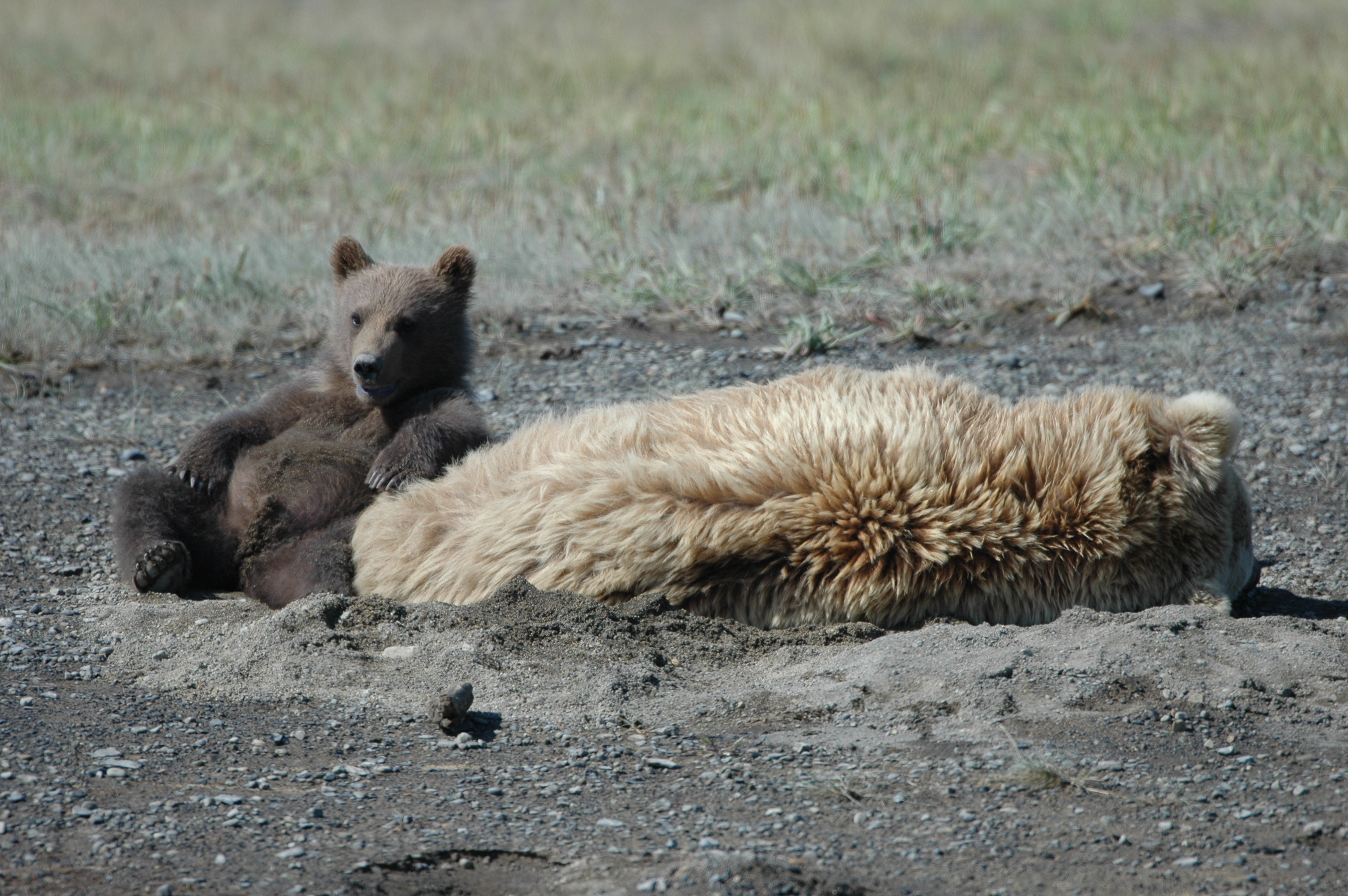
Photo Copyright Jim Robertson

Salmon shortages stressing grizzlies

http://www.theglobeandmail.com/news/british-columbia/salmon-shortages-stressing-grizzlies/article15647451/

MARK HUME

VANCOUVER — The Globe and Mail

Published Thursday, Nov. 28 2013

When salmon runs dwindle on the B.C. coast, the stress levels in grizzlies climb, say researchers who examined hair samples collected from more than 70 bears.

And the bears, which gather along rivers in the fall to feed on spawning salmon, take those high stress levels with them into hibernation, perhaps affecting their long-term health, according to a science paper published Wednesday.

The study is expected to add weight to a growing argument that commercial salmon harvests on the West Coast should be managed not just for people, but also to reflect the needs of bears and other wildlife.

“Part of the reason bears might be experiencing stress is the fact we compete with them for food. And we really need to think about our fisheries not only in terms of our needs as humans but also of the needs of other species,” said lead author, Heather Bryan, a Hakai postdoctoral researcher at University of Victoria and a biologist with Raincoast Conservation Foundation.

In 2010, federal department of Fisheries and Oceans scientists John Ford and Graeme Ellis linked killer-whale survival to the abundance of Chinook salmon, and called on the government to consider setting aside allocations of salmon for whales.

Chris Darimont, who co-authored the grizzly-bear study, said it’s clear bears also need a share.

“Our findings highlight the importance of managing fisheries in a way that ensures enough salmon are allowed past fish nets to meet the needs of bears and other wildlife,” said Dr. Darimont, a UVic professor and the science director at Raincoast.

Dr. Bryan said the research showed the stress hormone, cortisol, was higher in bears that ate less salmon.

“That’s not surprising if you think about how stressful it would be to be going into a winter without enough food,” she said.

The long-term health implications for grizzlies haven’t been studied yet by Dr. Bryan, but other wildlife studies have shown that animals with high cortisol levels can have shortened life spans.

Dr. Bryan’s research was possible because of a network of 71 “hair snags” researchers have been monitoring for several years on a grid that covers 5,000 square kilometres on B.C.’s mainland coast. The area stretches from near northern Vancouver Island to around Prince Rupert.

“We were interested in looking at the health effects of long-term salmon declines on bears. And how we did it is we took a few milligrams of bear hair [from each grizzly] and we used that to gain insights into the health of these several-hundred-kilogram animals,” said Dr. Bryan.

She said some of the hair came from the B.C. archives, where samples from bears killed by hunters are kept. But much of it came from the hair snags – barbed wire wrapped around trees marked with fermented fish oil.

“It’s a delicious odour for bears … they come and check it out … they usually only stay a few seconds but it’s usually long enough to leave behind a strand of hair,” said Dr. Bryan.

She said none of the field workers has ever had a dangerous encounter with the bears, despite spending weeks gathering hair samples in prime grizzly habitat.

Working with only a few strands of hair from each animal, Dr. Bryan said she was able to to both measure the level of cortisol and to determine how rich a bear’s salmon diet was. The data showed that when salmon runs declined on B.C.’s Central Coast, in 2008 and 2009, stress levels increased. And when salmon runs increased, as they did in 2010, the stress levels declined.

In 2009, conservationists and ecotourism guides along the B.C. coast reported a huge drop in the number of bears they were seeing along rivers and they blamed the decline on two successive poor salmon runs. Bear watchers speculated many animals had died during hibernation and that others had stopped breeding because they were starving.

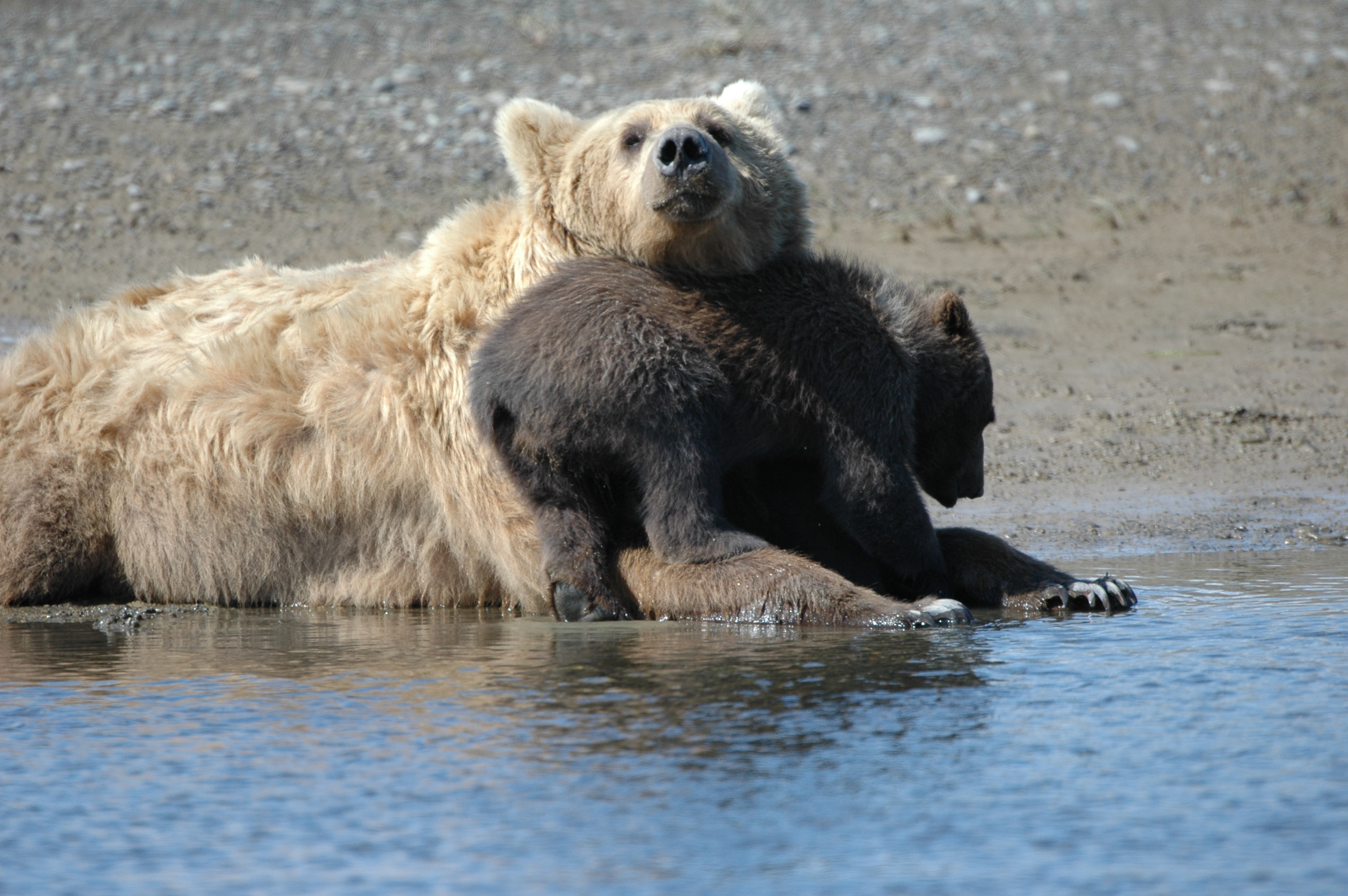
Grizzly photo Copyright Jim Robertson

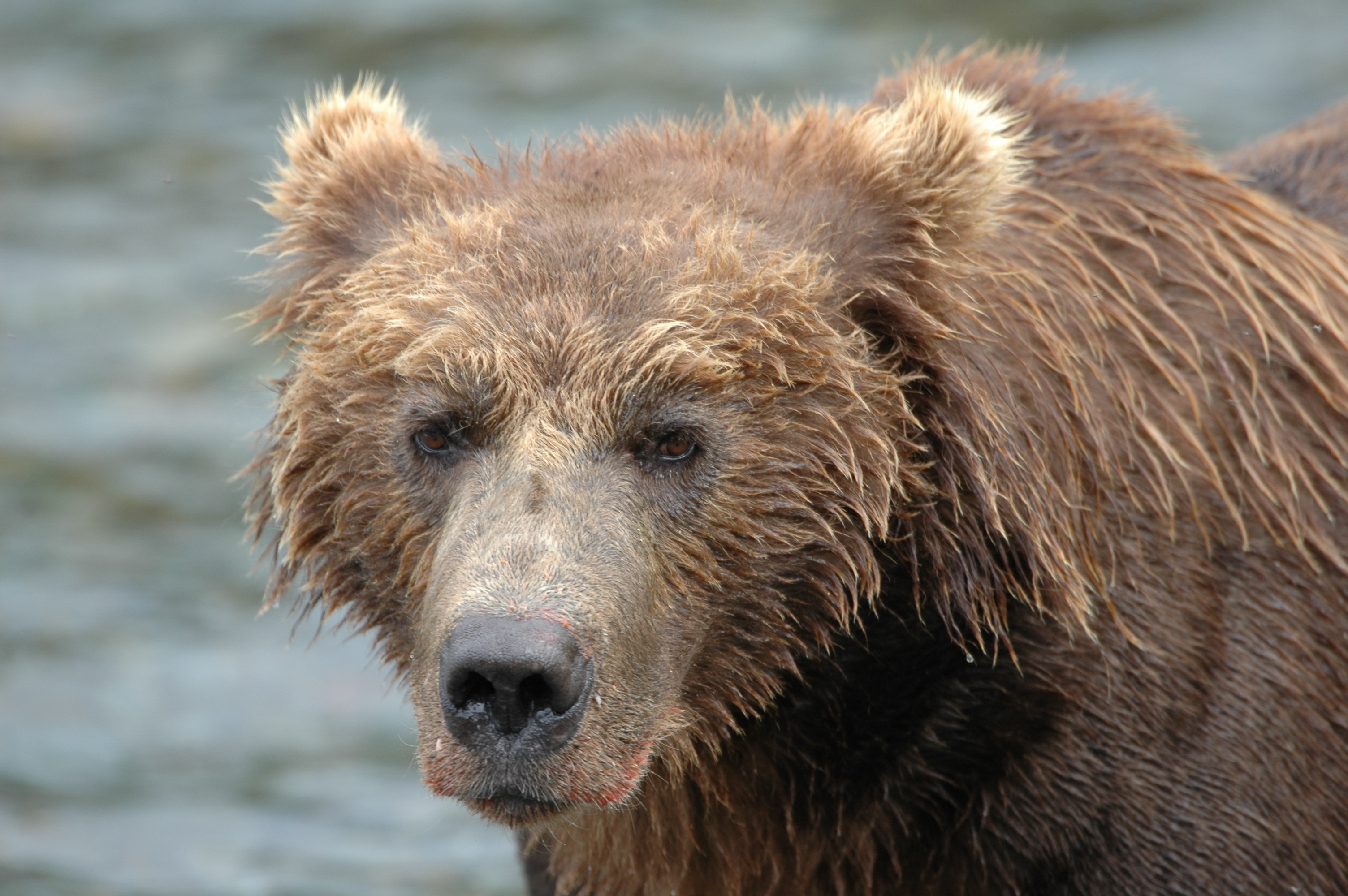
Grizzly photo Copyright Jim Robertson

Montana Bear Killings

Please note that the reward amount should be $7,600 instead of $6,600. Thanks!

FOR IMMEDIATE RELEASE November 26, 2013

Reward Increased for Tips on Grizzly Bear Shooting Northeast of Ovando

Photo of bears in the wild Copyright Jim Robertson

Photo of bears in the wild Copyright Jim Robertson

State wildlife officials continue to seek tips on the shooting death of a grizzly bear found November 3 northeast of Ovando in the Blackfoot Valley. Those that share information on the case may now receive up to $7,600 due to several private donations and a contribution from the US Fish & Wildlife Service.

Private donations, combined with $1,000 from the US Fish & Wildlife Service, bumped the reward amount from the original offering of $1,000 from Montana Fish, Wildlife & Park’s TIP-MONT program to $7,600 for tips that lead to a conviction in the case. Callers can remain anonymous and should phone 1-800-TIP-MONT ( 1-800-847-6668 ).

The female grizzly bear died of a gunshot wound and had three cubs of the year. FWP was able to trap two of the cubs and they will be transferred to the Bronx Zoo. Multiple attempts to capture the third cub were unsuccessful.

And speaking of Montana bears: http://missoulian.com/news/local/judge-fines-helena-couple-for-bucket-of-bear-paws-in/article_28dc6702-5633-11e3-a174-0019bb2963f4.html

Hunter Shoots, Wounds Montana Grizzly Bear

Grizzly survives after charging hunter, getting shot near Condon

CONDON — A female grizzly with two cubs who was shot Wednesday when she charged a hunter in the Kraft Creek drainage near here has apparently survived.

The hunter immediately contacted Montana Fish, Wildlife and Parks, which tracked the bear on the ground and in the air as she moved west toward the Mission Mountains.

“The determination was made that the bear was not mortally wounded,” FWP spokesman John Fraley reported.

The hunter fired a shot after the grizzly charged to within 50 feet of him. Fraley said wardens discovered a deer carcass about 75 yards away that the grizzly and her two cubs had been feeding on.

The Flathead County Sheriff’s Department, Two-Bear Aviation and pilot Jim Bob Pierce helped FWP track the wounded bear.

The investigation continues, and Fraley reminded people to carry bear pepper spray when hunting in grizzly country, adding that experts say it is more effective than a firearm in stopping a bear.

[Great, so now there’s a wounded mother bear out there trying to avoid hunters and raise her two cubs in peace].

Photo Copyright Jim Robertson

Photo Copyright Jim Robertson

In Defense Of Animals Offers $1,500 Reward In Grizzly Bear Killing

Photo of bears in the wild co Jim Robertson

Photo of bears in the wild co Jim Robertson

FOR IMMEDIATE RELEASE

Contact: Anja Heister, anja@idausa.org, 406-544-5727

In Defense Of Animals Offers $1,500 Reward In Grizzly Bear Killing

Momma grizzly bear with three young cubs shot and killed; cubs doomed to a life of captivity

Ovando, Mont. (November 14, 2013) In Defense of Animals (IDA), an international animal rights and protection organization, has offered a reward of $1500 for information leading to the arrest and conviction of the person who callously killed a grizzly bear mother of three cubs, leaving them orphaned.

The mother grizzly bear was found Sunday, November 3, killed by a single gunshot wound, approximately three and a half miles northeast of the rural community of Ovando. While one cub escaped, officials with Montana’s Fish, Wildlife and Parks (FWP) caught two of the mother’s female cubs, who are currently being held at the state-owned Wildlife Rehabilitation Center in Helena, Mont.

Adding insult to injury, Chris Servheen, Grizzly Bear Recovery Coordinator with the US Fish and Wildlife Service (USFWS), has decided to send the two bear cubs to lifelong imprisonment at the Bronx Zoo in New York.

“If they haven’t been causing problems with people, these cubs should be released back into the wild,” said renowned biologist and bear specialist, Dr. Lynn Rogers with the Wildlife Research Institute in Ely, Minn.

“In 2005, two grizzly bear cubs were sent to the Washington Park Zoo in Michigan City, Indiana, after their mother had been killed by FWP,” said IDA’s Director of the Wild and Free-Habitats Campaign and Montana resident, Anja Heister. She added, “the cubs can now be seen relentlessly walking in circles in their small enclosure. These cubs have lost everything, their mother, their freedom and dignity, and their health. Demoted to objects of entertainment, they have been suffering from captive psychosis, abnormal behavior indicative of significant mental suffering.”

“Whoever killed this grizzly bear has to be held accountable for robbing an entire family of grizzlies of their lives – causing the death of a grizzly mother, and sending two innocent cubs into life-long captivity, while likely causing great trauma to the cub who escaped,” said Heister.

Anyone with information on this incident is encouraged to call 1-800-TIP-MONT ( 1-800-847-6668 ). Callers can remain anonymous.

###

In Defense of Animals is an international animal protection organization located in San Rafael, Calif. dedicated to protecting animals’ rights, welfare, and habitat through education, outreach, and our hands-on rescue facilities in India, Africa, and rural Mississippi.

IN DEFENSE OF ANIMALS – 3010 KERNER BLVD. – SAN RAFAEL, CA 94901 – 415-448-0048

Please Consider a Donation To Help Find the Killer of a Mother Grizzly With 3 Cubs‏

Thanks to Jerry Black hadley911@aol.com

Photo Copyright Jim Robertson

Photo Copyright Jim Robertson

How to contribute to the reward  for information leading to the conviction of the person responsible for killing a mother grizzly bear near Ovando, Mt that left 3 orphaned cubs.  This will be in addition to the reward offered by the U.S. Fish and Wildlife Service and Montana Fish Wildlife and Parks.
After consulting with representatives from both agencies today, the recommendation by them was to set up the reward as follows:
Those wishing to contribute send me an email with a pledge for the amount you wish to contribute.
Example….I am pledging $_____ for the Ovando Mountain Grizzly Reward Fund.  Include your name and contact information.
I will keep these pledges until there is a conviction in this case.  I will then ask you to write me a check in that amount.  I’ll deposite the checks in my account and then have the bank draft a cashiers check for the total sum which I will send to Mr Brian Shinn  in Helena who manages these rewards for the agencies.  The agencies will then disburse the money to the person that provided the tip leading to the conviction.
In 2 weeks, I will send Brian an estimate of the amount of reward money I’ve received to that date.  He will issue a press release stating the amount of reward offered by us (concerned private citizens) and the reward offered by the US FWS and MFWP.
This is the way they’ve handled rewards in the past and it has proven to be successful.  It was also recommended by a friend who was involved in very large rewards (up to $80,000) for illegal killing of Mexican Wolves.
Additionally:
All donations will be confidential…I’m the only person who will see them.
There is no donation too small
My email is “Hadley911@aol.com”
Brian Shinn’s email is..”BShinn@Mt.Gov
Brian’s phone # is 406-227-7490
I hope all this makes sense.  It’s obviously my first attempt at something like this, but I’m determined to do whatever it takes to catch the person responsible for this killing.

Is Hunting Grizzlies Really Sporting?

Wildlife Photography ©Jim Robertson, 2013. All Rights Reserved

Wildlife Photography ©Jim Robertson, 2013. All Rights Reserved

A professional hockey player killed Cheeky.

By Jude Isabella

In Bella Bella, British Columbia, a First Nations community about 700 kilometers north of Vancouver, I met Larry Jorgensen, founder of the Qqs Projects Society, a program for Heiltsuk First Nation youth.

“Are you here about the kill?” he asked.

Someone shot a grizzly bear in Heiltsuk Territory, in Kwatna Inlet, part of the Great Bear Rainforest. The killer? Clayton Stoner, an NHL defenseman for the Minnesota Wild. The victim? A 5-year-old male named Cheeky.

Stoner’s kill outraged the indigenous community. It outraged many other British Columbia residents. At the same time, hunters united around the hockey player’s right to hunt. Hunting is big business. But so is bear viewing, especially in an area stung by economic hardship and stripped of one natural resource after another—except bears. Living bears. Parts of the Great Bear Rainforest, 32,000 square kilometers of habitat along the B.C. coast, are protected and closed to hunting. Some parts are not—residents can still hunt grizzlies here, and in most of the other grizzly habitats in the province. It’s legal. So far it looks like Stoner is a legal resident who killed the bear in a non-restricted area, and therefore he didn’t break the law.

But he did violate the First Nations’ hunting policy. Last year, the Coastal First Nations, an alliance on B.C.’s central and north coasts and the islands of Haida Gwaii, announced a ban on hunting bears in their territories. The ban is for a number of reasons, including distaste for the practice, ecological considerations, and a growing bear viewing industry.

The province of British Columbia, however, did not ban hunting and has no plans to, and its laws govern where hunting is allowed in the Great Bear Rainforest. Hunters kill about 300 grizzlies a year in the province, harvesting the skin and paws, leaving the rest to rot in the bush.

Canadian opposition to the grizzly hunt centers here, in the Great Bear Rainforest, an ecotouring powerhouse where bears are shot with high-priced cameras wielded by ecotourists, some wealthy, some splurging their savings on the trip of a lifetime. The Raincoast Conservation Foundation, which is against hunting, came up with a clever strategy to limit the practice: It purchased two guided hunting territories, including Kwatna, where Stoner shot Cheeky. To hunt in British Columbia as a nonresident, hunters must hire a guide or accompany a resident with a special license. Raincoast’s purchase put the brakes on hunting by nonresidents, but not residents.

It took one professional hockey player to do in one day what Canadian scientists and the First Nations have struggled to do for the past decade: put British Columbia’s grizzly bear hunt in a media spotlight.

The attention should grow this month with a new study led by Kyle Artelle, a biologist with the Raincoast Conservation Foundation. It provides evidence that too little is known about the grizzly population to call the current hunt sustainable. The fate of grizzly bears in British Columbia, Artelle writes, is being determined by a management game of Russian roulette.

“By ignoring what they don’t know about British Columbia’s grizzly bears—their actual population sizes, how many are poached, and so on—managers are taking a considerable gamble with their current hunt management approach,” Artelle told me shortly after Stoner shot the bear.

Sifting through hunting data from between 2001 and 2011, Artelle and his co-authors found evidence of “overmortality”—more bear fatalities than a population could endure—in 26 of the 50 bear populations open to the hunt. Overmortality ranged from one to 24 bears. “Almost all, 94 percent, of total overmortalities could have been avoided by reducing or eliminating the hunt,” Artelle says.

To count bears is no simple task. Rugged terrain and their natural wariness usually cloak bears in invisibility. The best way to interpret bear populations is through DNA analysis of bear hair caught on barbed-wire hair traps. Analysis of the hairs can reveal population levels, health, and the movements of individual bears.

More: http://www.slate.com/articles/health_and_science/wild_things/2013/11/hockey_player_clayton_stoner_is_grizzly_hunting_sporting.html

B.C. Promotes Their Grizzly Bear Hunt

http://www.vancouversun.com/opinion/columnists/Stephen+Hume+promotion+grizzly+hunt+ideological/9140392/story.html

Stephen Hume: B.C.’s promotion of grizzly hunt is ideological, not scientific

Killing of a threatened species to satisfy a marginal industry makes no sense

By Stephen Hume, Vancouver SunNovember 7, 2013

A new scientific study reports that grizzly bear mortalities exceed government targets in half the areas where hunting is permitted. This earns another “ho hum” from provincial wildlife authorities.

So what’s new? When the province’s own habitat specialist first raised concerns with methodology in estimating grizzly populations and mortality rates, his bosses suppressed the study.

The province estimates 15,000 grizzlies inhabit British Columbia. Mind you, grizzly estimates seem to be whatever it takes to justify trophy hunting. In 1979, there were 6,600 grizzlies. Then, when trophy hunting was on the agenda, there were almost 17,000.

The debate over grizzlies is not a discussion of scientific evidence that contradicts hunting policy, it’s an emotional argument over lifestyle choices by trophy hunting proponents who are not really interested in science.

Presumably this why the government is comfortable saying wildlife managers don’t share the new study’s conclusions before they’ve even analyzed its evidence — although, of course, they promise to review it.

The study by six biologists from Simon Fraser University, the University of Victoria and the Raincoast Conservation Foundation reported by Larry Pynn is only the latest that will wind up gathering dust on the shelf where the provincial government puts documents it wants to forget. It has been preceded by reports from some of the world’s leading grizzly experts.

These studies gather dust not because the evidence is unconvincing but because provincial politicians are not interested in evidence-based decisions. They want justification for providing feedstock for a hunting industry that’s in steep decline.

Thirty years ago, there were almost 175,000 licensed hunters in B.C. Today, hunters’ numbers have fallen by more than half.

Clearly social values are changing.

Once, people would kill everything they could. Archival photographs record orgies of killing that most of us today — even the most ardent hunters — would find repugnant and slightly mystifying.

But values do change. Today serious anglers embrace the catch-and-release ethos, hunters accept limited-entry lotteries and poachers are reviled.

Those original values have changed, in part, because of increasing scarcity. On Vancouver Island, for example, the black-tailed deer population is less than 20 per cent of what it once was — not because of overhunting but because of habitat loss and alteration. Steelhead runs are in trouble. So are native cutthroat trout. Moose are scarce in some regions.

So as hunting effort must increase with growing scarcity, and opportunity for success decreases, fewer hunters opt to buy licenses.

Finally, a growing sense that animals have rights, too, informs changing attitudes toward the killing of wildlife, particularly among young citizens. The idea of killing large animals like grizzly bears for pleasure or personal vanity rather than for food is perceived as abusive.

The response of provincial fish and game management has not been to adapt to change, but to promote hunting in the face of falling numbers. Its service plan calls for the selling of an additional 20,000 hunting licences by 2014.

The grizzly bear trophy hunt, which the province doggedly supports in the face of overwhelming public approbation, represents ideology, not wildlife science or public will.

Industrial strategy is presented as an exercise in sustainable management based on science, even though the managers acknowledge they have already reached their own conclusions before they examine unwelcome scientific evidence to the contrary.

But let’s be clear, the opposition to trophy hunting of grizzly bears is not an issue with hunting, it’s an issue with purpose.

Most British Columbians don’t oppose sustainable harvesting of wildlife for food. Most support, for example, the goals of the B.C. Wildlife Federation, which advocates for habitat that will sustain healthy populations available for harvesting by hunters and anglers.

The opposition is to the killing, for purposes of personal vanity, of a threatened species that has already been extirpated from most of its North American range in the interests of a marginal industry dominated by a few businesses.

Write about this and one immediately is subjected to scurrilous comments from trophy hunters who don’t want “their” bears taken away. But B.C.’s wildlife doesn’t belong exclusively to hunters or outfitters. Fish and game belong to everyone, including the almost 90 per cent of British Columbians who want grizzly bears protected, not slaughtered in the service of narcissists and egomaniacs.

We live in a democracy. In democracies, majorities rule — or should rule. So if you care about grizzly bears, you know what to do. Start telling your elected representatives that if they won’t act on your behalf on this file, you’ll elect somebody who will.

Photo of bears in the wild co Jim Robertson

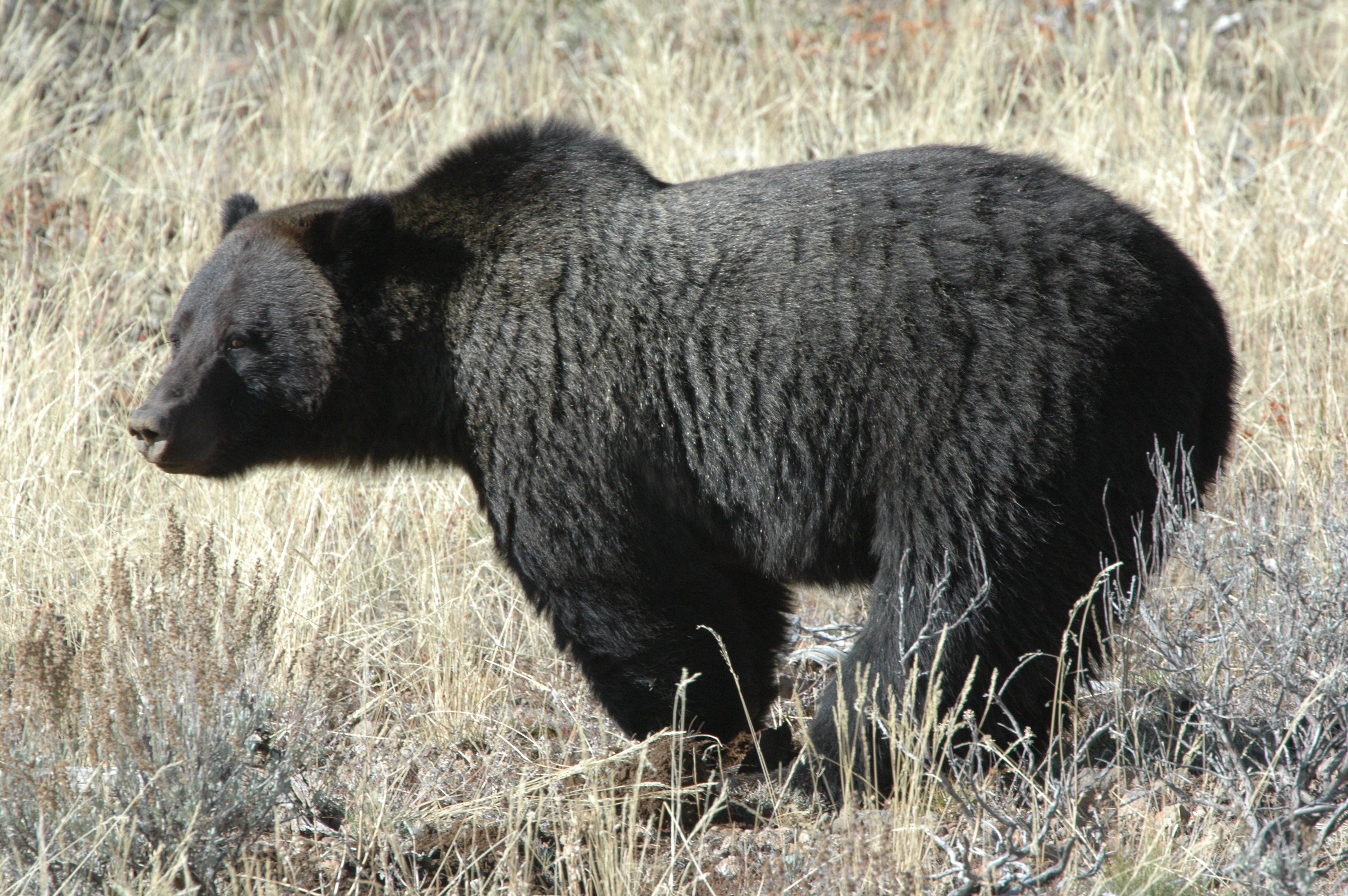
Photo of bears in the wild co Jim Robertson

Mother Grizzly Killed, Cubs Sent to Zoo

To give you an idea how maddening this is, here’s a quote from a friend in Montana who sent me this article:

“I’m devastated and so is my family. This bear and her cubs frequented my son-in-laws ranch on the North Fork of the Blackfoot. My 6 year old grandson watched her and her cubs as well as 4 other grizzlies on the ranch………….This is the kind of shit that happens all too often in Montana and why I call Montana ‘The Killing Fields’…….Some son of a bitch will pay for this.”

http://fwp.mt.gov/news/newsReleases/enforcement/nr_0172.html

FWP Seeks Information on Grizzly Bear Shooting Northeast of Ovando
       <!–

var addthis_pub=”fwpwebmaster”;var addthis_options = ’email, digg, delicious, reddit, linkedin’;
Bookmark and Share


Thursday, November 07, 2013 Enforcement – Region 2

State wildlife officials are looking for information on the shooting death of a grizzly bear found Sunday approximately three and a half miles northeast of Ovando.

Montana Fish, Wildlife & Parks (FWP) game wardens responded to a report of a dead adult female grizzly on Sunday, Nov. 3, and an initial investigation that evening found the bear had died of a gunshot wound.

The bear had three cubs of the year, and FWP was able to trap two of the cubs. The cubs will be placed in the Bronx Zoo. Multiple attempts to capture the third cub were unsuccessful.

FWP bear management specialist, Jamie Jonkel, notes that there is a chance that the lone cub could survive the winter on its own, and FWP may make additional attempts to locate the bear if it receives reports of sightings.

Anyone with information on this incident is encouraged to call 1-800-TIP-MONT (1-800-847-6668). Callers can remain anonymous and may be eligible for a reward up to $1,000 for information leading to a conviction.

Photo Copyright Jim Robertson

Photo Copyright Jim Robertson