Exposing the Big Game

Forget Hunters' Feeble Rationalizations and Trust Your Gut Feelings: Making Sport of Killing Is Not Healthy Human Behavior

Exposing the Big Game

‘This is how pandemics start’: CDC shares major update on first human case of HN51 with no known animal link

Surgeon panicking in a hospital ward

The CDC has provided an update on the first human case of bird flu in the US with no known animal exposure.

 Getty Images

By Adam Chapman

Published: 19/09/2024 – 11:44

2Comments

The Missouri case has raised concerns that HN51 is spreading between humans

The Centers for Disease Control and Prevention has provided a major update on the first human case of bird flu in the US with no known animal exposure.

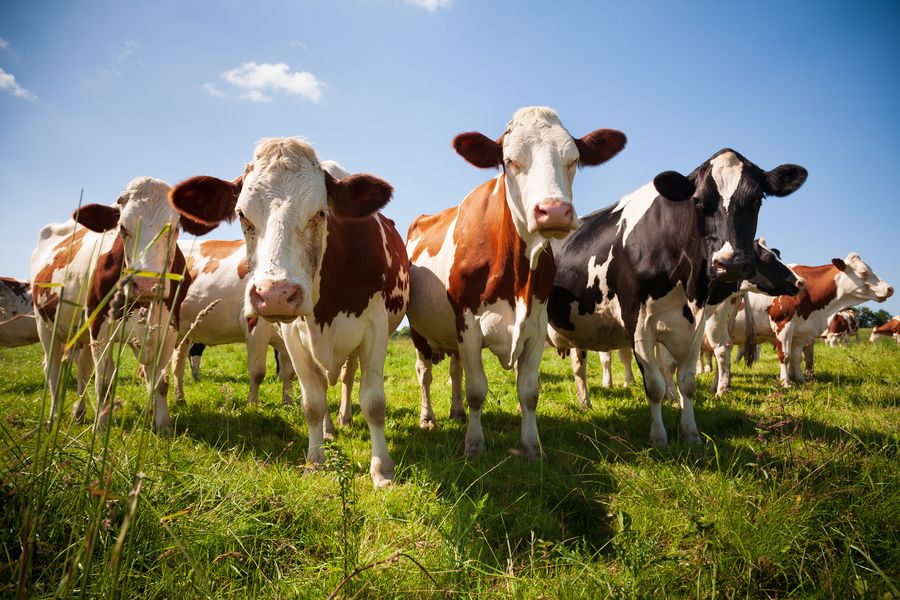
HN51 has spread like wildfire in dairy cows and poultry since it was first detected in April. Nearly 200 dairy herds in 14 states have tested positive for the strain.

As of August, 13 humans exposed to infected dairy cows and poultry have tested positive.
Cases have been mild – patients presented with typical flu symptoms such as fever and chills – and isolated.

However, the 14th human case confirmed earlier this month marks a major turning point in the outbreak.

Recommended by

What is Outbrain

SponsoredDoctor: Sleep Apnea Treatment Without CPAP (It’s Genius)Sleep Apnea News

SponsoredOrthopedists Amazed: This Shoe Helps with Pain Like No OtherBarefoot Vitality

On 6 September, the Missouri Department of Health & Senior Services announced a person in the state had tested positive for the virus.

The individual tested positive after being hospitalised for other underlying health conditions and presented with chest pain, nausea, vomiting, diarrhoea and weakness. They were not severely ill and have fully recovered, according to the CDC.

https://buy-eu.piano.io/checkout/template/cacheableShow?aid=6N1iEZE6pe&templateId=OTFLIWOHX3F3&offerId=fakeOfferId&experienceId=EX08ITN4VVHW&iframeId=offer_0b5298bb2f4701f39180-0&displayMode=inline&pianoIdUrl=https%3A%2F%2Fauth.gbnews.com%2Fid%2F&widget=template&url=https%3A%2F%2Fwww.gbnews.com

Cows

The jump from cows to humans has worried virologistsGetty Images

However, unlike previous cases, the person had not been in close contact with infected dairy cattle or farmed birds. Nor were they exposed to raw milk – another source of the infection.

More worrying still, one household contact of the patient became ill with similar symptoms on the same day as the confirmed case, was not tested, and has since recovered.

Virologists were already nervous about the spillover from cows (domesticated cattle share about 80 per cent of their genes with humans) but the first case with no known animal exposure suggests the bird flu strain has acquired the mutation needed for human-to-human transmission.

So far, there has been no evidence that HN51 has acquired this adaption, but it signals that the strain is evolving.

What is the Relationship Between Red Meat and Heart Disease?

Share on Facebook
Tweet on Twitter


red meat and heart disease
Our Reader Score

[Total: 0 Average: 0]

A recent study evaluated whether the relationship between eating more red meat and heart disease is because eating red meat increases iron levels.

Heart disease is one of the leading causes of death worldwide, and there is evidence of a relationship between eating more red meat and heart disease risk. However, it is not known how exactly red meat could increase the risk. One possible explanation is that red meat is rich in iron, and high iron levels in the blood could contribute to the development of heart disease. This theory was tested in a German study that was recently published in The American Journal of Clinical Nutrition.

The researchers performed their enquiry using participants of the European EPIC-Heidelberg study. EPIC-Hedelberg is an ongoing clinical study in which 25,000 initially-healthy male and female volunteers have been monitored since the mid-1990s. The participants had submitted blood samples and provided detailed information on socioeconomic status, lifestyle factors, and dietary habits at the beginning of the study period. To investigate the relationship between red meat and heart disease, researchers identified all members of this group that had evidence of heart disease. They found that 555 participants had survived a heart attack, 513 had survived a stroke, and 381 had died due to heart disease. They randomly selected 2,738 other study participants to serve as controls.

The researchers used the information on dietary habits to determine the amount of red meat each participant typically consumed. They also measured the amount of iron and the iron-storage proteins transferrin and ferritin in blood samples that had been frozen at the start of the monitoring study (blood tests for ferritin are commonly used in health clinics to assess whole-body iron stores). They then used a variety of statistical methods to determine if there was a relationship between iron levels, red meat, and heart disease. These methods also allowed them to account for age, gender, and other health and lifestyle factors known to be associated with increased risk of heart disease.

Increased Ferritin Levels

Eating more red meat led to increased ferritin levels in the control group. Ferritin is a protein that the body uses to store iron. However, other measures of iron storage (blood iron concentration and transferrin) did not change with red meat consumption.

Increased Risk of Heart Attack with Red Meat Consumption

The participants who had had heart attacks, stroke, or death due to heart disease ate, on average, more red meat than people in the control group. When adjusting for age and gender, every additional 50 grams (1.8 ounces) of daily red meat consumption increased the risk of suffering a heart attack by 1.18 times, of stroke by 1.16 times, and of dying from heart disease by 1.27 times.

The participants with evidence of heart disease tended to have a higher body mass index, less education, and were more likely to smoke and have high blood pressure relative to the control group. These lifestyle and health factors are all already known to be associated with increased risk of heart disease. Once these and other known risk factors (alcohol consumption, fiber intake, energy intake, menopausal status, c-reactive protein, and low-density lipoprotein levels) were accounted for, only the relationship between red meat and heart attacks remained significant.

In other words, the known risk factors aside from red meat were sufficient to explain why some participants were more likely to get strokes and die of heart disease. This implies, for example, that while eating more red meat may lead to obesity, it is the obesity that increases the risk of stroke and death, not the red meat specifically.

Risk of Heart Attack Decreased after Considering Other Risk Factors

When adjusting for just age and gender, every doubling of blood ferritin concentration increased the risk of having a heart attack by 1.09 times, and the risk of dying of heart disease by 1.13 times. However, both these relationships disappeared once the additional known risk factors were accounted for.

Furthermore, study participants with low ferritin concentrations (less than 76.5 ng/mL) did not have a lower risk of heart attack, stroke or death from heart disease than those with higher concentrations. The other measures of iron storage (blood iron and transferrin) were not associated with risk of heart disease.

Iron from Red Meat May Not Increase Risk of Heart Disease

There were several limitations of the study. All blood samples and dietary surveys were conducted at the beginning of the study, several years before many of the participants developed heart disease. It is, therefore, possible that dietary habits and iron storage status could have changed in the intervening period. Also, the causes of death for study participants were determined from death certificates rather than clinical records, which would have been more reliable. Finally, the German participants in the EPIC-Heidelberg study may not be representative of other populations, such as North Americans.

Overall, this study did not support the idea that the iron from red meat increased the risk of heart disease. Instead, increased levels of the iron-storage protein ferritin may be a marker of other health or lifestyle factors (such as obesity or smoking) that are the actual causes of heart disease. However, the study did find evidence that eating more red meat increased the chances of having a heart attack, independently of other risk factors. How exactly red meat does this remains unknown.

Written by Bryan Hughes, PhD

Reference: Quintana Pacheco, D. A., Sookthai, D., Wittenbecher, C., Graf, M. E., Schübel, R., Johnson, T., Katzke, V., Jakszyn, P., Kaaks, R. & Kühn, T. Red meat consumption and risk of cardiovascular diseases—is increased iron load a possible link? The American Journal of Clinical Nutrition 107, 113-119 (2018).

We Owe It to the Earth

safe_image

The cat’s been under the weather for the past few days—sleeping a lot, acting a bit lethargic, not wanting to go out as much as usual. It wouldn’t have seemed like such a panic situation, but this was the same cat who was poisoned a few months ago by ingesting second hand d-Con. The country vet noted that Caine had a fever, but was encouraged that his body was fighting off whatever kitty-virus he’d picked up.

An analogy can be made here with human beings, of course in the role of the virus and the Earth as the hearty body with a strong urge to survive trying to fight us off. As tempting as it is to chalk this epoch off as one big human screw-up—sit back and watch the fireworks, so to speak—we owe it to the Earth to give way and allow her every advantage in her effort to shake off the disease that’s got her down.

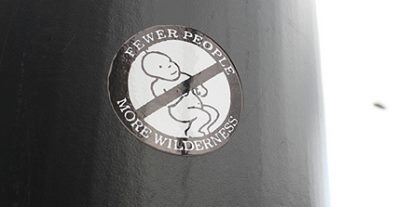
While it might be hard to swallow that humans will eventually do the right thing, it would be hasty to underestimate the self-healing powers of our planet herself. All we’d need to do is quit adding to the problem by bringing more humans mouths into the fray and change our hedonistic, carnivistic ways. Otherwise, the Earth will inevitably rear up and scream, “Enough!” Life on Earth has survived more adversity than we can dish out. The question is, do humans want to still be a part of the living planet once the Earth is through with her healing?

264431_455824994498980_1177070538_n

Forget the Calendar

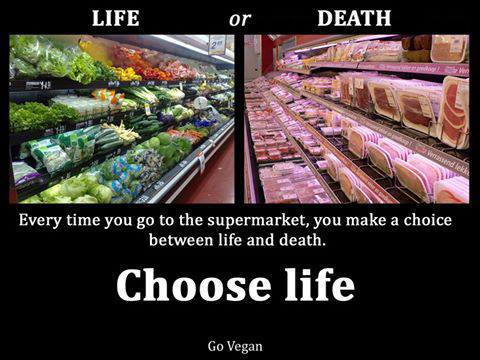
According to the calendar, today’s my 52nd birthday. It’s hard to believe; I don’t feel any older than I was on the day I stopped eating meat and dairy 15 years ago. Though my choice to go vegan was for the sake of the animals—whose misery and death I was no longer willing to be a part of—the karmic reward (so to speak) has been the arrest of some of the detrimental conditions common among people in my alleged age group and a slowing down of the aging process all living things are subject to.

Unlike vegetables, fruits, nuts, grains and legumes, which can be kept as fresh as the day they were picked, meat begins to decompose the minute an animal is killed and their blood stops flowing. Any hunter or backyard butcher knows it’s a race against time to preserve dead meat before it spoils or is taken over by parasites (the microscopic kind as opposed to the human ones).Meanwhile, if not performed with great care, the morbid act of “gutting” an animal can spread E. coli and other intestinal nasties onto the “food.”

No matter how freshly killed the host animal was, their flesh is a product of death. It stands to reason that eating dead flesh cells, which contain no fiber and literally rot in the colon, will adversely affect whosoever consumes them. That’s why most herbivores live twice as long as the carnivorous species. And it’s why people who eschew meat and dairy* can potentially prolong their lives and find themselves feeling much more youthful and vital than most of their meat and dairy-eating counterparts.

*(For its part, dairy is rife with mucus forming pus—creating a favorable environment for respiratory contagions—as well as animal fat and acidic animal protein that leaches calcium from adult bones, while eggs are notoriously high in cholesterol.)

There’s a lot of truth in the saying, “You’re as young as you feel.” Forget the calendar, I don’t feel any older than 37. I can walk just as far, ski just as hard and chop as much wood as I did back then. I have just as much strength and stamina and am every bit as active in all ways—perhaps even more so, since I’ve had a decade and a half to recover from the ill effects of eating animal products.

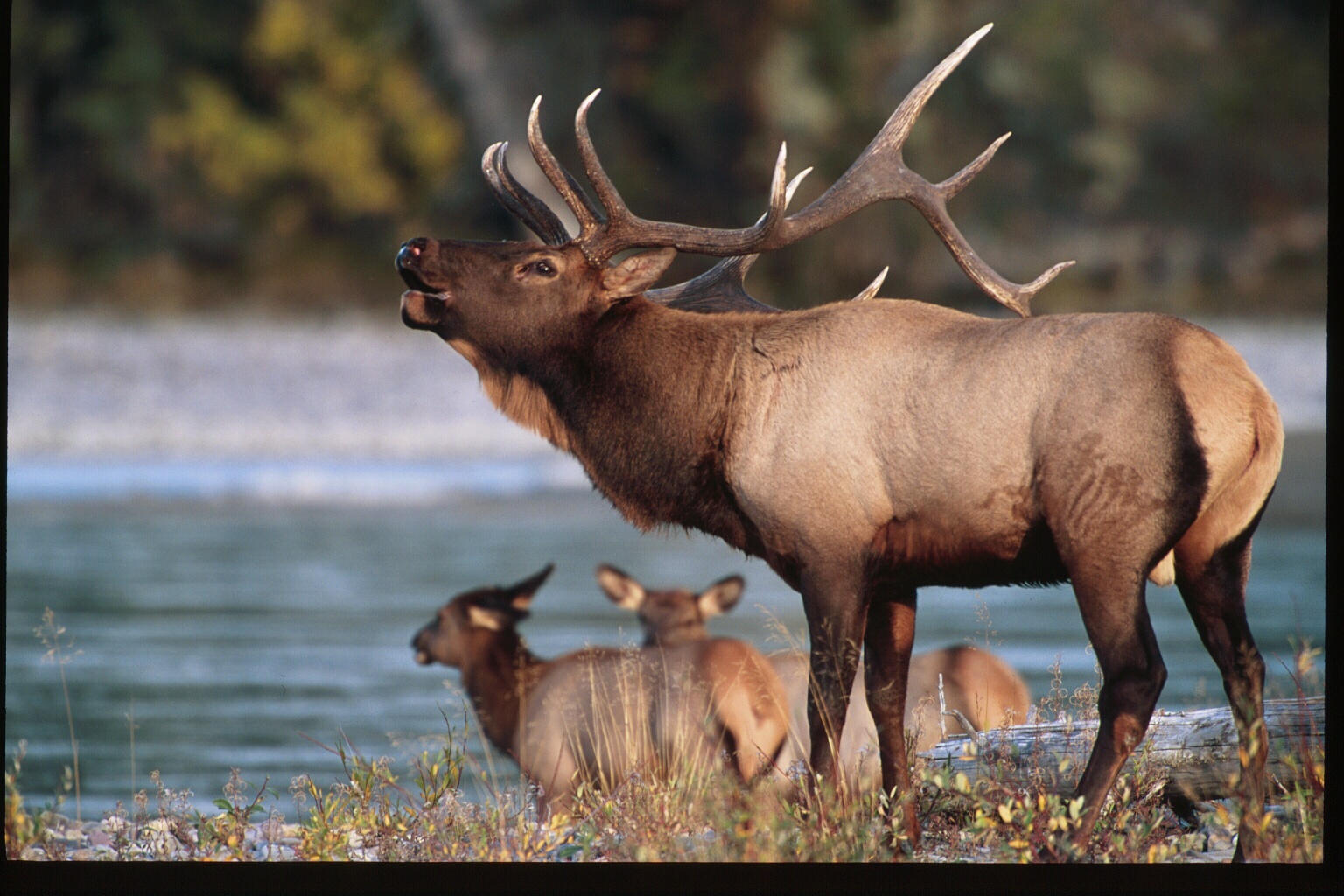
Text and Wildlife Photography ©Jim Robertson

That Thing Called God

As I’ve stated in earlier posts, and on the “About” page, I don’t normally approve comments from hunters trying to defend their blood sport. But I do sometimes save them as fodder for future posts. This is one of those comments, from someone going by the name “Sparky,” which warranted some examination on its way to the round file:

“Fine I’m a Psychopath. I enjoy feeding my family wild game meat instead of highly processed burger king. It’s healthier, period. Also animals ARE things. God created them for us to EAT!”

Okay, first of all, this may be one of those rare cases where the hunter in question is not actually a psychopath, simply because he says he is. A true psychopath would not have the insight to see it, nor the honesty to admit it.

On the subject of healthier eating, no one here is promoting or defending Burger King; but the fact is, a “processed” patty is probably not much worse for you than freshly killed venison—they’re both red meat, riddled with cholesterol. At least the hamburger might have a few vegetables and grains to provide some fiber to move things through that would otherwise sit in the colon and rot. Meat contains 0% fiber. And really, where did Sparky get the idea that there are only two food choices in the world: wild game or Burger King? Millions of good people are living proof that you can get by quite comfortably (and much more healthfully) on a completely plant-based diet.

Now, on to the last point sparky raised, “Also animals ARE things. God created them for us to EAT!”…instinct and better judgment would have me avoid any argument involving religion, but this is too outrageous to ignore. If all of the animals are merely “things” created by a god for people to stuff their faces with, then everything that was ever written by the world’s top scientists is wrong. Forget evolutionary biology, geology or physical anthropology: all we need to know was spelled out over 2,000 years ago on papyrus by people who knew nothing of science and had an agenda to champion the sandal-clad 2-leggers they deemed God’s favorite species—superior to all other animals in mind, body and spirit. Heck, to hear some folks’ interpretation, we humans are practically gods ourselves. But where does that leave all the other precious and amazing life forms who evolved along with us? According to the prevailing religion, they’re just “things” whose only purpose is to provide (colon-clogging) meat for the palette of the once-plant-eating-now-carnivorous-primates-gone-berserk.

Perhaps some hunters weren’t born psychopaths; for some, grandiosity, a lack of empathy and the objectification of our fellow beings are traits acquired by attending one too many sermons preaching that humans are the only ones that matter. It’s a pretty convenient mindset for those lucky enough to be born human, but I’m afraid it mirrors the kind of biblical misinterpretations that have been used to elevate one group of people and subjugate another. There is no chosen species any more than there is a master race. I don’t know what sort of thing God is supposed to be, but I can’t cotton to any being, supreme or otherwise, who plays favorites and gives special treatment to one creature while forsaking all others.

Text and Wildlife Photography ©Jim Robertson, 2012. All Rights Reserved