Mendocino County supervisors back hunting with hounds

http://www.pressdemocrat.com/article/20140311/articles/140319928

By GLENDA ANDERSON

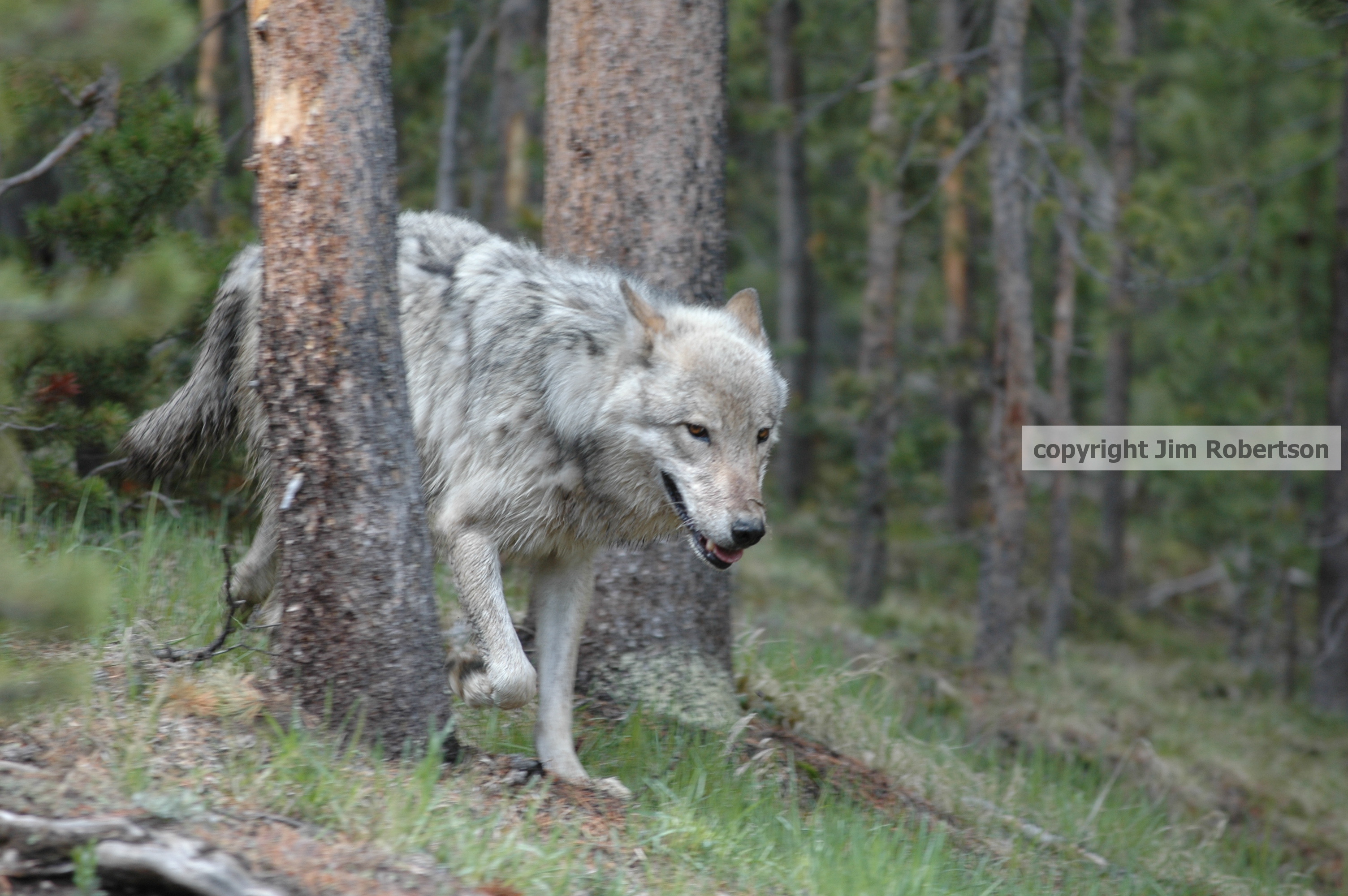
Photo Copyright Jim Robertson

Photo Copyright Jim Robertson

THE PRESS DEMOCRAT

March 11, 2014

Mendocino County supervisors on Tuesday unanimously voted to support a bill that would overturn a year-old state ban on hunting bears and bobcats with hounds.

Assembly Bill 2205 would allow individual counties to decide whether to ban the use of hunting dogs to chase down and kill those animals.

“I think you guys should have the authority,” not somebody from Los Angeles or San Francisco, said Daniel Davis, a local member of California Houndsmen for Conservation, the bill’s sponsor.

The bill was introduced late last month by Assemblyman Tim Donnelly, a Republican candidate for governor and gun-rights advocate. Supervisor John Pinches asked that a letter of support for the bill be placed on the board’s agenda.

“This is an issue where we can basically take control,” he said Tuesday.

California’s ban on hounds for sports hunting has been in effect since January 2013. It continues to allow the use of hounds to hunt errant bears that cause property damage.

The ban was sponsored by the Humane Society of the United States.

No one at Tuesday’s meeting spoke in opposition to the newly proposed bill but national Humane Society officials said they are dismayed by the attempt to revive hound hunts. They called it “unsporting, cruel and unnecessary.”

Four Mendocino County residents, including Davis, his mother and father, and Steve Johnson spoke in favor of overturning the ban.

Johnson, a winemaker, said he moved to a rural area because “I want to have my dogs, I want to hunt bears,” he said. “It’s what I like to do.”

“Me and my dad, this is our passion,” Davis said.

Supervisor Carre Brown said allowing houndsmen to hunt bears reduces the number of bears that get into trouble and must be killed by federal trappers.

“Management of marauding wildlife I think is very important,” she said.

Pinches said hound hunting also draws tourism dollars.

“You’ve got to give people things to do,” he said.

The other three supervisors did not comment.

You can reach Staff Writer Glenda Anderson at 462-6473 or glenda.anderson@pressdemocrat.com

“Kill ‘Em All Boys” Ringleader Gets 13 Months in Prison for Poaching and Animal Cruelty

Prosecutors obviously saw the potential for this hunter/poacher’s behavior to lead to cruelty against humans–Washington state officials also suspended his nursing license.

http://www.komonews.com/outdoors/news/30924359.html

Poaching group leader gets 13 months in prison

Mick Gordon poses with slain cougar

By Dan Tilkin and KATU Web Staff

Oct 13, 2008   Story Updated: Oct 30, 2013

CATHLAMET, Wash. – The man considered the ringleader of a group of poachers who called themselves the “Kill ‘Em All Boys” was sentenced to a year and a month in prison Monday for illegally killing wildlife.

Mick Gordon, pictured below, pleaded guilty to charges of first-degree animal cruelty, hunting black bear, cougar, bobcat and lynx with dogs, second-degree criminal trespass and third-degree malicious mischief.

Washington Fish and Wildlife officers said the group used a device they called “the permission slip,” which is a metal bar used to break locks blocking access to prime poaching territory on timber company lands. They even had a videotape made of the bar in use because they wanted to sell the contraption on eBay.

Undercover officers infiltrated the group as part of the investigation. Later wildlife officers seized trophy heads and guns from Gordon’s garage.

Gordon, a registered nurse, was also accused of torturing one of his hunting dogs with a shock collar as well as not giving it care for porcupine wounds; the dog eventually died.

Prosecutors on Monday asked for an exceptionally long sentence, saying Gordon had “run amok.”

“I’m deeply sorry for what I’ve done,” Gordon told the judge. “It’ll never happen again”

Judge Michael J. Sullivan called Gordon an aberration.

“When I look at you and what you’ve done here, which seems to be a highly organized crime spree, I just don’t know how to put those two together,” the judge said.

The sentence was much stiffer than normal. In other recent animal cruelty cases, defendants received sentences of about 3.2 months on average.

Washington state officials have also suspended Gordon’s nursing license.

According to state health department documents, Gordon told an undercover officer he put a shock collar on a child’s neck, turned it to its highest setting and shocked the child. He also told the officer he despised his bed-ridden, elderly patients.

WA State granting cougar hunts using hounds

http://www.komonews.com/news/local/State-granting-cougar-hunts-using-hounds-246699781.html

TWISP, Wash. (AP) – The state Department of Fish and Wildlife has issued five special permits in the Methow Valley allowing hunters to use dogs to track and kill cougars in response to numerous problems this winter.

The Wenatchee World reports the permits are a result of numerous sightings and incidents in which cougars have killed livestock and pets in the Twisp and Winthrop areas.

Wildlife officer Cal Treser says the permits are called public safety cougar removal permits, and they’re issued when areas experience numerous complaints. Hunters with hounds are drawn by permits and allowed to hunt in specific areas.

So far this winter, a dog was seriously injured and two goats and a sheep have been killed by cougars.

In 1996, Washington voters banned cougar hunting with the help of hound dogs, but since then lawmakers have gradually and increasingly made exemptions.

snrsslion

End all use of dogs on wildlife.

Petition to The Wisconsin legislature and Natural Resources Board of Wisconsin: End all use of dogs on wildlife.

https://secure.avaaz.org/en/petition/The_Wisconsin_legislature_and_Natural_Resources_Board_of_Wisconsin_End_all_use_of_dogs_on_wildlife/?fbdm

Posted February 13, 2014

Why this is important

Wisconsin coyotes, wolves, bears, bobcats, raccoons, foxes and all wildlife are being run by packs of dogs and mobs of armed men for killing recreation year-round. Since coyotes can be killed without reporting, any time day or night, statewide, year-round, all wildlife is on the move, terrorized and killed randomly. Dogs used as weapons is cruel to the dogs, wildlife, and to children taught this is fun. Please help us get dogs out of hunting. They are set against trapped animals who cannot defend themselves. No one can defend themselves against armed men and dogs and traps in combination.

Sign the petition here:
https://secure.avaaz.org/en/petition/The_Wisconsin_legislature_and_Natural_Resources_Board_of_Wisconsin_End_all_use_of_dogs_on_wildlife/?fbdm

photo Jim Robertson

photo Jim Robertson

Action Alert: Washington Cougar Hound Hunting Legislation

From the Mountain Lion Foundation: http://www.mountainlion.org/actionalerts/012814WAsb6287/012814WAsb6287.asp?utm_source=Cougar+Clippings+2%2F05%2F2014&utm_campaign=Clippings+02%2F05%2F2014&utm_medium=email


Washington state Senators Brian Dansel and Don Benton have authored a bill to force the Washington Department of Fish and Wildlife (WDFW) to allow trophy hunters to use hounds to kill cougars for fun.  Please help us stop this cruel and unnecessary bill!

February 4, 2014: SB 6287 Passes Resources Committee

This afternoon the Senate Natural Resources & Parks Committee passed the bill onward, despite demonstrated opposition at last week’s hearing.  The bill is moving toward the Senate floor where it will be voted upon sometime in the next two weeks (February 18th is the last day).

We are extremely short on time! Please contact your Senator NOW and urge him or her to vote against this terrible bill!  For tips on what to say, please scroll down below the video and see the bullet points.

January 20, 2014: Senate Bill 6287 Introduced

Washington state Senators Brian Dansel and Don Benton have coauthored a bill as part of the latest attempt to force the Washington Department of Fish and Wildlife (WDFW) to allow trophy hunters to use hounds to kill cougars for fun.  The bill states special “dangerous wildlife task teams must be developed in each county […] and a kill season with the aid of dogs must be established,” ultimately claiming they will hunt lions to protect the public and increase research on the species.  WDFW and the findings of numerous research projects have shown these hunting programs don’t work, and they can actually increase cougar-human conflicts.

Photo of lion in tree with snow covered pines in background.

The program is merely a feel-good title for a group of hunters who will use a pack of hounds to track and chase a cougar until it climbs a tree out of exhaustion, and then shoot the cat at close range off a tree branch.

Moreover, WDFW already has the authority to initiate special public safety hunts with the use of hounds, if needed (WAC 232-12-243).  But the agency has found instead, by utilizing the latest peer-reviewed science into management decisions, “Cougar conflicts have declined substantially in recent years as the Department continues to emphasize cougar awareness coupled with our agency kill authority of problem cougars at the time of an incident.”

Teaching the public about coexistence and only killing the individual cats causing problems has proven to be a more successful policy.

Allowing groups of hound hunters to kill random cougars in rural areas has not yielded any positive results.

Washington sport hunters (without dogs) currently shoot more than 100 lions each year, and WDFW has found this mortality level may already be too high.  The cougar population is declining and the excessive killing of adult lions has caused an age shift to younger cats which are more likely to come into conflict with people, pets, and livestock.

The agency has been using published research from Washington State University to revise and lower the state’s annual sport hunting quotas so that the cougar population may grow and mature.  The last thing we need is a new program to track and kill more cougars, especially cats that have never come into conflict with people.

Senate Bill 6287 is a redundant authorization of public safety hound hunts — WDFW already has this tool at its discretion anytime they determine it appropriate and necessary to use hounds to help kill cougars.

Senate Bill 6287 would also force WDFW to implement a wildlife killing program they know is unsuccessful and potentially dangerous.  The legislation is not backed by the Department, scientific research, or the majority of citizens in Washington.

In short: this is a BAD BILL.

Write a Letter to Your Legislators

If you live in Washington state you can help by writing a short letter to your legislative representatives telling them why you oppose Senate Bill 6287.  These letters will be used to demonstrate opposition to the bill and encourage the legislature to kill it.

A few minutes of your time could make a big difference and help Washington’s cougars.

If you live in Washington, please contact your legislators and urge them to oppose SB 6287.

Click here to look up your legislators’ contact information

Please also send MLF a copy of your letter and cc emails to info@mountainlion.org.  Thank you!

In your letter or telephone call, please point out:

  • Senate Bill 6287 is a redundant authorization of public safety hound hunts — WDFW already has this tool at its discretion anytime they determine it appropriate and necessary to use hounds to help kill cougars.
  • Senate Bill 6287 would also force the Department of Fish and Wildlife to implement a wildlife killing program they know is unsuccessful and potentially dangerous.  The legislation is not backed by the Department, scientific research, or the majority of citizens in Washington.
  • Washington residents have repeatedly shown we do not support the use of hounds to track, tree, and kill wildlife for fun.  It’s a cruel and outdated unsportsmanlike hobby that needs to remain illegal.
  • This bill would allow hound hunters to kill cougars that have posed no threat to people, which may actually increase the percentage of problem cougars in our state.

CThumbnail of Comment Form. Click here to open.

Personalized, hard-copy letters (snail mail) have a larger impact than emails or opinions submitted through online comment forms.

But every effort helps.

So if you only have a few minutes to help, please use this form to submit your thoughts on SB 6287:

Washington Legislature – SB 6287 Comment Form

Thank you so very much for taking the time to help protect Washington’s cougars!

Spain animal rights groups call for ban on hunting with dogs

2010-06-22-coyotes

http://www.globalpost.com/dispatch/news/afp/140116/spain-animal-rights-groups-call-ban-hunting-dogs

Animal rights groups on Thursday urged Spain to ban the use of dogs in hunting, which they said leads to the abandonment of roughly 50,000 greyhounds each year when they become too slow to hunt with.

Greyhounds, known as “galgos”, are used in Spain for hunting, but when the end of the November-February hunting season comes around their owners often decide they have no further need for them.

Campaigners say many are just abandoned and often starve to death or die in car accidents.

In some cases hunters dispose of their greyhounds by hanging them from trees or throwing them down wells, or they torture poorly performing dogs by breaking their legs or burning them.

“For them they are not pets, they are tools just like a wrench is to a plumber, they have no affection for the greyhounds,” Beatriz Marlasca, the president of BaasGalgo, an association dedicated to the rescue of abandoned greyhounds, told a news conference.

“We either stop this from above or else it will never end. We must eliminate the root of the problem starting by banning hunting with dogs,” she added at the news conference attended by three other animal rights groups.

Marlasca’s group alone finds homes for around 200 abandoned greyhounds a year in Spain, Belgium and the Netherlands.

“A ban on hunting with dogs, as already exists in other European nations, would be a measure that would avoid much suffering to all these animals,” said Silvia Barquero, the vice president of Pacma, a small animal rights party.

Over 250 Wolves Killed in Wisconsin as Season Ends

http://news.wpr.org/post/dnr-has-ended-wolf-hunting-season

DNR Has Ended Wolf Hunting Seasoncopyrighted wolf in water

The state has very nearly reached it’s wolf hunt quota of 251, which has prompted the DNR to end the season.

A flood of wolves killed by hunters prompted the Department of Natural Resources to close the state’s wolf hunting season at 5 p.m. on Monday.

Hunters stepped up their shooting of wolves in northwest Wisconsin over the weekend, and the state is now very close to its harvest quota of 251 wolves. Hunters using dogs are responsible for almost all the weekend kills, and the state says the number of wolf deaths where dogs did the chasing is about 30.

Tom Hauge of the DNR says dog use over the last three weeks apparently went pretty well. “[It] seems to have been performing within normal side bars as far as we know,” says Hauge. “If there are problems out there, they may not surface right away.”

Hauge rejects the rumor that the state rapidly shut down the hunt because it’s embarrassed by hunters posting more wolf kill pictures on social media. Some photos have hunters their arms around the wolves, holding the dead and bloodied with animals up for the camera.

Rachel Tilseth of the animal education group Wolves of Douglas County Wisconsin says it’s vital that independent experts can now verify that dogs didn’t illegally fight with wolves.

“I’d like to have those wolves examined by an independent veterinarian,” says Tilseth. “This is a very controversial subject – this wolf-hounding – and I believe we need to see all the evidence.”

Tilseth says she’ll continue to try to get dogs banned from future Wisconsin wolf hunts. Republican lawmakers have refused to allow a hearing on a recently introduced bill ordering such a ban.

Wisconsin is Too Open to Hunting With Dogs

[First, I have a couple of pet peeves to air: 1) I’m getting real tired of all the articles these days that start out as a question when the author and readers clearly know the answer. Like this one: “Is the state too open to hunting with dogs?” This isn’t a question, it’s a statement! Why not just come right out and say, “The State is Too Open to Hunting With Dogs.” We all know it is, so I took the liberty in change the title to reflect the answer.

2) Another thing that gets extremely old are articles that start out something like, So and So, an expert on animal behavior, is not against hunting and even raises lamb for food…” as though So and So’s concessions to cruelty make them more credible. Okay, that’s all I have to say; enjoy the article.]

Bill Lueders: Is state too open to hunting with dogs? copyrighted Hayden wolf in lodgepoles
October 18, 2013 12:30 am  •  By Bill Lueders

Patricia McConnell, an expert on animal behavior, is not against hunting and even raises lamb for food. But the University of Wisconsin-Madison zoologist and author is appalled by what she regards as blatant cruelty to animals sanctioned and abetted by the state.

“I’m sure most people don’t know this goes on in Wisconsin,” McConnell says. “I think most people would be horrified.”

McConnell is referring to the use of dogs to hunt other animals, like bear, with often deadly consequences. Joe Bodewes, a Minocqua-based veterinarian, described the damage to dogs by bear in a recent letter to the Wisconsin State Journal.

“Broken and crushed legs, sliced-open abdomens and punctured lungs,” he wrote. “Dogs lying mangled and dying on the surgery table — all in the pursuit of sport.”

Bodewes, in an interview, says his small clinic treats about a dozen dogs a year mauled by bears while hunting. Usually two to four die. Recent cases include a dog whose jaw “was snapped off below the eyes” and one whose back muscles were “ripped loose from its spine.” Both survived.

Now Wisconsin is about to become the only state to let dogs be used in wolf hunts. A judge’s injunction blocking the use of dogs in last year’s inaugural hunt has been lifted; the case is now before a state appeals court. This year’s hunt, with a kill goal of 275 wolves, began Tuesday. Dogs can be used beginning Dec. 2.

McConnell and others warn of inevitable violent clashes. And with good reason.

According to the state Department of Natural Resources, wolves have killed 23 hounds so far this year, tying a 2006 record. All were being used to hunt or pursue bear, says DNR wildlife damage specialist Brad Koele.

Their owners can receive up to $2,500 per animal from the state. Many have already applied.

“People who choose to put their dogs at extreme risk of horrific injury are compensated,” McConnell says. “Some of these dogs die painful deaths, in a blood sport that it some cases is no better than organized dog fights.”

A recent study found that Wisconsin has a higher dog casualty rate than Michigan, which also allows their use in bear hunts. The lead author, a Michigan Tech wildlife ecologist, speculated that Wisconsin’s compensation program creates “an incentive for abuse” — that is, hunters who deliberately put their dogs at great risk.

Since 1985, a DNR tally shows, the state has spent $441,651 to reimburse hunters for hounds killed by wolves, usually while hunting or pursuing bear. Until last year these payments, and more than

$1 million paid for wolf depredations of other animals, came in part from the state’s Endangered Resources Fund.

Now these payments come from application and license fees paid by prospective wolf hunters. Last year, Koele confirms, none of these fees went for wolf population monitoring or hunt management costs.

McConnell and Bodewes trace the state’s policies back to small but politically powerful advocacy groups. These prominently include the Wisconsin Bear Hunters Association, the state chapter of Safari Club International and United Sportsmen of Wisconsin.

These three groups collectively spent nearly $400,000 since 2004 lobbying state officials, including their support for the wolf hunt law. Group officials did not respond to interview requests.

Former Republican state Rep. Scott Suder, the wolf hunt bill’s lead Assembly sponsor, helped United Sportsmen snare a $500,000 state grant, which Gov. Scott Walker yanked after concerns were raised about the group’s fitness and honesty. Suder ending up leaving a lucrative state appointment to become a lobbyist.

The owners of dogs killed by wolves while hunting wolves are not eligible for compensation. While McConnell is glad state funds won’t go to this purpose, she notes that hunters have “no motivation to report” dogs killed or injured.

A DNR official says the agency may try to gather information about dog casualties in its post-hunting-season questionnaire.

Bill Lueders is the Money and Politics Project director at the Wisconsin Center for Investigative Journalism.

Wisconsin on record pace for number of bear-hunting dogs killed this year

There’s a-near crisis situation going on in the cheese and crackers state, Wisconsin. It seems their hound hunters are losing dogs to wolves. Too bad for the dogs, but then again the only time they’re allowed out of their pen is to chase down and tree black bears so their “masters” can stumble up and shoot the terrified ursine.

Apparently the taxpayers are expected to foot the bill if a one of the hound hunters’ frantic dogs has a lethal run-in with a wolf. As the article below informs us, the Wisconsin Department of Natural “Resources” has a compensation program wherein hounders are paid $250.000 for their losses, if they choose to take up the barbaric sport. Of course, “it is possible, however, that because of the potential for compensation a hunter might be more likely to

photo Jim Robertson

photo Jim Robertson

put a dog at risk.”

According to Wisconsin newspapers:

This has been a deadly year for bear-hunting hounds.

According to the Wisconsin Department of Natural Resources’
<http://dnr.wi.gov/topic/wildlifehabitat/wolf/dogdeps.html#table&gt; dog
depredation report, 23 hounds have been killed by wolves while being used to
hunt bears or being trained to hunt bears since June 3, tying the record 23
killed in 2006, according to Brad Koele, DNR wildlife damage specialist.
Three pet dogs have also been killed.

Only six dogs were killed last year, but Koele says that was an aberration –
at least 20 were killed in each of the four years before that. Black bear
hunters in Wisconsin can use dogs until Oct. 1 and can hunt without dogs
until Oct. 8.

“It’s not that this year is abnormally high, it’s that last year was
abnormally low,” says Koele. “I don’t have an answer for why.”

The owners of the dogs can claim up to $2,500 from the state, though Koele
says not all of them receive or ask for the full amount.

“Not all claims are maximum payments,” he says.

Livestock, hunting dogs and pets are all eligible for compensation.

The death toll could be higher. Last year Republicans passed a bill
establishing a wolf hunt in the state, but a provision in the bill allowing
hunters to use dogs is tied up in court. However, dogs used to hunt wolves
would not be eligible for compensation.

According to a <http://www.ncbi.nlm.nih.gov/pubmed/23613910&gt; study earlier
this year from Michigan Tech, Wisconsin DNR data show that payouts for wolf
attacks on hounds “costs the state more than it has spent for wolf attacks
on any other category of domesticated animal, including calves, missing
calves or cattle.”

(Here’s a
<http://dnr.wi.gov/topic/wildlifehabitat/wolf/documents/wolfdamagepayments.p df> table showing the compensation paid out in Wisconsin since 1985, when
the program started.)

The Michigan Tech study found that the rate of wolf attacks on bear-hunting
hounds in Wisconsin is two to seven times higher than in Michigan.

Researchers at the college, who teamed up with Michigan DNR researchers for
the study, have a couple of ideas as to why.
<http://www.mtu.edu/news/stories/2013/april/story88261.html&gt; This bulletin
from Michigan Tech says the research team found that bear baiting season
starts earlier in Wisconsin and lasts longer.

“The longer you bait, the more opportunity you provide for wolves to
discover and potentially defend bear-bait sites,” said Joseph Bump, a
Michigan Tech wildlife ecologist, in the bulletin. “Most hunters release
their dogs at bait sites, and the longer the bait has been around, the more
likely hunting dogs are to encounter territorial wolves who have found and
are possibly defending the bait. So it appears that baiting is an important
factor.”

There’s another factor: Michigan doesn’t pay dog owners for their dead dogs.

“Compensation can have multiple effects,” Bump says. “It is a reporting
incentive, but it also creates an incentive for abuse. The net effect of
compensation is far from clear, and it is an important factor to study
further.”

Koele says providing an incentive for reporting attacks is important for
tracking efforts by the state. Wisconsin contracts with USDA Wildlife
Services to do a site investigation to verify that the depredation was
caused by wolves, he says.

“We don’t just pay based on what a hunter tells us,” he says. “There’s
actually an investigation to make sure we’re justly paying them.”

He says it is possible, however, that because of the potential for
compensation a hunter might be more likely to put a dog at risk.

“There could be that abuse occurring out there,” he says. “We really
wouldn’t know.”

Start of hunting season reignites animal abuse concerns

[Hunters guilty of animal abuse? Imagine that.]

Start of hunting season reignites animal abuse concerns

by Carrie-Marie Bratley, in General News ·        12-09-2013 10:18:00        · 0 Comments

With the start of September comes the start of hunting season, an anticipated moment for hunters across Portugal. But with it come fresh concerns for the dogs used in the activity, particularly after the discovery of a ‘hunting kennel’ in Rogil, Aljezur (Algarve) in May this year, where more than 30 dogs were being kept in shocking conditions.

Start of hunting season reignites animal abuse concerns

Emaciated, wounded, and terrified; one by one six dogs were collected from the Rogil kennel by animal rescue association SOS Algarve Animals after weeks of pleading. The owner finally relented, but gave up just half a dozen of his thirty-something dogs. The dogs’ pathetic states were witnessed by The Portugal News as they were loaded into volunteers’ vehicles; their discovery opening a can of worms for local, regional and national authorities. Fortunately for the rescued animals they went on to make full recoveries at SOS’s farm in Almancil and have since been re-homed abroad. But, according to animal welfare associations, the case is far from being a one-off in Portugal and calls for tighter control over hunting kennels in Portugal are growing. According to the European Society for Dog and Animal Welfare (ESDAW), “In Portugal, Spain, France and many other southern countries, dogs are used specifically as a hunting tool. In many of these countries, it is a cruel and deep-rooted tradition that the dogs are believed to hunt better if they are kept starved or even emaciated.” Portugal’s Party for Animals and Nature also believes that the situation in Rogil is “paradigmatic” of what happens in the north and south of this country, and says it is “urgent” that Portugal creates a legal status for its animals so punishment for neglectful owners is on a par with the rest of Europe. National animal rights association Animal has launched a petition ‘For a New Animal Protection Law in Portugal’, which at the time of going to press has amassed close to 72,000 signatures. Yet despite the furore surrounding the Rogil case, so far no action has been taken against the kennel’s proprietor. The kennel in question was first visited by SEPNA nature and environment protection officers, which are part of the GNR police force, on 9 December 2012 after they were contacted by worried locals. At the time the officers counted 31 dogs and listed 29 offences committed: 28 for lack of proper licensing and one for keeping too many dogs in a rustic building. The kennel did have a valid licence issued by the ICNF Nature Conservation Institute for keeping up to 25 hunting dogs for the 2012/2013 season. A letter from SEPNA’s head offices states that at the time of the visit in December no injuries requiring medical assistance were seen on the dogs. But a few months later, in May, The Portugal News received photographic evidence clearly showing otherwise. In one horrific photo a dog has a massive open wound towards the end of its leg with a broken bone visibly jutting out. Other photos show evidently undernourished dogs chained up in pens with floors covered inches-deep in faeces, many dotted with sores and wounds. Authorities eventually returned to the kennel on 23 May this year, but on arrival all but three of the dogs had disappeared. Confronted by SEPNA, the owner claimed he had given his animals to acquaintances and friends. He told the authorities that twelve dogs had been sent to Spain, from where they had originally been purchased; ten had been given to a kennel in northern Portugal, which he refused to identify, and two were given to local friends, who he also refused to identify. He further said he would be taking the three remaining dogs – which a local municipal vet who was accompanying the authorities deemed to be in good health – to a nearby relative’s house. A petition launched by SOS to bring the owner of the Rogil kennel to justice has so far gathered 1,212 signatures, though any action against him has yet to be taken. “I think it is appalling and clearly evident that [he] is allowed to have however many dogs he wants and to treat them however he wants”, said SOS founder Laura McGeoch. Speaking to The Portugal News this week a GNR spokesperson insisted an investigation to verify the location of the missing Rogil dogs is still ongoing. “We are on a good path in terms of material to confirm their whereabouts”, the spokesperson said, adding “all efforts are being made” to locate them. The GNR source further revealed that since the Rogil kennel was brought to their attention the Algarve regional SEPNA is paying closer attention to such set-ups. He elaborated: “The Algarve isn’t really a place where there are many registered kennels; they tend to be found more in the Alentejo. But we are taking great care in inspecting this matter and not just because of the incident in Rogil.”