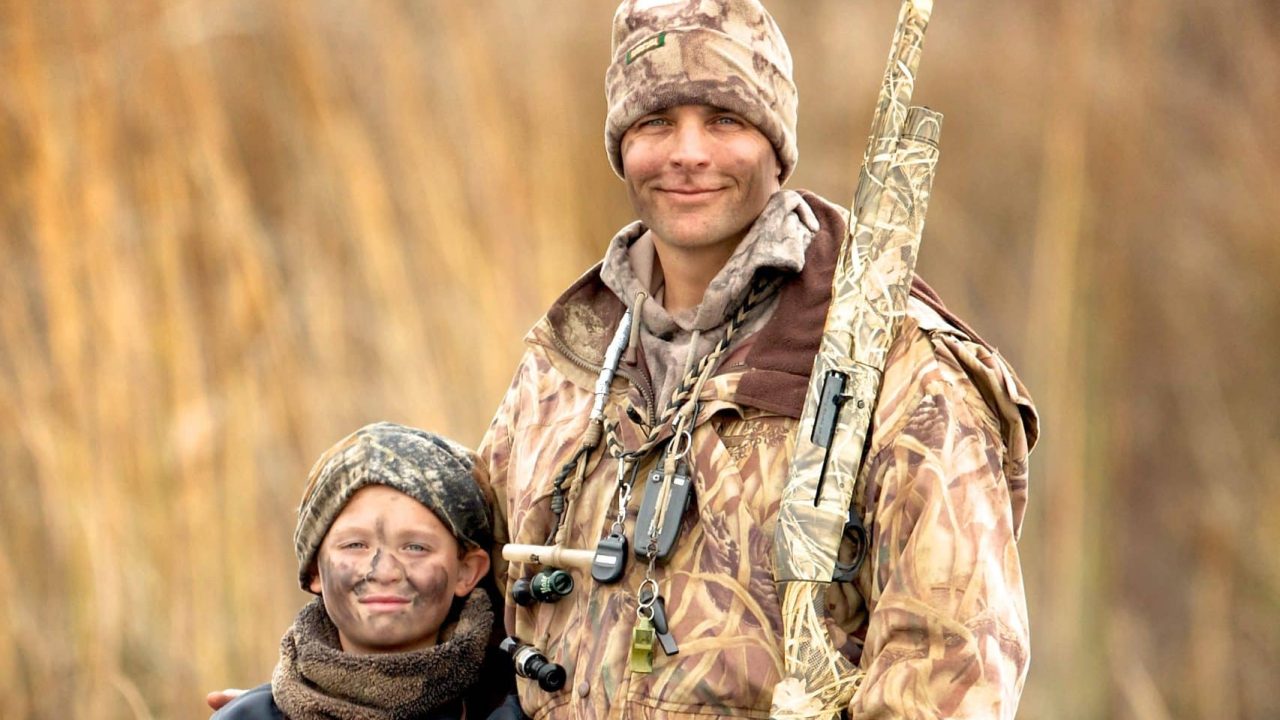
Push made for harsher penalties for killing hunting dogs in SC

Default Mono Sans Mono Serif Sans Serif Comic Fancy Small CapsDefault X-Small Small Medium Large X-Large XX-LargeDefault Outline Dark Outline Light Outline Dark Bold Outline Light Bold Shadow Dark Shadow Light Shadow Dark Bold Shadow Light BoldDefault Black Silver Gray White Maroon Red Purple Fuchsia Green Lime Olive Yellow Navy Blue Teal Aqua OrangeDefault 100% 75% 50% 25% 0%Default Black Silver Gray White Maroon Red Purple Fuchsia Green Lime Olive Yellow Navy Blue Teal Aqua OrangeDefault 100% 75% 50% 25% 0%After a Berkeley Co. man’s hunting dog was shot this month, he wants the public to be aware of what protections these animals face in South Carolina.

By Anna Harris

Published: Oct. 28, 2024 at 2:15 PM PDT|Updated: 16 hours ago

BERKELEY COUNTY, S.C. (WCSC) – After a Berkeley Co. man’s hunting dog was shot this month, he wants the public to be aware of what protections — or lack thereof — these animals face in South Carolina.

Hunter KJ Rhode says he was out hunting with his dogs Wednesday within the Francis Marion National Forest when his dog Highball chased a buck and crossed onto private property. He says that’s when Michael Trent Williams shot him.

Williams has been charged with one count of shooting and killing a hunting dog and two counts of removing dog collars, according to the South Carolina Department of Natural Resources. He has since been released from jail on bond.

Michael Trent Williams is charged with one count of shooting and killing a hunting dog and two...
Michael Trent Williams is charged with one count of shooting and killing a hunting dog and two counts of removing dog collars, the South Carolina Department of Natural Resources said.(Hill-Finklea Detention Center)

“If he would’ve let my dog go 50 more yards, I would’ve had my hands on him,” Rhode said.

But Rhode isn’t the only person affected. SCDNR says they’ve handed out 48 charges under the statute for dog hunting since Sept. 1, 2023. Four of them were for specifically killing or harming a hunting dog.

READ MORE: Dog owner seeks action for hunting dog laws in SC

A person who does this could face up to a $500 fine or up to 30 days in jail. However, attorney Stephan Futeral says there’s a minimum.

“It’s possible to get charged with it and suffer no penalty,” Futeral said.

He says the results are discretionary.

“You take the same case and put it in front of a different magistrate, well, you may get a completely different outcome,” Futeral said.

For example, Rhode says his friend lost his dog in an extremely similar incident in Sumter County last year. He says the person convicted was only fined $125.

“I feel like it should be the same for any dog, you know?” Rhode said. “No matter if it’s a house dog, a hunting dog, any of it I feel like should be straight up, across the board.”

Futeral says the only way to avoid this from being subjective is for South Carolina to sign a stricter law to make the harsh results mandatory.

“For magistrates to take sort of a hard stance, if you will, and be a little more uniform in their decision-making,” Futeral said.

Rhode says he just wants justice for Highball.

Williams’ court date is set for Dec. 2. For the charges for removing the electronic dog collars, he could also face up to a $500 fine or 10 days in jail for a first offense or up to a $1,000 fine or 30 days in jail for a second.

“They are not just hunting dogs,” Rhode said. “I mean, we care for these dogs every day.”

SCDNR says if anyone suspects hunting laws are being violated to contact them through their 24/7 Operation Game Thief Hotline at 1-800-922-5431 or submit an anonymous tip by texting 847411. Use the keyword SCDNR along with the tip information.

[Keep those barf bags handy]

How science-based hunting is protecting Utah wildlife

By Emily LeFevre

October 24, 2024

2021-03-24-buck-deer.jpeg
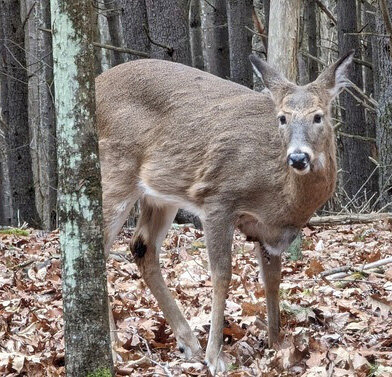
A Utah buck deer in the wild. The Utah Division of Wildlife Resources uses GPS tracking to monitor deer populations throughout the year. (Utah Division of Wildlife Resources)

As deer hunting season draws to a close, the Utah Division of Wildlife Services is optimistic about the future of hunting — and its impact on Utah’s environment.

Since 2019, Utah’s struggling deer populations prompted state limitations on the number of issued hunting permits. This year, however, the state released an increase in permits for the first time in six years.

“When populations decline due to factors like a severe winter or prolonged drought — we adjust permit numbers to account for those impacts,” Dax Mangus, Big Game Coordinator for the Utah Division of Wildlife, said. “When populations are growing and the number of excess males in the population increases, we will recommend increased hunting permit numbers.”

While deer populations are mostly regulated by natural predators, many of Utah’s wildlife species are dependent on hunting to keep them in check, Mangus said. Doing so provides efficient, targeted relief to overpopulated habitats and over-foraged plants.

rifle.jpeg
A Utah hunter holds a rifle. The Utah Division of Wildlife Resources has partnered with Cabela’s, Bass Pro Shops and the International Cartridge Corporation to provide hunters vouchers with lead-free bullets. (Utah Division of Wildlife Resources)

“It’s a win-win in many regards as hunters are happy to pay for the chance to pursue big game animals with family and friends to harvest organic meat, while at the same time helping keep populations at a healthy level on the landscape,” Mangus said.

When done properly, hunting is a positive practice with few environmental detriments, Mangus said. Science-based practices, such as GPS systems and data analysis, help game wardens create management and preservation plans.

The Division of Wildlife Services also educates hunters about proper treatment and disposal of animal remains to avoid perpetuating disease.

This September, the division launched the Hunters Helping Condors program to incentivize and educate hunters across the state.

“Over the years, many of these enormous rare birds have been inadvertently sickened and killed by lead poisoning. Lead poisoning is, in fact, their leading cause of death,” the program website said. 

To encourage hunters to limit lead use, the Division of Wildlife Services partnered with the International Cartridge Corporation, Bass Pro Shops and Cabela’s to extend vouchers for lead-free bullets, according to the website.

While the Division of Wildlife Services encourages positive change, it also responds to harmful practices, Mangus said. Catching and prosecuting poachers, enforcing game laws, and educating the public are all part of this effort.

Additional measures, such as excise taxes on firearms through the Pittman-Robertson Wildlife Restoration Act and hunting-based conservation fundraisers throughout the state, support wildlife research and environment preservation projects, Mangus said. Several programs are designed for individuals.

2024-10-08-elk-rut-near-panguitch-lake.jpeg
An elk bull stands near Panguitch Lake, UT. Elk and deer hunting seasons overlap in the autumn. (Utah Division of Wildlife Resources)

“Hunters pay for wildlife disease management efforts, wildlife capture and transplant projects and contribute more money directly to habitat improvement projects than other natural resource user groups,” Mangus said.

Mangus believes these projects are an effort to not only preserve the environment but the future of hunting itself.

“For many hunters, their top priority is the sustainable management of wildlife so that they can continue to enjoy it the rest of their life and pass that enjoyment along to their posterity,” Mangus said. “The recruitment and retention of younger hunters is something that hunters regularly focus on and work towards.”

Deer season closes in November and overlaps with several other hunting sessions, including elk and bobcat. Mangus — and the Division of Wildlife Services as a whole— hope hunters will be sensitive advocates to the public and participate in ongoing education efforts both within and outside of the hunting community.

“We want to pass along our wildlife heritage to future generations,” the Division of Wildlife Services website said, “and we want it to be in better shape than when it was passed to us.”

Chronic wasting disease: How will zombie-like deer impact Kentucky hunting season?

by: Allie Root

Posted: Oct 23, 2024 / 07:07 AM EDT

Updated: Oct 23, 2024 / 07:07 AM EDT

SHARE https://fox56news.com/news/kentucky/chronic-wasting-disease-how-will-zombie-like-deer-impact-hunting-season/

KENTUCKY (FOX 56) — A new case of chronic wasting disease (CWD) will likely throw a wrench in some people’s hunting plans. Signs of the disease are weight loss, brain lesions, and zombie-like behavior.

The illness is common in deer and was recently found in a dead one from a facility in Breckinridge County.

“And we’ve tried to put together the very best plan that we can to make these recommendations to mitigate the disease,” said Gabe Jenkins, deputy commissioner for the Kentucky Department of Fish and Wildlife Resources. 

Harris and Cheney stump in battleground states

volume_off

-00:00

sd

closed_captions

fullscreen

On Tuesday, the state approved a CWD surveillance zone in Breckinridge, Hardin, and Meade counties.

LATEST KENTUCKY NEWS:

While deer hunting is still allowed, hunters cannot bait deer with items such as corn, grain, or mineral blocks. Deer killed inside the zone cannot be taken outside of it.

Some meeting attendees were not happy with these restrictions, saying several local hunters have already put a lot of time and money into their hunting properties.

“A lot of hunters do not use woodsmanship anymore like they used to,” said one attendee. “They’re hunting straight over a feeder or some kind of mineral, and they’ve hung their stands there and everything. The concern now is if we stop that today, we’ve ruined them for the rest of the season.”

Kentucky Fish and Wildlife officials said an investigation is now underway that will allow them to check the deer population to determine if there are any other CWD cases, but some say banning bait won’t be effective.

“I think it’s going to potentially impact the underparticipation and harvest rates, which is going to be counterintuitive to getting more deer there to sample to see what the prevalence rate is,” said Matt Rhodes, the 3rd District Representative for the Kentucky Fish and Wildlife Commission.

Jenkins said this is necessary to limit the spread of the disease among Kentucky’s deer population.

https://285bc54a0092deb0ed20f762cfa00d03.safeframe.googlesyndication.com/safeframe/1-0-40/html/container.htmlRead more of the latest Kentucky news

“We know the disease is on the landscape and we know modes of transportation of that disease from an animal to an animal and how that looks. So, there’s a high probability it’s in the environment. It’s on there. And so, anything we can do right out of the gate to decrease the chances of infection and the spread of the disease is paramount for us.”

No CWD infections in people have ever been reported, but the CDC notes that if CWD could spread to humans, it would most likely be by eating meat from an infected animal.

Anyone with questions or concerns can attend a public meeting set for Nov. 7 at the Breckinridge County Extension Office.

Why I’m voting to end trophy hunting of big cats, to impose a new gun tax and to oppose the school choice amendment

Mountain lions, guns and schools, oh my! Proposition 127, Proposition KK and Amendment 80 are a one-two-three of Colorado’s contentious ballot issues.

Trish Zornio3:05 AM MDT on Oct 21, 2024

With election season in full swing, last week I tackled one of the biggest issues Colorado voters face: Proposition 131. The takeaway? It’s a tough call, and many readers agreed.

But 131 is hardly the only contentious or complex issue on this year’s ballot. So this week let’s turn our attention to three more big Colorado topics: hunting, guns and schools.

Hunting of Colorado’s big cats

Proposition 127 feels complicated, but it’s not. It simply boils down to whether or not you believe the main reason hunters pay upwards of tens of thousands of dollars to specialized canine outfitters to kill Colorado’s Big Cats is for only the meat.

On a matter of common sense, I find this claim patently absurd. But even if the mountain lion meat is a delicacy, as some anti-127 proponents claim, paying outfitters outlandish fees to obtain such meat as an aside to seeking animal fur is still, by definition, trophy hunting. This is why I support 127 to end trophy hunting of Colorado’s Big Cats.

If you aren’t convinced, it’s worth addressing a few common claims by those against the measure. For starters, they claim hunters regulate lion populations, despite copious evidence Big Cats are self-regulating. They claim “ballot box biology” is unfair, an argument that not only implies voter values don’t matter, but also one that somehow gets lost for many of the very same voters when it comes to a woman’s biology — a contradiction of the highest order.

Editor’s picks

Then there are claims of economic loss, despite being a drop in the bucket of Colorado’s overall economy. Besides, highlighting how much money Colorado hunting organizations bring in to lure out-of-state hunters to kill Big Cats screams trophy hunting, not “I’m a local here to conserve wildlife.” 

Long story short, I support Proposition 127, and I hope you will, too.

Gun taxes

Proposition KK is about taxes, but it’s also about values: Should gun owners be required to contribute in the form of firearm purchase taxes to aid victims of gun violence and improve public safety as related to shootings?

The answer is fundamentally and unequivocally yes. Securing funds for gun victims and safety is one more tool in our toolbox to reduce the impact of gun violence, an issue that is top of mind for many Colorado voters due to ongoing high rates. And who better to help pay a little extra for those public services than those who insist on owning deadly weapons in the first place? I certainly can’t think of anyone. Can you? 

☀ MORE IN OPINION

Littwin: Do we really want a gang of rich guys to tell us how to do election reform in Colorado? 

3:06 AM MDT on Oct 20, 2024

Nicolais: This project offers hope to those wrongfully convicted of crimes

3:04 AM MDT on Oct 20, 2024

Carman: The world watches nervously as Election Day nears

3:02 AM MDT on Oct 20, 2024

School funding

 Amendment 80 is devious. At first glance, it sounds like an easy, happy choice for parents. It’s not. 

Coloradans are already guaranteed free public education, and Amendment 80 is a sneaky attempt to dupe voters into diverting taxpayer funds away from public schools toward private ones, including religious institutions. 

https://buy.tinypass.com/checkout/offer/show?displayMode=inline&containerSelector=%23SUNRISER_singlestep_inline&templateId=OTT34BVLKGDF&templateVariantId=OTV6YI5PR68UG&offerId=OF6KPH0OMNP9&formNameByTermId=%7B%7D&showCloseButton=false&experienceActionId=showOfferDR9QZE94WLYHB35&offerType=purchase&experienceId=EX3E6899PMOH&widget=offer&iframeId=offer-0-A7mhv&url=https%3A%2F%2Fcoloradosun.com%2F2024%2F10%2F21%2Ftrophy-huting-guns-schools-opinion-zornio%2F&parentDualScreenLeft=0&parentDualScreenTop=0&parentWidth=1536&parentHeight=710&parentOuterHeight=816&aid=qlu5NxAypu&customVariables=%7B%22page_type%22%3A%22post%22%7D&browserId=lziym2mn5smw9oso&userState=anon&pianoIdUrl=https%3A%2F%2Fauth.coloradosun.com%2Fid%2F&pianoIdStage=&lang=en_US&userProvider=piano_id&userToken=&customCookies=%7B%7D&hasLoginRequiredCallback=true&initMode=context&requestUserAuthForLinkedTerm=true&initTime=10618.400000095367&logType=offerShow&width=670&_qh=7f4390d002

There are already several examples of religious charter schools in the state, as well as schools that refuse to meet basic scientific and education criteria per state guidelines. There are also already legal questions about the initiative, so do voters really think mandating taxpayer dollars for private schools is a good idea? I certainly hope not.

This means that even for those who support school choice, it is imperative to vote no on Amendment 80 to avoid the improper dispensing of public tax dollars. This is especially true for preventing public funds from going toward religious private schools with flimsy oversight. 

Massive bear shot in the Poconos in 2010 caused controversy. See why

Mike Kuhns

Pocono Record

0:56

3:06

Editor’s Note: This story was written by the Pocono Record in 2010 about a controversial bear killed in Bushkill during hunting season.

For David Price, killing a record-setting black bear was supposed to be the event of a lifetime.

Instead, it has been a time of anger and bewilderment.

On Monday, Price, three brothers, a cousin and a friend killed a 17-year-old bruin that tipped the scales at an estimated live weight of 875 pounds, the largest ever on record in Pennsylvania.

Since then, many online forums have questioned the kill, accusing the hunting party of killing a beloved bear known as “Bozo” that was befriended by a Bushkill local, Leroy Lewis, who essentially raised it.

Bow hunter David Price bagged a 17-year-old black bear weighing 879 pounds the largest bear ever recorded in Pennsylvania near Fernwood Resort on Monday.

Bozo’s death sparked an uproar among animal lovers, locals and others who decried what they said amounted to the slaying of a wild-animal-turned-domesticated-pet.

“With all the bad publicity, I’m not feeling very good about myself,” said Price of Cresco, a 1986 Pocono Mountain High School graduate. “This may be the peak of my hunting career, and it’s tainted, it really is.”

On Monday, Price got a phone call at work from his younger brother and cousin who said they saw a large bear and wanted help hunting it on the Delaware Water Gap National Recreation Area land just north of Fernwood Resort.

“The end result was the bear came out and I shot it,” Price said. The bear was shot six times total, but Price’s arrow — he was hunting with a crossbow — killed the bear.

Price and his brothers had known of this large bear in the area for years, but had never seen it during hunting season. It was last tagged in New Jersey by game officers over the summer, but hadn’t been seen by either state’s officers since.

The Pennsylvania Game Commission believed the bear had traveled back and forth across the Delaware River but were not sure of its whereabouts because it had never been tagged in Pennsylvania.

Get the Daily Briefing newsletter in your inbox.

Start your day with the morning’s top news

Delivery: DailyYour Email

“When you go in the woods you don’t expect to see a Volkswagen bus coming through,” Price said. “I had to rub my eyes to believe what I was seeing.”

By 3:30 p.m. Monday, the bear was dead and the group of hunters was celebrating their kill. They had contacted the game commission, which sent out an officer to record the bear’s death.

Officer Mark Kropa took a scale from a check station and went to weigh the bear, Northeast Regional Director Steve Schweitzer said. Schweitzer said two different teams were at the site where the bear was killed, determining what happened during the course of the hunt.

“It was harvested legally, in our opinion,” Schweitzer said.

But PoconoRecord.com reader comments weren’t so forgiving.

This bear was well known for getting into garbage bins near Fernwood. It was also known by the game commission and many in the community that Lewis, 71, befriended the bear years ago, feeding it often. Lewis was given a written warning in October for feeding the bear, Schweitzer said.

Many posts on the Web accused Price of shooting a “tame bear.” The reaction sent Price and his hunting partners reeling.

“I’m definitely a little angry,” Price said. “I’m a little disappointed in everybody’s attitude. I enjoy hunting more than anything, and now this is tainted by it.”

Who are the extremists?

Vote to Protect the Right to Fish & Hunt in the Sunshine State

October 15, 2024

Vote “Yes” on Amendment 2

As we all know, animal rights extremists are working tirelessly to cancel fishing and hunting, including in Florida. This makes the 2024 General Election critical for sportsmen and women, who must stand up for what we believe in and have our voices heard.

The general election is less than a month away, and early voting starts as early as October 21 in some counties. Early voting information can be found HERE.

The language of Amendment 2 reads as follows:

CONSTITUTIONAL AMENDMENT

ARTICLE I, SECTION 28

RIGHT TO FISH AND HUNT—Proposing an amendment to the State Constitution to preserve forever fishing and hunting, including by the use of traditional methods, as a public right and preferred means of responsibly managing and controlling fish and wildlife. Specifies that the amendment does not limit the authority granted to the Fish and Wildlife Conservation Commission under Section 9 of Article IV of the State Constitution.

Don’t forget to share this message with your family, friends, and fellow sportsmen. The State needs all registered voters to vote “Yes” on Amendment 2 to protect the Sunshine State’s right to fish and hunt in perpetuity.

Four Horrific Trophy Hunting Stories That Shook the World

6 hours ago

By Trinity Sparke

trophy hunter

Image Credit :Canon Boy/Shutterstock

 Add-Free Browsing

Subscribe to Newsletter

FoodMonster App

Support Us

Buy our Cookbooks

Sign Our Petitions

Help keep One Green Planet free and independent! Together we can ensure our platform remains a hub for empowering ideas committed to fighting for a sustainable, healthy, and compassionate world. Please support us in keeping our mission strong.Pay

Pay $49.99/Year + Go Ad-Free!

Trophy hunting, often framed as a controversial pastime, has long been a point of contention among wildlife enthusiasts and conservationists. While some argue that regulated hunting contributes to Conservation efforts, the grim realities behind certain hunts reveal a darker truth. Stories of creatures hunted for sport, often with little regard for their ecological importance or emotional impact, highlight the disturbing nature of this practice.

1. Cecil the Lion

Source: ABC News/Youtube

by Taboola

Sponsored Links

You May Like

AdYETI CoolersNever Watered Down

Take A Hot Plunge

Take It Stronger

Lasts Through Every Season

The ongoing global outrage over Walter Palmer’s killing of Cecil the lion highlighted serious ethical concerns regarding trophy hunting, particularly after investigations revealed he lacked a legal hunting permit. Critics argued that such practices, often defended as beneficial to Conservation, actually undermined efforts to protect endangered species and ecosystems. Palmer’s previous illegal hunting incident exemplified a troubling disregard for wildlife laws, suggesting that the purported Conservation funding from trophy hunting was often overstated.

2. Trophy Hunter Kills Sleeping Lion

Source: PETA/Youtube

According to this video, “many lions killed for “sport” in South Africa are captive-bred, making them habituated to humans and ultimately “easier” targets for trophy hunters.” PETA released video footage showing a group of hunters ambushing a captive-bred lion resting under a tree. After being shot and wounded by one of the hunters, the lion roared and charged, only to be met with four more shots from the hunter and his guides before he was finally killed.

3. Trophy Hunter Kills Giraffe

Source: CBS Evening News/Youtube

American trophy hunter Tess Talley faced significant backlash after posting a photo of herself with a giraffe she killed, prompting her to defend the image. In a segment titled “Trophy Hunting: Killing or Conservation,” Jim Axelrod explored the controversy surrounding her hobby of hunting big game, which often involves animals kept in captivity. Talley drew criticism after the photo of her killing the giraffe went viral on social media. She claimed that the pictures were part of her effort to display respect for the animals, attempting to justify her actions amidst outrage.

4. Girl Poses With Giraffe and Zebra

Source: ABC News/Youtube

A 12-year-old girl named Ariana Gordin ignited fierce outrage after posting photos of her trophy hunts on social media, revealing her passion for hunting exotic animals. Despite her young age, Ariana had already become a skilled sharpshooter and traveled abroad for big game hunts, including a recent safari in Africa with her father. While she defended her actions, expressing pride in her experiences, the online backlash was overwhelming, with many condemning her and even issuing death threats. Her father stated that they were offered the opportunity to hunt a problematic giraffe, which sparked further debate over the ethics of hunting.

The stories of trophy hunting show us the serious problems with this practice. They remind us how important it is to protect wildlife and the natural world. Each case highlights the need to rethink how we treat animals and work towards better ways to care for them. By standing against trophy hunting, we can help ensure that animals live freely and that future generations can enjoy the beauty of wildlife without the threat of unnecessary harm.

Being publicly-funded gives us a greater chance to continue providing you with high-quality content.

Here is what hunters can do to share the woods safely this season in St. Lawrence County

Posted Sunday, October 13, 2024 8:40 am

The New York State Department of Environmental Conservation (DEC) today encouraged outdoor enthusiasts to respectfully share the woods and follow safety precautions this fall and winter. Hikers, nature photographers, leaf peepers, mountain bikers, hunters, and trappers are encouraged to follow safety measures while afield. Regular big game hunting season in the Northern Zone begins Oct. 26 and closes Dec. 8. Bowhunting season for deer and bear is ongoing in the Southern Zone and ends at the beginning of the regular firearms season on Nov. 16.

Tips for hikers and hunters venturing afield this fall include:

  • Tell someone intended destinations and return times. If plans change, notify them;
  • Dress for the weather and plan for both location and elevation changes;
  • Become familiar with planned hiking trails or hunting areas;
  • Wear bright clothing; blaze orange or blaze pink. Bright colors allow hikers and hunters to be seen more easily and from farther away; and,
  • Pack the 10 Essentials, especially a light source, map, and first aid kit.

For more tips on sharing the woods this fall, check out this recent DEC video

While hunting-related shooting incidents involving non-hunters are extremely rare, DEC encourages all outdoor adventurers to be aware of the presence of others enjoying New York’s natural resources. Hikers should be aware they may meet hunters bearing firearms or archery equipment while hiking on trails. Hunters are fellow outdoor recreationists and hunting is permitted on Forest Preserve and Conservation Easement lands. Hunters should likewise recognize they may encounter hikers and others enjoying the outdoors.

Hunting is among the most popular forms of wildlife recreation in the state, with almost 600,000 New Yorkers participating. Hunting is safe and economically important, helping to manage wildlife populations and promote family traditions while fostering an understanding and respect for the environment.  

Hunting is safe and is getting safer thanks to the efforts of DEC’s Hunter Education program, volunteer instructors, and the vigilance of hunters. The last few years have been the safest on record with 2021 and 2022 having the fewest ever number of hunting-related shooting incidents, and 2019 and 2023 tying for second.

Hunters looking for solitude can minimize the disturbance associated with other forms of recreation by following a few tips. Before a season opens, when hunters are scouting for the perfect spot or stand location, take the time to check if the planned location is a popular one. Avoid crowding other hunters and recognize that if a hunting location is near a popular hiking spot, noise can be a factor. If a preferred hunting spot is too crowded, identify an alternative location ahead of time.

American Mountain Lion Trophy Hunting Enthusiasts Trot Out a Stream of False Information in Prop 127 Fight

By Wayne Pacelle

Ballots will be mailed to 4.5 million Colorado voters today, and citizens can submit completed ballots at any time between now and Nov. 5.

Prop 127 is a major focus for animal welfare advocates and conservationists in the Rocky Mountain State and the nation because it seeks to halt Colorado’s unnecessary and ruthless practices of trophy hunting and commercial fur trapping of mountain lions and bobcats.

This very small segment of 2,000 trophy hunters and 700 fur trappers kills as many as 2,500 lions and bobcats for their heads, hides, and beautiful coats during a four-month assault, rigging the hunt with packs of dogs, bait, cage traps, and high-tech gadgetry. They even use drones.

As is typical in so many ballot issue campaigns, big-money opposition seeks to confuse voters and prompt them to opt for the status quo.

The biggest funder of the “No on 127” campaign is a Virginia-based Concord Fund, which focuses on federal judicial appointments and has no professional staff with any conservation or wildlife experience. The second biggest funder, if you add up donations from its chapters around the country, is Safari Club International, which has an elaborate awards program for its members who amass trophies of dead wildlife. Its best-known award is the “Africa Big Five,” requiring the shooting of an African lion, a leopard, an African elephant, a rhino, and a Cape Buffalo. A lesser-known prize is “Cats of the World,” and North American mountain lions and Canada lynx qualify as trophies for that awards category.

On Prop 127, these special interest groups have offered up a steady stream of misinformation to mislead and confuse voters so they can continue recklessly killing native wild cats. Today, I address false claims to set the record straight.

False Claim: Trophy hunting is already banned in Colorado.
Fact: There is no statute or regulation in the state that says anything about banning trophy hunting. Trophy hunting is perfectly legal in Colorado, and there is a tiny segment of the larger hunting community obsessed with obtaining a nose-to-tail trophy of a lion. Most of the successful trophy hunters shell out $8,000 to a hunting guide, who maintains the dog packs, drones, and GPS equipment, and sets up a point-blank shot at a lion clinging to a tree branch.

Only California bans trophy hunting of lions, and it would have been big news had Colorado forbidden trophy hunting. But no one has even taken note of such a ban, because it doesn’t exist. It is a political fabrication, not a policy truth.

Trophy hunting of lions — in Africa and in the Americas — has been going on since the 19th century. Lion hunting is now banned in the vast majority of South American countries, and it’s tougher for Americans to hunt African and Asiatic lions overseas because the species are classed as threatened or endangered across their ranges. That means that a major reservoir of potential cat trophies exists in North America, and there are trophy hunting vendors who caters to this subculture and deliver the point-blank shot and then the trophy for mounting and display.

Indeed, it’s not hard to find promotions of “trophy hunting” by the network of professional hunting guides who offer “guaranteed kills” of trophy “toms” to their fee-paying clients, such as this one from Huntin’ Fool. The term “trophy” is ubiquitous among the non-purged sites whose owners charge wealthy hunters $8,000 or more to kill a lion in Colorado.

On the internet, and specifically on the websites of hunting guides, it’s plain as day that the purpose of the hunt is to secure a trophy: “We start our days very early driving roads looking for mountain lion tracks,” according to one guide on BookYourHunt. “Once we have a track located, we release hounds and catch your cat. Using GPS technology we track the hounds and precisely locate where they treed your trophy. We then determine the easiest route to take you into your trophy.” A different guide says cost depends on “the outfitter’s reputation for producing quality trophies.” A posting online by one lion-hunting guide talks of strapping a dead lion to a horse, with the caption “tying on the trophy.

The animal welfare community didn’t invent the notion of “trophy hunting.” The trophy hunters coined it, and today’s trophy hunters are part of that tradition of wildlife exploitation. We draw the phrase directly from their literature, their promotional materials, and the celebrations.

And how would the taxidermy industry operate at all if not for trophy hunters?

False Claim: Packs of dogs are needed to allow for sex selection of male lions, so they don’t shoot the females.
Fact: If it’s their game plan to reduce the number of females killed by eyeing the cat cornered in a tree, I can assure you it’s not working. During the 2023-24 lion-hunting season, 47% of the 501 lions shot by trophy hunters were females.

Many of the females shot from a tree had dependent young tucked away in a den or roaming on their own. The shooting of those females dooms the family group. Lions can breed at any time of the year, so there is no safe season for avoiding orphaning.

The truth is, dog packs are used to rig the hunt. Mountain lion guides just arrested in Utah and Idaho all used dogs in their orchestrating of commercial kills of lions. The trophy hunts happen just about the same way in all these states. Same guides, slightly different settings.

Dogs are not allowed for any other so-called big game — not for deer, elk, or bears. Just for lions and bobcats.

False claim: Wildlife experts decide wildlife policy in Colorado.
Fact: It was the state Legislature that authorized mountain lion hunting in Colorado, and it’s the Colorado Wildlife Commission, a policymaking body appointed by seated governors, that approves annual hunting regulations that allow the use of dogs and high-tech gadgetry for lion hunting. These elected and appointed individuals are also the people who allow baiting of bobcat traps and the use of nooses and clubs to kill bobcats for their fur.

There are no requirements for either appointed wildlife commissioners or state lawmakers to have undergraduate or graduate degrees in any discipline of wildlife science or ecology. But even if they did — and precious few of these decision-makers do — it doesn’t mean that they have a monopoly on truth. Matters of trophy hunting and hunting methods are matters of values, ethics, and science. There are MDs, DVMs, and PhDs on both sides of just about every policy issue in America — from medical and veterinary research to health policy to criminal justice reform to agriculture policy. To cite the clearest example in our history of scientists getting it wrong, look at how the smoking industry trotted out experts and bamboozled policy makers for years and told the public that smoking posed no major health risks.

When representative government and political appointees at state commissions fail to do their jobs, then the citizens can opt to put a ballot question to the voters, given that the Colorado Constitution allows for a direct democracy.

There have been only two instances in Colorado history when citizen initiatives secured enough signatures to place measures on the statewide ballot to promote more humane and more responsible policies related to wildlife protection: 1) bear hunting, and 2) trapping.

By a lopsided vote of more than two to one, voters in 1992 banned spring hunting of bears and any bear baiting and hounding. It was the Colorado Wildlife Commission and Colorado state wildlife agency that allowed those atrocious hunting methods to be conducted for years until voters swatted them away as cruel and unsporting.

And four years later, voters also stopped the use of cruel and indiscriminate steel-jawed leghold traps and neck and body snares to kill animals for their fur and for recreation. And, yes, that’s because the Wildlife Commission and the state wildlife agency allowed those landmines for wildlife.

Citizens have always served as a check on reckless decision-making by state legislators and government agencies. In the case of wildlife policy, the process of creating humane treatment standards for wildlife by ballot initiative has been extraordinarily sparing. In every case, voters have adopted to stop inhumane, unfair, and commercial exploitation of wildlife, and there have been no serious attempts to revisit these policies.

False Claim: Mountain lion trophy hunting is “science-based” wildlife management.
Fact: There is no research or scientific evidence to support the idea that trophy killing of lions achieves any valuable social or management purpose, whether to keep populations in check or to reduce occasional conflicts. Twenty-two wildlife scientists, many of them with field experience with lions, affirmed that notion in an open letter to Colorado voters. “Wild cats evolved in Colorado’s natural ecosystems and maintain stable populations,” reported the scientists.

Science is not an opinion, but an aggregation of information, often published in peer-reviewed journals, used to inform policy judgments. It is not an end in itself, but a means of evaluation. Good science gives us options, not answers.

Among the signatories was Dr. Rob Wielgus, former director of the Carnivore Conservation Lab of Washington State University. Dr. Wielgus did pioneering work to demonstrate that trophy hunting creates social chaos among surviving lions, with fellow scientists noting in their joint letter that “trophy hunting may also exacerbate human-lion conflicts by removing unoffending animals from the ecosystem, leaving the door open to younger cats who are more likely to be involved in conflict random recreational killing of lions.”

“These wild cat populations can and do regulate themselves, while providing a multitude of benefits to ecosystems,” commented Dr. Elaine Leslie, PhD, former chief of biological services for the National Park Service, who concluded that “the inhumane trapping and hunting of mountain lions and bobcats is not an ethical management tool.”

In addition to them, Dan Ashe has also weighed in and urged voters to approve Prop 127. Ashe was the top wildlife management official in the United States for years, with his role as director of the U.S. Fish and Wildlife Service from 2010-2016. He says trophy hunting of lions is wrong. He particularly underscores that using dogs and GPS gadgetry makes it unsporting, with the culmination of the hunt the shooting of a terrified animal in a tree.

It is an axiom of American politics that there is a bilge pump of misleading, false information washing over the public during election season. There’s no better example of this social science phenomenon than the “No on Prop 127” campaign.

Wayne Pacelle is president of Animal Wellness Action and the Center for a Humane Economy. He is the author of two New York Times bestselling books about the human relationship with animals.

Northeast Wisconsin families bond during state’s two-day youth deer hunt season


by Andrew Mertins, FOX 11 NewsSun, October 6th 2024 at 7:22 PM

Updated Mon, October 7th 2024 at 10:34 AM

https://fox11online.com/news/local/northeast-wisconsin-families-youth-deer-hunt-season-wisconsin-buck-tales

0 seconds of 0 secondsVolume 90%

Maliyah Mounce's first buck during Wisconsin's youth deer hunt season (Photo: Lukas Mounce)IMG_3089.jpeg

Mack Rabas with a buck harvested in Michigan in September (Photo: Leigha Degeneffe-Rabas)

12

VIEW ALL PHOTOS

View All Photos

Maliyah Mounce’s first buck during Wisconsin’s youth deer hunt season (Photo: Lukas Mounce)

Comment bubble

1

BROWN COUNTY (WLUK) — This weekend marked the youth deer hunt season across Wisconsin, bringing families out together in the wilderness.

While the 2024 deer hunting season will be out in full force later this year, early October presents a great opportunity for hunters like Ty Rabas and his 10-year-old son, Mack.

“It brings me a lot of joy and excitement to pass on what my dad showed me to him and my other little guy and the other one behind him,” said Ty Rabas.

The father and son duo were trekking on public land in Brown County on Sunday during the youth deer hunt, hoping to find the perfect buck.

Mack already harvested a buck last month in Michigan.

“At the end of the day it’s like, it feels like you’re not gonna get anything but then like they come in like right before the sun sets,” said Mack Rabas.

Promoted Links

Doctors: Sleep Apnea Alleviation Without CPAP (It’s Genius)NoctivioRead More

Mack made the tough decision to choose deer hunting over Green Bay Packers football — and is happy to spend time with dad.

“I just like spending time with him, he teaches me a lot of things when we go out into the woods,” said Mack Rabas.

Share your Buck Tales photos and videos with us here:

https://widget.stackla.com/widget/show/?wid=6196c582de977&ct=&ttl=60&product_link_attribute=&brand=&categories=&unique_id=1&tag_group=&v=1Submit your content

Wisconsin’s youth deer hunt offers hunters 15 years and younger the chance to learn the techniques of hunting.

Lukas Mounce’s 7-year-old daughter, Maliyah, harvested this eight point buck on Saturday in the Fox Valley, her first in her young hunting career.

“I’m really proud that I got that buck, and my little brother, he really really wants to go hunting with me,” said Maliyah Mounce.

For Lukas, he’d describe that moment with his daughter as special.

“Her eyes said it all when she found it. I mean, she just whipped around and her eyes were as big as pie plates and, I mean, that was the most exciting part for me,” said Lukas Mounce.

Comment bubble

JOIN THE CONVERSATION (1)

Whether you come home with a trophy buck or empty-handed, hunting is all about the memories you make along the way.