Exposing the Big Game

Forget Hunters' Feeble Rationalizations and Trust Your Gut Feelings: Making Sport of Killing Is Not Healthy Human Behavior

Exposing the Big Game

The Green New Deal Must Include Regenerative Agriculture and an End to Factory Farming

by

https://www.commondreams.org/views/2019/07/18/green-new-deal-must-include-regenerative-agriculture-and-end-factory-farming

A millennial perspective on why the way we farm and how we consume food must be part of the conversation when it comes to the climate crisis

“A unique opportunity to address climate change can be found in our agriculture sector,” writes Kruger, “an area which must be made sustainable if we’re going to survive.” (Photo: PeopleImages/iStock)

This week, a petition signed by more than 100,000 people was delivered to Congress, outlining issues that should be addressed in Representative Alexandria Ocasio-Cortez (D-NY) and Senator Ed Markey’s (D-MA) Green New Deal. This petition shows overwhelming support for the Green New Deal, and calls for more attention to be brought to how our food system can be reformed to combat climate change. With the food and farming sector being the United States’ largest employer, and the country being one of the highest contributors toward climate change, citizens are calling for action to be taken to protect our world.

As someone in their mid-twenties, I have grown up seeing how climate change is actively impacting me and my community. Here in California, I expect droughts in the summer and extreme wildfires or mudslides in the fall; learning from a young age to always conserve water because the next shortage is just around the corner. Young activists from all across the U.S. have seen similar changes in their home states, and we recognize that our future depends on action being taken to stop the climate crisis before it is too late.

“Disinvestment from factory farms is necessary, not only from a climate standpoint, but from a larger human and environmental health perspective as well.”

A unique opportunity to address climate change can be found in our agriculture sector—an area which must be made sustainable if we’re going to survive. Climate scientists have identified agriculture as one of the largest contributors to climate change. This an opportunity to shift agricultural practices away from the large scale, conventional farms that currently dominate our food system to a regenerative, locally-focused, small-scale system that values the welfare of the land and those who work it. CFS has identified several focus points that should be implemented with the passing of the GND resolution to cut back greenhouse gas emissions and create a healthier, more sustainable food system.

1. Invest in regenerative, local agriculture

The future of agriculture lies in the shifting of practices away from large scale monocultures towards small and medium-sized diversified farms. We must wean away from the mass amounts of toxic chemical pesticides and fertilizers being used, and instead integrate regenerative practices such as cover cropping, the use of compost, and the implementation of hedgerows as alternatives that not only add nutrients into the soil, but provide many other ecosystem services. Among these, regenerative agriculture protects biodiversity, including the native bees and pollinators that are currently being decimated by conventional agriculture. Our “Regenerating Paradise” video series covers many practices currently being practiced in Hawai’i—including several that can be implemented nationwide—to reduce carbon emissions and protect our soils. Implementing these practices can sustain our food production all while sequestering carbon, protecting pollinators, and promoting on-farm biodiversity.

Switching to these regenerative agriculture practices will not be easy, but it will be beneficial. Despite research showing the vast benefits that come from cover cropping and other regenerative practices, farmers have been slow to start implementing them. Government and university grants, technical assistance, and further research should be funded to help promote these practices, transition farms, and aid the continuous education of farmers and farmworkers. This investment will have far-reaching effects on farms—preserving native pollinator habitat, sequestering carbon, and providing climate-smart food to local communities.

2. Cut meat consumption and shut down environmentally-harmful animal factory farms

Disinvestment from factory farms is necessary, not only from a climate standpoint, but from a larger human and environmental health perspective as well. Large scale animal operations pollute the water, lead to a higher risk of disease in humans, and contribute large amounts of methane and other greenhouse gases into the air. Cutting back meat consumption, purchasing meat from local sources, and shifting toward plant-based sources of protein are all ways that individuals can help. More people than ever, especially young people, have recognized the harmful impacts of meat consumption and we are turning toward a flexitarian diet, vegetarianism, and veganism as a way to cut back on our carbon footprint. The government has the opportunity to support this effort on a larger scale by providing financial support and technical assistance to ranchers to help them transition to pasture-based and integrated livestock operations that reduce livestock’s impact on climate change and help sequester carbon in the soil.

CFS’s recently launched EndIndustrialMeat.org, a website that highlights some of the negative impacts that come with factory farming, including the vast amount of carbon released into the air and heavy metals being drained into the ground; serious consequences that disproportionately affect rural populations and disadvantaged communities. The GND’s goal to secure clean air and water, healthy food, and a sustainable environment for all communities mean that shutting down these harmful operations is imperative.

3. Reverse the trend of consolidation within the agriculture sector

For decades now, there has been increasing consolidation of seed, livestock, and other agriculture-related companies. These mega-corporations have purchased vast quantities of land and set the rules for how a farm has to run, undercutting disadvantaged farmers and farmworkers, and wrecking rural communities. GND policies can be used to break up these mega-farms, and empower local communities to take back the food system. Breaking up these predatory mega-farms would not only reinvigorate the economies of rural areas, but it would also give these communities access to the healthy, climate-friendly food necessary to slow the rate of climate change.

The growth of small and medium-sized farms would allow farmers and farmworkers to set fair wages and provide safe and humane conditions for themselves and a future for their children. Doing so would not only allow current farmers to continue their operations, but also would open the door for young farmers to have access to the land, resources, and funds needed to operate for a viable, sustainable farm.

4.  Support young and disadvantaged farmers

Finally, we must utilize the GND to support disadvantaged and young farmers, paving the way for a climate-friendly food future. For a long time, people have been turning away from farming, instead opting for job opportunities found in cities. For the past several years, there has been a renewed interest in working the land in a regenerative, holistic manner. We must support these new farmers, along with the farmworkers who have been subjugated to the abuses of industrial agriculture, to forage a community-focused, regenerative food system.

The principles of equity and justice outlined in the GND must guide our transition away from industrial monocultures, and toward a food system that supports and uplifts disadvantaged groups, providing the economic assistance and infrastructure needed to improve these communities, and ultimately improving our economy as a whole. Likewise, many young and disadvantaged farmers have limited access to the equipment and mentorship needed to run a successful farm enterprise. Having grants and training programs available to take on the huge costs of tractors, land, and resources necessary to start a farm should be central to the Green New Deal.

Young people have paved the way for the Green New Deal and our future depends on immediate action being taken to stop climate change. Not only will this resolution allow for the huge changes needed to prevent climate change, but will allow for new opportunities for farmers. While the challenge ahead of us won’t be easy, there are many things that can be done to mitigate current greenhouse gas emissions that aren’t being implemented. The GND is an opportunity to reform our way of farming to allow for huge cuts to current emissions, all while creating a more equitable food system.
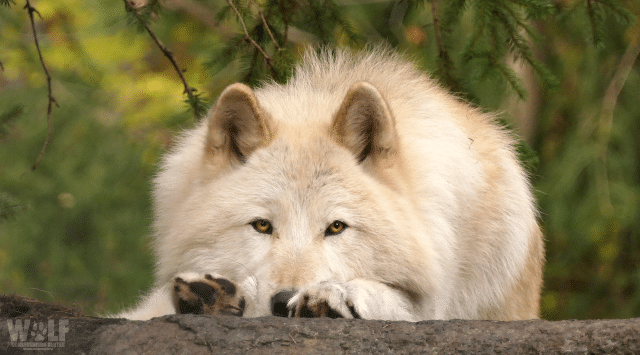
Wolf kills calf on WA Fish and Wildlife lands in Asotin Co.

Video: KREM 2

Based on the combination of tissue damage with associated hemorrhaging and wolf locations, WDFW staff classified the even as a confirmed wolf attack.

EDITOR’S NOTE: The video above is about a different story where Washington lawmakers looked to find non-lethal methods of curbing wolf issues in Eastern Washington.

ASOTIN CO., Wash.– The Washington Department of Fish and Wildlife announced Friday that an investigation into the death of a calf in Asotin County indicated a wolf was responsible for the calf’s death.

WDFW discovered a dead 400 to 450 lbs. calf in a 160-acre fenced pasture while working on the agency’s Ranch Wildlife Area July 8, according to the report posted on WDFW’s website. Conflict staff contacted the livestock producer, who has authorization to graze livestock on the land through a lease with WDFW and conducted an investigation on site.

WDFW staff’s investigation of the calf’s carcass revealed hemorrhaging and tissue damage on the calf’s left side, including the chest and lower neck area, front and back of the front leg, lower portion of the rear leg and tooth punctures and scrapes on the inside of the lower leg and groin, according to the WDFW report. WDFW also documented hemorrhaging and tissue damage on the calf’s right side, including the chest and lower neck area, rear side of the front leg continuing into surrounding tissue behind the leg, the area in front of the rear leg and the lower half of the rear leg, according to the report.

The report says most of the calf’s hindquarter had been consumer. WDFW removed the carcass and buried it after the investigation.

WDFW’s report says the damage to the carcass was indicative of a “wolf depredation,” the term used when a wolf kills a domestic animal.  Location data from the collared wolf in the Grouse Flats pack also showed at least one member of the pack in the vicinity during the approximate time the calf died, according to the report.

Based on the combination of tissue damage with associated hemorrhaging and wolf locations, WDFW staff classified the even as a confirmed wolf depredation, the report said.

The producer who owned the calf monitors the her by range riding at least every other day, the report said. The producer maintains regular human presence in the area, removes or secures livestock carcasses to avoid attracting wolves and avoids areas known for high wolf activity, according to the report.

The producer deployed Fox lights in the grazing area following the attack and will increase the frequency of range riding until cattle can be moved to a different pasture, the report said.

The Grouse Flats pack was involved in three depredation incidents in 2018, according to WDFW.

Washington Ranchers vs. wolves

RELATED: Washington OKs killing of wolf pack members preying on cattle

RELATED: Conservation group offers cash reward in killing of wolf in NE Wash.

RELATED: Number of gray wolves in Washington state continues to grow

Washington State Officials to Kill Wolf Families to Protect Cows

Washington Department of Fish and Wildlife (WDFW) officials have ordered the killing of the members of the Old Profanity Territory (OPT) family.

Why? To protect cows grazing on public lands.

Last September, WDFW killed two members of the OPT family in an attempt to stop livestock attacks. When the depredations continued, officials attempted to kill the remaining two wolves but were unsuccessful. Director Kelly Susewind then paused action seeking to lethally remove the two remaining wolves from the OPT pack.

Beyond being cruel and in violation of the desires of a majority of Americans, these kill orders are not working.

“WDFW has been killing wolves to deter conflict since 2012 when the agency wiped out the entire Wedge Pack, yet depredations on livestock continue,” said Maggie Howell, executive director of the Wolf Conservation Center. “Peer-reviewed research demonstrates that killing predators is not only an ineffective solution to deter depredation on cows, but it can even result in increased attacks.”

WDFW knows that peer-reviewed research demonstrates that killing predators is not only an ineffective solution to deter depredation on cows, but it can even result in increased attacks on livestock by survivors.

Killing state-endangered wolves on to benefit the profit margins of a private business is wrong on every level.

Please contact WDFW Director Kelly Susewind before it’s too late and respectfully ask him to call off the kill order.

CALL 360-902-2200
E-mail director@dfw.wa.gov

URGENT! Please read and make just one phone call! This could be the fourth time that Washington State politicians kill wolves because of the same rancher, Len McIrvin, who is a known wolf hater and saboteur. McIrvin’s private, non-native cows do not belong on public lands, land that is clearly vital native wolf habitat. PLEASE MAKE ONE PHONE CALL TO: Washington State Governor Jay inslee NOW, tomorrow may be too late. Urge Gov. Inslee to rescind the kill order on these native wolves. Inslee is running for President. Tell him your interest in his candidacy will sky rocket if he rescinds the kill order! Call Gov. Inslee at 360-902-4111, and leave an urgent comment on his comment line. If enough good people call, we have a chance to stop the killing.

What will it take for the UK to reach net zero emissions?

https://www.theguardian.com/environment/2019/jun/12/what-will-it-take-for-the-uk-to-reach-net-zero-emissions

We will have to change almost everything, from our homes to our meals

Whitelees windfarm on Eaglesham Moor in East Renfrewshire.
 Whitelees windfarm in East Renfrewshire. Onshore wind is now cheap form but there are few new projects.
Photograph: Graham Hamilton/Epicscotland

The net zero carbon target will require sweeping changes to almost every aspect of British life, affecting our homes, food and the way we get around, as well as jobs and businesses across the board. Ministers hope there will be health benefits and improvements to the natural environment along the way, as well as helping to stave off the global climate emergency.

On some of the key areas where rapid change is needed, however, the signals so far have been mixed.

Energy

The UK must wean itself off gas.
Pinterest
 The UK must wean itself off gas. Photograph: Alamy

Phasing out coal use and bringing more renewable energy on stream are the key planks of the government’s strategy. Gas has become an increasingly important source of fuel in the last three decades, particularly for domestic heating, but to reach net zero it will have to be phased out too.

Support for renewable energy has been reduced and in some cases scrapped by the government. Onshore wind is now one of the cheapest forms of energy, but the withdrawal of subsidies and stricter planning rules have resulted in a dearth of new projects, though offshore wind is continuing to make progress.

The number of new solar installations plunged by 94% in April, according to Labour, after the government’s withdrawal of support. Chris Hewett, the chief executive of the Solar Trade Association, says: “Solar and wind are now the lowest cost forms of power generation in the UK, yet there is no route to market and government is continuing to subsidise the fossil fuels it is aiming to phase out.”

The number of jobs in renewable energy in the UK fell by about a third, from 36,000 in 2014 to 25,000 in 2017, according to the union Prospect.

Carbon capture and storage will be needed if we are to continue to use any fossil fuels. A long-running £1bn competition to build the first large-scale demonstration project for the technology was scrapped by George Osborne, but the government says that smaller projects not requiring taxpayer assistance could start to develop.

Controversially for some, the Committee on Climate Change says fracking is compatible with a net-zero target – but only if the gas produced displaces gas which would otherwise have been imported.

Transport

The government has slashed support for electric vehicles.
Pinterest
 The government has slashed support for electric vehicles. Photograph: Scott Barbour/Getty Images

There are only about 210,000 electric vehicles in the UKAbout 1% of households use an all-electric car and about 2% hybrids, so tens of millions of cars will have to be replaced. Public transport, walking, cycling and ways of working that avoid travel will also be part of the solution.

Darren Shirley, the chief executive of the Campaign for Better Transport, says: “In the coming weeks the government should commit to restarting the programme of rail electrification, outlining further incentives to rapidly grow the market in electric vehicles in the UK, and start work on publishing a national strategy for buses with investment to grow the network and green the bus fleet to be published by 2020.”

The government has pledged to phase out diesel and petrol cars by 2040, but that target should be brought forward to 2030, according to the CCC.

The government has slashed support for electric vehicles, resulting in slower take-up. A lack of charging points is also hitting demand. There are about 8,500, but they are not spread evenly across the country, and some towns have few or none.

The CCC notes that the number of flights we take can continue to grow at least in the short term provided emissions come down in other areas, but campaigners say the decision to allow Heathrow’s expansion will blow away any chance of reducing the UK’s overall transport emissions.

Buildings

Measures to insulate the existing housing stock were scrapped by the government.
Pinterest
 Measures to insulate the existing housing stock were scrapped by the government. Photograph: Newscast/UIG via Getty Images

All newly built homes – of which the UK needs a record number to solve the housing crisis – were meant to be zero emissions from 2016 under plans from the Labour government in 2006. Those plans were scrapped in 2015 on cost grounds, and now there are few requirements for new-build houses to incorporate energy-saving features or renewable generation.

Government policy is key to making the built environment, which accounts for roughly 40% of the UK’s carbon footprint, more climate friendly, says Juliet Barfield, an architect at Marks Barfield. “The government must regulate if we want to bring down emissions.”

Repurposing and refurbishing existing buildings is nearly always preferable to demolishing and rebuilding, unless the existing construction is dangerous or of such poor quality it cannot be remedied. Concrete is one of the most commonly used construction materials, but associated emissions are sky-high. If the global concrete industry were a country, it would be the world’s third biggest emitter. Alternative materials from timber to wool are not widely used, and while innovators are working on ways to bring down emissions from concrete – using additives from coffee grounds to beetroot, for instance – it remains a significant source of carbon.

When new buildings are needed, a long-term vision – at least 50 years, for the lifetime of a building – and resisting cost-cutting temptations are also important. Barfield notes that high ceilings make buildings more liveable and easier to adapt in future, as well as having benefits in ventilation and light that help in designing ways to reduce energy use. BMany architects, however, come under pressure to reduce ceiling height to squeeze in more rooms, which limits the building’s future potential.

Less than 1% of Britain’s housing stock each year is newly built, and old homes tend to be leaky, draughty, costly to heat and inefficient. The government scrapped measures, such as the “green deal” policy, to insulate existing housing stock. Cash-strapped local authorities lack the resources to offer the insulation needed, even though it would save residents money and improve their health. The CCC recommends turning down heating to 19C in winter, but that may be of little comfort to people in unsuitable and uninsulated homes.

Industry

It is not clear what will replace the emissions trading scheme that covers heavy industry after Brexit.
Pinterest
 It is not clear what will replace the emissions trading scheme that covers heavy industry after Brexit. Photograph: Ben Birchall/PA

Heavy industries such as steel and chemicals currently come under the EU’s emissions trading scheme. Companies are awarded a certain number of allowances to emit carbon dioxide, some free and some paid for, and the most efficient can sell any spares to laggards, who are supposed to be spurred by the additional cost to mend their ways. The system has suffered many setbacks in its nearly 15 years of operation, but it is still one of the main ways in which industry is held to account for its contribution to global heating.

It is not yet known what, if anything, will replace emissions trading after Brexit, when manufacturers and other heavy industries are likely to come under increasing economic pressure if trade is disrupted. Manufacturingoutput has already come under pressure from the prospect of a no-deal exit, but losing manufacturing in the UK will not reduce carbon emissions overall, but will increase reliance on imports.

Farming, land use and food

The UK must reduce its meat consumption
Pinterest
 The UK must reduce its meat consumption Photograph: Alamy Stock Photo

More than a tenth of greenhouse gas emissions comes from agriculture and this proportion is rising as other sectors have been able to reduce emissions faster.

Growing more trees is the key plank of the government’s strategy on land use, along with better soil management. Michael Gove, the environment secretary, has set out plans for the UK’s first soil strategy since the “dig for victory” campaigns of the second world war. Soil is one of the world’s biggest carbon sinks, but can also be a major source of carbon depending on the farming techniques used.

Details of the strategy are still to come, and when it comes to tree planting farmers face some uncertainty. There are benefits under the common agricultural policy for planting new and maintaining existing trees, but these can be complex and hard to access. The government has promised £50m for rural tree planting in England to meet its target of 10m new trees across the countryside. The UK is one of the least wooded countries in Europe, with 10% of land forested in England, 15% in Wales, 19% in Scotland and only 8% in Northern Ireland.

Urban trees can also be a vital way of reducing carbon, cleaning air and reducing the impact of climate change by providing shade and health benefits. The government has put up £10m for 130,000 new trees in towns and cities in the next two years. There is no national policy, however, and some local authorities and landowners such as Network Rail have embarked on tree-cutting programmes without clear oversight of the environmental costs and benefits.

Our heavy consumption of meat is taking a toll on our health as well as the planet, and farmers can help reduce emissions from livestock, for instance by improving their diet so they produce less methane. Ultimately, however, meat consumption must be reduced. Moving from a high-meat to a low-meat diet would cut emissions by 35%, the CCC found.

Biodegradable food waste must not be sent to landfill, where it rots to produce methane, after 2025, according to the CCC. Food waste should be avoided as far as possible to bring down agricultural emissions. Unavoidable food waste, treated properly with anaerobic digestion, can be a source of natural gas to be used for heating or electricity generation, displacing fossil fuels.

Tim Benton, the dean of strategic research at the University of Leeds, says food will only increase in importance as a source of greenhouse gases. He says: “When you have reduced everything else – energy, transport, and so on – the thing you’re left with is food.”

A ‘just transition’

When the UK first made its “dash for gas”, it was in the context of closing coal mines and the aftermath of the miners’ strike of the 1980s. Hundreds of thousands of workers in traditional coal-mining areas lost their jobs and the devastation is still keenly felt across swathes of the UK. The recent and enduring memory of that loss and upheaval should act as a warning of how not to engineer a transition to a new form of economy, trade unions believe.

Sue Ferns, Prospect’s senior deputy director general, says: “We need a just transition for all the workers affected and this means we need to work proactively to ensure that the damage inflicted on coal communities in the 1980s is not repeated.”

Oregon wildlife commissioners adopt hotly contested wolf management plan

Commissioners with the Oregon Department of Fish and Wildlife adopted a new plan to manage the state's gray wolf population on Friday. (Oregon Department of Fish and Wildlife via AP)

AP -WR

Commissioners with the Oregon Department of Fish and Wildlife adopted a new plan to manage the state’s gray wolf population on Friday. (Oregon Department of Fish and Wildlife via AP)

65
2.4k shares

After years or revisions, scores of contentious meetings, an outside mediator and the abandonment of talks by half of the stakeholders, Oregon wildlife commissioners approved the state’s long-overdue Wolf Management Plan on Friday.

In a 6 to 1 vote, the 155-page plan, which governs how wolves are handled in the areas of the state where they don’t enjoy federal protection under the Endangered Species Act, was approved by the seven-member commission of the Oregon Department of Fish and Wildlife.

“We see a lot of concern on both sides of this plan,” she said. “For someone like me, who has looked forward to seeing wolves living free on our landscape, it’s time to celebrate.”

The state’s first wolf plan was issued in 2005, before any wolves had actually come back to the state after decades of extirpation due to hunting and trapping. Language in the original plan called for updates every five years and, in 2010, just a year after wolves had been confirmed in the northeast corner of Oregon, the second version of the plan was released. At the time, at least 21 of the canids were known to wander the state’s rural areas.

When it came time to update the plan for 2015, though, stakeholders on both sides — hunters and ranchers on one side, environmentalists and wolf advocates on the other — couldn’t come to a consensus on some of the most sensitive issues. Over the following years, facilitated meetings were held all over the state in an effort to find compromise between the two sides.

Much of the tension surrounding the wolf plan boils down to when wolves can be killed, why and by whom. The latest revision has some key changes to the plan’s most controversial provisions.

Under the old plan, a wolf that attacked livestock twice or more over any period of time was deemed a “chronic depredator” and could be killed in the eastern third of the state, where wolves are managed by the state. The new plan will allow the state to kill wolves after two confirmed attacks during a nine month period.

State officials have stressed that when a wolf meets that threshold, it doesn’t necessarily mean it will be killed. Non-lethal deterrents like fencing, alarm devices, hazing and removal of carcasses must be documented before a permit to kill a wolf can be issued. Even then, the state can exercise its own discretion, taking other factors into account before allowing a wolf to be killed.

“Discretion is more valuable than an actual number,” said Derek Broman, the state’s carnivore coordinator and one of the key architects of the plan. “When lethal action is taken, it’s not retribution.”

Once a wolf is deemed a chronic threat to livestock, however, the state can issue a permit for lethal action against the animal and, because staff and resources available to the state are limited, those permits can be issued to members of the public. That kind of action, called “controlled take,” was clarified in an amendment to the plan that said any permits issued to the public would require approval from the commission. Still, wolf advocates remained fiercely opposed to the provision, saying it could open the door to wolf hunts by the general public.

“With just 137 wolves in the state, it is absurd that ODFW would put hunting on the table,” Sristi Kamal, Northwest representative of Defenders of Wildlife, told commissioners. A spokesman for Rep. Peter DeFazio read a letter from the Oregon congressman that called for the provision allowing permitted hunting by the public, even under very specific circumstances, to be stripped from the plan.

Akenson responded that the commission would not issue permits lightly.

“This commission isn’t going to meet and say ‘Yep, let’s do it.’” she said. “It’s going to be a deliberative process.”

Numerous ranchers and hunters expressed concern over some aspects of the plan. Many said the state didn’t do enough to track wolves, particularly in Wallowa County, where the majority of wolves reside and most attacks on livestock take place. When a wolf is suspected of killing livestock, it must be confirmed by an investigation and many ranchers said it could take up to a week for investigators to show up, time when evidence can degrade and a confirmation becomes more difficult. Without a confirmation, ranchers aren’t eligible for compensation from the state.

Others livestock producers said, given the continued growth of the wolf population, the state should establish “management zones,” defined geographic areas that would have a maximum number of wolves. Any wolves in the area beyond the maximum could be killed.

Though both sides found parts of the plan they disagreed with, many in the ranching community urged commissioners to adopt the plan as it was written, while environmental advocates pressed officials to revise the plan or remove the provisions they found most troubling.

After public comment concluded, Commissioner Gregory Wolley, the sole “no” vote, acknowledged the divide in the room.

“We have one side that seems to support the plan despite its imperfections, while the other side is 100 percent against it,” he said. “We say we’re trying to go down the middle, but that doesn’t sound like a compromise.”

Friday’s commission meeting came against the backdrop of a push from federal regulators to strip the wolf of protections under the Endangered Species Act. That plan, like Oregon’s plan but on a larger scale, has been met with condemnation from advocates and scientists, but was welcomed by hunters and ranching industry groups.

Beyond Meat says one overseas market has ‘desperate’ need for plant-based protein

KEY POINTS
  • Beyond Meat shares surged after its better-than-expected first-quarter results on Friday, as growth around the world for plant-based protein alternatives to meat exceeded forecasts.
  • The global region where Beyond Meat says the need is “desperate” for its products is Asia.
  • Even though beef has never been a staple in many Asian countries, Asia has the fastest-growth rate of beef consumption in the world. It also faces some of the world’s biggest environmental issues.
H/O: Beyond Meat
Beyond Meat plant-based burger patties.
Source: Beyond Meat

Beyond Meat is booming in the U.S., which has the highest level of animal-based meat consumption per person on a global basis and where meat is the largest category in the food industry, a $270 billion business. The U.S. opportunity is just getting started: Nielsen data shows Beyond Meat has just 2% household penetration in the United States.

But the company has said that the global opportunity is just as compelling — meat is estimated to be a $1.4 trillion market — and that is where some of Beyond Meat’s fastest growth may yet come.

Shares of Beyond Meat, already the best initial public offering of 2019, soaredafter its first-ever earnings report as a public company, and the opportunity in Asia is one that CFO Mark Nelson highlighted.

Responding to a question from an analyst on the quarterly earnings conference call about the international opportunity and how much of the growth it will drive going forward, Nelson said it is an important “but still pretty small percentage of our overall revenue.” He noted that Europe and Asia are “very significant” markets for its products and pointed to the fact that Europe already has a “very well-developed market” for plant-based proteins.

But it was the word he used to describe the Asian opportunity that was about as dramatic as CFO talk ever gets. “Asia has a desperate need for this. So I’m going to be very aggressive in going into those markets, and our team will be as well. … Asia is absolutely a strong part of our strategy.”

Beyond Meat has been planning for international expansion since well before its public debut. It noted in 2018 that 10% of its consumer inquiries in the previous year were from international markets, a factor that contributed to its rollout across 40 countries. Beyond Meat is currently distributed internationally to through local partners in Australia, Chile, the European Union, Hong Kong, Ireland, Israel, the Middle East, New Zealand, South Korea, Taiwan and the United Kingdom, markets where the company said it “received strong inbound interest for our plant-based products.”

In March, Beyond Meat introduced its plant-based protein burger in Singapore. That followed the 2017 introduction of the Beyond Burger in Hong Kong. Among international markets, Australia is among Beyond Meat’s most penetrated to date. The company had said in its S-1 filing ahead of the IPO, “for several years we have maintained a presence and generated brand awareness in Asia through our local distributor, and expect further expansion in the region over time.”

VIDEO03:11
Beyond Meat early investor: Management has made all the right moves

Beyond Meat has previously cited research firm forecasts that the global market for plant-based meat will be worth $6.5 billion by 2023, with the fastest-growing market being the Asia-Pacific region. Allied Market Research data shows that though demand is highest in Europe and North America, the Asia-Pacific region is the fastest-growing market for the plant-based products, with demand forecast to increase at a compound rate of 9.4% a year until 2025.

In its IPO filing, Beyond Meat stated, “In markets excluding the United States, the amount of meat consumed has more than doubled in the past two decades from 120 million tons in 1997 to 280 million tons in 2017, according to the OECD.”

In 2017 and 2018, international sales represented only approximately 1% and 7% of Beyond Meat sales, but the company expects international sales to “grow substantially in the future … and contribute an increasing share of our net revenues in coming periods.”

International is growing more quickly than the company expected, its management team said on the earnings call. It just signed a deal with Netherlands-based Zandbergen for its first production facility overseas, and Beyond Meat executive chairman Seth Goldman said on the call, “We have certainly seen growth in Europe happening more quickly than we anticipated. And so from our point of view, as Ethan [Brown, CEO] said, we want to be aggressive with production.”

Many factors at play in Asia

Many Asian markets were not historically places where beef was a staple on the diet — it still is not in many. But with a rising middle class, especially in China, beef consumption has been rising. In the early 1980s, China’s meat consumption per head was around 13 kilograms per year and has risen to 50 kg per person — over half the level in the U.S., according to data cited by Dora Marinova, director of the Curtin University Sustainability Policy Institute in Australia, in a recent Nikkei Asian Review article.

“Consumption has already surpassed sustainable levels in China,” she told the Nikkei. “From an environmental point of view, it has to go down to at least half of what it is.”

Some Asian players are moving into the space. In Japan, Otsuka Foods launched the market’s first plant-based protein burgers last year.

Asia’s growing population and appetite for protein is not just limited to beef, but historical staples like pork and seafood, and that will have major consequences for the globe.

A report from Singapore-based consultant Asia Research and Engagement forecasts that a rising Asian population, increasing incomes and the trend toward urbanization will result in a 78% increase in meat and seafood demand from 2017 to 2050, according to a Reuters report.

The report estimates that a land area the size of India will be needed for additional food production, while water use will double per year and greenhouse gas emissions spike. It also noted the use of antibiotics in the livestock industry will present greater risks for human and animal infection.

Euromonitor research from recent years shows that Asian animal protein consumption can vary widely based on income. Per capita meat, fish, and seafood consumption ranges from as law as 11 kg per capita per year in India to over 144 kg in Hong Kong. Hong Kong, where Beyond Meat introduced its burger in 2017, has 23 times the per capita annual disposable income of India.

In China, non-income factors have made beef more attractive. Pork industry safety scandals, public health campaigns designed to encourage the consumption of lower fat protein options, and recent bird flu epidemics led to beef and veal becoming the fastest-growing meat category in volume in recent years, Euromonitor found.

Industrial farming is driving the sixth mass extinction of life on Earth, says leading academic

‘Re-imagining a world with less stuff but more joy is probably the way forward,’ says Professor Raj Patel

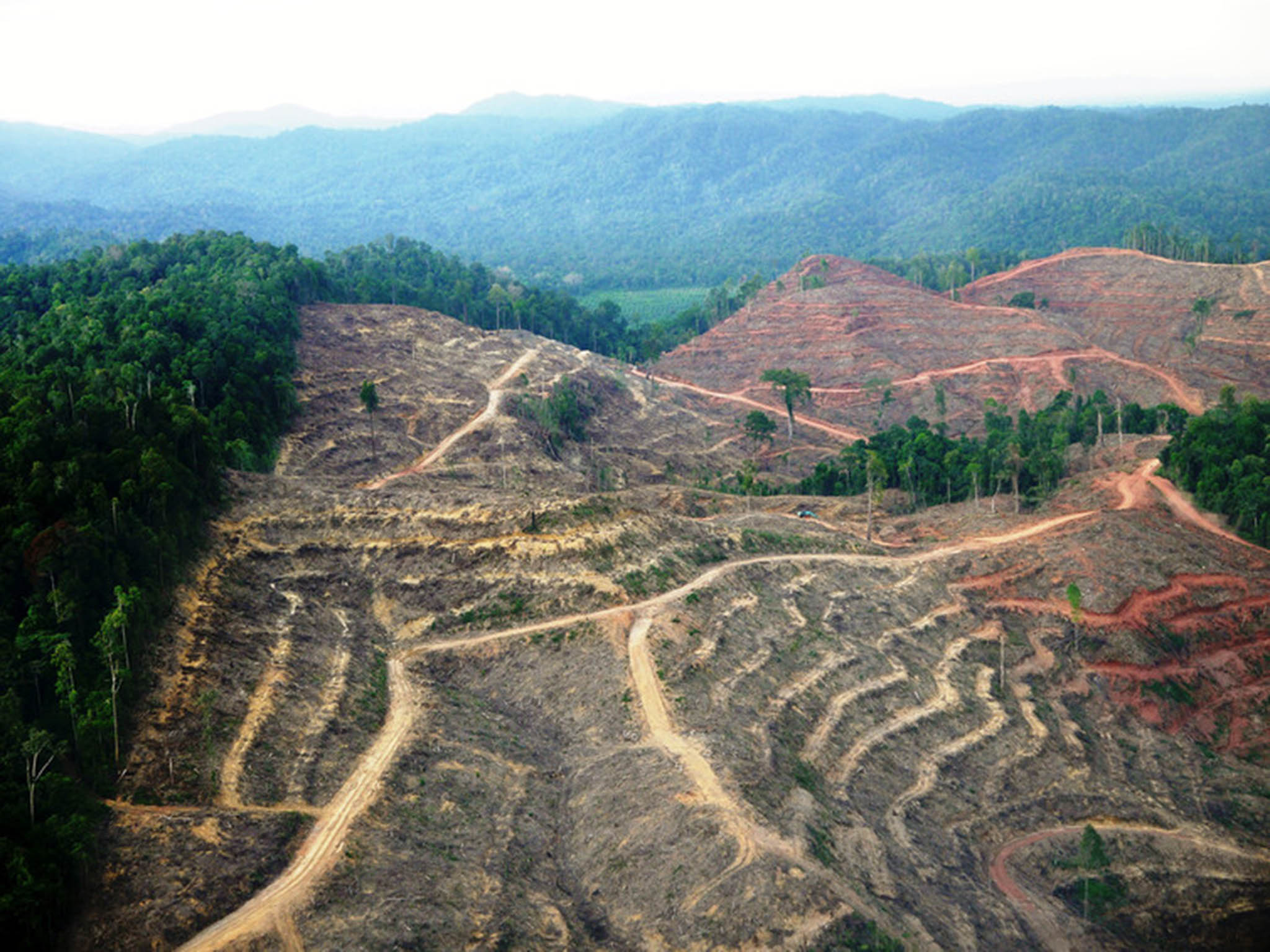
Deforestation in Sumatra, one of the world’s primate hotspots

Deforestation in Sumatra, one of the world’s primate hotspots ( W F Laurance )

Industrial agriculture is bringing about the mass extinction of life on Earth, according to a leading academic.

Professor Raj Patel said mass deforestation to clear the ground for single crops like palm oil and soy, the creation of vast dead zones in the sea by fertiliser and other chemicals, and the pillaging of fishing grounds to make feed for livestock show giant corporations can not be trusted to produce food for the world.

The author of bestselling book The Value of Nothing: How to Reshape Market Society and Redefine Democracy will be one of the keynote speakers at the Extinction and Livestock Conference in London in October.

Organised by campaign groups Compassion in World Farming and WWF, it is being held amid rising concern that the rapid rate of species loss could ultimately result in the sixth mass extinction of life. This is just one reason why geologists are considering declaring a new epoch of the Earth, called the Anthropocene, as the fossils of soon-to-be extinct animals will form a line in the rocks of the future.

The last mass extinction, which finished off the dinosaurs and more than three-quarters of all life about 65 million years ago, was caused by an asteroid strike that sent clouds of smoke all around the world, blocking out the sun for about 18 months.

Prof Patel, of the University of Texas at Austin, said: “The footprint of global agriculture is vast. Industrial agriculture is absolutely responsible for driving deforestation, absolutely responsible for pushing industrial monoculture, and that means it is responsible for species loss.

“We’re losing species we have never heard of, those we’ve yet to put a name to and industrial agriculture is very much at the spear-tip of that.”

Speaking to The Independent, he pointed to a “dead zone” – an area of water where there is too little oxygen for most marine life – in the Gulf of Mexico that has grown to the same size as Wales because of vast amounts of fertiliser that has washed from farms in mainland US, into the Mississippi River and then into the ocean.

“That dead zone isn’t an accident. It’s a requirement of industrial agriculture to get rid of the sh*t and the run-off elsewhere because you cannot make industrial agriculture workable unless you kick the costs somewhere else,” he said.

“The story of industrial agriculture is all about externalising costs and exploiting nature.”

The Amazon and surrounding lands in South America are also under increasing pressure from soy plantations.

“Extinction is about the elimination of diversity. What happens in Brazil and other places is you get green deserts — monocultures of soy and nothing else.

“Various kinds of chemistry is deployed to make sure it is only soy that’s grown on these mega-farms.

“That’s what extinction looks like. If you ever go to a soy plantation, animal life is incredibly rare. It’s only soy, there’s nothing there for anything to feed on.”

And that soy is then turned into food for humans, often by “passing it through cattle and chickens”, Prof Patel said.

Some of the world’s most iconic animals, such as elephants, jaguars and penguins, are threatened due to these current farming practices.

In Sumatra, forests that are home to elephants and jaguars are being destroyed to make way for palm plantations, often to make feed for livestock kept in industrial meat factories.

And small fish like anchovies and sardines are being caught on a massive scale to be ground into fishmeal for farmed salmon, pigs and chickens. That means animals like penguins, which normally feed on them, are in trouble.

The South African penguin population alone has plunged by at least 70 per cent since 2004.

Asked what people could do “as a consumer” to try to avoid contributing to such problems, Prof Patel said people needed to think on a bigger scale.

“‘As a consumer’ you are only allowing yourself a range of action. ‘As a consumer’ you can buy something that’s local and sustainable, that’s labelled as organic or fair trade,” he said.

“But ‘as a consumer’, you don’t get to do a whole lot of good. As a citizen, as a decent person, you can demand more from your government, from one’s employer, from yourself.

“Be more aware of your power as part of a society where we can change things. We have this power to change things in the future. What we have to do is make that change.”

He said some people thought being a vegetarian avoided contributing to the extinction crisis.

“I’m vegetarian but it’s not enough. If you are vegetarian and you walk around with your halo of virtue but you are eating tofu that comes from Brazilian soy, then you’re just as complicit in all of this as if you are eating the beef fed on Brazilian soy,” Prof Patel said.

Vegetarianism did not provide a “pure and simple” route out of the problem.

“Capitalism is involved. The capitalist will take your vegetarianism and make money from it with the same kind of techniques they’ve honed in meat manufacture,” he said.

Instead, Prof Patel argued it was time to switch to a world in which resources were shared and looked after, harking back to the days when people had access to common land.

“The commons is only a tragedy because the commons in England were eliminated. Before they were eliminated there were people who could manage resources and nature in ways that were sustainable,” he said.

“The idea of a commons that is managed collectively and the way in which nature is managed well and sustainably, that’s a memory that needs to be recuperated.”

Admitting that changing society so radically would be a challenge, he argued it was essential as people’s current aspirations were based on “images of consumption that are entirely unsustainable”.

Humans, Prof Patel said, would need to find a way to live with less material wealth.

“Re-imagining a world with less stuff but more joy is probably the way forward,” he said.

“There’s a strong case for saying there’s room for … less individual consumption and loneliness … and more sharing and communality, getting together around the table, rather than sitting alone in front of the TV.”

“For information about the Extinction and Livestock Conference, go to www.extinctionconference.com.

Humans and Big Ag Livestock Now Account for 96 Percent of Mammal Biomass

Human activity, including domesticating livestock, has had a major impact on earth’s biomass. Malcolm Morley~commonswiki

A first-of-its-kind study published Monday shows that, when it comes to impacting life on Earth, humans are punching well above our weight.

“I would hope this gives people a perspective on the very dominant role that humanity now plays on Earth,” lead researcher and Weizmann Institute of Science in Israel professor Ron Milo told The Guardian.

According to the study, human impacts are due to the combined effects of the agricultural and industrial revolutions. In particular, the domestication of livestock has caused a shift in the relative biomass of different species of mammals.

Humans account for about 36 percent of the biomass of all mammals. Domesticated livestock, mostly cows and pigs, account for 60 percent, and wild mammals for only 4 percent.

The same holds true for birds. The biomass of poultry is about three times higher than that of wild birds.

“It is definitely striking, our disproportionate place on Earth,” Milo told The Guardian. “When I do a puzzle with my daughters, there is usually an elephant next to a giraffe next to a rhino. But if I was trying to give them a more realistic sense of the world, it would be a cow next to a cow next to a cow and then a chicken.”

The study further broke down the human impact on terrestrial and marine mammals. Compared to the time before the human-abetted extinction of large megafauna, wild earth mammal biomass has decreased sevenfold. Marine mammal biomass has decreased fivefold due to commercial whaling and other exploitative hunting practices. Fish biomass has also fallen around 15 percent.

Milo told The Guardian that the results had encouraged him to reconsider his eating habits.

“I would hope people would take this [work] as part of their world view of how they consume,” he said. “I have not become vegetarian, but I do take the environmental impact into my decision making, so it helps me think, do I want to choose beef or poultry or use tofu instead?”

When it comes to the biomass of all life on earth, humans and their livestock are barely a blip. They only account for 8 percent of total animal biomass, while arthropods account for 50 percent.

Overall, animals have nothing on the other other kingdoms. Plants dominate, accounting for about 80 percent of all of the earth’s biomass, followed by bacteria at about 15 percent.

Since most plants are terrestrial, the study found that most of earth’s biomass is found on land, but most animal biomass is found in the oceans.

Biomass is different from biodiversity—insects, for example, contain a wide variety of species but account for a tiny percentage of biomass.

Researchers calculated biomass in gigatons of carbon and compiled data from a wide variety of studies to reach their conclusions.

Facebook Post Mischaracterizes Cow Study


Quick Take

A picture of a cow used for a research project in 2008 has been circulating on social media with a false claim that “fringe leftist[s] are now advocating for cow fart bags to capture farts as a way to help prevent ‘global warming.’”


Full Story

A cow used in an Argentine research project in 2008 has become the star of a misleading post on social media in 2019.

The cow, which is shown wearing an inflatable pink cylinder on its back, has had its pictureshared more than 35,000 times on Facebook with this text: “I wish this was a joke but fringe leftist [sic] are now advocating for cow fart bags to capture farts as a way to help prevent ‘global warming.’ You can’t make this stuff up folks.

But that claim is made up.

The backpack was used to collect gas produced during the cow’s digestive process so that scientists could study the effect its diet has on the production of methane and other volatile organic compounds in ruminants that contribute to climate change. The backpack was connected to the cow’s stomach through a hole in its ribs, and was collecting what would have been burps, not “farts,” as the Facebook post claims.

But, most importantly, the backpack was not intended as a device to keep methane out of the atmosphere. Rather, it was used to help scientists study how cow’s digest what they eat.

The same researchers who worked on that project used a similar gas collection system a year earlier to study the methane produced in the digestion of dairy cows. That study, which lasted 28 days and included six cows, found that the addition of tannins (an additive derived from plants) to the cows’ diet led to a 28 percent decrease in methane production.

A later project by the same researchers, done in 2013, used the collection system to transform the methane into biofuel.

According to the Environmental Protection Agency, between 50 percent and 65 percent of methane emissions around the world come from human activity, including the use of livestock, and the impact on the global climate is 25 times greater than the impact of carbon dioxide over 100 years.

The agriculture sector was responsible for about 9 percent of total U.S. greenhouse gas emissions in 2017, according to the EPA.

Editor’s note: FactCheck.org is one of several organizations working with Facebook to debunk misinformation shared on social media. Our previous stories can be found here.

Sources

Brindicci, Marcos. “Cows Burp for Science in Argentina.” Reuters. 9 Jul 2008.

Associated Press. ARGENTINA METHANE. AP Archive. 19 Apr 2010.

Berra, Guillermo, et al. “Use of Tannins to Mitigate Methane Emission in Grazing Dairy Cows.” Accessed 29 May 2019.

United States Environmental Protection Agency. “Overview of Greenhouse Gases.” Accessed 29 May 2019.

Share The Facts
Viral photo
A photo caption claims: “I wish this was a joke but fringe leftist [sic] are now advocating for cow fart bags to capture farts as a way to help prevent ‘global warming.’ You can’t make this stuff up folks.”

WDFW investigators assure rancher shooting wolf was lawful

Northeastern Washington wolf
A northeastern Washington state wolf in a photo taken by a trail camera. State wildlife officials have determined that a rancher was justified in killing a wolf as it headed toward three calves that were in a fenced area.

An Okanogan County rancher who shot and killed a wolf as it approached three newborn calves was promptly cleared by Washington Fish and Wildlife investigators, according to records released Tuesday.

The rancher shot the young male wolf the morning of April 29. The reports, released in response to a records request by the Capital Press, were redacted to withhold the names of the rancher and investigators, as well as the exact location.

The shooting occurred east of Highway 97, where wolves are not federally protected, but are a state protected species. The unjustified killing of a state endangered animal is a gross misdemeanor, punishable by up to a year in jail and a $5,000 fine.

“I could tell (the rancher) was very tense, and I assured (him) that we were present to document what had occurred, and we were there to advocate for his personal and property rights as much as the rights of wildlife,” according to one investigator’s report.

Another investigator noted that only five days earlier, Fish and Wildlife Director Kelly Susewind had issued a memo directing department employees to “maintain public safety as a priority.”

The investigator said he “wanted to make prompt decisions to alleviate any fear the family had.”

“I informed (the rancher and his wife) that it was a justified act and did not want them to stress about a delayed finding or decision,” he wrote.

Washington law allows livestock owners to kill without a permit one wolf that is attacking their domestic animals. The law does not apply to the western two-thirds of Washington, where wolves are protected by the federal Endangered Species Act.

The rancher told investigators he was home with two young children when he saw an animal near the house moving toward the fenced pasture between 8 and 9 a.m.

Three calves born the night before were near the fence. The rancher said he keeps newborn calves in the pasture closest to his house to protect them from predators.

The rancher said he wasn’t sure whether it was a wolf or coyote and yelled to scare it away. The animal continued toward the pasture. The rancher fired the only round in his rifle.

The bullet went over one cow, the rancher said. An investigator noted the bullet also would have passed a children’s jungle gym in the backyard.

Investigators found an entrance wound near the wolf’s heart and lungs.

The distance from the home’s back porch to the carcass was approximately 280 yards, according to measurements taken by the Fish and Wildlife investigators. The carcass was 56 yards from the pasture’s fence.

“Once in with the cattle, it may be difficult to shoot the animal actively attacking a calf,” one investigator wrote. “No charges were filed against the RP. Case closed.”

Fish and Wildlife investigators noted that the family had reported wolves around their ranch last fall and photographed one with a trail camera. A driver delivering a package reported seeing two pups on the property last fall.