
In a biosphere rife with anthropogenic ruination, it’s hard for any bona fide misanthrope to avoid the lure of self-loathing. The more one learns about the amount of planetary destruction human beings are responsible for, the stronger one can feel a need for redemption through doing whatever possible to lend nature a helping hand. It’s a task which scarcely sees compensation; sometimes the highest reward is the satisfaction of doing something hands-on to directly help individual animals in need (often the result of being in the right place at the right time).
My wife and I found ourselves at that right time and place Sunday morning at 6:00 a.m., when our dog, Honey, let it be known that it was time for a break in our travels and we pulled into a nearly deserted Fred Meyer parking lot. Typical of American super-store complexes, nearly every square inch of land and water for acres around was paved-over; the only tiny strip of greenery for Honey to do her business was a narrow, sparsely planted bed of shrubbery between the store and a bank. To Honey’s surprise, before she could find sweet relief in the beauty bark separating the shrubs, out marched a mother mallard and her entourage of day-old ducklings.
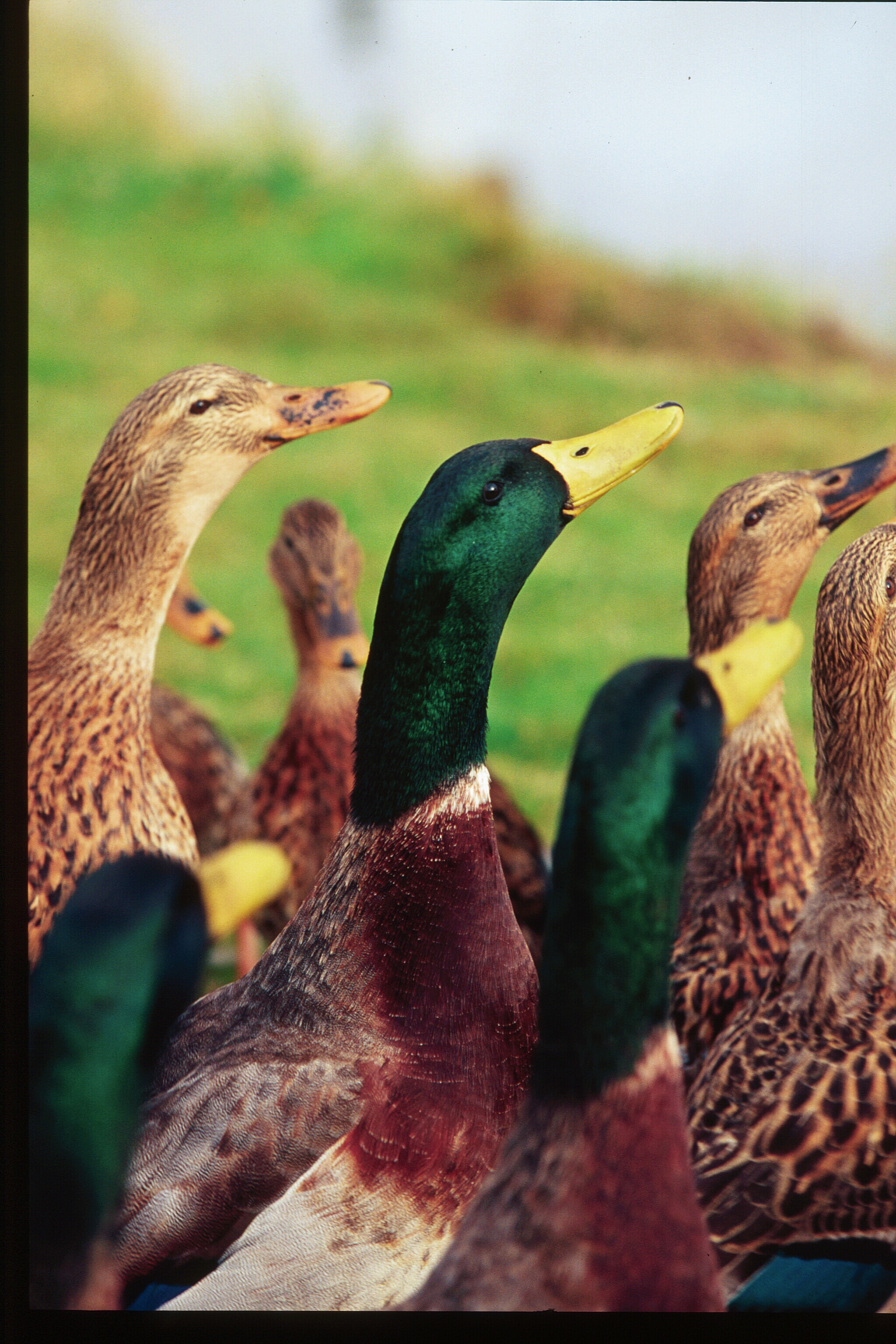 Since there was no shelter suitable for a duck, let alone a whole family, the mother led her defenseless offspring out across the barren expanse of asphalt in search of any remaining waterway. They stuck to her side like glue, but each tiny duckling dropped behind when it was their turn to scale the steep curbs that broke up the vast wasteland. We feared for their safety, as one wrong turn would take them all into the middle of a four-lane highway. She seemed to have a sense of which way to waddle to find water, but they undoubtedly needed our help in stopping traffic along the way. Without our gently guiding the duck family away from the thoroughfare, there surely would have been some kind of tragedy: either a mother losing one or more of her young, or a clutch of dependent babies losing their mother.
Lady mallard urgently and continuously quacked encouragement to keep them moving steadily along the length of the entire city block. Meanwhile, I scouted ahead and located a small pond across a side street behind a tire shop, so we ushered the family through the alley between the shopping center and the tire shop, stopping a truck and car so the brood could cross the street.
When she saw the oasis, her quacking intensified, but the ducklings were tiring and had difficulty ascending the final curb barrier. They all made it, except for one—an extra-tuckered out straggler. My wife gave him the final boost he needed so he could catch up and he tumbled through the grass to join the others down at the welcome pool below. The mother savored a long, celebratory drink from the pond, and though the youngsters had 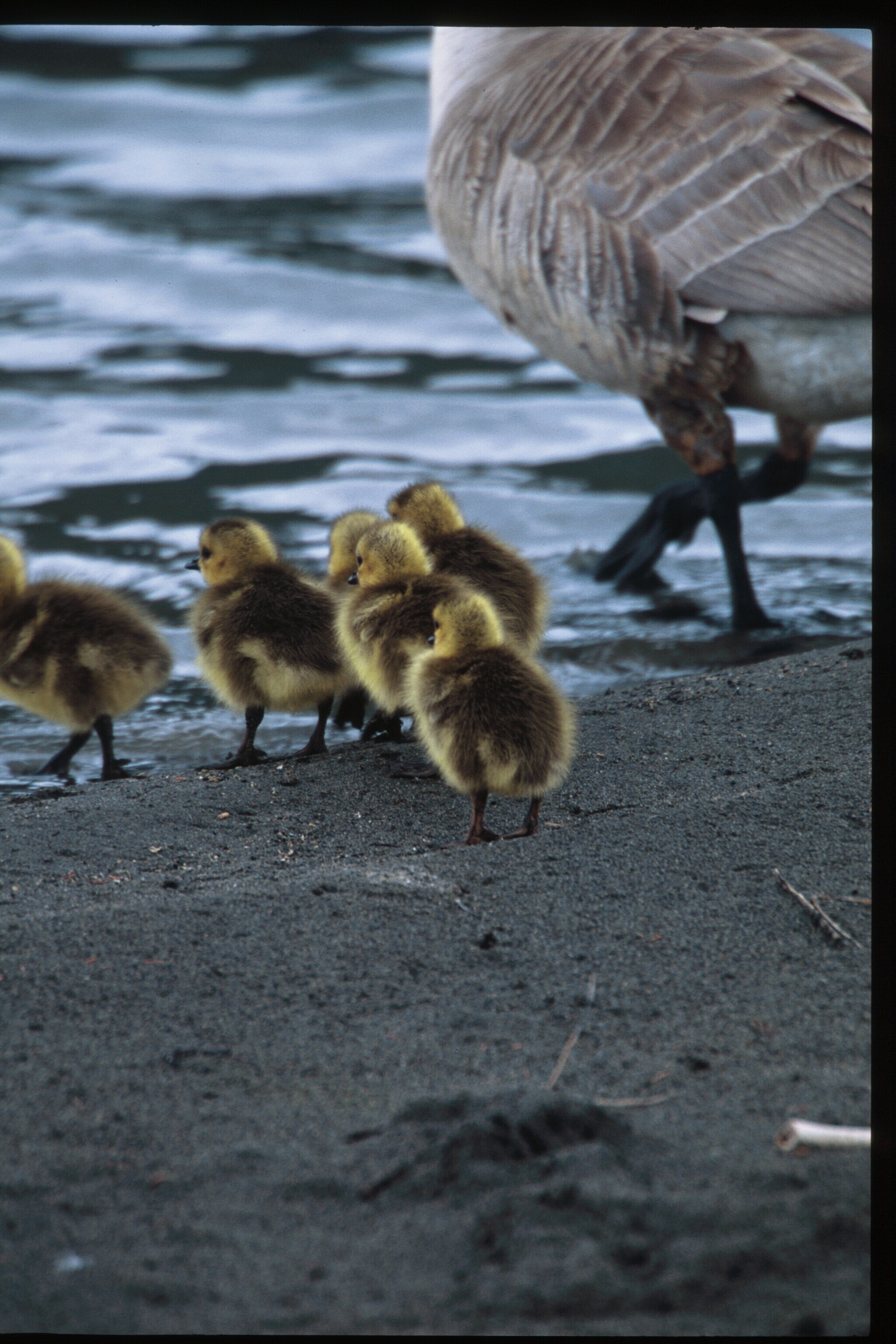 never even seen water before, they took to it instantly. They were clearly right at home.
Across the country, ever more shopping centers and parking lots are being built on top of drained wetlands and other important wildlife habitats. Though we may feel powerless to stop urban sprawl, at least we can sometimes be in the right place at the right time to help a few individual animals.
 Exposing the Big Game