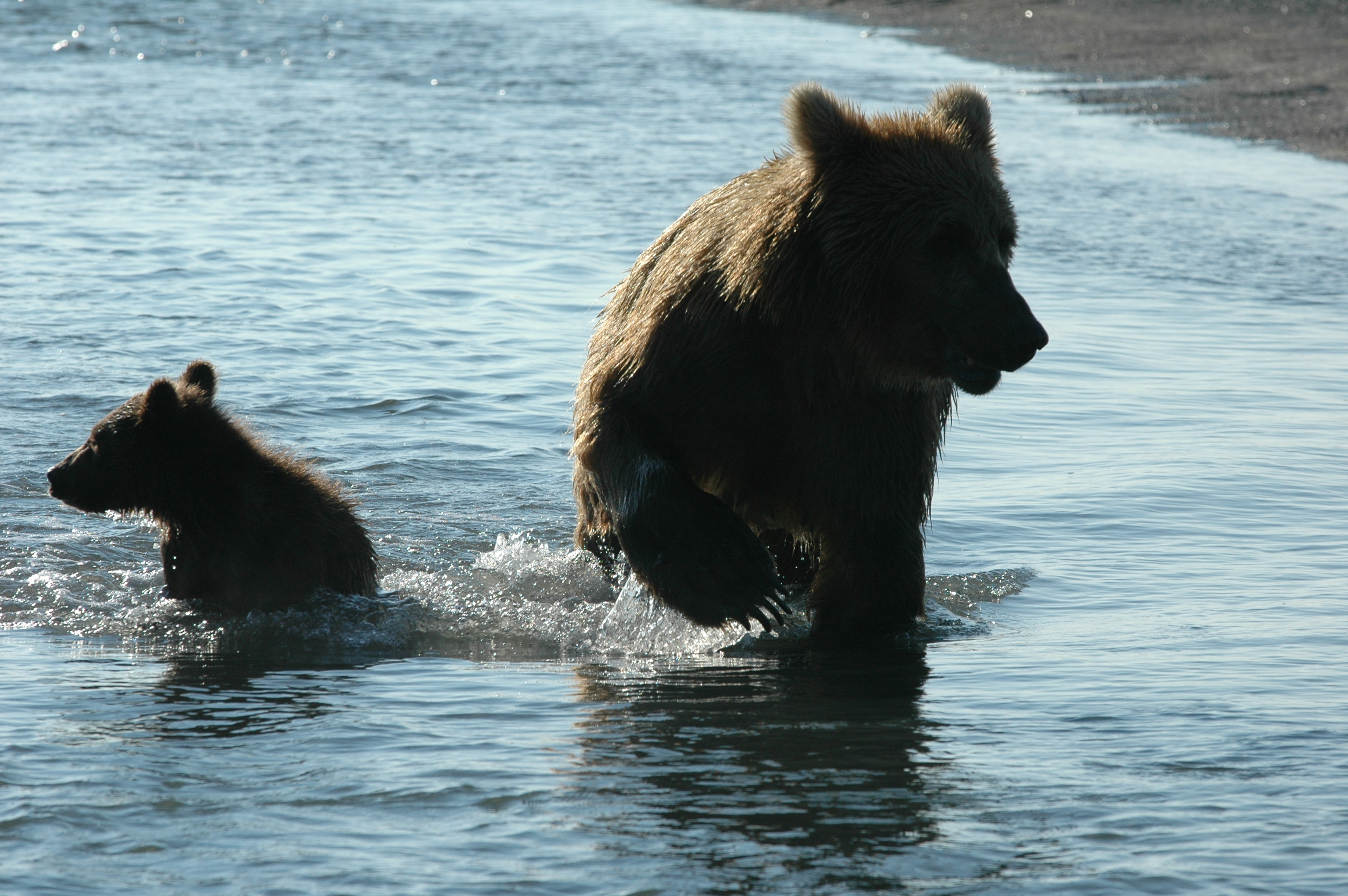
FWP investigates killing of 3 young grizzly bears

http://www.ktvq.com/news/fwp-investigates-killing-of-3-young-grizzly-bears/

FERNDALE- Wardens are looking for information that could help them track down whoever killed three young grizzlies in the north end of the Swan Valley.

Agents with Montana Fish, Wildlife and Parks and the U.S. Fish and Wildlife Service said the bears were killed in the Ferndale area.

Because the investigation is ongoing, authorities aren’t giving out more details about exactly where the bears were found or how they were killed.

FWP and USFWS are hoping to hear from anyone that may help them track down the poachers. Anyone with information can contact 1-800-TIP-MONT begin_of_the_skype_highlighting 1-800-TIP-MONT FREE  end_of_the_skype_highlighting . Callers can remain anonymous and may be eligible for a reward.

photo copyright Jim Robertson

photo copyright Jim Robertson

How Many Wolves are in Montana? Just Ask the Hunters

FWP looks to new technique to document wolf population size By TOM KUGLIN Independent Record Helena Independent Record
June 19, 2014 6:00 am  • 

Researchers from Montana Fish, Wildlife and Parks and the University of Montana estimate the state’s wolf population at more than 800 using a new statistical technique.

Researchers conducted a study of the new technique from 2007 to 2012. The new method, called patch occupancy modeling, uses deer and elk hunter observations coupled with information from radio-collared wolves. The statistical approach is a less expensive alternative to the old method of minimum wolf counts, which were performed by biologists and wildlife technicians. The results of the study estimate that for the five-year period, wolf populations were 25-35 percent higher than the minimum counts for each year.

“The study’s primary objective was to find a less-expensive approach to wolf monitoring that would yield statistically reliable estimates of the number of wolves and packs in Montana,” said Justin Gude, FWP’s chief of research for the wildlife division in Helena.

Counting predators in remote and forested areas is notoriously difficult and expensive. FWP submits a required yearly wolf report to the U.S. Fish and Wildlife Service based on the exact number of wolves observed through tracking by FWP wolf specialists. Biologists track wolves with on-the-ground and aerial surveys, radio collaring and denning confirmation. The minimum count has hovered around 625 for the last three years.

According to a 2012 article in Population Ecology authored by FWP and university researchers, wolf numbers remained small in the initial stages of recovery in the early 1990s, and tracking the minimum count of wolves in Montana meant only a few packs in isolated areas. In 1995, when the U.S. Fish and Wildlife Service reintroduced wolves into Yellowstone National Park and central Idaho, the minimum wolf count in Montana was 66.

With minimum counts now nearly 10 times greater, it’s more difficult to assess the minimum number of wolves. The traditional field methods yield an increasingly conservative count and well below actual population sizes, according to the article.

“It takes a lot of people and time, and the budget has gone down with delisting,” Gude said. “It’s getting more and more difficult to keep up, and we felt like we’re getting farther and farther away with the minimum count.”

In two years, FWP’s requirement to provide a yearly minimum count to the Fish and Wildlife Service expires. That expiration opens the door for state officials to use other means to estimate the state’s wolf population.

The agency plans to do both the required minimum count and the patch occupancy modeling for the next two years. After the expiration, FWP plans to transition to the new techniques and adjust field methods of gathering data accordingly, said Ron Aasheim, FWP administrator.

“Certainly there have been people out there who said we have significantly more wolves than the minimum count,” he said. “If anything, this verifies that was a minimum count and we don’t have exact numbers; we have trend counts but this gets us closer to the actual number. The more information we have the better.”

Using hunter observations during the five-week general hunting season has the immediate benefit of cost savings and accounts for those wolves not verified in the annual counts. The technique is very similar to wolf counting methods used in the upper-Midwest, which has already withstood court challenges, Gude said.

“This new approach is not only good science, it’s a practical way for Montana to obtain a more accurate range of wolf numbers that likely inhabit the state,” he said.

Using the public to count wolves has its drawbacks as biologists consider public sightings less reliable than those of professionals. Given the sample size of around 2 million deer and elk hunter days and 50,000 to 80,000 hunters interviewed in FWP’s annual telephone survey, researchers believe the sample provides a diverse observation of Montana’s hunting districts and provides an accurate picture of wolf occupancy.

Based on the study, FWP and university researchers estimated the areas occupied by wolves in packs using the hunter observations, then the number of wolf packs by dividing the occupied area by average territory size, and finally they multiplied the number of packs by the average pack size to get an estimated population. In 2012, the minimum count for wolves was verified at 625 and 147 packs. The statistical technique estimated 804 wolves in 165 packs inhabit Montana.

The study further estimated that 18, 24 and 25 percent of Montana was occupied by wolves in 2007, 2008 and 2009, respectively.

In addition to wolves living in packs, various studies have documented between 10 and 15 percent of wolves living alone.

The Rocky Mountain Elk Foundation threw its support behind the study with a $25,000 grant.

“The bottom line is you can’t have true effective wolf management if you don’t know how many wolves are really out there and where they live,” said David Allen, RMEF president and CEO. “This grant funding will help to better determine that.”

Defenders of Wildlife was still looking at the research and was not ready to comment on the merits of the science, said Erin Edge, Rockies and Plains associate for Defenders.

Wildlife program coordinator for the Greater Yellowstone Coalition Chris Colligan said his organization supports using the best available science, but planned to keep an eye on the use of the new techniques.

“We want to make sure it’s accurate and they’re making sound decisions for management,” he said.

The research has been peer reviewed, but GYC has questions about the accuracy of using hunter observations and the ability of that data to apply on a small scale to create individual quotas for hunting districts, Colligan said.

“Self-reporting of wolves has its downsides,” he said. “There’s concerns about bias in hunters reporting wolves when they’re not present. It also diminishes the need for biologists on the ground, which is a valuable resource.”

Gude cautioned that future statistical approaches need to include wolf harvest locations and how hunting and trapping influence where wolves choose to live.

“Perhaps the best future use of these statistical methods won’t necessarily only be for monitoring and keeping tabs on wolf population numbers, but to better inform the complicated decisions that accompany the public harvest and management of wolves,” he said.

A sad Montana moment for wild bison

Photo Copyright Jim Robertson

Photo Copyright Jim Robertson

For wild bison, the idyllic images of Montana being splashed across Seattle ads does not match reality, according to guest columnists Bonnie Rice and Glenn Hockett.


THE state of Montana has been spending big bucks in Seattle and other cities across the U.S. to entice people to visit its great state. You’ve probably seen the billboards, bus ads and store banners across town with beautiful, scenic images of Yellowstone National Park and its wildlife. Unfortunately, for one of Montana’s most recognizable animals, wild bison, this idyllic image doesn’t match reality.

Bison have been at the center of controversy this spring as they leave Yellowstone National Park in search of grass and calving grounds in Montana adjacent to the park. Instead of being allowed to roam outside the park year-round like other wildlife, bison are hazed back into the park, or captured and shipped to slaughter. Hundreds of bison were killed this year.

This policy stems from a disease called brucellosis, which can cause infected pregnant animals to miscarry. Cattle introduced brucellosis into the Greater Yellowstone ecosystem about a century ago, and some wild bison and elk still carry it. The livestock industry is concerned about wild bison transmitting the disease back to livestock. Such a transmission has never been documented, but the potential, although incredibly small, exists.

Over the last decade, several changes have opened the door for better management of wild bison in Montana. With retired grazing allotments and fewer cows on the landscape, there are tens of thousands of acres of public land where there are no potential conflicts with cattle, ever. The U.S. Department of Agriculture also made sweeping changes to brucellosis regulations a few years ago, and they are now more reasonable and livestock-producer-friendly.

It’s clear that the old ways of bison management need to be updated. Working together, a broad set of conservationists, wildlife experts, ranchers, hunters and interested citizens came to consensus in support of significantly expanding year-round habitat for bison in Montana. Last summer, the state issued a formal proposal based on that recommendation. Ninety-nine percent of the more than 100,000 public comments on the proposal supported increased year-round habitat.

But in late May, the Montana Board of Livestock voted to indefinitely delay any decision on year-round habitat for Yellowstone bison, even though the Department of Livestock was a co-lead in formulating the state’s proposal. It’s now up to Montana Gov. Steve Bullock, and it’s unclear how he will proceed.

Science, economics, public opinion and common sense make clear that opening up significant year-round bison habitat in areas without livestock conflicts is the logical path forward. Doing so would give the state more management options and flexibility. More fair-chase hunting opportunities would be created. Fewer taxpayer dollars would be wasted on unnecessary hazing, capture and slaughter. Wild bison would finally be allowed to roam portions of Montana, bringing ecological and economic benefits and sharing the landscape with all of the other wild animals that call Montana home.

Of course, negative publicity for the state of Montana would be reduced, too. Tourism is responsible for a huge portion of the state’s economy, and many of the tourists that visit Montana in response to the state’s tourism campaigns come to see wild bison and Yellowstone National Park.

The proposal for significant year-round habitat is not a choice between wildlife or livestock that would benefit one at the expense of the other; it would be a step forward for both Montana residents and visitors alike. No compelling reasons have been advanced for not moving forward with significant year-round habitat in Montana. In fact, to not move forward — given all of the major recent changes — would be a great setback and failure for the state.

It’s time for Gov. Bullock to do what science and the public have demanded: allow for year-round habitat for wild bison in Montana. It’s time to make the picture-perfect advertisements a reality.

http://seattletimes.com/html/opinion/2023842207_bonniericeglennhockettopedmontana14xml.html

FWP Seeks Tips on Wolf Poached in Burnt Fork of the Bitterroot

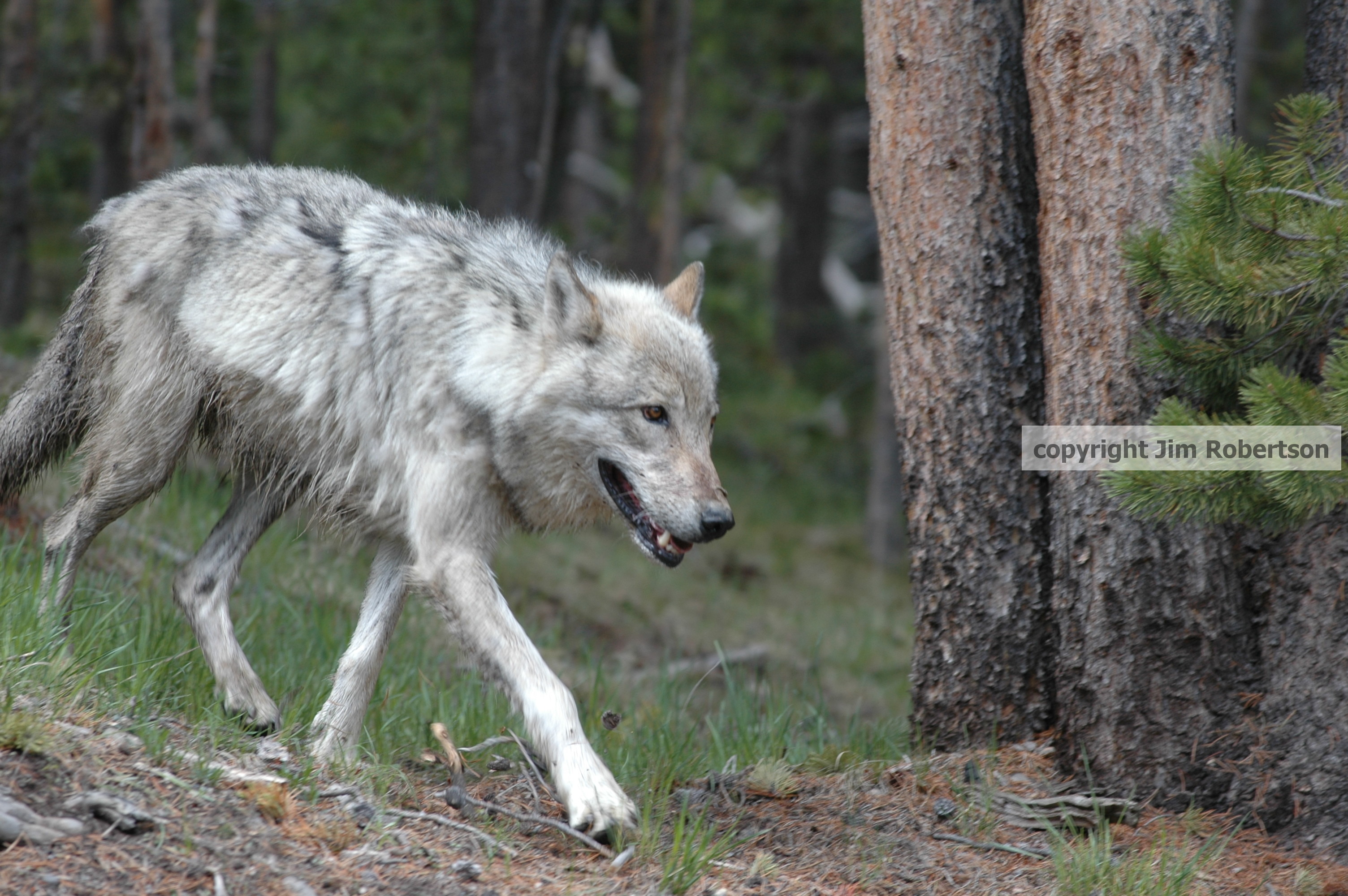
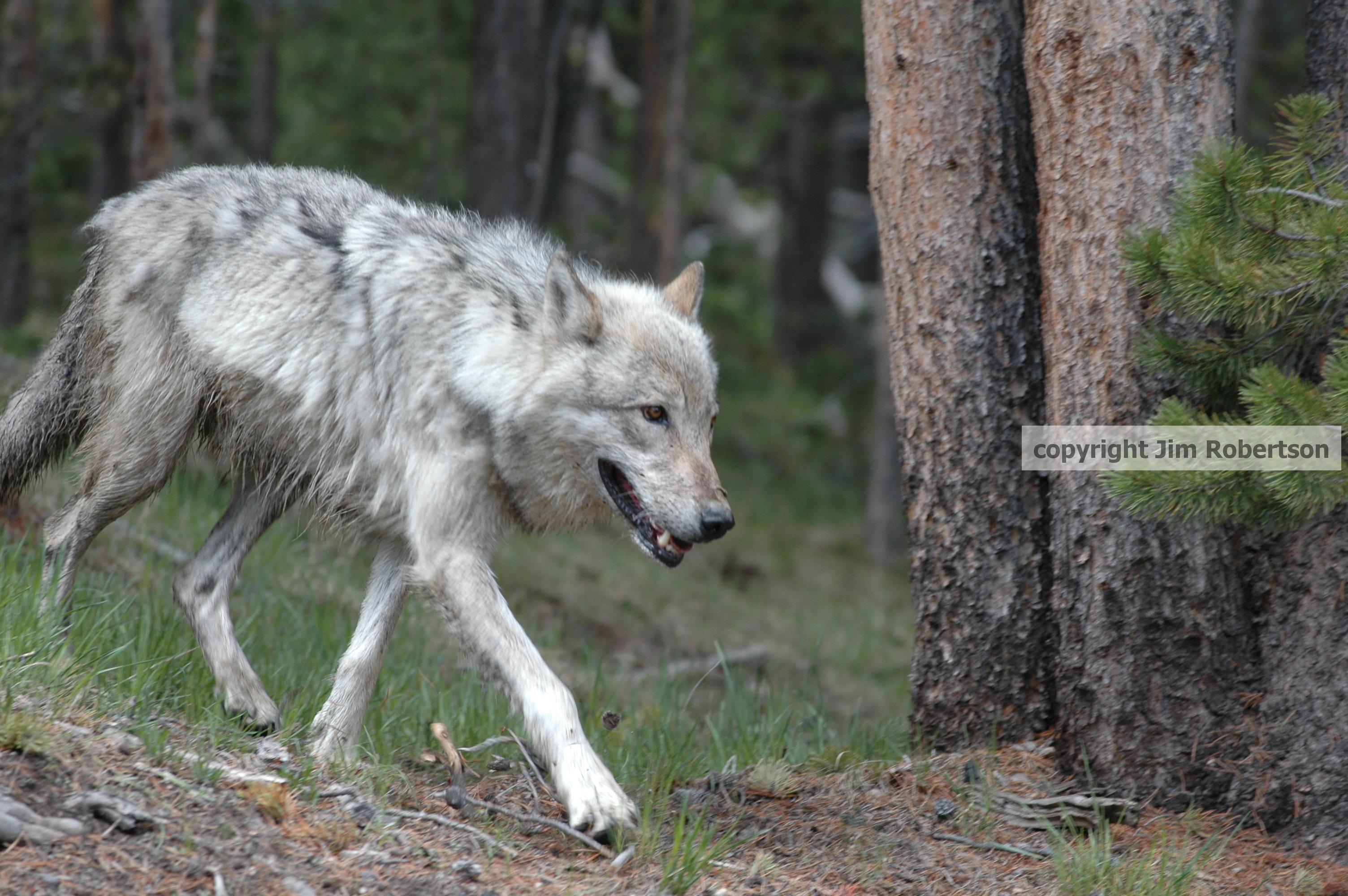
copyrighted Hayden wolf walking

Montana Fish, Wildlife & Parks is looking for tips on a wolf that was poached in the Burnt Fork area of the Bitterroot Valley, east of Stevensville, on Saturday, May 31.

The two year old male wolf had dispersed to Montana from Oregon and was wearing a GPS collar, which provided wildlife officials with movement data and gave an estimated time of death between 6 and 9 pm on May 31.  The wolf was found shot near a road between Sawmill Saddle and Ambrose Saddle in upper Haacke Creek.

The wolf was collared in Oregon in 2013 and had made its way through Idaho and the Big Hole Valley before prior to arriving in the Bitterroot earlier this month.

Anyone with information about this incident is encouraged to call 1-800-TIP-MONT (1-800-847-6668). Callers can remain anonymous and may be eligible for a reward up to $1,000 for providing information that leads to a conviction.

-fwp-

Hunter attacked by grizzly in stable condition

Authorities say a Stevensville man attacked by a grizzly bear is in stable but serious condition.

The man, whose name has not been released, remains hospitalized in Seattle with non-life-threatening injuries, said Andrea Jones, information and education manager with the Montana Department of Fish, Wildlife and Parks in Bozeman.

The 47-year-old man was hunting in the CentennialValley with his father on Sunday when he was mauled by a 10-year-old male grizzly. A crew of wildlife officials found the bear dead of a gunshot wound.

The hunter’s father reported hearing a gunshot just before finding his son with serious injuries. An investigation into the incident remains active.

On Monday, a team of officials, including a bear specialist, game wardens and people with the Forest Service to the remote area where the attack occurred. The Stevensville man and his father were hunting black bear in the Fish Creek Lake area in extreme southwestern Montana when the attack happened. Jones said the mauling happened five miles from their campsite in rugged terrain.

Once stabilized, the man was eventually flown to Seattle.

1467382_575553635851437_268599181_n

Montana Announces Wolf Conservation Stamp

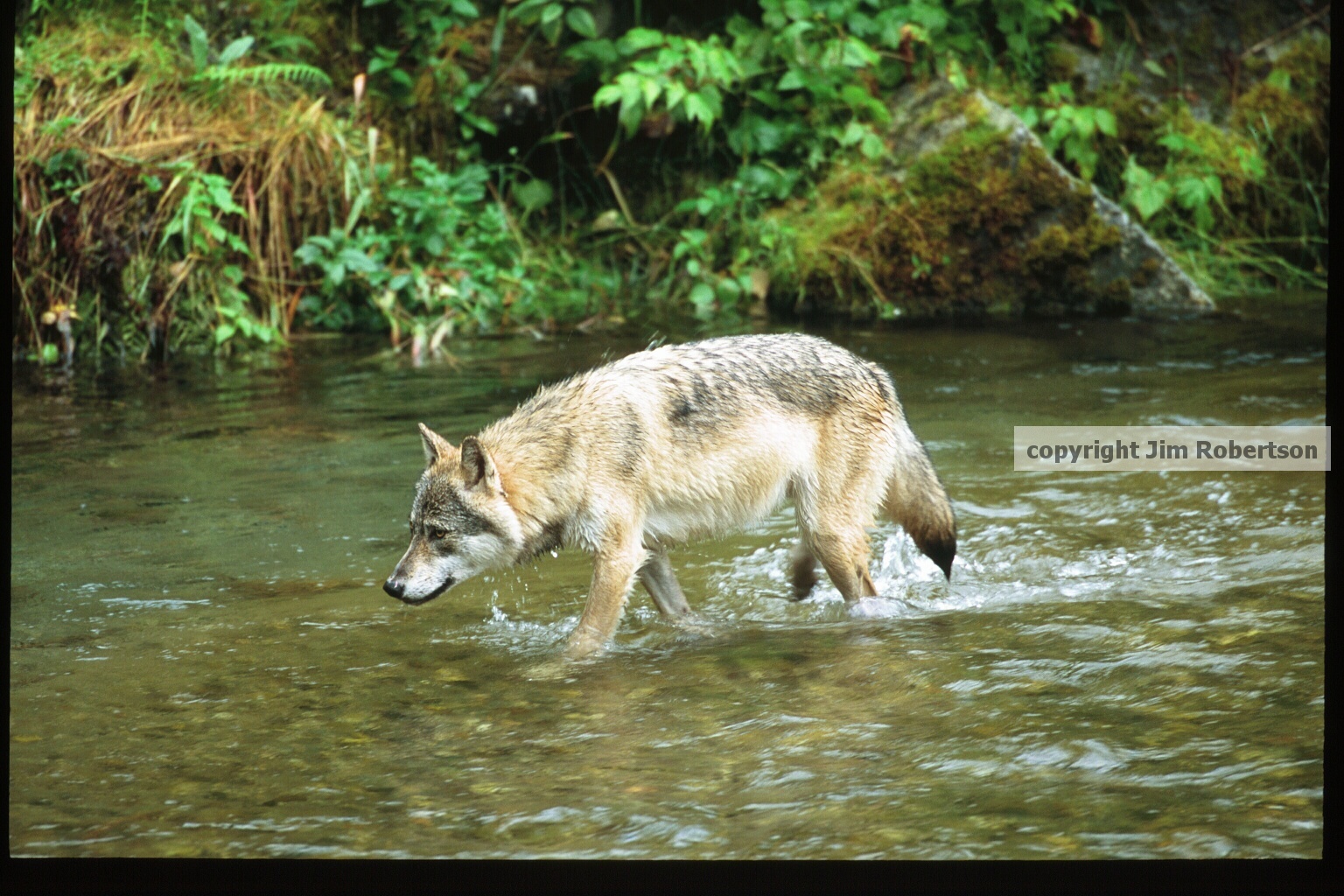
copyrighted wolf in water

[Good news for those who believe that wolves should be responsibly “managed”…]

May 21, 2014 by 

Zack Strong

Last week, the Montana Department of Fish, Wildlife and Parks (FWP) announced that it would be proposing a “Wolf Conservation Stamp” at its May 22 meeting that, if approved, would be available for purchase by the public later this year. This is a truly groundbreaking proposal because it creates, for the first time, an opportunity for anyone to contribute funding to FWP that would only be spent on efforts to promote the conservation and responsible management of wolves and other wildlife in the state.

FWP, and wildlife management agencies around the country, are struggling to find ways to increase and diversify their revenue bases. The Wolf Conservation Stamp presents the perfect opportunity for non-hunters, non-trappers, “non-consumptive” wildlife watchers and recreationists to help support FWP while contributing to wolf and wildlife conservation in Montana – and by doing so, to add their voices and perspectives to the development of wildlife policies in our state.

Here’s how it would work. After covering the costs of administering the program, revenue generated by the purchase of wolf stamps would be equally allocated and spent in three ways:

  • One third would be made available to Montana livestock owners to help pay for nonlethal ways to protect their animals from predators like wolves, bears and mountain lions. By keeping both livestock and large carnivores alive, this would be a good deal for ranchers and wolves alike.
  • Another third would be used to pay for studying wolves, educating the public about wolves, and improving or purchasing suitable wolf habitat. This would benefit everyone, by increasing our knowledge about wolves, ensuring the public has access to accurate information about wolves, and securing habitat in which wolves and other wildlife can thrive.
  • The final third would be used to hire additional FWP wardens—essentially, wildlife police—in occupied wolf habitat. This would enhance enforcement of our wildlife management laws as they pertain to wolves and other species, and reduce incidents of poaching, trespassing, wasting animals, unlawful use of or failure to check traps, and other violations. This is something every Montanan and every American—hunters, non-hunters, property owners, public land users, agency officials, recreationists, and wildlife enthusiasts alike—should encourage and support.

And what’s more, the wolf stamp would be available to everyone. Just as FWP allows non-residents to purchase and use hunting and trapping licenses in the state, the wolf stamp would be available to any wildlife or conservation supporter, anywhere in the country.

If you care about wildlife in the northern Rocky Mountains, including wolves, we believe this is truly a chance to make a difference. Please spread the word about this proposal. And please thank FWP for its leadership and willingness to create this unique opportunity to directly support and contribute to conservation and sound wildlife management in Montana.

Montana FWP approves killing of 100 wolves per year by landowners

copyrighted Hayden wolf walking

http://missoulian.com/news/local/montana-fwp-approves-killing-of-wolves-per-year-by-landowners/article_331cb662-e1ee-11e3-8aa5-001a4bcf887a.html

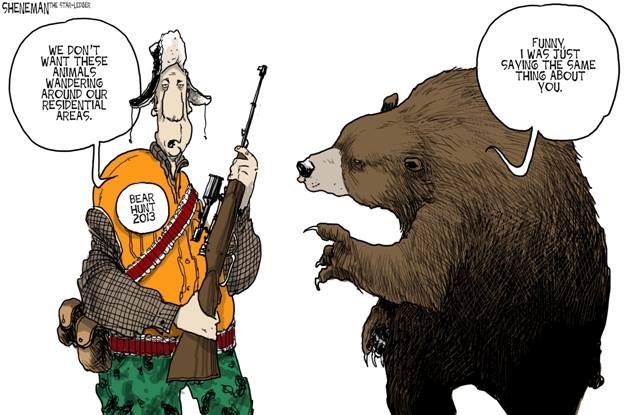
(AP) BILLINGS – Montana landowners could kill a combined 100 gray wolves annually if the predators are perceived to pose a threat to humans or domestic animals, according to a rule that received initial backing from state wildlife commissioners Thursday. 

The proposal significantly expands the circumstances under which wolves can be killed without a hunting license.

The Montana Legislature passed a measure last year requiring the change. The legislation didn’t define what qualifies as a “potential threat” so the Fish and Wildlife Commission didn’t detail it either, spokesman Ron Aasheim said.

Previously, landowners were largely limited to shooting wolves that had attacked or were attacking livestock. Under the new rule, shooting wolves would be permitted whenever they pose a potential threat to human safety, livestock or domestic dogs.

Critics say the proposal is excessive and equates to a year-round wolf-hunting season.

A final vote is scheduled for July.

Between 2005 and 2013, landowners killed 69 wolves in response to livestock attacks. Over that same time period, hundreds of the animals were shot by government wildlife agents.

Separately, commissioners on Thursday tentatively approved hunting regulations for the 2014-15 wolf season.

The annual wolf quota would be reduced from four animals to three in an area near Yellowstone National Park, and trapping for wolves would be allowed for the first time in several wildlife management areas.

Gray wolves were exterminated across most of the Lower 48 states last century before being reintroduced to Yellowstone National Park and central Idaho in the mid-1990s.

The population has since grown exponentially, and there were 627 wolves counted in Montana at the end of 2013.

The animals were removed from the endangered species list in 2011.

During the past year, hunters took 144 wolves in Montana during a season that started in September and ended in March. Trappers took 86 wolves.

Three letters against trapping in Missoulian and BR Star

Three letters against trapping in Missoulian and BR Star

The Benefits of Beaver/Travesty of Trapping

Wildlife Photography ©Jim Robertson, 2014. All Rights Reserved

Wildlife Photography ©Jim Robertson, 2014. All Rights Reserved

From Trap Free Montana Public Lands supporters,
After spending over 3 years as a trail volunteer for Lee Metcalf Wildlife refuge in Stevensville Montana, a dedicated volunteer quit as a result of finding a beaver strangled, drowned, intentionally from a snare. When she asked the staff what was going on they said these were planned trappings for night to kill beavers for the waters for ducks. The legal trapping of beaver ended in this district 7 days before this beaver was trapped.
What can we say of Montana, a dry arid state, with increasing temperatures and decreasing precipitation, with shrinking wetlands impacting rare and endangered species, reduced water resources impacting big game browse, agriculture, irrigation, fisheries and natural fire breaks, where perhaps the most critically necessary species able to create and rectify these dwindling resources……….is not permitted to live out their vital role in the ecosystem and instead of finding safe haven is purposefully trapped and killed at our wildlife refuge, contradictory to the design and vitality of the Lee Metcalf National Wildlife Refuge in the first place.
“Designated in 1964, the Lee Metcalf National Wildlife Refuge was created to provide habitats for migratory birds. The 2,800 acres of lush riparian and wetland habitats attract a variety of wildlife. About 250 species of birds, 37 species of mammals, and 17 species of reptiles and amphibians have been documented on the Refuge.” http://visitmt.com/listing/categories_NET/MoreInfo.aspx…
To add insult to injury, to proclaim trapping beaver on the refuge was to benefit ducks?
Beaver help waterfowl by creating increased areas of water, and in northerly latitudes they thaw areas of open water, allowing an earlier nesting season.[55] In a study of Wyoming streams and rivers, watercourses with beaver had 75-fold more ducks than those without.[56]
Trumpeter swans (Cygnus buccinator) and Canada geese (Branta canadensis) often depend on beaver lodges as nesting sites.[44][57][58] Canada’s small trumpeter swan population was observed not to nest on large lakes, preferring instead to nest on the smaller lakes and ponds associated with beaver activity.[59][60]      WikipediaNorth American Beaver
 
 
Beaver may benefit the birds frequenting their ponds in several additional ways. Removal of some pondside trees by beavers would increase the density and height of the grass–forb–shrub layer, which enhances waterfowl nesting cover adjacent to ponds.[61] Both forest gaps where trees had been felled by beaver and a “gradual edge” described as a complex transition from pond to forest with intermixed grasses, forbs, saplings, and shrubs are strongly associated with greater migratory bird species richness and abundance.[62] Coppicing of waterside willows and cottonwoods by beavers leads to dense shoot production which provides important cover for birds and the insects they feed on.[63] Widening of the riparian terrace alongside streams is associated with beaver dams and has been shown to increase riparian bird abundance and diversity, an impact that may be especially important in semi-arid climates.[64] WikipediaNorth American Beaver
 
As trees are drowned by rising beaver impoundments they become ideal nesting sites for woodpeckers, who carve cavities that attract many other bird species including flycatchers (Empidonax spp.), tree swallows (Tachycineta bicolor), tits (Paridae spp.), wood ducks (Aix sponsa), goldeneyes (Bucephala spp.), mergansers (Mergus spp.), owls (Titonidae, Strigidae) and American kestrels (Falco sparverius).[44] Piscivores, including herons (Ardea spp.), grebes (Podicipedidae), cormorants (Phalacrocorax ssp.), American bitterns (Botaurus lentiginosa), great egret (Ardea alba), snowy egret (Egretta thula), mergansers and belted kingfishers (Megaceryle alcyon), utilize beaver ponds for fishing. Hooded mergansers (Lophodytes cucullatus), green heron (Butorides virescens), great blue heron (Ardea herodias) and belted kingfisher occurred more frequently in New York wetlands where beaver were active than at sites with no beaver activity.[65] WikipediaNorth American Beaver
According to FWP, in the last 6 recorded years, almost 40,000 beaver have been reported trapped and killed in Montana. Beaver can be trapped in unlimited numbers throughout much of the year and DO NOT need to be REPORTED. 
Need any more reasons to support our initiative? Please help spread the word! Getting our initiative on the ballot and successful passage of it will protect beavers and other species on Montana public lands and refuges!
Trap Free Montana Public Lands (TFMPL) is a ballot issue committee dedicated to achieving trap free public lands in Montana in 2014 through a citizen driven ballot initiative.

TFMPL PO Box 1347 Hamilton, Montana 59840
406-218-1170 begin_of_the_skype_highlighting 406-218-1170 FREE  end_of_the_skype_highlighting


Wolf populations in Northern Rockies states Down 6%

April 5, 2014 by 

Associated Press

Gray wolf numbers in the Northern Rockies have declined about 6 percent from 2011, according to the U.S. Fish and Wildlife Service. Congress removed the wolves from the federal endangered species list in 2011. A state-by-state breakdown of year-end 2013 minimum wolf count and percentage change over two years:

–Idaho: 659 wolves; down 14 percent

–Montana: 627 wolves, down 4 percent

–Oregon: 61 wolves; up 110 percent(asterisk)

–Utah: 0 wolves; no change

–Washington: 38 wolves; up 46 percent(asterisk)

–Wyoming: 306 wolves, down 7 percent

–NORTHERN ROCKIES TOTAL: 1,691 wolves; down 6 percent

(asterisk)includes wolves only in eastern portion of state

Source

copyrighted wolf in river