Bald Eagle Was Found In A Trap

This Bald Eagle Was Found In A Trap. Now She’s Finally Flying Free.

A female bald eagle has been released back into the wild, a month after being found stuck in a leg trap and suffering from elevated lead levels.


courtesy Jordan Spyke

Jordan Spyke, assistant director of the Montana Raptor Conservation Center (MRCC), told The Huffington Post that bald eagles can easily be lured by baited traps as they scavenge for food on the ground.

Fortunately, someone in Fort Belknap, Montana found the bird in the trap before she starved to death. On March 2, she became “Patient 14-15″ at MRCC.

“We don’t name any of our birds,” Spyke explained. “We don’t want to get attached to them or anything like that.”

Blood tests revealed that this bald eagle had elevated lead levels, likely from eating spent shot left by hunters. The trap had cut off circulation to her foot, so her toe had to be amputated. A local vet performed the surgery.

eagle surgery

Spyke and his team also treated the bird to remove the lead from her system. She was given flight therapy in their customized flight barn, the only such facility in Montana.

After a month of careful treatment, she was ready to return to the wild.

On April 1, the MRCC team put the eagle into a large crate and loaded her into their “raptor van” for the ride to the Headwaters National Park. As volunteers held the crate door open, the eagle’s eyes slowly adjusted to the light. The spectators made her nervous, they said, but she flew out and was on her way.

Spyke said releasing the bird after the “double whammy” of an amputation and lead poisoning “feels pretty great.” He said the eagle seemed happy to stretch her nearly 8-foot wingspan, too.

“It flew great,” Spyke recalls. “It came up with wings open, got the wind, and barreled out of there.”

MRCC treats about 180 raptors a year, Spyke said, many for severe injuries from gunshots, electrocution and car collisions. The center is able to rehabilitate and release about 40 percent of its patients.

After nearly disappearing in the 1960s, the American Bald Eagle population has returned to healthy levels thanks to decades of conservation efforts. The U.S. Fish & Wildlife service removed them from the endangered species

Urgent: Tell Montana Legislators to Reject Bill to Protect Fur Trapping Interests

http://ida.convio.net/site/MessageViewer?dlv_id=37281&em_id=36182.0&printer_friendly=1

In Defense of Animals

On April 7, the Montana Department of Fish, Wildlife and Parks (FWP) House Committee will vote on SB 334, and your voice is urgently needed to defeat this detrimental and deceptive bill aimed at furthering the interests of the Montana’s recreational and commercial trappers and fur dealers.

SB 334 seeks to include furbearing animals under the term “game” animal. This means that the word ‘trapping’would no longer be used, and trapping is then completely subsumed under “hunting” in a sneaky effort to hide a cruel and unnecessary activity that is generally abhorred by the public.

SB 334 would also add three animal species, currently categorized as non-game species—badgers, raccoons and red foxes—to species currently classified as “predators”, so that a fur dealer in Montana could then buy and sell the pelts from these species.

SB 334 was introduced by Rep. Jennifer Fielder, who is on the board of the Sanders County Resource Council, which serves as a front group for militia activity, and she is a strong proponent of transferring federally managed public lands to the state so that privatization and exploitation can ensue. Her husband, Paul Fielder, is a district director of the Montana Trapper Association (MTA), who is heavily lobbying for this bill.

Click here to learn more and take action.

Montana’s wolf population drops

http://www.greatfallstribune.com/story/news/local/2015/04/03/montanas-wolf-population-drops/25248731/?fb_ref=Default

by Tribune Staff 12:02 p.m. MDT April 3, 2015

Montana’s verified wolf population declined by 73, or 12 percent, last year while livestock depredations by wolves continued to decline, dropping about 46 percent from 2013.

The minimum number of wolves counted by Montana Fish, Wildlife and Parks at the end of 2014 was 554 compared to a minimum of 627 wolves counted at the end of 2013 according to Montana Fish, Wildlife and Park’s annual wolf conservation and management report.

Montana’s minimum wolf packs were counted at 134, compared to 152 last year, while breeding pairs increased to 33 from 28 counted last year.

The minimum wolf count is the number of wolves actually verified by FWP wolf specialists. The actual number of wolves is estimated to be 27 percent to 37 percent higher than the minimum count. FWP’s complete report is available online at fwp.mt.gov.

Overall, FWP Director Jeff Hagener said Montana’s wolf population continues to be very healthy and far above federal recovery goals.

“Among the best news is that confirmed wolf depredations on livestock again took a significant drop in 2014,” Hagener said.

Confirmed livestock depredations because of wolves included 35 cattle, six sheep and one horse in 2014, down 46 percent from 2013 losses of 50 cattle, 24 sheep, three horses and one goat. Cattle losses in 2014 were the lowest recorded in the past eight years.

The decline in wolf depredations continues a general downward trend that began in 2009.

“For FWP, and we hope for others, it reinforces the fact that we not only have more tools for managing wolf populations, but that we’re applying them effectively,” Hagener said. “One of our top priorities is to minimize livestock losses, and we think we’re continuing to make a positive impact there.”

The continuing decrease in livestock depredations over the past four years may be a result of several factors including targeted wolf depredation responses in cooperation with USDA Wildlife Services, and the effects of wolf harvest by hunters and trappers.

In the 2014 calendar portion of the 2014-15 hunting/trapping season, 213 were taken by hunters and trappers compared to 231 taken in the 2013 calendar portion of the 2013-14 season.

The total number of known wolf mortalities during 2014 was 308, down from 335 in 2013, with 301 of these mortalities being human-related, including 213 legal harvests, 57 control actions to further reduce livestock depredations (down from 75 in 2013), 11 vehicle strikes, 10 illegal killings, six killed under the newly-enacted Montana State Senate Bill 200, two capture-related mortalities, one euthanized because of poor health and one legal tribal harvest. In addition, one wolf died of natural causes and six of unknown causes.

“Montana’s wolf management program seeks to manage wolves just like we do other wildlife — in balance with their habitat, with other wildlife species and with the people who live here,” Hagener said.

For the purpose of reporting minimum counts to the U.S. Fish and Wildlife Service, Montana is divided into three areas that reflect the former gray wolf federal recovery zones. The three zones cover the entire state and include more than one FWP region. Following is a summary of the 2014 minimum counts verified for those areas:

In the “Northwest Montana” area, counts showed a minimum of 338 wolves in 91 verified packs and 17 breeding pairs, compared to 412, 104, and 16, respectively, in 2013.

In the Montana portion of the “Central Idaho” area counts verified a minimum of 94 wolves in 20 packs, with six breeding pairs, compared to the 2013 counts of 123, 26, and seven respectively.

The Montana portion of the “Greater Yellowstone” counts include a minimum of 122 wolves in 23 packs, and 11 breeding pairs, compared to 132, 22, and five, respectively in 2013.

The recovery of the wolf in the northern Rockies remains one of the fastest endangered species comebacks on record. In the mid-1990s, to hasten the overall pace of wolf recovery in the Northern Rockies, the U.S. Fish and Wildlife Service released 66 wolves into Yellowstone National Park and central Idaho. FWP began monitoring the wolf population, and managing livestock conflicts in 2004. After several court challenges wolves were taken off the Endangered Species list in 2011.

The delisting of wolves in 2011 allows Montana to manage wolves in a manner similar to how bears, mountain lions and other wildlife species are managed, which is guided by state management plans, administrative rules and laws.
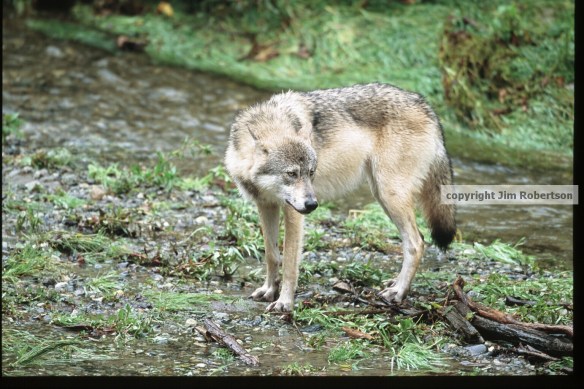
copyrighted wolf in river

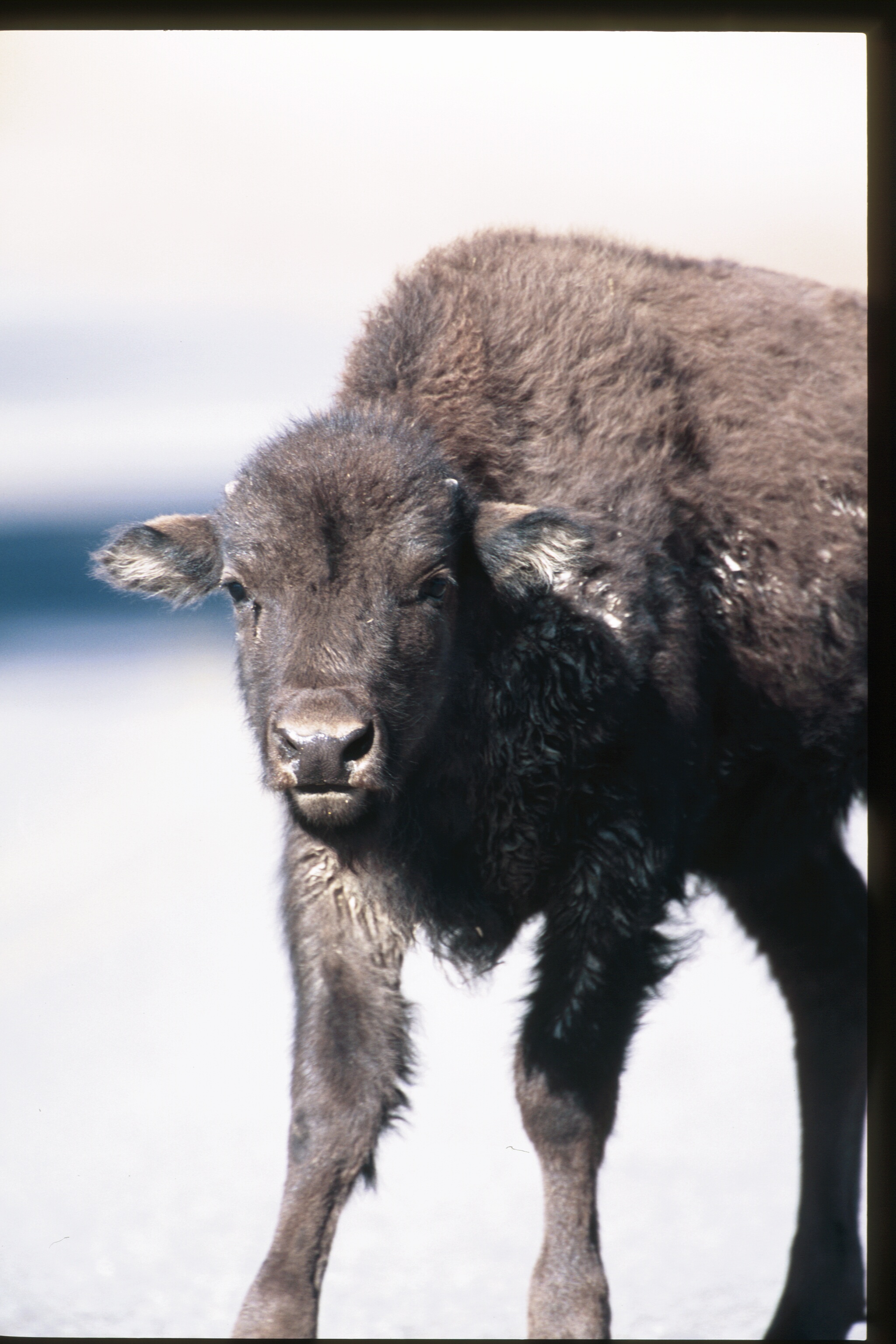
Tell Montana Governor Bullock to Protect Bison – Veto HB 194

FROM

Buffalo Field Campaign (BFC)
March 2015

[NOTE from All-Creatures.org: The confinment, harassment and slaughter of bison is because cattle ranchers do not want wild animals “competing for food” with their cows. GO VEGAN and you will help save bison!]

bison and cattle

ACTION

HB 194 is another attempt by special interests to block the resoration of wild bison in Montana. This act must not become law.

Contact Montana Governor Steve Bullock and let him know you stand for recovering America’s wild buffalo. If you live out of state, let him know why you visit Montana and what is important to you. Tell him to veto HB 194.

Sign an online petition here.

And/or better yet,make direct contact:

Governor Steve Bullock
Office of the Governor
Montana State Capitol
P.O. Box 200801
Helena, MT 59620-0801
phones (855) 318-1330 or (406) 444-3111
fax (406) 444-5529
governor@mt.gov

INFORMATION / TALKING POINTS

  • HB 194 is an act requiring a forage (range) analysis before wild buffalo (or bison) are released, transplanted, or migrate naturally, onto land in Montana.
  • HB 194 is another unfunded mandate required to be performed before transplanting or reintroducing buffalo as a wildlife species in Montana.
  • HB 194 provides no funding for a required forage analysis by a range scientist from MSU-Ag or US NRCS.
  • HB 194 uses agricultural theories based on livestock grazing principles rather than professional ecological analysis by wildlife and wildlands professionals.
Photo by  Jim Robertson

Photo by Jim Robertson

Wolf harvest down slightly from last year

http://www.greatfallstribune.com/story/outdoors/hunting/2015/03/17/wolf-harvest-slightly-last-year/24928657/

Montana hunters and trappers killed 207 wolves during the 2014-15 season, which came to a close Sunday.

That was 23 fewer wolves than the 230 killed in the 2013-14 season.

Montana Fish, Wildlife and Parks wasn’t surprised by those numbers. That’s well within normal season-to-season hunting fluctuations, said John Vore, game management bureau chief with FWP.

A number of factors could contribute to that decrease.

copyrighted wolf in riverWe suspect the wolf population is down a little bit,” Vore said.

The weather was also very different between the two seasons, said Ron Aasheim, FWP spokesman.

Wolf hunters also may not have been as motivated after a few seasons of wolf hunting, he said. Hunters who were really interested and committed to getting a wolf when wolf hunting first became legal may have already harvested a wolf last year or the year before and may not have worked as hard this year.

FWP issued 20,383 wolf licenses this season, compared to 24,479 last season.

Along the Rocky Mountain Front, hunters took 11 wolves and trappers took eight. Last year, 12 wolves were taken in Region 4.

No wolves were killed this year in the Highwoods or Little Belts, said Ty Smucker, wolf management specialist in Region 4.

FWP is preparing is wolf population report. That should be out in the next couple weeks, Aasheim said.

A history of wolf hunts in Montana

2009: During Montana’s first regulated wolf hunt, hunters harvested 72 wolves during the fall hunting season. As hunters approached the overall harvest quota of 75 wolves, FWP closed the hunt about two weeks before the season was scheduled to end.

2010: The hunting season was blocked by a federal court ruling in August 2010 that returned wolves to the federal endangered species list. In April 2011, the U.S. Congress enacted a new federal law delisting wolves in Montana and Idaho, and in portions of Washington, Oregon and Utah.

2011-12: The wolf hunting season ended with a total harvest of 166 wolves, 75 percent of the overall quota of 220 wolves. The season was initially set to end Dec. 31, but was extended to Feb. 15.

2012-13: This was the first time wolf trapping was allowed in the state. There was no statewide quota. Hunters took 128 wolves and trappers took 97 wolves for a total of 225.

2013-14: Montana’s wolf hunting season was extended and the bag limit was increased to five wolves. Hunters killed 143 wolves and trappers took 87 wolves, for a total of 230 wolves.

2014-15: Hunters killed a 130 wolves and trappers killed another 77 for a total of 207 animals.

Could Fewer Wolf Kills Mean Fewer Wolves?

Trappers in Montana have killed 77 gray wolves and hunters have shot 127 so far this winter — a total of 204 animals — as the season for the animals nears its end.copyrighted wolf in river

Montana Fish, Wildlife and Parks spokesman Ron Aasheim said the final tally for this winter’s wolf harvest is expected to fall short of the 230 wolves killed in the 2013-2014 season.

The trapping season closed Feb. 28, and Montana’s rifle hunting season for gray wolves ends March 15.

Six of the predators have been killed by landowners, under a new state law that allows wolves to be killed if they are considered a potential threat to livestock or human safety.

In neighboring, Idaho hunters have shot 113 of the animals so far this winter and trappers have killed 92.

The state’s total harvest of 205 wolves is well short of the prior year’s total of 302 animals killed.

Idaho’s wolf season ends March 31 for most of the state but continues year-round in some areas.

Wyoming did not have a wolf hunting season this winter. After losing their federal protections across the Northern Rockies in 2011 and 2012, wolves were put back on the endangered species list in Wyoming in September under a court order.

U.S. District Judge Amy Berman Jackson sided with wildlife advocates who said Wyoming’s declaration of wolves as unprotected predators that could be shot on sight in most of the state afforded insufficient protection.

Legislation pending before Congress would nullify the judge’s decision.

There were 1,691 wolves in the Northern Rockies at the end of 2013, the most recent data available.

http://trib.com/news/state-and-regional/winter-wolf-harvests-trailing-in-northern-rockies-most-hunting-trapping/article_d585057d-f9b6-50f1-b661-e5e4f6be8006.html

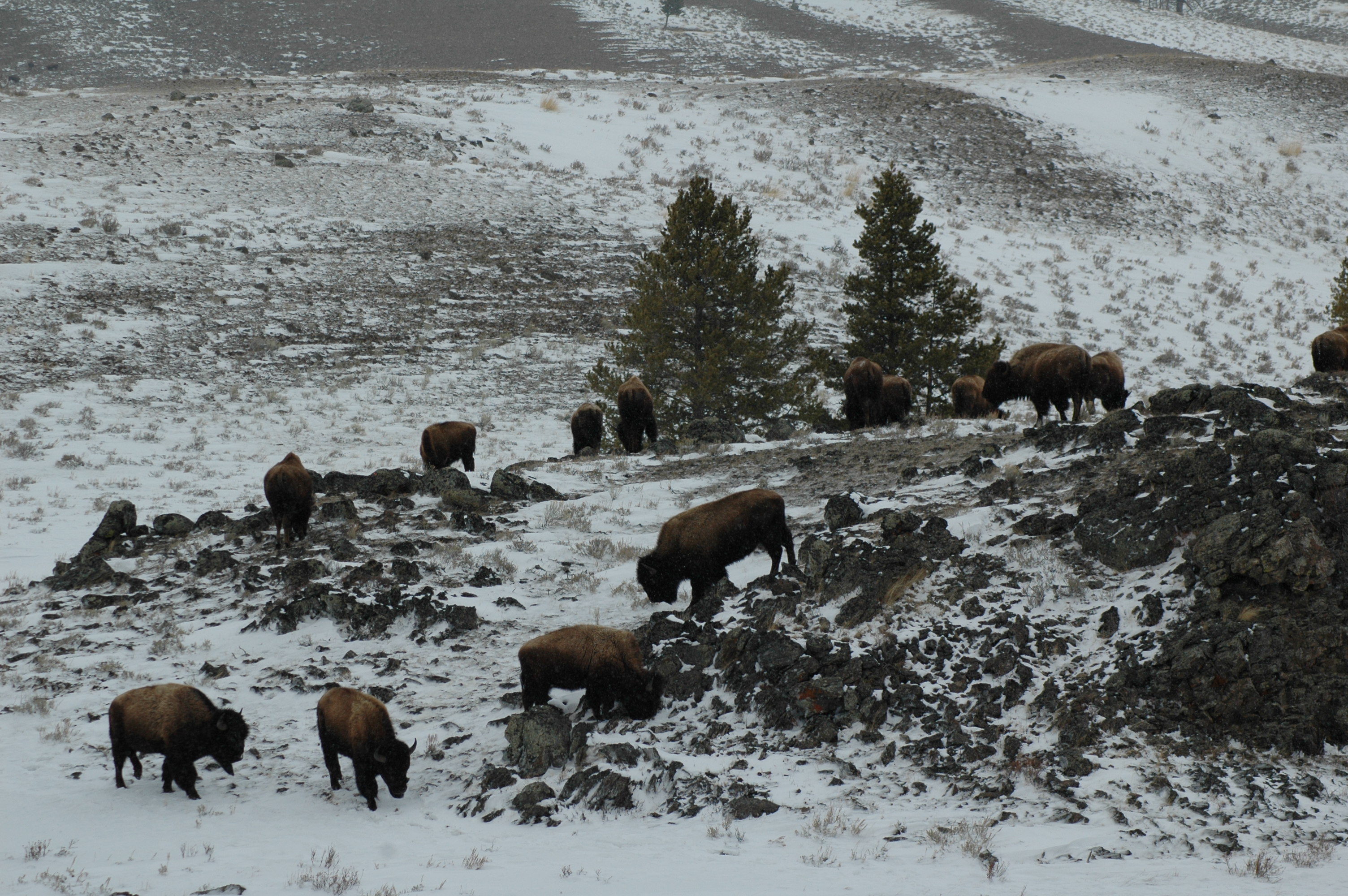
Stop Yellowstone National Park’s Bison Slaughter!

PLEASE SIGN AND SHARE!

Stop Yellowstone National Park’s Bison Slaughter! Sign Our One Click Letter No Matter Where You Live! In February 2014, we asked you to oppose the slaughter of bison in America’s oldest national park and you responded by the thousands. We need you to speak up again, because Yellowstone National Park is continuing to kill these majestic and wild animals. Since January 15, approximately 250 bison have been captured inside the park and all, with the exception of five, tragically transported to slaughterhouses. In addition, Montana hunters and treaty hunters have killed at least 150 bison along the park’s borders, raising the death toll to 400 individuals.  The Montana livestock industry wants America’s last wild bison dead. The Montana Livestock Industry has zero tolerance and no respect for wild animals such as bison. These bison are being rounded up and shipped to slaughter to appease livestock ranchers in Montana who unfairly compete with bison for grazing space.  In 1995, the Montana legislature adopted MCA 81-2-120 in response to political pressure by cattle ranchers to stop wild bison from migrating from Yellowstone National Park into Montana. MCA 81-2-120 gives the Montana Department of Livestock complete jurisdiction over migratory bison, which means that bison can be physically removed, hazed, rounded-up, killed by hunters, and sent to slaughter at the will and order of the Montana livestock industry. Click here to take action: https://secure2.convio.net/ida/site/Advocacy?cmd=display&page=UserAction&id=2709 See this alert on our website here: http://www.idausa.org/stop-yellowstone-national-parks-bison-slaughter/
(Bison Photo copyright Jim Robertson)

Stop Yellowstone National Park’s Bison Slaughter!

Sign Our One Click Letter No Matter Where You Live!

In February 2014, we asked you to oppose the slaughter of bison in America’s oldest national park and you responded by the thousands. We need you to speak up again, because Yellowstone National Park is continuing to kill these majestic and wild animals. Since January 15, approximately 250 bison have been captured inside the park and all, with the exception of five, tragically transported to slaughterhouses. In addition, Montana hunters and treaty hunters have killed at least 150 bison along the park’s borders, raising the death toll to 400 individuals.

The Montana livestock industry wants America’s last wild bison dead.
The Montana Livestock Industry has zero tolerance and no respect for wild animals such as bison. These bison are being rounded up and shipped to slaughter to appease livestock ranchers in Montana who unfairly compete with bison for grazing space.

In 1995, the Montana legislature adopted MCA 81-2-120 in response to political pressure by cattle ranchers to stop wild bison from migrating from Yellowstone National Park into Montana. MCA 81-2-120 gives the Montana Department of Livestock complete jurisdiction over migratory bison, which means that bison can be physically removed, hazed, rounded-up, killed by hunters, and sent to slaughter at the will and order of the Montana livestock industry.

Click here to take action:

https://secure2.convio.net/ida/site/Advocacy…

See this alert on our website here:

http://www.idausa.org/stop-yellowstone-national-parks-biso…/

Another New Contest Hunt?

First the bad news–New Coyote Derby in announced in Montana

MT contest hunt

Then the terrific News! Bill to Ban Coyote Killing Contests in New Mexico Passes First Hurdle Today!

Today SB 253, a bill sponsored by New Mexico Senator Mark Moores and Representative Jeff Steinborn to ban coyote killing contests passed out of committee with a vote of 6-3.

This contest-hunt ban effort is work that WildEarth Guardians is doing with coalition partners Animal Protection Voters, @Southwest Environmental Center, and others who are committed to improving treatment of wildlife in New Mexico through changes in state legislation.

200+ Yellowstone Bison Sent to Slaghter

Photo Copyright Jim Robertson

Photo Copyright Jim Robertson

http://www.msn.com/en-us/news/us/at-least-200-yellowstone-bison-have-been-sent-to-slaughter-conservation-group/ar-AA8wPh0

Yellowstone National Park has shipped at least 200 bison near the park boundary with Montana to slaughter as the famed tourist destination seeks to reduce a herd by 900 animals this winter, a U.S. conservation group said on Friday.

A park spokesman, Al Nash, could not immediately confirm how many bison may have been handed over to tribal partners and taken to slaughter. But he said 162 bison had been captured and placed into a holding facility as of a week ago.

The Buffalo Field Campaign, which opposes the culling and has been monitoring it, said the bison had been dispatched to slaughter since Wednesday, and anticipated that 55 more could be sent on Monday.

The culling plan allows the bulk of bison marked for death to be transferred to Native American tribes for slaughter and a certain number of the wandering buffalo to be killed by hunters.

The strategy is designed to address worries by ranchers that bison infected with the bacterial disease brucellosis, which can cause miscarriages in cattle, could transmit it to their herds, potentially threatening Montana’s brucellosis-free status.

The plan this winter to reduce the bison population to 4,000 from 4,900 comes as conservation groups are seeking federal protections for a herd that is a top attraction for the 3 million annual visitors to a park that spans parts of Wyoming, Montana and Idaho.

Buffalo Field Campaign spokeswoman Stephany Seay called the culling practice “the brutal abuse and slaughter of the only wild population of buffalo remaining in this country.”

The iconic hump-backed animals once roamed by the tens of millions west of the Mississippi until hunting campaigns reduced their numbers to the fewer than 50 that found safe harbor at Yellowstone in the early 20th century.

The Buffalo Field Campaign said that roughly another 100 bison have been killed by hunters outside the park in Montana, while Nash, citing state officials, put that number lower, at 70.

Nash said the park usually engages in culling in winter, when bison migrate to lower elevations in search of food. Federal and state officials on horseback have been capturing animals along the park boundary, both inside and outside the park.

Conservationists petitioned the U.S. Fish and Wildlife Service last year to provide federal safeguards for the Yellowstone herd, contending it was the only free-roaming band in the country to retain its genetic integrity.

(Reporting by Eric M. Johnson in Seattle; Editing by Sandra Maler)

It’s All a Game: New Tags Allow Wolf-Pelt Transport To Canada

USFWS Helps to Market Wolf Pelts: ‏

http://fwp.mt.gov/news/newsReleases/fishAndWildlife/nr_0722.html

Fish & Wildlife

Wed Jan 21 10:57:00 MST 2015

With the recent approval from the U. S. Fish & Wildlife Service, Montana wolf hunters and trappers who harvest wolves will now obtain internationally recognized pelt tags to allow for the export of wolf pelts directly out of country, usually to Canadian fur auction houses.

Montana’s CITES wolf-pelt tags were obtained under the Convention on International Trade in Endangered Species, an international agreement between governments. Its aim is to ensure that international trade in specimens of CITES-listed wild animals and plants does not threaten their survival.

“This is a big change from the past couple of years in terms of hunter and trapper harvest opportunity to sell wolf pelts,” said Brian Giddings, statewide furbearer coordinator for Montana Fish, Wildlife & Parks in Helena.

Any hunter or trapper who harvests a wolf taken during the 2014-2015 season—Sept. 6, 2014 through Feb. 28, 2015—can now have it tagged with a CITES pelt tag.

As a condition of CITES approval, however, no prior season harvested wolf can receive a CITES tag, Giddings said.

Additionally, Montana’s wolf CITES tags cannot be used for any other method of mortality such as road-killed, federal Wildlife Services’ control action, landowner/livestock control, or incidental take. Nor can CITES tags be used for wolves taken on Tribal lands.

Hunters and trappers have strict reporting requirements. Upon the harvest of a wolf, hunters and trappers must call 1-877-FWP-WILD—1-877-397-9453—within 24 hours to file a report. Wolf pelts must be tagged within 10 days of harvest.

State tags issued earlier this hunting and trapping season can be replaced with the new wolf CITES tags by contacting the nearest FWP regional office. Once one receives a wolf CITES tag the old state-issued wolf tag can be removed and discarded.

For more information on CITES wolf-pelt tags contact your nearest FWP office.

To learn more about Montana’s wolf hunting season, visit FWP online atfwp.mt.gov. Click “Hunting Guides” and choose Wolf.

Featured Image -- 7624