
Royal Dutch Shell PLC icebreaker Fennica heads upriver in Portland, Ore., Thursday, July 30, 2015.

Royal Dutch Shell PLC icebreaker Fennica heads upriver in Portland, Ore., Thursday, July 30, 2015.

Around this time last year, wolf advocates celebrated news that after traveling thousands of miles alone looking for love and a new home, Oregon’s famous lone wolf OR-7 had found a mate and welcomed a litter of pups into the world.
Now wolf advocates are celebrating confirmation that not only are the three known pups who were born last year thriving, but the family, now formally known as the Rogue Pack, has welcomed yet another litter this spring.
Remote cameras caught last year’s pups playing in the Rogue River-Siskiyou National Forest in late June and officials collecting the cameras found pup scat in the area, which led to the recent confirmation of
Read more: http://www.care2.com/causes/oregons-famous-wolf-welcomes-more-pups.html#ixzz3gvsOokze
Published: June 2nd, 2015 at 11:59 pm ET
|
KSBW, May 29, 2015 (emphasis added): Monterey Bay National Marine Sanctuary: Mass die-off could happen – “We are beginning with continuing coverage of that algae bloom in the Monterey Bay. Scientists say they’re seeing the highest levels of red tide in more than a decade, and they’re worried it will have grave impacts on marine life… [It] spreads all up and down the West Coast. Researchers in Santa Cruz have already recorded a mass die-off of anchovies and they expected more species could follow.”
KSBW, May 29, 2015: Scientists with the Monterey Bay National Marine Sanctuary are predicting a mass die-off on the Central Coast… Up and down the West Coast, a large algal bloom of Pseudo-nitzschia is growing rapidly.
Chris Scholin, Monterey Bay Aquarium Research Institute (MBARI), May 28, 2015: Very Toxic Algal Bloom in Monterey Bay — I wanted to let you know we have been following a very big bloom of Pseudo-nitzschia over the past couple of weeks here in the bay, and the amount of associated domoic acid is really extraordinary… Yesterday I noticed anchovies washing up on the beach in front of MBARI as far as I could see. There’s also lines of fish scales (anchovy?) marking the high tide line… One of the staff went snorkeling off the beach here, and saw the seafloor littered with anchovies… keep an eye out for seizuring sealions, sick birds, maybe sick otters… We think this is a very large event… Don’t eat shellfish or forage fish from MB — very nasty right now!!!
KSBW, May 29, 2015: “New tonight… researchers say a large algae bloom has taken over the Monterey Bay“… Jim Birch, MBARI: “We’re seeing these really high domoic acid levels in both locations, which is very, very unusual“… “Scientists with MBARI say the toxins from the algae bloom are going to have a chain reaction on marine animals, and they’ve already seen more dead seabirds on Central Coast beaches… It has started to really grow in the last few days.
KSBW, May 29, 2015: Raphael Kudela, a researcher at [UCSC] said the bloom… is being found from Washington to Santa Barbara… reports of dead seabirds are already coming in.
Monterey Herald, May 28, 2015: A mysterious neurotoxin… returned with a vengeance… “This is an unusual one,” said Raphael Kudela… “We haven’t seen a bloom this big in 15 years.”… why the toxin periodically blooms in Monterey Bay is still a marine mystery… scientists are getting closer to pinning down the reason for the blooms, with human impacts among the range of possibilities… Domoic acid is also suspected in a recent spate of bird deaths.
UC Santa Cruz, June 2, 2015: The toxin was first detected in early May, and by the end of the month researchers had detected some of the highest concentrations of domoic acid ever observed in Monterey Bay. “It’s a pretty massive bloom. The domoic acid levels are extremely high right now… the event is occurring as far north as Washington state. So it appears this will be one of the most toxic and spatially largest events we’ve had in at least a decade,” said Raphael Kudela, [UCSC] professor of ocean sciences.
MBARI, Jun 1, 2015: Researchers measured some of the highest concentrations of harmful algae and their toxin ever observed in Monterey Bay… During a normal [bloom] 1,000 nanograms per liter would be considered high… [It’s] reached 10 to 30 times this level. On May 27, 2015, very high levels… were found in dead anchovies… The researchers do not know if the anchovies died because of domoic acid poisoning.
Situated near the mouth of the Columbia River at the top of the Oregon Coast, Astoria, can be a nice small town to visit, if you like sea lions. If not, it can be a cold, heartless and otherwise pretty boring place. 
The entertaining pinnipeds lounging, cavorting and guarding their tiny spot on a couple of the docks in the town’s East Moring Basin are a must see for anyone who enjoys connecting with the wildlife close-up.


Unfortunately, a few of the locals are more fulfilled by hating and shooting the friendly, comical sea lions despite the steady draw they bring to this depressed and rather depressing town which makes a temporary living through extraction of dwindling natural resources, such as fish and trees (many of which are shipped to China on giant, diesel carbon-spewing container ships). Not unlike so many other instances in society, it’s really only a few local people, claiming all for humans, who want the sea lions evicted, but they don’t mind ruining it for everyone else.
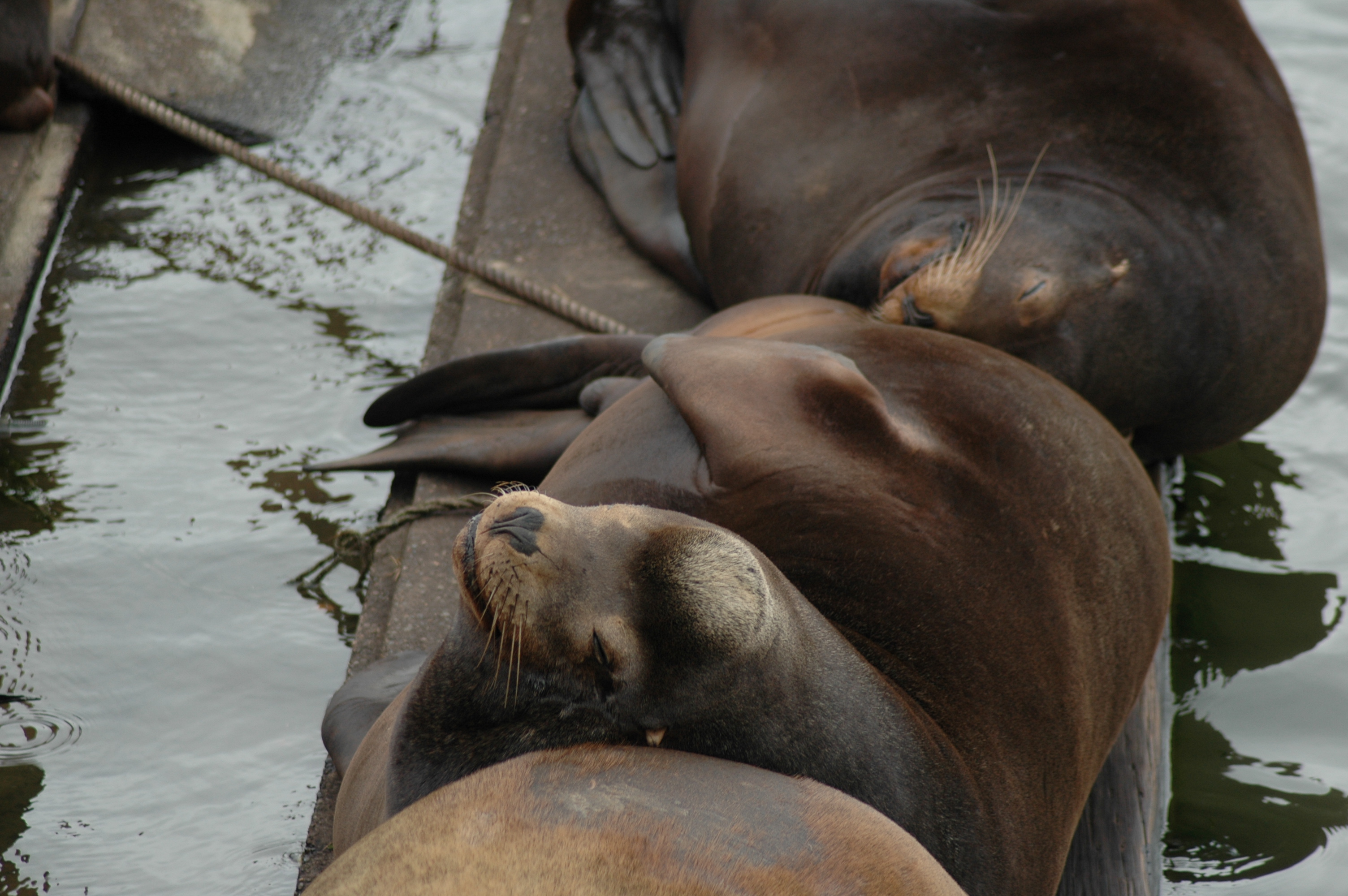
Text and Wildlife Photography ©Jim Robertson, All Rights Reserved
A similar situation is going on in nearby Gearhart, just north of Seaside, Oregon. A herd of Roosevelt elk recently moved into the quietish town (after being crowded out of their former home by development, including a Home Depot, Petco, Staples, Dollar Store, a couple of auto dealerships, and a relocated, expanded super-Costco, with more to come soon—all, ironically—on “Dolphin” Lane). For now they enjoy the dunes along the beach, but that could all change if the few who resent wildlife in their proximity have their way…

Billions of “By the Wind Sailors” (Velella Velella) or a giant colony (depending on how you look at it) are washed up on Washington’s Long Beach peninsula. It’s at least 5 times as many as anyone has ever seen there at one time. Although no one in the media is yet attributing this to climate change, Velella thrive in warm water and the U.S. West coast has been plagued by a blob of warm water that is effecting everything from sea life to weather patterns. This 1,000 mile wide X 100s of feet deep”blob” and recent ocean acidification are undeniably part of global warming.
Now, the shorebirds seem to be having a hard time finding their food with so many of these jellyfish at the tide line.
We’ve all heard that Florida has an unwritten law forbidding government “scientists” and the media from mentioning climate change/global warming–the same must be true on the West coast. After an extensive search, I finally found someone who dared to risk uttering the words “climate change” in association with these jellyfish.
https://www.youtube.com/watch?v=egEy4fSfkIo
It would not surprise me to learn that climate change-related Velella Velella blooms are responsible for the collapse of entire marine food chains. Sardines (which young California sea lions depend on) have nearly disappeared. Sardines likely depend on the plankton the jellyfish are eating.
Oceans filled with nothing but jellyfish is a depressing vision of the future as anthropogenic climate change and mass extinction scenarios play themselves out…
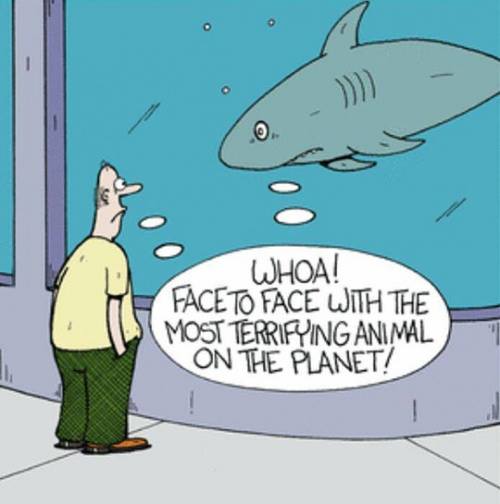
By Associated Press April 25, 2015
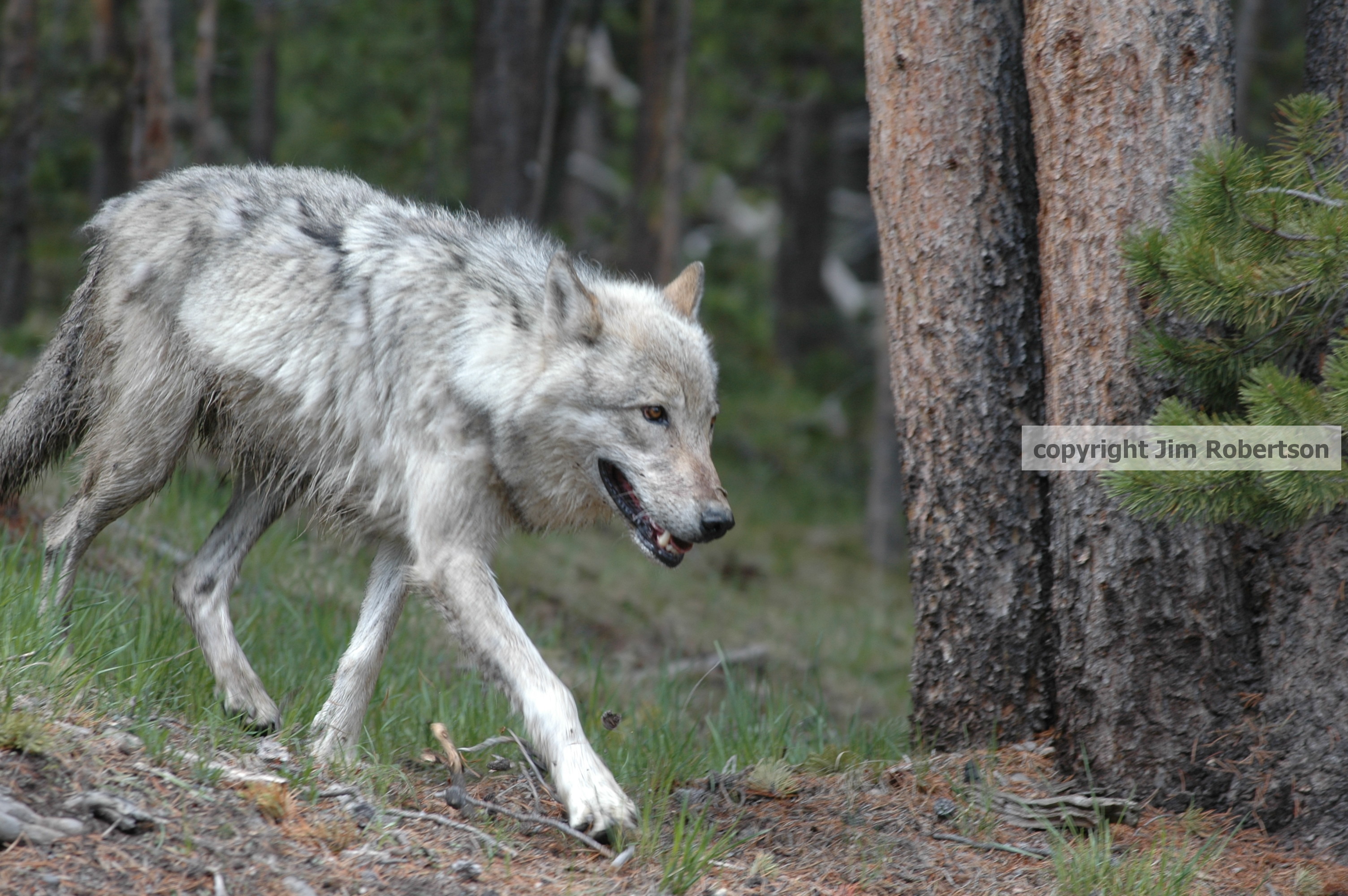
The decision Friday by the Oregon Fish and Wildlife Commission came as the number of wolves and breeding pairs have increased in the state. By 2014, there were 77 wolves in 15 known packs.
The state’s conservation goal was to have four breeding pairs for three consecutive years, a goal that was reached earlier this year.
The commission will look at two options: delisting the wolves statewide and partially, in eastern Oregon only. The option of not delisting also remains.
State delisting would not impact a federal endangered listing that includes the state’s western two-thirds.
Commissioners will draft a proposal by June and vote on it in August.
http://newsradio1310.com/bill-proposed-to-remove-wolf-protection-in-ut-or-and-wa/
YAKIMA, Wash. (AP) — Republican U.S. Rep. Dan Newhouse has introduced a bill to remove the gray wolf from Endangered Species Act protections in Washington, Oregon and Utah.
The freshman lawmaker says removing wolves from the list is “long overdue” and would allow state wildlife officials to manage wolves more effectively.
The Yakima Herald-Republic reports his bill would also prevent states from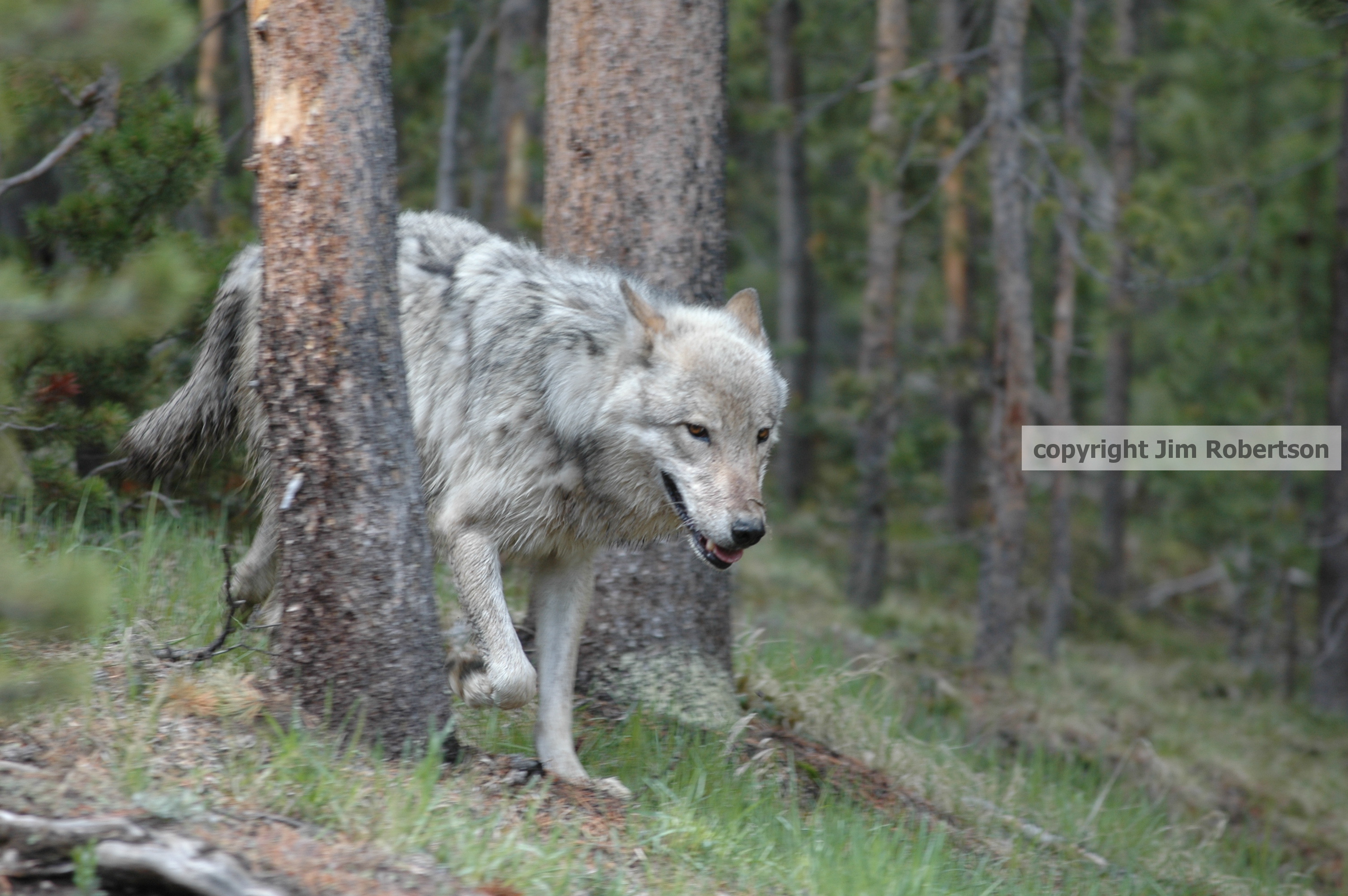 providing protections to wolves that are stronger than those found in the federal Endangered Species Act.
A spokesman for Conservation Northwest, which works on wolf recovery issues, calls the bill disappointing. Chase Gunnell says there are only a few wolves receiving federal protection in Washington and Oregon
Read More: Bill Proposed to Remove Wolf Protection in UT, OR, and WA | http://newsradio1310.com/bill-proposed-to-remove-wolf-protection-in-ut-or-and-wa/?trackback=tsmclip
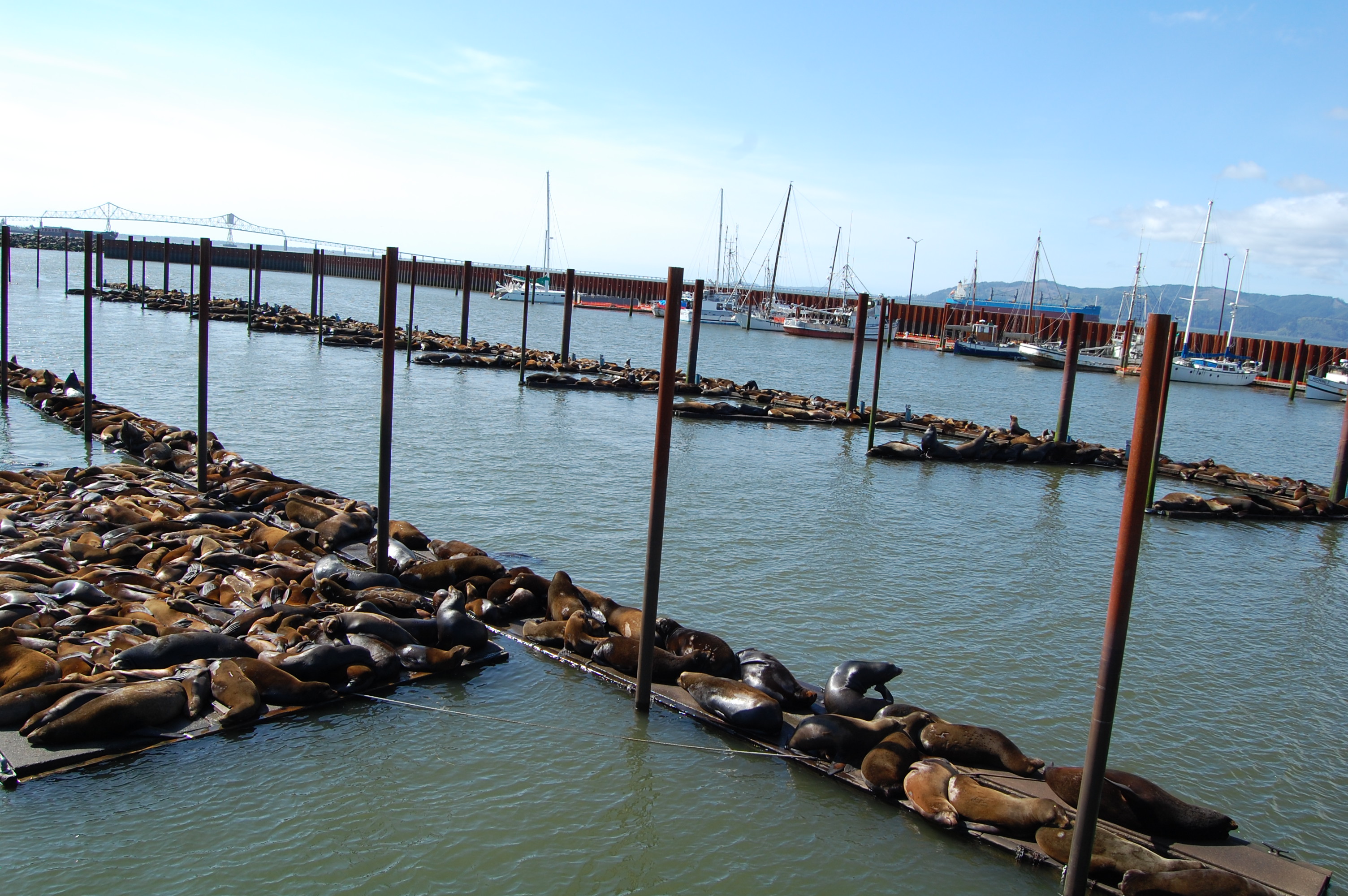
Wildlife Photography ©Jim Robertson
The obligation of the Port is to protect the publicly owned docks, he said, and other possible solutions, such as lightly electrified pads, didn’t work out.
“I’m also curious to see where the sea lions go,” Knight said, adding jokingly he hopes they won’t make their way to the Port’s West End Mooring Basin.
Commissioner Stephen Fulton asked about an offer he’d heard in the community to build a sea lion-specific dock.
Mike Weston, the Port’s director of business development and operations, said sometime last year, the Port had been approached by Sea Shepherd with an offer to pay for a sea lion dock. But the offer would have stipulated that the Port expel the Oregon Department of Fish and Wildlife from the East End Mooring Basin, Weston added, and the Port can’t control what the state does.
ODFW periodically traps and brands sea lions at the basin, as part of a tracking effort. It’s authorized by the National Oceanic and Atmospheric Administration to kill up to 93 sea lions a year found predating on salmon at Bonneville Dam.
Larger issue
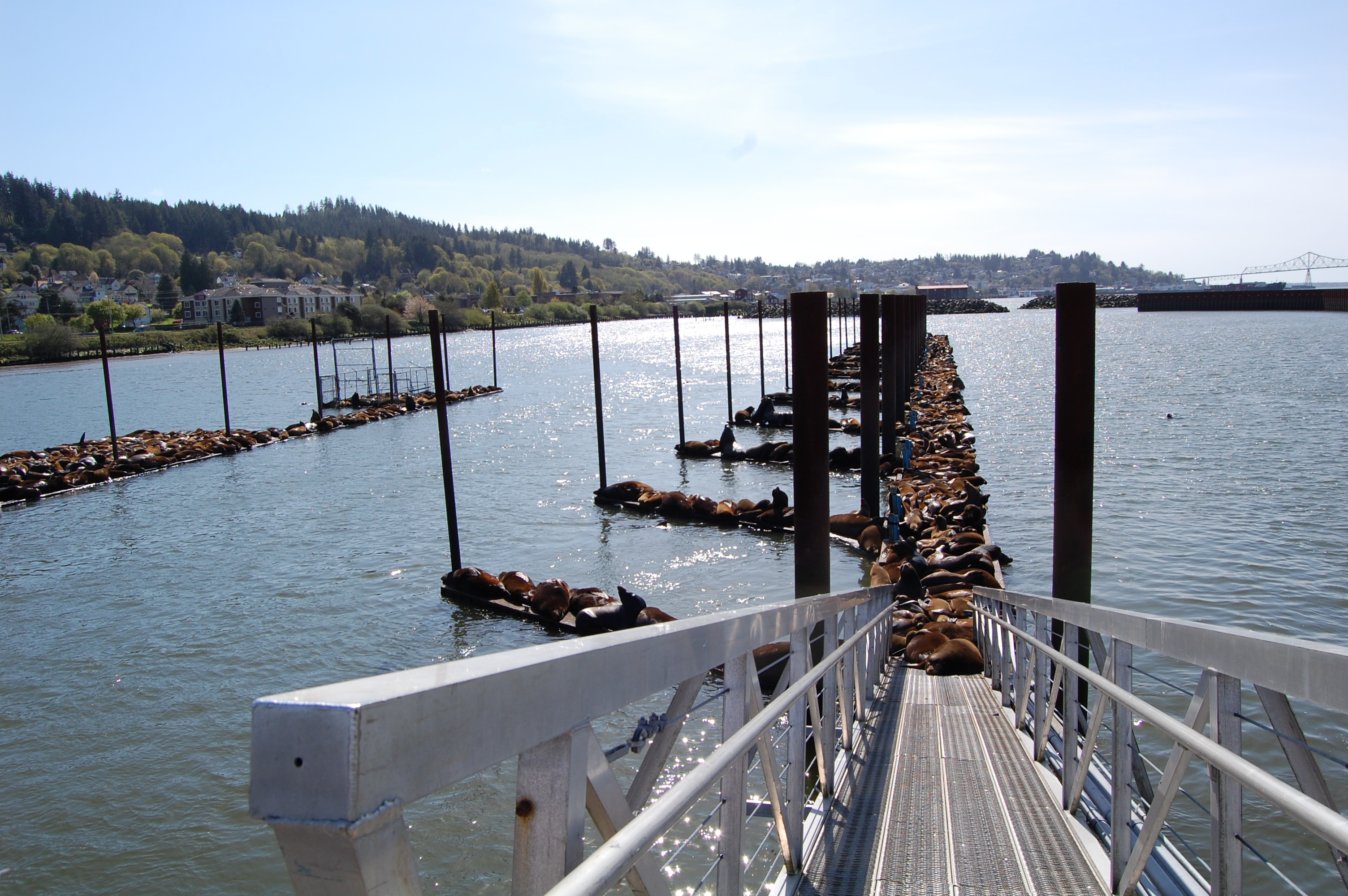
The sea lion issue has been a divisive one, with members of the Sea Lion Defense Brigade regularly attending Port meetings and squaring off with diametrically opposed audience members, and often Port Commissioner Bill Hunsinger.
“We don’t have to, in the Port of Astoria, provide a sanctuary for sea lions,” Hunsinger said, adding that nature’s balance is out of whack, with sea lions possibly finding a new place to breed and live full time now that they’re starving in California.
Biologists from NOAA have pointed to odd wind patterns leading to rising ocean temperatures affecting the food source of sea lions, largely sardines. Female sea lions are taking longer to find food for their pups, who are looking for food on their own before they are ready, and washing up emaciated along the West Coast. Meanwhile, sea lions are moving north and into the Columbia River to take advantage of strong runs of smelt and salmon.
Numbers of sea lions spiked during the smelt run in March, with one count by the ODFW estimating more than 2,300 in the East End Mooring Basin. The situation seems to have boiled over, with a federal investigation by NOAA agents into possible sea lion shootings at the basin earlier this month.
“Clearly there is something wrong with ocean conditions,” and sea lions need more support than ever before, Astoria resident Ted Thomas said. He asked the Port Commission to publicly condemn the possible shootings, state its support for the Marine Mammal Protection Act and release to the public the same surveillance tape footage Port staff gave to NOAA investigators.
Members of the Sea Lion Defense Brigade, including Stacey McKenney and Veronica Montoya, approached and commented about how the sea lions are so noisy because of the ODFW branding.


The animals have been found mainly near the mouth of the Columbia River, a hot spot for salmon.
A marine mammal researcher told The Oregonian they’re being killed by fishermen who view them as competition for their catch.
Sean Stanley, with the National Oceanic and Atmospheric Administration’s Office of Law Enforcement in Portland, says people who shoot sea lions face up to 20,000 dollars in fines and a year in prison. But they’re tough cases to crack.
“Public Help is the single largest way in which we catch people who shoot sea lions or violate the marine protection act.”
Sea lions are federally protected but wildlife managers are allowed to kill the ones that eat salmon at Bonneville dam on the Columbia River.
Conservationists fear that sets a bad example for the fishermen and others who interact with these animals elsewhere.
If you have information about sea lion deaths call 1 800 853 1964.
http://www.bendbulletin.com/opinion/3056576-151/letter-cougar-in-bend-did-not-need-to#
Letter: Cougar in Bend did not need to be killed
<!– returnByline =
–><!– byline4 =
–>By George Wuerthner / <!– –>
Published Apr 11, 2015 at 12:02AM
The recent killing of yet another cougar in Bend represents a tragic and unnecessary death of an animal that was just minding its own business and posed no threat to anyone.
The hype surrounding the killing lacks ecological perspective. Recent research in predator ecology suggests that killing animals like cougars (or wolves, coyotes and bears) only increases conflicts with humans. Though this information is widely known in ecological circles, apparently the Oregon Department of Fish and Wildlife hasn’t read any new science in decades because they continue to foster the myth that indiscriminate killing of predators will reduce conflicts. Here’s what ODFW doesn’t tell you:
First, all predators are social animals. When their social relationships are disrupted by hunting and trapping, it creates “social chaos.” For instance, in a study done in Washington state found that as the cougar population declined due to hunting, the number of reported conflicts went up. There is a good reason for this observation.
In cougar society a dominant male controls the territory overlapping two to five female cougars. The dominant male kills young teenage male cougars that enter its territory. But when hunters kill the dominant male, they unleash a free-for-all of young “teenagers” vying for that territory. You may suddenly have two to four young males occupying the same geographical area as formerly occupied by one older male.
Furthermore, teenage cougars, like human male teenagers, are more reckless, bolder and less skillful hunters. This means they are far more likely to prey on livestock and/or enter the backyard of a house to capture a dog or cat.
A similar disruption of social bonds occurs when a female cougar is killed. Unlike deer or elk that produce young in the spring, female cougars produce a litter of kittens at any time of year. That means a female killed even in the winter months may have dependent kittens. Since cougars are not fully able to hunt on their own until they are 15 to 16 months old, orphaned kittens are also more likely to kill easy prey like livestock or pets.
Cougars also will fill any void if the habitat is good. Killing a cougar on Pilot Butte means that another cougar is likely already moving into the same territory. The new cougar may be less experienced than the cougar killed. In any event, killing does not solve the issue.
The threat posed by cougars is infinitely small. Since 1890 there has only been 24 documented fatal cougar attacks in all of North America! The so-called threat posed by the cougar on Pilot Butte was almost nonexistent. By contrast, every year in the US there are 30 to 40 fatal attacks by domestic dogs, and millions of nonlethal attacks. In other words, the dogs that are regularly taken up the Pilot Butte trails pose a greater threat to people than any cougar, yet most of us do not give the dogs a thought.
A more humane approach to the cougar presence would have been to close the park temporarily and allow the cougar to scamper off. Or alternatively to sedate, capture and move it out of town.
But the real problem is the ongoing cougar killing championed by the ODFW that ignores good science and feeds public fears. Indiscriminate killing by hunters and trappers is the ultimate source of predator conflicts in Oregon. In California, where cougar hunting has been banned for decades, there are far fewer conflicts with livestock and humans, despite the fact that California has more cattle, far more people and the highest cougar populations in the West.
— George Wuerthner is a former biologist with the Bureau of Land Management. He lives in Bend.
–><!–
The recent killing of yet another cougar in Bend represents a tragic and unnecessary death of an animal that was just minding its own business and posed no threat to anyone.
The hype surrounding the killing lacks ecological perspective. Recent research in predator ecology suggests that killing animals like cougars (or wolves, coyotes and bears) only increases conflicts with humans. Though this information is widely known in ecological circles, apparently the Oregon Department of Fish and Wildlife hasn’t read any new science in decades because they continue to foster the myth that indiscriminate killing of predators will reduce conflicts. Here’s what ODFW doesn’t tell you:
First, all predators are social animals. When their social relationships are disrupted by hunting and trapping, it creates “social chaos.” For instance, in a study done in Washington state found that as the cougar population declined due to hunting, the number of reported conflicts went up. There is a good reason for this observation.
In cougar society a dominant male controls the territory overlapping two to five female cougars. The dominant male kills young teenage male cougars that enter its territory. But when hunters kill the dominant male, they unleash a free-for-all of young “teenagers” vying for that territory. You may suddenly have two to four young males occupying the same geographical area as formerly occupied by one older male.
Furthermore, teenage cougars, like human male teenagers, are more reckless, bolder and less skillful hunters. This means they are far more likely to prey on livestock and/or enter the backyard of a house to capture a dog or cat.
A similar disruption of social bonds occurs when a female cougar is killed. Unlike deer or elk that produce young in the spring, female cougars produce a litter of kittens at any time of year. That means a female killed even in the winter months may have dependent kittens. Since cougars are not fully able to hunt on their own until they are 15 to 16 months old, orphaned kittens are also more likely to kill easy prey like livestock or pets.
Cougars also will fill any void if the habitat is good. Killing a cougar on Pilot Butte means that another cougar is likely already moving into the same territory. The new cougar may be less experienced than the cougar killed. In any event, killing does not solve the issue.
The threat posed by cougars is infinitely small. Since 1890 there has only been 24 documented fatal cougar attacks in all of North America! The so-called threat posed by the cougar on Pilot Butte was almost nonexistent. By contrast, every year in the US there are 30 to 40 fatal attacks by domestic dogs, and millions of nonlethal attacks. In other words, the dogs that are regularly taken up the Pilot Butte trails pose a greater threat to people than any cougar, yet most of us do not give the dogs a thought.
A more humane approach to the cougar presence would have been to close the park temporarily and allow the cougar to scamper off. Or alternatively to sedate, capture and move it out of town.
But the real problem is the ongoing cougar killing championed by the ODFW that ignores good science and feeds public fears. Indiscriminate killing by hunters and trappers is the ultimate source of predator conflicts in Oregon. In California, where cougar hunting has been banned for decades, there are far fewer conflicts with livestock and humans, despite the fact that California has more cattle, far more people and the highest cougar populations in the West.
— George Wuerthner is a former biologist with the Bureau of Land Management. He lives in Bend.
–>
The recent killing of yet another cougar in Bend represents a tragic and unnecessary death of an animal that was just minding its own business and posed no threat to anyone.
The hype surrounding the killing lacks ecological perspective. Recent research in predator ecology suggests that killing animals like cougars (or wolves, coyotes and bears) only increases conflicts with humans. Though this information is widely known in ecological circles, apparently the Oregon Department of Fish and Wildlife hasn’t read any new science in decades because they continue to foster the myth that indiscriminate killing of predators will reduce conflicts. Here’s what ODFW doesn’t tell you:
First, all predators are social animals. When their social relationships are disrupted by hunting and trapping, it creates “social chaos.” For instance, in a study done in Washington state found that as the cougar population declined due to hunting, the number of reported conflicts went up. There is a good reason for this observation.
In cougar society a dominant male controls the territory overlapping two to five female cougars. The dominant male kills young teenage male cougars that enter its territory. But when hunters kill the dominant male, they unleash a free-for-all of young “teenagers” vying for that territory. You may suddenly have two to four young males occupying the same geographical area as formerly occupied by one older male.
Furthermore, teenage cougars, like human male teenagers, are more reckless, bolder and less skillful hunters. This means they are far more likely to prey on livestock and/or enter the backyard of a house to capture a dog or cat.
A similar disruption of social bonds occurs when a female cougar is killed. Unlike deer or elk that produce young in the spring, female cougars produce a litter of kittens at any time of year. That means a female killed even in the winter months may have dependent kittens. Since cougars are not fully able to hunt on their own until they are 15 to 16 months old, orphaned kittens are also more likely to kill easy prey like livestock or pets.
Cougars also will fill any void if the habitat is good. Killing a cougar on Pilot Butte means that another cougar is likely already moving into the same territory. The new cougar may be less experienced than the cougar killed. In any event, killing does not solve the issue.
The threat posed by cougars is infinitely small. Since 1890 there has only been 24 documented fatal cougar attacks in all of North America! The so-called threat posed by the cougar on Pilot Butte was almost nonexistent. By contrast, every year in the US there are 30 to 40 fatal attacks by domestic dogs, and millions of nonlethal attacks. In other words, the dogs that are regularly taken up the Pilot Butte trails pose a greater threat to people than any cougar, yet most of us do not give the dogs a thought.
A more humane approach to the cougar presence would have been to close the park temporarily and allow the cougar to scamper off. Or alternatively to sedate, capture and move it out of town.
But the real problem is the ongoing cougar killing championed by the ODFW that ignores good science and feeds public fears. Indiscriminate killing by hunters and trappers is the ultimate source of predator conflicts in Oregon. In California, where cougar hunting has been banned for decades, there are far fewer conflicts with livestock and humans, despite the fact that California has more cattle, far more people and the highest cougar populations in the West.
— George Wuerthner is a former biologist with the Bureau of Land Management. He lives in Bend.
 Exposing the Big Game