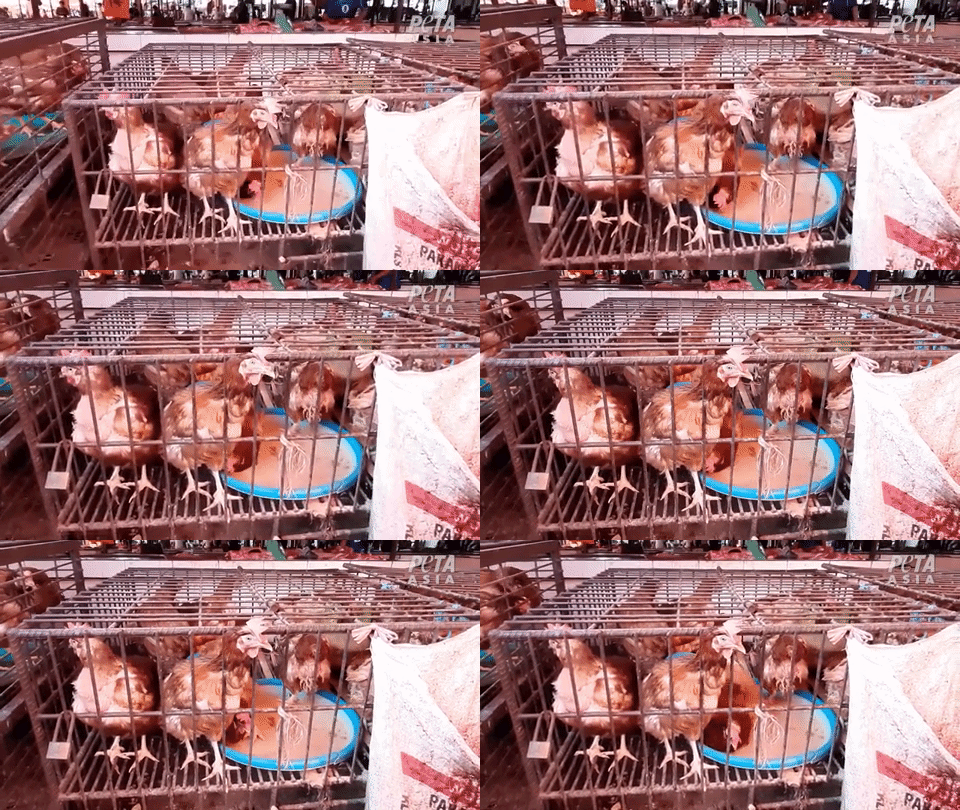
Can you tell the difference between these scared chickens in cramped, filthy cages …
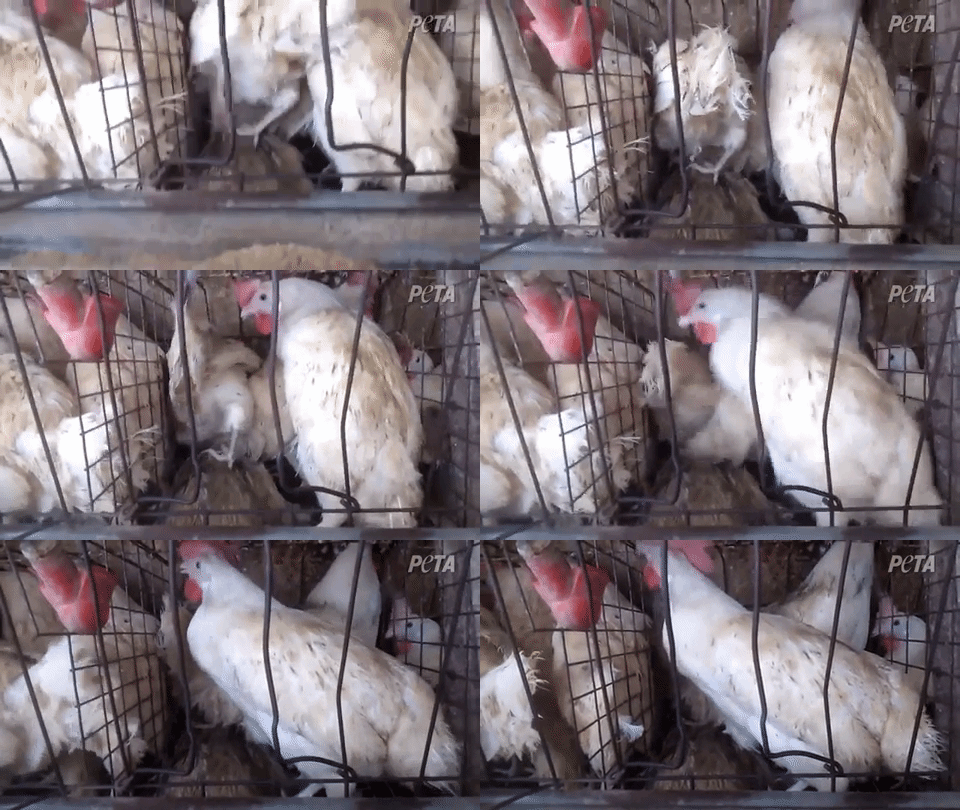
… and these forced to live alongside dead and dying cagemates?
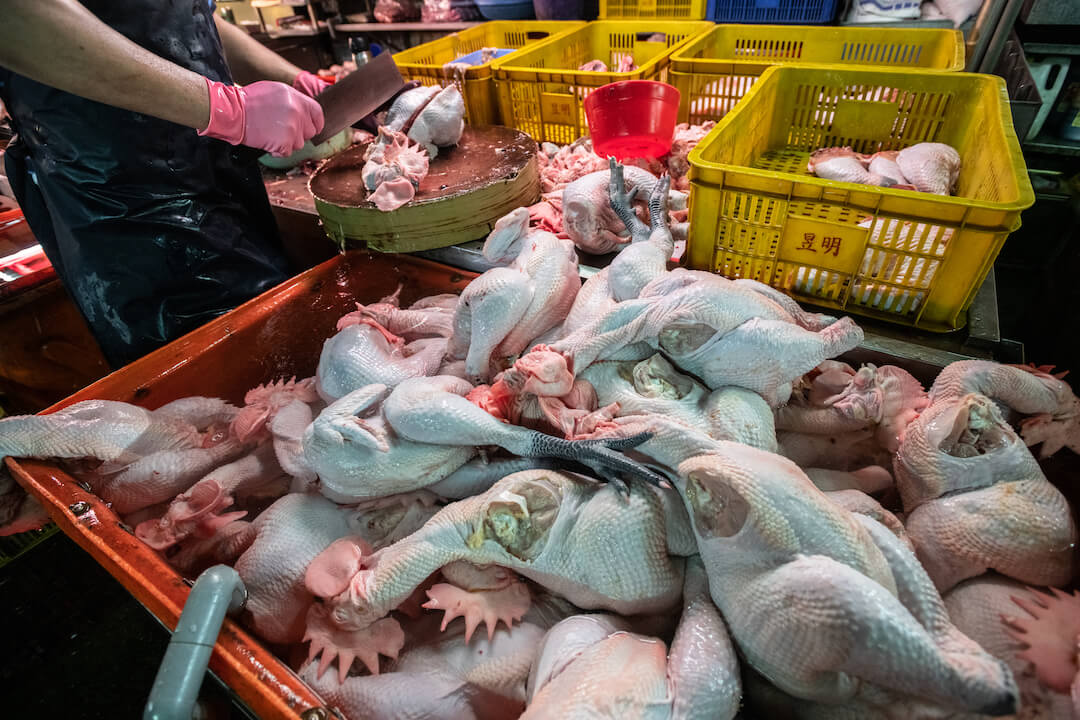
The chickens directly above were kept at a filthy egg factory farm in Oklahoma, while the ones above them were being sold at a blood-soaked “wet market” in Thailand—not that there’s much difference. And all these birds suffered immensely—slaughtered chickens at a wet market in the Philippines …
… and birds at a Tyson Foods slaughterhouse, whose throats were manually cut by a worker because the mechanical blade missed them:
It doesn’t matter if we’re talking about a wet market, a traditional factory farm, a “free-range” farm, an “organic” farm, or any other animal agriculture operation—humans’ appetite for flesh and other animal-derived foods is killing more than the meat industry’s intended victims.
Wet Markets vs. Factory Farms: Which Are Worse?
Most people are now familiar with wet markets (also sometimes referred to as “live-animal markets”)—one where live and dead animals are sold for human consumption—and their connection to the dry cough heard ’round the world. Experts believe that the novel coronavirus originated at a wet market in Wuhan, China. But while bats and pangolins (who hitch rides on their mothers’ tails as pups in nature) are the suspected reservoir species for COVID-19, deadly outbreaks like mad cow disease, avian flu, swine flu, and other zoonotic diseases have stemmed from farming domesticated (not wild or exotic) animals for food. Even more recent than the COVID-19 outbreak in the U.S. is an avian flu (aka “bird flu”) outbreak in South Carolina—a week ago, the U.S. Department of Agriculture (USDA) confirmed that highly pathogenic H7N3 avian influenza was identified among turkeys being raised for food. This strain reportedly mutated from a low pathogenic strain that had been previously identified in poultry in the same area.
JUST BECAUSE YOU DON’T SHOP AT A WET MARKET DOESN’T MEAN THAT YOU’RE SAFE FROM ZOONOTIC VIRUSES … OR ANTIBIOTIC-RESISTANT BACTERIA.
Farms crammed full of stressed animals are breeding grounds for deadly pathogens, including influenza viruses, which have originated in chickens and pigs. It’s these crowded, filthy conditions that breed antibiotic-resistant bacteria, too, also known as “superbugs.”
Why should you care about antibiotic-resistant bacteria?
When you get sick, the antibiotics prescribed by your doctor may not work because of the emergence of superbugs. On farms across the U.S., the antibiotics that we depend on to treat human infections are now used to keep cows, pigs, chickens, and others alive in horrific conditions that would otherwise kill them and to fatten them before slaughter.
COUNTLESS NEW STRAINS OF ANTIBIOTIC-RESISTANT BACTERIA HAVE DEVELOPED AS A RESULT OF THIS ABUSIVE PRACTICE.
Antibiotic use is now more common on farm prisons than in human medicine. Roughly 80% of all antibiotics sold in the U.S. are given to animals on farms, who are likely now the largest source of drug-resistant bacteria. Nearly 80% of all meat found in U.S. grocery stores contains antibiotic-resistant bacteria, according to the Environmental Working Group.
Findings indicate that these drug-resistant genes spread more extensively and quickly on farms than scientists previously thought. Researchers sounded the alarm on the meat industry, which has tried to downplay the concerns raised by experts, apparently deliberately putting the public at risk in order to protect its own interests. One infectious disease physician who studies antibiotic-resistant pathogens, James Johnson, likened the animal agriculture industry and its practice of “subverting public health” to the tobacco industry.
What about “antibiotic-free” labels?
Just like “organic,” “free-range,” and “cage-free” labels, “antibiotic-free” labels mean nothing to animals and are misleading to consumers. The U.S. Centers for Disease Control and Prevention (CDC) admits that the “antibiotic-free” label is not approved by the USDA and that it “has no clear meaning.” Furthermore, “antibiotic-free” meat is not necessarily free of antibiotic-resistant bacteria: “All animals carry bacteria in their gut, and some of these can be resistant germs,” the CDC website warns.
THINGS FOR ANIMALS ON FARMS—AND FOR THE HUMANS WHO EAT THEM—ARE ONLY EXPECTED TO GET WORSE.
The United Nations has called the emergence of drug-resistant superbugs “the biggest threat to modern medicine.” It’s anticipated that by 2050, antibiotic-resistant bacteria will kill one person every three seconds. In fact, some studies claim that by this time, more people will be dying of antibiotic-resistant diseases than of heart disease—which is the number one killer of humans in the world and kills one person every 37 seconds in the U.S. alone.
We’ve already seen these superbugs manifest in the form of global health pandemics. The 2009 H1N1 flu pandemic, for example, only saw humans infected, but the virus included genes from humans, birds, and pigs—it was a “quadruple-reassortant virus,” meaning that it contained genes from four different influenza virus sources. To put it simply, if there were no animal agriculture, it’s likely that neither “classical swine H1N1” viruses nor the 2009 H1N1 flu virus (which reportedly infected roughly 1.4 billion people and killed between 151,700 and 575,400 worldwide) would have existed.
THE ONLY WAY TO AVOID FARM-TO-TABLE PANDEMICS IS FOR EVERYONE TO GO VEGAN AND SHUT DOWN ANIMAL-FARMING OPERATIONS.
So while we should certainly call for a global ban on wet markets …
… we should also crack down on all other industries that abuse, neglect, and slaughter animals. We can’t afford to wait for the next H1N1 flu or coronavirus. Please, ban meat, eggs, and dairy from your plate—before the next deadly zoonotic disease hits:
Factory farming conditions and antibiotic-resistant pathogens emerging as a result of them pose an existential threat to humans in the form of zoonotic diseases. Why it’s time to produce and consume food more thoughtfully.
Much has been written about the coronavirus and how people can prevent being exposed to it, including through social distancing and good hygiene. It’s now vital to get to the root cause of this pandemic and focus on primary prevention so as to avoid another, perhaps even harsher, outbreak. While the illegal wild animal trade and wet markets have been singled out, factory farming of animals in general is much less discussed. More attention needs to be paid to its public health risks – before it’s too late.
Animals can sometimes carry harmful germs like viruses, bacteria, parasites and fungi that spread to people and cause illnesses which are known as zoonotic diseases or zoonoses. Around 60 per cent of all known infectious diseases in humans are of this type, as are 75 per cent of emerging ones according to a 2016 UN report.
For example, wet markets are commonplace in many countries including China, India, Vietnam and in other parts of Southeast Asia; they sell fresh meat or fish, often (though not always) killed on demand at roadside slaughterhouses, and many, though not all, sell wild animals. This way, domesticated animals not only get viruses from the wild animals that are also sometimes sold in these markets (this is thought to have happened with the novel coronavirus) but can also become carriers and spreaders of diseases originating due to the filthy conditions they’re kept in, as in the cases of bird and swine flu.
As Covid-19 joins the list of zoonotic diseases, the world has already seen millions of deaths in the past due to the consumption of and contact with animals. Starting with three pandemics that have emerged since 2000, Severe Acute Respiratory Syndrome (SARS) in 2003, swine flu (H1N1) in 2009 and now the disease Covid-19 caused by the virus Sars-CoV-2: evidence suggests the latter has come from animals, as did SARS which spread from civet cats and bats in China, whilst animal to human transmission of swine flu first took place in an intensive pig farm in Mexico.
Other than these, there have also been outbreaks of bird flu (avian influenza) from poultry, the Middle East Respiratory Syndrome (MERS) first transmitted from camels, Ebola from monkeys and pigs, Rift Valley fever from livestock, West Nile fever from birds, Zika from monkeys and Nipah from bats and pigs. The human immunodeficiency virus, or HIV, is widely thought to have originated from the consumption of bush meat. Incidentally, avian influenza continues to mutate and wreak havoc in poultry farms around the world including in Germany, China, India and the UK, and an outbreak of African swine fever (ASF) was reported in Poland recently.
As the human population surges towards eight billion, demand for food is growing, alongside the need for space to produce it, which means encroaching on wild animals’ natural habitats– it’s no secret that animal agriculture is one of leading causes of deforestation and environmental degradation in the world. This has brought humans closer to wild animal species and increased the risk of disease transmission. Additionally, the conditions in which animals are often kept accelerate the emergence of pandemics.
Although some zoonoses are probably unavoidable as these viruses have always been present in wildlife, much human suffering resulting from them could be avoided by changing the way people come into contact with animals. In particular, by establishing a more balanced and respectful relationship with other living beings.
There’s clearly a link between the emergence of highly pathogenic avian influenza viruses and intensified poultry production systems.Marius Gilbert, spatial epidemiologist at the Université Libre de Bruxelles, Belgium
Our demand for meat and other animal products means that huge numbers of animals such as cows, chickens and pigs are crammed together in crowded, faeces-ridden farms, transported in filthy lorries, and slaughtered on killing floors soaked with blood, urine, and other bodily fluids – the perfect breeding grounds for pathogens. Public health experts have been ringing the alarm about zoonotic diseases for years. Among these is Doctor Michael Greger, author of the book Bird Flu: A Virus of Our Own Hatching, who says factory farming is a “perfect storm environment” for infectious diseases.
In a video (above) that first appeared more than a decade ago, Greger states that there have been three eras of human disease: first, that of domestication, when we brought wild animals to barnyards who in turn brought diseases with them; the second started in the 18th and 19th centuries with the Industrial Revolution, leading to epidemics of the so-called diseases of civilisation – diabetes, obesity, heart disease, cancer, etc; and finally, the third era of human diseases started about 30 years ago due to land use and agricultural intensification.
“About half of the egg-laying hens on this planet are now confined in what are called battery cages,” he points out. “In these small barren wire enclosures extending down long rows and windowless sheds there can be up to a million birds on a single farm. About half of the pigs on the planet are crowded into these intensive confinement operations. These intensive systems represent the most profound alteration of the human-animal relationship in 10,000 years”. In words that seem prophetic now, he concludes by saying: “The next pandemic may be more of an unnatural disaster of our own making. A pandemic of even moderate impact may result in the single biggest human disaster ever [and] has the potential to redirect world history”.
A 2004 joint consultation of the World Health Organisation (WHO), Food and Agriculture Organisation of the United Nations (FAO) and World Organisation for Animal Health (OIE, the world’s leading veterinary authority), concluded that “anthropogenic factors such as agricultural expansion and intensification to meet the increasing demand for animal protein” are one of the major drivers of zoonotic disease emergence.
Given such warnings, it may come as a surprise that policymakers haven’t taken them seriously enough to enforce sufficient preventive measures. In fact, as an editorial in the American Public Health Association journal observes: “It’s curious, therefore, that changing the way humans treat animals – most basically, ceasing to eat them or, at the very least, radically limiting the quantity of them that are eaten – is largely off the radar as a significant preventive measure … Failure to think ahead can’t repeatedly be excused”.
In addition, animals on factory farms are routinely fed vast amounts of antibiotics in order to keep them alive in conditions that would otherwise kill them. Because of this, even the most powerful antibiotics aren’t effective against certain bacteria, contributing to the emergence of “superbugs” – new, aggressive, antibiotic-resistant pathogens. According to the US Food and Drug Administration (FDA), an estimated 80 per cent of all antibiotics produced is sold to livestock farms, and a 2019 study documents how the growing demand for animal protein resulted in a tripling of the occurrence of antibiotic resistance in disease-causing bacteria in livestock between 2000 and 2018.
In the US, a person dies every 15 minutes because of an infection that antibiotics can no longer treat effectively, a total of 35,000 deaths per year. According to the Centers for Disease Control and Prevention (CDC), antibiotic resistance is “one of the world’s most pressing public health problems,” and other experts predict that at the current rate, more people will die of diseases caused by antibiotic-resistant bacteria than of cancer by 2050.
Just as humans are more likely to succumb to disease when we’re stressed, weakened or wounded, these same factors also suppress the immune systems in animals, leaving them extremely vulnerable to catching new infections. As a result, the worldwide animal trade creates very sick animals and ideal conditions for pathogens to multiply and jump from animal to animal, and ultimately to humans. To prevent the next pandemic, we need to look beyond the wet markets or illegal trade in China.Aysha Akhtar, neurologist, public health specialist and author, US Public Health Service Commander and Oxford Centre for Animal Ethics Fellow
The ultimate culprit are our patterns of animal consumption. Yet the re-opening of Chinese wet markets and bizarre promotion of bear bile as a coronavirus antidote beg the question about how serious the world really is about taking this crisis head-on. However, there are some positive signs.
The consumption of vegan products has increased exponentially and according to a report by Allied Analytics LLP, the global vegan food market, valued at 14.2 billion US dollars in 2018 will reach 31.4 billion in the next five years. China is already beginning to demand safe, reliable and healthy food and companies like US-based Just, which makes plant-based egg products, are fielding a wave of inquiries from Chinese food companies. An online petition urging the WHO to shut down live-animal meat markets has surpassed 100,000 signatures.
Also, given the economic fallout of the coronavirus pandemic, through collaborative networks like the FAIRR initiative investors are increasingly assessing their investee companies’ readiness to operational risks through the animal welfare standards set by the Business Benchmark on Farm Animal Welfare.
As David Benatar writes in the editorial Chickens Come Home to Roost, “it’s time for humans to remove their heads from the sand and recognise the risk to themselves that can arise from their maltreatment of other species”. If all stakeholders in society – be it investors, consumers, governments or food manufacturers – fail to rethink their business-as-usual practices and work towards a new normal, Covid-19 will likely not be the last pandemic that humankind witnesses, and perhaps not even the deadliest. And just like the effects of climate change, the poor and vulnerable will be the worst affected.
We have the power to decelerate the emergence of new zoonoses. Or even reduce the harshness of the next outbreak. If we have the will to shut down entire societies for weeks on end, something that would previously have been considered extreme and “not an option”, surely we have the will to change our diets and global food system. Until we don’t go all the way in preventing the spread of these viruses by outlawing unsanitary live-animal markets, questioning the factory farming model at its core and creating awareness around food choices – therefore, until all animals aren’t treated better – zoonotic diseases will likely continue to resurface. Ultimately, it’s time to stop wilfully spinning this pandemic roulette.
‘Let’s face it, it is a little bit medieval eating bats.’
Sir Paul McCartney launched into a passionate rant aimed at the Chinese government’s reluctance to shut down wet markets- the suspected origin of the deadly coronavirus that has already killed tens of thousands, altered the daily lives of hundreds of millions, and put the entire world on edge.
Discussing the current pandemic situation on a call with US radio host Howard Stern on Sirius XM, this Tuesday, McCartney said: “I really hope that this will mean the Chinese government says, ‘OK guys, we have really got to get super hygienic around here.’
Banner
“Let’s face it, it is a little bit medieval eating bats.”
Stern echoing McCartney’s sentiment noted that it was “mind boggling” that China was reluctant to shut down the markets despite the current situation.
In reply, McCartney said: “It wouldn’t be so bad if this is the only thing it seems like you can blame on those wet markets.
“It seems like Sars, avian flu, all sorts of other stuff that has afflicted us … and what’s it for? For these quite medieval practices. They need to clean up their act. This may lead to [change]. If this doesn’t, I don’t know what will.”
‘Letting off atomic bombs’
Self-isolating at his home in Sussex with daughter Mary and her family, the former Beatles frontman and animal rights activist added that “whoever is responsible for this is at war with the world and itself.”
In reply to Stern’s next question on the idea of banning the wet markets, the 77-year-old answered: “I think it makes a lot of sense…when you’ve got the obscenity of some of the stuff that’s going on there and what comes out of it, they might as well be letting off atomic bombs. It’s affecting the whole world.”
Even majority of the stalls at Wuhan’s biggest wet market Baishazhou have resumed business after lockdown rules were laxed at the epicentre.
‘Shut them right away’
Comparing China’s resistance to close the markets to the country’s slavery culture in the past, McCartney added: “I understand that part of it is going to be, ‘People have done it forever. This is the way we do things.’ But they did slavery forever, too. You’ve got to change things at some point.”
McCartney joins several other dignitaries that feel wet markets need to go.
In an interview with the Mirror, the 58-year-old said: “For the sake of people and animals, wildlife trade and consumption has to end, now.”
Even America’s chief infectious disease expert Dr. Anthony Fauci implied the ongoing public health crisis was a “direct result” of the thriving wet animal markets and demanded that authorities “should shut down those things right away.”
Afoot and light-hearted, they’re taking to the open road.
Amid the global lockdowns to curb the spread of the coronavirus, striking images taken in South Africa’s popular Kruger National Park — which has remained shut since March 25 — show a pride of some 15 lions napping in the middle of an empty paved road.
CNN reports that on any typical day, this area would be packed with tourists on safari excursions. But that doesn’t mean that the travelers would get to experience this sight.
“This lion pride are usually resident on Kempiana Contractual Park, an area Kruger tourists do not see,” the park tweeted Wednesday. “This afternoon they were lying on the tar road just outside of Orpen Rest Camp.”
That isn’t the only atypical sight.
“Lying on the road during the daytime is unusual because under normal circumstances there would be traffic and that pushes them into the bush,” Kruger spokesman Isaac Phaahla tells CNN. “They just occupy places they would normally shun when there are tourists … People should remember that [Kruger] is still a largely wild area and in the absence of humans, wildlife is more active.”
It isn’t just Kruger that’s shut down. Despite initially announcing a 21-day lockdown for the country, South African President Cyril Ramaphosa said in early April that he would extend the quarantine at least until the end of the month.
Enlarge ImageMonkeys in India sit outside during quarantine.AFP via Getty Images
This isn’t just a sight limited to South Africa. Worldwide, with the coronavirus keeping humans inside, wild animals have taken to the streets to have their own play — even in cities. People in New Delhi have spotted monkeys looking for food in an alleyway lined with closed shops. In Venice, Italy, clear blue canals have lured swans and fish before tourists return in gondolas.
Here’s a look at some more.
You goat to be kidding me
Enlarge ImageMountain goats roamed Llandudno, Wales, as people remained inside under coronavirus-related lockdown.Getty Images
In the north of Wales, herds of wild mountain goats have claimed the empty streets of Llandudno as their own. Known as the Great Orme Kashmiri goats, they typically live on a nearby hill that looks over the town, rarely heading into it. North Wales police reportedly said the agency received a call about the wandering herd — which had been grazing on people’s hedges and gardens — but there was no need to intervene.
“We are not aware of officers attending to them as they usually make their own way back,” the police said.
Mountain goats take over Welsh town
Play Video
A purrfect match
More locally, 50-year-old Latonya “Sassee” Walker — who’s cared for Canarsie’s wild cat population for a decade, has doubled the number of cats she looks after. She told The Post that typically she cares for four colonies of feral cats. But with many elderly folks stuck inside, she’s taken on more. She brings the cats dry food, wet food and water, predicting she’ll spend more than $600 this month because with restaurants shut, there’s no garbage for them to eat. She’s even brought them in to be spayed and neutered.
“The cats have no clue what’s going on because nothing has changed for them,” she says. “It’s not in my DNA to see a cat suffering and not do anything about it. I’m equipped to make a cat’s life better, so I’m going to.”
March of the penguins
Enlarge ImageThis penguin, named Wellington, got to meet a Beluga whale at Shedd Aquarium in Chicago.SHEDD AQUARIUM via REUTERS
In March, with Chicago’s Shedd Aquarium closed to the public, penguins got the opportunity to explore their home thanks to no human visitors wandering about.
“Without guests in the building, caretakers are getting creative in how they provide enrichment to animals,” the aquarium told the Chicago Tribune. “Introducing new experiences, activities, foods and more to keep them active, encourages them to explore, problem-solve and express natural behaviors.”
With the aquarium closed to humans, penguins take opportunity to explore and visit other animals
Play Video
That means some penguins got to meet other aquarium inhabitants. One of them, a penguin named Wellington, saw Shedd’s Amazon Rising exhibit, looking around at the fish tanks with his head spinning in wonder. The fish even looked back.
“The black-barred silver dollars also seemed interested in their unusual visitors,” the caretakers tweeted.
March 17, 2020 — Mayibout 2 is not a healthy place. The 150 or so people who live in the village, which sits on the south bank of the Ivindo River, deep in the great Minkebe forest in northern Gabon, are used to occasional bouts of diseases such as malaria, dengue, yellow fever and sleeping sickness. Mostly they shrug them off.
But in January 1996, Ebola, a deadly virus then barely known to humans, unexpectedly spilled out of the forest in a wave of small epidemics. The disease killed 21 of 37 villagers who were reported to have been infected, including a number who had carried, skinned, chopped or eaten a chimpanzee from the nearby forest.
I traveled to Mayibout 2 in 2004 to investigate why deadly diseases new to humans were emerging from biodiversity “hot spots” like tropical rainforests and bushmeat markets in African and Asian cities.
It took a day by canoe and then many hours down degraded forest logging roads passing Baka villages and a small gold mine to reach the village. There, I found traumatized people still fearful that the deadly virus, which kills up to 90% of the people it infects, would return.
Villagers told me how children had gone into the forest with dogs that had killed a chimp. They said that everyone who cooked or ate it got a terrible fever within a few hours. Some died immediately, while others were taken down the river to hospital. A few, like Nesto Bematsick, recovered. “We used to love the forest, now we fear it,” he told me. Many of Bematsick’s family members died.
Only a decade or two ago it was widely thought that tropical forests and intact natural environments teeming with exotic wildlife threatened humans by harboring the viruses and pathogens that lead to new diseases in humans like Ebola, HIV and dengue.
Logging and other habitat disruption creates new opportunities for disease organisms to move from non-human animals to people. Photo courtesy of euflegtredd from Flickr licensed under CC BY-NC-SA 2.0
But a number of researchers today think that it is actually humanity’s destruction of biodiversity that creates the conditions for new viruses and diseases like COVID-19, the viral disease that emerged in China in December 2019, to arise — with profound health and economic impacts in rich and poor countries alike. In fact, a new discipline, planetary health, is emerging that focuses on the increasingly visible connections among the well-being of humans, other living things and entire ecosystems.
Is it possible, then, that it was human activity, such as road building, mining, hunting and logging, that triggered the Ebola epidemics in Mayibout 2 and elsewhere in the 1990s and that is unleashing new terrors today?
“We invade tropical forests and other wild landscapes, which harbor so many species of animals and plants — and within those creatures, so many unknown viruses,” David Quammen, author of Spillover: Animal Infections and the Next Pandemic, recently wrote in the New York Times. “We cut the trees; we kill the animals or cage them and send them to markets. We disrupt ecosystems, and we shake viruses loose from their natural hosts. When that happens, they need a new host. Often, we are it.”
Increasing Threat
Research suggests that outbreaks of animal-borne and other infectious diseases like Ebola, SARS, bird flu and now COVID-19, caused by a novel coronavirus, are on the rise. Pathogens are crossing from animals to humans, and many are now able to spread quickly to new places. The U.S. Centers for Disease Control and Prevention (CDC) estimates that three-quarters of “new or emerging” diseases that infect humans originate in nonhuman animals.
Some, like rabies and plague, crossed from animals centuries ago. Others, like Marburg, which is thought to be transmitted by bats, are still rare. A few, like COVID-19, which emerged last year in Wuhan, China, and MERS, which is linked to camels in the Middle East, are new to humans and spreading globally.
Other diseases that have crossed into humans include Lassa fever, which was first identified in 1969 in Nigeria; Nipah from Malaysia; and SARS from China, which killed more than 700 people and traveled to 30 countries in 2002–03. Some, like Zika and West Nile virus, which emerged in Africa, have mutated and become established on other continents.
The emergence of COVID-19 as a global threat is drawing attention to the important connections between human and ecosystem well-being. Photo courtesy of Chad Davis from Flickr licensed under CC BY-SA 2.0.
Kate Jones, chair of ecology and biodiversity at UCL, calls emerging animal-borne infectious diseases an “increasing and very significant threat to global health, security and economies.”
Amplification Effect
In 2008, Jones and a team of researchers identified 335 diseases that emerged between 1960 and 2004, at least 60% of which came from non-human animals.
Increasingly, says Jones, these zoonotic diseases are linked to environmental change and human behavior. The disruption of pristine forests driven by logging, mining, road building through remote places, rapid urbanization and population growth is bringing people into closer contact with animal species they may never have been near before, she says.
The resulting transmission of disease from wildlife to humans, she says, is now “a hidden cost of human economic development. There are just so many more of us, in every environment. We are going into largely undisturbed places and being exposed more and more. We are creating habitats where viruses are transmitted more easily, and then we are surprised that we have new ones.”
Jones studies how land use change contributes to the risk. “We are researching how species in degraded habitats are likely to carry more viruses which can infect humans,” she says. “Simpler systems get an amplification effect. Destroy landscapes, and the species you are left with are the ones humans get the diseases from.”
UCL biodiversity expert Kate Jones calls the spread of disease from wildlife to humans “a hidden cost of human economic development.” Photo courtesy of Kate Jones
“There are countless pathogens out there continuing to evolve which at some point could pose a threat to humans,” says Eric Fevre, chair of veterinary infectious diseases at the University of Liverpool’s Institute of Infection and Global Health. “The risk [of pathogens jumping from animals to humans] has always been there.”
The difference between now and a few decades ago, Fevre says, is that diseases are likely to spring up in both urban and natural environments. “We have created densely packed populations where alongside us are bats and rodents and birds, pets and other living things. That creates intense interaction and opportunities for things to move from species to species,” he says.
Tip of the Iceberg
“Pathogens do not respect species boundaries,” says disease ecologist Thomas Gillespie, an associate professor in Emory University’s Department of Environmental Sciences who studies how shrinking natural habitats and changing behavior add to the risks of diseases spilling over from animals to humans.
“I am not at all surprised about the coronavirus outbreak,” he says. “The majority of pathogens are still to be discovered. We are at the very tip of the iceberg.”
Humans, says Gillespie, are creating the conditions for the spread of diseases by reducing the natural barriers between virus host animals — in which the virus is naturally circulating — and themselves. “We fully expect the arrival of pandemic influenza; we can expect large-scale human mortalities; we can expect other pathogens with other impacts. A disease like Ebola is not easily spread. But something with a mortality rate of Ebola spread by something like measles would be catastrophic,” Gillespie says.
Wildlife everywhere is being put under more stress, he says. “Major landscape changes are causing animals to lose habitats, which means species become crowded together and also come into greater contact with humans. Species that survive change are now moving and mixing with different animals and with humans.”
Gillespie sees this in the U.S., where suburbs fragmenting forests raise the risk of humans contracting Lyme disease. “Altering the ecosystem affects the complex cycle of the Lyme pathogen. People living close by are more likely to get bitten by a tick carrying Lyme bacteria,” he says.
Yet human health research seldom considers the surrounding natural ecosystems, says Richard Ostfeld, distinguished senior scientist at the Cary Institute of Ecosystem Studies in Millbrook, New York. He and others are developing the emerging discipline of planetary health, which looks at the links between human and ecosystem health.
“There’s misapprehension among scientists and the public that natural ecosystems are the source of threats to ourselves. It’s a mistake. Nature poses threats, it is true, but it’s human activities that do the real damage. The health risks in a natural environment can be made much worse when we interfere with it,” he says.
Ostfeld points to rats and bats, which are strongly linked with the direct and indirect spread of zoonotic diseases. “Rodents and some bats thrive when we disrupt natural habitats. They are the most likely to promote transmissions [of pathogens]. The more we disturb the forests and habitats the more danger we are in,” he says.
Felicia Keesing, professor of biology at Bard College, New York, studies how environmental changes influence the probability that humans will be exposed to infectious diseases. “When we erode biodiversity, we see a proliferation of the species most likely to transmit new diseases to us, but there’s also good evidence that those same species are the best hosts for existing diseases,” she wrote in an email to Ensia.
The Market Connection
Disease ecologists argue that viruses and other pathogens are also likely to move from animals to humans in the many informal markets that have sprung up to provide fresh meat to fast-growing urban populations around the world. Here animals are slaughtered, cut up and sold on the spot.
The “wet market” (one that sells fresh produce and meat) in Wuhan, thought by the Chinese government to be the starting point of the current COVID-19 pandemic, was known to sell numerous wild animals, including live wolf pups, salamanders, crocodiles, scorpions, rats, squirrels, foxes, civets and turtles.
Equally, urban markets in west and central Africa see monkeys, bats, rats and dozens of species of bird, mammal, insect and rodent slaughtered and sold close to open refuse dumps and with no drainage.
“Wet markets make a perfect storm for cross-species transmission of pathogens,” says Gillespie. “Whenever you have novel interactions with a range of species in one place, whether that is in a natural environment like a forest or a wet market, you can have a spillover event.”
Bushmeat is one channel through which viruses can travel from wild animals to humans. Photo courtesy of Karsing Megu & Victor Meyer-Rochow.
The Wuhan market, along with others that sell live animals, has been shut by the Chinese authorities, and the government in February outlawed trading and eating wild animals except for fish and seafood. But bans on live animals being sold in urban areas or informal markets are not the answer, say some scientists.
“The wet market in Lagos is notorious. It’s like a nuclear bomb waiting to happen. But it’s not fair to demonize places which do not have fridges. These traditional markets provide much of the food for Africa and Asia,” says Jones.
“These markets are essential sources of food for hundreds of millions of poor people, and getting rid of them is impossible,” says Delia Grace, a senior epidemiologist and veterinarian with the International Livestock Research Institute, which is based in Nairobi, Kenya. She argues that bans force traders underground, where they may pay less attention to hygiene.
Fevre and Cecilia Tacoli, principal researcher in the human settlements research group at the International Institute of Environment and Development (IIED), argue in a blog post that “rather than pointing the finger at wet markets,” we should look at the burgeoning trade in wild animals.
“[I]t is wild animals rather than farmed animals that are the natural hosts of many viruses,” they write. “Wet markets are considered part of the informal food trade that is often blamed for contributing to spreading disease. But … evidence shows the link between informal markets and disease is not always so clear cut.”
Changing Behavior
So what, if anything, can we do about all of this?
Jones says that change must come from both rich and poor societies. Demand for wood, minerals and resources from the Global North leads to the degraded landscapes and ecological disruption that drives disease, she says. “We must think about global biosecurity, find the weak points and bolster the provision of health care in developing countries. Otherwise we can expect more of the same,” she says.
“The risks are greater now. They were always present and have been there for generations. It is our interactions with that risk which must be changed,” says Brian Bird, a research virologist at the University of California, Davis School of Veterinary Medicine One Health Institute, where he leads Ebola-related surveillance activities in Sierra Leone and elsewhere.
“We are in an era now of chronic emergency,” Bird says. “Diseases are more likely to travel further and faster than before, which means we must be faster in our responses. It needs investments, change in human behavior, and it means we must listen to people at community levels.”
Getting the message about pathogens and disease to hunters, loggers, market traders and consumers is key, Bird says. “These spillovers start with one or two people. The solutions start with education and awareness. We must make people aware things are different now. I have learned from working in Sierra Leone with Ebola-affected people that local communities have the hunger and desire to have information,” he says. “They want to know what to do. They want to learn.”
Fevre and Tacoli advocate rethinking urban infrastructure, particularly within low-income and informal settlements. “Short-term efforts are focused on containing the spread of infection,” they write. “The longer term — given that new infectious diseases will likely continue to spread rapidly into and within cities — calls for an overhaul of current approaches to urban planning and development.”
The bottom line, Bird says, is to be prepared. “We can’t predict where the next pandemic will come from, so we need mitigation plans to take into account the worst possible scenarios,” he says. “The only certain thing is that the next one will certainly come.”
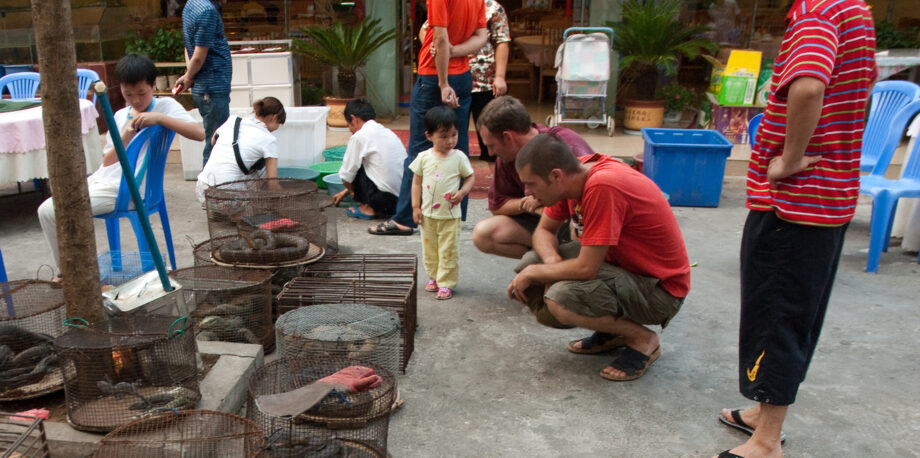
Dr. Anthony Fauci has called wildlife markets “a superhighway” for transmission of disease. Above, a wildlife market in Indonesia. Photo by Dog Meat Free Indonesia
The World Health Organization is calling on nations to end wildlife markets because of the high risk they pose for the spread of pathogens like the coronavirus that can jump from animals to humans.
This week, David Nabarro, a medical doctor and the special envoy on COVID-19 and special representative of the United Nations secretary general for food security and nutrition, told the BBC that 75 percent of emerging infections come from the animal kingdom.
“This is dangerous. We have similar concerns about bushmeat. Really, be very, very careful when you’re basically eating wild animal meat or killing wild animals. All these things are higher risk,” he said.
Nabarro’s statements on behalf of the WHO, which has 192 member countries, including China, Indonesia, Thailand, Malaysia and Vietnam—where many of these markets exist—came this week even as media reports circulated about wildlife markets beginning to reopen in China. The WHO does not have the authority to require governments to close down such markets, but, Nabarro said, “what we have to do is offer advice and guidance, and there’s very clear advice from the Food and Agriculture Organization and WHO that said there are real dangers in these kinds of environments.”
In recent weeks, Elizabeth Maruma Mrema, the United Nations’ acting head of biodiversity, and Dr. Anthony Fauci, director of the U.S. National Institute of Allergy and Infectious Diseases, have made similar calls to end live wildlife markets around the globe. Fauci has called wildlife markets “a superhighway” for transmission of disease.
The Humane Society family has been urging the WHO to take a stand against wildlife markets and we are pleased to see the global health body do so. Earlier this month, Humane Society International along with 240 organizations around the globe, sent a letter to the WHO urging it to recommend a permanent ban on wildlife markets and the use of wildlife in traditional medicine to governments worldwide.
The Humane Society Legislative Fund lobbied support for a letter co-signed by nearly 70 U.S. Senators and Representatives to the WHO, the Organization for Animal Health and the Food and Agriculture Organization of the United Nations, urging them to take aggressive action to shut down live wildlife markets and ban the international trade in wildlife that is not intended for conservation purposes.
Earlier this month, HSI released a white paper detailing scientific evidence of the link between COVID-19 and the wildlife trade that has been sent to 188 governments worldwide. HSI also sent an open letter to governments around the world asking them to ban wildlife trade (including wildlife markets), transport and consumption.
While we have expanded our efforts to move lawmakers and global organizations to take action because of the urgency created by the coronavirus pandemic, this is not a new fight for us. We have been calling for the closure of wildlife markets for many years now not only due to animal welfare concerns but because these markets often trade in endangered and at-risk animals or exploit captive bred animals.
Wildlife markets are filthy, crowded places where sick, injured and scared animals are displayed in small cages. Once purchased, they are often slaughtered on-site, creating a perfect breeding ground for transmission of disease from animals to humans. Moreover, many of the animals traded and killed at the markets are threatened with extinction. In fact, global wildlife experts say trade in live wild animals is one of the biggest threats to the survival of some species.
Health authorities have long cautioned the world about the risks these markets pose to human health: wildlife markets have been implicated in the spread of several disease outbreaks in recent years, including Severe Acute Respiratory Syndrome (SARS), bird flu, Ebola and Middle Eastern Respiratory Syndrome (MERS). The novel coronavirus pandemic was traced to a wildlife market in Wuhan, China.
Now, we hope to see decisive permanent action from key nations to end the wildlife trade and its connections to pandemic risk. China in February announced a ban on wildlife consumption as food, but it has not yet codified that ban into law. This week, the Wall Street Journal reported that Chinese authorities are offering tax breaks to the multibillion-dollar animal products industry for the export of wild animals.
Around the world, the trade in wildlife continues. The United States, where hundreds of thousands of wild animals are imported and commercially traded each year, is a WHO member state, and we urge the federal government here, as well as state governments, to crack down on the wildlife trade to minimize the likelihood of another pandemic. This trade causes tremendous suffering to millions of animals each year and now, with the novel coronavirus sickening nearly two million people worldwide and killing more than 120,000, the writing is on the wall. The wildlife trade is rife with dangers, and the sooner we put an end to it, the safer the world will be.
World-renowned primatologist Jane Goodall pleaded pleaded for humanity to learn from past mistakes (AFP Photo/Fabrice COFFRINI)
More
Paris (AFP) – World-renowned British primatologist Jane Goodall says the coronavirus pandemic was caused by humanity’s disregard for nature and disrespect for animals.
Goodall, who is best known for trail-blazing research in Africa that revealed the true nature of chimpanzees, pleaded for the world to learn from past mistakes to prevent future disasters.
During a conference call ahead of the release of the new National Geographic documentary “Jane Goodall: The Hope”, the 86-year-old also said everyone can make a difference.
– How do you view this pandemic? –
Goodall: It is our disregard for nature and our disrespect of the animals we should share the planet with that has caused this pandemic, that was predicted long ago.
Because as we destroy, let’s say the forest, the different species of animals in the forest are forced into a proximity and therefore diseases are being passed from one animal to another, and that second animal is then most likely to infect humans as it is forced into closer contact with humans.
It’s also the animals who are hunted for food, sold in markets in Africa or in the meat market for wild animals in Asia, especially China, and our intensive farms where we cruelly crowd together billions of animals around the world. These are the conditions that create an opportunity for the viruses to jump from animals across the species barrier to humans.
– What can we do about these animal markets? –
It’s really good that China closed down the live wild animal markets, in a temporary ban which we hope will be made permanent, and other Asian countries will follow suit.
But in Africa it will be very difficult to stop the selling of bush meat because so many people rely on that for their livelihoods.
It will need a lot of careful thought on how it should be done, you can’t just stop somebody doing something when they have absolutely no money to support themselves or their families, but at least this pandemic should have taught us the kind of things to do to prevent another one.
– What can we hope for? –
We have to realise we are part of the natural world, we depend on it, and as we destroy it we are actually stealing the future from our children.
Hopefully, because of this unprecedented response, the lockdowns that are going on around the world, more people will wake up and eventually they can start thinking about ways they can live their lives differently.
Everyone can make an impact every single day.
If you think about the consequences of the little choices you make: what you eat, where it came from, did it cause cruelty to animals, is it made from intensive farming — which mostly it is — is it cheap because of child slave labour, did it harm the environment in its production, where did it come from, how many miles did it travel, did you think that perhaps you could walk and not take your car.
(Also consider) ways that you could perhaps help alleviate poverty because when people are poor they can’t make these ethical choices. They just have to do whatever they can to survive — they can’t question what they buy, they must buy the cheapest, and they are going to cut down the last tree because they are desperate to find land on which they can grow more food.
So what we can do in our individual lives does depend a little bit on who we are, but we all can make a difference, everybody can.
Two new types of bird flu infections currently spreading in China could jump to humans threatening global health, scientists warn.
The avian influenza virus subtype H16N3, first identified in 1975 and currently detectable among wild birds in many countries, has so far not posed a threat to humans so far.
But a team of researchers from State Key Laboratory of Veterinary Biotechnology in Harbin, China, have isolated two H16N3 subtype influenza viruses that can bind to both human and avian-type cell receptors, according to findings published in Transboundary and Emerging Diseases[1].
The team led by Li Yulei also found evidence that genetic material from other species has been introduced into the H16N3 avian influenza virus, which suggests that it may infect other species and could therefore pose a threat to animal and human health in the future.
The findings come after the scientists carried out extensive surveillance of the H16N3 subtype of bird flu in large gatherings of wild birds in China from 2017 to 2019.
“Segments from other species have been introduced into the H16N3 avian influenza virus, which may alter its pathogenicity and host tropism, potentially posing a threat to animal and human health in the future,” the researchers wrote. “Consequently, it is necessary to increase monitoring of the emergence and spread of avian influenza subtype H16N3 in wild birds.”
Animal influenza viruses are distinct from human seasonal flu viruses and do not easily spread from human to human.
But some zoonotic influenza viruses – animal influenza viruses that have jumped species and infect humans – cause disease in people ranging from a mild illness to death.
The most recent case of a zoonotic virus is the SAR-CoV-2 coronavirus, which is responsible for the COVID-19 pandemic that began in Wuhan, China, and has spread worldwide so far infecting 1.8 million people and claiming more than 113,000 lives[2].
The COVID-19 pandemic has wreaked havoc on the global economy and overwhelmed healthcare systems in a number of countries including the United States.
China has emerged as ground zero for zoonotic pandemic outbreaks due to the prevalence of so-called wet markets where live animals – including endangered wild species – are sold for food.
The A(H5N1) virus spread around the world following a bird flu outbreak in Hong Kong, China in 1997 and human infections with the influenza A(H7N9) virus were reported in China in 2013, according to the World Health Organization [3].
While Hong Kong has taken steps to tackle the avian influenza in the Special Administrative Region’s wet markets, multiple different subtypes of avian influenza (H1N1, H2N9, H3N2, H3N3, H3N6, and H4N6) continue to circulate in live-poultry markets in mainland China[4].
The mortality rate of bird flu is estimated to be 60% making it at least ten times more lethal than COVID-19.
For many residents, the sight is something which they have never witnessed in their entire lives…
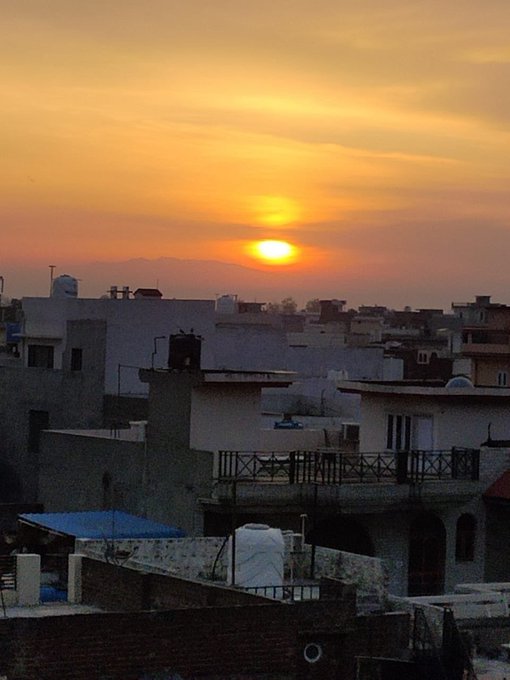
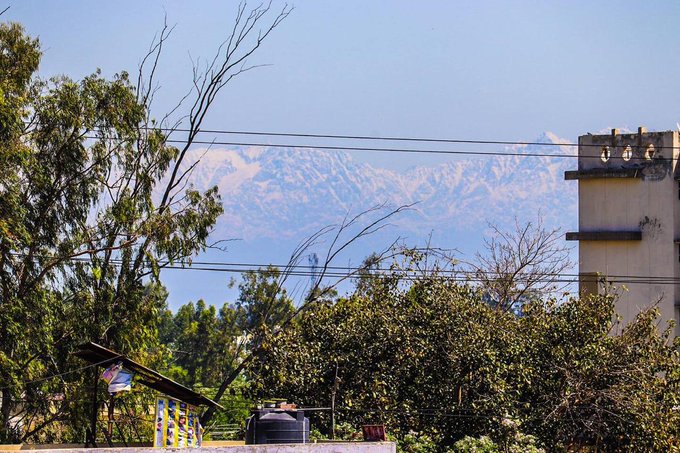
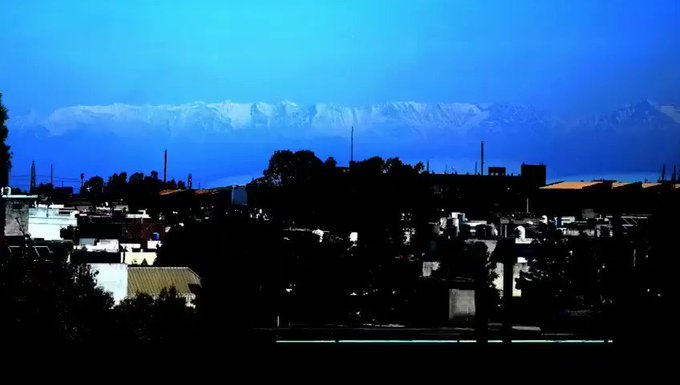
For the first time in 30 years, India’s snow-covered Dhauladhar mountain range has become visible to locals as a result of plunging pollution levels resulting from measures taken to check the spread of the novel coronavirus.
For many residents, the sight of the Dhauladhar Range—which translates to “White Range” and forms part of the Himalayas—is something which they have never witnessed in their entire lives, reportsSBS.
Many have been eager to share their feelings about it on social media, including former Indian cricket player Harbhajan Singh, who wrote:
“Never seen Dhauladar range from my home rooftop in Jalandhar. Never could imagine that’s possible. A clear indication of the impact the pollution has done by us to mother earth.”
Harbhajan Turbanator
✔@harbhajan_singh
Never seen Dhauladar range from my home rooftop in Jalandhar..never could imagine that’s possible..clear indication of the impact the pollution has done by us to Mother Earth .. this is the view
While anti-pollution activist Sant Balbir Singh Seeechewal told SBS:
“We can see the snow-covered mountains clearly from our roofs. And not just that, stars are visible at night. I have never seen anything like this in recent times.”
India, a country with upwards of 1.3 billion residents, has been placed under a strict nationwide lockdown from March 22 until at least April 14. The draconian move limits the movement of the entire population, and has been criticized by rights groups as well as figures from private industry who claim that the measure is arbitrary and damages the country and its economy.
On Tuesday, the Economic Timespublished an opinion piece by auto company executive Rajiv Bajaj arguing that “virtually no country has imposed such a sweeping lockdown as India has; I continue to believe this makes India weak rather than stronger in combating the epidemic.”
However, the lockdown—which shut down factories, marketplaces, small shops, places of worship, most public transportation and construction projects—has also provided a temporary respite from the suffocating pollution levels India is known for. No less than 21 of the world’s 30 most polluted cities are in the South Asian giant.
Arun Arora@Arun2981
·
From my home town in Punjab…. we had never seen mountains
Aditya@aapkaditya
This is from Jalandhar. Dhauladar Range approx 200-250km
“Not just normal traffic is off the roads, but most industry is also shut down. This has helped bring the pollution level to unbelievably low levels.”
According to CNN, government data has shown that India’s capital New Delhi has seen a 71 percent plunge of the harmful microscopic particulate matter known as PM 2.5. The particulate matter, which lodges deep into the lungs and passes into vital organs and the bloodstream, causes a number of serious risks to people’s health.
In the meantime, nitrogen dioxide spewed into the air by motor traffic and power plants has also fallen by 71 percent from 52 per cubic meter to 15 in the same period.
Similar drops in air pollutants have been registered in major cities like Bangalore, Chennai, Kolkata, and Mumbai.
Shailen Pratap शैलेन्द्र @shailen_pratap
Today’s best news should be that Dhauladar Range,Himachal Pradesh, Himalayas have started to be visible from Jalandhar ( approximately 300 Kms). This has never happened in our lifetime. Loving Views……
Jyoti Pande Lavakare, the co-founder of Indian environmental organization Care for Air, told the network:
“I have not seen such blue skies in Delhi for the past 10 years …It is a silver lining in terms of this awful crisis that we can step outside and breathe.”
India is hardly alone in experiencing a vast improvement of air quality in association with government clampdowns meant to curb the spread of the pandemic.
From China to Europe and even the notoriously smoggy Los Angeles, business shutdowns and restrictions on movement have seen similar falls in nitrogen dioxide concentrations.
Seechewal is floored by the sharp drop in air pollution. He said:
“I had never imagined I would experience such a clean world around me. The unimaginable has happened. It shows nothing is impossible. We must work together to keep it like that.”
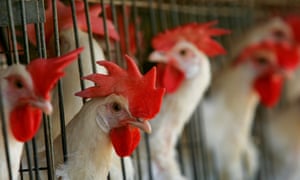
Crowded cages strain hens’ health and ultimately contributes to the spread of antibiotic resistance. Photograph: David Silverman/Getty Images
The boast that “when the facts change, I change my mind” is a proud one. “When the facts change, I reinforce my prejudices” is truer. If you want proof, look at the coronavirus that has changed everything and consider the undisputed fact that it spread because of humanity’s abuse of animals.
Imagine a world where facts changed minds. The United Nations, governments and everyone with influence would now be saying we should abandon meat or at a minimum cut down on consumption. Perhaps my reading is not as wide as it should be, but I have heard nothing of the sort argued. Making the case would be child’s play and would not be confined to emphasising that Covid-19 probably jumped species in Wuhan’s grotesque wet markets. The Sars epidemic of 2002-04 began in Guangdong, probably in bats, and then spread to civet cats, sold in markets and eaten in restaurants. The H7N9 strain of bird flu began in China, once again, and moved to humans from diseased poultry.
China is a viral petri dish because the Communist party silences voices that warn of danger, as the heroic doctor Li Wenliang found. Centuries of imperial and socialist dictatorship have taught people to respect the adage “The shot hits the bird that pokes its head out”. Repression combines with folk beliefs in the medicinal power of animal carcasses, a deadly quackery that the world’s fastest growing middle class has the money to indulge. Bats, which may be the original source of coronavirus as well as Sars, are meant to restore eyesight. The palm civet is devoured as a sham cure for insomnia.
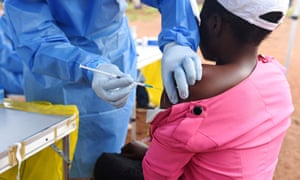
A health worker administers Ebola vaccine to a woman in the Democratic Republic of the Congo Photograph: Olivia Acland/Reuters
Yet it is too comfortable to damn the Chinese Communist party, essential though that task is. Mers (Middle East respiratory syndrome) originated in the Middle East, as its name suggests, and came to humans via camels. Ebola began in the Democratic Republic of the Congo and was probably caught from gorillas and chimpanzees. Diseases have always jumped species, but the Covid-19 pandemic may be a sign of an ominous acceleration. A paper this month in the Proceedings of the Royal Society suggests the rate of new infections could be rising as humans cram into every corner of the planet. The loss of habitat and the exploitation of wildlife through hunting and trade increased the risk of infectious “spillover”, it said. Ferocious punishments for the use of “exotic” animals for food and medicines are required. Once again, though, that is too easy a slogan for people in the west to chant and feel virtuous as they chant it. We should be examining our own diets.
Advertisement
If antibiotic resistance continues to grow, we may look back on the deaths of the coronavirus pandemic of 2020, and say: “Really? Was that all?” Resistance could end the age of medical progress, returning humanity to a time when minor injuries and routine operations could be fatal. The over-prescription of antibiotics to humans explains in part why bacteria are evolving to resist it, and why researchers are predicting 10 million deaths a year from antibiotic resistance by 2050. Antibiotic use in the intensive and unfathomably cruel production of meat is as pernicious. Factory farming strains animal health. Breeding sows that are not given enough time to recover before being impregnated again, and chickens in crowded cages suffering from heat stress that brings salmonella and E coli, need repeated doses. In 2012, when the then chief medical officer, Sally Davies, warned that antibiotics were losing their “effectiveness at a rate that is both alarming and irreversible”, she compared the looming health crisis to global warming. To make her comparison complete, we can add that meat eating does indeed contribute disproportionately to the production of greenhouse gasses.
Ban the use of antibiotics in farming, then. Treat meat, cow milk and cheese as we treat tobacco and alcohol and hit them with punitive taxes. Make the illegal trade in wild animals as great a crime as the illegal trade in weapons.
However rational such stirring declarations may be, I feel I am no longer connected to myself or the world around me when I issue them. I am not a vegan. If changing facts changed minds, I should become one – as should you, in all likelihood. Even if individuals change, the dominant culture makes demands for society to change appear ridiculously utopian. Imagine a politician campaigning for stiff restrictions on meat consumption. Critics would accuse him or her of punishing the poor – for people who barely think of the poor always invoke them when their pleasures are threatened. They would be damned for wanting to ban the good old Sunday lunch and the joy a Big Mac brings. Our grandchildren may look back and find our abuse of animals incomprehensible. For the moment, arguments to stop abuse provoke incomprehension.
Rather than change minds, the corona crisis is cementing them. No one knows its political and cultural consequences, only that there will be consequences. Ignorance has not stopped Jeremy Corbyn saying the pandemic proved his socialism was “absolutely right” and Nigel Farage saying that, on the contrary, it showed he was right about free movement being doomed. Trump blames China. China blames America. In other words, they are all saying and doing what they would have said and done if the virus had never jumped the species barrier and no one outside China had heard of Wuhan’s wet markets.
Today’s suffering dominates our thoughts, but beneath it two explanations of human behaviour are competing. Optimists believe that governments and peoples will adapt to new circumstances and recognise new realities. We will soon learn if they are right.
The great physicist Max Planck put the pessimistic case in 1950. A new scientific truth does not triumph by convincing its opponents, he said. Rather, “its opponents eventually die and a new generation grows up that is familiar with it”.
Planck’s admirers condensed his argument into a phrase that is a little too resonant today: “Science advances one funeral at a time.”

 © Jo-Anne McArthur / We Animals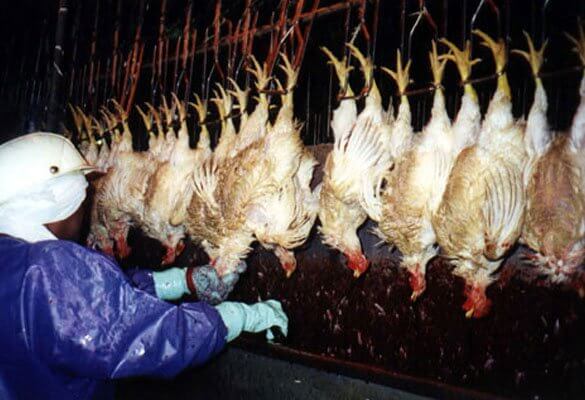
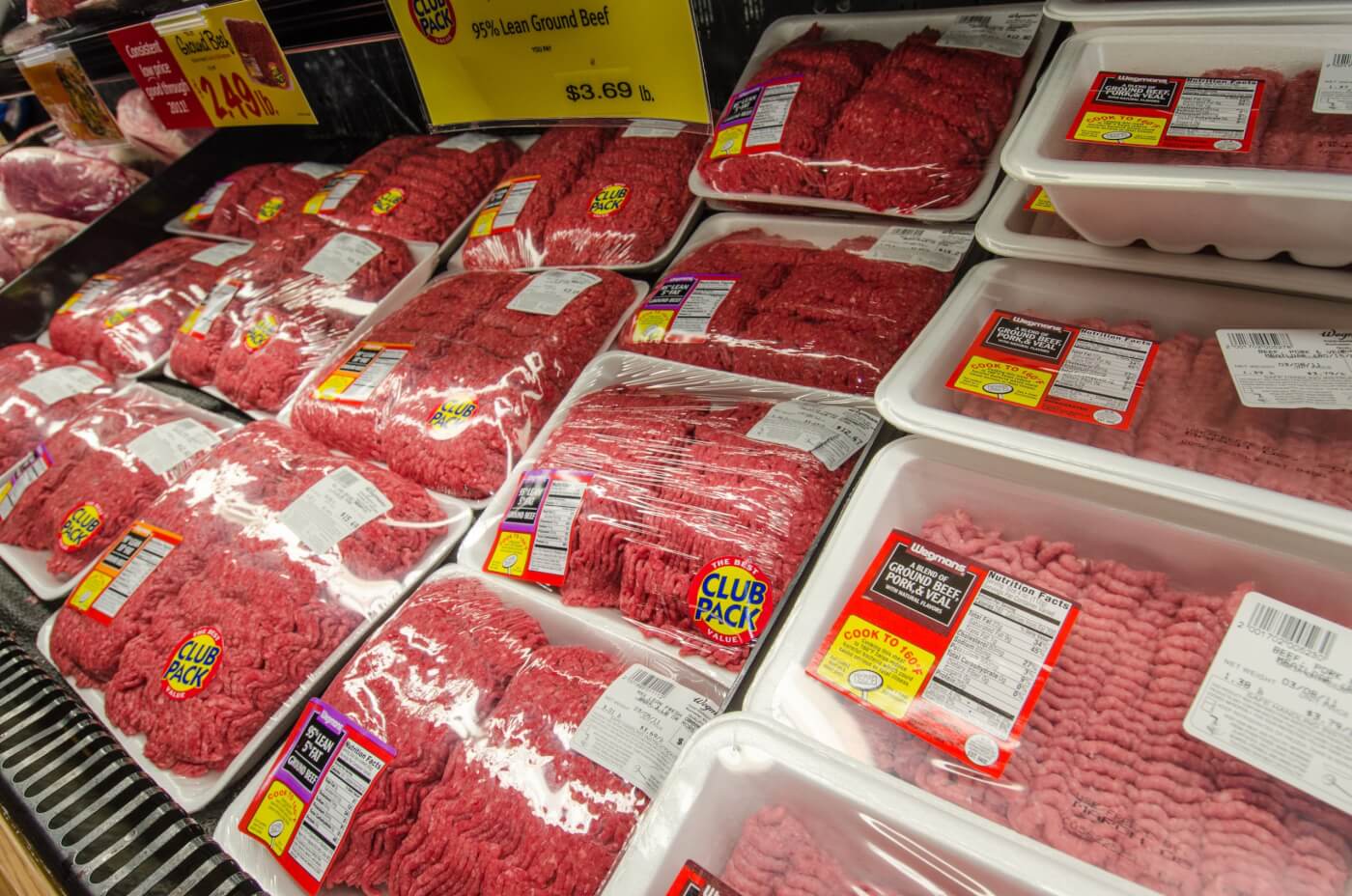
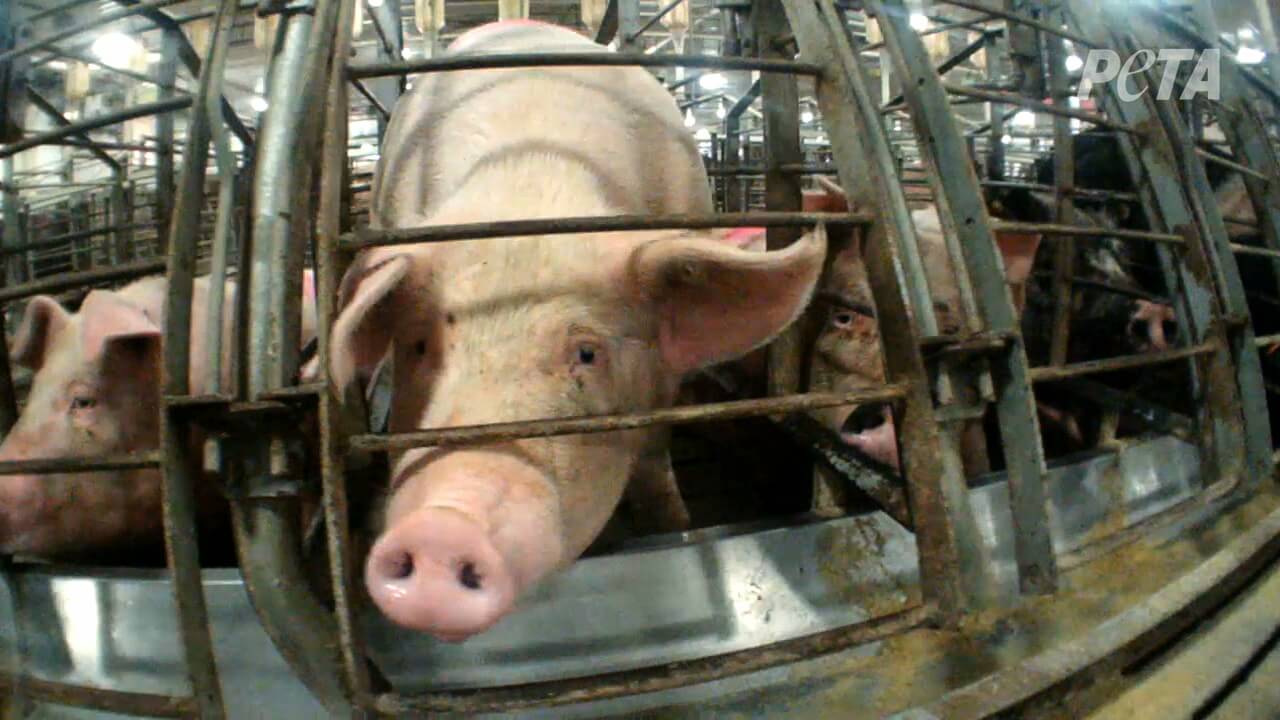
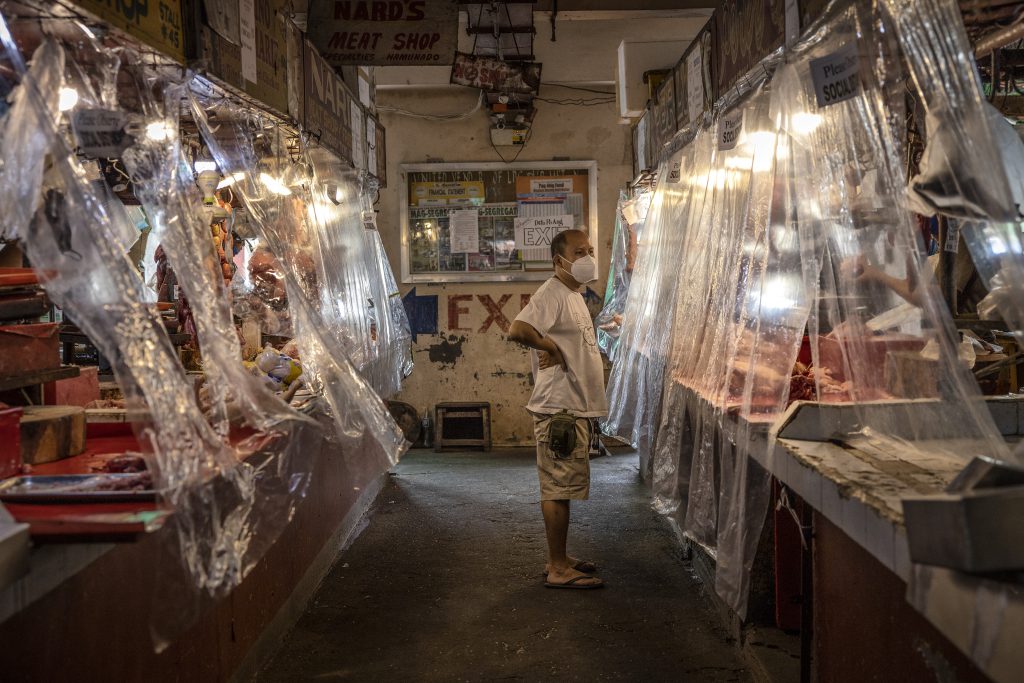
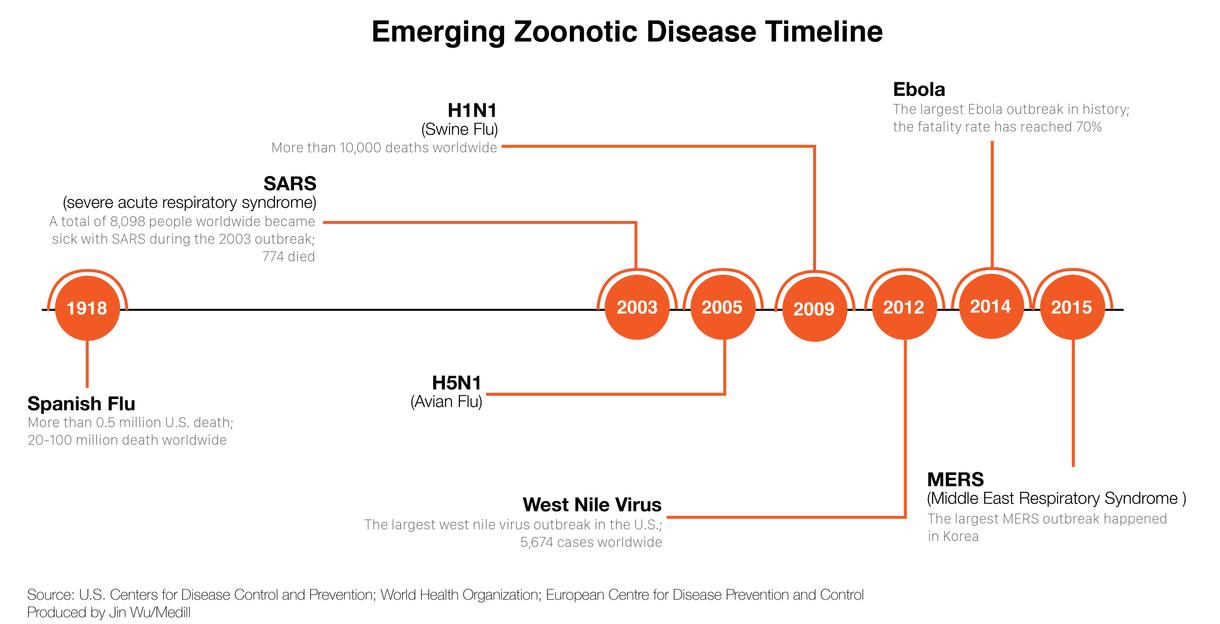
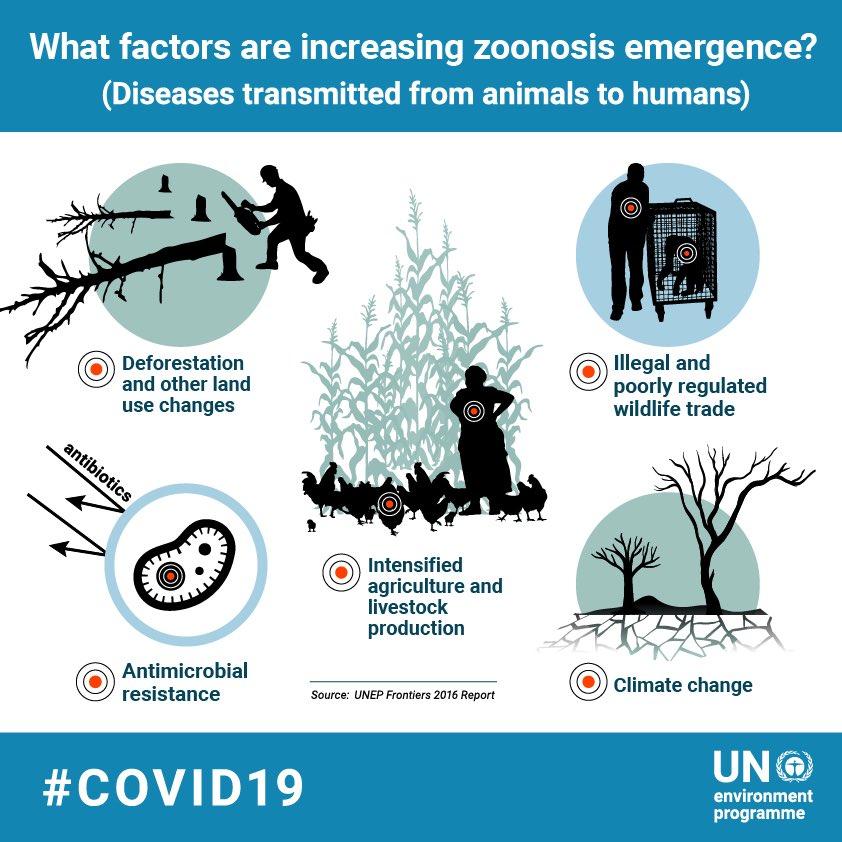
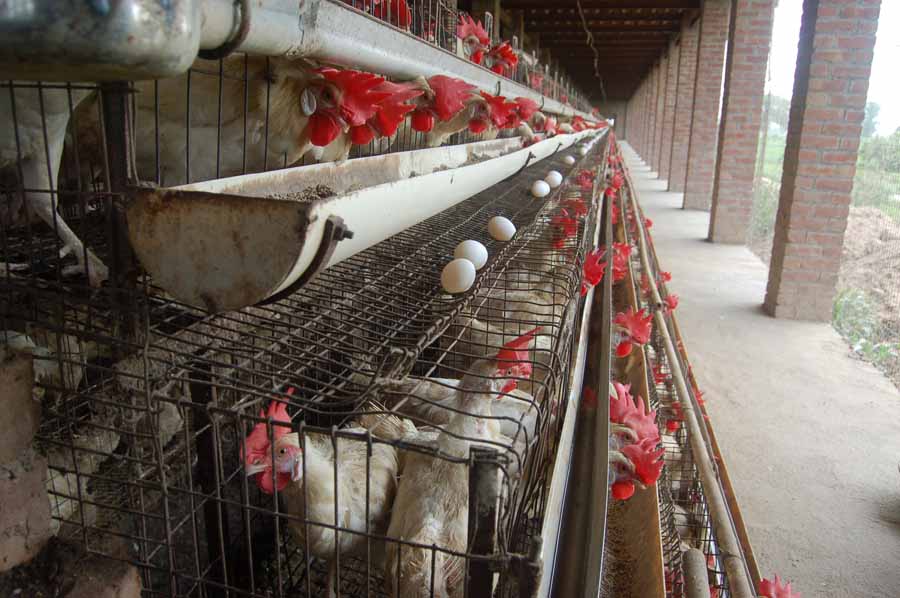
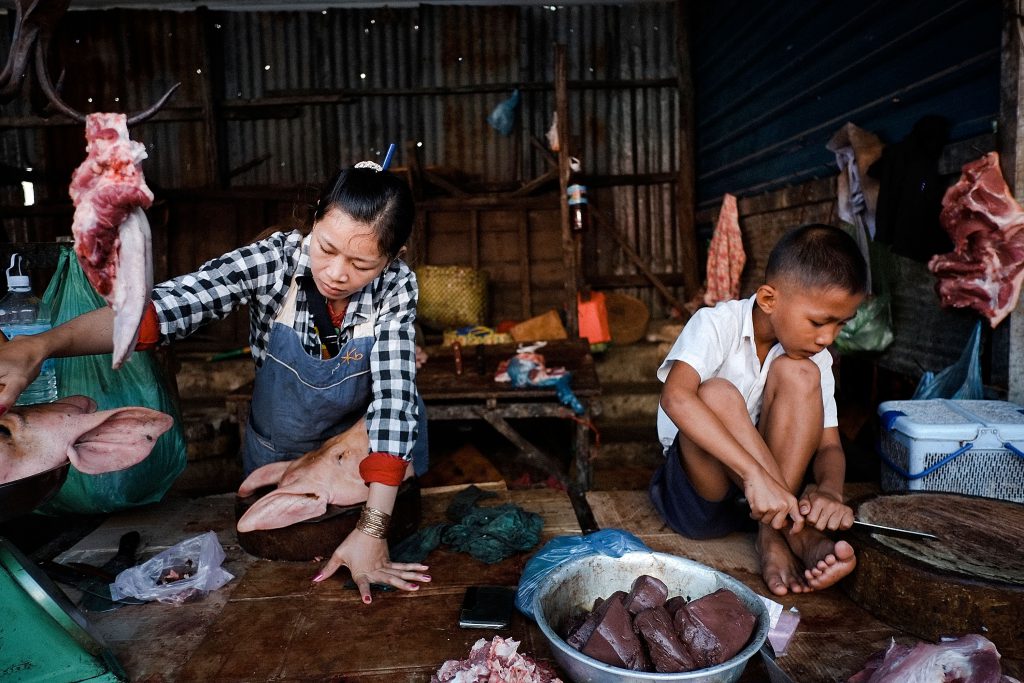
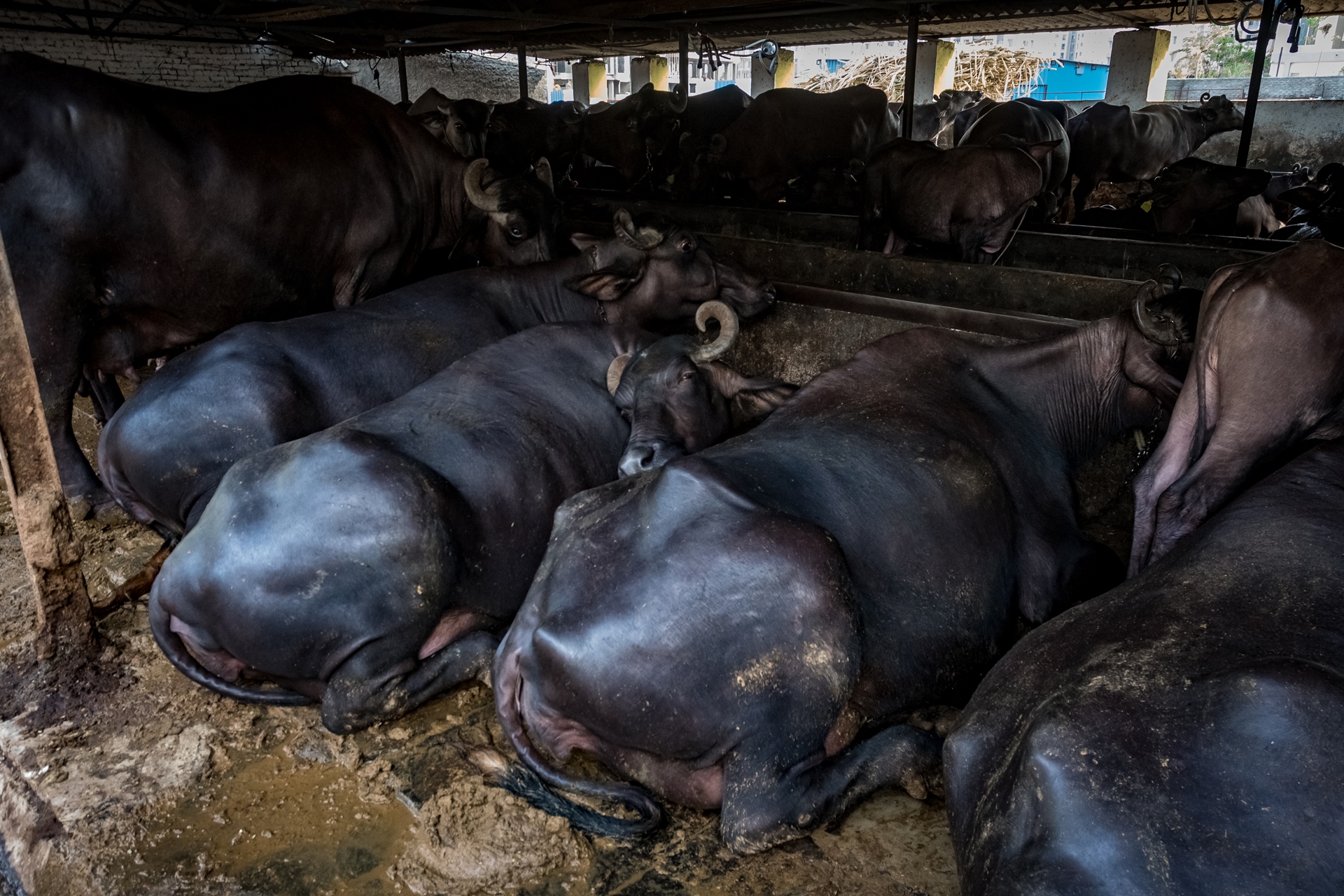
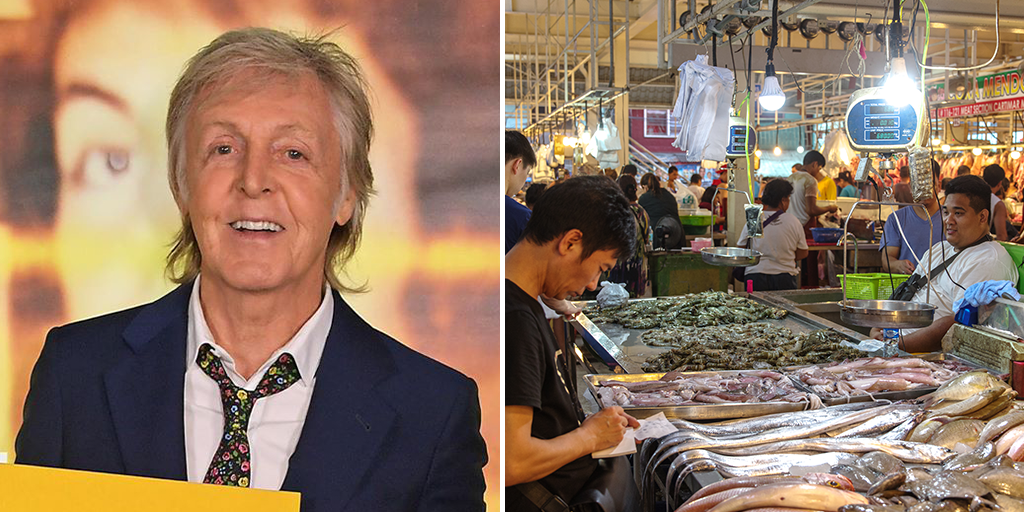 Image: paulmccartney (Left) and Kim David / shutterstock.com (Right)

 It took a day by canoe and then many hours down degraded forest logging roads passing Baka villages and a small gold mine to reach the village. There, I found traumatized people still fearful that the deadly virus,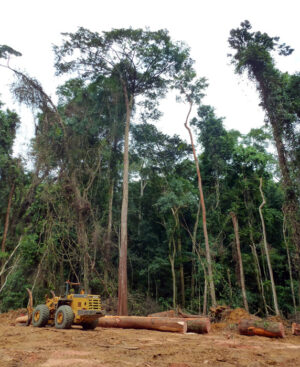

 Two new types of bird flu infections currently spreading in China could jump to humans threatening global health, scientists warn.


 .. this is the view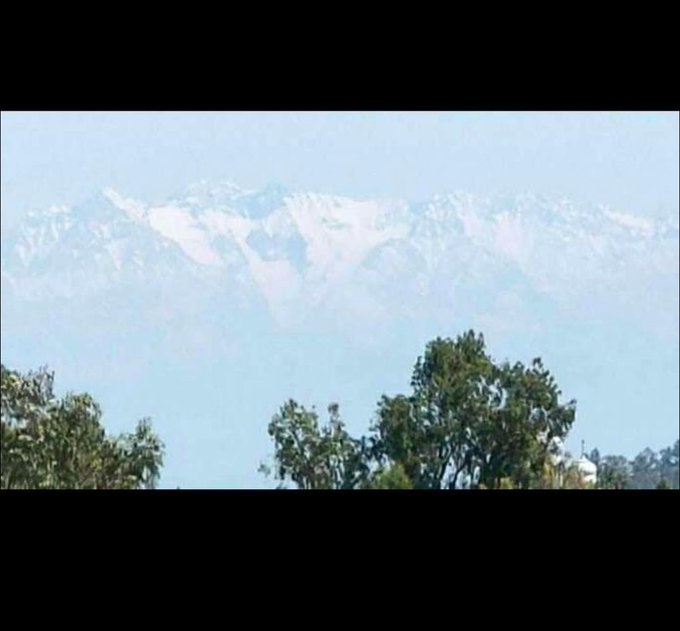




 Exposing the Big Game