The experts believe the virus probably crossed from wildlife into farmed or domesticated animals in the Wuhan market, and from there to people (AFP via Getty Images)
The four WHO experts who carried out a month-long investigation in China insisted there was nothing that proved the disease was deliberately developed.
And they called for the threat of pandemics to be treated with the same seriousness as terrorism after the 11 September 2001 attacks.
The scientists said in a Chatham House briefing that they found links between the live-animal market in Wuhan, where people first fell ill, and regions where bats had viruses.Apes At San Diego Zoo Receive COVID-19 Vaccinehttps://imasdk.googleapis.com/js/core/bridge3.446.1_en.html#goog_1418780697
Peter Daszak, a zoologist and president of EcoHealth Alliance, which works to prevent pandemics, said: “There was a conduit from Wuhan to the provinces in South China, where the closest relative viruses to [the coronavirus] are found in bats.”
Dr Daszak said the wildlife trade was the most likely explanation of how Covid-19 arrived in Wuhan.
The WHO scientists and their Chinese counterparts considered the most likely explanation was that the virus crossed into domesticated or farmed animals, he added.Please enter your email addressPlease enter a valid email addressPlease enter a valid email addressSIGN UPI would like to be emailed about offers, events and updates from The Independent.Read our privacy notice
The world will find out “fairly soon, within the next few years” what started the pandemic, he predicted. It typically takes many years to pinpoint the animal reservoir of outbreaks.
The team are due to release a report next week on the initial conclusions of their mission to Wuhan.
Marion Koopmans, head of viroscience at University Medical Centre Rotterdam, said they visited the three laboratories closest to the Huanan market in Wuhan, and scrutinised their protocols and research, among other issues.about:blankabout:blankhttps://bd45e420140dbb8b103b0796f2feb7dd.safeframe.googlesyndication.com/safeframe/1-0-37/html/container.htmlhttps://bd45e420140dbb8b103b0796f2feb7dd.safeframe.googlesyndication.com/safeframe/1-0-37/html/container.htmlSkip in 5about:blank✕Skip in 5about:blank
“We concluded that it’s extremely unlikely there was a lab incident,” she said.
Dr Daszak called for the threat of pandemics to be treated with the same seriousness as terrorism after the 9/11 attacks. and working out where the next ones are going to come from and what it might be, whereas we do that with hurricanes and typhoons and all the rest of it,” hesaid.
He added: “After 9/11, we put in place a mechanism to track every single phone call into the US, and the minute there’s a rumour on the web or on these phone calls of an attack, the network is disrupted prior to the attack.
“That’s the kind of change or shift in thinking we need for pandemics, I believe.”
Dr Daszak said: “Let’s look at where wildlife are interacting with livestock and people, and see what is out there and try and find out what threats could emerge in future.”
The US COVID-19 case count is plateauing at “not an acceptable level,” Dr. Anthony Fauci told CBS’ “Face the Nation” on Sunday, warning against public-health measures being turned “on and off.”
Fauci, the White House chief medical advisor, told CBS’ Margaret Brennan that having another surge when cases were already at “quite a high level” would be “risky.”
The US Centers for Disease Control and Prevention’s director warned last week that a fourth surge of cases could be coming in the US.
The number of coronavirus cases reported each day in the country had been sharply declining after peaking early this year. More recently, however, the country’s seven-day average of daily reported cases leveled off between 60,000 and 70,000.
The US has seen its coronavirus case numbers plateau recently, according to Our World in Data. Our World in Data
In his interview, Fauci said European countries could provide a template for the US because their patterns were “usually a couple of weeks ahead of us.”
Europe witnessed a 9% increase in cases in the past week after experiencing a plateau, Fauci said.
He also warned against coronavirus measures being switched “on and off,” saying “it really would be risky to have yet again another surge, which we do not want to happen because we’re plateauing at quite a high level.”
The White House and the CDC have been clear they did not support some states’ pulling back coronavirus restrictions in recent days without waiting for CDC recommendations.
Last week, Fauci called Texas’ and Mississippi’s decisions to lift their mask mandates “inexplicable,” and President Joe Biden said the decisions were the result of “Neanderthal thinking.”
Sir, – Industrial animal farming, more commonly known as factory farming, has, according to the UN, caused the majority of infectious diseases in humans in the past decade.
In Russia, scientists have detected the first case of transmission of the H5N8 strain of avian flu to humans and have alerted the World Health Organisation. Scientists isolated the strain’s genetic material from seven workers at a poultry farm in southern Russia. The workers did not suffer any serious health consequences. While the highly contagious strain is lethal for birds, it has never before been reported to have spread to humans.
Humans can get infected with avian and swine influenza viruses, such as bird flu subtypes A(H5N1) and A(H7N9) and swine-flu subtypes such as A(H1N1). The more widely known strain of avian influenza is the H1N1, which is responsible for all the major flu outbreaks, like the 1918 Spanish flu and the 2009 swine-flu outbreak. The H5N8 is a sub-type of the influenza A virus that causes flu-like symptoms in birds and mammals. In recent months, outbreaks of the H5N8 strain have been reported in Russia, Europe, China, the Middle East and north Africa but only ever in poultry – until, that is, this latest news from Russia.
There is a timebomb called climate change with which we are all familiar. There is another, less talked-about timebomb that is ticking just as loudly, factory farming. Yet no government that I know of, anywhere in the world, is listening to it. Why is this? – Yours, etc,
Anna Popova, head of Russia’s Federal Service for Surveillance on Consumer Rights Protection and Human Wellbeing, stated that the early warning “gives us all, the entire world, time to prepare for possible mutations and react in an adequate and timely fashion.”
Disease outbreaks on modern farms are not uncommon, as genetically similar animals kept in close quarters are likely to spread illness fast. Unsanitary conditions can cause animals to fall into respiratory distress easily, and dead animals can serve as vectors for an array of illnesses. Drug-resistant bacteria known as “superbugs” have become an increasingly worrisome issue on farms across the world, as animals living in subpar conditions often require antibiotics to stay alive.
This in-depth 2016 Scientific American article explains why crowded modern farms are host to a plethora of contagious ailments, from MRSA to enterococci, a group of bacteria known to cause over 20,000 infections in humans annually. As the article states, in 2014 pharmaceutical companies sold nearly 21 million pounds of medically important antibiotics for use in animals raised for food, over three times the amount sold for use in humans.
“Resistant bacteria that food animals carry can get into a variety of foods,” states the Center for Disease Control on an informational webpage about antibiotic use in farmed animals. “Meat and poultry can become contaminated when the animals are slaughtered and processed. Fruits and vegetables can become contaminated when resistant bacteria from animal feces (poop) spreads to them through the environment, such as through irrigation water or fertilizers…illnesses that were once easily treatable with antibiotics are becoming more difficult to cure and more expensive to treat.” Advertisement
In 2017 the World Health Organization issued a statement advising that commercial farming operations stop routinely administering antibiotics to healthy animals, citing an increasing threat to human health. “Over-use and misuse of antibiotics in animals and humans is contributing to the rising threat of antibiotic resistance,” the statement reads. “Some types of bacteria that cause serious infections in humans have already developed resistance to most or all of the available treatments, and there are very few promising options in the research pipeline.”
The ongoing COVID-19 pandemic has been a sobering reality check to the risk of disease outbreaks and serves as a call to action for humanity. As long as animals exist on crowded and unsanitary factory farms, antibiotic resistance and disease spread will remain a dire public health risk. The evidence is clear; raising animals for food by the masses is deeply detrimental to both animal welfare and human health, and only a drastic food system reform can bring about change.Advertisement
Sign this petition to encourage Congress and the Senate to pass the Preventing Future Pandemics Act!Urge Congress and the Senate to Pass the Preventing Future Pandemics Act
NOW PLAYING’Striking piece of evidence’: WHO researcher on products in Wuhan marketCNN03:27/05:17‘Striking piece of evidence’: WHO researcher on products in Wuhan market5:17
FDA moved too fast to authorize coronavirus antibody tests, two top officials admit
From CNN Health’s Maggie Fox
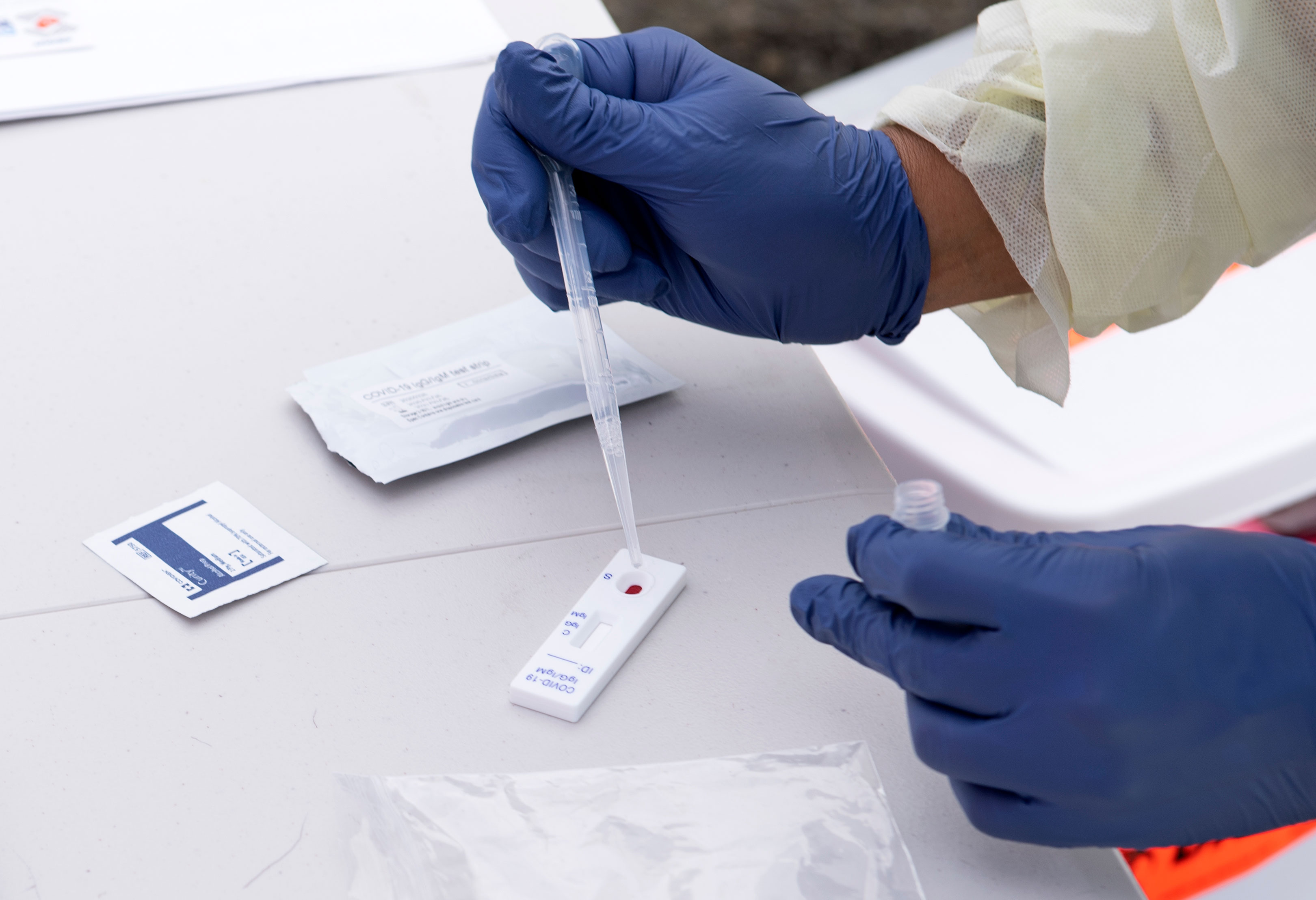
A health worker in Torrance, California, processes a Covid-19 antibody test in May 2020. Valerie Macon/AFP/Getty Images
The US Food and Drug Administration moved too quickly to allow the marketing of antibody tests for coronavirus without authorization last spring and ended up with a lot of tests that did not work well, two top officials said Saturday.
The FDA won’t be doing that again, and agencies need to prepare ahead of time for quick development of tests in pandemics, Dr. Jeffrey Shuren, director of the FDA’s Center for Devices and Radiological Health and Dr. Timothy Stenzel, director of the FDA’s Office of In Vitro Diagnostics and Radiological Health, wrote in a joint commentary in the New England Journal of Medicine.
“Flawed” policy: At the time it seemed important to get antibody tests onto the market so researchers could assess just how widespread the virus was, they said. So, FDA published guidance in March allowing developers to market tests without emergency use authorization as long as the test was validated, and the tests carried warnings that they were not FDA-reviewed.
“In hindsight, however, we realized that the policy outlined in our March 16 guidance was flawed,” they wrote.
By April, they wrote, “the market was flooded with serology tests, some of which performed poorly and many of which were marketed in a manner that conflicted with FDA policy.”
Later, the FDA worked with the National Cancer Institute to evaluate antibody tests developed by university labs. That worked better, they said.
“Knowing what we know now, we would not have permitted serology tests to be marketed without FDA review and authorization, even within the limits we initially imposed,” Shuren and Stenzel wrote.
Lessons learned: “First, our experience with serology tests underscores the importance of authorizing medical products independently, on the basis of sound science, and not permitting market entry of tests without authorization,” they wrote.
Plus, the federal government needs to coordinate research better, and evaluate tests before they are needed so they can be checked quickly in an emergency.4 hr 54 min ago
Covid passports could deliver a “summer of joy,” Denmark hopes
From CNN’s Nina dos Santos, Antonia Mortensen and Susanne Gargiulo
Like many countries around the world, Denmark is desperate to reopen the parts of its economy frozen by the pandemic.
The kingdom of under 6 million people has become one of the most efficient vaccination distributors in Europe and aims to have offered its whole population a jab by June.
But before that target is reached, there’s pressure for life to return to normal for Danes already inoculated and to open up borders for Covid-immune travelers from overseas.
Morten Bødskov, Denmark’s acting finance minister, last week raised the prospect of a so-called coronavirus passport being introduced by the end of the month.
“Denmark is still hard hit by the corona pandemic,” he said. “But there are parts of Danish society that need to move forward, and a business community that needs to be able to travel.”
The government has since indicated that a February deadline might be ambitious, but the relatively small Scandinavian country could still become the world’s first to formally embrace the technology to open its borders in this controversial way.
Nina dos Santos, Antonia Mortensen and Susanne Gargiulo, CNN5 hr 32 min ago
For the first time in 100 days, the US is averaging fewer than 100,000 new Covid-19 cases per day
From CNN’s Amanda Watts and Haley Brink
For the first time in 100 days, the United States is averaging fewer than 100,000 new Covid-19 cases per day, according to data from Johns Hopkins University.
The nation has a current 7-day average of 96,609 new cases per day, according to JHU data. The last time this metric was below 100,000 was on Election Day, November 3, 2020.
On November 3, the US saw an average of 925 deaths per day. Right now, the US is seeing an average of 3,024 deaths per day, which is more than a 200% increase in daily deaths since November.
Over those 100 days — from November 3, 2020 to February 12, 2021 — the US tallied 18,141,364 new Covid-19 cases and 248,148 reported deaths, JHU data shows. 6 hr 19 min ago
The AstraZeneca coronavirus vaccine will be tested in kids as young as 6
From CNN’s Maggie Fox and Jo Shelley
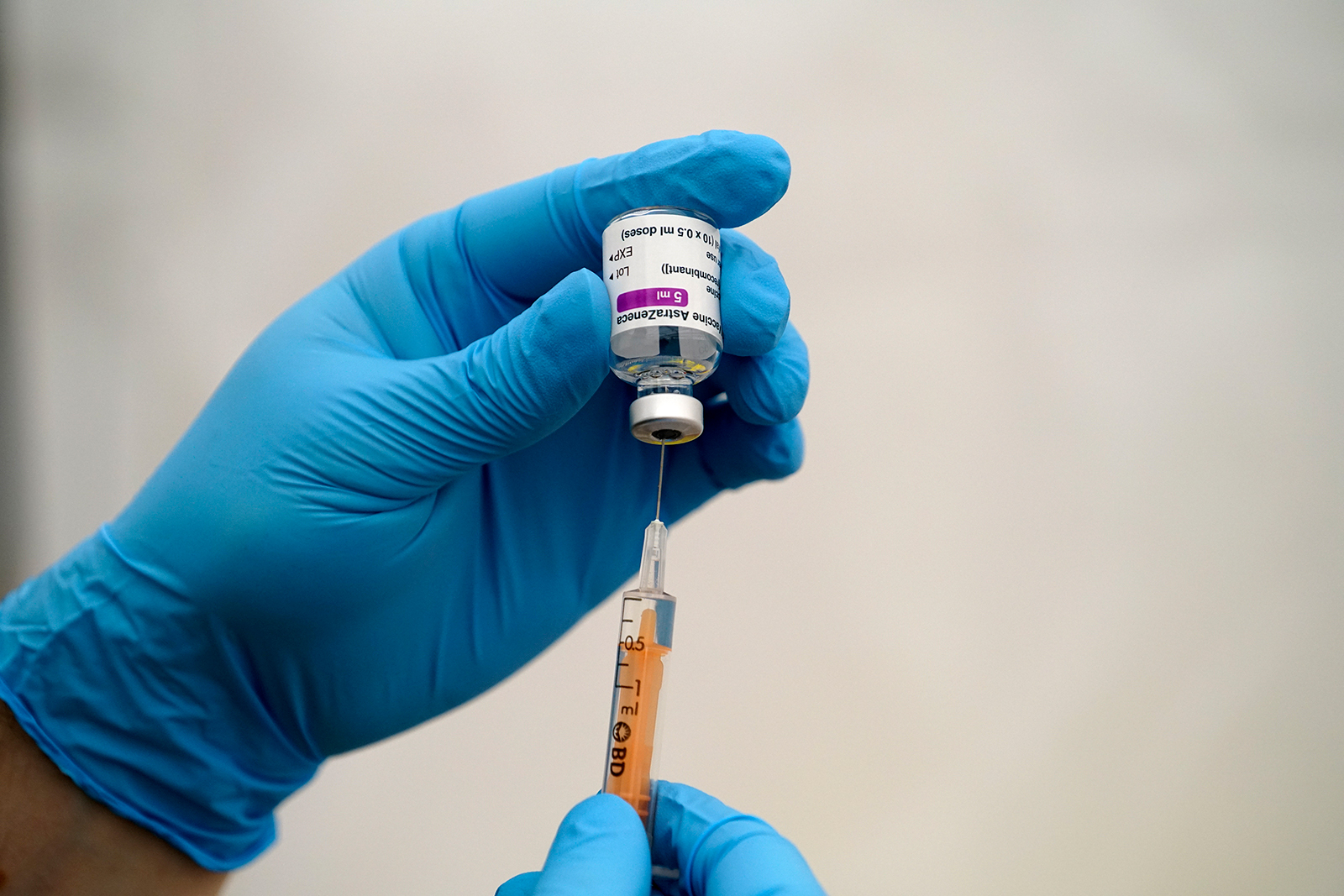
An NHS staff member prepares an AstraZeneca Covid-19 vaccination near Truro, England, on January 26. Hugh Hastings/Getty Images
University researchers plan to start testing AstraZeneca’s coronavirus vaccine on children as young as six in Britain on Saturday.
A team at the University of Oxford, which developed the vaccine, said it will test the vaccine on children and teens aged 6-17 there and at sites in London, Southampton and Bristol.
Few trials of coronavirus vaccine involve children as yet. In the US, Pfizer/BioNTech’s and Moderna’s vaccines are being tested in children as young as 12.
“This new trial, a single-blind, randomized Phase II trial, will enrol 300 volunteers, with up to 240 of these volunteers receiving the (AstraZeneca) vaccine and the remainder a control meningitis vaccine, which has been shown to be safe in children but is expected to produce similar reactions, such as a sore arm,” the Oxford team said in a statement.
Grace Li, a pediatric researcher in the Oxford Vaccine Group, said in a statement: “We’ve already seen that the vaccine is safe and effective in adults, and our understanding of how children are affected by the coronavirus continues to evolve.”
While children are much less likely than adults to be hospitalized or die from Covid-19, children are as just as likely as adults to become infected.
“While most children are relatively unaffected by coronavirus and are unlikely to become unwell with the infection, it is important to establish the safety and immune response to the vaccine in children and young people as some children may benefit from vaccination,” added Dr. Andrew Pollard, chief investigator for the trial at Oxford. “These new trials will extend our understanding of control of SARS-CoV2 to younger age groups.” 7 hr 1 min ago
UK could live with Covid-19 “like flu,” says Health Secretary
From CNN’s Amy Woodyatt in London
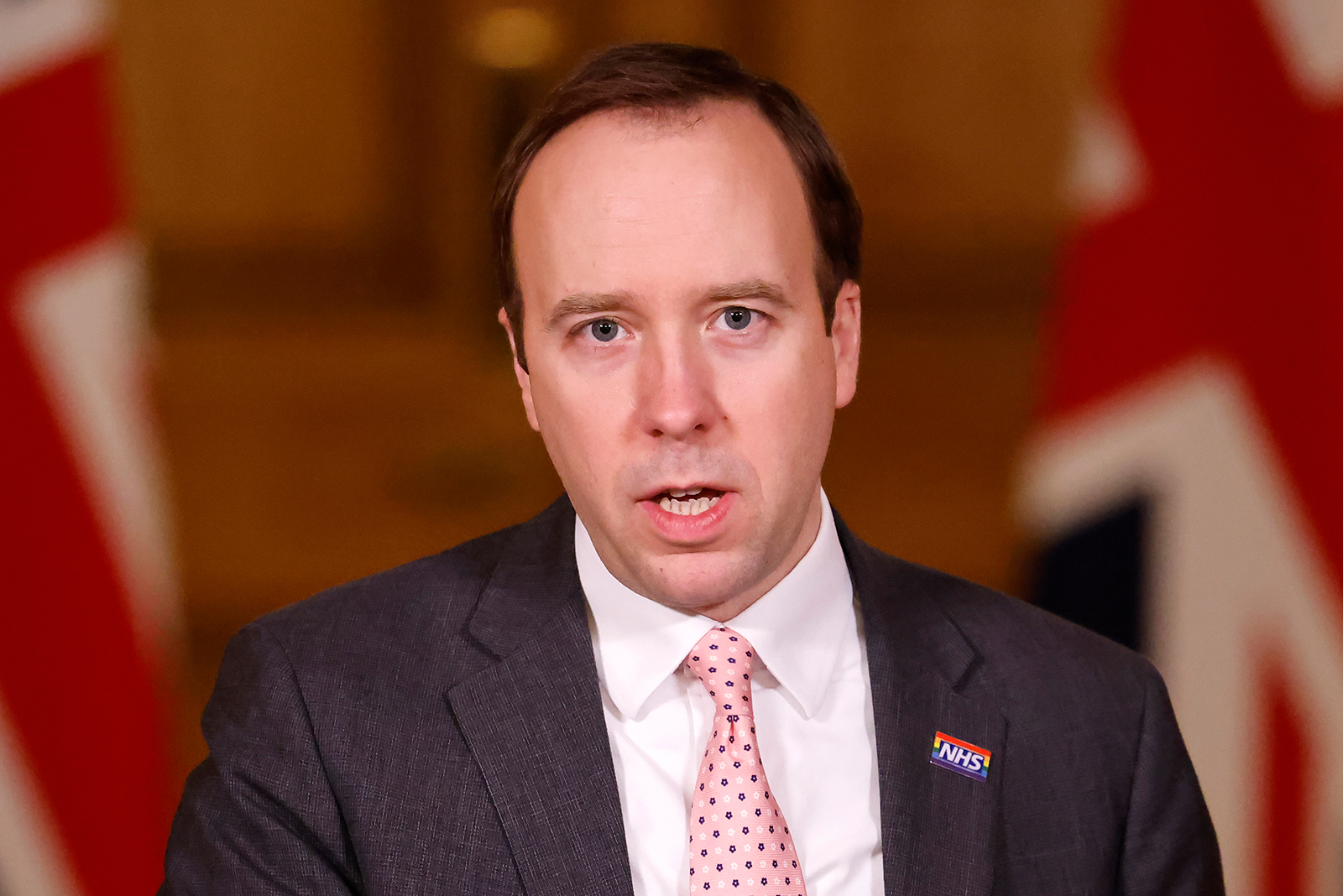
Health Secretary Matt Hancock speaks during a virtual news conference at 10 Downing Street in London, on February 8. Tolga Akmen/WPA Pool/Getty Images
The UK’s Health Secretary Matt Hancock said he hopes that vaccines and treatments for Covid-19 will turn the disease into something we “live with, like we do flu” by the end of the year.
Hancock said he hoped that by the end of the year, Covid-19 “will become a treatable disease,” and that he anticipated new drugs to tackle the virus should arrive.
In an interview with the UK’s Daily Telegraph, Hancock said new treatments would be key in “turning Covid from a pandemic that affects all of our lives into another illness that we have to live with, like we do flu. That’s where we need to get Covid to over the months to come.”
Some 14 million people have received their first dose of the Covid-19 vaccine as of Thursday, according to the UK government, and more than 530,000 have received a second dose.
Hancock said he was “confident” that the vaccine would be offered to all adults in the UK by September.
Here’s some context: There have been more than 4 million confirmed cases of Covid-19 in the UK, according to figures from Johns Hopkins University.
In March last year, the UK government said it was hopeful the country could cap its coronavirus deaths at 20,000. But more than 116,500 have died, according to figures from JHU — and the country has one of the highest number of confirmed deaths in the world, proportionate to population.8 hr 14 min ago
At least 109 employees at a Colorado ski resort test positive for Covid-19
From CNN’s Leslie Perrot, Chris Boyette and Leah Asmelash
Winter Park Resort in Grand County, Colorado. KMGH
A ski resort in Colorado has had a Covid-19 outbreak, with more than 100 active infections among its employees.
The Colorado Department of Public Health and Environment announced the outbreak at Winter Park Resort in January but released the data in its weekly outbreak summary on Wednesday.
There are at least 109 employees with active infections, they said.
“It has been determined that these cases have not been traced back to transmission through interaction with visitors but, rather, from social gatherings outside of the workplace and congregate housing,” Grand County, Colorado, officials said Monday in a joint statement with Winter Park Resort.
With ski season in full swing in Colorado, other resorts have also reported Covid-19 cases. But the outbreak at Winter Park is currently the largest, according to CDPHE data.
“We have been working closely with public health authorities since the pandemic began,” said Jen Miller, communications manager at the ski resort. “We did extensive planning and had to get approval from the state on our operations before we could open on December 3.”
Cases linked to socializing and living situations: Most of the cases have been traced back to social gatherings outside of work and to congregate housing, Miller said.
Precautions, according to Miller, include: reconfiguring lift corrals and lift-loading procedures, extra staff, new signage reminding visitors about mask requirements, limitations on dining, a reservation system to manage visitation and the number of people at the resort, contactless lodging and a state-approved testing site for their 1,700 active employees.
But some visitors have reported that mask mandates were not being enforced.
When asked about those reports, Miller said, “We’ve done extensive work and continue to evolve our operations as necessary. I can’t speak to one individual’s experience, but we do appreciate feedback and will continue to make modifications with the health and well-being of our employees, guests and community as our top priority.”
Conor Cahill, press secretary for Colorado Gov. Jared Polis, said ski resorts across the state need to “do a better job planning for and managing surge weekends.”
Nearly a third of US adults are undecided about the Covid-19 vaccine. They say friends and family could sway them
From CNN’s Madeline Holcombe
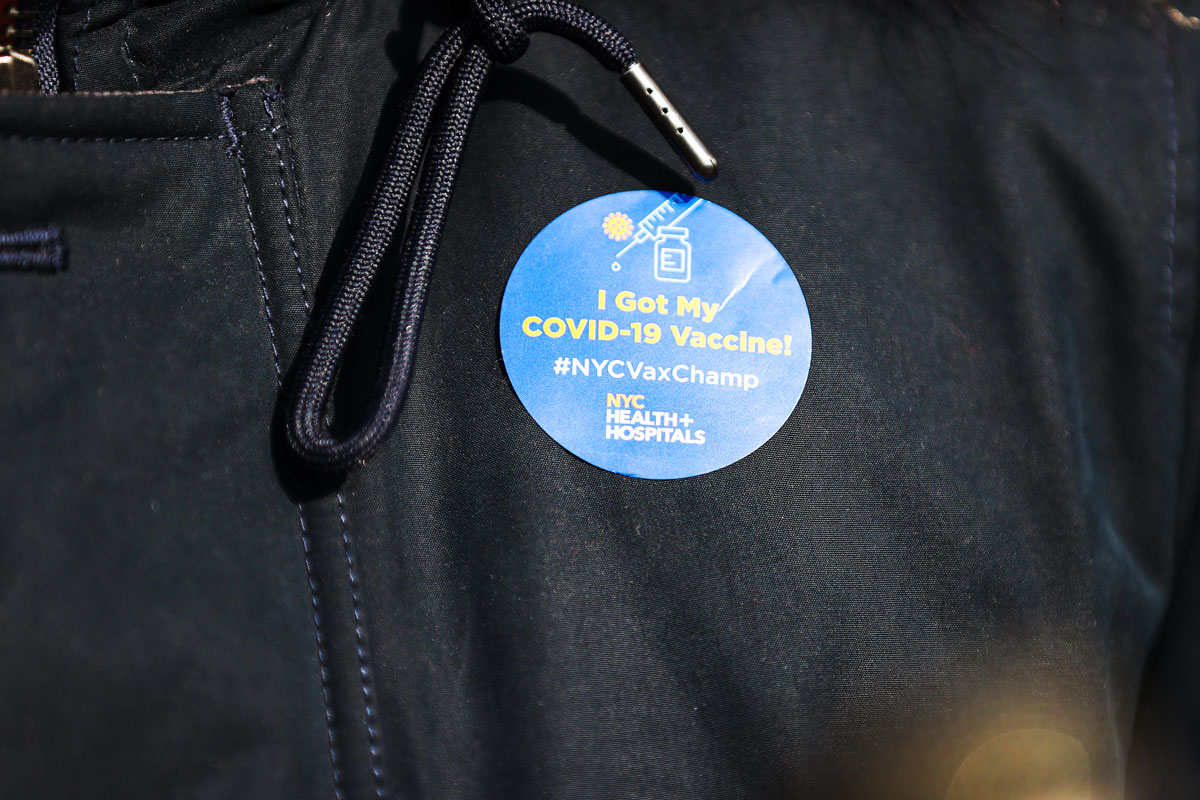
A sticker given to people who have received the Covid-19 vaccine in New York City. Tayfun Coskun/Anadolu Agency/Getty Images
Though officials and health experts say the end of the Covid-19 pandemic will rely on a large proportion of Americans being inoculated, nearly a third of US adults say they have not decided if they will get the vaccine when it is offered to them.
Could be swayed: About 31% of US adults say they plan to “wait and see” how it works out for other people, according to a report released by the Kaiser Family Foundation (KFF) Friday. Many said that a close friend or family member getting vaccinated would be most likely to sway their decision.
Vaccinations have been ramping up across the country as officials race to get most Americans inoculated by the end of summer, aiming for a return to normality while trying to get ahead of the coronavirus variants.
To reach herd immunity, about 70-85% of Americans would need to be vaccinated, National Institute for Allergy and Infectious Disease director Dr. Anthony Fauci has estimated.
Though many states have complained that their supply of doses from the federal government does not meet their demand, the pace has quickened in recent weeks.
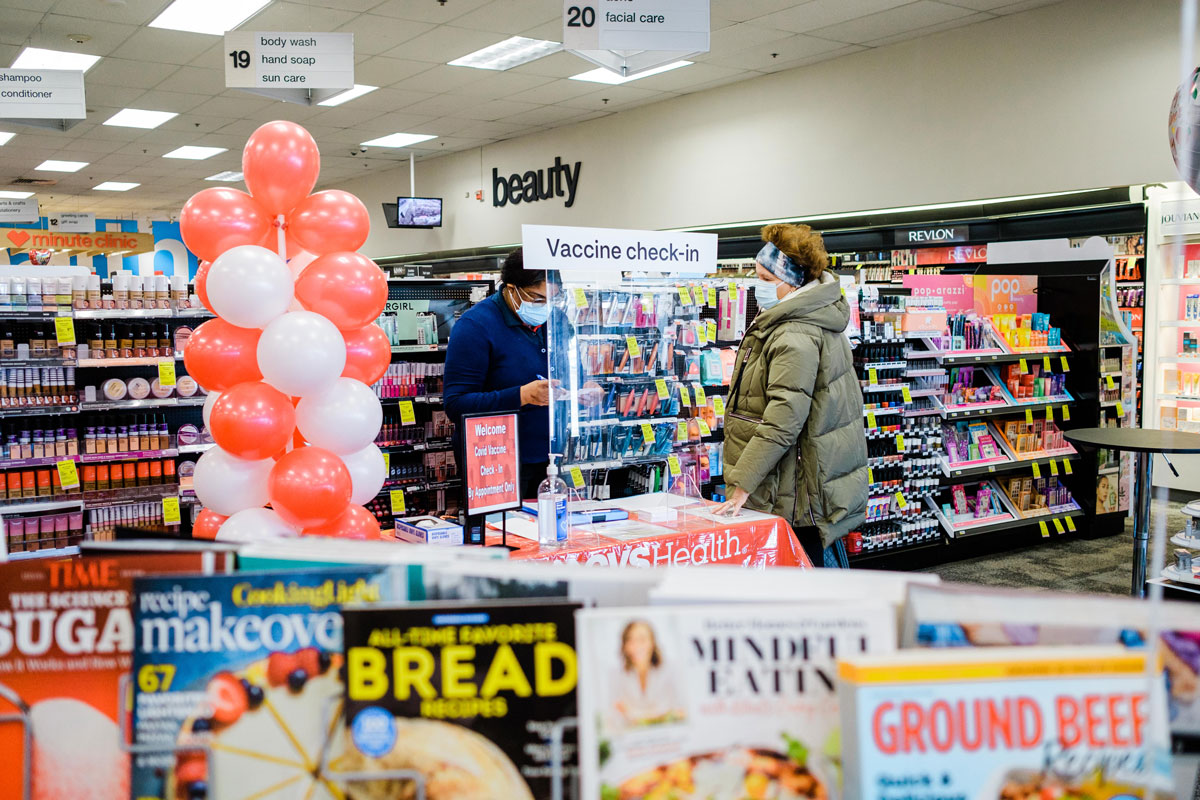
And more than 6,500 retail pharmacies around the country opened appointments Friday for the 1 million doses they have been allocated.
Here’s some background: The United States recorded an additional 97,525 new coronavirus cases and 5,323 more deaths Friday, according to Johns Hopkins University’s tally.
Friday’s figures bring the national total to 27,490,037 cases and 480,767 deaths, across all 50 states, the District of Columbia, and US territories.
US records 97,525 more coronavirus cases and 5,323 related deaths
From CNN’s Alta Spells in Atlanta
A worker checks in a person with an appointment to receive a dose of the Moderna Covid-19 vaccine at a CVS Pharmacy location in Eastchester, New York on February 12. Gabriela Bhaskar/Bloomberg/Getty Images
The United States recorded an additional 97,525 new coronavirus cases and 5,323 more deaths Friday, according to Johns Hopkins University’s tally.
Friday’s toll includes more than 2,400 backlogged deaths from Ohio. The state’s health department said on February 10 that some 4,000 deaths “may have been underreported through the state’s reporting system” and would be added to future tallies.
“Process issues affecting the reconciliation and reporting of these deaths began in October. The largest number of deaths were from November and December,” the department said in a statement. “Although being reported this week, the deaths will reflect the appropriate date of death on the state’s Covid-19 dashboard.”
Friday’s figures bring the national total to 27,490,037 cases and 480,767 deaths, across all 50 states, the District of Columbia, and US territories.
So far, at least 69,014,725 vaccine doses have been distributed, with some 48,410,558 shots administered, according to the US Centers for Disease Control and Prevention.13 hr 5 min ago
Flights to Australian state of Victoria suspended during snap lockdown
From CNN’s Angus Watson in Melbourne
Flights to Victoria have been suspended as the Australian state begins a hard five-day lockdown, Premier Daniel Andrews said Saturday.
No flights will be allowed into Victoria until next Thursday, other than those carrying more than 100 passengers who have already commenced travel to the state.
“A lot of people will be hurting today,” Andrews said at his daily news briefing, adding “we can’t have a situation where in two weeks’ time, we look back and wish we had taken these decisions now.”
Victoria recorded one additional Covid-19 case Saturday, connected to the recent Holiday Inn cluster. A total of 14 confirmed cases of the UK variant have been linked to the cluster.
The state entered the five-day “circuit breaker” lockdown at 11:59 p.m. local time on February 12. 13 hr 8 min ago
California to expand vaccine eligibility to millions with pre-existing conditions
From CNN’s Stephanie Becker and Cheri Mossburg
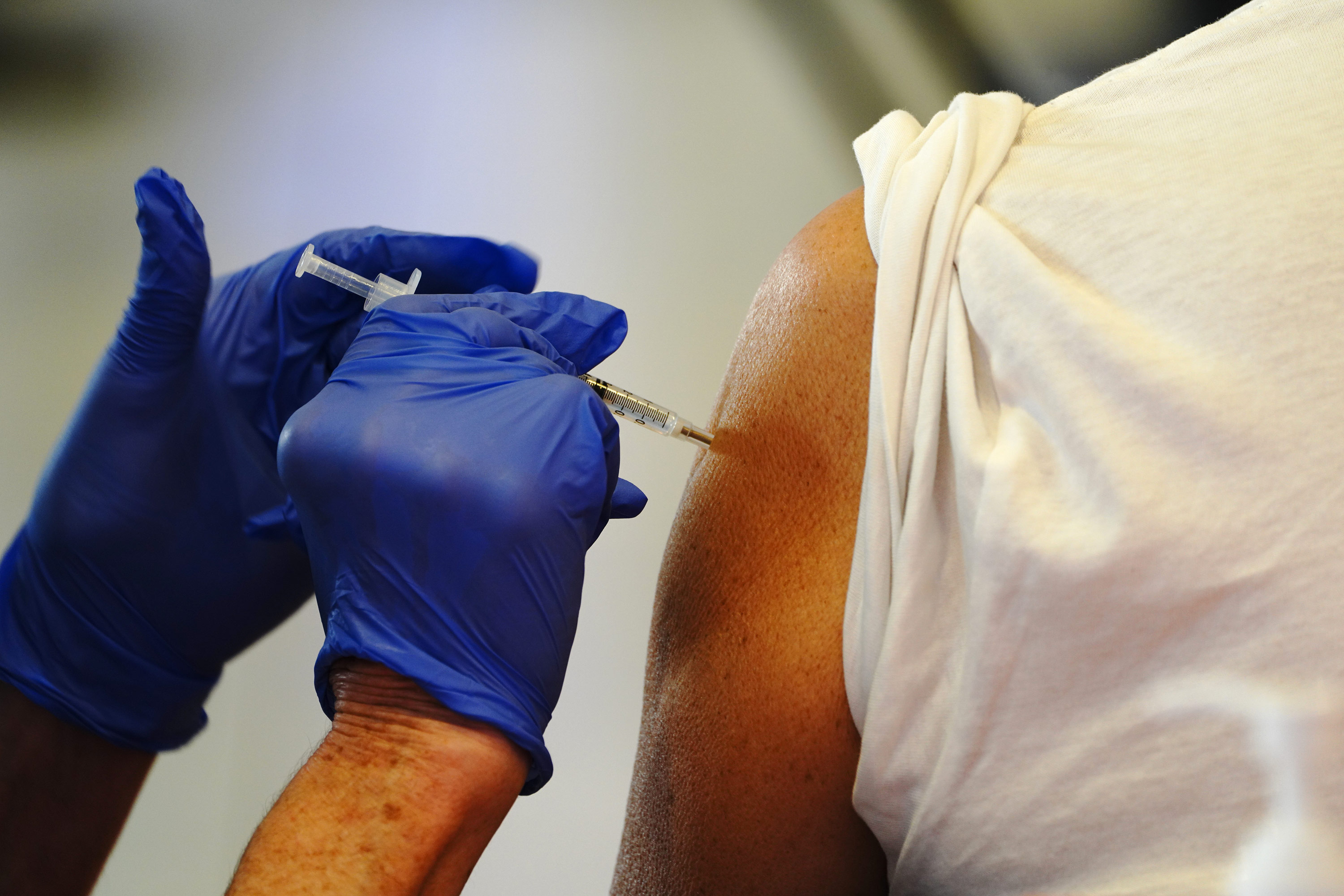
A health care worker administers a dose of the Pfizer-BioNTech Covid-19 vaccine at a mass vaccination site in Las Mesa, California, on February 11. Bing Guan/Bloomberg/Getty Images
The US state of California is adding millions of people to its Covid-19 vaccination priority list, including residents “at high risk with developmental and other disabilities” and those with “serious underlying health conditions.”
The plan, outlined by state health officials in a briefing Friday, will begin March 15 and allow cancer patients, pregnant women, and other disabled individuals to join health care workers, seniors, teachers, and farm staff in line for a vaccine. The expansion could add as many as 6 million more Californians to the priority list.
It also broadens the ages from 65 and over to ages 16 to 64 in those categories.
California Health and Human Service Agency Secretary Dr. Mark Ghaly told reporters the March 15 start will give officials time to work out details on how to get vaccines to those with various disabilities and could include at-home visits.
Ghaly acknowledged the timing could be optimistic, cautioning “we are still dealing with the scarcity of vaccine. This week the drastic shortfall of vaccines in the state led to the closure of the mass vaccination centers in Los Angeles.”
The expanded list of those eligible includes people with cancer, chronic kidney disease, oxygen-dependent heart disease, Down Syndrome, immune-suppressed organ transplant recipients, pregnant women, people with sickle cell disease, severe obesity and certain type-2 diabetes.
Ghaly expressed concern about the inequity of distribution among communities of color and low-income areas. There are plans to reach out to community clinics, public health systems and what they’re calling “trusted messengers in communities that data shows are reluctant to get vaccinated.”
Senior state health officials acknowledged complaints from rural counties that they have not been given their fair share of vaccines. However, officials say these areas have historically been medically underserved and much of the early distribution was in areas with high numbers of medical workers.
Officials say the focus will now be shifting to rural areas in California’s agricultural community, which has been disproportionally impacted by the pandemic.
Officials also believe a focus on Californians with development disabilities and severe underlying conditions will allow more vaccinations in vulnerable settings, like jails, homeless shelters and areas where homeless reside.
The state estimates 13 million Californians are eligible for the Covid-19 vaccine, including 3 million health care workers, 3.4 million food and agricultural workers, 1.4 million in the education sector, a million in emergency services and more than 6 million people over the age of 65.
The Godfather of Shock Rock got his jab, and he wants you to get one too.
Alice Cooper, the Hall of Fame-inducted rock icon, visited the Abrazo West Campus hospital in Goodyear, Arizona, a suburb of his hometown of Phoenix, where he rolled up his sleeve for the COVID vaccine.
“We’re out here getting vaccinated,” he says. “We’ve already had COVID but we got vaccinated anyways.”
Team Rubicon, who Cooper quipped was one of his favorite bands, administered the shots. “Come on out,” the 73-year-old enthused. “if you haven’t been vaccinated come on out.”https://uw-media.azcentral.com/embed/video/6710648002?placement=snow-embed
During his visit to the hospital, Cooper signed autographs and thanked the volunteers and hospital staff for their good work, AZ Central reports.
Cooper has stayed active during the pandemic. Last May, he cut a single “Don’t Give Up,” which addresses the health crisis and brings it into focus for listeners. “It almost sounds like I’m threatening the virus,” he said at the time.
Cooper is prepping a new album Detroit Stories, due out Feb. 26. The set, his first since 2017’s Paranormal, features a cover of Velvet Underground’s “Rock n’ Roll and the recently-released “Social Debris”.
The novel coronavirus has developed a number of worrisome mutations, resulting in multiple new variants popping up around the world. Now, a new study sheds light on how the virus mutates so easily and why these mutations help it “escape” the body’s immune response.
The study researchers found that SARS-CoV-2, the virus that causes COVID-19, often mutates by simply deleting small pieces of its genetic code. Although the virus has its own “proofreading” mechanism that fixes errors as the virus replicates, a deletion won’t show up on the proofreader’s radar.
“It’s devilishly clever,” study senior author Paul Duprex, director of the Center for Vaccine Research at the University of Pittsburgh, told Live Science. “You can’t fix what’s not there.”
What’s more, for SARS-CoV-2, these deletions frequently show up in similar spots on the genome, according to the study, published Feb. 3 in the journal Science. These are sites where people’s antibodies would bind to and inactivate the virus. But because of these deletions, certain antibodies cannot recognize the virus.
Duprex likened the deletions to a string of beads where one bead is popped out. That might not seem like a big deal, but to an antibody, it’s “completely different,” he said. “These tiny little absences have a big, big effect.”
SARS-CoV-2 tends to develop mutations in certain spots, which “disguise” the virus from antibodies. The image on the left shows multiple antibodies (green and red) binding to SARS-CoV-2 within cells (blue). On the right, deletions in SARS-CoV-2 stop neutralizing antibodies from binding (absence of green) but other antibodies (red) still attach very well. (Image credit: Kevin McCarthy and Paul Duprex)
Sneaky deletions
Duprex and his colleagues first noticed these deletions in a patient who was infected with the coronavirus for an unusually long time — 74 days. The patient had a weakened immune system, which prevented them from clearing the virus properly. During the lengthy infection, the coronavirus started to evolve as it played “cat and mouse” with the patient’s immune system, ultimately developing deletions, the researchers said.
They wondered how common such deletions were. They used a database called GISAID to analyze some 150,000 genetic sequences of SARS-CoV-2 collected from samples around the world. And a pattern emerged. “These deletions started to line up to very distinct sites,” said study lead author Kevin McCarthy, assistant professor of molecular biology and molecular genetics at the University of Pittsburgh.
“We kept seeing them over and over and over again,” in SARS-CoV-2 samples collected from different parts of the world at different times, he said. It seemed that these viruses strains were independently developing these deletions due to a “common selective pressure,” the researchers wrote in their paper.
The researchers dubbed these sites “recurrent deletion regions.” They noticed that these regions tended to occur in spots on the virus’s spike protein where antibodies bind in order to disable the virus. “That gave us the first clue that possibly these deletions were leading to the ‘escape’ or the evolution [of the virus] away from the antibodies that are binding,” McCarthy said.
Predicting new variants
The researchers started their project in the summer of 2020, when the coronavirus wasn’t thought to be mutating in a significant way. But the deletions that popped up in their data said otherwise. In October 2020, they spotted a variant with these deletions that would later come to be known as the “U.K. variant,” or B.1.1.7. This variant gained global attention beginning in December 2020, when it took off rapidly in the United Kingdom.CLOSEhttps://imasdk.googleapis.com/js/core/bridge3.438.0_en.html#goog_1475731710Volume 0% PLAY SOUNDRELATED CONTENT
“Our survey for deletion variants captured the first representative of what would become the B.1.1.7 lineage,” the authors wrote. Their finding underscores the importance of closely monitoring the virus’s evolution by tracking these deletions and other mutations.
“We need to develop the tools, and we need to reinforce our vigilance for looking for these things and following them … so we can begin to predict what’s going on,” McCarthy said.
Although the virus may mutate to evade some antibodies, other antibodies can still effectively bind to and inactivate the virus.
“Going after the virus in multiple different ways is how we beat the shape-shifter,” Duprex said in a statement. “Combinations of different antibodies [i.e. different monoclonal antibody treatments] … different types of vaccines. If there’s a crisis, we’ll want to have those backups.”
The findings also show why it’s important to wear a mask and implement other measures to prevent the virus from spreading — the more people it infects, the more chances it has to replicate and potentially mutate.
“Anything that we can do to dampen the number of times it replicates … will buy us a little bit of time,” Duprex said.
Dr. Fauci Said We Have to Assume the COVID-19 Mutation Can Cause More Death
U.K. Prime Minister Boris Johnson said yesterday at a news briefing: “We’ve been informed today that in addition to spreading more quickly, it also now appears that there is some evidence that the new variant—the variant that was first discovered in London and the southeast [of England]—may be associated with a higher degree of mortality.”
Dr. Fauci, who had previously said there was no evidence of it being more deadly, now says it may be. “The data that came out was after they had been saying all along that it did not appear to be more deadly,” he told Margaret Brennan on Face the Nation. “So that’s where we got that information. But when the British investigators look more closely at the death rate of a certain age group, they found that it was one, two per thousand, we’ll say, and then it went up to 1.3 per thousand in a certain group. So that’s a significant increase. So their most recent data is in accord with the Brits are saying, we want to look at the data ourselves, but we have every reason to believe them. They’re a very competent group. So we need to assume now that what has been circulating dominantly in the U.K. does have a certain degree of increase in what we call virulence, namely the power of the virus to cause more damage, including death.“
The U.K. mutation has been discovered in the following U.S. states:
Health experts say you should avoid optional trips whenever you can. You probably need a better mask, too.By Julia Belluz@juliaoftoronto Updated Jan 15, 2021, 3:34pm EST
Say goodbye to cloth masks. Say hello to tight-fitting surgical masks or even N95s.
Recent developments in the Covid-19 pandemic have exposed a grim reality: If we keep doing what we’re doing now to prevent infections, we’re screwed. Well, even more screwed.
That’s because the virus appears to be getting even better at infecting us. Since at least December, new, more contagious variants of the SARS-CoV-2 virus that causes Covid-19 have been outcompeting earlier versions of the virus in countries as far and wide as Brazil, the UK, and South Africa.
The advantage the new variants carry seems to be that in any given situation where people are gathered, they’ll infect more people — an estimated 30 to 70 percent more in the case of the B.1.1.7 variant first identified in Britain, which has now been identified in 50 countries.
B.1.1.7 is already believed to be circulating at low levels across the US. On Friday, the Centers for Disease Control and Prevention reported it has been detected in 10 states and is expected to become the most prevalent variant by March. And for a preview of what might come, look at how cases surged in the UK and nearby countries where this variant gained a foothold:
Even after a lockdown in the UK in November, the virus ripped through the population, overwhelming hospitals and forcing the government to implement even stricter stay-at-home orders by January.
While these variants haven’t been shown to be more deadly, a more transmissible virus is actually worse in many ways than a more lethal one. Cases snowball at a faster rate, Harvard epidemiologist Marc Lipsitch said on a recent press call. With a 50 percent rise in infectiousness, for example, “in less than two weeks, you get twice the number of cases,” Lipsitch said. “And in a month or so, you have four, five times as many cases. But that’s very approximate.” The case growth could be even more dramatic, as Vox’s Brian Resnick reported.
The implication is clear: If we want the pandemic to end as fast as possible, we need to pump the brakes right now. And we don’t have to wait for the vaccines to slow the spread of the virus. We simply need to do what we’ve been doing all along to prevent infections, just much, much better. At an individual level, that means avoiding optional gatherings with other people — even grocery trips — whenever possible, or cutting them very short.
“Shopping for five minutes in the grocery store is a lot better — six times better — than shopping for 30 minutes,” said Tom Frieden, the former director of the Centers for Disease Control and Prevention, since the odds of becoming infected rise the longer you’re exposed. “Picking up groceries at the curbside is even better, and having them delivered is even better still.”(If you’re able to get groceries delivered or pick up curbside, it will also help reduce the risk for those who can’t.)
It’s time to avoid other people, even at the grocery store (if possible)
We know the virus can’t spread if we keep our distance from other people. But with the new variants, it might be even easier to catch.
The B.1.1.7 variant, for example, may generate a higher viral load in the respiratory tract of people who are infected, causing them to spew particles laden with even more virus into the air. Or the variant’sspike protein — the thorny edges on the surface that fit into the receptor in our cells — may be even “stickier,” meaning it’s even more effective at entering human cells.
We still don’t know the exact reason the virus variants appear to be more contagious, University of Utah evolutionary virologist Stephen Goldstein told Vox, but we don’t have to wait for the answer. “The best protection still remains avoiding contact with other people indoors, especially for a sustained period of time,” he said. In other words, if you must meet others, a few minutes is much better than an hour or a few hours.
“Maybe if I’m in New Zealand [where new virus cases have mostly hovered below 20 per day for months], I can go get a haircut,” said Julie Swann, a professor at North Carolina State University who has studied Covid-19 mask effectiveness. “But I would not go in person to get a haircut if there’s a virus that’s 50 percent more transmissible spreading where I live.”
Number of acute respiratory infection ARI incidents by institution, UK.
Concerns about going for a walk or run even in this scary new context are misplaced, experts say. “There seems to be a bit of a fuss about needing to be more wary of transmission outdoors, but I don’t know where that has come from,” saidRichard Lessells, a University of KwaZulu-Natal infectious disease specialist in Durban, South Africa. “Based on the evidence, we still think risk of transmission outdoors is very substantially less than indoors, and there’s no reason to believe the new variants change that equation substantially.”https://platform.twitter.com/embed/index.html?dnt=false&embedId=twitter-widget-2&frame=false&hideCard=false&hideThread=false&id=1348771268460310529&lang=en&origin=https%3A%2F%2Fwww.vox.com%2F22220301%2Fcovid-spread-new-strain-variants-safe-grocery-store-n95-masks-vaccine&siteScreenName=voxdotcom&theme=light&widgetsVersion=ed20a2b%3A1601588405575&width=550px
Get a better mask
When you do have to be around other people, use a mask — but not just any mask. The other lesson of the new variants, Frieden told Vox, is that we need to get better at masking.
“The fact that [the variants] are so infectious suggests to me having a better mask is a good idea,” Frieden said. When it comes to avoiding an infection, “a surgical mask is better than a cloth mask, a tight-fitting surgical mask is better than a loose-fitting mask, and an N95 is better than a surgical mask.”
Most Americans, however, still rely on cloth masks. Part of the problem is that the CDC continues to recommend cloth masks — what should have been a stopgap measure while the government procured better, medical-grade masks for citizens, Zeynep Tufekci and Jeremy Howard pointed out in the Atlantic.
This is a failure at a time when other countries around the world have managed to follow the evidence and get high-quality face coverings to people. It’s also an opportunity for the Biden administration to show leadership and learn from other countries.
In Austria, for example, the government is distributing FFP2 masks — the European equivalent of N95s — to citizens over the age of 65. In Taiwan, every citizen has access to new high-quality masks every week following the government’s manufacturing scale-up, Tufekci and Howard report. In Bavaria, Germany, the government has also boosted its mask supply and is mandating FFP2 masks on public transit and in stores.
If you can’t afford or access a higher-quality mask, Swann said, tight, well-fitting (cover that nose and mouth!) homemade masks with multiple layers are better than single-layer cloth masks. Similarly, double masking is better than single masking. And, of course, any mask is still better than no mask.
“But the best protection still remains avoiding contact with other people indoors, especially for a sustained period of time,” Goldstein added. “Masks are not 100 percent effective. Staying away from people is 100 percent effective.”
People of color tend to be overrepresented in these groups — but there’s no biological reason they’re more likely to get sick and die from the virus. Simply put: They tend to work jobs that take them outside the home and into close contact with other people, live in crowded environments ideal for coronavirus contagion, or both.
So policies like free testing, paid isolation, hazard pay, and paid sick leave are more important than ever — and the federal government also has a role to play in setting standards and carrying out inspections to ensure safety for workers. This is especially true in congregate living settings, such as long-term care facilities and prisons, where the virus is known to spread easily.
Most countries aren’t moving as quickly as Israel, and governments need to catch up in the race against the virus. Because if we continue doing everything the same way we’vebeen doing at earlier stages of the pandemic, we’re going to help the virus get even better, and “the trajectory can get worse with a more transmissible variant,” Goldstein said. At a time when nearly 5,000 Americans are dying of the virus each day, anything worse is hard to fathom. But the point is: the situation doesn’t have to deteriorate. Even before governments announce new Covid-19 plans and programs and vaccines are injected into every possible arm, we can change the trajectory of the pandemic.



 WHO scientist does not rule out Wuhan lab leak as Covid origin
 Scientists focus on bats for clues to prevent next pandemic





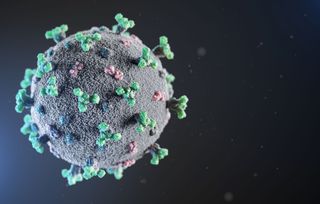 (Image: © Shutterstock)

 by
by 

 © Provided by Eat This, Not That! Doctor Anthony Fauci
/cdn.vox-cdn.com/uploads/chorus_image/image/68667433/GettyImages_1212966420__1_.0.jpg)
:no_upscale()/cdn.vox-cdn.com/uploads/chorus_asset/file/22235051/Screen_Shot_2021_01_14_at_8.14.26_AM.png)
:no_upscale()/cdn.vox-cdn.com/uploads/chorus_asset/file/22234950/Screen_Shot_2021_01_14_at_4.44.15_AM.png)
 Exposing the Big Game