Representative Image. Photograph:( Others )FOLLOW US
STORY HIGHLIGHTS
Compulsory flu vaccination for poultry has protected China for now but the virus has still killed wild swans in the country.
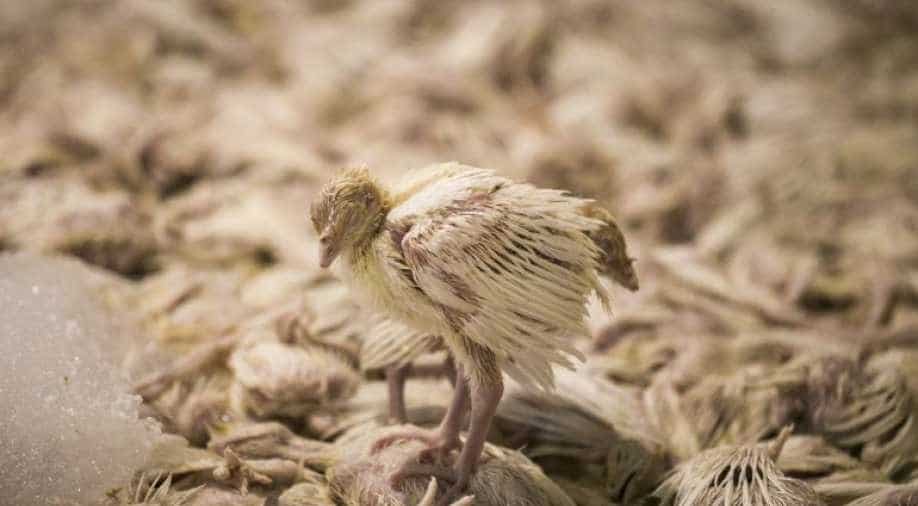
Bird flu cases are growing at an alarming rate in Asia. The continent’s poultry farmers are facing an unprecedented situation. Birds are being culled and people are staying away from poultry meat.
It is the worst such outbreak in the region’s history. From Japan to India, the deadly virus is affecting birds across farms. Millions of chickens, ducks and turkeys have been culled. Poultry prices have dropped to an all-time low.
And Asia’s farmers are staring at an unprecedented crisis. While bird flu is common in Asia during this time mostly due to migratory patterns. New strains of the virus have become more lethal. This makes countries on the flight path especially vulnerable.
In India, at least 10 states have reported cases of bird flu. Over 850 cases of bird deaths have been reported in the national capital. In Rajasthan– over 4,000 birds died because of the flu. The Uttar Pradesh government has banned poultry from other states till January 24.
In Kerala, tens of thousands of birds were culled last week. Maharashtra has detected avian influenza in crows as well. Chicken prices in India fell almost a third last week. Wary customers have steered clear of meat.
Not just India, Japan too is dealing with its worst outbreak. A quarter of all prefectures are affected. More than 3 million birds have been culled so far. South Korea also dealt with an outbreak at a duck farm. With the virus strain being similar to the one in Japan.
Compulsory flu vaccination for poultry has protected China for now but the virus has still killed wild swans in the country.
Countries like Vietnam, Laos and Cambodia have been spared for now. But continue to face risks due to the movement of goods. What makes the virus even more dangerous is its contagious nature. Infected birds have to be culled to contain the spread. But amid all this- the biggest question is can we consume poultry meat?
According to governments, there is nothing to be worried about. The World Health Organisation says it is safe. That you will be safe if you eat well-cooked meat. However, health experts are not convinced. They are concerned about a species jump. This is when a virus strain moves from one species to another. In this instance — it could be from birds to human beings.
It has happened once in 1997. While human to human transmission has not been detected yet it cannot be ruled out.
The last time, a virus jumped species tt led to the coronavirus pandemic.
Major metropolitan areas are housing many of the very same live animal markets found predominantly in Asia and heavily criticized for their role in the spread of COVID-19. In fact, one of the epicenters of the COVID-19 pandemic, New York City, is home to over 80 live animal markets. View the map here.
Live markets in America slaughter traditionally farmed animals such as chickens, ducks, turkeys, quails, pigeons, rabbits, goats, lambs, and calves as opposed to wild or exotic animals. However, the conditions and procedures in many U.S. live animal markets reflect those practiced in places that do slaughter and sell wild animals.
COMPARING LIVE ANIMAL MARKETS
Live markets in the U.S. foster many of the same animal welfare, worker safety, and public health threats as those in other countries, like Wuhan, China—where experts believe COVID-19 may have originated.Animal Welfare: In Chinese live markets, animals are often kept in tight quarters, cramped into wire cages and stacked on top of each other, awaiting slaughter. The scene is comparable to American live markets, with animals kept in similar crates and cages.
As you can see in this image from Slaughter Free NYC, “Animals are crowded in crates left outside for extended periods of time; crates are stacked on top of each other, which facilitates the spread of urine and fecal matter on and around birds; birds are left without sustenance for extended periods of time; crates are dragged to their final destination, causing additional, unnecessary injury to the birds (whose feet are broken and/or they get stuck in between crates); birds were clearly in respiratory distress, and not given veterinary care.” Worker Safety: Those working within Chinese and American live animal markets and slaughterhouses are at a heightened risk of contracting COVID-19 due to strict attendance policies and unsanitary working conditions. They are also exposed to blood and excrement and have a high risk of injuries and mental health issues.
In Asian wet markets, butchers kill animals on-site to ensure freshness, and vendors douse their stalls in water to wash off the blood. “Meat cleavers rhythmically pound through impossibly large chunks of flesh, flicking bits and juice with each repeated chop,” Investigative photojournalist Jo-Anne McArthur and filmmaker Kelly Guerin traveled to some of Asia’s busiest wet markets to document the epicenter of the country’s bustling wildlife trade.
“Workers stand shoulder to shoulder, wielding knives. It’s loud, it’s slippery, it’s wet, and there’s blood everywhere…” This is a union leader’s description of the daily routine inside a typical North American slaughterhouse, bearing a stark resemblance to descriptions of Chinese wet markets. Public Health: Inside Asia’s wet markets, even the most basic health codes are nonexistent. Blood, feces, and animal parts cover the stalls. Much like factory farms, wet markets operate on efficiency with no legal protections for the animals they bind, cage, and slaughter.
In the United States, investigative footage shows deceased and sickly animals held in close proximity to live animals. Investigators also found animals confined and covered in each other’s urine and feces, and employees were seen working without gloves or face coverings. Outside live markets, the city streets were found covered in blood and waste.
A Bronx resident recently noticed a live market opening next to a playground in her neighborhood. “It has the potential to spread disease if people happen to walk past the slaughterhouse and get feces on their shoes, then bring that into the park,” she said.
According to an NYS Department of Agriculture & Markets inspection conducted in 2018, one of the chickens in a Bronx live market called One-Stop Live Market tested positive for H2N2, also known as avian influenza.
“These lab results are disturbing, but not surprising,” said James Desmond, DVM, MS, an American veterinarian and infectious disease researcher.
“Wet markets that sell live animals house different species in close proximity to each other and to humans. If different strains of influenza in any of these species combine to create a new flu strain, then a more lethal outbreak could occur, similar to the H2N2 pandemic of 1957.”
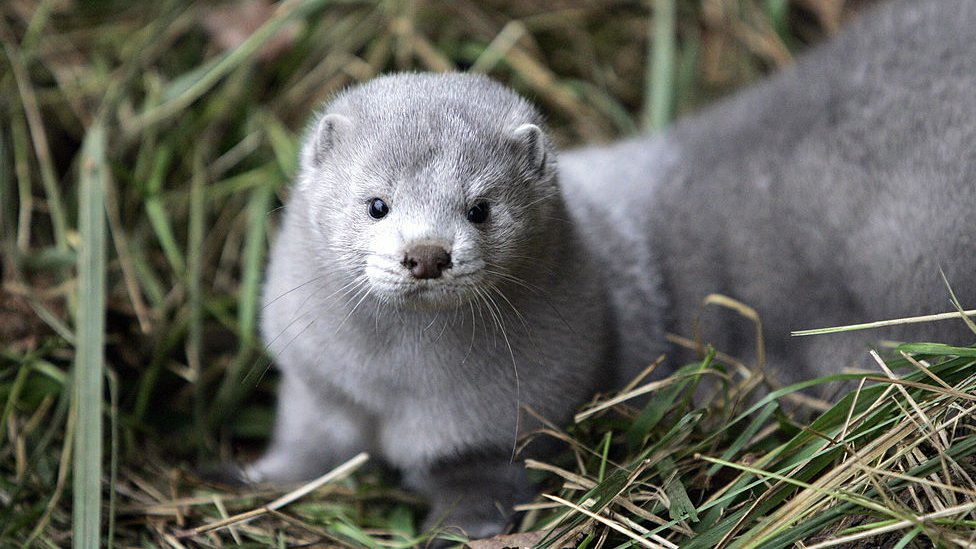
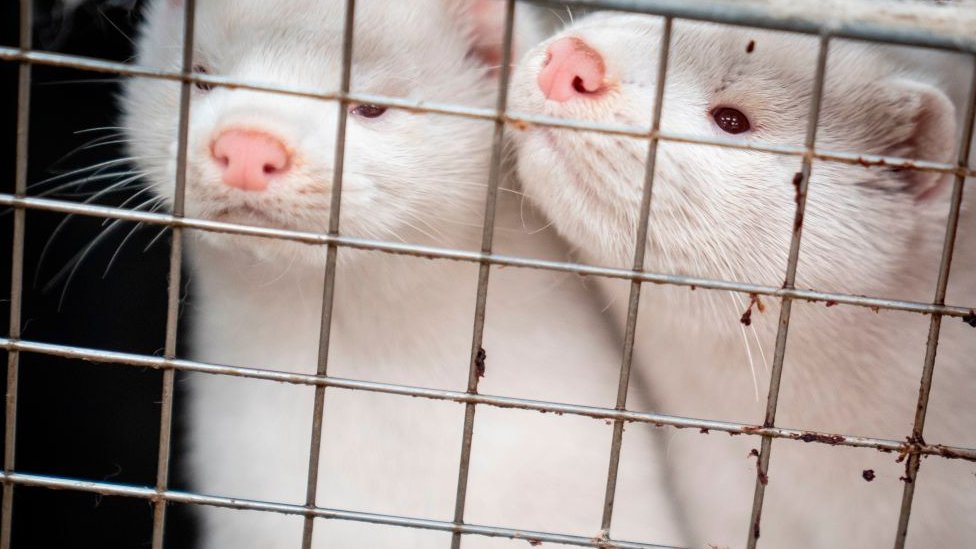
Since early this summer, Keith Poulsen, the director of the Wisconsin Veterinary Diagnostic Laboratory, was worried about mink. Poulsen’s lab is part of a national network of veterinary labs that work on animal diseases, and they had “been watching COVID-19 very carefully,” Poulsen told me. In Europe, mink on fur farms were catching COVID-19. And they seemed to be able to pass it back to people. The Netherlands had an outbreak in April; Danish mink farms quickly followed in June. By October, the situation was gruesome: Hundreds of mink farms in Denmark and the Netherlands had COVID-19 cases, and two farms in Utah had reported the first U.S. cases in mink.
Sign up for The Atlantic’s daily newsletter.
Each weekday evening, get an overview of the day’s biggest news, along with fascinating ideas, images, and voices.Email Address (required)Sign Up
Thanks for signing up!
Since then, the global mink situation has significantly worsened. To date, COVID-19 has been found on mink farms in a total of nine countries, including Spain, Italy, Lithuania, Sweden, Greece, and—just two weeks ago—Canada.
For nearly a year, the coronavirus has spread with little check through the places where humans live and work, but the growth of the pandemic among mink poses additional threats. It gives the virus a chance to pass from an environment humans ostensibly control to one that they don’t. And as it spreads among mink, and between minks and humans, and between humans and humans, it can mutate; it already has. One mink-associated variant bears the same mutation as the coronavirus variant now spreading rapidly in the United Kingdom; each time such changes happen, there is a risk the virus changes in a way that could make it more dangerous and prolong the pandemic.https://db071f7191afacff422e7694d2e06c53.safeframe.googlesyndication.com/safeframe/1-0-37/html/container.html
Around 11 a.m. on a Friday in October, Poulsen got the call he’d been expecting for months. Mink in Medford were sick, and it looked a lot like COVID-19.
Medford, a city of just more than 4,000 people in north-central Wisconsin, used to call itself the mink capital of the world. There, a person can live in the neighborhood of “Mink Capital Terrace” or on a road called “Mink Drive.” A generation ago, a Medford girl could have aspired to becrowned Mink Princess U.S.A. at the annual Medford Mink Festival.
Though the United States mink industry has shrunk along with Americans’ waning appetites for fur coats and the festival is no more, Wisconsin is still the country’s biggest producer of mink pelts. And Medford is still a mink town; there are 12 mink ranches in the area, within five miles of one another—and the coronavirus has now reached two of them.
Once the coronavirus finds mink, it works fast. When Poulsen picked up the phone, the veterinarian for the Medford-area mink ranches told him that several hundred mink had already died. Plus, some people on the ranch had COVID-like symptoms. “I think we need them tested,” the vet said. By 11:30 a.m., Poulsen was driving a van 250 miles upstate; by the time he arrived at the ranch, at 3:30 p.m., several hundred more mink had died.
Mink are extremely vulnerable to respiratory disease. Like people, they get seasonal respiratory issues. They’re also prone to pneumonia. Respiratory viruses replicate so readily in minks and their mustelid relatives (ferrets, most notably) that the animals are often used to study human illnesses.
So mink can get the coronavirus, and they can get it from people; as cases in humans rose precipitously in Wisconsin this fall, Poulsen and his staff figured it was just a matter of time before someone on a mink farm sneezed it into the mink population. So did the local veterinarians. “We were just waiting,” says Dr. John Easley, a mink specialist who serves as a veterinarian for mink ranches in southern Wisconsin. Both mink and human cells have specific receptors that allow the virus to attach to them, which made mink a greater concern than other farmed animals, including Wisconsin’s immense dairy-cow population, he says. “Cows don’t allow the virus to enter their cells quite as easy. They do get infected, but the virus just doesn’t replicate very well in their system.”
Farmed mink have proved to provide absolutely excellent conditions for the virus to be fruitful and multiply. In addition to all of the ways mustelid physiology makes them similarly predisposed to the malady as humans, mink on farms are housed closely together. Social distancing is out of the question, and transmission is all but guaranteed. As of December 3, a total of 644 people associated with mink farms had contracted COVID-19 since June, along with another 338 people who work in mink pelting, according to a World Health Organization report that came out before the news of Canada’s outbreak, where an additional eight people on a mink farm have been sickened. In mid-November, a virologist at the Danish health authority told Nature that COVID-19 mutations believed to have originated in mink had shown up about 300 times in people in Denmark.https://db071f7191afacff422e7694d2e06c53.safeframe.googlesyndication.com/safeframe/1-0-37/html/container.html
Denmark, the world’s largest mink exporter, has seen arguably the worst of this species-leaping horror show. In early November, the country ordered a complete cull of the farmed mink population; even so, by the beginning of December, 289 mink farms in northern Denmark had reported outbreaks.. The bodies of thousands of culled mink, buried in shallow graves, then proceeded to ferment. Gases built up in their bodies, propelling them to rise, luridly, from the ground.
The Danish mink outbreak also birthed a new strain of SARS-CoV-2, the coronavirus responsible for COVID-19. The variant has mutations in the spike protein, which the virus uses to invade host cells, and has been named “Cluster 5.” It infected at least a dozen people associated with mink farms in northern Denmark from August to September. Such mutations can affect the spread of the virus among humans; one, known as D614G, emerged in February and became the dominant strain of COVID-19 globally, perhaps because it traveled more easily among humans. The U.K. variant emerged more recently and has spread quickly as well. (It’s not yet clear whether the mutation is responsible for the speed, or coincident with it.) This variant shares a mutation with one found in minks; a missing bit of genetic code helps these viruses guard against antibodies that otherwise can fight back. Researchers initially speculated that the mutations in the mink variant could make a vaccine less effective, but the little information available so far on human-to-human transmission suggests that these particular variants aren’t more infectious or more deadly, and won’t interfere with the vaccine..
But the mink outbreak raises another fear—if the coronavirus escapes into the wild mink population, COVID-19 could become an entrenched and uncontrolled animal disease, wreaking havoc on animal communities and probably also occasionally infecting people.
“On a ranch, you can quarantine them. When you have a wild population, that’s impossible; you can’t stop them all,” Poulsen said.
After the mink in Wisconsin tested positive for SARS-CoV-2, what followed “happened really, really fast,” Poulsen said. The lab alerted the USDA, the state department of agriculture, the state department of public health, and a local public health official. By Sunday afternoon, the CDC had teams on the ground to interview ranch owners and take stock of the environment.
It’s another blow to the contracting mink business. “This is just one more industry that can’t really afford it,” Poulsen said. “I feel terrible for everyone involved, whether it’s the feed mill, the veterinarian, the family. Everyone’s tired of it.” When a farm is struck by foot and mouth and other animal diseases, “the government would pay for those animals so you don’t completely wipe out a farm.” But there are no indemnity programs for mink. “If you have a major mortality problem, you’re losing a significant amount of profitability. Then there’s the cost of testing. 62 animal tests cost $3,000, which is a big deal to a farm that just suffered losses of tens of thousands of dollars,” Poulsen said. To avoid further contamination, mink farmers must compost the dead bodies, as well as any used feed and fecal matter. “There’s no money to do that on the federal or state level, so that’s all on the farm.”
In Europe, the already-shrinking mink industry is now quickly crumbling. Efforts to ban fur farming, often in response to campaigns led by animal rights activists, are now accelerating. The Netherlands announced it would end mink farming for good in 2021, three years earlier than planned. France announced it would ban farming mink by 2025. Poland, where undercover footage from the country’s largest mink farm appeared to show animals cannibalizing each other, is expected to soon follow suit. Ireland, which is home to only three mink farms, previously had voted down a bill to end mink farming, but has now decided to cull its farmed mink population preemptively, likely ending the industry in the country.
In China, meanwhile, where about 8,000 mink farms hold roughly 5 million animals, the state has reported no COVID-19 cases among mink, either on farms or in the wild. China’s mink farmers say they are benefiting from the Danish mink cull; Wang He, a Shangcun trader and breeder, told Reuters his earnings increased 30 to 50 percent when the price of mink fur jumped after Denmark ordered the cull. (In the past decade or two, China became the main export market for U.S. and European mink; demand for fur coats there now dwarfs that of every other country.)
But Ilaria Capua, a veterinarian and virologist who recently authored a paper on the possibility of a COVID-19 panzootic—the spread of a disease among animals across a large region or globally—is worried that the levels of infection in Asia were high enough that some mink were likely infected. “I am just concerned that we are not looking well enough,” she told me. “If the virus spills over into wild mustelids, then you lose track of it.”
On December 13, the world took another step toward this scenario: The USDA announced the first known case of a non-captive wild animal with the coronavirus. A wild mink, trapped just outside a mink farm in Utah where there was a COVID-19 outbreak, tested positive. The strain was “indistinguishable” from that of the farm outbreak. The spillover had happened. The question now is whether the virus will become established in the wild population. The USDA says there is “currently no evidence that SARS-CoV-2 is circulating or has been established in wild populations surrounding the infected mink farms.” Several other wild animals in the vicinity were sampled, but they tested negative.
“Let’s put it this way,” Capua said. “We realized the spillover of SARS-CoV-2 in a new animal population—Homo sapiens—when it was too late. Let’s not make the same mistake with other animals.”
Okanogan County farm company fined more than $2M after two workers die from COVID-19https://imasdk.googleapis.com/js/core/bridge3.432.0_en.html#goog_882034381Volume 90% Author: Megan CarrollPublished: 7:45 AM PST December 22, 2020Updated: 7:25 PM PST December 22, 2020
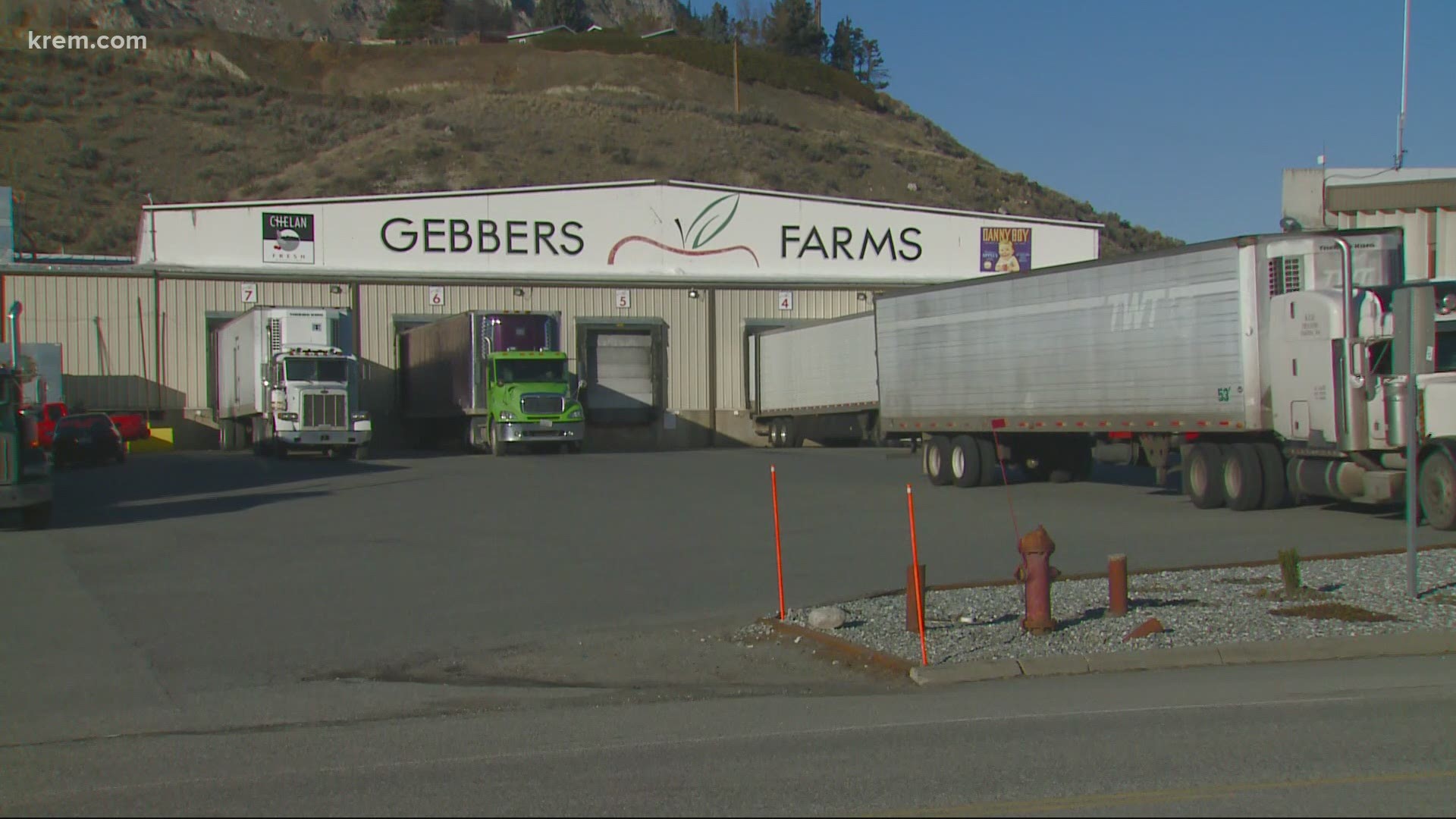
BREWSTER, Wash. — A farming company in Brewster, which is located in Okanogan County, is facing fines totaling more than $2 million from Washington state regulators after an investigation into the COVID-19 deaths of two workers.
“Gebbers made it very apparent to investigators they had no intention of following the rules as written regarding temporary agricultural worker housing and transportation,” said L&I Director Joel Sacks.
The agency’s Division of Occupational Safety and Health (DOSH) opened an investigation on July 16 after receiving anonymous calls from Gebbers employees.
The first caller said someone at the camp had died from COVID-19, adding that workers who shared the same cabin with the person were not tested for the virus and were then split up into different cabins with other migrant workers, according to L&I.
The second caller said he feared that hundreds of workers at his camp had COVID-19, including himself, and he worried that he would die. He added that the farm owners did nothing to help the sick.
Investigators confirmed that the death of a 37-year-old temporary worker from Mexico on July 8 was not reported to DOSH as required, L&I said. Businesses must report any workplace-related deaths within eight hours.
A second worker, a 63-year-old man from Jamaica, collapsed and died on July 31.
The cause of death for workers was COVID-19, according to L&I.
Two investigations of farm found COVID-19 violations
Gebbers Farm Operations was the subject of two L&I investigations in less than two months.
L&I first opened an investigation into Gebbers on May 28 after receiving a worker complaint, which resulted in a $13,200 fine issued to the company for not ensuring adequate social distancing. Employees were using the top and bottom bunks while not using a cohort and no barriers were present in the kitchen and cooking areas, according to L&I.
this day in history
this day in history
Ads By Connatix
L&I explained the details of emergency temporary agricultural worker housing rules and the changes needed for the farm to in compliance.
During the second investigation, L&I issued an order Order and Notice of Immediate Restraint to the farm on July 22, requiring immediate COVID-19 safety and health rule compliance.
Under state emergency rules for temporary agricultural worker housing, top and bottom bunks can only be used if a farm separates workers into group shelters known as cohorts. Those groups of no more than 15 workers must live, work, eat, use shower and cooking facilities and travel separately from other workers.
Investigators confirmed hundreds of workers were sleeping in bunk beds and not instructed to remain in cohort groups, according to L&I. Gebbers also bused workers to the fields in groups significantly larger than allowed.
Investigators returned unannounced daily to ensure compliance with safety and health rules.
“Gebbers continually failed to comply, even after the first worker died and our repeated presence at the farm, clearly demonstrating a lack of regard for worker safety and health,” said Anne Soiza, L&I assistant director for DOSH.
The investigation found a total of 24 egregious willful violations, L&I said, including 12 for unsafe sleeping arrangements and 12 for unsafe transportation. Each of the violations was assessed a fine of $84,000.
According to L&I, the farm was also cited for four other serious violations, including failure to report the worker’s death.
“There is nothing more important to Gebbers Farms than our workers’ health and safety, as evidenced by the fact that 99.3% of our entire workforce tested negative for the virus, which is better than county, state and national rates to date. While we cannot comment on the specific violations because we are evaluating our options to appeal, we strongly disagree with the agency’s assessment,” the statement reads in part. https://eb647078b1059a4c6f62b25f5289ee03.safeframe.googlesyndication.com/safeframe/1-0-37/html/container.html
Management said in the statement that it had already established cohorts of 42 people before the state set a 15-person cohort rule.
“We consulted experts to develop our program, and there is nothing magical about the number 15. Considering that the state recommended size for community group gatherings is far fewer today than at any other time in the year, and community cases are rising,” the statement reads in part.
“We said that we would (and we did) change our program as quickly as possible to follow the state rules. We explicitly said that we would change our program to follow the rules as quickly as possible, but that for an operation this size, we needed time,” the statement continues.
Management said later in the statement that the company is “deeply saddened by the loss of our team members and long-time workers who we considered family.”
(CNN)The United Kingdom has identified a new, potentially more contagious coronavirus variant linked to a recent surge in cases in England.The new variant is being called VUI-202012/01 — the first “Variant Under Investigation” in the UK in December 2020. While scientists hunt for more information about the variant, its impact is already being felt.Multiple countries have now imposed restrictions on travelers from the UK. British Health Secretary Matt Hancock said Sunday that the variant was “out of control” and Prime Minister Boris Johnson was due to chair an emergency meeting Monday as his government tried to manage the fallout.Here’s what you need to know.Content by Voltaren Arthritis Pain GelChasing the Joy of MovementThis is how world champion cyclist Kristin Armstrong manages her osteoarthritis in a life of constant movement.
What is a variant and why are officials concerned about this one?
A variant occurs when the genetic structure of a virus changes, according to the US Centers for Disease Control and Prevention. All viruses mutate over time and new variants are common, including for the novel coronavirus.As with other new variants or strains of Covid-19, this one carries a genetic fingerprint that makes it easy to track, and it happens to be one that is now common. That alone does not necessarily mean the mutation has made it spread more easily, nor does it not necessarily mean this variation is more dangerous.However, the UK government’s New and Emerging Respiratory Virus Threats Advisory Group said it had “moderate confidence” that this new variant “demonstrates a substantial increase in transmissibility compared to other variants.”Chris Whitty, England’s chief medical officer, said this particular variant “contains 23 different changes,” which he described an unusually large number. Whitty said the variant was responsible for 60% of new infections in London, which have nearly doubled in the last week alone.That finding has immediate implications for virus control. More cases could place an even greater strain on hospitals and health care staff just as they enter an already particularly difficult winter period, and ultimately lead to more deaths.
Where did the variant originate and how has it taken hold?
The new variant of Covid-19 originated in southeast England, according to the World Health Organization.PHE have said that backwards tracing, using genetic evidence, suggests the variant first emerged in England in September. It then circulated in very low levels until mid-November.”The increase in cases linked to the new variant first came to light in late November when PHE was investigating why infection rates in Kent [in southeast England] were not falling despite national restrictions. We then discovered a cluster linked to this variant spreading rapidly into London and Essex,” PHE said.Multiple experts have also suggested that this new variant could have been amplified because of a superspreader event, meaning the current spike in cases could also have been caused by human behavior.”A higher genomic growth rate in the samples sequenced, may not necessarily mean higher transmissibility, e.g. if there was a rave of several thousand people where this variant was introduced and infected many people mostly in that rave, this may seem very high compared to a lower background of non-variant virus,” Julian Tang, clinical virologist at the University of Leicester, told the Science Media Centre.
Which countries are affected?
The variant has already spread globally. As well as the UK, the variant has also been detected in Denmark, Belgium, the Netherlands and Australia, according to the WHO.Australia has identified two cases of the variant in a quarantined area in Sydney and Italy has also identified one patient infected with the variant.A similar but separate variant has also been identified in South Africa, where scientists say it is spreading quickly along coastal areas of the country.
Is the new variant more deadly?
There is no evidence to suggest that the new variant is more deadly as of now, according to Whitty, who said that “urgent work” was underway on Saturday examining the implications for mortality.”We are not seeing any increased virulence (clinical severity) or any gross changes in the [spike protein] that will reduce vaccine effectiveness — so far,” Tang told the Science Media Centre (SMC.)Multiple experts have pointed out that for some viruses increasing transmissability can accompany decreasing virulence and mortality rates. This may mean that the variant is less lethal, though it’s currently too early to tell.”New viruses will adapt to a new host over time — with decreasing mortality, and possibly increasing transmissibility,” Tang said.”As viruses are transmitted, those that allow for increased virological ‘success’ can be selected for, which changes the properties of the virus over time. This typically leads to more transmission and less virulence,” Martin Hibberd, professor of emerging infectious disease at the London School of Hygiene & Tropical Medicine, said to the SMC.
Will the developed vaccines work against this variant?
Whitty said Saturday that current vaccines should still work against the new variant.His remarks were echoed in the US by the head of Operation Warp Speed. “Up to now, I don’t think there has been a single variant that would be resistant to the vaccine,” Moncef Slaoui told CNN on Sunday. “We can’t exclude it, but it’s not there now.”The UK, the US and the EU have authorized the Pfizer/BioNTech Covid-19 vaccine and several others are in development.
What measures are being taken to contain the variant?
England’s chief medical officer has urged people in Britain to take steps to reduce the virus’ spread.”Given this latest development it is now more vital than ever that the public continue to take action in their area to reduce transmission,” Whitty said on Saturday.Large swathes of England, including London and the southeast, are now under strict Tier 4 Covid-19 restrictions, which is only the latest disruption to a Christmas holiday shadowed by the pandemic.Dozens of countries across Europe, the Middle East and the Americas have also announced travel bans for the UK.Others, such as Greece and Spain, have imposed restrictions that require travelers arriving from Britain to undergo coronavirus tests or quarantine.America’s top infectious disease expert, Dr. Anthony Fauci, told CNN on Monday that he would advise against additional restrictions on UK travel. The US must “without a doubt keep an eye on it,” Fauci said, but “we don’t want to overreact.”The US has maintained a ban on travel from the UK, Ireland, and Europe’s Schengen zone as well as number of other countries since March.
PEOPLE are being advised not to touch sick or dead birds after suspected cases of bird flu in Warwickshire.
Cases of avian influenza were recently confirmed in swans in Evesham, and in Stratford it was reported the bodies of two swans retrieved from River Avon for analysis, had died of the condition.
Cases have also been reported across the country and closer to home have been confirmed in Herefordshire and are understood to be in Worcester and Shropshire.
Public Health England and local council bosses are urging residents and members of wildlife organisations not to touch sick or dead wild birds.
With infection numbers on the rise, Defra has declared the country as an Avian Influenza Prevention Zone to prevent the disease spreading to poultry and captive birds. This means it is a legal requirement for all bird keepers to follow strict biosecurity measures and for all poultry and captive birds to be housed.
The strain can spread to other birds, but there have been no human cases of infection reported.
While the risk to human health is considered very low, health bosses say it is vital people do not touch sick live birds or bird carcasses.
Public health England regional disease control spokesman Dr James Chipwete said: “During the last week there have been confirmed cases of avian influenza in swans in Evesham, and we are receiving an increasing number of reports of sick and dead swans in Worcester. We are awaiting results of investigations currently being undertaken.
“We know that people are concerned for the welfare of the swans, especially ensuring they are fed in these colder months, however it is important that people avoid contact with these sick or dead birds. Even though no cases of human infection have been associated with this strain of avian flu, as a precaution, anyone who was not wearing appropriate PPE while in contact with the droppings or birds in an area where the infection has been confirmed, will require close monitoring and a course of antiviral medication for 10 days from last contact with infected birds.
“We have seen a number of avian flu cases in poultry and captive birds across the country – with confirmed cases in Herefordshire last month, and suspected cases now in Warwickshire.
“People must avoid touching potentially infected birds at all costs, and if you do see any sick or dead birds by waterways or on your private land, please leave them and call the Defra helpline. In areas where the infection has been confirmed, anyone who has been in contact with sick or dead birds or their droppings, while not wearing the correct PPE, should make sure any footwear is properly cleaned and thoroughly wash their hands in soap and water. They should then notify Public Health England’s Health Protection Team to arrange for antiviral medication and active surveillance of their condition. If someone handled infected birds while wearing adequate PPE, they must still undergo surveillance.”
Call Defra on 03459 335577 or ring 0344 225 3560 to speak to Public Health England’s Health Protection Team.
The USDA said it had found one positive case in “free-ranging, wild mink” in Utah as part of wildlife surveillance around infected farms.
Several animals from different wildlife species were sampled and all tested negative, the agency added.
It said it had notified the World Organisation for Animal Health, but there is no evidence the virus has been widespread in wild populations around infected mink farms.
image captionThe virus spreads rapidly in fur farms
The discovery raises concerns that the infection could spread between wild mink, said Dr Dan Horton, a veterinary expert at the University of Surrey, UK.
The case “reinforces the need to undertake surveillance in wildlife and remain vigilant”, he added.
Mink are known to escape from mink farms and become established in the wild. In the UK, a population of mink that escaped from fur farms many years ago is thought to exist, but they are sparsely distributed and rarely come into contact with people, Dr Horton added.
The virus has also been found in zoo tigers, lions and snow leopards in the US, and in a small number of household cats and dogs.
https://v.kr.kollus.com/py5JO1bo?player_version=html5+ Text Size Large / – SmallTo stop the spread of highly pathogenic avian influenza(AI), the South Korean government has temporarily banned the movement of people connected to poultry farms around the country this weekend. A task force at the ministry of agriculture says that over 10 cases of the disease have occurred at poultry farms in five cities and provinces. Highly pathogenic bird flu is contagious, can cause severe illness, and kill poultry. Animals, farm owners, and vehicles from poultry farms and related facilities like feed factories and slaughterhouses have been banned from traveling. The task force will be checking locations and can punish farm owners if they violate the law. In the meantime, poultry farms, related facilities, and vehicles will be disinfected.
An unthinkable 50 to 100 million people worldwide died from the 1918-1919 flu pandemic commonly known as the “Spanish Flu.” It was the deadliest global pandemic since the Black Death, and rare among flu viruses for striking down the young and healthy, often within days of exhibiting the first symptoms. In the United States, the 1918 flu pandemic lowered the average life expectancy by 12 years.
What’s even more remarkable about the 1918 flu, say infectious disease experts, is that it never really went away. After infecting an estimated 500 million people worldwide in 1918 and 1919 (a third of the global population), the H1N1 strain that caused the Spanish flu receded into the background and stuck around as the regular seasonal flu.
But every so often, direct descendants of the 1918 flu combined with bird flu or swine flu to create powerful new pandemic strains, which is exactly what happened in 1957, 1968 and 2009. Those later flu outbreaks, all created in part by the 1918 virus, claimed millions of additional lives, earning the 1918 flu the odious title of “the mother of all pandemics.”
Now chief of the Viral Pathogenesis and Evolution Section at the National Institutes of Health (NIH), Taubenberger explains that genetic analyses of the 1918 flu indicate that it started as an avian flu and represented a completely new viral strain when it made the leap to humans shortly before 1918. Lab tests of the reconstructed 1918 virus show that in its original form, the virus’s novel encoded proteins made it 100 times more lethal in mice than today’s seasonal flu.
The 1918 pandemic struck in three distinct waves over a 12-month period. It first appeared in the spring of 1918 in North America and Europe largely in the trenches of World War I, then reemerged in its deadliest form in the fall of 1918, killing tens of millions of people worldwide from September through November. The final wave swept across Australia, the United States and Europe in the late winter and spring of 1919.
But did the 1918 flu simply “go away” after that third wave? Absolutely not, says Taubenberger.
A man receives a shave from a barber wearing a mask during the ongoing flu pandemic, Chicago, Illinois, 1918.Chicago Sun-Times/Chicago Daily News Collection/Chicago History Museum/Getty Images
Since the whole world had been exposed to the virus, and had therefore developed natural immunity against it, the 1918 strain began to mutate and evolve in a process called “antigenic drift.” Slightly altered versions of the 1918 flu reemerged in the winters of 1919-1920 and 1920-1921, but they were far less deadly and nearly indistinguishable from the seasonal flu.
“The 1918 flu definitely lost its real virulence by the early 1920s,” says Taubenberger.
But what’s truly incredible, according to genetic analyses, is that the same novel strain of flu first introduced in 1918 appears to be the direct ancestor of every seasonal and pandemic flu we’ve had over the past century.
“You can still find the genetic traces of the 1918 virus in the seasonal flus that circulate today,” says Taubenberger. “Every single human infection with influenza A in the past 102 years is derived from that one introduction of the 1918 flu.”
Welcome to the Pandemic Era
The 1918 flu pandemic was by far the deadliest flu outbreak of the 20th and 21st centuries to date, but it wasn’t the only one to qualify as a pandemic. Even with the advent of the first seasonal flu vaccines after World War II, the flu virus has proven capable of some unexpected and deadly genetic tricks.
In a normal flu season, vaccine scientists can track the most active viral strains and produce a vaccine that protects against changes in the human flu virus from year to year. But every so often, viral genes from the animal kingdom enter the mix.
“If one animal is infected with two different influenza viruses at the same time,” says Taubenberger, “maybe one virus from a bird and another from a human, those genes can mix and match to create a brand new virus that never existed before.”
That’s what happened in 1957 when the 1918 flu, which is an H1N1 virus, swapped genes with another bird flu giving us the H2N2 pandemic, which claimed a million lives worldwide. It happened again in 1968 with the creation of the so-called “Hong Kong Flu,” an H3N2 virus that killed another million people.
The so-called “Swine Flu” pandemic of 2009 has an even deeper backstory. When humans became infected with the 1918 pandemic flu, which was originally a bird flu, we also passed it on to pigs.
“One branch of the 1918 flu permanently adapted to pigs and became swine influenza that was seen in pigs in the US every year after 1918 and spread around the world,” says Taubenberger.
In 2009, a strain of swine flu swapped genes with both human influenza and avian influenza to create a new variety of H1N1 flu that was “more like 1918 than had been seen in a long time,” says Taubenberger. Around 300,000 people died from the 2009 flu pandemic.
All told, if 50 to 100 million people died in the 1918 and 1919 pandemic, and tens of millions more have died in the ensuing century of seasonal flus and pandemic outbreaks, then all of those deaths can be attributed to the single and accidental emergence in humans of the very successful and stubborn 1918 virus.
“We’re still living in what I would call the ‘1918 pandemic era’ 102 years later” says Taubenberger, “and I don’t know how long it will last.”
“If you have several thousand hogs packed in together and they’re all genetically largely the same, that selects for the most virulent pathogens.”VKBy Valerie KipnisJHBy Joe HillDecember 11, 2020, 1:40pm
In the dead of night, four animal rights activists prepare to break into an industrial-scale pig farm in central California. They write lawyers’ phone numbers on their bodies with a Sharpie, their cell phones are locked away in signal-blocking cases to protect them from being tracked. After a 30-minute trek through almond groves under moonlight, they arrive at the pigpens and take out their gear: hazmat suits, N95 masks, flashlights. ADVERTISEMENT
They’re here to collect nasal and fecal samples to find the source of the next potential global pandemic.
These activists are part of Direct Action Everywhere, or DxE, a global grassroots network fighting for animal rights with some pretty intense tactics. The group gained notoriety for breaking into America’s industrial farms and publishing graphic footage of animal cruelty online, but the coronavirus pandemic has given them a whole new cause.
Now, rather than just filming conditions in farms, they’re testing the animals for signs of the next zoonotic virus—viruses like COVID-19, H1N1, the bird flu, and others that jump from animals to humans, and which have killed more than 2 million people around the globe since 1991.
“The reality is the fact that these places, these unnecessary disease factories are existing; that is where the risk comes from,” Lewis Bernier, the team’s leader, told VICE News. “We have been warning about the threat of pathogens from animal agriculture, and from pig farms especially, for many years now.”
Industrial-scale farming is a system of agriculture that produces low-cost, uniformly-packaged foods, like pork—the kind you see in most supermarkets across the country. The highly efficient and lucrative system originated in the United States but is now used worldwide. But this infrastructure is also a near-perfect breeding ground for novel viruses, of which at least 60 percent are zoonotic.ADVERTISEMENT
“If I wanted to design a means to select for the most dangerous pathogens imaginable, I would probably do it along the lines of how hog farms are actually operated now,” said Robert Wallace, author of “Dead Epidemiologists: On the Origins of COVID-19” and “Big Farms Make Big Flu: Dispatches on Influenza, Agribusiness, and the Nature of Science.” “If you have several thousand hogs packed in together and they’re all genetically largely the same, that selects for the most virulent pathogens that are possible.”
It’s happened before: In the late 1990s, chicken coops in East Asia and Southeast Asia fostered the evolution of the bird flu, which still infects humans to this day. In 2009, H1N1, or the swine flu, was traced back to a factory farm in North Carolina. The bug is estimated to have killed up to half a million people worldwide. And according to Wallace, there are at least a dozen more emergent and re-emergent farm and foodborne pathogens circulating around the world.
Wallace argues that the industrial farming model, which puts genetically similar livestock into tight quarters, is the perfect habitat for viruses to evolve, mutate, and multiply. And pigs, which can catch and pass viruses from birds and humans, pose an especially daunting risk to America’s meat supply.
“As we continue to grow out at this scale, we only increase the likelihood that such an event [a pandemic] will happen,” Wallace said.ADVERTISEMENT
Much like other parts of America’s agribusiness, the $23.4 billion pork industryis growing and consolidating at a staggering rate. Since 1980, the number of U.S. hog farms has dropped by nearly 90 percent, while the total number of hogs has increased by more than 50 percent since 1997.
In 1997, the average U.S. hog farm was home to 3,600 pigs, but by 2012, the last year figures were available, that number had grown to 6,100 pigs, according to Food and Water Watch.
As pig farms have gotten bigger, recent successive administrations have rolled back regulations and safeguards designed to help prevent viruses from emerging. In 2019 alone, under the Trump administration, at least four major rules were proposed or finalized–the Meat and Poultry Labeling rule, the Uninspected Inedible Meat Products rule, the Livestock Carcass Labeling rule, and the Hog Carcass Cleaning rule.
“The public health situation went down quite a lot when the Trump administration came in,” said Dr. Pat Basu, the former chief veterinarian for the USDA Food Safety and Inspection Service, who left the USDA soon after in protest.
Then, in late 2019, the United States Department of Agriculture approved the New Swine Slaughter Inspection System—a voluntary program that would effectively shift the responsibility of physically checking and sorting meat from USDA-qualified inspectors to plant workers, whose training would be at the discretion of plant owners. The USDA claimed that the new process would save the industry almost $8.7 million a year. ADVERTISEMENT
If plant workers caught a bad hog carcass, they could flag that to federal inspectors, who would still be in plants but just on a lesser scale. The new rule would also lift the maximum cap on line speeds, or how quickly meat was processed. The combination of faster-moving lines and less-trained workers sorting bad meat alarmed consumer advocates and food safety groups.
“Their goal was to reduce 40 percent of the inspection force,” Dr. Basu said. “I was afraid of the FSIS [Food Safety Inspection Service] handing over the inspection—the laws that govern it, mandate it—to the industry. And I thought that was a disaster waiting to happen.”
But representatives from America’s largest pork lobbying group, the National Pig Producers Council (NPPC), believe that the new changes all stand to improve the industry.
“I think the intent of the new swine inspection system is really not less people but using the people that you have in a smarter, better way to tasks that they’ve identified that really have big food safety impacts,” said Dr. Dan Kovich, veterinarian and the NPPC’s director of Science and Technology. “There’s virtually no other food that’s under continuous inspection like meat and poultry is.”
Back in California, the DxE activists took nasal swabs and fecal samples from five hogs and mailed them to a laboratory at UCDavis. Days later, the lab results came back. They showed traces of Proteus bacteria as well as E-coli, but nothing akin to a viral pathogen that could be the cause of the next pandemic. For Lewis, this didn’t come as much of a surprise. In previous raids, he said he found more-concerning pathogens, like Porcine Deltacoronavirus and antibiotic-resistant bacteria.
“So this really is a tiny sample size,” Lewis told us. “Negative results are not a pass. It doesn’t let us know that this is not happening there. And especially because, we, as private individuals, only have the resources to test for a few diseases every time we run these samples.”
When asked if this was all worth it––the raids, the legal risks, the testing, the lackluster results––Lewis was quick to answer.
“I think it is worth it to do the testing, because when we find results, it’s even more damning because our sample sizes are so small. But I also think that this is not a solution. I do not think that me and my four person team going into these facilities is going to prevent the next pandemic. The only way to do that is to shut down the system of industrial animal agriculture.”










 Exposing the Big Game
