Owls in Cyprus become “collateral damage” in illegal trappings (photos)

Owls In Cyprus Become %22collateral Damage%22 In Illegal Trappings (photos)

Relevant News

The issue of Mia Milia is becoming clearer…

21 October 2024

Meloni shows the way and Ursula is applauds

21 October 2024

Inflation decreases, but economic growth is also slowing down

21 October 2024

Newsroom

21 October 2024

Wildlife officials have raised alarm over the continued threat of illegal bird trapping to the island’s avian population, with over 150 species known to have been caught in nets and limesticks.

Nikos Kasinis, a senior official at the Game and Fauna Service, told philenews that the term “collateral damage” aptly describes the unintended capture of non-target species in these indiscriminate trapping methods.

According to Kasinis, more than one-third of the affected species (58) are of conservation concern.

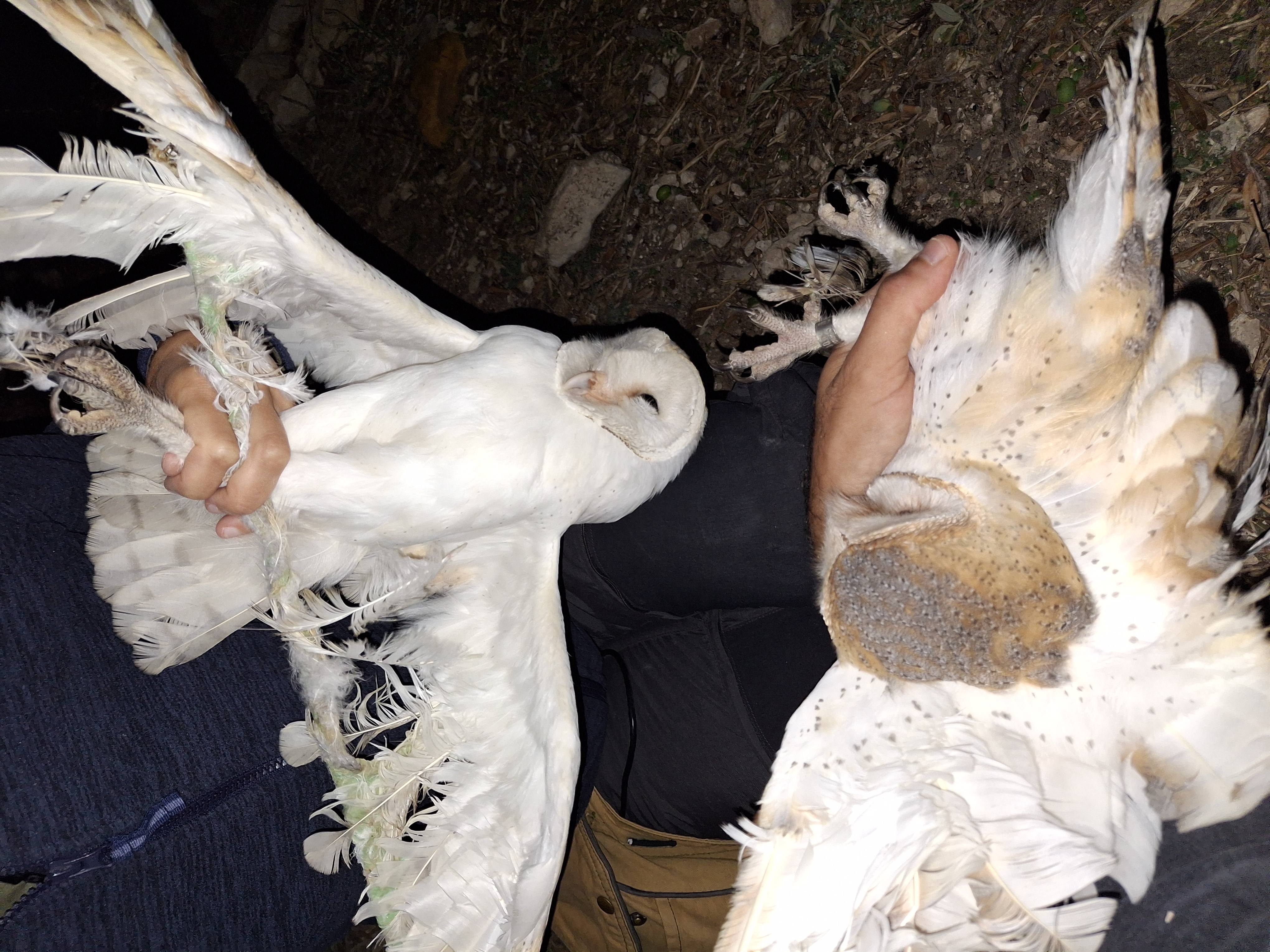
He cited a recent incident where two barn owls (Tyto alba) were found caught in limesticks in the Larnaca district. The birds were rescued, cleaned of the sticky substance, and released.
Kasinis highlighted the irony of the situation, noting that one of the rescued barn owls had been ringed by the Game and Fauna Service as part of conservation efforts.

These efforts include installing artificial nests across Cyprus to boost owl populations for natural rodent control.
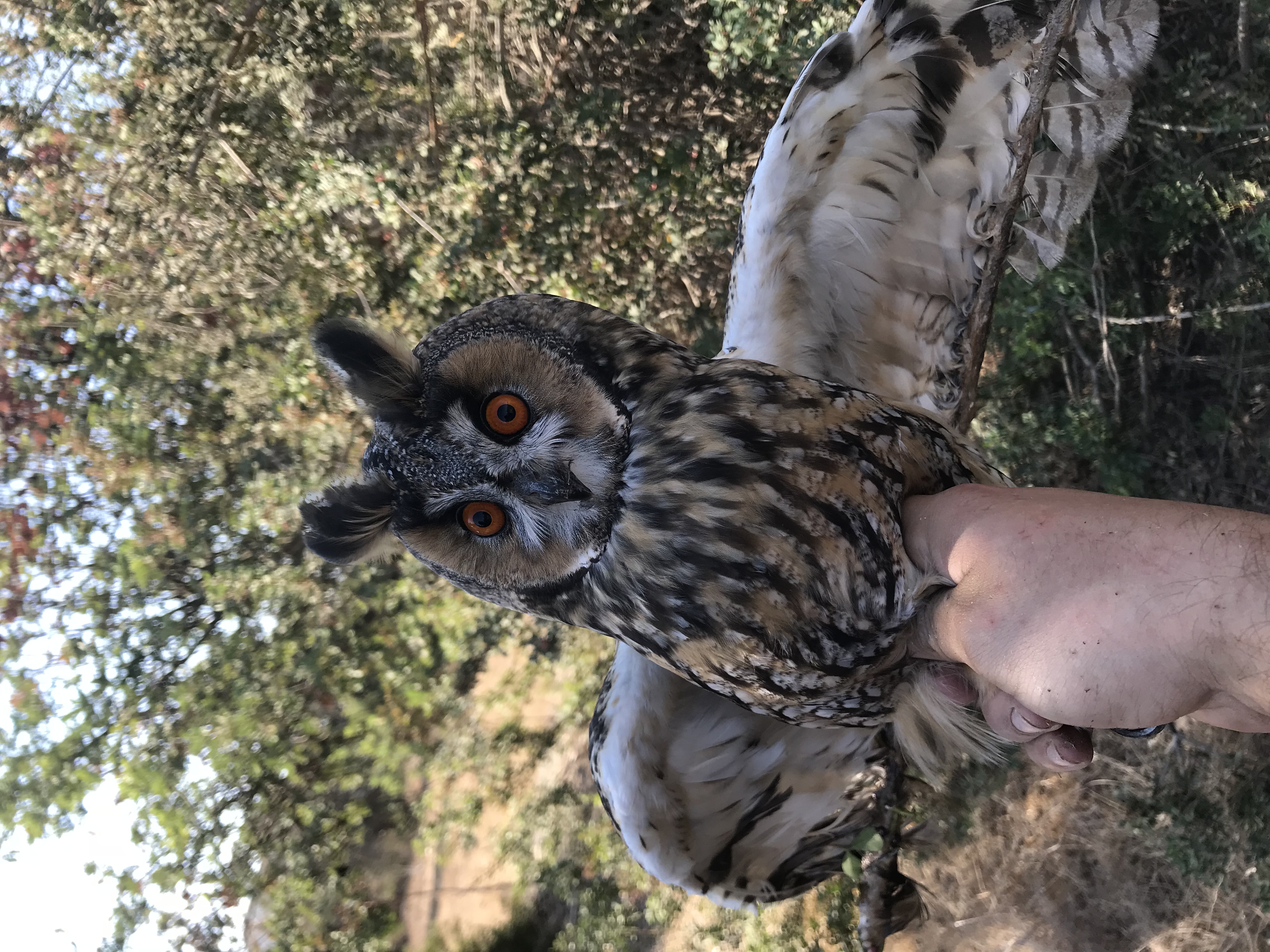
The official revealed that all owl species nesting in Cyprus have fallen victim to these trapping methods.

This includes the endemic Cyprus scops owl (Otus cyprius), the little owl (Athene noctua) – associated with the goddess Athena, and the long-eared owl (Asio otus).

Kasinis emphasised that this activity is not a “tradition” but an illegal practice driven by profit. He stressed that it poses a significant threat to Cyprus’s natural heritage and should be treated as such.

The most severe case reported was that of a young Bonelli’s eagle (Aquila fasciata) caught in a limestick in Larnaca. Despite care efforts, the bird did not survive due to stress and exhaustion.

Read more:

Illegal songbird trapping surges 90% in Cyprus, conservationists warn

Taking Trophies

“You’re the last one there…you feel the last bit of breath leaving their body. You’re looking into their eyes and basically, a person in that situation is God! You then possess them and they shall forever be a part of you. And the grounds where you killed them become sacred to you and you will always be drawn back to them.”

The words of a hunter triumphantly reliving his conquest?

Well, if by hunter you mean a person who stalks and kills an innocent, unarmed victim, then yes.

The quote is from serial killer Ted Bundy, as he sat on death row and mused over his murders to the authors of The Only Living Witness. It seems that, whether the perpetrator is engaged in a sport hunt or a serial kill, the mentality is roughly the same.

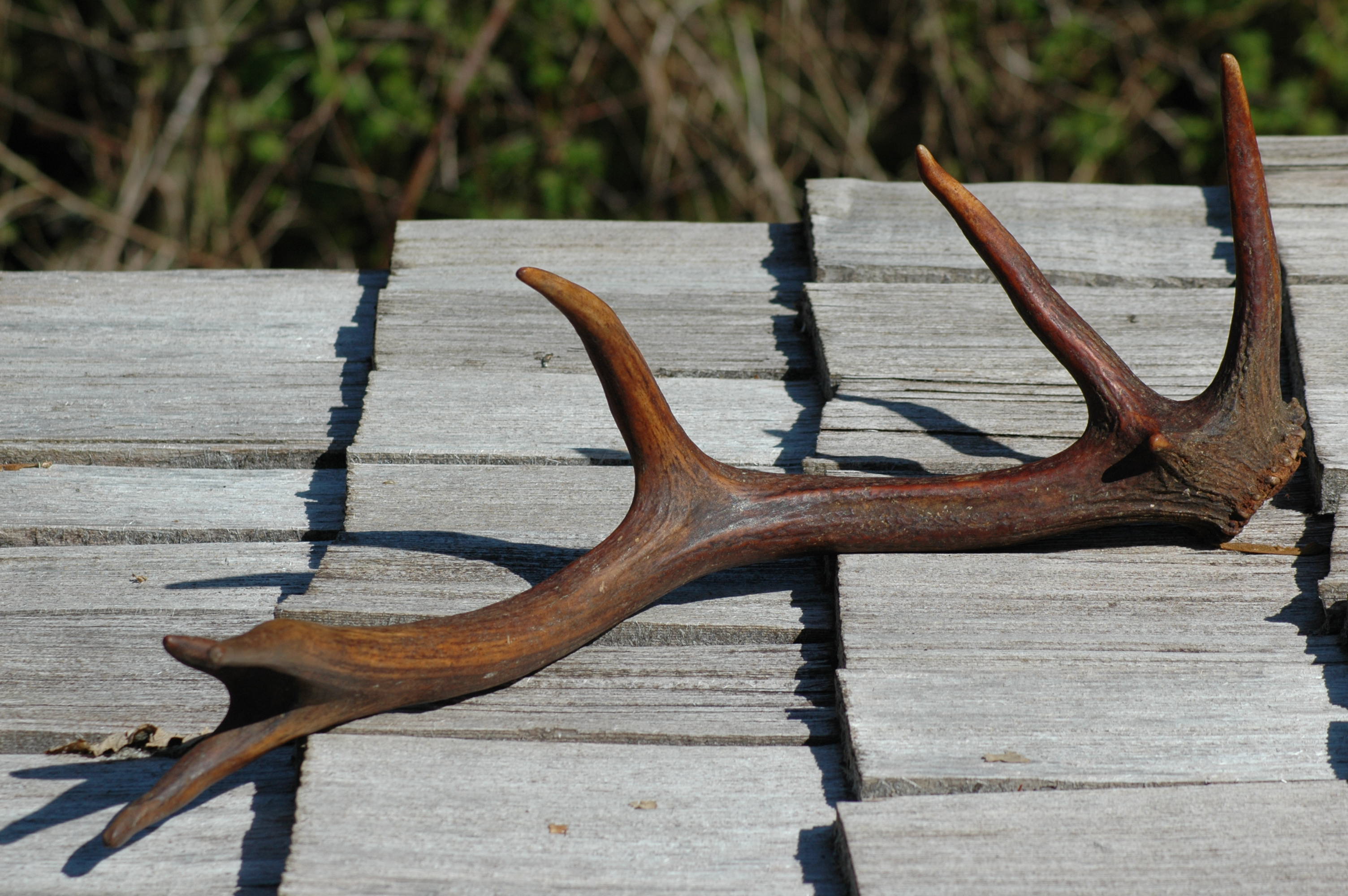
Try as I might, it’s a mindset I really can’t relate to. But this quote helped answer a question I’ve been pondering since I came across a freshly shed elk antler on a hike in the forest behind my place. It was thrilling to find a tangible sign of such a proud and noble soul, willingly discarded to make way for this year’s even larger adornment. I’ve experienced a similar feeling of exhilaration many times before when capturing images of wildlife with my camera. The key component for me is the knowledge that the animal is still roaming free.

Image

I hung the keepsake over my doorway. It serves as a reminder that the bull elk made it through another season alive. Conversely, when a hunter proudly displays a “rack” of antlers, they are the result of a killan animal’s life was taken so they could claim their trophy.

So why can’t hunters be satisfied with finding a naturally shed horn?

Clearly, they are after more than just a souvenir or symbol of a beautiful living creature. There’s something sinister about their motive—something akin to what drives a trophy-taking serial killer.

For the likes of Ted Bundy, a memento such as a pair of panties or a Polaroid photo helps them to recall the heightened state of arousal they felt while slaying their prey. As with the serial killer, the ultimate goal of a hunter is to play God over a helpless victim and to possess not just their image or their antler, but their very being.

Speak Up for Wildlife During National Park Week

On the twentieth day of April, in the year of our Lord two thousand twelve, President Obama declared this week National Park Week. Ironically, during this very week, the U.S. Senate is considering a bill that would allow hunting on our national parks! H.R. 4089, the so-called “Sportsmen’s Heritage Act of 2012,” passed the House of Representatives on April 17th and is now with the Senate. Once again the fate of our lands and waters—and the life that depends on them—has been cast into doubt. To paraphrase the president’s proclamation, as Americans and as inhabitants of this one small planet, it is up to us to preserve our national heritage for the generations (human and non-nonhuman alike) to come.

Lumped in with the “Sportsmen’s” Act are such abhorrent offerings as the Recreational Shooting Protection Act, which requires National Monument land under BLM’s jurisdiction to be open to access and use for “recreational” shooting (ground squirrels, and prairie dogs beware), and the Polar Bear “Conservation and Fairness” Act of 2012, which would amend the Marine Mammal Protection Act of 1972 to direct the Secretary of the Interior to issue a permit for the importation of any polar bear carcass killed during a sport hunt in Canada.

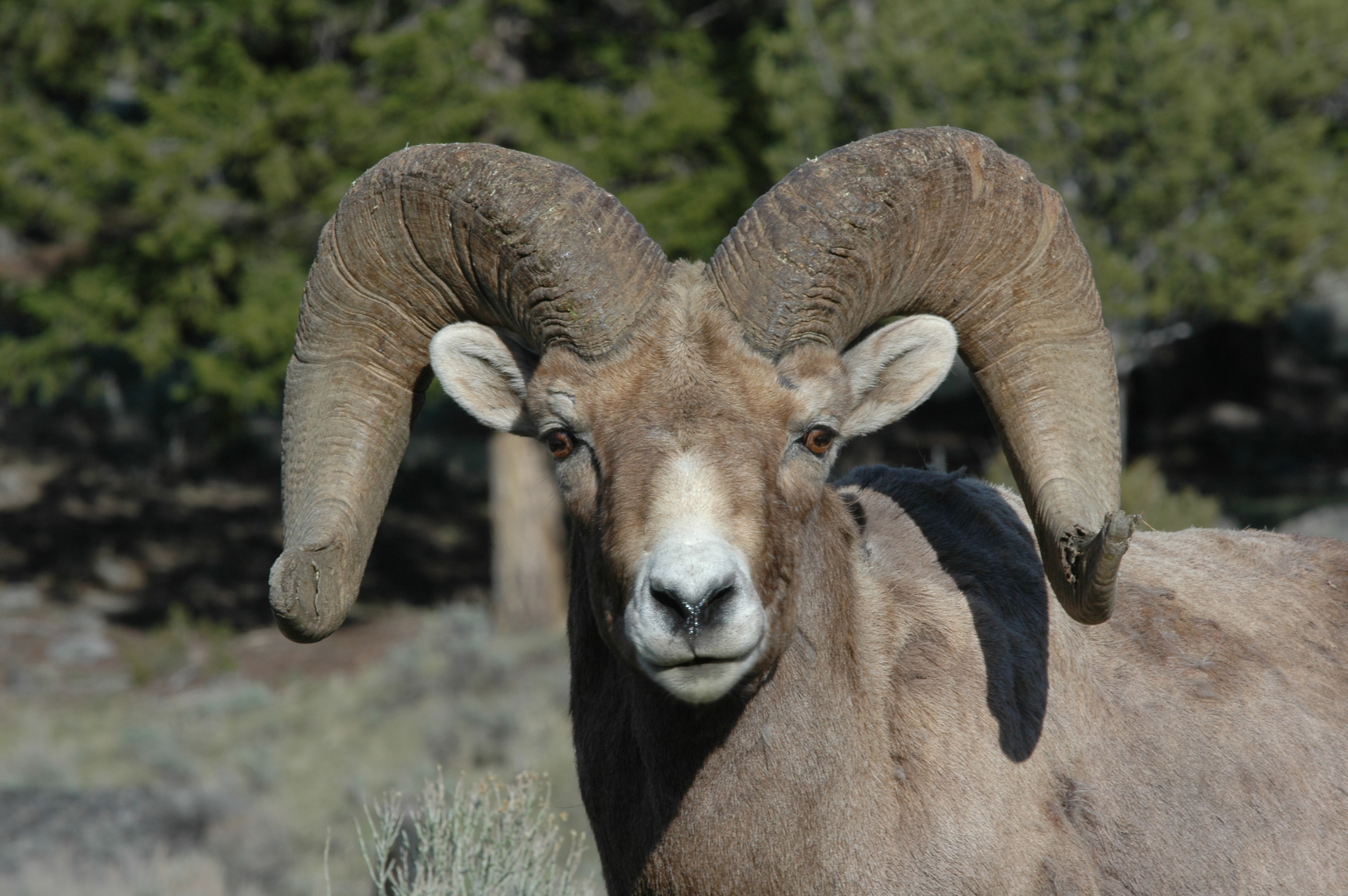
As long as they remain off-limits to hunting, our national parks are some of the best places for viewing and photographing wildlife without causing undue stress. Since they’ve learned they’re safe within park boundaries, animals are not so shy and distrustful of human presence—as long as said human maintains a polite distance. And because they’re protected, park moose, elk or bighorn sheep are allowed to grow the kind of impressive antlers or horns now rare in hunted populations.

Image

We can’t let the “Sportsmen’s Heritage Act” undermine the serenity of our last few protected places. Please contact your Senator and urge them to oppose H.R. 4089:  https://secure.humanesociety.org/site/Advocacy?cmd=display&page=UserAction&id=5507&s_src=shareonfb