Exposing the Big Game

Forget Hunters' Feeble Rationalizations and Trust Your Gut Feelings: Making Sport of Killing Is Not Healthy Human Behavior

Exposing the Big Game

Instead of Going Out This 4th of July, These People Comforted Scared Shelter Animals During Fireworks

https://mysticalraven.com/inspirational/15803/instead-of-going-out-this-4th-of-july-these-people-comforted-scared-shelter-animals-during-fireworks?fbclid=IwAR2y9OLt-llsLZq8TkKmfRtipPw8YSdDYUL9xkZIilEua4KMDdXVBecnTzA

Although this happened last year, we hope to share this beautiful idea with the aim of inspiring others to do the same thing this 4th of July.

Well here is a story to make you feel a little better about humanity today!

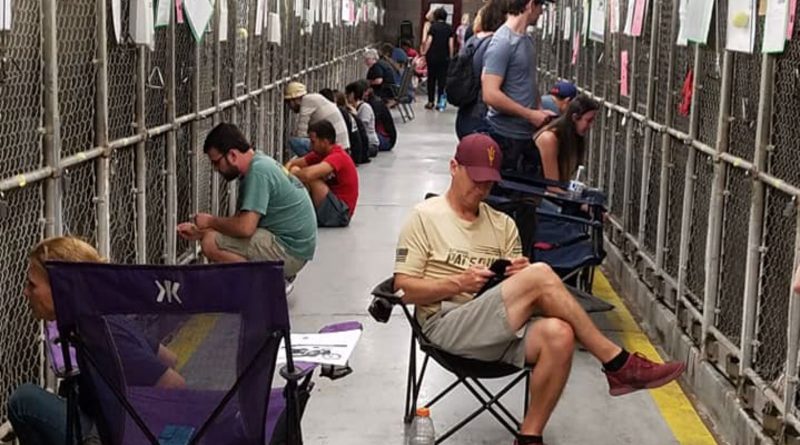
On the Fourth of July in Phoenix, Arizona, the Maricopa County Animal Care and Control began an experimental program called “Calming Companions,” where they invited the public into their shelters to sit with the dogs and cats. The loud and constant noise of fireworks being set off over the holiday can be a terrifying ordeal for small animals, and even more so in the cramped conditions of a shelter.

Around 200 caring people came out to the event, visiting either of the control’s shelters. These wonderful volunteers brought their own chairs and blankets to sit on as they read, played music, and entertained the dogs. Staff at the shelters provided treats, toys, and games that helped keep the dogs and cats occupied, and the joint effort led to a great experience for everyone involved.
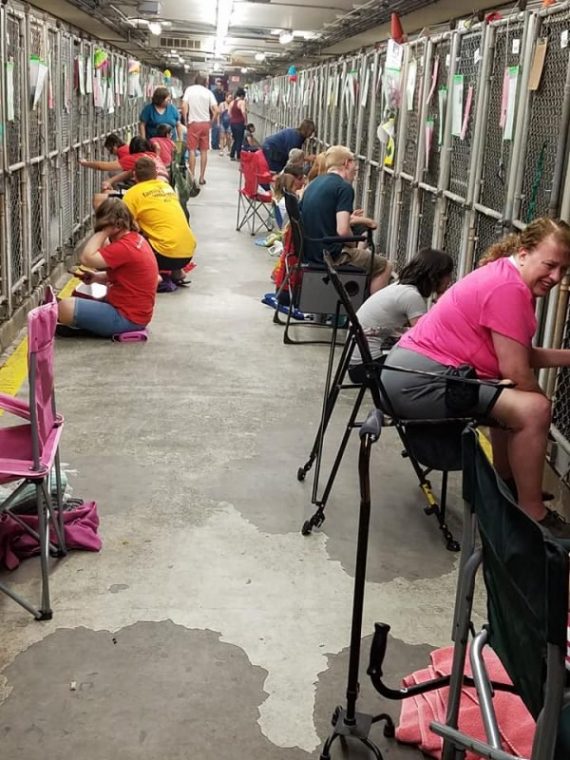
Here is what volunteer Amy Engel had to say: “Ever thought about bringing your dog to crowded places? Even worse, crowded places with fireworks? I promise you dogs don’t like it. Tonight was the first year Maricopa County Animal Shelter presented “Comfort the Canines” … approximately 200 people came to help the pooches. Some people sang to them, some people read to them, some people just sat there and gave treats! it was so so awesome because the dogs absolutely love the attention and were focused on the people and not the fireworks going on outside.”

Maricopa County Animal Care and Control is used to the chaos that Fourth of July celebrations can bring. Dogs startled by the noise of the fireworks can run away, leaving their owners fearful for their safety and well-being, and they often end up being brought into these shelters. This leads to one of the busiest days for the shelters and their staff. Public information officer for the Control, Jose Santiago, said, “We expect it to be a busy day, unfortunately, a lot of people do leave their dogs outside and those loud noises and explosions cause them to dig under fences, sometimes jump over fences, we’ve heard of cases of dogs jumping through windows, all out of fear from those loud explosions.”
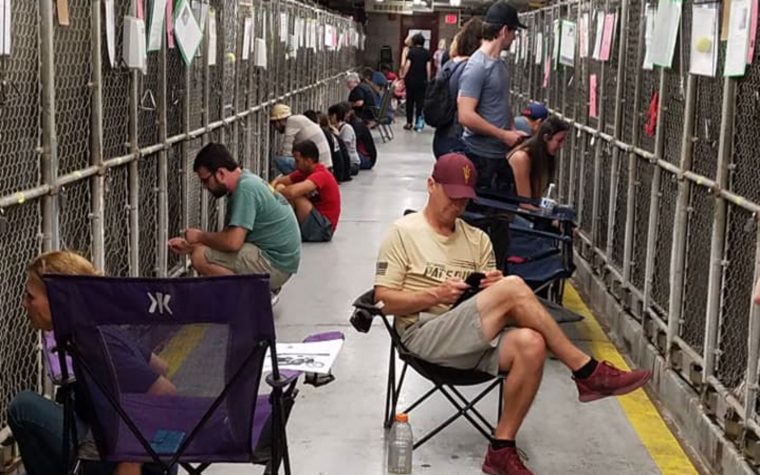
While fireworks can be fun for some people, we have to bear in mind that not everyone enjoys loud displays.

This Calming Companions’ initiative was such a success that it will likely be repeated again next year. Maricopa County Animal Care and Control works tirelessly to care for the animals in their community, helping pets be reunited with their families and finding stray animals loving new homes. If you are looking to adopt, volunteer, or help in any other way, please get in touch.

Written by Kelly Wang for OneGreenPlanet

NC animal rescue group wants your old bra to help save injured turtles

By Amanda Foster  |

CHARLOTTE, N.C. (WBTV) – It sounds bizarre, but it’s also true. The clips on the backs of bras can save a turtle.

It sounds bizarre, but it’s also true. The clips on the backs of bras can save a turtle. (Carolina Waterfowl Rescue)

“It acts like a little fixator, it’s the eyelets that we need,” Keenan Freitas at the Carolina Waterfowl Rescue says.

The group, you could say, is after your unused unmentionables. These are the same people who spend most of their time among a team of injured turtles.

“80 percent of them are hit by cars,” Freitas says. “The other five percent are hit by boats, the remaining are environmental.”

When these sometimes shattered shells come in, they’re not in good shape, and in the summer, there are quite a bit more of them.

“It’s when it rains,” Freitas says. “That’s when they’re moving to lay eggs, so when it rains, we get a ton of turtles in.”

The team repairs the reptiles using some expected instruments like glue, and a little tape.

And, bra clasps.

“It’s just these little ingenious things that people have created in the past, that we can use today to help animals out,” Freitas says.

The wire that holds the broken portions of shell together is fastened to the turtle with these things that usually might lock together lingerie.

“You basically wire the shell back together,” Freitas says.

It’s affordable for this nonprofit – and sustainable.

“You can recycle something that would go into a landfill,” Freitas says. “And I mean, they’re helping a turtle. Who wouldn’t want to help a turtle?”

Freitas says when it’s time to release the reptiles back into the wild, they wear the glue down a little, the clasps pop right off, and they’re good as new.

Donations can be sent to the Carolina Waterfowl Rescue at P.O. Box 1484 in Indian Trail NC 28079

Copyright 2019 WBTV. All rights reserved.

Read the original version of this article at wbtv.com.

Grey whales free after beaching in Delta, B.C.’s, Boundary Bay

Fisheries and Oceans Canada, Vancouver Aquarium helped get animals free

A photo from the scene on Friday shows several people in the water of Boundary Bay, B.C., near the animals. (David Houston/Facebook)

54
comments

It just might be the happiest whale tale since Free Willy: a pair of grey whales stranded on the low-tide mudflats of Boundary Bay in B.C.’s Lower Mainland have escaped.

A rescue effort sprang into action Friday afternoon after the two whales — a mother and a calf — became beached near Centennial Park in Boundary Bay in Delta about a 40 minute drive south of Vancouver.

Fisheries and Oceans Canada led the effort with refloatation devices — large, inflatable airbags to lift the animals up — and a vessel. The Vancouver Aquarium was also on scene to handle any medical setbacks the animals may have suffered.

“It’s absolutely fantastic,” said Martin Haulena, the Vancouver Aquarium’s head veterinarian. “A very, very good ending.”

Haulena said the animals got stuck at approximately 2 p.m. PT. They were freed by about 6:30 p.m.

Fortunately for them, the tide was coming in to help their escape. A cheer rose from about 100 assembled onlookers as the whales began to move freely, flapping their fins.

Watch as the whales begin to right themselves in the rising tide:

CBC News Vancouver at 6
Whales get free in Delta, B.C.
 WATCH

00:00 00:34

After being stranded for much of Friday afternoon, a grey whale and her calf start to right themselves in the rising tide of Boundary Bay. 0:34

Dangerous position

Haulena said Boundary Bay — a wide, shallow bay straddling the Canada-U.S. border — is a place where grey whales could easily get stranded.

He described the animals as bottom feeders: they skim along the ocean floor filtering organisms from the sandy bottom through their mouths. He thinks they were likely foraging when the tide went out and became stuck.

As the tide rolled in the whales began to flap their fins and get free. (CBC)

Once out of the water, he continued, their large bodies put them in danger.

“They were never designed to bear weight,” he explained. “That can compress their lungs. They can’t breathe right. Their circulation gets very altered … it’s a very big deal potentially.”

He added that the whales are not out of the woods yet.

If they were injured too severely by their ordeal, they may still die.

Rash of beachings

Friday’s dramatic scene is one that has been happening all over the west coast of North America this year as an unusual number of grey whales have become stranded and died on their migration from their southern calving waters in Mexico to their northern feeding waters.

Some researchers are pointing to a lack of food as the cause.

Haulena said beachings tend to happen cyclically, with some years being worse than others, but agreed the population may be exhausting its food sources.

Dog Saved By Workers On Oil Rig, 135 Miles Off Thai Coast

The rescued dog appeared to be growing stronger on the oil rig before he made his journey back to shore.

Vitisak Payalaw

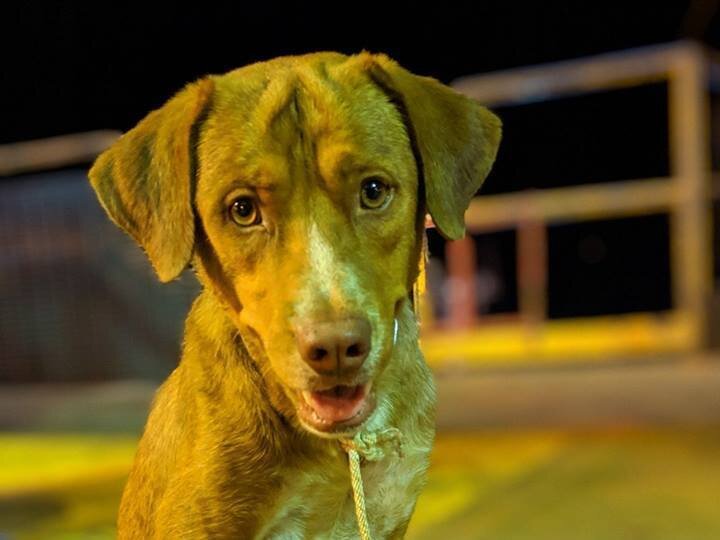
Workers on an oil rig about 135 miles offshore from southern Thailand noticed something stunning in the water: a dog.

The animal swam toward the rig’s platform on Friday and clung to it as team members tried to figure out how to save him, Vitisak Payalaw, an offshore planner for Chevron Thailand Exploration & Production, told NPR.

Video that Payalaw posted on Facebook shows the shivering animal partially submerged in water, staring up at the workers.

Payalaw said he and three members of his team spent 15 minutes working to secure the dog with a rope and pull him up to safety. They were racing against time, he said, because the seas were becoming rougher.

The oil rig workers used a rope to pull the dog to safety.

Vitisak Payalaw

In the first photos Payalaw posted, the dog looks exhausted — “especially on his eyes” — and despondent. Workers provided him with water and pieces of meat on the deck of the rig, and they set up a kennel for him indoors.

They named him Boonrod, Payalaw added, a word that means “he has done good karma and that helps him to survive.”

It’s not clear how the dog ended up so many miles offshore. Payalaw declined to speculate, simply saying it is still a mystery. The Bangkok Post said the pup is “believed to have fallen from a fishing trawler.”

Boonrod appeared to be steadily growing stronger, after eating and napping. After a day and a half, he looked happy and alert — and he was clearly popular with the oil rig team.

Boonrod poses with oil rig workers in the Gulf of Thailand.

Vitisak Payalaw

The pup has now been transferred to land, arriving in Thailand’s Songkhla province on Monday morning to receive veterinary care coordinated by the rescue group Watchdog Thailand. According to The Associated Press, the group has declared him “in good shape.”

Photos posted by the organization showed a triumphant-looking Boonrod being greeted by rescue group workers and veterinarians. They placed a fetching bright yellow floral wreath around his neck as Boonrod flashed a bright smile.

The dog was later shown receiving a bath, playing with admirers and eating treats.

Boonrod’s streak of good luck seems set to continue. Payalaw says he’s going to be working on the rig until the end of April, but when he gets back to shore, he plans to adopt the dog.

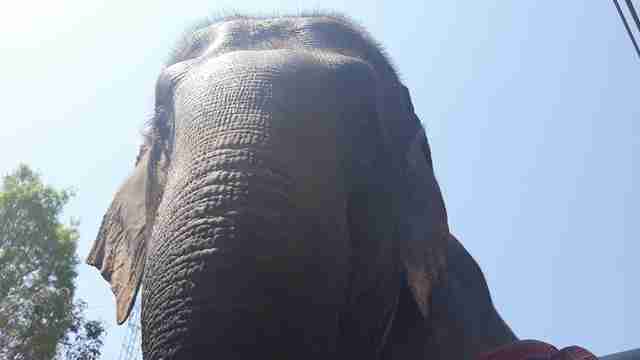
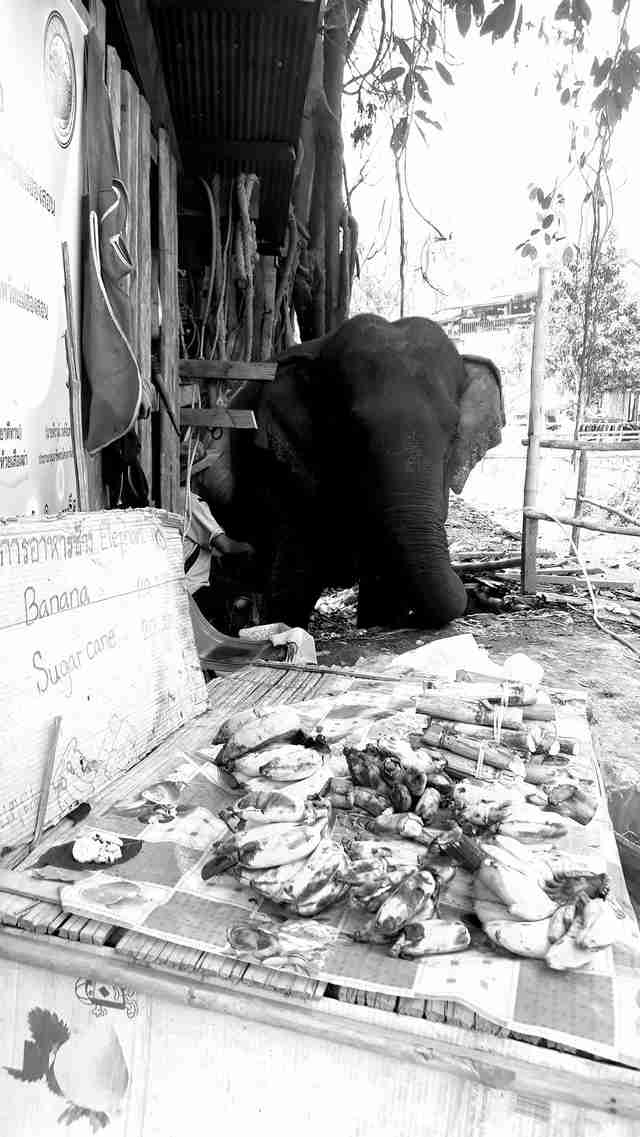
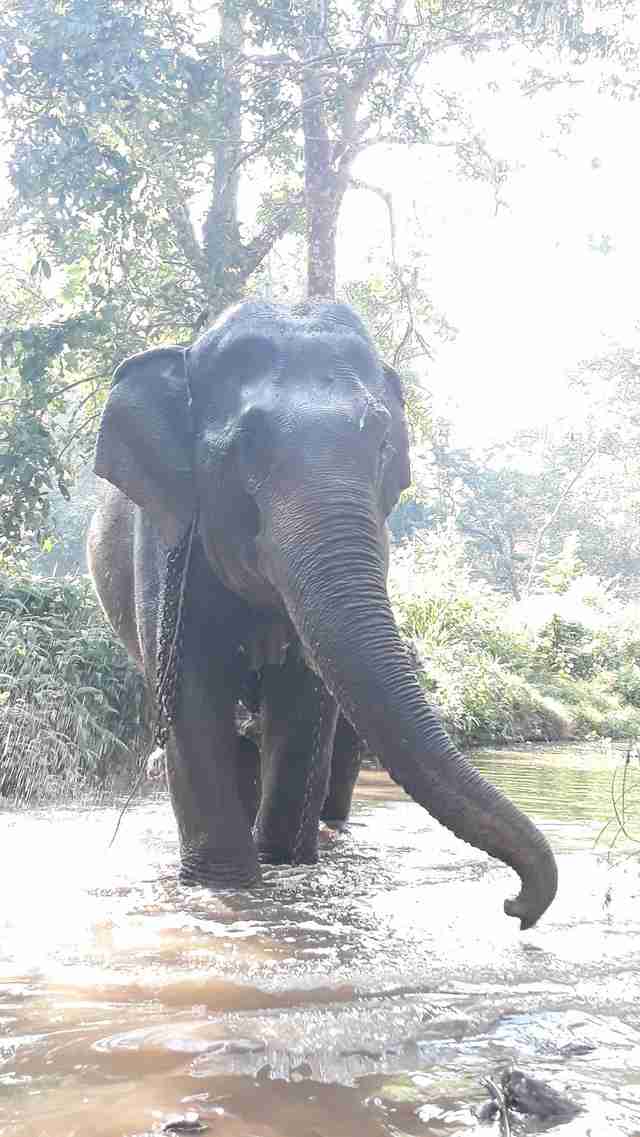
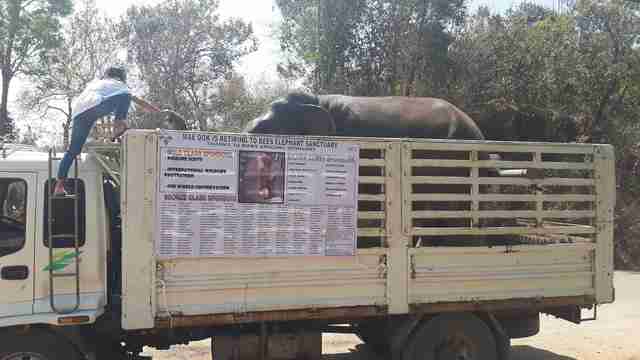
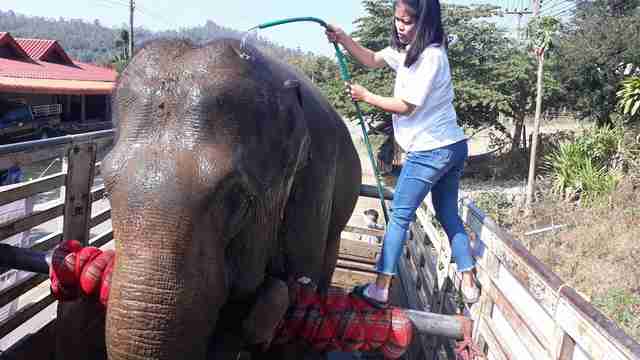
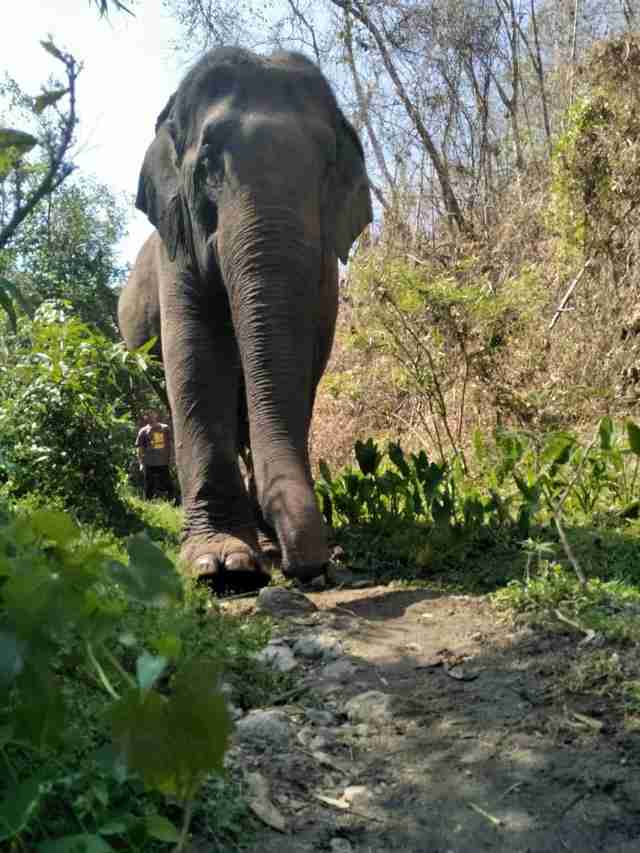
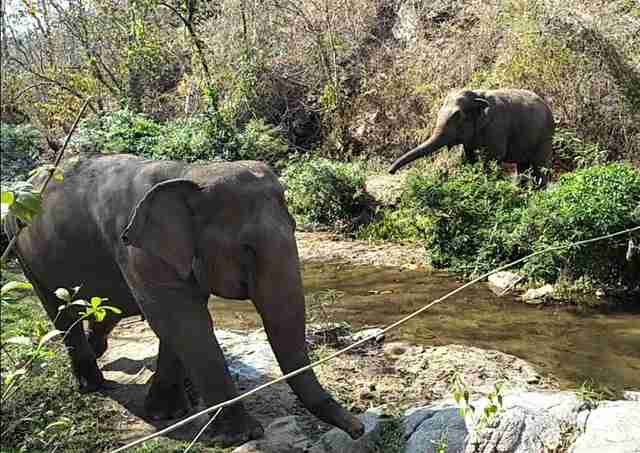
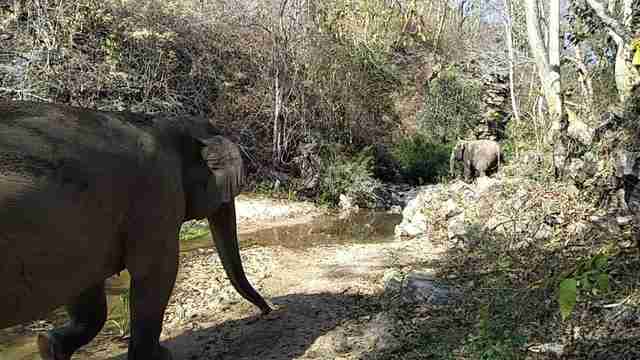
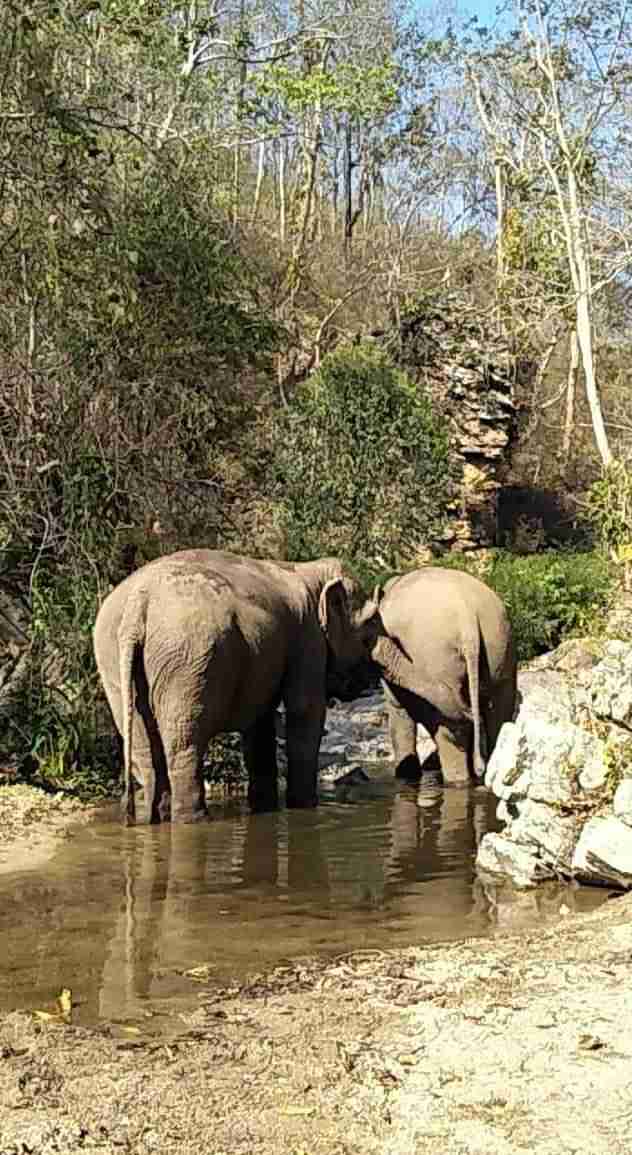
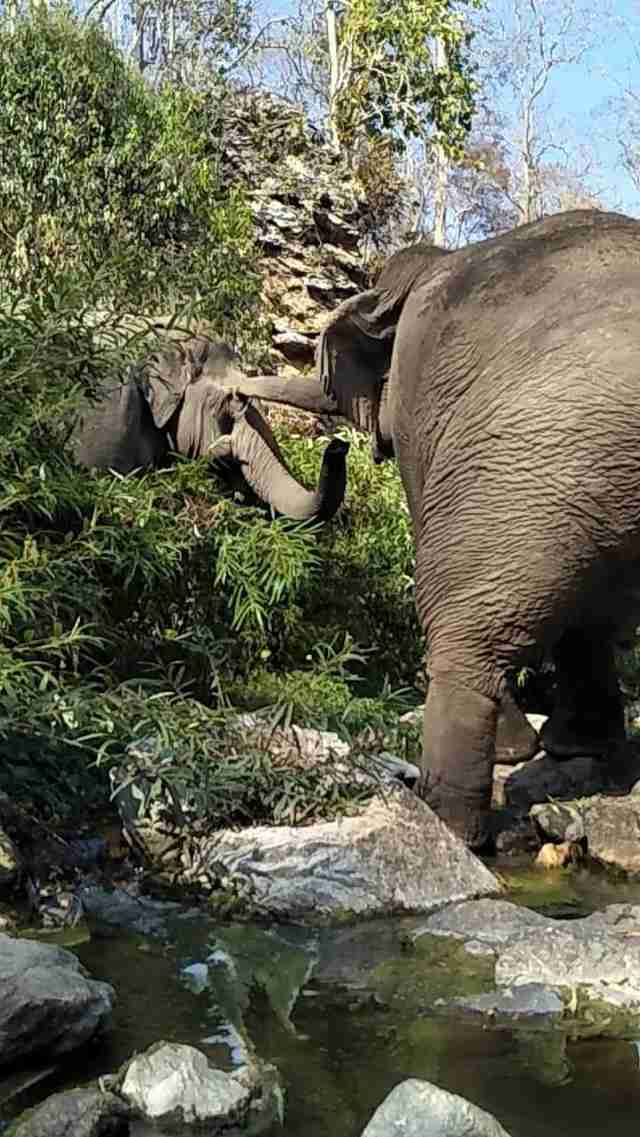
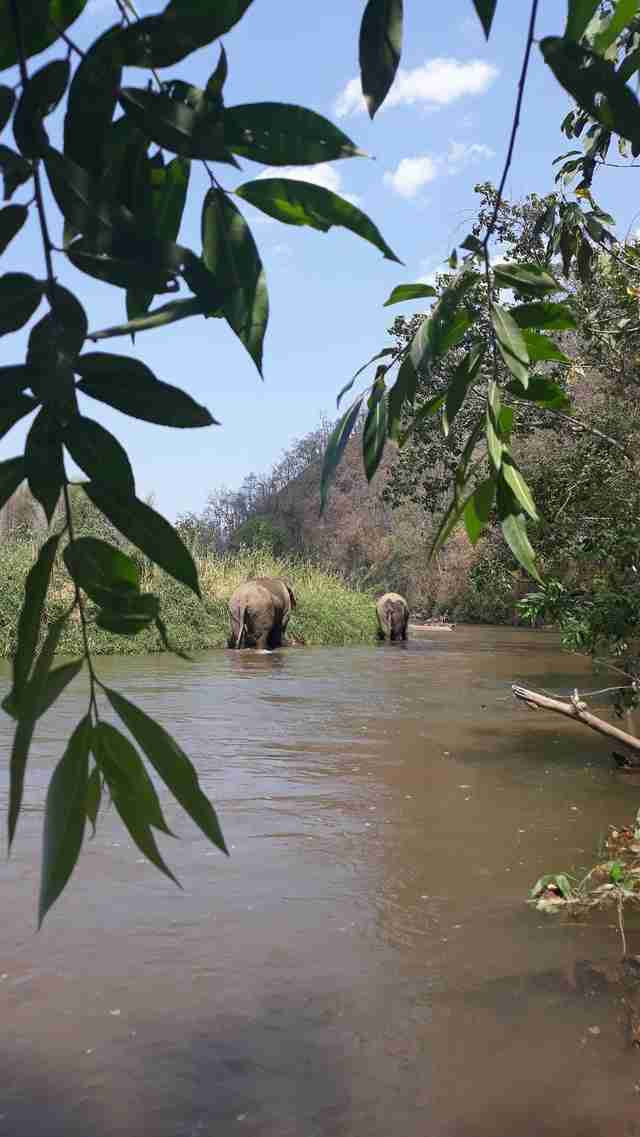
Rescued Elephant Immediately Snuggles With First Friend She Makes

Retiring working elephant in Thailand
Elephant asking for food at bridge in Thailand
Elephant before retiring in Thailand
Retiring working elephant in Thailand
Retired elephant arriving at sanctuary
Retiring working elephant in Thailand meets first friend

California firefighters rescue a cougar stuck up a tree

Photo: San Bernardino County Fire/Facebook

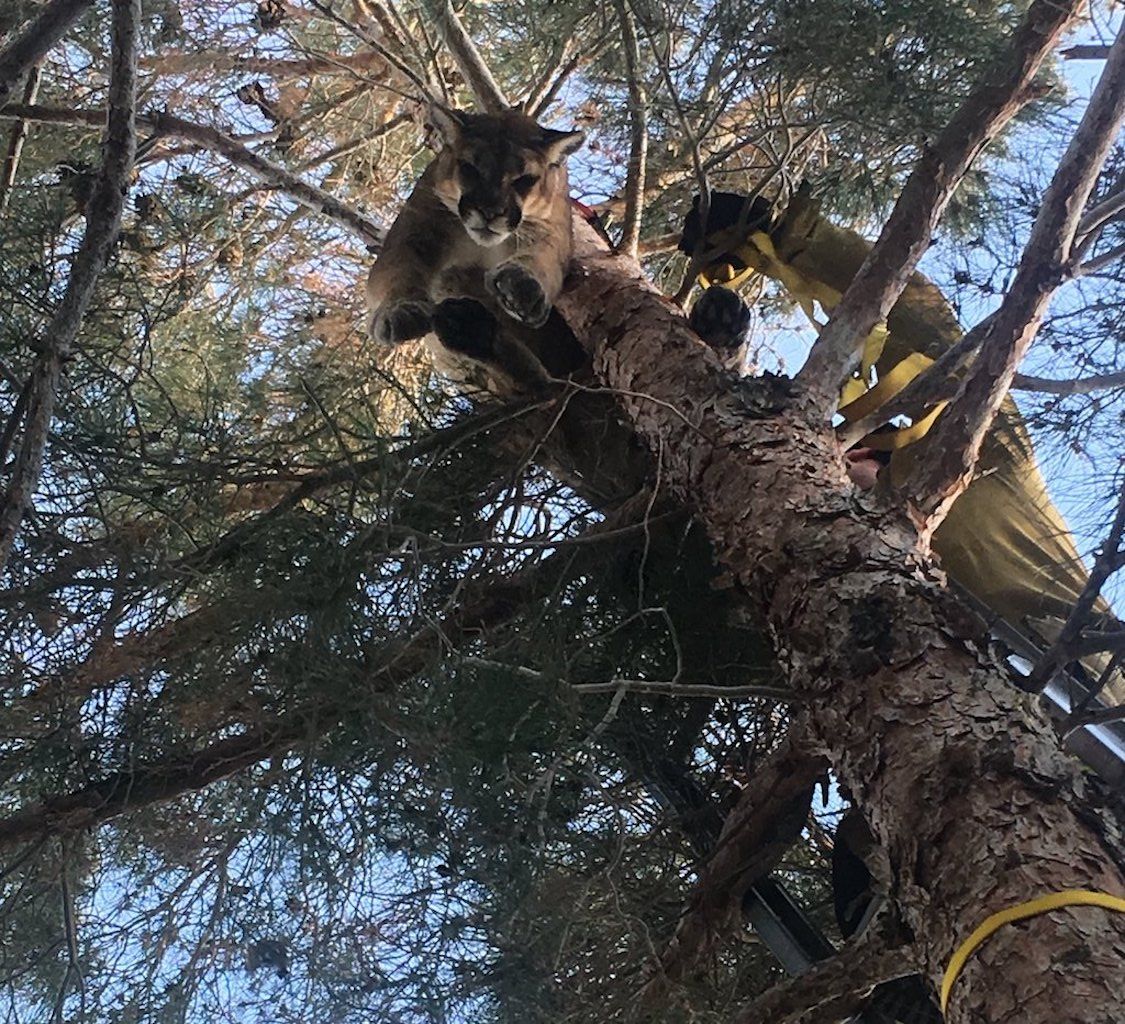
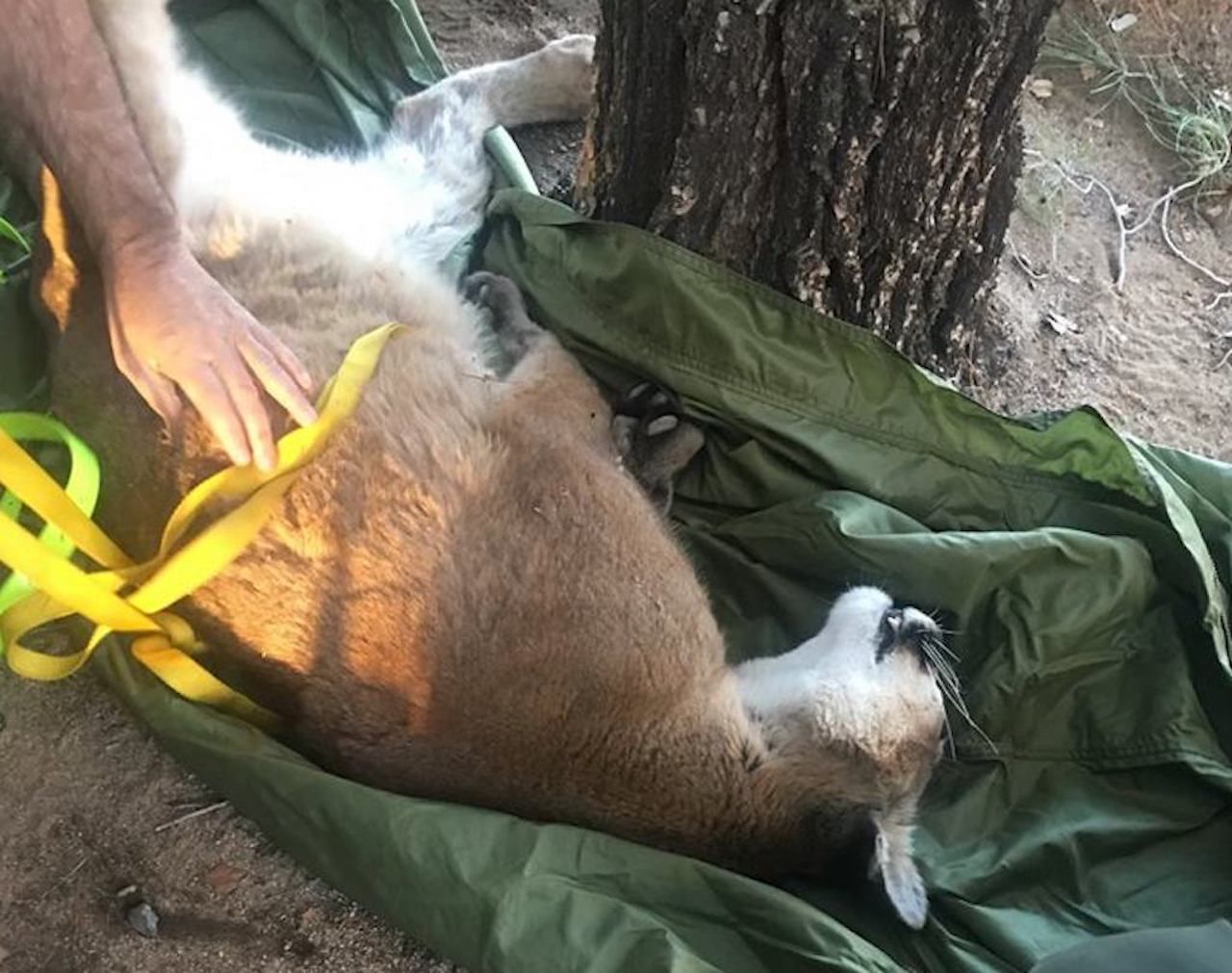
ON SATURDAY, firefighters rescued a cougar that was stuck in a tree just outside a home in San Bernardino, California. The animal was about 50 feet up when the authorities were called by the homeowners. After securing the area, the San Bernardino County firefighters tranquilized the cougar and lowered it safely to the ground thanks to a harness. Once it was assessed by biologists for any injuries, the cougar was released back into the wild.

Photo: San Bernardino County Fire/Facebook

Photo: San Bernardino County Fire/Facebook

According to Kevin Brennan, a biologist with the California Department of Fish and Wildlife (CDFW), “It is common for young mountain lions to wander outside what some would consider normal habitat in an attempt to establish their territory.” Cougar attacks on humans are very rare. According to statistics compiled by Colorado Parks and Wildlife, in over 100 years there have been fewer than a dozen human fatalities from mountain lion attacks in North America.

Cubs rescued from dumpster

Reminder to keep garbage bins locked with hibernation just around the corner

A conservation officer tags the bear cubs’ ears before reuniting them with their mother. (B.C. Conservation Service)

https://www.cbc.ca/news/canada/british-columbia/bear-cubs-rescued-from-dumpster-1.4953176

Two bear cubs that somehow managed to get stuck in a recycling facility dumpster had to be rescued by conservation officers in Sooke, B.C., on Monday.

It’s not clear how the cubs climbed up and into the dumpster — but once in — they couldn’t get out.

Sgt. Scott Norris with the B.C. Conservation Service says the mother bear watched calmly from a distance when help arrived.

“When we showed up, we pulled into the yard and there was mom sitting at the back of the yard, sort of 50 yards away just watching,” he said.

View image on TwitterView image on Twitter

BC CO Service@_BCCOS

South Island CO’s rescued two bear cubs trapped in a dumpster at a materials recycling facility today in . The cubs were ear tagged and reunited with their mother who was patiently watching from afar. CO’s are reminding people that bears are still out looking for food

51 people are talking about this

The cubs were safely tranquilized, had their ears tagged and were pulled out of the dumpster.

They were then returned to their mother at a neighbouring property.

The dumpster didn’t have any food waste in it, but Debbie Reid with Wild Wise Sooke says the bear cubs’ rescue is a good reminder to secure all garbage bins.

“What triggers bears to sleep is the fact there is no food … but in Sooke we have people leaving out garbage and pet food and things like that,” she said.

“So the natural trigger isn’t being triggered.”

The conservation service says bears on Vancouver Island usually don’t go into hibernation until January.

Hungry and homeless: B.C. wildfires are forcing bears out of critical habitats

After a wildfire, one rescue worker says she often treats bears suffering from dehydration and malnutrition

Angelika Langen seen treating a bear cub in an undated photo. She says she’s preparing to treat a number of malnourished bears who have lost access to food due to the B.C. wildfires. (Angelika Langen)

Angelika Langen has been rehabilitating bears at the Northern Lights Wildlife Society in Smithers, B.C., for 27 years.

But this summer proved especially difficult, after a number of animals she’d been treating died unexpectedly. With each death, she could feel her resolve crack.

“That takes a huge chunk out of your heart every time,” said Langen, who lives outside of the northern B.C. town.

Sometimes the loss leads her to consider quitting.

“But then there’s another animal that comes and you just pick back up again and on you go.”

After B.C.’s record-setting wildfire season, Langen is bracing to treat a number of animals, specifically bears, that have been displaced by the blazes.

While many people across the province have been forced to flee their homes due to wildfires, so too have wildlife. Fires rip through forests, destroying habitats and burning food sources.

Forced from homes

It’s not often that Langen treats a bear with a direct injury from a wildfire, but the indirect effects keep her busy.

When a bear is forced out of its territory, it will move in search of a new home. However, that new home may already be inhabited, at which point the bears will fight each other to lay claim to the patch of land.

Usually, the weaker bear will be pushed further away in search of food, creating a ripple effect, according to Langen, until it wanders into an urban area, sniffing out garbage cans for food. This represents a danger to the public and to the bear.

After a wildfire, Langen says she often treats bears suffering from dehydration and malnutrition.

Angelika Langen will keep malnourished bears at her shelter until they put on enough weight to be released into the wild. (Video by Northern Lights Wildlife Society)

A natural force of renewal

Although wildfires often cause disruption and harm to people and wildlife, there is a small silver lining, said Cole Burton, a University of British Columbia assistant professor of forestry.

“Fire is a natural force of renewal in the ecosystem,” said Burton.

He says a fire can clear out bigger vegetation and lead to the germination of seeds in the soil, creating conditions that allow certain plants to grow better.

“Sometimes that new growth is very nutritious and abundant, high-quality forage,” said Burton.

Cole Burton says fire can clear out bigger vegetation and lead to the germination of seeds in the soil, creating different conditions that allow certain plants to grow better. (@CONAFOR/Twitter)

How to help?

Langen typically sees bears in need of aid once the wildfires have ended, so she’s using this period to remind the public that the best way to help is to leave bears alone.

Too often, someone will see a skinny bear and leave out food or water, she said. Very quickly, the bear will learn to expect food and eventually return for more.

“Even though you feel bad, you really need to make sure that you do not give that kind of assistance because it does not lead to a good end,” said Langen.


https://www.cbc.ca/news/canada/british-columbia/hungry-and-homeless-b-c-wildfires-are-forcing-bears-out-of-critical-habitats-1.4807591

Researchers work to free whale with jaw wrapped in fishing line for years

Researchers in Massachusetts are hopeful they’ll finally be able to free an endangered North Atlantic right whale who has had a fishing line wrapped around her jaw for several years.

The adult female named “Kleenex” was first spotted in the Cape Cod Bay in 1977, but has had a fishing lined wrapped around her jaw for at least three years, according to the Cape Cod Times.

Researchers and scientists attempted to remove some of the line on Thursday by using a method to weaken and deteriorate the rope, since there was no trailing line and the whale couldn’t be slowed to remove it.

Southern right whales, known in Spanish as ballena franca austral, swim in the waters of the Atlantic Sea, offshore Golfo Nuevo,  Argentina's Patagonian village of Puerto Piramides, September 19, 2014. The whales regularly come to breed and calve in this marine reserve from June to December.        REUTERS/Maxi Jonas (ARGENTINA  - Tags:  ANIMALS ENVIRONMENT) - GM1EA9K0GDZ01

Southern right whales, known in Spanish as ballena franca austral, swim in the waters of the Atlantic Sea, offshore Golfo Nuevo, Argentina’s Patagonian village of Puerto Piramides, September 19, 2014.  (REUTERS/Maxi Jonas)

“For more than a half century, Kleenex has defied the odds of survival and been a pillar of the right whale’s modest recovery,” New England Aquarium spokesman Tony LaCasse said in a statement. “Let’s hope that she sheds the entangling gear.”

‘BEGINNING OF THE END?’ NO NEW BABIES FOR ENDANGERED WHALES

The whale is a great-grandmother to six calves, which is 5 percent of the North Atlantic right whale population. Right whales recorded no new births in this year’s calving season, making preserving reproductive females extremely important to researchers.

As of now, the species has dwindled to no more than 450 animals, further strengthening conservation efforts. A total of 17 right whales washed up dead in the U.S. and Canada last year, far outpacing five births.

SPERM WHALE SWALLOWS 64 POUNDS OF TRASH, DIES OF ‘GASTRIC SHOCK’

With no rebound in births this past winter, the overall population could shrink further in 2018. One right whale was found dead off the coast of Virginia in January.

Kleenex hasn’t been seen since the disentanglement attempt, but that is typical of whale rescue efforts, Cathrine Macort, a spokeswoman for the Center for Coastal Studies in Provincetown, told the Associated Press. Macort said rescuers will keep looking for the whale so they can remove the gear.

The Associated Press contributed to this report.

Olympic Figure Skater Spends Free Time Saving Korean Dogs

https://www.thedodo.com/close-to-home/figure-skater-meagan-duhamel-rescues-dogs

She just won gold in the Winter Olympics — but she’s doing something even more special with her downtime ❤️️

PUBLISHED ON 02/14/2018
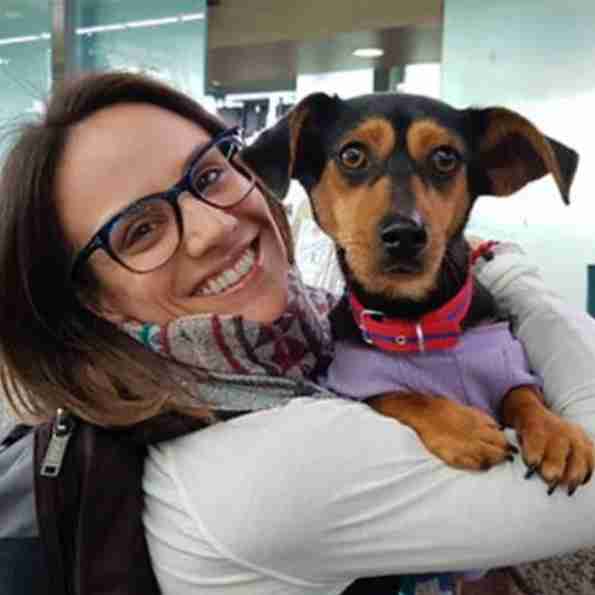
Figure skater Meagan Duhamel with dog Moo-tae
https://www.instagram.com/p/BbwtrWyF_59/embed/captioned/?cr=1&v=8&wp=631#%7B%22ci%22%3A0%2C%22os%22%3A2906.5000000000005%7D
Meagan Duhamel with adopted Korean dog
Rescued dachshund Moo-tae
Meagan Duhamel with rescued dogs Moo-tae and Dae-gong
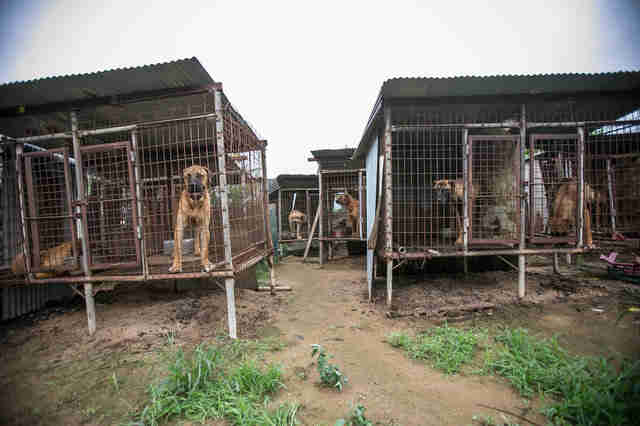
The dog meat farm in Yesan, South Korea
Jindo dogs at dog meat farm in South Korea
Dogs from the meat trade
Moo-tae and dog brother Theo