Sea Lions Shot in Astoria, Again!

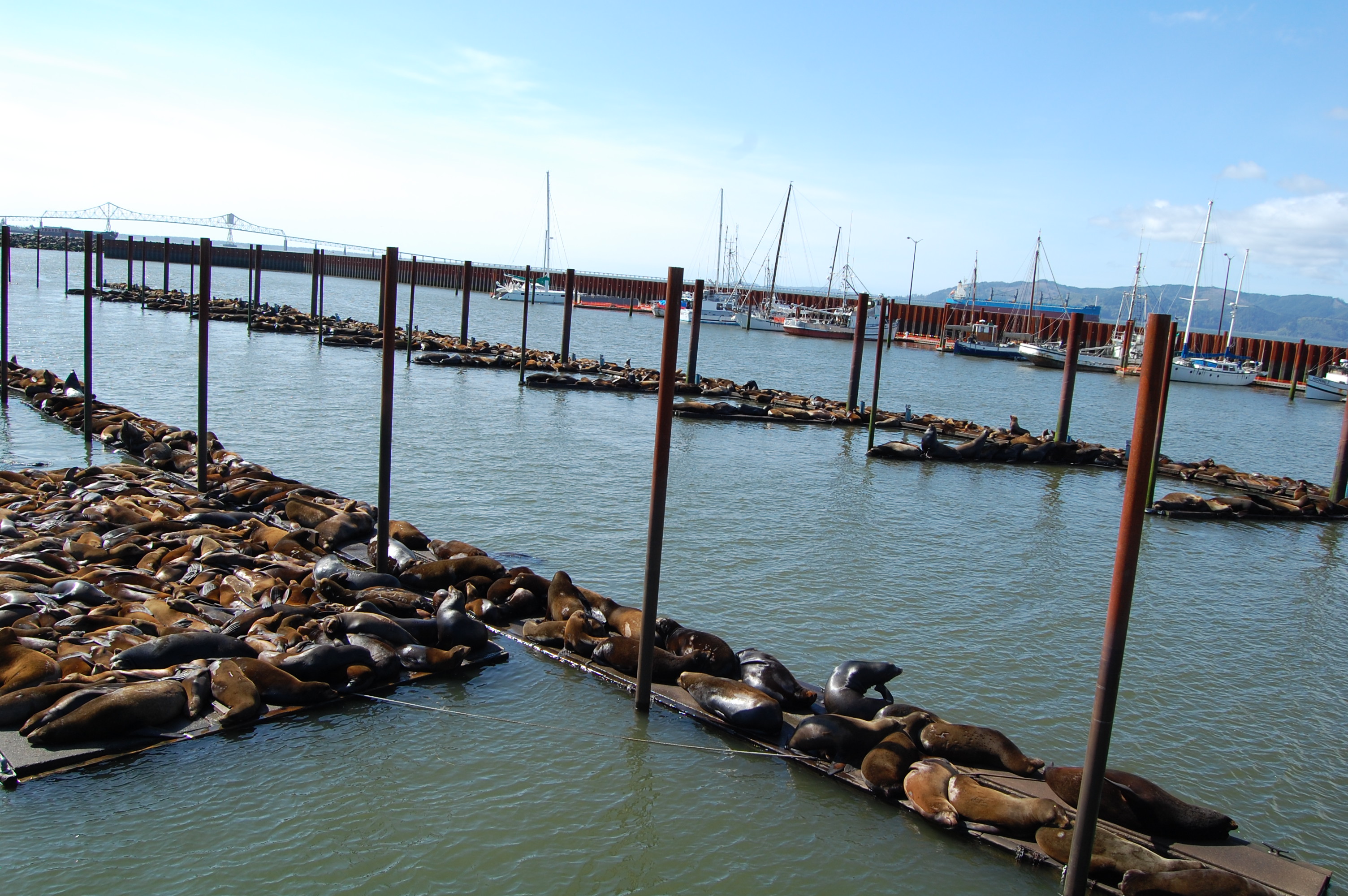
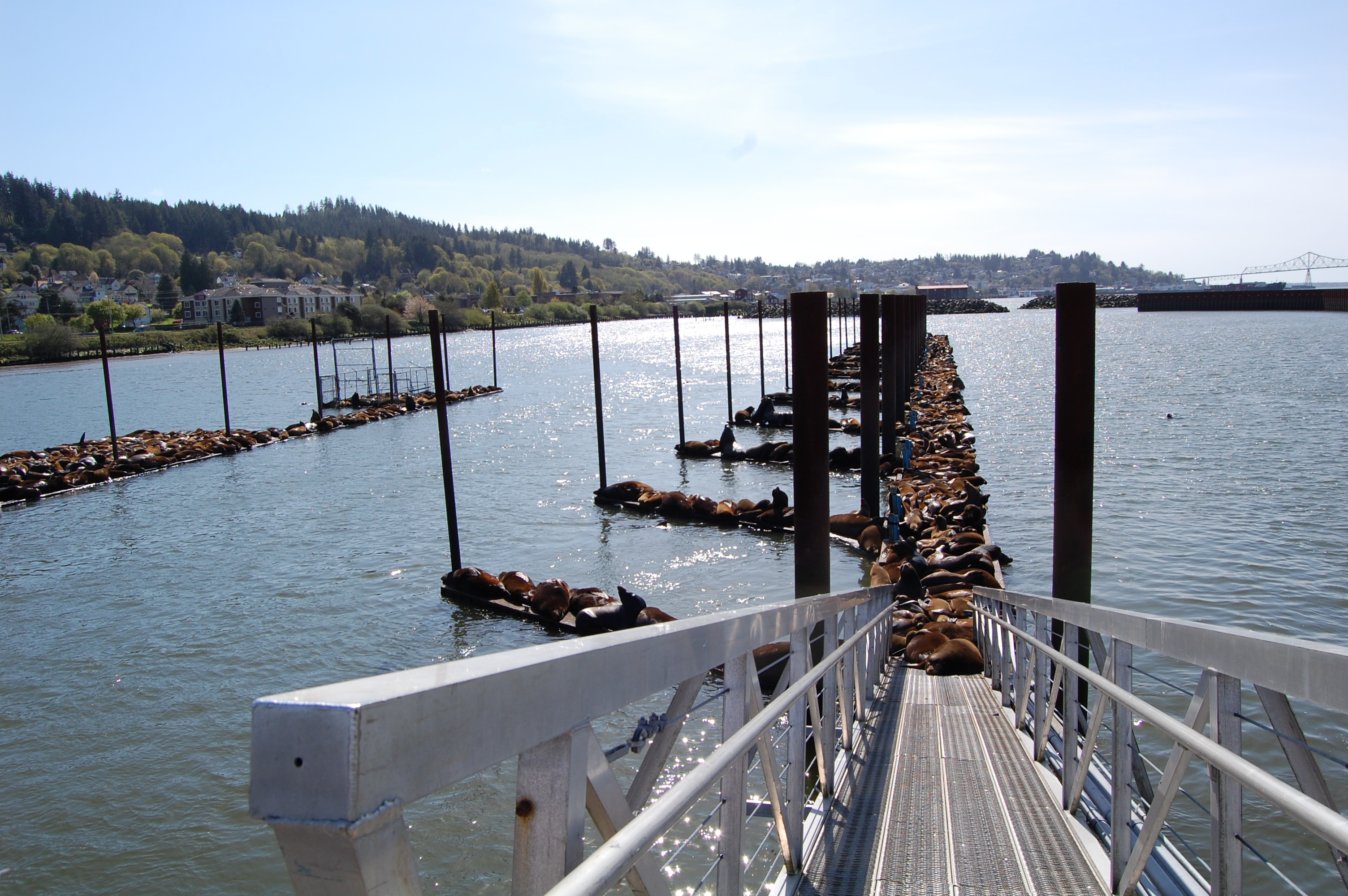
SLDB observers report on May 18,2015 at approximately 9:00am that eleven bullet shell casings were found on the causeway in the East Mooring Basin in Astoria, Oregon. This incident was reported to NOAA and is now under Federal investigation.

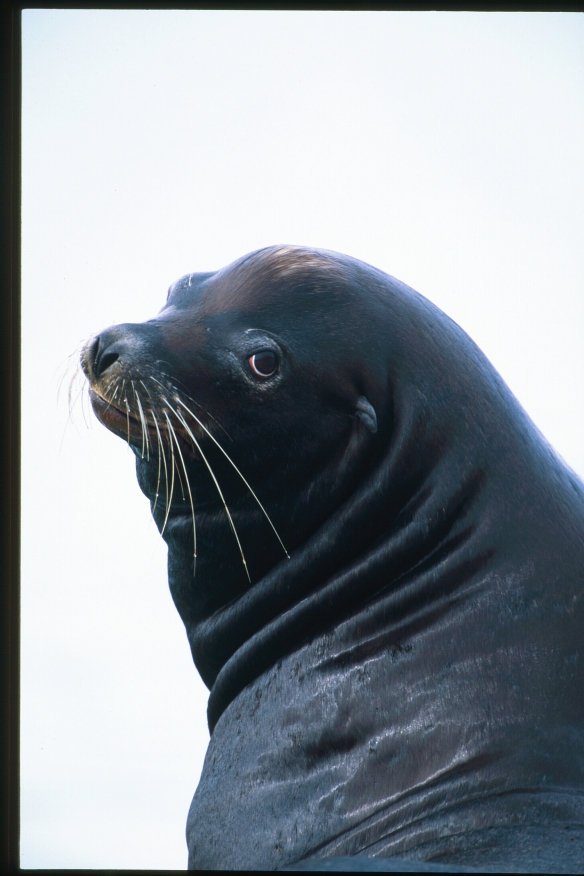
At 10 :20 am a sea lion suffering with a severe eye injury is observed

This is the second time bullet shell casings have been found in the EMB within two months. At the same time SLDB observers have documented numerous sea lions suffering with severe head and eye injuries from what appear to be gun shot wounds.

Please contact :

Astoria City Hall

(503) 325-5821
1095 Duane St
Astoria, Oregon 97103

_***
The Port of Astoria
Office: 503 741-3300 (Toll free in Oregon: 800-860-4093)
****
Astoria-Warrenton Area Chamber of Commerce
Address: 111 W Marine Dr, Astoria, OR 97103
Phone :(503) 325-6311 http://www.oldoregon.com/

*****
Governor Kate Brown
State Capitol Building
900 Court Street NE, 160
Salem, OR 97301
Phone: (503) 378-4582 (503) 378 3111

Thank you for taking action for the sea lions!

Sea Lion Defense Brigade's photo.

Port to Fence off Astoria Sea Lions

Wildlife Photography ©Jim Robertson

Wildlife Photography ©Jim Robertson

http://www.dailyastorian.com/DA/port/20150422/port-to-fence-off-sea-lions
The Port of Astoria is putting up barriers to sea lions in the East End Mooring Basin.
By Edward StrattonThe Daily Astorian  April 22, 2015

The Port of Astoria will begin fencing off the docks at the East End Mooring Basin this week to keep sea lions off, Executive Director Jim Knight announced at the Port of Astoria Commission meeting Tuesday night.

The obligation of the Port is to protect the publicly owned docks, he said, and other possible solutions, such as lightly electrified pads, didn’t work out.

“I’m also curious to see where the sea lions go,” Knight said, adding jokingly he hopes they won’t make their way to the Port’s West End Mooring Basin.

Commissioner Stephen Fulton asked about an offer he’d heard in the community to build a sea lion-specific dock.

Mike Weston, the Port’s director of business development and operations, said sometime last year, the Port had been approached by Sea Shepherd with an offer to pay for a sea lion dock. But the offer would have stipulated that the Port expel the Oregon Department of Fish and Wildlife from the East End Mooring Basin, Weston added, and the Port can’t control what the state does.

ODFW periodically traps and brands sea lions at the basin, as part of a tracking effort. It’s authorized by the National Oceanic and Atmospheric Administration to kill up to 93 sea lions a year found predating on salmon at Bonneville Dam.

Larger issue

016

The sea lion issue has been a divisive one, with members of the Sea Lion Defense Brigade regularly attending Port meetings and squaring off with diametrically opposed audience members, and often Port Commissioner Bill Hunsinger.

“We don’t have to, in the Port of Astoria, provide a sanctuary for sea lions,” Hunsinger said, adding that nature’s balance is out of whack, with sea lions possibly finding a new place to breed and live full time now that they’re starving in California.

Biologists from NOAA have pointed to odd wind patterns leading to rising ocean temperatures affecting the food source of sea lions, largely sardines. Female sea lions are taking longer to find food for their pups, who are looking for food on their own before they are ready, and washing up emaciated along the West Coast. Meanwhile, sea lions are moving north and into the Columbia River to take advantage of strong runs of smelt and salmon.

Numbers of sea lions spiked during the smelt run in March, with one count by the ODFW estimating more than 2,300 in the East End Mooring Basin. The situation seems to have boiled over, with a federal investigation by NOAA agents into possible sea lion shootings at the basin earlier this month.

“Clearly there is something wrong with ocean conditions,” and sea lions need more support than ever before, Astoria resident Ted Thomas said. He asked the Port Commission to publicly condemn the possible shootings, state its support for the Marine Mammal Protection Act and release to the public the same surveillance tape footage Port staff gave to NOAA investigators.

Members of the Sea Lion Defense Brigade, including Stacey McKenney and Veronica Montoya, approached and commented about how the sea lions are so noisy because of the ODFW branding.

011

Mystery blob in the Pacific messes up US weather and ecosystems

Thousands of seabirds called Cassin’s auklets have been found dead along the Pacific shore, and conservationists have had to rescue scores of starving sea lions on beaches in southern California.

http://www.newscientist.com/article/dn27362-mystery-blob-in-the-pacific-messes-up-us-weather-and-ecosystems.html#.VTFO22d0y1t

16 April 2015 by Eli Kintisch

An unusual threat is looming off the Pacific coast of North America from Juneau in Alaska to Baja California. Now roughly 2000 kilometres wide and 100 metres deep, a mass of warm water that scientists are calling “the blob” has lingered off the coast for a year and a half and has set temperature records, with waters between 1 °C and 4 °C warmer than normal.

Fresh research published in Geophysical Research Letters has examined the causes and impacts of this area of water, which has grown more recently.

The blob has changed water-circulation patterns, affected inland weather and reshuffled ecosystems at sea. Although scientists say the planet’s warming oceans may not be responsible for the mysterious and long-lived anomaly, some see it as an early warning of changes that might be coming to the Pacific in the next few decades.

Satellite imagery first alerted scientists to the strange formation in August 2013, when the roundish blob was seen over the Gulf of Alaska. Researchers think that a long-lasting weather pattern called a high-pressure “ridge” deflected winds that stir up cool waters from the deep and bring cool air and water from high latitudes.


<a href=”http://ad.doubleclick.net/N6831/jump/NewScientist/ns_section_environment;key=environment+dn27362+nologin+News+blob+Pacific+US+thunderstorms+salmon+sea-lions+marine-ecosystem+Pacific-Decadal-Oscillation+climate-change;tile=7;sz=450×250;ord=1234567890?”><img src=”http://ad.doubleclick.net/N6831/ad/NewScientist/ns_section_environment;key=environment+dn27362+nologin+News+blob+Pacific+US+thunderstorms+salmon+sea-lions+marine-ecosystem+Pacific-Decadal-Oscillation+climate-change;tile=7;sz=450×250;ord=1234567890?” /></a>

Unusually warm sea-surface temperatures are being observed in the North Pacific. The darker the red colouring, the more above average the temperature (Image: NOAA)

Months later, fishermen and officials around Alaska reported sightings of species found in more temperate or even tropical waters, including skipjack tuna, thresher sharks and sunfish. Other marine species showed up thousands of kilometres north of their normal ranges, including pygmy killer whales and tropical species of copepods – tiny crustaceans that are key to marine food webs.

“I’ve never seen some of these species here before,” says plankton expert Bill Peterson of the Northwest Fisheries Science Center in Seattle, Washington – part of the National Oceanic and Atmospheric Administration.

Spreading warmth

The anomaly has spread out over the last 12 months, with warm water showing up all the way from Alaska to the central Mexican coast. Physical oceanographers have speculated that the blob is influenced by a major climate pattern known as the Pacific Decadal Oscillation (PDO), a combination of several phenomena that have the effect of warming water across the eastern Pacific for periods of 4 to 20 years.

Yet the patterns of warming seem to be different this time round, says oceanographer Mark Ohman of Scripps Institution of Oceanography in San Diego, California. “This is a phenomenon beyond the typical PDO-like oscillations we’ve seen for the recent decades,” he adds. “I’m in a state of confusion.”

Inland, the blob contributed to a number of unusual weather events along the Pacific Northwest last summer, including an uptick in thunderstorms and lightning – and the resulting forest fires.

But the biggest impacts so far have concerned marine species. Peterson fears that a big drop in copepod populations in waters off the Pacific Northwest could doom harvests of various species of salmon – a multibillion-dollar industry – for years to come. “They had nothing to eat,” he says of juveniles that ventured out from rivers into the blob last year.

Thousands of seabirds called Cassin’s auklets have been found dead along the Pacific shore, and conservationists have had to rescue scores of starving sea lions on beaches in southern California.

Journal reference: Geophysical Research Letters, DOI: 10.1002/2015GL063306

Also See: http://www.grindtv.com/wildlife/wind-sailors-litter-west-coast-beaches/#6kzccAsk8UihaDOz.97

Public Help is Urged: 20 Sea Lions Shot Dead On Northwest Coast

131

http://www.opb.org/news/article/sea-lions-under-the-gun/

20 Sea Lions Dead, Most from Gunshots, On Northwest Coast


In the past two months 20 sea lions have washed up dead in Oregon and Washington. The majority of the animals were shot.

The animals have been found mainly near the mouth of the Columbia River, a hot spot for salmon.

A marine mammal researcher told The Oregonian they’re being killed by fishermen who view them as competition for their catch.

Sean Stanley, with the National Oceanic and Atmospheric Administration’s Office of Law Enforcement in Portland, says people who shoot sea lions face up to 20,000 dollars in fines and a year in prison. But they’re tough cases to crack.

“Public Help is the single largest way in which we catch people who shoot sea lions or violate the marine protection act.”

Sea lions are federally protected but wildlife managers are allowed to kill the ones that eat salmon at Bonneville dam on the Columbia River.

Conservationists fear that sets a bad example for the fishermen and others who interact with these animals elsewhere.

If you have information about sea lion deaths call 1 800 853 1964.

Agents probe possible sea lion shootings

http://www.dailyastorian.com/Local_News/20150409/agents-probe-possible-sea-lion-shootings?utm_source=Daily+Astorian+Updates&utm_campaign=f27d5e502d-TEMPLATE_Daily_Astorian_Newsletter_Update&utm_medium=email&utm_term=0_e787c9ed3c-f27d5e502d-109860249

By Edward StrattonThe Daily Astorian

Published:April 9, 2015 8:31AM
Last changed:April 9, 2015 8:44AM

Photo Courtesy of Sea Lion Defense Brigade
A California sea lion hauled out at the Port of Astoria’s East End Mooring Basin appears to have been shot.

Photo Courtesy of Sea Lion Defense Brigade
Sea Lion Defense Brigade members found 19 bullet casings on the causeway at the Port of Astoria’s East End Mooring Basin.

Photo Courtesy of Sea Lion Defense Brigade
A California sea lion hauled out at the Port of Astoria’s East End Mooring Basin bleeds from a fresh wound. The National Oceanic and Atmospheric Administration is investigating the possible shooting of sea lions.

On Monday, members of the Sea Lion Defense Brigade reported finding 19 bullet casings on the East End Mooring Basin causeway. Over the Easter weekend, they’d posted pictures of several animals on their Facebook page with open wounds and pockmarks that look as if they’d been shot.

“We can tell you that NOAA office of law enforcement has received a complaint, and we are investigating the possible shooting of sea lions at the East End Mooring Basin,” said Sean Stanley, a special agent with the National Oceanic and Atmospheric Administration. Stanley wouldn’t comment further, citing the ongoing case.

Sea lions and other pinnipeds are protected under the Marine Mammal Protection Act. NOAA authorizes wildlife managers in Oregon and Washington to trap and kill fewer than 100 sea lions a year seen eating salmon at the Bonneville dam.

But there have been recent reports, from the one in Astoria to others along the North Coast, of them washing up on beaches with what could be bullet wounds.

Anyone with information about any violations of the marine mammal act are asked to call NOAA’s hotline at 800-853-1964.

Port of Astoria Executive Director Jim Knight said NOAA went to the basin and found 19 .380-caliber bullet casings, and the Port has turned over surveillance video to investigators. Knight said he’s been told of a few dead sea lions, including one on Clatsop Spit, another at the basin and another in between the U.S. Coast Guard cutters on the 17th Street Dock.

Fort Stevens State Park ranger Dustin Bessette said he’s noticed six sea lions between Gearhart and the South Jetty washing up dead.

“It’s kind of early,” he said, adding that sea lions washing up are a yearly occurrence. “I expect them to show up on the beach to molt, but I’ve only seen one of those.”

On one occasion, Bessette said, he went to the beach with an assistant from the Seaside Aquarium and found a dead sea lion with what first looked to him like a wound from a .22-caliber rifle or bird shot.

“It looks to be bullet holes from someone shooting them,” he said. “My guess is a fisherman, right off the bat.”

Bessette cautioned that only a necropsy can tell for certain whether they were bullet holes.

“If it’s one that shows up on the beach, we tell the Seaside Aquarium,” Bessette said. “If we don’t get to it within three or four days, my response last year was to bury them.”

Tiffany Boothe, an administrative assistant at the Seaside Aquarium, said her organization helps with the necropsies and does get reports of a number of shot animals each year.

“In the recent week, we’ve been getting a lot of calls,” Boothe said. “Usually, they’re from the Sea Lion Defense Brigade. They’re reporting all sorts of things.”

Stanley reported earlier this month to the Chinook Observer that NOAA’s case into the killing of a mother harbor seal on the Long Beach (Wash.) Peninsula last year was closed, with no actionable leads. The seal had been run over. (See related story link below)

The Sea Lion Defense Brigade monitors actions regarding sea lions on their Facebook page, decrying their treatment. It has more than 4,000 likes and has been around for several years.

Another Facebook page, “You Know You Hate Sea Lions When …” started March 25 as a sort of online rebuttal, a place for people to voice their displeasure with sea lions. Some of its more than 200 members went so far as to post photos of buckshot shells and other ammunition, talking about the bygone days when fishermen could simply shoot sea lions eating their fish.

“Met a few (sea lions) on the shrimp grounds, They are no longer active,” Ted Johnson wrote on the page.

Related Stories

Sea Lions do not have any other food choices

From Sea Lion Defense Brigade:

SLDB observers report that the steller sea lions on the Columbia River are a beautiful sight and one of the best things about the return of the spring Chinook salmon and the Pacific Lamprey.

They have an ancient predator prey relationship that spans back over ten thousand years on the Columbia River. The Pacific Lamprey are the sea lions food of choice and the Pacific Lamprey like the sea lions are today were once deemed “predator” to the Chinook salmon by sport fishermen and completely eradicated from the Columbia River Basin by ODFW from approximately 1960-1980s.

It is absolutely heinous the way the big corporate media portrays the sea lions return to the Columbia River. It is horrifying the way the state and federal policies are written to allow the hazing of the steller sea lions and the trapping and branding and killing of the California sea lions for eating as little as one fish out of the Columbia River at the Bonneville Dam.

Tax payer dollars are being wasted to attack majestic creatures in their native home to scapegoat and kill animals that do not have any other food choices than to eat fish and other aquatic life. Current science supports the importance of crucial top predators and the importance of bio diversity in the Bio Region to increase the chances for all species to be able to survive.

ODFW worked to cause of the eradication of the sea lion’s original and favorite food source. And ODFW also was successful in destroying the Chinook salmon’s original natural predator by clearing the Columbia River basin of the Pacific Lamprey and now they are targeting the native sea lions.

ODFW was successful in destroying 450 millions years of Mother’s Natures work in only twenty years all to appease the cries from the sport fishermen that once stated that the Pacific lamprey were also like what they currently say about the sea ions that the lamprey were eating “to Much” of their salmon.

Today the USDA’s bombing destroys the tranquility of what a day on the Columbia River is supposed to be and Pacific Lamprey is now being produced at the Bonneville Dam hatchery.

The USDA’s assaults destroys any chance a visitor to the area may have who is scouting to see the elusive and shy Big Foot on the City of North Bonneville’s heritage trail walk.

Many visitors travel to Oregon because they are thrilled to get the chance to see wildlife in their native habitat, and by the way this will never happen while the USDA guy is shooting.

There is joy to be had experiencing these animals in their native habitat and getting the opportunity to hear their vocalizations can be life changing for some people. Big Foot and the beautiful sea lions in the Columbia River Gorge need more protection not less SLDB observer report.

See More

'SLDB observers report that the steller sea lions on the Columbia River are a beautiful sight and one of the best things about the return of the spring Chinook salmon and the Pacific Lamprey.

They have an ancient predator prey relationship that spans back over ten thousand years on the Columbia River. The Pacific Lamprey are the sea lions food of choice and the Pacific Lamprey like the sea lions are today were once deemed "predator" to the  Chinook salmon by sport fishermen  and  completely eradicated from the Columbia River Basin by ODFW from approximately 1960-1980s. 

 It is absolutely heinous the way the big corporate media portrays the sea lions return to the Columbia River. It is horrifying the way the state and federal policies are written to allow the hazing of the steller sea lions and the trapping and branding and killing of the California sea lions for eating as little as one fish out of the Columbia River at the Bonneville Dam. 

Tax payer dollars are being wasted to attack majestic creatures in their native home to scapegoat and kill animals that do not have any other food choices than to eat fish and other aquatic life. Current science supports the importance of crucial top predators and the importance of bio diversity in the Bio Region to increase the chances for all species to be able to survive.

ODFW worked to cause of the eradication of the sea lion's original and favorite food source. And ODFW also was successful in  destroying the Chinook salmon's original natural predator by clearing the Columbia River basin of the Pacific Lamprey and now they are targeting the native sea lions. 

 ODFW was successful in destroying 450 millions years of Mother's Natures work in only twenty years all to appease the cries from the sport fishermen that once stated that the Pacific lamprey were also like what they currently say about the sea ions that the lamprey were eating “to Much" of their salmon.  

Today the USDA's bombing destroys the tranquility of what a day on the Columbia River is supposed to be and Pacific Lamprey is now being produced at the Bonneville Dam hatchery. 

The USDA's assaults destroys any chance a visitor to  the area  may have who is scouting to see the elusive and shy Big Foot on the City of North Bonneville's heritage trail walk.

 Many visitors travel to Oregon because they are thrilled to get the chance to see wildlife in their native habitat, and by the way this will never happen while the USDA guy is shooting.

There is joy to be had experiencing these animals in their native habitat and getting the opportunity to hear their vocalizations can be life changing for some people. Big Foot and the beautiful sea lions in the Columbia River Gorge need more protection not less SLDB observer report.'

Sea lions adapt to changing climate

Text and Wildlife Photography ©Jim Robertson

Wildlife Photography ©Jim Robertson

http://www.dailyastorian.com/Local_News/20150325/sea-lions-adapt-to-changing-climate

NOAA Northwest Fisheries Science Center  March 25, 2015

Climate change and food shortages are behind an increased push of pinnipeds into the Columbia River.

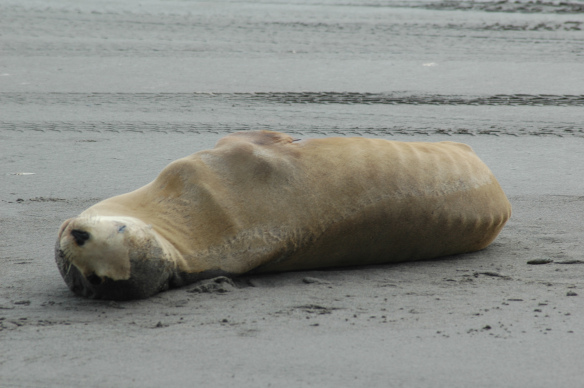
In Southern California hundreds of starving sea lion pups are washing up on beaches, filling marine mammal care centers that scarcely can hold them all.

Meanwhile thousands of adult male California sea lions are surging into the Pacific Northwest, crowding onto docks and jetties in coastal communities.

How can animals from the same population be struggling in one region while thriving in another? The answer lies in the division of family responsibilities between male and female sea lions, and the different ways each responds to an everchanging ocean, according to the National Oceanic and Atmospheric Administration’s Northwest Fisheries Science Center in Seattle.

“We’re seeing the population adjust to the environment as the environment changes,” said Sharon Melin, a sea lion biologist with the fisheries science center.

The environmental changes affecting the sea lions can be traced to unusually weak winds off the West Coast over the last year. Without cooling winds, scientists say, the Pacific Ocean warmed as much as 2 to 5 degrees Celsius (35.6 to 41 degrees Farenheit) above average. What started as a patchwork of warm water from Southern California to Alaska in 2014 has since grown into a vast expanse, affecting everything from plankton at the bottom of the food chain to sea lions near the top.

“The warming is about as strong as anything in the historical record,” said Nathan Mantua, who leads the Landscape Ecology Team at the Southwest Fisheries Science Center.

Struggle for food

The Channel Islands rookeries where nearly all California sea lions raise their young off Southern California sit in the middle of the warm expanse. Female sea lions have strong ties to the rookeries. They take foraging trips of a few days at a time before returning to the rookeries to nurse their pups.

But the unusually warm water has apparently shifted the distribution of their prey, making it harder for females to find enough food to support the nutritional needs of their pups. Their hungry pups, it now appears, are struggling to gain weight and have begun striking out from the rookeries on their own. Many do not make it and instead wash up on shore dead or emaciated.

Since the early 1970s the California sea lion population underwent unprecedented growth. The species is protected by the 1972 Marine Mammal Protection Act and is estimated to number about 300,000 along the U.S. West Coast. But the growth has slowed in recent years as ocean conditions have turned especially unfavorable for juvenile survival. That could lead to population declines in coming years, biologists say.

“We are working on data to look at whether the population might be approaching its resource limits,” Melin told reporters in a recent conference call.

Sea lions serve as an indicator of ocean conditions because they are visible and are sensitive to small environmental and ecological changes, Melin said. The warm temperatures may well be affecting other species in less obvious ways.

“There are probably other things going on in the ecosystem we may not be seeing,” she said.

Bachelors

Unlike female sea lions, males have no lasting obligations to females or young. After mating at the rookeries in midsummer, they leave the rookeries and roam as far as Oregon, Washington and Alaska in search of food.

“They’re bachelors,” said Mark Lowry of the Southwest Fisheries Science Center in La Jolla, California. “They just go wherever they can to find something to eat.”

Male sea lions search out prey with high energy content, especially oily fish such as herring and sardines, said Robert DeLong, who leads a program to study the California Current Ecosystem at the Alaska Fisheries Science Center. Increasing numbers have found their way to the mouth of the Columbia River to feed on increasingly strong runs of eulachon, also called smelt, and have taken up residence on docks and jetties near Astoria.

“More sea lions learned last year and even more will learn this year that this is a good place to find food,” DeLong said of the Columbia River. “They’ve learned these fish are there now and they won’t forget that.”

DeLong and Steve Jeffries, a research biologist with the Washington Department of Fish and Wildlife, attached satellite-linked tracking tags to 15 sea lions feeding on salmon near Bremerton (Wash.) in November and December. Four of those sea lions are now at the mouth of the Columbia, Jeffries said.

Counts around Astoria rose from a few hundred in January to nearly 2,000 in February, exceeding numbers in previous years at the same time. The count includes some animals from the eastern stock of Steller sea lions, removed from the List of Endangered and Threatened Wildlife in 2013. The California sea lions also feed on spring chinook salmon and steelhead. Some of the chinook and steelhead stocks are listed under the Endangered Species Act and NOAA Fisheries is working with state officials to address sea lion predation.

By the beginning of May, the male sea lions depart for the summer breeding season at the rookeries in Southern California.

“It’s like flipping a switch,” DeLong said. “Suddenly it’s time to go.”

Warm conditions may continue

The warm expanse of ocean extends to depths of 60 to 100 meters, Mantua said, and will likely take months to dissipate even if normal winds resume. Biologists expect poor feeding conditions for California sea lions will likely continue near their rookeries while warm ocean conditions persist. A more typical spring and summer with strong and persistent winds from the north would cool the water and likely improve foraging conditions along the West Coast.

The tropical El Niño just declared by NOAA is one wild card that may affect West Coast ocean conditions over the next year. If the El Niño continues or intensifies through 2015, it would favor winds and ocean currents that support another year of warm conditions along the West Coast.

More info.:

For more information on sea lion strandings, visit http://tinyurl.com/nxqhwkw. For information on field research in the sea lion rookeries, visit http://tinyurl.com/no7heje. For information on det

Why Not Become a Sea Lion Advocate?

According to an MSN news article entitled, Golden Gate Bridge jumper says sea lion saved him, “A man who jumped off San Francisco’s Golden Gate Bridge to try to take his own life and was kept afloat by a sea lion said Wednesday suicide prevention was now his life’s work.”

Witnesses who saw the incident said a sea lion kept him afloat until the Coast Guard sent a rescue boat. Kevin Hines told MSN news, “I really thought it was a shark and I thought it was going to take off a leg and I was panicking. And then it just didn’t, it just kept circling beneath me. I remember floating atop the water and this thing just bumping me, bumping me up.”

One of the witnesses told Hines, “I was less than two feet away from you when you jumped. It haunted me until this day; it was no shark, it was a sea lion and people above looking down believed it to be keeping you afloat until the Coast Guard brought a ride behind you.”

Hines stated, “[Witnesses] saw me laying atop the water and being bumped.” He added, “This thing beneath me didn’t stop or didn’t go away until I heard the boat behind me.”

After all our species has done and continues to do to sea lions—hunted them by the thousands for their fur and oil while feeding their flesh to dogs or captive minks; vilifying and putting a bounty on their heads forDSC_0129 competing with commercial fishermen; and forcing them to perform as trained “seals” in the circus, etc.—it’s incredible that one of these “lesser” mammals would go out of his or her way to save a human.

If not for the sea lion keeping him afloat, Hines would very likely have gone under and drowned before the rescue boat arrived.  While it’s noble that he is now devoting his life to suicide prevention, if he really wants to be altruistic, why not advocate for the one who went out of their way to prevent his suicide. It seems to me that if anyone has a good reason to become a marine mammal advocate, he does—he owes them his life.

While the human population grows by 350,000 per day, Steller sea lions, dsc_0224whose total pre-persecution numbers were never more than 300,000, have been driven below 100,000 and are still in decline. In Alaska, the Western segment of Stellars is down to a mere 18% of their historic numbers. Meanwhile, starved California sea lion pups are washing up dead on the beaches.

Sea lions are still being scapegoated, branded and shot, all for eating fish—the only food they have.

Text and Wildlife Photography ©Jim Robertson

Text and Wildlife Photography ©Jim Robertson

Unusually High Number of Sea Lions Stranded in Calif.

http://www.accuweather.com/en/features/trend/unusually_high_number_of_sea_l/41362576

<!–

–>

January 31, 2015; 8:00 AM ET

A record number of starved sea lion pups are washing ashore along the California coast.

Wildlife Photography ©Jim Robertson. All Rights Reserved

Wildlife Photography ©Jim Robertson. All Rights Reserved

Officials said on average 250 stranded pups need rescuing between January and April. Since Jan. 1, marine mammal rescue centers have taken in 150 animals.

Scientists believe warmer waters caused by El Niño might shift the sea lions’ food supply and force pups to leave their malnourished mothers sooner than usual.

The high numbers of stranded sea lions have forced rescue centers to prepare for a high number of incoming animals.

“All of the [rescue and rehabilitation] facilities are preparing for the worst and hoping for the best,” said Justin Viezbicke with the National Marine Fisheries Service and coordinator of the California Stranding Network. “They’re getting staffing ready, looking at transferring animals if facilities are full, sharing staffing and resources, and getting everybody ready to respond.”

Rescuers said many of the pups arrive weighing just more than their birth weight of 18 to 22 pounds. Many have parasites, respiratory infections, digestive issues or a strain of pox, said Todd Schmitt, SeaWorld’s senior veterinarian (Deborah Sullivan Brennan, San Diego Union-Tribune, Jan. 27).

Reprinted from ClimateWire

NOAA removes the eastern Steller sea lion from the Endangered Species Act list, Oct. 2012

[This situation mirrors the removal of wolves from the ESA list. The attitude is, “It’s all here for humans, all other predators need not apply. Go away and find your own resources.”]…

http://alaskafisheries.noaa.gov/newsreleases/2013/easternssl102313.htm

NOAA removes the eastern Steller sea lion from the Endangered Species Act list

After public input and careful scientific review, NOAA Fisheries has found that the

Wildlife Photography ©Jim Robertson. All Rights Reserved

Wildlife Photography ©Jim Robertson. All Rights Reserved

eastern distinct population segment of Steller sea lions has recovered and can be removed from the list of threatened species under the Endangered Species Act. This is the first species NOAA has delisted due to recovery since the eastern North Pacific gray whale was taken off the list of threatened and endangered species in 1994.

“We’re delighted to see the recovery of the eastern population of Steller sea lions,” said Jim Balsiger, Administrator of NOAA Fisheries’ Alaska Region. “We’ll be working with the states and other partners to monitor this population to ensure its continued health.”

NOAA has concluded delisting is warranted because the species has met the recovery criteria outlined in its 2008 recovery plan and no longer meets the definition of a threatened or endangered species under the act. A threatened species is one that is likely to become endangered within the foreseeable future throughout all or a significant portion of its range. An endangered species is one that is in danger of extinction throughout all or a significant portion of its range.

The best available scientific information indicates the eastern Steller sea lion has increased from an estimated 18,040 animals in 1979 to an estimated 70,174 in 2010, the most recent year for which data are available. Eastern Steller sea lions will continue to be protected under provisions of the Marine Mammal Protection Act.

Steller sea lions were first listed as a threatened species under the ESA in 1990. In 1997, NOAA scientists recognized two distinct population segments of Steller sea lions: a western and an eastern segment. The eastern segment includes Steller sea lions from Cape Suckling, Alaska, south to California’s Channel Islands. The western population segment remains classified as endangered. NOAA is not proposing any changes to the status of the western Steller sea lion.

On June 29, 2010, NOAA Fisheries provided notice that it was initiating a status review of the eastern Steller sea lion and requested public comment. During the comment period, NOAA Fisheries received two petitions to delist the eastern Steller sea lion: one from the states of Washington and Oregon; and one from the State of Alaska.

On April 18, 2012, NOAA released a draft status review, which underwent independent peer review and proposed to remove eastern sea lions from the list of endangered and threatened wildlife. NOAA requested, received, and considered 1,144 public comments during the 60-day comment period.

With the delisting, federal agencies proposing actions that may affect the eastern Steller sea lions are no longer required to consult with NOAA Fisheries under section 7 of the ESA. However, NOAA Fisheries will continue to monitor the effects of proposed projects on the eastern population to ensure existing measures under the MMPA provide protection necessary to maintain recovered status.

NOAA Fisheries is proceeding carefully to ensure the eastern population segment remains strong. Working with affected states and other partners, NOAA has developed a post-delisting monitoring plan for this population. As a precautionary measure, the plan will be in effect for 10 years–twice the five year time requirement under the ESA. If implemented as intended, this plan takes the important steps necessary to maintain the recovered status of the eastern Steller sea lion.

The delisting of the eastern Steller sea lion will take effect 30 days after publication of the final rule in the Federal Register.

NOAA’s mission is to understand and predict changes in the Earth’s environment, from the depths of the ocean to the surface of the sun, and to conserve and manage our coastal and marine resources. Join us on Facebook, Twitter and our other social media channels at http://www.noaa.gov/socialmedia.

To learn more about NOAA Fisheries in Alaska, visit alaskafisheries.noaa.gov or www.afsc.noaa.gov.