A Blood Trail in the Snow

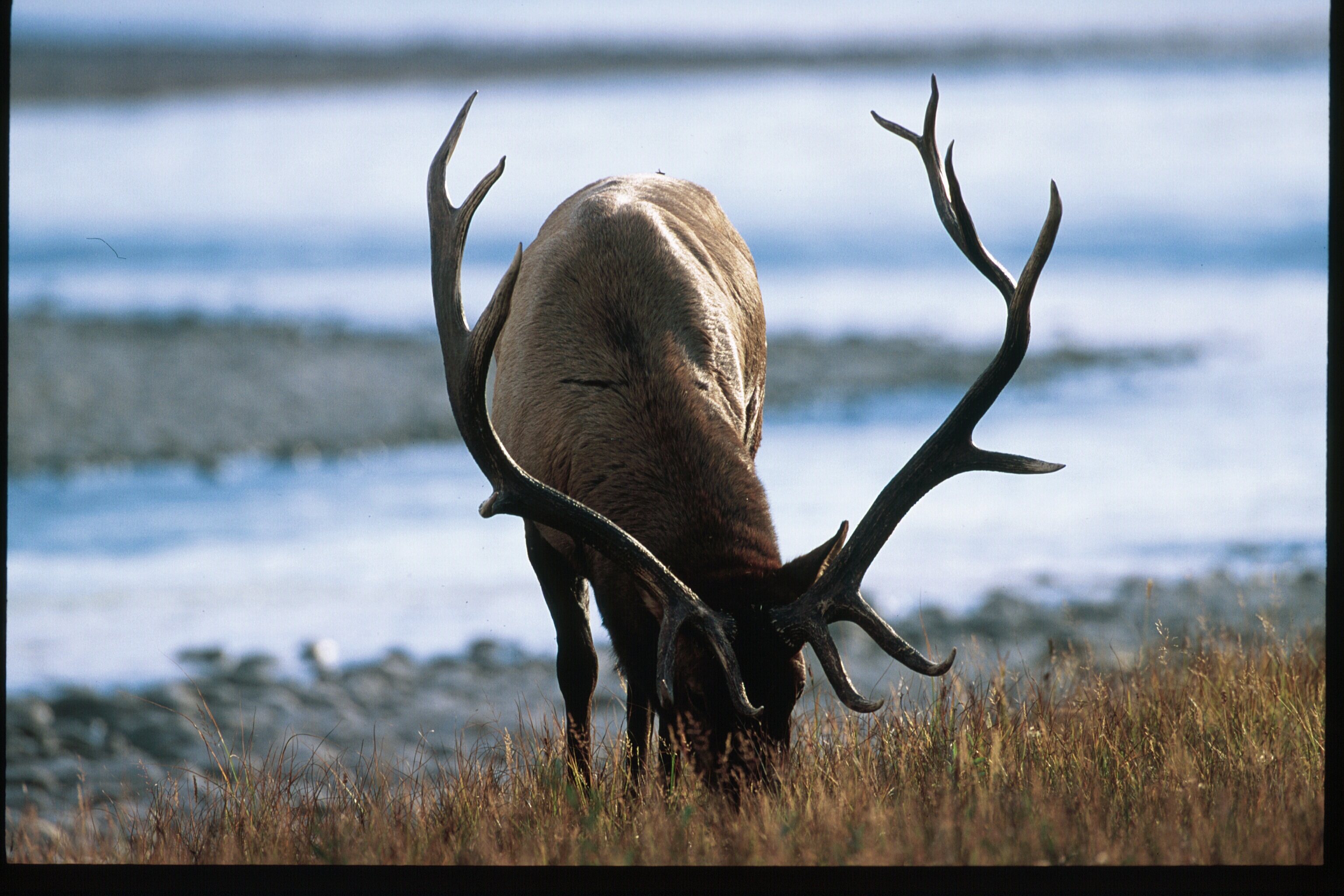
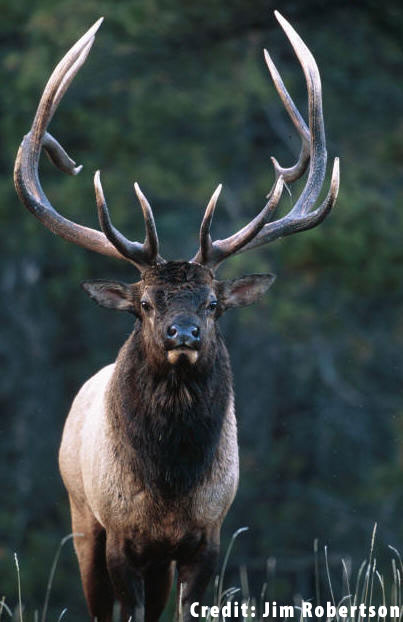
Walking the road along my property I discovered that my friend had been shot. Following the blood trail back to its origin, it was clear he was shot by my neighbor. The tracks and drops of blood—bright red against the stark white snow—led onto my land where at least he could die in peace.

I don’t usually say this about people, but I really loved this gentle soul; consequently, I hate whoever shot him.
I wish I could have warned him to always steer clear of that neighbor, whose thirst for blood is a well-known trademark among some of the other locals.

You’d think I would have called an ambulance for a wounded friend and a sheriff to put away the psychopathic neighbor. But medics and sheriff’s departments in this country don’t cotton to my friend’s kind.

The thing is, he’s an elk; and according to the law (enacted by humans exclusively for humans), shooting a non-human—especially a “game” animal—is considered “harvesting” or “sport,” rather than what it undeniably is: murder.

Text and Wildlife Photography ©Jim Robertson, 2013. All Rights Reserved

Text and Wildlife Photography ©Jim Robertson, 2013. All Rights Reserved


Time to Reinvent the Species Again

by Jim Robertson

Love ‘em or hate ‘em, there’s one thing about Homo sapiens that can’t be denied: the species has come a long way from its primate origins—but that’s not necessarily a good thing. From a peaceful plant-eating past, hominids have clawed their way to the top of the food chain, and now the planet’s atmosphere, climate and web of life are all suffering for it.

We’ve evolved so far from the common ancestor we share with chimpanzees and gorillas, that now they’re just a curiosity—side show freaks—to be gawked at between bars or in tiny “habitats” at the neighborhood zoo.

They’re just animals, why should we respect them as our kin? Did they rise from their simple roots, eating from the bottom of the food chain, to become the most successful big-game hunter of all time? Do they carry out wars on a global scale that threaten the very existence of life on Earth? Have they changed the climate for the worse and caused the current extinction spasm? No, only humankind can claim all those achievements.

HumanWeapons_170And we owe it all to eating meat. The transformation from peaceful plant eater to weapon-wielding predator may have made us top dog, but, as they say, it’s lonely at the top. Not only is meat-eating hard on human health, but the carnivorous ways of such a rapidly growing population of conscious-less killers are taking the planet down with them.

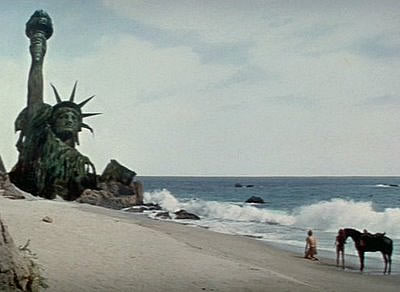
We re-invented ourselves once as a species when we climbed down out of the trees and set out across the savannas, spear in hand, in search of “game.” Now it’s time to re-invent ourselves again, for the good of all. It’s not written in stone that humans have to destroy the Earth and all its inhabitants. Reinvention is aspota1 simple laying down our weapons and returning to a more sustainable place lower on the food chain. Trading in our collective ego trip and symbolically returning to the trees may go against human nature, but it’s preferable to self-imposed extinction.


Wildlife activists outraged at TIME’s cover story this month Special

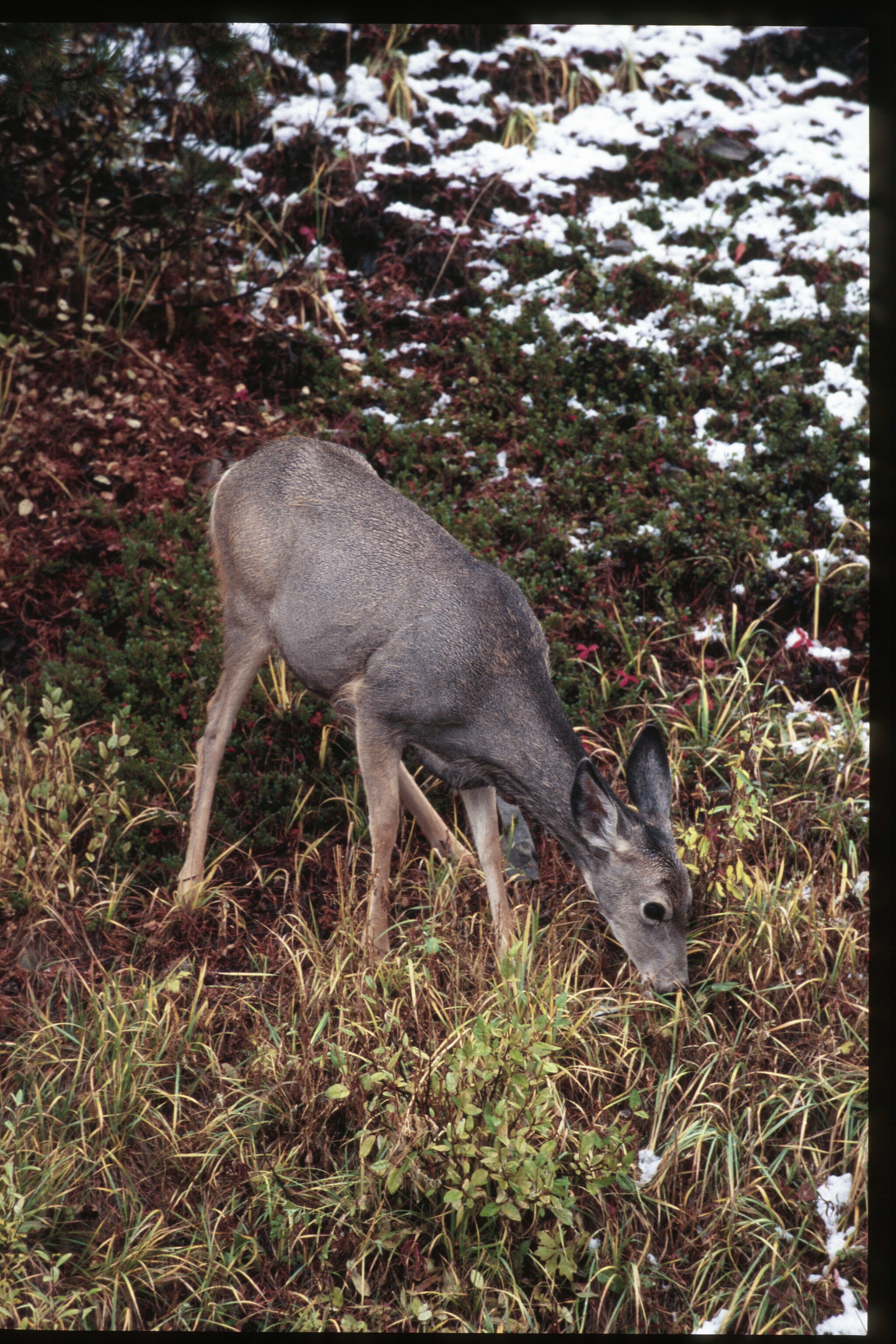
The cover of this month’s issue of TIME depicts a young female deer below the headline “America’s Pest Problem.” The wildlife activist community is in an uproar over the article many see as factually inaccurate and something more fit for an op-ed

The article does appear to be advancing an agenda, as the last line in the lead paragraph on the TIME website reads “Why wildlife in the U.S. needs stronger management.”  The article’s full title is “America’s Pest Problem: It’s time to cull the herd.”  Whether intentional or not, David Von Drehle’s article has sparked controversy.

Almost immediately, activists took to the internet expressing their outrage. The article’s dateline is Dec 9, 2013, but is available online now. A Facebook event page is already set up to encourage people to write physical letters to TIME. The event page has this in its description

Time Magazine is coming out with an article to the general public, supporting the slaughter of wildlife on a grand scale. This article is extremely dangerous and inaccurate. This article supports outright slaughter of our wildlife in all parts of the country stating that we are all being overrun with animals and that “experts” say it is necessary. Time Magazine has a responsibility to the public to be accurate and unbiased, and not promote an anti-environment extremist point of view.

Protecting Endangered Species, the Facebook page hosting the letter writing event had this to say in a statement

It is disturbing that Time Magazine has used it’s reputation as a legitimate news source to promote a very extreme and controversial opinion as fact. The consequences of promoting this type of intolerance of our wildlife are severe and promotes violence and cruelty towards our animals. Wildlife belongs to all of us as a nation, not to the special interests of oil, the livestock industry, and recreational hunters. The opinion expressed by Time is that of these special interest businesses and is in direct opposition to wildlife experts and the overwhelming number of voters in the states of concern. This is an opinion which could be freely expressed in an op-ed section, but to present it as fact, as a cover story, is highly unprofessional and exerts the power of Time magazine in an inappropriate manner.

The use of hunting today beyond the purpose of sustenance is a very important contributor to the destruction of our environment. The use of hunters to control populations or “manage” them IS THE PROBLEM. At the turn of the century the wolves and other predators were nearly exterminated out of fear and lack of knowledge of biology, contributing to over and under populations of other animals. We know more about biology than we did in 1900 and this needs to stop. No form of hunting is superior to Nature, and the motivations of special interests are based on human desires of consumption, they are not based on the best interest of the animals or the environment. Misinformation needs to be corrected before we destroy what we do have left. We have nonviolent and nonlethal means to correct problems and we need to use them.

One of the activists participating in the event, Mar Wargo, expressed her opinion as well

Americans seem to be learning and expressing a new ethic today. It seems to me it is not a well educated ethic and lacks moral grounds. In the 40 years of the Endangered Species Act, Wild Free Roaming Horse and Burro Act we have come full circle and now have this tremendous backlash towards the wild animals and wild lands. I believe much of this is corporate interests and this now encompasses hunters who had not been the enemy at one time. They had been the conservationists once. No longer. Killing is too popular and this is all weighed down in ignorance and greed. We have good laws that allowed us to participate in the process and stop actions against wild lands and wildlife. This is Not user friendly any longer, we have lost much of our own traction as a result. We need to regain sanity and science in this country. We need to respect this Earth which is now damaged beyond repair if we intend to survive. Killing the Earth is not the way to survival.

Photo Copyright Jim Robertson

Photo Copyright Jim Robertson


Did Your Tax Dollars Pay to Hunt Down That Cow?

15242-333e1363ed3eb6b53508d726e22a5fecb3cbcb4a168d4cea6cce61d8_w_240_px     

Hawaii Monitor: Did Your Tax Dollars Pay to Hunt Down That Cow?

By  Ian Lind                 12/04/2013

State investigators are probing whether the History channel’s “American Jungle” violated state rules and regulations while filming. For example,  the episodes broadcast so far have included scenes of night hunting, which is prohibited by state law, and hunting down a cow with spears and dogs, although cattle “are illegal to hunt without a special feral cattle control permit” issued by the state.

Full Story: http://www.civilbeat.com/posts/2013/12/04/20566-hawaii-monitor-did-your-tax-dollars-pay-to-hunt-down-that-cow/

It’s All the Same To the Victim

Lately we’ve been hearing from a lot of holier-than-thou types quick to make a distinction between sport and subsistence hunters. Truth is, there’s not all that much difference between the two. Sport hunters and pseudo-subsistence hunters are often such close kin they’re practically kissin’ cousins. I know a lot of hunters, but I’ve never met one who didn’t boast about “using the meat.” By the same token, I’ve never met anyone who openly admitted to being just a sport hunter.

There are a lot of needy poor folk out there these day, including myself, but I don’t know anyone who really needs to kill animals to survive. Like sport hunters, subsistence hunters do what they do because they want to, they enjoy the “lifestyle.” If one thing differentiates the two, it’s that meat hunters have an even stronger sense of entitlement.

But, everyone has a right to feed themselves and their family, don’t they? Well, does everyone—all 7 billion humans and counting—have the right to subsist off the backs of other animals when there are more humane and sustainable ways to feed ourselves? How many self-proclaimed “subsistence” hunters are willing to give up all their modern conveniences—their warm house, their car, their cable TV or their ever-present and attendant “reality” film crew—and live completely off the land like a Neanderthal? Not many I’m sure—at least not indefinitely.

It’s unclear what makes some folks believe they have the right to exploit wildlife as an easy source of protein, but animal flesh is by no means the safest or healthiest way for humans to get it. While a steady diet of decaying meat slowly rots your system, millions of vibrant people have found a satisfying and healthy way to eat that doesn’t involve preying on others.

Text and Wildlife Photography ©Jim Robertson, 2013. All Rights Reserved

Text and Wildlife Photography ©Jim Robertson, 2013. All Rights Reserved

Colorado to consider ban on hunting with drones

[I’m curious, would drone hunting fall under the heading of “ethical hunting” or “sport” hunting?]

By Ryan Budnick
7News 11/13/2013

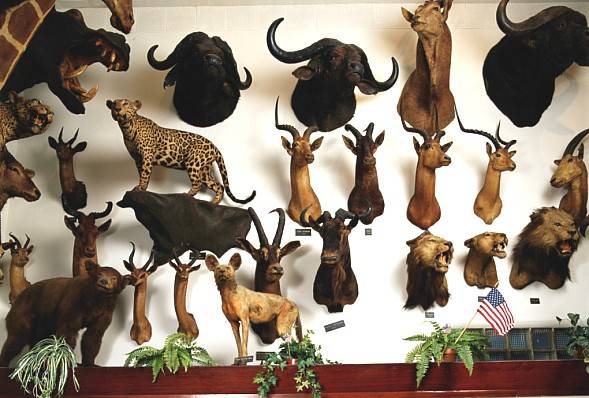
Colorado seeks to reinforce a federal law that bans small drone aircraft for huntingHuntingTrophiesJamieKripke600

LAMAR — Colorado is looking to prevent the unmanned aircraft from being used for hunting.

The Colorado Parks and Wildlife Commission is set to begin discussion on making it illegal to use drones to help hunters spot potential game. The topic is one of many the commission will take up during two days of meetings in Lamar starting Thursday.

“There is a ton of technology available to people that would make it very, very easy for people to hunt,” Colorado Parks and Wildlife spokesman Randy Hampton said. “We try to hold the line to make sure that hunting is done in an ethical manner.”

Read more: Colorado to consider ban on hunting with drones – The Denver Post http://www.denverpost.com/news/ci_24510883/state-drones-shouldnt-aid-wildlife-hunts#ixzz2kYsZjPYI
Read The Denver Post’s Terms of Use of its content: http://www.denverpost.com/termsofuse
Follow us: @Denverpost on Twitter | Denverpost on Facebook

Outdoors group gives disabled a chance to go hunting in Madison County

http://onlineathens.com/around-here/2013-11-01/outdoors-group-gives-disabled-chance-go-hunting-madison-county

[Nothing against persons of disability, of course, but how natural or sustainable is it to help each and every member of a grossly overpopulated species effectively predate on any other species they wish to kill?]

By Wayne Ford Friday, November 1, 2013

At least 75 disabled people will join the second annual Northeastelk-000-home17300 Georgia Ultimate Adventure Deer Hunt next weekend in Madison County.

The hunt is sponsored by Outdoors Without Limits with support from Comer Mayor Jody Blackmon, Georgia Secretary of State Brian Kemp and local landowners. The base camp for the two-day event will be at the Comer Fairgrounds.

“We’re totally inclusive. Anybody with any type disability — it doesn’t matter — they can participate,” said Kirk Thomas, executive director of Outdoors Without Limits. “We have no age limit.”

The hunters will gather Friday morning for registration, orientations, an afternoon hunt, and evening meal. The next day begins at 5 a.m. with breakfast followed by hunting teams again heading into the woods.

“Everyone on the hunt will have a guide with them,” said Thomas, who lives in the Winterville area. The two-day hunt benefits more than those who are challenged by disabilities.

“We’re asking the hunter and fishermen who love the outdoors to give a day and half of their time to make it happen for someone who otherwise would not have an opportunity,” he said. “It’s life changing and life saving.”

Thomas, who was paralyzed while hunting in November 1992 in Snow Hill, Ala., founded the nonprofit organization in 2008.

“This is the greatest blessing of my life to see these people have this opportunity,” he said. “I feel like the Lord has used me in what I have done.”

Thomas, who grew up in Meridan, Miss., said he was hunting when a tree fell on him, shattering two vertebra. Thomas, who was 6-foot-5 and 320 pounds, ended up in a hospital where his weight dropped to 225 pounds.

Doctors said he’d be hospitalized for six months, but he was released in 52 days and went back to selling heavy construction equipment. He left Mississippi in 1988 and went to work in Alabama for the Boy Scouts of America.

“I’m an Eagle Scout and both of my brothers are Eagle Scouts. The only thing Daddy wanted us to do was make Eagle. So we all made Eagle to honor him,” Thomas said.

Thomas and his family later moved to South Carolina where he worked for the Wild Turkey Federation for seven years before moving to the Athens area, where he directs Outdoors Without Limits, dedicated to creating opportunities for disabled people in outdoor related activities.

“The only way I know how to run this organization is like a big ol’ happy family and that’s everybody helping everybody,” he said.

More Women Give Hunting a Shot

[Says Tiffany Lakosky, co-host of the Outdoor Channel hunting show Crush with Lee and Tiffany and a bowhunter: “We are all part of the food chain.” Oh really? How come human remains rarely make it back into the food chain? If any a human is ever preyed upon by a non-human animal, said animal is hunted down and killed, while the human remains are embalmed and buried 6 feet under.]

http://news.nationalgeographic.com/news/2013/11/131103-sarah-palin-lope-navo1women-hunters-local-meat-food-outdoor-sports/

For truly free-range meat, some say they prefer the woods to the grocery store.
.

Kristen A. Schmitt

for National Geographic

Published November 3, 2013

In recent years, American women are spending more time in tree stands and deer blinds—and putting fresh meat on the table. Although men still account for the majority of the 13.7 million U.S. hunters, the number of women actively hunting is on the rise.

The total number of women hunters surged by 25 percent between 2006 and 2011, after holding steady for a decade, according to Census Bureau statistics. At last count, 11 percent of all U.S. hunters were women, compared to 9 percent in 2006.

Many state departments of natural resources have begun hosting Becoming an Outdoors-Woman (BOW) workshops that offer instruction in skills such as archery, shotgun, and rifle shooting.

“There is definitely a high demand. We have over 3,000 women on our mailing list, and workshops fill up quickly,” says Patricia Handy, Information & Education Program Manager at the Department of Natural Resources in Maryland.

Retailers have taken notice, too. Companies like SHE Outdoor Apparel, Cabela’s, and Próis are outfitting women hunters with clothing and accessories created for the female body, and archery manufacturers like Mathews Inc. are designing lighter bows scaled for shorter arm spans.

“Across the board, women are more independent than they’ve ever been, and they realize they are capable of hunting,” says Brenda Valentine, national spokesperson for the National Wild Turkey Federation and the self-proclaimed “First Lady of Hunting.”

The Next Food Frontier?

Gender roles in America have changed in many ways through time, but women still dominate household food and nutrition decisions. The Bureau of Labor Statistics’ 2012 American Time Use survey found that nearly two-thirds of women are involved in daily household food preparation and cleanup, compared to 39 percent of men—and women spend triple the amount of time on such tasks in an average day.

Women are also leading a surge of support for sustainable food and agriculture initiatives like CSAs and farmers markets. One of the main ideas of such initiatives is eating locally, generally meaning foods produced within your state or about 100 miles of your home. This not only supports the local economy and environment, it also means the food often tastes better because it can be harvested and sold at its peak rather than spending days in transport.

But in many parts of the country, local meat can be difficult to find. Most of the available meat at U.S. grocery stores comes from one of the large-scale commercial farms, often called factory farms, concentrated in a few regions.

Hunting offers an alternative to the grocery store that lets women provide truly free-range and organic meat for their families while also helping create a more sustainable food system, says Lily Raff McCaulou, author of Call of the Mild: Learning to Hunt My Own Dinner.

“Hunting may be the next frontier for local food,” says McCaulou, who lives in Oregon. She regularly hunts deer and elk, and recently added grouse and duck to her repertoire.

“I was pretty detached from what I ate before I started hunting. Since I’ve started hunting, I’ve changed my relationship with the meat that I eat, and I eat a lot less meat than I did before. Hunting’s a way to reclaim some closeness to the food chain.”

It can make chefs more thoughtful, too, says Georgia Pellegrini, author of the book Girl Hunter.

“Hunting made me realize that there’s a lot that has to happen before that piece of meat gets to your plate,” says Pellegrini. “As a chef, I wanted to participate in that process because it makes the experience more meaningful. You think about the ingredients differently, you think about the experience of eating it differently, and you have more control over how the animal was treated.”

Making Connections

Many hunters—both men and women—say their hobby is not just about food. It also creates a sense of intimacy and respect for both the animals and their habitats.

Writer Tovar Cerulli was a longtime vegetarian when he took up hunting, deciding that eating “the ultimate free-range meat” was an ethical and sustainable choice.

“Hunting also allowed me to gain a deeper understanding of the place I lived,” says Cerulli, author of the book A Mindful Carnivore. He argues that in a regulated, well-managed system, “there is nothing inherently ecologically damaging about hunting.” It can actually benefit the animals by preventing overpopulation, which can lead to starvation during winter months.

Hunters are also quick to note that funds from purchases of licenses, equipment, and ammunition go to support conservation efforts for a variety of species. According to the U.S. Fish and Wildlife Service, every year nearly $200 million is distributed from the federal taxes associated with hunting to support wildlife management programs, the purchase of lands for habitat conservation, and hunter education and safety classes.

There’s another factor, too: fun. Hunting is a way for women to be outdoors and enjoy nature while spending time with husbands and children who hunt.

“Women are realizing how much fun hunting is and how close it can actually bring them in their relationships with their families,” says Tiffany Lakosky, co-host of the Outdoor Channel hunting show Crush with Lee and Tiffany and a top bowhunter. “The whole concept is that I am shooting my family’s dinner tonight and we’re eating something I shot. I would say probably 90 percent of the meat we eat, we hunted.”

While shooting the family dinner isn’t a realistic option for everyone, especially in urban areas, Lakosky says she hopes even non-hunters will start giving more thought to where their food comes from.

“We are all part of the food chain. There is a balance in nature,” she says. “People go to the supermarket and they think that somebody’s growing a TV dinner somewhere to feed them. They are just not connected to it like people were 100 years ago.”

Follow Kristen Schmitt on Twitter.

Hunters in trouble: Ten ways Minn. hunters run afoul of the law

  • Article by:                                                                                                                                                                                                                                                                                                                                                                                                                                                                                                                                      DOUG SMITH                    , Star Tribune
  • Updated: October 30, 2013 – 8:12 AM

 http://www.startribune.com/sports/outdoors/229794201.html?page=all&prepage=1&c=y#continue

It’s a Top 10 list that’s not funny.

In fact, the 10 most frequent Minnesota hunting violations produce frustration among law enforcement officials and law-abiding hunters because, despite hunter education, fines and even loss of hunting privileges or hunting gear, the violations continue.

“Most people support and comply with the laws,’’ said Ken Soring, Department of Natural Resources enforcement chief. “You can have some of the best days of your life out hunting and fishing with friends and family.

“We ask people to do it right. Those who choose not to, we’re there to hold them accountable.’’

The penalties range from $50 to $300, plus court costs, for misdemeanors, and up to a year in jail and a fine of up to $3,000 for gross misdemeanors.

Here’s the list, and the number of citations or warnings issued in 2012:

No. 1: Trespass » 337 violations

An archery hunter near St. Cloud who recently trespassed on posted private property to recover a  buck he wounded now faces possible gross misdemeanor charges, which could lead to a fine and revocation of his hunting privileges for three years in Minnesota and 37 other states.

“The hunter had been told to stay off the property in the past and admitted to seeing the No Trespassing signs as well,’’ conservation officer Mike Martin said. Because the hunter transported the illegally taken big game, he could have had his vehicle and bow seized, Martin said.

Trespassing  is a frequent complaint for most conservation officers. But the 337 violations tallied last year are the tip of the iceberg.

“Those are just the citations and warnings,’’ Soring said. Officers get lots of phone calls from people asking how to keep trespassers off their land, and from hunters asking how to get access to private land.

These days, with remote trail cameras, cellphones and more people in the woods, it’s riskier than ever to trespass, Soring said. The DNR has used trail camera photos to prosecute trespassers.

No. 2: License, registration or permits not in possession » 245

“When you’re in the field hunting, you need to carry your license with you,’’ Soring said. Conservation officers might give you a break if you left it in your nearby vehicle. “We write a lot of warnings,’’ Soring said.

No. 3: No valid license, registration or permit » 239

In these cases, hunters usually haven’t even bought a license or permit, a flagrant violation resulting in a citation and fine. With licenses now available online and even by phone, conservation officers rarely have sympathy for a hunter without a valid license.

No. 4: Hunting over bait » 225

Despite a law requiring Minnesota hunters convicted of baiting deer to lose their hunting privileges for a year, and possibly their gun or archery equipment, too, baiting violations continue. Last year, officers issued about 166 violations and seized 135 firearms or bows. “I don’t understand how you would relax and enjoy the hunt,” Soring said, knowing you’re hunting over bait and might get caught.

No. 5: Transporting loaded or uncased firearms in a motor vehicle » 222

Because the Legislature greatly relaxed restrictions on transporting uncased firearms, most of these violations are for carrying loaded guns in a vehicle. “The majority of time it’s people trying to cut corners,’’ Soring said. “Some are honest mistakes that could become deadly mistakes.’’ Some violators are poachers.

No. 6: Unplugged shotgun »161

Waterfowl hunters’ shotguns must have plugs in the magazine so their guns hold no more than three shells. The law has been around forever, yet every year many hunters are cited. An easy solution: Put your plug in and leave it in, even when hunting ruffed grouse or pheasants. It’s rare that you’ll ever need more than three shots anyway, Soring said.

No. 7: No blaze orange » 139

The blaze orange requirements for small and big game hunters also has been around for years, too, yet 139 violations were issued last year. “Wearing blaze orange has been shown to greatly increase safety,’’ Soring said.

No. 8: Taking game in a closed season » 126

Taking big game out of season is a gross misdemeanor, punishable by up to a year in jail and $3,000 fine. Hunting small game out of season is a misdemeanor. Some cited last year were waterfowl hunters who didn’t realize shooting ended at 4 p.m. at the beginning of the season. And split waterfowl seasons, which began in 2011, have ensnared some hunters. Another reason to study that DNR regulation book.

No. 9: Untagged deer, fur, traps or nets » 124

Some of these are flagrant violations, people filling deer tags for party members not even in the field, Soring said.

No. 10: No federal waterfowl stamps » 122

A federal “duck stamp’’ has been needed to hunt waterfowl since 1934, yet each fall hunters are cited for not having one. Maybe they’re trying to save the stamp’s $15 cost, but a citation is far more expensive. Federal officials have made buying them easier: Hunters can get them at any post office or sporting goods stores or online.