Sign-on Letter – To Kill A Mourning Dove

From Barry Kent MacKay,  Born Free USA’s Canadian Representative  http://www.bornfreeusa.org/

Please circulate widely

Below is a sign-on letter to encourage individuals to send comments opposing the recreational hunting of Mourning Dives and Barrow’s Golden-eye – listed ‘at risk’.

Even if you are skeptical as to whether the letter will make any difference in reversing a ‘political’ decision, please sign-on. If enough of us send the letter, it will likely guarantee that these sorts of political decisions regarding wildlife will not be made easily in the future.

Please free feel to change the letter as necessary.

Detailed background information is below.

To: Stephen Harper; Prime Minister

<mailto:pm@pm.gc.ca> pm@pm.gc.ca

CC. Jack Hughes, Canadian Wildlife Service : <mailto:jack.hughes@ec.gc.ca> jack.hughes@ec.gc.ca

Environment critics: Megan Leslie (NDP) megan.leslie@parl.gc.ca and Micheal Harris (PC) michael.harris@pc.ola.org

Kathleen Wynne Ontario Premier premier@ontario.ca

Dear Prime Minister,

I wish to express my strong opposition to the decision by the Conservative government to allow Mourning Doves and Barrow’s Goldeneye – a species at risk – to be hunted in Ontario. It has been reported that this decision was made very quietly, so as to restrict public input.

Hunters form a very small minority of Canadians, yet the wildlife they are permitted to kill are part of our shared natural heritage. Therefore it is shameful to deny the majority of us

a chance to respond before the final decision was made. We are the people who enjoy the environment in a peaceful and non-destructive way, and wish to continue doing so.

Mourning doves are part of our everyday environment and a symbol of peace, and do not appear to be a migratory species in southern Ontario. Are other small, sociable birds
to be the next target?

This appears to be a purely political decision aimed at throwing a “bone” to the sport hunting lobby as you shop for voters.

Most Canadians are not hunters and do not want to see sport hunting promoted to our youth.

The recreational killing of wildlife in no way reflects my/our history, traditions or future.
This is not subsistence hunting, which I can respect, or an economic driver and never was.

In any case, these small birds provide at best a minor source of food delicacies, but are primarily useful for target shooting – a total waste of life.

I am asking that you act quickly to prohibit entirely the killing of Barrow’s Goldeneye in all jurisdictions, and also cancel the Mourning Dove hunt in Ontario. I shall also request that the provincial government take appropriate action to bring this to a speedy end.

I look forward to your reply.

Name

Address

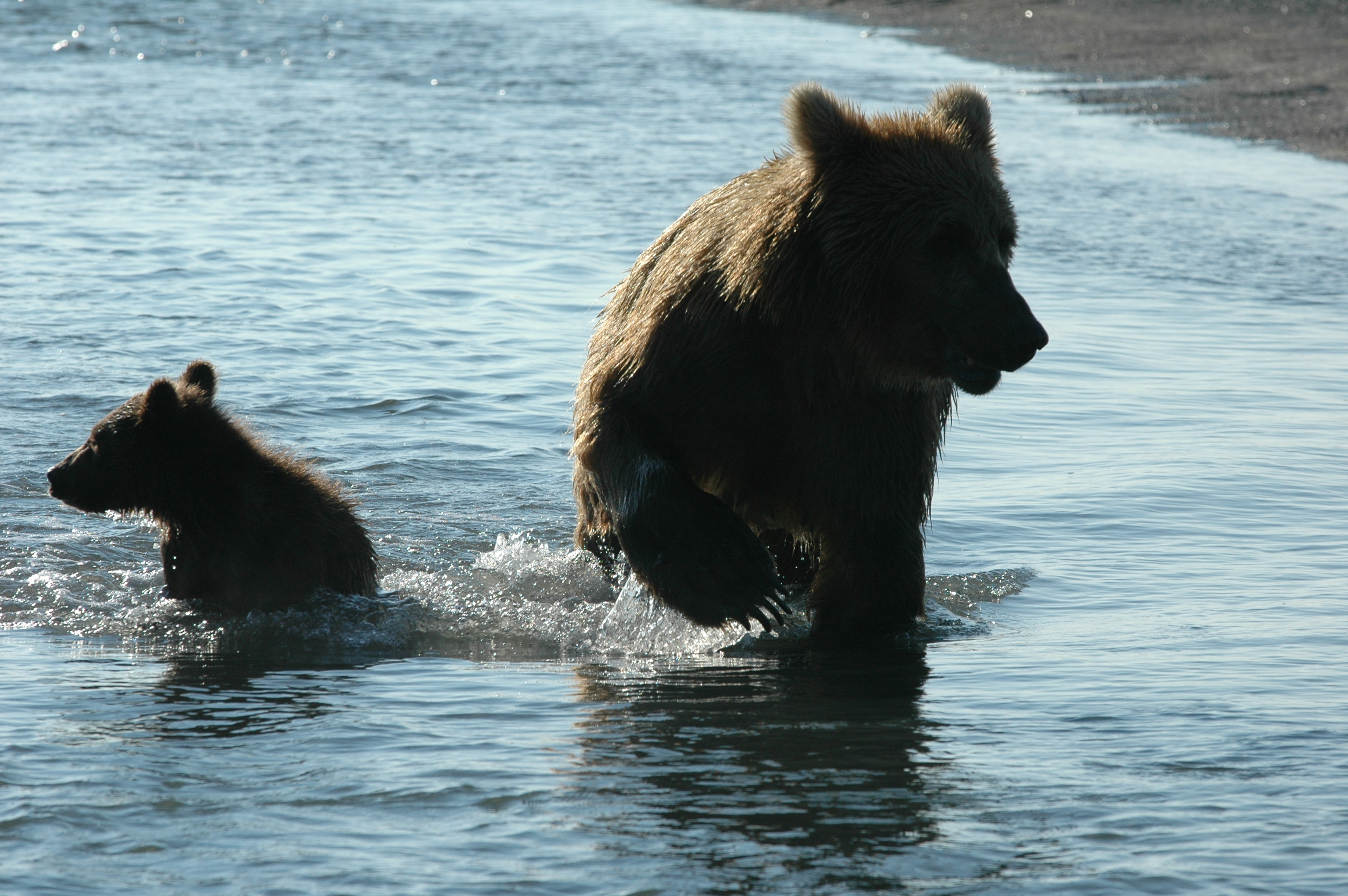
Band-tailed pigeon photo©Jim Robertson

Band-tailed pigeon photo©Jim Robertson

Bipartisan Congressional Sportsmen’s Caucus Leadership Introduces 2013 Sportsmen’s Package

Bad news, from: “Hunting LifeBowshot deer

by: Kevin Paulson date: September 26, 2013

Bipartisan Congressional Sportsmens Caucus Leadership Introduces 2013 Sportsmens PackageSeptember 26, 2013

(Washington, DC) – In a significant advancement for sportsmen and women across the country, the bipartisan House leadership of the Congressional Sportsmen’s Caucus (CSC) introduced the Sportsmen’s Heritage and Recreational Enhancement (SHARE) Act of 2013. This legislative package includes various pro-sportsmen’s bills that will help ensure our outdoor traditions are protected and advanced, and addresses some of the most current concerns of American hunters and recreational anglers and shooters. Considered to be one of the most important pieces of pro-sportsmen’s legislation in a decade, the passage of the SHARE Act would be a legislative milestone for the sportsmen’s community.
CSC Co-Chairs, Representatives Bob Latta and Bennie Thompson and Vice-Chairs, Representatives Rob Wittman and Tim Walz, introduced the SHARE Act as a bipartisan package of pro-sportsmen’s legislation in an effort to continue to safeguard and promote America’s hunting and fishing traditions.

“This bipartisan legislative package is an important advancement for the outdoor sporting community, and I look forward to working with my colleagues to move this legislation forward and to promote the values and traditions that sportsmen and sportswomen enjoy in the United States,” stated Co-Chair, Rep. Bob Latta.

Co-Chair, Rep. Bennie Thompson, praised the CSC leadership for their efforts in getting this legislation to the House floor. “Today, the Co-Chairs of the Congressional Sportsmen’s Caucus introduced meaningful legislation that promotes the interest of hunters and anglers. I look forward to working with my colleagues in a bipartisan fashion to advance this legislation.”

Jeff Crane, President of the Congressional Sportsmen’s Foundation (CSF), emphasized bipartisan cooperation in advancing the SHARE Act in the 113th Congress. “I thank the bipartisan leadership of the CSC for their efforts in introducing this vital legislation. In July, a sportsmen’s package was the topic of CSF’s breakfast briefing on Capitol Hill, where many sportsmen-legislators voiced their support.”

Some of these priorities that this legislation addresses includes: protecting the traditional use of lead ammunition and fishing tackle by American hunters and anglers, the potential increase of more Pittman-Robertson funds for shooting ranges, the permanent authorization of the electronic duck stamp, the importation of polar bear carcasses legally harvested in Canada before 2008, authorizing the Gulf States Marine Fisheries Commission to develop and implement a new fishery management plan that will ensure the long-term conservation of Gulf of Mexico red snapper, and helps facilitate the use of and access to Bureau of Land Management and U.S. Forest Service lands and waters for hunting, recreational fishing and shooting. It also prohibits the enforcement of individual firearm regulations at water resources development projects administered by the Corps of Engineers, and prohibits additional fees for commercial filming on federal lands and waterways.

This legislation will also permanently establish the Wildlife and Hunting Heritage Conservation Council Advisory Committee to advise the Secretaries of the Interior and Agriculture on wildlife and habitat conservation, hunting and recreational shooting.

Vice-Chair, Rep. Tim Walz, stated, “I’m proud to join my colleagues in introducing this bipartisan, historic legislation that will protect and advance our American outdoor heritage for generations to come.”

Vice-Chair, Rep. Rob Wittman also voiced his support for the SHARE Act. “As a sportsman, I am humbled to advocate for this community and help introduce this legislation to advance priorities of American anglers, hunters and conservationists. This common sense package will expand opportunities for recreation, support fair treatment and modernize programs for sportsmen, and includes a proposal I authored to allow migratory waterfowl hunters to purchase their annual Federal duck stamp online,” Rep. Wittman stated.

CSF will continue to keep you apprised as this legislation continues to move through Congress. For more information on CSF, click here.

Since 1989 the Congressional Sportsmen’s Foundation (CSF) has maintained a singleness of purpose that has guided the organization to become the most respected and trusted sportsmen’s organization in the political arena. CSF’s mission is to work with Congress, governors, and state legislatures to protect and advance hunting, recreational fishing and shooting and trapping. The unique and collective force of the CSC, the Governors Sportsmen’s Caucus (GSC) and the National Assembly of Sportsmen’s Caucuses (NASC), working closely with CSF, and with the support of major hunting, recreational fishing and shooting, and trapping organizations, serves as an unprecedented network of pro-sportsmen elected officials that advance the agenda of America’s hunters and anglers.

Secretary Jewell Should Look Up the Word “Refuge”

On September 26th 2013, just in time for “National Hunting and Fishing Day,” Sally Jewell, our new (and allegedly improved) Secretary of the Interior announced a U.S. Fish and Wildlife Service proposal to expand hunting opportunities throughout the National Wildlife Refuge System. The plan would open up hunting on six refuges currently free from armed ambush and expand existing hunting and fishing on another 20 “refuges.” The new rule would also modify existing regulations for over 75 additional refuges and wetland “management” districts.

The proposal is yet another nod to the “hunter’s rights” movement that has been sweeping the nation.

But what about the wildlife’s right to a true refuge, free from human hunting? Oh that’s right, animals don’t have rights, only humans—even including hunters—do. It is such an arrogant and absurd notion that sport hunters—arguably the lowest creatures to ever crawl out of the primordial ooze—have rights, while all other species of life do not, that I sometimes forget it’s the currently accepted law of the land.

In 1997, the U.S. Sportsmen’s Alliance (USSA) pushed for changes in wildlife laws to ensure that hunting and fishing were priority public uses on “refuge” lands. Thanks in part to USSA’s self-serving effort, the National Wildlife Refuge System Improvement Act was signed into law. As they openly boast, “The language of the Refuge Improvement Act has been essential in opening new Refuge lands to sportsmen.”

Meanwhile, Interior Secretary Jewell recently stated, “Sportsmen and women were a major driving force behind the creation and expansion of the National Wildlife Refuge System more than a century ago…” Of course they were, Sally, they were the ones who nearly hunted most of America’s wild species—including bison, elk, pronghorn, bighorn sheep, swans, sandhill cranes and too many others to mention here—to extinction. Jewell also suggested that, “Keeping our hunting and angling heritage strong” would “help raise up a new generation of conservationists.” Well, that depends on your definition of “conservation.”

There is so little land left in today’s world where wildlife can breathe easy, free from the constant fear that every human they see might be intent upon shooting them or taking the lives of their herd, pack or flock-mates. Studies have shown that animals suffer from the stress of hunting season in the same way that people during wartime suffer from Post-traumatic Stress Disorder. Yet, hunting is permitted on over 330 wildlife “refuges.”

According to the National Survey of Fishing, Hunting and Wildlife-Associated Recreation, published every five years by the USFWS, more than 90 million Americans, or 41 percent of the United States’ population age 16 and older, pursued wildlife-related recreation in 2011. Nearly 72 million people observed wildlife, 33 million fished, while 13 million hunted. In other words, while 80% of the total number of Americans who pursue “wildlife-related recreation” do so in a peaceful, non-consumptive, appreciative and respectful manner, only 14% hunt. And yet the rules are made—and everyone else is effected—by those who feel compelled to hunt down and kill our wildlife.

Hunting is not compatible with the quiet enjoyment of our nation wildlife refuges. It’s hard to watch birds while someone’s busily blasting at them. As a wildlife photographer, I can always tell by an animal’s nervous and elusive behavior that they are living in an area open to hunting. This was made abundantly clear on a photo tour of Alaska. In Denali National Park, which is closed to hunting, people are regularly rewarded with quality, up-close wildlife viewing. Conversely, wildlife sightings of any kind are extremely rare in national parks such as Wrangle-Saint Elias, where hunting is permitted.

Encarta defines the word “refuge” as “a sheltered or protected place, safe from something threatening, harmful, or unpleasant.” Given that hunting is indeed threatening, harmful and unpleasant, how can the blood sport be considered compatible with our national wildlife refuges?

______________

Your written comments about the 2013-2014 proposed Refuge-Specific Hunting and Sport Fishing Regulations can be submitted by one of the following methods:

Federal eRulemaking Portal Follow the instructions for submitting comments to Docket No. [FWS-HQ-NWRS-2013-0074]; or

U.S. mail or hand-delivery: Public Comments Processing, Attn: [FWS-HQ-NWRS-2013-0074]; Division of Policy and Directives Management; U.S. Fish and Wildlife Service; 4401 N. Fairfax Drive, MS 2042–PDM; Arlington, VA 22203.

Comments must be received within 30 days, on or before October 24, 2013. The Service will post all comments on regulations.gov. The Service is not able to accept email or faxes.

Comments and materials, as well as supporting documentation, will also be available for public inspection at regulations.gov  under the above docket number. In addition, more details on the kinds of information the Service is seeking is available in the notice.

Here are some of the refuges which the U.S. Fish and Wildlife Service proposes opening to hunting for the first time ever:

New York:

Shawangunk Grasslands National Wildlife Refuge: Open to big game hunting.

Oregon:

Baskett Slough National Wildlife Refuge: Open to migratory bird hunting.

Nestucca Bay National Wildlife Refuge: Open to migratory bird hunting.

Siletz Bay National Wildlife Refuge: Open to migratory bird hunting.

Pennsylvania:

Cherry Valley National Wildlife Refuge: Open to migratory bird, upland game and big game hunting.

Wyoming:

Cokeville Meadows National Wildlife Refuge: Open to migratory bird, upland game and big game hunting.

Meanwhile, under the proposal, the Service would expand hunting and sport fishing on the following refuges:

California:

Colusa National Wildlife Refuge:  Expand migratory bird and upland game hunting.

Florida:

Arthur R. Marshall Loxahatchee National Wildlife Refuge: Add big game hunting. The refuge is already open to migratory bird hunting.

St. Marks National Wildlife Refuge: Expand migratory bird hunting, upland game hunting and big game hunting.

Idaho:

Kootenai National Wildlife Refuge: Expand upland game hunting. The refuge is already open to migratory bird hunting and big game hunting.

Illinois:

Cypress Creek National Wildlife Refuge: Expand migratory bird hunting, upland game hunting and big game hunting.

Middle Mississippi River National Wildlife Refuge: Expand migratory bird hunting, upland game hunting and big game hunting.

Indiana:

Patoka River National Wildlife Refuge and Management Area: Expand migratory bird hunting, upland game hunting and big game hunting.

Iowa:

Neal Smith National Wildlife Refuge: Expand migratory bird hunting, upland game hunting and big game hunting.

Northern Tallgrass Prairie National Wildlife Refuge: Expand migratory bird hunting, upland game hunting and big game hunting.

Port Louisa National Wildlife Refuge: Expand migratory bird hunting, upland game hunting, big game hunting and sport fishing.

Maine:

Rachel Carson National Wildlife Refuge: Expand migratory bird hunting, upland game hunting and big game hunting.

Missouri:

Mingo National Wildlife Refuge: Expand migratory bird hunting, upland game hunting and big game hunting.

New Mexico:

San Andres National Wildlife Refuge: Expand big game hunting.

Oregon:

Bandon Marsh National Wildlife Refuge, OR and WA: Expand migratory bird hunting. The refuge is also already open to sport fishing.

Julia Butler Hanson Refuge for the Columbian White-Tailed Deer, OR and WA: Expand migratory bird hunting. The refuge is already open to big game hunting.

Malheur National Wildlife Refuge: Expand migratory bird hunting and sport fishing. The refuge is already open to upland game hunting and big game hunting.

Texas:

Aransas National Wildlife Refuge: Add migratory bird hunting. The refuge is already open to big game hunting.

Balcones Canyonlands National Wildlife Refuge: Expand hunting for migratory birds, upland game and big game.

Vermont:

Silvio O. Conte National Fish and Wildlife Refuge: Expand migratory bird hunting, upland game hunting and big game hunting.

Washington:

Willapa National Wildlife Refuge: Expand migratory bird hunting and big game hunting. The refuge is already open to upland game hunting.

More info:  http://www.doi.gov/news/pressreleases/interior-department-proposes-expansion-of-hunting-fishing-opportunities-in-national-wildlife-refuge-system.cfm
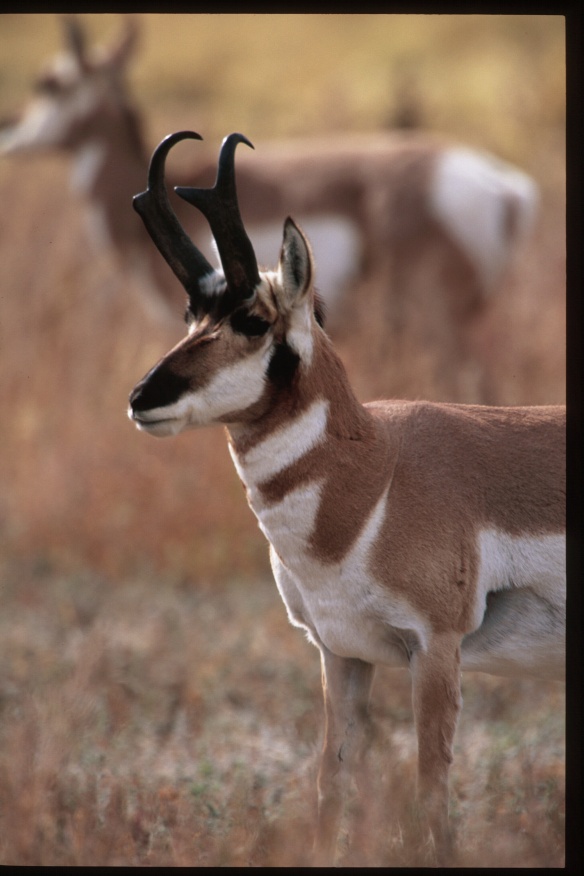
Text and Wildlife Photography ©Jim Robertson, 2013. All Rights Reserved

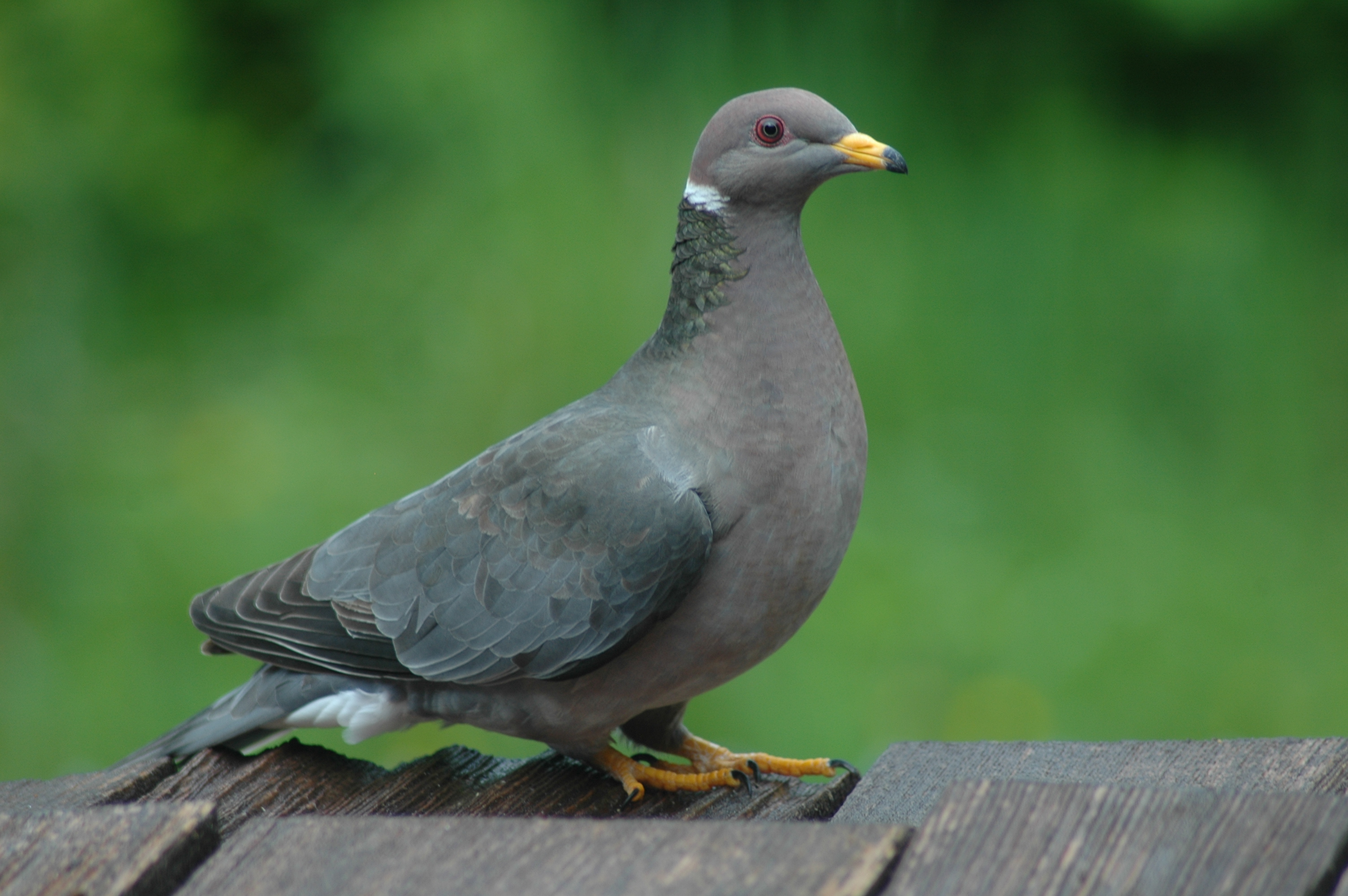
Text and Wildlife Photography ©Jim Robertson, 2013. All Rights Reserved

What Really Motivates a Hunter?

Whenever an anti asks a hunter why they like to kill animals the answer (unless the hunter is exceptionally evil or unrepentant) is some variation of, “I don’t actually enjoy killing, I do it for the meat”…or, “to control their population”… or some other variation of those validations they think will sound plausible or palatable.

But the truth is not nearly so toothsome—they do it because they get off on taking and possessing another’s life.

You don’t have to lurk in those dark, seedy hunter chat rooms, Facebook pages or message boards to learn how hunters really think or how they view the animals they lust after. One need only pick up a Washington State Department of Fish and Wildlife game regulations handout, available at any sporting goods store or rural mini market, and read the following featured article by a WDFW Wildlife Program Assistant Director:

Sportsmanship Evolves through Five Stages of Hunting

by Nate Pamplin

In hunter education, we talk about the five phases that hunters commonly pass through and how our definition of success in the field evolves over time. I think that discussion is valuable, because it provides an important perspective on our approach to the sport.

In the first stage of the five-step progression, most new hunters are primarily focused on bagging their first game animal. My first big game animal was a small ‘forked-horn’ sitka black-tailed buck on Kodiak Island, Alaska–and I couldn’t have been more proud.  

In phase two, the goal shifts to filling bag limits. The definition of a good day for a hunter in this phase would be taking all four forest grouse allowed, not just two.

The third stage is what is called the “trophy phase,” where success is derived by harvesting an animal with a large rack or trophy score. A hunter in this phase may pass immature animals waiting for the opportunity to harvest a trophy for the wall.

A fourth phase is limited-weapon phase, when hunters who have had success with modern firearms put down their rifle to pursue game through traditional implements that present more of a challenge.

Finally, we arrive at the fifth stage–the sportsman phase. Here, hunters find satisfaction in all aspects of hunting, whether sighting-in their rifle with their friends, waiting on a stand for a buck to pass by, or recounting hunting stories with family and friends over a bowl of venison stew.

An important aspect of the sportsman phase—and I’d advocate for every phase—Is sharing the rich tradition of hunting with others.

I ask you to consider your role in promoting the hunting heritage in Washington. Have you introduced hunting to a colleague from work who may have never been hunting before? Have you invited your niece to the shooting range? Do you have time to volunteer with a local hunter-education team? Did you mail a thank-you note to the landowner who afforded you access to their

Text and Wildlife Photography ©Jim Robertson

Text and Wildlife Photography ©Jim Robertson

ranch last fall?

Hunters don’t have to move through every stage of the sport before entering the sportsman phase. All of us share a passion for Washington’s hunting heritage, and it’s important we all do our part to keep this tradition alive during the coming season.

….

It’s uncanny how much the statement above mirrors this quote by another trophy taking expert on the subject—the prolific serial killer, Ted Bundy, who told the authors of The Only Living Witness, from his cell on death row:

“At each stage of the process the individual’s feelings would be different. And when he’s 15 it’d be a much more mystical, exciting, experience…than when he’s 50. And when—even within that given hunting expedition—the feeling of sighting the animal would be different than shooting it or showing it to your buddy. Or putting it in the trunk and taking it home and butchering it and having it for dinner…And that’s the way some guys may approach killing their fellow human beings.”

NBC Sports Network Cancels NRA-Sponsored Elephant Hunting Show After Host Compares Critics To Hitler

[Interesting that the network cancelled the show because the host dared to mention Hitler, not because he shot an elephant twice in the face and then celebrated its death over champagne… Why he thinks we only care about elephants and not the hunting of ducks, deer, rabbits, etc. is beyond me. Not all anti-hunters are “animal racists,” as he put it, or species favoritists, as I call it. Many of us don’t want to see the hunting of any non-human animals.]

 September 29, 2013  1:41 PM EDT ››› SOPHIA TESFAYE

Photo by Lord Mountbatten

NBC Sports Network has announced that it has canceled the hunting show Under Wild Skies after host Tony Makris compared critics to Hitler.

Controversy began after the show aired an episode in which an elephant was shot in the face twice by host Makris. Makris, who has longstanding ties to the NRA, celebrated the killing of the elephant with a bottle of champagne.

Following days of outrage and a petition calling for NBC to cancel the show, Makris took to NRA News on September 26 to respond to critics by claiming they advocated for a form of “animal racism.” Makris said the following about critics who argued that elephants not be targeted:

MAKRIS: The nice ones will come up and go, you shoot elephant? Why? And I said well, the short answer is because hungry people eat them and because I’m a hunter. You know, I’m not an elephant hunter. I’m a hunter. I hunt all things. And they go, well nobody should shoot an elephant. I said, why? And they go they’re so big and kind and gentle and smart and I said, okay, let me ask you a question. Should I be able to shoot birds? Well, I guess that’s okay. Ducks? Yeah. Pigeons? Oh, they’re flying rats, okay. Rabbits? Well rabbits are cute. But yea. Squirrels? That’s nothing but a rat with a tail — with a fuzzy tail. And I said, well deer eat all my mother’s roses in Long Island and I go– so I can shoot all of those, but not an elephant? No. Do you realize that if you subscribe to that philosophy you are committing a very unique form of animal racism?

CAM EDWARDS, HOST: [laughter]

MAKRIS: And now they’re shocked. And they said but they’re so big and special and they’re smarter. And I went, you know, Hitler would have said the same thing.

On September 28, NBC Sports Network announced in a statement to Deadspin that Under Wild Skies has been canceled due to Makris’ comments:

Under Wild Skies will no longer air on NBC Sports Sports Network due to the program’s close association with its host, whose recent comments comparing his critics to Hitler are outrageous and unacceptable. NBCSN will continue to air all of our other quality outdoor programming.

Interior Department Proposes Expansion of Hunting, Fishing Opportunities in National Wildlife Refuge System

Date: September 24, 2013
Contact: Jessica Kershaw (DOI) 202-208-6416
Vanessa Kauffman (FWS) 703-358-2138
Martha Nudel (FWS) 703-358-1858

Six More Refuges Open to Hunting; 20 Refuges Expand Hunting and Fishing Opportunities

WASHINGTON, D.C. – In advance of National Hunting and Fishing Day on September 28th, Secretary of the Interior Sally Jewell today announced that the U.S. Fish and Wildlife Service is proposing to expand fishing and hunting opportunities throughout the National Wildlife Refuge System, opening up new hunting programs on six refuges and expanding existing hunting and fishing programs on another 20 refuges. The proposed rule also modifies existing refuge-specific regulations for more than 75 additional refuges and wetland management districts.

“Sportsmen and women were a major driving force behind the creation and expansion of the National Wildlife Refuge System more than a century ago and continue to be some of its strongest supporters, especially through their volunteer work and financial contributions,” Jewell said. “Keeping our hunting and angling heritage strong by providing more opportunities on our refuges will not only help raise up a new generation of conservationists, but also support local businesses and create jobs in local communities.”

Under the National Wildlife Refuge System Improvement Act of 1997, the Service can permit hunting and fishing along with four other types of wildlife-dependent recreation where they are compatible with the refuge’s purpose and mission. Hunting, within specified limits, is permitted on more than 329 wildlife refuges. Fishing is permitted on more than 271 wildlife refuges.

“Hunting and fishing are healthy, traditional outdoor pastimes deeply rooted in America’s heritage and have long been enjoyed on hundreds of national wildlife refuges under the supervision of our biologists and wildlife managers,” said Director of the U.S. Fish and Wildlife Service Dan Ashe. “After careful consideration and review from the Service, this proposal represents one of the largest expansions of hunting and fishing opportunities on wildlife refuges in recent years.”

National wildlife refuges generate important benefits from the conservation of wildlife and habitat through spending and employment for local economies. According to the National Survey of Fishing, Hunting and Wildlife-Associated Recreation, published every five years by the Service, more than 90 million Americans, or 41 percent of the United States’ population age 16 and older, pursued wildlife-related recreation in 2011. They spent more than $144 billion that year on those activities. Nearly 72 million people observed wildlife, while more than 33 million fished and more than 13 million hunted.

The Service manages its hunting and fishing programs on refuges to ensure sustainable wildlife populations, while offering historical wildlife-dependent recreation on public lands.

Other wildlife-dependent recreation on national wildlife refuges includes wildlife photography, environmental education, wildlife observation and interpretation.

The Service proposes opening the following refuges to hunting for the first time:

New York
•Shawangunk Grasslands National Wildlife Refuge: Open to big game hunting.

Oregon
•Baskett Slough National Wildlife Refuge: Open to migratory bird hunting.
•Nestucca Bay National Wildlife Refuge: Open to migratory bird hunting.
•Siletz Bay National Wildlife Refuge: Open to migratory bird hunting.

Pennsylvania
•Cherry Valley National Wildlife Refuge: Open to migratory bird, upland game and big game hunting.

Wyoming
•Cokeville Meadows National Wildlife Refuge: Open to migratory bird, upland game and big game hunting.

Meanwhile, under the proposal, the Service would expand hunting and sport fishing on the following refuges:

California
•Colusa National Wildlife Refuge: Expand migratory bird and upland game hunting.

Florida
•Arthur R. Marshall Loxahatchee National Wildlife Refuge: Add big game hunting. The refuge is already open to migratory bird hunting.
•St. Marks National Wildlife Refuge: Expand migratory bird hunting, upland game hunting and big game hunting.

Idaho
•Kootenai National Wildlife Refuge: Expand upland game hunting. The refuge is already open to migratory bird hunting and big game hunting.

Illinois
•Cypress Creek National Wildlife Refuge: Expand migratory bird hunting, upland game hunting and big game hunting.
•Middle Mississippi River National Wildlife Refuge: Expand migratory bird hunting, upland game hunting and big game hunting.

Indiana
•Patoka River National Wildlife Refuge and Management Area: Expand migratory bird hunting, upland game hunting and big game hunting.

Iowa
•Neal Smith National Wildlife Refuge: Expand migratory bird hunting, upland game hunting and big game hunting.
•Northern Tallgrass Prairie National Wildlife Refuge: Expand migratory bird hunting, upland game hunting and big game hunting.
•Port Louisa National Wildlife Refuge: Expand migratory bird hunting, upland game hunting, big game hunting and sport fishing.

Maine
•Rachel Carson National Wildlife Refuge: Expand migratory bird hunting, upland game hunting and big game hunting.

Missouri
•Mingo National Wildlife Refuge: Expand migratory bird hunting, upland game hunting and big game hunting.

New Mexico
•San Andres National Wildlife Refuge: Expand big game hunting.

Oregon
•Bandon Marsh National Wildlife Refuge, OR and WA: Expand migratory bird hunting. The refuge is also already open to sport fishing.
•Julia Butler Hanson Refuge for the Columbian White-Tailed Deer, OR and WA: Expand migratory bird hunting. The refuge is already open to big game hunting.
•Malheur National Wildlife Refuge: Expand migratory bird hunting and sport fishing. The refuge is already open to upland game hunting and big game hunting.

Texas
•Aransas National Wildlife Refuge: Add migratory bird hunting. The refuge is already open to big game hunting.
•Balcones Canyonlands National Wildlife Refuge: Expand hunting for migratory birds, upland game and big game.

Vermont
•Silvio O. Conte National Fish and Wildlife Refuge: Expand migratory bird hunting, upland game hunting and big game hunting.

Washington
•Willapa National Wildlife Refuge: Expand migratory bird hunting and big game hunting. The refuge is already open to upland game hunting.

Notice of the 2013-2014 proposed Refuge-Specific Hunting and Sport Fishing Regulations will publish in the Federal Register September 24, 2013. Written comments and information can be submitted by one of the following methods:
•Federal eRulemaking Portal: Follow the instructions for submitting comments to Docket No. [FWS-HQ-NWRS-2013-0074]; or
•U.S. mail or hand-delivery: Public Comments Processing, Attn: [FWS-HQ-NWRS-2013-0074]; Division of Policy and Directives Management; U.S. Fish and Wildlife Service; 4401 N. Fairfax Drive, MS 2042–PDM; Arlington, VA 22203.

Comments must be received within 30 days, on or before October 24, 2013. The Service will post all comments on regulations.gov. The Service is not able to accept email or faxes.

Comments and materials, as well as supporting documentation, will also be available for public inspection at regulations.gov under the above docket number. In addition, more details on the kinds of information the Service is seeking is available in the notice.

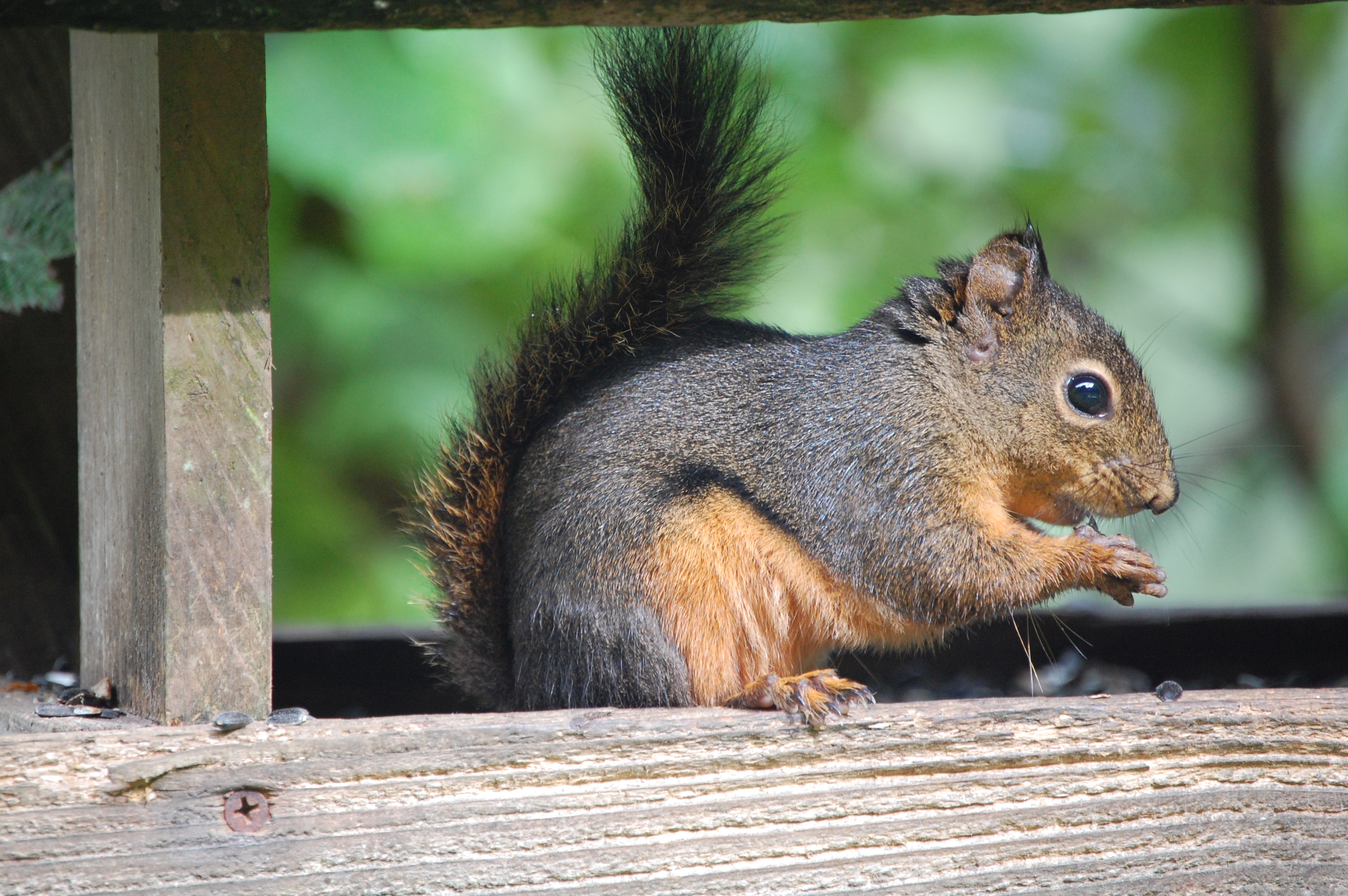
Photo Copyright Jim Robertson

Photo Copyright Jim Robertson

BEING VEGAN – If I Were a Lion

September 21, 2013 | Filed under: Being Vegan | Posted by: Paul Graham
Las Vegas Informer

If I were a lion, people would often refer to me as “The King of the Beasts.”  We have been a part of stories, legend and lore from the very beginning.  We are majestic.  We have complex systems between us and are very social when we are resting, enjoying lots of head rubbing, touching, licking and purring.  We live in groups that we call “prides” of around 15 lions. Over the past 50 years or so life has become very difficult for us.  Most believe that our numbers are half of what they used to be, but our numbers are even lower than that.  There are only between 15,000 and 20,000 of us lions left in Africa, which is our primary habitat.  It is estimated that if things remain as they are, we all will be gone in as little as 20 years.

If I were a lion, I would be facing many challenges like habitat loss, conflict with humans, a smaller prey base, climate change and hunting.  We are allowed less and less to roam free.  The weather is simply not what it used to be and droughts are forcing us into smaller and smaller areas.  Men continue to hunt us, whether there are laws against it or not.  Trophy hunters from America killed over 500 of us last year alone.  Others hunt and kill us and sell our bones openly to Chinese markets for medicinal purposes. They can’t even prove that it helps people but people will buy it anyway. Pieces of us can be found cooked and served in restaurants throughout China and other places.  Because so many of us being killed are males, it is throwing off our entire system and is causing others in our prides to die as well.  It is the small-mindedness and great greed of men that are killing us off by the day.  When we are gone, who will they begin to hunt and come after?  Maybe they will begin to hunt each other.

If I were a lion, I could be captured and find myself in a zoo or circus.  They say that were are in the zoos for educational purposes, but what are people really learning?  To see how unhappy we are to be confined in such small areas and actually face the taunts of the people who are supposed to be there to learn about us and appreciate  us?  To pace back and forth, wanting every day to be back in the wild with our pride and the way things are supposed to be.  We are not meant to be caged.  Often times we are not treated well and when we grow old we can sometimes be sold to private parties for more captivity, experimentation or even to be eaten as part of some exotic dinner.  In the circus we are kept in even smaller cages where there is no room to even roam, just to lay and think about this miserable existence.  We are paraded out in front of people to put on a show.  What most don’t see or know about is how they beat and prod us to get us to do what they want.  Why do people bring their young to see a magnificent lion reduced down to this as some sort of cheap spectacle?  Then we are forced back to that small cage with not enough food or water and no protection from the elements. Why is this even allowed?

If I were a lion, I can see that the end is near.  While we have lived and thrived for centuries upon centuries, we are now going away primarily at the hands of men.  We have survived many things over the course of time, but we cannot seem to stem the tide on our own as every day we are being picked off one by one.  What will the day be like when no one will be able to say that a Lion King exists anymore?  People will tell their children about these remarkable creatures who used to roam this Earth.  “Why did they die Mommy…did they have to die?” No, we do not have to die.  We are not dying just on our own, we in fact are being killed…murdered for the pleasure and profit of men.  If I were a lion, I would need your help.  Help keep these hunters and poachers away and to protect our lands and habitats. Make the laws and back them up. Please allow us to do what we have always done.  Let us go from the cages of zoos, circuses and amusements we are kept in.  Back to the wild or at least a sanctuary.  It is not too late to change this, but if the kind and compassionate do not act…it will be.  And then we will be gone from this Earth only to be found in your story books forever more.

01bfb39948b2f313b238ba43f926ea25

NHL Player’s Grizzly Shootout

September 5, 2013 Elana Pisani

(WILDLIFE/ANIMAL CRUELTY) CANADA — Another celebrity joins the likes of GoDaddy CEO Bob Parsons, the Trump sons, and musician Ted Nugent in their lack of civility and sense of entitlement when it comes to wildlife. Hockey player Clayton Stoner is in the news after pictures of him with a grizzly bear corpse he had hunted and killed was posted on social media sites. Stoner held the grizzly bear’s severed head and paws while smiling and posing for the camera. Although Stoner, who plays for the Minnesota Wild, had a legal permit for hunting, his actions and his attitude toward wildlife is appalling to animal rights activists and he makes no apologies. Read the full article for Stoner’s statement and sign the petition to ban grizzly bear hunting in British Columbia. — Global Animal

photo copyright Jim Robertson

photo copyright Jim Robertson

Time to Say, “Enough!”

…it took two hours after hooking the alligator using a crossbow before they could shoot it with a shotgun. It took four hours more to get it into the boat, but Brockman said it was too heavy to do with just the three of them, so they just waited in the middle of the river for the sun to rise. “We killed the alligator at 4 a.m.,” he said.
How is this shit even legal? Don’t non-humans have any rights at all? It’s time to reign in hunter behavior and say, “Enough!”
And why is NBC “News” glorifying it?…
Mississippi hunters catch record-breaking ‘gators
By Simon Moya-Smith, Staff Writer, NBC News

It’s only been three days since the start of Mississippi’s alligator hunting season, yet a pair of parties have already submitted two record-breaking ‘gators, state wildlife officials announced Monday.

Dustin Brockman of Vicksburg, Miss., ventured with his brother and friend into the Mississippi River by motorboat early Saturday night and emerged with a 727-pound record breaker that was 13 feet, 4.5 inches long.

The previous weight record was 697.5 pounds, according to Ricky Flynt, program coordinator with the Mississippi Department of Wildlife, Fisheries, and Parks.

“We chased him for about two hours,” Brockman said. “Then we got a shot on him.”

Brockman said that it took two hours after hooking the alligator using a crossbow before they could shoot it with a shotgun. It took four hours more to get it into the boat, but Brockman said it was too heavy to do with just the three of them, so they just waited in the middle of the river for the sun to rise.

“We killed the alligator at 4 a.m.,” he said. “We waited until 6:30 (a.m.) before I called three or four more guys to help us load it into the boat.”

And just one hour prior to Brockman’s epic catch, a hunting party led by Beth Trammell of Madison, Miss., hooked a 13-foot, 5.5-inch alligator near Redwood.

The Trammell party, which included six people, broke the previous weight record with their 723.5-pound catch and held the markbefore Brockman broke it 60 minutes later.

“It took about four hours to get it in the boat,” said Trammell. “We had to flag another boat down to help us out it was so big.”

Trammell said that when they had the hefty alligator hooked, their poles were bent like “candy canes.”

Mississippi Department of Wildlife, Fisheries, and Parks
Dustin Bockman of Vicksburg, Miss., and his team pose with the alligator they caught near the Big Black River in Claiborne County. The alligator is 13-feet and 4.5 inches in length and weighs 727 pounds.

The current length record, which has yet to be broken, is 13 feet, 6.5 inches. That alligator was captured on the Pascagoula River in 2008, according to the Mississippi Wildlife, Fisheries and Parks department.

Brockman, who had never hunted alligator before this weekend, said the majority of the hunting occurs at night when it’s easier to spot the reptiles’ eyes with a flashlight.

“It’s a lot easier to find them because their eyes reflect,” he said. “In the daytime, if they’re lying on a bank underneath the tree, you ain’t going to see them.”

Brockman said he plans to use the gator’s skin for a gun strap and a picture frame and will eat the meat after providing some to his friends.

Mississippi Department of Wildlife, Fisheries, and Parks

Beth Trammell of Madison, Miss., and her team pose with their catch Sept 1. The alligator is 13-feet and 5.5 inches and weighs 723.5 pounds. It broke the previous record of 697.5 pounds.

“We’re going to cook it for sure,” he said. “I got a bunch of people who want some, and there’s plenty for me and everybody else.”

Trammell said she plans to get the meat back from the processor as early as Friday.

“We’ll eat the meat,” she added. “I think my brother in law is going to get the head mounted.”

And the Trammell party will be back out on the water this weekend, hoping to catch another record breaker…

Oklahoma Gears Up For Hunting Geese; Doves and Squirrels “in Season” Now

OKC Saturday hunting news:

The Washita National Wildlife Refuge near Butler, Okla. and on the upper
end of Foss Reservoir is now accepting applications for blinds for goose
hunting for the upcoming hunting seasons.

There will be ten blinds on the edges of wheat fields available to
hunters. On six Wednesday hunts, blinds will be filled by reservation only on a
first-call, first -served basis that week. Applicants must be 18 years or older.The refuge has been offering goose hunts since 1982 and is one of the premier public waterfowl hunts in Oklahoma.
Last season, 223 hunters bagged 271 geese during the refuge hunts. The
bag limit for geese has increased this year.

The refuge manager states “Washita continues to be a prime goose-hunting
destination and offers some of the most economical hunting in the state.
With a peak population near 100,000 most years, true water fowlers are
sure to get a thrill whether or not they take home their limit.”

Okla.’s annual free hunting days on Sept. 7th thru the 8th. Dove and
squirrel are in season those days.

[They gotta always have something to shoot at, don’t they?]

Photo by Jim Robertson

Photo by Jim Robertson