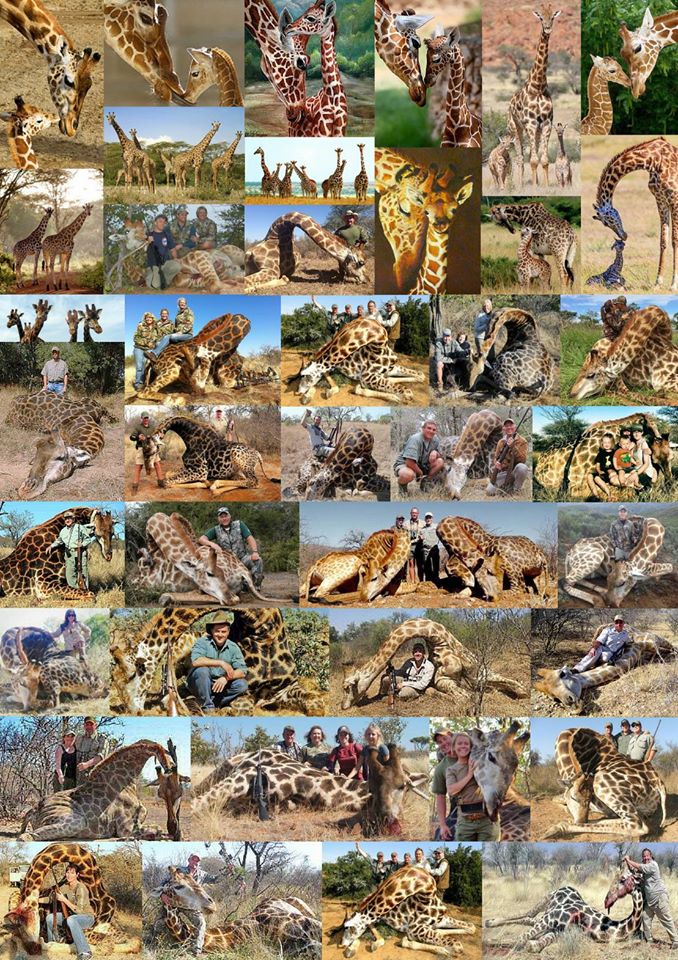
Who the Fuck Hunts Giraffes for Sport and How You Can Stop Them

10557040_1609109249312078_7951148989311848842_o

Please sign and share these petitions.

Stop trophy hunting giraffes
http://www.thepetitionsite.com/929/929/857/stop-trophy-hunting-giraffes/

Stop hunting giraffes for sport
http://forcechange.com/12033/stop-hunting-giraffes-for-sport/

Stop any kind of safari hunting in South Africa
https://www.causes.com/actions/1742571-stop-any-kind-of-safari-hunting-in-south-africa

Stop the savage and sickening trophy and sport hunting
http://www.thepetitionsite.com/1/stop-the-savage-and-sickening-trophy-and-sport-hunting/

Complete ban on trophy hunting in South Africa and a full census
http://www.gopetition.com/petitions/complete-ban-on-trophy-hunting-full-census-carried-ou.html?

Stop the legal killing of wildlife in trophy hunting
http://www.gopetition.com/petitions/stop-the-legal-killing-of-wildlife-stop-hunting/sign.html

End WWF partnership with pro-hunting lobby
https://secure.avaaz.org/en/petition/Yolanda_Kakabadse_is_WWFs_International_President_and_USAID_WWF_End_your_partnership_with_the_USA_ProHunting_Lobby_Group/

Ban lion farming and trophy hunting
http://www.thepetitionsite.com/147/069/549/ban-lion-farming-and-trophy-hunting/?cid=FB_TAF

Stop the canned hunting of large cats in South Africa
https://www.change.org/p/ms-lakela-kaunda-stop-the-canned-hunting-of-large-cats-in-south-africa

USF&WService save the lions from mass extinction
https://secure.avaaz.org/en/petition/US_Fish_and_Wildlife_Service_Save_African_Lions/?sfmqQib

Zambian tourist board: to reinstate ban on hunting lions and leopards
https://secure.avaaz.org/en/petition/

Hunting: The Sport of Psychopaths

From In Defense of Animals USA:

Hunting is a violent and cowardly form of outdoor “entertainment” that kills hundreds of millions of animals every year, many of whom are wounded and die a slow and painful death.

Hunters cause injuries, pain and suffering to defenseless animals, destroy their families and habitat, and leave terrified and dependent baby animals behind to starve to death. Because state wildlife agencies are primarily funded by hunting, trapping and fishing licenses, today’s wildlife management actively promotes the killing of wild animals, and joined by a powerful hunting lobby even sells wildlife trophy hunts to those who enjoy killing them.

Quick kills are rare, and many animals suffer prolonged, painful deaths when hunters severely injure but fail to kill them. Bow hunting exacerbates the problem, evidenced by dozens of scientific studies that have shown that bow hunting yields more than a 50 percent wounding and crippling rate. Some hunting groups promote shooting animals in the face or in the gut, which is a horrifically painful way to die.

Several states (AZ, ID, MT, OR, UT, WY) allow a spring bear hunt during the months when bears emerge from hibernation. These bears are not only still lethargic, which makes them easy targets for hunters, but many of the females are either pregnant or lactating. Mother bears are often shot while out and about foraging, while hiding their cubs in trees or leaving them in their dens. When mother bears are killed, their nursing cubs have little to no chance of survival as they will either starve or be killed by predators.

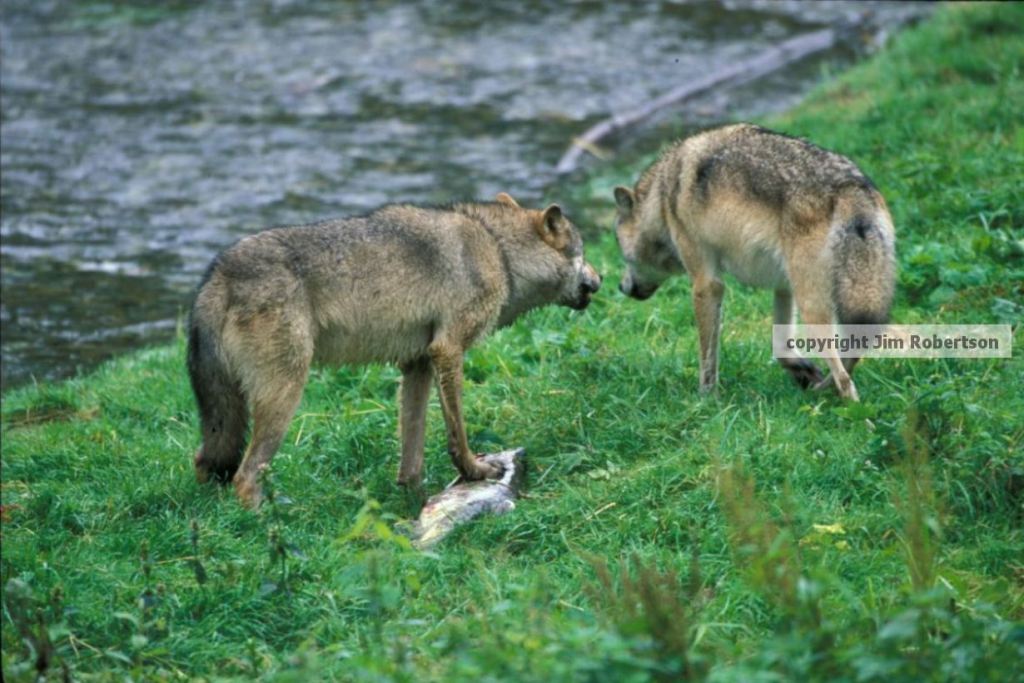
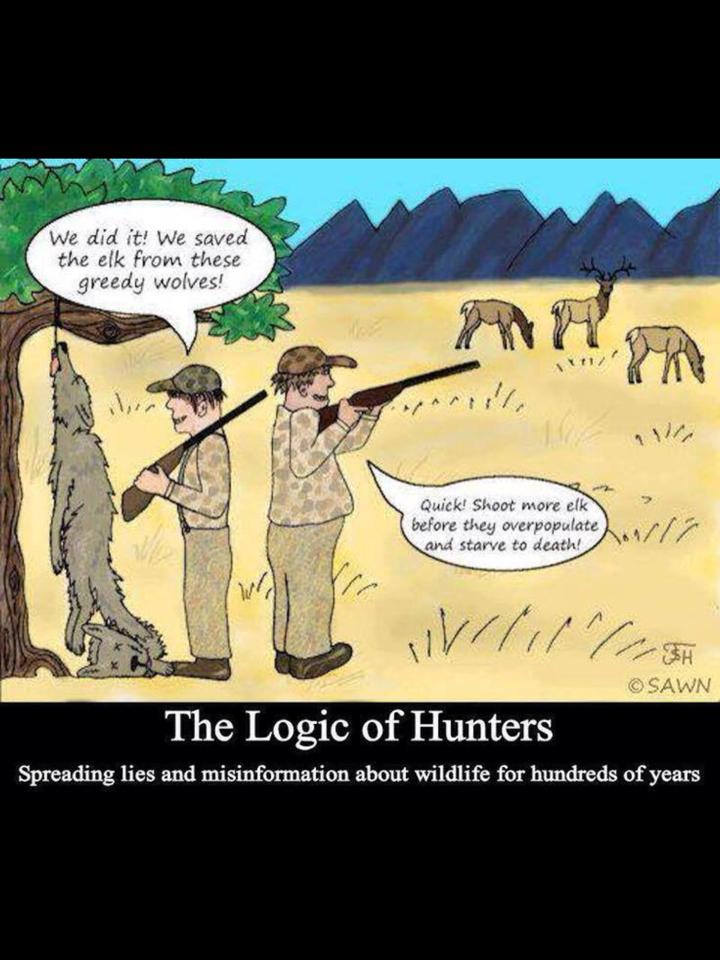
The stress that hunting inflicts on animals —the noise, the fear, and the constant chase—severely restricts their ability to eat adequately and store the fat and energy they need to survive the winter. Hunting also disrupts migration and hibernation, and the campfires, recreational vehicles and trash adversely affect both wildlife and the environment. For animals like wolves, who mate for life and have close-knit family units, hunting can destroy entire communities.

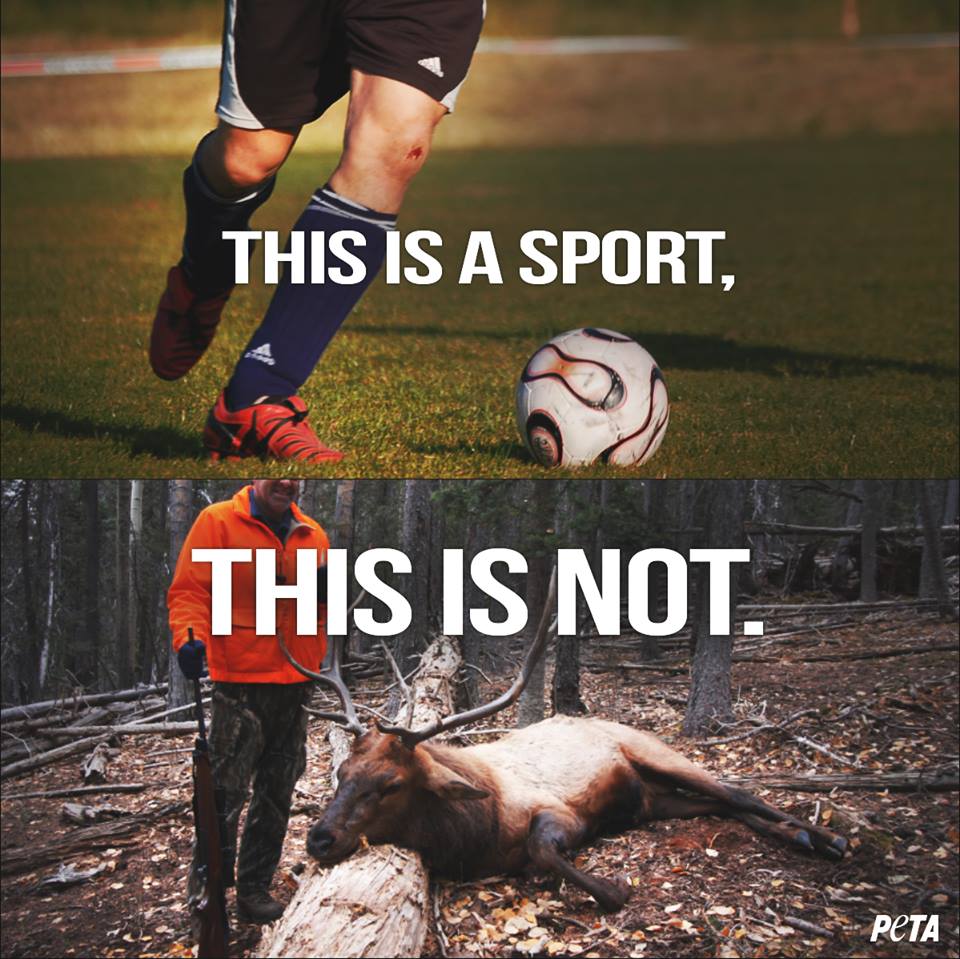
Hunting is not Sport

Hunting is often called a “sport,” to disguise a cruel, needless killing spree as a socially acceptable activity. However, the concept of sport involves competition between two consenting parties, adherence to rules and fairness ensured by an intervening referee, and achieving highest scores but not death as the goal of the sporting events. In hunting, the animal is forced to “participate” in a live-or-die situation that always leads to the death of the animal, whereas the hunter leaves, his/her life never remotely at stake.

Please read more:
http://www.idausa.org/campaigns/wild-free2/habitats-campaign/anti-hunting/

ஜ▬▬▬▬▬▬ஜ۩۞۩ஜ▬▬▬▬▬▬ஜ
They like living just like you. They feel horror just like you! They understand the meaning of cruelty! Give a voice to those who can’t speak for themselves. Help us! Join us! Share us! We animal lovers have the power – BE THE VOICE for these animals! If you agree that animals feel, suffer, love and the truth about their abuse should be exposed, please “like” our page. Thank you! https://www.facebook.com/pages/Animal-Cruelty-Exposed/363725540304160

HOW AND WHERE TO REPORT ANIMAL CRUELTY: https://www.facebook.com/390065024448379/photos/a.392092904245591.1073741848.390065024448379/392106330910915/?type=3&theater
ஜ▬▬▬▬▬▬ஜ۩۞۩ஜ▬▬▬▬▬▬ஜ See More

Photo: BLOODY SPORT

Hunting may have played an important role, next to plant gathering and scavenging, for human survival in prehistoric times, but the modern “sportsman” stalks and kills animals for “recreation.” Hunting is a violent and cowardly form of outdoor “entertainment” that kills hundreds of millions of animals every year, many of whom are wounded and die a slow and painful death.

Hunters cause injuries, pain and suffering to defenseless animals, destroy their families and habitat, and leave terrified and dependent baby animals behind to starve to death. Because state wildlife agencies are primarily funded by hunting, trapping and fishing licenses, today’s wildlife management actively promotes the killing of wild animals, and joined by a powerful hunting lobby even sells wildlife trophy hunts to those who enjoy killing them. 

Quick kills are rare, and many animals suffer prolonged, painful deaths when hunters severely injure but fail to kill them. Bow hunting exacerbates the problem, evidenced by dozens of scientific studies that have shown that bow hunting yields more than a 50 percent wounding and crippling rate. Some hunting groups promote shooting animals in the face or in the gut, which is a horrifically painful way to die.

Several states (AZ, ID, MT, OR, UT, WY) allow a spring bear hunt during the months when bears emerge from hibernation. These bears are not only still lethargic, which makes them easy targets for hunters, but many of the females are either pregnant or lactating. Mother bears are often shot while out and about foraging, while hiding their cubs in trees or leaving them in their dens. When mother bears are killed, their nursing cubs have little to no chance of survival as they will either starve or be killed by predators.

The stress that hunting inflicts on animals —the noise, the fear, and the constant chase—severely restricts their ability to eat adequately and store the fat and energy they need to survive the winter. Hunting also disrupts migration and hibernation, and the campfires, recreational vehicles and trash adversely affect both wildlife and the environment. For animals like wolves, who mate for life and have close-knit family units, hunting can destroy entire communities.

Hunting is not Sport

Hunting is often called a “sport,” to disguise a cruel, needless killing spree as a socially acceptable activity. However, the concept of sport involves competition between two consenting parties, adherence to rules and fairness ensured by an intervening referee, and achieving highest scores but not death as the goal of the sporting events. In hunting, the animal is forced to “participate” in a live-or-die situation that always leads to the death of the animal, whereas the hunter leaves, his/her life never remotely at stake.

Please read more:
http://www.idausa.org/campaigns/wild-free2/habitats-campaign/anti-hunting/

ஜ▬▬▬▬▬▬ஜ۩۞۩ஜ▬▬▬▬▬▬ஜ
They like living just like you.  They feel horror just like you!  They understand the meaning of cruelty! Give a voice to those who can't speak for themselves. Help us! Join us! Share us! We animal lovers have the power - BE THE VOICE for these animals! If you agree that animals feel, suffer, love and the truth about their abuse should be exposed, please “like” our page. Thank you!  https://www.facebook.com/pages/Animal-Cruelty-Exposed/363725540304160 

HOW AND WHERE TO REPORT ANIMAL CRUELTY: https://www.facebook.com/390065024448379/photos/a.392092904245591.1073741848.390065024448379/392106330910915/?type=3&theater
ஜ▬▬▬▬▬▬ஜ۩۞۩ஜ▬▬▬▬▬▬ஜ

Stop the “Sportsmen’s Act”

From HSUS.org

The dreaded so-called “Sportsmen’s Act” is back.

Yet again, a small faction of wealthy trophy hunters is pressuring your elected officials to allow the importation of threatened polar bear trophies from Canada. They also want to open millions of acres of public lands to10368479_10152532154104586_2706872192299860162_n sport hunting and commercial trapping, without evaluating possible implications on animals, habitat and Americans who enjoy our nation’s wild spaces. They are also fighting to keep pumping tons of toxic lead ammunition into the environment, poisoning the land and wildlife, even when non-lead ammo is readily available.

Please make a brief, polite phone call today to your Senators and urge them to OPPOSE S. 405, the Sportsmen’s Act, and protect our wildlife and wildlands.

Wildlife needs strong voices like yours to stand up for them. After you call, don’t forget to send a follow-up message»

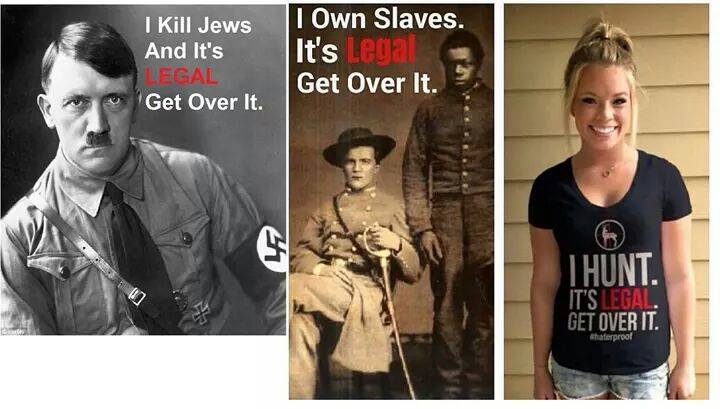
Just Because It’s Legal…

…Doesn’t make it right.

10933983_432052240286268_3415355737083479178_n

Tolerance has it limits. Laws change and evolve with the times. Things have gotten a little better for human rights and a whole lot worse for animals and their rights. It depends on who’s making the laws. Today’s Nazi party is run by sport hunters and their game department lackeys. The victims have no say in the matter. We must be their voice.

Abolish Atrocities Against Animals Today!

Commission selects Unsworth as new director of WDFW

Let’s see, Unsworth is an avid hunter, has 4 kids, holds a bachelor’s degree in wildlife management from the University of Idaho, a master’s degree in fish and wildlife management from Montana State University and a doctorate in forestry, wildlife and range sciences from the University of Idaho, yes, he should make a fine addition Washington’s wolf management team.

Too bad compassionate Washingtonians didn’t have a vote or voice in this decision…

NEWS RELEASE
Washington Fish and Wildlife Commission
600 Capitol Way North, Olympia, WA 98501-1091

http://wdfw.wa.gov/commission/

January 10, 2015
Contact: Commission Office, (360) 902-2267

Commission selects Unsworth as new director of WDFW
TUMWATER – Dr. Jim Unsworth), deputy director of the Idaho Department of Fish and Game, was chosen today as the new head of the Washington Department of Fish and Wildlife (WDFW).
The Washington Fish and Wildlife Commission voted to select Unsworth after interviewing eight candidates for the director’s position in December and narrowing the field to four finalists. The commission, a citizen panel appointed by the governor to set policy for WDFW, announced its decision at a public meeting Jan. 9-10 in Tumwater.
Unsworth, who will replace Phil Anderson, formally accepted the job today.
Commissioners said they sought a visionary leader with a strong conservation ethic, sound fiscal-management skills and the expertise to work collaboratively with the commission and the department’s constituents.
“After a thorough nationwide search, we’re confident Jim is the right person to guide the department through the many challenges that lie ahead,” said Miranda Wecker, chair of the commission. “His solid understanding of natural resource issues and strong leadership skills will be invaluable in the department’s effort to manage and protect the fish and wildlife resources that are so important to the people of this state.”
As director, Unsworth will report to the commission and manage a department with more than 1,600 employees, and a biennial operating budget of $376 million. His annual salary will be $146,500.
Unsworth, age 57, has spent more than 30 years in wildlife management with the Idaho Department of Fish and Game and has served as deputy director for the agency since 2008. He previously held several management positions for the department, including wildlife bureau chief and state big game manager.
Unsworth holds a bachelor’s degree in wildlife management from the University of Idaho, a master’s degree in fish and wildlife management from Montana State University and a doctorate in forestry, wildlife and range sciences from the University of Idaho.
“I’m thrilled at this opportunity,” Unsworth said. “I look forward to taking on the many exciting challenges that come with managing fish and wildlife in the state of Washington.”
Unsworth and his wife Michele have four adult children. He is an avid hunter and fisher.
Unsworth will replace Anderson, who announced in August he was resigning from his position at the end of 2014. At the commission’s request, he has since agreed to stay on as the head of the agency until a new director is in place.
“Phil’s enormous dedication to managing Washington’s fish and wildlife will truly be missed,” Wecker said. “As director, he was a tireless worker who successfully guided the department through one of the most difficult times in the history of this state. Under his leadership and with his support, the department made important progress in meeting some very challenging issues. We are extremely grateful for his service and all the contributions he made during his career at WDFW.”
Wecker said a statement of appreciation for Anderson will be posted in the next week on the commission’s webpage at http://wdfw.wa.gov/commission/

Female hunters share tales of sexism

1482896_10152099792278588_77995892_n

These comments from FB friends aptly set the stage for this article:

–Boo hoo, that’s what happens when you do an asshole thing with other assholes.

–LOVE you are not exactly mixing with the cream of the nation. Doh.
Female hunters share tales of sexism
Ryan Sabalow, ryan.sabalow@indystar.com 6:34 p.m. EST December 21, 2014

Tiffany Compton is a former police officer. She has worked as a guard in an all-male lockup inside a state prison. She knows how to use deadly force and take down bad guys twice her size.

But when Compton, 29, recently found herself alone and intimidated on a recent morning, it wasn’t at the hands of hardened criminals. It was a group of duck hunters.

The Indianapolis woman had walked into a wildlife area office to sign up for her first public-lands duck hunt. She was the only woman in a room full of camouflaged men. Immediately, she felt the stares.

And then, with her back turned, she heard words that made her cringe. It was a father talking to his son.

“As I’m looking at the map,” Compton recalled, “I can hear the dad chuckle, and he says (to his son), ‘I know what you’re looking at.’ ”

Women are increasingly making inroads into traditionally male-dominated hunting and shooting sports. Still, stories such as Compton’s are common — and they illustrate a troubling hurdle for hunting groups, wildlife agencies and outdoor retailers seeking recruits to a sport that isn’t growing.

Based on surveys conducted by the U.S. Census Bureau, the number of U.S. hunters has largely stayed flat or declined in recent years, a factor hunting associations and wildlife officials blame at least in part to increased urbanization. The trend poses a particular challenge for state wildlife agencies, whose funding is almost entirely dependent on fishing and hunting license fees and taxes on hunting and shooting equipment.

“The very last thing you want to do is make a new hunter feel uncomfortable in a scenario like you described when she’s simply trying to draw for a blind,” said Nick Pinizzotto, president and CEO of the U.S. Sportsmen’s Alliance, a hunting and shooting lobbying group. Women hunting is the best thing that could happen to our sport.”

After all, he said, female hunters — or even women who might be merely supportive of hunting — are key allies at the voting booth or in public policy debates about hunting and gun-rights issues.

‘Be prepared to deal with that sexism’

Of the 13.7 million hunters in the U.S. in 2011, 11 percent were women — and that’s up from 9 percent since 2001.

Women also make up a growing demographic among firearms owners.

For example, the number of women with gun permits in Indiana jumped 42.6 percent since 2012 — from 86,617 permits two years ago to 123,536 through the first quarter of this year. The National Rifle Association estimated that about 25 percent of 70,000 attendees at its Indianapolis convention this year were women.

With female hunters and shooters on the rise, companies have taken notice. Women now increasingly host big-game hunting cable television shows; outdoor retailers have begun marketing products and gear designed for women; and one of the nation’s most venerable hunting magazines, Field & Stream, recently put a female hunter on its cover.

But Compton’s story and several others that female hunters told The Indianapolis Star illustrate the depth of the problems women face from some male hunters. Women shared with The Star not only tales of sexism and mere rudeness, but disturbing examples of sexual harassment in the field, at outdoors retailers and at conferences.

“Men need to be involved in changing that climate,” said Nadya Fouad, a professor at the University of Wisconsin-Milwaukee who has studied barriers to minorities and women entering workplaces dominated by white men. “That’s going to take some time. Meanwhile, women need to be prepared to deal with that sexism.”

‘It is a lot of sexual comments sometimes’

Morgan Born knows a thing or two about that. The 20-year-old mother from Lake County says she basically taught herself, a female friend and her boyfriend how to hunt ducks.

But in spite of being as skilled as any man in the duck blind, she said, there are some public duck hunting areas near her home where she won’t go because “a little circle of men” have repeatedly made her feel uncomfortable or were rude to her and her female hunting partner.

“It gets kind of weird at times,” Born said. “You get a lot of comments like, ‘I wish you would come in our blind.’ It’s like, ‘Oh my God.’ It is a lot of sexual comments sometimes.”

Terri Millefoglie, a conservation officer with the Indiana Department of Natural Resources, said now that she’s an officer with a gun and a badge, male hunters are much more respectful, but she remembers what it was like being the only woman signing in at public hunting areas.

“I got to the point where I asked if I could stay in the car when they (hunting partners) went inside,” she said.

Even in her field, she’s vastly outnumbered by men. She said she’s one of just six women among the 200 officers who patrol the state, enforcing fish and wildlife laws.

‘Maybe I should show a little respect’

Elsewhere, female hunters may fare better. California hunter Holly Heyser, the editor of a waterfowl hunting magazine, says she has not been treated disrespectfully by men out in the field.

But the 49-year-old former newspaper editor says that might be because female hunters are fairly common in California.

Still, Heyser knows that sexism in the hunting world can be very real. She noted there are private duck hunting clubs in California that won’t allow her to hunt.

But Heyser is encouraged to see that among the census survey results, girls younger than 16 make up the fastest-growing segment of hunters, an increase of 165 percent since 1991. The number of male hunters actually declined by 6 percent during that time.

She said she assumes it’s because more fathers are taking their daughters out into the field, a trend she hopes continues. If anything, she said, it might raise the level of decorum among her male peers.

“If a dad took a little girl hunting and they were in line at that check station together — a little girl in her pigtails — and some troglodyte sees a woman hunter and, you know, he thinks, ‘Maybe I should make a comment about her ass,’ maybe he would be smart enough to think, ‘Hey, maybe I should show a little respect,’ ” she said.

Compton, who endured the sexist comments on her first duck hunt, has this advice for her male counterparts:

“Just feel comfortable around us is the biggest thing,” she said. “Don’t make us kind of feel like we’re the outsiders. I think people would be surprised that there are some hard-core women hunters out there.”

Adult Onset Hedonism

264431_455824994498980_1177070538_n

Practically everywhere you look lately are signs of a growing backlash against the progressive vegan movement. It seems people, many who’ve never tried going a day without eating animal products, are tired of being told vegetarian is healthier than flesh-eating and veganism is better still—its carbon footprint being only a fraction of the gargantuan impact of the standard American diet. Plus, vegans have the benefit of a clearer conscience than a person who contributes to animal suffering on a daily basis (assuming said person cares at all about animals). But many are comfortable with their meat addiction and don’t see any reason to ever change. And though they’re still the vast majority and therefore have nothing to fear from the efforts of outnumbered do-gooders, they see it as an attack on their right to be as hedonistic as they so desire and have begun a collective counterattack, just to show ‘em.

A prime example is the subject of a December 4, 2014, article in UT-San Diego. The piece by Michele Parente, cleverly entitled, “Meat trend has some seeing red,”

As in other major cities across the country, San Diego’s current mania for all things meat defies that other growing trend of eating only plant-based food. “I ordered double sausage out of spite,” one diner posted on Facebook, along with a photo of people eating at sidewalk tables, inches away from picketers. “For every animal you don’t eat, I’m going to eat three,” posted another.

Parente started the article out (glibly),

Meat is all the rage in San Diego right now and that’s got some people broiling.

A proliferation of pork-centric places has sprung up all over the county, along with eateries serving up all manner of beef, game, organ and exotic meats. Hungry for a meatier experience? How about a pre-dinner demonstration on how to butcher a whole animal or even the opportunity to slaughter your entrée yourself? And while the current carnivore craze is sating foodies…

What?! Wait a minute. Slow down there and let us un-hipsters catch up; just what the hell is a “foodie,” anyway? It sounds like some kind of baby talk to me. Well, I looked it up and as it turns out that’s not far off. According the Urban Dictionary’s first two definitions, a “foodie” is,

  1. Foodie: A douchebag who likes food.

Douchebag – “I’m a big foodie.”

Non-doucher – “Really? I like food too, but I’m not a tool.” 

  1. Foodie: A dumbed-down term used by corporate marketing forces to infantilize and increase consumerism in an increasingly simple-minded American magazine reading audience. The addition of the long “e” sound on the end of a common word is used to create the sensation of being part of a group in isolationist urban society, while also feminizing the term to subconsciously foster submission to ever-present market sources.

Though the terms “gastronome” and “epicure” define the same thing, i.e. a person who enjoys food for pleasure, these words are perceived by the modern American consumer as elitist due to their Latin root forms and polysyllabic pronunciation

If you’ve ever heard the postpartum cries of a newborn unwillingly evicted from the warmth of a watery womb, or witnessed the incessant tantrum of a terrible two-year old, you know that babies can be a bit self-centered. They don’t really seem to care about others around them; they just want whatever they don’t have, and you’d better figure out what that is—and fast. Meanwhile, in a similarly self-absorbed manner, “foodies” believe they are entitled to make the art of stuffing their gullet an “adventure,” eating whatever they want—or whomever they want—the rights or interests of the victims of their carnivorous quests be damned.

Popular pulp among narcissistic “locavores” is new book touting the alleged virtues of “adult onset hunting.” At the height of hedonism, these nouveau-savage self-actualizers not only find fulfillment in consuming wild animals but also in all forms of related carnage, including (but not limited to) stalking, shooting, snuffing out, dismembering and butchering them first.

Parente’s article continues,

…a small group of animal-rights activists holding “Meat is Murder” signs has been picketing S&M Sausage & Meat each week since it opened in Hillcrest about a month ago.

A recent DIY butchery event, provocatively called Death For Food, was canceled after an online campaign launched by lawyer and seal defender Bryan Pease attracted about 2,500 protesters and threats of a potential boycott against Suzie’s Farm, where the farm-to-guillotine-to-table dinner was scheduled to be held. 

The restaurant, whose logo is a hog on its back, feet in the air and apple in the mouth, is an unabashed haven for adventurous meat eaters, offering everything from kangaroo hotlinks to alligator-antelope Andouille sausage and fried pig ears. “Anything we can find that used to be breathing… Its customers are equally unapologetic.

 “The audience is quite frankly demanding and wants to be part of the experience,” Freeman said. “They want the thrill and adventure of dining they get with whole-animal (butchery).” “…it gives you an experience.”

The otherwise nauseating article does include a good quote from Stephanie Shaw, a PETA spokeswoman, that sums up the vegan message in a nutshell.

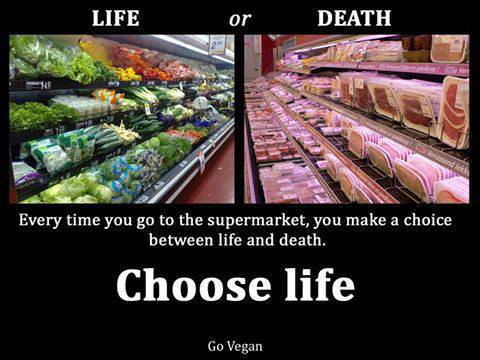
“Any restaurant that serves meat, whether it’s farm to table, whole-animal butchers or McDonald’s … is supporting the violent and untimely or unnecessary death of an animal that wanted to live,” Shaw said. “With every meal, we have the opportunity to choose cruelty or kindness.”

10390198_10203908802183160_4406257953417926087_n

Editorial in the Olympian, WA: State DFW needs visionary leadership

1011767_10152168496128769_1859093580_n

December 5, 2014 

One of the most difficult challenges of the 21st Century is how to sustain life on our ever more crowded planet for many generations into the future. It’s a daunting task because it requires us to confront issues ranging from population growth to climate change to the importance of biodiversity in our ecosystem.

On the biodiversity front, the state of Washington has an immediate opportunity to create a paradigm shift within the Department of Fish and Wildlife (DFW) by hiring a visionary director who will lead the state toward a sustainable future for all species.

The department’s current director, Phil Anderson, is retiring at the end of this year after slightly more than five years in the position. The state’s independent nine-member Washington Fish and Wildlife Commission will select Anderson’s successor.

It’s a critical appointment that should not be rushed.

Since its creation in 1890 as a Fish Commission, the department has been focused on animals people hunt, fish and eat. Much later, species protected by the Endangered Species Act were added to the mix.

It wasn’t until 1921 that the Legislature abolished the Fish Commission and created a separate Department of Fisheries that focused on salmon caught commercially, and a Department of Game and Game-Fish. In 1987, the Department of Game was changed to the Department of Wildlife. And in 1994, state lawmakers merged the two departments into one Department of Fish and Wildlife, overseen by a commission that sets policy and goals.

It’s questionable whether these two cultures – fish and wildlife – have ever been effectively merged. And there is lingering tension between the biologists who see the value of all species and the hunters, fishers and ranchers who want wildlife managed to serve their own interests. Some current and former employees say that tension is the reason a recent survey of state agencies ranked morale in the DFW near the bottom, just above the Department of Corrections.

If the Fish and Wildlife Commission selects a change-agent who understands the important role of biodiversity in sustaining human life, it would bring the department back together and re-energize its legion of passionate young biologists.

Other states, such as Missouri and Florida, have moved away from the antiquated fish and game model to focus on protecting all species. Young biologists today recognize that less charismatic animals play a key role in our planet’s ecosystem and that we can no longer futilely attempt to pack all the nature we need into parks. We must preserve diverse wildlife in diverse ecosystems.

But the DFW seems to be moving in the opposite direction. That is evident in the department’s mismanagement of wolf hunts in northeastern Washington, where it catered to the small percentage of ranchers who refuse to abide by the state’s wolf conservation plan.

It’s important for the public and elected leaders to voice their concern to the commission – it meets Dec. 12 -13 in Olympia – that the DFW should join the broader effort toward sustainable living for all creatures, great and small.

http://www.theolympian.com/2014/12/05/3457683_state-dfw-needs-visionary-leadership.html?sp=/99/109/&rh=1#storylink=cpy or http://tinyurl.com/qf78vvg

Wildlife officials consider deer hunting in state parks

1549480_657426264295432_724679478_n

Thursday, November 27, 2014 12:13 am

Wildlife officials are considering plans to allow deer hunting in several state preserves — including Willowdale State Forest in Ipswich — to cull herds that have flourished under state and local protections.

The move, details of which are still being worked out, will likely require legislative approval and is expected to prompt a backlash from animal rights groups and others who say the parks should remain sanctuaries for wildlife.

Hunters groups and local officials have pressed the state to allow hunting in Willowdale and other state lands – including Wompatuck State Park in Hingham and the 6,000-acre Blue Hills Reservation in Norfolk County – to control the deer population, said Bill Hickey, a spokesman for the state Department of Conservation and Recreation.

“Many of our reservations are closed to hunting by regulation either because they are in urban areas, border neighborhoods, or as a result of deed restrictions placed on the properties before the commonwealth acquired them,” he said. “This is very preliminary, and we are considering [the requests] on a case by case basis.”

More:  http://www.eagletribune.com/news/wildlife-officials-consider-deer-hunting-in-state-parks/article_6a3c13f9-1a45-58f6-ba5f-6b6f6eedf363.html