
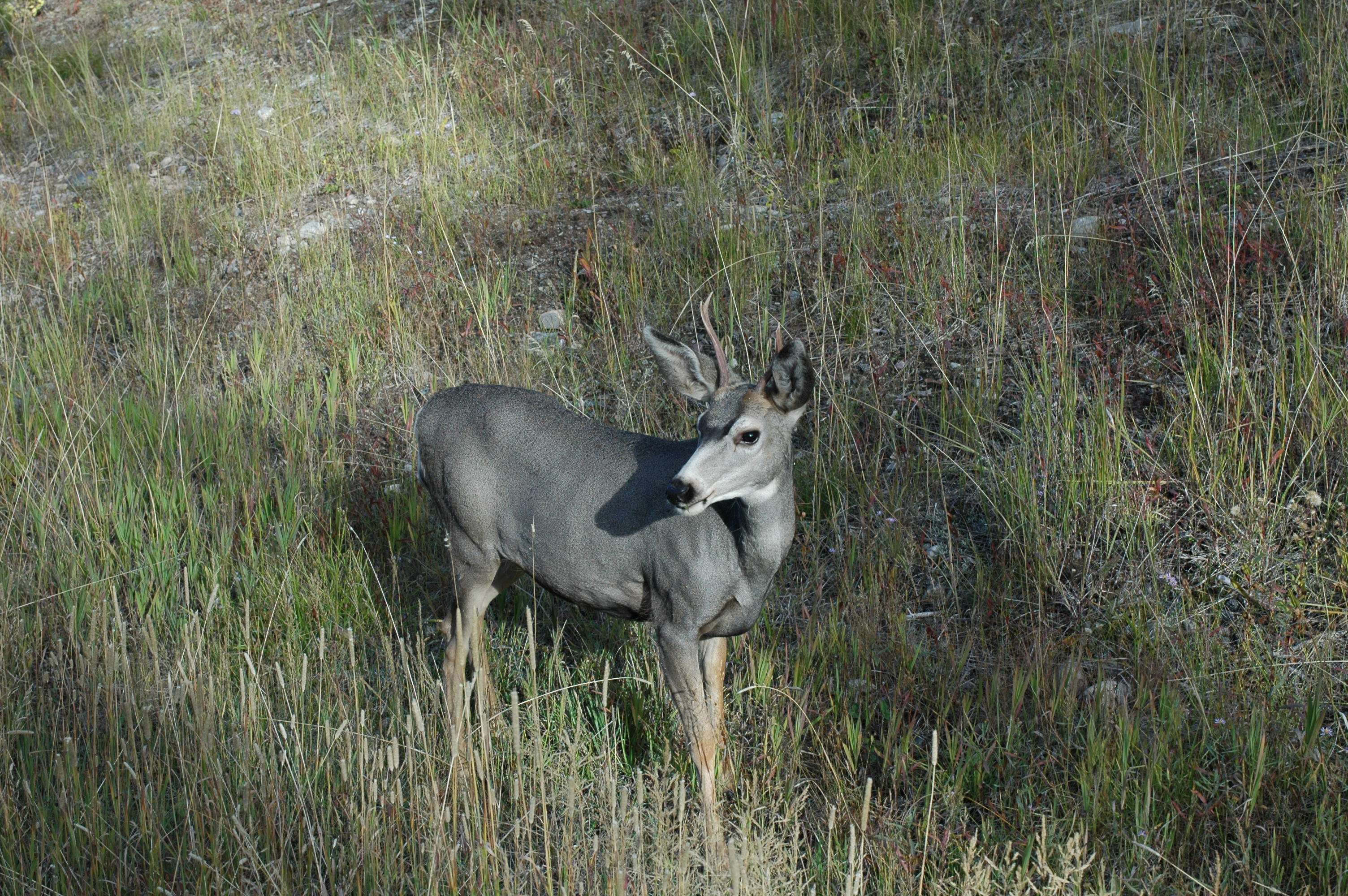
There aren’t all that many deer around here, but you wouldn’t know it by the number of rigs full of hunters driving up and down the roads lately. Due to several factors—poaching, for one, along with a healthy population of natural predators, and the fact that thick evergreen forests don’t provide much to browse on—deer are far from common in these parts.
It seems hunters are the overpopulated ones. For every little deer there must be a dozen Elmers out for a drive-by drool. Often you see 3 of them packing the front seat of a pickup; but they’re there for the party atmosphere, not to conserve on fuel. The first weekend of hunting season is a lot like opening day at some popular fishing hole. But instead of boats full of fishermen tangling each other’s lines on a crowded lake, hunters troll back and forth on the roads, competing for that one “trophy” buck out there.
I often wonder if anyone has done a survey of just how much money is spent, and gallons of fuel burned, by the average hunter as compared to their success rate and the amount of food procured. According to their apologists, hunters in the U.S. spend $24.7 billion annually on their sport, including the cost of guns and ammo, travel, gas, food and drink, supplies, vehicles, leases, lodging, and guide services.
Meanwhile, the cost to society in dealing with the psychopathic behavior hunting encourages and enables is immeasurable.
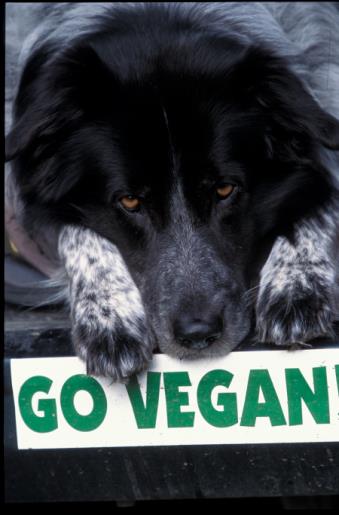
I know one thing: it would be far more cost effective for them to get their protein from grains, like wheat or rice and legumes like beans or lentils. When it comes right down to it, hunting for subsistence can hardly be considered sustainable.
 Exposing the Big Game