Hunter sues over alleged fraudulent big-game hunt

Poor baby, imagine his mental distress, anxiety and loss of sleep from not receiving the right head in the mail…

http://seattletimes.com/html/nationworld/2022920756_biggamesuitxml.html

Rick Vukasin is demanding reimbursement or else the original argali horns, but he said a possible exchange is complicated by international treaties governing hunting of the rare sheep, a threatened species in Tajikistan.

By SCOTT SONNER

The Associated Press

 This December 2012 photo shows Vukasin, 65, of Great Falls, Mont., posing with a rare argali sheep known as the “Marco Polo” that he shot in the Pamir Mountains.
Enlarge this photoThis December 2012 photo shows Vukasin, 65, of Great Falls, Mont., posing with a rare argali sheep known as the “Marco Polo” that he shot in the Pamir Mountains.

Show comments         

                You travel around the world, to shoot an endanger species, and expect sympathy? What…                (February 15, 2014, by more important things)                                                        
                A good example of someone who deserves to get ripped off.                (February 15, 2014,                     
                What kind of a person would kill endangered animals for just a trophy? How infantile…                (February 15, 2014,                                                          

RENO, Nev. — A big-game hunter from Montana is suing a Canadian outfitter and a renowned hunting guide in Tajikistan he accuses of turning his once-in-a-lifetime adventure of bagging a rare, wild argali sheep known as the “Marco Polo” into a nightmare.

Rick Vukasin, 65, said in a lawsuit filed in U.S. District Court in Reno last week that he spent more than $50,000 pursuing the animal in the Pamir Mountains of northeast Tajikistan near China’s border in December 2012.

The electrician said he felt like he was literally on top of the world after he tracked, shot and killed a 400-pound, big-horned ram with the coveted, spiraling horns at an elevation of 14,000 feet. But he was mortified two months later, when he opened the box shipped to his home in Great Falls to find the horns were not the 58-inch-long ones from his trophy animal.

“I could tell right away,” Vukasin said. “I was sick.”

The native Montanan who grew up hunting deer on the eastern front of the Northern Rockies had stalked moose in Saskatchewan and red stag elk in New Zealand.

“But the thing I really wanted to do was a Marco Polo sheep hunt,” he said. He pored over books, guides and websites before settling on the excursion halfway around the world.

“The biggest of the species is in Tajikistan. So I figured if I was only going to be able to do this once, I’m going top shelf,” he said.

Vukasin and his guide, Yuri Matison, saw animals the first day but had difficulty tracking them, partly because it’s hard to breathe at that altitude, he said. But the next day he said he “felt lucky” to land a prize with a rack in “pretty good shape … not all busted up from fighting.”

The horns he ended up with are missing a few noticeable chips and weathered to the point he suspects they are at least 2 years old.

Vukasin said Matison and the booking outfitter — Ameri-Cana Expeditions of Edmonton, Alberta — first insisted the horns were the originals and then offered to send a replacement.

Vukasin is demanding reimbursement or his original horns, but he said a possible exchange is complicated by international treaties governing hunting of argali, a threatened species in Tajikistan. Only 60 permits are issued there annually for the sheep named after the 13th-century explorer.

The Safari Club International considers the argali’s horns the “most spectacular” of all the world’s sheep, according to its record book.

Vukasin said Ameri-Cana co-owner Dan Frederick dismissed his concerns, telling him “It’s just hunting.”

“Granted,” Vukasin said, “you can have bad weather or you might not see any animals or you might miss the shot. That’s hunting.

“But to shoot the animal and take pictures of it and then not to get it, somebody has to be responsible.”

Frederick didn’t return calls or email seeking comment. The Associated Press was unable to locate Matison.

Vukasin said he contacted an FBI agent in Great Falls, Mont., who indicated he probably was a fraud victim but there was little authorities could do unless they found a number of other hunters who’d also been duped.

FBI spokesman William Facer in Salt Lake City said Friday the agency could not comment.

Linda Linton, a Reno lawyer, said she filed Vukasin’s lawsuit there because Matison and Ameri-Cana advertise and do business there regularly at conventions of the Safari Club International and the Wild Sheep Foundation, the latter of which named Matison to its Mountain Hunter Hall of Fame in 2009.

Vukasin is seeking $75,000 in damages for lost money, “worry, anxiety, loss of sleep, physical and mental distress.”

“I’ve been fighting them more than a year. I finally got fed up and decided to do something about it,” he said, adding he’s convinced others have been victimized. “I have this stuff sitting in my living room and every time I look at the horns, I just get that much more mad.”

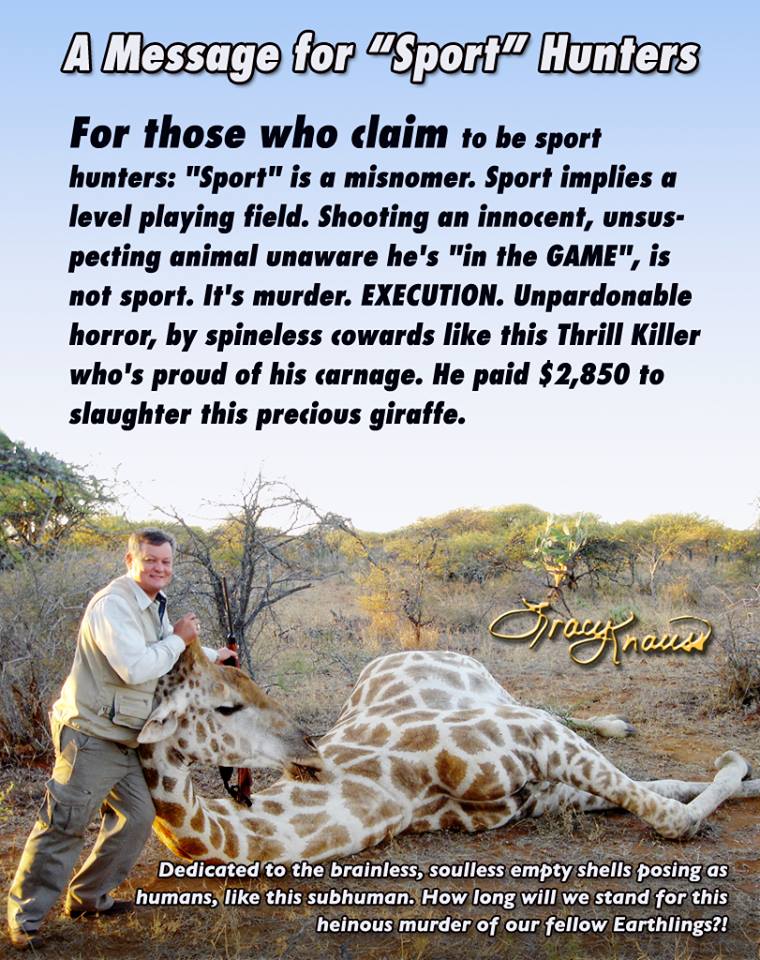
Stop Hunting Giraffes for Sport

by Christopher Baranowski

Target: Governments of South Africa, Namibia, and Zimbabwe

Goal: End the brutal and inhumane hunting of giraffes for sport.

In many African countries, it is legal to hunt giraffes for sport. Hunters from around the world pay up to 15,000 dollars just for the chance to kill one of these animals. Despite declining giraffe populations, these African countries claim that hunting can be profitable for the government and citizens and that giraffe populations can be sustainably managed. But the continuation of this brutal practice only perpetuates the idea that these animals are a commodity and encourages illegal poaching. End the hunting of giraffes for sport today.

Hunters from countries like Russia, the United States and Germany pay thousands of dollars for plane tickets to countries like South Africa, Namibia and Zimbabwe where hunting of giraffes is still allowed. Game parks charge trophy fees for killing the animals and additionally daily fees for hired trackers and guides. The final bill can be up to 15,000 dollars. The governments of these countries argue that this brings money, tourism and giraffe meat to local communities and point to the fact that giraffe populations in their countries have remained stable. But giraffes have gone extinct in Angola, Mali and Nigeria and the giraffe population has been halved since 1988 to the current number of 80,000. Though the Giraffe Conservation Foundation cites human development as the main reason for their decline, one cannot help but wonder how sustainable and ethical hunting these endangered animals can be.

Trophy hunters often miss their target and end up shooting the giraffe in a place that results in a painful death. Illegal poachers also use nets and snares to capture giraffes, which results in a similarly painful death. How can countries that have made giraffe hunting illegal expect to combat poachers when they are sending the message that hunting big game is okay? Giraffegiraffe populations are plummeting and no matter what the cause, we cannot allow these beautiful creatures to be hunted for sport.

PETITION LETTER:

Dear Presidents Jacob Zuma, Hifikepunye Pohamba and Robert Mugabe,

Currently, you are the only three African states that allow legal hunting of giraffes. We understand that this can be a lucrative industry for both the government and the people of your countries and that your giraffe populations have remained relatively stable, but you are also sending the message that it is okay to hunt these harmless and threatened animals. This may increase poaching in countries where hunting giraffes is illegal.

Poachers use cruel and inhumane methods to capture giraffes, and even legal hunting can sometimes result in a painful death for the giraffes. Angola, Mali and Nigeria have already seen their giraffe populations go extinct. Please take a stand against cruel game hunting and for the giraffes of Africa. Ban hunting of giraffes before it is too late.

Sincerely,

[Your Name Will Go Here]

Sign the Petition

First & Last Name*

Email*

Your email will not be published. By signing you accept the ForceChange terms of service and may receive updates on this and related petitions.

http://forcechange.com/12033/stop-hunting-giraffes-for-sport/

and there is another petition for giraffe’s here — http://www.ryot.org/young-giraffe-killed-tomorrow-copenhagen-zoo/562109
and:
http://www.psychologytoday.com/blog/animal-emotions/201402/healthy-young-zoo-giraffe-be-killed-zoothanasia-redux

German Environment Ministry Official in Elephant Killing Scandal

00847AF6_B0E63080B13AC39D9CCC0EE6E0B44890

Udo W. (German law prohibits the release of his full name) is a high official in the environment ministry of the German county of Thuringia and actually still holds a leading function in the wildlife species protection department.

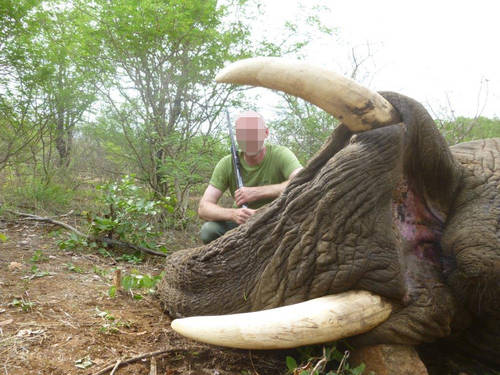
Just days before Botswana closed trophy “hunting” on 31. December 2013, achieving that since first of January now all such sport-killing is prohibited in the African country, the civil servant went on a trophy hunt in Botswana and bragged himself now to have killed a 40 year old, middle aged bull.

Though it apparently was a legal big-game safari in old colonial style, the case has raised a storm of protest in Germany and calls – e.g. by the Green Party – for the immediate dismissal of the civil servant from his post.

The biggest shame, however, has not yet become a viral twitter storm and that is given by the fact that Botswana actually permitted such colonial style killing for money of an elephant by a foreign trophy hunter, while at the same time and under the helm and often enough at the hands of the same Botswana officials, members of the First Nation in Botswana, the San bushmen, are tortured, killed, raped, alienated from their wildlife resources and expropriated from their wildlands. All these atrocities against the San must be seen as what they are: Outright genocide.

While peoples the indigenous hunter-gatherer cultures are driven to extinction, the kill-for-money psychopaths are allowed to continue their shameful acts in other African countries.

The leaked photos from the kill:

http://media401.zgt.de.cdn.thueringer-allgemeine.d…
http://media101.zgt.de.cdn.thueringer-allgemeine.d…

Read also the background to these atrocities against the San:

Tswana Atrocities 4.0

http://groundreport.com/5058632/

ECOTERRA Intl.
SURVIVAL & FREEDOM for PEOPLE & NATURE

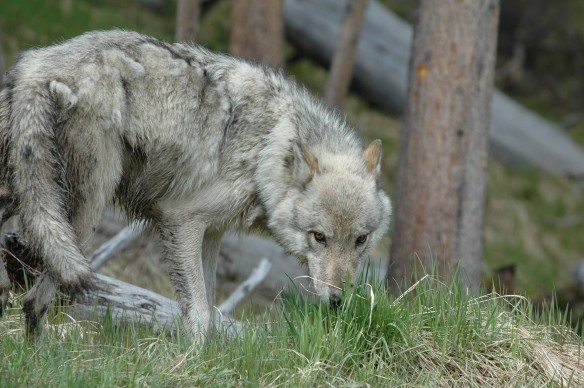
Idaho Elk Hunters Want More Wolf Trapping

http://m.cdapress.com/news/outdoors/article_59dcd3c3-b13b-52dd-8ca8-cabf53002b54.html?mode=jqm

F4WM seeks new members

COEUR d’ALENE – A group of North Idaho elk hunters formed a foundation in 2011 that is designed to incentivize more winter trapping of gray wolves in528624c939a88_preview-620 the Idaho panhandle – and now they want to take it statewide

The Foundation for Wildlife Management, or F4WM, has created a website and Facebook page to generate interest in starting new chapters and recruiting new members.

“We are in a hardball fight for our hunting heritage in Idaho,” said former Idaho Department of Fish and Game Commissioner Anthony McDermott, who now sits on the board of the foundation.

According to McDermott, the mission of the foundation is to encourage the trapping of gray wolves in areas where the wolf predation is excessive.

“The foundation is totally focused on restoring the elk in our backcountry areas,” he said.

The board of the foundation has found that trapping the wolves is the best way to manage the predator. McDermott said wolves are smart animals that learn very quickly how to evade traditional hunters.

“This organization has figured out that trapping is the answer,” he said. “But trapping is also very expensive.”

So, the foundation offers up to a $500 reimbursement to a successful gray wolf trapper who can provide receipts for their expenses.

F4WM has 278 members in the Idaho panhandle area, and they just started another chapter in Lewiston last week. The organization has also attracted interest from people in Salmon, Challis, Riggins and the Bitterroot Valley.

Cost of membership is $35 annually and most of that money is used to reimburse wolf trappers.

In 2011 and 2012, the F4WM was able to reimburse 22 trappers, and paid 14 trappers so far this season.

For more information on how to join the organization go online to http://www.foundationforwildlifemanagement.org

What Motivates a Wolf Killer?

Text and Wildlife Photography ©Jim Robertson, 2014. All Rights Reserved

Text and Wildlife Photography ©Jim Robertson, 2014. All Rights Reserved

Killing a wolf is a crime against nature—and the motive depends on the kind of perpetrator. To a trophy hunter, a dead wolf is something to mount on a wall and brag about. By literally possessing the animal, they can relive their kill over and over, remorselessly boosting their flagging self-esteem every time they vacuously gaze at their victim’s lifeless body. For a fur trapper, a dead wolf is just a hide and a chance to play modern-day frontiersman. Although there’s no real frontier left, they consciously choose to revive a bloody, destructive lifestyle—partly for money, but mostly for a sense of identity.

But to a “wolfer,” the kind of person whose central preoccupation is hiring on to rid an area of each and every last wolf he can, a prime sense of greed is the motivating factor.

Sure, a guy like that, such as the wolfer contracted by the Idaho Department of Fish and Game to snuff out the Golden Creek and Monumental Creek packs in Idaho’s Frank Church Wilderness Area, must get an ego boost from being known as a “professional” wolf killer. He no doubt experiences some kind of perverse thrill every time he finds an animal desperately trying to free him-or-herself from one of his leg crushing traps. And he probably even gets off on hearing that his actions are upsetting a lot of empathetic wolf advocates who desperately want him to stop his atrocities. But the main reason the wolfer does the job he does is greed, pure and simple: a selfish lust for power, control and of course, money.

That may not seem like a lot to accuse him of in a country built on the spoils of selfishness and greed. Yes, he is surely evil incarnate, soulless and sick to the core, but as long as someone is paying him to “get the job done”… And who the hell pressed the state into hiring a hit man to eliminate established packs, tormenting individual wolves and disrupting nature’s time-tested order? Ask the Idaho trophy elk hunting syndicate.*

The wolves in the Frank Church Wilderness area weren’t after anyone’s cows or frightening school kids at bus stops, they were just doing what comes naturally to wolves. Killing off apex predators to make it easier for sport hunters has got to be the height of human arrogance.
________________________________
*syn-di-cate (noun) 5) an association of gangsters that controls an area of organized crime

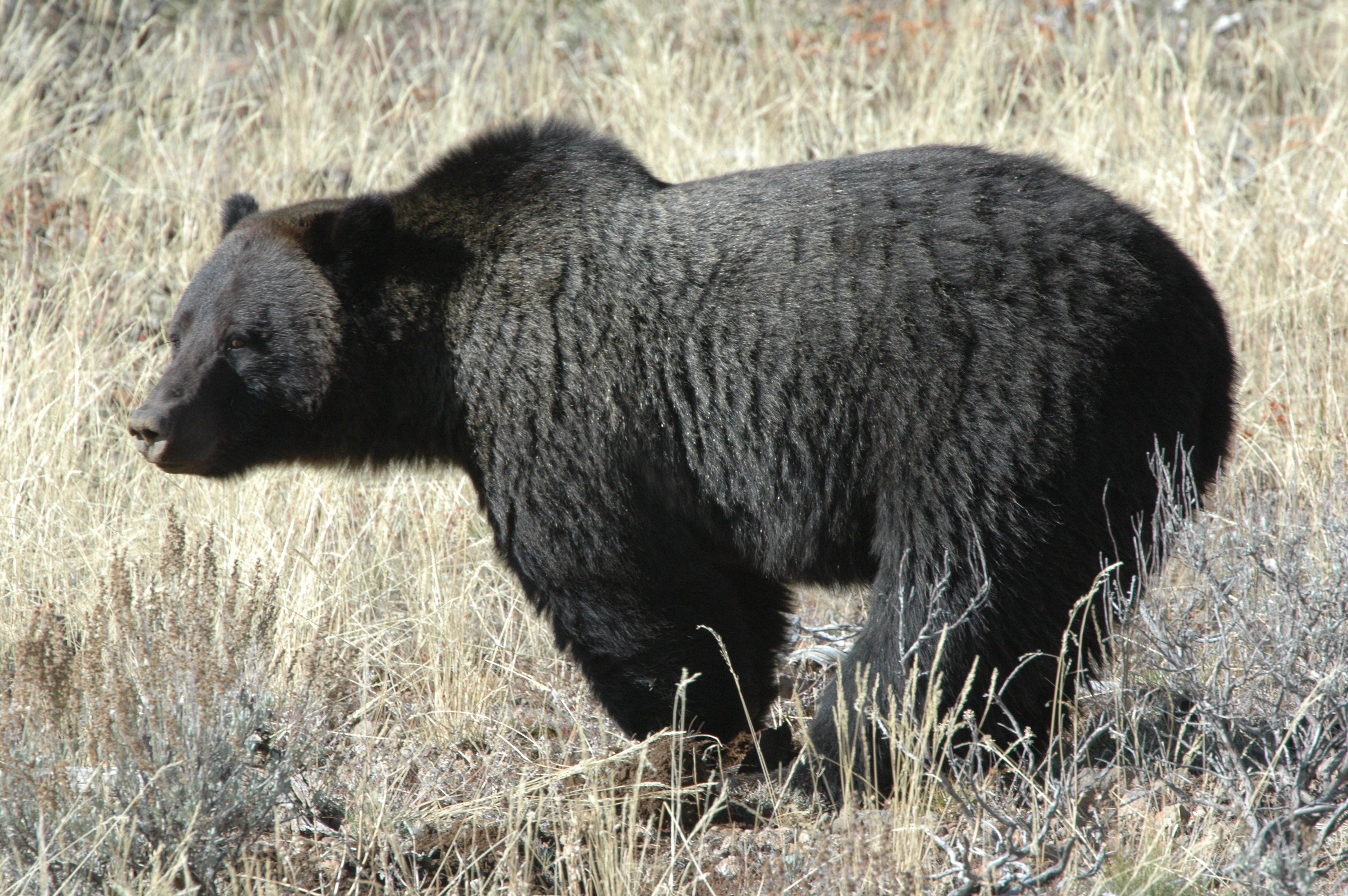
Petition: Protect Grizzly Bears By Banning the BC Trophy Hunt

Protect grizzly bears by banning the trophy hunt

Photo Copyright Jim Robertson

Photo Copyright Jim Robertson

Petition by Bears Matter Ltd.

Over 10,000 grizzly bears have been killed by trophy hunters between 1976 and 2012. More than one third (1/3) of grizzly bears killed by trophy hunters are female. In the Spring hunt female bears may be shot due to mistaken identity leaving their tiny 2-3 month old cubs to perish.

A recent report by the Centre for Responsible Tourism (CREST) in collaboration with Stanford University highlighted that bear viewing produces far more jobs and revenue than the grizzly bear trophy hunt, which costs more for the government to manage than it generates back in revenue. There is simply no scientific, ethical or economic rationale for the trophy hunt.

To:
Honourable Premier Christy Clark, Provincial Government of British Columbia
Honourable Minister Steve Thomson, Minister of Forests, Lands and Natural Resources
Honourable Minister Shirley Bond, Minister of Jobs, Tourism and Skills Training
Honourable Minster Mary Polak, Minister of Environment

As British Columbians, we live in a democracy where the government is duty-bound to heed the voices of the majority and not to pander to a small, vocal segment of the hunting community. As you are aware, opinion polls have consistently shown that the overwhelming majority of British Columbians oppose the trophy hunt of grizzly bears. We urge your government to issue a province-wide ban on the…

Read More and sign the petition: http://www.change.org/petitions/honourable-premier-christy-clark-protect-grizzly-bears-by-banning-the-trophy-hunt?share_id=vFAKCBJnMB&utm_campaign=friend_inviter_chat&utm_medium=facebook&utm_source=share_petition&utm_term=permissions_dialog_true

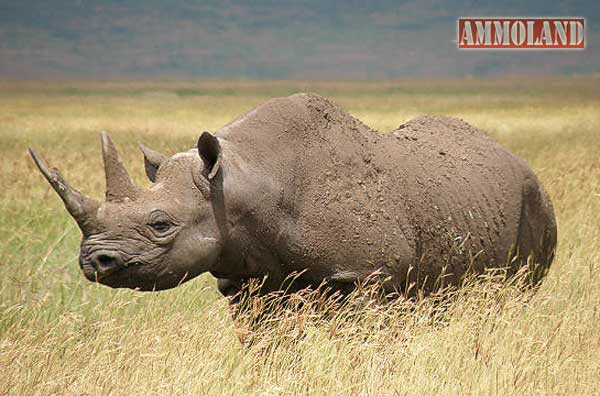
Wrong, New York Times. The Trophy Hunt Is Terrible For Rhinos

https://www.thedodo.com/community/MarcBekoff/is-killing-a-rhino-for-350k-re-396733510.html

Marc Bekoff
20 January 2014

Share on Facebook Share on Twitter

Who lives, who dies, and why?

We live in a troubled and wounded world in which humans continue to dominate and relentlessly kill numerous nonhuman animals. A Texas hunting club recently auctioned off an endangered black rhino purportedly to save other black rhinos and their homes in Namibia. A representative of the Dallas Safari Club noted, “Namibian wildlife officials will accompany the auction winner through Mangetti National Park where the hunt will occur, ‘to ensure the correct type of animal is taken.'” This is not a very comforting thought. Nor is the idea that it’s OK to kill one rhino to save other rhinos.

Because of who we are we are always making decisions about who lives and who dies. The criterion used in these sorts of difficult decisions in the realm of conservation efforts centers on the debatable notion that we know what’s best for the good of a particular species. As a result of this often misplaced thinking, individual animals are devalued and treated as if they’re disposable objects and traded off for the good of their own (or other) species.

In today’s New York Times Richard Conniff published an essay called, “A Trophy Hunt That’s Good for Rhinos.” He writes, “auctioning the right to kill a black rhino in Namibia is an entirely sound idea, good for conservation and good for rhinos in particular.” This conclusion is too fast for me, and he does not present data that support this claim.

Conniff claims that Namibia, a small and sparsely populated country, is a conservation success story. Over the past 20 years its rhino population has increased as have the number of mountain zebras, elephants and lions. This is because around 44 percent of the country benefits from conservation protection due to the establishment of communal conservancies that own the wildlife. Nowhere does Mr. Conniff argue that these success stories rest on killing some of these animals for the good of other members of their species. That’s good, because we really don’t know this.

In Namibia and elsewhere black rhinos do indeed find themselves trying to avoid humans out to kill them, but in Namibia only 10 rhinos have been killed since 2006. Of course, this is 10 too many, but far fewer than have been killed in neighboring South Africa, where around 1,000 were killed in 2012 alone. For more on rhino slaughter in South Africa please read this.

Mr. Conniff also claims that the old post-reproductive and belligerent male who will be killed won’t be much of a loss because individuals such as these “have a tendency to kill females and calves.” Does having a tendency to do something warrant an individual’s unnecessary death? No it doesn’t. And, if these individuals were so harmful in any regular and significant way, one would think they would have been weeded out of the population over time due to natural selection or that they would be avoided and ostracized by other group members who fear them. This old male is merely a sacrificial rhino who’s killed for a lot of money that will supposedly go into conservation efforts.

We must revise some of the ways in which we attempt to coexist with other animals. Some of these methods center on heinous ways of killing them “in the name of conservation” or “to foster coexistence.” Compassionate conservation stresses that the life of every individual matters and trading off an individual for the good of their own or another species is not an acceptable way to save species. And, there doesn’t seem to be much evidence that it works in any significant way.

(For more on compassionate conservation please see “Ignoring Nature No More: Compassionate Conservation at Work”, Ignoring nature no more: The case for compassionate conservation, and a Forbes interview.)

The life of every individual matters. I agree with Conniff that “Protecting wildlife is a complicated, expensive and morally imperfect enterprise, often facing insuperable odds.” Where I and others disagree is his swift claim that killing a rhino male is a sound conservation strategy. When people say they kill animals because they love them this makes me feel very uneasy. I’m glad they don’t love me.

Cruelty can’t stand the spotlight and it is important that news about the sorts of activities discussed above be widely disseminated and openly discussed. That major media is covering them is a step in the right direction. Now it is essential that people who care about conserving without killing make their voices heard.

Marc Bekoff’s latest books are Jasper’s Story: Saving Moon Bears (with Jill Robinson; see also), Ignoring Nature No More: The Case for Compassionate Conservation (see also), and Why Dogs Hump and Bees Get Depressed

black-rhino

It’s Terrible About Those Death Threats

I don’t know who is sending would-be rhino Corey Knowlton all those death threats we keep hearing about, but I think it’s just terrible.

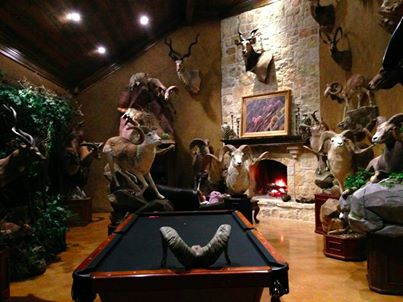
It’s terrible they waited until after he’d killed all those other 120 species—from every continent—that line the walls of his trophy1613918_577895065613412_412557772_n room. Too bad they held off until he had a chance to murder one of every species of wild sheep in existence, for instance. It’s a shame the 35 year old lived long enough to become the co-host of a hunting show on The Outdoor Channel which extols the virtues of snuffing out wildlife and encourages animal assassination in the name of sport.

It’s an absolute tragedy they waited until he won last week’s Dallas Safari Club auction to hunt a black rhino in Namibia. Now, unless the threats are in fact serious and carried out in the coming weeks, he will get the chance to destroy yet another undeserving sentient being in the name of ego, selfishness, arrogance and hedonism.
____________________________

For those not keen on lethal action, here are 3 things you can do to help:

1) PETITION: http://e-activist.com/ea-action/action?ea.client.id=104&ea.campaign.id=24844
2) PETITION: http://www.ifaw.org/united-states/get-involved/protect-black-rhinos-trophy-hunters
3) FB page with USFWS contact info and sample letter for writing to ask them to deny permit: https://www.facebook.com/events/242483775925213/

1017393_10202261526713538_1876940690_n

Corey Knowlton? Yup, I Hate Him Too

Corey Knowlton is the hunter who won the right to kill an endangered rhino in the Safari Club auction. This is part of trophy room (Big Horn Sheep section – Knowlton claims that he has hunted “over 120 species on every continent” – obviously many animals per species)…

1613918_577895065613412_412557772_n

…and this is what Grumpy Cat has to say about him:

1017393_10202261526713538_1876940690_n