On September 26th 2013, just in time for “National Hunting and Fishing Day,” Sally Jewell, our new (and allegedly improved) Secretary of the Interior announced a U.S. Fish and Wildlife Service proposal to expand hunting opportunities throughout the National Wildlife Refuge System. The plan would open up hunting on six refuges currently free from armed ambush and expand existing hunting and fishing on another 20 “refuges.” The new rule would also modify existing regulations for over 75 additional refuges and wetland “management” districts.
The proposal is yet another nod to the “hunter’s rights” movement that has been sweeping the nation.
But what about the wildlife’s right to a true refuge, free from human hunting? Oh that’s right, animals don’t have rights, only humans—even including hunters—do. It is such an arrogant and absurd notion that sport hunters—arguably the lowest creatures to ever crawl out of the primordial ooze—have rights, while all other species of life do not, that I sometimes forget it’s the currently accepted law of the land.
In 1997, the U.S. Sportsmen’s Alliance (USSA) pushed for changes in wildlife laws to ensure that hunting and fishing were priority public uses on “refuge” lands. Thanks in part to USSA’s self-serving effort, the National Wildlife Refuge System Improvement Act was signed into law. As they openly boast, “The language of the Refuge Improvement Act has been essential in opening new Refuge lands to sportsmen.”
Meanwhile, Interior Secretary Jewell recently stated, “Sportsmen and women were a major driving force behind the creation and expansion of the National Wildlife Refuge System more than a century ago…” Of course they were, Sally, they were the ones who nearly hunted most of America’s wild species—including bison, elk, pronghorn, bighorn sheep, swans, sandhill cranes and too many others to mention here—to extinction. Jewell also suggested that, “Keeping our hunting and angling heritage strong” would “help raise up a new generation of conservationists.” Well, that depends on your definition of “conservation.”
There is so little land left in today’s world where wildlife can breathe easy, free from the constant fear that every human they see might be intent upon shooting them or taking the lives of their herd, pack or flock-mates. Studies have shown that animals suffer from the stress of hunting season in the same way that people during wartime suffer from Post-traumatic Stress Disorder. Yet, hunting is permitted on over 330 wildlife “refuges.”
According to the National Survey of Fishing, Hunting and Wildlife-Associated Recreation, published every five years by the USFWS, more than 90 million Americans, or 41 percent of the United States’ population age 16 and older, pursued wildlife-related recreation in 2011. Nearly 72 million people observed wildlife, 33 million fished, while 13 million hunted. In other words, while 80% of the total number of Americans who pursue “wildlife-related recreation” do so in a peaceful, non-consumptive, appreciative and respectful manner, only 14% hunt. And yet the rules are made—and everyone else is effected—by those who feel compelled to hunt down and kill our wildlife.
Hunting is not compatible with the quiet enjoyment of our nation wildlife refuges. It’s hard to watch birds while someone’s busily blasting at them. As a wildlife photographer, I can always tell by an animal’s nervous and elusive behavior that they are living in an area open to hunting. This was made abundantly clear on a photo tour of Alaska. In Denali National Park, which is closed to hunting, people are regularly rewarded with quality, up-close wildlife viewing. Conversely, wildlife sightings of any kind are extremely rare in national parks such as Wrangle-Saint Elias, where hunting is permitted.
Encarta defines the word “refuge” as “a sheltered or protected place, safe from something threatening, harmful, or unpleasant.” Given that hunting is indeed threatening, harmful and unpleasant, how can the blood sport be considered compatible with our national wildlife refuges?
______________
Your written comments about the 2013-2014 proposed Refuge-Specific Hunting and Sport Fishing Regulations can be submitted by one of the following methods:
Federal eRulemaking Portal Follow the instructions for submitting comments to Docket No. [FWS-HQ-NWRS-2013-0074]; or
U.S. mail or hand-delivery: Public Comments Processing, Attn: [FWS-HQ-NWRS-2013-0074]; Division of Policy and Directives Management; U.S. Fish and Wildlife Service; 4401 N. Fairfax Drive, MS 2042–PDM; Arlington, VA 22203.
Comments must be received within 30 days, on or before October 24, 2013. The Service will post all comments on regulations.gov. The Service is not able to accept email or faxes.
Comments and materials, as well as supporting documentation, will also be available for public inspection at regulations.gov under the above docket number. In addition, more details on the kinds of information the Service is seeking is available in the notice.
Here are some of the refuges which the U.S. Fish and Wildlife Service proposes opening to hunting for the first time ever:
New York:
Shawangunk Grasslands National Wildlife Refuge: Open to big game hunting.
Oregon:
Baskett Slough National Wildlife Refuge: Open to migratory bird hunting.
Nestucca Bay National Wildlife Refuge: Open to migratory bird hunting.
Siletz Bay National Wildlife Refuge: Open to migratory bird hunting.
Pennsylvania:
Cherry Valley National Wildlife Refuge: Open to migratory bird, upland game and big game hunting.
Wyoming:
Cokeville Meadows National Wildlife Refuge: Open to migratory bird, upland game and big game hunting.
Meanwhile, under the proposal, the Service would expand hunting and sport fishing on the following refuges:
California:
Colusa National Wildlife Refuge: Expand migratory bird and upland game hunting.
Florida:
Arthur R. Marshall Loxahatchee National Wildlife Refuge: Add big game hunting. The refuge is already open to migratory bird hunting.
St. Marks National Wildlife Refuge: Expand migratory bird hunting, upland game hunting and big game hunting.
Idaho:
Kootenai National Wildlife Refuge: Expand upland game hunting. The refuge is already open to migratory bird hunting and big game hunting.
Illinois:
Cypress Creek National Wildlife Refuge: Expand migratory bird hunting, upland game hunting and big game hunting.
Middle Mississippi River National Wildlife Refuge: Expand migratory bird hunting, upland game hunting and big game hunting.
Indiana:
Patoka River National Wildlife Refuge and Management Area: Expand migratory bird hunting, upland game hunting and big game hunting.
Iowa:
Neal Smith National Wildlife Refuge: Expand migratory bird hunting, upland game hunting and big game hunting.
Northern Tallgrass Prairie National Wildlife Refuge: Expand migratory bird hunting, upland game hunting and big game hunting.
Port Louisa National Wildlife Refuge: Expand migratory bird hunting, upland game hunting, big game hunting and sport fishing.
Maine:
Rachel Carson National Wildlife Refuge: Expand migratory bird hunting, upland game hunting and big game hunting.
Missouri:
Mingo National Wildlife Refuge: Expand migratory bird hunting, upland game hunting and big game hunting.
New Mexico:
San Andres National Wildlife Refuge: Expand big game hunting.
Oregon:
Bandon Marsh National Wildlife Refuge, OR and WA: Expand migratory bird hunting. The refuge is also already open to sport fishing.
Julia Butler Hanson Refuge for the Columbian White-Tailed Deer, OR and WA: Expand migratory bird hunting. The refuge is already open to big game hunting.
Malheur National Wildlife Refuge: Expand migratory bird hunting and sport fishing. The refuge is already open to upland game hunting and big game hunting.
Texas:
Aransas National Wildlife Refuge: Add migratory bird hunting. The refuge is already open to big game hunting.
Balcones Canyonlands National Wildlife Refuge: Expand hunting for migratory birds, upland game and big game.
Vermont:
Silvio O. Conte National Fish and Wildlife Refuge: Expand migratory bird hunting, upland game hunting and big game hunting.
Washington:
Willapa National Wildlife Refuge: Expand migratory bird hunting and big game hunting. The refuge is already open to upland game hunting.
More info: http://www.doi.gov/news/pressreleases/interior-department-proposes-expansion-of-hunting-fishing-opportunities-in-national-wildlife-refuge-system.cfm
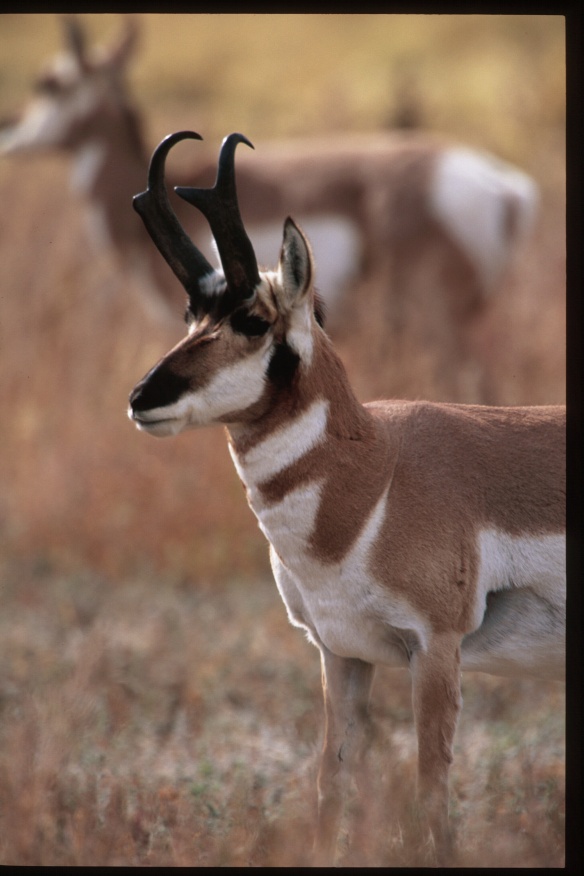
Text and Wildlife Photography ©Jim Robertson, 2013. All Rights Reserved

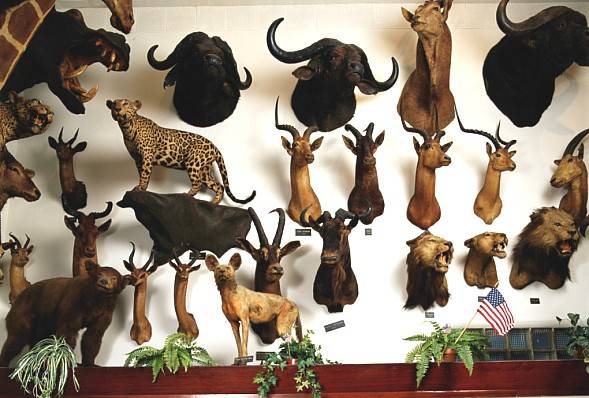


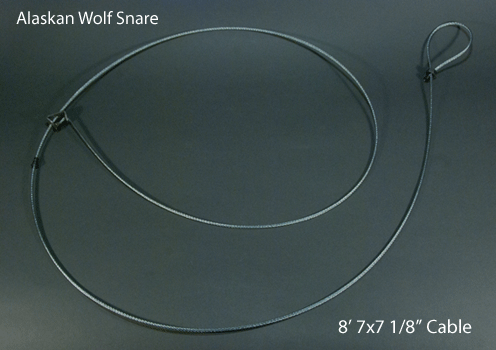

 Exposing the Big Game