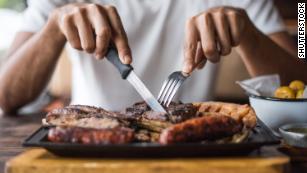
Exposing the Big Game

Forget Hunters' Feeble Rationalizations and Trust Your Gut Feelings: Making Sport of Killing Is Not Healthy Human Behavior

Exposing the Big Game

Cedar COVID-19 Cluster: PETA Proposes Switch to Vegan Meat

Posted on  by PETA Australia

After almost 100 people connected to a West Melbourne abattoir operated by Cedar Meats tested positive for COVID-19, PETA has written to the company and suggested that it choose a new direction: stop killing animals and switch to producing vegan meats instead.

COVID-19 is a zoonotic disease caused by a virus that originated in a meat market. But long before this novel coronavirus emerged, potentially lethal viruses were already crossing the species barrier to humans from other animals.H1N1 (swine flu), which originated in pigs and killed as many as 575,400 people in the year after it began spreading in humans, was traced back to a US factory farm. H5N1 (bird flu), which can be contracted by humans who come into close contact with infected live or dead birds, has a mortality rate of up to 60% and is considered a concern by the World Health Organization because of its potential to mutate and become highly infectious via human-to-human contact.

Of course, the Cedar Meats COVID-19 cluster has not been caused by the slaughtering of infected animals. Nonetheless, abattoir workers are proving to be particularly vulnerable during the pandemic. More than 4,900 workers at meat-processing plants in the US have also contracted the virus, nearly 4% of the industry’s workforce.

Then of course, there’s the fact that breeding, confining, and slaughtering animals heightens the risk of the emergence of deadly pathogens – no matter the country. In a paper published in 2018, Belgian spatial epidemiologist Marius Gilbert found that more “conversion events” for bird flu – in which a not-very-pathogenic strain of the virus becomes more dangerous – had occurred in Australia than in China.

As the global death toll from the coronavirus pandemic climbs to over 300,000, we’re being given a stark warning: we can no longer breed and slaughter sentient beings – who suffer immensely – for foods we don’t need without grave consequences for human health.

Brands such as v2food, Tofurky, Beyond Meat, and The Meatless Farm Company are growing as more and more people choose to eat vegan. Even meat producers such as Tyson, Smithfield, Perdue, and Hormel have invested in the global vegan food market, which is projected to be worth around AU$49 billion by 2020. In Australia, the demand for plant-based meat products is forecast to generate 6,000 full-time jobs and add nearly AU$3 billion to the economy in the next 10 years.

There has never been a better time for businesses like Cedar Meats to make the vegan switch, and we’ll be on hand to help them if they decide to.

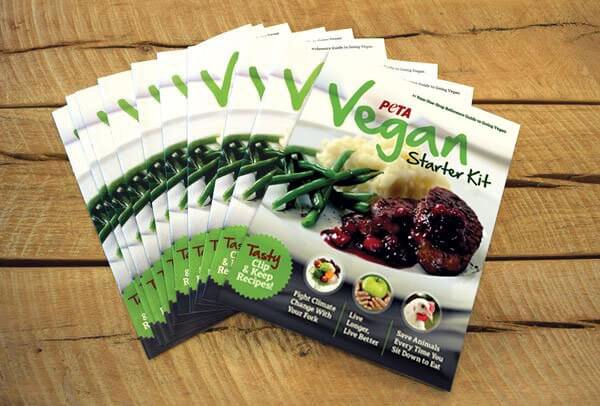
We can help you go vegan too! Click the button below for a free vegan starter kit.

vegan starter kitGO VEGAN NOW!

Worried about beef shortages and price spikes? Here’s what happens if you eat less meat

(CNN)Coronavirus came for Americans’ hamburgers in early May.

On May 5, the fast-food chain Wendy’s announced that some menu items were unavailable; an analyst estimated that nearly one in five Wendy’s franchises was out of beef.
That followed news that some meat processing plants across the US had temporarily closed due to coronavirus.
That’s because meatpacking and food-processing workers are getting sick and some are dying from Covid-19.
Some 20 meatpacking and food-processing workers have died from Covid-19, according to the United Food and Commercial Workers International Union.
As a result of the pandemic, 22 meatpacking plants have closed in the last two months. With plants closed, and livestock accumulating, some farmers are desperate enough to put their animals on Craigslist.
Closures have reduced pork slaughter capacity by 25% and beef slaughter capacity by 10%, according to UFCW. Some supermarkets, including Costco and Kroger, are limiting the amount of meat consumers can buy.
Prices are going up, too. But despite the grim news, the potential for reduced meat consumption as the result of shortages could have a silver lining for Americans’ health.

The health benefits of eating less red meat

Americans eat a lot of meat. The average adult ate between three and four servings a week from 2015 to 2016, according to the National Health and Nutrition Examination Survey.
That’s not too far off the maximum of three servings a week recommended by the World Cancer Research Fund International/American Institute for Cancer Research in a 2018 report. But at least a third of American adults eat at least one serving of red meat each day, far exceeding the limit.
Reducing intake of beef and pork is good for you, said Lilian Cheung, director of health promotion and communication at the Harvard T.H. Chan School of Public Health’s department of nutrition.
“An optimally healthy diet should be low in red meat,” said Cheung, who has a doctorate in nutrition. “There’s plenty of data that [meat] increases the risk of colorectal cancer, other types of cancers, heart disease, diabetes and the higher risk of dying from these things.”
Some of these health conditions are especially serious during the pandemic.
“With Covid-19, the underlying conditions of heart disease and diabetes increase the risk,” Cheung said. “You become much more vulnerable and increase the risk of dying and complications.”
In a 2011 study Cheung cited, researchers found that for each additional daily serving of red meats that participants ate, risk of type 2 diabetes rose 12%.
The numbers are clear: Eating less meat is good for you.
But if you’re considering reducing your meat consumption, Cheung noted that it’s important to be careful about what you eat instead. Ensuring you get enough protein and vitamins and minerals is key. Here’s what you need to know and more.

Can you get enough protein without eating meat?

While many consumers wonder if they’d get adequate protein without eating meat, Cheung said that for most Americans, it shouldn’t be a concern.
(A lack of protein is a serious threat in some developing countries or during times of famine, Cheung noted, as severe protein malnutrition can cause a nutritional disorder called kwashiorkor. It is very rare in the United States.)
The National Academy of Medicine recommends eating a little over 7 grams of protein for every 20 pounds of body weight. If you weigh 140 pounds, that translates to roughly 50 grams of protein a day.
Cheung said it’s easy to hit that target even without red meat.
Instead of red meats or processed meats, Cheung recommended eating fish, legumes, nuts and seeds, all of which are healthy and high in protein. Poultry, including turkey and chicken, is another good option.
“Poultry is fine,” Cheung said. “There is no negative effect seen with poultry.”
It’s important that Americans not replace fresh beef and pork with processed versions, Cheung said, as those foods can bring additional health risks.
Processed meats such as bacon, sausage and lunch meats are high in sodium; eating too much salt is correlated to heart disease, kidney disease, osteoporosis and cancer.
In addition, the World Health Organization considers processed meats to be carcinogenic, citing evidence showing that consuming processed meats causes colorectal cancer. There are also associations between processed meats and both pancreatic cancer and prostate cancer.

Getting enough vitamins and minerals

While most Americans are getting plenty of protein, Cheung said there are other key vitamins and minerals found in red meat that consumers should replace when cutting back, especially vitamin B12 and iron.
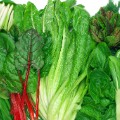
“Iron can be a problem because other foods don’t contain as much iron as red meat,” she said, adding that the mineral is easily replaced with supplements. “Taking a multiple vitamin that contains iron is easy and not very expensive.” Bumping up your intake of iron-rich foods such as dark, leafy greens, oysters, lentils and soybeans is another good option.
For strict vegetarians or vegans, Cheung said it’s worth ensuring you get enough vitamin B12, too.
The vitamin, which supports brain and nerve-cell functioning, is found in beef, poultry, fish, eggs and dairy products, so simply cutting back on beef won’t be a problem. Fortified products such as nutritional yeast, breakfast cereal and enriched plant-based milks also contain B12.
If you’re not getting enough in your diet, Cheung recommended seeking out a vitamin B12 supplement.

Adjust your kitchen routines

Whether you’re cutting out beef for health reasons, or simply to lower your grocery bills during the pandemic, making the shift will mean creating some new habits in the kitchen.
When considering a diet change, it’s worth keeping it straightforward, said Brian Kateman, the editor of the “The Reducetarian Cookbook.” Kateman’s cookbook proposes easy ways to swap animal protein for plant-based foods.
“If you’re a person who likes making burritos, make a burrito,” he said. Instead of beef or pork, he suggested adding in extra vegetables or avocado. “It’s much smarter to simply eat the foods you’re used to eating and make a one-to-one swap.”
Get CNN Health’s weekly newsletter

Sign up here to get The Results Are In with Dr. Sanjay Gupta every Tuesday from the CNN Health team.

When you’re hungry for a snack, Kateman recommended reaching for a handful of nuts. “Nuts have a lot of protein in them,” he said. But for maximum nutrition at a low cost, Kateman said it’s hard to beat legumes, which include lentils, beans and peanuts.
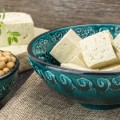
Both tofu and tempeh are made from soybeans, which is also a legume. If you’re not familiar with cooking these, Kateman suggested experimenting with edamame, green soybeans that are available in the freezer sections of many grocery stores and can be eaten boiled.
Some recipes from Kateman’s cookbook are available online; he recommended starting with a homemade veggie pot pie, or the high-fiber broccoli pesto noodle bowl.
Whatever you decide, Kateman, like Harvard’s Cheung, emphasized that reducing your meat consumption doesn’t require a huge lifestyle shift.
“We make food choices every day, usually three times a day,” he said. “A lot of people think meat consumption is all or nothing, but that’s just not true.”

Time to Evolve

Image may contain: text

Image may contain: possible text that says 'Those Vegan Guys 28 mins Darren: "Why would you want to eat things that look and taste like meat if you're a vegan, why not just eat meat?" Karen: "Why would you play computer game shooters when you could just go outside and shoot actual people?" Darren: "Because that would make me a murderer" Karen: "Ta dah"'

Image may contain: one or more people and text

The Necessary Arrangements


Image may contain: 1 person, possible text that says 'I don't want flowers! I want you to go Vegan'

Image may contain: one or more people, possible text that says 'Why art thou wearing thy full armour, good Sir Knight? Art thou off to do battle in the Crusades? Nay my lady. I'm going to try and give my cat a pill'

Image may contain: 2 people, text

Image may contain: possible text that says 'SAFELY ENDANGERED WEBTOON OUR I THINK OWNER IS DEAD LATER I'LL MAKE THE NECESSARY ARRANGEMENTS'

CHINA GETS NEW LINE OF PLANT-BASED MEATS AFTER MEATLESS NUGGETS’ HUGE SUCCESS

China Gets New Line of Plant-Based Meats After Meatless Nuggets’ Huge Success
https://ladyfreethinker.org/china-is-about-to-get-plenty-more-plant-based-meat-options/

U.S.-based food corporation Cargill is introducing a line of plant-based products to China after KFC’s highly successful plant-based nugget trial in several cities throughout the country.

In late April, three of Yum China Holdings’ KFC locations in Shenzhen, Guangzhou, and Shanghai carried plant-based nuggets mimicking the texture and taste of meat. They’re made from soy, wheat, peas, and locally-sourced water chestnuts. This trial came after a soft launch of Beyond Fried Chicken — KFC’s vegan fried chicken line in the United States — earlier this year.

The faux nuggets quickly sold out, showing that many people approve of plant-based food.

Following this success, Cargill decided to make more plant-based foods available in China. Beginning at the end of June, the company will offer products to retailers via its PlantEver line and will also cater to the food service sector.

Plant-based protein producers claim that many consumers are rethinking their food choices due to the coronavirus pandemic. As a result, the demand for plant-based products is surging even more than before.

“The launch is just the beginning,” managing director of Cargill Protein China Jackson Chan told Reuters, “and we look forward to continuing to innovate.”

Other companies are seeing success in China with their plant-based products, as well. Starbucks recently introduced a vegan lunch menu featuring Beyond Meat’s products at its Chinese locations.

Plant-based meat is a trend investors should not ignore

https://futuretv.in/plant-based-meat-is-a-trend-investors-should-not-ignore/

CNBC’s Jim Cramer said Wednesday that investors cannot ignore the rising popularity of plant-based meat products.

“This movement is happening. You’ve got to get on the bus or … get left behind,” Cramer said on “Squawk on the Street.”

Cramer acknowledged there are not huge sales just yet for a company like Beyond Meat, which after-the-bell Tuesday reported quarterly revenue of $97.1 million, a 141% increase from a year ago.

“It starts like this. It doesn’t begin with a billion dollars. This is not blockbuster drug, but watch this trend,”  Cramer said. “I think it’s very exciting for investors.”

Shares of Beyond Meat were up about 17% on Wednesday morning to around $118 each.

Beyond Meat, at a $7.2 billion market value, has been at times one of Wall Street’s hottest stocks but also one of the most volatile since its May 2019 initial public offering. Priced at $25 per share, the stock saw a meteoric rise to nearly $240 by last July. But come December, it had lost about 70% of its value. In the early part of this year, the stock rebounded before falling off a cliff, bottoming at about $48 in mid-March. Since then, the stock has more than doubled.

On Tuesday evening, in addition to strong revenue, Beyond Meat posted quarterly net income of $1.8 million, up from a net loss of more than $6 million last year. It did warn of a hit to its restaurant business due to the coronavirus pandemic.

However, the “Mad Money” host said he believes the plant-based meat industry may ultimately be beneficiaries of the Covid-19 crisis.

Meatpacking plants across the U.S. have seen significant virus outbreaks, forcing some to slow down production or temporarily close as workers became sick. The developments ignited concerns about the country’s food supply, although President Donald Trump signed an executive order last week requiring the plants to remain open during the coronavirus pandemic.

“I think there are people who are getting appalled by what’s happened at the meat packers. … I think these stories make you become not necessarily vegetarian but to think twice about beef,” Cramer said. “If you think twice about beef and then you try to Beyond, you kind of realize it’s very, very similar.”

While plant-based meat options have typically been more expensive than traditional meat, Cramer said the rising costs of beef, in particular, due to the coronavirus represents an opportunity for alternative producers.

One of Beyond Meat’s chief rivals in the plant-based meat category, Impossible Foods, is not publicly traded. But it is widely available as well. Grocery store chain Kroger also has launched private-label beef options.

Cramer noted that food giant such as Nestle have entered the plant-based burger market. He said the plant-based meat industry is “a really important ethos, not a hobby.”

Tyson warns more meat plant closures are coming

New York (CNN Business)Tyson warned Monday that it expects more meat plant closures this year.

The company also said it will continue producing less meat than usual, as workers refrain from coming to work during the coronavirus pandemic.
“We have and expect to continue to face slowdowns and temporary idling of production facilities from team member shortages or choices we make to ensure operational safety,” the company said in a statement discussing financial results from the first three months of this year.
“We will not hesitate to idle any plant for deep cleaning when the need arises,” CEO Noel White added during an analyst call Monday.
The meat processor has shuttered a number of plants in recent weeks as workers fall ill with Covid-19. It’s warned that if the closures continue, America’s food supply will suffer.
“There will be limited supply of our products available in grocery stores until we are able to reopen our facilities that are currently closed,” Board chairman John Tyson warned in a full-page ad that appeared recently in newspapers across the country.

The Trump administration wants plants to reopen

Tyson warned that more disruptions are ahead.

In an executive order signed last week, the president gave Secretary of Agriculture Sonny Perdue the power to invoke the Defense Production Act to force companies to keep their plants open. The order, however, has not led to a widespread reopening of meat production plants.
In a statement responding to the directive, Smithfield lauded the decision but noted that it is “evaluating next steps to open its currently shuttered facilities and will make announcements when it is ready to resume operations in each location.”
The day after the president signed the order, JBS USA announced it would partially reopen its pork production facility in Worthington, Minnesota — but only to euthanize hogs that won’t be processed because of bottlenecks in the supply chain.
“While our focus is on getting the Worthington facility back to work on behalf of our team members producing food for the nation, we believe we have a responsibility to step up when our producer partners are in need,” Bob Krebs, President of JBS USA Pork, said in a statement. “None of us want to euthanize hogs, but our producers are facing a terrible, unprecedented situation.”
The National Pork Producers Council also praised the order but acknowledged that hogs will still go to waste.
“While getting pork packing plants back online is foundational, the tragic reality is that millions of hogs can’t enter the food supply,” the council said in a statement, adding “we need coordinated partnership between the industry and federal, state and local authorities to euthanize pigs.”
The pandemic has halved the amount of pork processing capacity in the country, according to the company.
The challenge for Tyson: While meat processing plants have ground to a stop, consumer demand for meat is up.
Tyson (TSN) reported selling 2.7% more more beef by volume in the first three months of the year compared to the same period in 2019. Pork sales popped 2% by volume, while chicken sales fell 1.5%, partially because of restaurant closures due to the pandemic.
Overall, retail sales are up about 30% to 40%, White estimated. In food service, he added, sales have fallen about 25% to 30%

Take a GIANT STEP: Go Vegan!

United Poultry Concerns <http://www.UPC-online.org>
21 April 2020

Take a GIANT STEP: Go Vegan!

By Karen Davis, PhD, President, United Poultry Concerns

This article, excerpted from Life Can Be Beautiful – Go Vegan!
<https://www.upc-online.org/govegan.pdf>, is featured in
the April 2020 issue of *The Echo World: The Alternative Voice in the South*
<http://www.theechoworld.com>. The
Echo World appears in print and online.

*There’s never been a better time to switch to a diet free of animal
products.*

Animal-free eating gets easier every day as more and more people seek
healthy,
delicious vegan foods and restaurant dishes. More and more supermarkets
sell a
range of easy-to-prepare products marked Vegan. With today’s culinary
creativity
and technology, we can enjoy delicious textures and flavors without worrying
about the cholesterol, type-two diabetes and other health issues linked to
unhealthy, animal-based diets. Let’s look at the arguments.

*Why Choose Vegan?*

As the human population grows, food-safety and environment problems grow,
and
animals raised for food get treated worse. They suffer more cruelly, grow
sicker
and pass their sickness on to us. By choosing vegan, we refuse to support
the
suffering of billions of animals while enjoying the health benefits
associated
with plant-based foods.

Fortunately, the demand for animal-free foods is growing. People want meals
that
are healthy, better for the environment, and compassionate to animals.
Sales of
vegan meat and dairy-free products are rising rapidly in the United States
and
elsewhere in the world, according to food trend analysts.1 Plant-based
eating is
a path toward a healthier, more sustainable and caring way of life.

*The Environment*

Much of the destruction of our forests and wildlife is due to animal
agriculture. Our forests, especially our rainforests, absorb carbon dioxide
from
the atmosphere and exchange it for oxygen. When we slash and burn forests to
graze cattle and grow soybeans to feed billions of poultry and pigs, we
diminish
our ability and our children’s ability to breathe fresh air. Currently,
seventy
to eighty percent of the world’s soy goes not into tofu but into food fed to
farmed animals.2

A plant-based diet helps to protect our forests and our environment. In
“Saving
the Planet, One Meal at a Time,” American journalist and Presbyterian
minister,
Chris Hedges, writes: “With animal agriculture as the leading cause of
species
extinction, water pollution, ocean dead zones and habitat destruction,
becoming
vegan is the most important and direct change we can immediately make to
save
the planet and its species.”3

*Animals Raised for Food*

The Pew Commission on Industrial Farm Animal Production reported that of
all the
terrible things they witnessed in their investigation of farmed animal
facilities, “The most appalling was a facility that produces chickens for
eating. It was totally dark and the dust and ammonia smells were
overwhelming.”4

Animals raised for food are treated badly and they are very unhealthy.
Chickens,
turkeys and ducks are crammed in filthy, dark buildings loaded with
bacteria,
flu viruses, toxic funguses and poisonous gases that burn their eyes, their
skin, and their lungs. With no fresh air, sunshine, or normal activities,
the
birds develop painful skeletal deformities, soft watery muscles, stress
hormones
and heart disease.

Chickens and turkeys go to slaughter with rotting livers (necrotic
enteritis),
“wing rot,” pus-filled lungs, and ammonia-burned skin. Rotting intestines
and
ulcerated flesh are removed at the slaughterhouse. Corpses are drenched in
chlorinated water to conceal flesh sold falsely to consumers as “healthy.”5

Former Tyson chicken slaughterhouse worker Virgil Butler and his partner,
Laura
Alexander, described their switch to an animal-free diet: “We just couldn’t
look
at a piece of meat anymore without seeing the sad, tortured face that was
attached to it sometime in the past.”6

*”Free-Range,” “Cage-Free,” “Humane Farming”*

These terms sound reassuring, but the reality behind the scenes is
different. As
soon as they are born, most hens used for “cage-free” eggs are painfully
debeaked, and all male chicks are destroyed at the hatchery since they
don’t lay
eggs. “Free-range” turkeys are violently “milked” and inseminated by hand,
newborn calves and piglets are torn from their mothers, and baby chicks,
turkeys
and ducks are denied the comfort of their mother’s wings.

All animals raised for food – “free-range” included – are slaughtered,
trashed,
or trucked to live animal markets and rendering companies when their
moneymaking
life is over. Farmers do not keep “useless” animals. The idea that billions
of
humans can have billions of “humanely-raised” animals is untrue.

*What About Fish?*

Fish are intelligent beings with feelings. When pulled from the water, they
suffocate in panic and pain, the same as humans and other land animals do
when
drowning. Being hooked in the mouth or caught in a net is torture for fish
that
are increasingly raised in huge aquatic factory farms as a result of human
overpopulation, overconsumption and ocean water pollution. They’re
subjected to
genetic engineering, drugs and diseases the same as their terrestrial
counterparts. *The Guardian* reports that “the oceans are massively
overfished,
with more than half now being industrially fished.”7

*Foodborne Diseases*

The U.S. Department of Agriculture reports that the major foodborne
pathogens –
viruses, bacteria, parasites, and fungi – occur mainly in “meat, poultry,
seafood, dairy products and eggs.” 8 Foodborne bacteria such as E. coli,
Salmonella, Campylobacter, and Listeria can migrate from people’s
intestines to
other body parts – blood, bones, nerves, organs, and joints – to cause
chronic
illnesses later in life, such as arthritis. Salmonella and E. coli
contamination
of plants such as spinach, tomatoes and melons comes from animal farming
operations. Fruits and vegetables do not generate this contamination.

*Antibiotics*

Farmed animals are fed massive amounts of antibiotics. Antibiotic-resistant
bacteria remain in slaughtered animals even on the dinner plate.
Urinary-tract
infections (UTIs) caused by E. coli affect millions of women. These
infections
correlate particularly with eating chicken. To reduce the risk, women are
encouraged to eat the plant-based chicken products available in stores and
fast-food franchises. These products taste just as good and do not present a
risk of UTIs.9

*The Good News*

When all is said and done, a plant-powered diet produces a legitimate
feeling of
wellbeing in people. In “The Evidence for a Vegan Diet,” James McWilliams,
associate professor of history at Texas State University, writes: “For me,
the
most persuasive evidence supporting a healthy vegan diet is the everyday
reality
that a dozen or so people with whom I eat have done extraordinary things as
a
direct result of intelligent veganism. They’ve conquered obesity, chronic
disease, depression, and a host of food-related disorders by exclusively
eating
an exciting diversity of plants. If there’s one lesson I’ve learned, it is
this:
the diet empowers.”10

*Notes*

1. Monica Watrous, “Plant-based foods go mainstream in 2019
<https://www.meatpoultry.com/articles/22399-plant-based-foods-go-mainstream>
,”
*Meat + Poultry*, December 27, 2019.

2. Farhad Manjoo, “Stop Mocking Vegans
<https://www.nytimes.com/2019/08/28/opinion/vegan-food.html>,” *The New
York Times*, August 28, 2019.

3. Chris Hedges, “Saving the Planet, One Meal at a Time
<https://www.truthdig.com/articles/saving-the-planet-one-meal-at-a-time/>,”
*Truthdig*, November 10, 2014.

4. Robert Martin, executive director of the Pew Commission on Industrial
Farm
Animal Production interviewed in *E Magazine*, July-August 2008.

5. Karen Davis, “Chickens: Their Life and Death in Farming Operations
<http://advocacy.britannica.com/blog/advocacy/2018/10/chickens-their-life-and-death-in-farming-operations/>
,”
*Encyclopedia Britannica*, October 1, 2018.

6. Virgil Butler & Laura Alexander interviewed in “Slaughterhouse Worker
Turned <http://www.upc-online.org/fall04/virgil.htm>
Activist <http://www.upc-online.org/fall04/virgil.htm>,” *Poultry Press*,
Fall 2004.

7. Damian Carrington, “Avoiding meat and dairy is ‘single biggest way’ to
reduce
<https://www.theguardian.com/environment/2018/may/31/avoiding-meat-and-dairy-is-single-biggest-way-to-reduce-your-impact-on-earth>
your impact on Earth
<https://www.theguardian.com/environment/2018/may/31/avoiding-meat-and-dairy-is-single-biggest-way-to-reduce-your-impact-on-earth>,”
*The Guardian*, October 30, 2018.

8. Buzby & Roberts, *FoodReview*, U.S. Department of Agriculture-Economic
Research
Service, May-August 1995.

9. Martha Rosenberg, “Are Your Frequent UTIs From the Food You’re Eating?
<https://www.theepochtimes.com/are-your-frequent-utis-from-the-food-youre-eating_3019245.html>

*The Epoch Times*, July 27, 2019.

10. James McWilliams, “The Evidence for a Vegan Diet
<https://www.theatlantic.com/health/archive/2012/01/the-evidence-for-a-vegan-diet/251498/>
,”
*The Atlantic*, January 18, 2012.

Order printed copies of:
*Life Can Be Beautiful – Go Vegan*
*UPC Merchandise* <https://www.upc-online.org/merchandise>

KAREN DAVIS, PhD <http://www.upc-online.org/karenbio.htm> is the President
and Founder of United Poultry Concerns, a
nonprofit organization that promotes the compassionate and respectful
treatment
of domestic fowl including a sanctuary for chickens in Virginia. Inducted
into
the National Animal Rights Hall of Fame for Outstanding Contributions to
Animal
Liberation, Karen is the author of numerous books, essays, articles and
campaigns. Her latest book is *For the Birds: From Exploitation to
Liberation:*
*Essays on Chickens, Turkeys, and Other Domesticated Fowl* (Lantern Books,
2019).


United Poultry Concerns is a nonprofit organization that promotes
the compassionate and respectful treatment of domestic fowl.
Don’t just switch from beef to chicken. Go Vegan.
http://www.UPC-online.org/ http://www.twitter.com/upcnews
http://www.facebook.com/UnitedPoultryConcerns

View this article online
<https://upc-online.org/bookreviews/200421_take_a_giant_step-go_vegan.htm

New Report Sheds Light on the Grossly Unsustainable Meat Industry

New Report Sheds Light on the Grossly Unsustainable Meat Industry


1 day ago
By Eliza Erskine
Cows
Lead Image Source : Image Source: ANEK SANGKAMANEE/ Shutterstock.com


A new report from IDTechEx has found that the meat industry is unsustainable in its current output. According to the report, the meat industry is worth $2 trillion and 100 billion pounds of meat was produced in the United States in 2017.

But as the world’s population grows to it’s expected 10 billion, meat production will reach a level detrimental to the environment. Even as the industry grows, experts recognize the industry as an inefficient way to consume and produce calories. Only 33% of protein intake is from meat and dairy.

Advertisement

According to the report, meat is responsible for deforestation, soil degradation, water stress, coastal dead zones and increases in greenhouse gas emissions. Environmental degradation and agriculture is well recorded. But as this report says, 77% of the agriculture land is used for meat and dairy, and we only get 33% of global protein from these sources.

In short, we do not have the land area or environmental resources to use so much land for so little protein benefits. The report suggests a shift to plant-based and cultured meats. Many meat companies including Nestle and Tyson Foods have already introduced plant-based meat products to help fill market requests for products.

Reducing your meat intake and eating more plant-based foods is known to help with chronic inflammation, heart health, mental wellbeing, fitness goals, nutritional needs, allergies, gut health and more! Dairy consumption also has been linked many health problems, including acne, hormonal imbalance, cancer, prostate cancer and has many side effects.

Advertisement

For those of you interested in eating more plant-based, we highly recommend downloading the Food Monster App — with over 15,000 delicious recipes it is the largest plant-based recipe resource to help reduce your environmental footprint, save animals and get healthy! And, while you are at it, we encourage you to also learn about the environmental and health benefits of a plant-based diet.

Here are some resources to get you started:

New Report Sheds Light on the Grossly Unsustainable Meat Industry

Six Ways to Take Action for Animals While Staying Safe at Home

*By Hope Bohanec, Projects Manager for United Poultry Concerns*

For many of us, spring is a time of community engagement filled with
VegFests,
MeetUps, potlucks, leafletings, and other activities to spread the message
of
animal suffering in our food system and the joys of living vegan. With all
spring events cancelled, the world seems to have come to a standstill. Yet
the
breeding, confining, and killing of sensitive chickens and other farmed
animals
continues, so our advocacy must continue as well.

As communities move to a virtual reality, so must our message. Here are six
suggested actions to take during our time of social distancing. We can’t be
together physically, so let’s find creative ways to bring the plight of
farmed
animals into the minds and hearts of people in their homes. Please stay
safe and
continue to speak out for chickens and for all animals. They need us now
more
than ever.

*1. Have a Streaming Party and Watch a Vegan Film or Documentary*
There are numerous films and documentaries with pro-animal and vegan
messages
available on Netflix, Amazon Prime, and other streaming services. You can
watch Okja, Cowspiracy, Forks Over Knives, and Game Changers on Netflix,
while Amazon Prime has Food Choices, The End of Meat, The Invisible
Vegan,
and Plant Pure Nation among others. Have a watch-party with the people
who
share your home, or use Netflix Party <https://www.netflixparty.com> to
stream a movie remotely with friends
outside of your household and talk about it after.

*2. Get Hip with Social Media*
There has never been a better time to be an effective “armchair
activist.”
Social media is the way many people, and most young people, are getting
their
news, watching their entertainment, connecting with friends, and more.
Be an
influencer and help broadcast the vegan message across any and all
platforms.
You don’t even have to create your own content; there are lots of memes,
videos, recipes, and articles to share. Start with UPC’s Facebook
<https://www.facebook.com/UnitedPoultryConcerns> and Twitter
pages and share our content on your social media pages.

*3. Write a Letter to the Editor or an Online Article*
Do you like to write? Perhaps now you have some extra time to do it.
Write a
letter to your local paper about any aspect of veganism. A letter in
response
to a recent article is more likely to be published. Remember to praise
journalists or publications for any positive media coverage for animals.
Be
sure to adhere to the guidelines for length and other factors before
sending
your letter. There are also online forums for posting articles like
Medium <https://medium.com>
and Elephant Journal <https://www.elephantjournal.com>. Start with a
vegan or animal rights topic you are
passionate about and write!

*4. Support a Vegan Company with Mail-Order*
To minimize your trips to the grocery store, why not order some staples
or
sweet treats from a small vegan business? Use the VegNews Guide to Vegan
<https://vegnews.com/2020/3/these-companies-will-ship-vegan-staples-directly-to-your-door.>
Delivery Nationwide
<https://vegnews.com/2020/3/these-companies-will-ship-vegan-staples-directly-to-your-door.>
to find online vegan stores and place your order. You
will find everything from pantry essentials, to vegan cookies and
doughnuts,
to meal delivery services.

*5. Read a Good Book*
Staying home means that many of us have more time to read. Now might be
the
best time to curl up with a book and go deeper into your animal
liberation
and vegan education. A book also makes a perfect gift for someone you are
thinking of but can’t be with at this time. Some recommended reads are
*Voices*
<https://www.upc-online.org/bookreviews/200326_book_review-voices_for_animal_liberation.html>
* for Animal Liberation: Inspirational Accounts By Animal Rights
Activists
<https://www.upc-online.org/bookreviews/200326_book_review-voices_for_animal_liberation.html>
*and
* For the Birds: From Exploitation to Liberation
<https://www.upc-online.org/bookreviews/190730_for_the_birds_can_only_be_described_with_superlatives.html>*
by Karen Davis. *The Ultimate*
<https://www.amazon.com/Ultimate-Betrayal-There-Happy-Meat/dp/1475990936>
* Betrayal: Is There Happy Meat?*
<https://www.amazon.com/Ultimate-Betrayal-There-Happy-Meat/dp/1475990936>
by Hope Bohanec is also recommended. Here’s a
list of educational and inspirational books
<https://www.upc-online.org/merchandise/book.html> that UPC recommends.

*6. Donate to United Poultry Concerns*
Even as the world seems to have stopped, chickens, turkeys and other
farmed
animals continue to suffer, and we will continue to fight tirelessly for
them. Your contribution helps us do just that. You can also support us by
shopping on the UPC merchandise page
<https://www.upc-online.org/merchandise>.

Donate <https://www.upc-online.org/donate>


United Poultry Concerns is a nonprofit organization that promotes
the compassionate and respectful treatment of domestic fowl.
Don’t just switch from beef to chicken. Go Vegan.
http://www.UPC-online.org/ http://www.twitter.com/upcnews
http://www.facebook.com/UnitedPoultryConcerns

View this article online
<https://upc-online.org/whatsnew/200416_six_ways_to_take_action_for_animals_while_staying_safe_at_home.html