Commercial Whalers, Slave Traders…and Wolf Hunters

Now that I broke the ice, tested the waters and hopefully cleared the air by answering a reader’s question on a touchy subject in my last post, It’s Hard to Be Ethically Consistent While You’re Tap-Dancing on Eggshells, It’s my turn to ask a question:
Text and Wildlife Photos Copyright Jim Robertson

Text and Wildlife Photos Copyright Jim Robertson

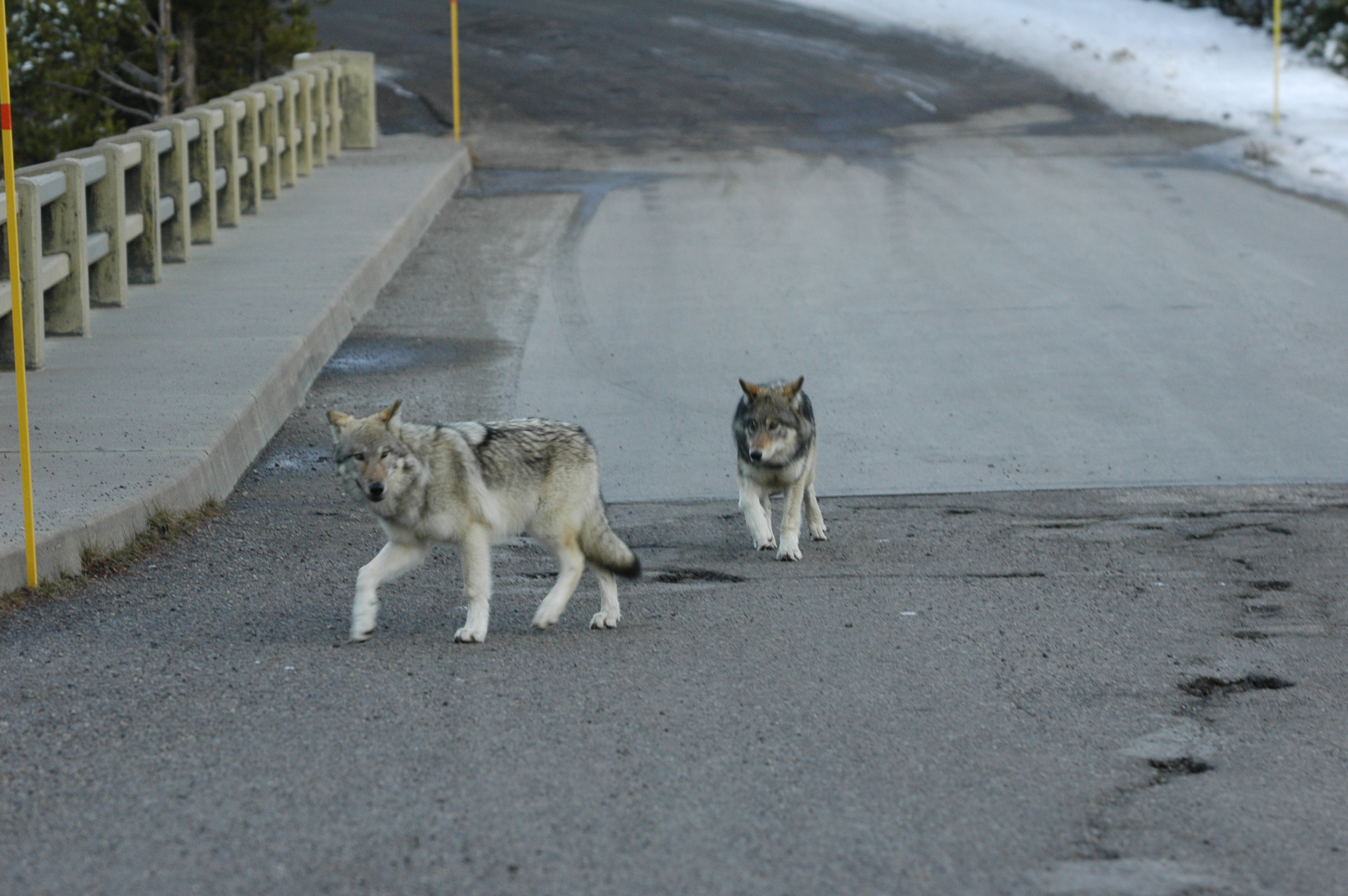
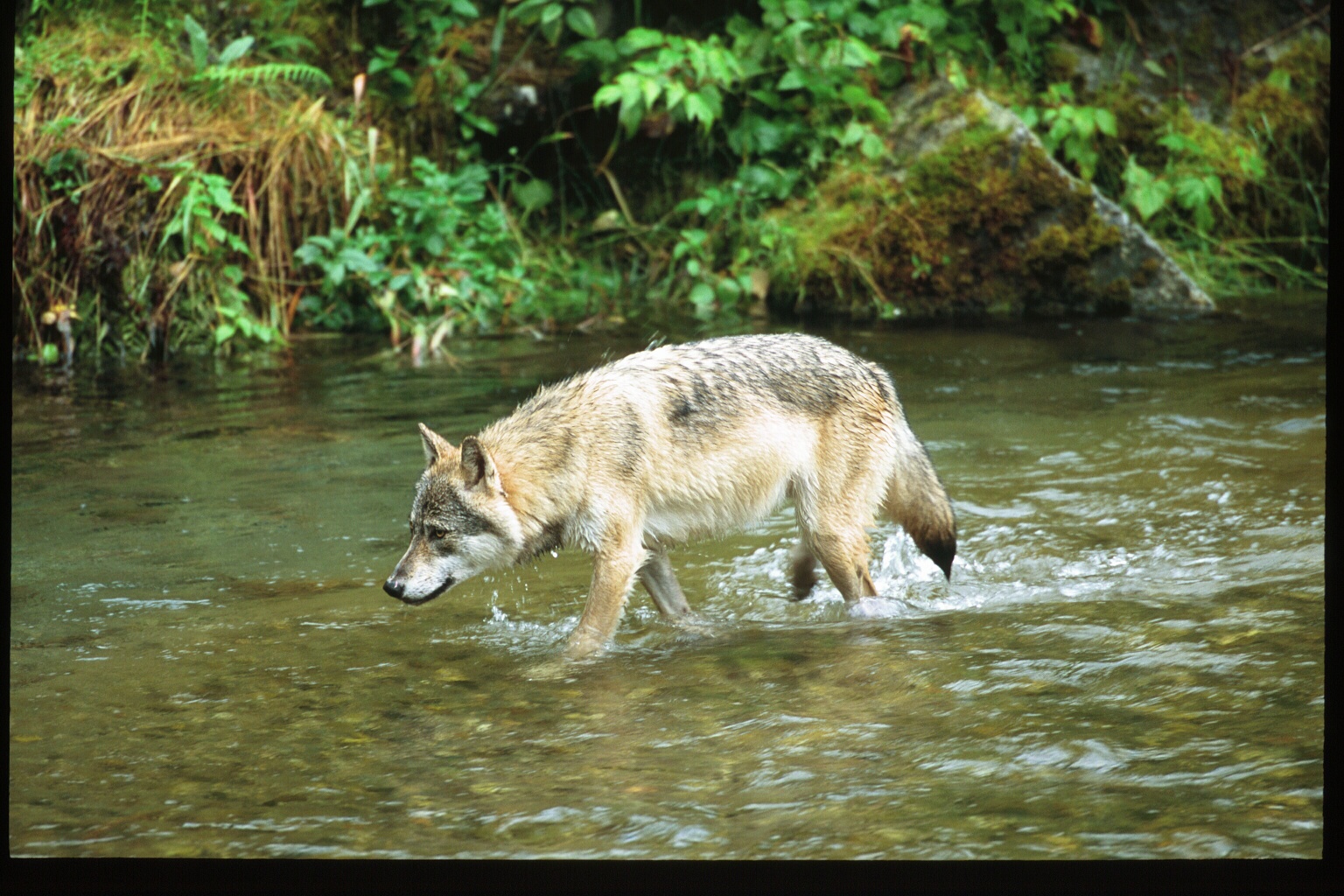
Why is it that when members of the Wedge wolf pack were being killed in Washington State, people throughout the environmental community were up in arms, but now that the Colville Tribe has announced plans to initiate the first hunting season on wolves in the state on their northeastern Washington Reservation, folks are staying mostly silent about it?

People are fond of saying that the Native Americans believed this…, or did that…, as though all tribes were of one mind and every individual felt the same way as each other about everything, regardless of which tribe they were with or what part of the continent they lived in. For example, I’ll never forget this line that made me scoff out loud during a lecture: “Native Americans never ate anything that died in fear.” What? How does an animal pursued and shot with arrows not experience fear?

European Americans have gone from thinking of the Native Americans as barbaric savages to egalitarian angels. Neither impression is based on a scientific understanding of human nature. And neither is the revisionist notion that all tribes were like-minded on every issue (case in point are the different attitudes on wolves expressed by the Colvilles, who plan to hunt the few wolves who have returned to their reservation, and the Ojibwe of the Great Lakes region who respect wolves.   .

On a related issue, the following is an article I wrote while the Makah tribe were shoring up plans to kill whales off the Washington coast…

Commercial Whalers and Slave Traders

In a May, 1995 letter to the U.S. Commerce Department, Dave Sones, the Makah nation’s “fisheries” manager revealed the tribe’s intent “to harvest whales not only for ceremonials and subsistence, but also for commercial purposes.” This sentiment was recently echoed by Canada’s Nuu-Chah-Nulth tribe, who also hope to get into the commercial sale of whale products.

Despite continued public support for whales, our IWC delegates struck a five year deal with the Russians to get the Makah a back-door quota of whales. In 1997, defying an international treaty on trade in endangered species, they traded 20 of the Alaskan Inuit’s bowhead whales (down to only 13 percent of their original population) for 20 gray whales from the Russian Chukotkas.

The Chukotkas were happy to trade up for the more palatable bowhead. Very few of them will even eat gray whales, which are said to have the texture of gum erasers and are known in their language as “the one that makes you poop fast.” (The real source of the gray whale’s nickname “Devilfish”?)

Seeing as how the Clinton administration is assisting the Makah in their effort to return to whaling, wouldn’t it be a nice, symbolic gesture for the President to join them in their ceremonial whaling preparations? These included prayer and self-flagellation, as well as fasting and sexual abstinence.

Other rites that were part of their whaling ceremonies are kept secret from “outsiders;” they are “nobody’s business.” Are there skeletons in the closet they don’t want exhumed? The media have depicts a Disneyized version of the historic Makah: a simple, sharing people, unique in their reverence for the Earth’s creatures. Summon the image of the Plains Indians, substitute whale for bison. But the coastal Makah were different, killing more prey then they could ever eat themselves.

Whales were rendered into oil to be traded along the Pacific. They were a source of great wealth for the tribal elite, who thought themselves superior to other Indians, including buffalo hunters. Although the primitive Makah’s ability to conquer massive sea mammals without motor boats or heavy artillery was impressive, it was also excessively cruel. And, according to European witnesses, so were some of the related rituals: “Since it was the first whale of the season, special ceremonies we involved…When it was brought ashore, a slave was sacrificed, and the corpse was laid beside the whale’s head, which was adorned with eagle feathers…” observed Haswell and Boit, eighteenth century writers. Boit understood that cannibalism was also occasionally practiced.

Slave trading was an integral part of the Makah socioeconomic structure. Slaves were considered chattel, a thing of less than human status, one step below “worthless people” in their caste system. Possession of slaves was prestigious; to sacrifice a slave on a formal occasion demonstrated an arrogant disregard of wealth. Unfortunately for their lower castes, this was before the United Nations Decade of Education in Human Rights.

In order to capture new slaves and acquire new territories, the Makah frequently undertook military expeditions to distant villages. Relying on the element of surprise, they would attack and kill all of the adult males in the unsuspecting tribe. Women and children were taken as slaves; infants and elderly were left for dead. Slain members of the conquered tribe were decapitated, their heads brought back to be displayed as trophies. Clearly, the killing of whales is not the only bygone tradition that modern society would condemn or reject if given a voice. The Makah continued to capture and trade slaves well after the 1855 treaty prohibited it.

Meanwhile, Japan, in their ongoing effort to promote the backslide into commercial whaling, discovered a crisis situation in 1995. They learned the number of their young people who had never tasted whale was on the rise! In answer to that shocking trend, their “fisheries” agency began a slick marketing campaign that included a home delivery service for whale meat. A quarter-pounder there now goes for $55.00 U.S. That’s without cheese. Or a bun. But a word of warning to those planning to stop by the Moby Dick’s franchise (coming soon to your neighborhood) for a juicy double-devilfish burger: Don’t forget the Kaopectate!
Mercenaries Paid $55,000 to kill Just One Washington Wolf

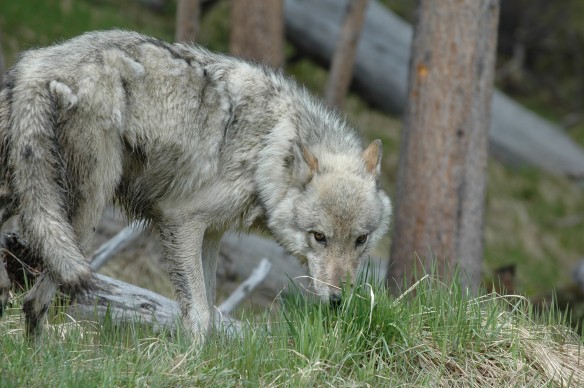
For those who were not quite fuming mad enough to be considered wrathful when the wolves of Washington’s Wedge pack were senselessly murdered, perhaps news that the state Fish and Wildlife Department spent nearly $77,000 to kill the seven pack members should push you over the edge.

According to a newly released report, it cost taxpayers nearly $55,000 to kill just one wolf in a 39-day ground hunt. It seems to me the state is overpaying their anti-wolf mercenaries when there are hunters in Idaho, Montana, Wyoming, Wisconsin and Michagin who would have gladly done the job for free just for the bragging rights. Tens of thousands of hunters in those states are paying good money for the chance to kill a wolf.

The other six wolves were killed in a four-day period in September using a helicopter and a marksman that cost $22,000. Surely these kind of costs can’t be justified, even by those who view cows only as commodities and wolves as mere pests.

Washington State Senator Kevin Ranker has criticized the decision to kill the Wedge pack and is planning a legislative hearing next year. It might be a good time to ask the state how much they’re willing to spend to keep welfare ranchers in business. And how many wolves will have to die before the grazing of cattle on our National Forests is finally a thing of the past?

Text and Wildlife Photography ©Jim Robertson, 2012. All Rights Reserved

A Day of Remembrance for Wolves

If I a flag to hang outside my house, it would be flying at half-mast today.

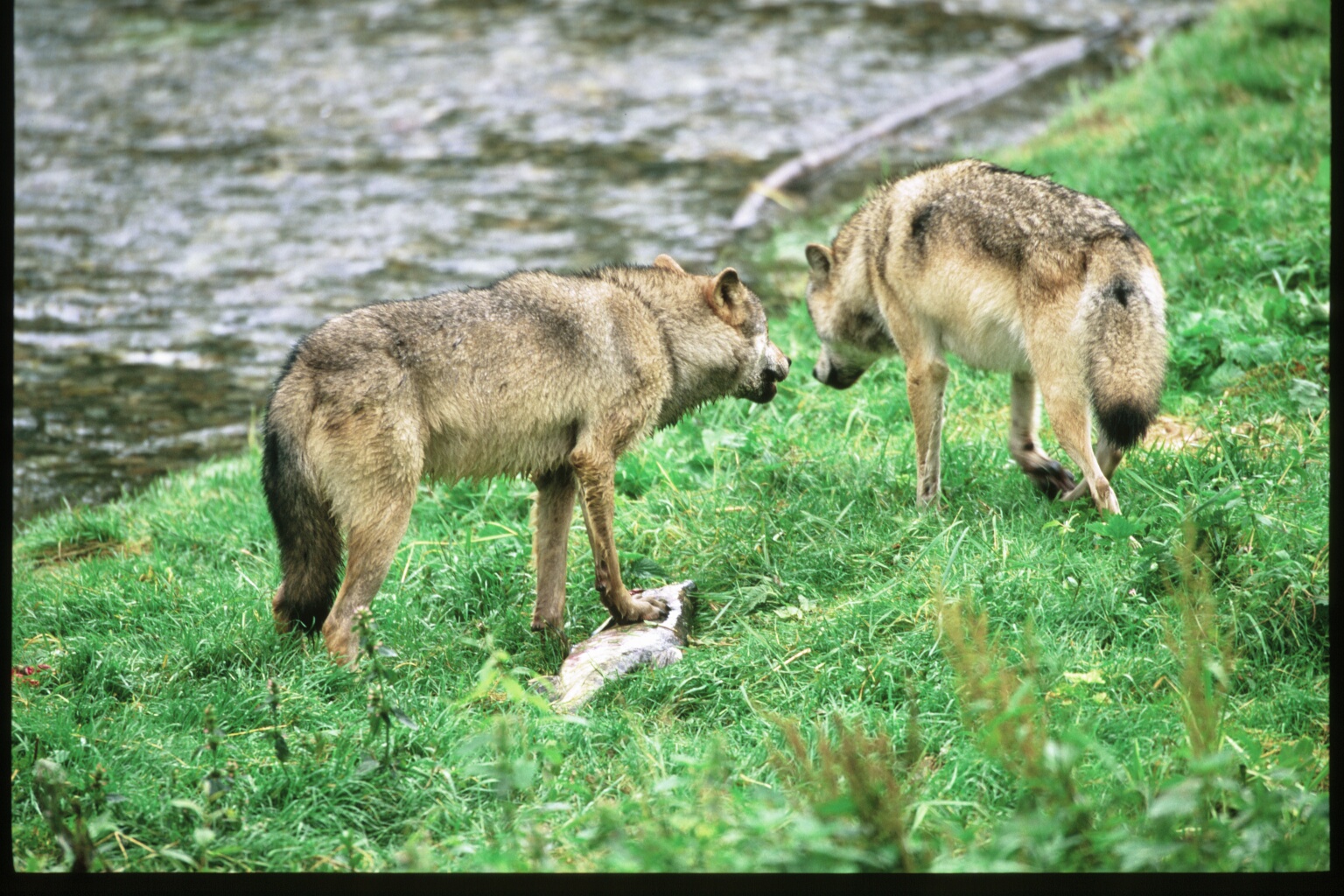
Today should be officially declared a day of mourning for wolves, in honor of Washington’s Wedge pack—brutally killed last week to appease an intolerant cattle rancher—and also a day of remembrance for all of the wolves across the country and throughout our history who were hunted to extinction in order to make room for modern humans and their chosen food species.

This whole thing brings to mind the first time I beheld the sight of wolves. Due to repeated persecution by residents of a nearby, decrepit mining-town-turned-tourist-trap on the Alaska panhandle, wolves hadn’t been seen around there for decades. Their surprise return that year was greeted with generous appreciation by an assembly of bear watchers and photographers who shared in my elation.

But the spectacle lasted only one short season; by late fall a couple of local tyrants—under the patrician delusion that it‘s all here for them—had trapped, shot and otherwise driven off every member of the pack. These days, the only sign of wolves to be found is a hand-painted plywood sign advertising “Wolf Hides for Sale” in front of a detestable trinket shop on a muddy back road of the wretched little town.

Wolves in Alaska can legally be killed by anyone, virtually anytime and by any means imaginable (former Governor Sarah Palin‘s apparent personal favorite: strafing from low-flying aircraft).

I never thought I’d see the day that Washington wolves would suffer that same fate; when wolves here would be relentlessly pursued from the air and gunned down like escaped convicts as they fled for the Canadian border; when a radio tracking device would be used not for furthering scientific understanding, but to aid in the massacre of an entire family; when wolves in one of the most progressive states would be sacrificed on the altar of the T-bone and the cheeseburger.

As in Alaska, a few local tyrants here think they can dictate whether a wild wolf pack should live or die. Clearly, bigotry against wolves is alive and well in Washington State. It’s just tragic that the wolves of the Wedge pack had to be the first to find out.           __________________________________________

A portion of this post was excerpted from the book, Exposing the Big Game: Living Targets of a Dying Sport

Text and Wildlife Photography ©Jim Robertson

Save the Wolves—Abolish Ranching and Hunting Now

One of the most shocking things about the recent obliteration of the Wedge pack by the Washington Department of Fish and Wildlife was that even the allegedly pro-wolf environmental group “Conservation Northwest” supported the slaughter. Sure, they had their sound bites about hoping that eliminating entire wolf packs every time there are a few cattle depredations would not become standard practice. But by conceding to the lethal removal of the Wedge wolves (via aerial gunning by helicopter, no less), they helped pave the way for future atrocities.

Conservation Northwest’s stance is comparable to that of the World Wildlife Fund, who recently declined to go as far as Greenpeace in calling for an outright ban on offshore oil drilling in the rapidly-thawing Arctic—they felt their concessions to the wildlife-destructive industry insured them a seat at the bargaining table.  I suppose CNW didn’t want to appear extreme, like some radical who might say something such as…

The surest way to keep this kind of canicide from happening again is to get cattle off our national forests. Better yet, abolish ranching altogether (thereby also sparing cows a lifetime of abuse at the hands of the livestock industry). The only way to guarantee you’re not supporting the abuse of cows and the destruction of wolves is to boycott beef. While you’re at it, why not go vegan and spare all animals unnecessary suffering? And of course, if we really want to protect wolves, we should abolish deer and elk hunting.

But the conservation group played it safe and didn’t even come close to mentioning these or any other long-term solutions. I guess they figure it’s better to leave it to the true animal extremists—compassionate people like the folks at Change.org, who added this postscript to their eleventh-hour petition urging the WDFW not to kill the Wedge pack wolves:  “That part of the world is “safe” for the burger & steak gluttons once again; no nasty wolves will cut into their meat farming profits.”

Many mainstream environmental groups and their members still cling to the notion of “sustainable” beef. It’s surprising how many people who advocate for wolves eat meat like there’s no tomorrow, comfortable in their rationalization that cows are “domesticated” or “dumb animals” bred for slaughter.

I lived for years in northeast Washington and worked on the Colville National Forest—where the Wedge wolves tried to establish a home. I pity the cows, who are cruelly de-horned, trucked up to the ends of the logging roads and left to fend for themselves on some thistle-covered clear cut with only a drying up creek for water. But as a forestry contractor taking seedling growth and survival surveys, I saw first-hand how the US Forest Service panders to the cattle industry. I routinely found half of the new green growth eaten on young conifers in a tree “plantation” or the whole tree trampled upon by the ever-present bovines, whose wallows and trails further denuded the landscape. A cow pie plopped right on top of a smothered seedling was a common sight.

Yet whenever I pointed out the damage caused by livestock grazing, the forest service representatives would tell me to record it as deer damage. By blaming the native deer and elk, the forest service kills two birds with one stone, so to speak. It lets their cronies in the cattle industry off the hook and serves as fodder for the game department good ol’ boys to help justify expanded hunting seasons.

For the sake of the forests and all who live there, it’s time to remove ourselves from the wildlife equation and leave the predating to the natural predators. Wild animals are not just playthings for sportsmen, and human beings can live much healthier on a plant-based diet, as their primate cousins always have. True carnivores, such as wolves, coyotes, cougars, marine mammals or members of the weasel family have to eat meat to survive. If you’re not willing to go vegan for the sake of the animals you eat, maybe you could at least think of the other animals affected by your bill of fare.

Earlier this month, Mitch Freedman of Conservation Northwest made the nebulous statement, “There needs to be a way for wolves and man to coexist. Wolves were here first.”

There is a way…but it would mean getting the cows off of our National Forests, the sheep out of our Wilderness Areas and putting a stop to the sport of big game hunting.

Text and Wildlife Photography ©Jim Robertson

Wolves Under Tyrannical Control

According to a recent article about the planned destruction of Washington’s Wedge pack, Bill McIrvin of the Diamond M ranch said in an interview in July that he believes radical environmental groups are conspiring to introduce wolves in order to force ranchers off public lands. Yeah right—nice thought—but that sounds pretty paranoid to me.

Most “radical” environmentalists are smart enough to know that cattle ranchers have wildlife and the wildlife agencies by the balls with a death grip that won’t let go until Nature hertself is under their tyrannical control.

If the rancher is this suspicious of environmentalists, how paranoid must he be of the wolves? And why should we blindly accept all his claims of depredation at an almost unprecedented level?

I can just see him laughing under his hat at the wildlife agents he’s duped into doing his bidding by annihilating the entire Wedge pack (he’s stated several times he won’t settle for anything less). Heck, even the presumed wolf-champions at Conservation Northwest (in an obvious effort not to appear “radical”) have turned their back on the pack for the sake of the cattle rancher.

Not only will McIrvin be allowed to keep grazing his cattle on public national forest land, but now he’s got the state sharpshooters’ promise that they’ll spend as long as it takes to kill each and every wolf in the pack.

No, there’s not much chance of crafty extreme environmentalists covertly re-introducing wolves to this crazy cattle-industry controlled world. But we can always hope that some animal ‘extremist’ will usher them back into Canada for now, until the ranchers of Eastern Washington can put their prejudices aside and learn to live with the diversity of wildlife they’re fortunate enough to have in their backyard.

Text and Wildlife Photography ©Jim Robertson

_____________________________________________________

Text and Wildlife Photography ©Jim Robertson

Game “Managers” are Slow to Adapt

Judging by their eagerness to kill all the wolves in Washington’s Wedge pack, no matter the cost (helicopters, fuel, rifles fitted with night vision scopes and ammunition can get expensive), it appears that wildlife agencies don’t have their heart into this new-fangled idea of wolf recovery. It’s a shame that state and federal governments don’t have the same dedication and zeal for recovering endangered species that their forerunners had for their part in making our native wildlife, like wolves, endangered in the first place.

In spite of state bounties on predators throughout the 1800s and unrestrained trapping of wolves at the height of the fur trade, some wolves still miraculously survived into the twentieth century in the lower 48. It was a federal wolf poisoning program in the early 1900s, aimed at securing as much prime land as possible for cattle ranchers, which gave the species its last push over the precipice of extinction.

Since then, science has proven (many times over) the importance of wolves to biodiversity and enlightened people have called for the recovery of species essential to healthy, functioning ecosystems. But today’s game “managers” have been slow to adapt.

People who run cattle on our national forest lands should just accept the fact that there’s no guarantee their dehorned, unattended cow-calf “units” (as they so callously consider their animals) will ever be completely safe from natural predators. It’s not like ranchers really care about their cows—they’re just going to send them off to a horrible fate in a slaughterhouse sooner or later anyway.

The wolves of the Wedge pack found their way back to Washington on their own; their kind was here long before humans claimed the land for themselves. Yet game managers continue to side with their cattle rancher cronies, instead of righting a wrong and recovering a species their ham-fisted, anthropocentric predecessors were so keen to eradicate.

Text and Wildlife Photography ©Jim Robertson

I Call Horse Pucky on That!

As I believe I mentioned in an earlier blog post, the mainstream media is often full of shit—especially when reporting on animal issues. It’s not necessarily that they knowingly or willingly distort the truth, just that they keep re-hashing the same old bovine excrement that they pick up off the AP or some other newswire, without first checking out the facts for themselves.

For example, I can’t count how many times I’ve seen the following statement in papers over the past few days: “Washington Fish and Wildlife officers confirmed on Friday that two more cattle had been killed by Wedge Pack wolves in northern Stevens County.” If I were of a mind to trust the news—or Washington’s Fish and Wildlife officers for that matter—I might think there’s a reason the game department is resuming their lethal “removal” (read: sniping and trapping) of four more pack members.

But a little digging revealed these interesting details: Of the two carcasses found on Diamond M-owned land this Wednesday, one was intact, the other eaten. “We marked ‘confirmed’ on both individuals,” said the agency’s wolf policy coordinator Steve Pozzanghera this morning, “recognizing that there will be some question about confirming on an entirely consumed carcass.”

Damn right there’s “some question,” in fact there’s practically no way of knowing how a calf was killed after it’s been “entirely consumed” by hungry carnivores and/or scavengers!!!  Pozzanghera said at the end of the day, WDFW considered it a kill rather than a calf that had died of other causes and then was subsequently fed on by wolves…

I’m sorry, but if that’s how these “wildlife officers” go about determining whether an animal has been killed by wolves or not, I don’t have any faith in their decision that any calves or cows were ever killed by the Wedge pack. It all seems awfully coincidental to me that an outspoken wolf hater would suddenly start having problems with wolf depredation. It’s a little too reminiscent of when Washington’s first confirmed wolf pack, the Lookout pack, started hanging around convicted poacher Bill White’s ranch—just a mile out of the town of Twisp—of all places. I lived fourteen miles from the White’s place—fourteen miles further up the Twisp River, in a remote setting surrounded by the Lake Chelan Sawtooth Wilderness Area—and I never had a problem with wolves.

After a lengthy and costly police investigation (which resulted only in a measly slap on the wrist for the wolf poachers), it was determined that Bill White and his son set out deer carcasses as bait to attract wolves to the traps they had set for them. As ranchers, White claimed not to want wolves around, yet he lured them onto his property with bait.

How do we know that the folks at the Diamond M ranch aren’t luring in wolves with carcasses of calves who have died of one of the many other causes that cows naturally die from? We don’t. Unfortunately, we can’t count on our Wildlife officers to reveal the truth either. And don’t bother checking the local media; they’re too busy recycling horse pucky to get to the bottom of it.

Text and Wildlife Photography ©Jim Robertson


Leave Wolves the Hell Alone

Northeastern Washington cattle rancher Len McIrvin has made it clear: he really hates wolves—especially members of the local Wedge pack. Though the rancher way of life depends on government handouts and write-offs, he’s been unwilling to accept compensation for the cows he claims to have lost to wolves, fearing it would legitimize protection of the natural predators.

It may not be fair to compare him and his son to poachers Bill White and son, who illegally killed most of the Lookout Pack (Washington’s first confirmed wolf pack to return home from Canada), since the McIrvins appear to operate above board by deferring to the state game department to do the dirty work for them. But they are all cut of the same cloth—cattle ranchers who think wolves serve no Earthly purpose and should be eliminated (once again).

It’s no wonder some ranchers feel they can get away with murder, so to speak. They’ve gotten used to having everything handed to them, ever since the government paid for the cavalry to wage war with the Indians and bankrolled bounties and poisoning campaigns against wolves to make room for their private ranches—and ensure “Manifest Destiny” (the doctrine or belief prevalent in the 19th century that the United States had the God-given right to expand into and possess the whole of the North American continent). But Western ranchers aren’t satisfied with keeping cows on their vast tracts of private land (possibly given to their ancestors free of charge back in the homesteading era); they want the Feds to throw in a few thousand acres of cleared national forest land so they can expand their claim out into the neighboring wildlife habitat.

The US Forest Service contends that grazing fees bring in funds as part of their “Multiple Use” policy, but ranchers contribute only about $1.35 per “Animal Unit Month” (a detached, depersonalizing term for a cow and calf pair feeding for four weeks on public forests). According to a 2005 Government Accounting Office report, that paltry one dollar and thirty-five cent fee covers only a tiny fraction of the grazing program’s administrative costs, making this in essence just another a subsidy program in disguise.

Still, McIrvin feels entitled to prevail upon his buddies in the game department and local politicians to do whatever they can to make the entire Wedge pack disappear. He recently told the Capital Press that the only compensation he’s interested in is a dead wolf for every dead calf, copping a Bill White-like attitude: “This isn’t a wolf problem, we always could take care of our own problems,” adding that the only acceptable option is trapping and poison. Now he’s at it again, making extreme statements in any paper that’ll print them. Yesterday he showed his hand by making this fanatical comment to the Seattle Times: “Wolves have never been compatible with raising livestock.”

Okay, so you want to be an extremist, eh, rancher? (I’m doing the Clint Eastwood talking to a chair bit now…) Go ahead, punk, make my day. Two can play at that game; I’ll show you extreme. Hows about you damned cattle barons gettin’ your cows off my national forest and leavin’ my wolves the Hell alone. The wolves were here first and your poor cows don’t want to be livin’ out on some steep, brushy clearcut anyway. In fact, maybe it’s time you got outta cattle-ranchin’ altogether and started growin’ some healthy, organic crops insteada turnin’ your introduced livestock out into the woods to tempt the wolves and compete with the native deer, elk and moose who belong there.

Text and Wildlife Photography © Jim Robertson

Update on Washington’s Wolves

Front line update on Washington’s wolves

| Posted on 29 August 2012 |

Good things can happen when people just sit down and talk things out. This week, up to four wolves from Washington State’s Wedge wolf pack were slated to be killed by the state for allegedly preying on livestock. But after my meetings with state officials, I am happy to report that the state agreed to reassess the situation. Even before our meeting, they had already pulled traps and are withdrawing the sharpshooters today.

The state had decided to kill wolves based on assumptions that they were the cause of recent livestock injuries in the area. But I have been assessing wolf livestock kills for more than a decade and the physical evidence just didn’t add up. These injuries looked more like those commonly sustained by cattle grazing on national forest lands. I double checked my assessment with some outside experts and they agreed. So yesterday I took my case straight to the State Director of the Washington Department of Fish and Wildlife.

Along with other groups, I met with Director Phil Anderson and his staff and went over our assessment of the evidence. In contrast to many state wildlife officials in the region, he was very respectful and genuinely interested in what we had to say. And he acknowledged that our concerns were valid. We met with the governor’s office as well and they agreed a reassessment was in order.

I walked out of these meetings hopeful that our concerns were heard, but the entire episode reminded me of how collaborative and productive wildlife management can be when everyone respectfully listens to everyone else and lets sound science rule the day. The Washington Department of Fish and Wildlife and the Governor’s office both deserve appreciation for being willing to listen to the concerns of others and acknowledge the need for further assessment. And a big thank you to our members and supporters who weighed in with state officials, asking them to take a step back, review the science again and spare these wolves. We heard from the governor’s office that they received over 1200 calls from wolf supporters just on Friday alone.

Washington State is a critical player in the ongoing saga of wolf recovery in the Northern Rockies, but lots of work remains. Yesterday’s developments, and the people who made it happen, gave me hope that we are on the right track.

       This post was written by:

Suzanne Asha Stone is the Northern Rockies Representative for Defenders of Wildlife.

When in doubt, blame it on the wolf

The fate of a Washington wolf pack hangs in the balance

Late Friday, seven pro-wolf groups have sent a letter asking Governor Chris Gregoire and other state officials to end efforts to kill up to four “Wedge” wolf pack members, even as a team from Washington State Department of Fish and Wildlife (WDFW) heavies are on-site continuing their lethal wolf “management” efforts. The WDFW thugs have spent the past week in Northeast Washington, attempting to “remove” (lethally, of course) wolves from the besieged pack.

The good news is they’ve had no luck killing any wolves during the past week. However, biologists reported finding the decomposed body of a young wolf within the Wedge pack’s range in northern Stevens County. A WDFW wildlife veterinarian was unable to determine that wolf’s cause of death since the carcass was too badly decomposed.

Although lacking hard evidence of any wrongdoing against cattle by wolves, wildlife “managers” earlier this month “lethally removed” one female from the Wedge pack and shared wolf pack location information with the outspoken wolf-haters from the Diamond M Ranch. (I for one have a strong suspicion as to how the Stevens County wolf might have died.)

The letter to Governor Gregoire and other Washington state officials sent by the Western Environmental Law Center and signed by pro-wolf groups, such as The Humane Society of the United States and Conservation Northwest, charged that Washington Fish and Wildlife Department officers didn’t find conclusive evidence that wolves were responsible for attacks on cattle and are jumping to a lethal option too hastily.

Two of the three non-agency experts who peer-reviewed the field investigations were unconvinced the purported cattle attacks were the work of wolves, said Suzanne Stone of the Defenders of Wildlife.

“The reports and especially the photos indicate injuries uncharacteristic of wolves,” she said.

The following Incident Report, #WA – 12 – 007485, by a WDFW agent should give you an idea just how inconclusive the “evidence” of some of these alleged wolf “attacks” really is:

“On 08/02/12 at approximately 1430 Hrs. Officer Parker and I were on a routine patrol on the Churchill Mine road. We approached the cattle pens and observed Bill McIrvin and three other ranch hands. I could see that Bill and his ranch hands were busy with corralling and dealing with large calves in the holding area. I contacted Bill in an effort to introduce Officer Parker. Bill told us one of his calves had bite marks on it and wanted me to see them. Bill also had a bleached out bone that had been eaten/chewed on. Bill stated it was from one of his calves. I observed it. It had been chewed on one end of the bone. I could not determine exactly what had chewed on it or cause of death.

“Bill then moved a cow and calf into the corral for closer inspection. I could see that the calf seemed normal and healthy. I did see on the back right leg, middle of leg, a laceration, approximately 2” wide. I could see no other apparent wounds. The calf was cornered and handled by 4 men to where it was put on its side for me to look at the wound and possible bite4 marks. Once, the calf was down, Bill pointed out the obvious laceration (photo taken). It was approximately 2 to 3” long. No maggots and still a fresh opening through the hair/hide. Bill then pointed out a bite mark next to the laceration. Using my fingers and feeling through the hair, I could not see or confirm a bit mark was there. Bill then grabbed underneath and inside the back right leg. Bill wanted me to grab and feel in this area for another bite mark. I reached in with my fingers and began felling in the same spot as well. I used my fingers feeling through the hair and touching the hide and felt no bite marks. I observed no obvious bite marks or trauma in any areas inside the back rear legs. Bill then pointed out an area he believed the calf had been bitten on the forward chest area. I used my fingers and felt through the hair and hide and felt no bite marks. I observed no obvious signs of trauma in the forward chest area as well.

“I spoke with Bill regarding compensation. I asked Bill if he would reconsider accepting compensation for his calves. Bill stated he was not interested in compensation this year.

“…I explained to Sheriff Allen [with Stevens County Sheriff’s Office] that I had looked at the calf and did not believe it was a wolf encounter… based on no apparent bite marks, no trauma, one laceration, I could not determine what had caused the laceration.”

When in doubt, blame it on the wolf…