NEW YORK—In an effort to control the spread of infectious diseases, live animal markets might soon be banned in New York. A new bill, introduced by Assembly Member Linda B. Rosenthal (D-Manhattan), would immediately prohibit the operation of live animal markets in New York, effectively suspending current live markets’ operations and preventing further licenses for such markets from being issued.
“In a matter of weeks, COVID-19 has ravaged New York and changed life for millions of New Yorkers,” says Assembly Member Rosenthal. “As policymakers, we have a responsibility to respond to this crisis by doing everything in our power to prevent the next pandemic. Closing New York’s live animal markets, which operate in residential neighborhoods and do not adhere to even the most basic sanitary standards, until we determine whether they can be made safe, is a vital first step.”
Doctors with the Physicians Committee for Responsible Medicine—a nonprofit of more than 12,000 doctors—applaud the legislation for promoting public health and aiming to prevent the spread of future viruses.
COVID-19 appears to have originated in bats and passed to humans via live animal markets. Previously, other coronavirus outbreaks have also spread through animals sold in live markets. The severe acute respiratory syndrome (SARS) epidemic of 2002–2003 originated in horseshoe bats, passing through civets sold for meat to humans.
The legislation could also help stop the spread of new strains of influenza A, an avian virus. Beginning with the 1918 H1N1 flu pandemic (if not before), all influenza A outbreaks have come originally from bird viruses that have found their way into domesticated animal populations and, from there, into farmworkers, their contacts, and the broader community. The H1N1 virus killed millions of people.
“Avoiding future pandemics like the COVID-19 global crisis requires a total ban on live markets, including the 80 in New York City alone,” says Neal Barnard, MD, FACC, president of the Physicians Committee. “Poultry flocks are breeding grounds for influenza A viruses, and live animal markets are the source of coronavirus.”
New York City has the greatest number of live bird markets, compared with other U.S. cities, according to the New York State Consumer Protection Board. Inspection reports from the New York State Department of Agriculture and Markets show ongoing health, safety, and welfare problems in New York’s live animal markets.
The bill would also create a seven-person task force who would conduct examinations of the shutdown markets for potential public health risks. The members would have expertise in infectious diseases, with a focus on the potential spread of disease between animals and humans. They would report their findings within a year of its first meeting and include a recommendation for further action.
Founded in 1985, the Physicians Committee for Responsible Medicine is a nonprofit organization that promotes preventive medicine, conducts clinical research, and encourages higher standards for ethics and effectiveness in education and research.
WASHINGTON (Reuters) – The top U.S. spy agency said for the first time on Thursday the American intelligence community believes the COVID-19 virus that originated in China was not manmade or genetically modified.
FILE PHOTO: The ultrastructural morphology exhibited by the 2019 Novel Coronavirus (2019-nCoV), which was identified as the cause of an outbreak of respiratory illness first detected in Wuhan, China, is seen in an illustration released by the Centers for Disease Control and Prevention (CDC) in Atlanta, Georgia, U.S. January 29, 2020. Alissa Eckert, MS; Dan Higgins, MAM/CDC/Handout via REUTERS.
The Office of Director of National Intelligence statement contradicted conspiracy theories floated by anti-China activists and some supporters of President Donald Trump suggesting the new coronavirus was developed by Chinese scientists in a government biological weapons laboratory from which it then escaped.
It also echoed comments by the World Health Organization (WHO), which on April 21 said all available evidence suggests the coronavirus originated in animals in China late last year and was not manipulated or made in a laboratory.
“The Intelligence Community (IC) also concurs with the wide scientific consensus that the COVID-19 virus was not manmade or genetically modified,” the Office of Director of National Intelligence (ODNI) said in a statement.
“The IC will continue to rigorously examine emerging information and intelligence to determine whether the outbreak began through contact with infected animals or if it was the result of an accident at a laboratory in Wuhan,” it added.
U.S. officials familiar with intelligence reporting and analysis have said for weeks they do not believe conspiracy theories that Chinese scientists developed the coronavirus in a government biological weapons lab from which it then escaped.
Rather, they have said they believe it either was introduced naturally into a Wuhan meat market or could have escaped from one of two Wuhan government laboratories believed to be conducting civilian research into possible biological hazards.
Trump, who has heaped blame on China for the global pandemic, on Thursday said he believes China’s handling of the disease is proof that Beijing “will do anything they can” to make him lose his re-election bid in November.
More than 3.21 million people have been infected by the novel coronavirus globally, and 227,864 have died, according to a Reuters tally as of 10 a.m. EDT (1400 GMT) on Thursday.
In an Oval Office interview with Reuters on Wednesday, Trump talked tough on China and said he was looking at different options in terms of consequences for Beijing over the virus. “I can do a lot,” he said, without providing details.
Reporting By Mark Hosenball; writing by Arshad Mohammed; editing by Chizu Nomiyama and Jonathan Oatis
On April 3, Anthony S. Fauci, the nation’s leading infectious disease expert, joined the chorus of voices calling for the immediate closure of China’s “wet markets,” where the coronavirus is widely believed to have originated. Butchers, trappers and consumers mingle openly, slaughtering and trading live animals; it is the perfect environment for zoonotic diseases to leap from an infected creature to a human.
But China is hardly the only country where live animal markets and other squalid operations are common. Some 80 of them operate within the five boroughs of New York City alone, according to Slaughter Free NYC, a nonprofit group that opposes them. They are near residences, schools and public parks.
Less notorious but much more commonplace threats to public health are the “concentrated animal feeding operations” (CAFOs) scattered throughout the South and Midwest. These factory farms warehouse thousands of animals that wallow in their own waste with limited or no airspace, routinely creating conditions for the proliferation of super bugs and zoonotic pathogens. Nearly the entire supply of animal products consumed in the United States originate from these industrial factory farms.
The Centers Disease Control and Prevention (CDC) and World Health Organization (WHO) have warned us against the risks of factory farms for years. The unsanitary living conditions inside CAFOs weaken animals’ immune systems and increase their susceptibility to infection and disease. The factory farms’ response has been to pump the animals full of antibiotics that make their way into our food supply and onto our dinner plates, systematically fostering in humans a lethal resistance to the medicines that once quelled everyday infections. Such practices have brought humanity to the point that the WHO now estimates that more than half of all human diseases emanate from animals.
Many of us are privileged enough to stay at home in safety with our loved ones to avoid the coronavirus. But how much thought are we giving to the individuals and communities that are directly affected by our choices and lifestyles? Tens of thousands of Americans face threats to their daily health and well-being from neighboring CAFOs and the animal waste that mists or flows over their properties. They are unable to be “safer at home.” Will we apply the same energy we have put into overcoming this virus into preventing future outbreaks and helping dismantle the industries inflicting so much damage to communities across the country?
As this disaster continues to ravage society, we must examine our role in the emergence of the coronavirus and our vulnerability to a growing number of diseases as a result of our impositions on the animal kingdom and the environment. This probe cannot end with bats, monkeys, pangolins and other exotic wildlife supposedly to blame for recent contagions. It should encompass all of the supporting industries that contribute to the debilitation of communities, our susceptibility to illnesses and our complete defenselessness in their wake. A real public-health reckoning would have us reshape our patterns of consumption, curbing our dependence on animal products. A bacteria-infested (and inhumane) food supply makes people sick.
Covid-19 is a devastating indicator of what’s to come if we don’t make rapid and sweeping changes, the least inconvenient of which is closing down all live-animal markets and CAFOs in the midst of this global pandemic.
A FOOD market at the centre of the deadly coronavirus outbreak has claimed they sold live koalas, snakes, rats and wolf pup to locals to eat.
The Huanan Seafood market in Wuhan, China is under investigation after officials believe the coronavirus originated from a wild animal that was sold at the venue.
5
Officials believe the coronavirus originated from a wild animal that was sold at the food marketCredit: Muyi Xiao/Reuters
5
Their advertising board showed their wide-ranging menu of live animals on offerCredit: Muyi Xiao/Reuters
In a desperate attempt to contain the killer virus, the market — labelled “ground zero” by local authorities — has since been shut down.
So far, the highly-contagious virus has killed 26 people and infected hundreds around Asia.
A translation of the markets’ advertising board revealed how they sold live foxes, crocodiles, wolf puppies, salamanders, snakes, rats, peacocks, porcupines and even koalas.
Amidst the global health threat, stunned locals took to Chinese social media site Weibo to show their surprise.
One user, clearly shocked at the sale of live animals, wrote: “Just take a closer look at the viral wild animal menu — they even eat koalas.
“There’s nothing Chinese people won’t eat.”
Just take a closer look at the viral wild animal menu — they even eat koalas
Weibo User
According to the list, there were 112 live animals and animal products readily available to purchase.
Coronavirus represents a wide variety of viruses present in animals that can, in certain circumstances, jump to humans.
Amid fears it could become a global pandemic, the Chinese government has put the city into lockdown and plans to shut down the airport and public transport.
More than 500 people have been infected, but there are fears that figure could now be as high as 10,000.
Experts now fear that the new strain is “as deadly as Spanish flu”, which killed 50 million people in 1918.
Professor Neil Ferguson, an expert in mathematical biology at Imperial College London, said the death rate was “roughly the same as for the Spanish flu epidemic, at around one in 50”.
Several countries increased border health checks to guard against the disease’s spread, including Australia, the US, the UK and Russia.
Even live koalas, a local delicacy, were up for grabs at the ‘ground zero’ marketCredit: Miami Zoo via Ron Magill
5
Countries have increased border health checks to guard against the disease’s spread, including Australia, the US, the UK and RussiaCredit: SWNS:South West News Service
5
But people are being treated for suspected coronavirus in Britain after flying in from China todayCredit: SWNS:South West News Service
Stop the Wildlife Trade: The renowned conservationist says we are putting economic growth ahead of environmental protections and destroying our children’s future
The coronavirus pandemic may have grounded Dr Jane Goodall but she is putting her time in lockdown to good use – by calling for a global ban on wildlife markets linked to the outbreak.
The renowned conservationist, 86, who typically travels 300 days a year, has pivoted to making calls, recording podcasts and videos around the clock, relentlessly pushing her lifelong message of protecting the natural world.
She told The Independent: “I have never been busier in my entire life, except perhaps the last days of trying to get my PhD thesis written.”
In the 1960s, Dr Goodall’s research on the behaviour of chimpanzees in Tanzania discovered that our closest living relatives were a lot more like us than previously believed – they have their own personalities, can use tools, mimic each other and grieve for the loss of friends.
For decades, she has urged the world to respect nature, a message that has never been more acute in the face of the coronavirus that had led to more than 98,000 deaths and 1.6 million confirmed cases around the world, also decimating the global economy.
Environmentalists told The Independent last month that the coronavirus would not be the last pandemic to wreak havoc on humanity if we continue to ignore links between infectious diseases and destruction of the natural world.
Zoonotic diseases – those transmitted from animals to humans – cause 2.5 billion cases of human illness and 2.7 million deaths each year around the world, according to the National Institutes of Health. The spread of diseases such as HIV, Ebola, Sars, Mers and Zika are also believed to have originated in animals.
Dr Goodall, along with fellow activists and the UN’s acting executive secretary on biological diversity, Elizabeth Maruma Mrema, are calling for restrictions on wildlife trafficking and the sale of live animals at “wet markets”. The coronavirus outbreak is believed to have originated at such a market in Wuhan, China, where wild animals were sold, and made the jump to humans from animals kept in close proximity.
Dr Jane Goodall in Gombe, Tanzania
“As we destroy the environment, animals are living in smaller and smaller spaces, and viruses are transferring from one animal to another,” Dr Goodall says.
“Then there’s wildlife trafficking and the handling of wild animals. They are kept crowded together with people in the meat markets. Not just in China, but across many parts of Asia and also with the bushmeat trade in Africa.
“This is where a virus gets the opportunity to jump from animals into people, and that’s what happened with Covid-19.
“The awful thing is that this has been predicted. People knew it was coming, they talked about it but nobody did anything.”
She adds: “We have moved into this destructive and greedy period of human history where we are destroying the environment and putting economic growth ahead of environmental protections, even though we are thus destroying the future for our own children.
“Now we see this resulting in this current pandemic, which is having a horrific effect on the planet.”
“I’m hoping that governments around the world will cooperate with the facts and that there will be a global ban on all of these markets, trafficking and eating of wildlife.
Orphans Kudia and Ultimo hug each other at the JGI Tchimpounga Chimpanzee Rehabilitation Center in the Republic of Congo
“But we also have to remember that some of these epidemics have started with viruses jumping from domestic animals in awful intensive farms, where the conditions are horrendous, with crowding and poor hygiene.
“It’s not just wildlife, it’s the way that we treat our domestic animals, too.
“Science has now admitted what as a little girl I learned from my dog. Animals, like us, are sentient. They can feel fear and despair. They have personalities and are amazingly intelligent.
“When we talk about wildlife trafficking, we just think, ‘Oh, that’s wildlife’. But it’s millions of individuals who can suffer, feel pain and despair.
“We need to respect the natural world. We can’t go on and on taking natural resources for economic development on a planet with finite natural resources.
“If we go on treating animals the way that we are, that is going to hit back on us, as it has.”
In an op-ed this week, Dr Goodall wrote: “This is a global trade, and every country and individual must do its part to create more comprehensive legislation to protect wildlife, end illegal trafficking, ban trafficking across national borders, and ban sales (especially online). And we must fight corruption that allows these activities to continue even when they are banned or illegal.”
Dr Goodall, who was created Dame Commander of the Order of the British Empire (DBE) in 2003, says individuals, too, can play a role.
“Some people are raising moneys to help NGOs keep going. We are trying to protect chimpanzees in Africa because they can catch [Covid-19] from us and they are endangered.
“Our Jane Goodall Institute (JGI) people are wonderful – they’re rising to the challenge. Many people giving even small donations makes a big difference to our teams in the field to get the proper testing kits.”
It is crucial that any bans on markets and trafficking take into account the people in different parts of the world whose livelihoods and diets currently depend on wildlife, Dr Goodall says.
Jane Goodall searches with binoculars to find chimpanzees in Gombe Stream Chimpanzee Reserve
“If we suddenly close everything down, as there has been a demand to the United Nations, we have got to think of how these people rely on wildlife and find alternative ways for them to make a living.”
The JGI’s Tacare programme helps communities move away from wildlife trade. “It’s our method of community-based conservation. It’s very holistic but it includes helping people find alternative ways of making a living without destroying the environment,” Dr Goodall says.
“There’s a microcredit program where groups, mostly women, can take out tiny loans to buy a few chickens and sell the eggs or have a tree nursery and sell the saplings, for example.
“It’s what people want, not what we impose upon them. The only criteria is that it’s got to be environmentally sustainable.”
The coronavirus pandemic has amplified the devastating consequences that can unfold when we don’t respect boundaries with nature.
In the US, Donald Trump has rolled back environmental protections, withdrawn the country from the Paris Agreement on climate change and overhauled the Endangered Species Act, which environmentalists say puts more wildlife at greater risk of extinction.
Dr Goodall is not optimistic that Mr Trump will change his views on protecting the environment, even in the wake of the coronavirus.
“I kind of doubt it. I don’t know, it should do,” she says. “But our prime minister in the UK is also pushing economic development ahead of environmental protections. The same is true in Brazil and Tanzania.
“It’s not just President Trump, but he sort of hits the media because he sometimes says some very strange things.”
But there are some leaders that give cause for optimism, Dr Goodall says.
“Leaders of countries like Costa Rica and Colombia and a couple of African countries are taking very firm steps to protect the environment. More and more European and US NGOs are doing what they can to help.”
She adds: “What I’m hoping is because of the shutdown worldwide, many places are now seeing unpolluted air. I think a lot of people living in the cities have never known what it’s like and now they’ve got experience.
“I’m hoping that there will be a groundswell of people who are so horrified at the thought of going back to polluted skies that the sheer numbers will force governments to change their policies.”
Since 1991, she has encouraged young people to protect the natural world through her youth scheme, Roots & Shoots.
Dr. Jane Goodall with a group of Roots & Shoots members in Salzburg, Austria
“Roots & Shoots is now in 65 countries, and my vision is to have the programme everywhere. That’s just a dream, but on the other hand, it began with 12 high school students, and since then hundreds of thousands of young people have been through the programme. Each group of Roots & Shoots chooses three projects to make the world better: One to help people, one to help animals and one to help the environment.
“Many of them are now in influential positions, and they hang on to the values that they acquired. Their message is every one of us makes an impact every single day and we can choose what sort of impact, unless we are living in desperate poverty – in which case we just do what it takes to stay alive.”
At a time when there is so much despair and anger from young people about the future because of climate change and environmental destruction, Dr Goodall tries to offer hope from her own experiences.
“I lived through the second world war when I was a little girl. It was very grim. We were then fighting a physical enemy, and this is an invisible enemy but the results are sort of the same. We never knew where the bombs were going to fall, which houses would be destroyed, which of our friends would be killed, and that’s a little bit the same now. But we came through it.
“I was in New York at the time of the fall of the Twin Towers, the 9/11 terrorist attack. It seemed like the end of the world but we got through that.
“There’s this indomitable human spirit you can see all around the world in communities helping each other.
“I’ve seen so many wonderful stories of people helping each other, taking food around and making themselves available for telephone calls from lonely, frightened people.”
She adds: “I myself have started reading children books so that they can get these stories while they’re forced to be at home and sending out video messages of encouragement that we will get through this – we must not give up, and let’s do our bit.”
The coronavirus, Dr Goodall says, may alter how she spreads her message.
“It may force change. I imagine when the airlines start flying again they may have to put their fares up so it may not be possible to do as much flying as I did.
“I look on it as practice for the time when my body says, ‘No Jane, enough, we‘re not going to allow you carry on like this’. Because it’s very exhausting, all the travelling I was doing.
“However, we have to get the message out that we’ve got to change but let’s have hope that we’re going to come out of this better people.
“We have to push our politicians in the right direction that we want.”
Can you tell the difference between these scared chickens in cramped, filthy cages …
… and these forced to live alongside dead and dying cagemates?
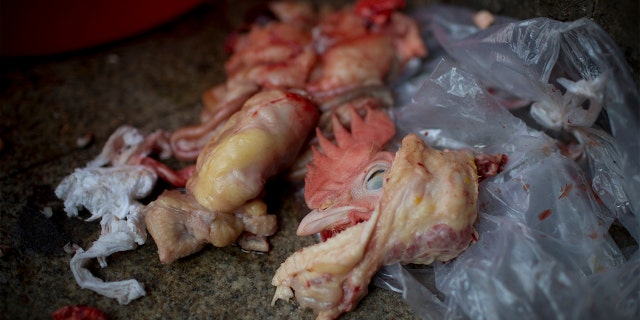
The chickens directly above were kept at a filthy egg factory farm in Oklahoma, while the ones above them were being sold at a blood-soaked “wet market” in Thailand—not that there’s much difference. And all these birds suffered immensely—slaughtered chickens at a wet market in the Philippines …
… and birds at a Tyson Foods slaughterhouse, whose throats were manually cut by a worker because the mechanical blade missed them:
It doesn’t matter if we’re talking about a wet market, a traditional factory farm, a “free-range” farm, an “organic” farm, or any other animal agriculture operation—humans’ appetite for flesh and other animal-derived foods is killing more than the meat industry’s intended victims.
Wet Markets vs. Factory Farms: Which Are Worse?
Most people are now familiar with wet markets (also sometimes referred to as “live-animal markets”)—one where live and dead animals are sold for human consumption—and their connection to the dry cough heard ’round the world. Experts believe that the novel coronavirus originated at a wet market in Wuhan, China. But while bats and pangolins (who hitch rides on their mothers’ tails as pups in nature) are the suspected reservoir species for COVID-19, deadly outbreaks like mad cow disease, avian flu, swine flu, and other zoonotic diseases have stemmed from farming domesticated (not wild or exotic) animals for food. Even more recent than the COVID-19 outbreak in the U.S. is an avian flu (aka “bird flu”) outbreak in South Carolina—a week ago, the U.S. Department of Agriculture (USDA) confirmed that highly pathogenic H7N3 avian influenza was identified among turkeys being raised for food. This strain reportedly mutated from a low pathogenic strain that had been previously identified in poultry in the same area.
JUST BECAUSE YOU DON’T SHOP AT A WET MARKET DOESN’T MEAN THAT YOU’RE SAFE FROM ZOONOTIC VIRUSES … OR ANTIBIOTIC-RESISTANT BACTERIA.
Farms crammed full of stressed animals are breeding grounds for deadly pathogens, including influenza viruses, which have originated in chickens and pigs. It’s these crowded, filthy conditions that breed antibiotic-resistant bacteria, too, also known as “superbugs.”
Why should you care about antibiotic-resistant bacteria?
When you get sick, the antibiotics prescribed by your doctor may not work because of the emergence of superbugs. On farms across the U.S., the antibiotics that we depend on to treat human infections are now used to keep cows, pigs, chickens, and others alive in horrific conditions that would otherwise kill them and to fatten them before slaughter.
COUNTLESS NEW STRAINS OF ANTIBIOTIC-RESISTANT BACTERIA HAVE DEVELOPED AS A RESULT OF THIS ABUSIVE PRACTICE.
Antibiotic use is now more common on farm prisons than in human medicine. Roughly 80% of all antibiotics sold in the U.S. are given to animals on farms, who are likely now the largest source of drug-resistant bacteria. Nearly 80% of all meat found in U.S. grocery stores contains antibiotic-resistant bacteria, according to the Environmental Working Group.
Findings indicate that these drug-resistant genes spread more extensively and quickly on farms than scientists previously thought. Researchers sounded the alarm on the meat industry, which has tried to downplay the concerns raised by experts, apparently deliberately putting the public at risk in order to protect its own interests. One infectious disease physician who studies antibiotic-resistant pathogens, James Johnson, likened the animal agriculture industry and its practice of “subverting public health” to the tobacco industry.
What about “antibiotic-free” labels?
Just like “organic,” “free-range,” and “cage-free” labels, “antibiotic-free” labels mean nothing to animals and are misleading to consumers. The U.S. Centers for Disease Control and Prevention (CDC) admits that the “antibiotic-free” label is not approved by the USDA and that it “has no clear meaning.” Furthermore, “antibiotic-free” meat is not necessarily free of antibiotic-resistant bacteria: “All animals carry bacteria in their gut, and some of these can be resistant germs,” the CDC website warns.
THINGS FOR ANIMALS ON FARMS—AND FOR THE HUMANS WHO EAT THEM—ARE ONLY EXPECTED TO GET WORSE.
The United Nations has called the emergence of drug-resistant superbugs “the biggest threat to modern medicine.” It’s anticipated that by 2050, antibiotic-resistant bacteria will kill one person every three seconds. In fact, some studies claim that by this time, more people will be dying of antibiotic-resistant diseases than of heart disease—which is the number one killer of humans in the world and kills one person every 37 seconds in the U.S. alone.
We’ve already seen these superbugs manifest in the form of global health pandemics. The 2009 H1N1 flu pandemic, for example, only saw humans infected, but the virus included genes from humans, birds, and pigs—it was a “quadruple-reassortant virus,” meaning that it contained genes from four different influenza virus sources. To put it simply, if there were no animal agriculture, it’s likely that neither “classical swine H1N1” viruses nor the 2009 H1N1 flu virus (which reportedly infected roughly 1.4 billion people and killed between 151,700 and 575,400 worldwide) would have existed.
THE ONLY WAY TO AVOID FARM-TO-TABLE PANDEMICS IS FOR EVERYONE TO GO VEGAN AND SHUT DOWN ANIMAL-FARMING OPERATIONS.
So while we should certainly call for a global ban on wet markets …
… we should also crack down on all other industries that abuse, neglect, and slaughter animals. We can’t afford to wait for the next H1N1 flu or coronavirus. Please, ban meat, eggs, and dairy from your plate—before the next deadly zoonotic disease hits:
‘Let’s face it, it is a little bit medieval eating bats.’
Sir Paul McCartney launched into a passionate rant aimed at the Chinese government’s reluctance to shut down wet markets- the suspected origin of the deadly coronavirus that has already killed tens of thousands, altered the daily lives of hundreds of millions, and put the entire world on edge.
Discussing the current pandemic situation on a call with US radio host Howard Stern on Sirius XM, this Tuesday, McCartney said: “I really hope that this will mean the Chinese government says, ‘OK guys, we have really got to get super hygienic around here.’
Banner
“Let’s face it, it is a little bit medieval eating bats.”
Stern echoing McCartney’s sentiment noted that it was “mind boggling” that China was reluctant to shut down the markets despite the current situation.
In reply, McCartney said: “It wouldn’t be so bad if this is the only thing it seems like you can blame on those wet markets.
“It seems like Sars, avian flu, all sorts of other stuff that has afflicted us … and what’s it for? For these quite medieval practices. They need to clean up their act. This may lead to [change]. If this doesn’t, I don’t know what will.”
‘Letting off atomic bombs’
Self-isolating at his home in Sussex with daughter Mary and her family, the former Beatles frontman and animal rights activist added that “whoever is responsible for this is at war with the world and itself.”
In reply to Stern’s next question on the idea of banning the wet markets, the 77-year-old answered: “I think it makes a lot of sense…when you’ve got the obscenity of some of the stuff that’s going on there and what comes out of it, they might as well be letting off atomic bombs. It’s affecting the whole world.”
Even majority of the stalls at Wuhan’s biggest wet market Baishazhou have resumed business after lockdown rules were laxed at the epicentre.
‘Shut them right away’
Comparing China’s resistance to close the markets to the country’s slavery culture in the past, McCartney added: “I understand that part of it is going to be, ‘People have done it forever. This is the way we do things.’ But they did slavery forever, too. You’ve got to change things at some point.”
McCartney joins several other dignitaries that feel wet markets need to go.
In an interview with the Mirror, the 58-year-old said: “For the sake of people and animals, wildlife trade and consumption has to end, now.”
Even America’s chief infectious disease expert Dr. Anthony Fauci implied the ongoing public health crisis was a “direct result” of the thriving wet animal markets and demanded that authorities “should shut down those things right away.”
I’m in the checkout line at the supermarket. Six feet separates me from the people in front of me unloading their groceries onto the conveyer belt. Behind their N95 facemasks I can see the anxiety in their eyes.
They’re leaning as far away from the cashier as possible to maintain a safe zone around them. It’s hard for me not to notice the items being tallied as the red scanner beeps loudly. Pearl onions, chili powder, People magazine, Wisconsin cheddar cheese, chicken wings, BBQ sauce. Then it occurs to me. We’re doomed. This is it. We are in over our heads, and we’re not going to make it.
This is, by any measure, the largest health emergency of my, over-half-century-lifetime. A viral pandemic sweeps the globe. A sickness unleashed by our human exploitation of animals in an Asian meat market, and our response? Quarantine us at home with dry rubbed chicken wings with BBQ sauce.
I know what you’re thinking. Damn! That sounds delicious! Am I right? OK. Let’s pull the lens back to wide angle for a minute and have a look around.
It’s almost as if nature, and the animals themselves are holding up a protest sign, arms extended overhead, marching down main street, saying ENOUGH IS ENOUGH!
A majority of emerging infectious diseases in humans — including COVID-19, Mad Cow Disease, Bird Flu, MERS, SARS, Ebola, HIV, Swine flu, and cholera all came from animals, and how we treat them.
Bird flu came from chickens. Swine flu came from pigs. Mad Cow Disease came from cows. Ebola came from bats. And now COVID -19 seems to have originated from a nasty meat-market cocktail of slaughtered pigs, dogs, cats, bats, turtles, chickens, and pangolins. Just in case our ethnocentric defenses were raised when considering the food habits of people in a faraway land. Keep in mind, that animals on industrial factory farms in the good-ole U.S. of A. are so highly confined that the only defense against bio-catastrophic viral outbreaks are massive amounts of overused antibiotics. Antibiotics passed on to us through the food system. Antibiotics that will no longer work given that these mutant viral eruptions have clever tendencies to overcome.
It’s almost as if nature, and the animals themselves are holding up a protest sign, arms extended overhead, marching down main street, saying ENOUGH IS ENOUGH! Stop exploiting us! But are we listening? Is this new pandemic enough for us to take a look at how we exploit and consume animals? After all, our own existence is in jeopardy. It’s obvious, what we’re doing to animals is killing us, too.
I’ve had a plant-based diet for over 35 years. I had my own mini-awakening when examining our unhealthy meat-centric food system.
I learned that a vegan diet produces the equivalent of 50% less carbon dioxide, uses 1/11th oil, 1/13th water, and 1/18th land compared to a meat-lover for their food. Each day, a person who eats a vegan diet saves 1,100 gallons of water, 45 pounds of grain, 30 square feet of forested land, 20 pounds CO2 equivalent, and one animal’s life.
As a matter of fact, the World Health Organization recommends a plant-based diet to help prevent obesity, heart disease and type-2 diabetes.
Forgive my hyperbolic meltdown in the supermarket earlier when observing the general public’s food choices. I’m not as hopeless as my melodramatic self claims to be. More and more people are making the connection that eating plants instead of animals is healthier for us, more sustainable for the earth, and obviously a better deal for animals.
I’ll ask the question we’re all thinking. But why are vegans so annoying? I know, I know, we can be.
I don’t have the answers to all of our questions. But there is one thing I do know, our exploitive relationship with animals and nature is the reason why the world is on lockdown, and choosing to eat plants instead of animals is a giant step toward a better future.
John Merryfield lives in Tahoe City.
Climbers urged to stay home for now
2
A trending article titled “Special delivery: Area businesses providing pick-up, take-out, delivery service” with 1 comment.
Wuhan, China reports no new local cases of COVID-19 in a 24-hour period as Italy sees its deadliest day of the outbreak; Benjamin Hall reports from London.
Get all the latest news on coronavirus and more delivered daily to your inbox. Sign up here.
While rumors have swirled that the coronavirus pandemic originated in bats and then infected another animal that passed it onto people at a market in the southeastern Chinese city of Wuhan, scientists have not yet determined exactly how the new coronavirus infected people.
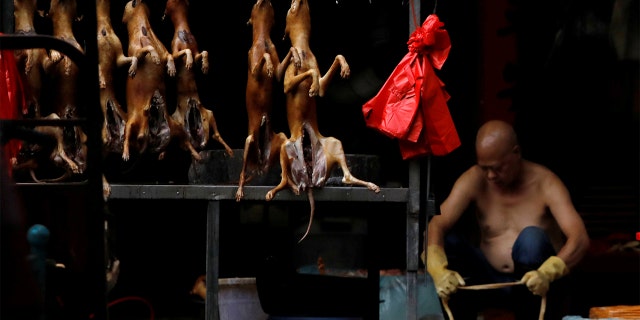
Butchered dogs displayed for sale at a stall inside a meat market during the local dog meat festival, in Yulin, Guangxi Zhuang Autonomous Region, China. (REUTERS/Tyrone Siu/File Photo)
“You’ve got live animals, so there’s feces everywhere. There’s blood because of people chopping them up,” Peter Daszak, president of EcoHealth Alliance, which works to protect wildlife and public health from emerging diseases, told the Associated Press last month.
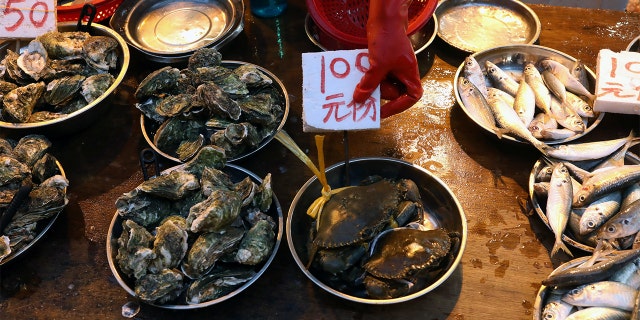
Fresh seafood on sale at a wet market in Hong Kong, China. (REUTERS/Ann Wang)
“Wet markets,” as defined by the Oxford English Dictionary, are places “for the sale of fresh meat, fish, and produce.” They also sell an array of exotic animals.
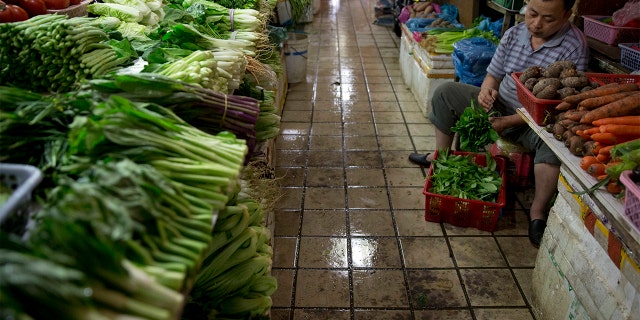
A vendor prepares vegetables for sale at a wet market in Shenzhen, China. (AP Photo/Ng Han Guan)
The Huanan Seafood Wholesale Market in Wuhan, before its closure, advertised dozens of species such as giant salamanders, baby crocodiles and raccoon dogs that were often referred to as wildlife, even when they were farmed, according to the AP.
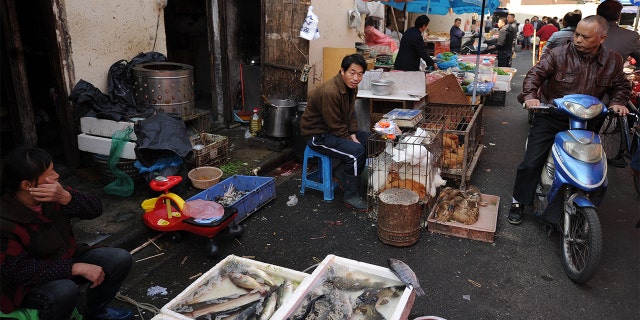
Vendors sell fish and poultry at an outdoor wet market in Shanghai’s northern district of Zhabei. (PETER PARKS/AFP via Getty Images)
And like many other “wet markets” in Asia and elsewhere, the animals at the Wuhan market lived in close proximity as they were tied up or stacked in cages.
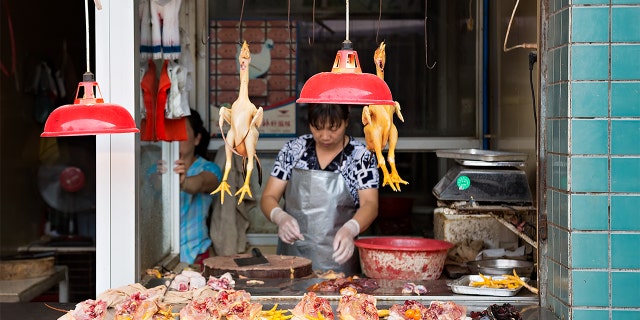
Poultry (FILE)
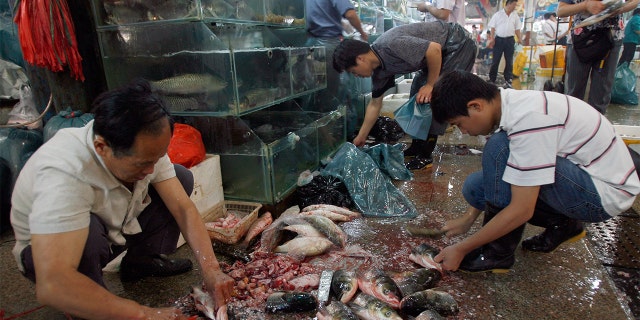
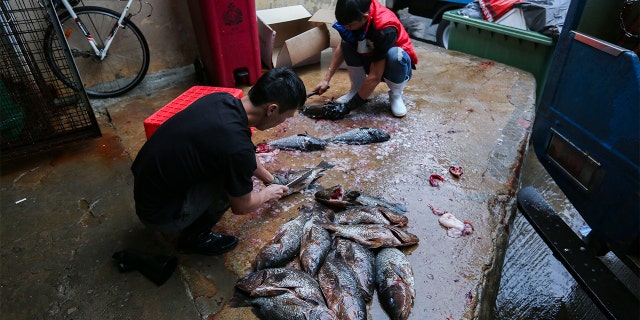
Animals in “wet markets” are often killed on-site to ensure freshness — yet the messy mix raises the odds that a new virus will jump to people handling the animals and start to spread, experts say.
Chinese seafood vendors prepare fresh fish at a wet market in Beijing. (TEH ENG KOON/AFP via Getty Images)
“I visited the Tai Po wet market in Hong Kong, and it’s quite obvious why the term ‘wet’ is used,” an NPR reporter wrote about them earlier this year.
Seafood at Aberdeen Wet Market. (Chen Xiaomei/South China Morning Post via Getty Images)
“Live fish in open tubs splash water all over the floor. The countertops of the stalls are red with blood as fish are gutted and filleted right in front of the customers’ eyes. Live turtles and crustaceans climb over each other in boxes,” he described. “Melting ice adds to the slush on the floor. There’s lots of water, blood, fish scales and chicken guts. Things are wet.”
Wildlife markets and related trade are a dangerous vector for transmission of zoonotic diseases. We applaud this bipartisan congressional letter calling for aggressive action toward a global shut down of live wildlife markets and a ban on the international trade of live wildlife that is not intended for conservation purposes. Photo by pasindu/pixabay
Consistent with the recommendations in Wildlife Markets and COVID-19, the Humane Society International report released earlier this week, and our own messaging on the pandemic, Senators Cory Booker (D-N.J.) and Lindsay Graham (R-S.C.), Representatives Mike Quigley (D-Ill.) and Michael McCaul (R-Texas) and more than sixty of their colleagues have sent an urgent letter seeking action from three major global health entities. In their communication to the Directors-General of the World Health Organization, the World Organization for Animal Health and the Food and Agriculture Organization of the United Nations, they asked the three groups “to take aggressive action toward a global shut down of live wildlife markets and a ban on the international trade of live wildlife that is not intended for conservation purposes.” This is one of several calls by elected officials for worldwide action to reduce future pandemic risks.
Humane Society Legislative Fund staff members worked closely with Democratic and Republican congressional offices to develop the case laid out in the joint letter. Together with leadership on both sides of the aisle, we’re going to work to step up the pressure to shut these markets down.
In Wildlife Markets and COVID-19, our colleagues urged governments around the world at all levels to ban or severely limit all trade, transport and consumption of wildlife, immediately. The Humane Society of the United States, the Humane Society Legislative Fund and Humane Society International have long pointed to wildlife markets and related trade as a dangerous vector for transmission of zoonotic diseases. We’ve stated the case plainly ourselves. We must close wildlife markets selling wild animals, particularly mammals and birds, in every nation, and we must halt the import, export and internal transport of live wildlife or wildlife meat intended for sale in such markets or in other contexts, whether the animals were captured in the wild or farmed. It’s not just for the animals’ sake; it’s for our own.
Sara Amundson is president of the Humane Society Legislative Fund.



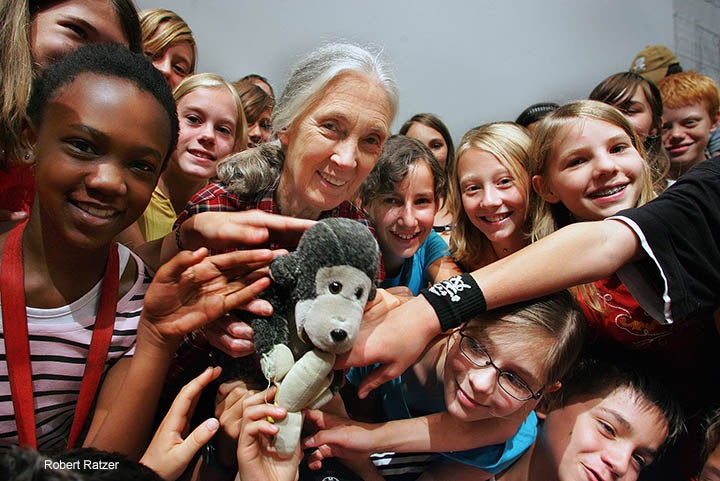
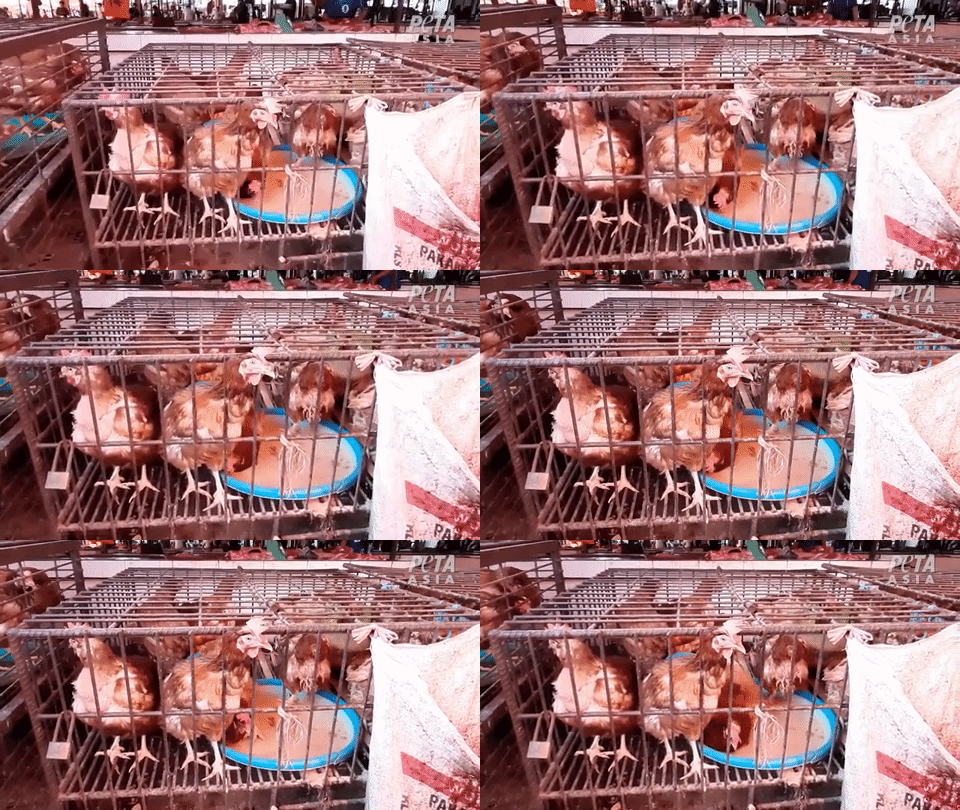
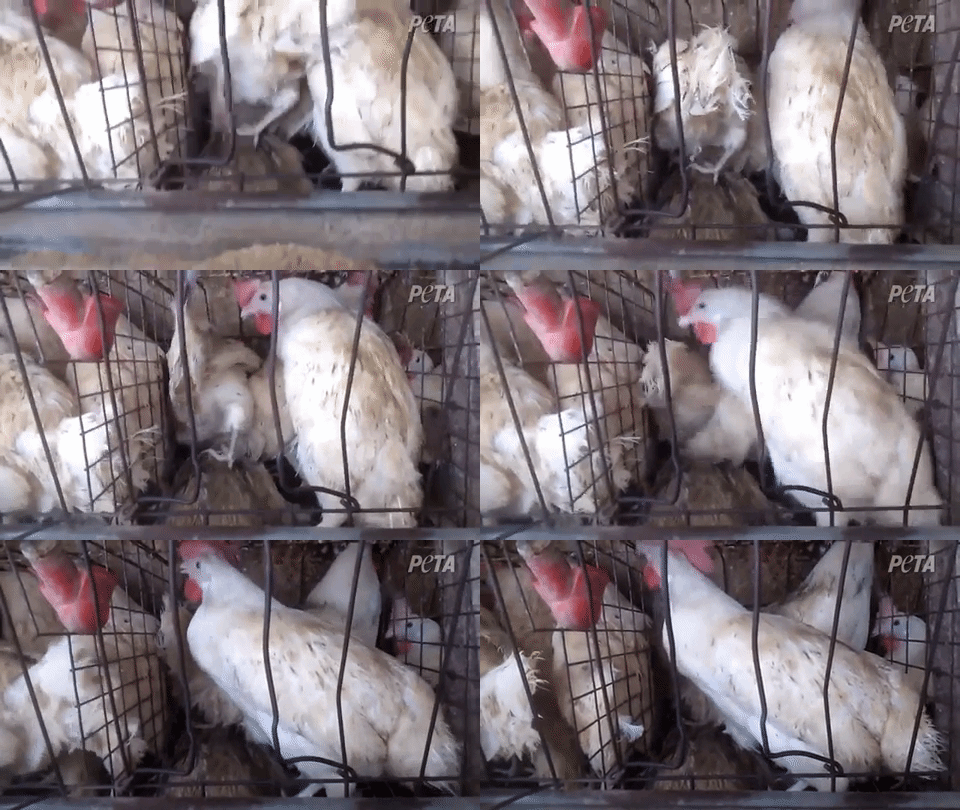
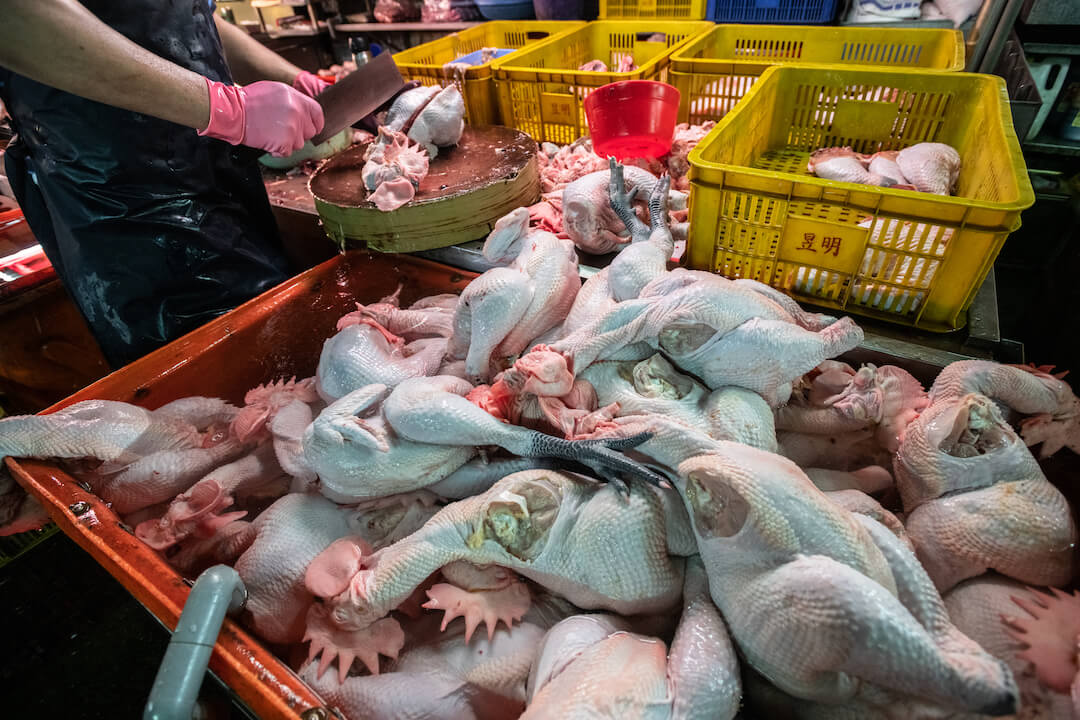
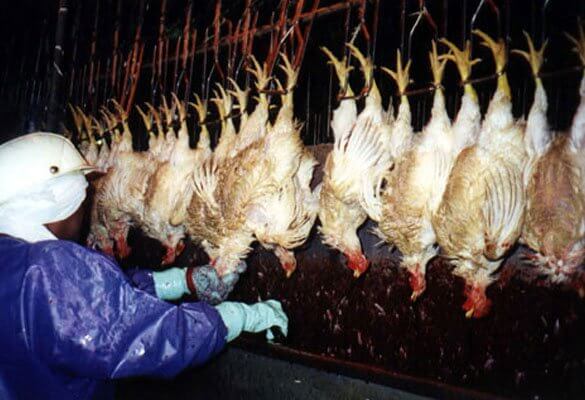
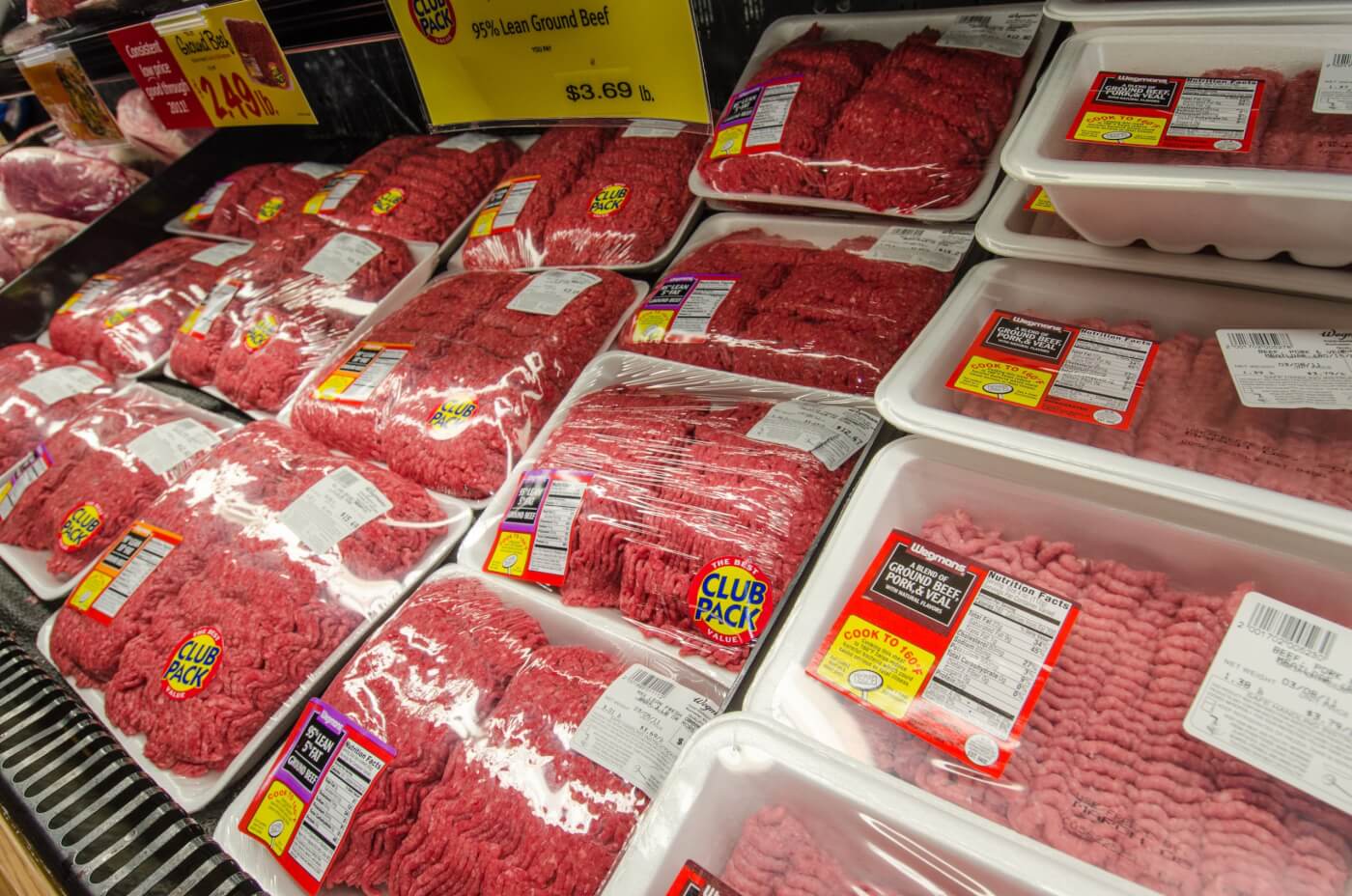
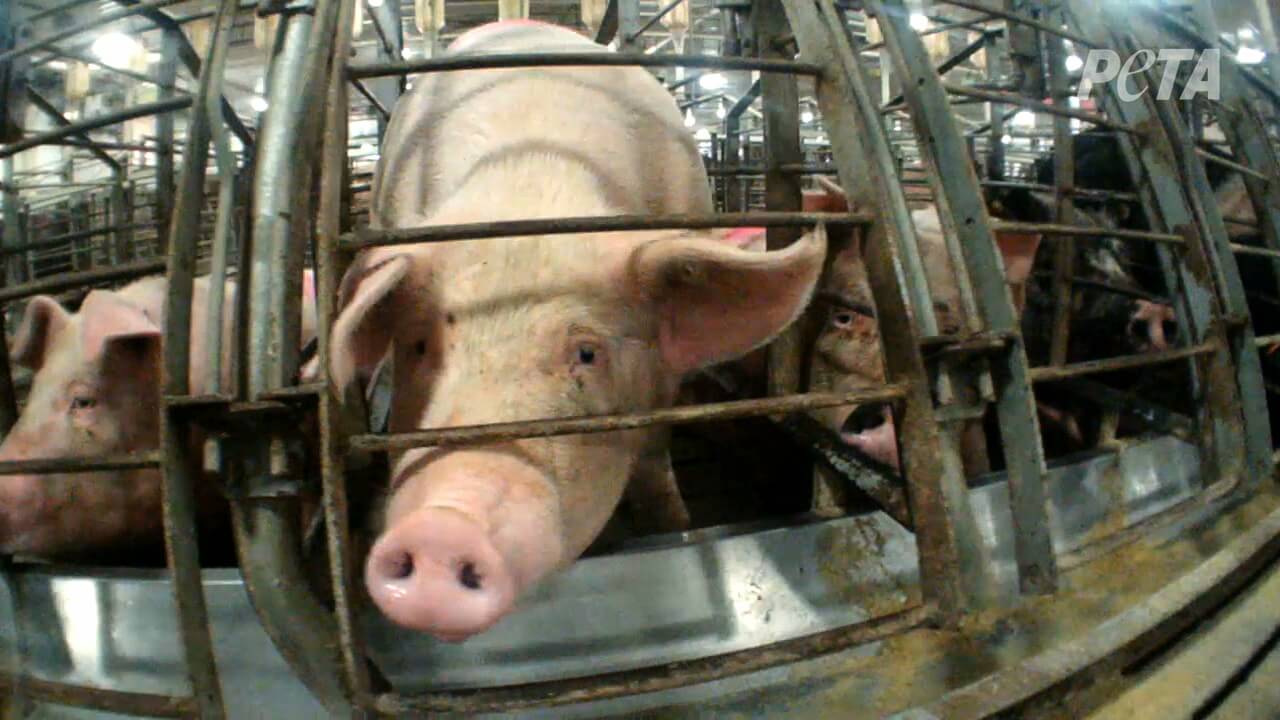
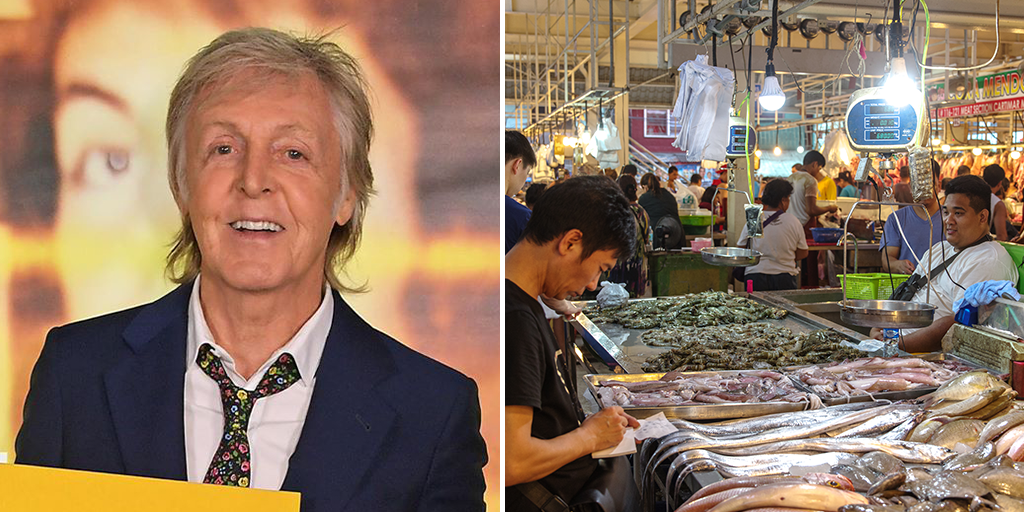 Image: paulmccartney (Left) and Kim David / shutterstock.com (Right)


 Exposing the Big Game