
Rewilding of America is a natural thing to do
The News West / By Todd Wilkinson | Posted: Wednesday, December 3, 2014 4:30 am
We human beings are set apart by our capacity to express extraordinary compassion, empathy and charity — especially, it seems, at this time of year.
We also are unrivaled on the planet for carrying out acts of cruelty, not only against others of our own kind but toward vulnerable creatures around us that have no voice to plead their case for mercy and therefore no defense.
In ignorance, thoughtlessness and the warped logic of Manifest Destiny — the absurd notion that God would encourage us to be plunderers — we’ve erased other species from existence.
Witless sometimes, we inflict pain on animals, rationalizing it on the conceit that other creatures are incapable of knowing suffering or that our superiority gives us license to not acknowledge it exists.
This sort of thinking, Marc Bekoff says, is precisely the logic that degrades humanity.
Bekoff has a new book out that any animal-loving human (including hunters, anglers and ranchers) needs to read. “Rewilding Our Hearts: Building Pathways of Compassion and Coexistence” is an important work because it will change how you think about your relationship with nature.
That challenge can be exhilarating if you’re ready, frightening if your worldview is so fragile it cannot withstand scrutiny.
While reading Bekoff’s book and reflecting on the twisted individuals who publicly boast of inflicting abuse on wolves and coyotes, I thought of the observation made by the great psychoanalyst Carl Jung: “The healthy man does not torture others. Generally it is the tortured who turn into torturers.”
Bekoff is a world-renowned ethologist who wrote the critically acclaimed book “The Emotional Lives of Animals.” As professor emeritus of ecology and evolutionary biology at the University of Colorado-Boulder, he is also a former Guggenheim Fellow — confirmation that he is among a club of people held in highest regard for being exceptional big-picture thinkers.
Author Richard Louv, in his bestselling book “Last Child in the Woods,” identified a chronic problem plaguing modern people, Nature Deficit Disorder, running rampant in our kids.
Bekoff’s book confirms Louv’s diagnosis and casts it in fresh light. He believes that in our zeal to conquer nature, tame and control it, we’ve become “unwilded,” cut off from the very things that keep us grounded.
Bekoff isn’t just an advocate for rewilding physical landscapes — restoring them to their life-nurturing ecological function and recognizing the intrinsic value of their interconnected parts. As individuals, he says, we benefit from rewilding ourselves by maintaining contact with nature or making changes in our lives that give us daily exposure to wild things, the same as if taking a health-enhancing vitamin.
It is with empathy that we reach out to others suffering pain, loss and trauma caused by violence. And it is through extraordinary groups like Wounded Warriors that exposure to nature is used as a salve to heal.
Bekoff shares observations about hunting that, he notes, have sparked philosophical conversations with Wyoming outfitters. He also blasts commercial media. His thoughts are sure to provoke. Rather than divulge them here, suffice it to say they’re well worth absorbing.
Not long ago “60 Minutes” interviewed scientific researchers who had discovered that dogs can understand hundreds of human words and have a huge emotional range. It’s something Bekoff has known for decades.
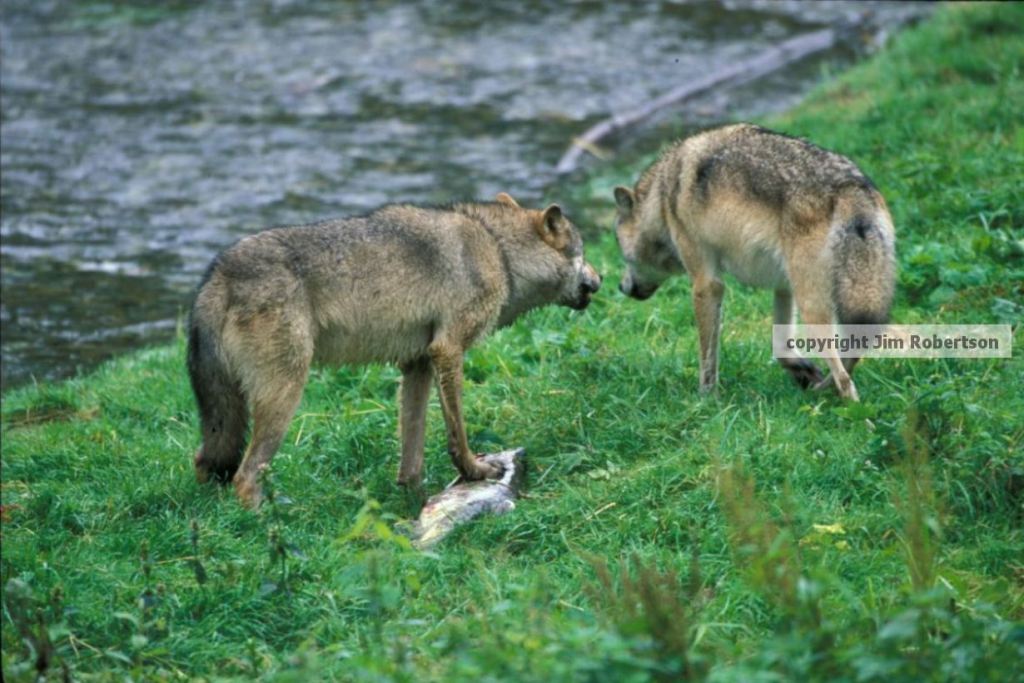
Of interest to Westerners, Bekoff calls attention to those who kill wolves and, denying they are sensitive, thinking, feeling creatures, try to put them in a separate category from domestic canids.
“Then I ask the person if they would hunt and kill their own dog. ‘Of course not!’ they usually respond with incredulity. But in the end, a dog and the wild animals people hunt are not all that different, except that we already love our dogs.”
The terrain Bekoff explores may unsettle some, for it challenges the belief that animals, especially wild ones, are somehow lesser life forms, not worth consideration as sentient beings.
The whole point of Bekoff’s book is: It’s difficult to consciously inflict harm upon, or knowingly exploit for fun and profit, or wantonly eradicate beings that possess their own inner soul and spirit. They’re all around us.
“Alienating ourselves from other animals and dominating them and their homes is not what it means to be human,” Bekoff writes. “We must stop this insanity now. Ecocide is suicide.”



 Exposing the Big Game