No Market for the Truth?

I was watching a PBS documentary on the Alaska Lands Act and how the concept of protecting the wilderness was met with opposition by local resource extractors who had the patrician perception that the land was theirs and theirs alone and who wanted no part of any new ideas such as land preservation for the sake of the wildlife and nature itself.

The resident’s closed minded stance was reminiscent of that taken by the owner of a bookstore in Lincoln City on the Oregon Coast who refused to carry my book, Exposing the Big Game: Living Targets of a Dying Sport, on the grounds that there’s “no market for an anti-hunting book” around there.

While I do not doubt there are a higher percentage of hunters in that smallish tourist town compared to the national average, I don’t buy that no one living there or travelling through would be interested in expanding their knowledge on the subject of animal protection. There are certainly plenty of new pro-hunting books and magazines out these days, some of which were for sale in that very shop.

Based on what she told me, it’s clear that the bookstore owners’ snubbing of Exposing the Big Game was due to there being hunters among her family and friends and thus she did not want anything in the store that might expose the dark underbelly of sport hunting. It was just another case of someone doing their part to suppress the truth about the myriad of malicious ways that the animals of the Earth are being exploited for the benefit of just one narcissistic, overly-acquisitive species.
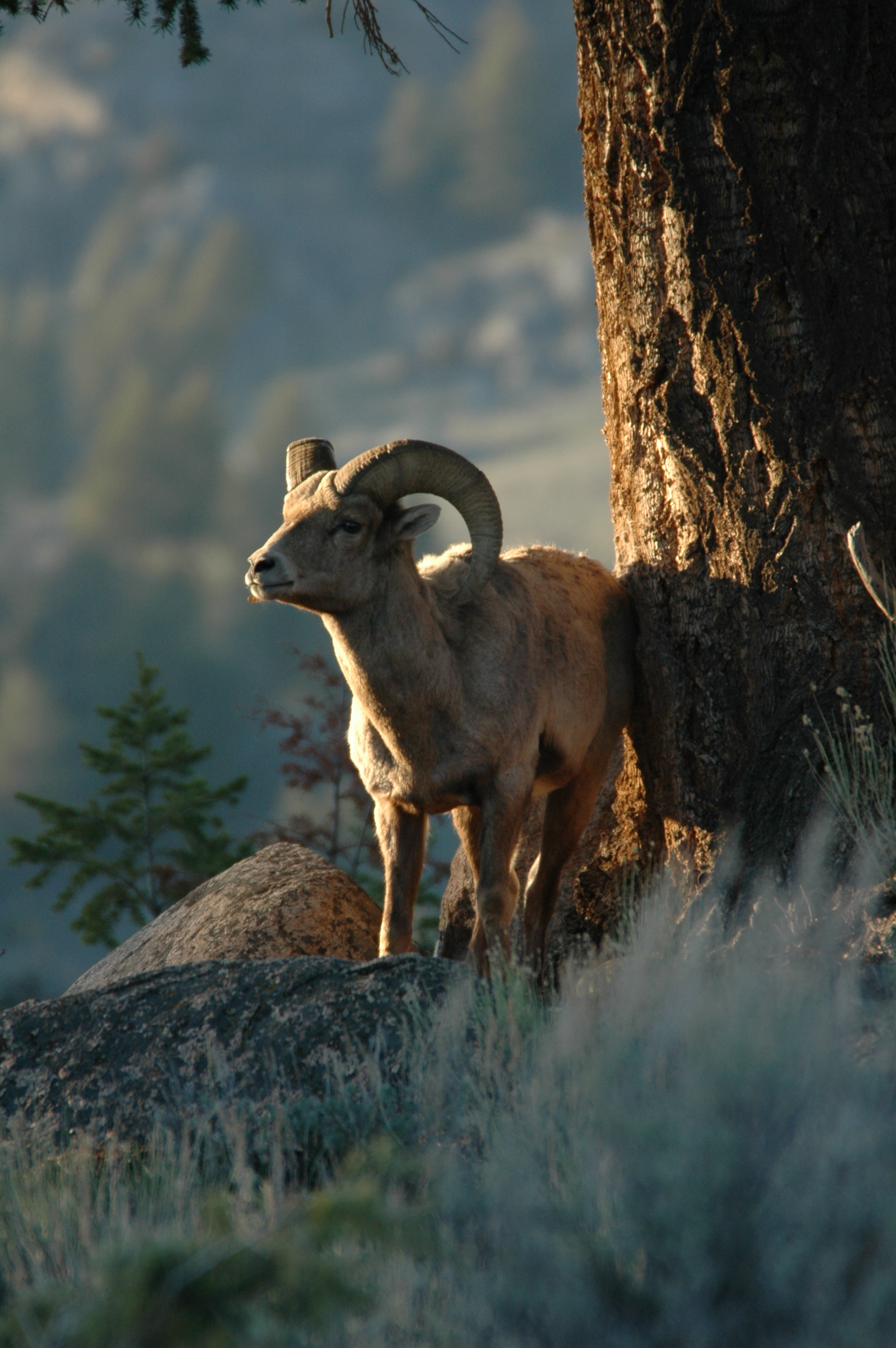
Text and Wildlife Photography ©Jim Robertson


Someone Has To Say It

Hunters often spout off about their “birth right” to shoot and kill wildlife recreationally. The rest of us be damned—they’ve got a god-given entitlement to “harvest” elk, or further disrupt the balance of nature by eliminating wolves. Heck, it’s not their doing that the last of the wild places and species are disappearing fast. After all, they’ve got seven kids to feed…

As much as it turns the stomach to envision, the “boiling frog syndrome” (based on the fable that a frog placed in hot water will jump out, but the same frog placed in cold water which is slowly heated will not recognize the danger) is a fitting metaphor for people’s failure to react to the momentous changes they are affecting across the planet.

The human’s ability to adapt to change is impressive. It always amazes me to see how easily the inhabitants of a busy city can accept ridiculous conditions. As an infrequent visitor, I can’t get used to ever-worsening traffic jams, but to those adapted to it, being wedged in among thousands of others is just a fact of life. With each new lane added to the highways, there’s less and less wildlife habitat and open space. So, what’s fueling the human expansion into every last vestige of wilderness?

Dare I say it? I guess someone has to:

Overpopulation!

Professor Paul R. Ehrlich, author of The Population Bomb, dared to say it in 1968 (when humans numbered only 3.5 billion), following it up in 1991 (when 5.3 billion humans walked the Earth) with The Population Explosion.  In 1970, he told National Wildlife Magazine, “It isn’t a question of people or animals–it’s got to be both of us or we’re finished. We can’t get along without them. They could get along without us.” Today, the human population has erupted to over 7 billion, while the number of species now extinct or endangered continues to grow exponentially as well.

The “boiling frog” story may only be a fable, but humans had best be mindful of gradual changes lest they suffer unfavorable consequences.