Media Bias Promotes Hunting Agenda

This is a letter I sent to the Daily Astorian, a local paper on the Oregon coast:

Dear Editor,

Cannon Beach used to be a pretty peaceful place. It was a nice romantic getaway or a great place to bring the entire clan. Haystack Rock appears on more post cards and magazine covers than any other feature on the entire Oregon coast. Most people come to Cannon Beach to enjoy quiet walks, hoping for a glimpse of some of the native wildlife. It’s not the kind of place folks expect to run into cammo-clad hunters with shotguns or compound bows stalking area’s half-tame animals.

But when the town’s parks and community services committee wanted to limit the local hunting season to only one month, the Oregon state Department of Fish and Wildlife instead set FIVE seasons there, totaling 90 days (“Hunting dates for Ecola reserve are expanded,” Aug. 5). And although the town of Cannon Beach wanted to restrict hunting to bows and arrows and shotgun slugs, the ODFW informed them that buckshot would be allowed as well.

Now any hunter who wants to can blast a 700 pound bull elk with a shotgun. What a mess that will be for some sightseeing family to come across! And how many elk or deer, who were nearly out of range at the time they were shot at, will escape with gaping, bleeding, lead-filled holes in them?

This is just another example of state game departments pushing their weight around, defying the will of the people and town councils, not to mention the will of the wildlife. Who do game regulators think they are, God? Sorry, but I hear that position has already been filled.

Jim Robertson

……..Instead of printing that, here’s the letter they chose to print…….

Dear Editor,

I am writing in response to the article The Daily Astorian regarding the debate on the upcoming hunting season in the Ecola Creek Forest Reserve (“Expanded hunting season remains in Ecola Creek Forest Reserve,” Aug. 7).

I am proud to be an avid hunter, fisherman, and outdoorsman and was very upset to read some of the comments made during the city council meeting by Cannon Beach resident Jan Seibert Wahrmund.

The topic being discussed was the hunting area that borders the non hunting area. Wahrmund’s quote was, “Hunters don’t always know where they are. They may have been drinking.”

I understand that not everyone is pro hunting, and I respect their beliefs and opinions. But this comment is ignorant and offensive. To stereotype all hunters as beer-guzzling hillbillies who get drunk and shoot at everything that moves is unfair and misinformed.

Hunters and all outdoorsman are the biggest proponents for conservation and safety. Hunters are the reason that such strict game management laws are in place. A true hunter and outdoorsman has a great deal of respect for all wildlife and everything in its surrounding area.

Hunters and hikers can and always have been able to share the forest without issues. Hunting is a tradition that has been passed down through generations, and we are very passionate about it. It is much more than just harvesting an animal. It’s about enjoying the outdoors and wildlife, and time spent with friends and family.

I hope that Wahrmund takes the time to consider how offensive and misleading her comments were before the next time she “shoots off” her stereotyping and unfair opinions at a council meeting. On behalf of all responsible hunters, please consider how your actions affect others. Thank you.

Steve Honan

….My favorite line in his letter: “Hunters and hikers can and always have been able to share the forest without issues.” Hasn’t he heard about all the hunting accidents that happen each year?

elk-000-home17300


Condemning the USDA’s Decision to Slaughter Wild Turkeys

http://freefromharm.org/animal-cruelty-investigation/weighing-in-on-the-usdas-fish-wildlifes-decision-to-slaughter-wild-turkeys/#sthash.fWYeWk8O.dpuf
By Robert Grillo  –  August 15, 2013
Upon discovering a story entitled Feds round up wild turkeys on Staten Island for slaughter, I felt compelled to comment. Please consider leaving a comment as well:

Let’s call this practice what it is: a transparent form of speciesism. In other words, if you’re another species, and you get in our way or become a “nuisance” to us, we’re going to massacre you — not because we have to, but just because we can.

Might makes right. That’s the underlying premise for treating other species like trash, killing them off when they get in our way, destroying their habitat so we can play golf, breeding more so we can use them for target practice, taking away the babies of others so we can view them in captivity for our own amusement, breeding billions of others through artificial insemination so we can destroy their lives in their youth in a slaughterhouse, emptying our oceans of trillions of sentient life forms so we can buy a can of tuna, and then subjecting millions of others to needless pain and suffering in lab experiments intended to find cures for the diseases caused by eating them. We create all of our own conflicts with animals. We create a staged competition with other species to use as a pretext for destroying their lives, “for our own protection,” of course. I rescue and raise chickens and other birds that come from a kill shelter.

The germaphobe chicken keepers in this comment string have got things a little twisted. They blame the victim, not the perpetrator. They blame the birds for defecating. They excuse themselves for a much more egregious offense: buying and using them for their eggs and flesh directly from the hatcheries — the cruelest industries on earth — which creates the problem in the first place. Think for a moment how that victim blaming serves us. Voltaire famously wrote that “If we believe in absurdities, we shall commit atrocities.” What a prophetic statement to describe the utter selfishness and sociopathic age we live in.

turkey-factory-farming

Animal Advocates Say New Mexico’s Bears are Under Siege

Wildlife Photography ©Jim Robertson, 2013. All Rights Reserved

Wildlife Photography ©Jim Robertson, 2013. All Rights Reserved

Renee Blake, Public News Service – NM
August 6, 2013 ALBUQUERQUE, N.M. –

What is being portrayed by some as an infrequent and humane response to hungry bears entering towns looking for food, is actually quite another matter, according to Jan Hayes founder of Sandia Mountain Bear Watch. Hayes is looking for the state to institute stopgap diversionary feeding to keep the bears alive at this difficult time, and keep them away from people.

She said what is happening to Sandia Mountain bears is an ecological disaster, that the drought and lack of food for the bears, along with the hunter-focused attitudes of New Mexico Game and Fish, add up to a decimated bear population. “They want the animals to be there for hunter opportunity,” she said. “Their only mode of management is to trap or kill. The Sandias is a wildlife preserve. So, it’s not a moneymaker for Game and Fish. Bears are a problem species that they would really prefer not be here.”

Stewart Liley, big-game program coordinator for N.M. Game and Fish, said feeding bears would cause them to become increasingly dependent upon artificial food sources. Hayes however said she believes the temporary measure would serve to get the bears “over the hump” and save their population in the Sandia Mountains. She is requesting a meeting with someone in Governor Martinez’ administration on the matter.

Hayes declared that the current style of bear management in the Sandia Mountains has caused an alarming rate of damage that cannot be overcome. “We’re looking at bears that are completely lost to this population. There’s no way they can keep up with reproduction,” she said. “And we also expect 100 percent attrition of first-year cubs this year. They’re very slow reproducing. Our bears don’t even have their first baby until they’re five or six.”

Mary Katherine Ray, Rio Grande Chapter wildlife chair of the Sierra Club, said New Mexico adheres to the North American Wildlife Conservation Model, which says that wildlife, from roadrunners to butterflies, belongs to everyone in the state. That includes the bears in the Sandia Mountains. “We all have a share in owning that wildlife, and it’s supposed to be democratically adjudicated,” Ray declared. “But when you look at the composition of the Game Commission, every last one of them is a hunter.” She said she believes that mindset is getting in the way of seeing the benefits of diversionary feeding.

Ray said that where it has been tried, bears that have been the beneficiaries of diversionary feeding have not become either dependent or dangerous.

See more at: http://www.publicnewsservice.org/index.php?/content/article/33828-1#sthash.l9IhArpU.dpuf

Tell Washington State Officials to Stop Killing Geese

FROM Action for Animals
July 26, 2013

ACTION:
Contact officials at Washington State Parks and tell them to stop the endless cycle of killing and to come up with a focused well thought out comprehensive plan, which uses humane alternatives. Washington State Parks hired USDA Wildlife Services to kill the geese at Lake Sammamish State Park. In all about 90 geese were herded up and gassed to death. Killing is unacceptable and we must do a better job of sharing the earth with wildlife.

Sign an online petition:
http://www.change.org/petitions/washington-state-parks-officials-stop-killing-geese

And/or better yet, make direct contact:

Rich Benson, Lake Sammamish State Park Manager
2000 NW Sammamish State Park
Issaquah, WA 98027
phone (425) 649-4275
Richard.Benson@PARKS.WA.GOV

Andrew Fielding, Washington State Parks Resource Steward
phone (509) 665-4312
Andrew.fielding@parks.wa.gov

Don Hoch, Washington State Parks Director
P.O. Box 42650
Olympia, Washington 98504-2650
phone (360) 902-8844
Don.Hoch@PARKS.WA.GOV

INFORMATION / TALKING POINTS:

A few weeks ago Washington State Parks used USDA Wildlife Services to kill geese at Lake Sammamish State Park. There was no notice given to the public or any opportunity to comment.

USDA Wildlife Services cruelly rounds up geese when the adults start to molt and they cannot fly. They then herd the adults and babies into pens. If they are still doing what they did in the past when they were killing geese in the Seattle parks, the geese are shoved into gas chambers in the back of the USDA trucks. The gas chambers were not designed specifically for large birds like geese. The chambers are too small for the geese to stand upright prior to being gassed to death. Multiple geese are stuffed into the chamber at the same time while frantically struggling and trying to escape. Of course this is all done under a cloak of secrecy, so that people are unaware of what is being done or how.

There are many humane alternatives which work well when used in conjunction with each other. Killing the geese only creates a temporary solution, as other geese will move in, which results in an endless cycle of killing.

Geese at all of the Washington State Parks are in danger. If they are killing geese at Lake Sammamish State Park, then they are probably killing them in the other state parks as well.

Thank you for everything you do for animals!

DSC_0221

Game Departments Must Think They’re God

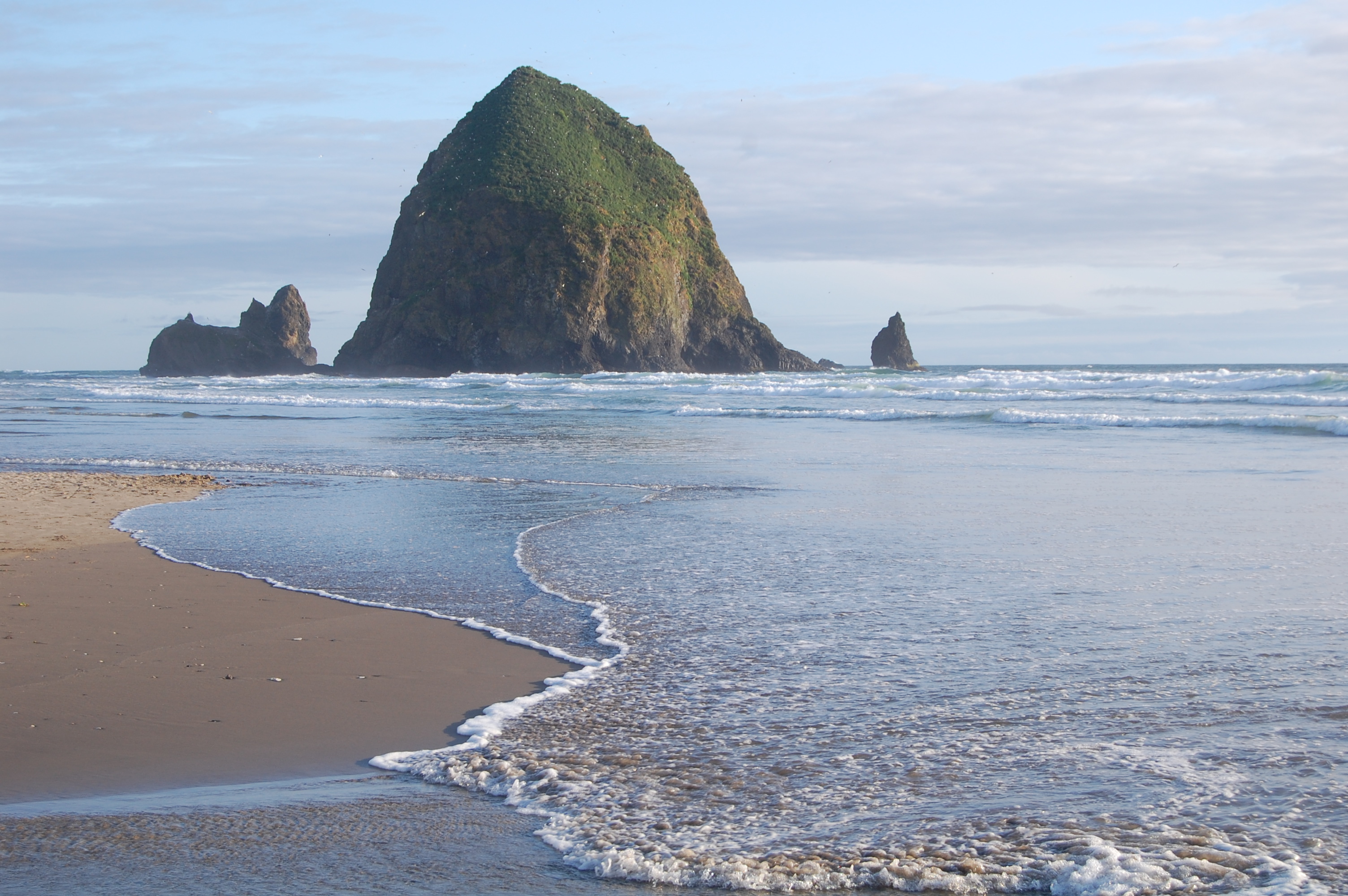
Cannon Beach, nestled along the northern Oregon Coast, used to be a prettymore housepix 235 peaceful place. It’s a nice, romantic getaway or a great place to bring the entire clan. Haystack Rock, perched immediately off CB’s two mile stretch of sand, appears on more post cards and magazine covers than any other feature on the entire coast.

Folks stay there to escape the noise and manic pace of Portland or Seattle, enjoying quiet walks, hoping to catch a glimpse of some of the native wildlife. A small herd of elk lives there and can sometimes be seen taking their own cautious walks out on the beach in the early morning, foraging on the thick, leafy salal bushes in Ecola State Park or resting on the grass in city parks at the edge of town, adding to the natural character of area.

Cannon Beach is not the kind of place people expect to run into cammo-clad Elmers with shotguns or compound bows stalking the area’s half-tame animals.

But when the town’s parks and community services committee wanted to limit the local hunting season to only one month, the Oregon state Department of Fish and Wildlife told them they could not limit the hunting season and instead set five seasons there, totaling 90 days.  And although the town of Cannon Beach wanted to restrict hunting to bows and arrows and shotgun slugs, the ODFW informed them that buckshot would be allowed as well.

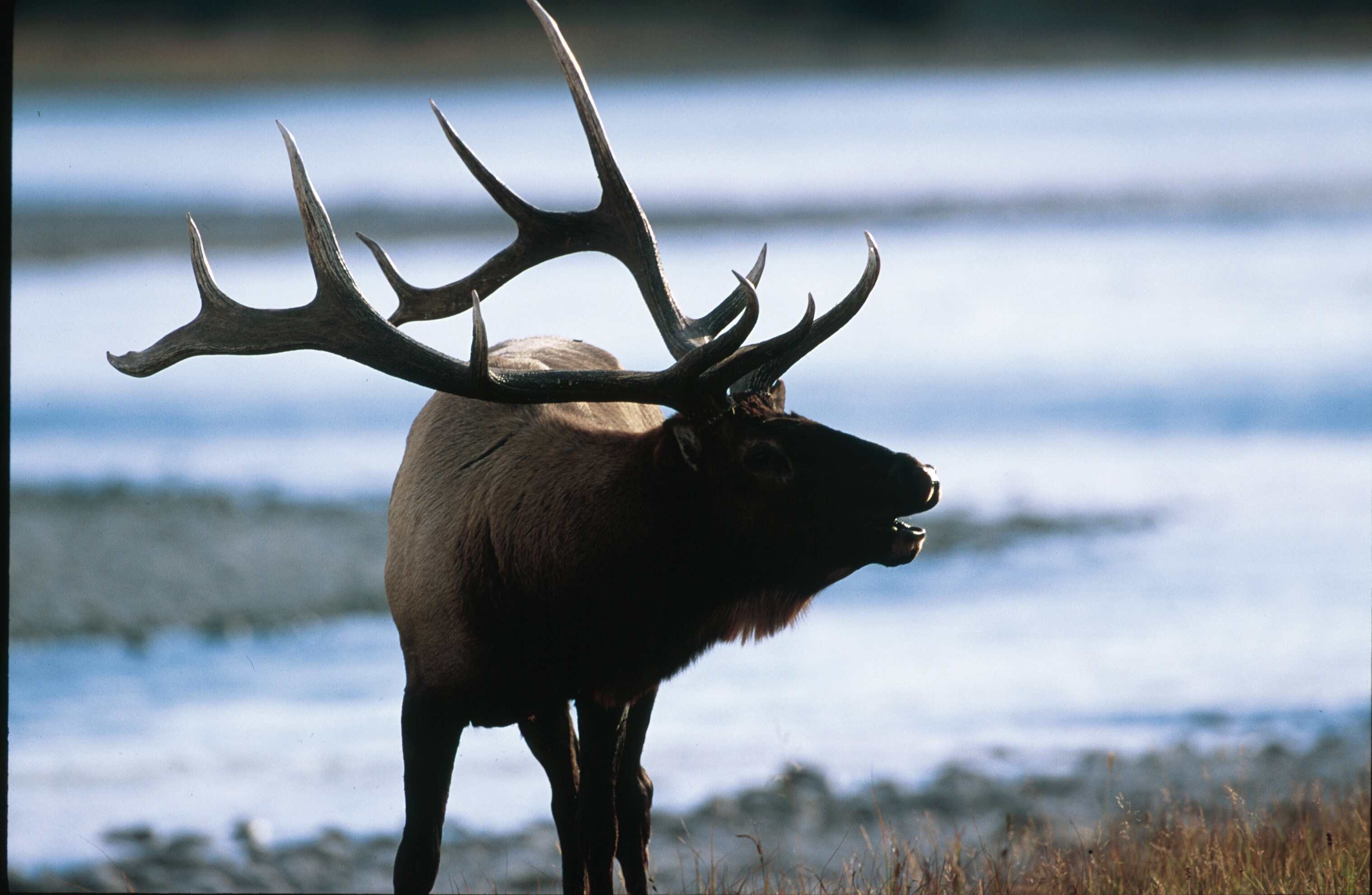
Yes, you read that right—now any hunter who wants to can blast a 700 pound bull elk with a shotgun. What a mess that would be for some sightseeing family to come across. And how many elk and deer, who were nearly out of range at the time they were shot at, will escape with a gaping, bleeding, lead-filled hole in them?!!

According to the almighty ODFW, hunting on the Ecola Creek Forest Reserve will be extended from one month to 92 days, beginning Aug. 24. And rather than being limited to one season from Sept. 28 through Nov. 1, five seasons will be allowed through Dec. 8!

The great and powerful ODFW have decreed that hunting dates in the reserve shall be:
• Aug. 24 through Sept. 22: bow hunting for deer and elk.
• Sept. 28 through Nov. 1: shotgun hunting for buck deer.
• Nov. 9 through Nov.12: shotgun hunting for bull elk.
• Nov. 16 through Nov. 22: shotgun hunting for bull elk.
• Nov. 23 through Dec. 8: bow hunting for deer.

This is just another example of state game departments pushing their weight around, defying the will of the people and town councils, not to mention the will of the wildlife. Who do “game” regulators think they are, God? Sorry, but I hear that position has already been filled.

Text and Wildlife Photography © Jim Robertson

Text and Wildlife Photography © Jim Robertson

Top Ten New Names for Wildlife “Services”

The U.S. Department of Agriculture’s “Wildlife Services” department needs to be renamed…again.

That warped, wretched little wildlife-killing agency formally “Animal Damage Control” isn’t fooling anyone with their innocuous appellation: Wildlife “Services.” Even the New York Times recently ran an editorial entitled, “Agriculture’s Misnamed Agency,” declaring: “It is time the public got a clear picture of what Wildlife Services is up to, and time for the Department of Agriculture to bring the agency’s work into accord with sound biological practices.”

Marc Bekoff dubbed the agency, “Murder Incorporated”—others have given it a less wholesome label. Hoping we would go easy on them, USDA representatives asked the staff of Exposing the Big Game (me, myself, and my wife) to come up with another new name for their Wildlife “Services” department. Here’s what we came up with:

Top Ten New Names for Wildlife “Services”

10) Wildlife Termination Services
9) Government-issued Animal Abusers
8) Evil Anti-Wildlife Nazis
7) Seven Psychopaths
6) Biodiversity Busters
5) U.S. Department of Nimrods
4) A Bunch of Loathsome Cattle-Barron Butt-kissers
3) Chaos
2) The Animal Abolition Agency
1) Two words: Wildlife Disservices

__________________

A division of the:

USDA-Logo

“Game” “Managers” Kill 4 Idaho Wolves

http://www.mtexpress.com/index2.php?ID=2005147792#.UcZde77n9jo

Friday, June 21, 2013

4 wolves killed after livestock deaths

Kill order remains in place for wolves near Silver Creek


By GREG MOORE Express Staff Writer

An Idaho wolf moves through a clearing. Photo courtesy of Idaho Fish and Game
 

Four wolves—one near Carey and three in the Sawtooth Valley—have been killed in recent weeks due to depredation on cattle and sheep. All were killed by Idaho Wildlife Services on private land.

According to the agency’s director, Todd Grimm, a female wolf was trapped and killed May 29 on the Flat Top Ranch following a complaint by ranch owner John Peavey that he had lost more than two dozen lambs and ewes. Peavey said he protects the bands with people, spotlights and guard dogs, but he was criticized by wolf advocates for allowing his ewes to give birth on the range rather than in sheds.

Grimm said the wolf had had pups this spring, but was not lactating at the time she was trapped and killed.

“Either the pups were no longer nursing or they had already died,” he said.

Grimm said three male wolves were trapped and killed on Decker Flat, on the west side of the Sawtooth Valley near Obsidian, on May 30 and 31 and June 10. He said the wolves were killed upon direction from the Idaho Department of Fish and Game, as is the case in all the lethal actions taken by Wildlife Services, an agency under the U.S. Department of Agriculture. He said the order came following the death of a calf on May 28.

Grimm said two of the wolves were yearlings and were wearing radio collars placed on them by the Department of Fish and Game. He said Wildlife Services sometimes refrains from killing wolves with collars, depending on their value to scientists studying them.

“In this case, we didn’t realize the wolves were radio-collared until after the fact,” he said.

Grimm said he did not know of any nonlethal deterrent actions taken before the kill order was issued, a situation criticized by pro-wolf activists. When requested, the Idaho Wolf Project, organized by nonprofit Defenders of Wildlife, provides ranchers with volunteer night guards, portable fencing, air horns and other deterrent methods.

“Here we have people willing to help with proven nonlethal methods and we’re spending taxpayer dollars to kill wolves,” said Lynne Stone, director of the Boulder-White Clouds Council.

But Grimm said nonlethal deterrents don’t work well with cattle, which stay much more spread out at night than do sheep.

He said the three wolf kills ended the control order in the Sawtooth Valley.

Grimm said a kill order has also been issued for two wolves in the Silver Creek area south of Bellevue after a calf was confirmed to have been killed there on June 8. However, he said, “the wolves haven’t shown back up, so I don’t know if we’ll be able to do anything there.”

Go Manage Yourself

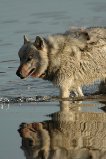
Whenever I hear people use words like “manage” or “control” in reference to wildlife,wolf in water my first thought is: go manage yourself. How arrogant of “game” departments, hunters or even so-called conservationists to pretend they know better than Mother Nature.
Wolves and elk have been managing themselves for eons. If elk were too numerous, wolves thrived; if elk populations dropped, wolf numbers were sure to follow. And whenever either of their populations got too far out of hand, Nature would step in with a few tricks up her sleeve to restore the balance.

By the time humans dreamed up notions like wildlife “management,” they’d so severely disrupted the natural order that nothing short of a reintroduction of elk or wolves could ever put it right. Of all the Earth’s invasive species, Homo sapiens is the one in dire need of controlling. Yet, we’ve been able to cleverly avoid or survive every effort Nature has so far come up with to regulate our numbers.

Know this, lowly human: Mom N still has a few tricks to throw at us if we aren’t willing to manage our own population.

382317_114375108747245_762037891_n

Bye Bye Biodiversity

I’ve said it before and I’ll probably say it again, you can’t really be a wolf advocate or an elk advocate, or any kind of advocate for the environment, and continue to eat beef. That message was driven home by a new Montana Fish, Wildlife and Parks Department elk “management” proposal which includes reducing the numbers of not only elk, but also of wolves (who, logically, could have done some of the “management” for them) near Yellowstone National Park, all in the name of safeguarding cattle from the negligible threat of brucellosis—a disease which, in the past hundred years, has come full circle from livestock to wildlife and now back to livestock.

So far, it’s been the bison migrating out of Yellowstone during hard winters who have suffered the brunt of the rancher’s brucellosis paranoia. “Solutions” have included “hazing” bison back into the park and creating holding areas outside the park to warehouse bison before shipping them off to slaughterhouses—those nightmarish death camps where so many of their forcibly domesticated bovine cousins meet their ends. (In a country where some 60 million bison once roamed free, 97 million beef cattle are sent to slaughter each year.) Still other Yellowstone bison are murdered during newly imposed state “hunting” seasons—right outside the park.

Speaking of hunting, it’s interesting (to put it nicely) that hunters in Montana and Wyoming have claimed that elk populations in those states have declined as a result of the wolf reintroduction programs, yet the latest report suggests that elk numbers and density are “too high” (at least for rancher’s sensitivities) in parts of Montana.

Typical of state “game” department bureaucrats and their ideas of a “solution” to any perceived wildlife/livestock “conflict,” their preferred proposal is to reduce the number of wild animals—in this case, both elk and wolves!

It’s the kind of mentality that’s destroying the planet’s biodiversity at every turn: mile after mile of monoculture cornfields in Iowa (grown primarily to fatten cattle crammed onto feedlots)—places where, a century ago, 300 species of plants, 60 mammals, 300 birds and hundreds of insects would have lived—are now devoid of all other life forms other than cornstalks and an occasional tiny ant or a mushroom the size of an apple seed; cows grazing on pastures in Pennsylvania and Louisiana are dying from toxic fracking wastes that have made their way to the surface and meanwhile, arctic ice is melting faster than previously predicted, disrupting ocean currents and weather patterns life on Earth has come to depend on.

Call it “growth” or “progress” or just “our way of life,” but this locomotive is speeding towards a brick wall—yet we keep shoveling fuel into it like there’s no tomorrow…


Not that Montana FWP are likely to listen to anyone except fellow hunters and/or their cattle baron buddies, but the public comment period is now open, so feel free to let them know what you think about their elk “management” proposal here: http://fwp.mt.gov/hunting/publicComments/2012elkMgmtGuidelinesBrucellosisWG.html

You can view the working group’s recommendations by clicking on the “Interested Persons Letter” link on this webpage. That site also includes the opportunity to submit online comments about the recommendations. Written comments can be mailed to “FWP – Wildlife Bureau, Attn: Public Comment, P. O. Box 200701, Helena, MT 59620-0701. All comments must be received by 5:00 p.m. Mountain Standard Time on December 20, 2012

Text and Wildlife Photography ©Jim Robertson

Text and Wildlife Photography ©Jim Robertson

Game “Managers” are Slow to Adapt

Judging by their eagerness to kill all the wolves in Washington’s Wedge pack, no matter the cost (helicopters, fuel, rifles fitted with night vision scopes and ammunition can get expensive), it appears that wildlife agencies don’t have their heart into this new-fangled idea of wolf recovery. It’s a shame that state and federal governments don’t have the same dedication and zeal for recovering endangered species that their forerunners had for their part in making our native wildlife, like wolves, endangered in the first place.

In spite of state bounties on predators throughout the 1800s and unrestrained trapping of wolves at the height of the fur trade, some wolves still miraculously survived into the twentieth century in the lower 48. It was a federal wolf poisoning program in the early 1900s, aimed at securing as much prime land as possible for cattle ranchers, which gave the species its last push over the precipice of extinction.

Since then, science has proven (many times over) the importance of wolves to biodiversity and enlightened people have called for the recovery of species essential to healthy, functioning ecosystems. But today’s game “managers” have been slow to adapt.

People who run cattle on our national forest lands should just accept the fact that there’s no guarantee their dehorned, unattended cow-calf “units” (as they so callously consider their animals) will ever be completely safe from natural predators. It’s not like ranchers really care about their cows—they’re just going to send them off to a horrible fate in a slaughterhouse sooner or later anyway.

The wolves of the Wedge pack found their way back to Washington on their own; their kind was here long before humans claimed the land for themselves. Yet game managers continue to side with their cattle rancher cronies, instead of righting a wrong and recovering a species their ham-fisted, anthropocentric predecessors were so keen to eradicate.

Text and Wildlife Photography ©Jim Robertson