
September 27, 2024
The Mindset of Colorado’s Wolf Snafu Needs a Pro-Wolf Reset
To date, this project cannot be called any sort of success.
Colorado Parks and Wildlife’s unnecessary and uncompassionate dismantling of a Colorado pack of wolves sets a dire precedent.
Current management practices disregard their rich and deep emotional lives and physical and psychological wellbeing.
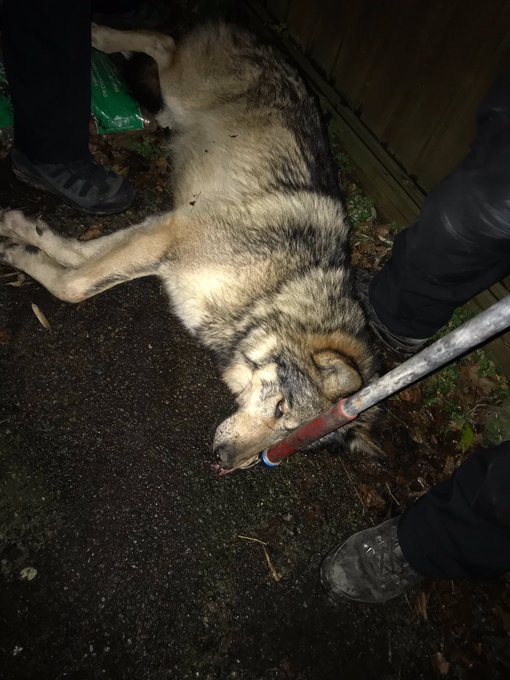
CPW has not uttered one compassionate word about what the deeply sentient wolves were feeling during their trap and relocate debacle during which the father wolf died and his mate and their four children were placed in captivity.
Colorado Parks and Wildlife (CPW) recently dismantled the Copper Creek pack—a family of wolves consisting of the father, mother, and their four children—because they denned on the land of a rancher who did little to nothing to deter them.1 These parents were the first breeding pair in the state and they and their children represent the DNA of Colorado’s future wolves. Doing their best to survive, they discovered the rancher’s food animals were an easy option—basically “room service”—compared to hunting wild prey.
The problems presented here aren’t going to be isolated incidents, nor can we keep the public in the dark and hope to ignore them. Nor should we ignore what the wolves themselves are feeling as they are mistreated by humans responsible for their wellbeing.
The Current and Ever-Changing State of Affairs
“This was—and continues to be—a complex, tragic and ultimately avoidable situation, and it’s essential that we all examine the facts and the context to prevent any similar fate for other wolves in the future.”—Kitty Block, CEO of the Humane Society of the United States, see: The tragic fate of Colorado’s Copper Creek wolf pack
Months of silence from the agency in charge and a hostile and oftentimes pessimistic media created perfect conditions for dark-age thinking and fearmongering. It’s time the voters of Colorado learn the truth about the wolves they voted to bring home. No less will do than a full accounting of the scientific and ethical missteps that led to an entirely avoidable and completely unforgivable assault on the lives of these amazing, sentient beings.
After hearing from countless people about this entirely avoidable and unforgivable assault on the lives of these amazing sentient beings, I wanted to do my part in getting information to the public.
Simply put, CPW’s “trap and relocate operation” fails in three ways. In the grand scheme of things, it represents a failure by its very nature: uprooting and traumatizing the lives of the pack members, just for being wolves.
1. Scientific grounds: Science shows that interfering in the lives of these animals was most likely going to have serious negative consequences, and it did—the father died after being captured and the rest of his family are being held in captivity, the details of which remain undisclosed to the public. Even if some or all of this captive pack are released at a later date, experts fear it likely won’t be an easy transition back to the wild in what is proving to be a wolf-unfriendly state.
Of course, there is hope that those of us in the scientific community are wrong. But one thing is certain: had CPW used the “best available science,” it would not have engaged with or captured the wolves at all, instead allowing them time to adapt to their new home, with nearby ranchers doing their part to employ sensible nonlethal deterrence measures, If only, then this founding group of wolves would have been celebrated rather than scorned and ill-treated.
Interfering in the lives of this family group also would have been discouraged had those responsible for the wellbeing of the wolves paid any attention to what scientific research has shown us about the emotional lives of these sentient beings—what they need to thrive among themselves and in the presence of humans with whom they are trying to cohabit.
Among wolf advocates, the trap and relocation was also a failure for the precedent it set and for how it ignored what the wolves were feeling.
2. Ethical grounds: Wolves are sentient beings, not merely objects to be moved here and there as if they aren’t impacted by what happens to them. Science shows they are, of course, extremely sensitive to changes in their social lives and where they live. They were once wild in Oregon and once wild in Colorado, and now they’ve lost their father and are being held in captivity with an uncertain fate. Surely their being trapped and relocated and the loss of their father and mate wreaks havoc with how they feel and deeply compromises their individual wellbeing.
3. Commonsense: It was never the intent of anti-wolf ranchers to go along with the reintroduction, regardless of how often the government stepped in to offer assistance and how much it offered to pay in compensation. Reintroduction may have passed by a majority of Colorado voters, but in meeting the demands of a vocal minority, CPW has rewarded bad behavior. Within days of removing the Copper Creek pack, the same ranchers who demanded their removal began complaining that relocation wasn’t enough. And now there is a move to keep the names of complaining ranchers who ask for compensation from going public.
Would you do it to your dog? Another element of commonsense rests on the fact that dogs share a common wolf ancestor and have wolf genes and wolf-like neural pathways in their brains. Commonsense and science mandate that if dogs have rich and deep emotional lives which of course they do, so too do wolves. That is an undebatable scientific fact. I’ve known a few dogs in my life named Cody, Ninja, Rascal, Sadie, and Dolly and I am sure that they and others would have suffered greatly by being treated like their wild relatives were treated. If you wouldn’t do it or allow it to be done to a dog, why would you do it or allow it to be done to a wolf?
CPW also ignore the possibility that the male died after being caught in a leg-hold trap and held in a cage because he was highly stressed and already was suffering from an injured leg.
There is no doubt that each member of this family group has suffered greatly by being trapped and moved and by having their family uncompassionately dismantled by CPW.
The treatment of the wolves requires a new mindset that incorporates their point of view
We now know that there is a plan to bring in around 15 more Canadian wolves in a few months. We must not lose sight of the fact that all this easily avoidable turmoil was the result of only two wolves mating to form a pack of six individuals. Is it not unreasonable to wonder how ranchers will better prepare to meet the moment when Colorado’s wolf population doubles?
All signs point to trouble ahead as wolves try to settle into their new homes, begin competing with one another and other predators, and hopefully breed. Without a mandate for non-lethal management and the use of all available deterrents, the wolves will surely face calls for more trap and relocate operations, or worse. We can’t just move the “problem” around, as it begets more chaos. Surely, if there is a repeat of what has happened to the original group, the emotional lives of other wolves will be severely compromised.
As Kylie Mohr writes:
“…wolves move quickly, spreading out in search of food, mates and territory. Next February, more of the newly arrived wolves might pair up and breed, forming new packs. More wolves will likely mean more wolf-human interactions — and more opportunities for both state wildlife officials and ranchers to keep what happened to Middle Park’s livestock and the Copper Creek Pack from happening again.”
The physical and emotional wellbeing of every individual wolf matters
If wolves are going to be punished and made an example of for finding the wrong food source, why bring in more? It’s a double-cross that cannot be defended scientifically, ethically, or using a healthy dose of commonsense.
People who want to see and hear (and possibly smell) wolves on Colorado’s landscapes want live, wild wolves who live wild wolf-appropriate lives, not severed family units, punished for doing things that wolves evolved to do.
The emotional lives and physical and psychological wellbeing of every single individual matters, and none are disposable simply for expressing their lupine—wolf-like—ways of being. One of the basic tenets of the ever-growing field of compassionate conservation is that the life of every individual matters because they are alive. Their inherent or intrinsic value is what counts, not their instrumental value that focuses on what they can do for us.
All in all, conservation science must value individuals because they experience different emotions and their joys and pains are their own personal joys and pains. Individual wolves do not care if their species is on the brink and conservation efforts should be guided by compassion rather than by harming and killing.
What the wolves think and feel matters and must be factored into how we choose to interfere in their lives. If you are outraged by how the wolves were treated you’re right on the mark.
There are many lessons to be learned for how we choose to interact with our wild neighbors of any species. Respecting their rich and deep emotional lives is good for them and good for us and must be factored in to how humans choose to interfere in the lives of Colorado’s wolves and other animals.
References
1) For more information, see: Colorado’s New Wolves: Why Was This Pack Decimated?; Colorado’s New Family of Wild Wolves Must be Celebrated; Colorado Wolves: Hyped Media Derails Neighborly Coexistence; KGNU Interview: https://howonearthradio.org/archives/9710 (CPW did not reply to their request for an update on the fate of Colorado’s newly captured wolf family/); Colorado Wolves Receive Mixed Hellos and Muddy Media; Wolf Packs Suffer When Humans Kill Their Leaders; Why We Misjudge Wolves, Bears, and Other Large Carnivores; The Hidden Slippery Slopes of Animal Reintroduction Programs; Do Individual Wolves Care if Their Species Is on the Brink?; LET’S KEEP COLORADO’S WOLVES OUT OF THE SPOTLIGHT; The Perks of Appreciating Wild Neighbors as Sentient Beings. More details can be seen here: Why was Colorado’s Precious, Promising First Wolf Pack Decimated?
Conservation Science Must Value Individuals and Anthropomorphism
Bekoff, Marc. The Emotional Lives of Animals: A Leading Scientist Explores Animal Joy, Sorrow, and Empathy―and Why They Matter. New World Library, 2024.
Mohr, Kylie. A mixed report for Colorado’s wolves. High Country News, September 19, 2024.
Ordiz, A. et al. Large carnivore management at odds: Science or prejudice? Global Ecology and Conservation, 2014.
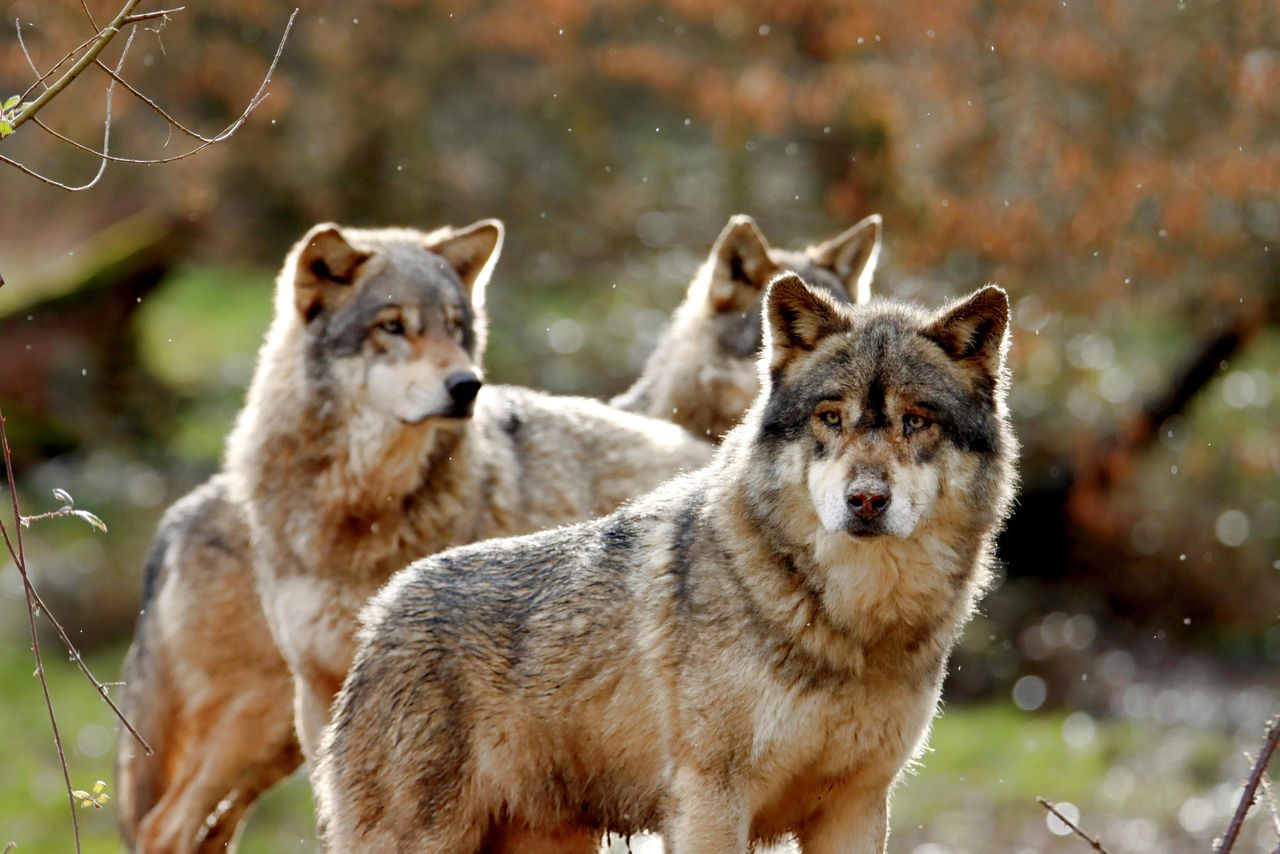
Image: patrice schoefolt/Pexels.







 Exposing the Big Game

