“Idaho for Wildlife” Contest hunt organizer thinks this is the year hunters will actually “catch” a wolf…

According to a new article in Newsweek, http://www.newsweek.com/wolf-hunting-event-breeds-controversy-idaho-296390  Alder “thinks this is the year hunters will actually catch a wolf.”…

The question is, how exactly does he mean “catch?” Does that mean someone thinks they can run down and actually “catch a wolf,” as in by the tail? I’ve seen how fast wolves can run. If we’re talking a fair foot race, I’d definitely put my money on them.

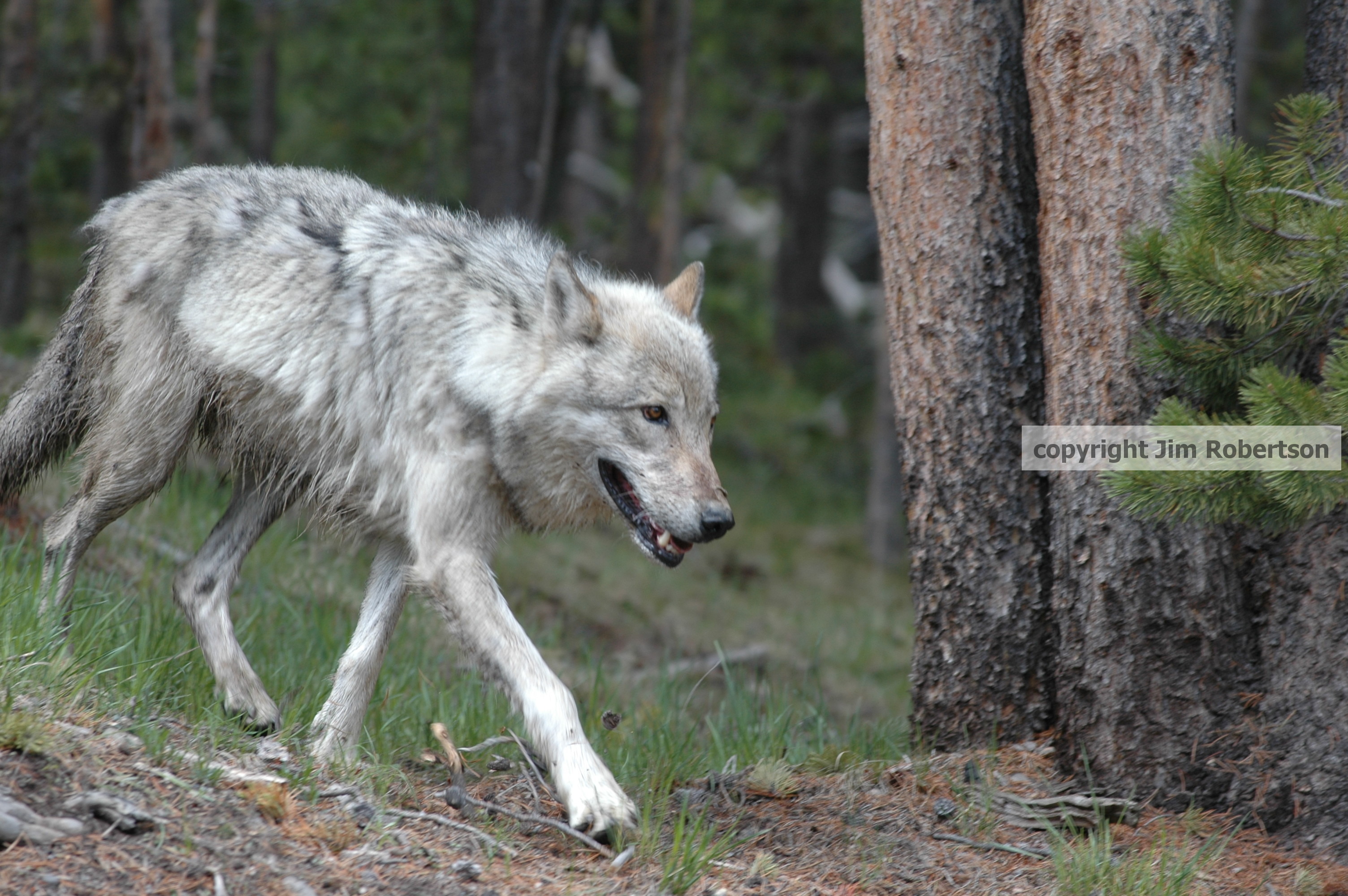
copyrighted Hayden wolf walking

Wolf-Kill Derby Promoted for Salmon Area This Weekend

1598558_10152837672323554_7131931279073962386_o

Last year’s contest poster

——–

http://www.boiseweekly.com/boise/wolf-kill-derby-promoted-for-salmon-area-this-weekend/Content?oid=3376227

According to its website, Idaho for Wildlife is “dedicated to the preservation of Idaho’s wildlife.”

Save the Wolves, Ban Coyote Hunting!

One is protected by the ESA, the other can be shot on sight–anywhere, anytime!
10906075_10155034869550301_2511370178161460178_n

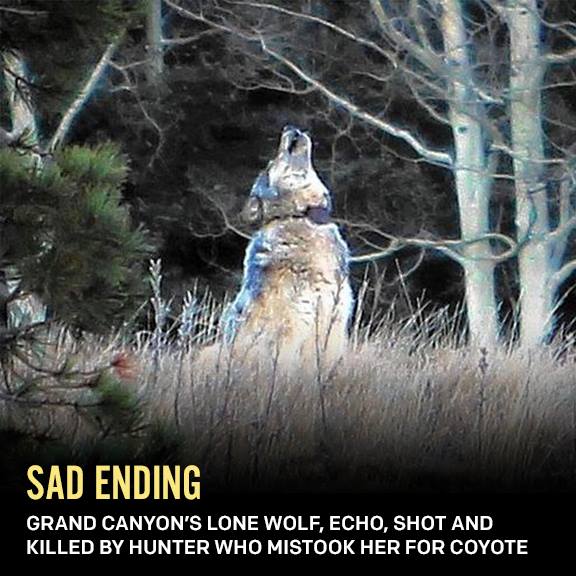
THIS NEEDS TO STOP: Echo, the beloved lone wolf who had traveled 500 miles from Wyoming to the Grand Canyon, has been shot and killed by a hunter who mistook her for a coyote. Echo’s sad ending shows why it’s critical that we keep fighting for stronger protections for wolves, grizzly bears, and other endangered wildlife [to say nothing of coyotes, who are shot on sight and hung from fences across the West].

Echo was a symbol of hope as conservationists celebrated the possible return of gray wolves to the Southwest after being wiped out for a century. Echo was probably looking for food or a mate when she was shot…

Simply Not Justifiable

From: http://www.projectcoyote.org/

You may have heard the tragic news that a coyote hunter reportedly killed the lone female gray wolf who made international headlines when she showed up just north of the Grand Canyon- the first wolf to appear in that region in decades. This devastating news is all the more reason why we need to redouble our efforts to stop the wanton wide-scale killing of predators like coyotes, foxes, wolves and bobcats. It is simply not justified in this day and age.

……………………………………..

It may be weeks before additional testing reveals whether the wolf killed in Utah is the same one, which was nicknamed Echo…

Echo was the first gray wolf seen in the Grand Canyon since the 1940s, when the last wolf there was killed as part of an extensive eradication campaign, said Chris Cline with the U.S. Fish and Wildlife Service.

Meanwhile, from: http://www.capitalpress.com/Washington/20141231/olympia-2015-wolves-water-and-taxes-top-ag-agenda

…While lawmakers are in session, the Washington Department of Fish and Wildlife is expected to update its wolf count. The census may spark talk about how to manage the animals when they are no longer listed as endangered under federal or state law, said Moses Lake Republican Judy Warnick, the incoming chairwoman of the Senate Agriculture, Water and Rural Economic Committee.

“The more they spread, the more willing people will be to have these discussions,” she said.

Kretz needled wolf advocates in 2013 with a bill proposing to relocate wolves close to Seattle. The legislation never got a hearing, but it succeeded in getting people talking, Kretz said.

This year, Kretz said he may propose regional delisting, releasing wolf-populated regions of Washington from the state’s wolf recovery plan.

Such a move would ease growing tensions between state wildlife managers and eastside counties, he said.

“I seriously hope I could get it done,” Kretz said.

He would have to find sympathetic westside Democrats. But even sympathy may not translate into votes. House Agriculture and Natural Resources Committee Chairman Brian Blake faulted the state plan for requiring wolves to be spread through the state before being considered “recovered” in any region.

“The folks in north-central Washington are being eaten out of house and home with no potential delisting in sight,” Blake, D-Aberdeen, said.

Still, Blake warned that amending the wolf-recovery plan could invite lawsuits.

“If we legislatively start pulling it apart, that, in my opinion, leaves us open to bigger problems,” he said. “I think you’re going to see potential for active management once the state population is delisted.”

The Washington Department of Fish and Wildlife estimates that won’t happen until at least 2021.

More: http://www.capitalpress.com/Washington/20141231/olympia-2015-wolves-water-and-taxes-top-ag-agenda

copyrighted Hayden wolf walking

Idaho Wolf, Coyote Derby Starts Tomorrow Morning!

January 1, 2015 at 10:12 AM | Page modified January 1, 2015 at 12:33 PM

 http://seattletimes.com/html/localnews/2025361121_idahowolfhuntxml.html

Idaho hunting derby targets wolves, coyotes

A hunting derby with $1,000 each for whoever kills the most wolves and coyotes is scheduled to start at sunrise Friday in east-central Idaho. Organizers say withdrawal of a permit to hunt on federal lands may spark greater participation.

By KEITH RIDLER

Associated Press

A hunting derby with $1,000 each for whoever kills the most wolves and coyotes is scheduled to start at sunrise Friday in east-central Idaho.

Idaho for Wildlife’s three-day Predator Hunting Contest and Fur Rendezvous is planned on private ranch land and U.S. Forest Service land around Salmon.

“I think we’re going to have a good turnout,” said Steve Alder, organizer of the contest. He didn’t have an estimate on the number of hunters though due to the remoteness of the area.

The group earlier this year received permission to include land administered by the U.S. Bureau of Land Management but the agency withdrew the permit in November following two lawsuits by environmental groups.

Losing the 3.1 million acres of BLM land cut the area for the derby in half, and also eliminated lower elevation areas likely to have more coyotes and wolves. A coalition of environmental groups, as well as Democratic U.S. Rep. Peter DeFazio of Oregon, tried but failed to get the Forest Service to revoke the permit it issued.

“The world is looking at this with a lot of dismay,” said Amy Atwood, an attorney at the Center for Biological Diversity. “We’re not going to go away and we’re going to keep fighting.”

She said the group has a litigation strategy to prevent another derby but declined to go into details.

The derby last year drew 230 people, about 100 of them hunters, who killed 21 coyotes but no wolves. Alder said the BLM’s revoking the group’s permit might have persuaded more hunters to take part this year. He said 40 hunters from outside Idaho have committed.

He said ranchers have also been contacted in advance so hunters can use that land. Also, he noted, possible wolf sightings are being tracked.

“We’ve heard some reports and we’re trying to pinpoint where those are so we can put in hunters,” he said.

Besides the $1,000 prizes, Alder said, fur buyers will also be available with the potential pay for a black wolf pelt up to $600.

“People love the black ones,” Alder said. “And the pure white. If you can find a big white pelt, that’s beautiful. That’s worth quite a bit.”

The region where the derby is planned is considered a key area for wolves that could grow in number, with some pack members dispersing to surrounding states. At least one Oregon environmental group that would like to see more wolves in that state is involved in the lawsuits against the derby for that reason.

“As we learn more about these animals, the more we’ve come to revere them,” said Atwood. “When you remove them from the landscape it upends the order of things.”

3b. Fur buyer dumps coyote in rig

Coyote hunter kills a wolf by mistake near Beaver

Courtesy | Arizona Game and Fish Department This wolf was photographed Oct. 27 near the north rim of the Grand Canyon. On Friday, the U.S. Fish and Wildlife confirmed through DNA analysis of its feces that it is a female gray wolf from the Northern Rockies that must have migrated 450 miles through Colorado and/or Utah to reach Arizona.

http://www.sltrib.com/news/1999741-155/utah-hunter-kills-wolf-near-beaver

A hunter mistook a gray wolf for a coyote Sunday near Beaver, shooting and killing the protected 70-pound animal, Utah wildlife officials confirmed Monday.

The 3-year-old female wolf had been collared in Cody, Wyo., in January 2014. Wildlife officials and advocacy groups wonder if the dead animal is the same wolf that had been hanging around the North Rim of the Grand Canyon in recent months.

The hunter shot the wolf about five miles east of Beaver on the south end of southwestern Utah’s Tushar Mountains and called Division of Wildlife Resources (DWR) law-enforcement officials upon noticing the collar. State conservation officers then contacted the U.S. Fish & Wildlife Service.

“We are still investigating,” DWR director Greg Sheehan said, “but it seems initially that it was a case of mistaken identity.”

Sheehan said the hunter could face citations for killing the animal, federally protected in that part of Utah under the Endangered Species Act. The Fish & Wildlife Service will conduct the probe.

The weekend shooting is the first documented killing of a gray wolf in Utah by a hunter since officials reintroduced the animals into Yellowstone National Park and Idaho in the mid-1990s.

A 3-year-old male wolf was found dead in a leg-hold trap in Box Elder County in 2006. Another collared male wolf was found alive in a trap near Morgan in 2002 and taken back to Yellowstone.

“This is a very sad day for wolf conservation and for Utah,” said Kirk Robinson, executive director of the Salt Lake City-based Western Wildlife Conservancy. “All competent wildlife biologists already know that coyote hunting, including our state bounty program, is ineffective, and therefore a waste of money — and now we see that it is also a threat to other wildlife and to wolf recovery.”

Utah offers a $50 bounty for coyotes under the Mule Deer Preservation Act. In the second year of the program, which concluded June 30, more than 7,000 coyotes were turned in for the monetary reward.

Earlier this month, someone took a picture of what appears to be a wolf crossing Highway 14 east of Cedar City. It is possible, Sheehan said, that the wolf killed Sunday was the same animal spotted in Cedar Canyon and the Grand Canyon.

The Arizona-based Center for Biological Diversity says the proximity of Beaver to the North Rim makes it likely that the dead wolf, named Echo in an online naming contest, came from the Grand Canyon area.

“It’s heartbreaking that another far-wandering wolf has been cut down with a fatal gunshot,” the center’s Michael Robinson said in a release. “This female wolf could have helped wolves naturally recover in remote regions of Utah and neighboring states. Federal authorities need to conduct a full investigation into this latest killing, which is part of a disturbing pattern.”

Biologists say the collars on the animal killed Sunday and the Grand Canyon wolf appear to be different.

In August, wildlife officials confirmed a wolf sighting in northeastern Utah’s Uinta Mountains. That animal, believed to be a large male that had been collared near Canada’s border with Idaho, has not been spotted since September. His radio collar was failing at the time and there have been no new sightings of that wolf.

brettp@sltrib.com

Twitter: @BrettPrettyman

Organized coyote and wolf hunt planned in Sanders County

copyrighted Hayden wolf in lodgepoles

TROUT CREEK — One of the organizers of the first Great Montana Coyote and Wolf Hunt in Sanders County says the event — scheduled for Jan. 16-18 — took shape after local hunters noted a lack of big game in the mountains this hunting season.

“Deer, elk and moose numbers are going downhill, and (bighorn) sheep are way down,” John Harris said Monday. “Between the mountain lion population blowing up and the number of wolves — hunters noticed a lack of game up in the mountains this year. There’s a lot more in the valley floors.”

The hunt, Harris said, is a way to “get sportsmen out and about.”

“We checked with (Montana Fish, Wildlife and Parks) to make sure we were abiding by all laws,” Harris said. “They do this in eastern Montana all over the place, and they have them in Idaho and Wyoming, too.”

Harris said response to the hunt has been “really good, and we’ve had a few negative comments.”

Some conservation groups oppose such organized hunts. WildEarth Guardians calls them “wildlife killing contests” and says they “give ethical hunters a bad name and serve no legitimate management purpose.”

Harris said all prizes awarded will be through random drawings and will not be associated with numbers, weights or colors of predators killed. A notation on a flier promoting the event that says that in addition to random drawings, prizes will be be awarded based on sizes and colors is wrong, he added.

“The way I understand it, you can’t pay for a wolf or coyote to be brought in,” Harris said. “All the prizes will be from random drawings, whether you’re hunting or trapping, and whether you get one or not. It’s a way to get people out in the woods for a fun weekend.”

Organizers will weigh and measure all predators turned in during the contest.

Properly licensed hunters and trappers will pay $5 to participate in the Sanders County predator hunt. All entry fees will be returned in the form of prizes.

Registration is Friday, Jan. 16, at 7 p.m. at the Lakeside Resort and Motel in Trout Creek. Any coyotes or wolves taken Saturday and Sunday, Jan. 17 and 18, must be submitted to event officials by 6 p.m. each day.

More:

http://helenair.com/lifestyles/outdoors/organized-coyote-and-wolf-hunt-planned-in-sanders-county/article_e4b81f29-f86a-5df9-9a52-36c0e5573877.html

Federal Ruling on not hunting wolves could have national impact

Federal judge’s ruling on hunting wolves could have national impact

http://www.duluthnewstribune.com/news/politics/3640138-federal-judges-ruling-hunting-wolves-could-have-national-impact

copyrighted Hayden wolf walking

Some Sad News: Missing wolf hunters found safe

spent 2 nights stuck in snow.

528624c939a88_preview-620

BUTTE – A father and son who were hunting wolves and hadn’t been seen since Saturday morning have been found safe, according to the Beaverhead County Sheriff’s office.

Scott, 56, and Conrad, 33, McDougal were located in a southwest portion of Beaverhead County, approximately 40 miles from Dell Montana. The father and son got stuck in deep snow and spent two nights with their vehicle. Both are in reasonably good condition.

Early Sunday afternoon, Beaverhead Search and Rescue was called to help find the pair. The hunters did not provide relatives information concerning their hunt. Searchers could only identify a starting point based upon the hunters usual activity.

Search members used four-wheel drive trucks and all-terrain vehicles to comb the area outside of Dell, in the area of Sage Creek, until 10 p.m. Sunday.

A helicopter from Lifeflight in Butte assisted as well. Weather was problematic, sheriff Jay Hansen said.

On Monday, 16 searchers planned to work with fixed-wing aircraft and searchers using trucks and ATV’s…

More: http://missoulian.com/news/local/missing-wolf-hunters-found-safe-spent-nights-stuck-in-snow/article_05fa76d0-1196-5949-a29c-1237acad6fad.html


Some gray wolves to be returned to endangered list

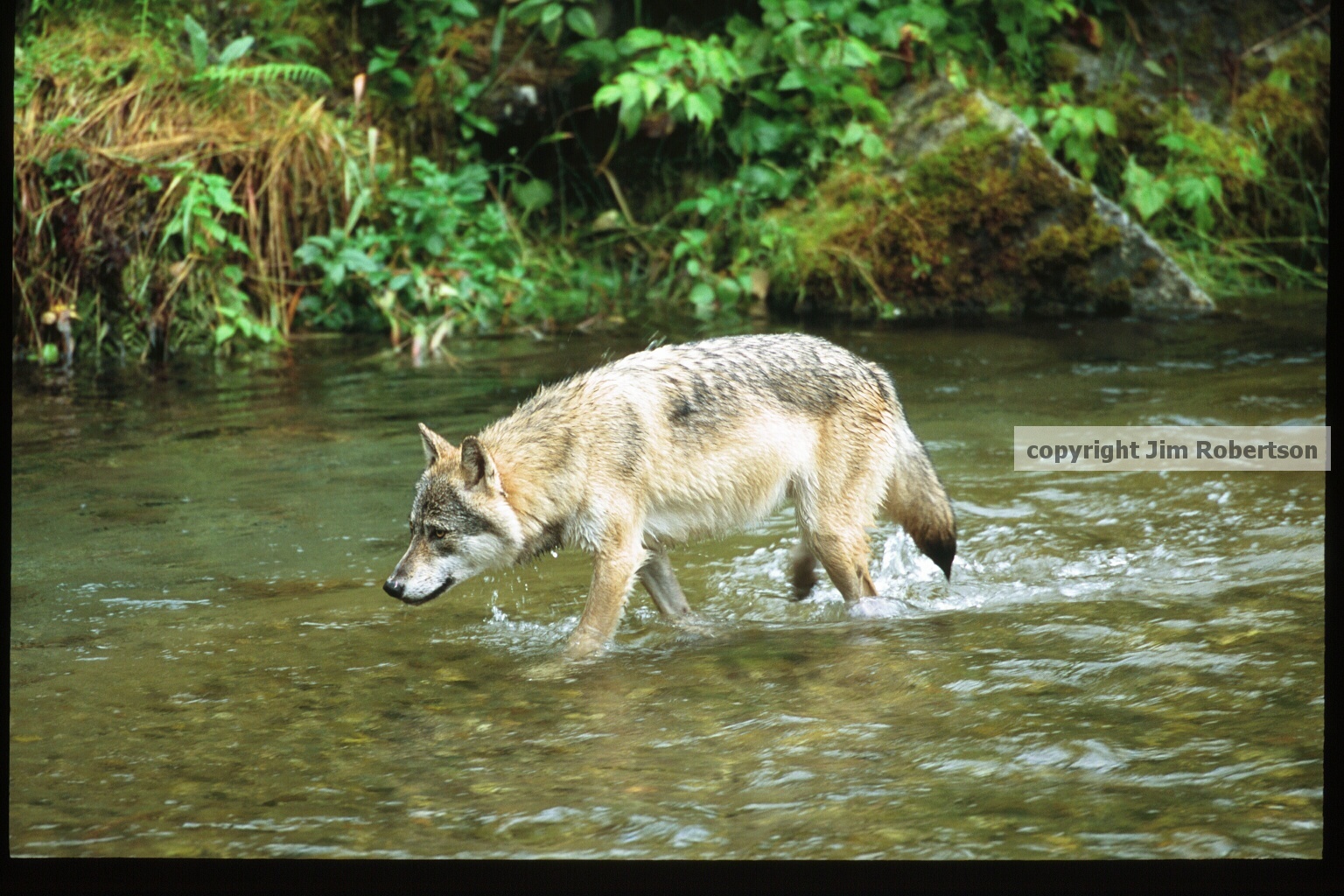
copyrighted wolf in water

TRAVERSE CITY, Mich. (AP) — A federal judge on Friday threw out an Obama administration decision to remove gray wolves in the western Great Lakes region from the endangered species list — a decision that will ban further wolf hunting and trapping in three states.

The order affects wolves in Michigan, Minnesota and Wisconsin, where the combined population is estimated at around 3,700. The U.S. Fish and Wildlife Service dropped federal protections from those wolves in 2012 and handed over management to the states.

U.S. District Judge Beryl Howell in Washington, D.C., ruled Friday the removal was “arbitrary and capricious” and violated the federal Endangered Species Act.

Unless overturned, her decision will block the states from scheduling additional hunting and trapping seasons for the predators. All three have had at least one hunting season since protections were lifted, while Minnesota and Wisconsin also have allowed trapping. More than 1,500 Great Lakes wolves have been killed, said Jonathan Lovvorn, senior vice president of the Humane Society of the United States, one of several groups whose lawsuit prompted Howell’s ruling.

“We are pleased that the court has recognized that the basis for the delisting decision was flawed, and would stop wolf recovery in its tracks,” Lovvorn said.

Fish and Wildlife Service spokesman Gavin Shire said the agency was disappointed and would confer with the U.S. Department of Justice and the states about whether to appeal.

“The science clearly shows that wolves are recovered in the Great Lakes region, and we believe the Great Lakes states have clearly demonstrated their ability to effectively manage their wolf populations,” Shire said. “This is a significant step backward.”

State officials acknowledged being caught by surprise and said they would study the judge’s 111-page opinion before deciding what to do next.

“It’s an unusual turn of events,” said Tom Landwehr, Minnesota’s natural resources commissioner.

The ruling is the latest twist in more than a decade of court battles over the gray wolf, which has made a strong recovery after being shot, poisoned and trapped into near-extermination in the lower 48 states in the last century. Only a remnant pocket in northern Minnesota remained when the species was added to the federal endangered list in 1974.

The wolf is now well-established in the western Great Lakes and in the Northern Rockies, where the minimum population is estimated at around 1,700.

Animal protection advocates repeatedly have sued over federal efforts to drop federal protections in both regions, arguing that the wolf’s situation remains precarious. Meanwhile, ranchers and farmers complain of heavy financial losses from wolf attacks on livestock.

A judge in September restored endangered status to wolves in Wyoming, although those in Montana and Idaho remain off the list. The Fish and Wildlife Service is nearing a final decision on whether to lift protections across the remainder of the lower 48 states, except for a fledgling population of Mexican gray wolves in the desert Southwest.

In her opinion, Howell acknowledged the issue inspires passions on all sides but said the administration’s “practical policy reasons” for its action in the Great Lakes region don’t trump the requirements of the federal law, which “offers the broadest possible protections for endangered species by design.”

“This law reflects the commitment by the United States to act as a responsible steward of the Earth’s wildlife, even when such stewardship is inconvenient or difficult for the localities where an endangered or threatened species resides,” Howell wrote.

The ruling came too late to halt this fall’s hunting and trapping seasons. They have concluded in Minnesota, where 272 wolves were killed, and Wisconsin, where the total was 154.

Michigan’s only hunt was in 2013, when 22 wolves were taken. During the November election, voters rejected two pro-hunting laws approved by the Legislature. But a third remains on the books, and regulators had been expected to consider scheduling another hunt next year.

Minnesota and Wisconsin officials warned residents that with wolves classified as endangered once again, it’s no longer legal to shoot those preying on livestock or pets. Wolves can be killed only if threatening human life,

More: http://news.yahoo.com/great-lakes-wolves-ordered-returned-endangered-list-212002962.html