Judge orders gray wolf back on endangered list in Wisconsin, 2 other states

TRAVERSE CITY, Mich. — A federal judge on Friday threw out an Obama administration decision to remove gray wolves in the western Great Lakes region from the endangered species list — a decision that will ban further wolf hunting and trapping in three states, including Wisconsin.

The order affects wolves in Minnesota, Michigan and Wisconsin, where the combined population is estimated at around 3,700. The U.S. Fish and Wildlife Service dropped federal protections from those wolves in 2012 and handed over management to the states.

U.S. District Judge Beryl Howell in Washington, D.C., ruled Friday the removal was “arbitrary and capricious” and violated the federal Endangered Species Act.

Unless overturned, her decision will block the states from scheduling additional hunting and trapping seasons for the predators. All three have had at least one hunting season since protections were lifted, while Minnesota and Wisconsin also have allowed trapping. More than 1,500 Great Lakes wolves have been killed, said Jonathan Lovvorn, senior vice president of the Humane Society of the United States, which filed a lawsuit that prompted Howell’s ruling.

“We are pleased that the court has recognized that the basis for the delisting decision was flawed, and would stop wolf recovery in its tracks,” Lovvorn said.

Fish and Wildlife Service spokesman Gavin Shire said the agency was disappointed and would confer with the U.S. Department of Justice and the states about whether to appeal.

“The science clearly shows that wolves are recovered in the Great Lakes region, and we believe the Great Lakes states have clearly demonstrated their ability to effectively manage their wolf populations,” Shire said. “This is a significant step backward.”

State officials acknowledged being caught by surprise and said they would study the judge’s 111-page opinion before deciding what to do next.

“It’s an unusual turn of events,” said Tom Landwehr, Minnesota’s natural resources commissioner.

The Wisconsin Department of Natural Resources said in a statement that it is disappointed by the decision, which it is reviewing along with Department of Justice legal staff to determine how it will impact the state’s wolf management program.

DNR said immediate implications of the ruling include: Permits allowing lethal removal of wolves issued to landowners experiencing wolf conflicts are no longer valid; the department is not authorized to use lethal control as part of its conflict management program; Wisconsin’s law allowing landowners or occupants of the land to shoot wolves that are in the act of depredating domestic animals on private property is no longer in force; landowners may not kill wolves in the act of attacking domestic animals.

Jodi Habush Sinykin, an attorney for Midwest Environmental Advocates, which supports science-based wildlife management, said the decision should serve as a clear signal of caution to people who would kill the nation’s wolves.

Hunters in Wisconsin killed 154 wolves in this year’s hunt that ended Dec. 5, exceeding the state limit for non-tribal hunters by four wolves. In 2013, 257 wolves were killed, six more than the limit. Hunters killed 116 wolves, one more than the limit, in 2012, the first year of the organized hunt.

The ruling is the latest twist in more than a decade of court battles over the gray wolf, which has made a strong recovery after being shot, poisoned and trapped into near-extinction in the lower 48 states in the last century. Only a remnant pocket in northern Minnesota remained when the species was added to the federal endangered list in 1974.

The wolf is now well-established in the western Great Lakes and in the Northern Rockies, where the minimum population is estimated at around 1,700.

Animal protection advocates repeatedly have sued over federal efforts to drop federal protections in both regions, arguing that the wolf’s situation remains precarious.

Meanwhile, ranchers and farmers complain of heavy financial losses from wolf attacks on livestock
Read more: http://host.madison.com/news/local/environment/judge-orders-gray-wolf-back-on-endangered-list-in-wisconsin/article_0e0cf872-e6c8-5450-b4a0-975e82e82f5e.html#ixzz3MSW2ZL9e

Christmas Came Early: Great Lakes Wolf Hunting Ends Now

copyrighted Hayden wolf walking

http://www.humanesociety.org/news/press_releases/2014/12/fed-court-wolf-hunt-season-over-121914.html

December 19, 2014

Federal Court: Great Lakes Wolf Hunting Ends Now

Sport Hunting and Trapping of Wolves is Over

Sport hunting and trapping of wolves in the Great Lakes region must end immediately, a federal District Court has ruled. The court overturned a U.S. Fish and Wildlife Service decision that removed Endangered Species Act protections for gray wolves living in the western Great Lakes region, which includes Michigan, Minnesota, and Wisconsin.

The Humane Society of the United States and a coalition of wildlife protection groups, including Born Free USA, Help Our Wolves Live and Friends of Animals and Their Environment, filed suit against the USFWS’s premature December 2011 delisting decision. The decision threatened the fragile remnants of the gray wolf population by confining wolves to a small area in the Great Lakes region—where state politicians and agency officials have rushed forward with reckless killing programs that threaten wolves with the very same practices that pushed them to the brink of extinction in the first place.

Jonathan Lovvorn, senior vice president and chief counsel for animal protection litigation at The HSUS, said, “In the short time since federal protections have been removed, trophy hunters and trappers have killed more than 1,500 Great Lakes wolves under hostile state management programs that encourage dramatic reductions in wolf populations. We are pleased that the court has recognized that the basis for the delisting decision was flawed, and would stop wolf recovery in its tracks.”

In its 111-page ruling, the court chided the USFWS for failing to explain why it ignored the potential for further recovery of wolves into areas of its historic range that remain viable habitat for the species.  The court also noted that the USFWS has failed to explain how the “virtually unregulated” killing of wolves by states in the Great Lakes region does not constitute a continued threat to the species.

Following federal delisting, Wisconsin and Minnesota rushed to enact emergency regulations to allow the first public hunting and trapping seasons in the Great Lakes region in more than 40 years. The states authorized some of the most abusive and unsporting practices, including hound hunting, snares, baiting, electronic calls and the use of leg hold traps. Wisconsin’s wolf hunt ended this year after killing 154 wolves – 80 percent of them in leghold traps. And in Minnesota, 272 gray wolves were killed – 84 percent of the wolves in this year’s late season were trapped.

The Michigan legislature also passed three separate laws to designate wolves as a game species, in its zeal to allow the state to authorize a trophy hunting and trapping season for wolves, and to undermine a fair election by Michigan voters on wolf hunting. However, in response to a referendum campaign launched by The HSUS and other animal welfare and conservation groups and Native American tribes, the 2014 wolf hunt was canceled and voters in Michigan soundly rejected sport hunting of wolves in the recent November election.

Despite rhetoric from state politicians about wolf depredation of livestock, a new study of 25 years of wolf data has shown that hunting wolves may increase livestock losses.  Michigan lawmakers relied on false stories about wolves to push through a hunting season, and had to apologize for misleading statements.

Today’s ruling by the U.S. District Court for the District of Columbia follows another ruling by the same court in September that rejected the USFWS’s decision to delist wolves in the State of Wyoming. The HSUS was also a plaintiff in the Wyoming litigation.

The plaintiffs in the Great Lakes lawsuit were represented in the case by Schiff Hardin, LLP and attorneys within The HSUS’ Animal Protection Litigation section.

Science and Sentiment Say Wolf Trophy Hunting Doesn’t Wash

Anti-wolf billboard, Spokane, WA

Anti-wolf billboard, Spokane, WA

http://www.huffingtonpost.com/wayne-pacelle/science-and-sentiment-say_b_6278208.html?utm_hp_ref=green

W

Science and Sentiment Say Wolf Trophy Hunting Doesn’t Wash

 12/05/2014

If policy makers stick to their guns and continue allowing trophy hunters to kill  wolves in six states in the Great Lakes and Northern Rockies regions, they will be defying both science and, generally speaking, the will of voters.

Folks, the recent weeks of 2014 have brought us to a turning point. So let’s turn. It’s time to turn away from the past and catch up with the future in the way we manage predators in the wild.

The right decision now, after what we have learned, is to suspend trophy hunting and trapping programs for the small, recovering wolf populations just recently taken off the federal list of endangered species – with the knowledge that it’s the right thing to do on so many levels.

One compelling reason is science. Underlying the growing number of wolf hunts in the United States is the wrongheaded, but long-standing, belief that trophy hunting and trapping programs for wolves reduce the threat that wolves pose to cattle, sheep, and other free-ranging livestock.

Well, that theory is now in doubt. And it’s not just me who says so.

The first serious study of that theory has been released and it found just the opposite. When I say serious, I mean very serious science. Washington State University researchers dug into comprehensive statistics from 25 years of wolf “management” and found that shooting wolves indiscriminately may make things worse for farm animals. As well as for wolves.

That’s because when disrupted, wolf families adapt, move, split up, increase reproduction — and then they kill even more livestock.

Researchers found that shooting wolves indiscriminately reduces predation on cattle and sheep only when wolf populations are brought so low that, guess what, they end up protected again under the Endangered Species Act.

Wolf haters are having a hard time coping with the truth here. A spokeswoman for one Washington state group was quoted as criticizing the integrity of the 25-year statistical survey because it was sponsored by the state legislature.

Or here’s what a spokesman for Idaho’s wool growers told National Geographic: “The professor can say whatever he wants. We’re not going to just let wolves run wild.”

Well, folks, you can’t invoke science only when it suits you — as the trophy hunting lobby so often does. The science may not be the final word, but it’s an important set of facts to inform a final decision.

The other element to consider is our values: obviously, here we differ with the wool growers and the trophy hunters. But let’s face it, by all accounts, it appears their views are in the minority. The public wants more protection for wolves, in a world where we all are showing greater conscious consideration of animals.

In the first-ever plebiscite on the subject, voters in Michigan sided with wolves and against trophy hunting and trapping. Voters faced two separate votes on laws passed by the Legislature to permit wolf hunts, and both were repealed. The margins were overwhelming, 64-36 and 55-45, with one of the measures getting more than 1.8 million votes against wolf hunting, more votes than any of the statewide candidates for office received in their winning elections.

Let me add that Michigan has one of the most deeply rooted and publicly popular hunting traditions in the United States. But voters there, including hunters, understood that wolf haters were plain wrong — and that these ancient animals played a vital role in the wild ecosystem, and in fact were more valuable as a draw for tourists than as stuffed decorations in private trophy rooms. What’s more, nobody eats wolves, so the idea of killing them has no practical value, and responsible hunters don’t go for that, either.

Just as with the new science, there can be no quibbling with the meaning here.

The two pillars of good policy — independent and verified science and thoughtful electoral consensus — agree: Hunting wolves is not acceptable to the public and makes life worse for ranchers who raise cattle and sheep.

**

Sign up here to stay up to date on our work with wolves.

This article first appeared on Wayne Pacelle’s blog, A Humane Nation.

Killing 890 Wolves to Learn About Them: Something’s Wrong


By Marc Bekoff, Ph.D. on December, 02, 2014 in Animal Emotions

An “experimental” study performed under the guise of conservation involved killing 890 Canadian wolves (and other animals) using aerial gunning, trapping, and strychnine poisoning. This research and publication represents the moral failure of the Alberta government, participating universities, the Canadian Journal of Zoology, and the scientists, and it didn’t work.  Read More

Hunters 4 wolves shy of Wisconsin kill limit; season could end before dogs are allowed

DNR: Hunters 4 wolves shy of Wisconsin kill limit; season could end before dogs are allowed

  • Article by: TODD RICHMOND , Associated Press
  • Updated: November 28, 2014

MADISON, Wis. — Hunters are four wolves shy of reaching Wisconsin’s statewide kill limit, raising doubts about whether anyone will be allowed to use dogs to hunt wolves once the gun season ends.

The 2012 Republican-authored law that created Wisconsin’s wolf hunt allows hunters to use dogs to trail and corner wolves on the day after the end of the nine-day gun deer season. That season wraps up Sunday, which means hunters could start deploying their dogs beginning Monday.

But Department of Natural Resources tallies show hunters had killed 146 wolves as of Thursday, just four animals short of the 150-wolf statewide kill limit.

The season will end as soon as they hit that limit or on the last day of February, whichever comes first. If hunters get the last four wolves before Monday, no one will be able to hunt them with dogs and one of the most divisive components of Wisconsin’s wolf hunt would fade away until next year.

Hunters aren’t allowed to let their dogs kill wolves — they can use dogs only to trail and corral them and must use a gun, crossbow or bow and arrow to actually make the kill — but animal rights advocates contend letting dogs chase wolves can lead to bloody confrontations because wolves will turn and fight rather than flee.

A coalition of humane societies tried to sue the DNR in 2012 to force the agency to impose tighter regulations on dog use but the effort failed. The DNR did examine 27 of the 35 wolves killed by hunters using dogs last year and didn’t find any evidence of fights or other illegal practices, but the evaluation was inconclusive since the wolf carcasses had already been skinned when the agency examined them.

Jodi Habush Sinykin, an attorney for the humane societies, didn’t immediately return an email message Friday. Neither did Melissa Smith, organizer of Friends of Wisconsin Wolves, a wolf advocacy group.

Al Lobner, president of the Wisconsin Bear Hunters Association, a key advocate for hunting wolves with dogs, didn’t immediately return a telephone message.

http://www.startribune.com/lifestyle/284145811.html

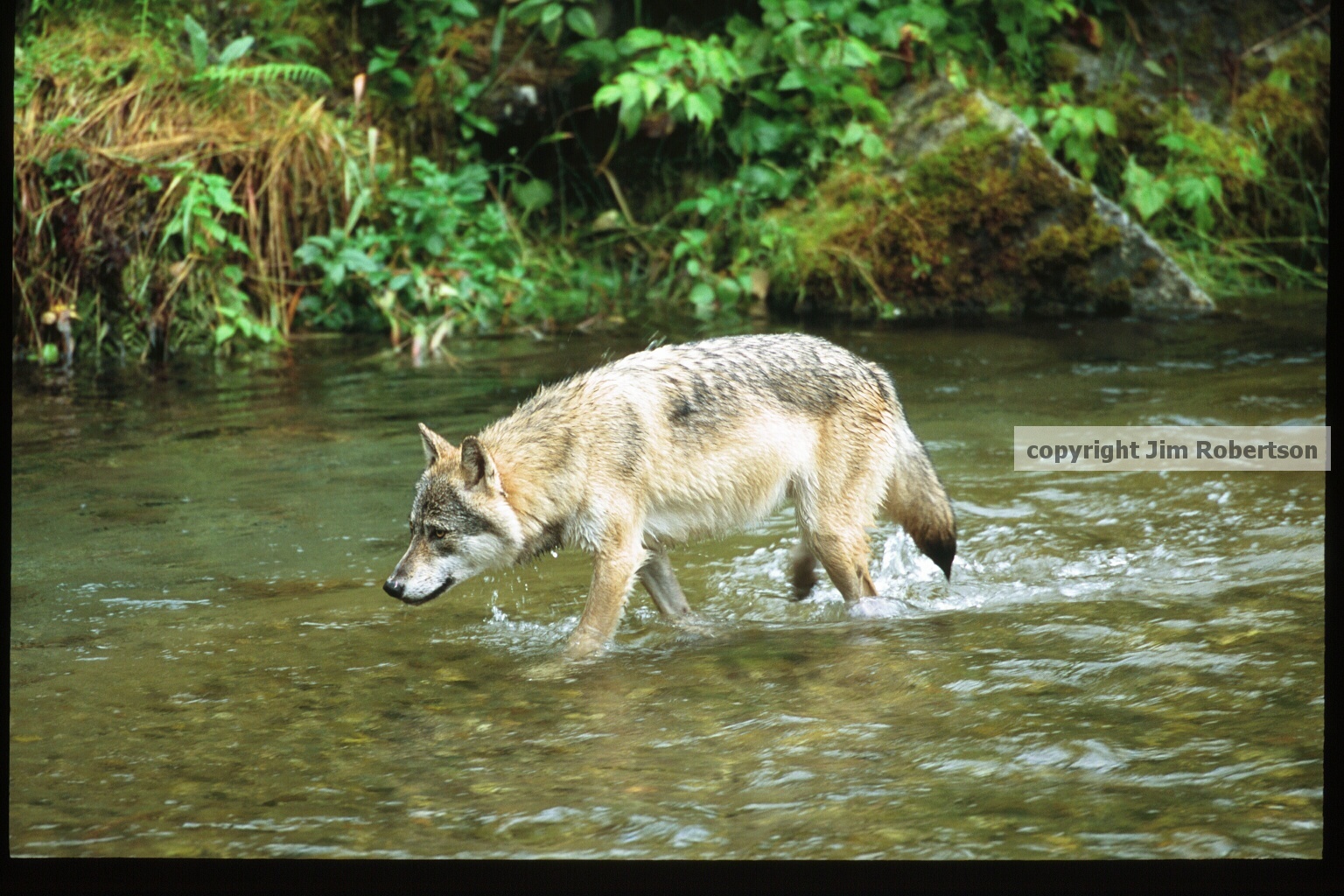
copyrighted wolf in water

Great News!! With Lawsuit Pending, Feds Cancel Idaho Predator-killing Derby

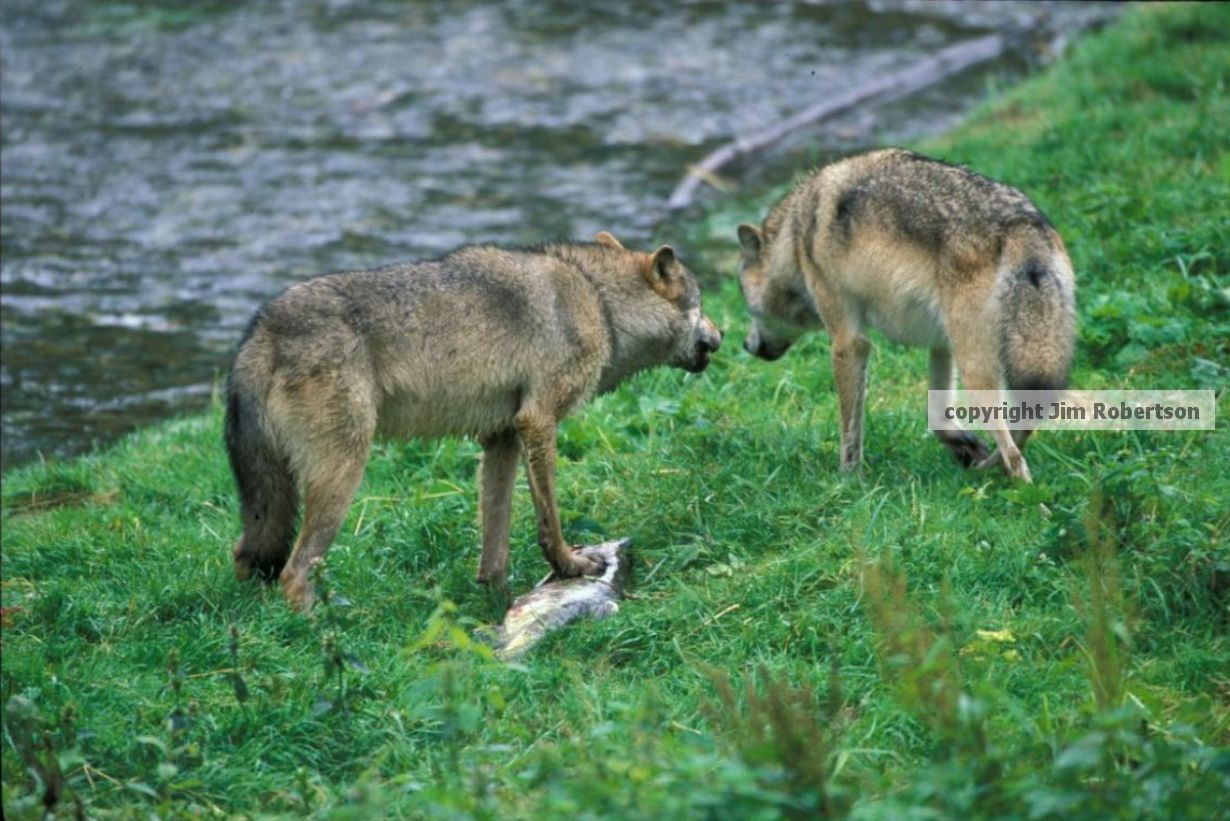
copyrighted wolf argument settled

With Lawsuit Pending, BLM Cancels Idaho Predator-killing Derby Permit

By On November 25, 2014 

BOISE, Idaho —In response to a lawsuit from conservation groups, the Bureau of Land Management has decided to cancel a permit allowing an anti-wolf organization to conduct a “predator derby” on more than 3 million acres of public lands near Salmon, Idaho.

As lawyers for the Center for Biological Diversity, Western Watersheds Project, Project Coyote and Defenders of Wildlife were preparing to file a request to stop this year’s derby on BLM lands, the agency decided to withdraw its decision to allow “Idaho for Wildlife” to conduct a contest to kill the most wolves, coyotes, and other species over three days every year for five years, beginning Jan. 2, 2015.

“We’re so glad that the deadly derby has been canceled this year,” said Amy Atwood, senior attorney at the Center for Biological Diversity, who represents the Center, Western Watersheds Project and Project Coyote. “These sort of ruthless kill-fests have no place in this century. We intend to pursue every available remedy to stop these horrible contests.”

News of BLM’s decision came from an attorney with the U.S. Department of Justice, which is representing the BLM in the groups’ litigation, who conveyed the news just as attorneys for the groups were preparing to file a major brief to stop this year’s hunt.

“BLM’s first-ever approval of a wolf hunting derby on public lands undercuts wolf recovery efforts, so it’s good they cancelled this permit,” said Laird Lucas, director of litigation at Advocates for the West, which represents Defenders of Wildlife.

The hunt would have allowed up to 500 participants compete to kill the largest number of wolves, coyotes and other animals for cash and prizes. Contest organizers are hoping to expand their contest statewide.

“It’s hard to imagine a more objectionable event than an award-laden killing festival,” said Travis Bruner, executive director of Western Watersheds Project. “Let’s all hope that this is the beginning of the end of such activities.”

Wolves were removed from the endangered species list in 2011 following many years of recovery efforts in central and eastern Idaho, where public lands are supposed to provide core refugia in the face of aggressive hunting and trapping in Idaho.

“Killing wildlife for fun and prizes on public lands that belong to all Americans is not only reprehensible, it is also a violation of the Public Trust Doctrine and contravenes Idaho Fish and Game’s policy condemning killing contests as unethical and ecologically unsound,” said Camilla Fox, founder and executive director of Project Coyote. “It is high time the BLM acknowledges that wildlife killing contests are not an acceptable ‘use’ of public lands.”

The Center for Biological Diversity is a national, nonprofit conservation organization with more than 800,000 members and online activists dedicated to the protection of endangered species and wild places.

Western Watersheds Project works to protect and restore public lands and wildlife in the West through education, public policy initiatives and legal advocacy.

Project Coyote is a national non-profit organization promoting compassionate conservation and coexistence between people and wildlife through education, science, and advocacy. Join our community on Facebook and Twitter.

Be Thankful for Hunting Accidents

Text and Wildlife Photography ©Jim Robertson

Text and Wildlife Photography ©Jim Robertson

In response to a favorable comment to a post about a goose hunter who shot his 45 year old son in a hunting accident, one Facebook reader replied:

“I find it disheartening that so many anti-hunters take such psychotic joy in the death of human beings…I find this sort of cheerleading just as bad as the hunters that flaunt their kills. Show some compassion for a change.”

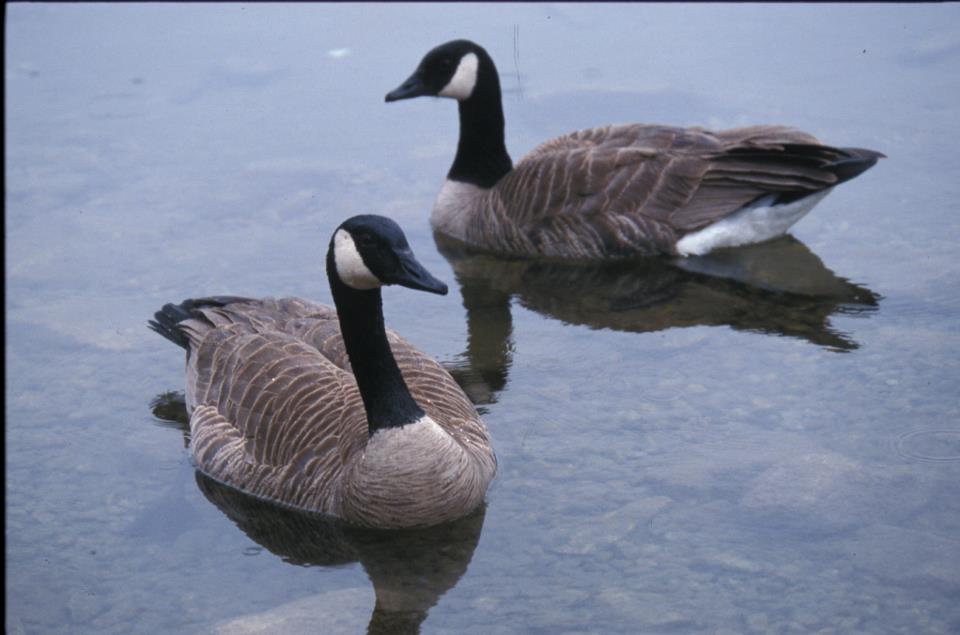
To which I responded, “It’s not that anti-hunters don’t have any compassion; just that their limited supply of it is focused on the original victims (in this case the geese). As police reported about the incident, ‘The two had Canadian Geese decoys spread out in front of their blind…’ Yes, this was a tragedy for the hunters…but they were out there to cause pain, suffering and death for an untold number of geese—a gentle species who care for one another and mate for life. Yesterday afternoon, after the constant blasting of shotguns earlier that day, we saw and heard a lone goose calling mournfully for its lost mate. It is not a game or a sport for the geese—is nothing short of heartbreak.

Hunting accidents are a good way to remind the public about the lethal violence inherent in the “sport” of hunting. To reach the average viewer, the media has to frame everything in the context of how it affects a person. Most people are anthropocentric and have little or no compassion for non-humans. If a human doesn’t get maimed or killed once in a while, people continue to believe the misguided notion that hunting is just a friendly, social hour for traditional family-values proponents; “ethical” conservationists (claiming to be doing the animals a favor by killing them); or worse yet, those fashionable so-called locavore foodies who think of wildlife only as a source of flesh to stuff in their trendy, goateed, hipster gob.

What real harm is there in cheering on the underdog (or deer ordsc_0112 goose or wolf) with remarks like, “What a shame,” “One less hunter out there,” “Another Darwin award,” or “Now he knows what the animals went through.” A mite insensitive, perhaps, but people’s attitudes during wartime can turn rather ugly. And make no mistake; hunting is like war to the animals and those who advocate for them. No doubt the otherwise compassionate Allies cheered as their enemies were eliminated. After all, how much compassion did Hitler and his ilk deserve anyway?

Still, in one way, devoted anti-hunters can be compared to fanatical wolf hunters who won’t be satisfied until they attain their ultimate goal: the total annihilation of their quarry. Yet anti-hunters and other compassionate misanthropists aren’t really planning to march out there and off all hunters. They know that the end of hunting won’t come about merely through  hunting accidents or people violently targeting them. There’s too much pro-hunting propaganda out there and too many hunters breeding mini-Me’s as ready-made hunting partners to one day take over the tradition.

Never mind that folks can get together in the out-of-doors to take a hike, watch birds or photograph wildlife—without taking any lives.

No, hunting isn’t going to end because of a high hunter body count. Not unless those who survive are willing to learn from others’ mistakes and lay down their weapons once and for all.

Now that’s a vision of the future to be thankful for.

DSC_0101

Washington group puts up anti-wolf billboards

http://billingsgazette.com/lifestyles/recreation/washington-group-puts-up-anti-wolf-billboards/article_f734776f-30eb-51f3-80a6-c24f024ff950.html

2014-11-21  Washington group puts up anti-wolf billboardsBy Rich Landers The Spokesman-Review The Billings Gazette

A newly organized anti-wolf group says it’s targeting Spokane with a billboard campaign to highlight members’ concerns about the increasing number of wolves in Washington State.

Four billboards featuring a snarling wolf are being put up, according to Washington Residents Against Wolves, a group that says in a media release that it’s promoting “sound management of the predator.”

“The aim of the billboard campaign is to encourage people to ask more questions about what having wolves in Washington really means,” said Luke Hedquist, WARAW member.

“People need to consider the challenges associated with wolves. Wolves can and will attack people, livestock will be killed and maimed, private property will be compromised and local economies will be impacted. We want to make sure people thoroughly understand the issue, so we started by trying to get people’s attention with the billboards.

“As the elk and other ungulates are impacted by wolves, we will see fewer animals for other predators like cougar and bear, a decline in the number of animals available to hunt and significant impacts to local economies as hunters go elsewhere.”

Minnesota Department of Natural Resources Urged to Stop the Trophy Hunting of Wolves

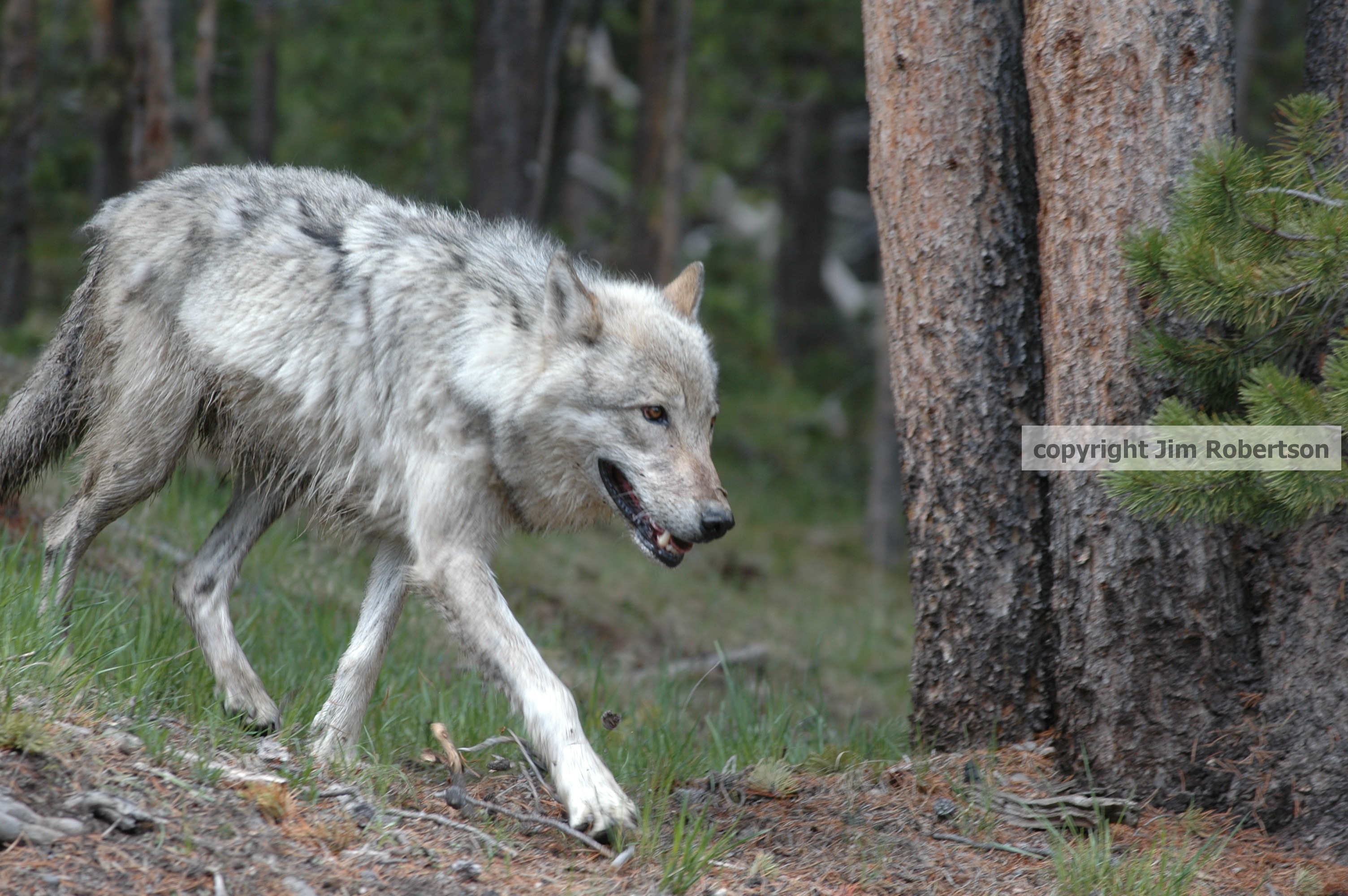
copyrighted wolf in water

http://www.humanesociety.org/news/press_releases/2014/11/mn-trophy-hunt-wolves-111714.html

Nov. 4 vote in nearby Michigan highlights overwhelming opposition to this needless killing

The Minnesota Department of Natural Resources is being urged to stop the trophy hunting of wolves, in the wake of the nation’s first statewide vote on wolf hunting in last week’s election.  In nearby Michigan on Nov. 4, voters overwhelmingly rejected two wolf hunting measures, Proposals 1 and 2, with the “no” side winning by a 10-point margin and a 28-point margin, respectively. On Proposal 2, the “no” side received more than 1.8 million votes, more than any candidate who won statewide office, and prevailed in 69 of Michigan’s 83 counties.

This was the first statewide vote on wolf hunting in any state since wolves were stripped of their federal protections under the Endangered Species Act, and since more than 2,200 wolves were killed across the Great Lakes and Northern Rockies regions over the last two years. The Humane Society of the United States is urging decision makers in Minnesota to pay attention to this vote in Michigan, and see how regular citizens feel about the trophy hunting and trapping of wolves.

The Michigan election results mirror public opinion polling showing that Minnesotans, by huge majorities, appreciate wolves and want them conserved. In 2012, before the first wolf trophy hunting season, the DNR conducted an online survey, and 79 percent of residents opposed wolf hunting and wolf trapping.

Howard Goldman, Minnesota senior state director of The HSUS, said: “Michigan and Minnesota are states with strong hunting and farming traditions, and the resounding votes in Michigan demonstrate that voters think trophy hunting and commercial trapping seasons for wolves are premature and unacceptable.  Nobody eats wolves, and there are already tools that exist to manage problem animals.” I’m confident that Minnesotans would have voted similarly if they had a chance to decide this issue directly.”

Minnesota is home to approximately 2,400 wolves and the DNR set this season’s hunting quota at 250 (30 more individuals than permitted in the last season). In 2013, a total of 602 wolves died, and the numbers of wolf packs have declined from 503 in 2008 to 470 in 2014 – a loss of 33 entire packs of wolves. Biologists warn that hunting this iconic species—even at low levels—harms not only the animals but also pack dynamics.   When fellow pack members are killed, wolf packs can disband, leading to starvation of the pack’s youngest members.

Wolves keep deer and other ungulate herds healthy and scientific studies show that because of wolf predation, both plant and animal communities become far more diverse. The Minnesota DNR’s own data show that wolves prey on miniscule numbers of livestock.

Goldman continued: “We want state lawmakers and the Minnesota DNR to take heed of the overwhelming votes in Michigan. Most voters want wolves and their packs protected from needless killing, and they recognize wolves bring economic and ecological benefits to the state.”

Minnesota permits cruel and unsporting trophy hunting methods to kill wolves, including trapping the animals with leghold traps and neck snares. The state also allows hunters to lure in wolves using electronic calls and bait.


Media Contact: Kaitlin Sanderson